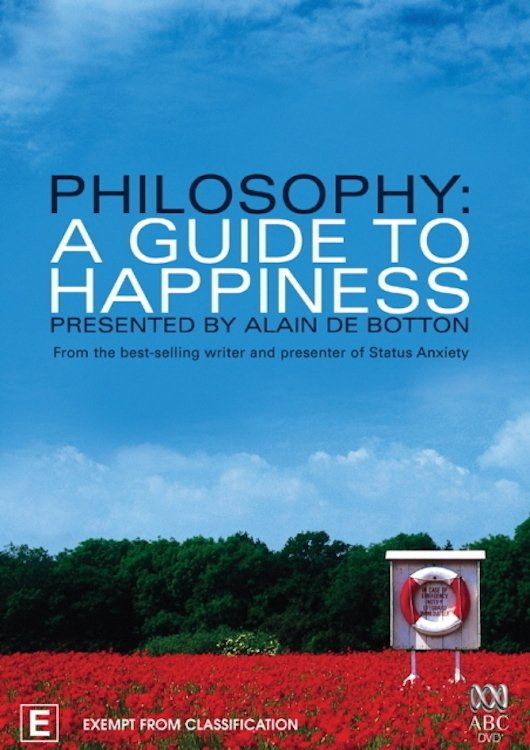
Alain de Botton's psychobabble-free self-help course for the philosophically minded.
Social & External
Himself
Horizon tells amazing science stories, unravels mysteries and reveals worlds you've never seen before.
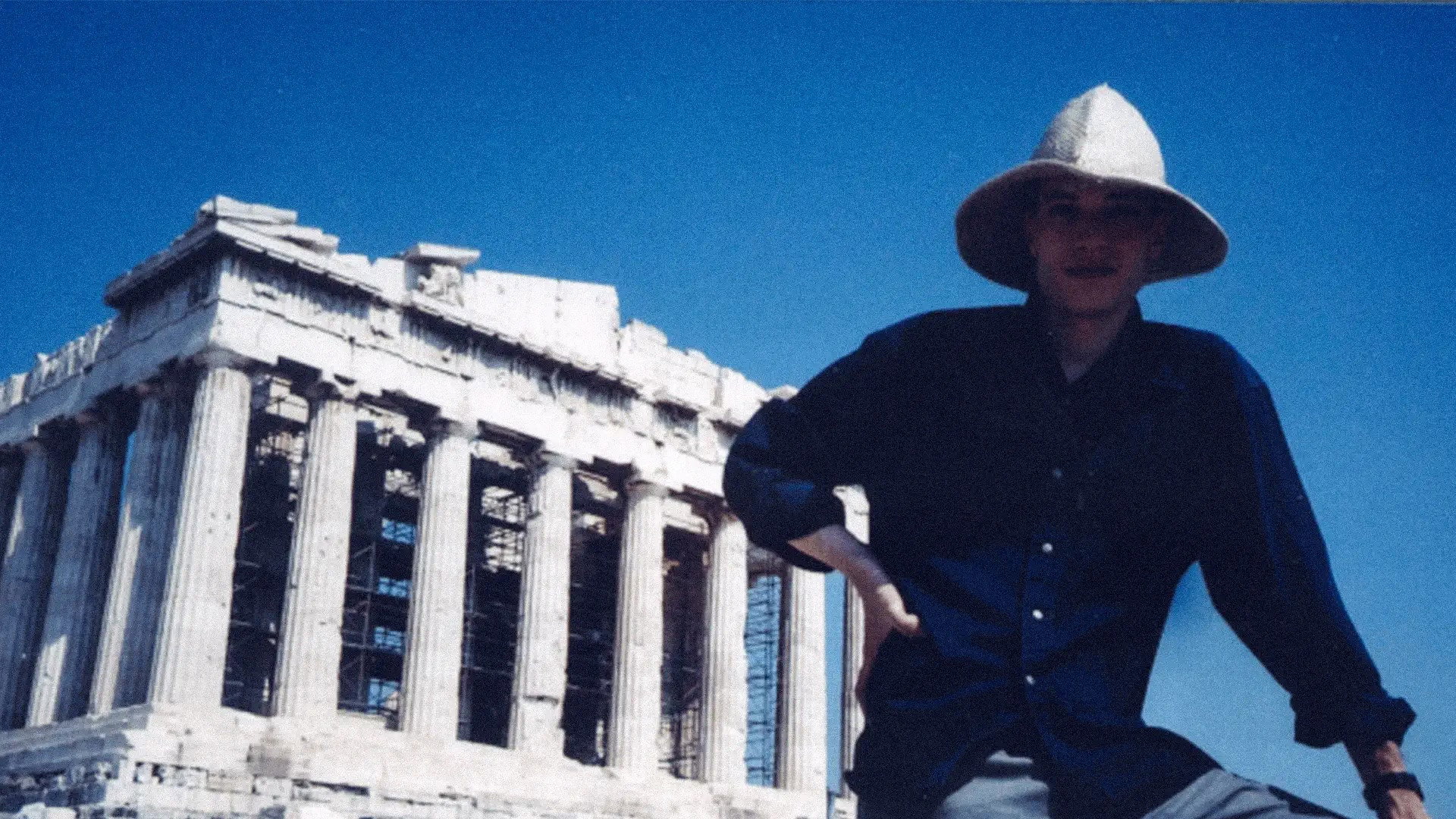
A 13-part documentary series by Chris Marker examining how ancient Greek ideas continue to shape modern Western thought. Each episode centers on a single Greek word—such as “democracy,” “philosophy,” or “mythology”—through conversations filmed in cities around the world. Combining symposium-style discussions with archival footage and visual motifs of the owl, Marker creates an expansive reflection on the enduring legacy of Greece.
Stefan Molyneux, host of Freedomain Radio, travels to California to explore all of the political, economic, moral and demographic complexities of the Golden State. What he learned astounded him—what he shows you will shock you…
Asking how you tell what's real and what isn't sounds like an obvious question. But in this series of six programmes, James Burke shows that the more you think about it the harder it is to answer. After all, what have you got, apart from your five senses, to prove those senses are giving you the real thing?
What would we be without mucus? Can we live on water? How much does life weigh? Finding out the answers is the aim of ARTE's new science show. In a nod to Douglas Adams's "Hitchhiker's Guide to the Galaxy", where the figure 42 is the ultimate answer to all questions, 42 tries to provide the answers.
An epic adventure that aims to unravel the mystery at the heart of our existence: the questions of our identity and our destiny. The series features some of the world’s most baffling real life stories and exciting findings in the fields of consciousness studies, near-death experiences and past-life memories. Adventurous researchers following the evidence where it leads them have discovered that the lines of evidence converge to a conclusion that is refreshingly new – yet perennially known.
David Malone’s 3-part series takes a fresh look at how the universe was formed, from a scientific and theological point of view. TESTING GOD re-examines the relationship between science and religion and asks: is science’s claim to victory premature?
A journey that tells the thought of the greatest protagonists of Western philosophy, from its origins to the great thinkers of the twentieth century, through the story of great contemporary philosophers.
Once a poster boy for poor health, Ethan Payne (aka Behzinga) has turned his life around. His biggest challenge yet, the London Marathon, has been cancelled- so what will he do next?
Polish-Flemish philosopher Alicja Gescinska interviews national and international personalities with diverse philosophical and religious backgrounds.
In the fourth and fifth centuries, B.C., the Greeks built an empire that stretched across the Mediterranean from Asia to Spain. They laid the foundation of modern science, politics, warfare and philosophy, and produced some of the most breathtaking art and architecture the world has ever seen. It was perhaps the most spectacular flourishing of imagination and achievement in recorded history.
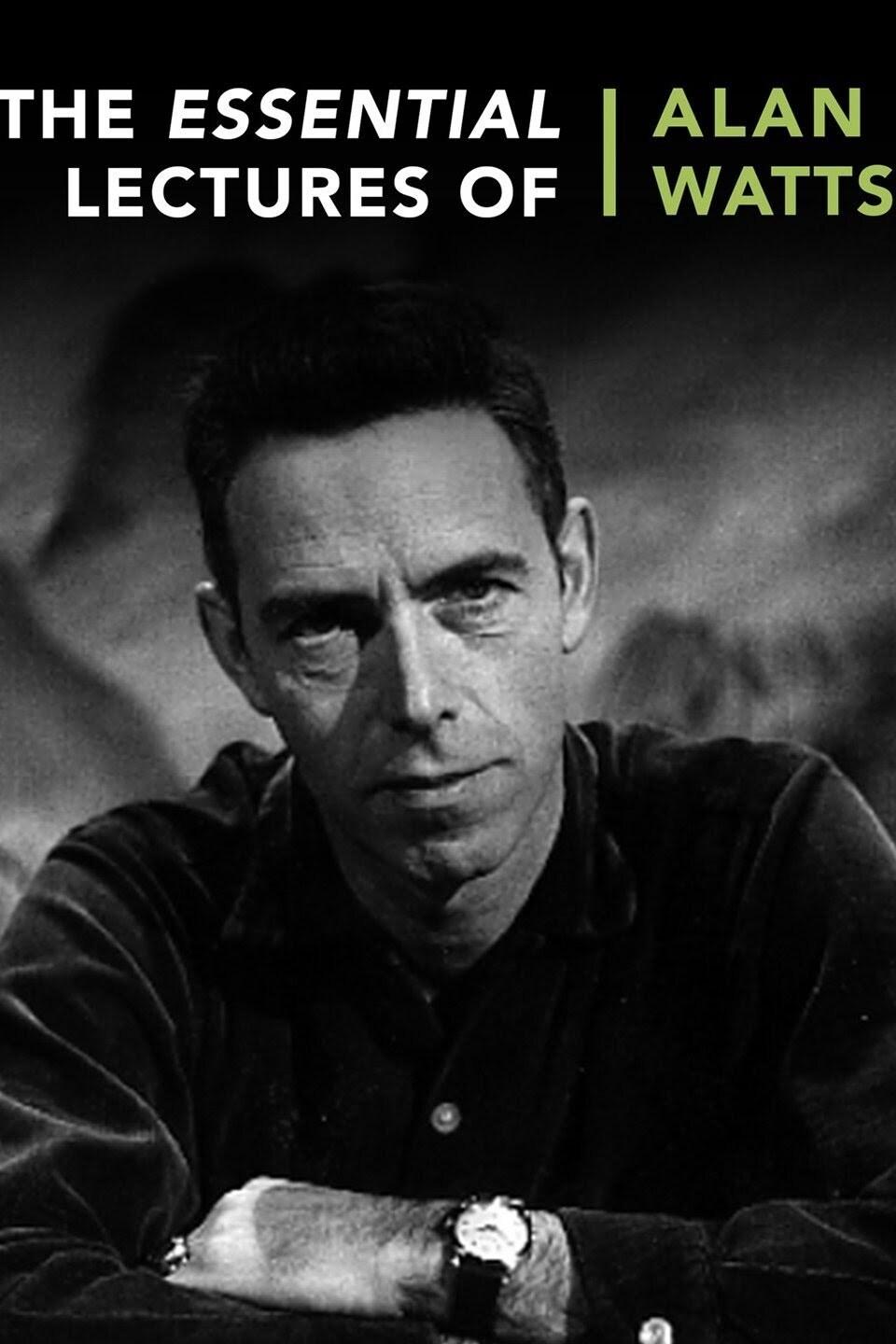
The Essential Lectures of Alan Watts video series was recorded in 1971 above Muir Woods, California, and in 1972 aboard the ferryboat the SS Vallejo in Sausalito. Produced by his son Mark and directed by long-time archivist Henry Jacobs, the series explores core philosophical themes that spawned over Watts' career.
In Aristotle: From Logic to Life, an eight-hour course, Dr. Orr explores Aristotle's comprehensive philosophical system, tracing his life, empirical methodology, and key contributions to logic, metaphysics, ethics, politics, and poetics. We examine his theories of substance, causation, virtue ethics, eudaimonia (human thriving), political life, and his analysis of tragedy and catharsis. The course follows his impact from medieval rediscovery and tensions with monotheism to contemporary revivals, showing why Aristotle remains a vital guide for modern philosophy.
In Ancient Philosophy, a seven-hour course, Dr. Orr takes us on an exploration of the rich history of ancient Greek thought, beginning with the foundational ideas of the Ionian and Eleatic schools and voyaging through the transformative philosophies of Plato and Aristotle. The course also examines the emergence of Stoicism and Epicureanism during the Hellenistic period, emphasizing their distinct approaches to ethics, nature, and the human condition. Throughout the course, we trace the evolution of pivotal concepts in metaphysics, epistemology, and ethics that have shaped Western thought for millennia, underscoring the enduring relevance and transformative power of ancient Greek philosophy in modern times.
In God, The Bible & Humanity, a five-hour course, Bishop Robert Barron explores the nature of God, the biblical narrative, and the life and teachings of Jesus Christ through the lens of Catholic theology. Drawing from the Old and New Testaments, he examines themes such as God's transcendence and immanence, the importance of right worship, spiritual liberation, and the roles of priest, prophet, and king. The course culminates in a profound reflection on the Sermon on the Mount and the transformative power of the crucifixion and resurrection of Jesus.
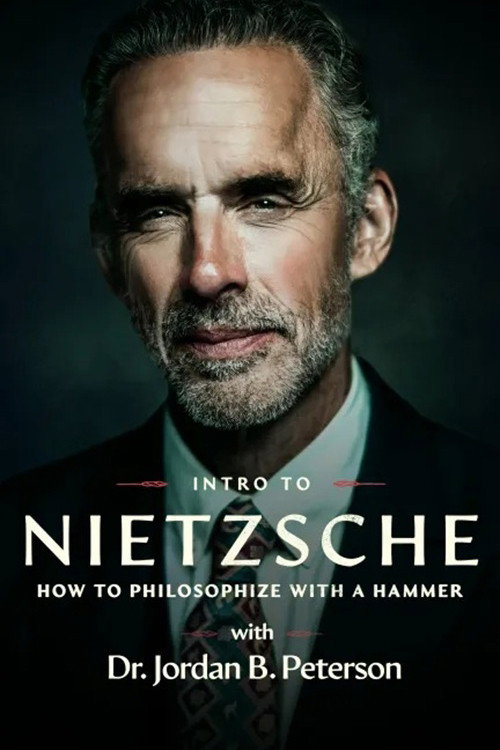
In Introduction to Nietzsche, an eight-hour course, Dr. Peterson embarks on a deep exploration of the life, philosophy, and enduring influence of Friedrich Nietzsche. Set against the backdrop of the late 19th century, we examine how Nietzsche's ideas challenged traditional moral and philosophical foundations, paving the way for new perspectives on the human condition. The course delves into key concepts such as the will to power, the critique of truth and morality, and the affirmation of life in the face of nihilism, while also exploring Nietzsche's complex relationship with religion, academia, and the works of other thinkers. Ultimately, we are invited to confront uncomfortable realities, embrace necessary struggles, and cultivate the courage and gratitude needed to realize our full potential.
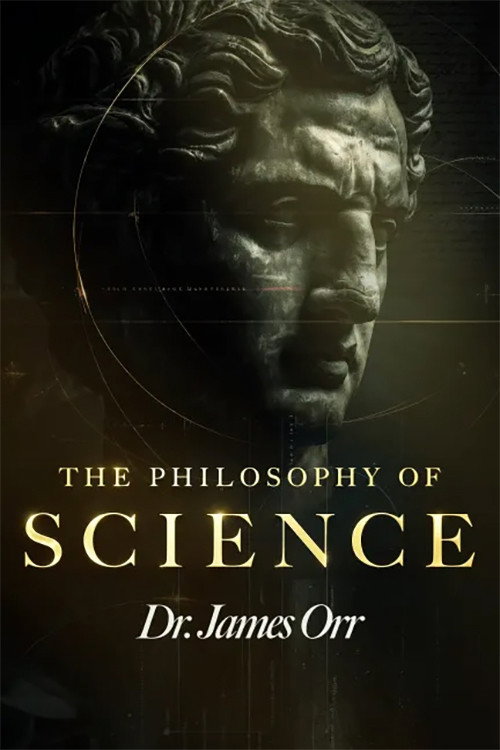
In The Philosophy of Science, an eight-hour course, Dr. James Orr traces the development of science from ancient Greece through the Scientific Revolution to today. He examines how theological, institutional, and philosophical forces shaped science, while tackling key issues like the demarcation problem of science versus pseudoscience, Hume’s problem of induction, Kuhn’s theory of paradigm shifts, and the realism debate. The course also engages fascinating unresolved questions raised by cosmology, neuroscience, and quantum mechanics, ultimately arguing that scientific progress does not eliminate philosophical inquiry but rather deepens it, revealing new mysteries that demand philosophical analysis.
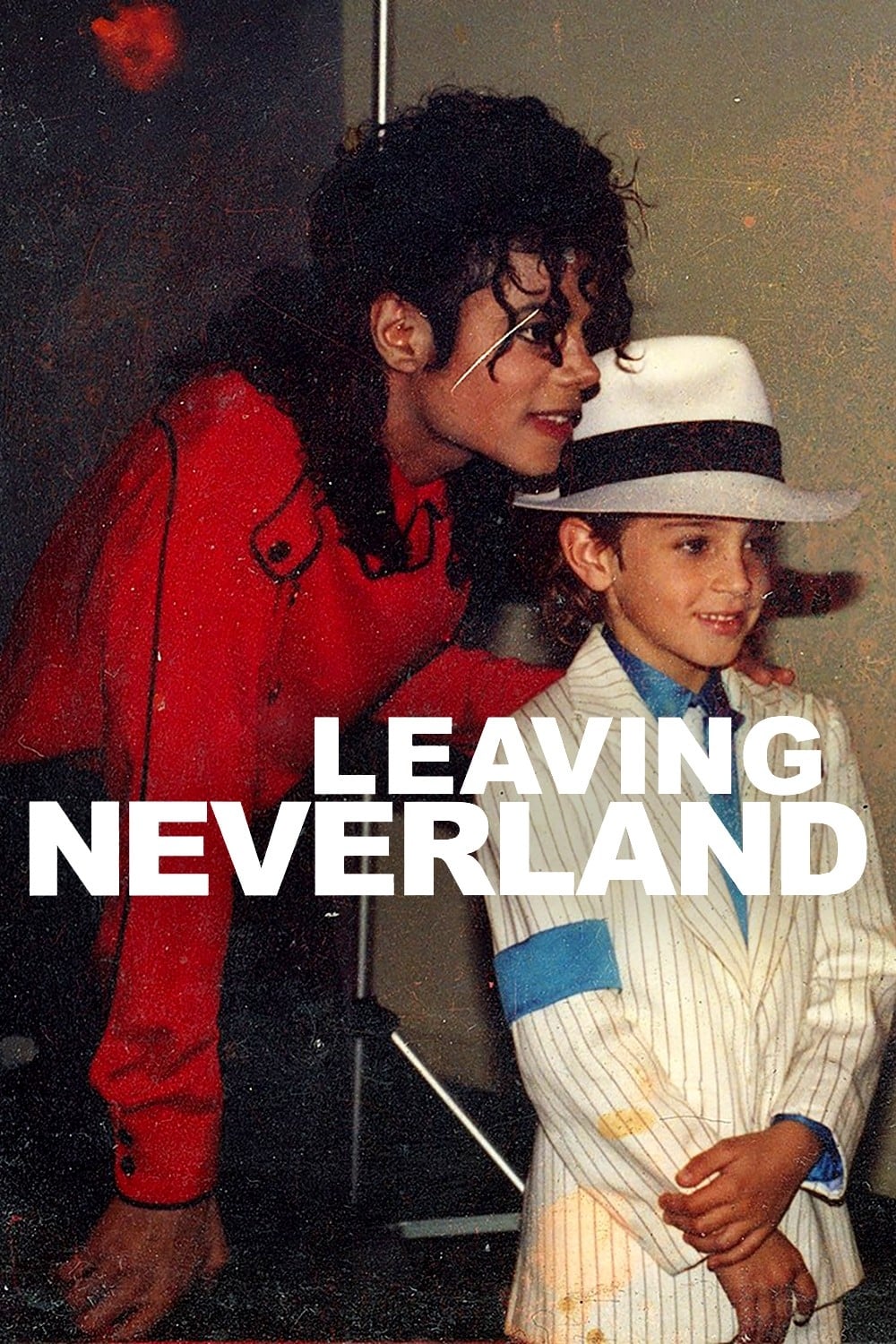
Explores the experiences of James Safechuck and Wade Robson, who were both befriended and sexually abused by singer Michael Jackson, and the complicated feelings that led them both to confront their experiences.
An insider's look at the engineering and scientific miracles behind the things that form the modern world.
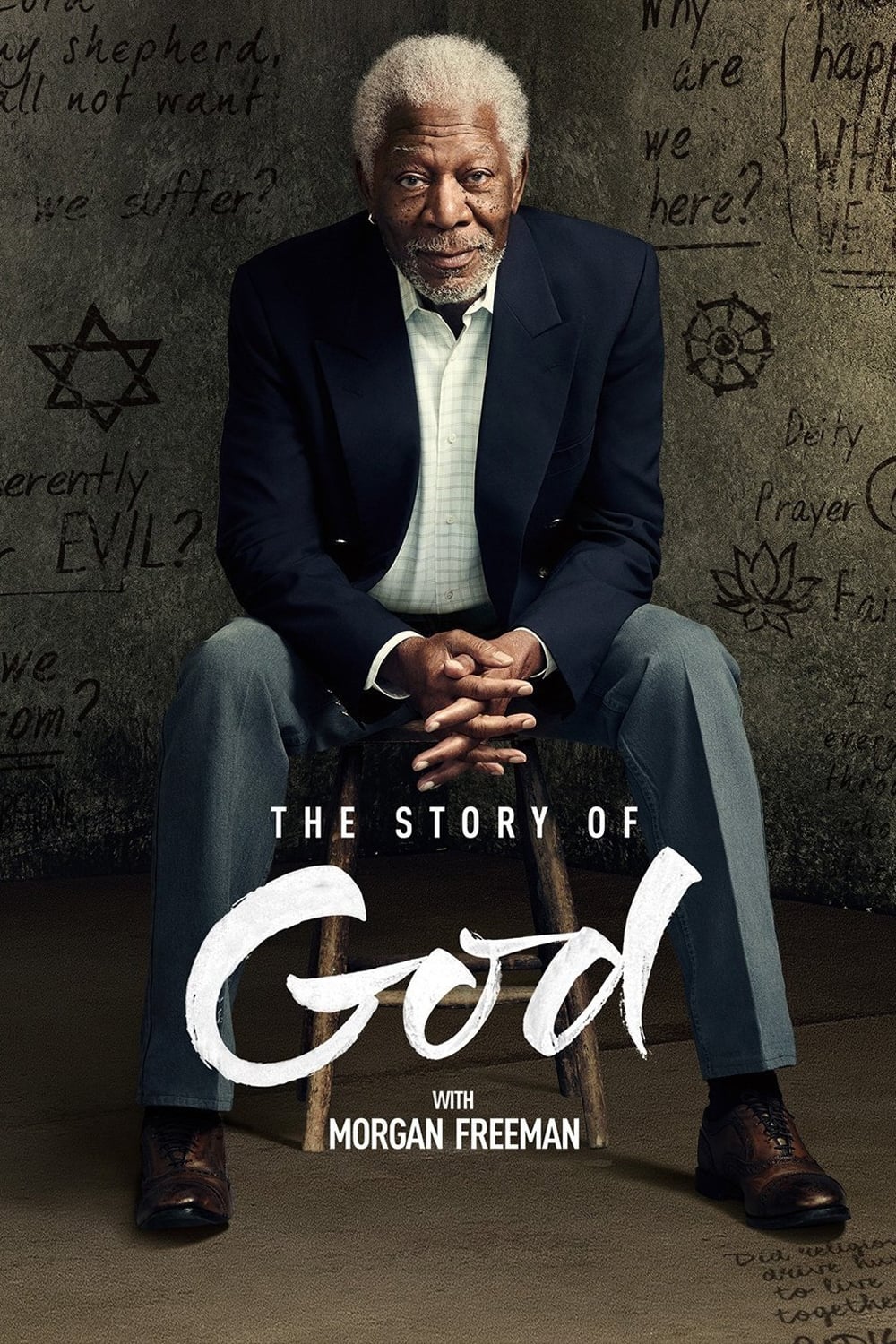
Morgan Freeman presents his quest in order to find how most religions perceive life after death, what different civilizations thought about the act of creation and other big questions that mankind has continuously asked.
British television series which features unusual and often elaborate architectural homebuilding projects.
Have you ever wondered how the products you use every day are made? How It's Made leads you through the process of how everyday products, such as apple juice, skateboards, engines, contact lenses, and many more objects are manufactured.
Through the prism of Jeff Goldblum's always inquisitive and highly entertaining mind, nothing is as it seems. Each episode is centered around something we all love — like sneakers or ice cream — as Jeff pulls the thread on these deceptively familiar objects and unravels a wonderful world of astonishing connections, fascinating science and history, amazing people, and a whole lot of surprising big ideas and insights.
Biography is a documentary television series. It was originally a half-hour filmed series produced for CBS by David Wolper from 1961 to 1964 and hosted by Mike Wallace. The A&E Network later re-ran it and has produced new episodes since 1987. The older version featured historical figures such as Helen Keller and Mark Twain, or long-dead entertainment figures such as Will Rogers or John Barrymore. The A&E series has placed the emphasis on such people as Marilyn Monroe, Elvis Presley, Plácido Domingo, Freddie Mercury, Jacqueline Kennedy Onassis, Eric Clapton, Pope John Paul II, Gene Tierney, Selena, Diego Rivera, Mao Zedong and Queen Elizabeth II, and fictional characters like The Phantom, Superman, Hamlet, Betty Boop, and Santa Claus. The program ended up profiling enough figures that in 1999, A&E spun it off into an entire network, The Biography Channel.
The history of the sport of baseball in America, told through archival photos, film footage, and the words of those who contributed to the game in each era. Writers, historians, players, baseball personnel, and fans review key events and the significance of the game in America's history.
PBS' premier science series helps viewers of all ages explore the science behind the headlines. Along the way, NOVA demystifies science and technology, and highlights the people involved in scientific pursuits.
Explore Marvel’s rich legacy of pioneering characters, creators and storytelling to reflect the world outside your window. Each documentary, helmed by a unique filmmaker, showcases the intersections of storytelling, pop culture, and fandom within the Marvel Universe.
Doctor Who Confidential is a documentary to complement the revival of the long-running British science fiction television series Doctor Who. Each episode was broadcast on BBC Three on Saturdays, immediately after the broadcast of the weekly television episode on BBC One. The running time of the first two series was 30 minutes, being extended to 45 minutes in the third. BBC Three also broadcast a cut-down edition of the programme, lasting 15 minutes, shown after the repeats on Sundays and Fridays and after the weekday evening repeats of earlier seasons.
From the locker room to the pitch, this docuseries offers exclusive access to all 32 teams as they fight for football glory in the 2022 FIFA World Cup.
Will Smith whose curiosity and wonder is positively infectious—is guided by National Geographic Explorers traveling to different corners of the world to get up close and personal with the weirdest, most unusual, dangerous and thrilling spectacles of the planet.
Award-winning actor and nervous explorer Eugene Levy steps out of his comfort zone for a whirlwind tour of the world's most beautiful and intriguing destinations.
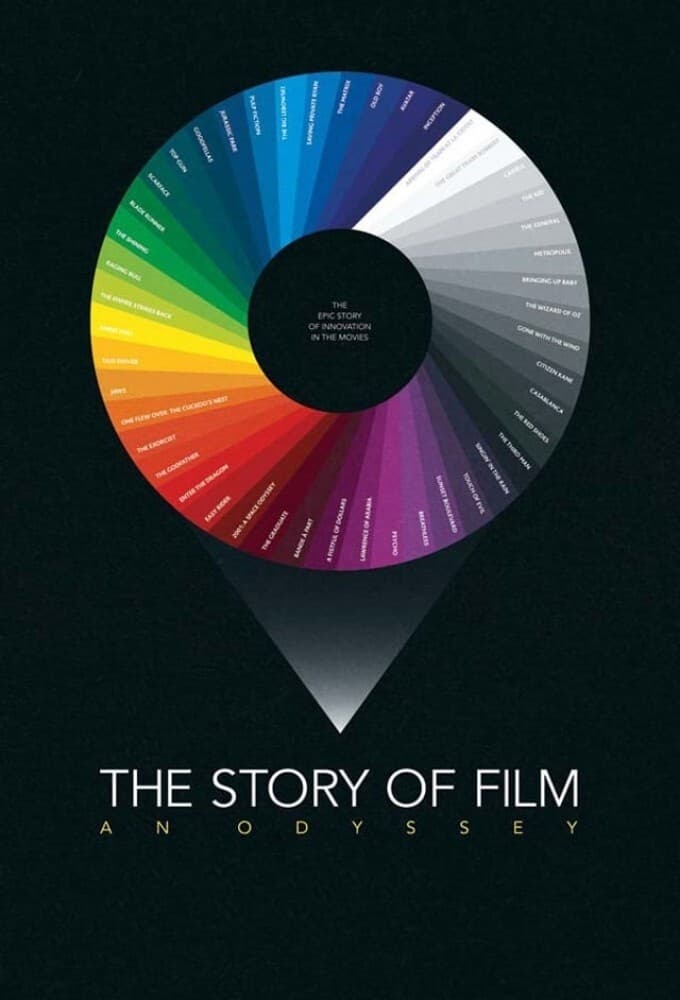
A worldwide guided tour of the greatest movies ever made and the story of international cinema through the history of cinematic innovation.
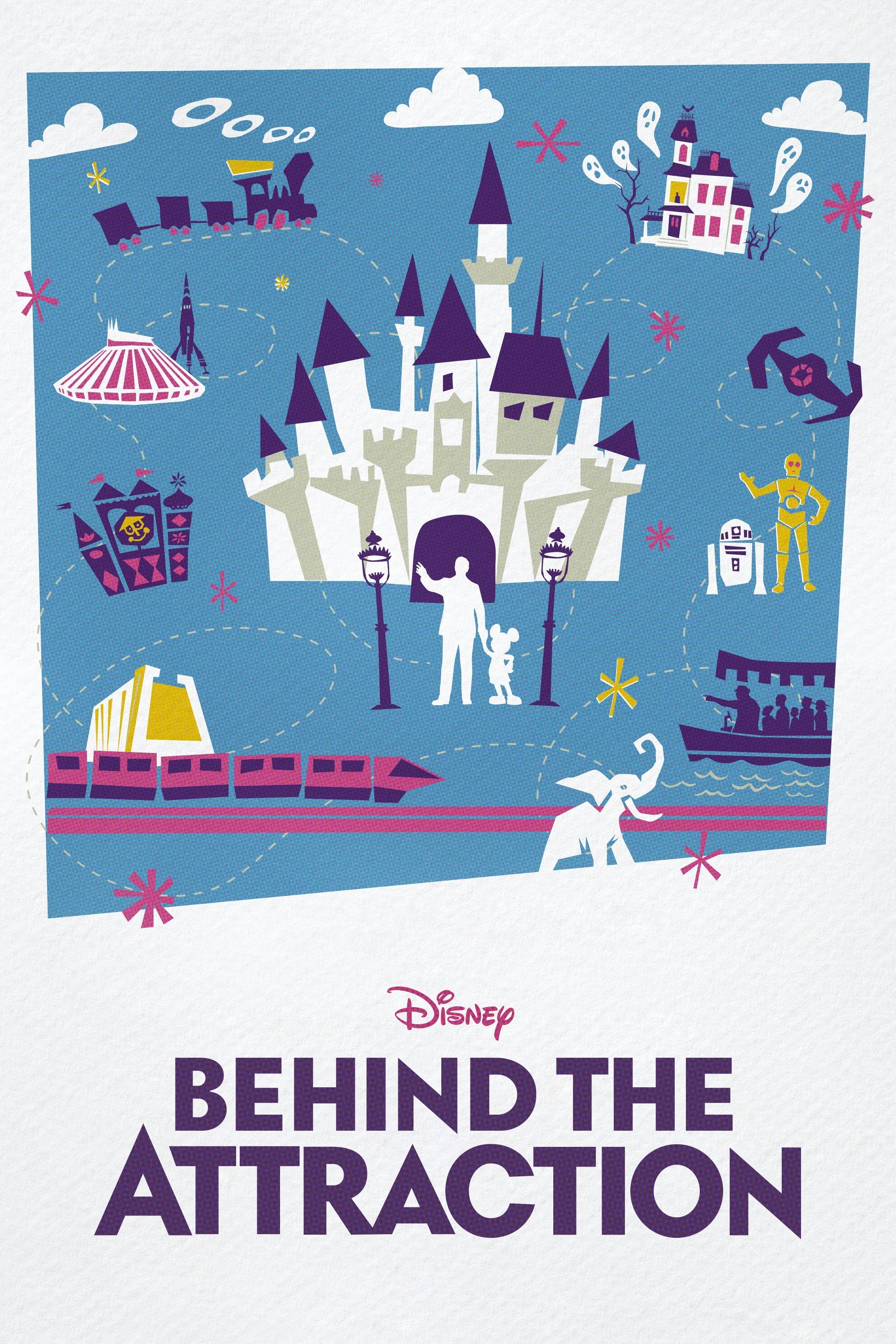
Learn how popular Disney attractions and destinations came to be, how they have changed over time, and how fans continue to obsess over them.
Natural World is a nature documentary television series broadcast annually on BBC Two and regarded by the BBC as its flagship natural history brand. It is currently the longest-running series in its genre on British television, with more than 400 episodes broadcast since its inception in 1983. Natural World is produced by the BBC Natural History Unit in Bristol, but individual programmes can be in-house productions, collaborative productions with other broadcasters or films made and distributed by independent production companies and purchased by the BBC. Natural World programmes are often broadcast as PBS Nature episodes in the USA. Since 2008, most Natural World programmes have been shot and broadcast in high definition.
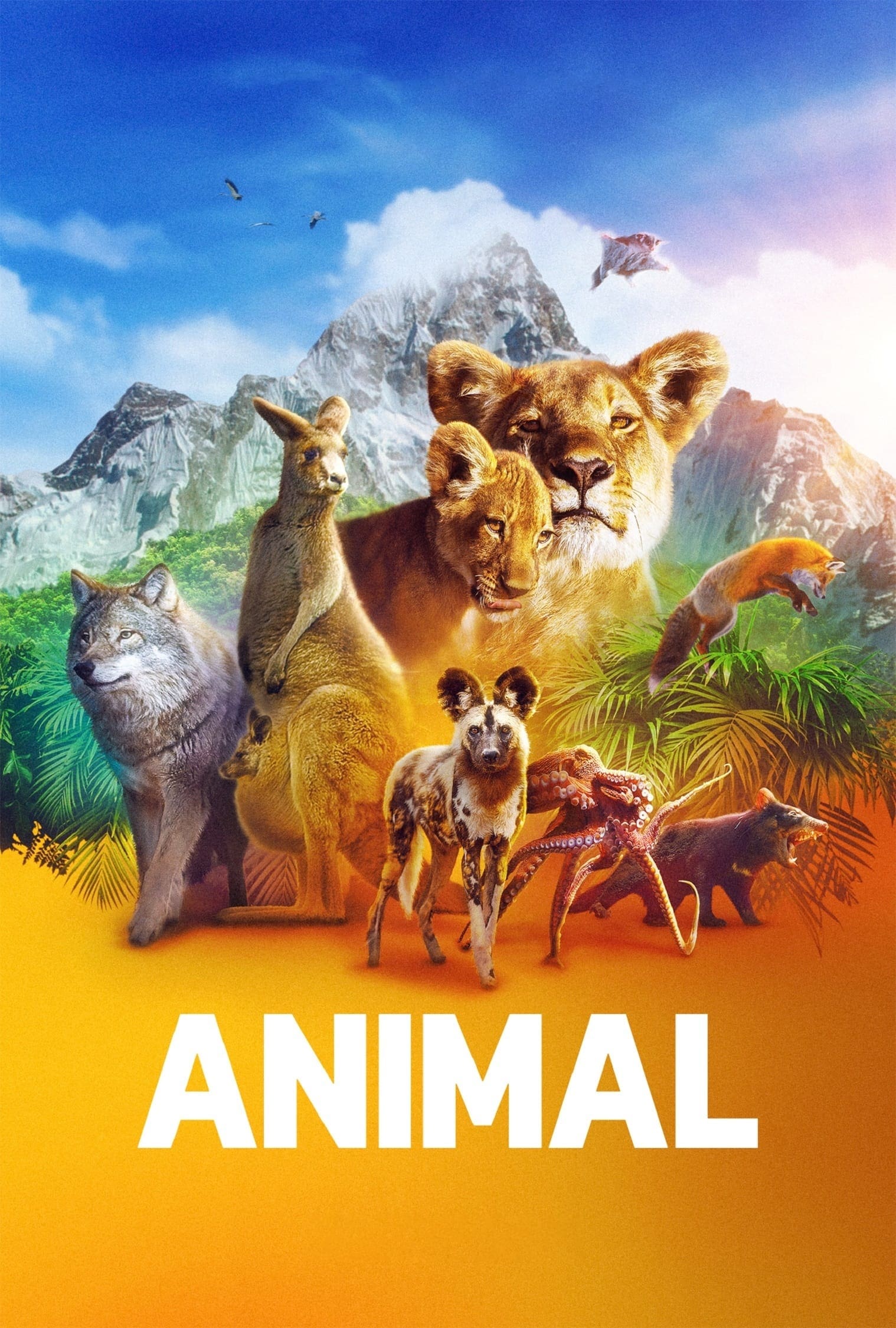
This immersive series follows the world's most magnificent creatures, capturing never-before-seen moments from the heartwarming to the outrageous.
Seconds from Disaster is a US/UK-produced documentary television programme that investigates historically relevant man-made and natural disasters of the 20th century. Each episode aims to explain a single incidental by analyzing the causes and circumstances that ultimately effected the disaster. The program uses re-enactments, interviews, testimonies, and CGI to analyze the sequence of events second-by-second for the audience. Narrators for the show are Ashton Smith, Richard Vaughan and Peter Guinness.