Social & External
Narrator
as Self
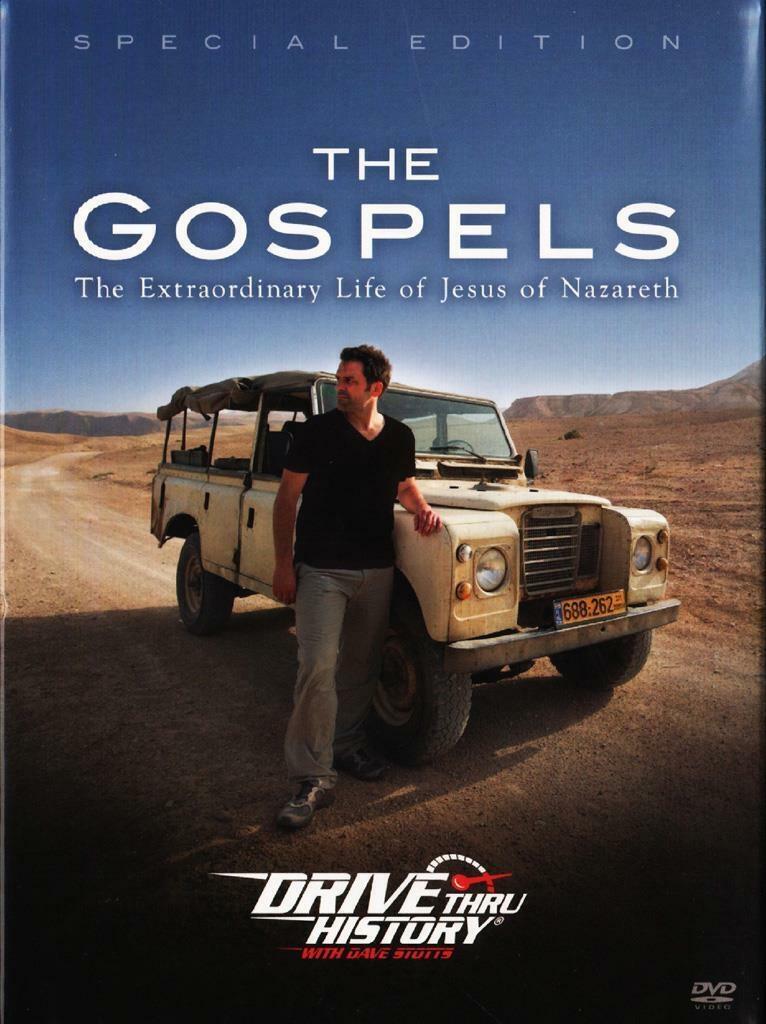
The story of Jesus from the locations recorded in Matthew, Mark, Luke, and John. Dave travels to over 50 sites in Israel to deliver the Gospels in a fresh way, show the evidence for the truth of scripture, and encourage families to get excited about reading the Bible again.
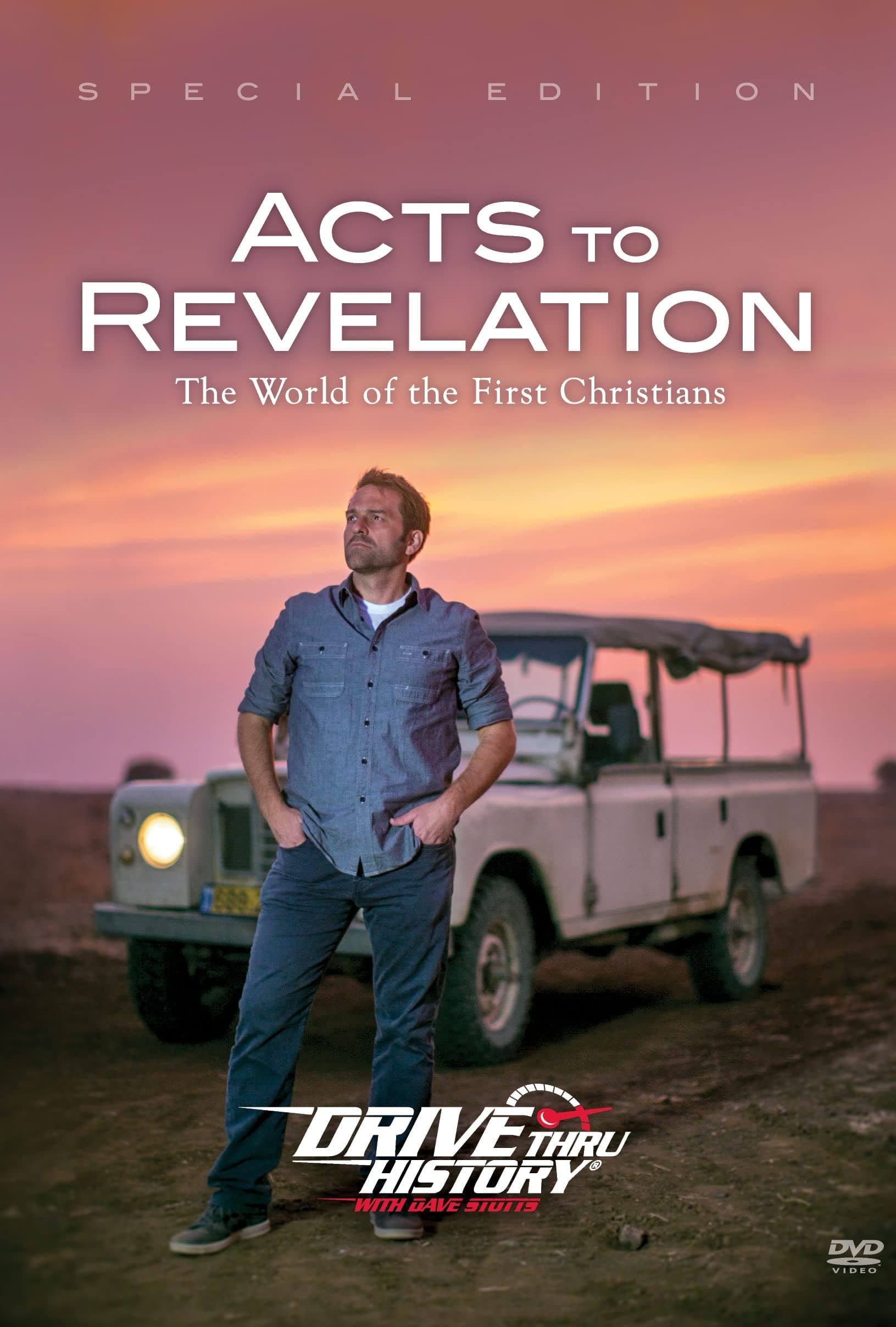
Dave Stotts explores the amazing lives of the very first Christians. Beginning in Jerusalem and using the Book of Acts as a roadmap, Dave travels the Mediterranean region to share the people, places, and events that launched the Christian faith.
From the Patriarchs of the Old Testament to the events in Jerusalem during the life of Christ, Dave travel on a visually exciting journey through the land of the Bible.
Join Dave Stotts on an adventure through early American history as he tells the stories of the people, places, and events that shaped the founding of the United States of America. Dave travels to five countries in Europe and most of the original 13 colonies, tell stories of faith and freedom, inspiring families with a renewed appreciation for the heritage of our country.
Join Dave Stotts on an adventure through world history as he tells the stories of the people, places, and events that shaped the ancient world, and how those ancient civilizations and the Christian faith shaped Western Civilization and the world we live in today.
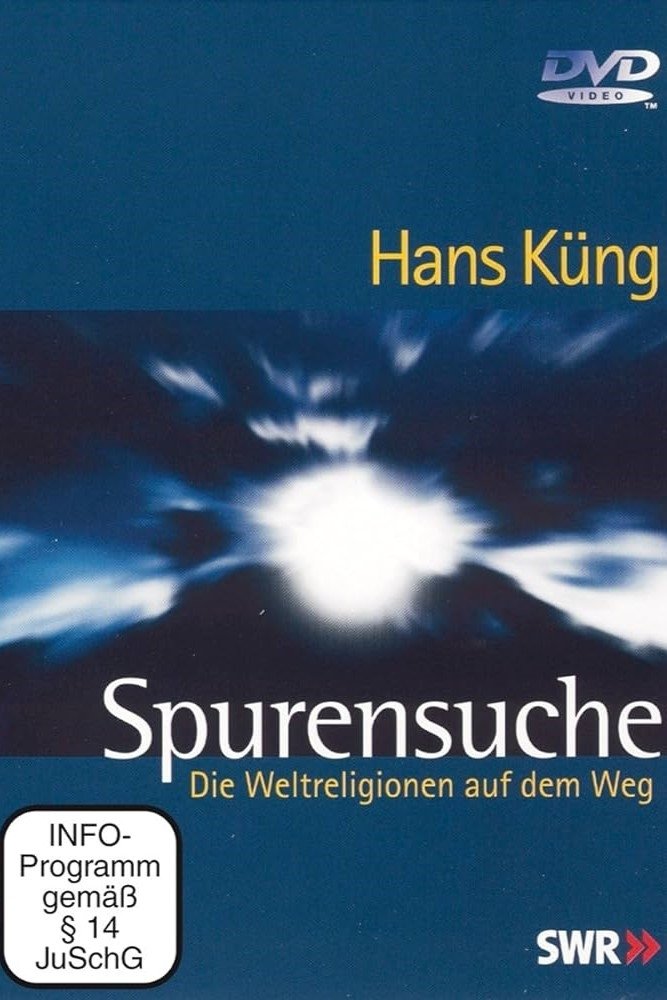
Theologian Hans Küng explains and explores religions around the world, where they originated, and what defines them.
Jonathan Phillips attempts to find the answer to the question: How did Christianity grow and develop from just a small, Jewish sect to the largest, and majority, dominant religion of the West?
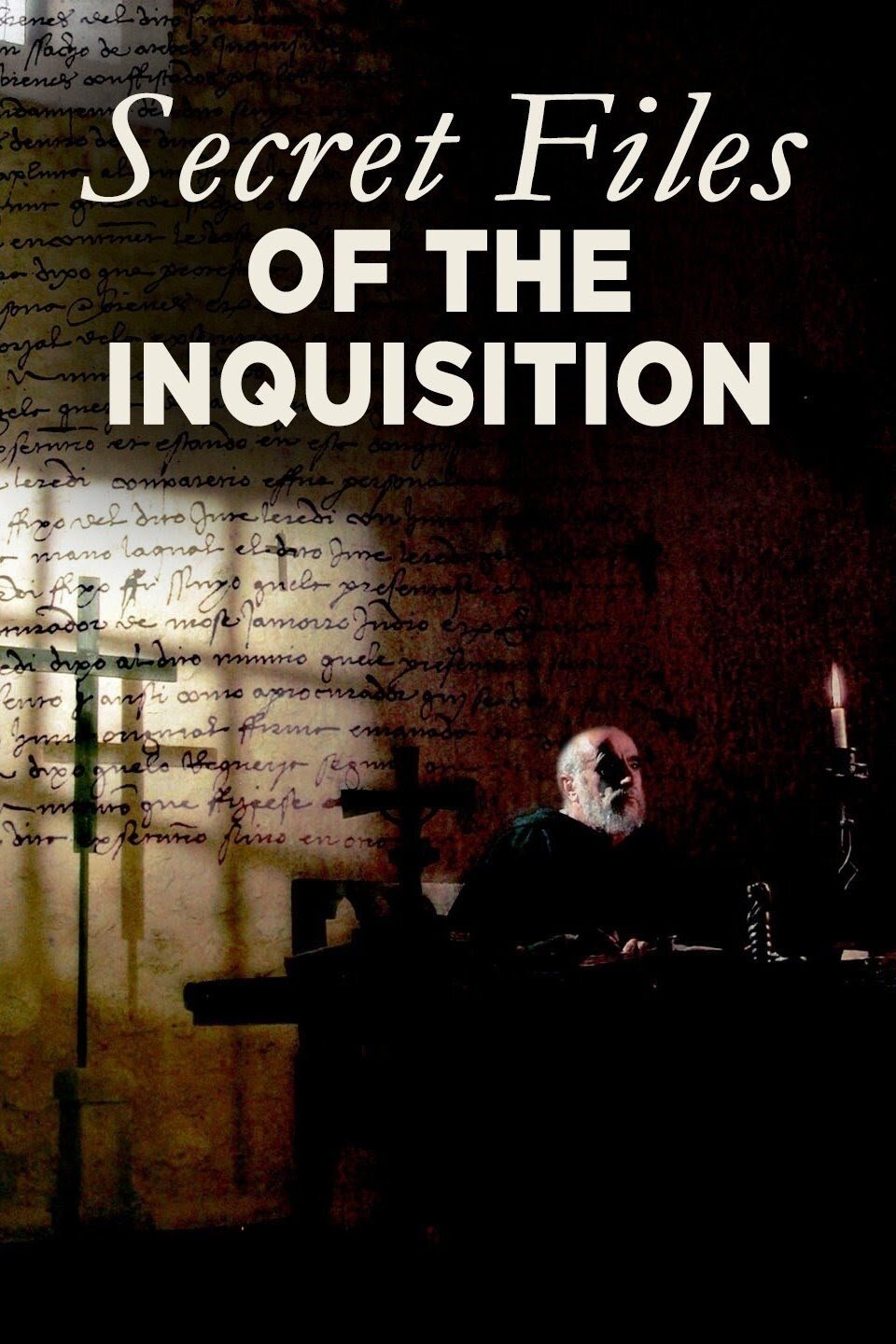
A four-part history of the Inquisition, a 500-year campaign against heretics by the Roman Catholic Church initiated by Pope Gregory IX. The series benefits from the 1998 release of secret Vatican files.
Services from six of the UK's major faiths.
An educational series that explains everyday objects and makes complex science accessible through experiments and playful explanations. It shows how discoveries like waves enabled the smartphone, and explores radioactivity, dark energy, and blood circulation, featuring Curie, Röntgen, Newton, and Einstein, showing science is understandable and engaging.
For the first time, in breathtaking and high-definition cinematography, the truth, goodness, and beauty of Catholicism are illustrated in a multimedia experience. Journey with Fr. Robert Barron to more than 50 locations throughout 16 countries. Be illuminated by the spiritual and artistic treasures of this global culture that claims more than one billion of the earth's people. Learn what Catholics believe and why. Discover the full meaning of the faith.
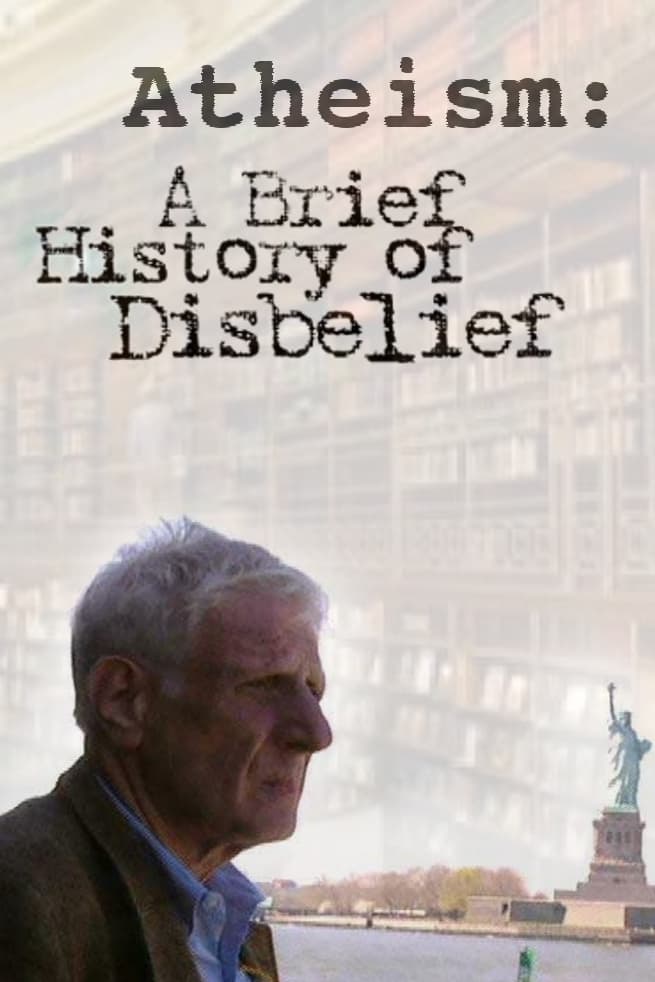
Atheism: A Rough History of Disbelief – known in the United States as A Brief History of Disbelief – is a 2004 television documentary series written and presented by Jonathan Miller for the BBC and tracing the history of atheism.
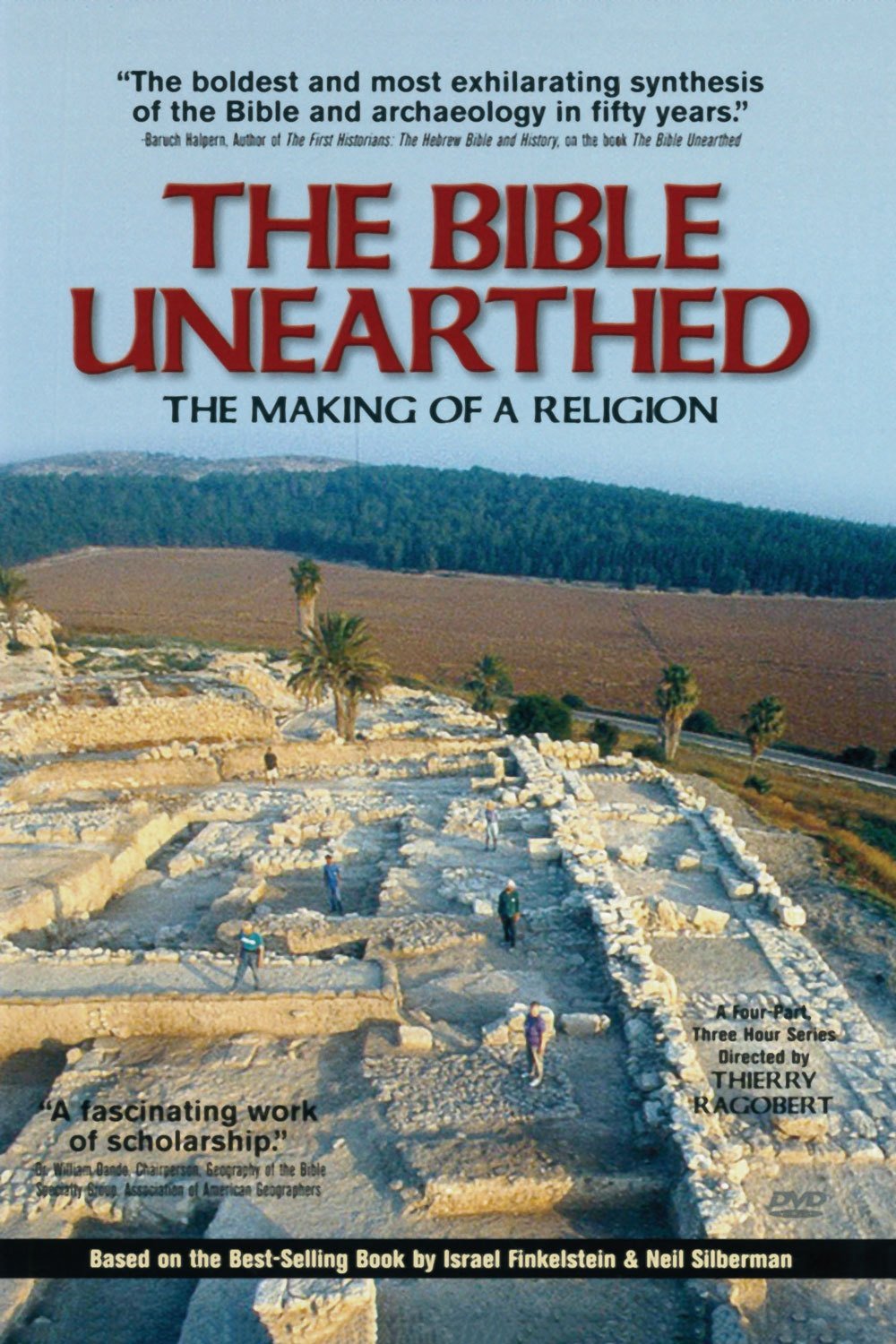
The Bible is both a religious and historical work, but how much is myth and how much is history?
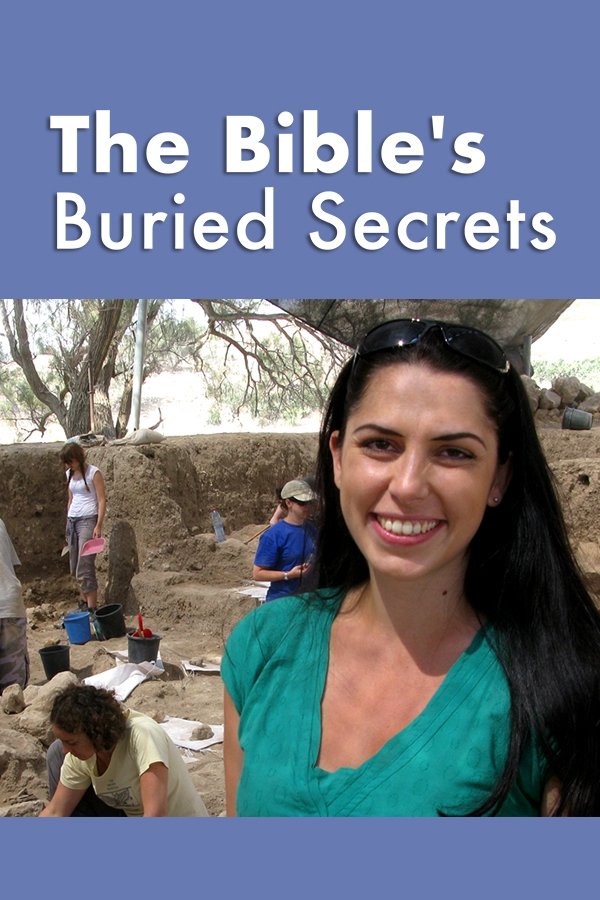
Dr Francesca Stavrakopoulou examines how archaeological discoveries are changing the way people interpret stories from the Bible.
Vetenskapens värld is a popular science TV documentary program broadcast on Swedish Television (SVT).
Morgan Freeman presents his quest in order to find how most religions perceive life after death, what different civilizations thought about the act of creation and other big questions that mankind has continuously asked.
Infographics and archival footage deliver bite-size history lessons on scientific breakthroughs, social movements and world-changing discoveries.
American Masters is a PBS television series which produces biographies on enduring writers, musicians, visual and performing artists, dramatists, filmmakers, and others who have left an indelible impression on the cultural landscape of the United States.
Through the prism of Jeff Goldblum's always inquisitive and highly entertaining mind, nothing is as it seems. Each episode is centered around something we all love — like sneakers or ice cream — as Jeff pulls the thread on these deceptively familiar objects and unravels a wonderful world of astonishing connections, fascinating science and history, amazing people, and a whole lot of surprising big ideas and insights.
PBS' premier science series helps viewers of all ages explore the science behind the headlines. Along the way, NOVA demystifies science and technology, and highlights the people involved in scientific pursuits.
Sir Kenneth Clark guides us through the ages exploring the glorious rise of civilisation in western man. Beginning with the bleakness of the dark ages to the present day, we consider civilisation's articulations and expressions in some of man's finest works of art.
An insider's look at the engineering and scientific miracles behind the things that form the modern world.
TV's most-watched history series brings to life the compelling stories from our past that inform our understanding of the world today.
Explore the surprising things we know (and don’t know) about why people are the way they are through expert interviews, rare footage from historical experiments, and brand-new, ground-breaking demonstrations of human nature at work.
Follow the bruised bodies, soul-crushing fumbles, agonizing losses, and pure joy of three NFL quarterbacks during one season.
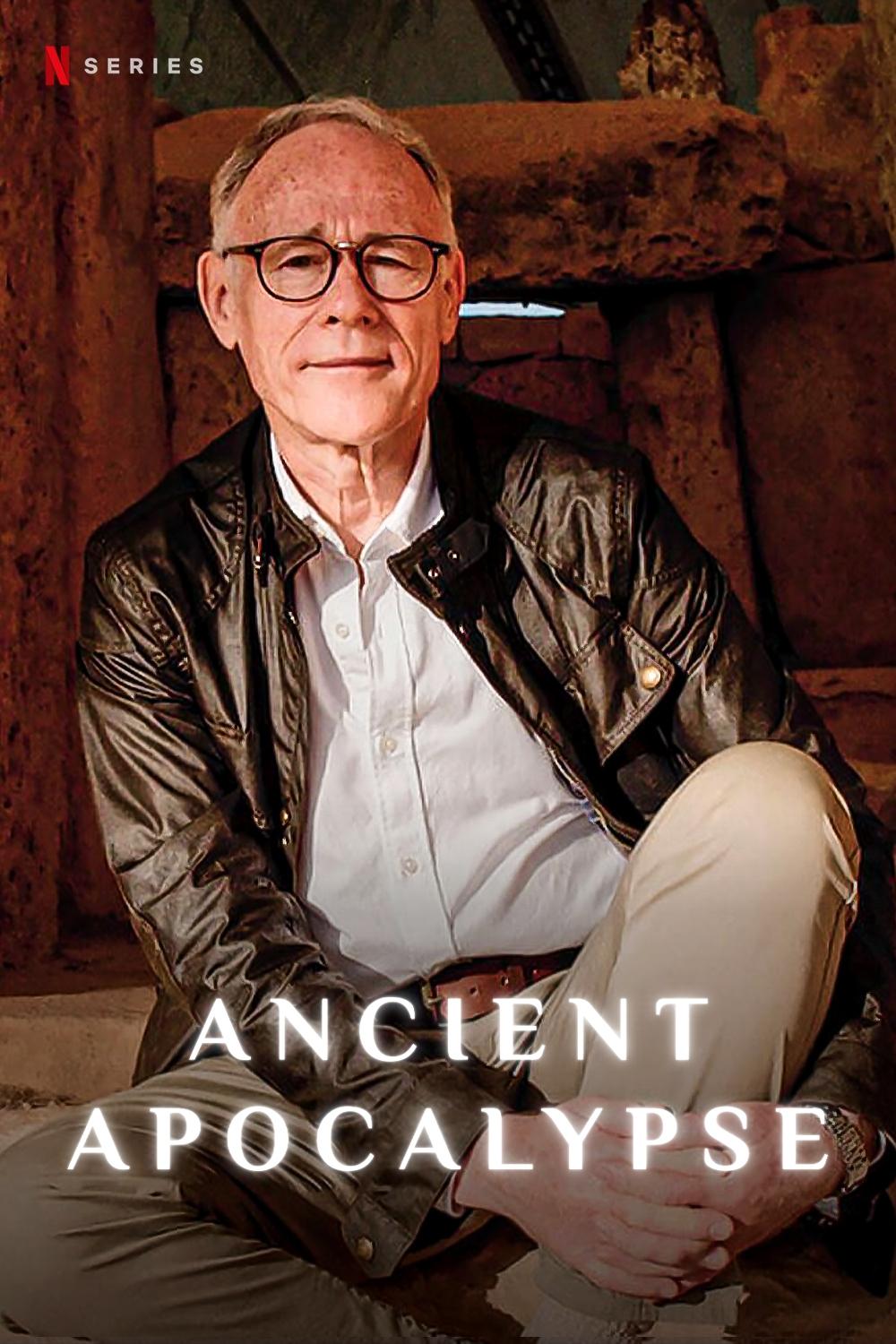
Journalist and writer Graham Hancock travels the globe hunting for evidence of mysterious, lost civilizations dating back to the last Ice Age. He attempts to prove that a climatic event 12,000 years ago wiped out an entire civilization far more sophisticated than the simple hunter-gatherers some archaeologists believe lived at that time.
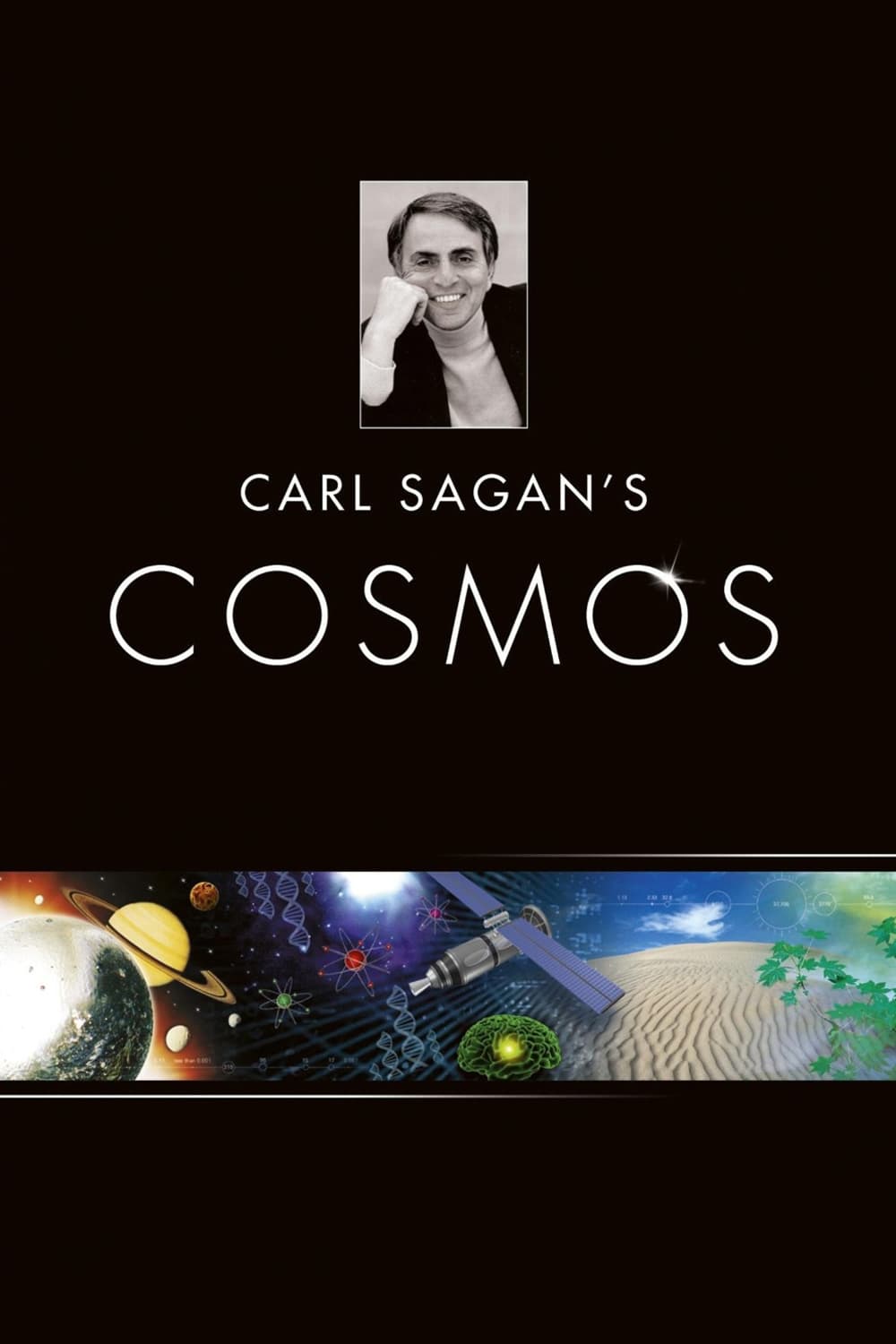
Carl Sagan covers a wide range of scientific subjects, including the origin of life and a perspective of our place in the universe.
From the planets to the stars and out to the edge of the unknown, history and science collide in a wondrous yet deadly adventure through space and time.
MegaStructures is a documentary television series appearing on the National Geographic Channel in the United States and the United Kingdom, Channel 5 in the United Kingdom, France 5 in France, and 7mate in Australia. Each episode is an educational look of varying depth into the construction, operation, and staffing of various structures or construction projects, but not ordinary construction products. Generally containing interviews with designers and project managers, it presents the problems of construction and the methodology or techniques used to overcome obstacles. In some cases this involved the development of new materials or products that are now in general use within the construction industry. MegaStructures focuses on constructions that are extreme; in the sense that they are the biggest, tallest, longest, or deepest in the world. Alternatively, a project may appear if it had an element of novelty or are a world first. This type of project is known as a Megaproject.
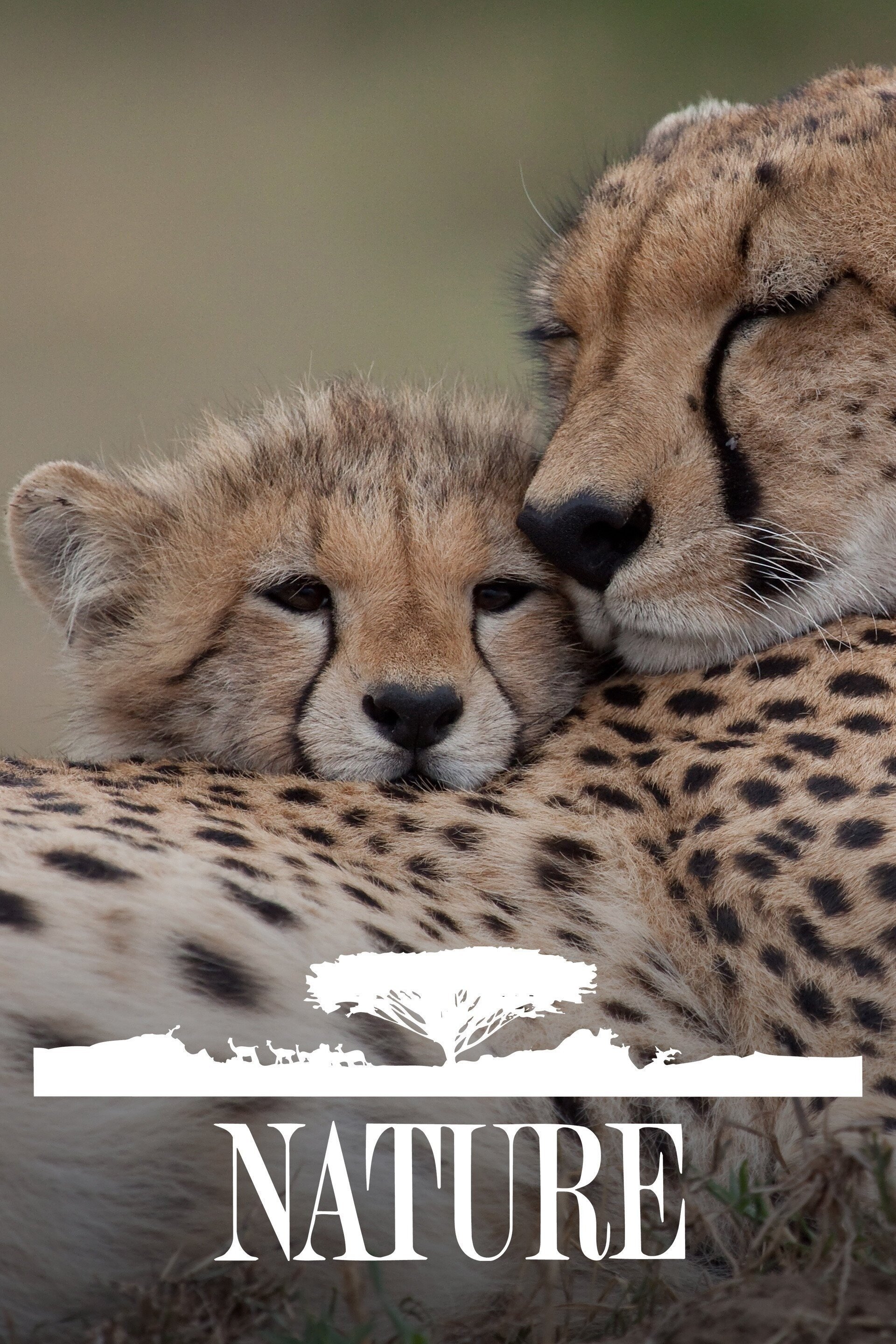
Consistently stunning documentaries transport viewers to far-flung locations ranging from the torrid African plains to the chilly splendours of icy Antarctica. The show's primary focus is on animals and ecosystems around the world. A comic book based on the show, meant to be used an as educational tool for kids, was briefly distributed to museums and schools at no cost in the mid-2000s.
An in-depth look at the history and pop cultural significance of horror films.
Will Smith whose curiosity and wonder is positively infectious—is guided by National Geographic Explorers traveling to different corners of the world to get up close and personal with the weirdest, most unusual, dangerous and thrilling spectacles of the planet.
The history of the sport of baseball in America, told through archival photos, film footage, and the words of those who contributed to the game in each era. Writers, historians, players, baseball personnel, and fans review key events and the significance of the game in America's history.
Motoring programme featuring reviews of and reports about cars of all types.
Natural World is a nature documentary television series broadcast annually on BBC Two and regarded by the BBC as its flagship natural history brand. It is currently the longest-running series in its genre on British television, with more than 400 episodes broadcast since its inception in 1983. Natural World is produced by the BBC Natural History Unit in Bristol, but individual programmes can be in-house productions, collaborative productions with other broadcasters or films made and distributed by independent production companies and purchased by the BBC. Natural World programmes are often broadcast as PBS Nature episodes in the USA. Since 2008, most Natural World programmes have been shot and broadcast in high definition.