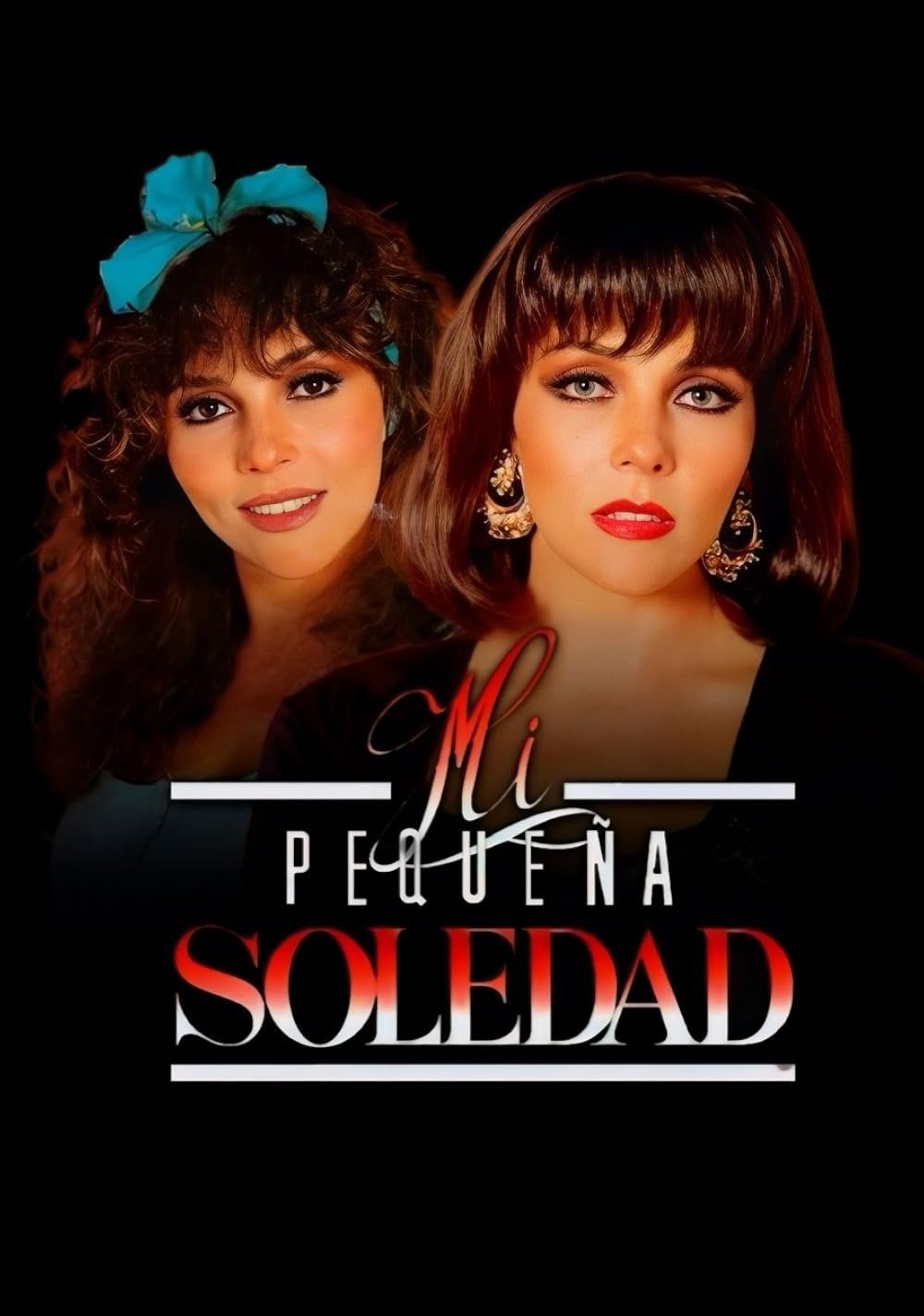


Diagnosed with a terminal illness, Macarena turns her chronic hypochondria into a quest for authenticity, even as her handsome doctor hides a secret.
Social & External
The people behind it
Stephanie Cayo
Macarena González
Ernesto Calzadilla
Alejandro Pulido
Cristina Campuzano
Camila Santos
Marilyn Patiño
Luz Elvira
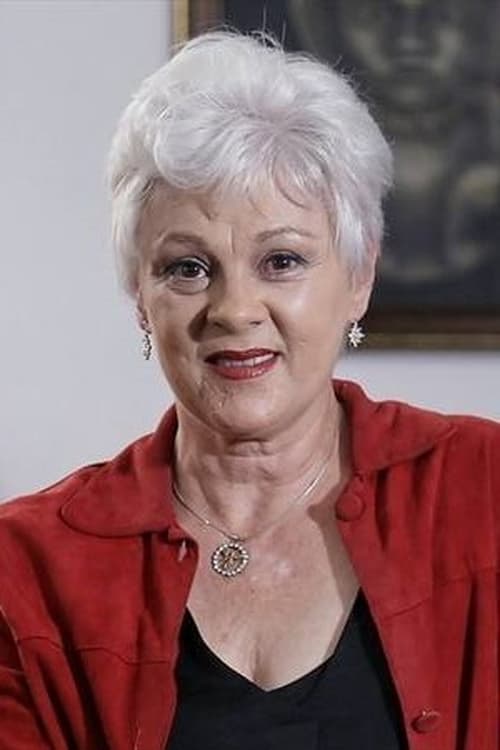
María Angélica Mallarino
Azucena de Santos
Jhon Álex Toro
Juan Jhon "JJ"
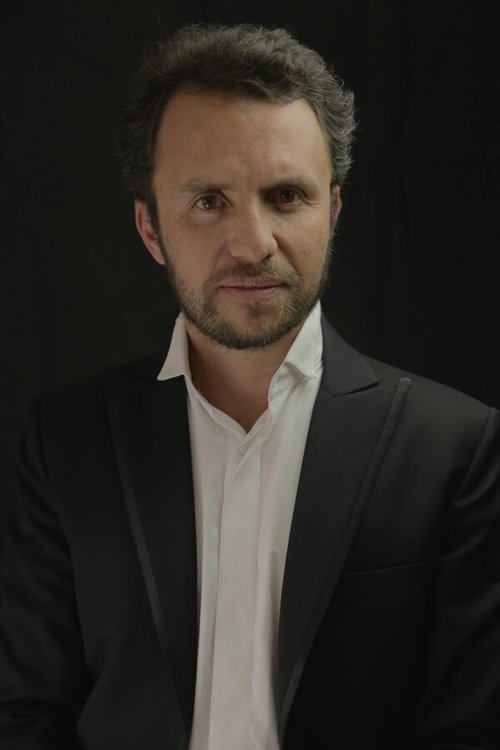
Sebastián Caicedo
Javier
Kepa Amuchastegui
Alfonso Pulido
Nicolás Montero
Pedro Pulido
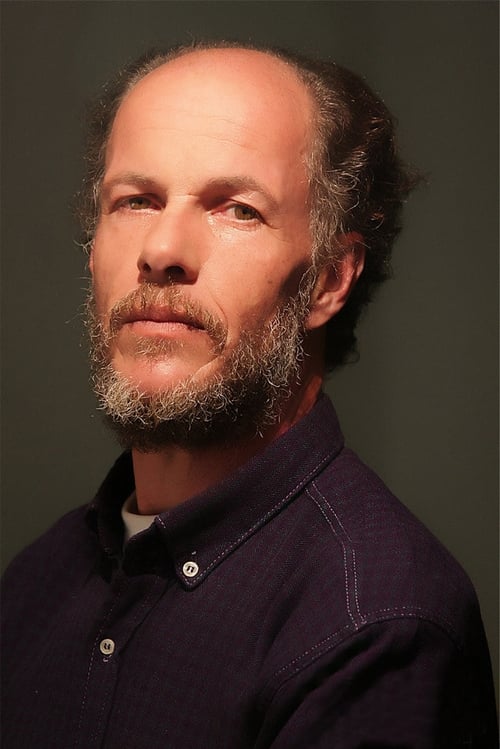
Alberto León Jaramillo
Francisco González "Tío Pacho"

Three lawyers struggle to fulfill her dreams, the welfare of their families and professional success. Based on the Argentine TV series of the same name.
Luna Valente lives with her family in Cancún, Mexico. She goes to school, has her own group of friends, has a job, and loves to skate. However, her life changes when her parents are given a job offer that moves them to Buenos Aires, Argentina. There she finds a new skating rink (named Jam & Roller), learns freestyling, makes new friends, and even falls in love.
Las secretas intenciones is a Mexican telenovela produced by Lucy Orozco for Televisa and originally broadcast on Canal de las Estrellas from August 17 to November 27, 1992. Created by Alberto Rudich and directed by Francisco Franco, the telenovela stars Yolanda Andrade and Cristián Castro in their first leading roles. The story follows Larisa Cardenal and Miguel Ángel Curiel, two young people whose romance is threatened by family conflicts, hidden secrets, and the manipulations of Antonieta Alcántara, a woman determined to take revenge on Larisa's family. As long-buried truths come to light, their lives become entangled in a web of love, betrayal, and ambition.
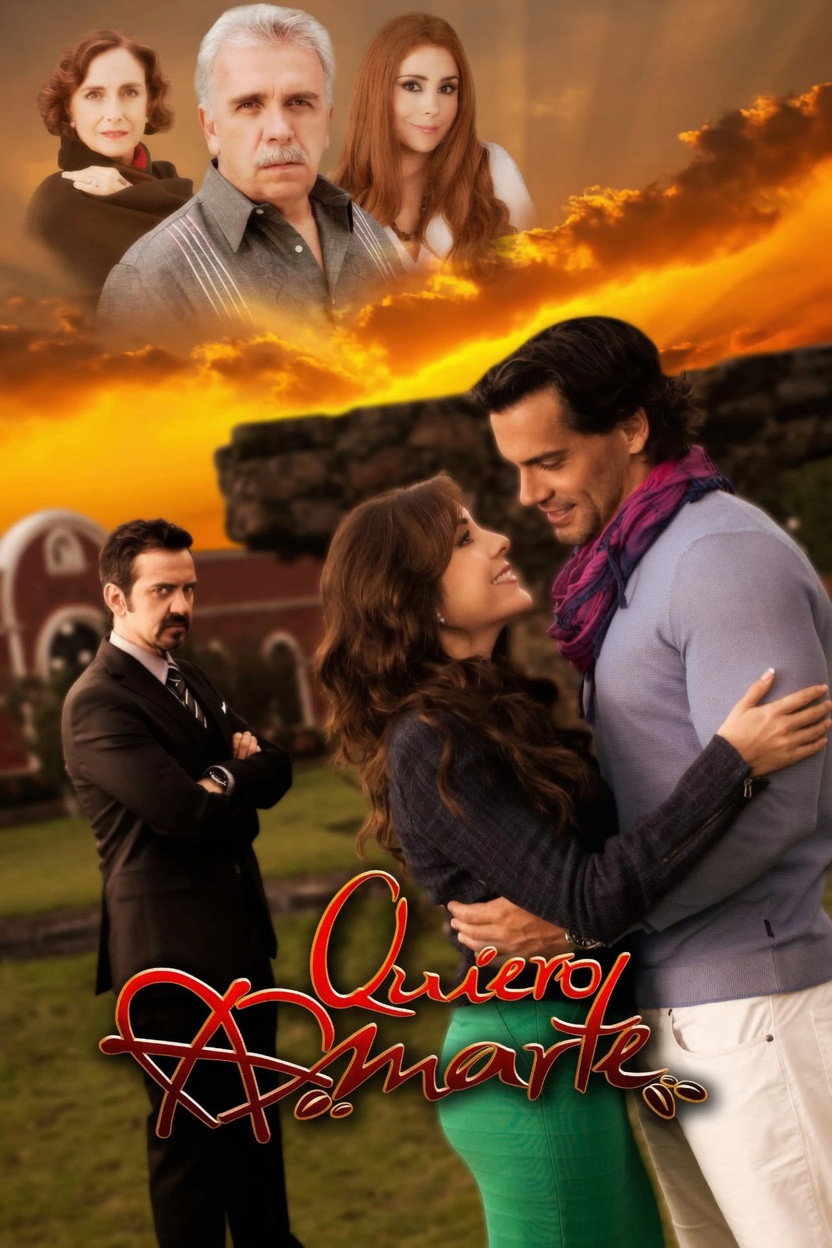

Paz Roble, a kind, hard-working and honest woman from whom her husband, Fermín, takes her newborn daughter. Fermín has a large debt with some lenders and to pay it he decides to sell his daughter to Mauro Nicoliti. This plagiarism is orchestrated by Geneva, Mauro's adoptive sister. She lost her first-born daughter in childbirth and does everything to replace her dead daughter and keep her husband's fortune. On the other hand, Esteban Villa de Cortés loses his wife and becomes a widower with his three children. Elvira Moncada, Esteban's mother-in-law, holds him responsible for the death of her daughter. After a series of unexpected events, Esteban and Paz meet in the neighborhood where she lives with her family. The chemistry and great understanding that exists between them makes it inevitable that they will fall in love.
La sonrisa del diablo is a Mexican telenovela produced by Ernesto Alonso for Televisa and originally broadcast on Canal de las Estrellas from February 24 to July 31, 1992. It is the second adaptation of the 1970 telenovela of the same name, originally created by Luisa Xamar, and was adapted by Fernanda Villeli and Marcia Yance. The story follows Déborah San Román, a beautiful and ambitious young woman who stops at nothing to achieve wealth and power. After marrying a wealthy widower while secretly maintaining a relationship with her unscrupulous lover, she manipulates and betrays everyone around her. As her web of lies and crimes grows, love, honesty, and justice begin to threaten her ruthless ambitions.
The tragic story of Catalina Santana, whose ambition is so strong that she will risk her life due to her obsession with having bigger breasts to attract drug lords and have all the luxuries in the world.
When Marichuy was born, her mother—believing she was on the verge of death—handed her over to a priest, who took her to an orphanage. At the age of fourteen, Marichuy ran away from the institution and began wandering from place to place, scraping together a living however she could. Years later, she was attacked by a drunkard; the incident left her harboring resentment toward men and plagued by harrowing nightmares.
This dramatic series follows a group of troubled Mexican teens in their last year of school, coping with such challenges as drug abuse and sexual identity. In other words, growing up.
Twin sisters with contrasting personalities, Ruth and Raquel, rival in the fictional Pontal D'Areia, on the coast of Rio de Janeiro.
Omar, a young man from Mexico City, is betrayed by his fiancé, Sara, and two close friends, in a failed robbery plot where he was famed as the perpetrator. After being unjustly imprisoned for 11 years and later released, he undergoes plastic surgery to alter his appearance and plots revenge under his new identity, "Yago".
Doña Bárbara is a Spanish-language telenovela produced by the United States-based television network Telemundo, Sony Pictures Television International and RTI Colombia. Edith González and Christian Meier star in this adaptation of the 1929 novel by Venezuelan author Rómulo Gallegos.
Los Protegidos is a Colombian telenovela aired since May 6, 2008 on Colombian TV network RCN. This telenovela is produced by Teleset and it was created as a counterweight for Caracol Televisión's new production El Cartel, but it was premiered before this last one in order to get a higher impact in the viewers.
The life and work of vallenato musician Diomedes Díaz, better known as 'The Chief of the Junta'.
Esperanza is a Peruvian nanny, who arrives in Chile with her son, in search of better job opportunities.
Buscando el paraíso is a Mexican youth telenovela produced by Luis de Llano Macedo and Marco Flavio Cruz for Televisa and originally broadcast on Canal de las Estrellas from November 8, 1993, to April 1, 1994. Directed by Benjamín Cann, the telenovela stars Pedro Fernández and Yolanda Andrade, with Karla Álvarez and Alejandro Ibarra in antagonist roles. The story follows Dalia and Andrea Montero Machado, two sisters with very different personalities. While Andrea is confident and charismatic, Dalia is shy and insecure. Dalia secretly falls in love with Ángel, Andrea's former boyfriend, who begins a relationship with her only to hurt her. After being abandoned and discovering she is pregnant, Dalia finds support in Julio, a humble and hardworking young man. However, jealousy, betrayal, and unresolved feelings threaten their chance at happiness.
Clarisa is a Mexican telenovela produced by Juan Osorio for Televisa and originally broadcast on Canal de las Estrellas from March 15 to June 11, 1993. Created by Ramón Obón, Lupita Obón, Pilar Obón, and María Teresa García, with literary editing by Dinorah Issak, the telenovela stars Gabriela Roel and Manuel Landeta. Set in the 1930s, the story follows Clarisa González León, a kind-hearted young woman who becomes the target of her ambitious and resentful sister, Elide. After tragedy strikes her family, Clarisa loses her husband and is led to believe that her newborn daughter has died. Years later, determined to uncover the truth, she embarks on a journey marked by love, betrayal, family secrets, and the hope of reuniting with her child.
Milagro y magia is a Mexican telenovela produced by Roberto Gómez Bolaños and Florinda Meza for Televisa and originally broadcast on Canal de las Estrellas from April 29 to August 30, 1991. Written by Florinda Meza and directed by Roberto Gómez Bolaños, the telenovela marked the duo's debut as telenovela producers and Florinda Meza's first leading role in the genre. The story is set in post-revolutionary Mexico and follows two orphaned children, Elisa and Pepe, as they leave their rural hometown in search of a better life in Mexico City. Separated by fate after escaping exploitation, they face hardship, love, and betrayal while struggling to reunite and build a brighter future.
Over a road trip, triplets Ana Laura, Ana Leticia, and Ana Lucía, along with their parents, suffer a dramatic accident crashing by the side of a river. The consequences of this event are catastrophic: Both parents die, Ana Laura loses one leg, and Ana Lucía, unconscious, is dragged by the river’s flow. Only Ana Leticia, who actually caused the accident, emerges unscathed. Soledad, a woman who was seriously hurt after her daughter’s death, helps Ana Lucía, whom she finds agonizing. Although Soledad discovers who the girl is, she takes advantage of her memory loss regarding the accident and her family and decides to keep her, making her believe she is her mother. Despite everyone declares Ana Lucía is death, Ernestina, the triplets' grandmother, and Ramiro, their uncle, don’t give up and do everything they can to find Ana Lucía. But years go by, the same as their wishful
A story about love and its different manifestations, told through the little boy Marcelino in search of his biggest dream: to meet his mother. Inspired by a famous book, the plot takes place in the 1940s.
Story of love between Marimar and Sergio. Sergio is from a wealthy family, and Marimar lives with her poor grandparents in a hut in front of the ocean.
In 1984, Maximo Gallardo's dream comes true when he gets the job of a lifetime at Acapulco's hottest resort, Las Colinas. But he soon realizes that working there will be far more complicated than he ever imagined.
Renata, an energetic woman, is treated cruelly by her mother and sister. Falling in love with Jerónimo changes her life for the better, but his misguided quest to avenge his brother's death jeopardizes their relationship.
Karyme Lozano, Cristian de la Fuente and Adriana Louvier will star as the protagonists, while Diana Bracho, Flavio Medina and Salvador Zerboni will star as the antagonists, and with the stellar participations of Alejandra Barros, José Elías Moreno and Olivia Bucio.
Aída is a Spanish comedy sitcom set in Madrid, that spin off from another sitcom called 7 Vidas. The show first aired on January 16, 2005 and is produced by Globomedia for the Spanish network Telecinco. It currently started its ninth season. The show stars Carmen Machi as the title character, Aída García, a working, single mother with two teenage children, forced to move in with her mother and brother to make ends meet. The show has received favorable criticism from the audience and has been the most viewed show in Spain since 2007. It has also received several awards like the Ondas Award for Best Spanish Sitcom. The Polish re-make of the series began airing in March 2012 on TVP2 channel.
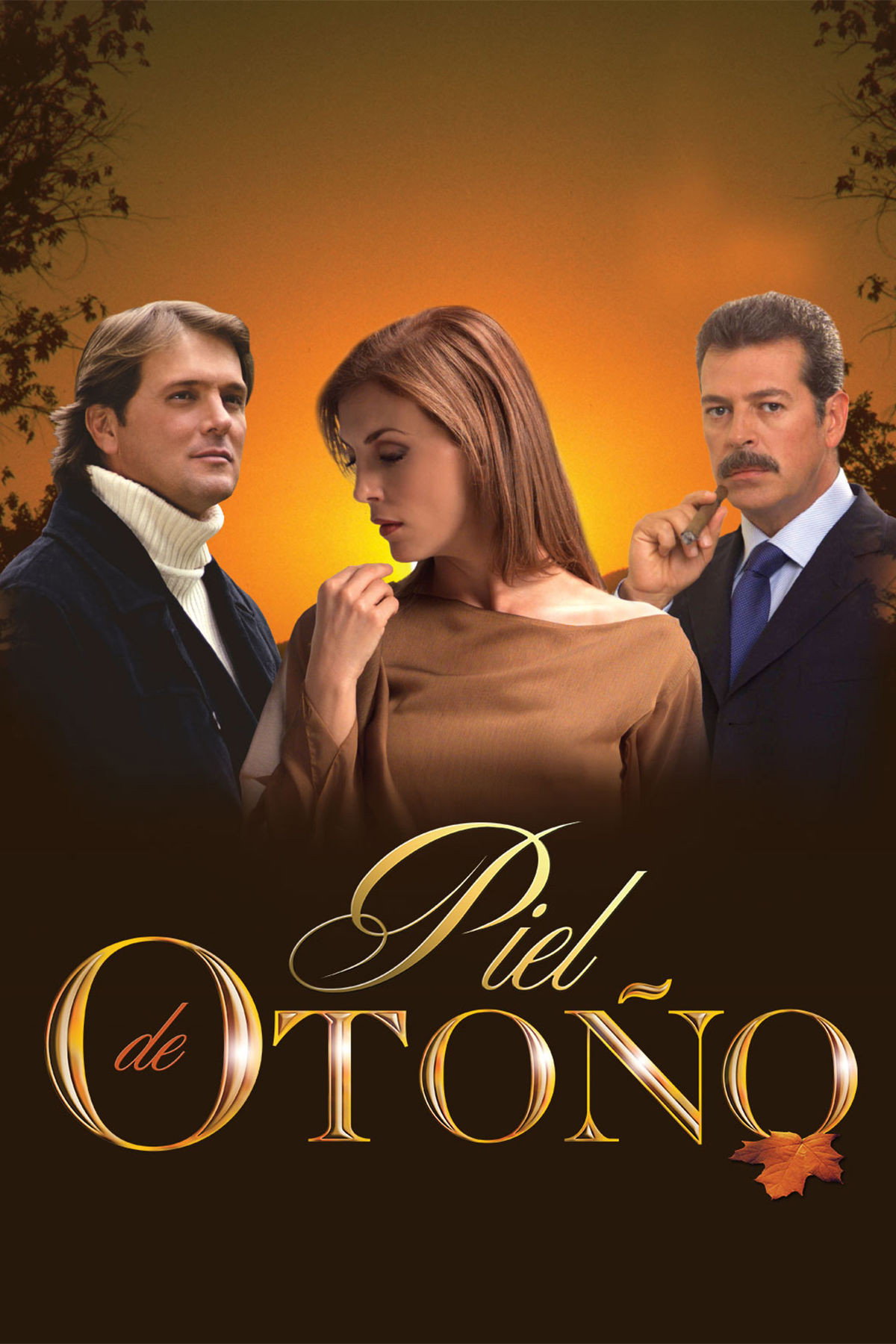
Piel de otoño is a Mexican telenovela that was produced by Televisa and broadcast on El Canal de las Estrellas in Mexico from 9 May 2005 through 23 September 2005 in Mexico, and from October 10, 2005, through February 17, 2005, in the United States. Starring Laura Flores and René Strickler as the series' protagonists, the show tells the story of Lucía Villarreal de Mendoza, a woman who seeks refuge from her husband and children's abuses in the friendship of a stranger on the Internet, who signs his messages only as "wind". Piel de otoño is a remake of the 1986 Televisa telenovela Cicatrices del alma. The program aired weekdays at 5 pm for twenty weeks.
María Mercedes, a poor girl who sells lottery tickets, meets a rich man who hates his own family and sees in María Mercedes an opportunity to make their lives miserable.
Camila Monterde is a beautiful veterinarian whose life has been torn apart by a tragic accident in which her fiancé, Luis, was killed. Hoping to ease her depression, her uncle, Daniel Monterde, invites her to live at his ranch, where she can rest and recover while caring for the many animals he keeps there. Meanwhile, in Chile, Daniel Diaz suddenly receives a letter stating that he has come into a substantial inheritance and must travel to Mexico to claim it. Surprised and curious, he’s about to make the trip when a vicious lie disrupts his plans and lands him in prison, causing him to lose the inheritance and his family. Deeply bitter and hungry for revenge, Daniel travels to Mexico determined to destroy the Monterde family, which he blames for his terrible misfortune. He takes a job at the Monterde ranch to be close to his prey. His vengeance is perfectly planned except for one unexpected development: he and Camila fall passionately in love and that changes everything.
Teresa Chavez is a young woman with an obsession for money and ambition. Despite her beauty and the fact that she was raised in the bosom of a loving family, she is resentful; her one desire is to leave her humble but poor neighbourhood.
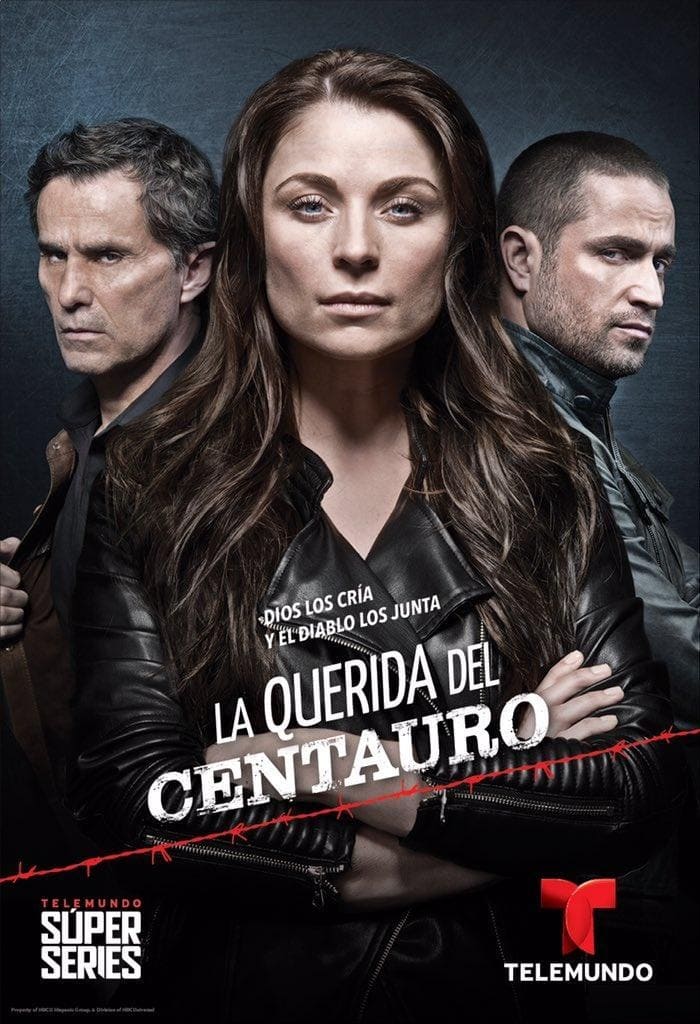
Yolanda Acosta is a woman capable of altering law and order out of love for her daughter. She serves as a hook to catch the Centauro, one of the most dangerous drug traffickers in Mexico.
A Mexican telenovela based on the Argentinean telenovela Los Roldán.
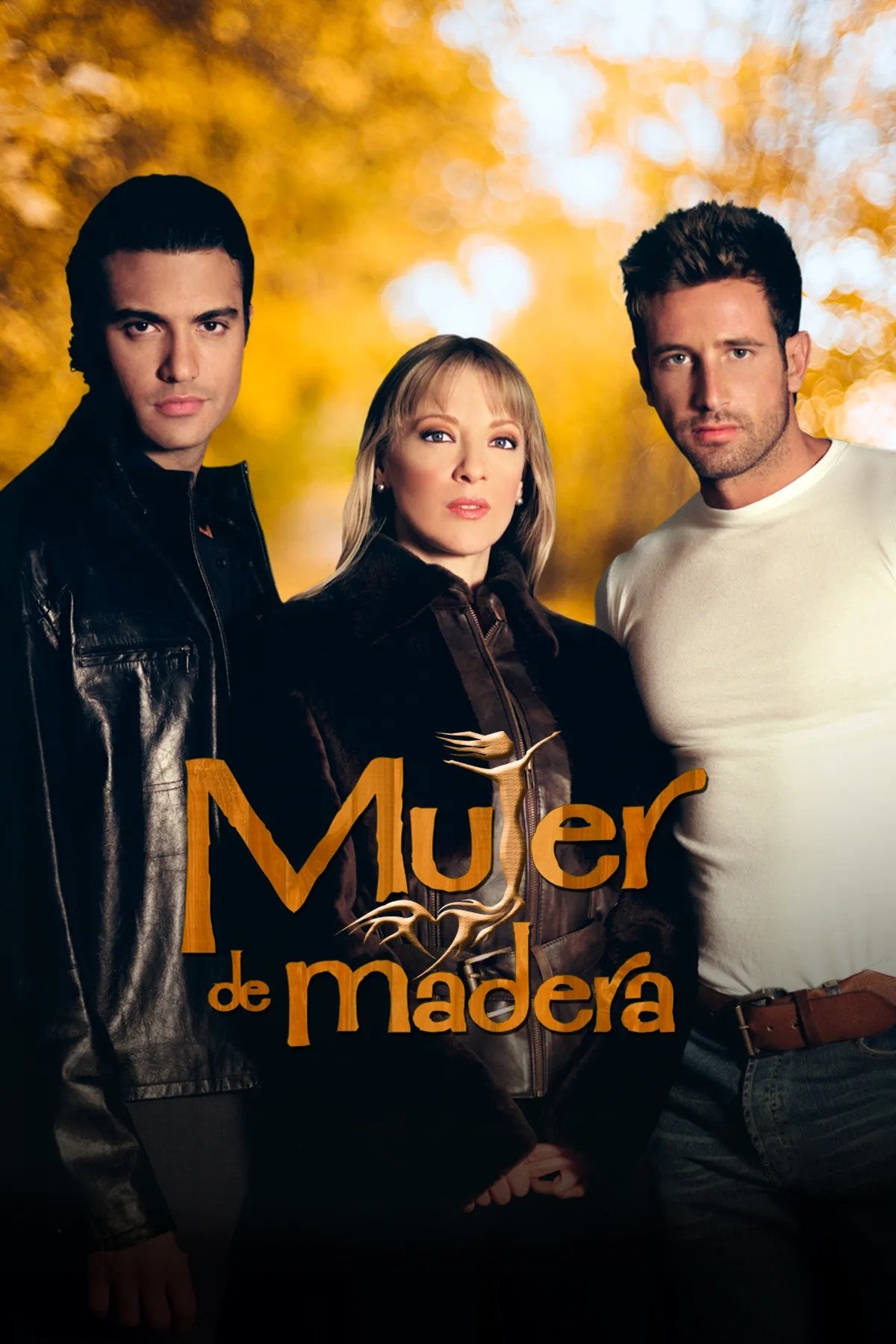
Mujer de Madera is a Mexican telenovela produced by Televisa in 2004. One unusual feature of this telenovela is that the main character is played by different actresses before and after her stay in hospital due to a forest fire.
Contra viento y marea is a Mexican telenovela aired from April 25 until November 4, 2005. This was also the last acting role of Beatriz Sheridan, who died in 2006 of a heart attack.
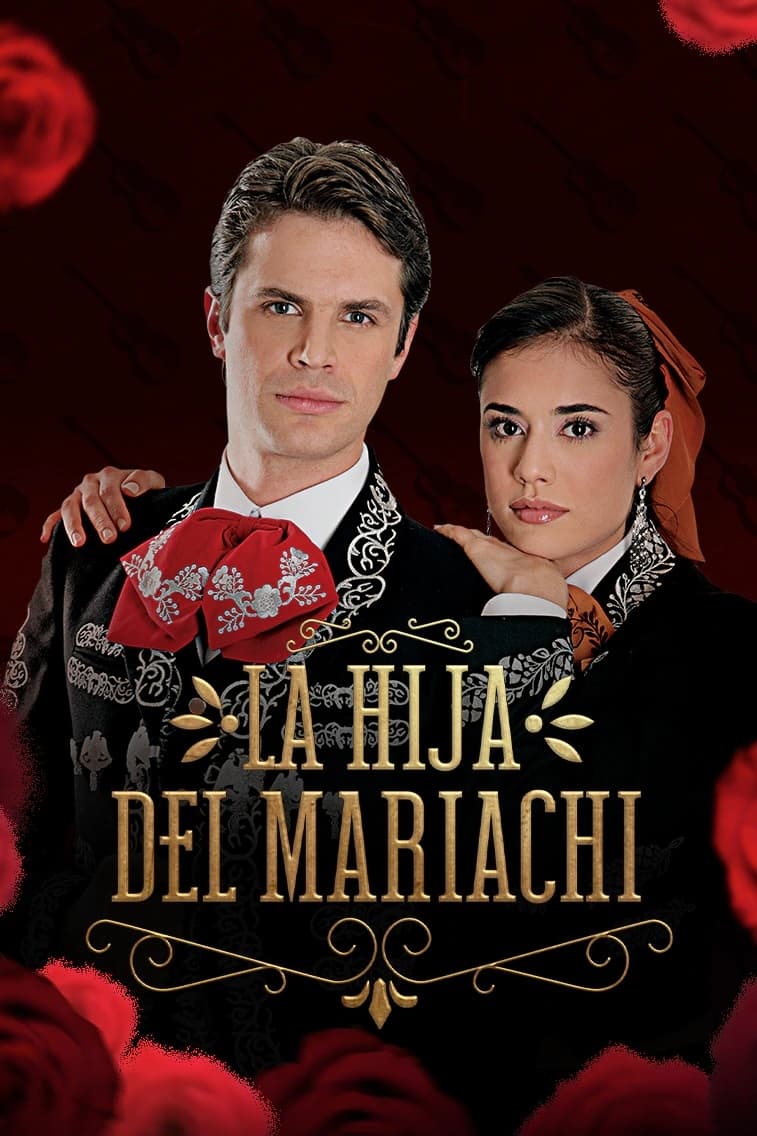
Emiliano, a wealthy Mexican businessman, is ripped off by his friends and partners. Hidden in Bogotá, he receives help from Rosario, a mariachi singer. She does not know Emiliano’s background and that he is wanted by the police of two countries and by a criminal organization. With a new name and personality, he adapts well to his new life as a mariachi band member and finds in Rosario the love of his life. But he is afraid his secret will tear them apart. He needs to clear his name and resolve his case to avoid that fate. Meanwhile, he often finds his love tested and vulnerable to several rivals, but Rosario always trusts that he has been honest with her.
Acorralada is an American telenovela produced by Venevisión. Univision aired Acorralada from January 2007 to October 2007 on weekday afternoons at 2 pm central. It was rebroadcast in late 2011 through April 2012 on Univision's sister network, Telefutura. It was filmed in Miami, Florida, and lasted about 187 episodes. It is the second long-running telenovela that Venevisión Productions has produced without its former co-producer Fonovideo.
It tells the stories of a group of teachers and students from a central fictional school in Madrid. Under the gaze of some new teachers, newcomers to the center, we will know the passions, interests, aspirations and dreams of a group of rebellious teenagers who are in their last years of high school.
Mistreated by the Narváez family, the poor and innocent Maricruz is humiliated, abandoned, and imprisoned, losing everything. Upon discovering her true origins, she transforms into a wealthy and powerful woman. Driven by grief and the loss of her father, she vows revenge against everyone who made her suffer.
Porque el Amor Manda is a 2012 Mexican telenovela produced by Juan Osorio for Televisa. It is a remake of the Colombian telenovela El secretario, produced by Juan Andrés Flórez in 2011. Fernando Colunga and Blanca Soto star as the protagonists Claudia Álvarez stars as the antagonist.
Danna Paola stars as Patito, Eleazar Gómez as Mateo, Violeta Isfel and Cynthia Klitbo, play antagonist roles as Antonella and Bianca. The telenovela features adult protagonists also, René Strickler and Vanessa Guzmán. It first aired on Sunday, 8 March 2009, as the first telenovela to debut on a Sunday in Mexico. After a year of success, becoming a major hit in Mexico, especially among children, its final episode was also on a Sunday, 7 March 2010.
In the near future, Sophie tells her son the story of how she met his father: a story that catapults us back to the year 2021 where Sophie and her close-knit group of friends are in the midst of figuring out who they are, what they want out of life, and how to fall in love in the age of dating apps and limitless options.