Touring the perilous and spectacular landscape of the Pacific Rim to discover how the rocks beneath our feet have shaped human history.
Social & External
Himself - Presenter
Charley Boorman embarks on an adventure in Sydney and travels up the Pacific Rim through Australia, Papua New Guinea, Indonesia, the Philippines and Taiwan, eventually finishing in Tokyo, Japan.
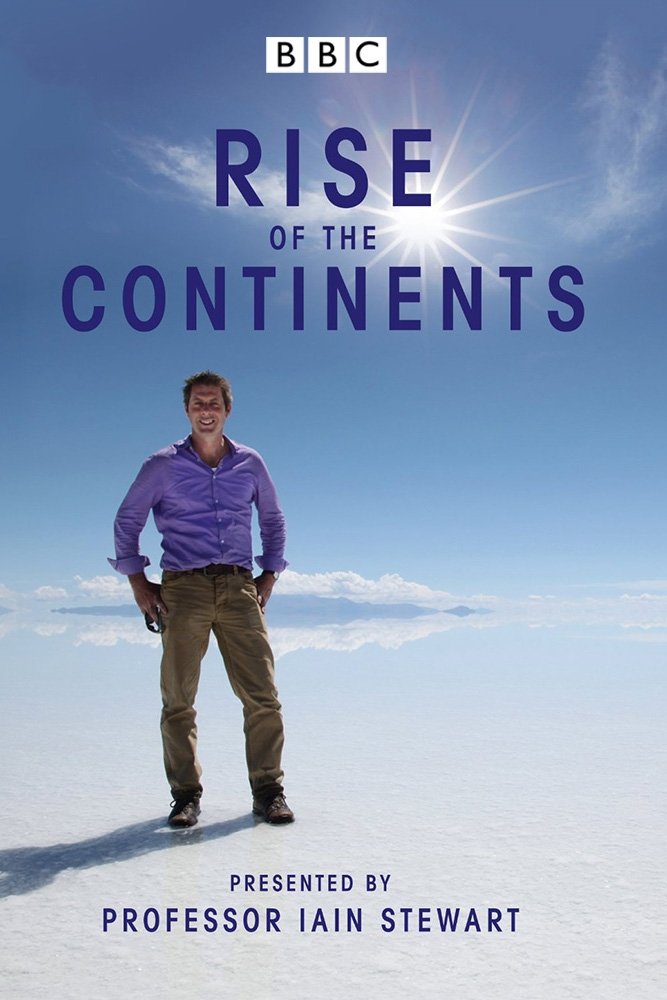
The Earth’s continents are instantly recognizable. These iconic landmasses seem permanent and unchanging, yet they are merely the wreckage of a much larger long-lost supercontinent – Pangaea. In this stunning four part series Professor Iain Stewart uncovers the evidence for this ancient past. He reveals how the world around us is full of clues – in the rocks, the landscapes and even the animals. All of which tell us how the land we live on was created.
An international team of scientists, cavers and wildlife filmmakers venture deep into the heart of the remote tropical island of New Guinea.
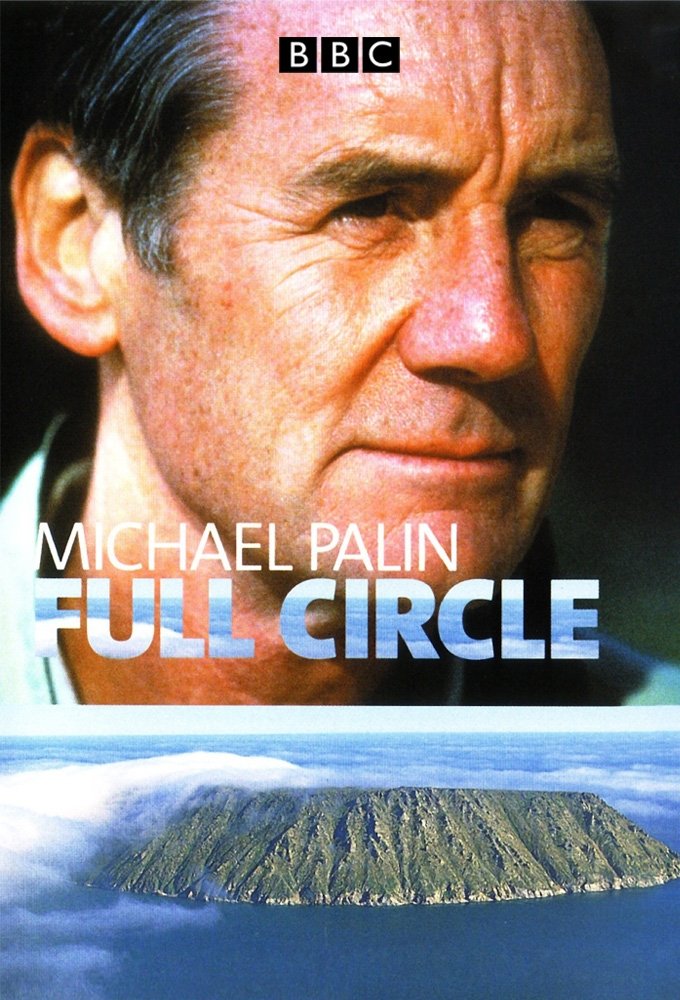
Michael Palin travels to 18 countries around the rim of the Pacific Ocean.
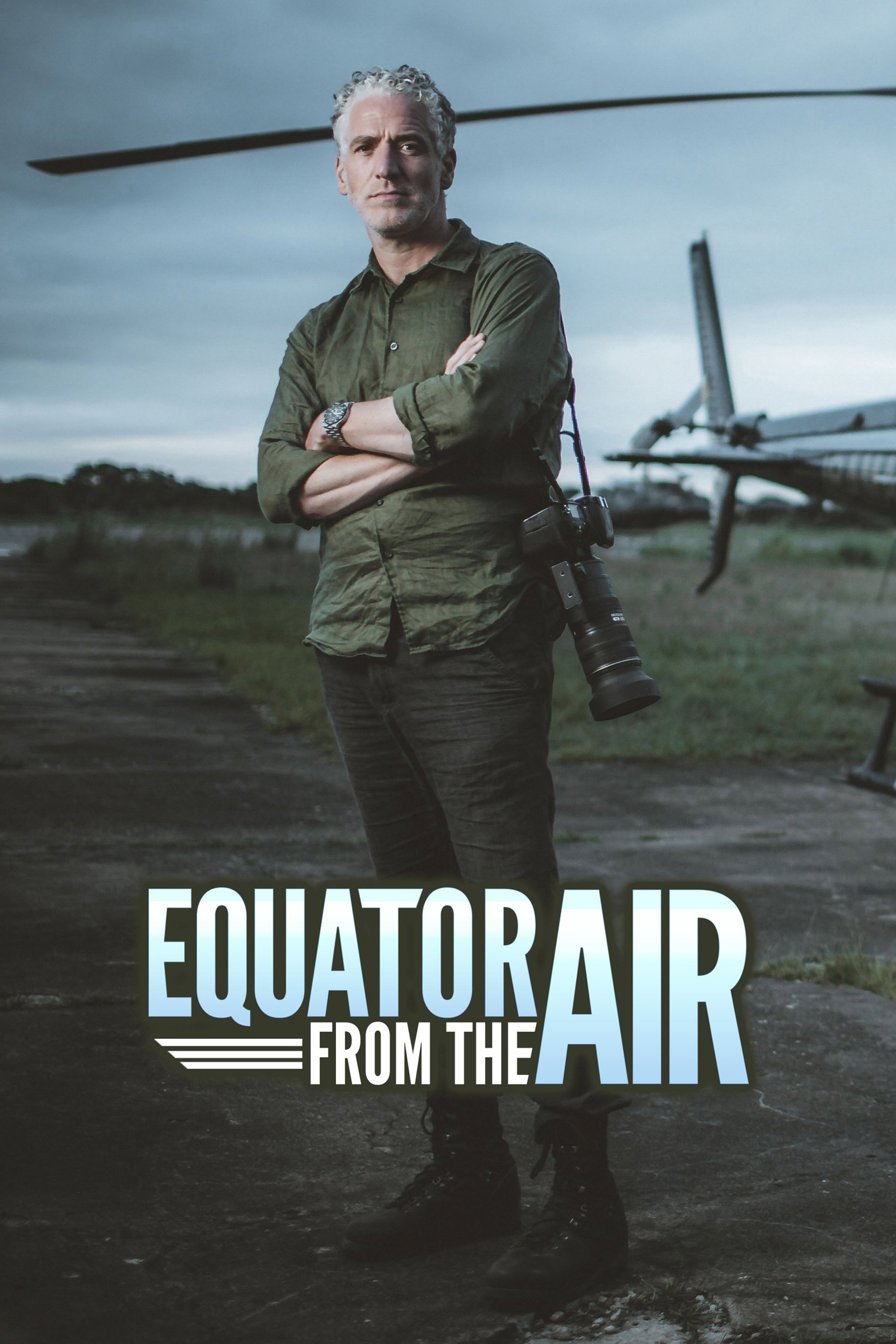
In a defining moment for the natural world, Gordon Buchanan makes an epic journey round the equator - taking to the skies with experts racing to protect both wildlife and people.
WWII in the Pacific focuses on the events, notable figures, various bands of brothers, and heroic actions of the Allied powers. Take an inside look, starting with the conflict and tensions leading up to the war, the attack on Pearl Harbor, the evolution of the Pacific Theater, and the development and dropping of the atomic bomb, up until the subsequent end of WWII.
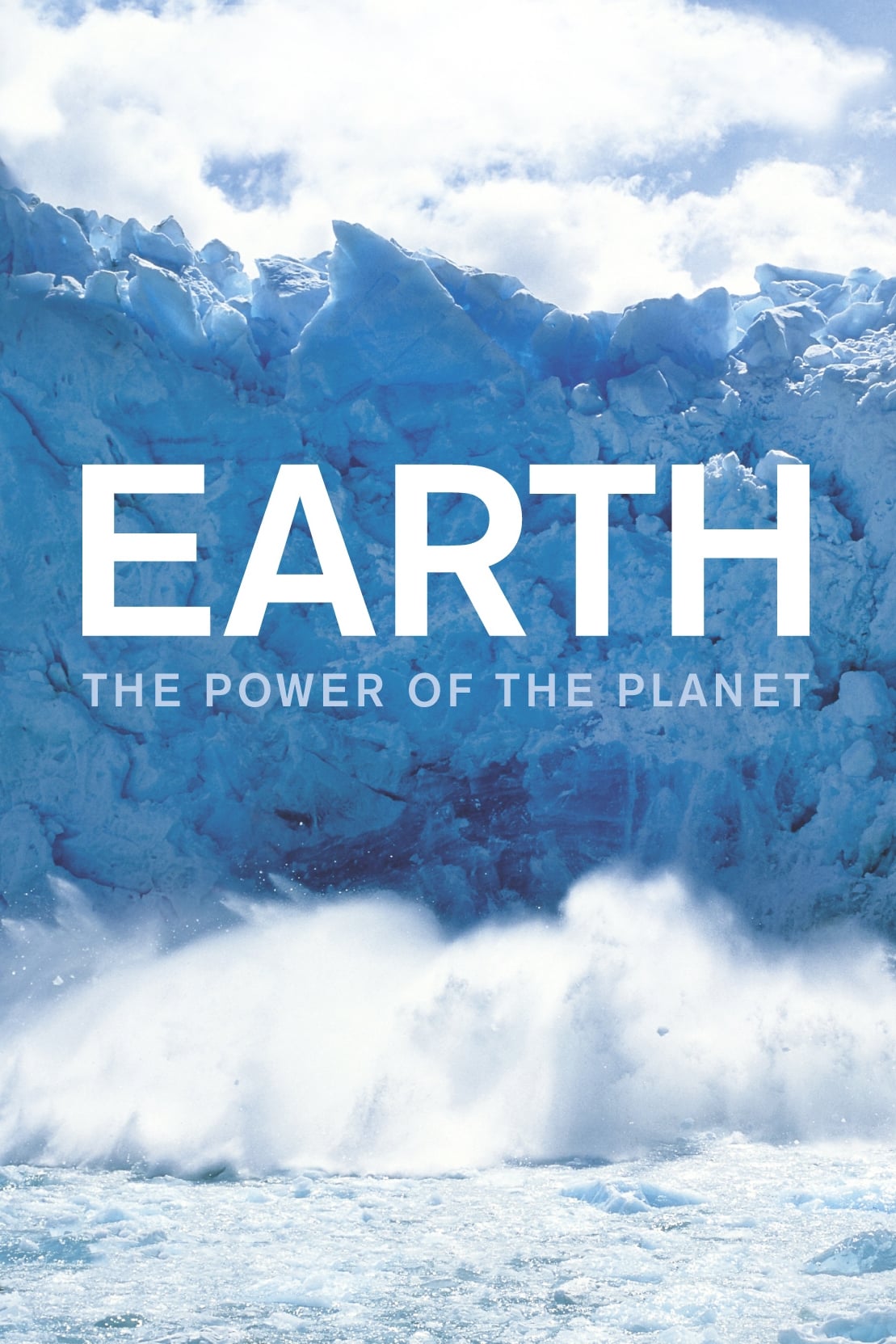
In each episode, geologist Dr. Iain Stewart explains the effects and importance of a specific force of nature, such as wind or volcanism. He also examines the various ways in which it shapes planet earth itself and influences life on it, often in conjunction with other natural forces, and sometimes with lifeforms, as in the 'apocalyptically' grave case of global warming.
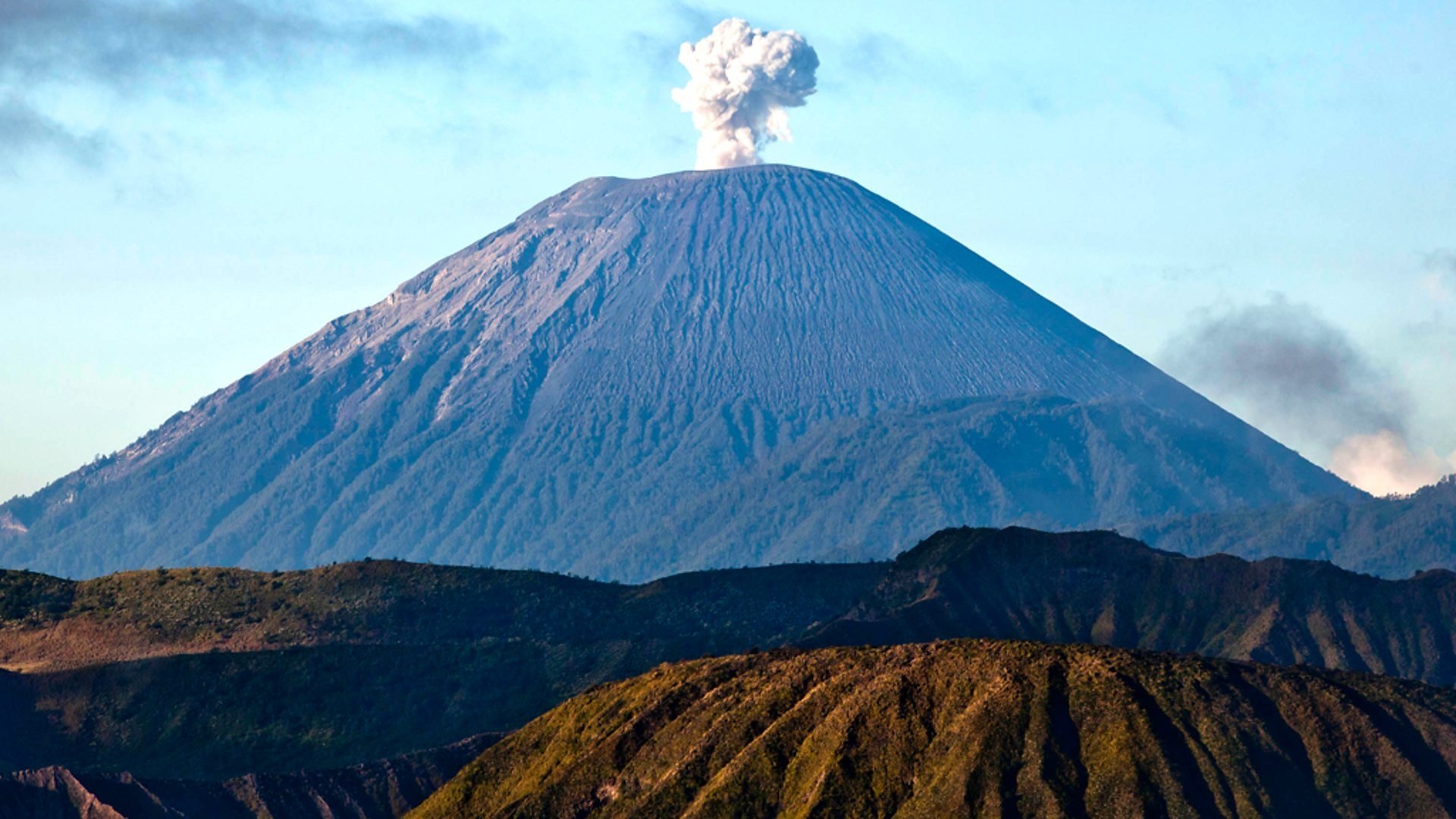
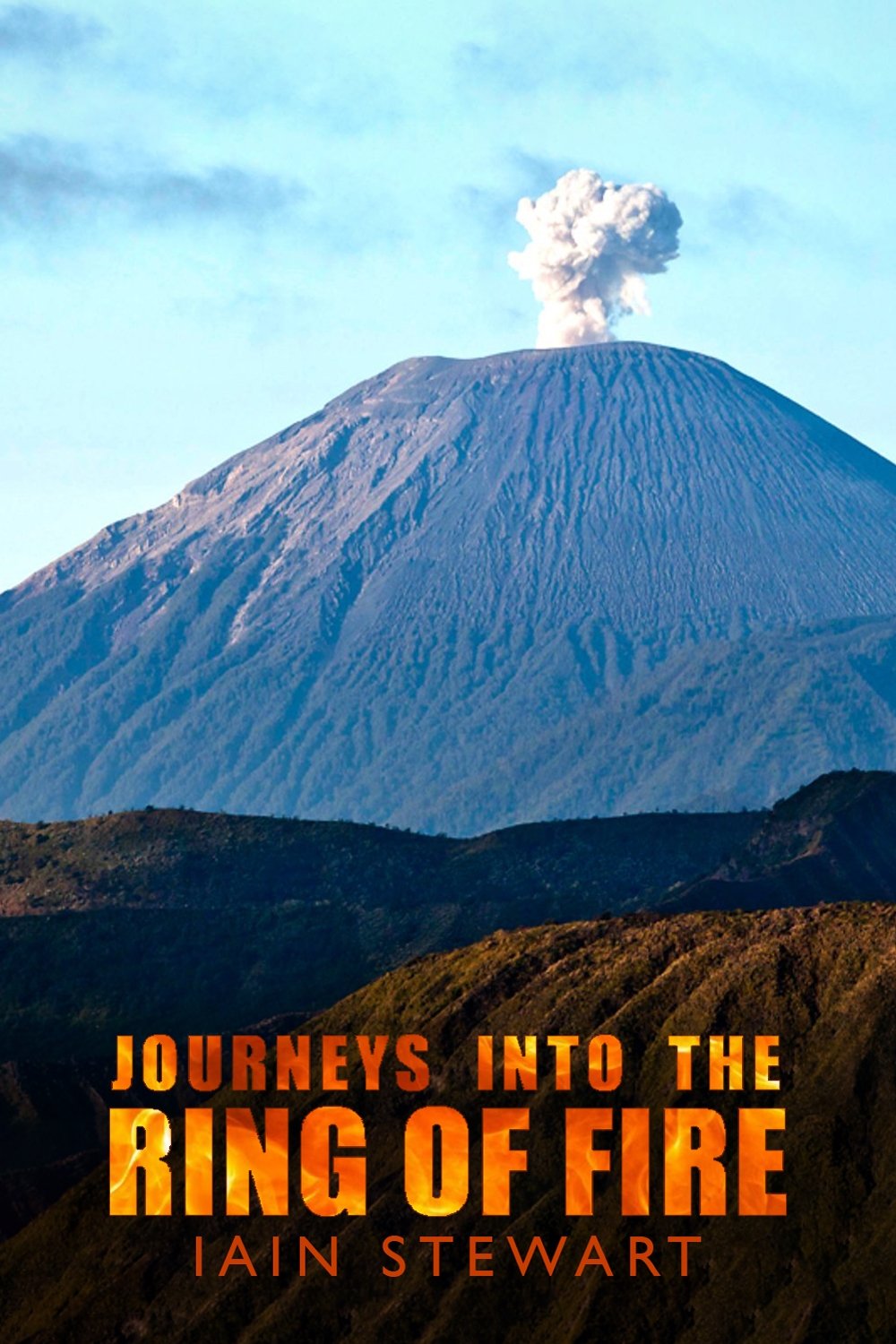
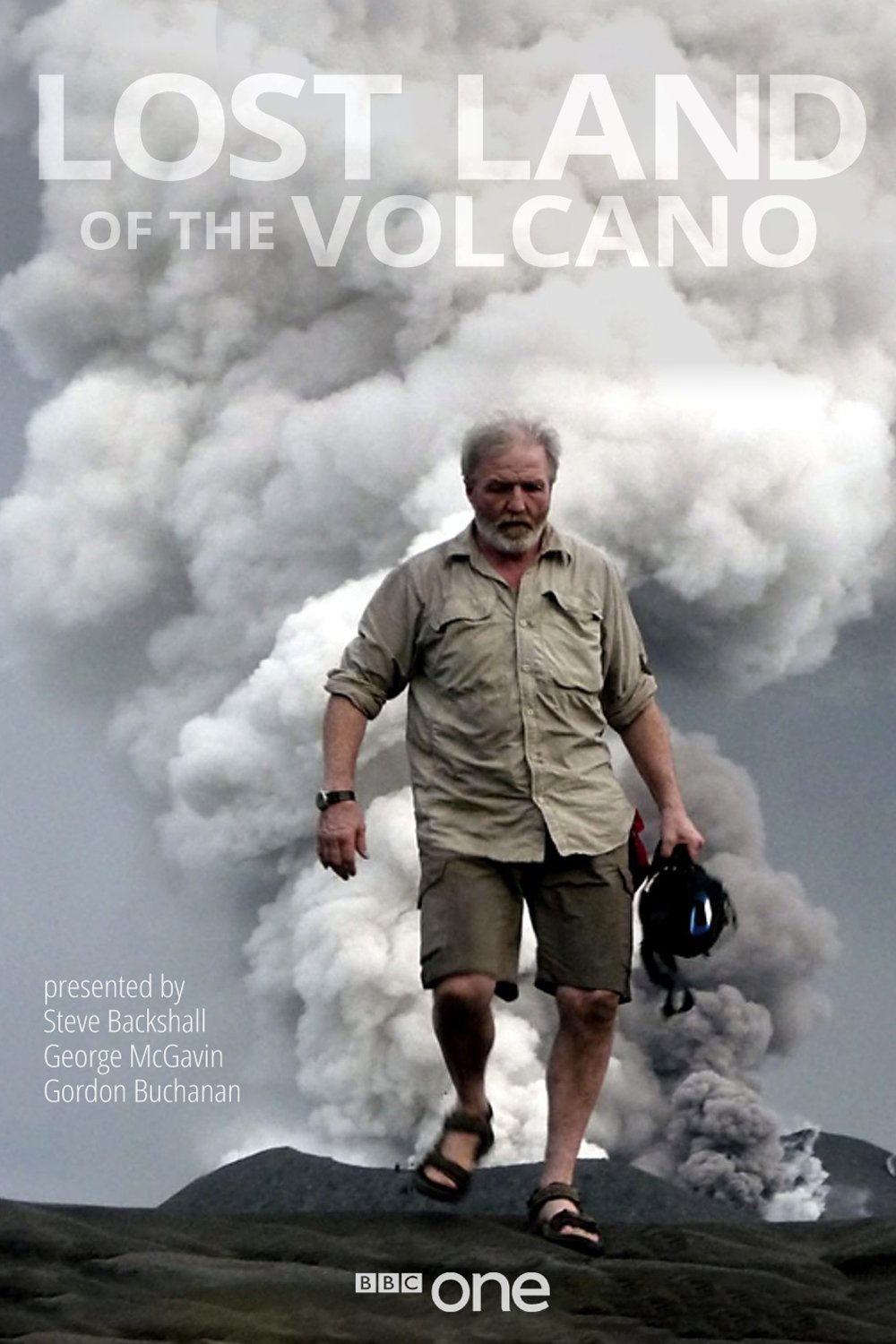
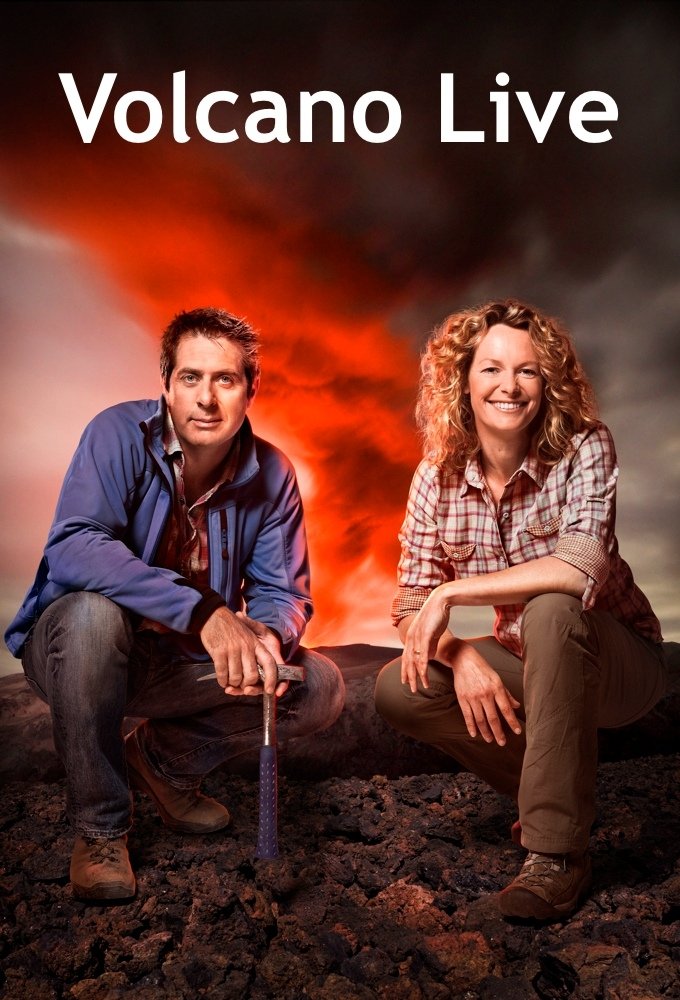
Find out about the awesome power of volcanoes in some of the most geologically active places on Earth.
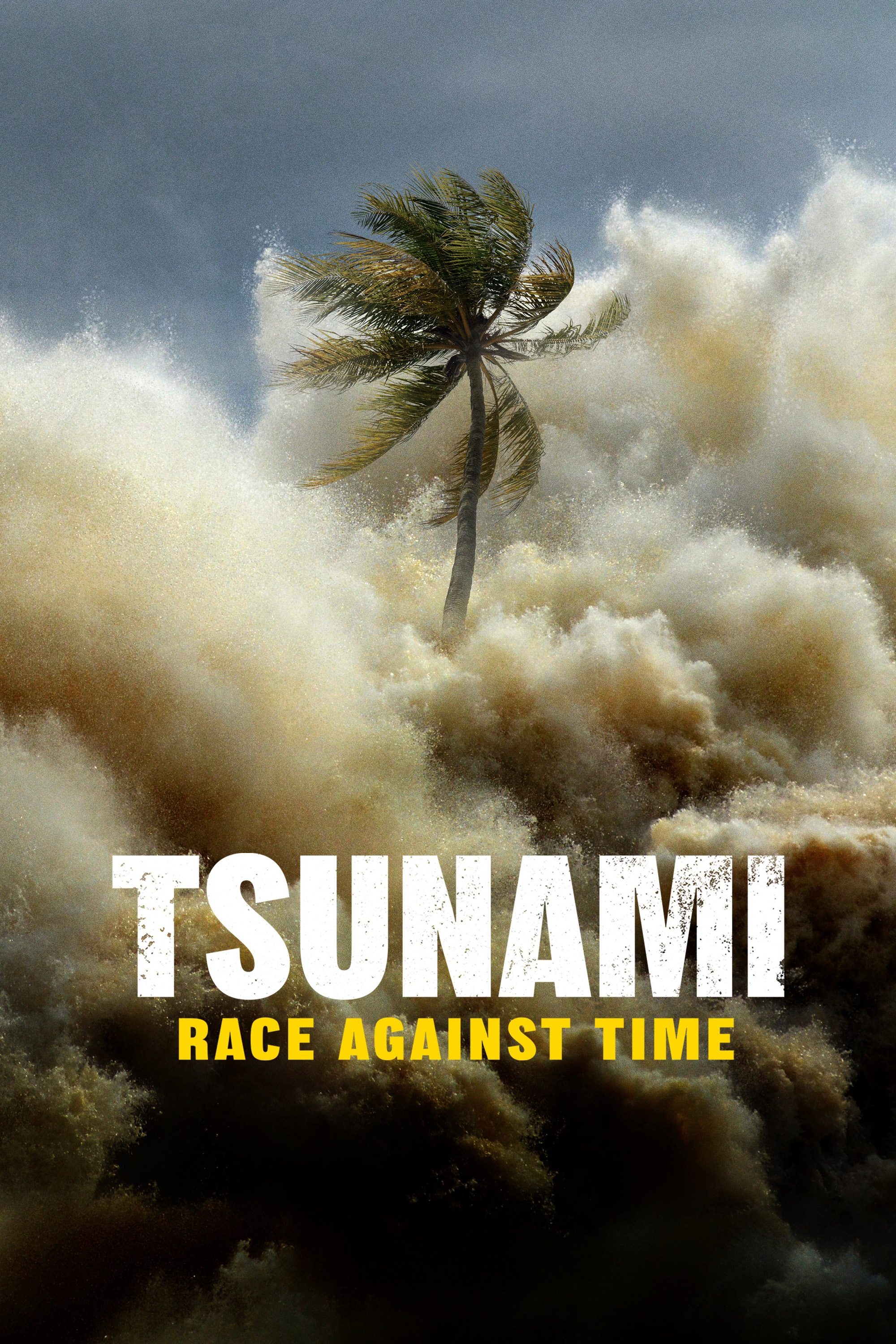
The definitive story of the deadly 2004 tsunami as it travels from country to country, with unseen archive video and untold stories of survival.
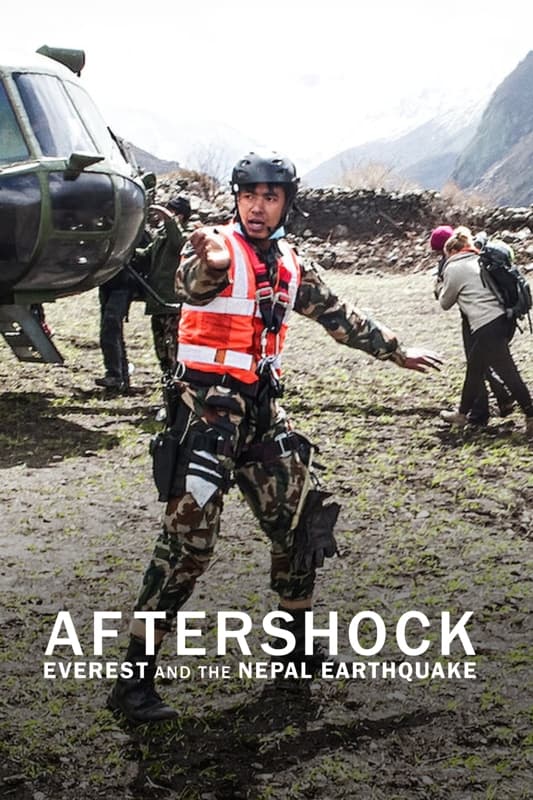
After a terrible earthquake in Nepal, locals and tourists join forces to face destruction in this gripping docuseries.
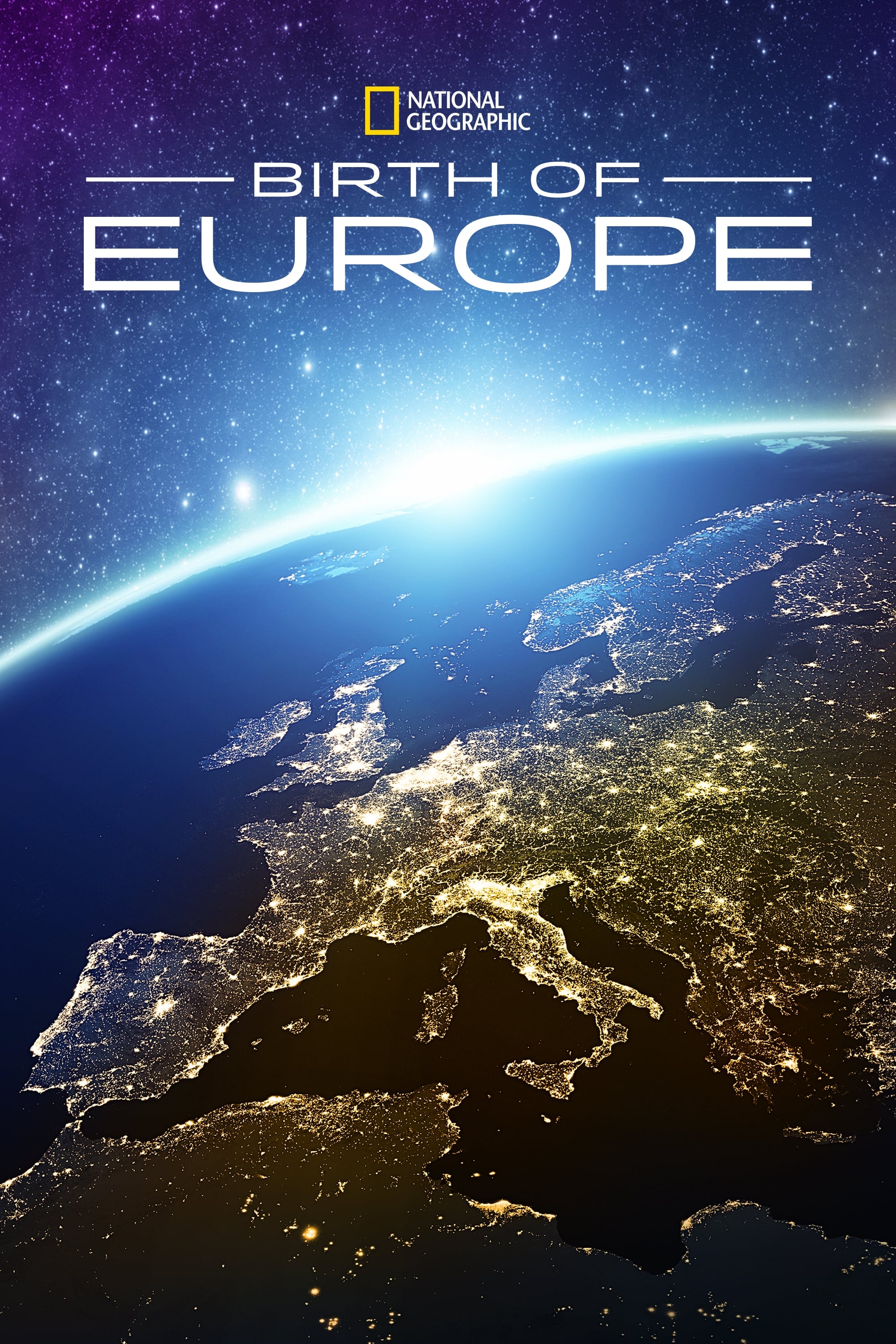
Crushed, flooded and exploded into life – Europe is a battlefield of Nature. Discover the extraordinary and shocking geological story of how Europe was created by nature’s most titanic forces.
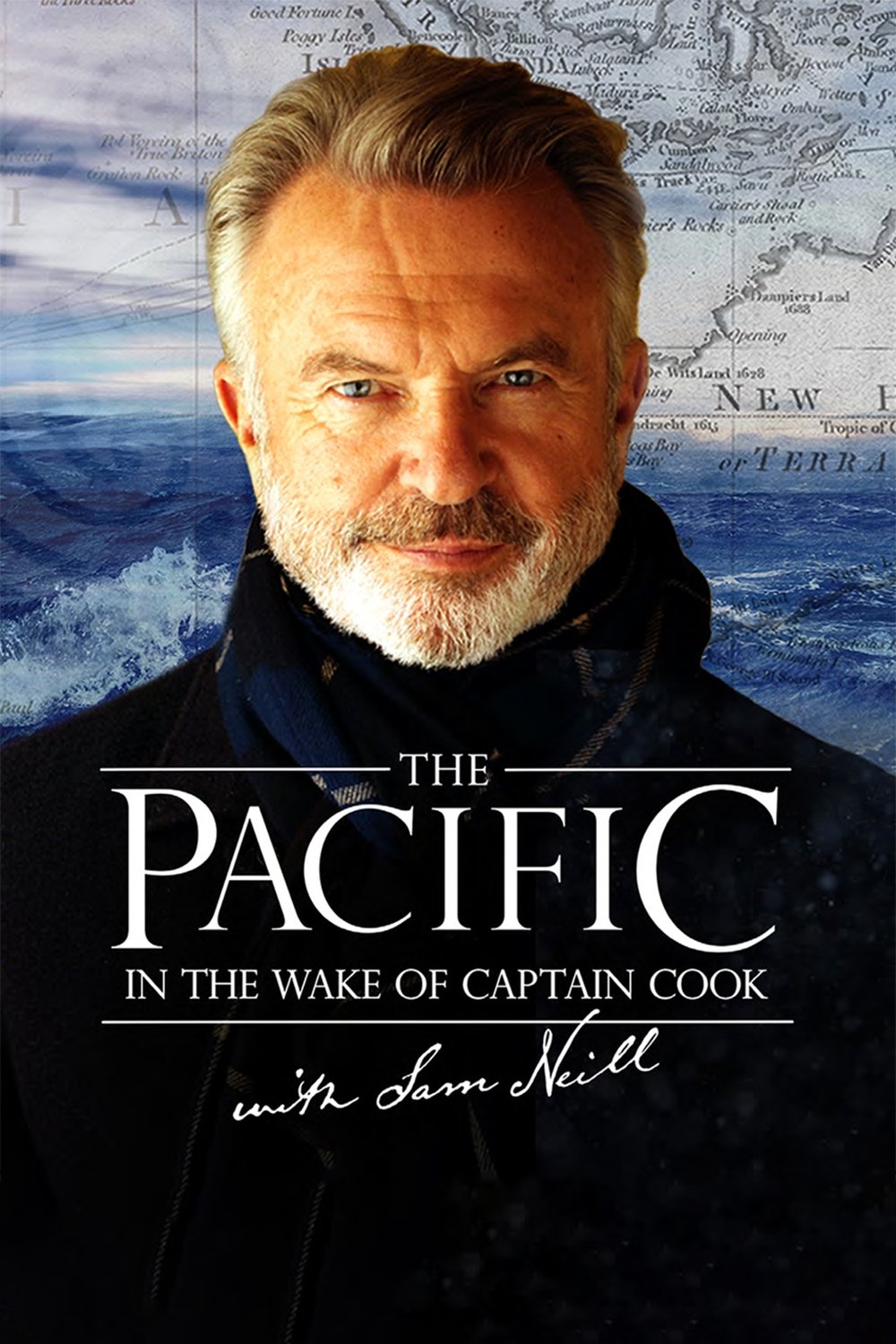
History is taking to the seas and walking in the footsteps of Captain James Cook. 250 years after Cook began his epic exploration of the Pacific, Sam Neill (Jurassic Park, The Piano) journeys in his wake uncovering stories that resonate from those times on both sides of the beach. Sam begins with a disclaimer – he is merely an actor – but the story of Cook, and the impact he has had on the Pacific in the 250 years since his first voyage, has always fascinated him.
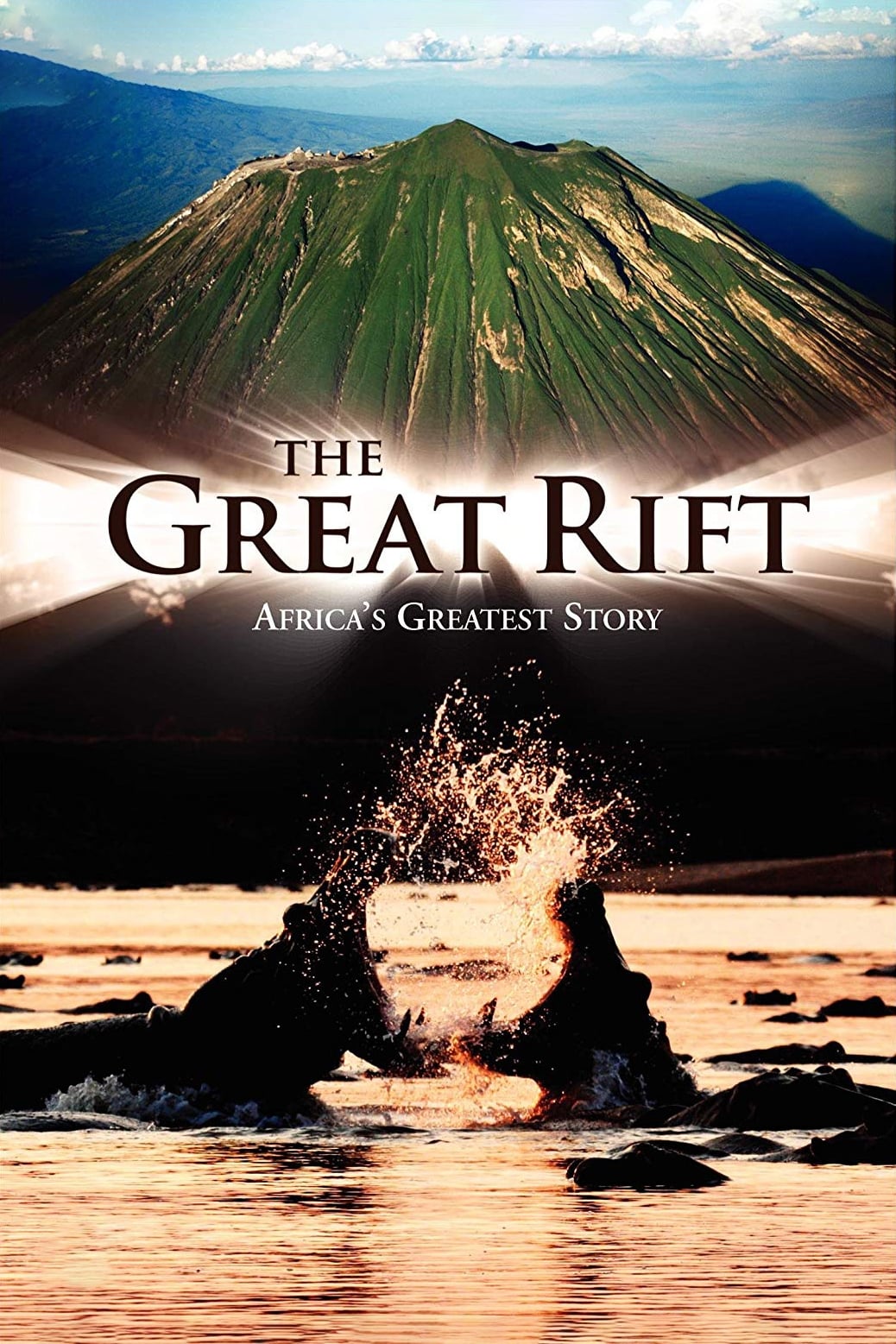
A BBC/Animal Planet co-production, the three-part series focuses on the landscape and wildlife of the Great Rift Valley in East Africa.
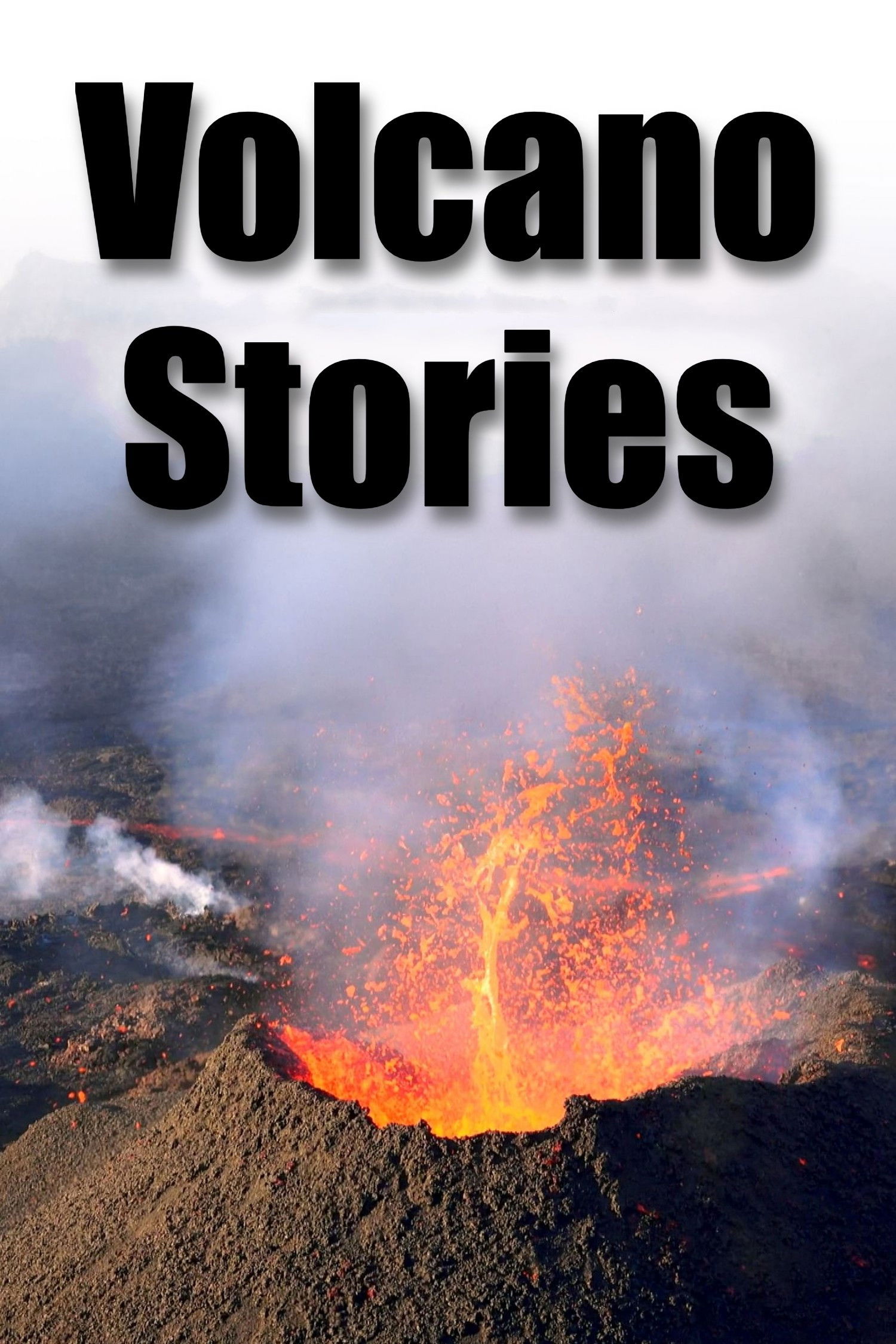
No two volcanoes are alike; each one has its own distinctive landscape, climate, and geological context. Just as unique are the people we meet along the way who help us comprehend how greatly our planet – and our lives – have been shaped by volcanic phenomena. For the scientific aspect of each episode, we explore the very diverse range of questions raised by volcanic phenomena in such varied fields as earth sciences, climatology, biodiversity, oceanography, geography, agronomics, and archaeology. The cultural part of the show delves into mythology, religion, philosophy, folk and artistic traditions, cooking, and ways of life.
Storm chasers, survivors and first responders recount their harrowing experiences with volcanoes, tornadoes, hurricanes and earthquakes.
Biologist Liz Bonnin and geologist Martin Pepper set out on a global expedition to answer the most thought-provoking questions in earth science today. Throughout history, such geologic events as volcanic eruptions, tsunamis, tectonic plate motion, earthquakes, and asteroid impacts have continually reshaped Earth's surface, spreading chaos across the planet. By performing experiments, making observations in the field, and consulting expert scientists, the eight-part series works to uncover Earth's immeasurable capacity to create and destroy.
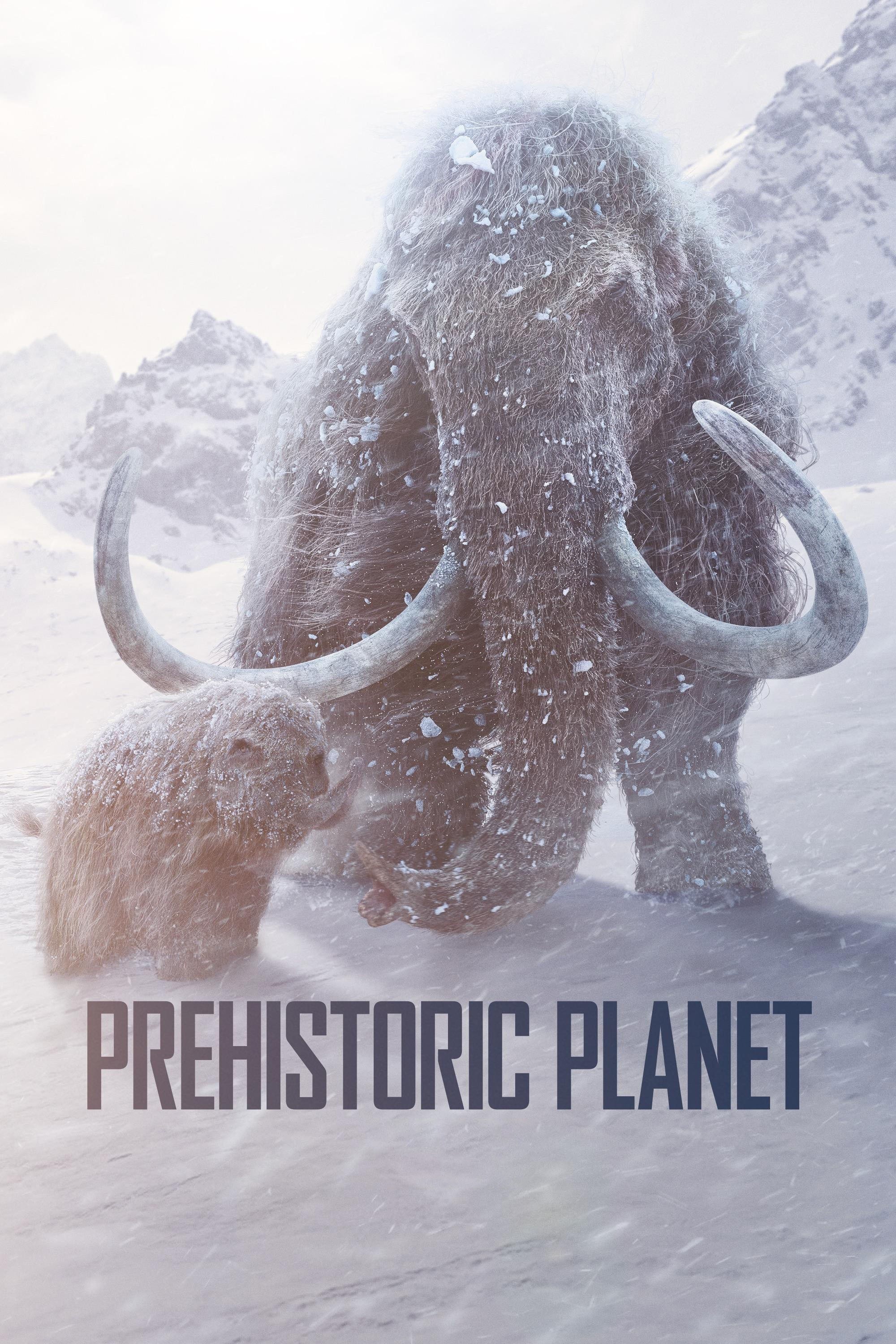
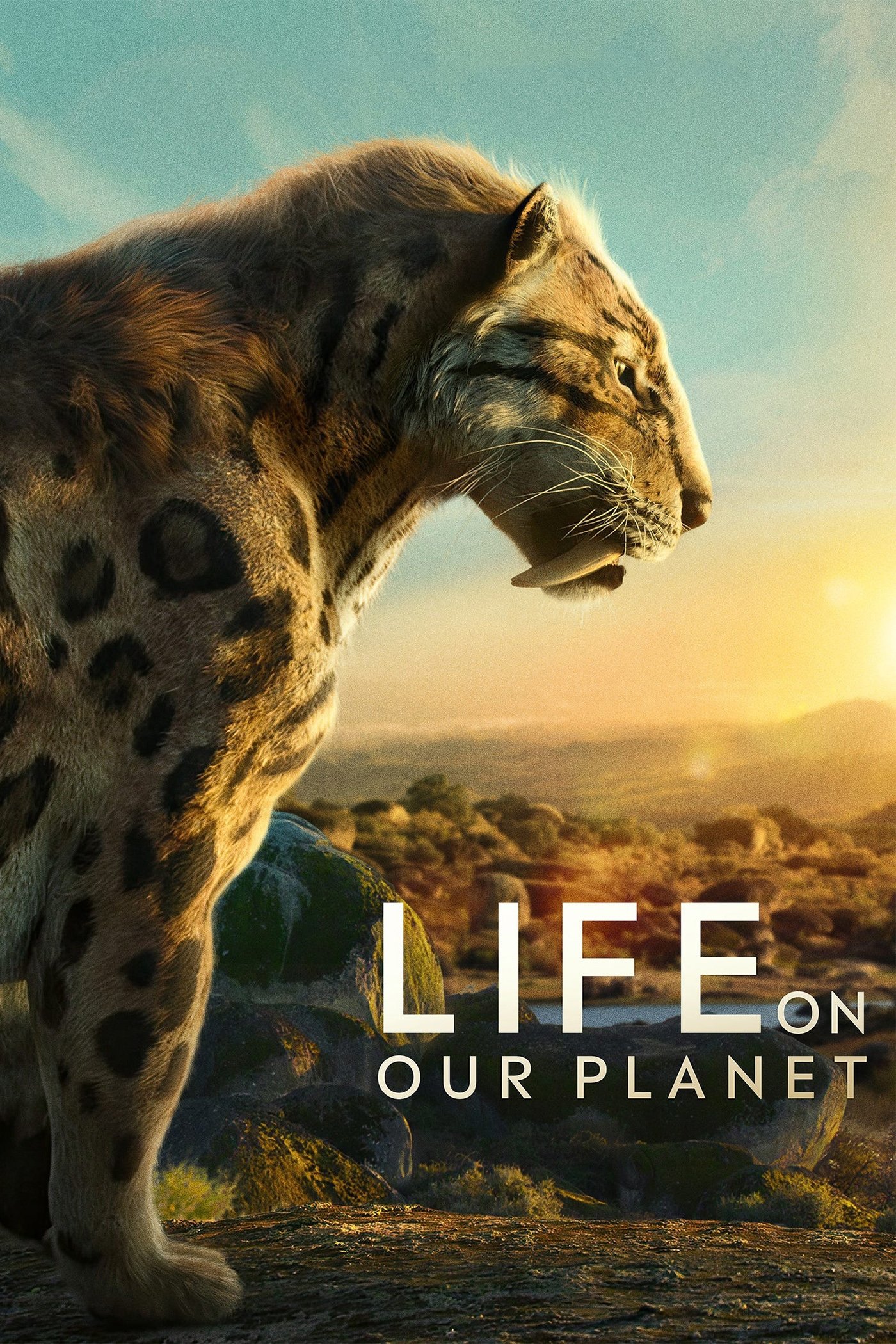
Experience the wonders of our world like never before in this epic series from Jon Favreau and the producers of Planet Earth. Travel back 66 million years to when majestic dinosaurs and extraordinary creatures roamed the lands, seas, and skies.
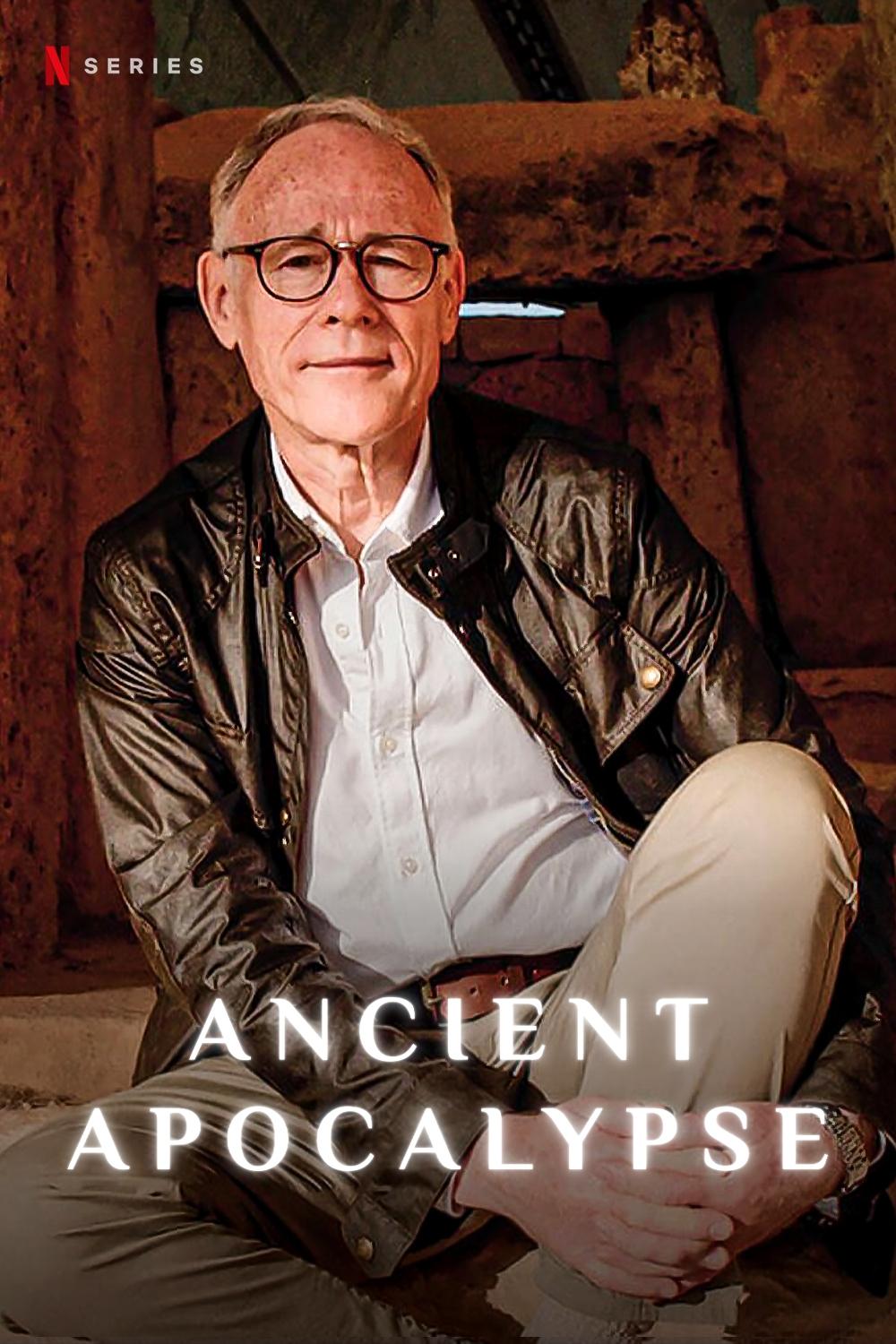
Journalist and writer Graham Hancock travels the globe hunting for evidence of mysterious, lost civilizations dating back to the last Ice Age. He attempts to prove that a climatic event 12,000 years ago wiped out an entire civilization far more sophisticated than the simple hunter-gatherers some archaeologists believe lived at that time.
Award-winning actor and nervous explorer Eugene Levy steps out of his comfort zone for a whirlwind tour of the world's most beautiful and intriguing destinations.
David Attenborough presents a documentary series exploring how animals meet the challenges of surviving in the most iconic habitats on earth.
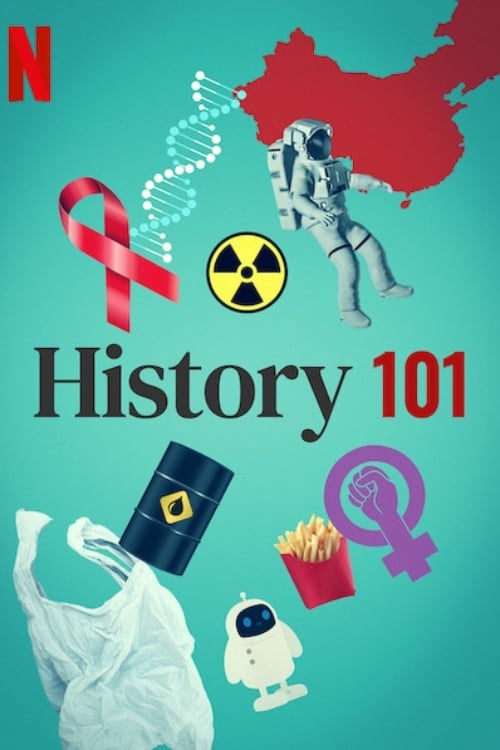
Infographics and archival footage deliver bite-size history lessons on scientific breakthroughs, social movements and world-changing discoveries.
Horizon tells amazing science stories, unravels mysteries and reveals worlds you've never seen before.
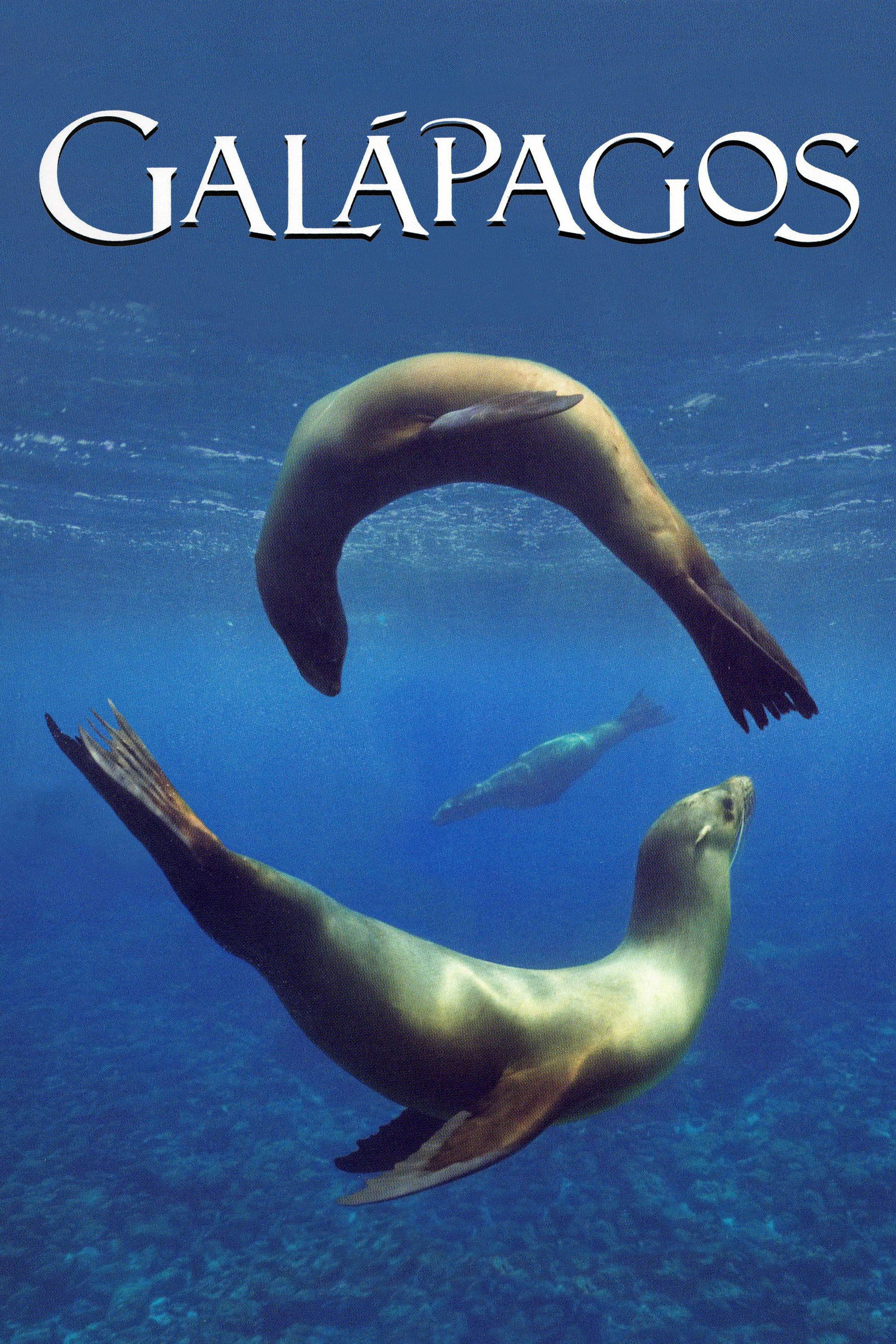
The history of these beautiful Islands from their creation as uprising lava to their being studied by Darwin to their modern day inhabitants.
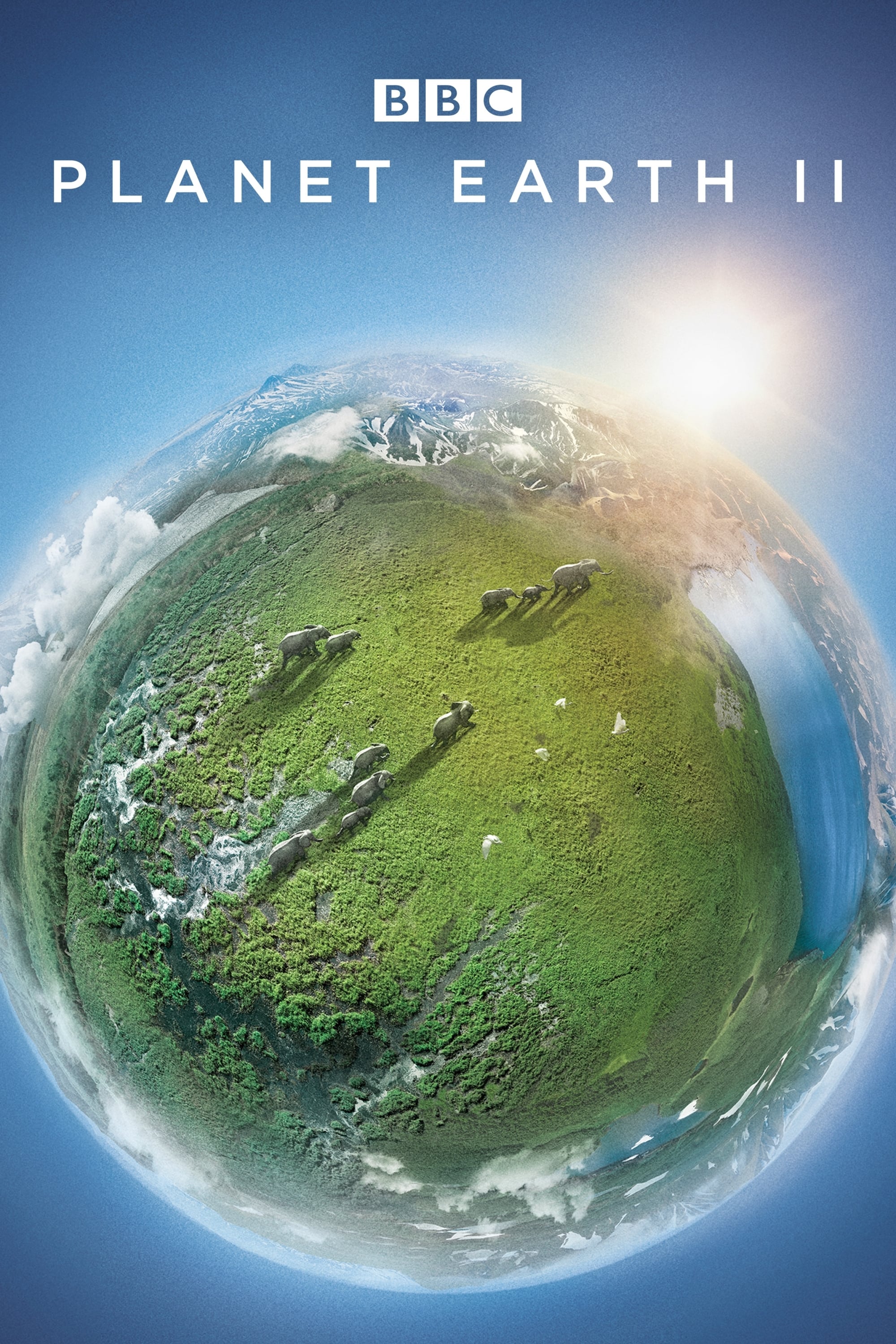
David Attenborough celebrates the amazing variety of the natural world in this epic documentary series, filmed over four years across 64 different countries.
TV's most-watched history series brings to life the compelling stories from our past that inform our understanding of the world today.
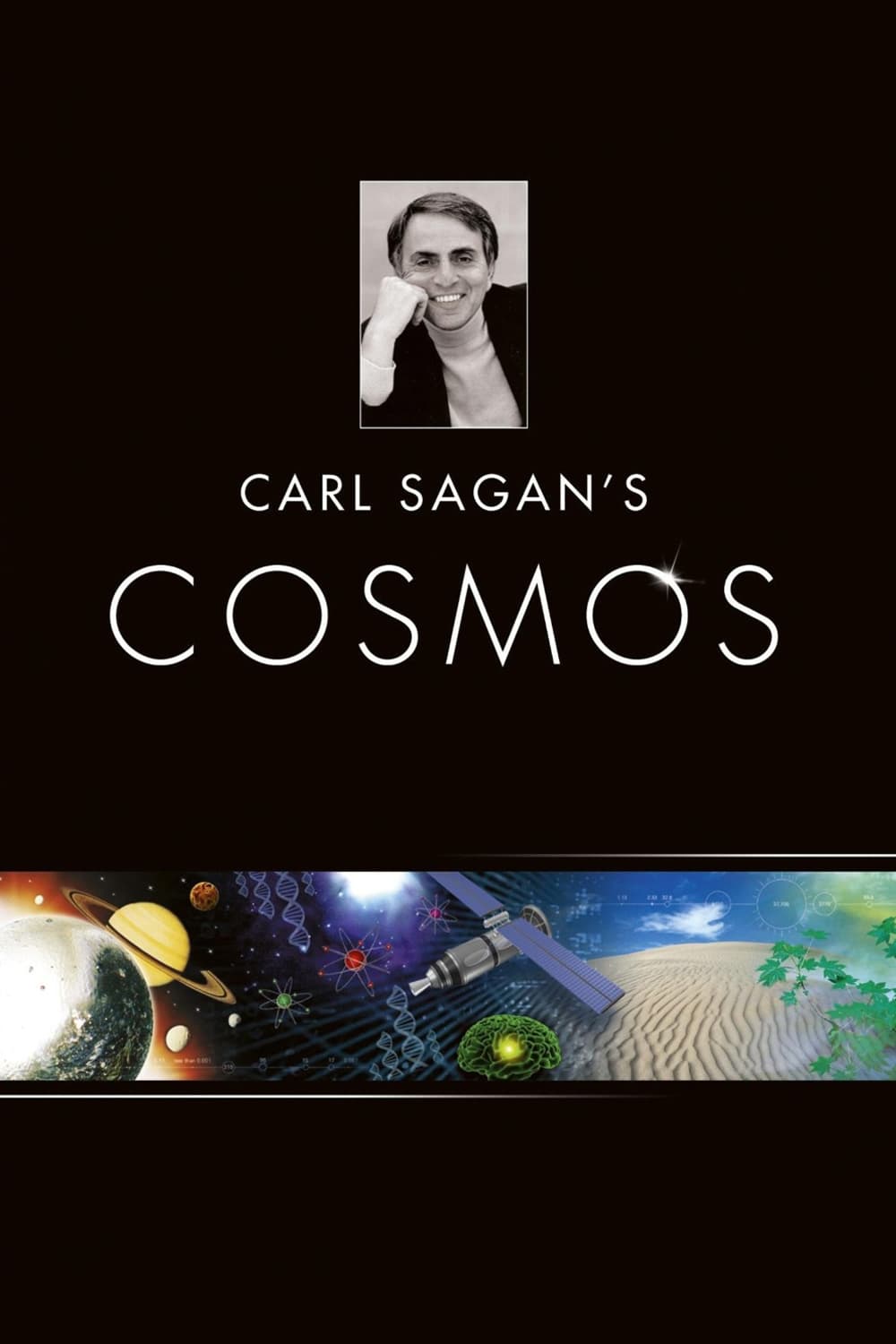
Carl Sagan covers a wide range of scientific subjects, including the origin of life and a perspective of our place in the universe.
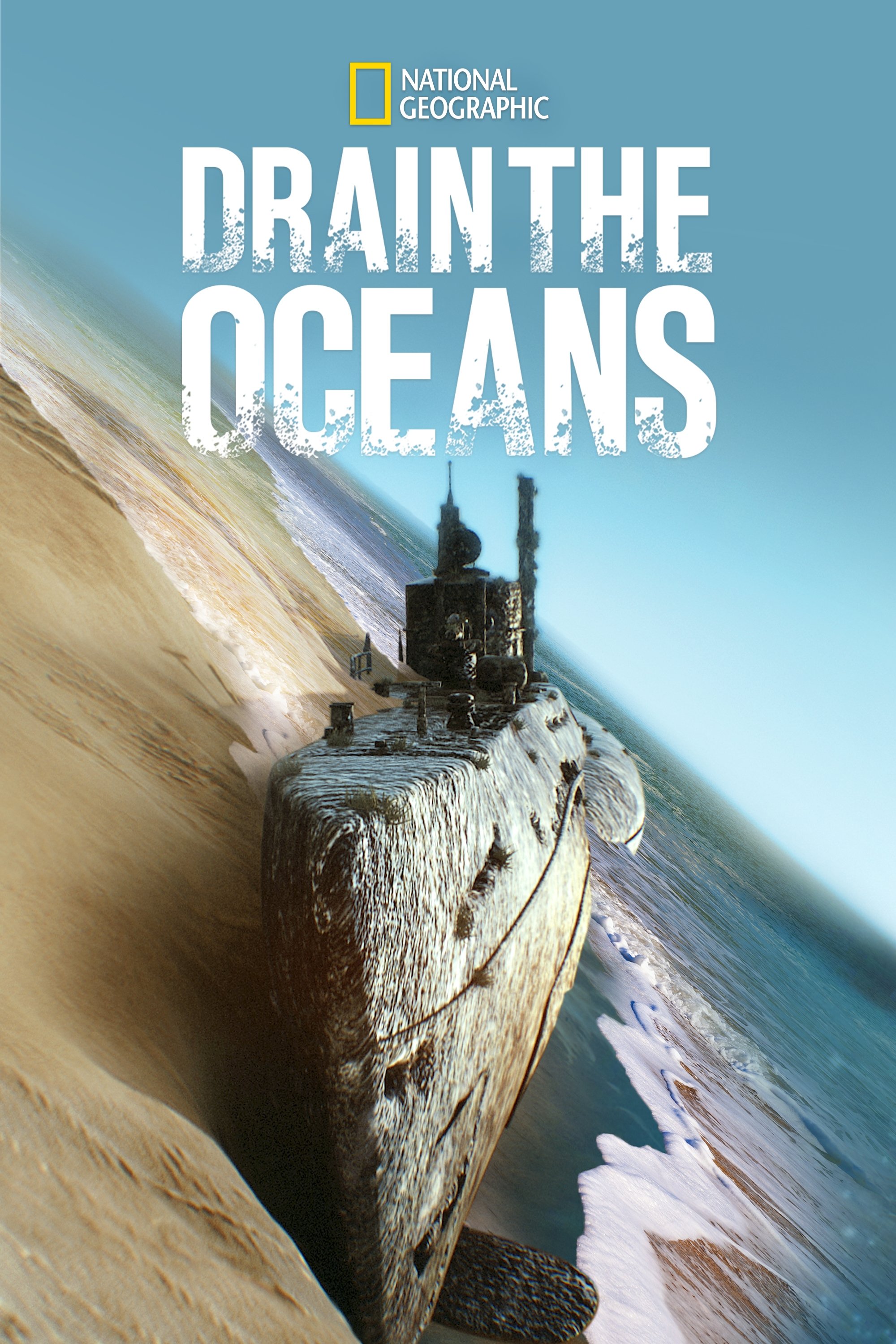
Maritime mysteries—old and new—come to life in this series, combining scientific data and digital re-creations to reveal shipwrecks, treasures, and sunken cities on the bottom of lakes, seas and oceans around the world.
A mind-bending, thrilling journey exploring the fragility and wonder of planet Earth, one of the most peculiar, unique places in the entire universe, brought to life by the only people to have left it behind – the world’s most well known and leading astronauts.
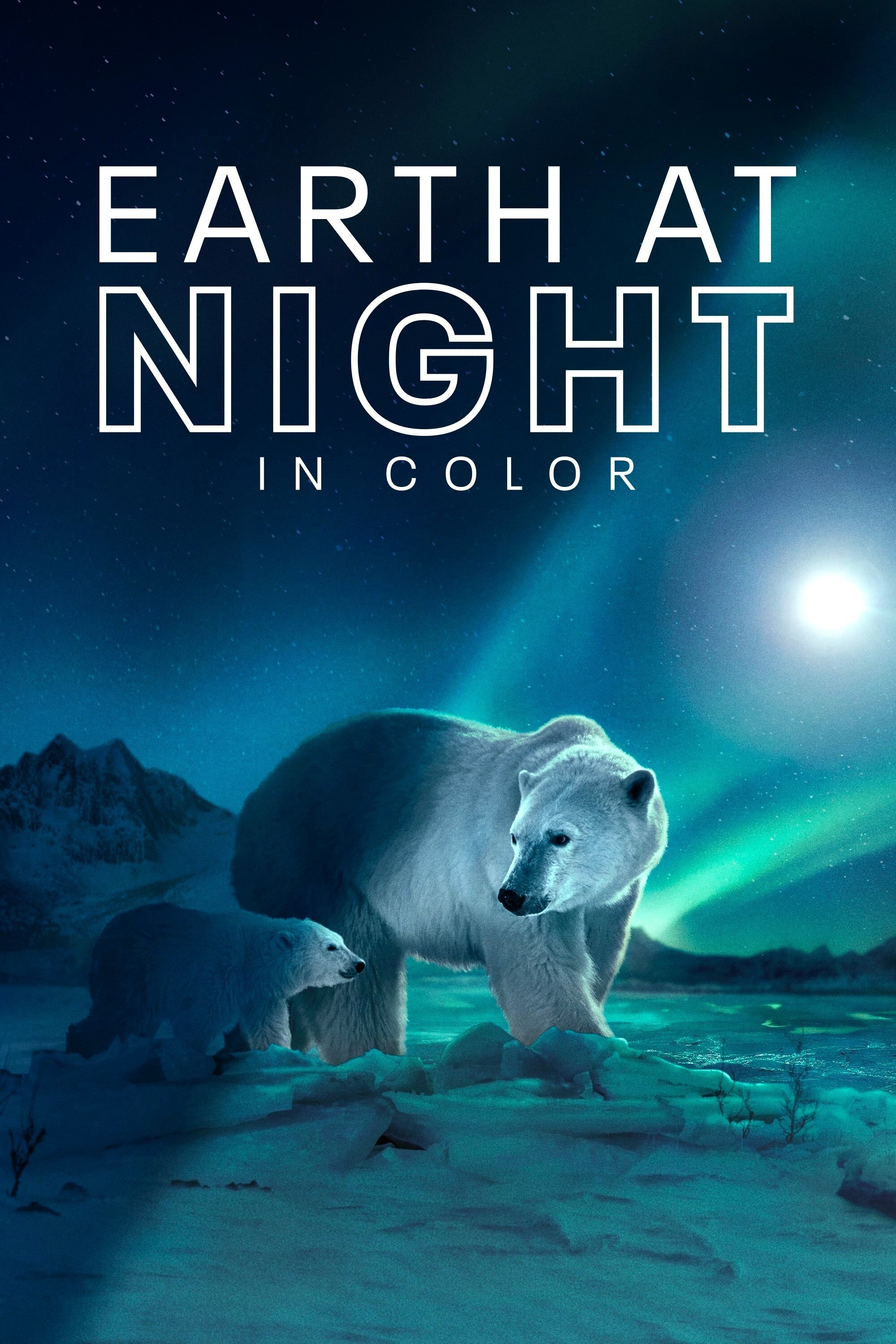
Filmed across six continents, this docuseries uses cutting-edge camera technology to capture animals' nocturnal lives, revealing new behaviours filmed in full color like never before.
Motoring programme featuring reviews of and reports about cars of all types.
MegaStructures is a documentary television series appearing on the National Geographic Channel in the United States and the United Kingdom, Channel 5 in the United Kingdom, France 5 in France, and 7mate in Australia. Each episode is an educational look of varying depth into the construction, operation, and staffing of various structures or construction projects, but not ordinary construction products. Generally containing interviews with designers and project managers, it presents the problems of construction and the methodology or techniques used to overcome obstacles. In some cases this involved the development of new materials or products that are now in general use within the construction industry. MegaStructures focuses on constructions that are extreme; in the sense that they are the biggest, tallest, longest, or deepest in the world. Alternatively, a project may appear if it had an element of novelty or are a world first. This type of project is known as a Megaproject.
Professor Brian Cox journeys across the vastness of time and space revealing epic moments of sheer drama that changed the universe forever.
PBS' premier science series helps viewers of all ages explore the science behind the headlines. Along the way, NOVA demystifies science and technology, and highlights the people involved in scientific pursuits.
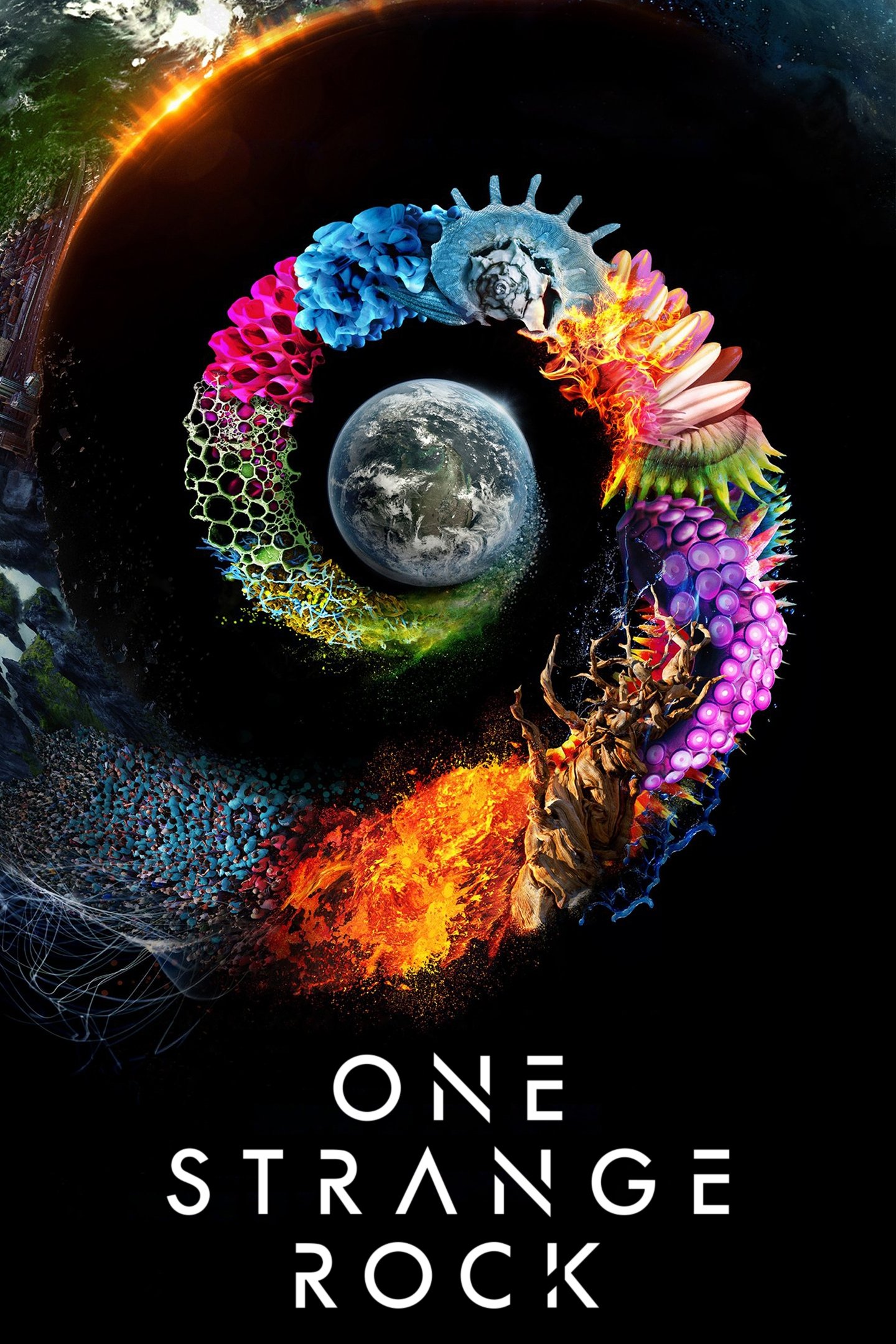
Life's extraordinary journey to conquer, adapt and survive on Earth across billions of years comes alive in this groundbreaking nature docuseries.
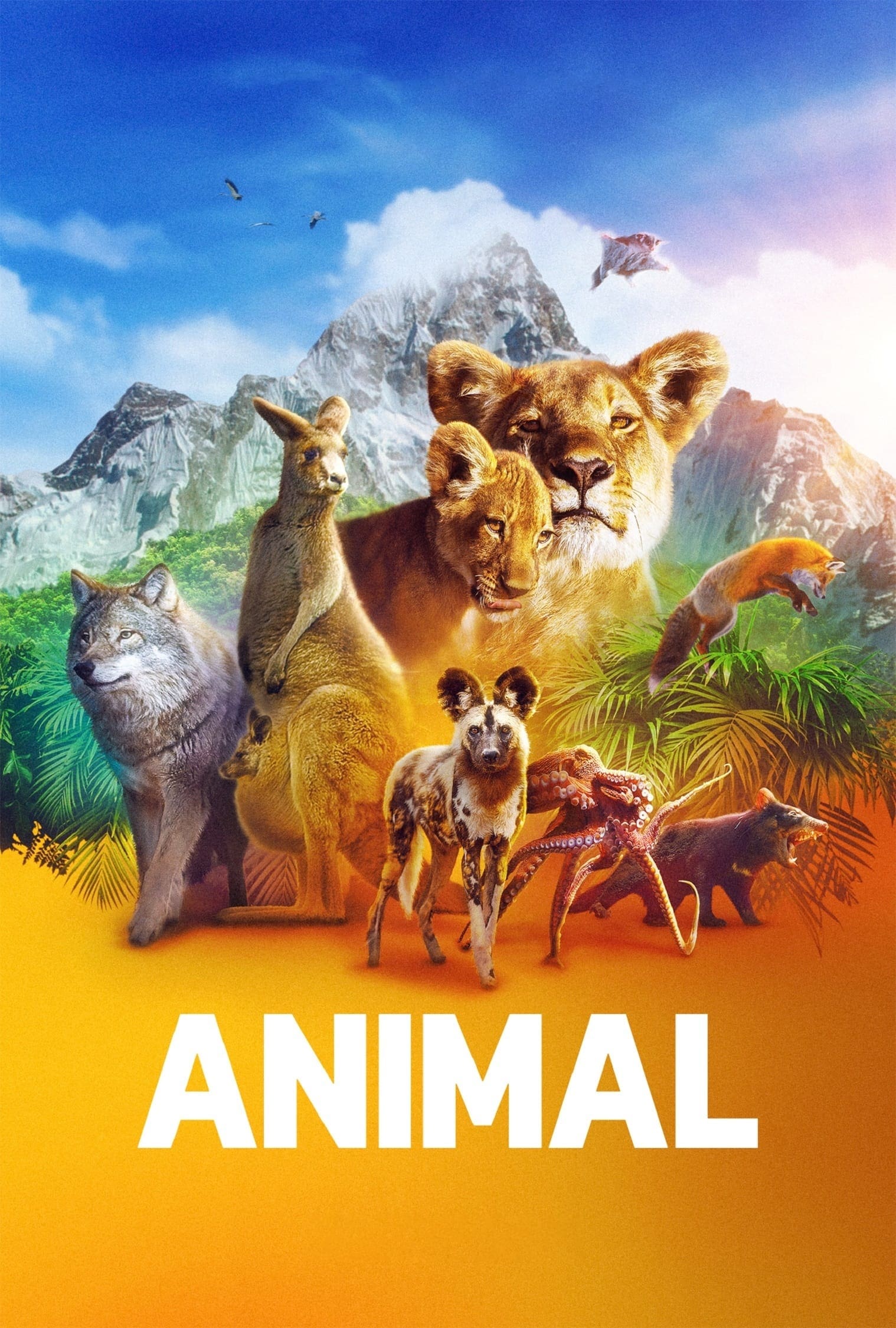
This immersive series follows the world's most magnificent creatures, capturing never-before-seen moments from the heartwarming to the outrageous.
Natural World is a nature documentary television series broadcast annually on BBC Two and regarded by the BBC as its flagship natural history brand. It is currently the longest-running series in its genre on British television, with more than 400 episodes broadcast since its inception in 1983. Natural World is produced by the BBC Natural History Unit in Bristol, but individual programmes can be in-house productions, collaborative productions with other broadcasters or films made and distributed by independent production companies and purchased by the BBC. Natural World programmes are often broadcast as PBS Nature episodes in the USA. Since 2008, most Natural World programmes have been shot and broadcast in high definition.