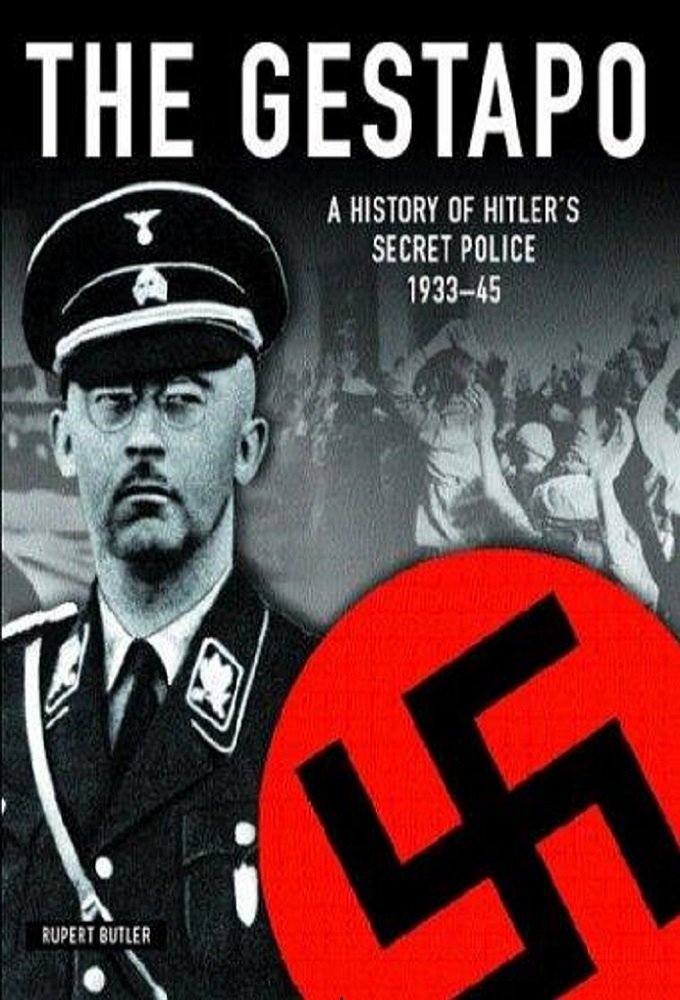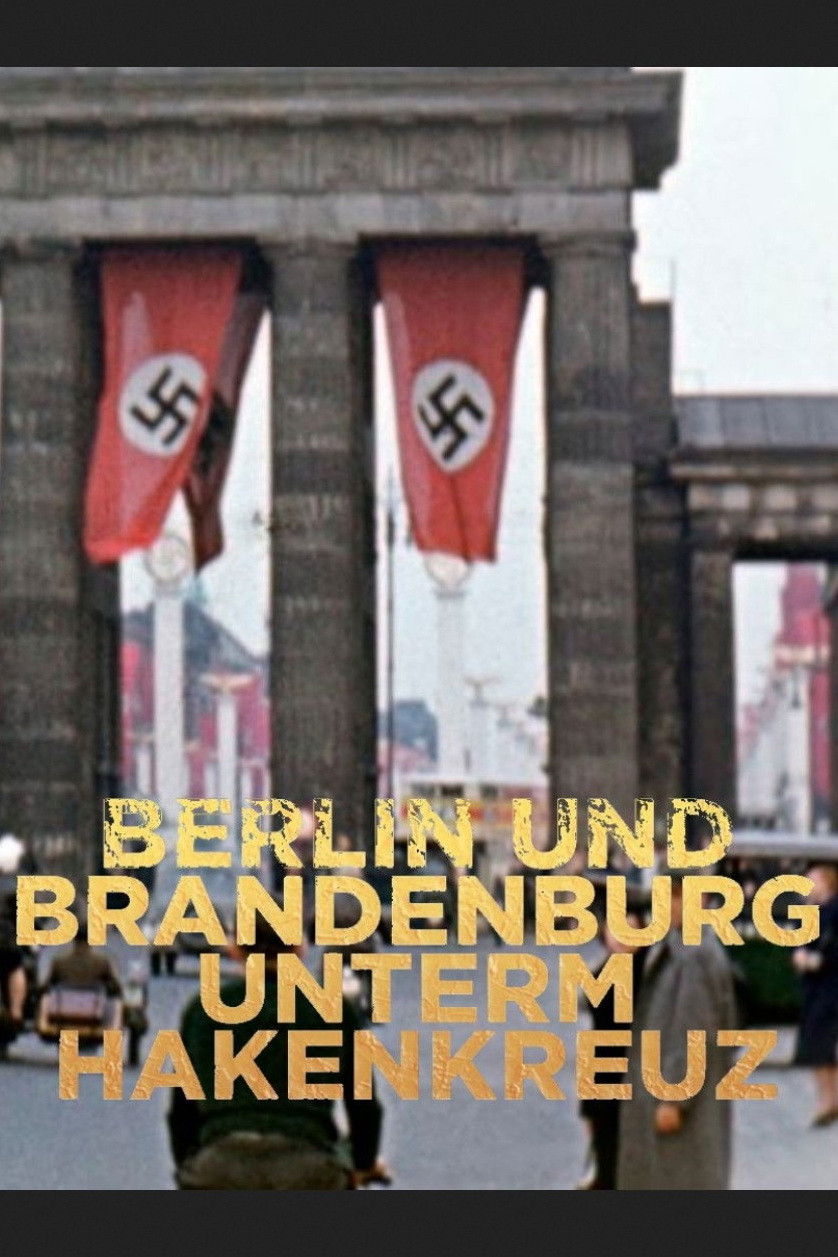

A candid look at what life was really like for those living in, and under Hitler's Swastika - at home - and abroad, a record not only of what they saw, but of what they knew.
Social & External
End of Innocence is a two-part television film that focuses on the work of the German Uranium Association during World War II. At Farm Hall in England, the ten German nuclear scientists interned there as part of Operation Epsilon learn of the dropping of the first atomic bomb on Hiroshima in August 1945. In flashbacks, the development of the German uranium project is recapitulated chronologically from the discovery of nuclear fission by Otto Hahn to the work of Kurt Diebner at the Heereswaffenamt to the experiments of the Kaiser Wilhelm Institute for Physics under Werner Heisenberg and Carl Friedrich von Weizsäcker at the Haigerloch research reactor in spring 1945.
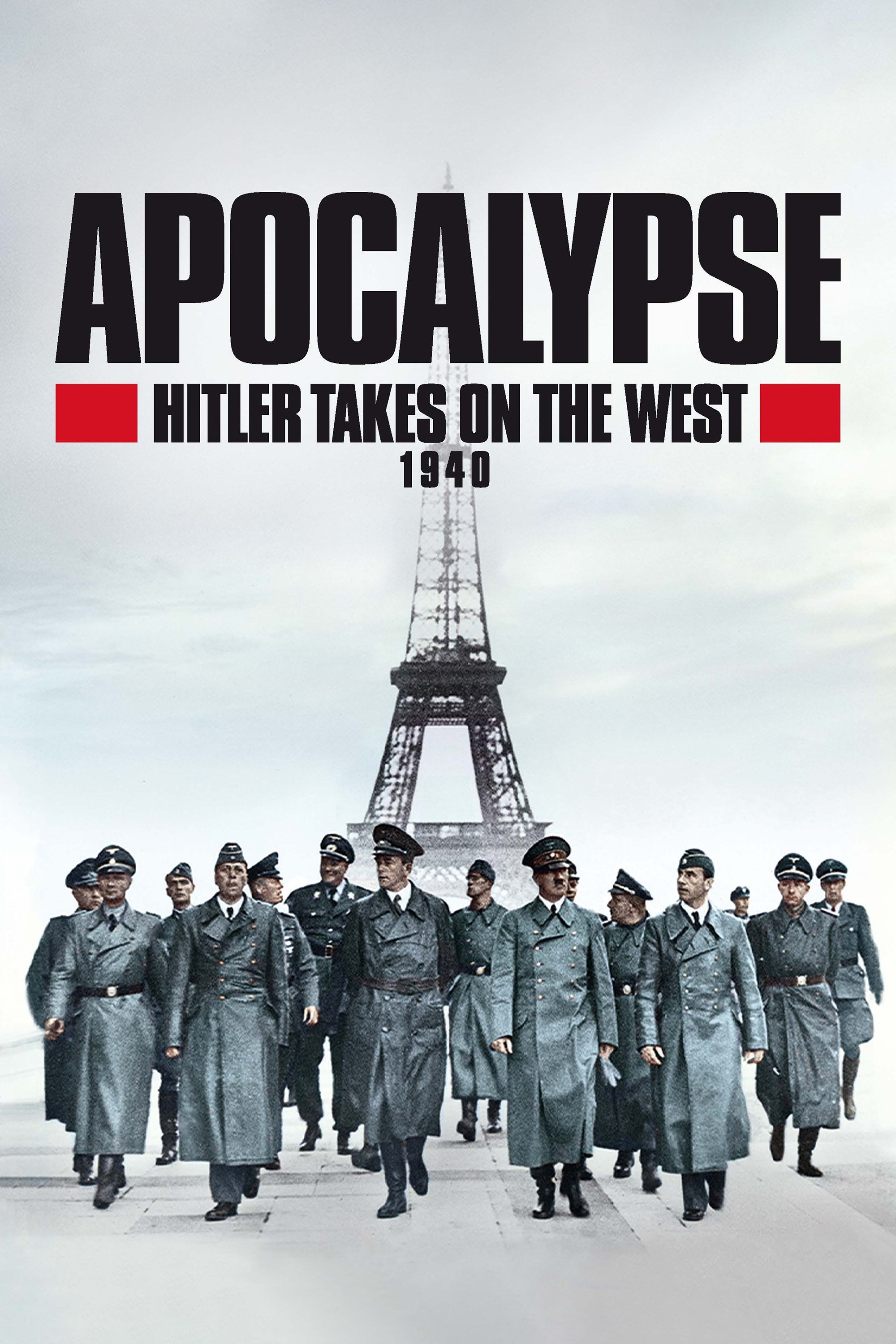
Summer 1943: Hitler engages in a decisive battle in Kursk to win the war in the East. This is without counting on the pugnacity of the Red Army and the Allied intervention in the West. Month after month, the noose tightens on the Nazi tyrant who refuses to admit defeat and precipitates his country in its fall.
In occupied France, 17-year-old Lili encounters war before love, and joins the Resistance. Through the interconnecting destinies of its teenage heroes, Resistance tells the story of young people going to any lengths to defend their country.
Set against the backdrop of the greatest clandestine race against time in the history of science with the mission to build the world's first atomic bomb in Los Alamos, New Mexico. Flawed scientists and their families attempt to co-exist in a world where secrets and lies infiltrate every aspect of their lives.
The story of three decades of war told through the eyes of various men who were its key players: Roosevelt, Hitler, Patton, Mussolini, Churchill, Tojo, DeGaulle and MacArthur. The series examines the two wars as one contiguous timeline starting in 1914 and concluding in 1945 with these unique individuals coming of age in World War I before ultimately calling the shots in World War II.
"Löwengrube – Die Grandauers und ihre Zeit" is a German television series first aired between 1989 and 1992, created by Willy Purucker and directed by Rainer Wolffhardt. It is set in Munich and follows the lives of Ludwig Grandauer and his son Karl, both policemen, covering the years from 1897 to 1954. The TV show is based on Purucker's radio play series Die Grandauers und ihre Zeit (‘The Grandauers and their time’). The series’ main title "Löwengrube", meaning ‘Lions’ Den’, refers to the address of the Munich Police Headquarters inaugurated in 1913.
A four-part history series examines relations between Nazi Germany and Finland in the 1930s and 1940s. The series explores how the close relationship between Finland and Germany was born and developed, and what was known in Finland about the Holocaust, the mass extermination of the Jews at a time when the countries were at war together. Through archives and expert interviews, it explores how close Finns were to the Nazi German leadership.
The dramatised account of how the world’s greatest Special Forces unit, the SAS, was formed under extraordinary circumstances in the darkest days of World War Two.
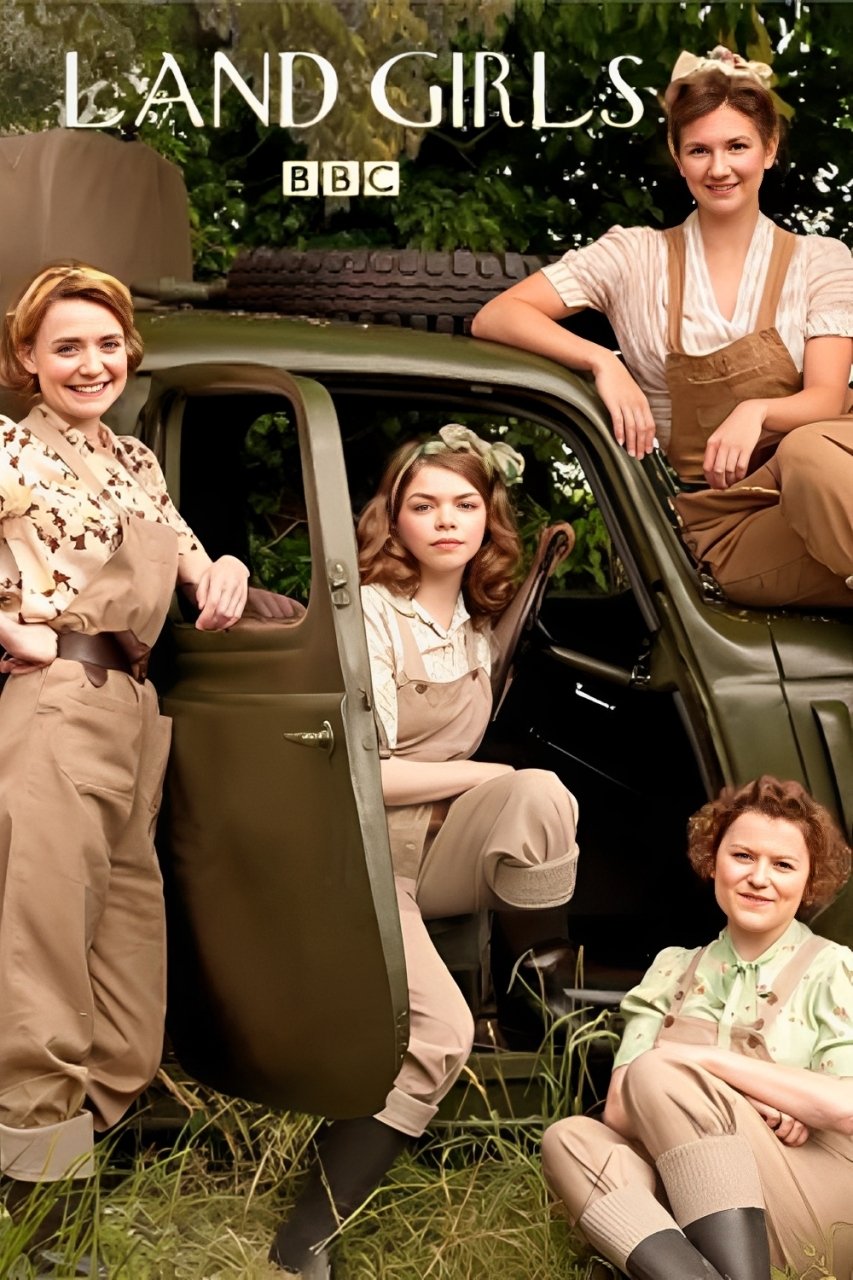
The lives, loves and highs and lows of four members of the Women's Land Army working at the Hoxley Estate during World War II.
WWII’s Greatest Raids is a series that takes you into the heart of an elite band of soldiers in the heat of a key action in their history, and follows them on the mission to show just how these men put their unique combination of skills, training and equipment to the test of combat. We’ll explore just how celebrated outfits such as the U.S. Army Rangers, the British Special Air Service and the Black Devil Brigade have changed the course of a battle, or perhaps even a war, through their courage, daring and commitment.
The misadventures of hapless cafe owner René Artois and his escapades with the Resistance in occupied France.
Andrew Marr's The Making of Modern Britain is a 2009 BBC documentary television series presented by Andrew Marr that covers the period of British history from the death of Queen Victoria to the end of the Second World War. It was a follow-up to his 2007 series Andrew Marr's History of Modern Britain.
In June 1941, Hitler decides to break the German-Soviet pact and set the German army in motion toward Moscow. From summer to winter, and from Kiev to Leningrad, previously unseen archival footage, some recolored, retraces the bloodiest military operation of World War II. Testimonies from soldiers and civilians recount these endless months of battles and sieges.
When the Nazis secure a heavy water plant to realize their plan to create an atomic bomb, the Norwegian Allies struggle to sabotage the operation.
This four-hour series narrated by Martin Sheen captures America's wartime experience through original color film footage and compelling passages from diaries and letters. Rare color footage-much of it never before publicly screened-presents a vivid and intimate portrait of life on the battlefield and on the U.S. home front.
The story of the Second World War through the personal accounts of a handful of men and women from four American towns. The war touched the lives of every family on every street in every town in America and demonstrated that in extraordinary times, there are no ordinary lives.
Using highly advanced colourisation techniques, critical moments from World War II, from Stalingrad to The Battle of Britain, are shown in a whole new light.
Explores WWII from Germany's invasion of Poland through the atomic age, examining pivotal battles, wartime leaders like Churchill and Roosevelt, and the human cost of total war.
Through vividly enhanced archival footage and voices from all sides of the conflict, this docuseries brings WWII to life like never before.
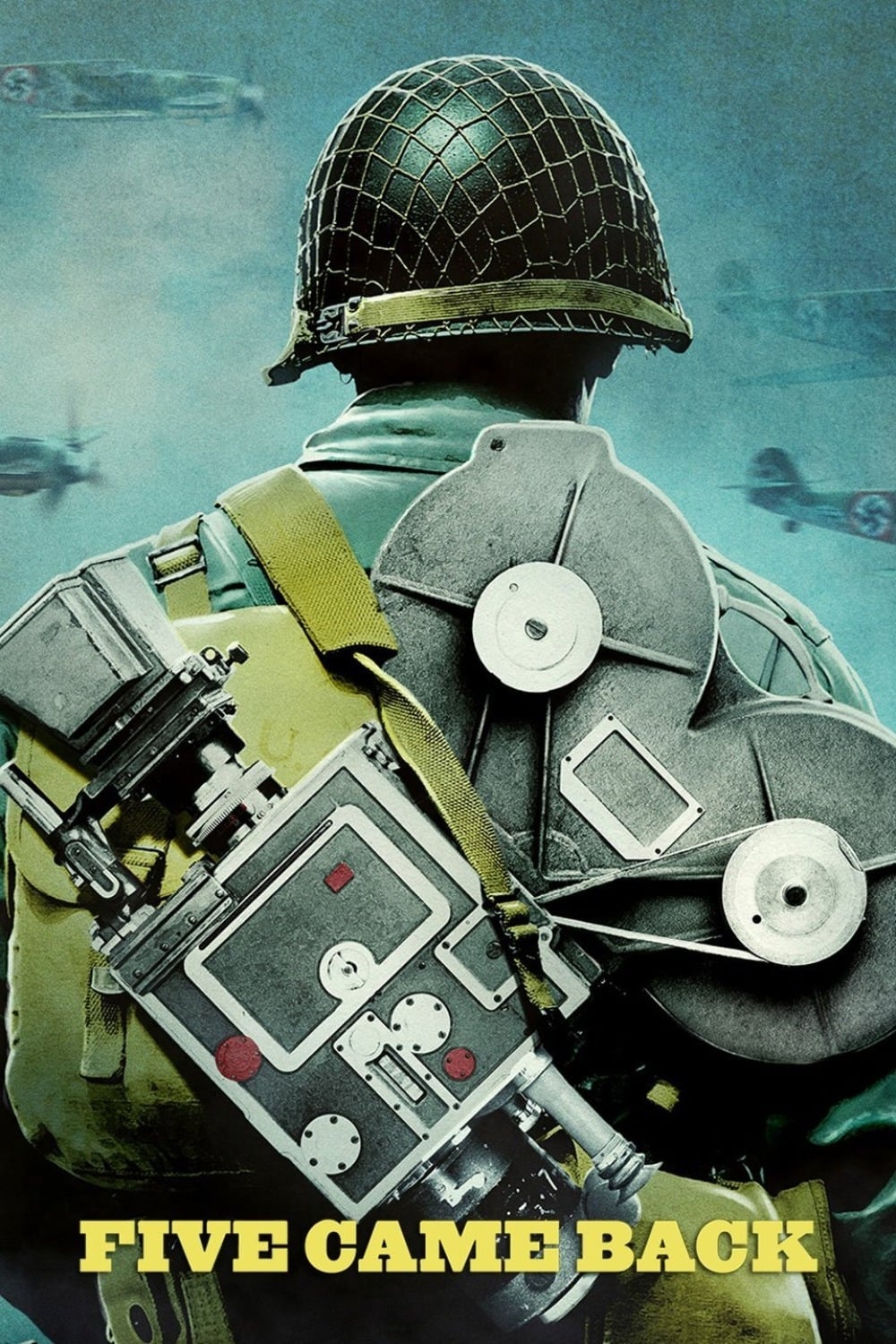
Five acclaimed contemporary directors tell the story of five legendary Hollywood filmmakers who enlisted in the armed forces to document World War II.
The documentary series explores different political figures throughout history.
Surviving power struggles, betrayals and plots, Hitler's inner circle of Nazi leaders seizes control of Germany and designs its disastrous future.
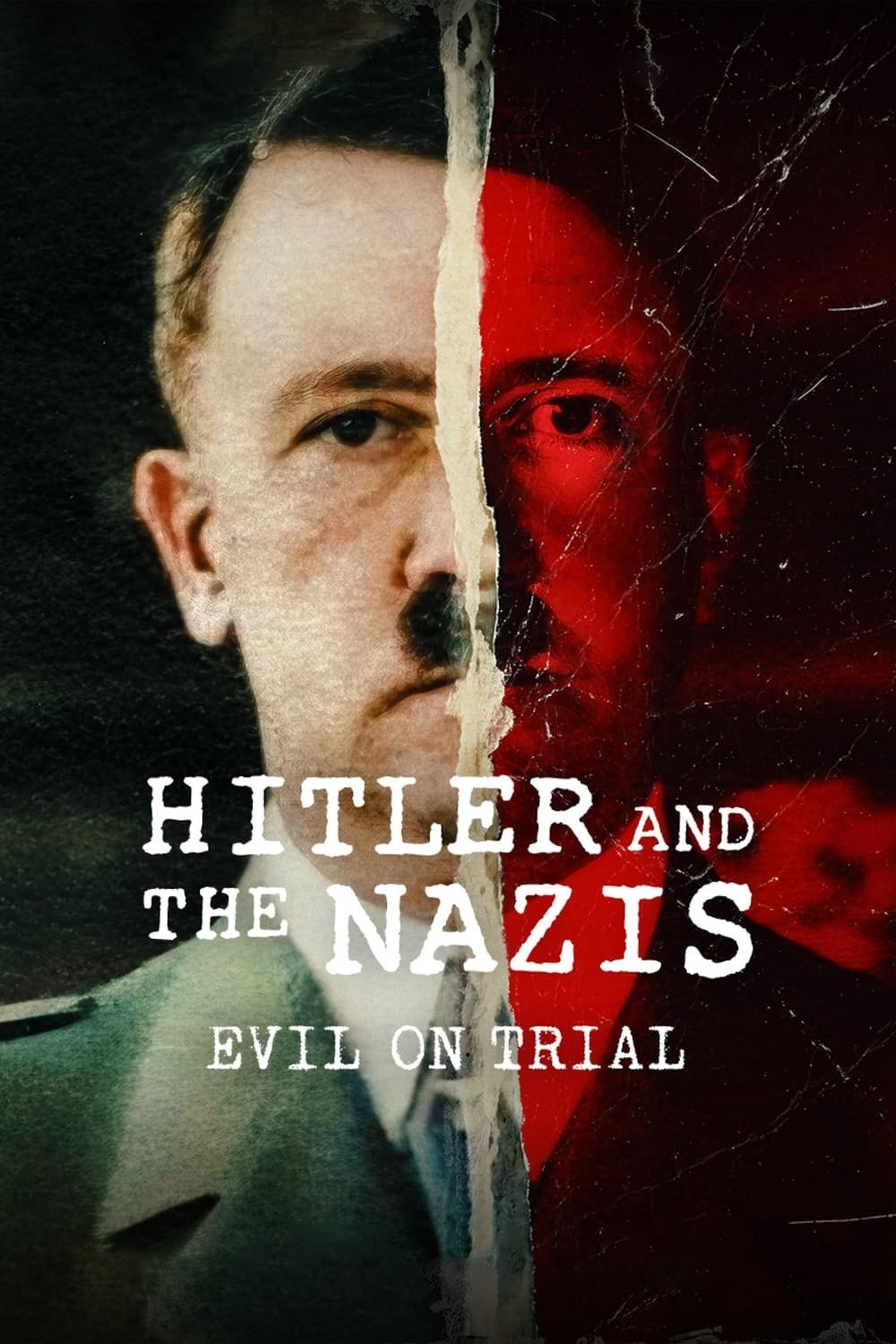
This gripping docuseries examines Adolf Hitler and the Nazis' rise, rule and reckoning from pre-WWII to the Holocaust to the Nuremberg trials.
An immersive 360-degree narrative telling the epic story of the Vietnam War as it has never before been told on film. Featuring testimony from nearly 80 witnesses, including many Americans who fought in the war and others who opposed it, as well as Vietnamese combatants and civilians from both the winning and losing sides.
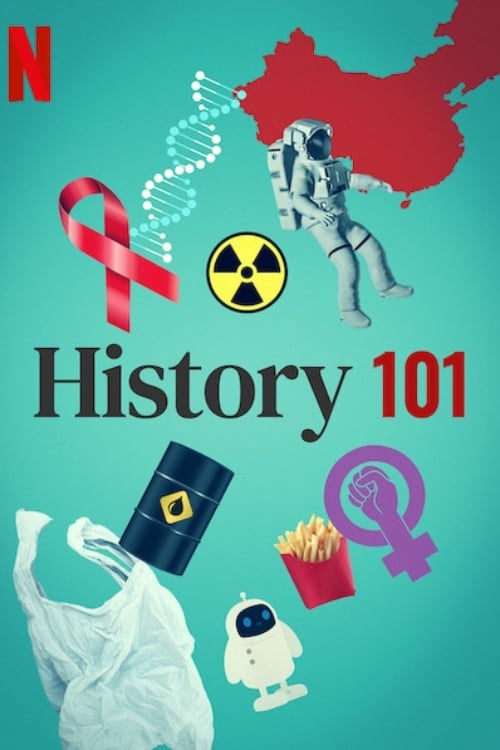
Infographics and archival footage deliver bite-size history lessons on scientific breakthroughs, social movements and world-changing discoveries.
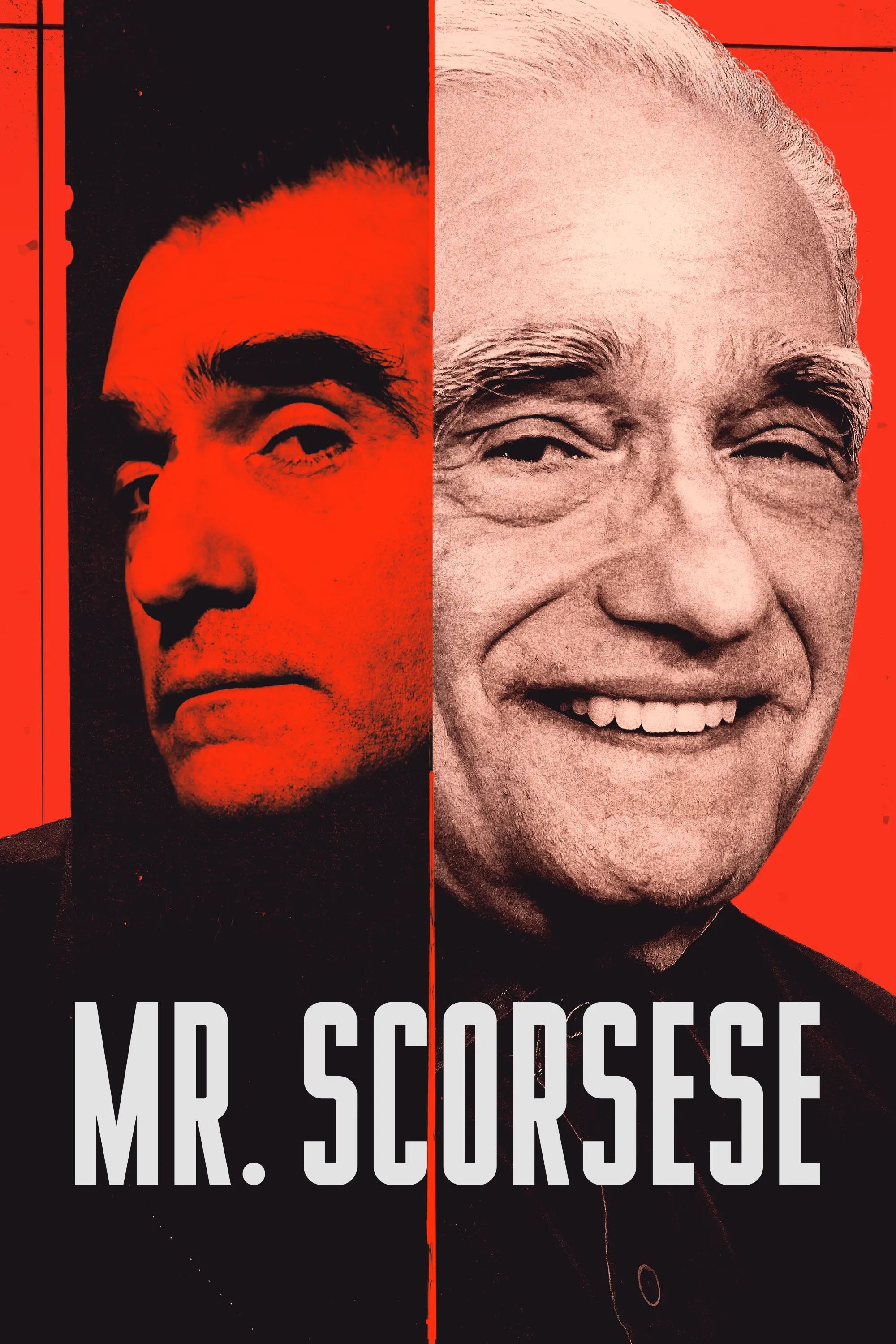
Explore the many lives of Martin Scorsese through intimate interviews with the man himself, access to his private archives, plus conversations with Robert De Niro, Leonardo DiCaprio, Margot Robbie, Daniel Day-Lewis, Steven Spielberg, and more.
In this true-crime documentary, a cult expert and filmmaker infiltrate a polygamist sect to expose a self-proclaimed prophet and bring him to justice.
Explore the surprising things we know (and don’t know) about why people are the way they are through expert interviews, rare footage from historical experiments, and brand-new, ground-breaking demonstrations of human nature at work.
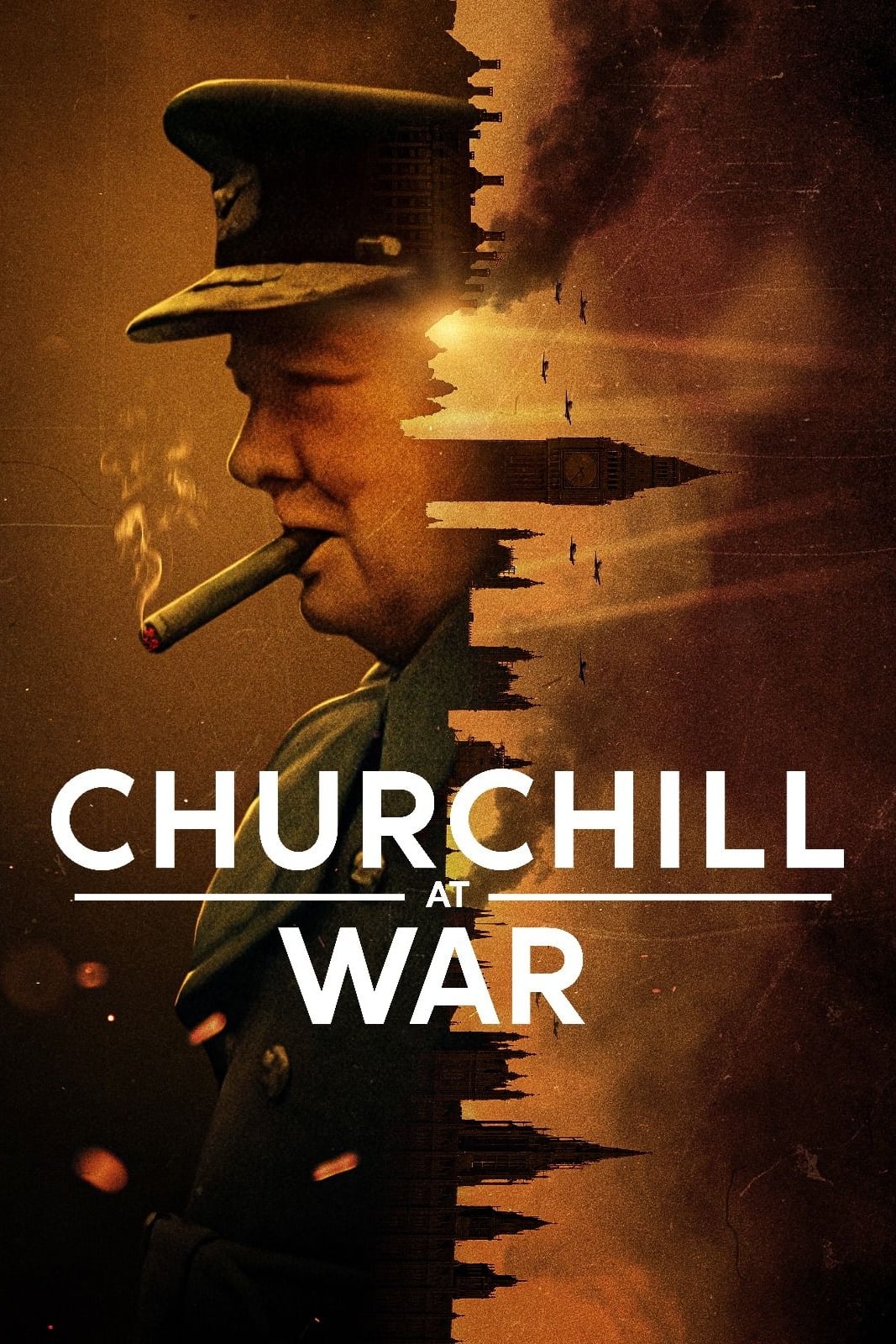
This captivating docuseries examines Winston Churchill's pivotal role in World War II and the formative events that made him an ideal leader for the era.
Featuring rare footage and interviews with CIA insiders, this edge-of-your-seat documentary series traces the epic hunt for Osama bin Laden.
Gripping historical footage and expert commentary give detailed insights into the leading figures and decisive turning points of World War II.
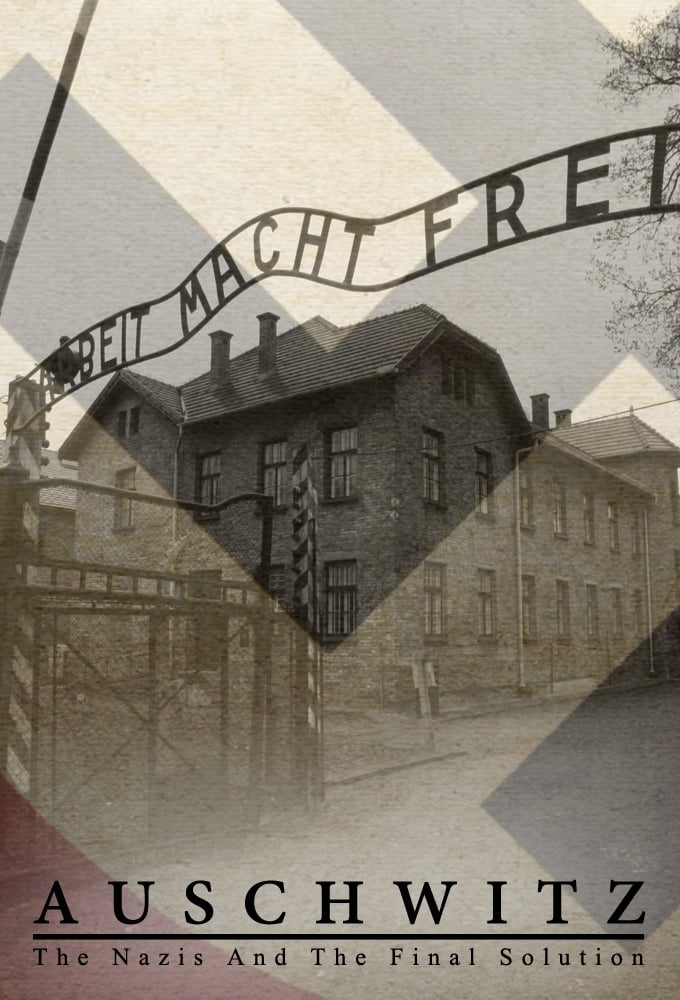
This documentary series tackles one of history's most horrifying subjects: the Holocaust and the infamous Auschwitz-Birkenau concentration camp.
Death row inmates convicted of capital murder give a firsthand account of their crimes in this documentary series.
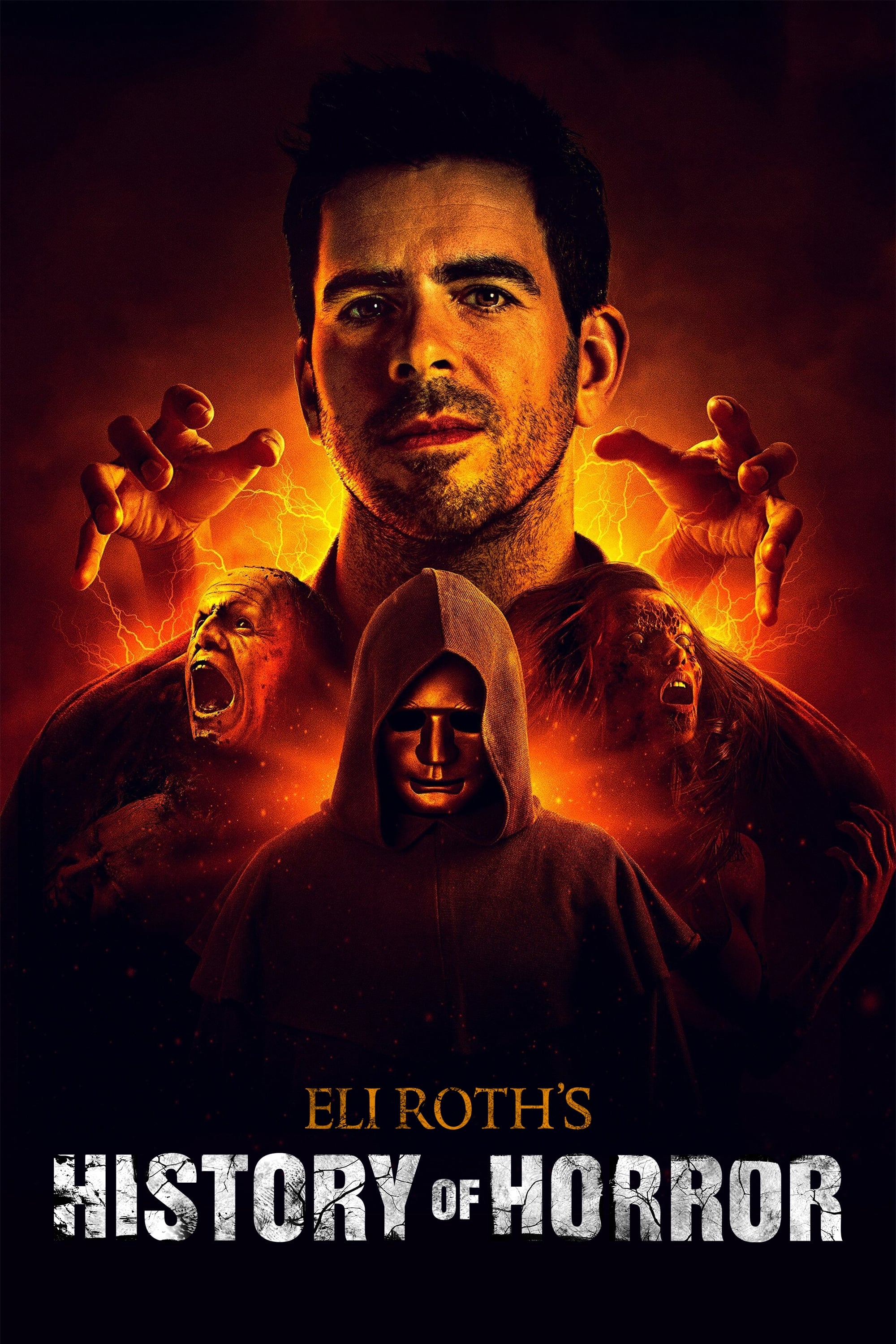
An in-depth look at the history and pop cultural significance of horror films.
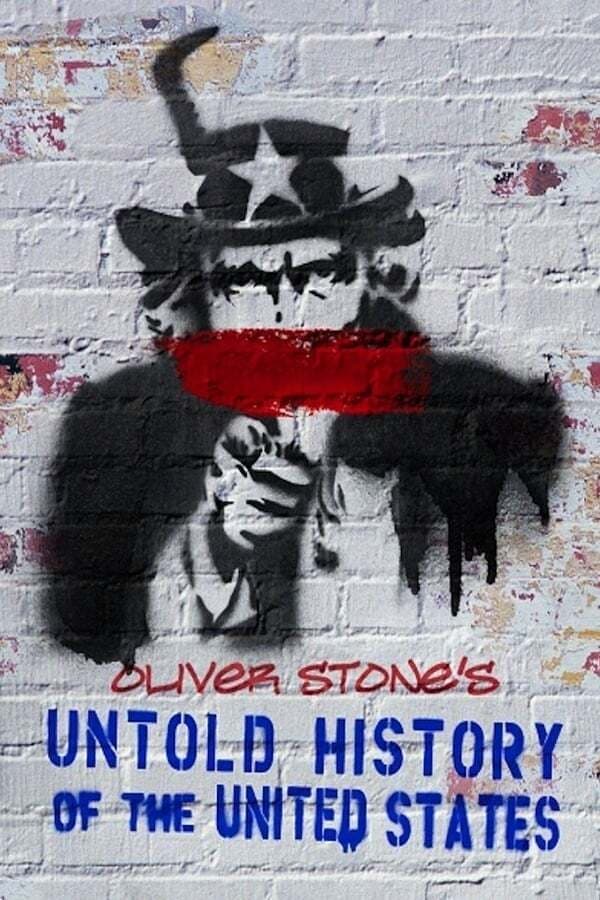
Oliver Stone's re-examination of under-reported events in American history.
Paranormal encounters from the viewpoint of those who lived them are detailed through immersive reenactments and present-day interviews.