These are last days of the Soviet troops' stay in Afghanistan. What's next? About the economic difficulties after the war is over, the results of the military company.
Social & External

A German Documentary about the “village of friendship” that was created by American Veteran George Mizo to help the Vietnamese kids suffering from the Vietnam War.
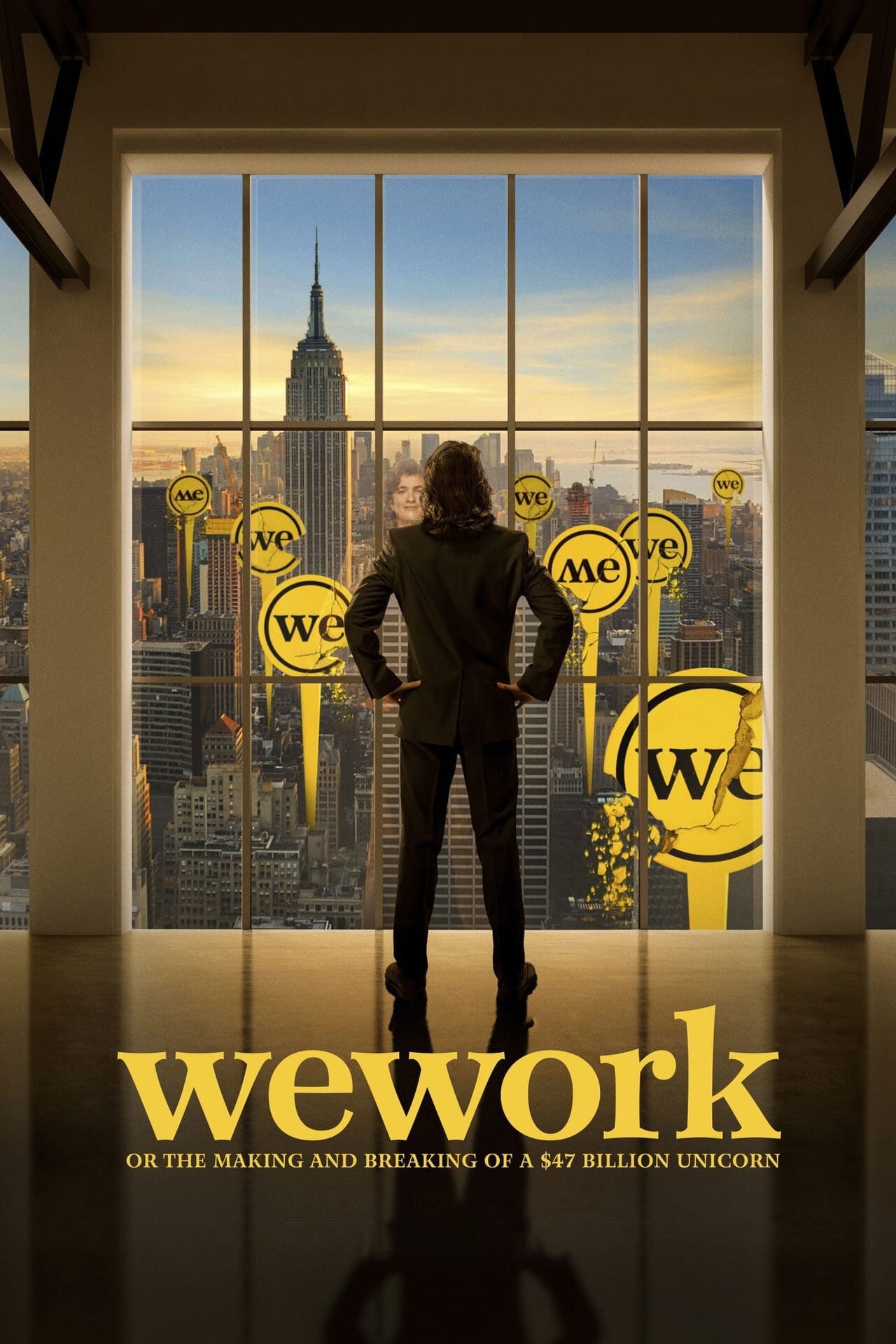
Explore the rise and fall of one of the biggest corporate flameouts and venture capitalist bubbles in recent years – the story of WeWork, and its hippie-messianic leader Adam Neumann.
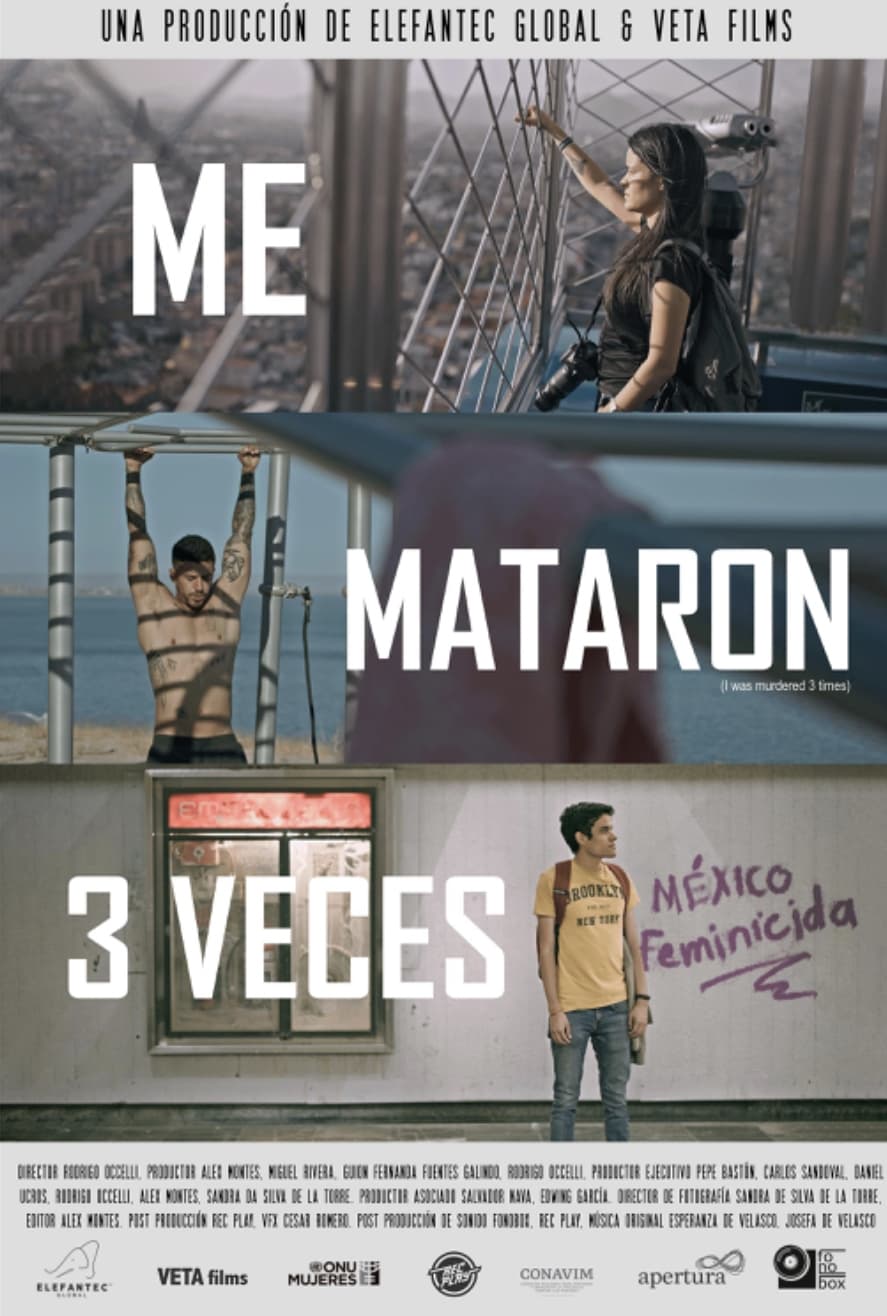
After their mother's femicide, three siblings are separated and forced to live in different places. Years later they gather to raise their voices and fight to be made visible in a country where orphans for femicide are ignored by the state and invisible to society. It's up to them to tell their story.
In the remote region of Semipalatinsk in North-Eastern Kazakhstan live the victims of hundreds of Soviet nuclear tests carried out from 1949 through 1989.
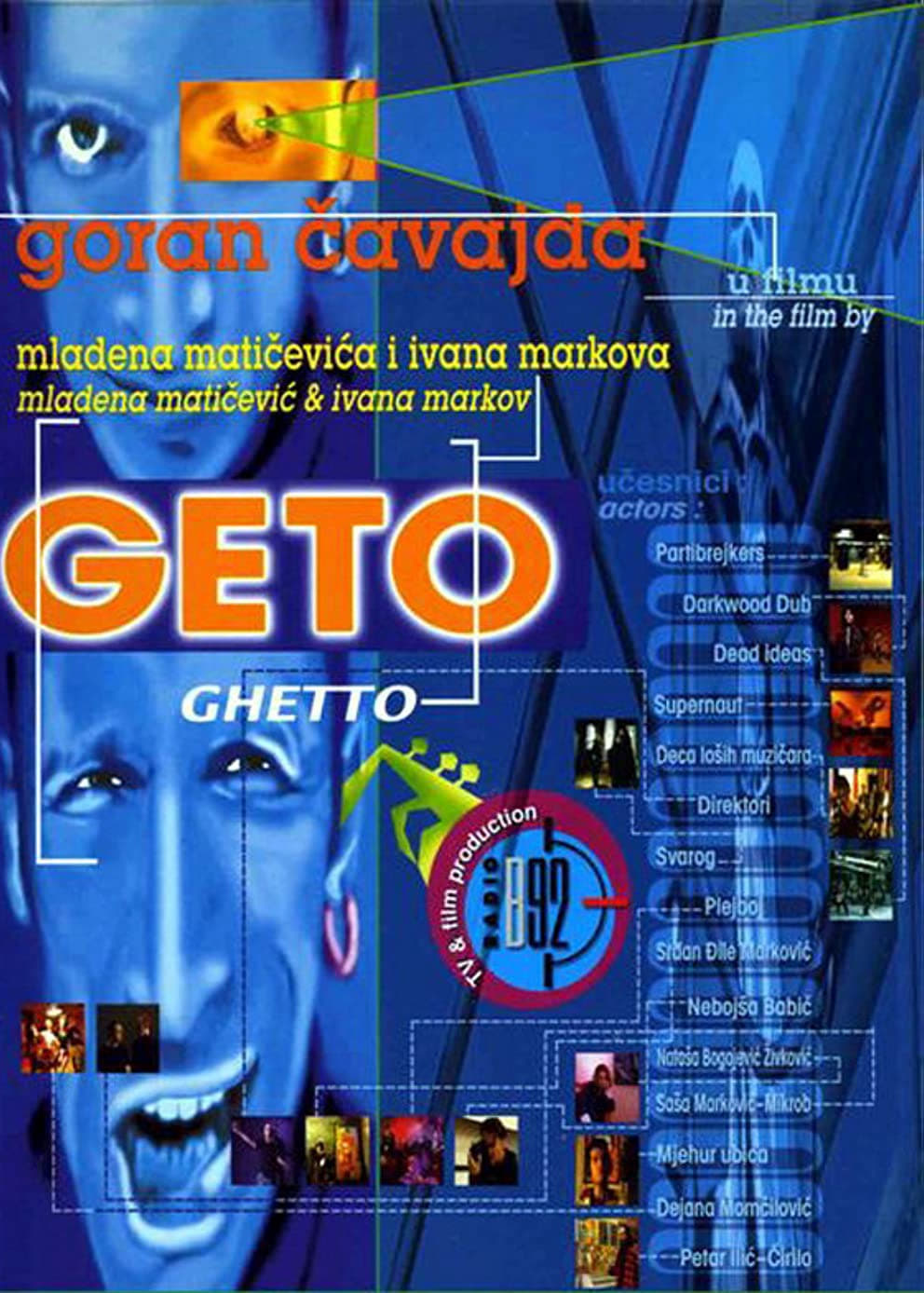
Belgrade in the 1990s seen through the eyes of Goran Čavajda 'Čavke', the late drummer of Serbian rock band "Electric Orgasm". Under dictatorship of Slobodan Milošević, his city became one of the worst places to live in Europe, while the country suffered highest inflation rate in its history, accompanied by mass poverty and political isolation. Documentary follows Čavke walking through the Belgrade streets where total chaos and decline of moral values rule. He finds his only shelter underground, where his friends - musicians and artists - live and work invisibly.
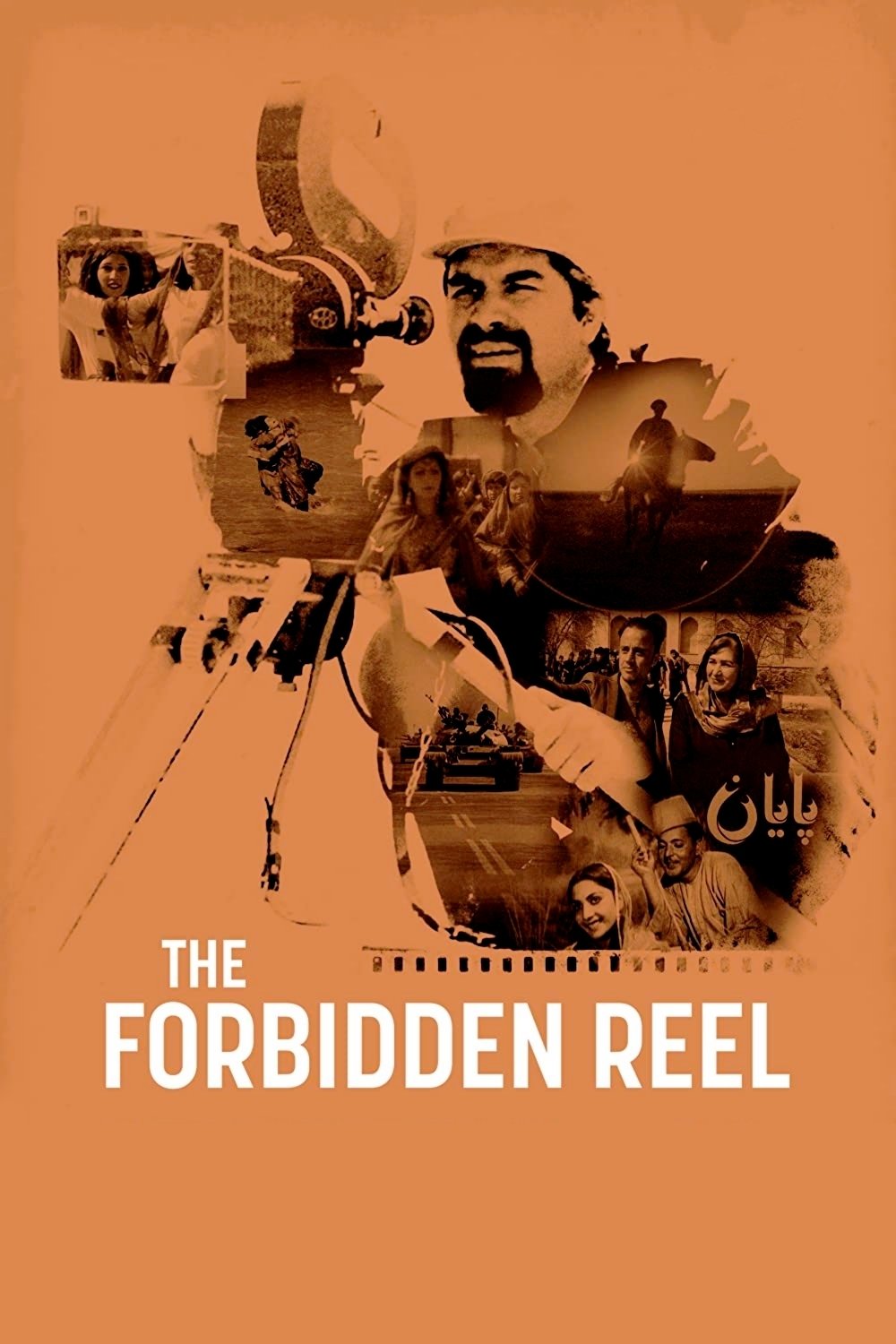
According to the official history of Afghanistan, ruthless destruction has always prevailed over art and creation; but there is another tale to be told, the forgotten account of a diverse and progressive country, seen through the lens of innovative filmmakers, a story that survives thanks to a few brave Afghans, a small but very passionate group that secretly fought to save a huge film archive that was constantly menaced by war and religious fanaticism.
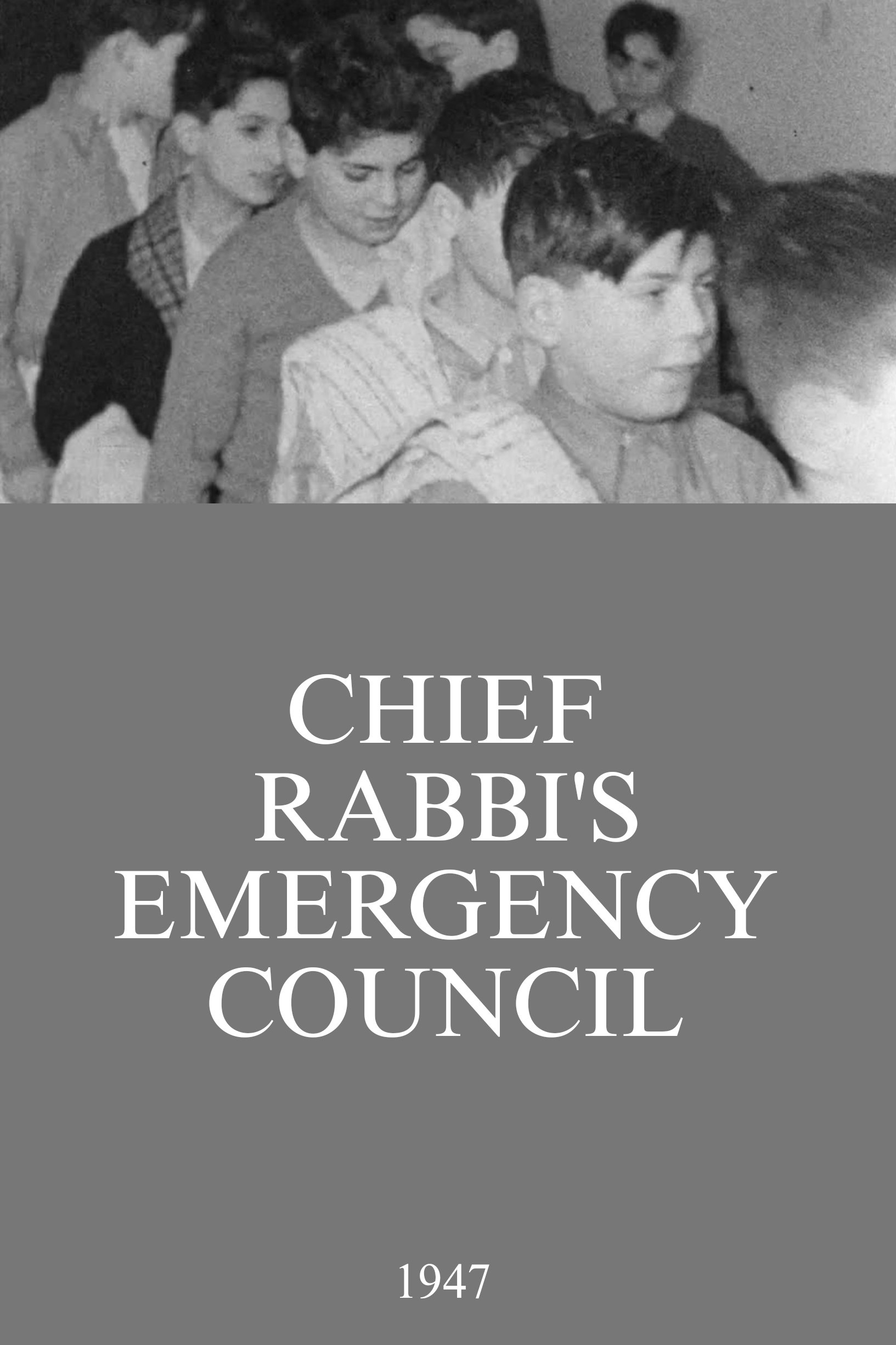
Poignant postwar appeal for Britain’s Jewry to support orphaned Jewish children rescued from Europe.
A tomato is planted, harvested and sold at a supermarket, but it rots and ends up in the trash. But it doesn’t end there: Isle of Flowers follows it up until its real end, among animals, trash, women and children. And then the difference between tomatoes, pigs and human beings becomes clear.
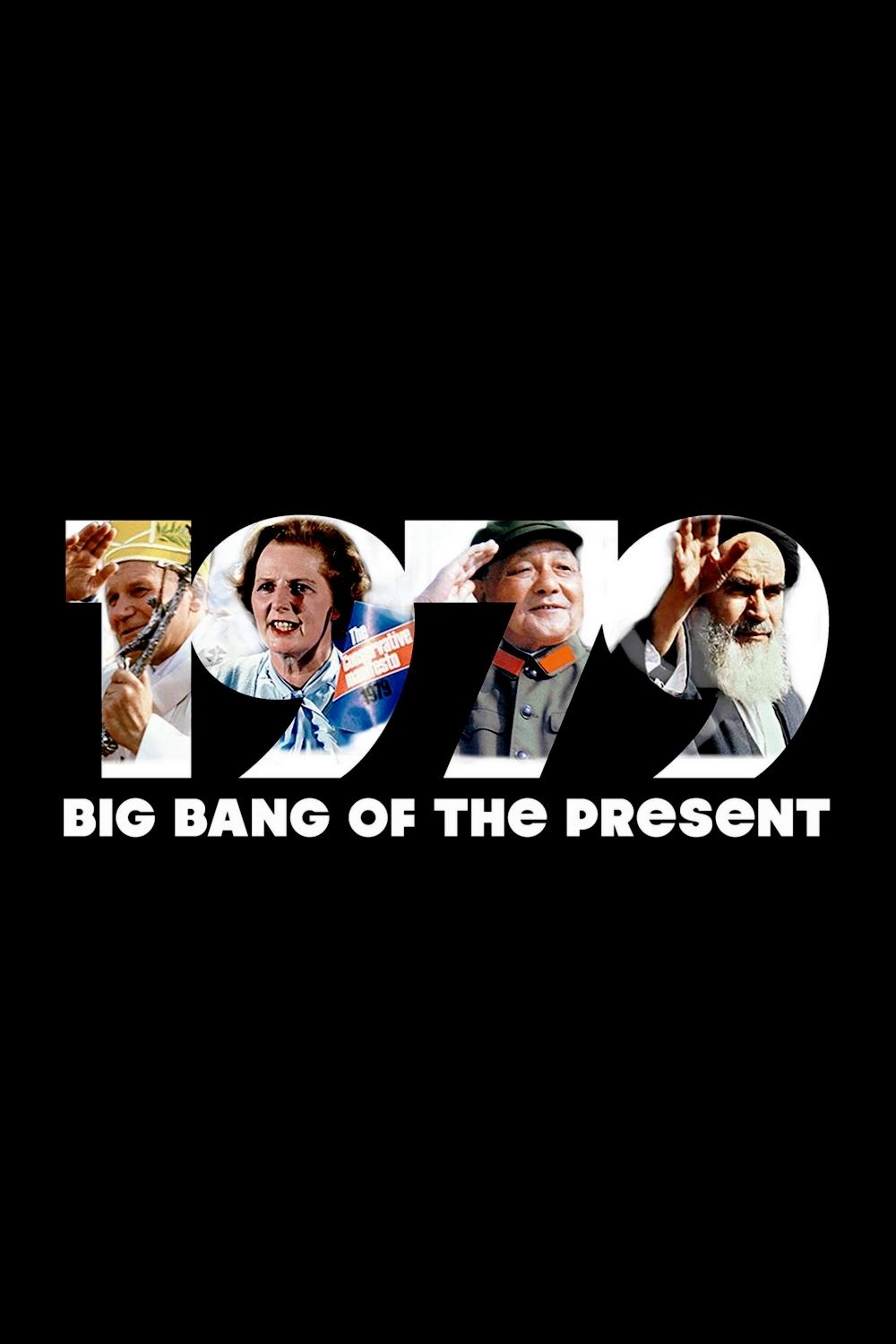
Deng Xiaoping's economic and political opening in China. Margaret Thatcher's extreme economic measures in the United Kingdom. Ayatollah Khomeini's Islamic Revolution in Iran. Pope John Paul II's visit to Poland. Saddam Hussein's rise to power in Iraq. The Soviet invasion of Afghanistan. The nuclear accident at the Harrisburg power plant and the birth of ecological activism. The year 1979, the beginning of the future.
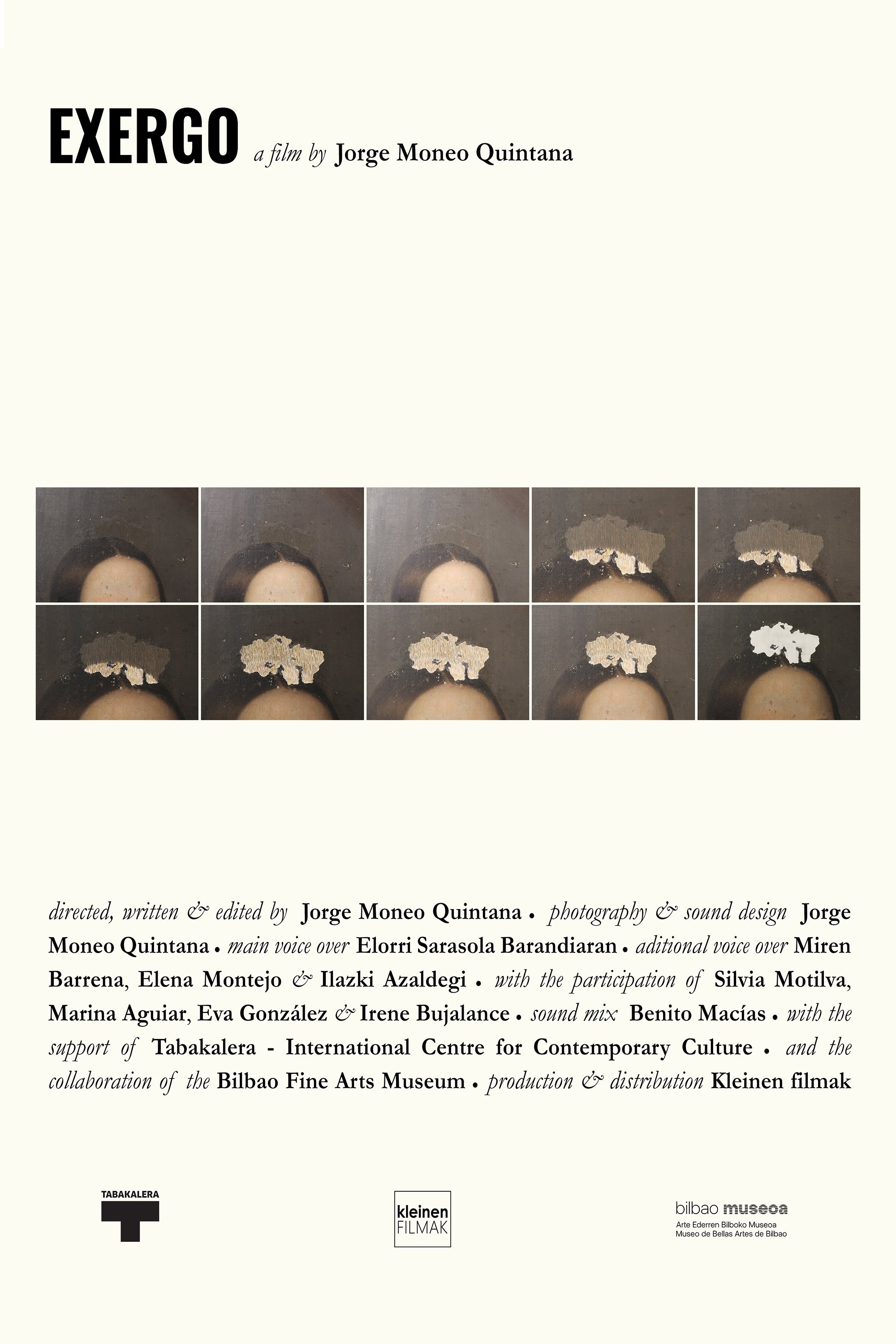
Departing from peripheral details of some paintings of the Bilbao Fine Arts Museum, a female narrator unravels several stories related to the economic, social and psychological conditions of past and current artists.
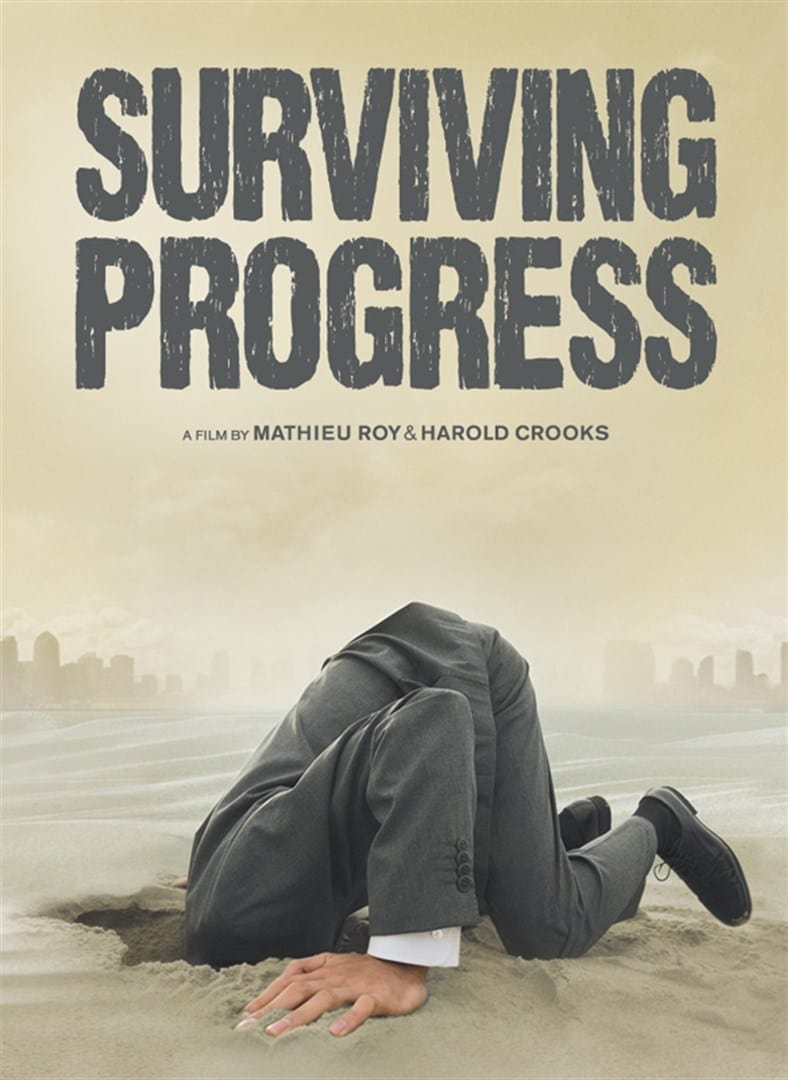
Humanity’s ascent is often measured by the speed of progress. But what if progress is actually spiraling us downwards, towards collapse? Ronald Wright, whose best-seller, “A Short History Of Progress” inspired “Surviving Progress”, shows how past civilizations were destroyed by “progress traps”—alluring technologies and belief systems that serve immediate needs, but ransom the future. As pressure on the world’s resources accelerates and financial elites bankrupt nations, can our globally-entwined civilization escape a final, catastrophic progress trap? With potent images and illuminating insights from thinkers who have probed our genes, our brains, and our social behaviour, this requiem to progress-as-usual also poses a challenge: to prove that making apes smarter isn’t an evolutionary dead-end.
Hurricane María abated, the news crews packed up and left Puerto Rico, and the interest of the international community turned elsewhere. What happened next?
Documentary exploring the experience of Soviet soldiers during the Soviet war in Afghanistan.
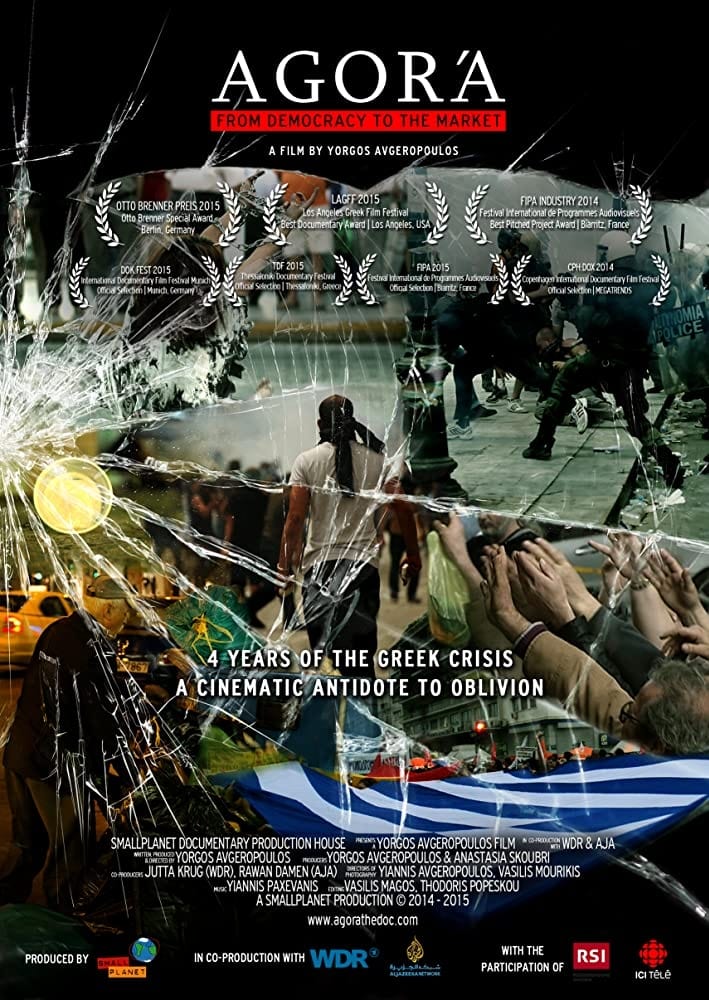
As going through an economic vortex, Greece is experiencing condition in post-war history. Homeless people, unemployment, poverty, violent conflicts and the rise of the extreme-right are found all over the county. Is there any possible way to break through the crisis? This film follows development of the crisis and its impact on people’s lives, as well as rise of fascism, while seeking answers from interested parties.
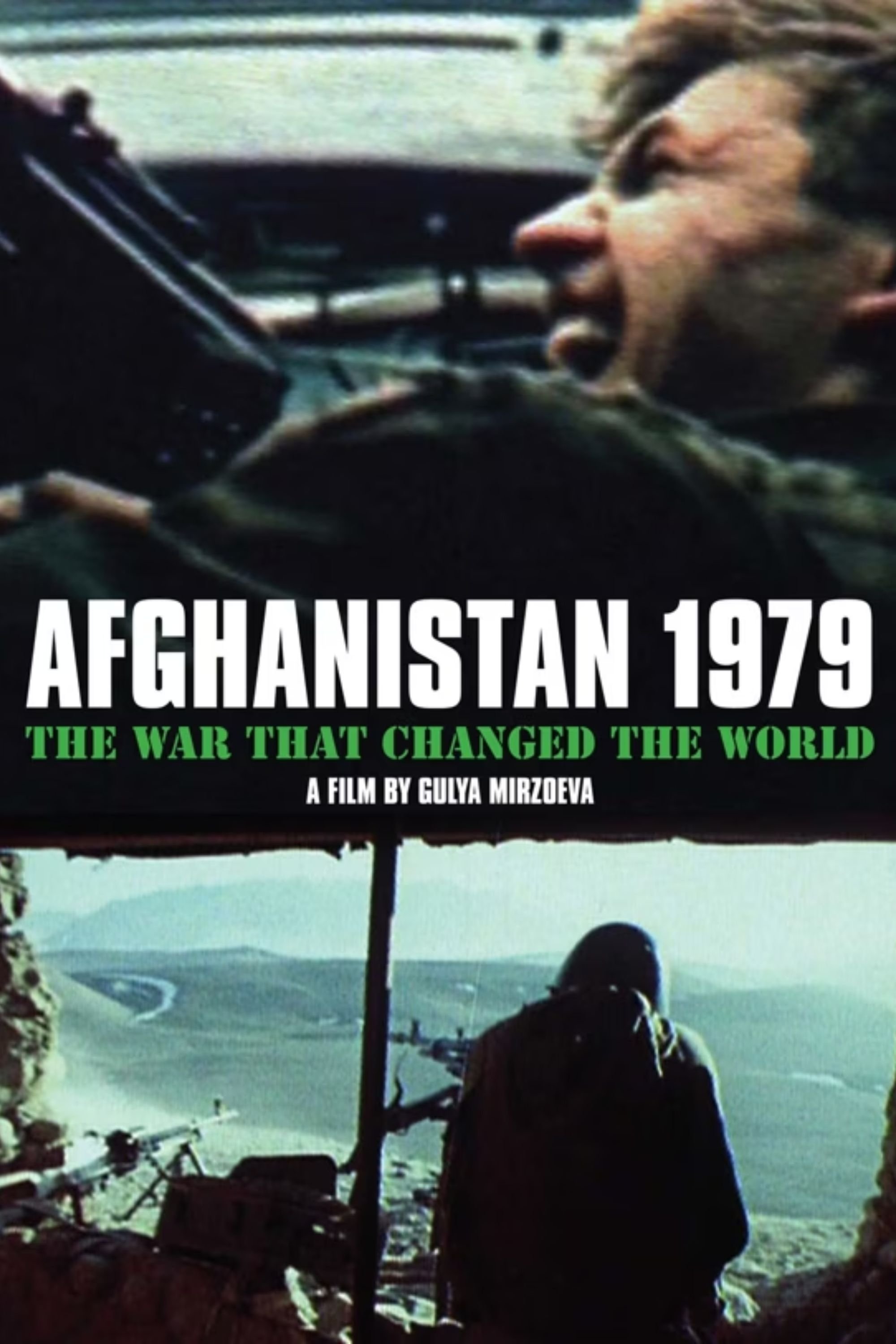
'Afghanistan 1979: the war that changed the world', is a French documentary about the Sovjet invasion in Afghanistan in 1979. It was one of the most crucial events of the 20th century, and changed the world forever. This documentary gives a good insight in the Afghan-Russian war ; the alliance between the Russian and Afghan communist governments ; Islamic resistance ; the support of America for the resistance and its consequences on the war.
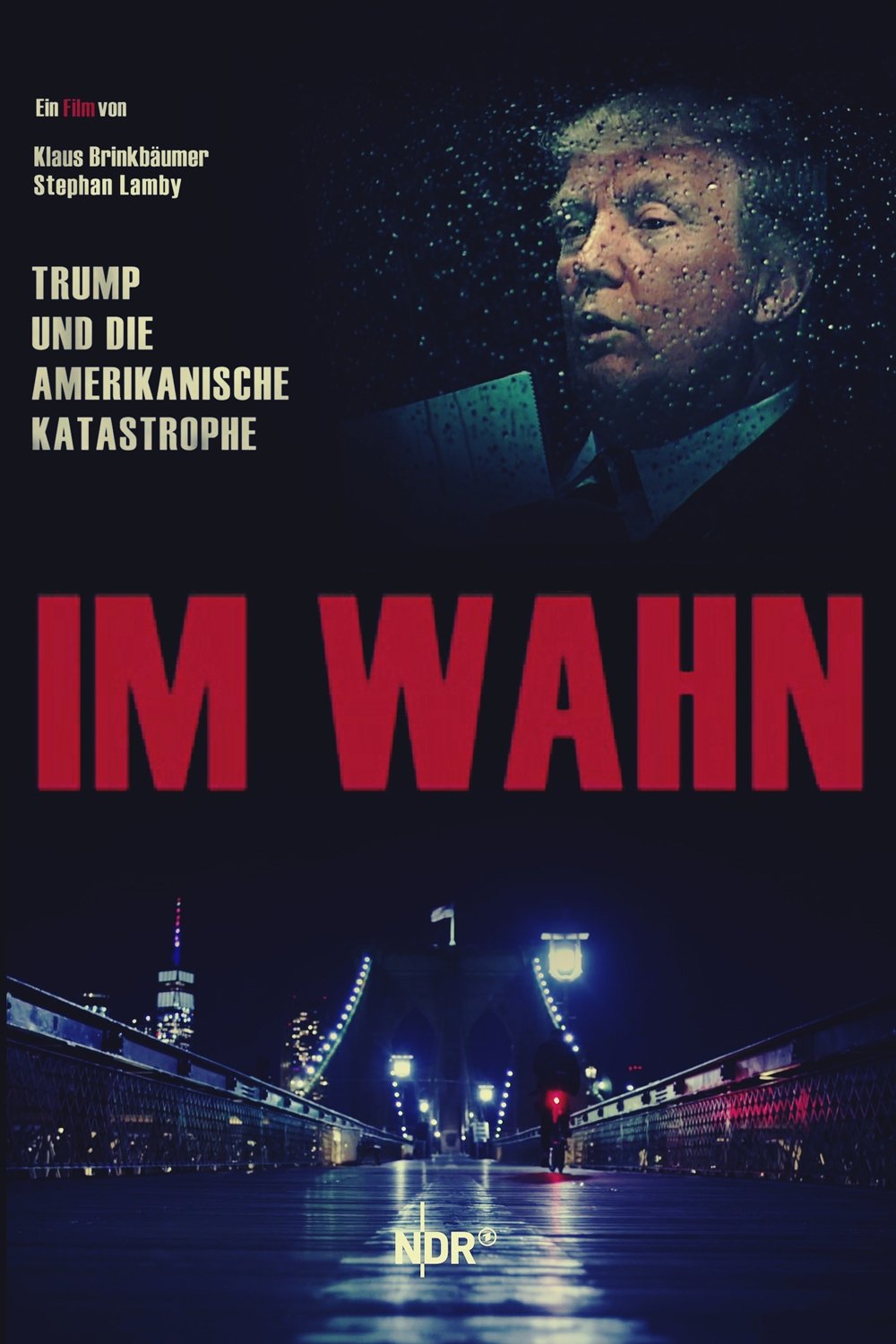
In 2020, the USA experienced a multiple catastrophe: No other country in the world was hit so badly by the coronavirus pandemic, the economic slump was dramatic, and so was the rise in unemployment. A rift ran through society. In the streets there were protests of both camps with violent riots, authoritarian traits were evident in the actions of the leader of the nation. And all of this in the middle of the election year, when the self-centered president fought vehemently for his re-election. From the start of his presidency, Donald Trump had divided American society, incited individual sections of the population against one another, fueled racism, hatred, xenophobia and prejudice, insulted competitors and denigrated critical journalists as enemies of the people. The documentary shows how this could happen and what role the targeted disinformation of certain sections of the population through manipulative media played.
Things are busy at the Paris hospital where young psychiatrist Jamal and his colleagues work. The place is run down, the staff are exhausted, budgets are constantly being slashed. You know the story, but you’ve rarely seen it conveyed as engagingly as in ‘On the Edge’, which employs a handheld camera and meaningful, artistic interventions to observe the daily routine at the psychiatric ward. The deeply sympathetic Jamal is an everyday hero with an exemplary, humanistic disposition, for whom the most important prerequisites for mental health – and for a healthy society in general – are good relationships with other people. He puts his philosophy into practice by listening patiently, giving good advice and organising theatre exercises based on Molière. Realism and idealism, however, are in balance for the young doctor, at least as long as the institutional framework holds up.
A documentary about America’s current militarized police state, the liberal use of deadly force against unarmed citizens, and a possible pending economic collapse. The world reels with the turmoil of war, geological disaster, and economic collapse, while Americans continue to submerge themselves in illusions of safety and immunity. While rights are sold for security, the federal government, swollen with power, begins a systematic takeover of liberty in order to bring about a New World Order. Fear-mongering, terrorism, police state, martial law, war, arrest, internment, hunger, oppression, violence, resistance. Neighbor is turned against neighbor as the value of the dollar plunges to zero, food supplies are depleted, and everyone becomes a terror suspect. There are arrests. Disappearances. Bio attacks. Public executions of those even suspected of dissent. Even rumors of concentration camps on American soil. The GRAY STATE is here. It always was. By consent or conquest.
During the 1980s, Russia fought a disastrous war in Afghanistan. Shot by a Western crew, the 40 minute film includes footage of combat missions with the Spetsnaz elite units, helicopter gunship pilots from a Kabul-based Air Assault Unit flying missions, the patrolling of the Salang mountain pass and the military hospital in Kabul. Soviet General Lev Serebrov referred to the making of the film as "An experiment in glasnost".
This documentary promoting the joys of life in a Soviet village centers on the activities of the Young Pioneers. These children are constantly busy, pasting propaganda posters on walls, distributing hand bills, exhorting all to "buy from the cooperative" as opposed to the Public Sector, promoting temperance, and helping poor widows. Experimental portions of the film, projected in reverse, feature the un-slaughtering of a bull and the un-baking of bread.
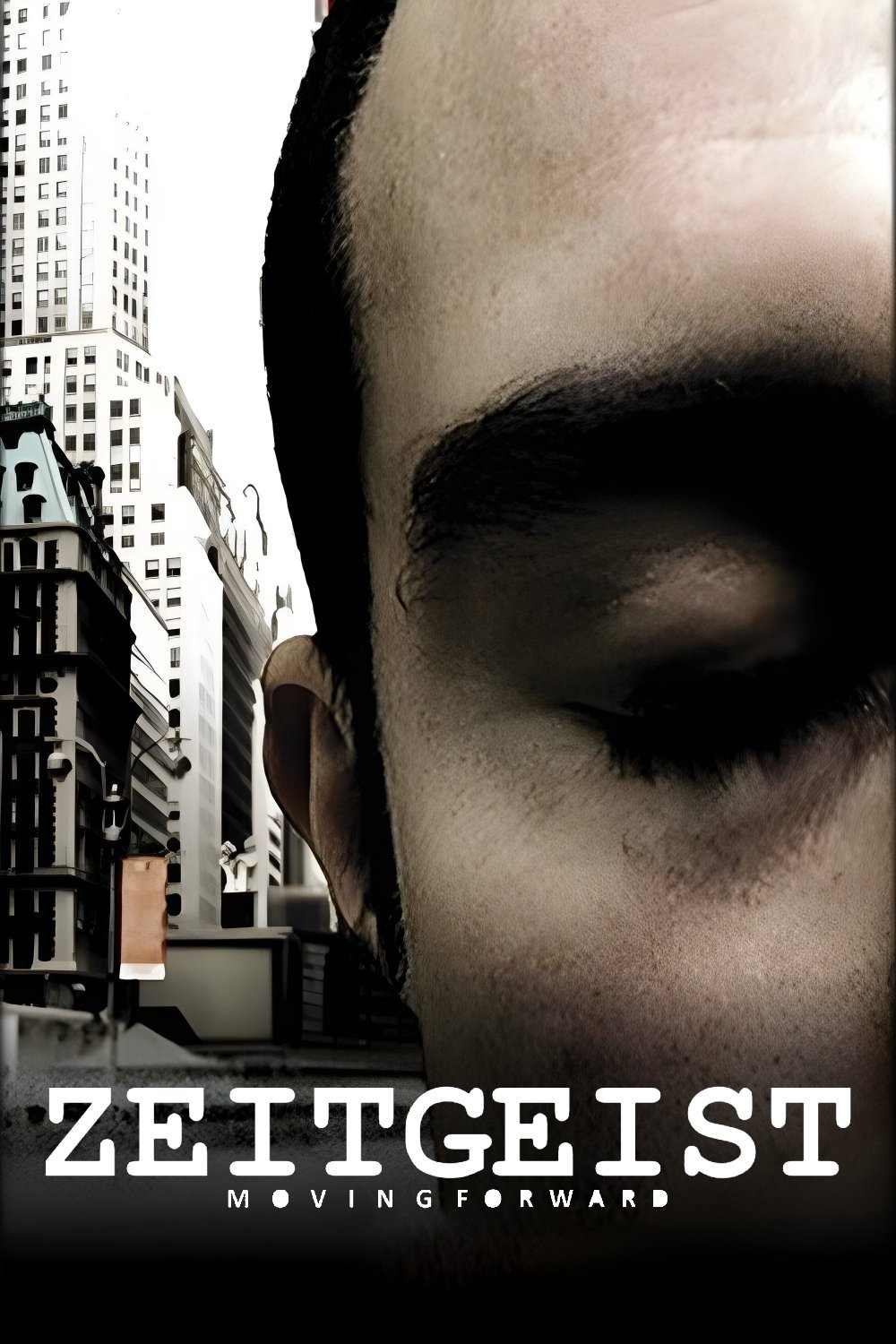
A presentation of a case for a needed transition out of the current socioeconomic monetary paradigm which governs the entire world society. This subject matter will transcend the issues of cultural relativism and traditional ideology and move to relate the core, empirical 'life ground' attributes of human and social survival, extrapolating those immutable natural laws into a new sustainable social paradigm called a 'Resource-Based Economy'.
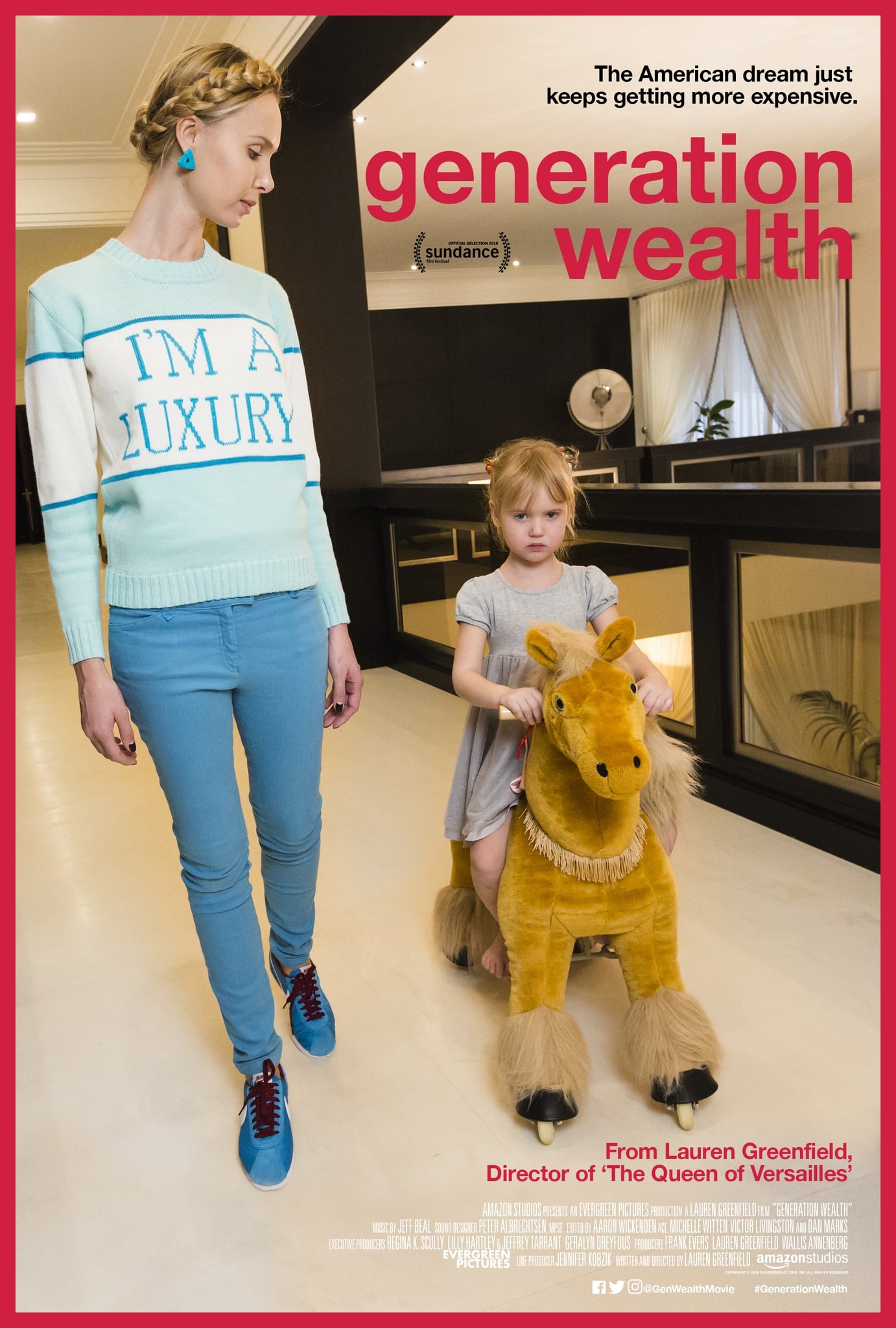
Over the past 25 years, Lauren Greenfield's documentary photography and film projects have explored youth culture, gender, body image, and affluence. Underscoring the ever-increasing gap between the haves and the have-nots, portraits reveal a focus on cultivating image over substance, where subjects unable to attain actual wealth instead settle for its trappings, no matter their ability to pay for it.
The Making-of James Cameron's Avatar. It shows interesting parts of the work on the set.
Interviews with leading authors, philosophers and scientists, with an in-depth discussion of the Law of Attraction. The audience is shown how they can learn and use 'The Secret' in their everyday lives.
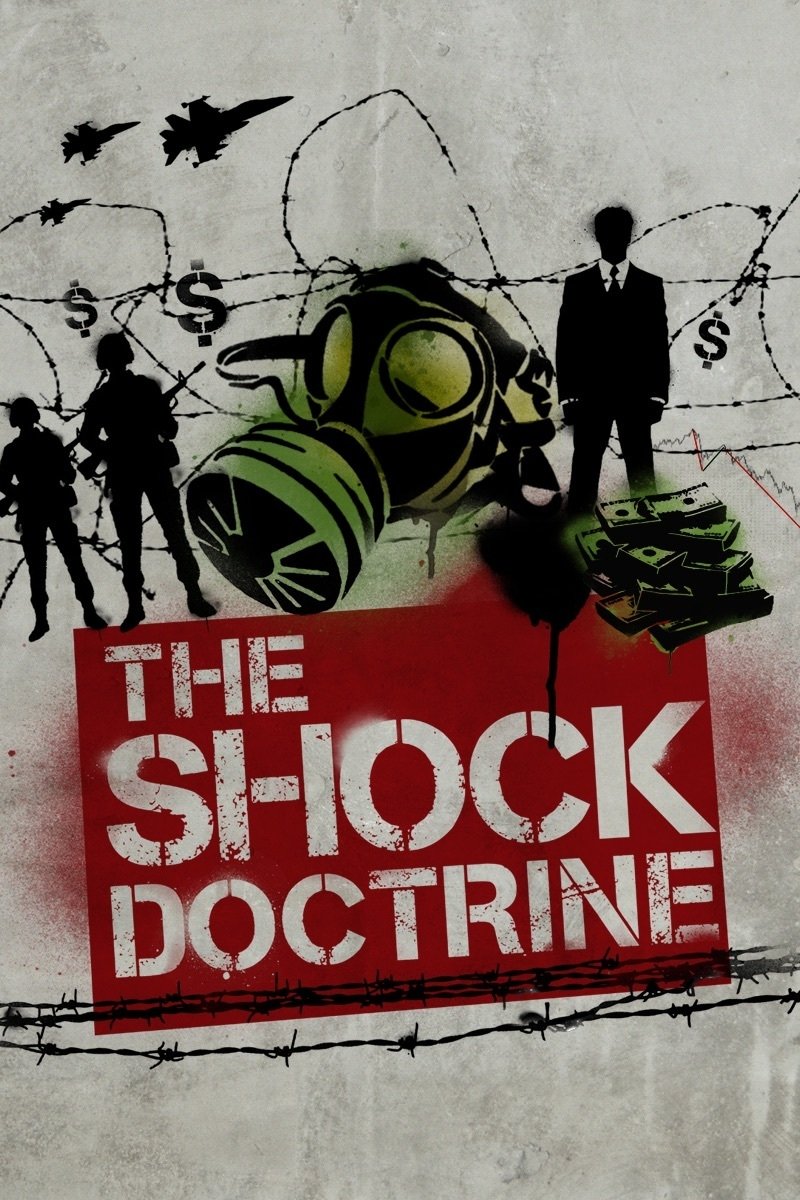
An investigation of "disaster capitalism", based on Naomi Klein's proposition that neo-liberal capitalism feeds on natural disasters, war and terror to establish its dominance.
A compilation of over 30 years of private home movie footage shot by Lithuanian-American avant-garde director Jonas Mekas, assembled by Mekas "purely by chance", without concern for chronological order.
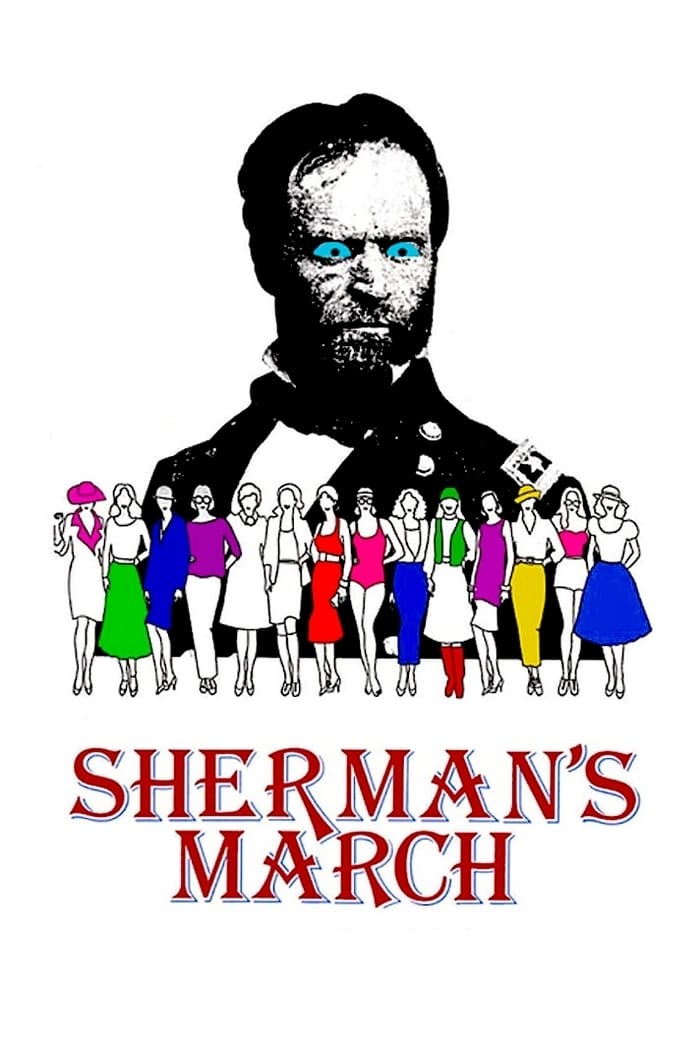
Ross McElwee sets out to make a documentary about the lingering effects of General Sherman's march of destruction through the South during the Civil War, but is continually sidetracked by women who come and go in his life, his recurring dreams of nuclear holocaust, and Burt Reynolds.
When Allied forces liberated the Nazi concentration camps in 1944-45, their terrible discoveries were recorded by army and newsreel cameramen, revealing for the first time the full horror of what had happened. Making use of British, Soviet and American footage, the Ministry of Information’s Sidney Bernstein (later founder of Granada Television) aimed to create a documentary that would provide lasting, undeniable evidence of the Nazis’ unspeakable crimes. He commissioned a wealth of British talent, including editor Stewart McAllister, writer and future cabinet minister Richard Crossman – and, as treatment advisor, his friend Alfred Hitchcock. Yet, despite initial support from the British and US Governments, the film was shelved, and only now, 70 years on, has it been restored and completed by Imperial War Museums under its original title "German Concentration Camps Factual Survey".
A detailing of the rise to prominence and global sporting superstardom of six supremely talented young Manchester United football players (David Beckham, Nicky Butt, Ryan Giggs, Paul Scholes, Phil and Gary Neville). The film covers the period 1992-1999, culminating in Manchester United's European Cup triumph.
Alexander McQueen's rags-to-riches story is a modern-day fairy tale, laced with the gothic. Mirroring the savage beauty, boldness and vivacity of his design, this documentary is an intimate revelation of McQueen's own world, both tortured and inspired, which celebrates a radical and mesmerizing genius of profound influence.
A World War II veteran hunts down the Nazi collaborators who killed his wife.
A visual montage portrait of our contemporary world dominated by globalized technology and violence.
Through deeply personal interviews with her siblings and an examination of the photographs, letters, and belongings left behind, Mariska assembles a new portrait of her mother Jayne Mansfield, an extraordinary and complex woman.
An exploration of technologically developing nations and the effect the transition to Western-style modernization has had on them.
Those who knew iconic funnyman John Candy best share his story, in their own words, through never-before-seen archival footage, imagery, and interviews.
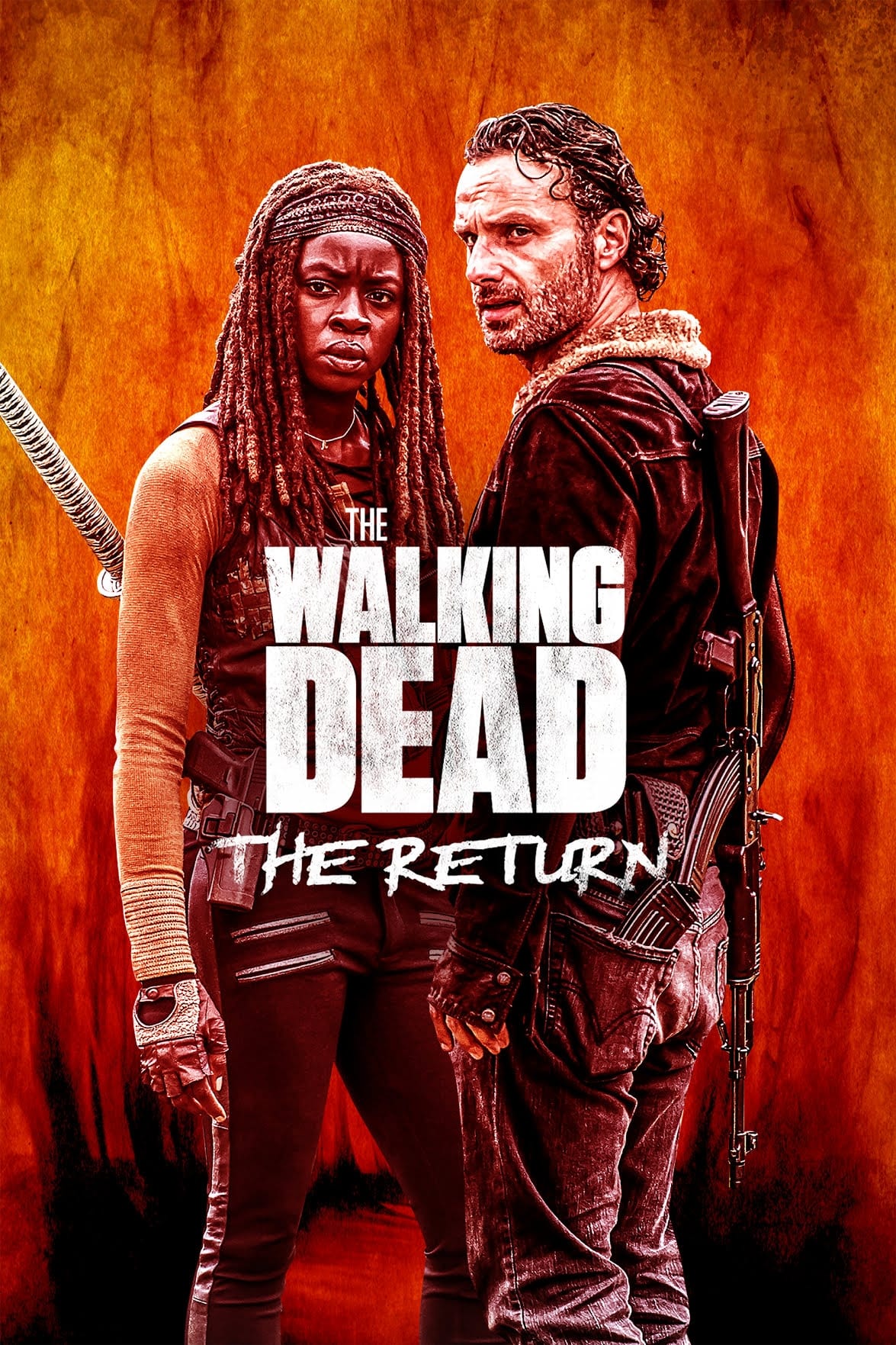
Stars of "The Walking Dead," Andrew Lincoln and Danai Gurira, walk down memory lane and visit iconic locations where pivotal moments between their characters, Rick and Michonne, were filmed.
A documentary about the life and films of director John Ford.
A documentary about how a dominant cultural and demographic institution both sustains their traditional activities and adapts to the digital revolution.
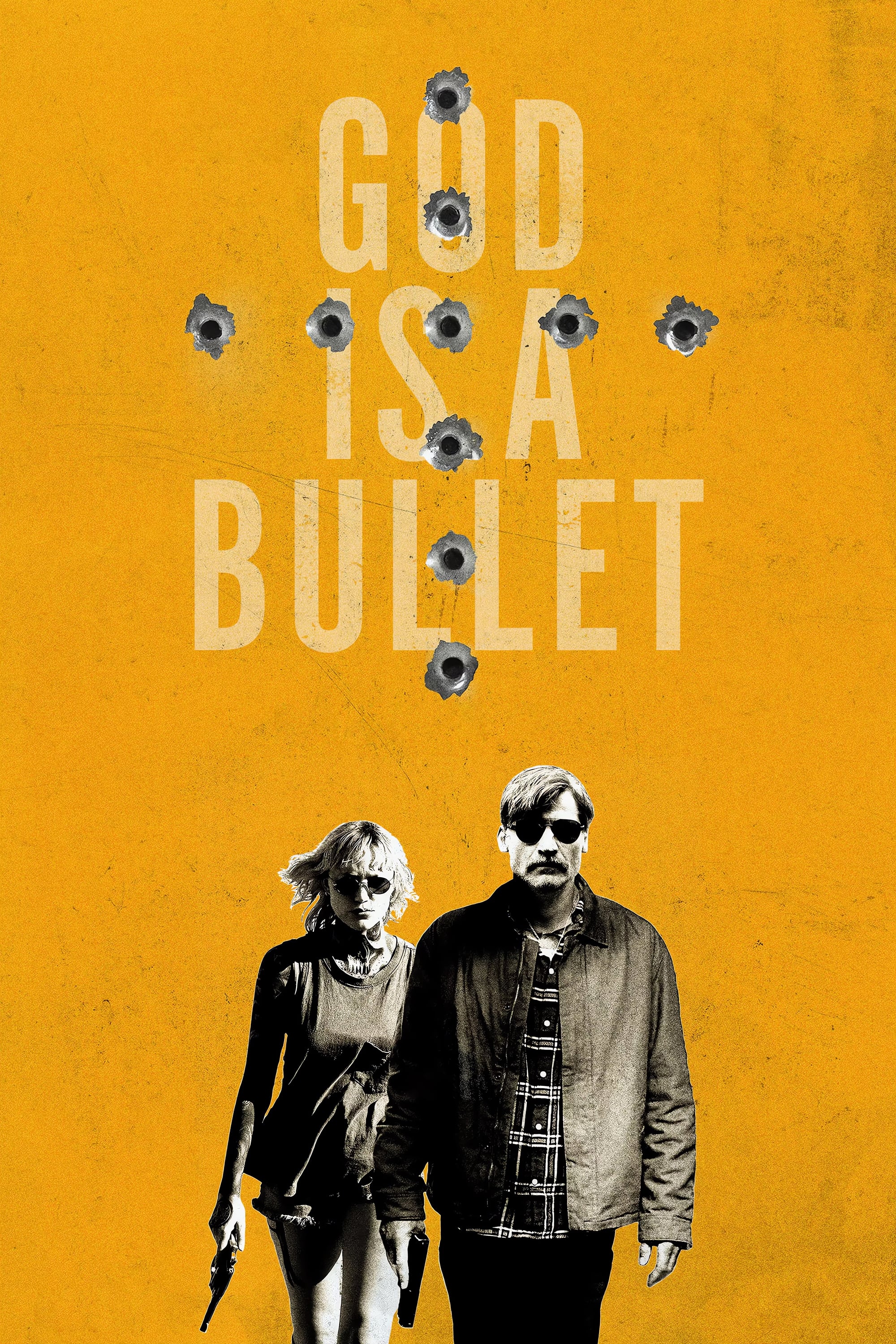
Vice detective Bob Hightower finds his ex-wife murdered and daughter kidnapped by a cult. Frustrated by the botched official investigations, he quits the force and infiltrates the cult to hunt down the leader with the help of the cult’s only female victim escapee, Case Hardin.