A 30-minute documentary on book banning and censorship that follows author Dave Eggers as he investigates why a Rapid City, SD school board wanted to ban his book.
Social & External
Self
As the first part of our investigation, the CORONA.FILM prologue will delve into the science behind the pandemic. Starting at the very beginning, we shine a light on the responses. The aim is not to point the finger; our aim is to tell the whole story in all its complexity, as we believe that justice cannot prevail if only one side of the story is told.
The city of Madrid as it appears in the Spanish films of the 1950s. A small tribute to all those who filmed and portrayed Madrid despite the dictatorship, censorship and the critical situation of industry and society.
The subject of the film is censorship in the broadest sense, and the narrator and guide of this story is the non-existent Mr. N. - a limited, though not humorous dignitary-censor. His inner monologue gives the whole film a certain course, and also "gives credibility" to the statements of artists, critics and officials of the time. In the documentary, almost all the prominent directors, screenwriters and critics of the post-war 50 years speak about artistic freedom and its restriction. We listen to Czesław Miłosz, Jerzy Stefan Stawiński, Janusz Morgenstern, Maria Kaniewska, Kazimierz Kutz, Janusz Głowacki, Feliks Falk, Wojciech Marczewski, Marek Piwowski, Janusz Kijowski, Wiesław Saniewski, Marek Ryszard Groński and Krzysztof Zanussi. There were also reviewers: Krzysztof Teodor Toeplitz and Zdzislaw Pietrasik.
In recent years, more than 2,500 books have been removed from school districts around the US, labeled as banned, restricted, or challenged, and made unavailable to millions of students. By no accident, the themes targeted are the usual scapegoats of the American Right—LGBTQ+ issues, Black History, and women’s empowerment—impeding the power of future generations to develop their own thoughts and opinions on critical social issues. By weaving together a lyrical montage of young readers and authors, THE ABCs OF BOOK BANNING reveals the voices of the impacted parties, and inspires hope for the future through the profound insights of inquisitive youthful minds.
Kirby Dick's provocative documentary investigates the secretive and inconsistent process by which the Motion Picture Association of America (MPAA) rates films, revealing the organization's underhanded efforts to control culture. Dick questions whether certain studios get preferential treatment and exposes the discrepancies in how the MPAA views sex and violence.
The history of Bruguera, the most important comic publisher in Spain between the 1940s and the 1980s. How the characters created by great writers and pencilers became Spanish archetypes and how their strips persist nowadays as a portrait of Spain and its people. The daily life of the creators and the founding family, the Brugueras. The world in which hundreds of vivid colorful paper beings lived and still live, in the memory of millions, in the smile of everyone.
In "Diana: The Mourning After" Christopher Hitchens sets out to examine the bogusness of "a nation's grief", tries to uncover the few voices of sanity that cut against the grain of contrived hysteria. His findings suggested that the collective hordes of emotive Dianaphiles sobbing in the streets were not only encouraged but emulated by the media. In the aftermath of Diana's death a three-line whip was enforced on newspapers and on TV, selling the sainthood line wholesale. The suspicion was that journalists, like the public, greeted the death as a chance to wax emotional in print, as a change from the customary knowing cynicism, to wheel out all those portentous phrases they'd been saving up for the big occasion. Sadly, they just seemed to be showboating; the eulogies, laments and tear-soaked platitudes ringing risibly hollow.
When chaos reigns, while barbaric and fanatical rulers, both ecclesiastical and secular, systematically burn entire libraries, book hunters, secret heroes of history, travel the world saving and copying texts, threatened by the madness of censors, with the noble purpose of preventing the ultimate loss of human knowledge.
The story of the sexual memoirs of a Victorian gentleman who revealed himself as Walter. He documented his liaisons in a frank series of journals which ran to eleven volumes and 1.5 million words, titled 'My Secret Life'. Within the journals he documented details of his liaisons, the names of the women, their social standing, and their conversation. For a century, this material was considered obscene, its publication illegal. Today, however, it's seen as a unique insight into Victorian social and sexual mores, providing valuable information on class, gender, marriage, fidelity and morality. This film looks at the dark life of 'Walter', and examines the way his journals have shaped contemporary understanding of Victorian society. The film also examines the mystery that has surrounded this story - who exactly was 'Walter'? The film asks whether he could have been Henry Ashbee, a wealthy London gentleman who was obsessed with sex and attained a pornographic library of over 15,000 volumes.
Casimê Celîl was born into a Yezidi Kurdish family in 1908, in a village called Kızılkule, located in Digor, Kars. The village and family life, which he longed to remember throughout his life, ends with the massacre they endured in 1918. During his long road to Erivan, Armenia, he lost all his family members. Left all alone, Casim was placed into an orphanage and was forced to change his name. To remember who he was and where he came from, every morning he repeated the mantra “Navê min Casim e, Ez kurê Celîlim, Ez ji gundê Qizilquleyê Dîgorê me, Ez Kurdim, Kurdê Êzîdî me”, which translates to: “My name is Casim, I am the son of Celîl, I come from the village of Kızılkule in Digor, I am a Kurd, and I am Yezidi”. He clings to every piece of his culture he can find, reads, and saves whatever Kurdish literature or art he comes across. As the year’s pass, Casim finds himself with an impressive collection of Kurdish culture and history.
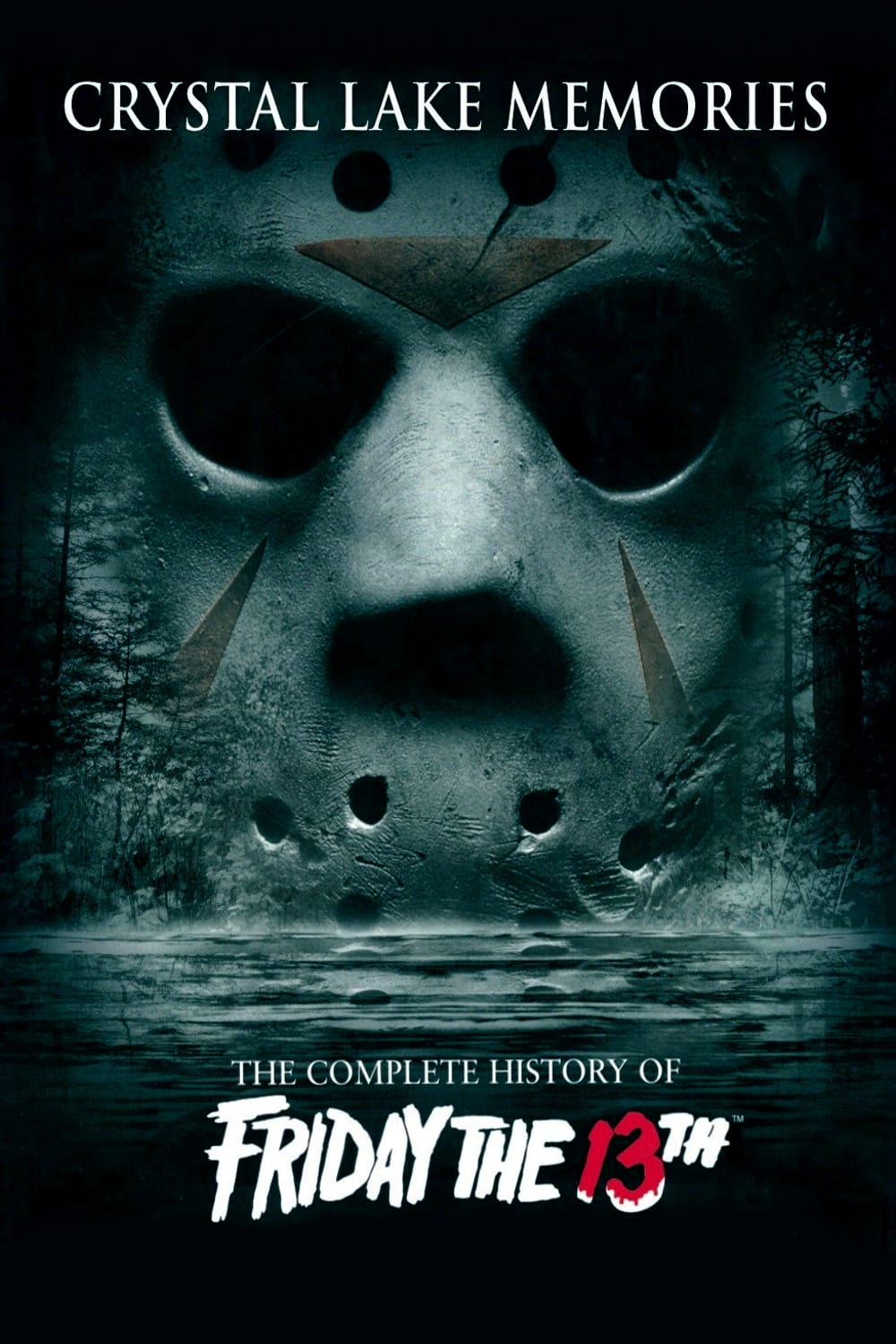
A retrospective documentary about the groundbreaking horror series, Friday the 13th, featuring interviews with cast and crew from the twelve films spanning 3 decades.
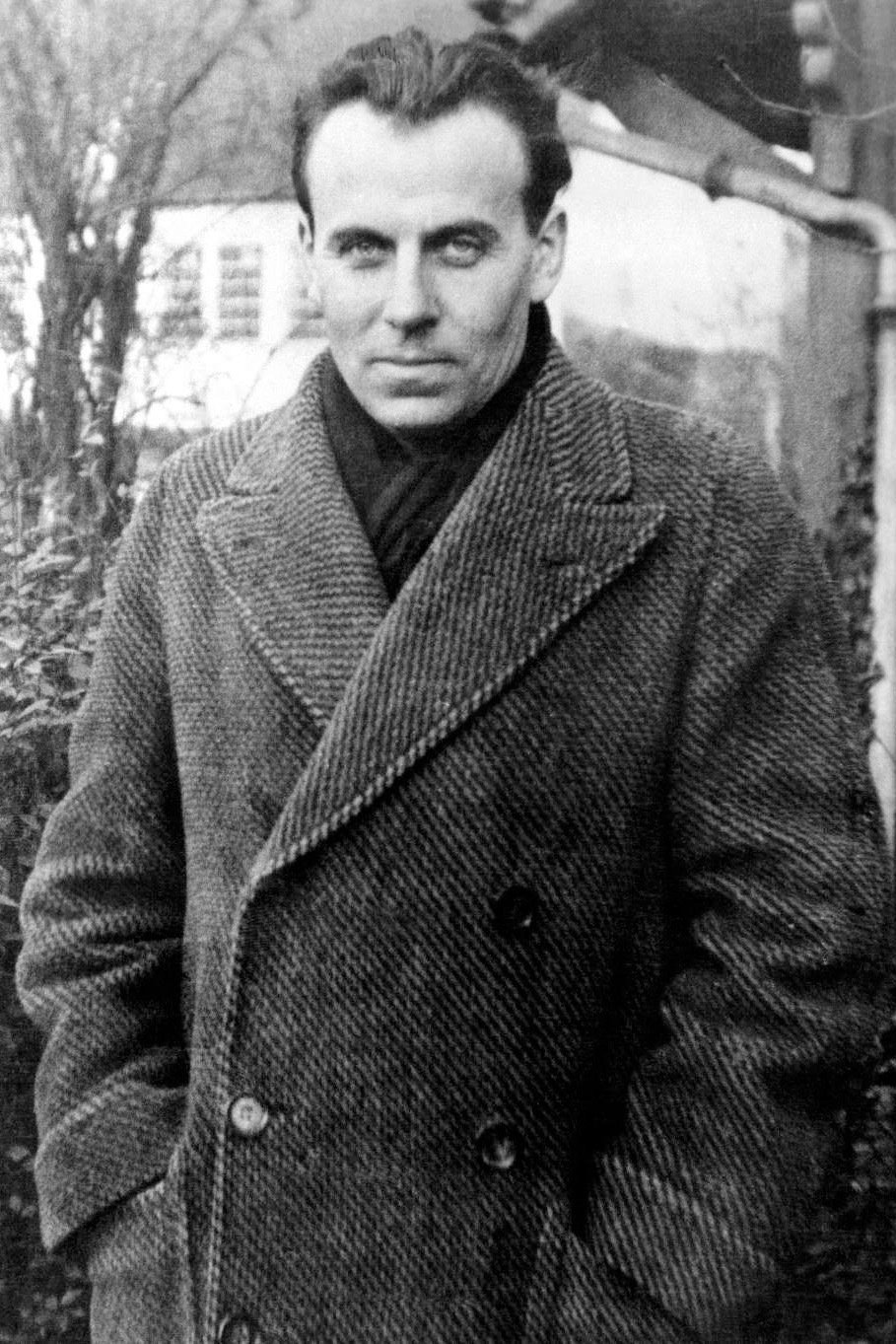
Passers-by, those who knew him in his youth, René Barjavel, witness of his beginnings, his wife, his doctor, writers ... By questioning them Michel Polac tries to better understand the troubled personality of Louis-Ferdinand Céline, Notorious anti-Semite and genius writer.
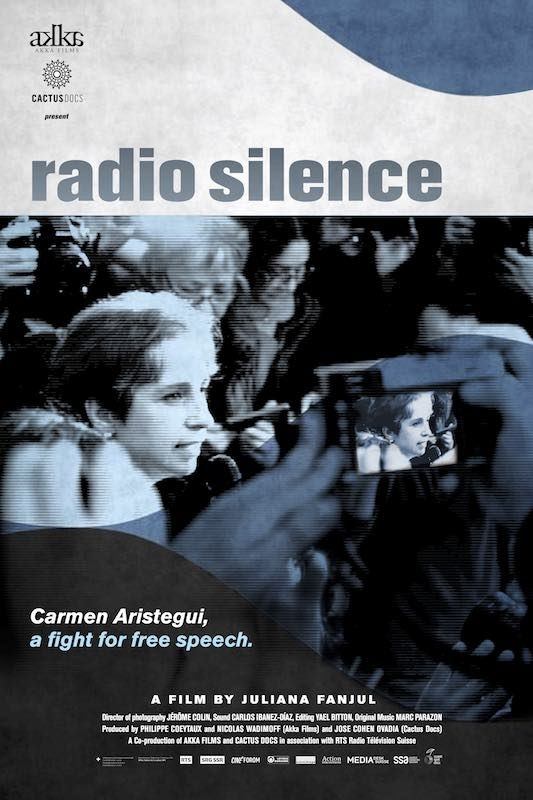
Mexico, March 2015. Carmen Aristegui, incorruptible journalist, has been fired from the radio station where she has worked for years. Supported by more than 18 million listeners, Carmen continues her fight. Her goal: raising awareness and fighting against misinformation. The film tells the story of this quest: difficult and dangerous, but essential to the health of democracy. A story in which resistance becomes a form of survival.
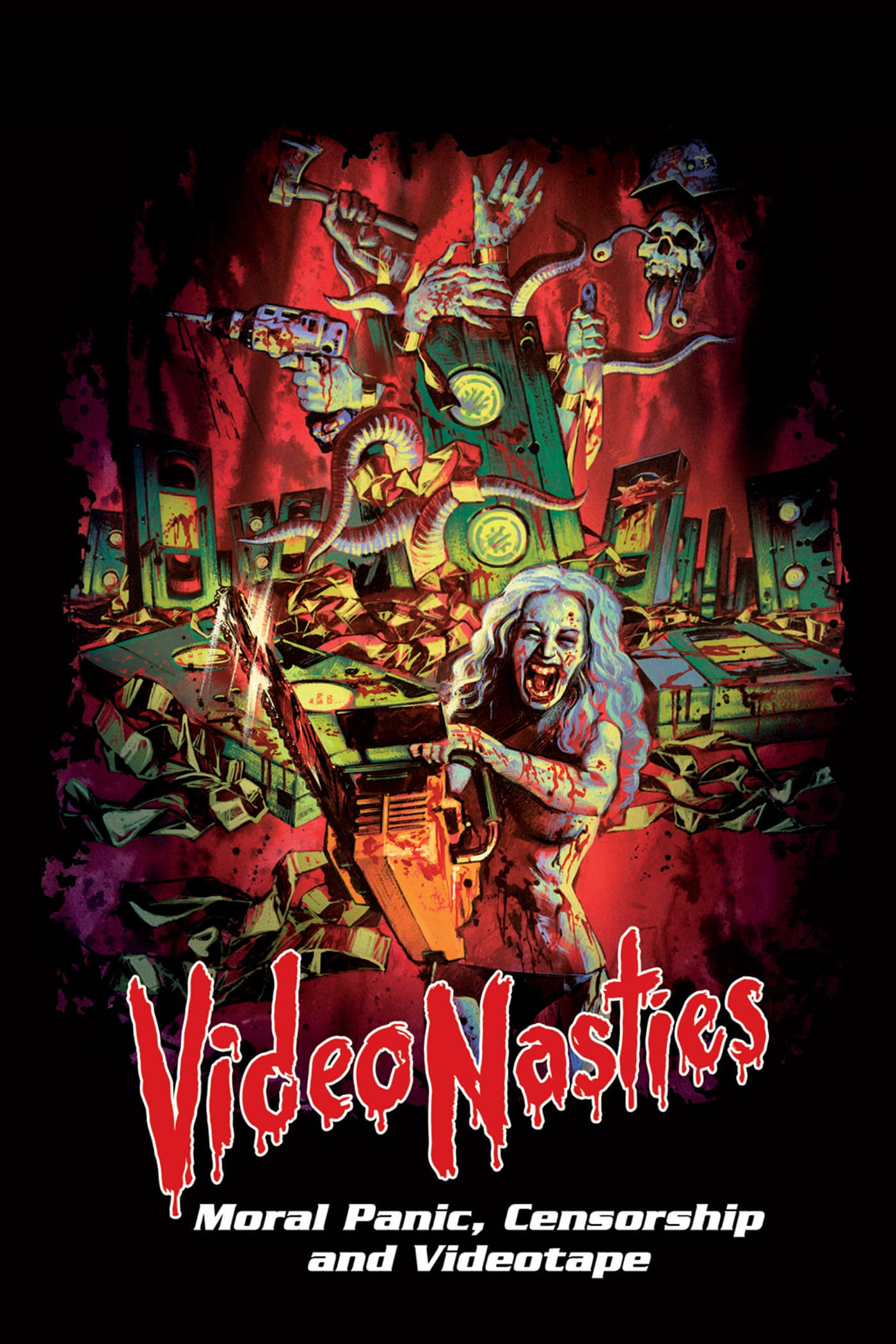
A documentary analyzing the furore which so-called "video nasties" caused in Britain during the 1980s.
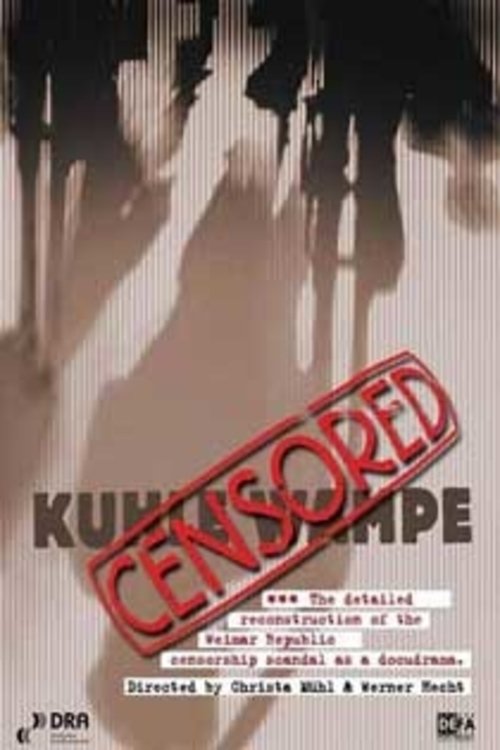
A detailed reconstruction of the censorship case against the landmark Weimar-era communist film, Kuhle Wampe, or Who Owns the World? (1932). Directed by Slatan Dudow, the crew and cast included left-wing luminaries, such as playwright Bertolt Brecht, composer Hanns Eisler and balladeer Ernst Busch. The film was the subject of vehement disputes and was banned twice for revolutionary and communist tendencies that were perceived to threaten the state. About 230 meters of the original film fell victim to the censor’s shears. This historic censorship case was argued over the course of three sessions. Censored: Kuhle Wampe re-enacts the censorship hearings, based on original minutes and documents, as well as personal records of the case. In addition to footage from the original film, this docudrama includes original clips of Berlin in the 1920s and '30s and short testimonies, filmed in the 1970s, with some of the actors involved in the original Kuhle Wampe film production.
In the aftermath of a death, a home is cleaned out; the accumulation of a life is removed in bags and recycle bins. But what becomes of the collection of books? Laura Rantanen’s resoundingly moving and wistful documentary reflects on the end of life, what lingers behind, and the moments when a book breaks through the monotony to open the world around us.
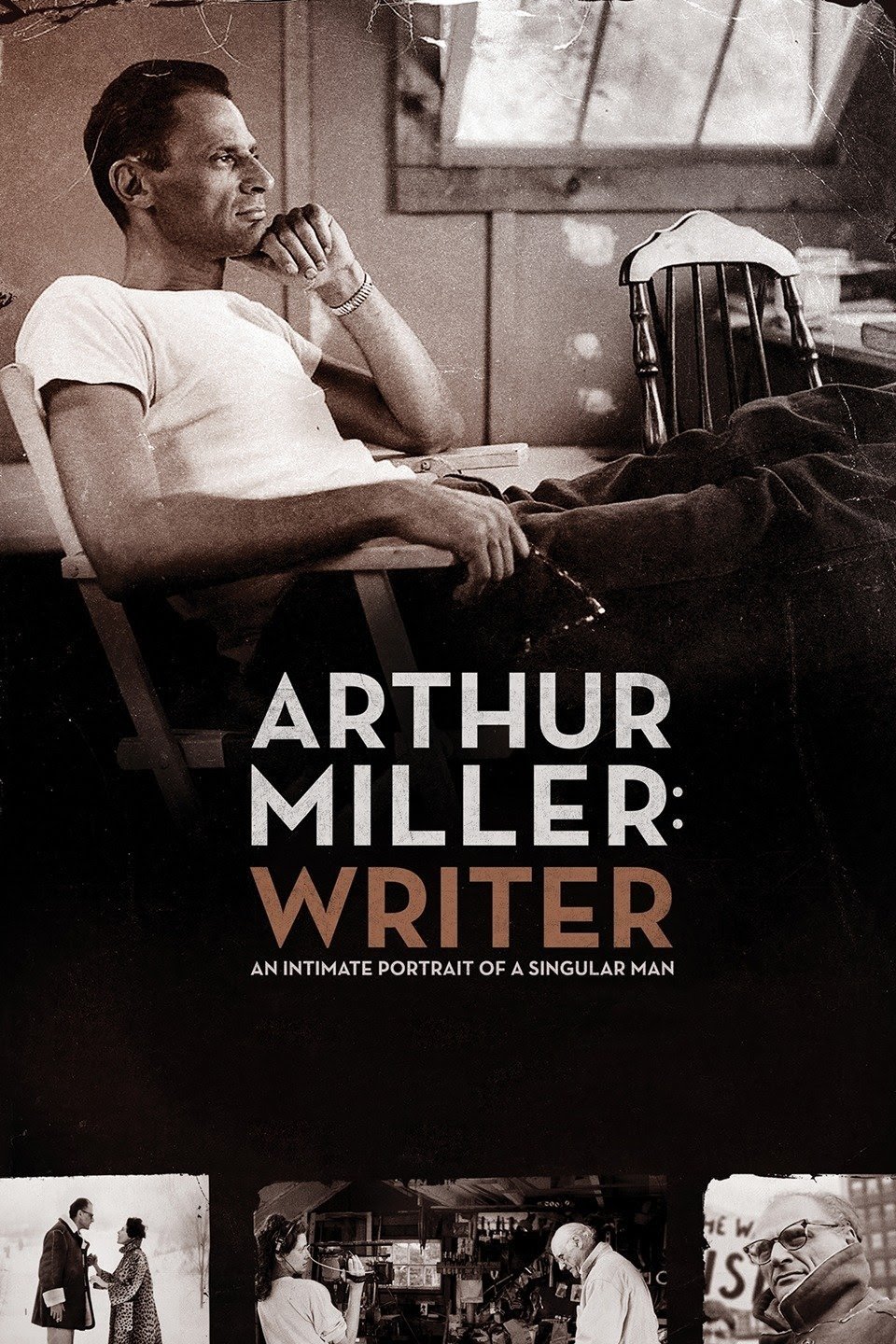
One of the greatest playwrights of the 20th century, Arthur Miller created such celebrated works as Death of a Salesman and The Crucible, which continue to move audiences around the world today. He also made headlines for being targeted by the House Un-American Activities Committee at the height of the McCarthy Era and entering into a tumultuous marriage with Hollywood icon Marilyn Monroe. Told from the unique perspective of his daughter, filmmaker Rebecca Miller, Arthur Miller: Writer is an illuminating portrait that combines interviews spanning decades and a wealth of personal archival material, and provides new insights into Miller’s life as an artist and exploring his character in all its complexity.
In Maija Blåfield’s documentary, eight former North Koreans talk about what it was like to watch illegal films in a closed society. In addition to the 'waste videos', South Korean films were also smuggled into the country via China.
'Project Censored: The Movie' explores media censorship in our society by exposing important stories that corporate media fails to report/under report. Using the media watchdog group, Project Censored, as their road map, two fathers from California decided to make a documentary film that will help to end the reign of Junk Food News that Corporate Media continues to feed the American people.
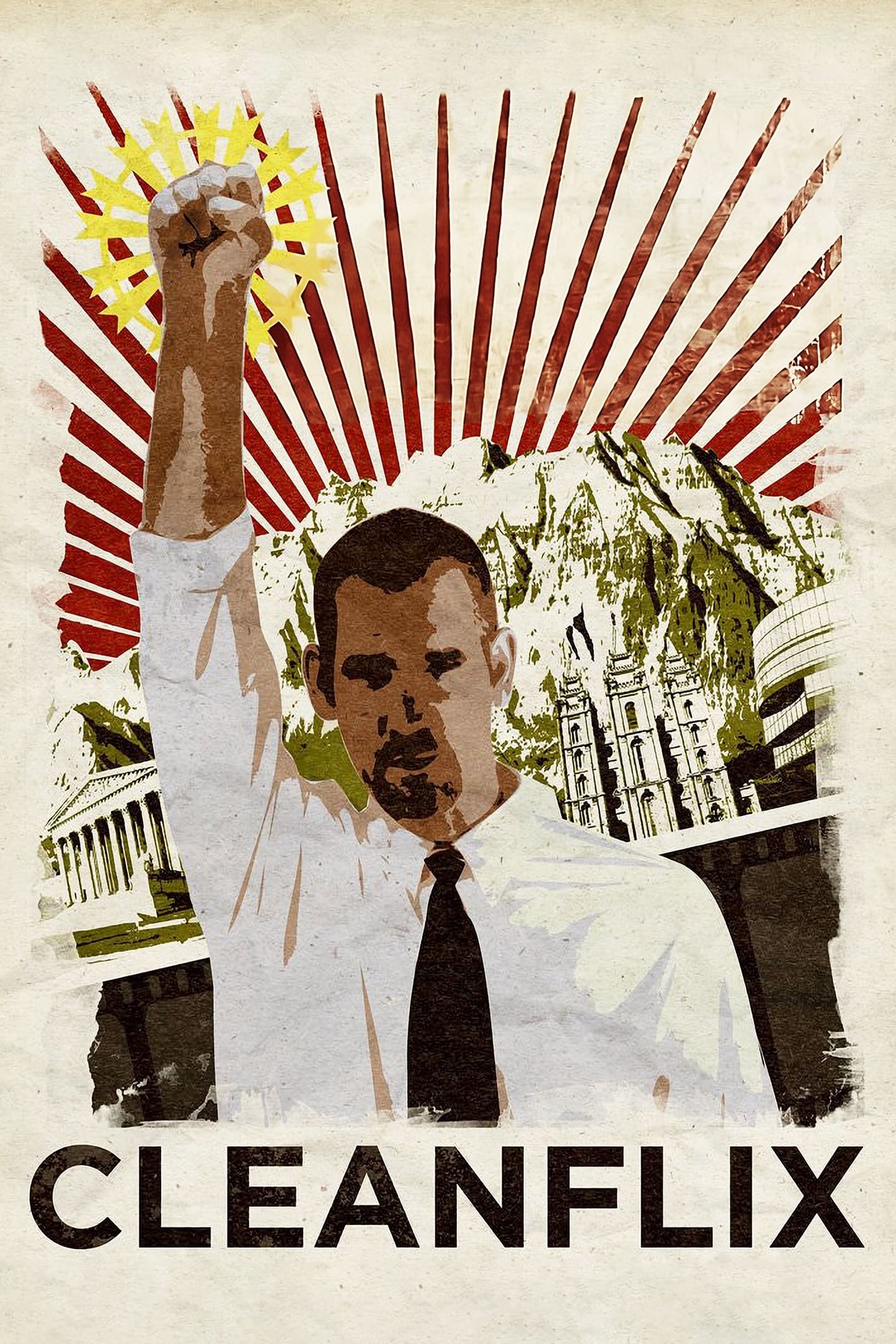
When a small Utah-based edited movie company is caught sanitizing Hollywood's copyrighted material, the film industry strikes back with a devastating blow.
Taking inspiration from Peter M. Bracke's definitive book of the same name, this seven-hour documentary dives into the making of all twelve Friday the 13th films, with all-new interviews from the cast and the crew.
A documentary about the making of the controversial Life of Brian and the surrounding accusations of blasphemy.
Dubbed “The Cannibal Cop,” former NYPD officer Gilberto Valle was charged with conspiring to kidnap and eat women but argued it was all a fantasy. His story made headlines both for its disturbing details and its potential to kick off a trend of thought-policing across the nation. Featuring intimate interviews with Valle and insights from experts, Thought Crimes explores if someone can be found guilty for their most dangerous thoughts.
Lyrical and powerfully personal essay film that reflects on the deaths of her husband Lou Reed, her mother, her beloved dog, and such diverse subjects as family memories, surveillance, and Buddhist teachings.
A documentary that explores the downloading revolution; the kids that created it, the bands and the businesses that were affected by it, and its impact on the world at large.
This real-life look at FBI counterterrorism operations features access to both sides of a sting: the government informant and the radicalized target.
When Allied forces liberated the Nazi concentration camps in 1944-45, their terrible discoveries were recorded by army and newsreel cameramen, revealing for the first time the full horror of what had happened. Making use of British, Soviet and American footage, the Ministry of Information’s Sidney Bernstein (later founder of Granada Television) aimed to create a documentary that would provide lasting, undeniable evidence of the Nazis’ unspeakable crimes. He commissioned a wealth of British talent, including editor Stewart McAllister, writer and future cabinet minister Richard Crossman – and, as treatment advisor, his friend Alfred Hitchcock. Yet, despite initial support from the British and US Governments, the film was shelved, and only now, 70 years on, has it been restored and completed by Imperial War Museums under its original title "German Concentration Camps Factual Survey".
Alex Gibney explores the charged issue of pedophilia in the Catholic Church, following a trail from the first known protest against clerical sexual abuse in the United States and all way to the Vatican.
An unflinching look at the how the battle over abortion rights has played out in the United States over the last 15 years.
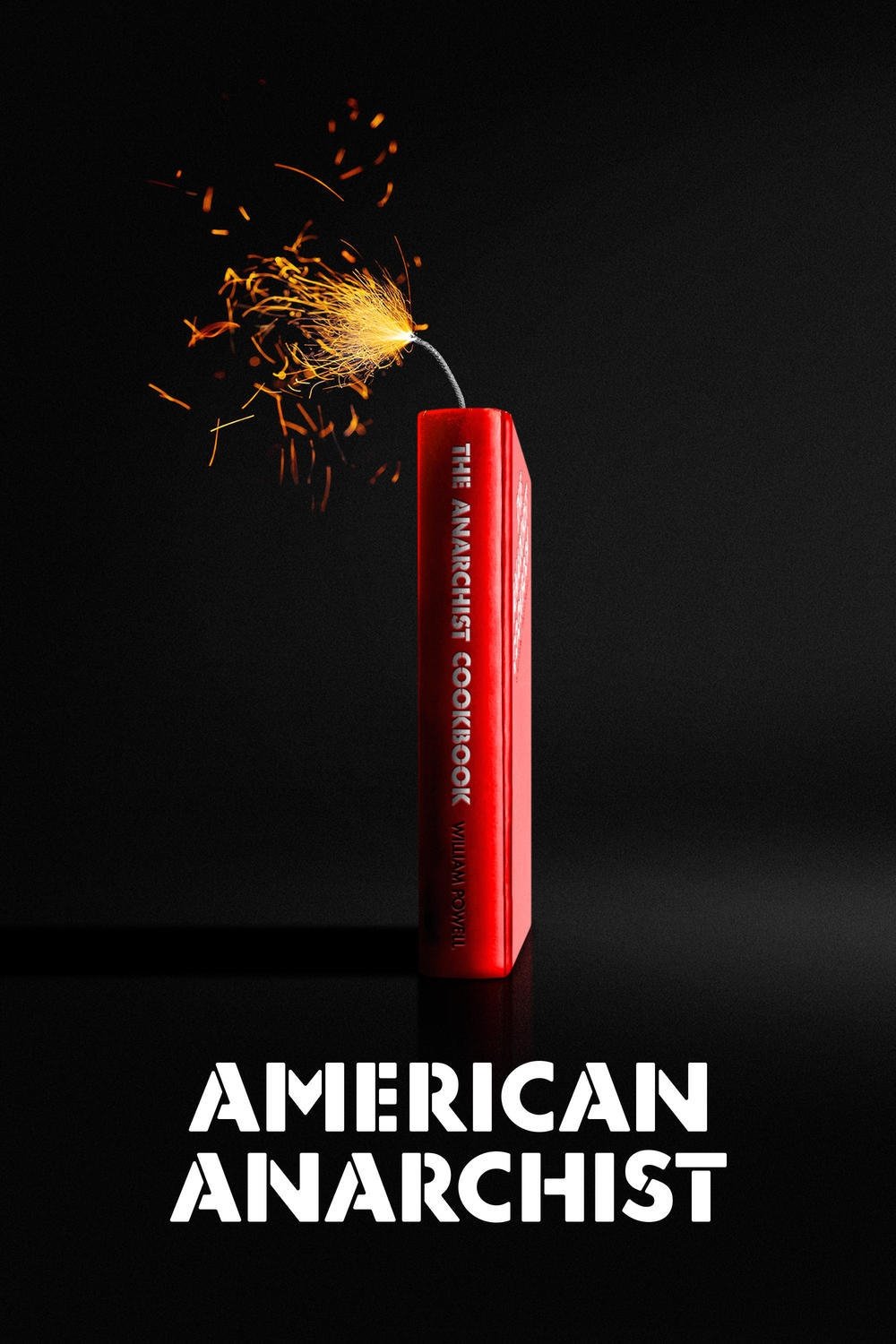
The story of one of the most infamous books ever written, "The Anarchist Cookbook," and the role it's played in the life of its author, now 65, who wrote it at 19 in the midst of the counterculture upheaval of the late '60s and early '70s.
A documentary on the expletive's origin, why it offends some people so deeply, and what can be gained from its use.
Those who knew iconic funnyman John Candy best share his story, in their own words, through never-before-seen archival footage, imagery, and interviews.
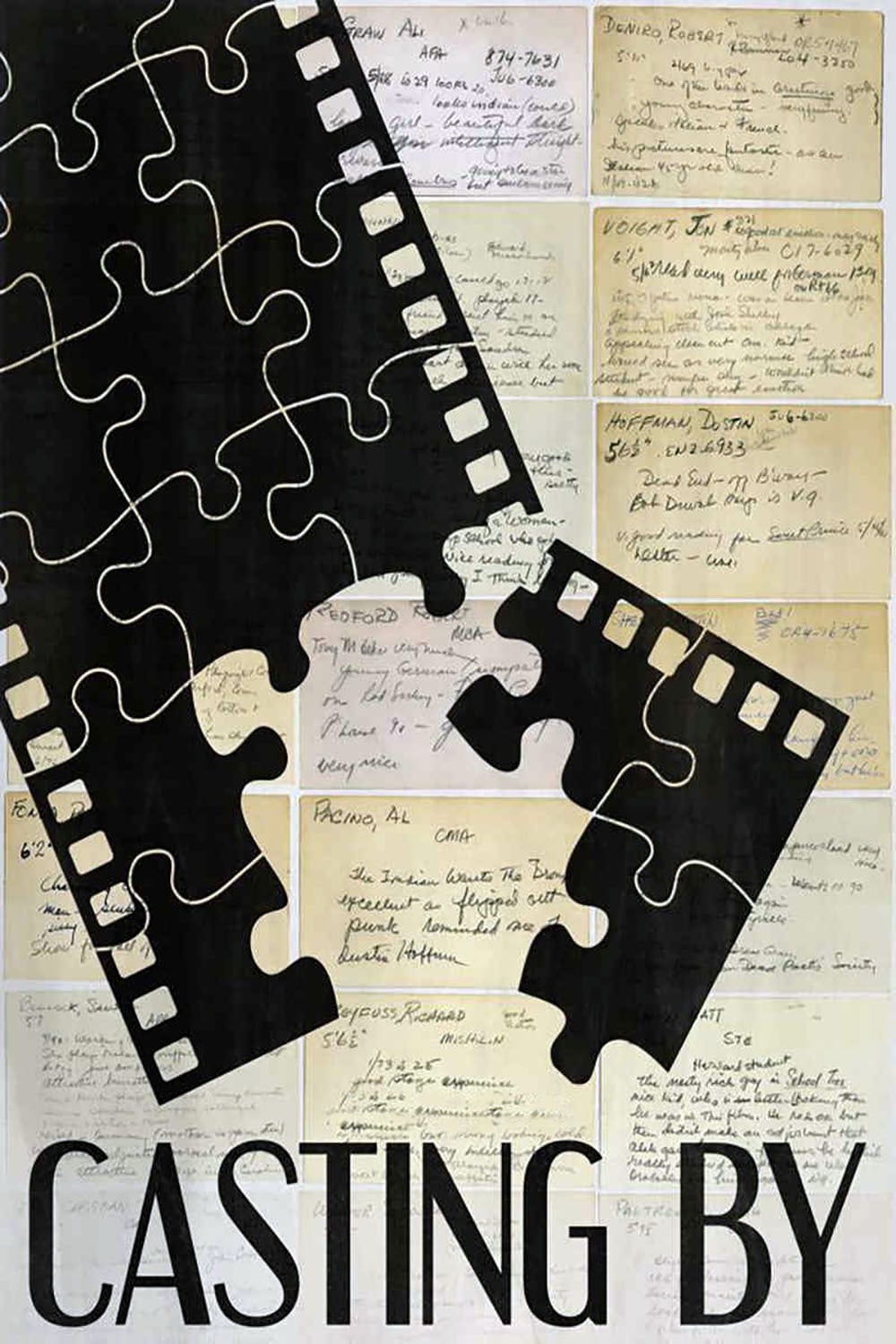
This essential new documentary pays tribute to the legacy of the late, legendary casting director Marion Dougherty and shines a light on one of the most overlooked and least understood crafts in filmmaking.
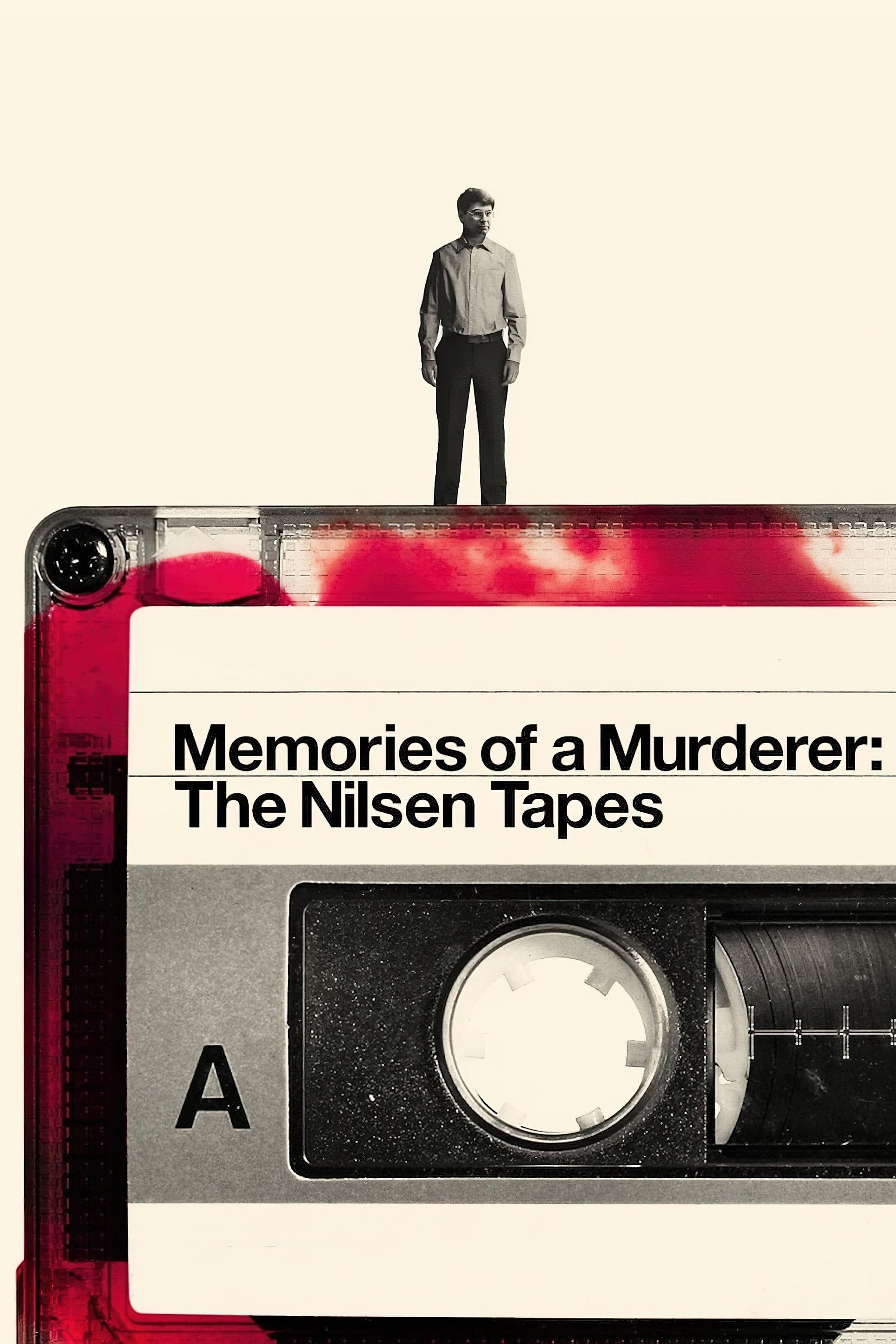
Serial killer Dennis Nilsen narrates his life and horrific crimes via a series of chilling audiotapes recorded from his jail cell.
Unravel the case of Utah therapist Jodi Hildebrandt, whose child abuse arrest with parenting YouTuber Ruby Franke exposed a twisted tale of manipulation.
Iverson is the ultimate legacy of NBA legend Allen Iverson, who rose from a childhood of crushing poverty in Hampton, Virginia, to become an 11-time NBA All-Star and universally recognized icon of his sport. Off the court, his audacious rejection of conservative NBA convention and unapologetic embrace of hip hop culture sent shockwaves throughout the league and influenced an entire generation. Told largely in Iverson's own words, the film charts the career highs and lows of one of the most distinctive and accomplished figures the sport of basketball has ever seen.
SEDUCED AND ABANDONED combines acting legend Alec Baldwin with director James Toback as they lead us on a troublesome and often hilarious journey of raising financing for their next feature film. Moving from director to financier to star actor, the two players provide us with a unique look behind the curtain at the world's biggest and most glamourous film festival, shining a light on the bitter-sweet relationship filmmakers have with Cannes and the film business. Featuring insights from directors Martin Scorsese, 'Bernando Bertolucci' and Roman Polanski; actors Ryan Gosling and Jessica Chastain and a host of film distribution luminaries.
Documentary filmmaker Amy Berg investigates the life of 30-year pedophile Father Oliver O'Grady and exposes the corruption inside the Catholic Church that allowed him to abuse countless children. Victims' stories and a disturbing interview with O'Grady offer a view into the troubled mind of the spiritual leader who moved from parish to parish gaining trust ... all the while betraying so many.
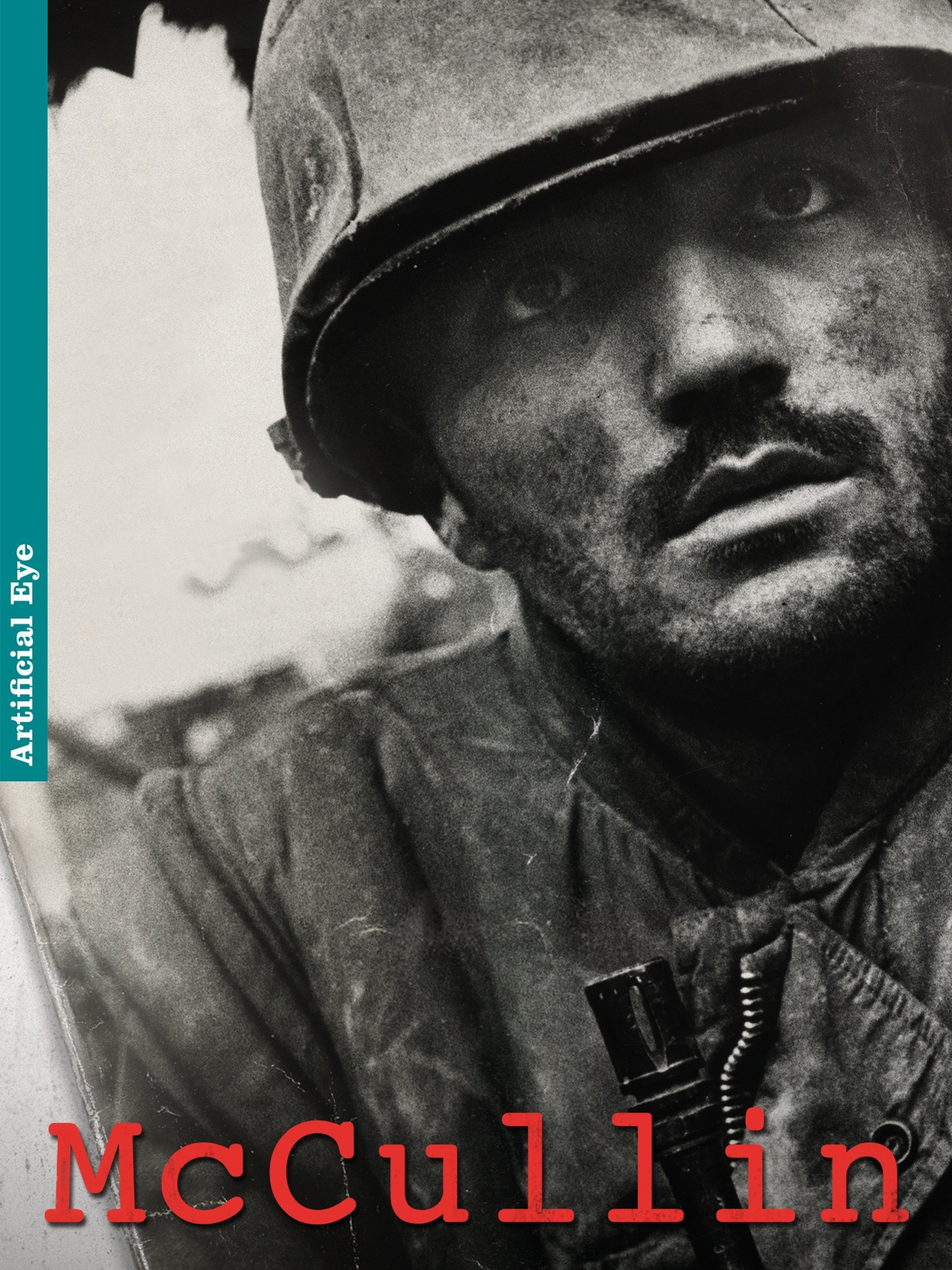
Biographical documentary of the war photographer Don McCullin, with sections on his upbringing, early work for the Observer and extensive war reporting for the Sunday Times until the purchase of the newspaper by Rupert Murdoch in the 1980s.
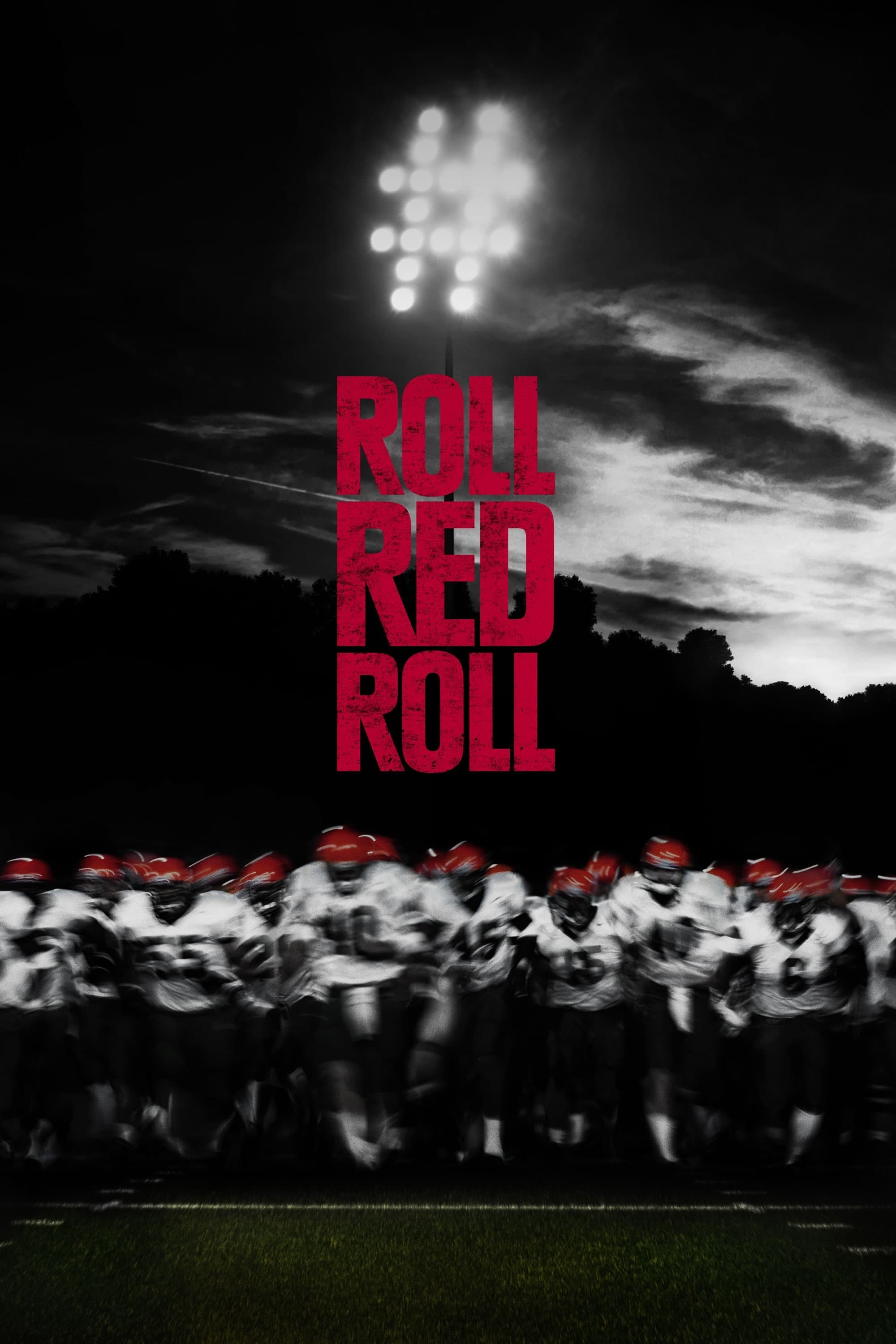
At a 2012 pre-season high-school football party in Steubenville, Ohio, a young woman was raped by members of the beloved high school football team. The aftermath exposed an entire culture of complicity—and Roll Red Roll maps out the roles that peer pressure, denial, sports machismo, and social media each played in the tragedy.