A documentary about the cultural effect of film censorship, focusing on the tumultuous times of the teens and early 1920s in America.
Social & External
The people behind it
Oliver Stone
Self
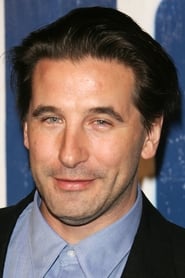
William Baldwin
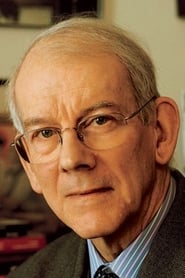
Kevin Brownlow
Michael Kieffer
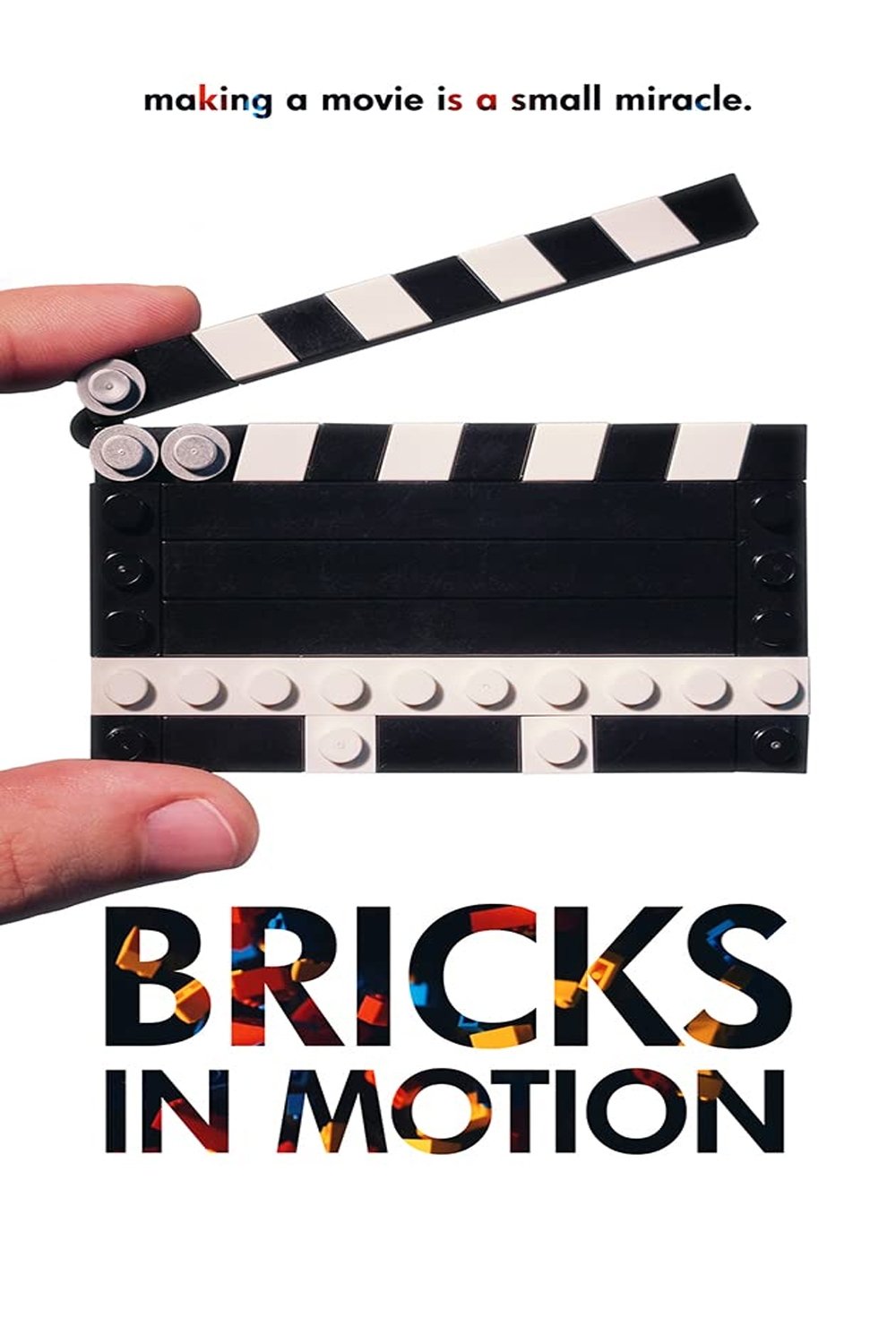
BRICKS IN MOTION is a feature length documentary that explores the lives of individuals involved in the hobby of creating stop-motion animated films with LEGO® bricks and other building toys. Filmed in five countries around the world, the film is a journey through the creative life and struggles of a diverse community of storytellers as they bring their spectacular visions to life.
At the age of 91, Mel Brooks is unstoppable, with his musical "Young Frankenstein" opening to great critical acclaim in London in late 2017. Alan Yentob visits Mel at home in Hollywood, at work and at play.
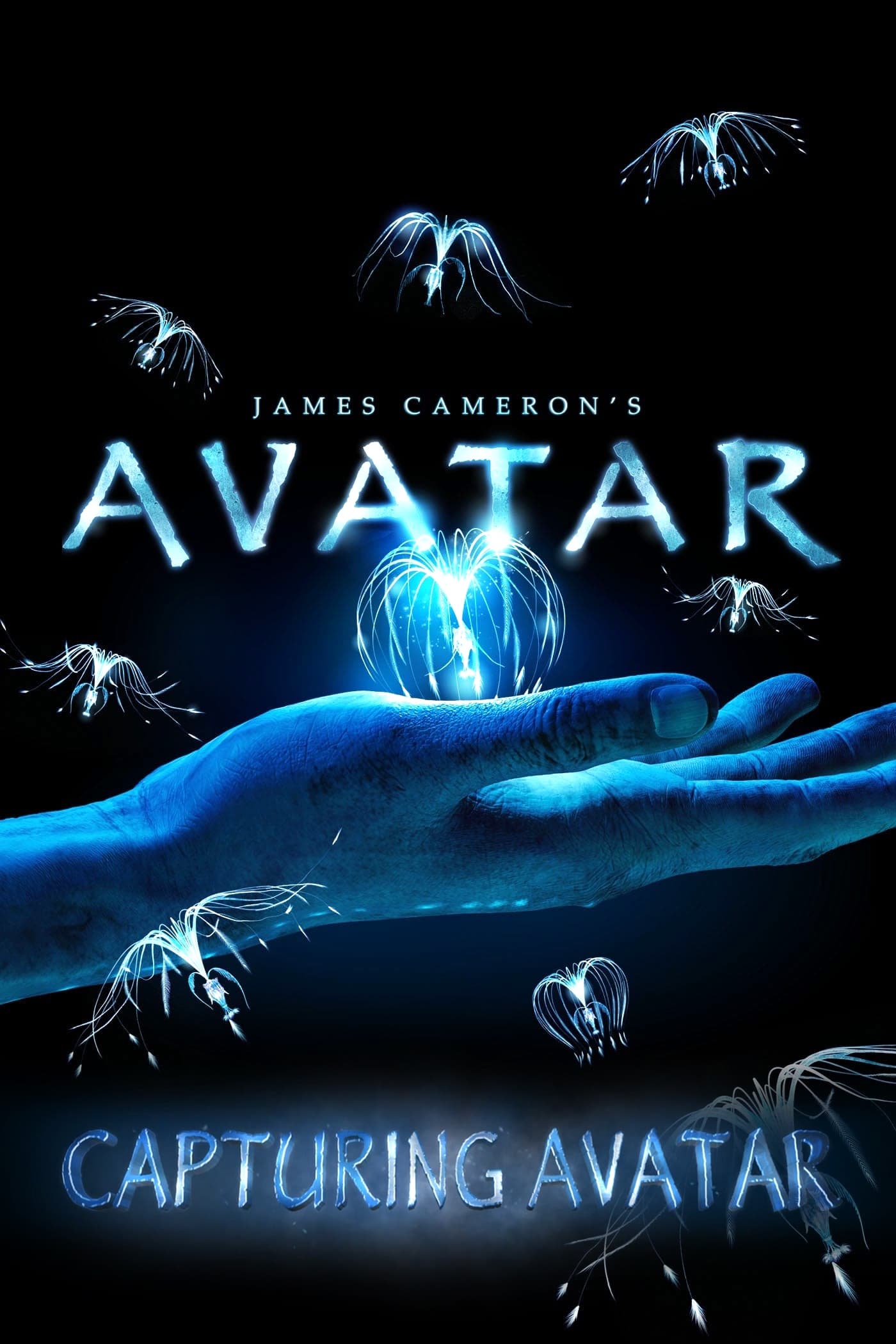
Capturing Avatar is a feature length behind-the-scenes documentary about the making of Avatar. It uses footage from the film's development, as well as stock footage from as far back as the production of Titanic in 1995. Also included are numerous interviews with cast, artists, and other crew members. The documentary was released as a bonus feature on the extended collector's edition of Avatar.
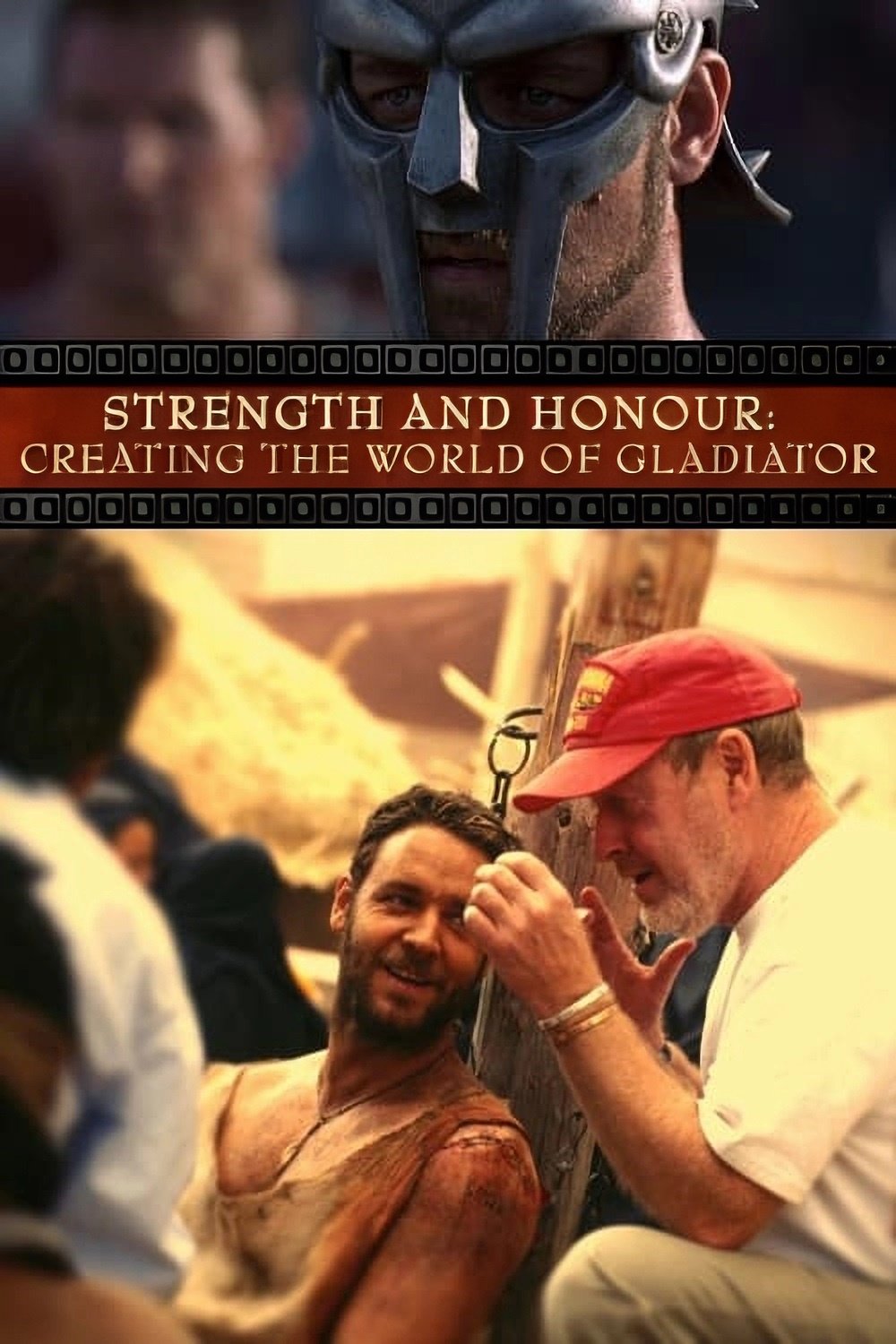
An in-depth look at the entire making of Ridley Scott's Gladiator. Consisting of: Tale Of The Scribes: Story Development, The Heat Of Battle: Production Journals, Attire Of The Realm: Costume Design, Shadow And Dust: Resurrecting Proximo, The Glory Of Rome: Visual Effects, Tools Of War: Weapons, Echoes In Eternity: Release And Impact,and final Production Credits.
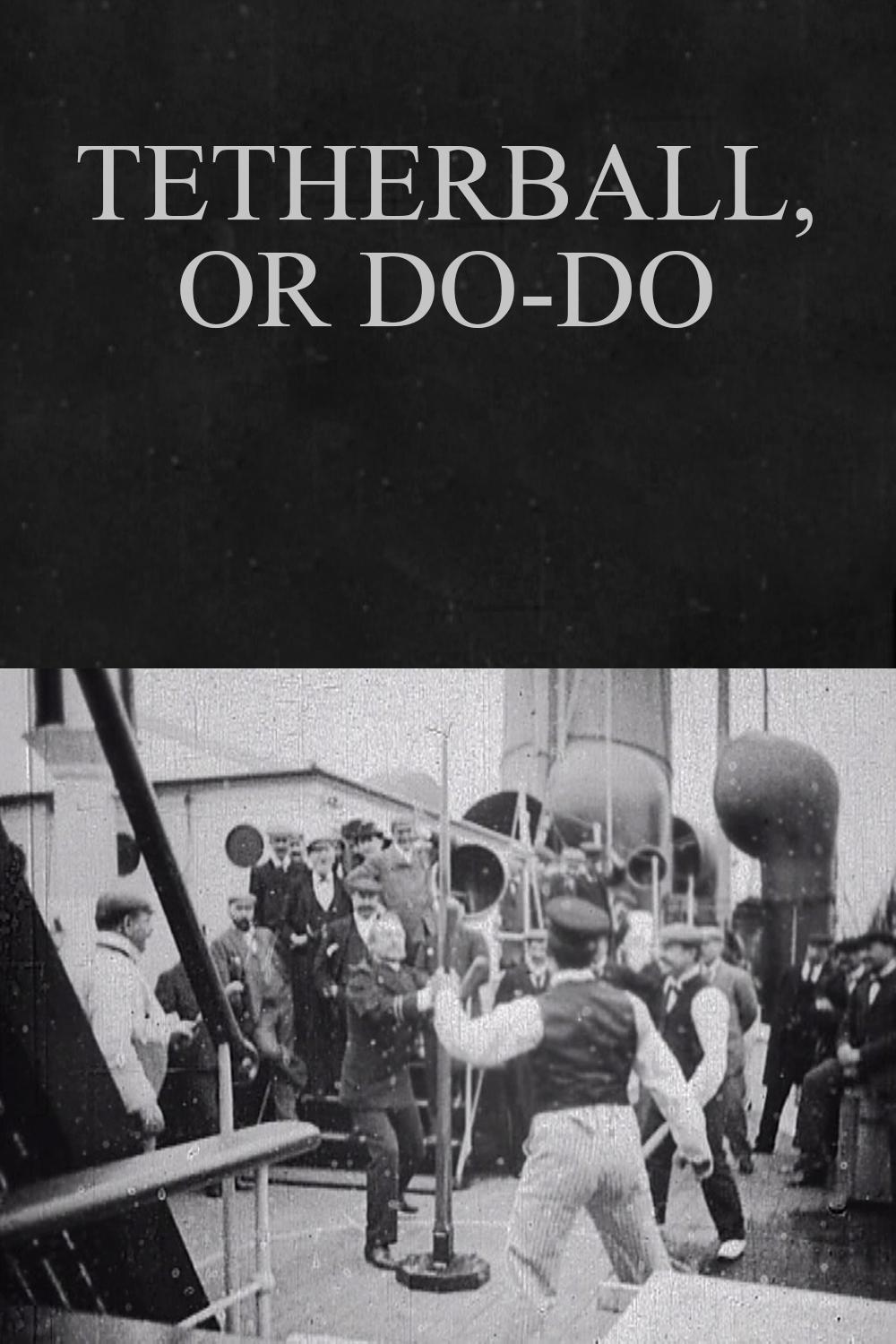
Four men of different ranks play a game of tetherball on a ship's deck.
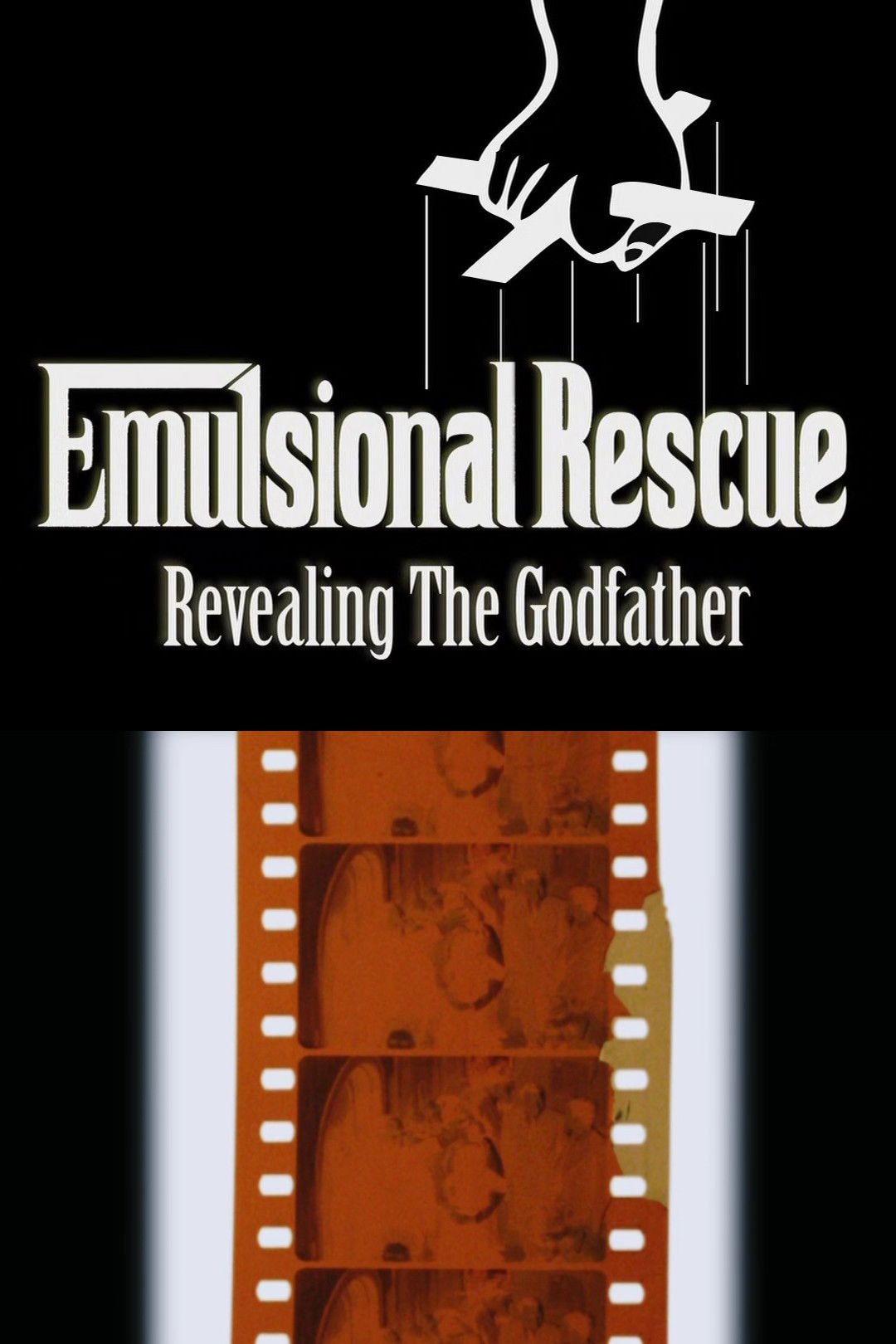
We hear from Coppola, Spielberg, director of photography Gordon Willis, consulting restoration cinematographer Allen Daviau, film archivist Robert A. Harris, Paramount Post Production executive VP Martin Cohen, MPI senior technical advisor Daniel Rosen, MPI scanning technician Chris Gillaspie, senior digital artist Steven A. Sanchez, digital artist Valerie V. McMahon, and MPI technical director and senior colorist Jan Yarbrough as they offer interesting facts about the original cinematography, details on the restoration of the three films.
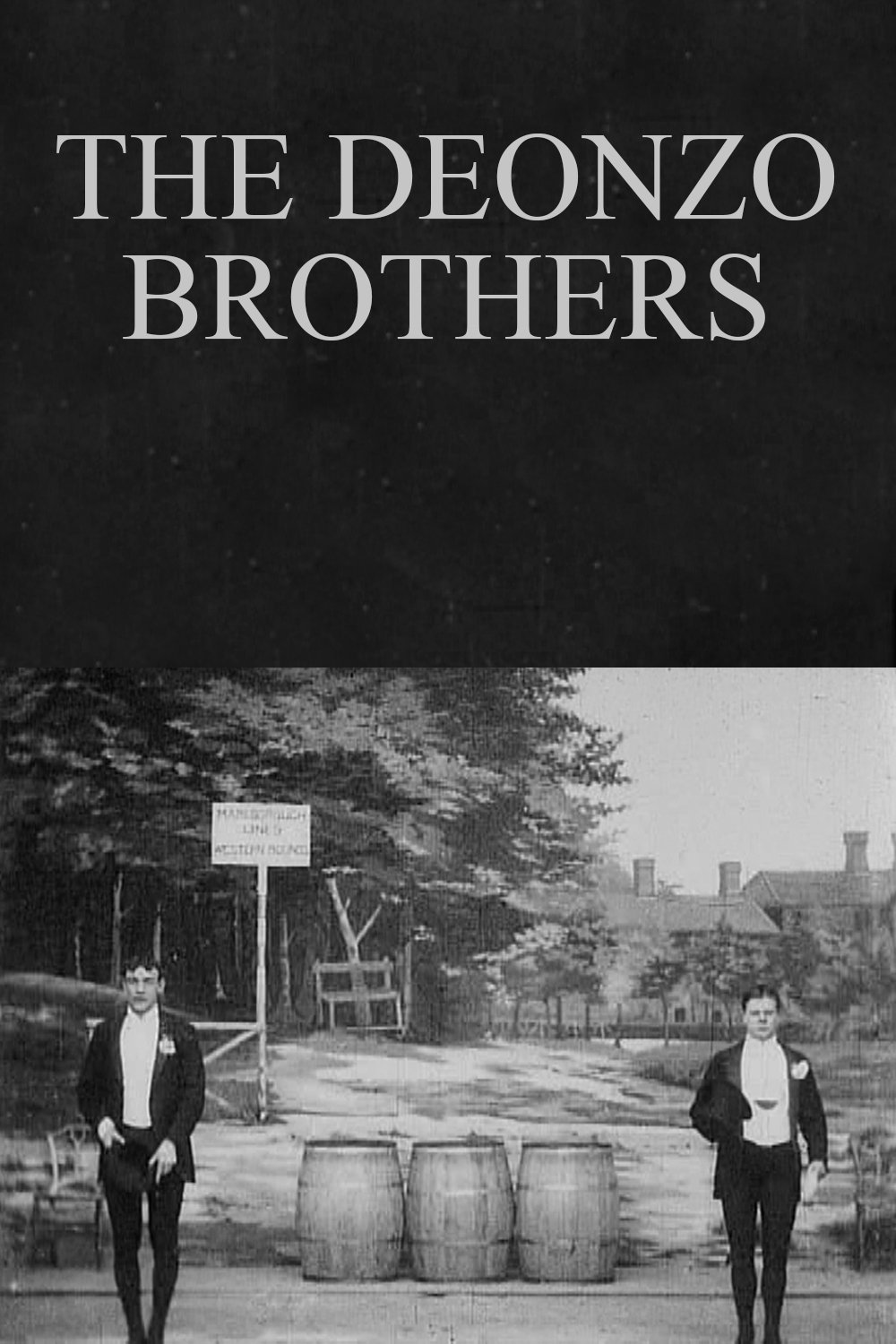
The famous acrobats in the above title appear in a marvellous acrobatic act. There are three barrels arranged on the stage. The boys, blindfolded, stand on opposite sides of the stage, and jump from one barrel into the other until they both land in the same barrel at the same time. They then jump backwards onto the stage over the two barrels. One table is then mounted upon another and the center barrel is placed on top. The brothers still blindfolded jump one each into a barrel and from them to the first to the second table and from the second table into the barrel on top of the second table. They then jump backwards onto the stage. This is pronounced by show people to be the most marvellous acrobatic feat that has ever been introduced. (Edison Catalog)
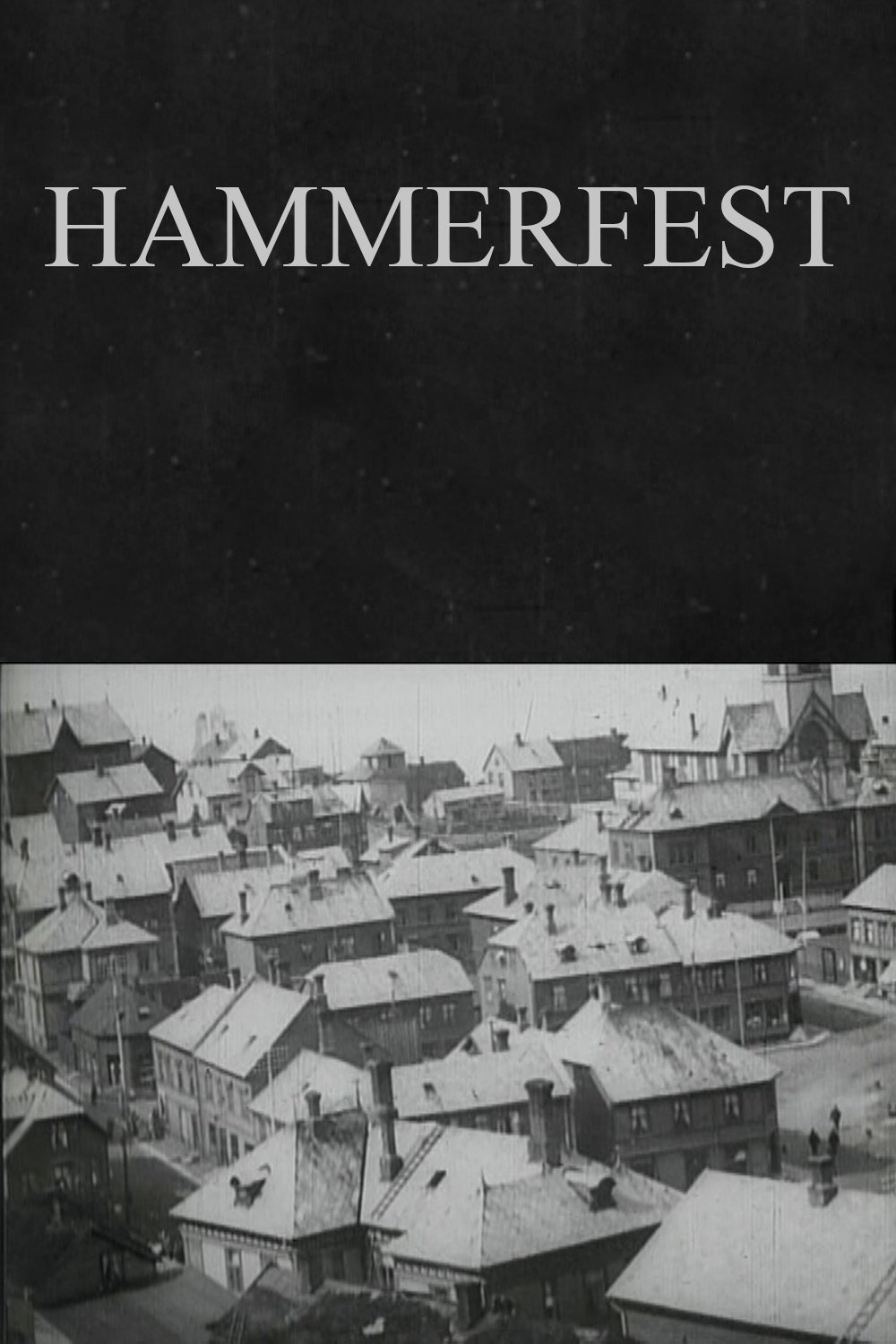
A panorama shot of the Norwegian town and harbour of Hammerfest. Believed to be the earliest surviving film of Norway.
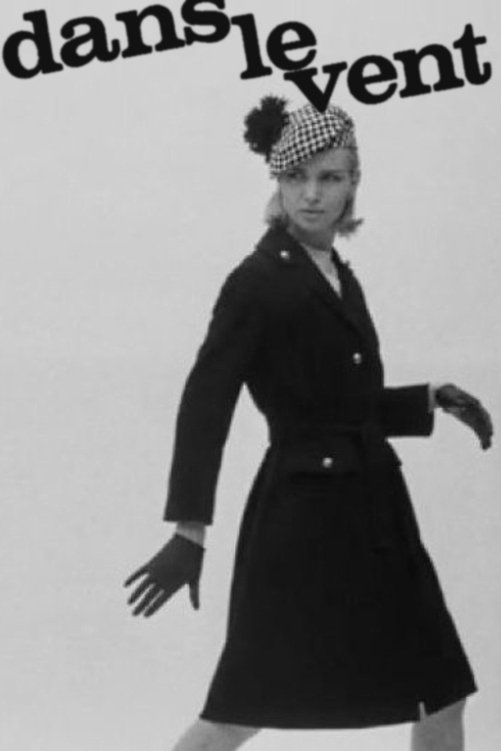
Short subject on how fashion is created-- not by the great couturiers, but on the street.
Donna and Joel Gregory are staying at the estate of Lorna Love while researching a book about the long dead Hollywood goddess. Joel, whose father had a passionate affair with Lorna, becomes obsessed with her. His wife attempts to break the spell which threatens their marriage and their very lives.
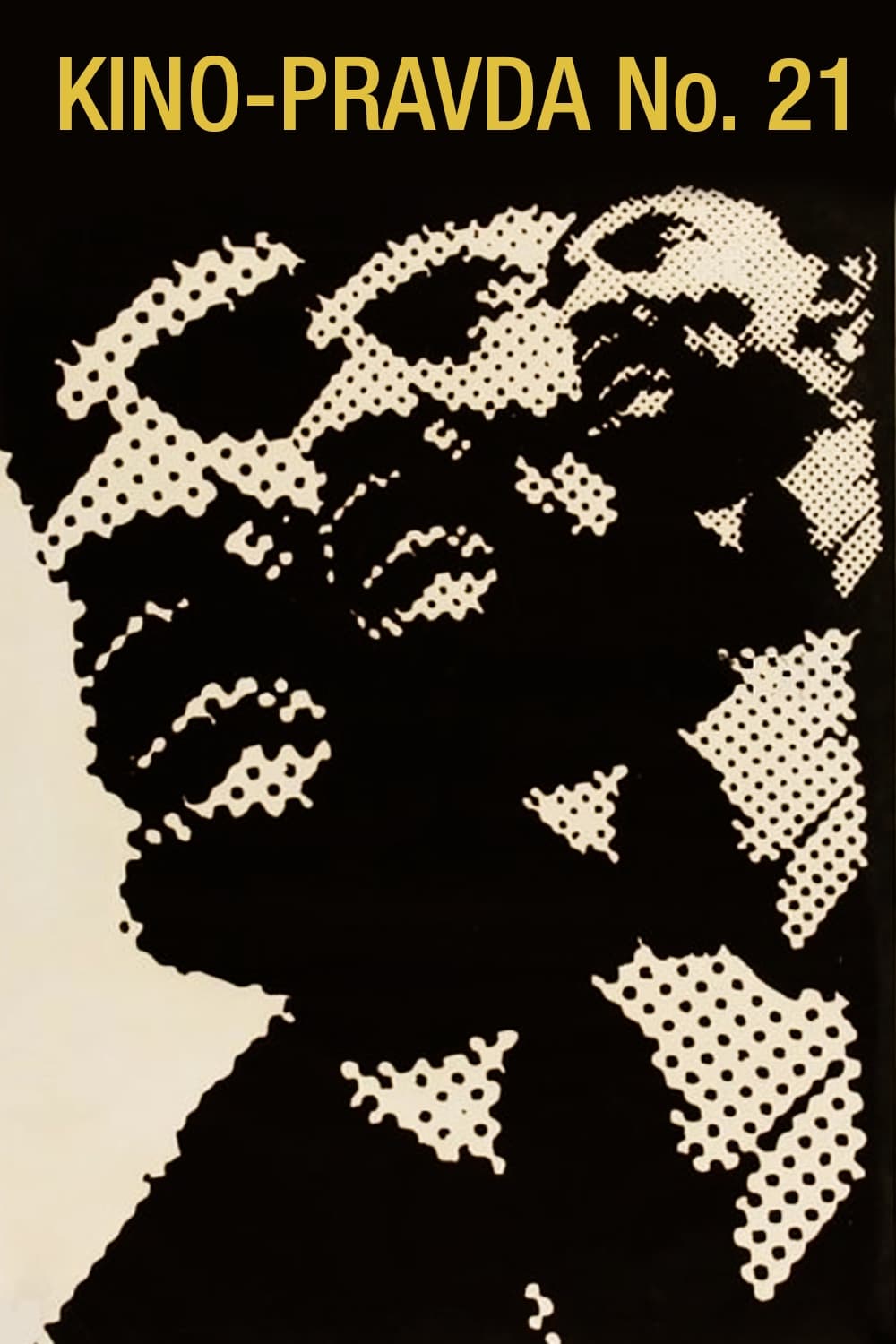
Dziga Vertov-directed Soviet newsreel made to commemorate the first anniversary of the death of Vladimir Ilich Lenin (21st January 1924 - 1925) drawn from 'The Final Journey', a Pravda feuilleton written on the occasion of Lenin's funeral by the man who had introduced Vertov to cinema, Mikhail Koltsov. Contains: First anniversary of Lenin's death: 1. Assassination attempt on Lenin and Soviet Russia's progress under his leadership / 2. Lenin's illness, death and funeral / 3. The year after Lenin's death
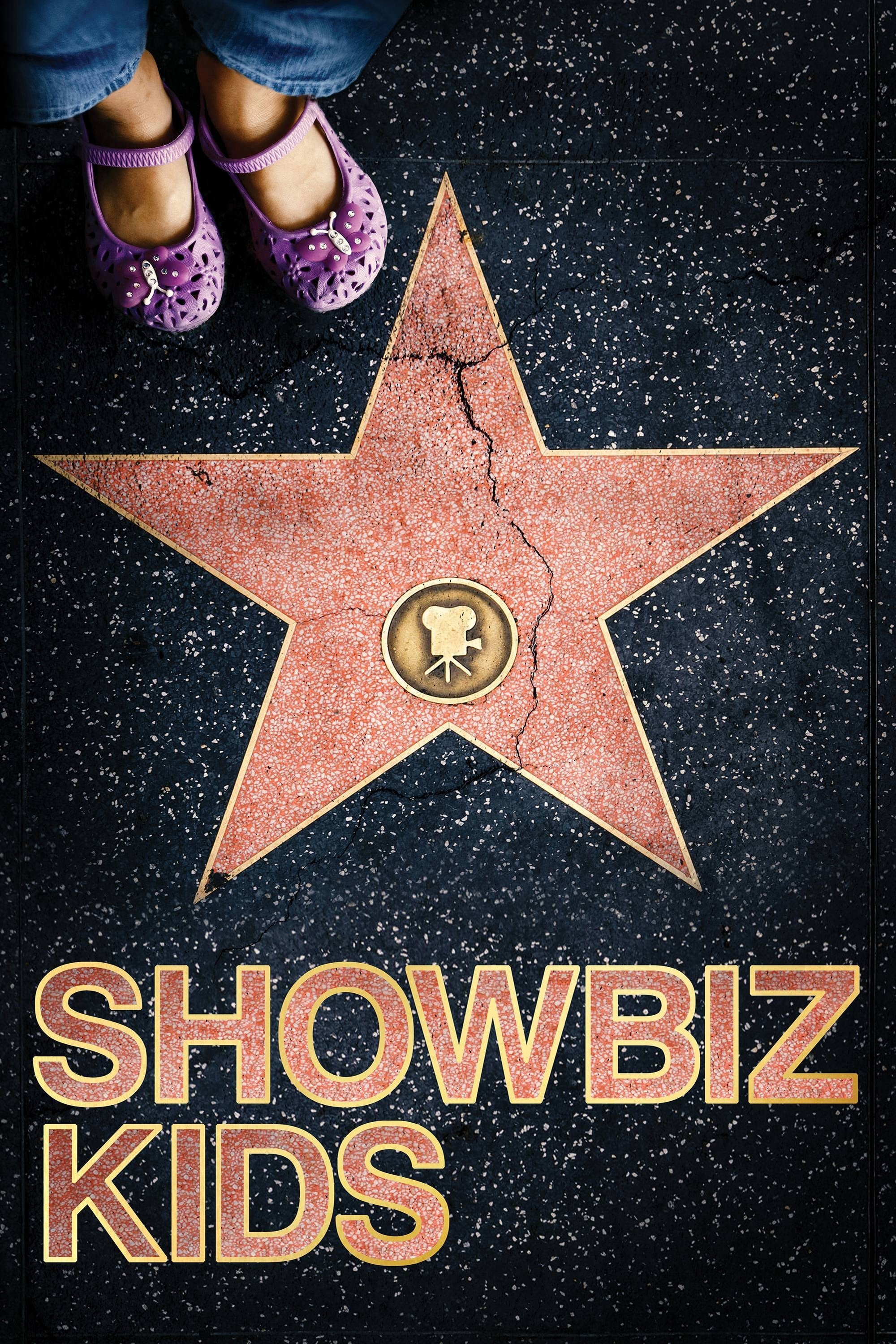
A documentary chronicling the shared experiences of prominent former child stars and the personal and professional price of fame and failure on a child.
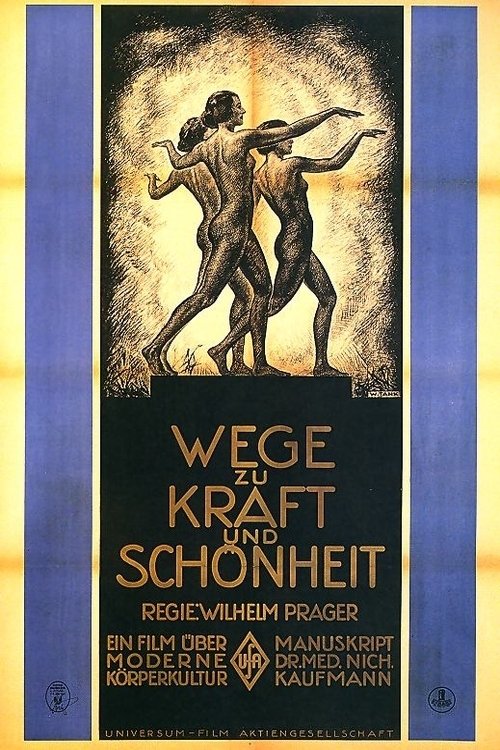
The perfect body as an object of cult worship. Based on the mass sports and body worship movement of the 1920s, the film propagates physical training and shows in stylized documentary scenes aspects of physical hygiene, gymnastics, sports and dancing as well as scenes in which supposed sportsmen of antiquity pose naked.
A tour of the Metro-Goldwyn-Mayer Studio in 1925 shows the people who make the movies there, and gives viewers a glimpse at how movies are made.
Tommy Tucker's Tooth is a live-action short film by Walt Disney at his short-lived Laugh-O-Grams studio in Kansas City from 1922. The film was one of two commissioned by Kansas City Dentist Thomas B. McCrum. It earned the Laugh-O-Gram studio $500.
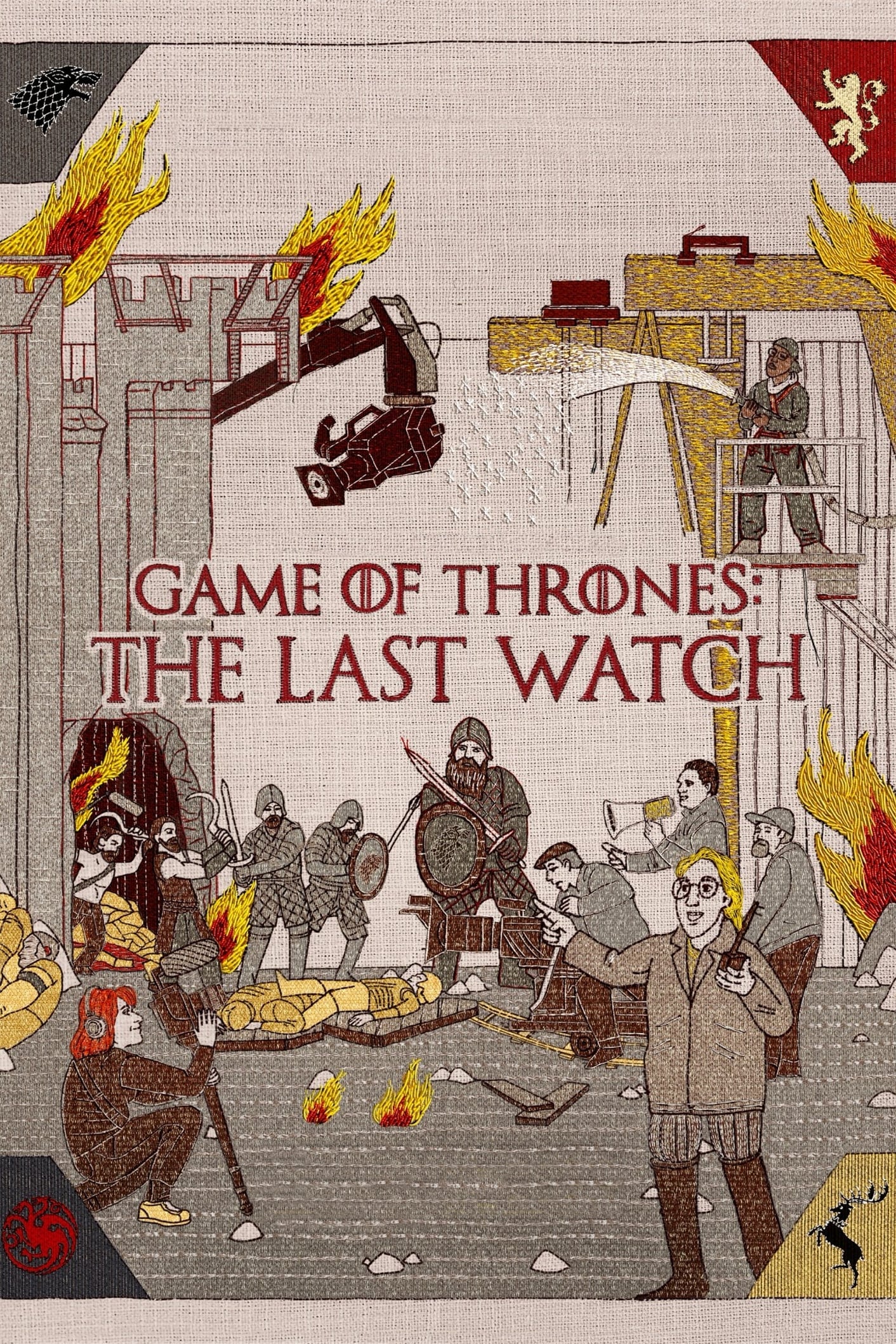
For a year, acclaimed British filmmaker Jeanie Finlay was embedded on the set of the hit HBO series “Game of Thrones,” chronicling the creation of the show’s most ambitious and complicated season. Debuting one week after the series 8 finale, GAME OF THRONES: THE LAST WATCH delves deep into the mud and blood to reveal the tears and triumphs involved in the challenge of bringing the fantasy world of Westeros to life in the very real studios, fields and car-parks of Northern Ireland. Made with unprecedented access, GAME OF THRONES: THE LAST WATCH is an up-close and personal portrait from the trenches of production, following the crew and the cast as they contend with extreme weather, punishing deadlines and an ever-excited fandom hungry for spoilers. Much more than a “making of” documentary, this is a funny, heartbreaking story, told with wit and intimacy, about the bittersweet pleasures of what it means to create a world – and then have to say goodbye to it.
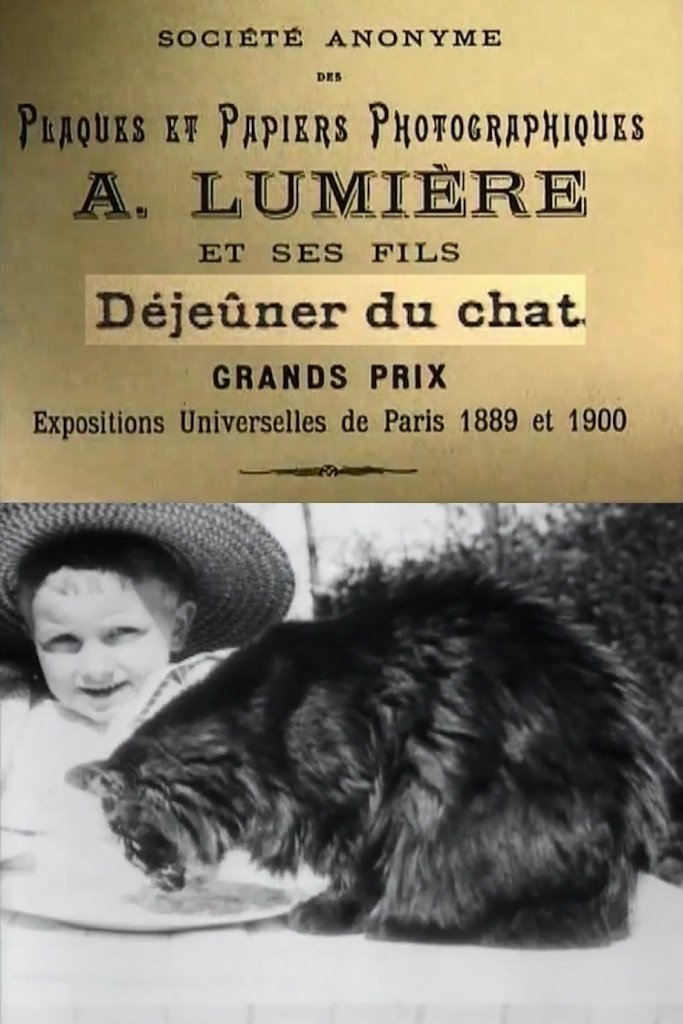
A small boy brings a plate of milk to a big cat, grooming itself.
"Percy Smith (1880-1944) was world famous as a photographer of plant life. Probably the first British example of time-lapse photography as applied to the growth of plants." Monthly Film Bulletin, November 1955.
This short shows the entrances of the various Hollywood studios, then specifically visits Warner Bros. / First National Studios. We start at the casting office, then see Busby Berkeley and choreographer Bobby Connolly working with chorus girls on production numbers. Then come some candid shots of several contract stars. Finally we see comedian Hugh Herbert filming a scene for an upcoming release, then the various behind the scenes steps that transition the raw film in the camera into the finished product.
The story of the gold-plated statuette that became the film industry's most coveted prize, AND THE OSCAR GOES TO... traces the history of the Academy itself, which began in 1927 when Louis B. Mayer, then head of MGM, led other prominent members of the industry in forming this professional honorary organization. Two years later the Academy began bestowing awards, which were nicknamed "Oscar," and quickly came to represent the pinnacle of cinematic achievement.
The history of cinematic sound, told by legendary sound designers and visionary filmmakers.
Learn the incredible behind-the-scenes story of how the original Star Wars movie was brought to the big screen in this fascinating documentary hosted by C-3PO and R2-D2 which includes interviews with George Lucas and appearances by Mark Hamill, Harrison Ford and Carrie Fisher.
A documentary examining the decade of the 1970s as a turning point in American cinema. Some of today's best filmmakers interview the influential directors of that time.
A subjective documentary that explores various theories about hidden meanings in Stanley Kubrick's classic film The Shining. Five very different points of view are illuminated through voice over, film clips, animation and dramatic reenactments.
The epic life story of Alice Guy-Blaché (1873–1968), a French screenwriter, director and producer, true pioneer of cinema, the first person who made a narrative fiction film; author of hundreds of movies, but banished from history books. Ignored and forgotten. At last remembered.
An investigative look and analysis of gender disparity in Hollywood, featuring accounts from well-known actors, executives and artists in the Industry.
Documentary about the art of film editing. Clips are shown from many groundbreaking films with innovative editing styles.
SEDUCED AND ABANDONED combines acting legend Alec Baldwin with director James Toback as they lead us on a troublesome and often hilarious journey of raising financing for their next feature film. Moving from director to financier to star actor, the two players provide us with a unique look behind the curtain at the world's biggest and most glamourous film festival, shining a light on the bitter-sweet relationship filmmakers have with Cannes and the film business. Featuring insights from directors Martin Scorsese, 'Bernando Bertolucci' and Roman Polanski; actors Ryan Gosling and Jessica Chastain and a host of film distribution luminaries.
The chronicle of the mind-blowing journey that was Hollywood during the seventies; the true and gripping story of the last golden age of American cinema, an exalted celebration of creativity and experimentation; but also of sex, drugs and rock 'n' roll: a turbulent and dark tale of ambition, envy, betrayal, hatred and self-destruction.
The definitive documentary on the history of nudity in feature films from the early silent days to the present, studying the changes in morality that led to the use of nudity in films while emphasizing the political, sociological and artistic changes that shaped that history. Skin will also study the gender inequality in presenting nude images in motion pictures and will follow the revolution that has created nude gender equality in feature films today.
Kirby Dick's provocative documentary investigates the secretive and inconsistent process by which the Motion Picture Association of America (MPAA) rates films, revealing the organization's underhanded efforts to control culture. Dick questions whether certain studios get preferential treatment and exposes the discrepancies in how the MPAA views sex and violence.
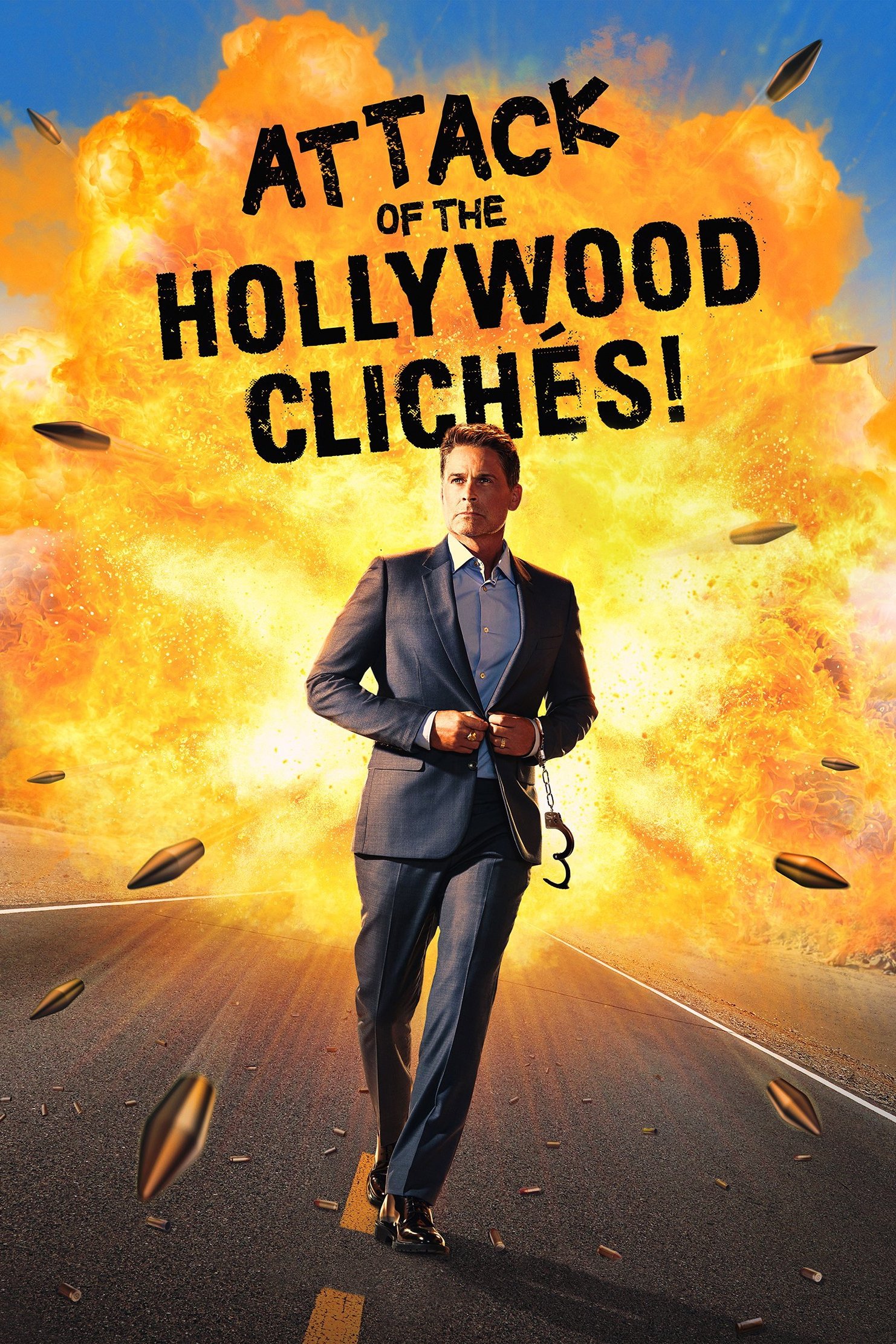
One-man armies, meet-cutes, casual strolls away from huge explosions — stars and industry insiders toast and roast these cinematic chestnuts and more.
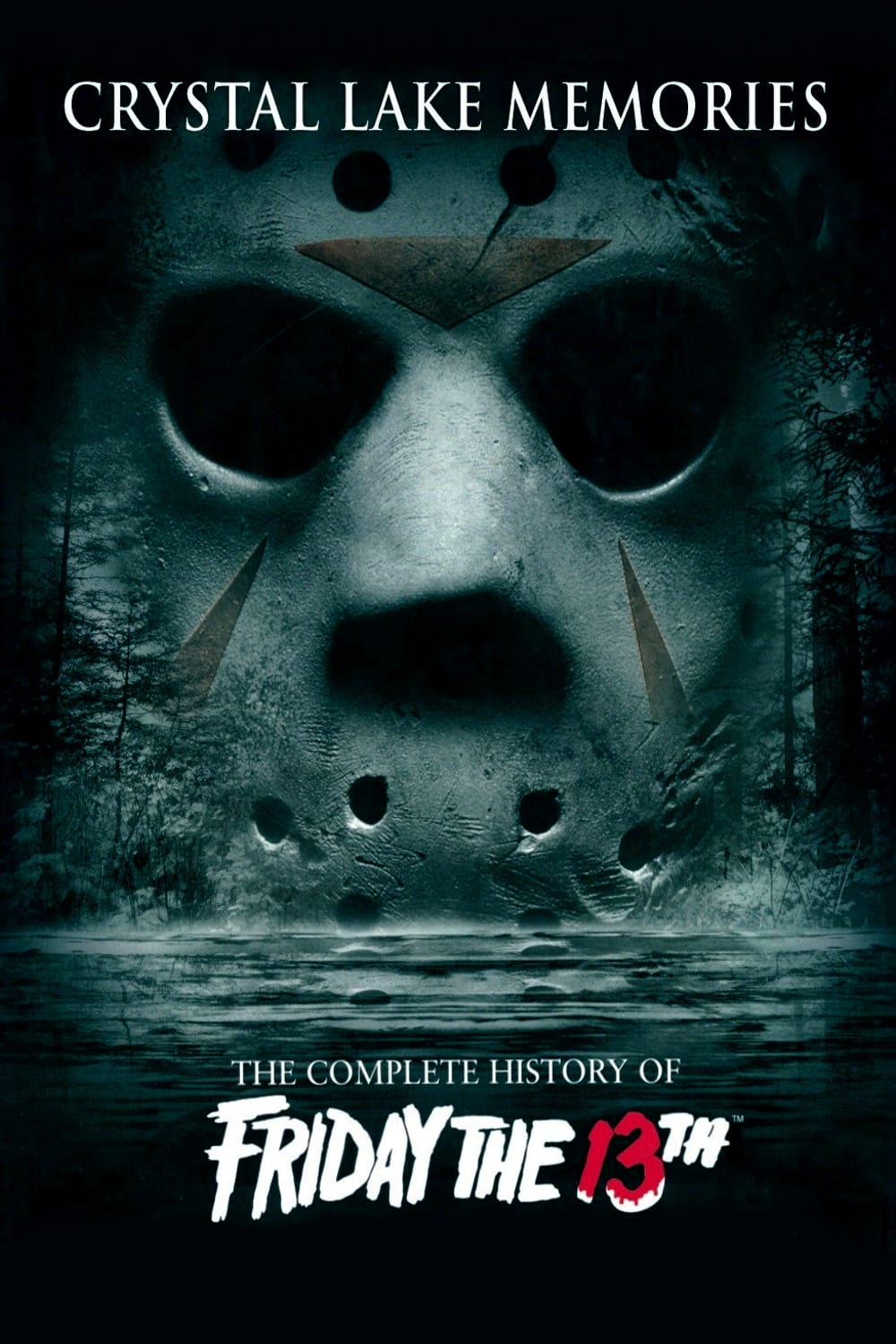
Taking inspiration from Peter M. Bracke's definitive book of the same name, this seven-hour documentary dives into the making of all twelve Friday the 13th films, with all-new interviews from the cast and the crew.
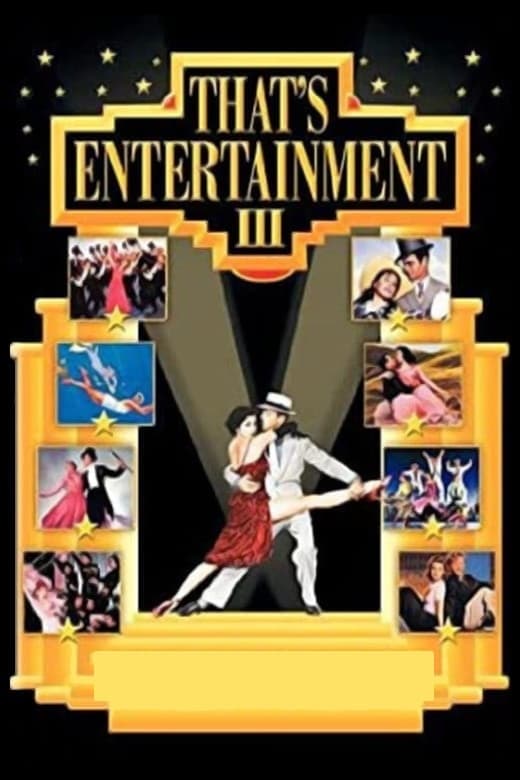
Some of MGM'S musical stars review the studios history of musicals. From The Hollywood Revue of 1929 to Brigadoon, from the first musical talkies to Gene Kelly in Singin' in the Rain.
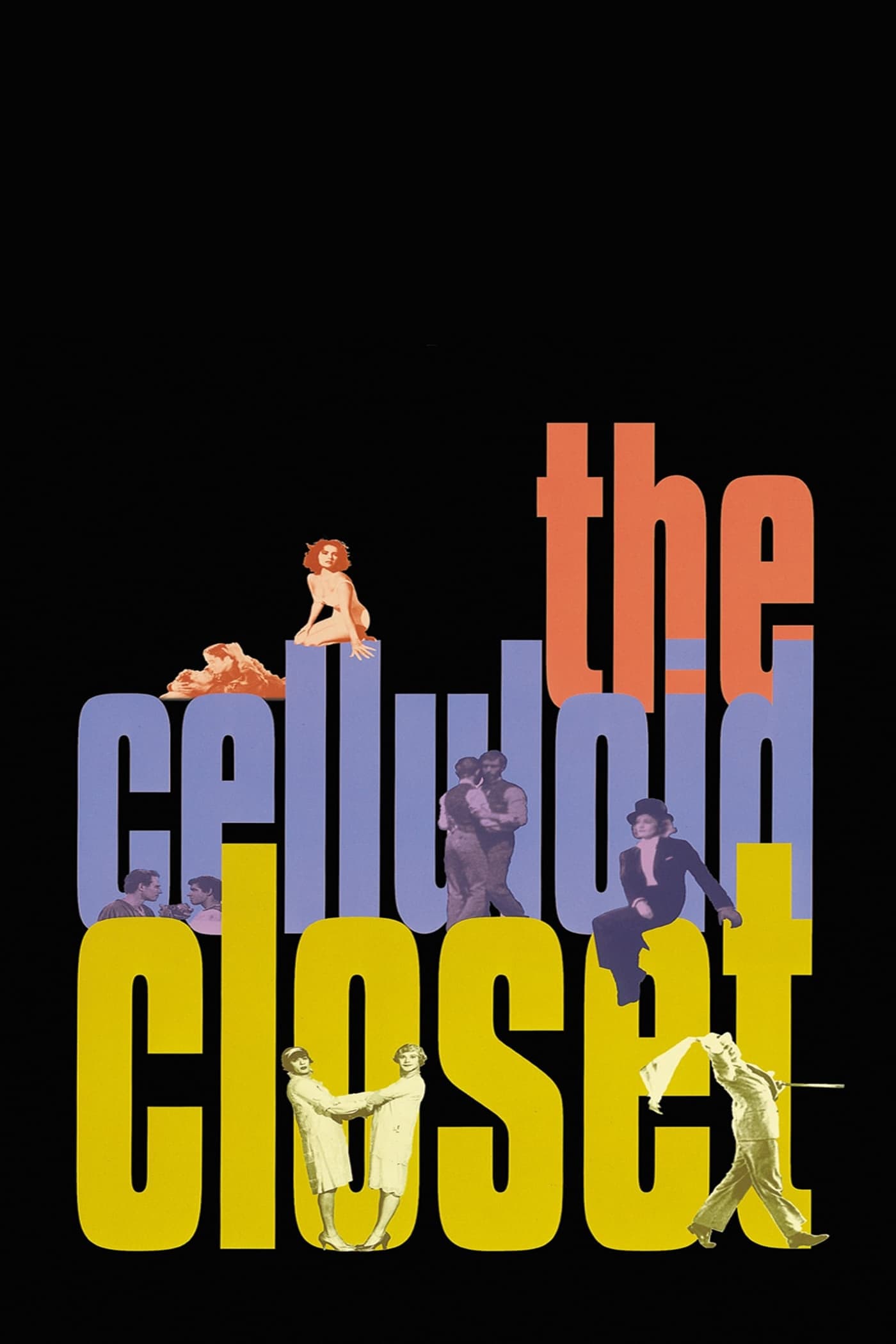
Exuberant, eye-opening movie that serves up a dazzling hundred-year history of the role of gay men and lesbians have had on the silver screen. Film contains fabulous footage from 120 films showing the changing face of cinema sexuality, from cruel stereotypes to covert love to the activist triumphs of the 1990s.
Tells the history and importance of The National Film Registry, a roll call of American cinema treasures that reflects the diversity of film, and indeed the American experience itself.
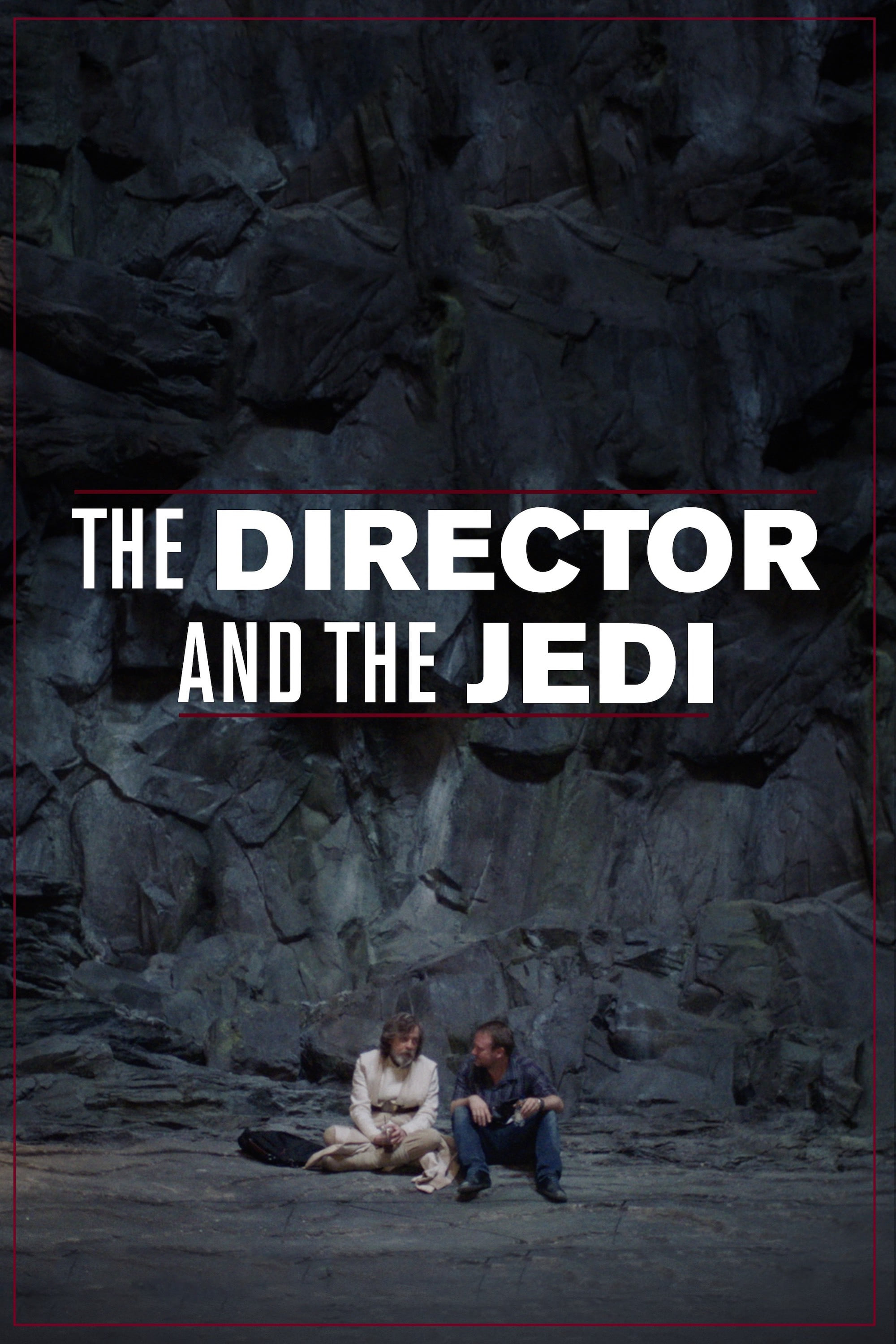
An intimate documentary delving into Rian Johnson's process as he comes in as a director new to the Star Wars universe.
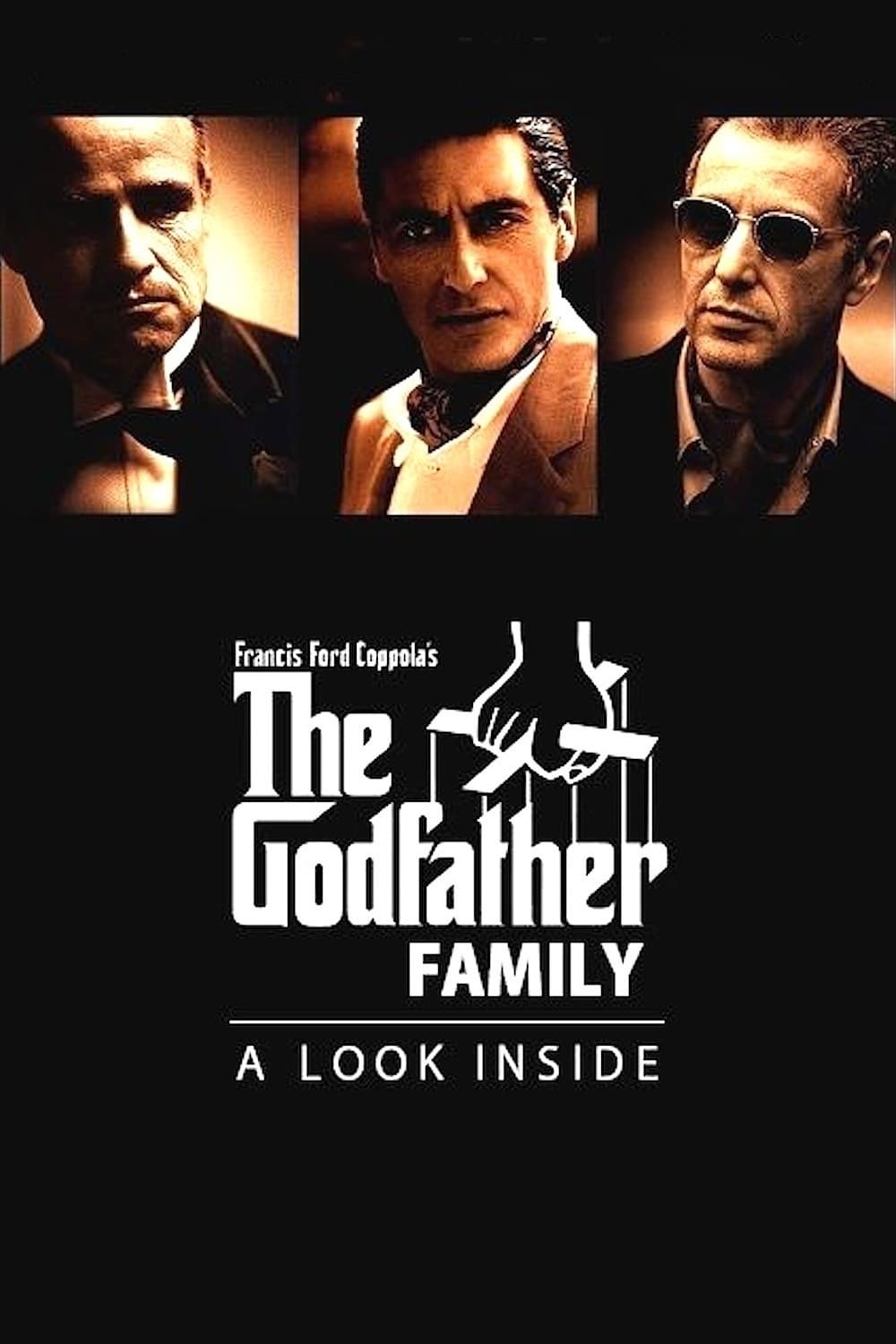
A documentary on the making of the three Godfather films, with interviews and recollections from the film makers and cast. This feature also includes the original screen tests of some of the actors for "The Godfather" film, and some candid moments on the set of "The Godfather: Part III."
Unravel the case of Utah therapist Jodi Hildebrandt, whose child abuse arrest with parenting YouTuber Ruby Franke exposed a twisted tale of manipulation.