Short public information film showing housewives' efficient and hygienic methods of food storage.
Social & External
The story of black and mixed race people in Nazi Germany who were sterilised, experimented upon, tortured and exterminated in the Nazi concentration camps. It also explores the history of German racism and examines the treatment of Black prisoners-of-war. The film uses interviews with survivors and their families as well as archival material to document the Black German Holocaust experience.
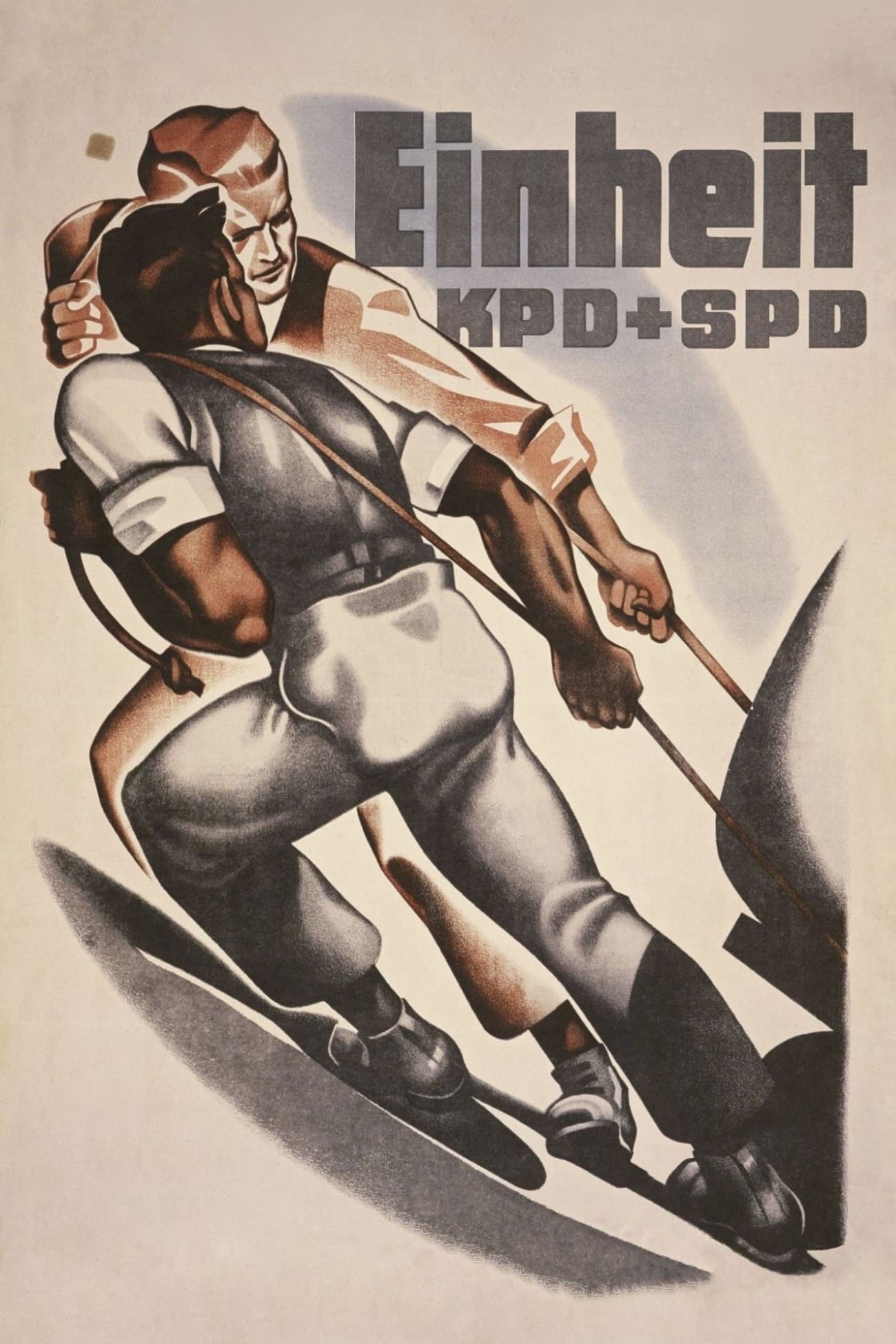
Documentary about the merging of the Communist Party of Germany and the Socialist Unity Party of Germany in the Soviet occupation zone, a merger that would lead to the creation of the Socialist Unity Party that would rule the soon-to-be-created East Germany until 1989.
Describes how to resist the deception and pressure used to recruit members into cults and keep them there. It also provides advice on how to resist these tactics. The video is designed for young people, parents, educators, counselors, clergy, law enforcement officials, and others.
Discusses the dangers of accidental poisoning, particularly in children, due to household substances like cleaners and medications. It emphasizes the importance of identifying the product involved in the poisoning, recognizing symptoms, and taking immediate action. Key steps include diluting the poison with milk or water, calling for medical assistance, and bringing the poison container to the hospital. The document also highlights the risks of drug misuse and inhalation of toxic fumes, urging quick responses to emergencies.
The content emphasizes the importance of agility, stamina, and judgment in various aspects of life, including sports, academics, and everyday decision-making. It highlights the physiological effects of alcohol on the body and mind, explaining how it impairs judgment and coordination, which can lead to dangerous situations, especially when driving. The message advocates for self-discipline and moderation, urging individuals to make wise choices regarding alcohol consumption to maintain their physical and mental capabilities.
Discusses the effects of alcohol on the brain and behavior, particularly in relation to driving. It explains how alcohol impairs judgment, perception, coordination, and vital functions by affecting different brain regions. Factors influencing blood alcohol concentration (BAC) include the amount consumed, body size, sex, and the rate of consumption. The video also debunks myths about sobering up and emphasizes the importance of allowing time for alcohol to metabolize before driving. Even at BAC levels considered legally impaired, individuals may not recognize their diminished capabilities.
Women's civil defense activities, especially in case of gas attacks.
September 3rd, 1939. Britain and France declare war on Nazi Germany, only two days after the Wehrmacht invades Poland. This day, the sad date when the fate of the world changed forever, the Phoney War began: eight months of uncertainty, preparations, evacuations and skirmishes.
Even high Nazi leaders like Joseph Goebbels and Hermann Göring were almost contemptuous of this party comrad, and yet he was one of the most influential figures in the Third Reich: Julius Streicher, publisher of the anti-Semitic weekly "Der Stürmer", responsible for the worst propaganda and infamous for his corrupt and violent regime as Gauleiter of Franconia. By the Allies he was considered a symbol of Nazi hatred of the Jews. In 1946 he was sentenced to death in Nuremberg and executed.
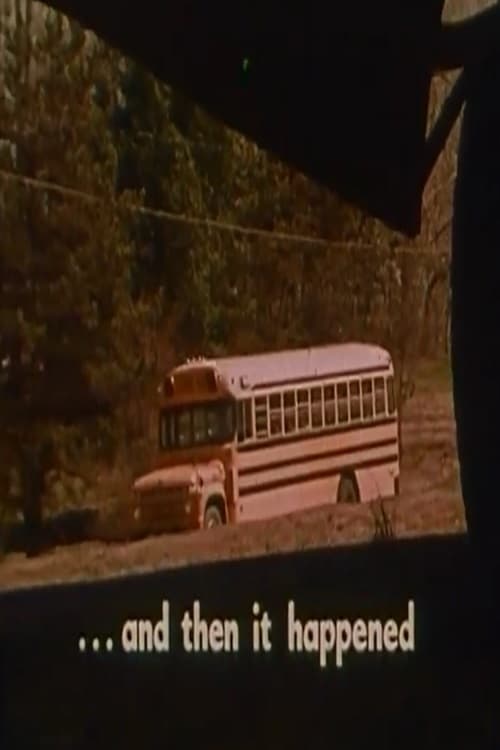
The film "And Then It Happened" follows two school bus drivers known for their safety records. During routine rides, a series of distractions and misbehaviors from the students lead to a disastrous accident, injuring several classmates. The narrative explores the challenges of managing rowdy children on a bus and the consequences of their actions, highlighting the importance of safety and the hidden struggles of the students.
A 1972 educational film by Dan Gibson Productions, aims to guide young viewers in recognizing the temptations and risks associated with alcohol and excessive drinking through the lens of a nature documentary. Through a series of cautionary scenarios and reflections, it sheds light on the societal lure of alcohol and its potential consequences. This film serves as both a warning and a primer on self-awareness around drinking habits, connecting with an era increasingly concerned with youth education on substance use.
Fear and fascination arise in Muriel Grey when she remembers the figure of her father, who passed away when she was still very young. Thirty years after his death, Muriel will tell us the story of José Carlos Grey, a Black Holocaust survivor, freedom fighter in the Spanish Civil War and the French Resistance, and one of the only Black men known to have been imprisoned at the Mauthausen concentration camp in Austria.
An account of a young Italian boy who was taken in by a Canadian military unit during World War II.
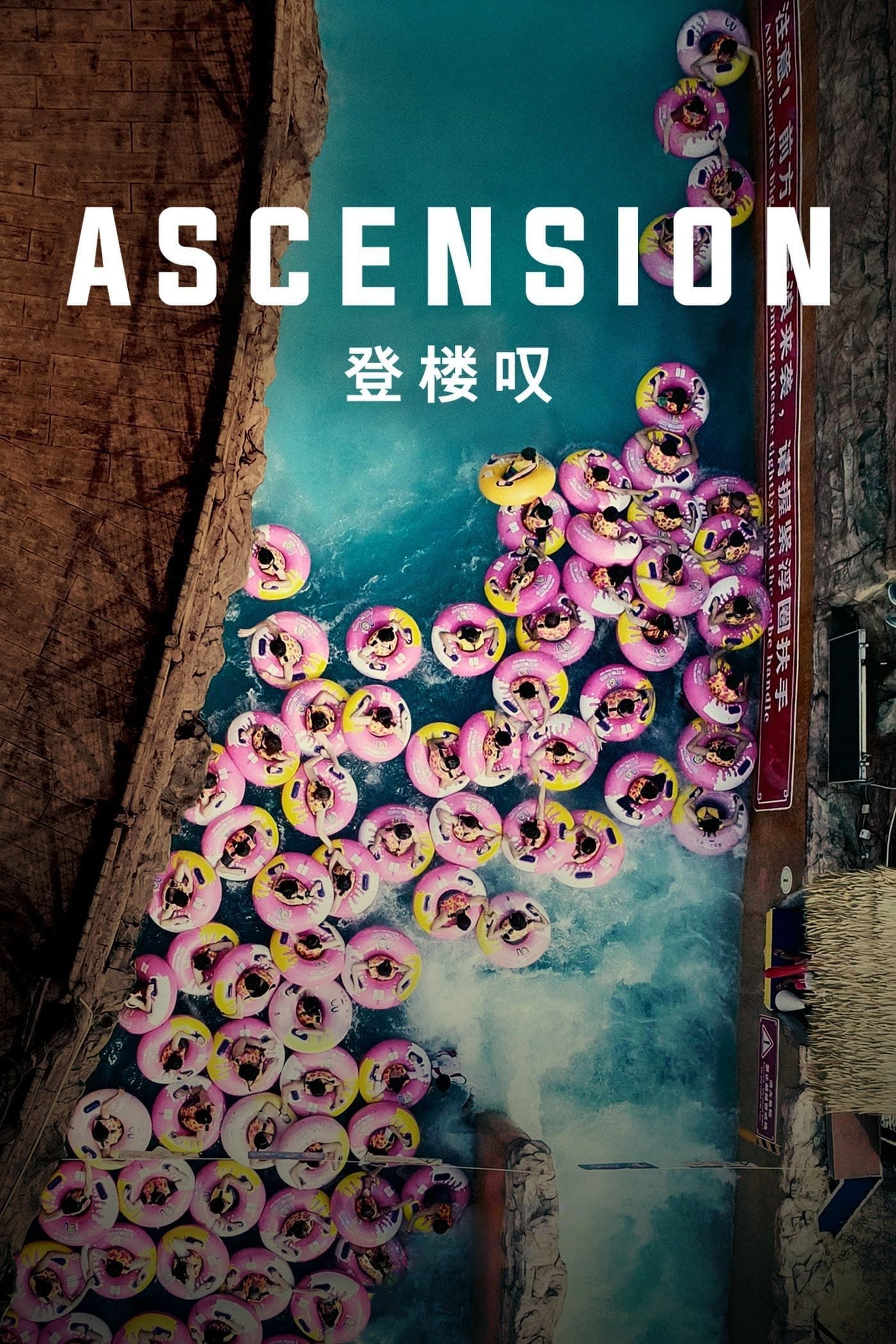
The film explores the pursuit of the “Chinese Dream.” Driven by mesmerizing—and sometimes humorous—imagery, this observational documentary presents a contemporary vision of China that prioritizes productivity and innovation above all.
The Spanish journalist Manuel Chaves Nogales (1897-1944) was always there where the news broke out: in the fratricidal Spain of 1936, in Bolshevik Russia, in Fascist Italy, in Nazi Germany, in occupied Paris or in the bombed London of World War II; because his job was to walk, see and tell stories, and thus fight against tyrants, at a time when it was necessary to take sides in order not to be left alone; but he, a man of integrity to the bitter end, never did so.
The film looks at men and women of color in the U.S. Merchant Marine from 1938-1975. Through chronicling the lives of these men and women who, with a median age of 82, are beset with a host of life-threatening illnesses, the movie tells how they navigated issues of racism, disparities in the workplace, gender and familial relations.
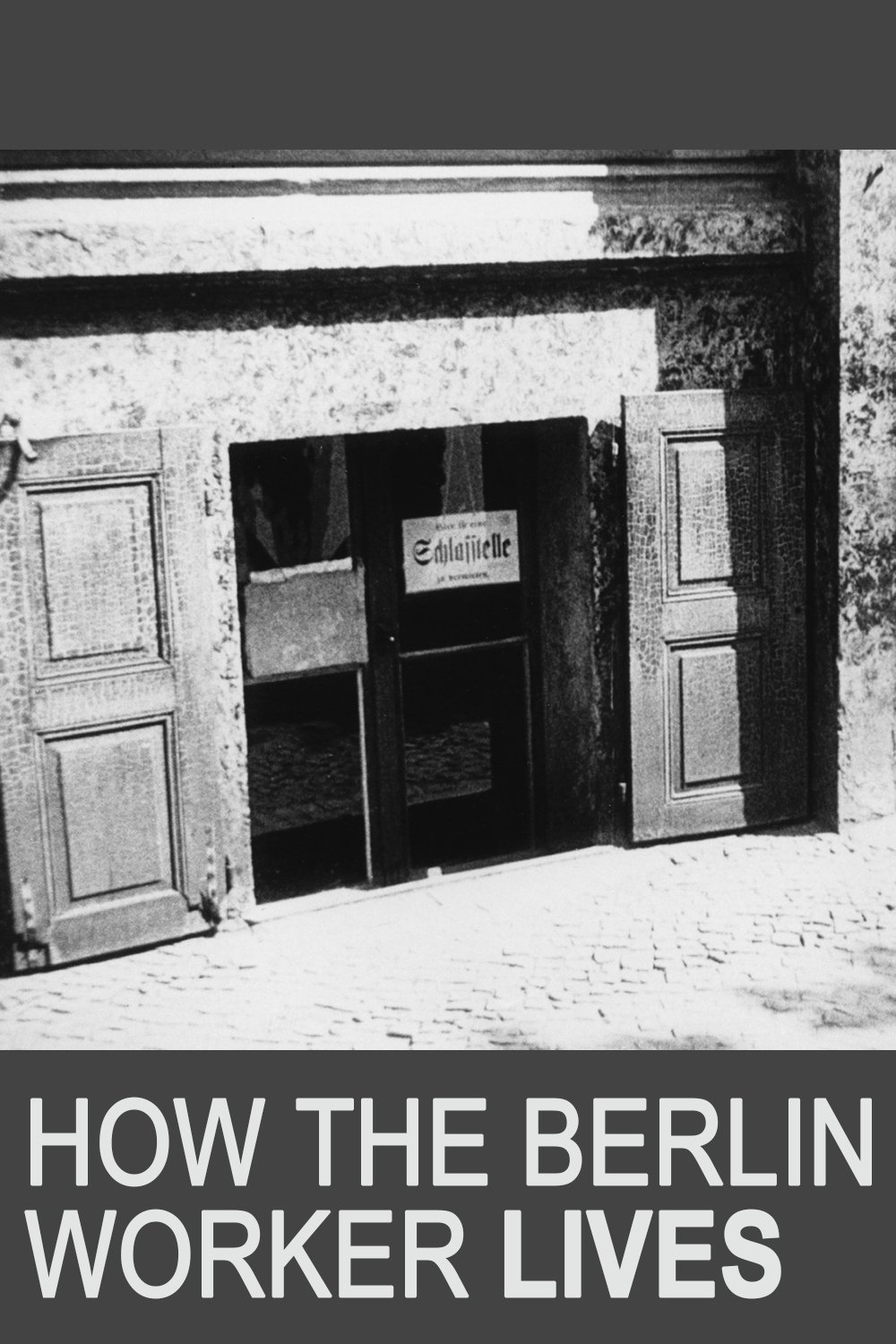
This documentary shows how the Berliner workers lived in 1930. The director Slatan Dudow shows through images: a) the workers leaving the factory; b) the raise of the rents; c) the "unpleasant" guest, meaning the justice officer that brings the eviction notice; d) the fight of classes of the houses of capitalists and working classes; e) the parks of the working class; f) the houses of the working class, origin of the tuberculosis and the victims; g) the playground of the working class; h) the swimming pool for the working class, ironically called the "Baltic Sea" of the working class; i) the effects of humidity of basement where a family lives, with one member deaf; j) one working class family having dinner while the capitalist baths his dog; k) the eviction notice received from an unemployed family and their eviction.
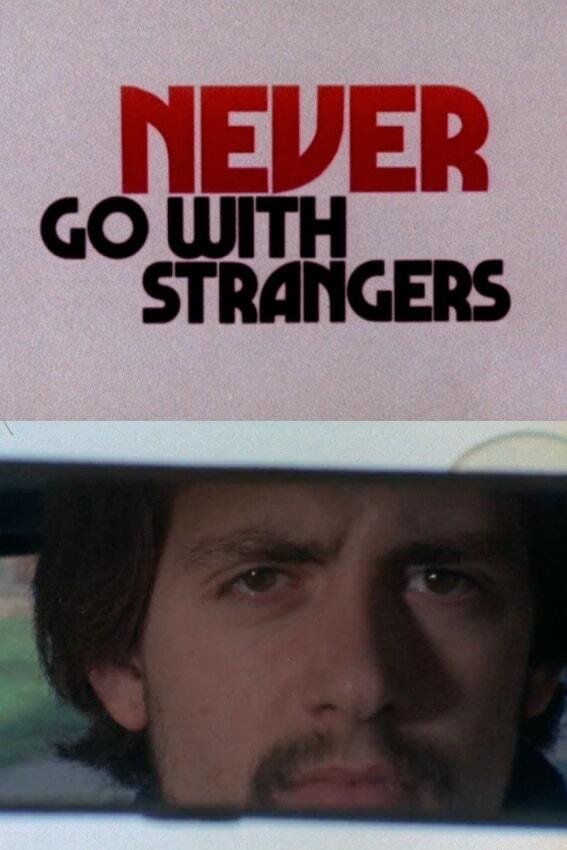
Never Go With Strangers was intended for children aged between seven and ten and its purpose was ‘to warn them of the dangers of accepting lifts or presents from strangers’. Due to potential distress government officials instructed that the film only be shown under ‘responsible adult supervision’, thus denying it a TV airing for many years.
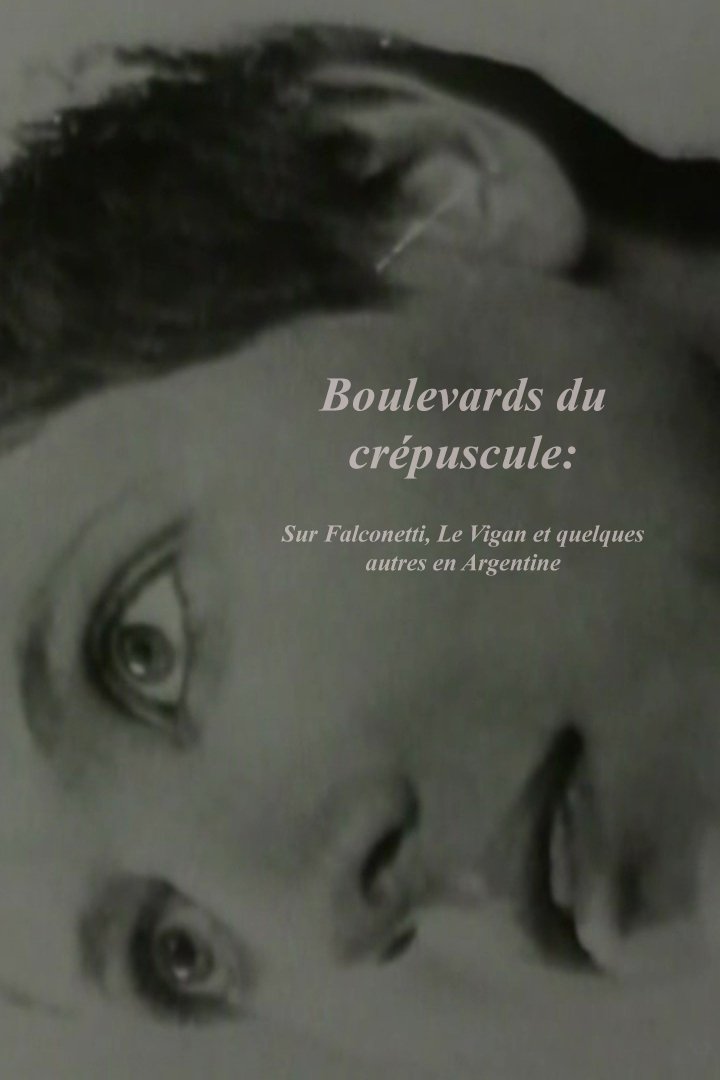
In this documentary about the exile of two famous French actors in Argentina during and after World War II, the director Cozarinsky returns to Argentina after many years in France and recalls places and events from his childhood, particularly the celebration of the liberation of Paris on in August of 1944, in Buenos Aires's Plaza Francia. Featuring testimony from various authors and acquaintances of Maria (Renee) Falconetti and Robert Le Vigan, the film explores their lives and final years in Argentina.
The film features a meeting led by Dave Taylor, the shelter manager, discussing the protocols and responsibilities for staff members involved in managing a public shelter. Key participants, including operations deputy Harvey Johnson and health leader Mrs. Carter, outline their roles in ensuring a smooth entry for occupants during an emergency. The meeting emphasizes the importance of organization, communication, and the distribution of supplies. Staff members are encouraged to familiarize themselves with each other's duties and prepare for potential scenarios, including managing newcomers and ensuring safety and sanitation within the shelter.
Martin Scorsese’s portrait of writer and social commentator Fran Lebowitz, celebrated for her sharp wit and observations on modern life. Filmed at New York’s Waverly Inn and intercut with archival footage and interviews, the documentary captures Lebowitz’s distinctive worldview through her spontaneous monologues and public appearances.
A documentary focused on plastic pollution in the world's oceans.
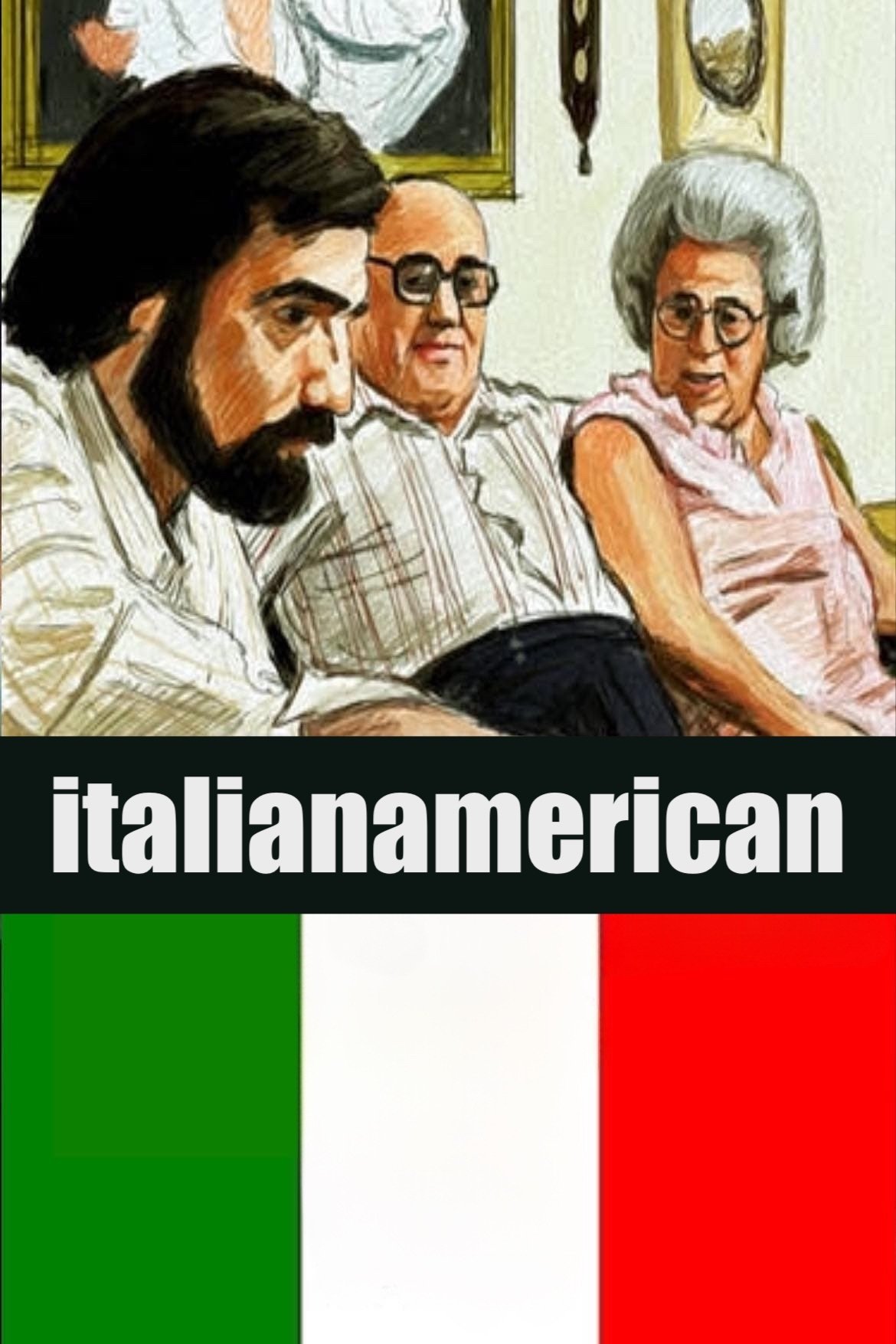
Filmmaker Martin Scorsese interviews his mother and father about their life in New York and family history back in Sicily.
When Allied forces liberated the Nazi concentration camps in 1944-45, their terrible discoveries were recorded by army and newsreel cameramen, revealing for the first time the full horror of what had happened. Making use of British, Soviet and American footage, the Ministry of Information’s Sidney Bernstein (later founder of Granada Television) aimed to create a documentary that would provide lasting, undeniable evidence of the Nazis’ unspeakable crimes. He commissioned a wealth of British talent, including editor Stewart McAllister, writer and future cabinet minister Richard Crossman – and, as treatment advisor, his friend Alfred Hitchcock. Yet, despite initial support from the British and US Governments, the film was shelved, and only now, 70 years on, has it been restored and completed by Imperial War Museums under its original title "German Concentration Camps Factual Survey".
Fed Up blows the lid off everything we thought we knew about food and weight loss, revealing a 30-year campaign by the food industry, aided by the U.S. government, to mislead and confuse the American public, resulting in one of the largest health epidemics in history.
A detailing of the rise to prominence and global sporting superstardom of six supremely talented young Manchester United football players (David Beckham, Nicky Butt, Ryan Giggs, Paul Scholes, Phil and Gary Neville). The film covers the period 1992-1999, culminating in Manchester United's European Cup triumph.
A documentary about the life and films of director John Ford.
Alexander McQueen's rags-to-riches story is a modern-day fairy tale, laced with the gothic. Mirroring the savage beauty, boldness and vivacity of his design, this documentary is an intimate revelation of McQueen's own world, both tortured and inspired, which celebrates a radical and mesmerizing genius of profound influence.
The making of Matrix Revolutions, The (2003) is briefly touched on here in this documentary. Interviews with various cast and crew members inform us how they were affected by the deaths of Gloria Foster and Aaliyah, and also delve into the making of the visual effects that takes up a lot of screen time. Written by Rhyl Donnelly
Those who knew iconic funnyman John Candy best share his story, in their own words, through never-before-seen archival footage, imagery, and interviews.
In the Realms of the Unreal is a documentary about the reclusive Chicago-based artist Henry Darger. Henry Darger was so reclusive that when he died his neighbors were surprised to find a 15,145-page manuscript along with hundreds of paintings depicting The Story of the Vivian Girls, in What is Known as the Realms of the Unreal, of the Glodeco-Angelinnian War Storm, Cased by the Child Slave Rebellion.
Through deeply personal interviews with her siblings and an examination of the photographs, letters, and belongings left behind, Mariska assembles a new portrait of her mother Jayne Mansfield, an extraordinary and complex woman.
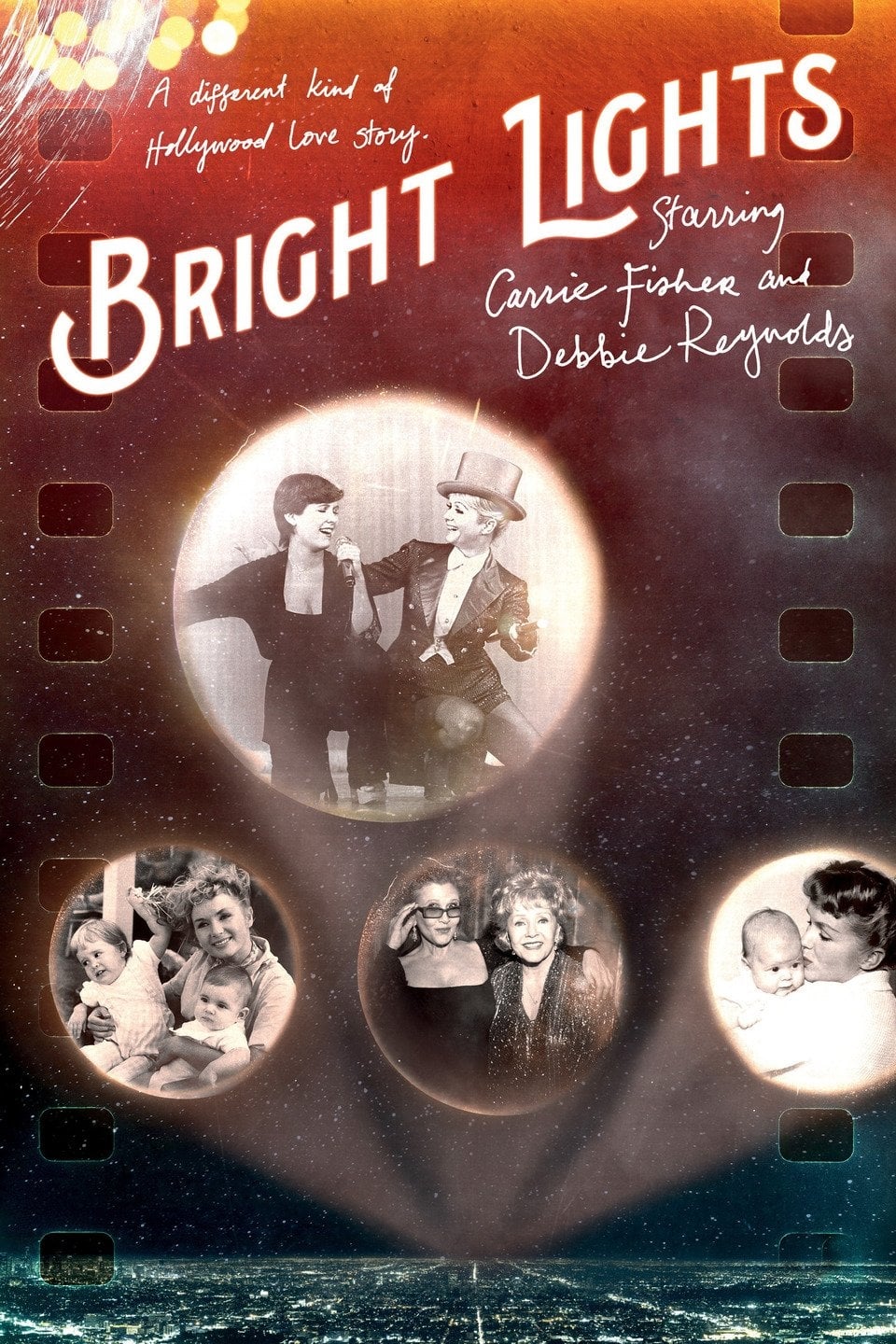
An intimate portrait of Hollywood royalty featuring Debbie Reynolds, Todd Fisher, and Carrie Fisher.
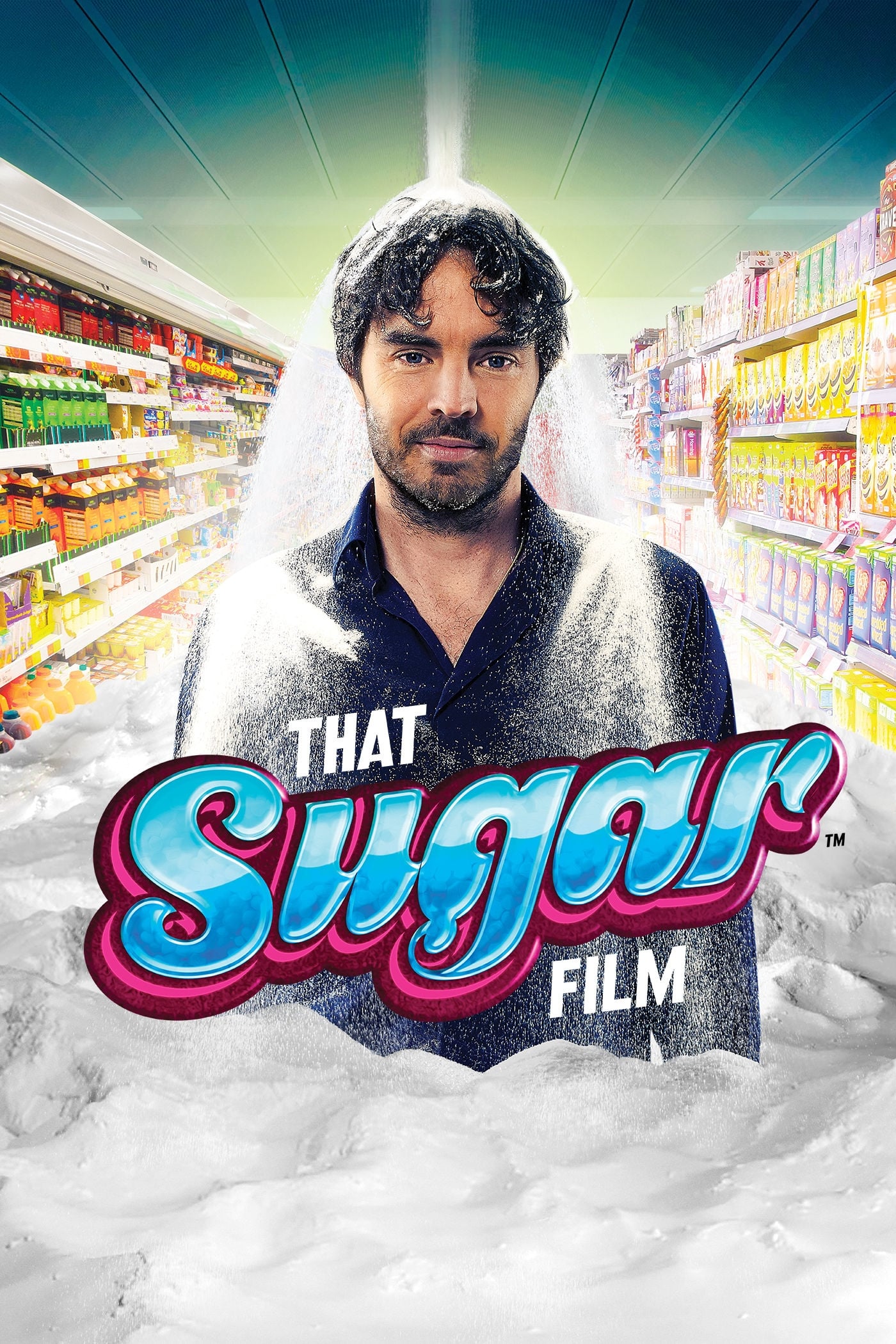
One man's journey to discover the bitter truth about sugar. Damon Gameau embarks on a unique experiment to document the effects of a high sugar diet on a healthy body, consuming only foods that are commonly perceived as 'healthy'. Through this entertaining and informative journey, Damon highlights some of the issues that plague the sugar industry, and where sugar lurks on supermarket shelves.
A purely observational non-fiction film that takes viewers into the ethically murky world of end-of-life decision making in a public hospital.
The Captains is a feature-length documentary film written and directed by William Shatner. The film follows Shatner as he interviews the other actors who have portrayed starship captains in the Star Trek franchise.
Filmed over nearly five years in twenty-five countries on five continents, and shot on seventy-millimetre film, Samsara transports us to the varied worlds of sacred grounds, disaster zones, industrial complexes, and natural wonders.
Police pull over a woman who claims she just gave birth. But the baby — and the blood — aren't hers. Twisted lies unravel in this true-crime documentary.
SEDUCED AND ABANDONED combines acting legend Alec Baldwin with director James Toback as they lead us on a troublesome and often hilarious journey of raising financing for their next feature film. Moving from director to financier to star actor, the two players provide us with a unique look behind the curtain at the world's biggest and most glamourous film festival, shining a light on the bitter-sweet relationship filmmakers have with Cannes and the film business. Featuring insights from directors Martin Scorsese, 'Bernando Bertolucci' and Roman Polanski; actors Ryan Gosling and Jessica Chastain and a host of film distribution luminaries.
In the early-morning hours of July 23, 2007, in Cheshire, Conn., ex-convicts Steven Hayes and Joshua Komisarjevsky broke into the family home of William Petit, his wife, Jennifer, and their daughters, Michaela, 11, and Hayley, 17. Dr. Petit was beaten and tied to a pole in the basement. The three women were bound in their bedrooms while the men ransacked the house. The brutal ordeal continued throughout the morning, ending with rape, arson and a horrific triple homicide.