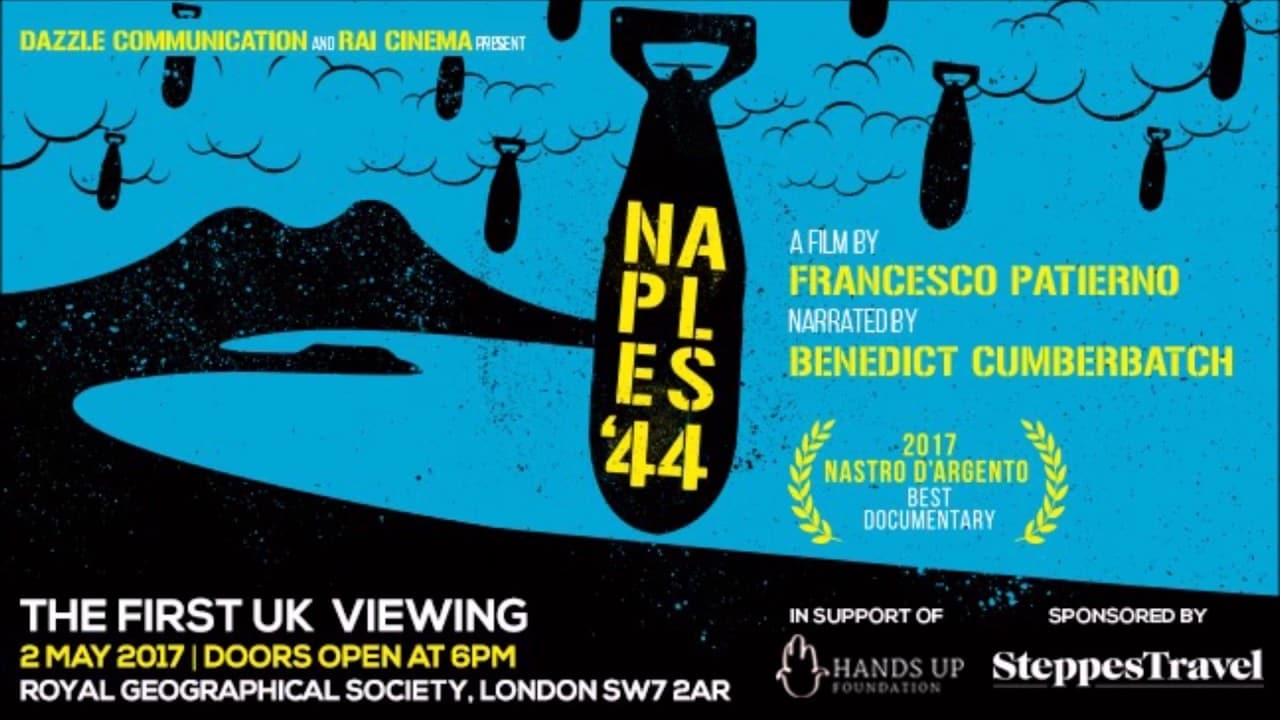
A British Intelligence Officer in Naples at the end of World War II: Norman Lewis's acknowledged masterpiece about a war-torn city and its unforgettable humanity.
Social & External
Norman Lewis (voice)
Self (archive footage)
Self
Unknown Role
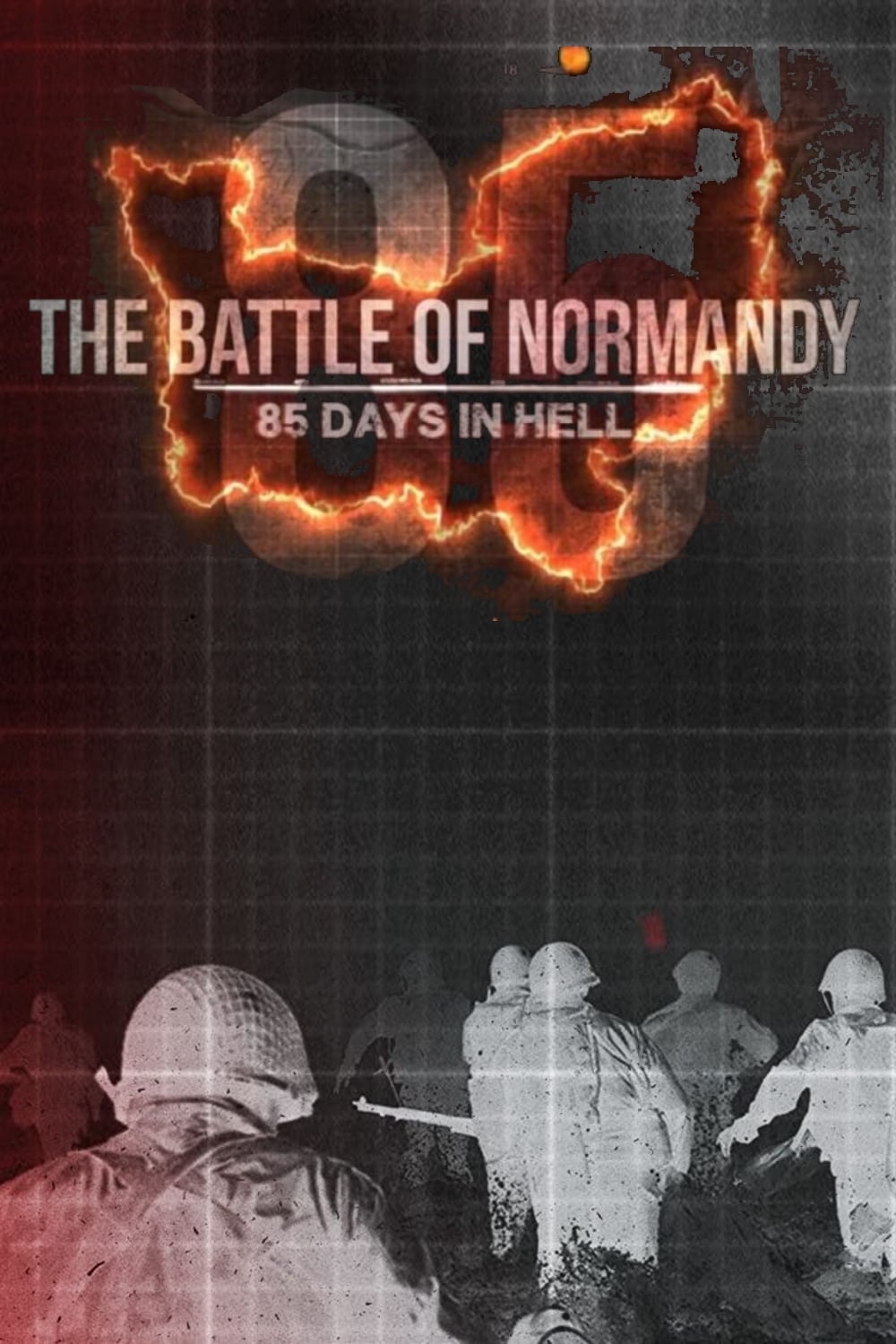
On the morning of June 6, 1944, thousands of ships reached the French coast of Normandy as part of an Allied operation to take back France from the Germans. For the next 85 days, U.S., British, and Canadian soldiers engaged in conflicts of unimaginable violence, conquering and liberating the region's cities, but at the cost of hundreds of thousands of lives. From the D-Day invasion to the final Nazi surrender in Argentan, this is the definitive story of the three-month Battle of Normandy as it's never been seen before.
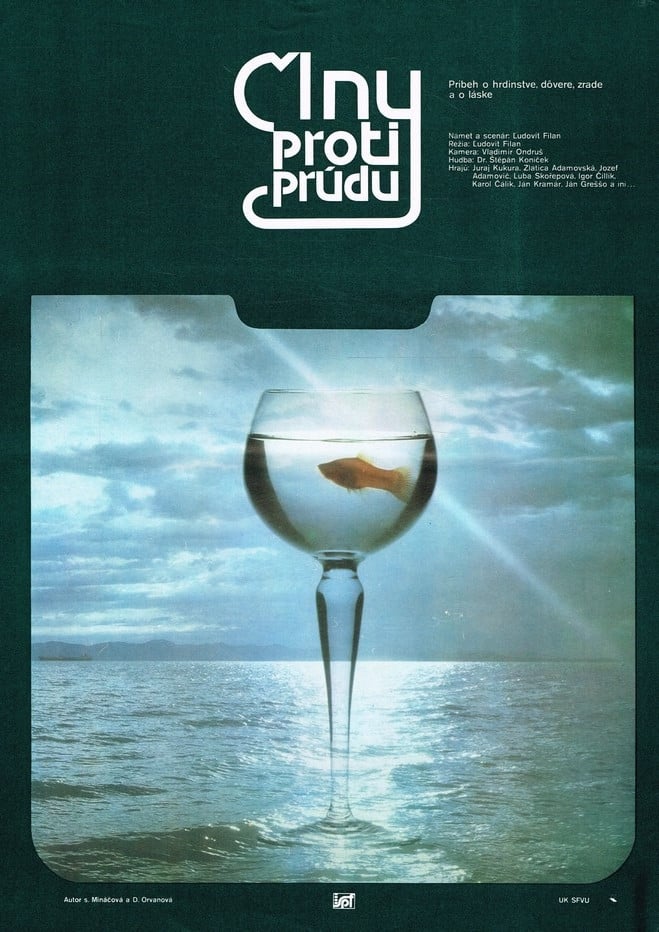
War tests human character severely, because the slightest suspicion of failure is hard to live with. A resistance worker who finds himself in such a situation would rather sacrifice his own life in order to dispel once and for all the doubts of those around him. Thus an agitprop was created about the moral maturity of those who consciously and from the right class positions fought against Nazism.
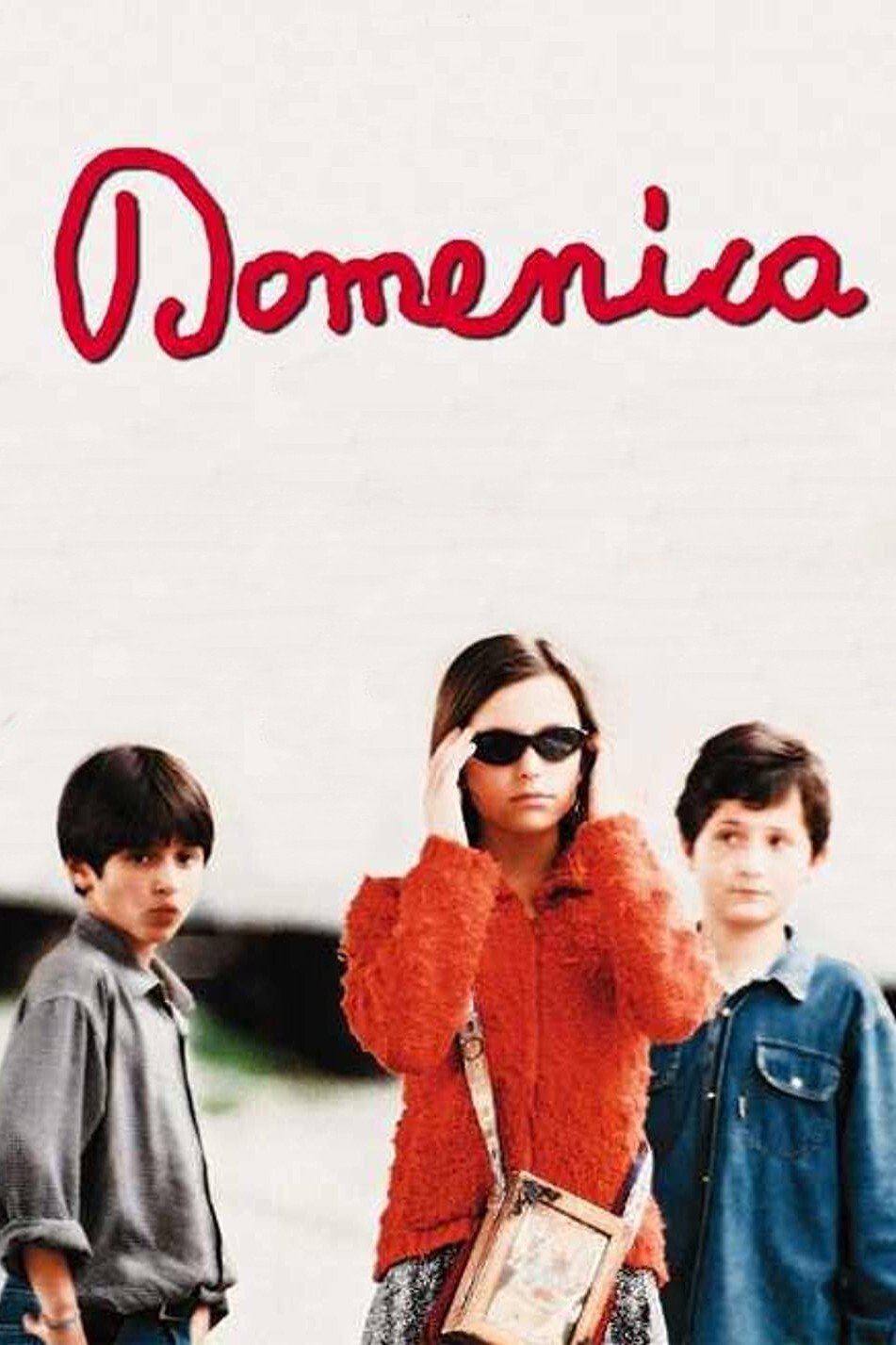
Police inspector Sciarra, struggling with an identity crisis, and Domenica, an orphan who would like to know about her mother, spend one day together along the streets of Naples. It's Sciarra's last day of work and he has to take Domenica to the morgue, to identify a man who might have raped her. To Domenica, Sciarra is a father she never had, to him she is the daughter he couldn't have.
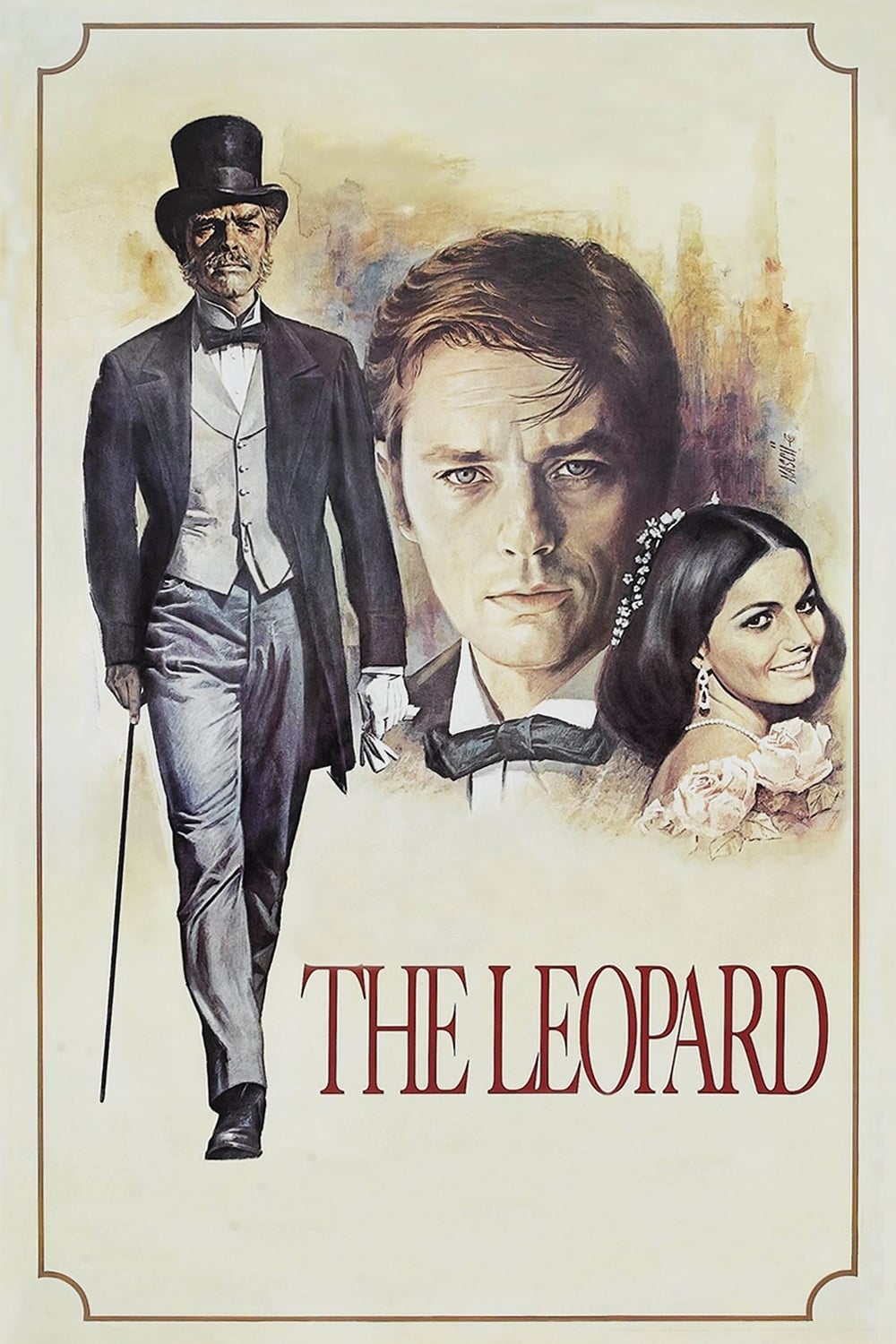
As Garibaldi's troops begin the unification of Italy in the 1860s, an aristocratic Sicilian family grudgingly adapts to the sweeping social changes undermining their way of life.
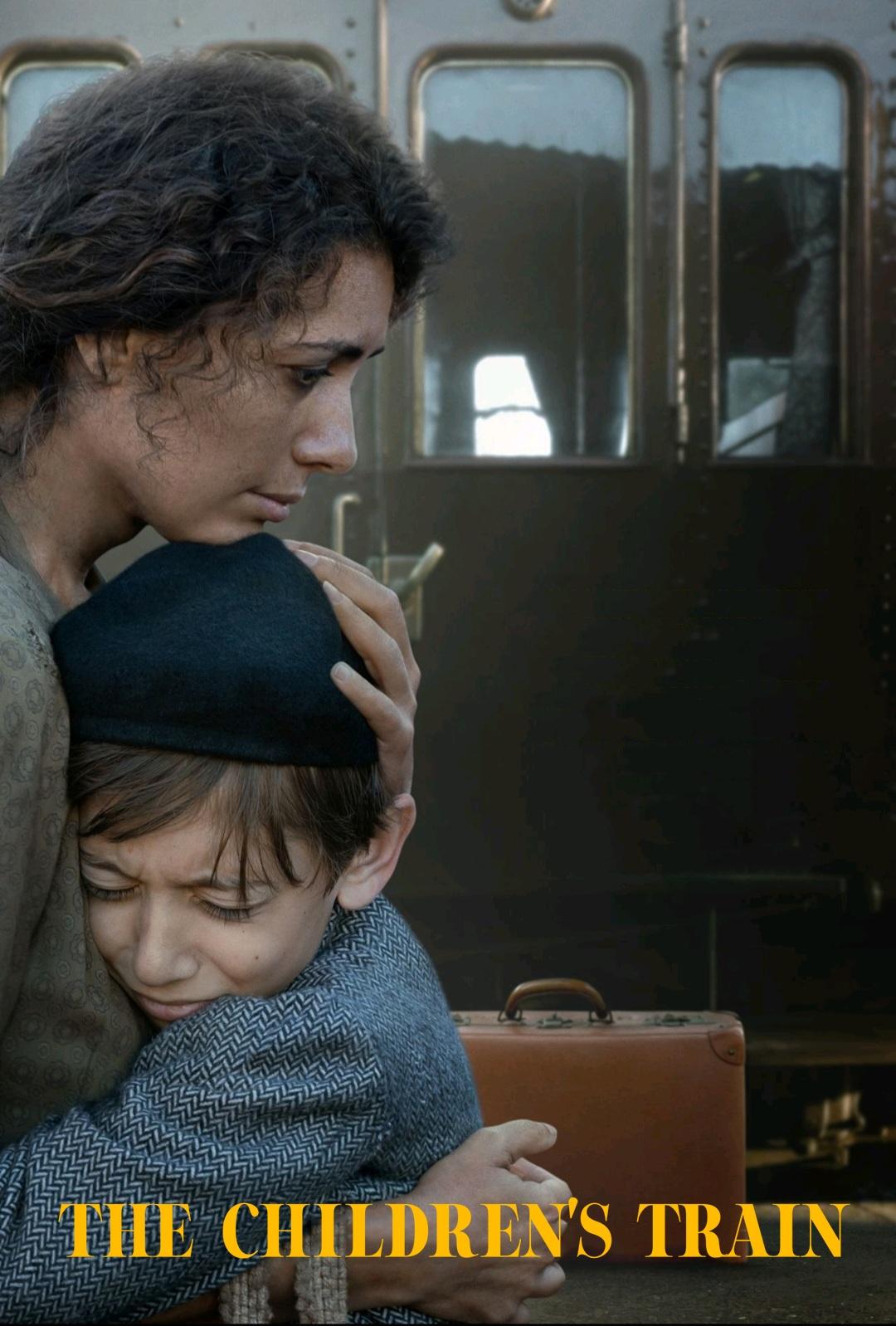
In late 1940s Italy, a mother makes the difficult decision to send her son to the north, where he catches glimpses of a new life away from poverty.
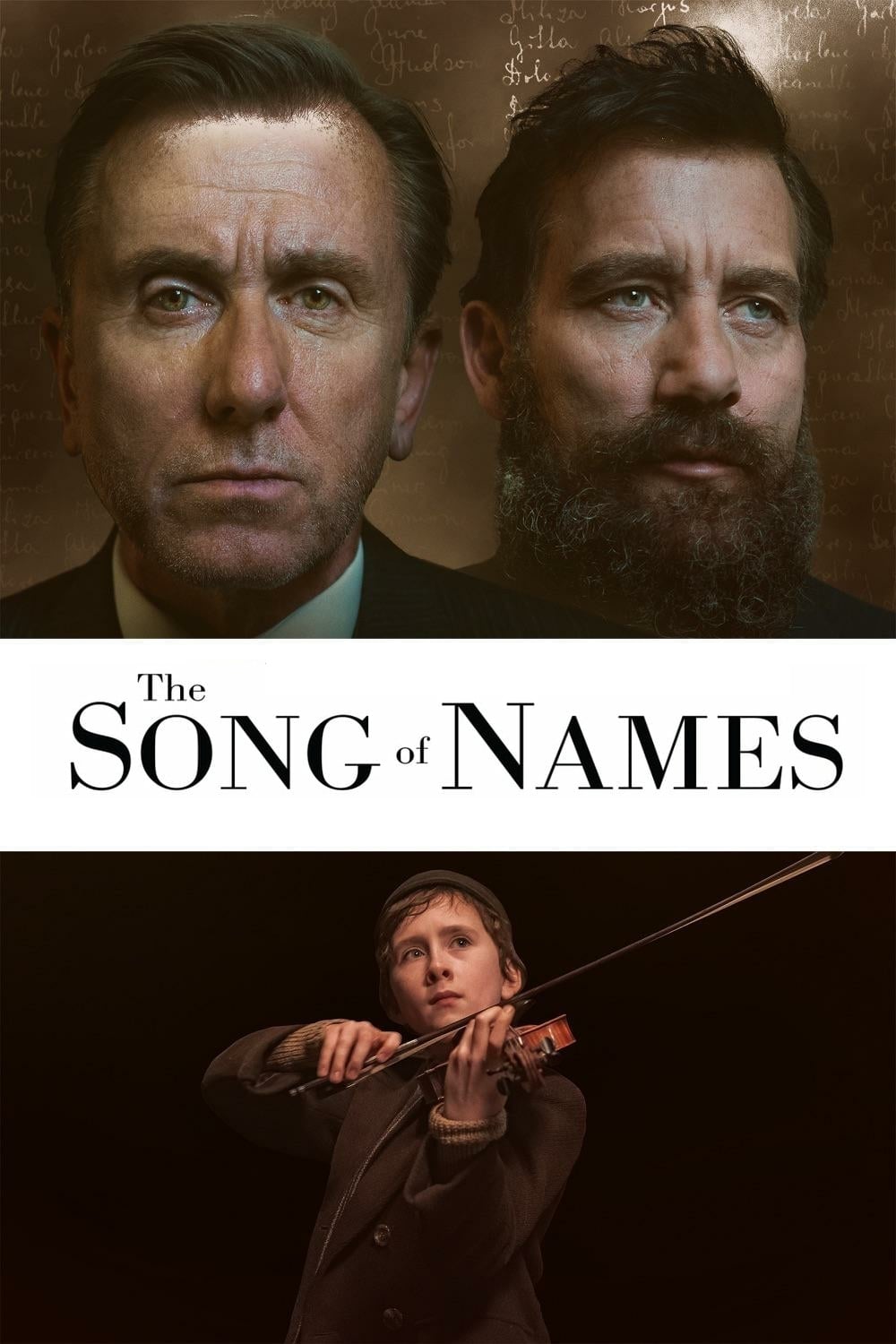
A man searches for his childhood best friend, a Polish violin prodigy orphaned in the Holocaust, who vanished decades before on the night of his first public performance.
Year 1943. A group of soldiers, carrying an injured comrade, are trying to reach the hospital.
A driver is tasked with sending weapons illegally to the partisan soldiers.
World War II. The fascists kill a boy and invite his mother to identify the body, but she refuses.
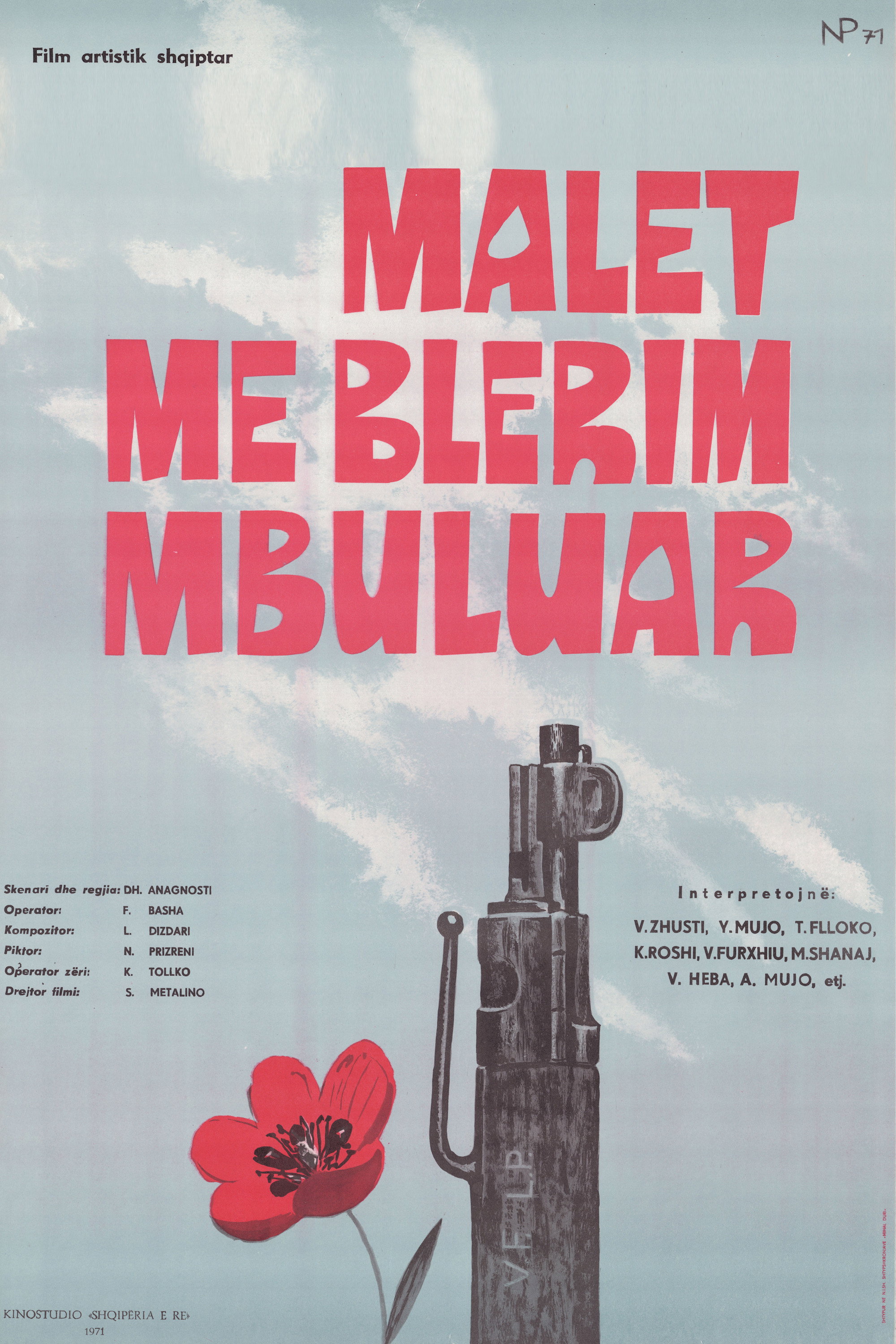
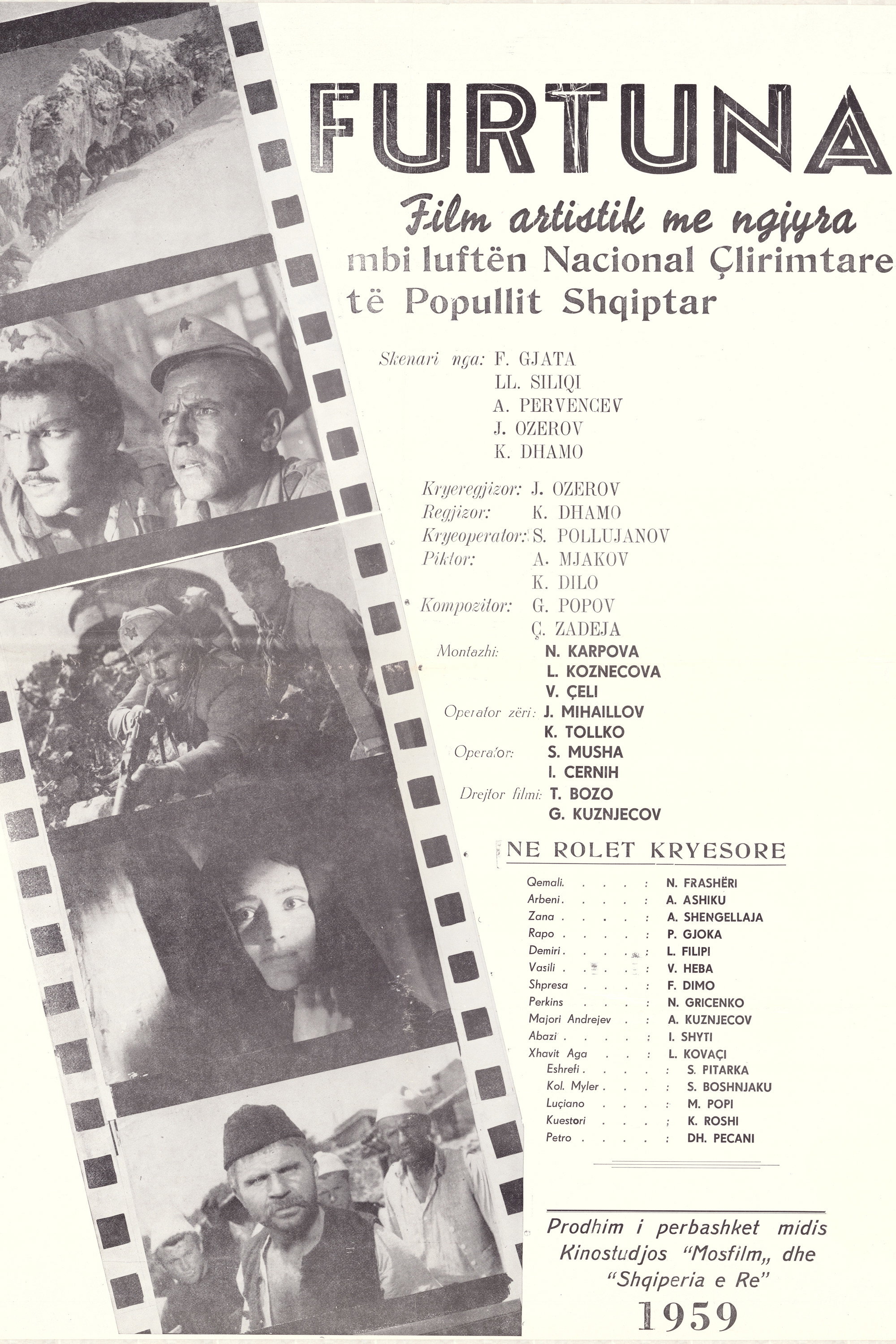
Story depicting the national liberation struggle of the Albanian people against the Italian and German invaders during World War II.
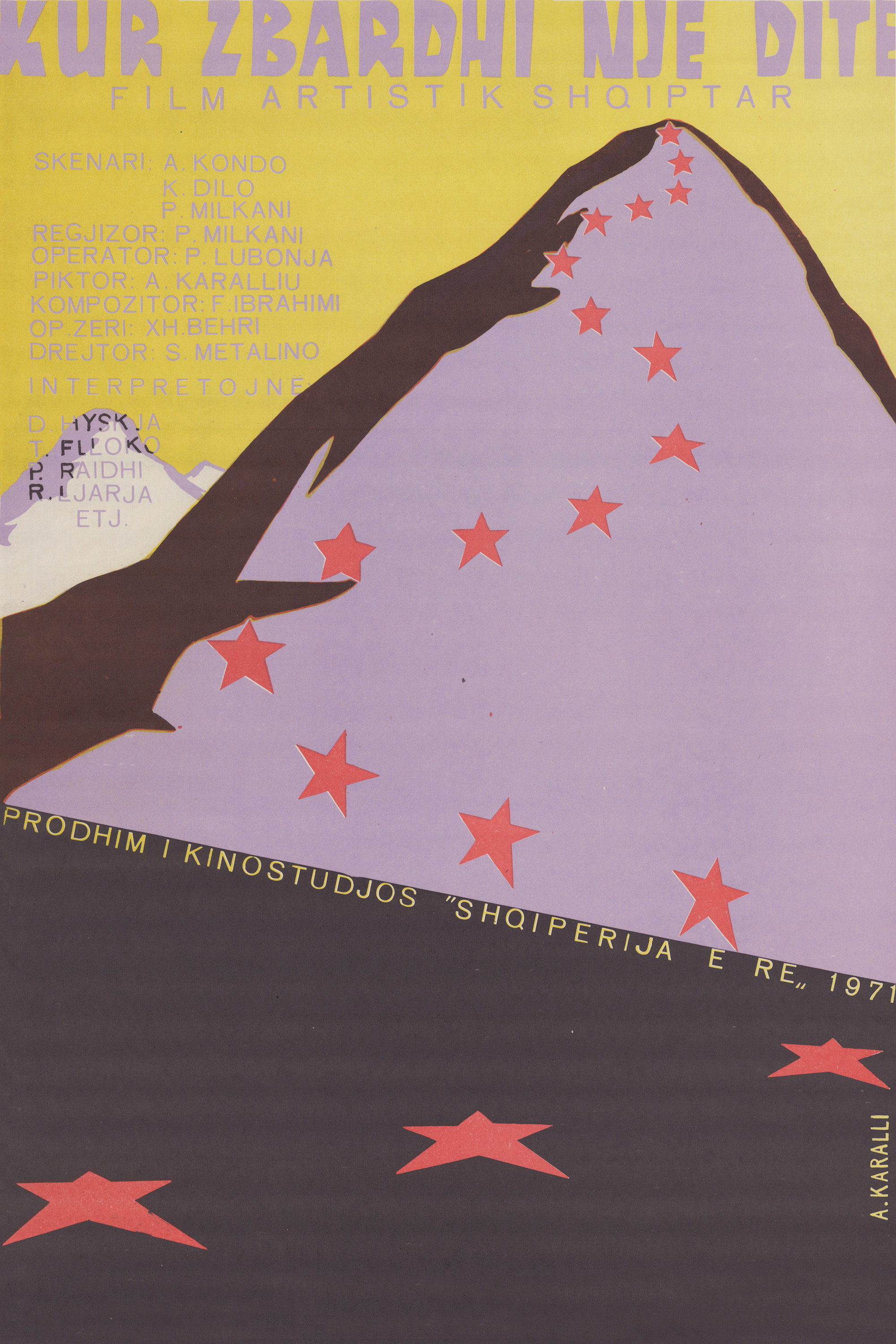
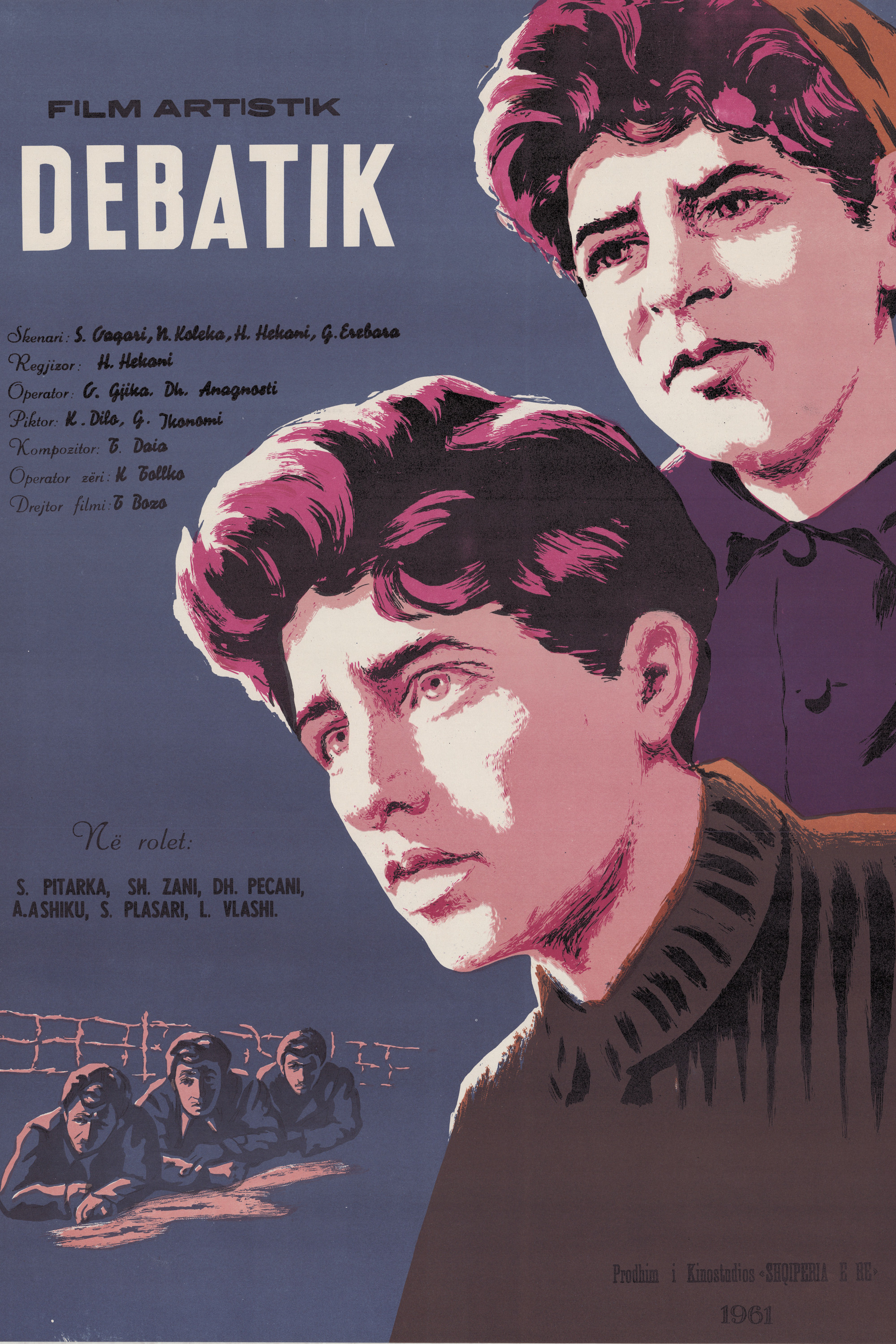
Three years after the fascist occupation, a group of children create the anti-fascist organization called "Debatik". Coli, an orphan boy, manages to become a member.
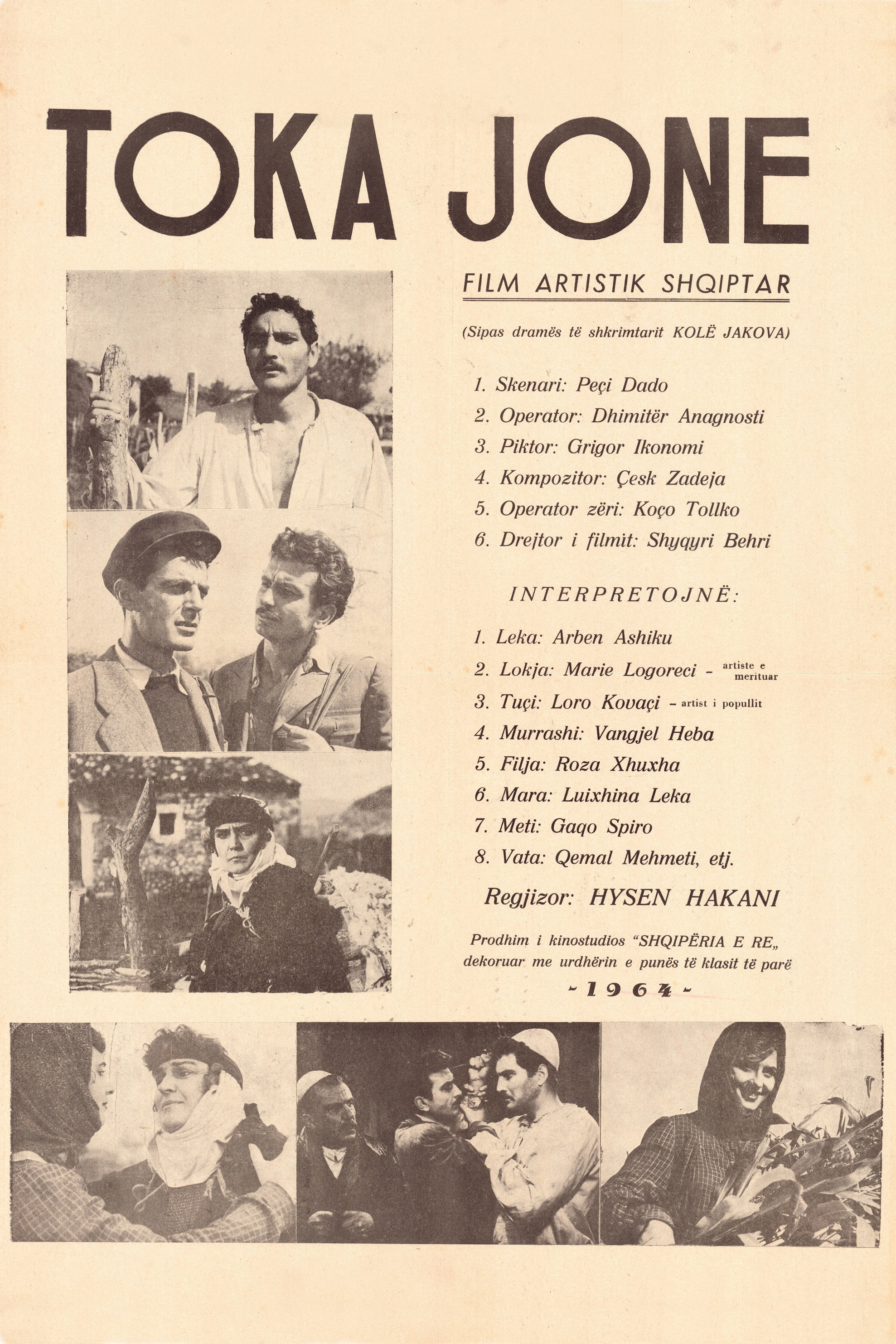
After the agrarian reform, a dispute for the land starts between two families in north Albania.
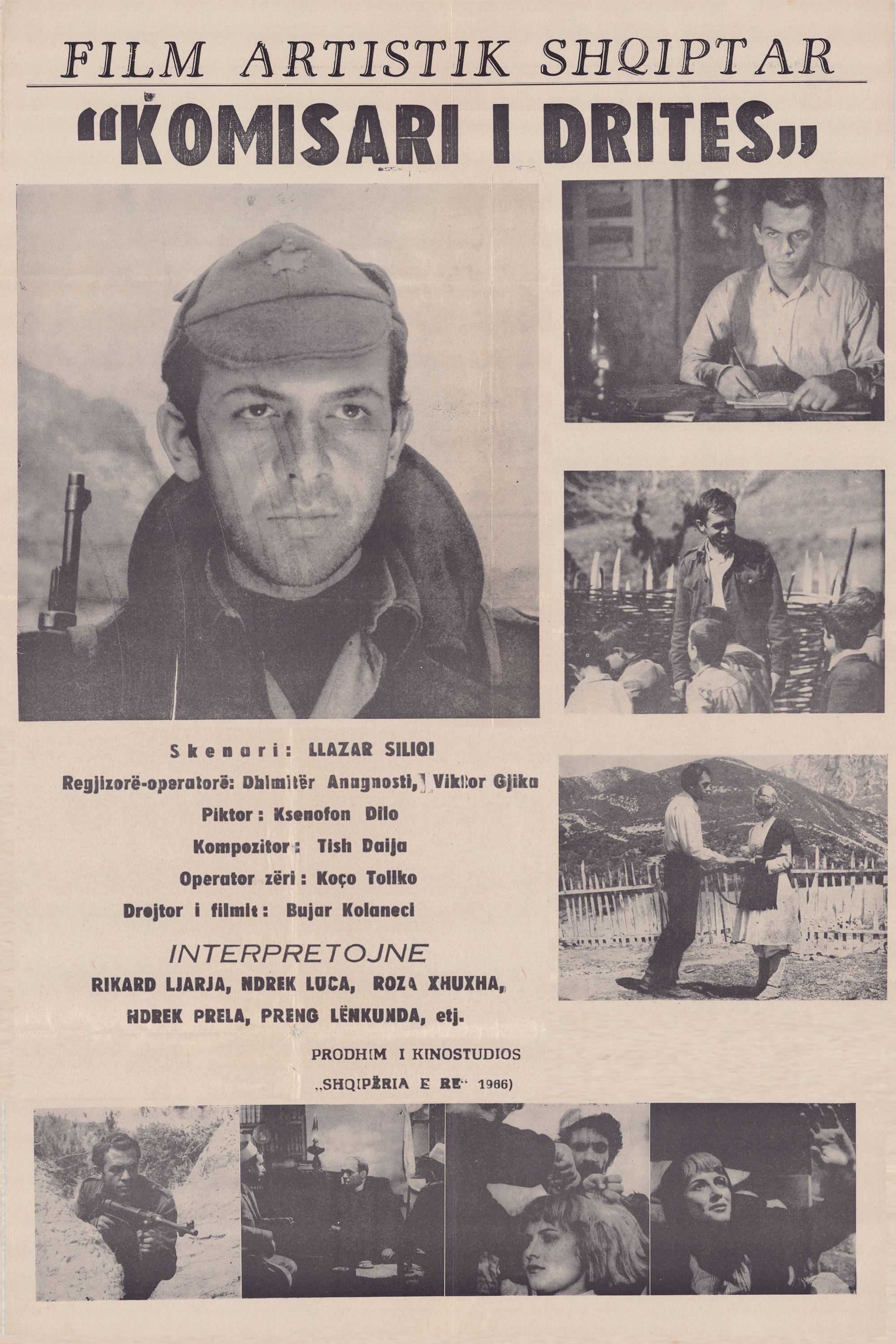
After World War II, more than 85% of the Albanian people were illiterate. Partisan soldier Dritan Shkaba is tasked with opening new schools in north Albania to enlighten the population.
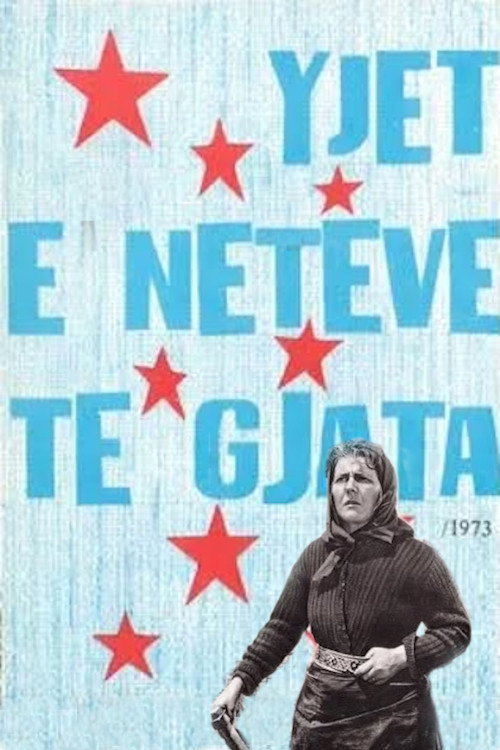
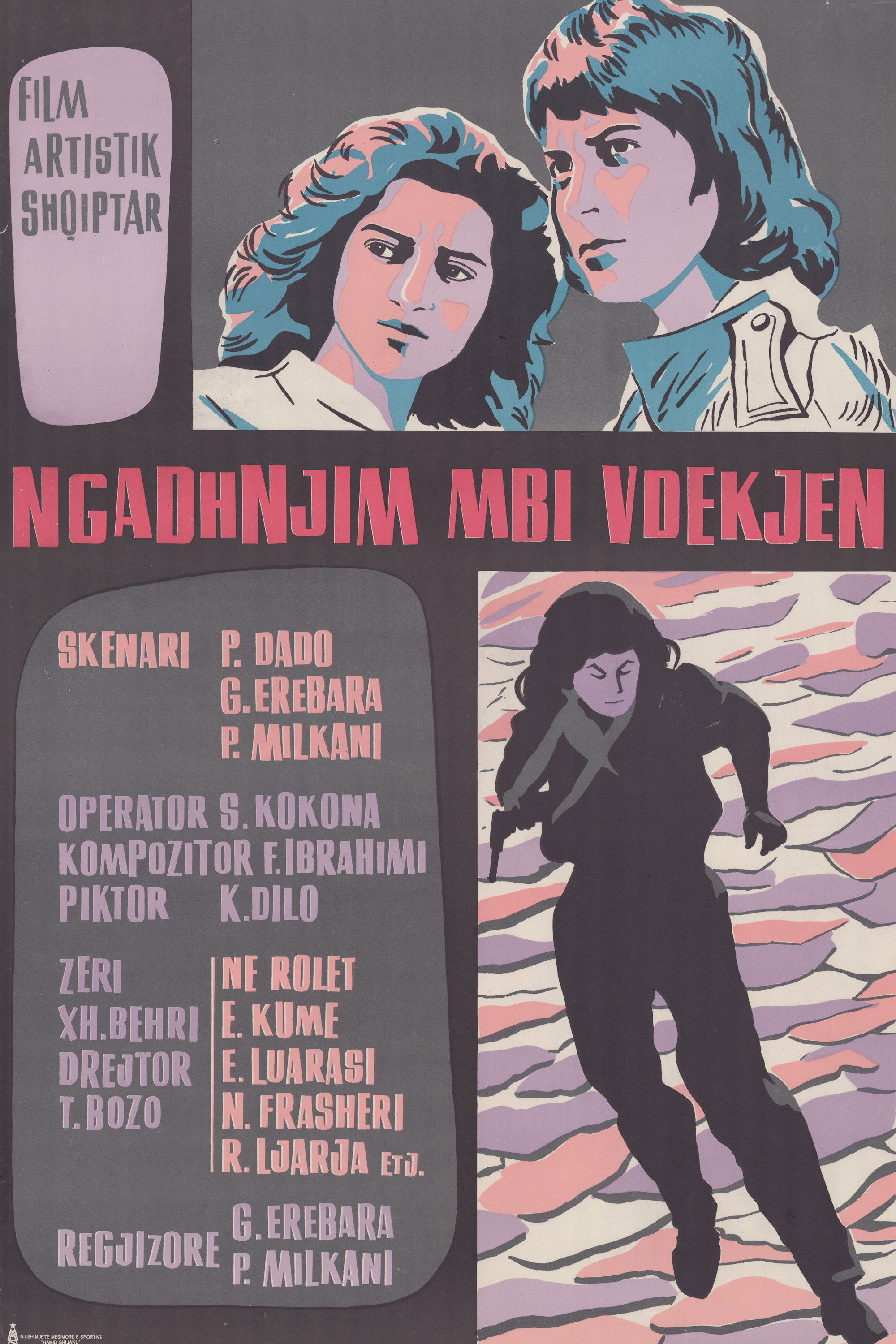
World War II. Albania is under the Nazi occupation. The Germans capture two young girls and torture them to learn more about the communist movement.
A tribute to the important work of female nurses during World War II.
Set during WWII when artists were being blacklisted in Communist witch-hunts, follows the star-crossed love story of a young poet and a young female painter from a wealthy family.
A dying man in his forties recalls his childhood, his mother, the war and personal moments that tell of and juxtapose pivotal moments in Soviet history with daily life.
The story of the battle of Iwo Jima between the United States and Imperial Japan during World War II, as told from the perspective of the Japanese who fought it.
The Nazis, exasperated at the number of escapes from their prison camps by a relatively small number of Allied prisoners, relocate them to a high-security 'escape-proof' camp to sit out the remainder of the war. Undaunted, the prisoners plan one of the most ambitious escape attempts of World War II. Based on a true story.
In 1945 a group of victorious American officers discover a stash of German jewels and try to fence them in New York.
Meet the real-life airmen who inspired Masters of the Air as they share the harrowing and transformative events of the 100th Bomb Group.
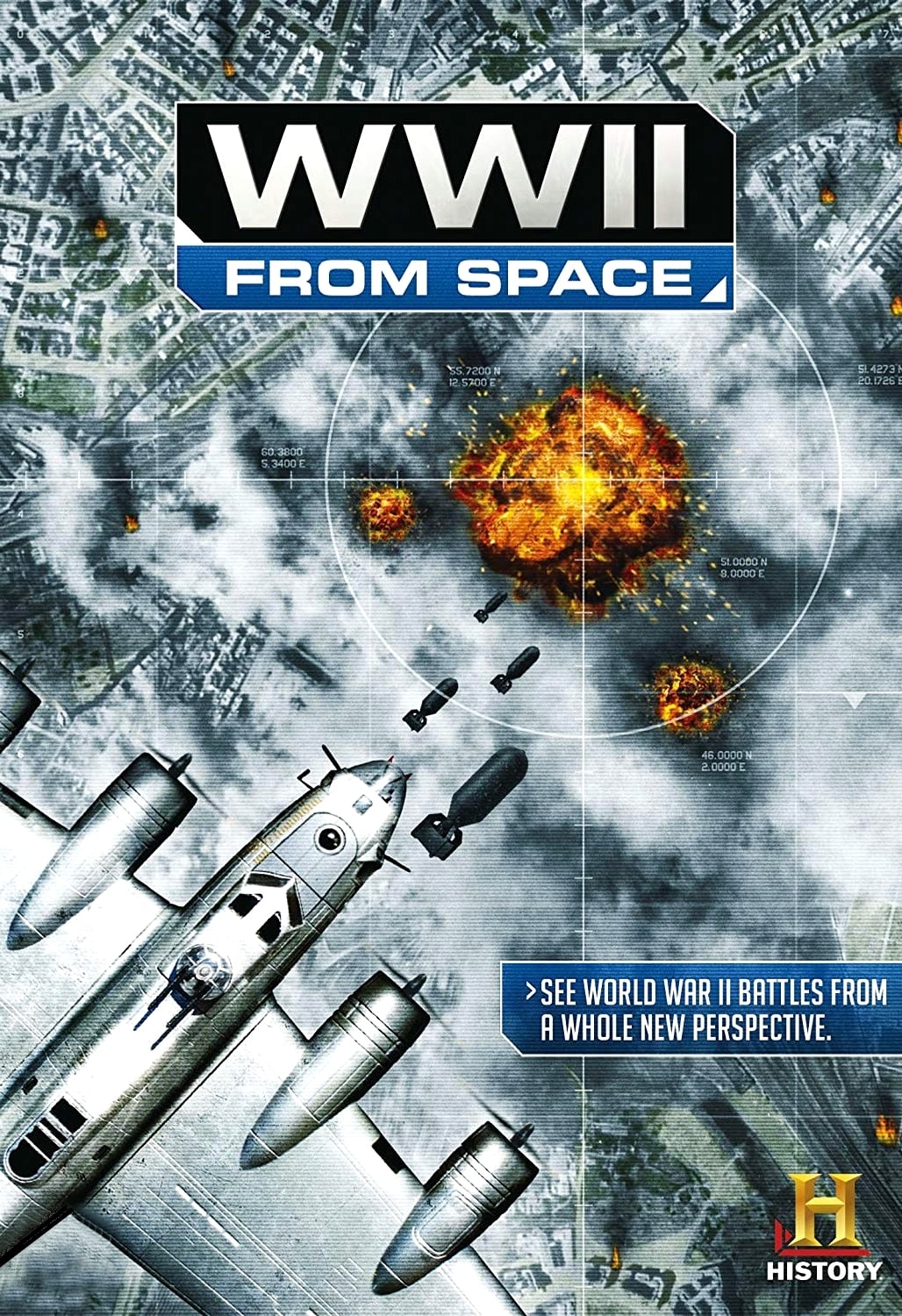
WWII from Space delivers World War II in a way you've never experienced it before. This HISTORY special uses an all-seeing CGI eye that offers a satellite view of the conflict, allowing you to experience it in a way that puts key events and tipping points in a global perspective. By re-creating groundbreaking moments that could never have been captured on camera, and by illustrating the importance of simultaneity and the hidden effects of crucial incidents, HISTORY presents the war's monumental moments in a never-before-seen context. And with new information brought to the forefront, you'll better understand how a nation ranked 19th in the world's militaries in 1939 emerged six years later as the planet's only atomic superpower.
This documentary movie is about the battle of San Pietro, a small village in Italy. Over 1,100 US soldiers were killed while trying to take this location, that blocked the way for the Allied forces from the Germans. Preserved by the Academy Film Archive in 2005.
A love letter from a young mother to her daughter, the film tells the story of Waad al-Kateab’s life through five years of the uprising in Aleppo, Syria as she falls in love, gets married and gives birth to Sama, all while cataclysmic conflict rises around her. Her camera captures incredible stories of loss, laughter and survival as Waad wrestles with an impossible choice– whether or not to flee the city to protect her daughter’s life, when leaving means abandoning the struggle for freedom for which she has already sacrificed so much.
“The Soviet Story” is a story of an Allied power, which helped the Nazis to fight Jews and which slaughtered its own people on an industrial scale. Assisted by the West, this power triumphed on May 9th, 1945. Its crimes were made taboo, and the complete story of Europe’s most murderous regime has never been told. Until now...
Prelude to War was the first film of Frank Capra's Why We Fight propaganda film series, commissioned by the Pentagon and George C. Marshall. It was made to convince American troops of the necessity of combating the Axis Powers during World War II. This film examines the differences between democratic and fascist states.

The documentary recounts the world's first nuclear attack and examines the alarming repercussions. Covering a three-week period from the Trinity test to the atomic bombing of Hiroshima, the program chronicles America's political gamble and the planning for the momentous event. Archival film, dramatizations, and special effects feature what occurred aboard the Enola Gay (the aircraft that dropped the bomb) and inside the exploding bomb.
The final entry in a trilogy of films produced for the U.S. government by John Huston. Some returning combat veterans suffer scars that are more psychological than physical. This film follows patients and staff during their treatment. It deals with what would now be called PTSD, but at the time was categorised as psychoneurosis or shell-shock. Government officials deemed this 1946 film counterproductive to postwar efforts; it was not shown publicly until 1981.
Directors Hetherington and Junger spend a year with the 2nd Battalion of the United States Army located in one of Afghanistan's most dangerous valleys. The documentary provides insight and empathy on how to win the battle through hard work, deadly gunfights and mutual friendships while the unit must push back the Taliban.
Inmates at a prison in Rome rehearse for a performance of Shakespeare's Julius Caesar.
Korengal picks up where Restrepo left off; the same men, the same valley, the same commanders, but a very different look at the experience of war.
A documentary about World War I with never-before-seen footage to commemorate the centennial of Armistice Day, and the end of the war.
During the chaotic final weeks of the Vietnam War, the North Vietnamese Army closes in on Saigon as the panicked South Vietnamese people desperately attempt to escape. On the ground, American soldiers and diplomats confront a moral quandary: whether to obey White House orders to evacuate only U.S. citizens.
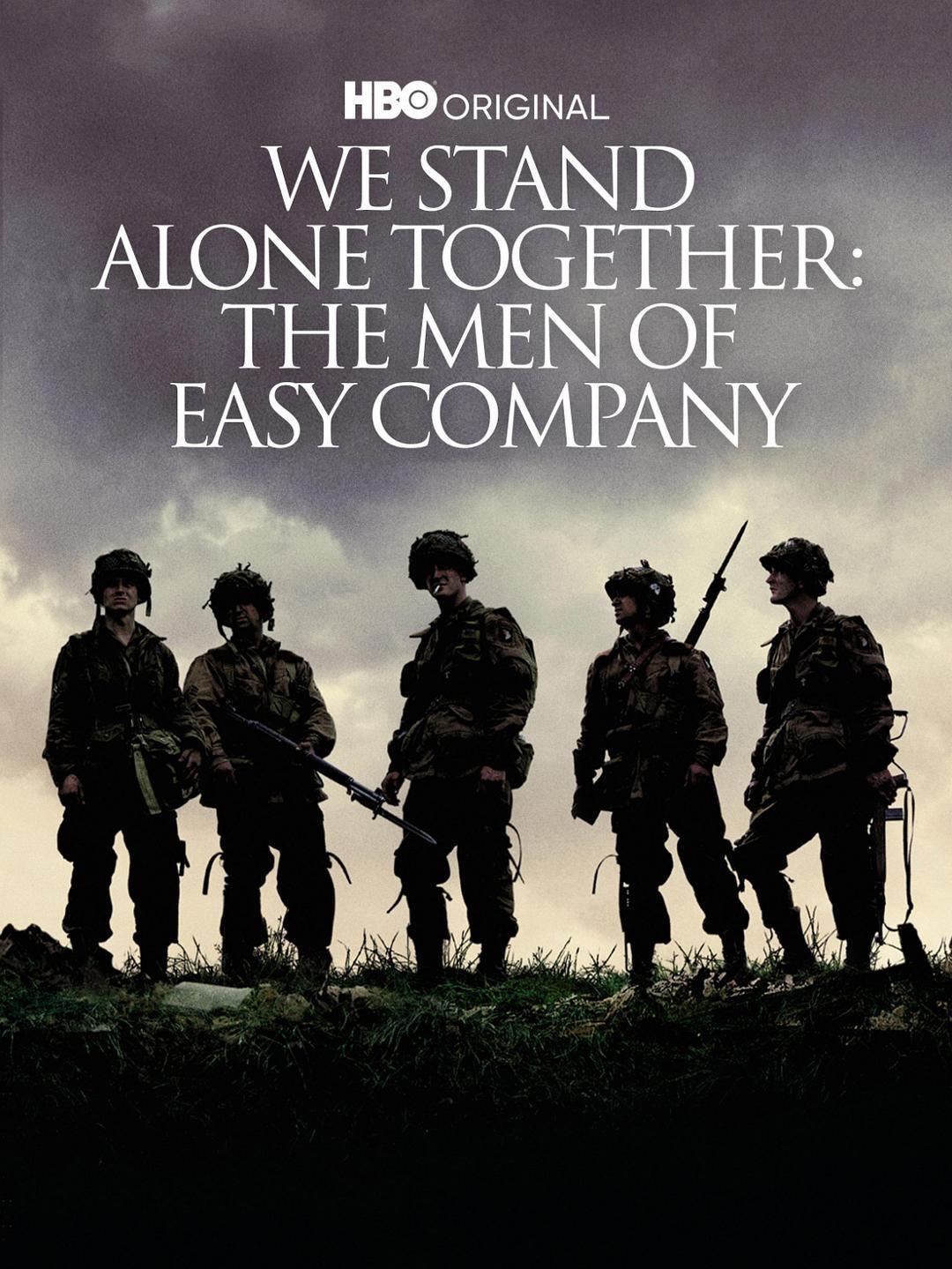
Over a period of two years, Mark Cowen and his crew travelled to thirty U.S. states and ten European cities, to interview the veterans of Easy Company. The stories told by the veterans themselves, create a history of the Second World War from the point of view of this heroic company of men, made famous in the mini-series Band of Brothers.
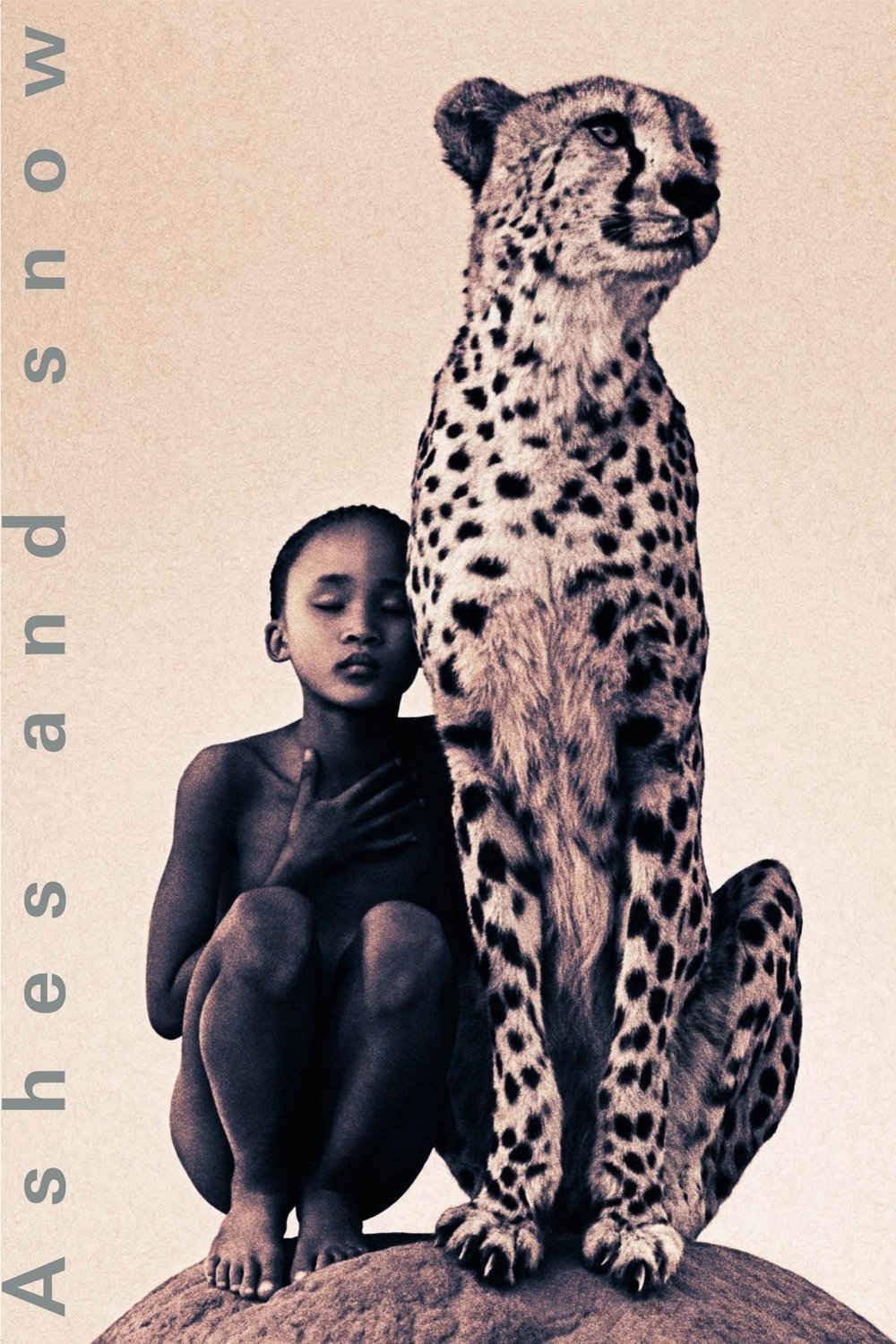
Ashes and Snow, a film by Gregory Colbert, uses both still and movie cameras to explore extraordinary interactions between humans and animals. The 60-minute feature is a poetic narrative rather than a documentary. It aims to lift the natural and artificial barriers between humans and other species, dissolving the distance that exists between them.
Pete Postlethwaite stars as a man living alone in the devastated future world of 2055, looking at old footage from 2008 and asking: why didn’t we stop climate change when we had the chance?
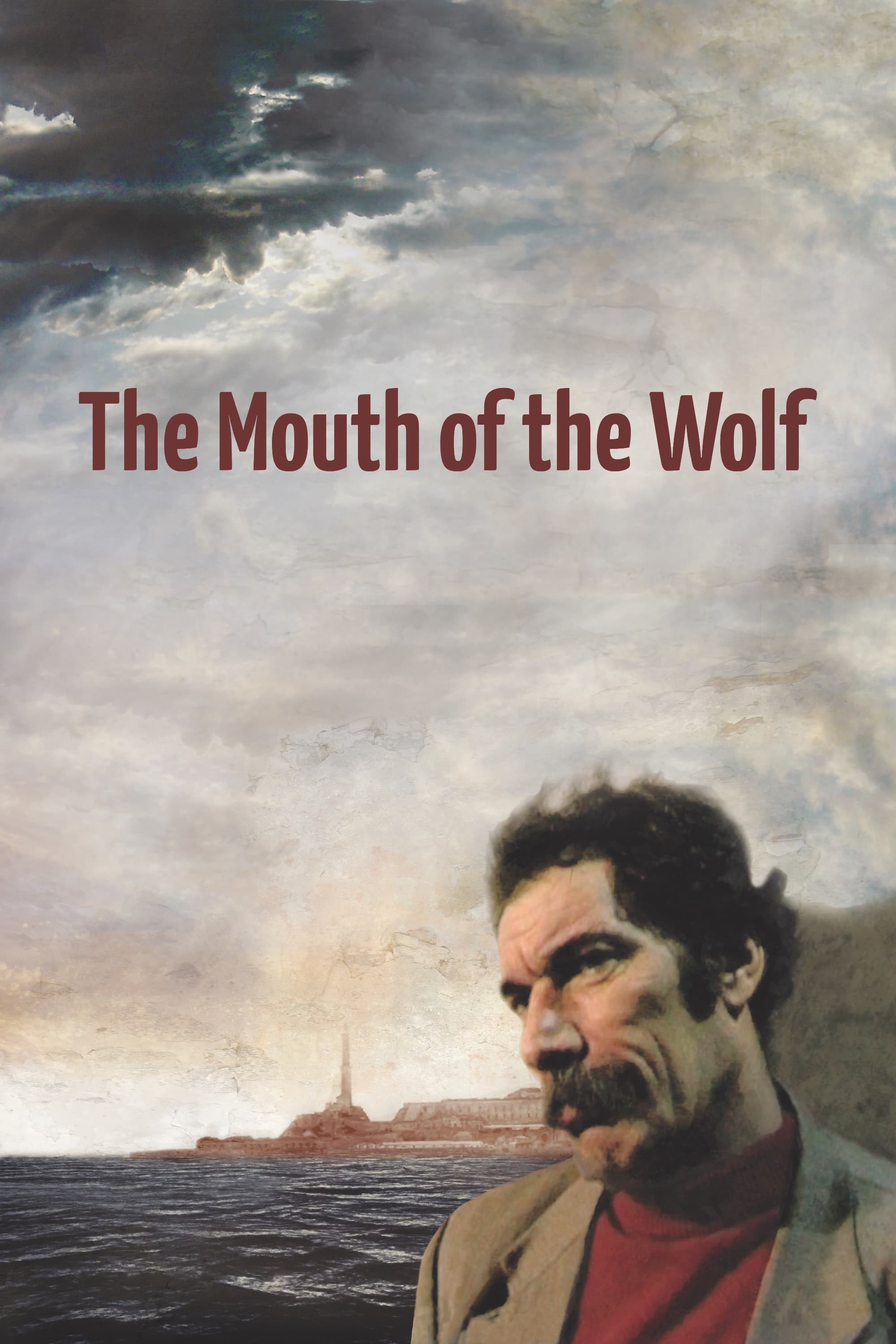
Upon his release from prison, an ex-convict returns to his beloved city of Genoa, and to his lover.
"Trinity and Beyond" is an unsettling yet visually fascinating documentary presenting the history of nuclear weapons development and testing between 1945-1963. Narrated by William Shatner and featuring an original score performed by the Moscow Symphony Orchestra, this award-winning documentary reveals previously unreleased and classified government footage from several countries.
Five broken cameras – and each one has a powerful tale to tell. Embedded in the bullet-ridden remains of digital technology is the story of Emad Burnat, a farmer from the Palestinian village of Bil’in, which famously chose nonviolent resistance when the Israeli army encroached upon its land to make room for Jewish colonists. Emad buys his first camera in 2005 to document the birth of his fourth son, Gibreel. Over the course of the film, he becomes the peaceful archivist of an escalating struggle as olive trees are bulldozed, lives are lost, and a wall is built to segregate burgeoning Israeli settlements.
Director James Toback takes an unflinching, uncompromising look at the life of Mike Tyson--almost solely from the perspective of the man himself. TYSON alternates between the controversial boxer addressing the camera and shots of the champion's fights to create an arresting picture of the man.