Social & External
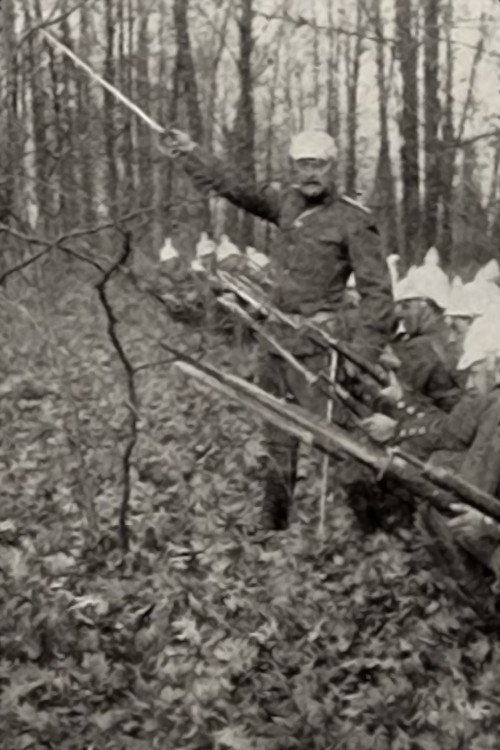
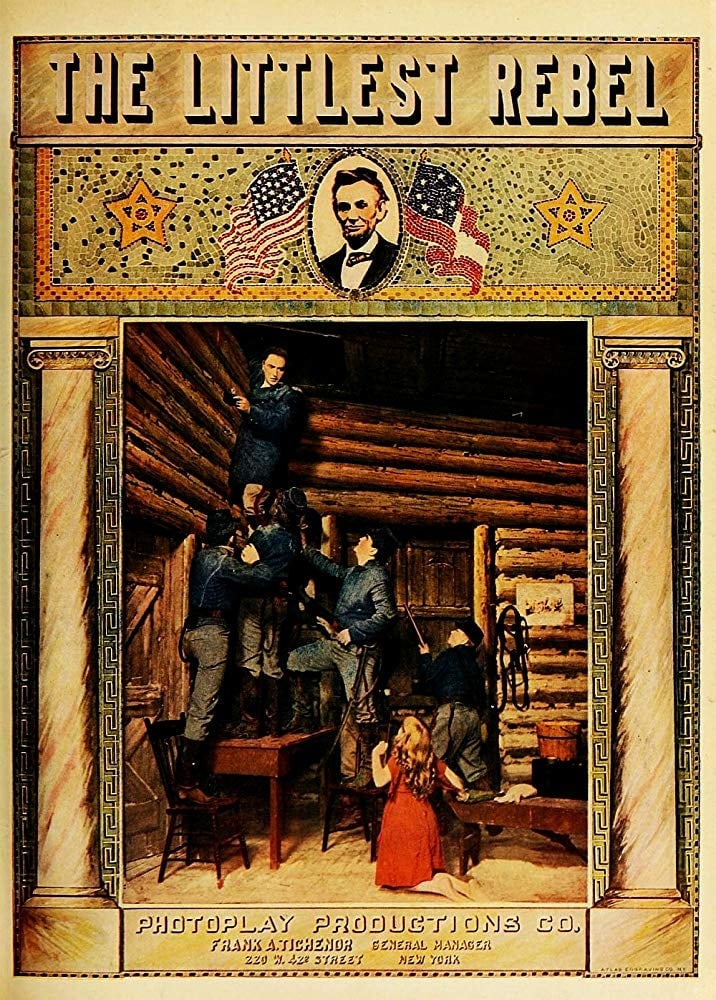
At a military hall in a Southern mansion the Confederate officers are amusing themselves. Captain Ford is the officer in charge and Virginia, the young hostess, is his sweetheart. At the height of their fun the sentries outside report the approach of Union soldiers. All officers hurry to their commands. At first the Confederates, having less men, attempt to outmarch the Federals. However, after a short time, they change plans and entrench themselves on the surrounding hills.
In New York's Washington Square, a poet named Karl (Jack Livingston) is the king of art and artifice. But World War I breaks out and the spotlight on him begins to fade, so he dramatically declares his intention to enlist in the British Army. His friend Marcarson announces that he will go with him, keeping Karl to a promise which he hadn't planned to see through.
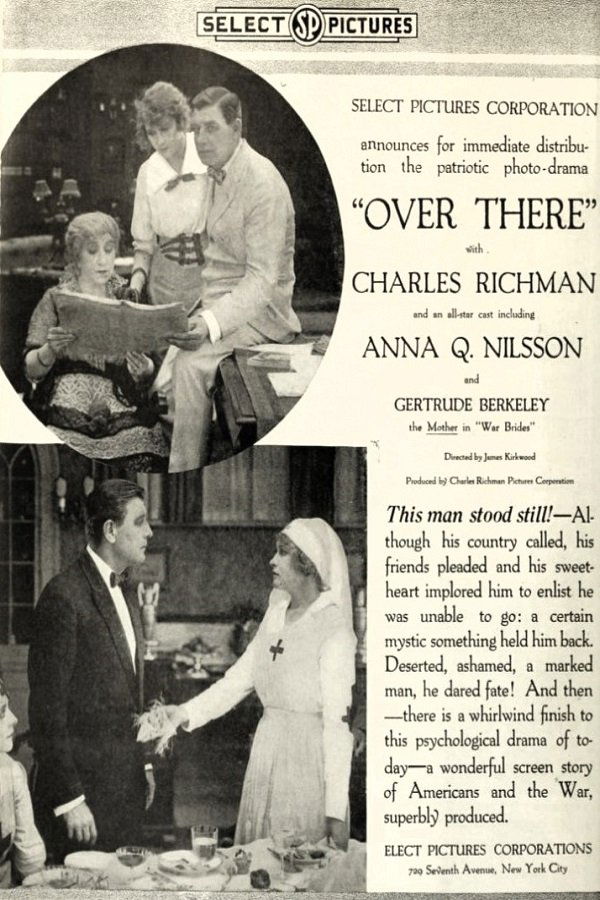
In Belgium, at the outbreak of the war, Russian agent Olga Raminoff shoots at a German general when the enemy enters town. Ray Bourke, an American traveler, gives her the protection of his name, but nevertheless both are sentenced to death. They are rescued by an allied rescue plane and later, bound for home, Ray meets an old college friend, Curt Schreiber, who is in the service of the German government. Schreiber has important papers to be delivered to Washington and, knowing that he will be searched on board ship, gives them to Ray. Olga beseeches Ray to give the papers up for her sake, but his word to Schreiber is sacred. Nearing America, Ray tells her that he will make an effort to return the papers if she will marry him.
The good people of the Solax community realize that they have cause to make merry before the New Year because the Almighty has guided their breadwinning footsteps toward the Solax Studio's happy atmosphere, bank together like the big happy family they are, to give expression to their happiness in the form of a gift to the immediate cause of their good fortune and sunshine.
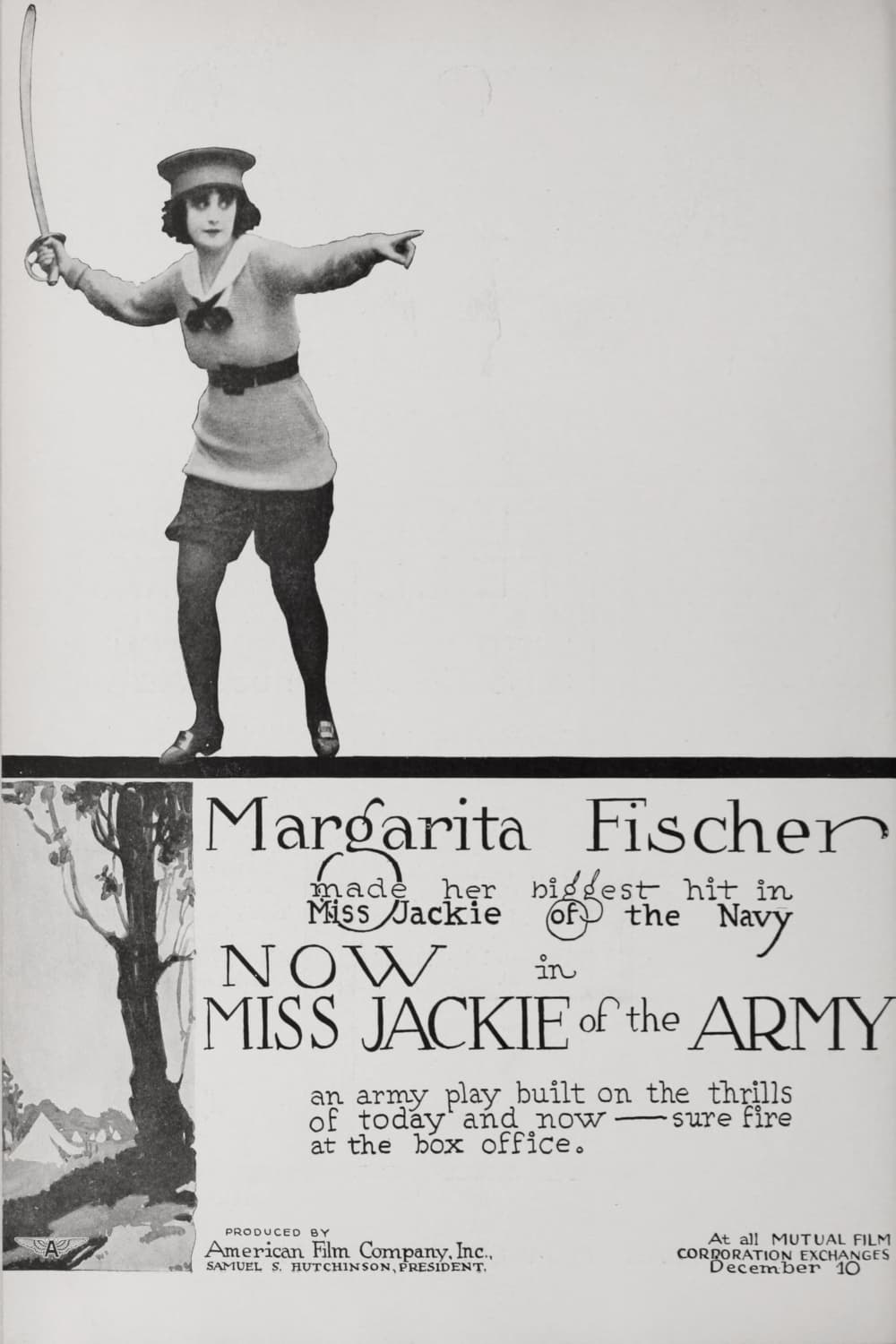
Young Jackie Kernwood, the daughter of the colonel commanding an army post, is bored with the routines of post life, and to break the monotony she organizes a girls' brigade, of which her father disapproves. When the colonel forces her to disband the group, she makes up her mind to run away and become a nurse in the Red Cross. Before she can do that, however, she stumbles across evidence of a spy ring headed by an officer on the post that is plotting to blow up a troop train--and it looks like the chief spy is her boyfriend, Lt. Adair.
An American munitions manufacturer and his son become ensnarled with enemy agents from Germany during the First World War.
The hero is a young soldier who is in love with two girls simultaneously. While on the battlefield, the soldier learns that one of his sweethearts has committed suicide. Only temporarily taken aback, he begins to dream of the blissful domesticity which he will enjoy with the other girl upon his return.
Episode #5 in the Flying Fists series featuring real-life boxer Benny Leonard.
Third installment of the "Flying Fists" silent series with boxer Benny Leonard in the lead.
The second of six episodes in the "Flying Fists" boxing series sometimes listed as "Hit Hard" starring pugilist Benny Leonard.
Richard Lawrence, an Army Aviator, introduces his friend, Count Zurich, to Zenia, his father's beautiful ward. The Count becomes infatuated with the girl and determines to win her. General Lawrence, Richard's father, is ordered to prepare for war. as Prince Dureseign is gathering an army to overthrow the government. In a terrific battle, the forces of Dureseign are driven back. Zenia and Richard fall in love, he proposes and she accepts him. Dureseign's forces are greatly augmented in numbers, surround General Lawrence's army and the General sends his son in a fast aeroplane for reinforcements.
Even though his widowed mother and sweetheart, Mary Putnam, disapprove, Worth Stuyvesant insists on going to West Point and becoming a soldier. Ultimately, Mary breaks off their engagement and Stuyvesant goes on a bender. His conduct is reported to the commander, who sends him to the sub post of Del Rio for 60 days of tour duty. There, Stuyvesant meets Lola Montez, an adventuress. With the help of a couple of her pals, Lola gets him drunk and marries him. But Stuyvesant lives up to his duties as a husband and surprisingly, Lola renounces her old ways and becomes a model wife.
Tom Whitney, well connected but a social derelict because of his weakness for drink, is released from the draft because of an old football Injury, but a policeman persuades him that he can still do his bit in the shipyards. He takes a job in the yard owned by the man to whose daughter he was engaged in happier times. Three German propagandists seek to foment a strike to delay the work, and largely through Tom's efforts the plan goes amiss and the strike is called off. Rehabilitated by work, the launching of The Liberty is a forecast of his own rebirth.
Loyal slave of the aristocratic Dabney family, Dan is overjoyed when Raoul becomes engaged to Northerner Elsie Hammond and his sister Grace becomes engaged to Elsie's brother John. When the Civil War breaks out, the heartbroken Hammonds return North and John joins the Union army. Raoul joins the Confederacy, but his vindictive overseer, Jonas Watts, becomes a Union officer. Watts takes Grace prisoner, but before he can act on his desires, John rescues her.
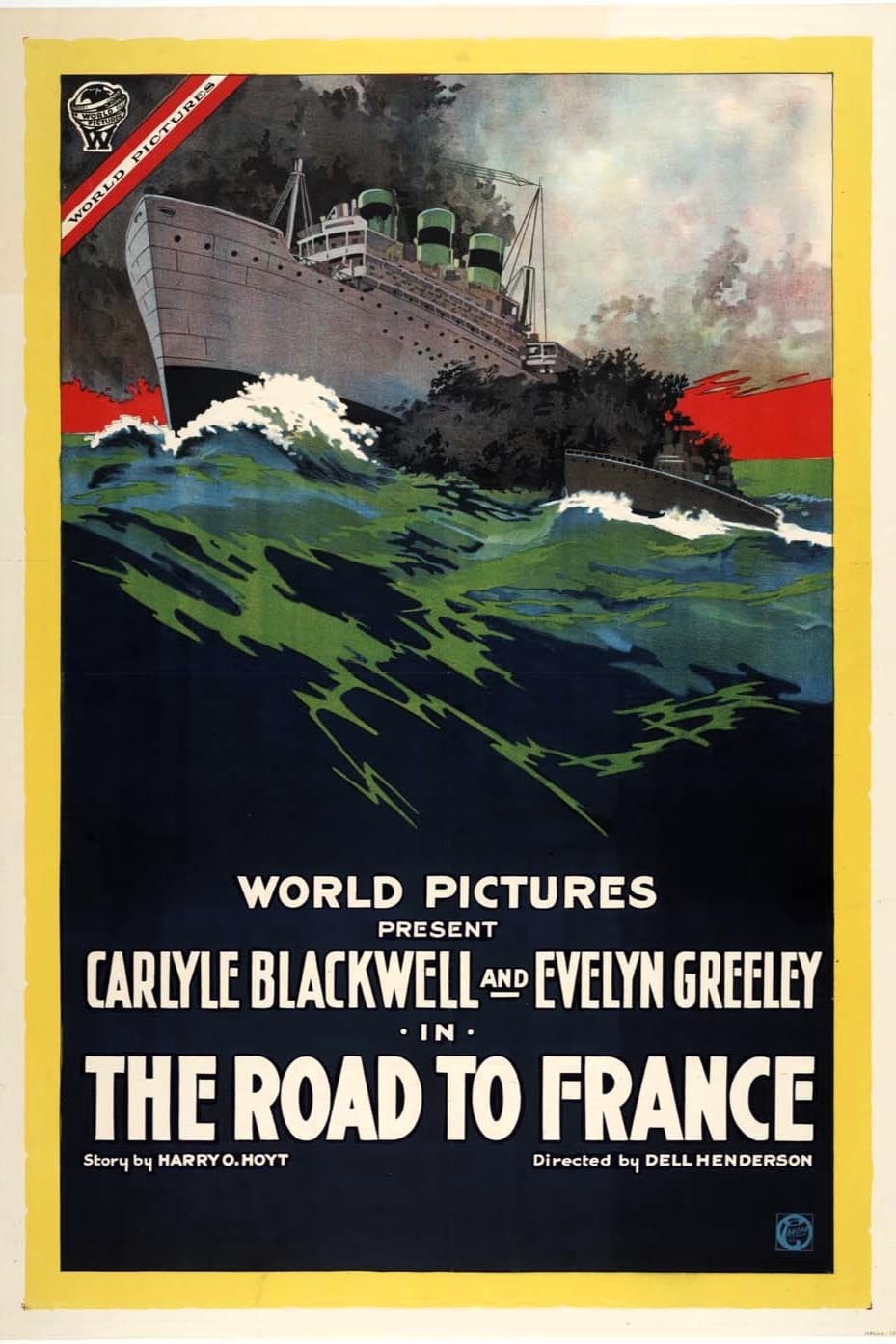
Returning from France after the war, John Tabor informs Palma May of her brother's death and offers the penniless girl his help, but she refuses it, preferring to work as a cabaret dancer. Later, John and Palma meet again, marry, and go west to manage a lumber camp, as instructed by John's wealthy father, Jarvis Tabor. Displeased by John's choice of wife, the elder Tabor tests the couple with difficult living conditions, which eventually discourage Palma, and she accepts the party invitation of Keith Merwyn, manager of the cabaret where she starred. Meanwhile, Merwyn effects a disturbance among the lumbermen, endangering John.
Second attempt to create a feature film out of the 200,000-plus feet of film which Soviet film-maker Sergei Eisenstein shot during 1931-32 in Mexico for American socialist author Upton Sinclair, his wife and a small company of investors. The projected film, to be called "Que Viva Mexico", was never completed due to exhaustion of funds and Stalin's demand that Eisenstein return to the USSR (he had been absent since 1929). The first attempt at editing the footage, in the USA, resulted in "Thunder Over Mexico", released in 1934. In 1940, Marie Seton, from the UK, acquired some of the footage from the Sinclairs in an attempt to make a better cutting according to Eisenstein's skeletal outline for the proposed film. This film has apparently been lost.
Melia Nobbs, a young Canadian woman, supports both her invalid father Ambrose and brother Henry. When Henry faces arrest for helping himself to his employer's cash, Melia steals the amount from the star of the theater where she has been dancing and offers it to her brother if he will enlist in the army. Henry agrees and goes off to war, making Ambrose proud of his son, but when Ambrose learns that his daughter has been arrested for theft, he disowns her. Melia does not reveal the reason for taking the money and is sent to prison. Meanwhile, Henry fights bravely in France and returns home minus an arm but wearing the Victoria Cross. He finds his sister, weak and worn from overwork, in the prison hospital. Seeing her brother with his medals, Melia realizes that her sacrifices for him and her country have not been in vain, and that in her own way, she has served her country.
Richard Randall, a patriotic young lawyer speaks out against food profiteers. When ruthless food combine head, Everett Dearing, blackmails society idler Tony Terle into compromising Randall's wife, Beverly in an attempt to stop Randall's anti-war crusades. Ultimately, Terle is caught and confesses to killing Dearing, leading to Randall and Beverly's reunion.
Young Virgie's father, Captain Herbert Cary, is a Confederate soldier. During the Civil War, Virgie, along with her slave Uncle Billy and her mother, are caught between the lines. While Virgie's father is fighting, her family is visited by Union soldiers, including Colonel Morrison, who is assigned to capture her father. Virgie inadvertently helps Morrison, by singing "Dixie" to him and then hiding her father. In the end, Virgie and her father are able to escape, and Virgie even sings "Polly Wolly Doodle" with the Union soldiers and hugs her father, now a Union officer,
Montgomery Jackson is initially afraid of conflict, refusing to enlist despite pressure from friends and his fiancée Bettie, but later joins the American Expeditionary Force after Bettie volunteers as a Red Cross nurse.
A love letter from a young mother to her daughter, the film tells the story of Waad al-Kateab’s life through five years of the uprising in Aleppo, Syria as she falls in love, gets married and gives birth to Sama, all while cataclysmic conflict rises around her. Her camera captures incredible stories of loss, laughter and survival as Waad wrestles with an impossible choice– whether or not to flee the city to protect her daughter’s life, when leaving means abandoning the struggle for freedom for which she has already sacrificed so much.
“The Soviet Story” is a story of an Allied power, which helped the Nazis to fight Jews and which slaughtered its own people on an industrial scale. Assisted by the West, this power triumphed on May 9th, 1945. Its crimes were made taboo, and the complete story of Europe’s most murderous regime has never been told. Until now...
Amid the failing counteroffensive, a journalist follows a Ukrainian platoon on their mission to traverse one mile of heavily fortified forest and liberate a strategic village from Russian occupation. But the farther they advance through their destroyed homeland, the more they realize that this war may never end.
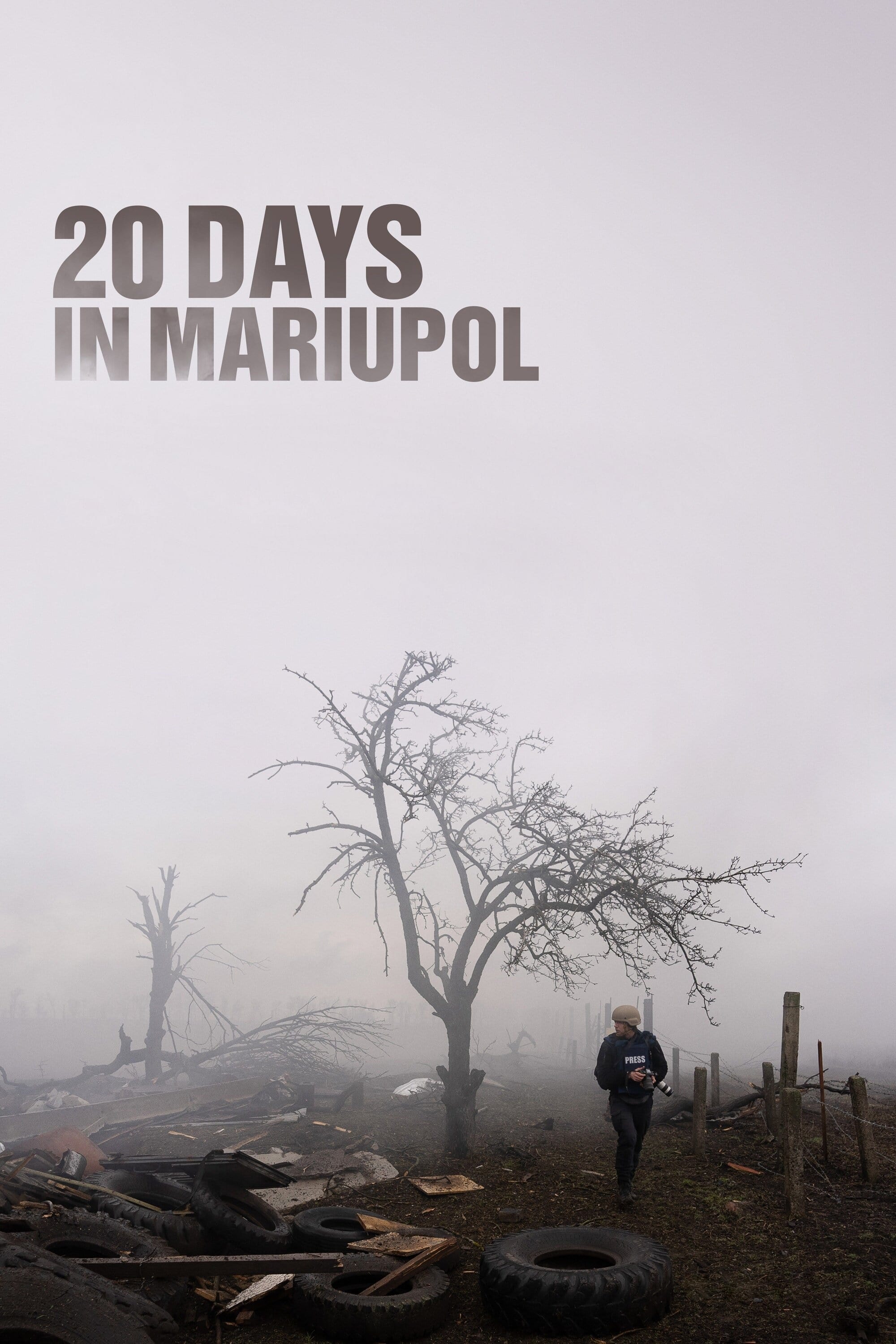
As the Russian invasion begins, a team of Ukrainian journalists trapped in the besieged city of Mariupol struggle to continue their work documenting the war's atrocities.
Korengal picks up where Restrepo left off; the same men, the same valley, the same commanders, but a very different look at the experience of war.
A documentary about World War I with never-before-seen footage to commemorate the centennial of Armistice Day, and the end of the war.
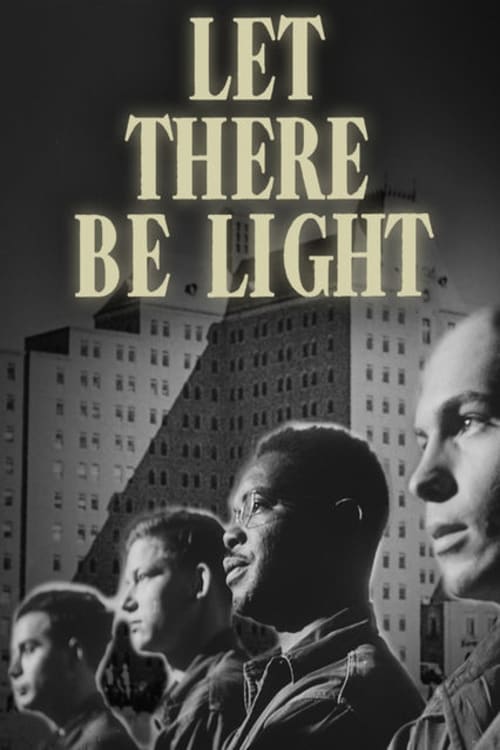
The final entry in a trilogy of films produced for the U.S. government by John Huston. Some returning combat veterans suffer scars that are more psychological than physical. This film follows patients and staff during their treatment. It deals with what would now be called PTSD, but at the time was categorised as psychoneurosis or shell-shock. Government officials deemed this 1946 film counterproductive to postwar efforts; it was not shown publicly until 1981.
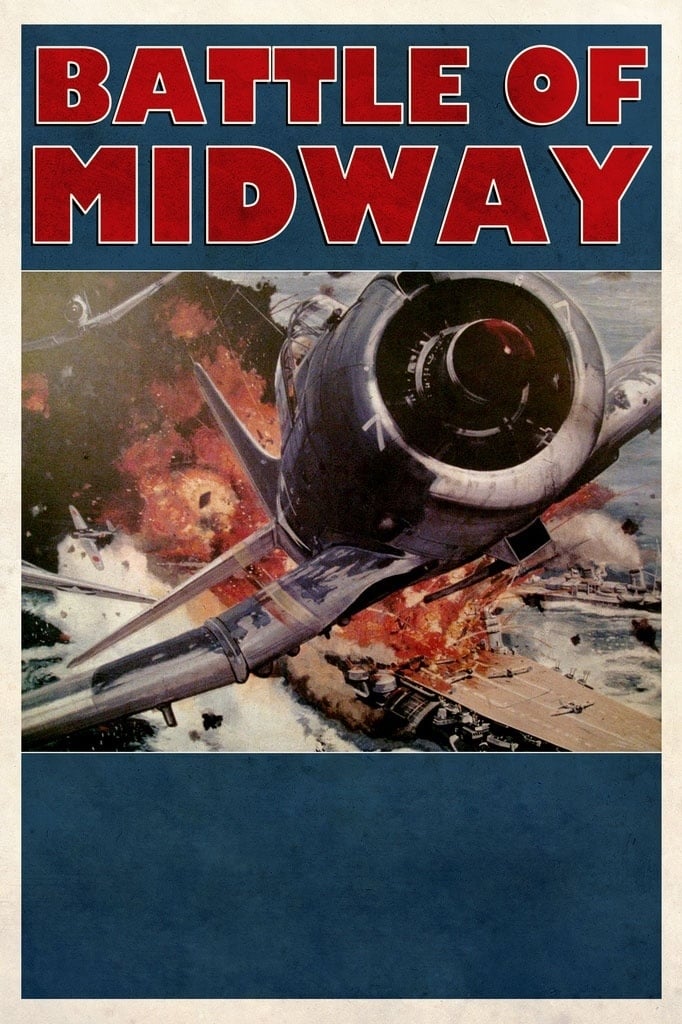
The Japanese attack on Midway in June 1942, filmed as it happened. Preserved by the Academy Film Archive, in partnership with Twentieth Century Fox Film Corporation, in 2006.
Pete Postlethwaite stars as a man living alone in the devastated future world of 2055, looking at old footage from 2008 and asking: why didn’t we stop climate change when we had the chance?
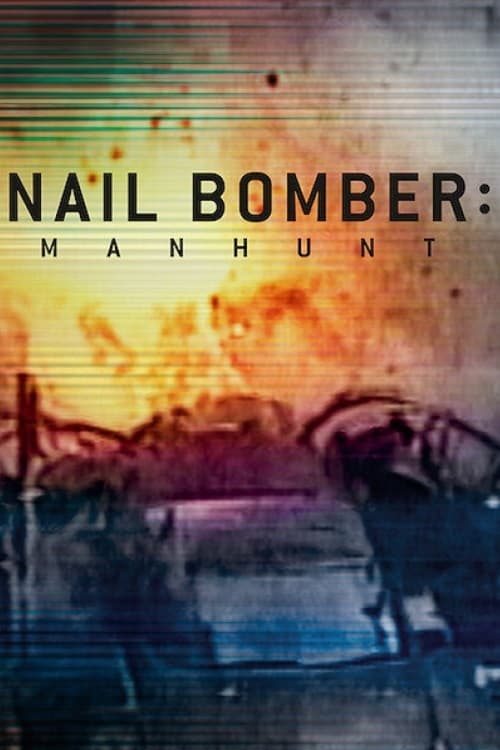
This documentary examines the 1999 London bombings that targeted Black, Bangladeshi and gay communities, and the race to find the far-right perpetrator. He terrorized a city, seeking to ignite a race war but justice was served by those who wouldn't let his hate win.
With unprecedented access, this documentary follows the extraordinary journey of “Raqqa is Being Slaughtered Silently”—a group of anonymous citizen journalists who banded together after their homeland was overtaken by ISIS—as they risk their lives to stand up against one of the greatest evils in the world today.
Police pull over a woman who claims she just gave birth. But the baby — and the blood — aren't hers. Twisted lies unravel in this true-crime documentary.
When Allied forces liberated the Nazi concentration camps in 1944-45, their terrible discoveries were recorded by army and newsreel cameramen, revealing for the first time the full horror of what had happened. Making use of British, Soviet and American footage, the Ministry of Information’s Sidney Bernstein (later founder of Granada Television) aimed to create a documentary that would provide lasting, undeniable evidence of the Nazis’ unspeakable crimes. He commissioned a wealth of British talent, including editor Stewart McAllister, writer and future cabinet minister Richard Crossman – and, as treatment advisor, his friend Alfred Hitchcock. Yet, despite initial support from the British and US Governments, the film was shelved, and only now, 70 years on, has it been restored and completed by Imperial War Museums under its original title "German Concentration Camps Factual Survey".
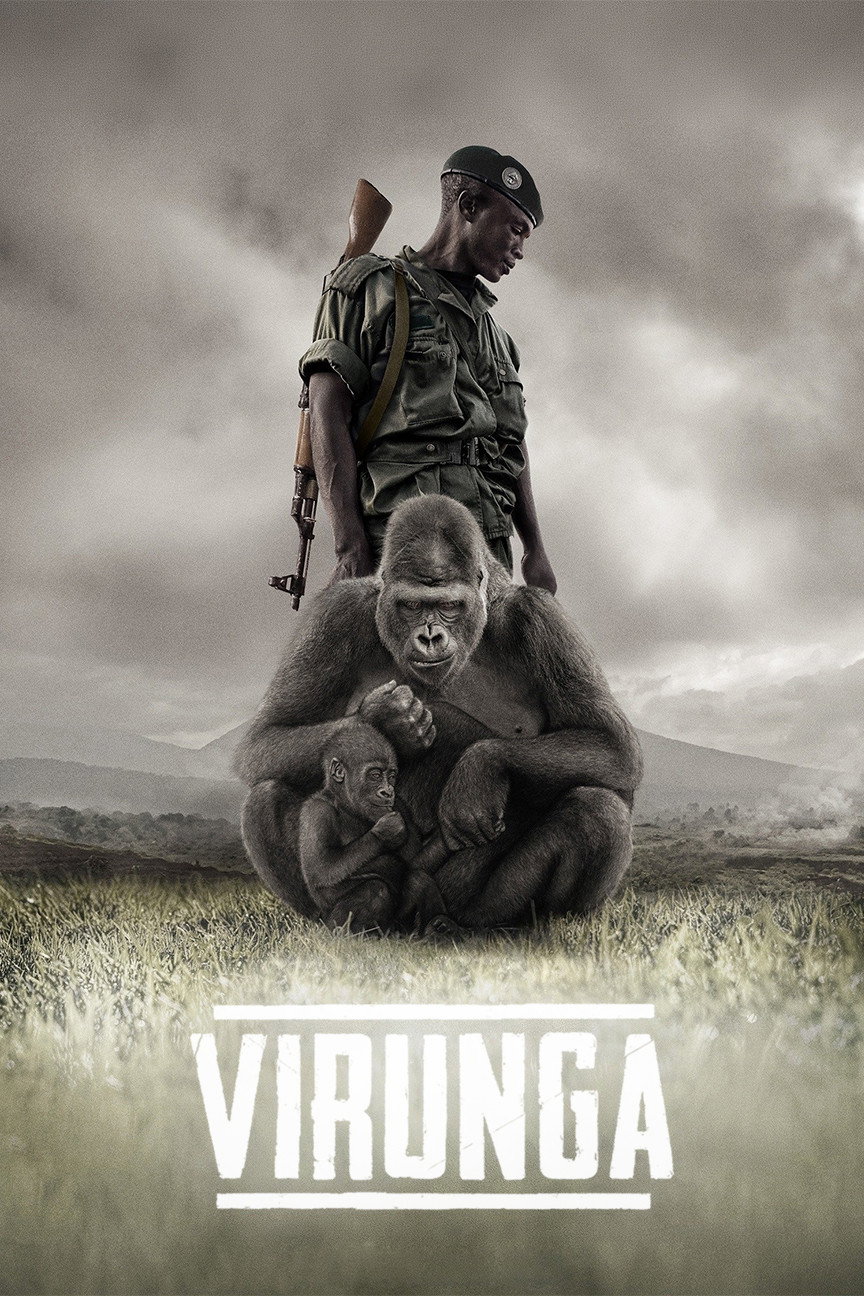
Virunga in the Democratic Republic of the Congo is Africa’s oldest national park, a UNESCO world heritage site, and a contested ground among insurgencies seeking to topple the government that see untold profits in the land. Among this ongoing power struggle, Virunga also happens to be the last natural habitat for the critically endangered mountain gorilla. The only thing standing in the way of the forces closing in around the gorillas: a handful of passionate park rangers and journalists fighting to secure the park’s borders and expose the corruption of its enemies. Filled with shocking footage, and anchored by the surprisingly deep and gentle characters of the gorillas themselves, Virunga is a galvanizing call to action around an ongoing political and environmental crisis in the Congo.
A subjective documentary that explores various theories about hidden meanings in Stanley Kubrick's classic film The Shining. Five very different points of view are illuminated through voice over, film clips, animation and dramatic reenactments.
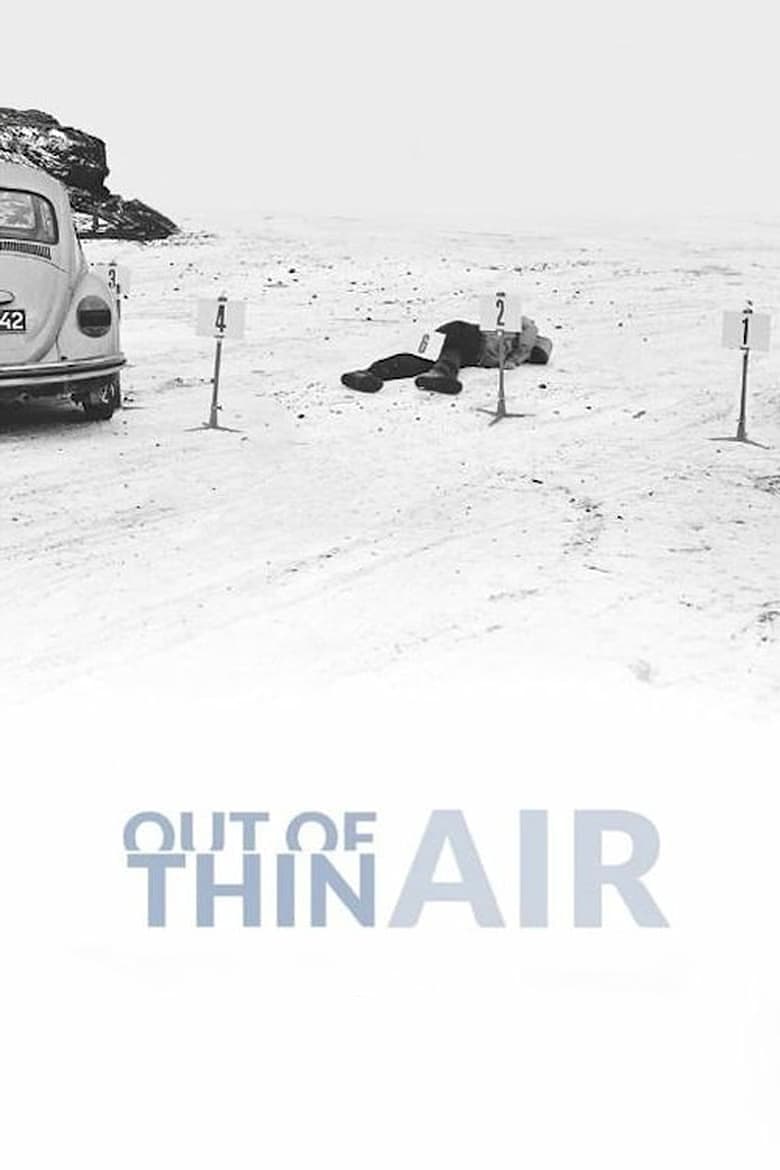
Set within the stark Icelandic landscape, OUT OF THIN AIR examines the 1976 police investigation into the disappearance of two men in the early 1970s.
Prelude to War was the first film of Frank Capra's Why We Fight propaganda film series, commissioned by the Pentagon and George C. Marshall. It was made to convince American troops of the necessity of combating the Axis Powers during World War II. This film examines the differences between democratic and fascist states.
A documentary focused on plastic pollution in the world's oceans.
Tells the history and importance of The National Film Registry, a roll call of American cinema treasures that reflects the diversity of film, and indeed the American experience itself.
Those who knew iconic funnyman John Candy best share his story, in their own words, through never-before-seen archival footage, imagery, and interviews.