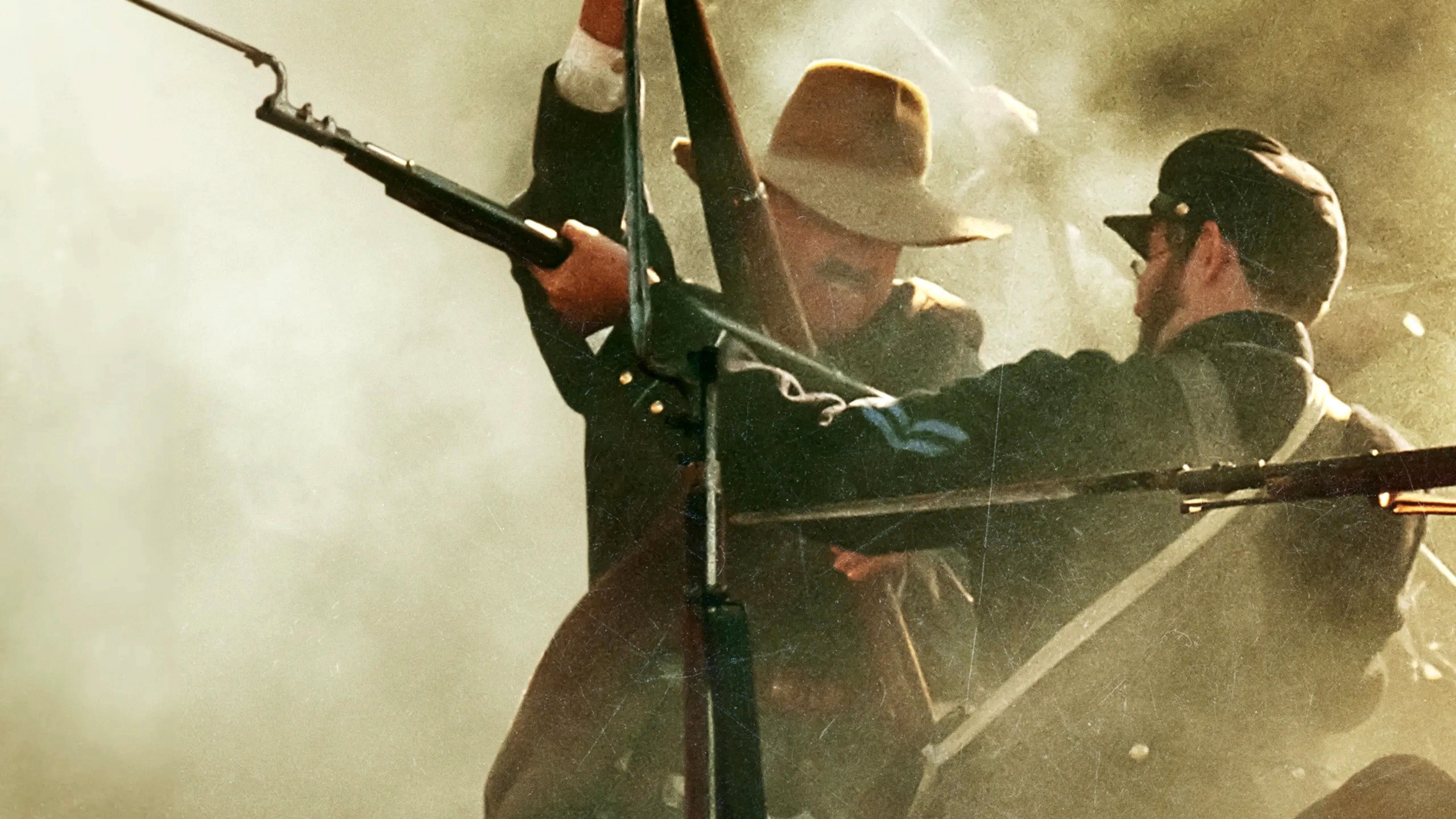
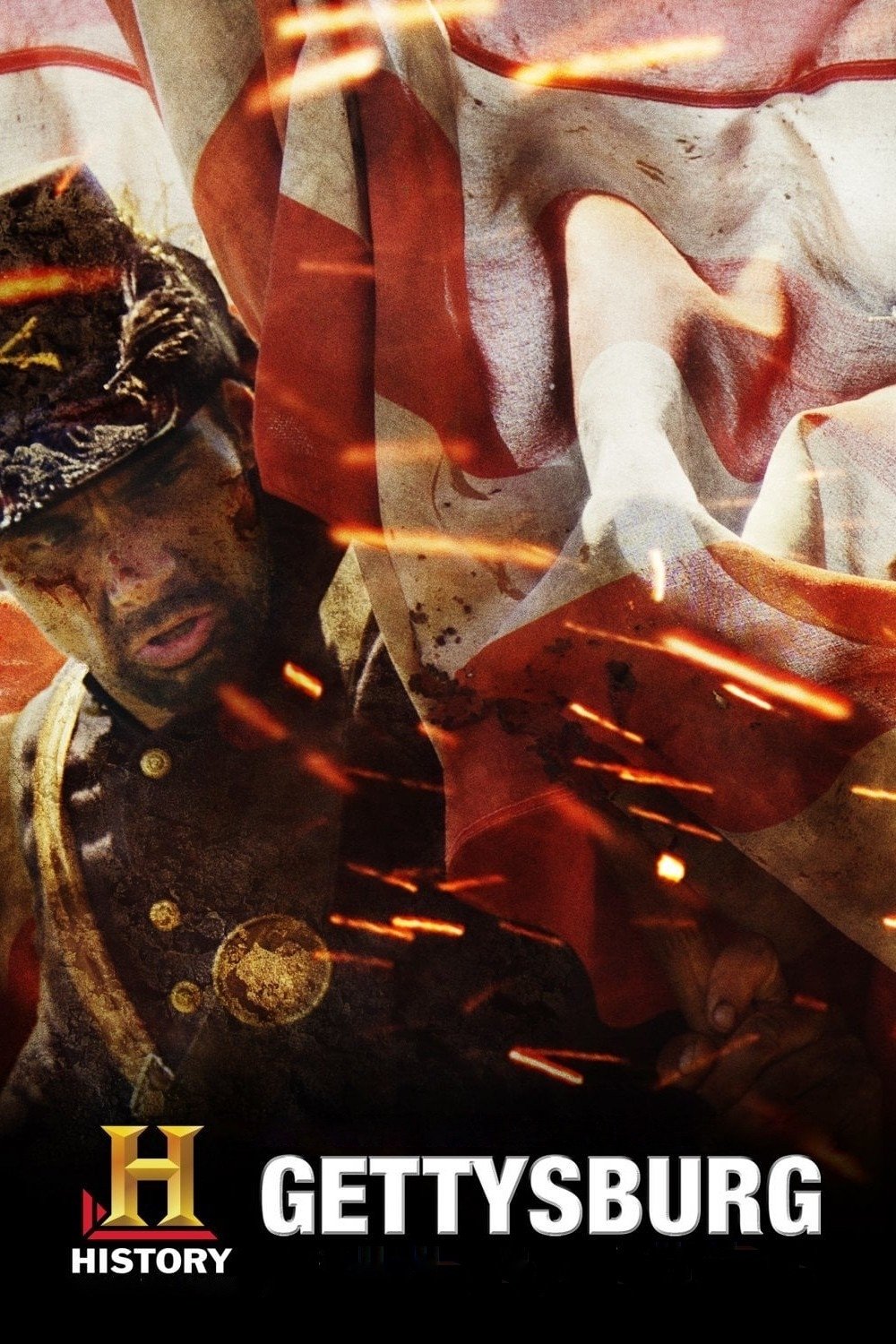



An examination of the Battle of Gettysberg on both the personal and strategic level.
Social & External
Narrator
Colonel James Wallace
James Wallace
General Carl Schurz
Amos Humiston
Lieutenant Colonel Rufus Dawes
Maj. Gen. George G Meade
In this remarkable journey, Planet Food travels the world to see how control of the spice trails, over the last five millennia, has made great cities and destroyed ancient civilizations. Our guides travel from the Molucca Islands of Indonesia, the original home of cloves and nutmeg, to the Indian province of Kerala, with its native pepper and cardamom. Additional stops include Venice, Beirut, Cairo and other significant places in the spice trade that created and toppled empires.
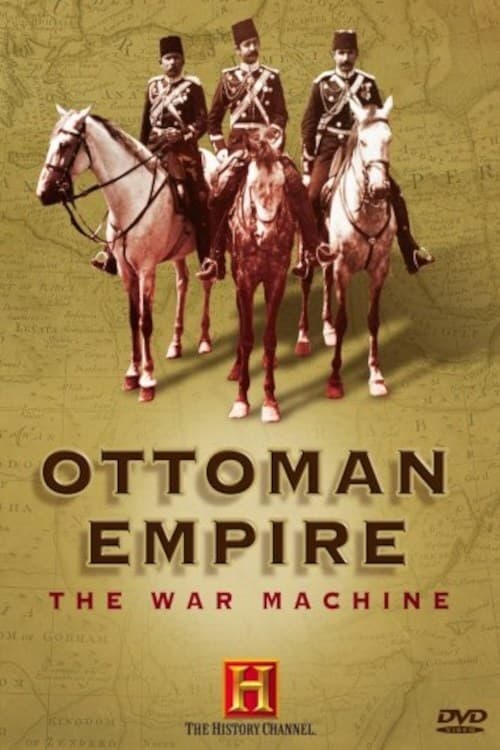
This History Channel documentary traces the Ottoman Empire from its beginnings in the 14th century to its incarnation as one of the largest empires in history, spanning three continents.
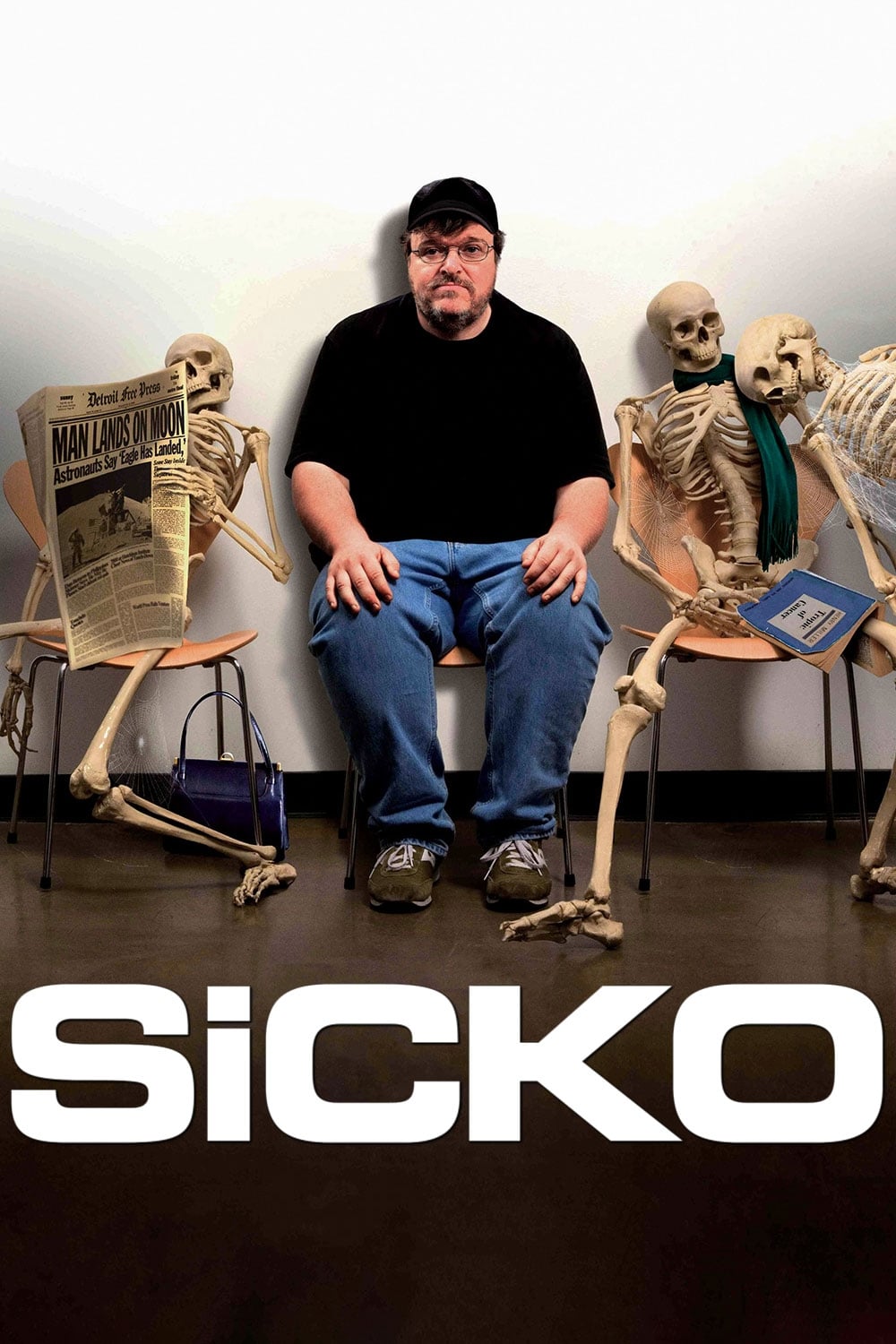
A documentary about the corrupt health care system in The United States whose main goal is to make profit even if it means losing people’s lives. "The more people you deny health insurance, the more money we make" is the business model for health care providers in America.
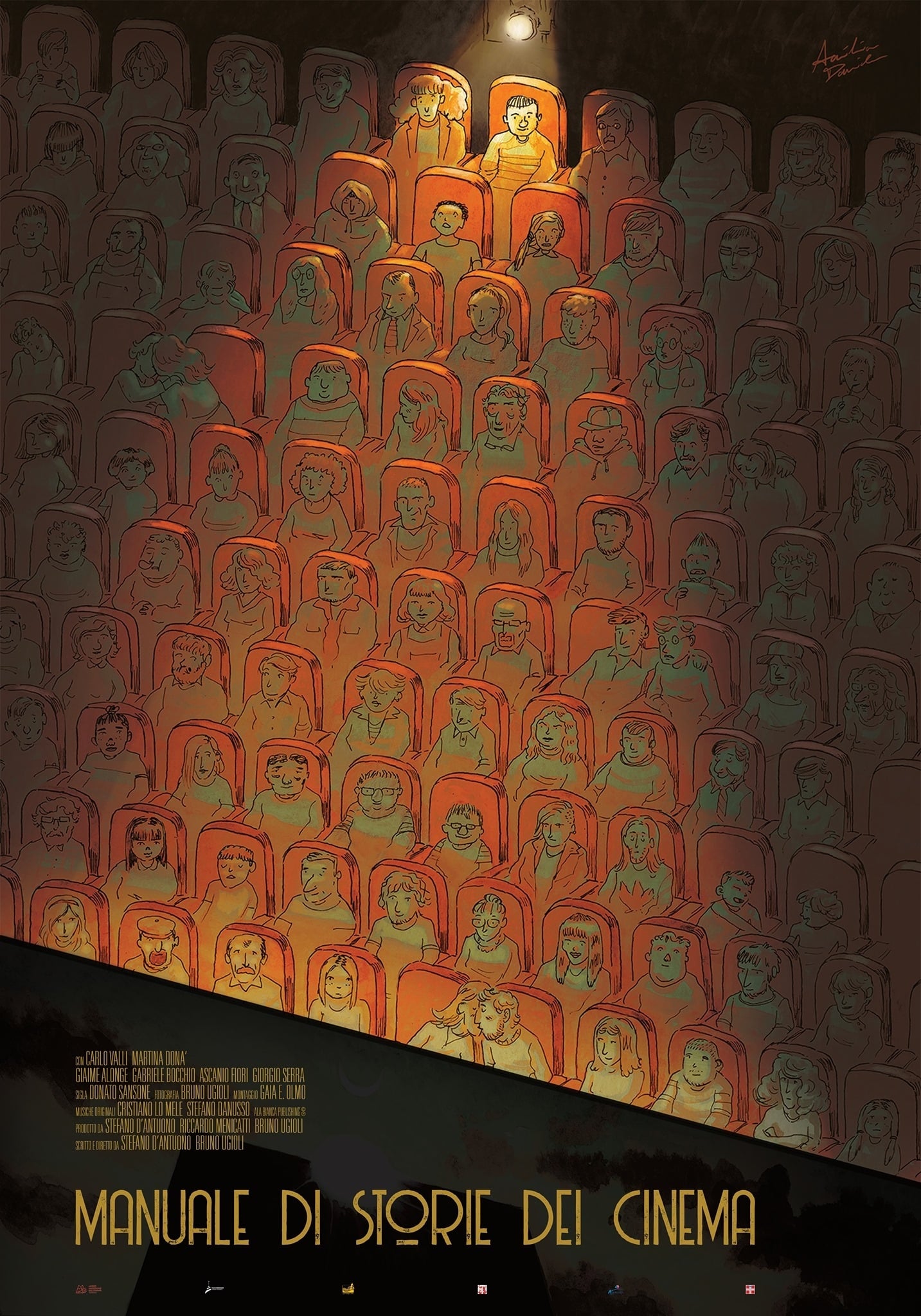
Handbook of Movie Theaters' History is a documentary about the history, the development in the present days and the future of movie theaters in the city of Turin, Italy. It mixes the documentary language with comedy and fiction, and is enriched by interviews to some of the most important voices of Turin cinematography. The film follows the evolution of movie theaters by enlightening its main milestones: the pre-cinema experiences in the late 19th Century, the colossals and the movie cathedrals of the silent era, the arthouse theaters, the National Museum of Cinema, the Torino Film Festival, the movie theaters system today and the main hypothesis about its future. The mission of Handbook of Movie Theaters' History is to explore and give back to the audience a deep reflection about the identity and the value of movie theater, in its social and anthropological role and as a mass media, and to analyze the experience of the viewer.
The Tale of Genji Museum in Uji City, Kyoto will be airing a short film blending history and fantasy, the story follows a modern high school girl named Hana who is transformed into a cat and transported back in time. She travels 1,000 years ago to the Heian Era as portrayed in The Tale Of Genji, arguably the most famous novel in Japanese literature. Guided by the novel's titular character Hikaru Genji, Hana experiences firsthand the emotions that the author Murasaki Shikibu depicted in her novel. The short features scenes based on The Diary of Lady Murasaki and other historical materials, such as the real-life noble Fujiwara no Michinaga swiping early drafts of The Tale Of Genji because he could not wait to read chapters as Murasaki wrote them.
Three National Security whistleblowers fight to reveal the darkest corners of America's war on terror, challenging a government that is increasingly determined to maintain secrecy.
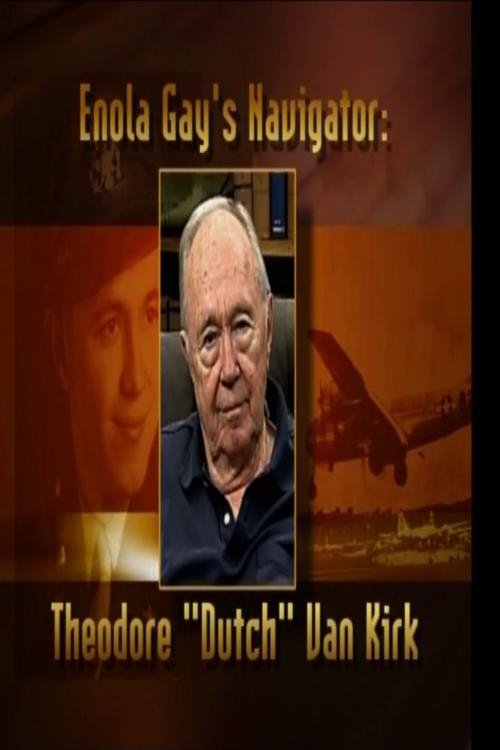
Theodore "Dutch" Van Kirk navigated the first atomic bombing mission in Hiroshima, Japan, and later participated in the first Bikini Atoll atomic bomb tests.
In Thailand, ex-Green Beret John James Rambo joins a group of mercenaries to venture into war-torn neighboring Myanmar to rescue a group of Christian aid workers who have been kidnapped by a ruthless local infantry unit.
I go to Movieland at least once a week, every week, for the last five years to sink some quarters into the games and the Movieland movie is an accumulation of the friends, lights, textures, and narratives that I have experienced in that time. I love Movieland!
Music documentary about Billo Frómeta by director Rafael Marziano Tinoco from Venezuela.
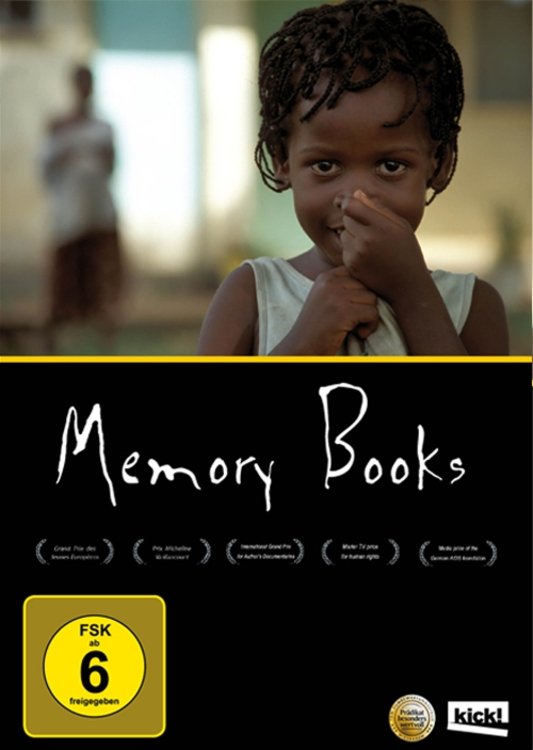
In Uganda, AIDS-infected mothers have begun writing what they call Memory Books for their children. Aware of the illness, it is a way for the family to come to terms with the inevitable death that it faces. Hopelessness and desperation are confronted through the collaborative effort of remembering and recording, a process that inspires unexpected strength and even solace in the face of death.
A pragmatic U.S. Marine observes the dehumanizing effects the U.S.-Vietnam War has on his fellow recruits from their brutal boot camp training to the bloody street fighting in Hue.
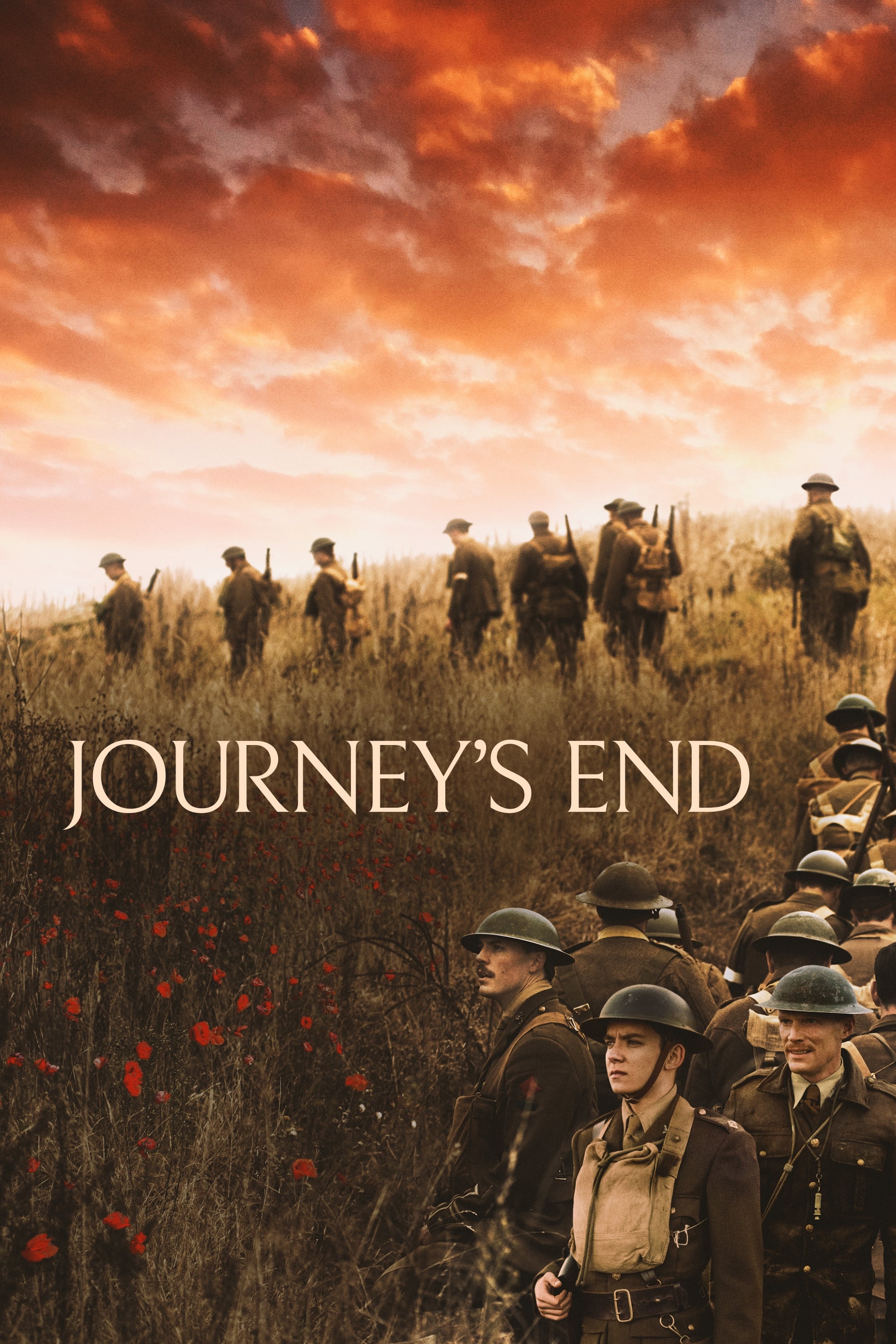
Set in a dugout in Aisne in 1918, a group of British officers, led by the mentally disintegrating young officer Stanhope, variously await their fate.
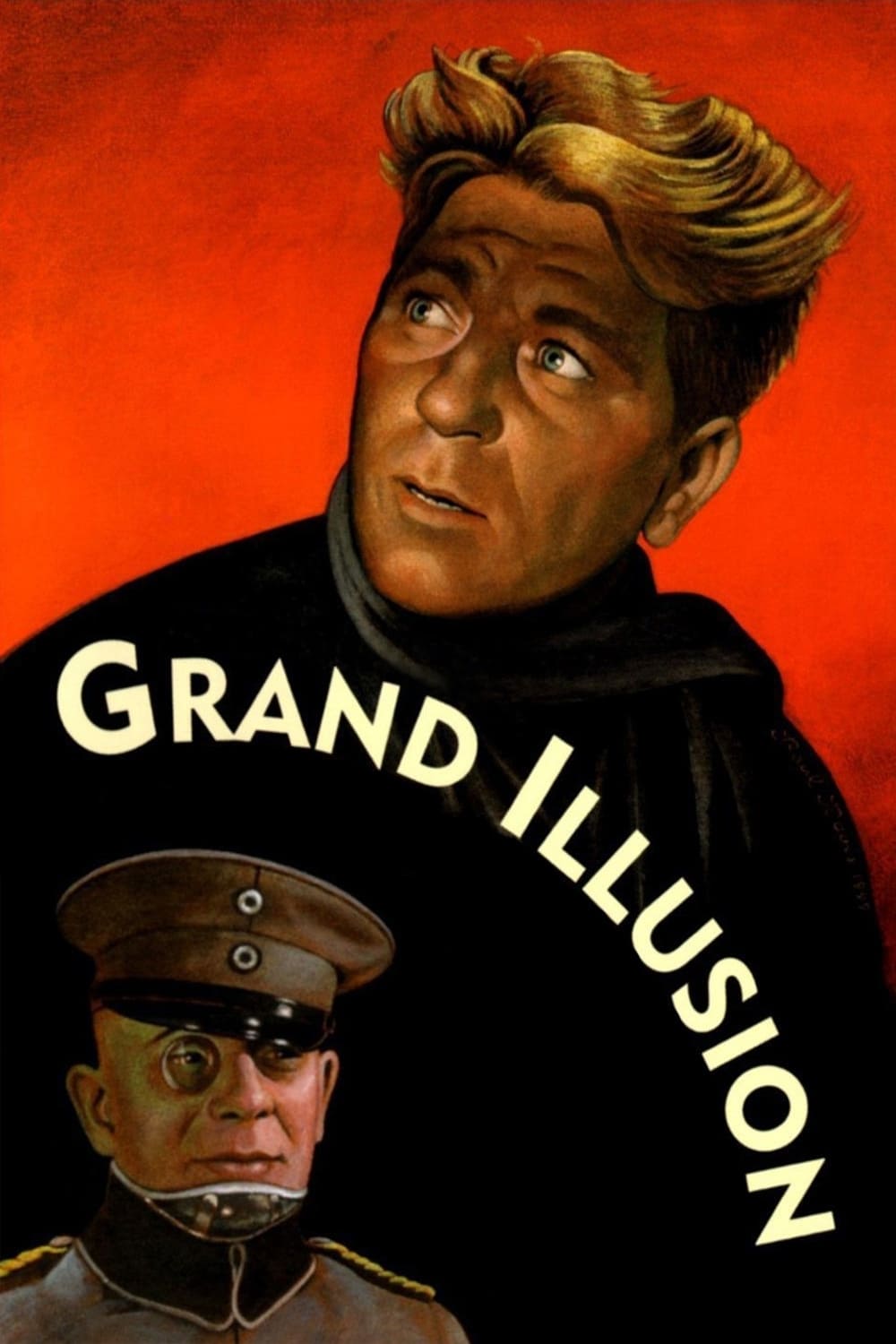
A group of French soldiers, including the patrician Captain de Boeldieu and the working-class Lieutenant Maréchal, grapple with their own class differences after being captured and held in a World War I German prison camp. When the men are transferred to a high-security fortress, they must concoct a plan to escape beneath the watchful eye of aristocratic German officer von Rauffenstein, who has formed an unexpected bond with de Boeldieu.
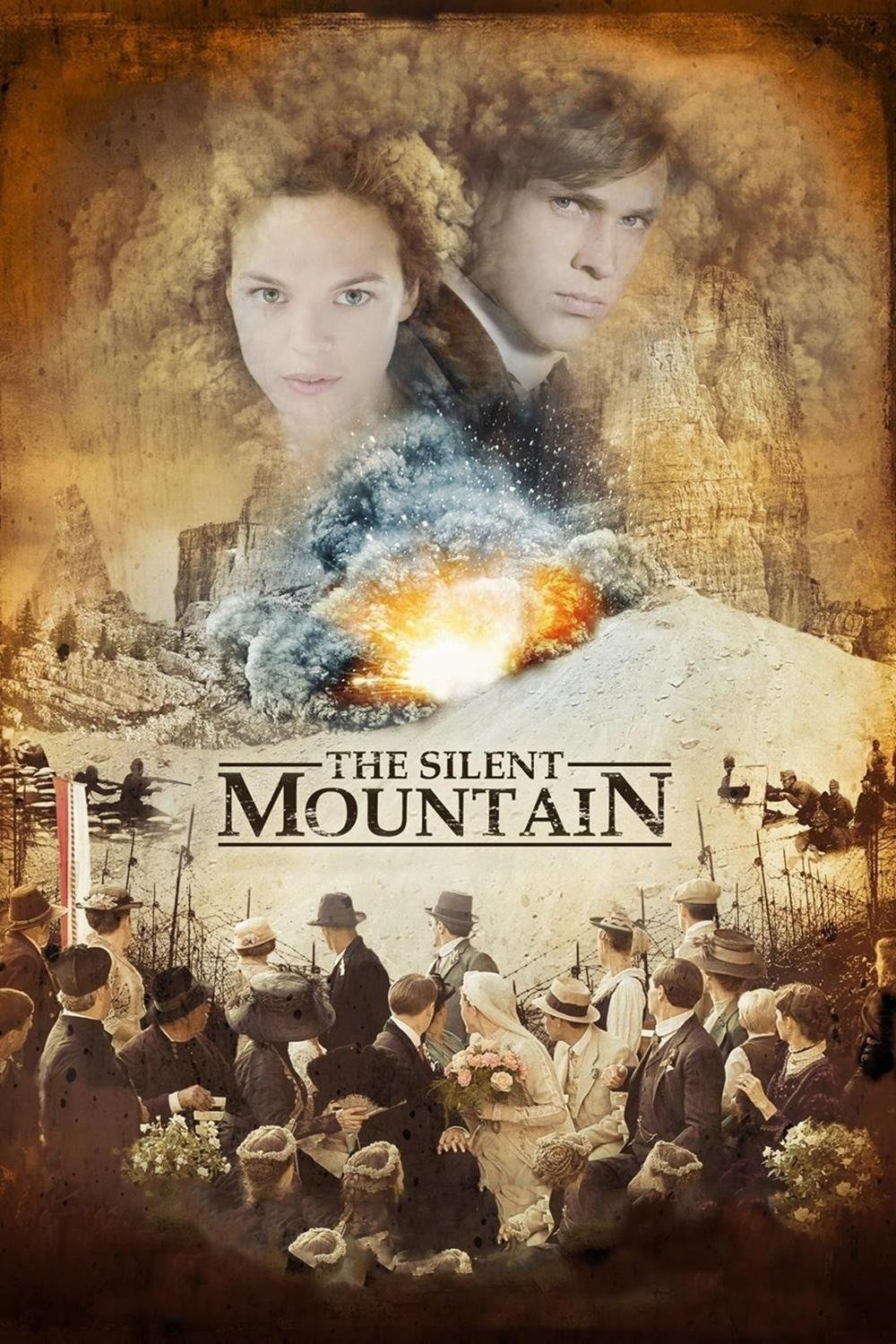
A young Austrian soldier in World War I fights his way through the Alps to rescue his Italian girlfriend and escape the impending explosion that will rock the mountain.
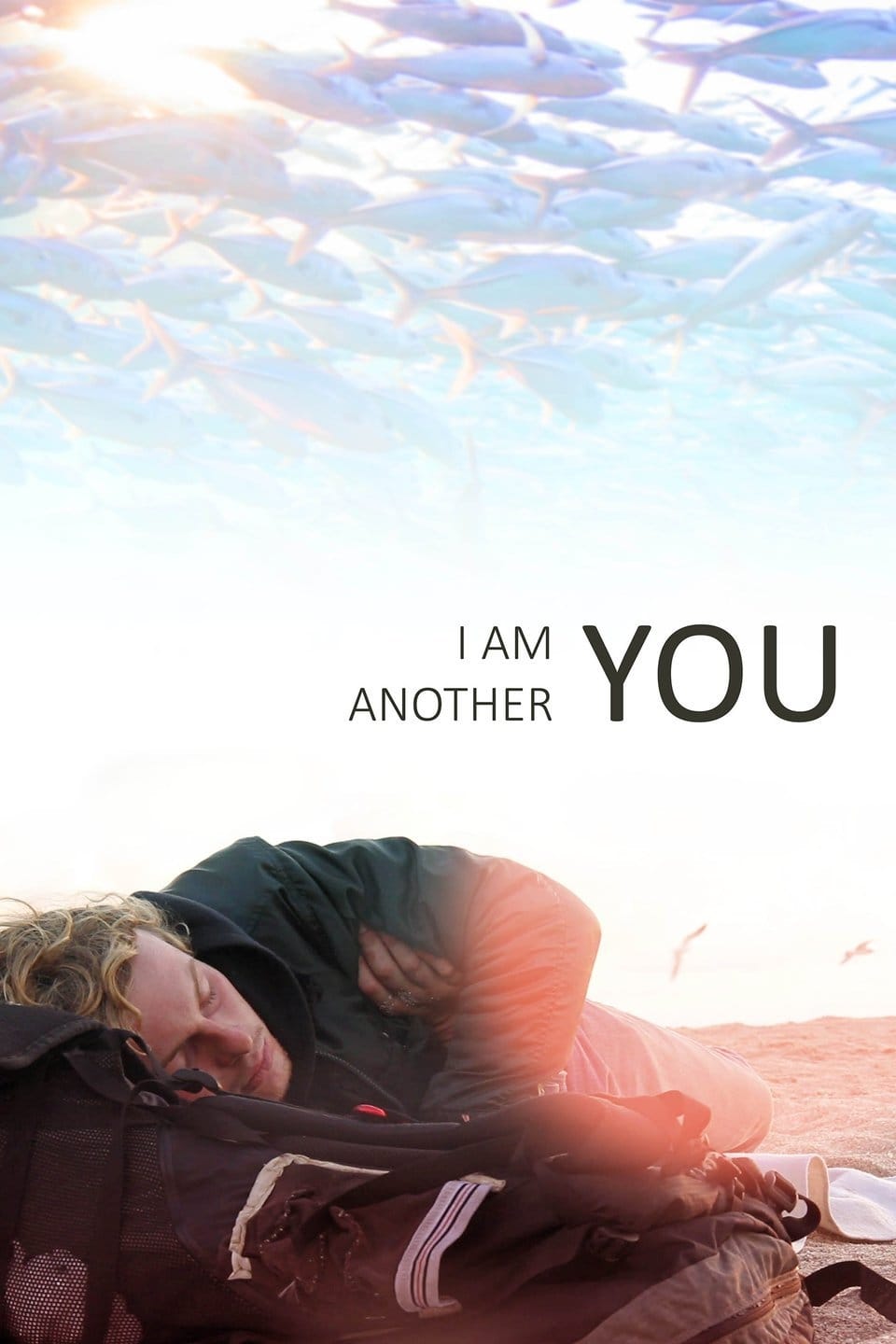
Through the eyes of a young drifter who rejects society's rules and intentionally chooses to live on the streets, Chinese filmmaker Nanfu Wang explores the meaning of personal freedom – and its limits.
After killing a prison guard, convict Robert Stroud faces life imprisonment in solitary confinement. Driven nearly mad by loneliness and despair, Stroud's life gains new meaning when he happens upon a helpless baby sparrow in the exercise yard and nurses it back to health. Despite having only a third grade education, Stroud goes on to become a renowned ornithologist and achieves a greater sense of freedom and purpose behind bars than most people find in the outside world.
During America’s Civil War, Union spies steal engineer Johnny Gray's beloved locomotive, 'The General'—with Johnnie's lady love aboard an attached boxcar—and he single-handedly must do all in his power to both get The General back and to rescue Annabelle.
It's the hope that sustains the spirit of every GI: the dream of the day when he will finally return home. For three WWII veterans, the day has arrived. But for each man, the dream is about to become a nightmare.
A documentary about World War I with never-before-seen footage to commemorate the centennial of Armistice Day, and the end of the war.
Set both in Latin America and the United States, the film explores the historic and current relationship of Washington with countries such as Venezuela, Bolivia and Chile. Pilger says that the film "...tells a universal story... analysing and revealing, through vivid testimony, the story of great power behind its venerable myths. It allows us to understand the true nature of the so-called "war on terror". According to Pilger, the film’s message is that the greed and power of empire is not invincible and that people power is always the "seed beneath the snow".
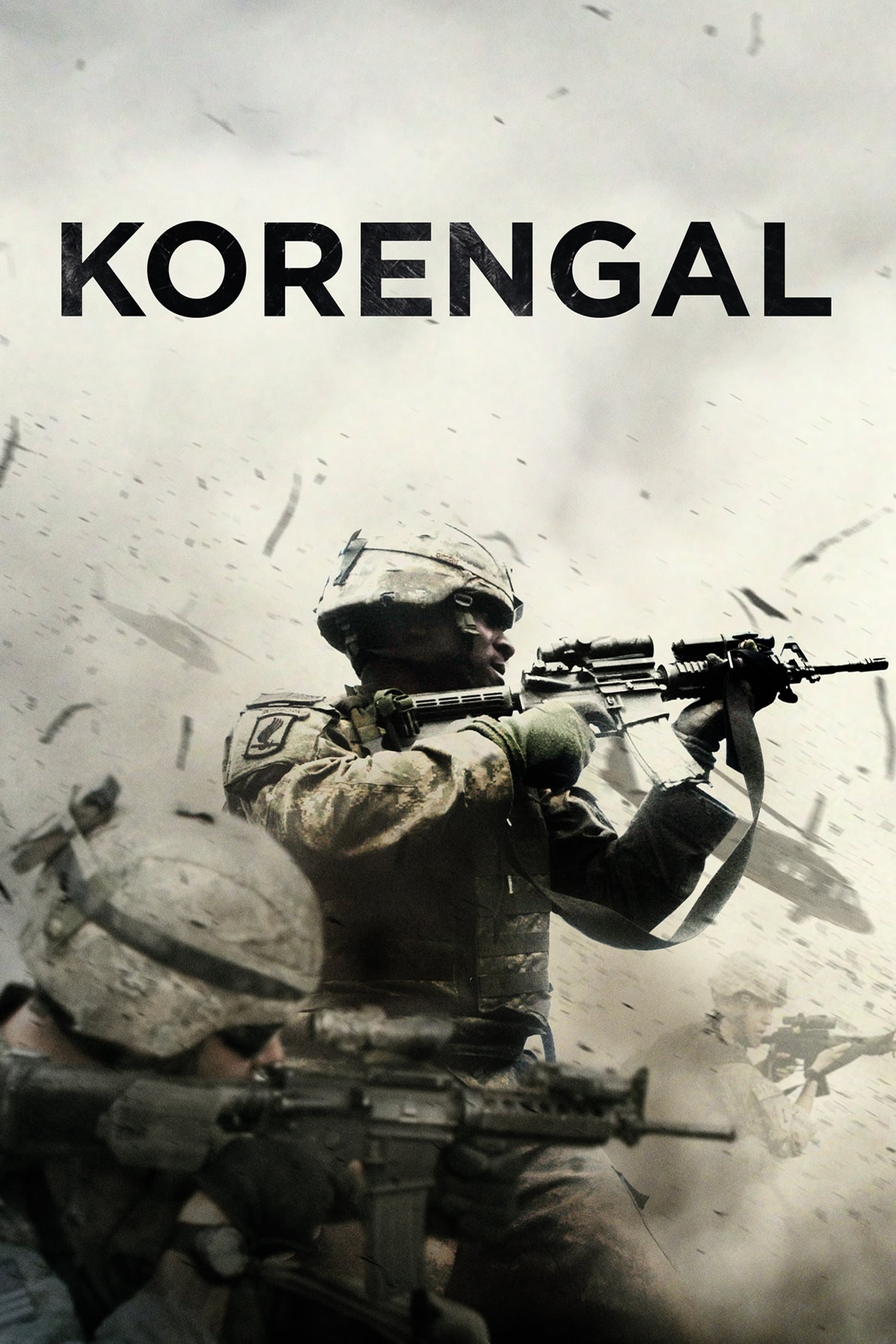
Korengal picks up where Restrepo left off; the same men, the same valley, the same commanders, but a very different look at the experience of war.
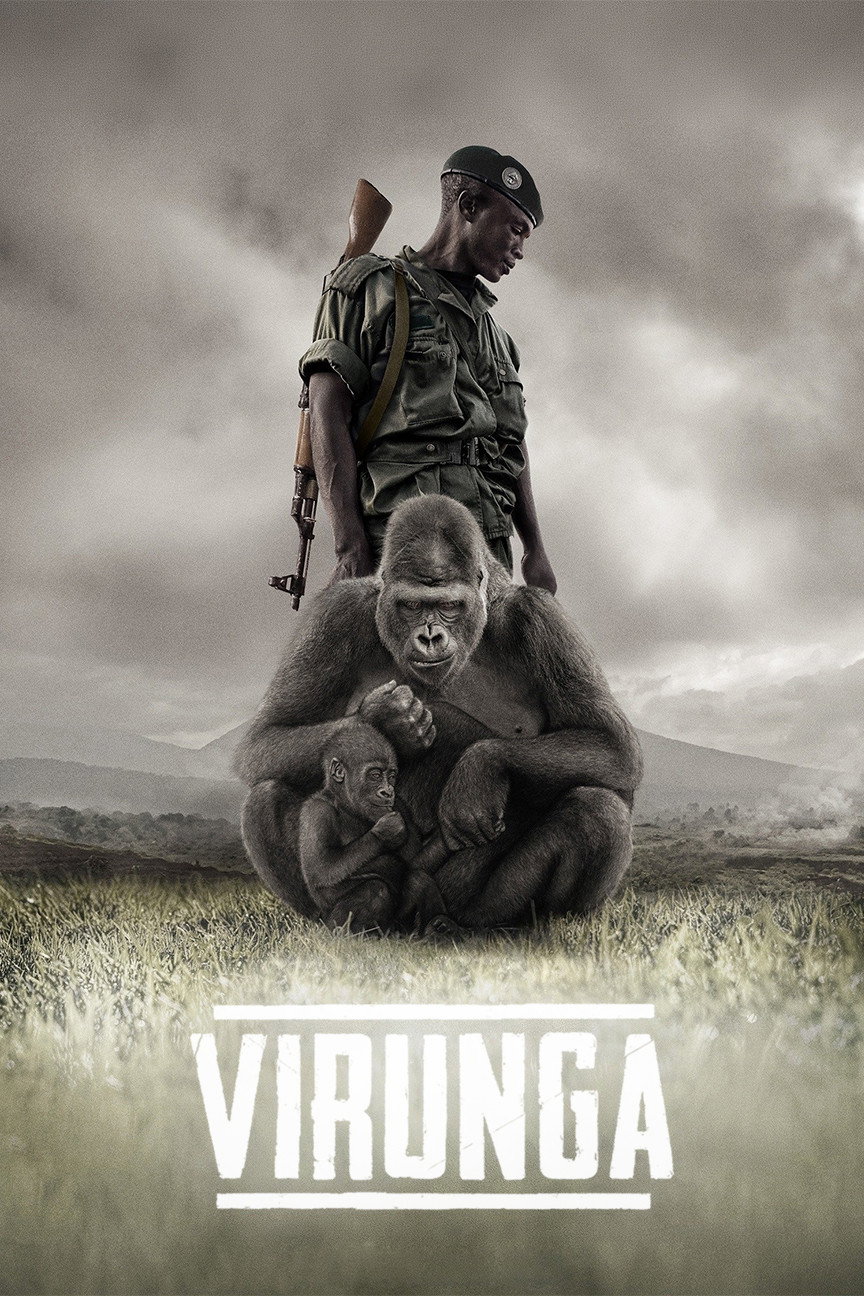
Virunga in the Democratic Republic of the Congo is Africa’s oldest national park, a UNESCO world heritage site, and a contested ground among insurgencies seeking to topple the government that see untold profits in the land. Among this ongoing power struggle, Virunga also happens to be the last natural habitat for the critically endangered mountain gorilla. The only thing standing in the way of the forces closing in around the gorillas: a handful of passionate park rangers and journalists fighting to secure the park’s borders and expose the corruption of its enemies. Filled with shocking footage, and anchored by the surprisingly deep and gentle characters of the gorillas themselves, Virunga is a galvanizing call to action around an ongoing political and environmental crisis in the Congo.
This documentary examines the 1999 London bombings that targeted Black, Bangladeshi and gay communities, and the race to find the far-right perpetrator. He terrorized a city, seeking to ignite a race war but justice was served by those who wouldn't let his hate win.
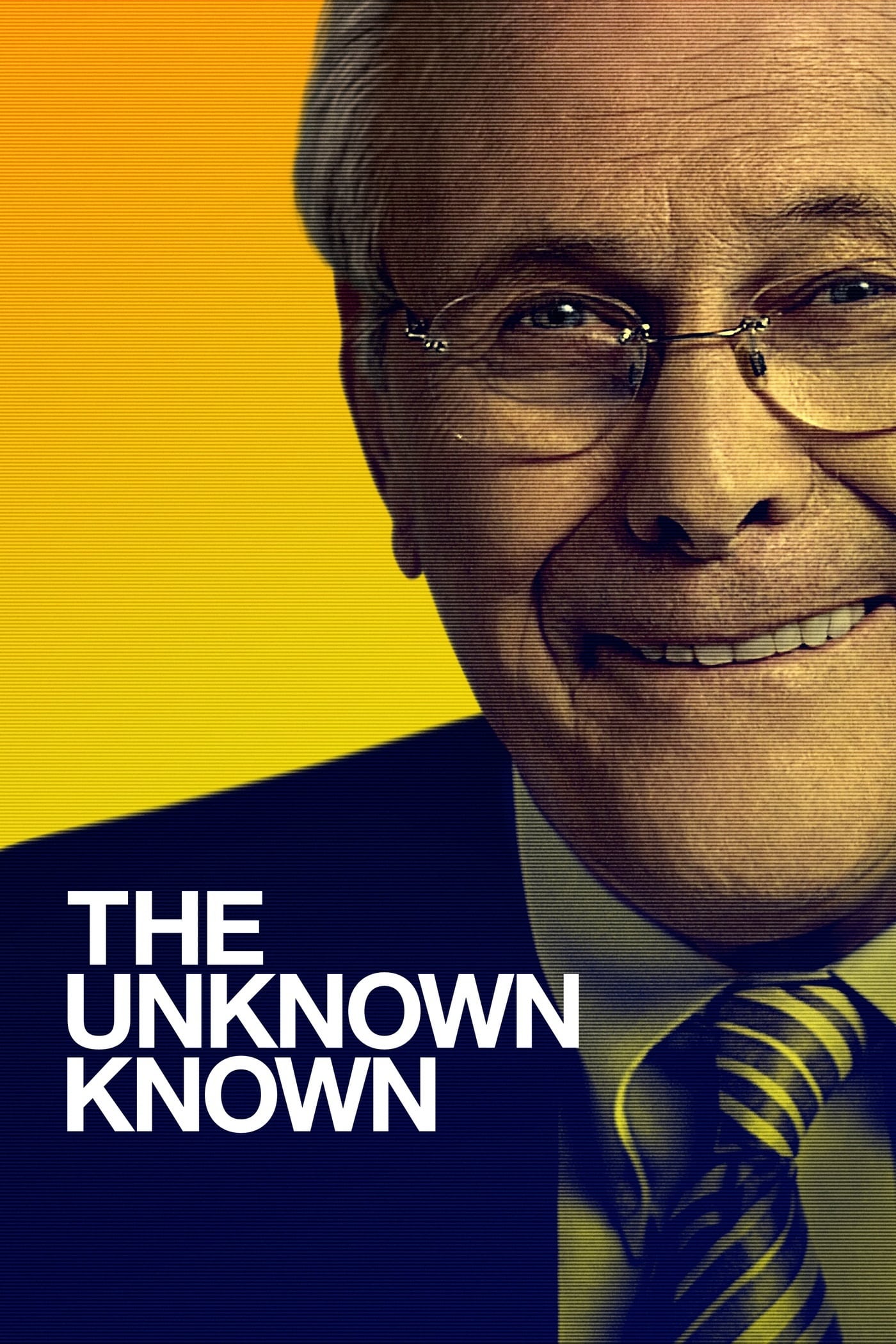
Former United States Secretary of Defense, Donald Rumsfeld, discusses his career in Washington D.C. from his days as a congressman in the early 1960s to planning the invasion of Iraq in 2003.
A love letter from a young mother to her daughter, the film tells the story of Waad al-Kateab’s life through five years of the uprising in Aleppo, Syria as she falls in love, gets married and gives birth to Sama, all while cataclysmic conflict rises around her. Her camera captures incredible stories of loss, laughter and survival as Waad wrestles with an impossible choice– whether or not to flee the city to protect her daughter’s life, when leaving means abandoning the struggle for freedom for which she has already sacrificed so much.
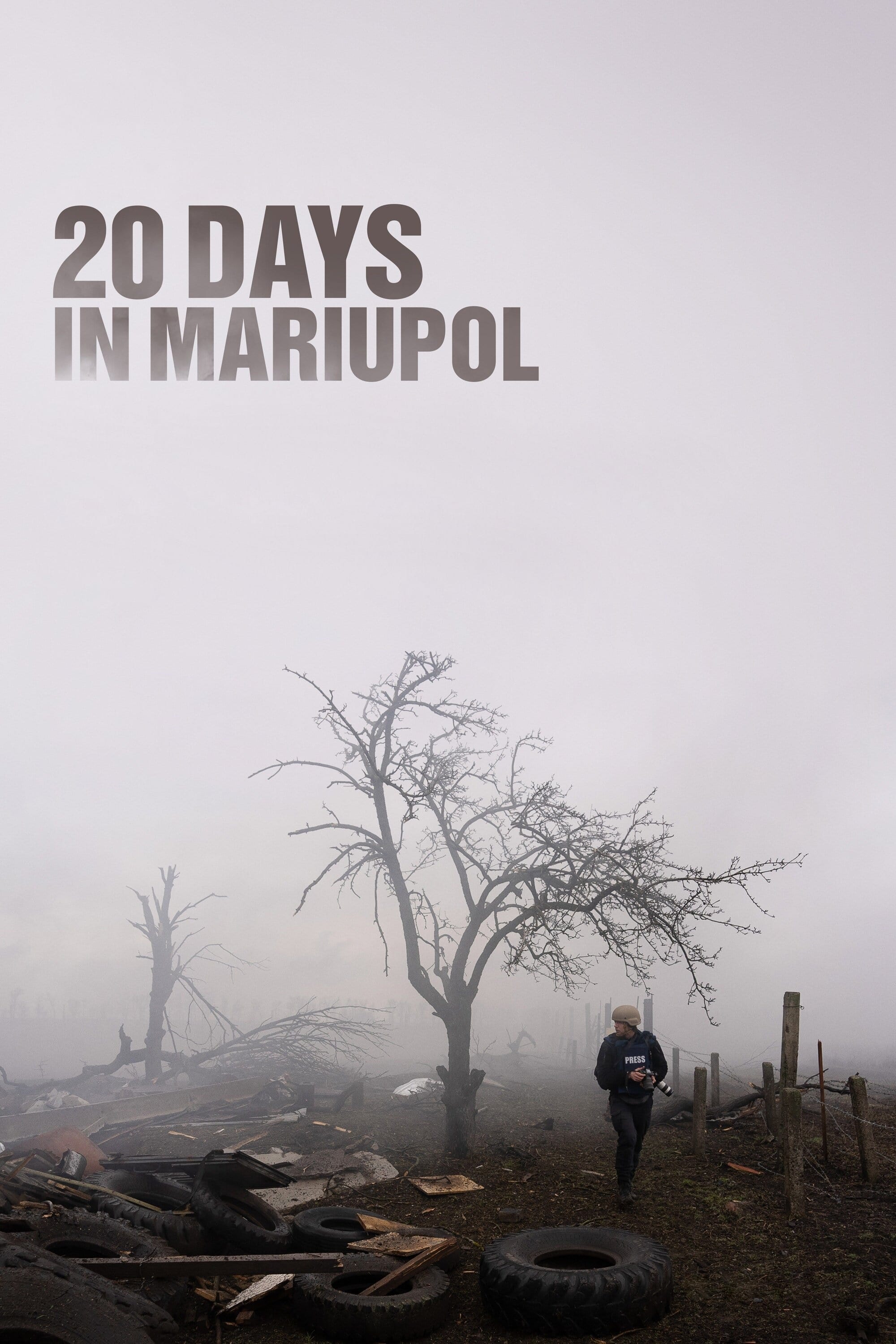
As the Russian invasion begins, a team of Ukrainian journalists trapped in the besieged city of Mariupol struggle to continue their work documenting the war's atrocities.
With unprecedented access, this documentary follows the extraordinary journey of “Raqqa is Being Slaughtered Silently”—a group of anonymous citizen journalists who banded together after their homeland was overtaken by ISIS—as they risk their lives to stand up against one of the greatest evils in the world today.
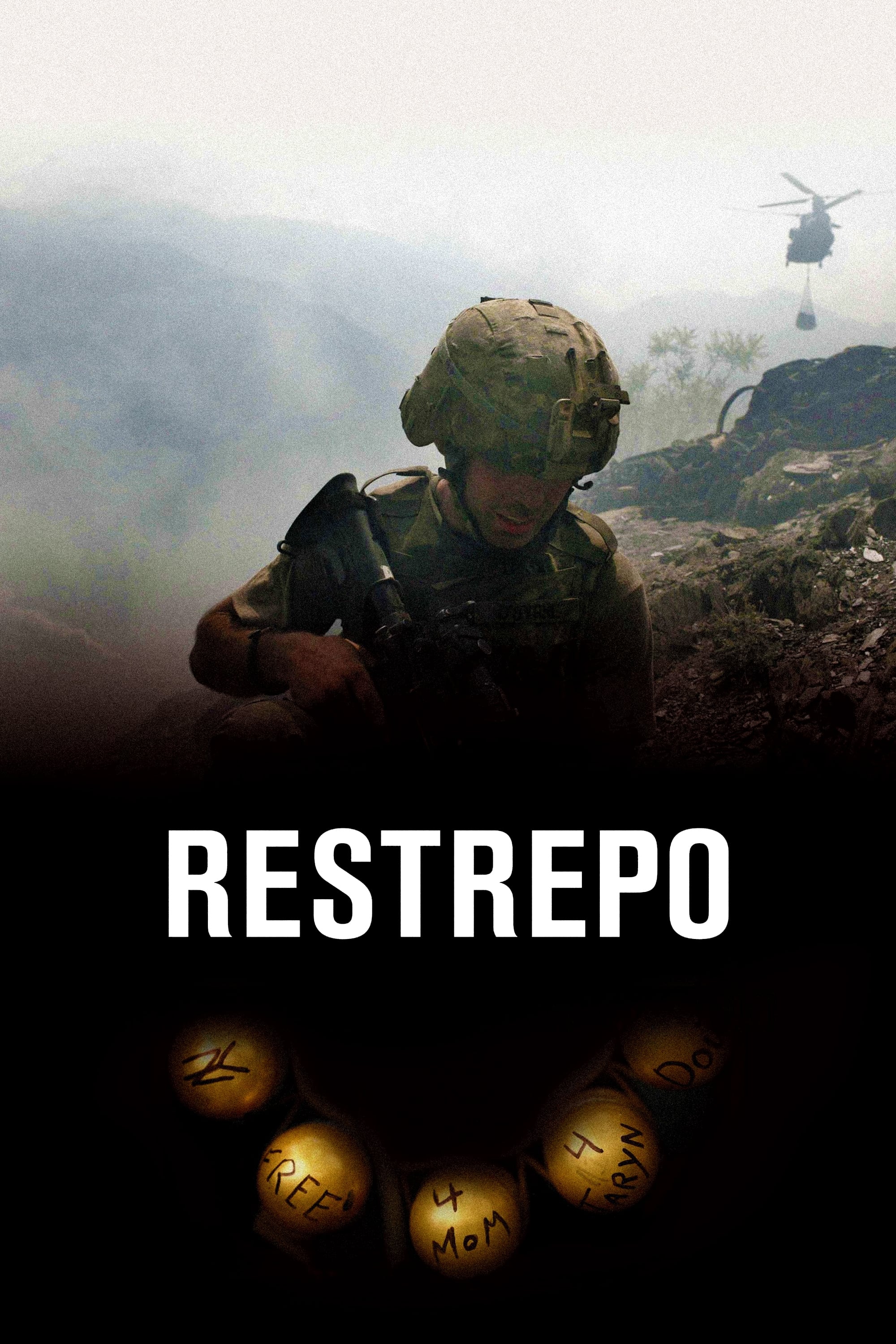
Directors Hetherington and Junger spend a year with the 2nd Battalion of the United States Army located in one of Afghanistan's most dangerous valleys. The documentary provides insight and empathy on how to win the battle through hard work, deadly gunfights and mutual friendships while the unit must push back the Taliban.
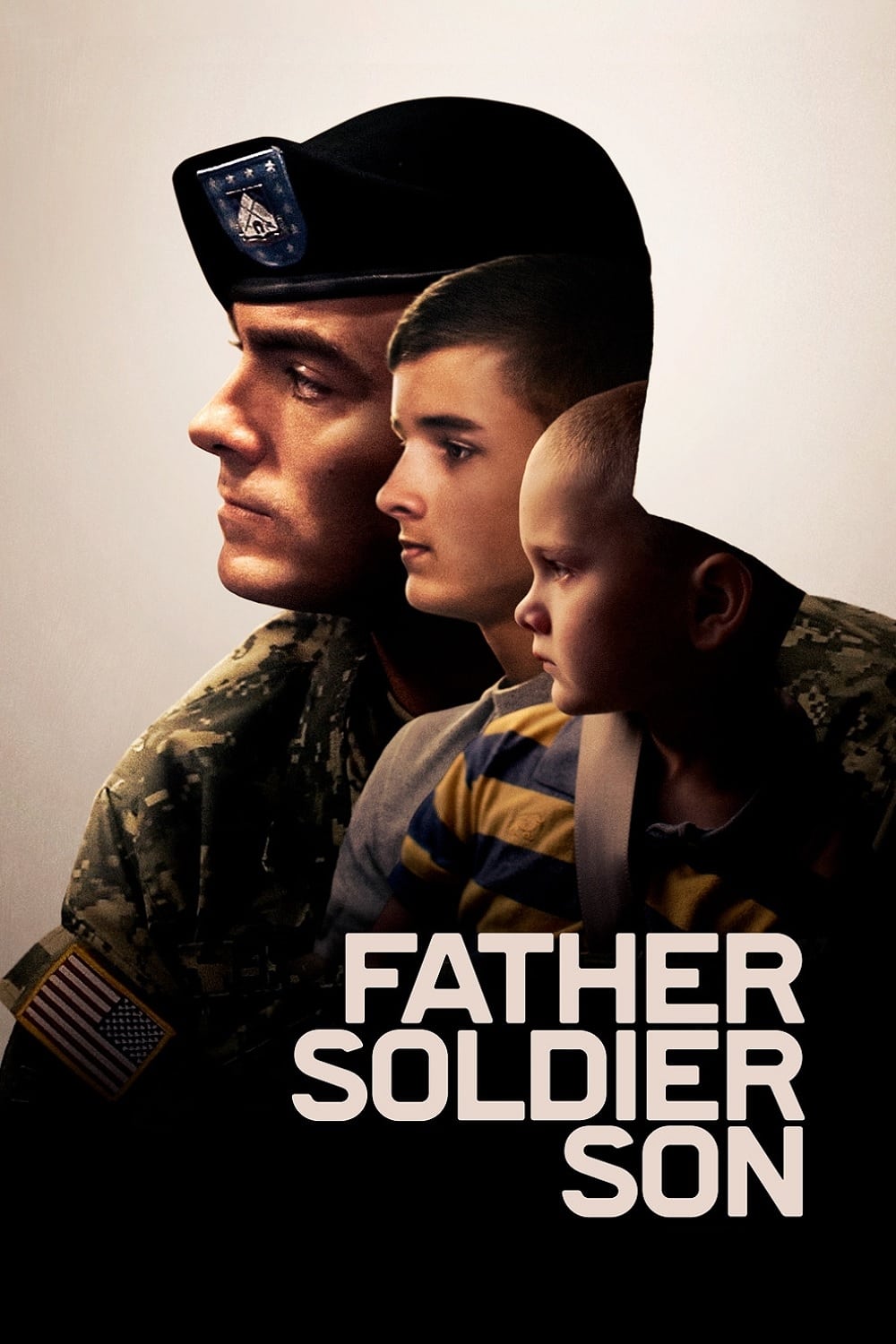
When Sgt. First Class Brian Eisch is critically wounded in Afghanistan, it sets him and his sons on a journey of love, loss, redemption and legacy.
Armed only with their cameras, Peabody and Emmy Award-winning conflict Journalist Mike Boettcher, and his son, Carlos, provide unprecedented access into the longest war in U.S. history: they are embed with U.S. troops during nine days of intense combat in Afghanistan.
From its distinctive neighborhoods to its architectural homes, Los Angeles has been the backdrop to countless movies. In this dazzling work, Andersen takes viewers on a whirlwind tour through the metropolis' real and cinematic history, investigating the myriad stories and legends that have come to define it, and meticulously, judiciously revealing the real city that lives beneath.
Thirty years after the release of his film JFK (1991), filmmaker Oliver Stone reviews recently declassified evidence related to the assassination of President John F. Kennedy, which took place in Dallas on November 22, 1963.
Exuberant, eye-opening movie that serves up a dazzling hundred-year history of the role of gay men and lesbians have had on the silver screen. Film contains fabulous footage from 120 films showing the changing face of cinema sexuality, from cruel stereotypes to covert love to the activist triumphs of the 1990s.
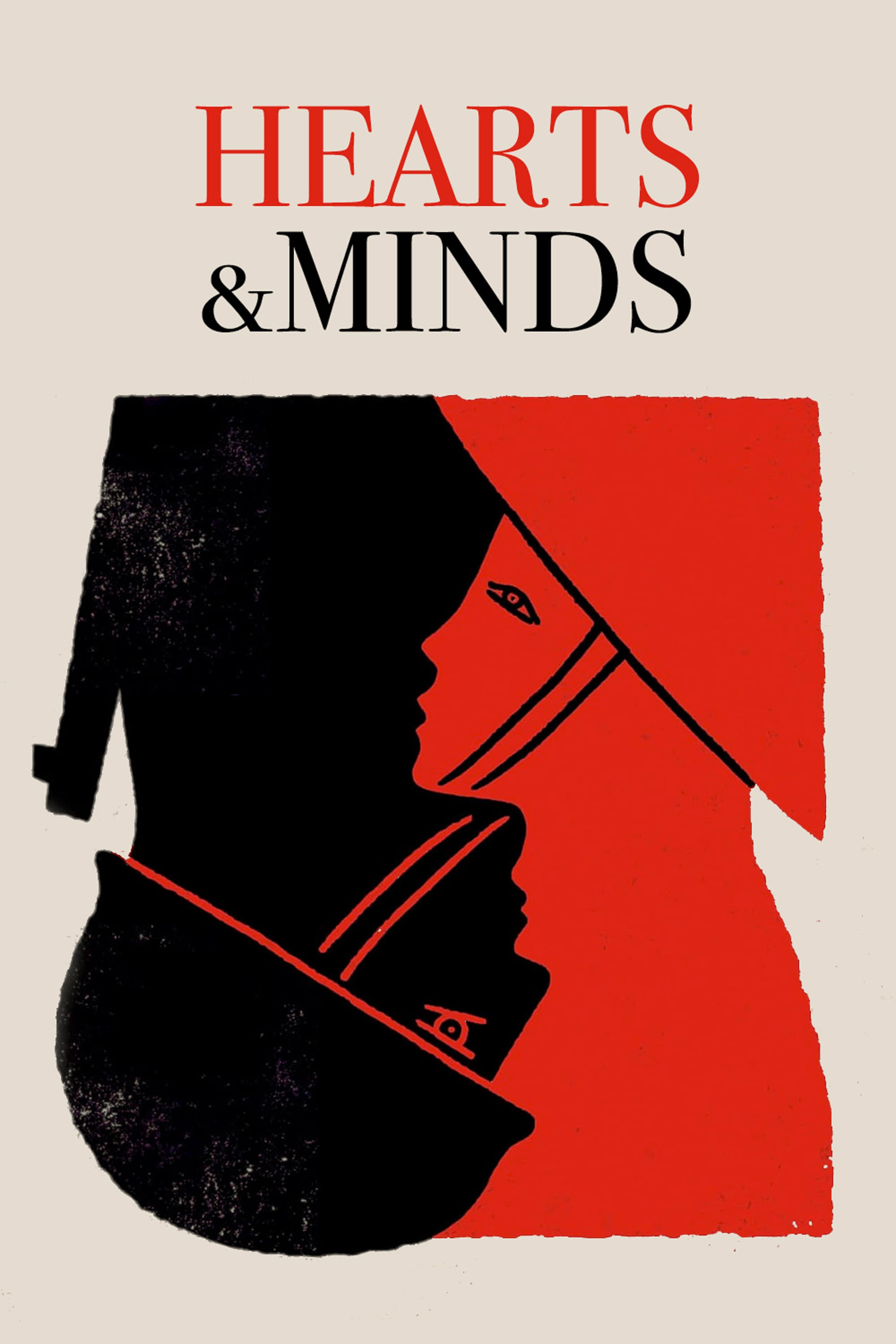
Many times during his presidency, Lyndon B. Johnson said that ultimate victory in the Vietnam War depended upon the U.S. military winning the "hearts and minds" of the Vietnamese people. Filmmaker Peter Davis uses Johnson's phrase in an ironic context in this anti-war documentary, filmed and released while the Vietnam War was still under way, juxtaposing interviews with military figures like U.S. Army Chief of Staff William C. Westmoreland with shocking scenes of violence and brutality.
An unprecedented and intimate look at the life, work and enduring legacy of British actress Audrey Hepburn (1929-1993).
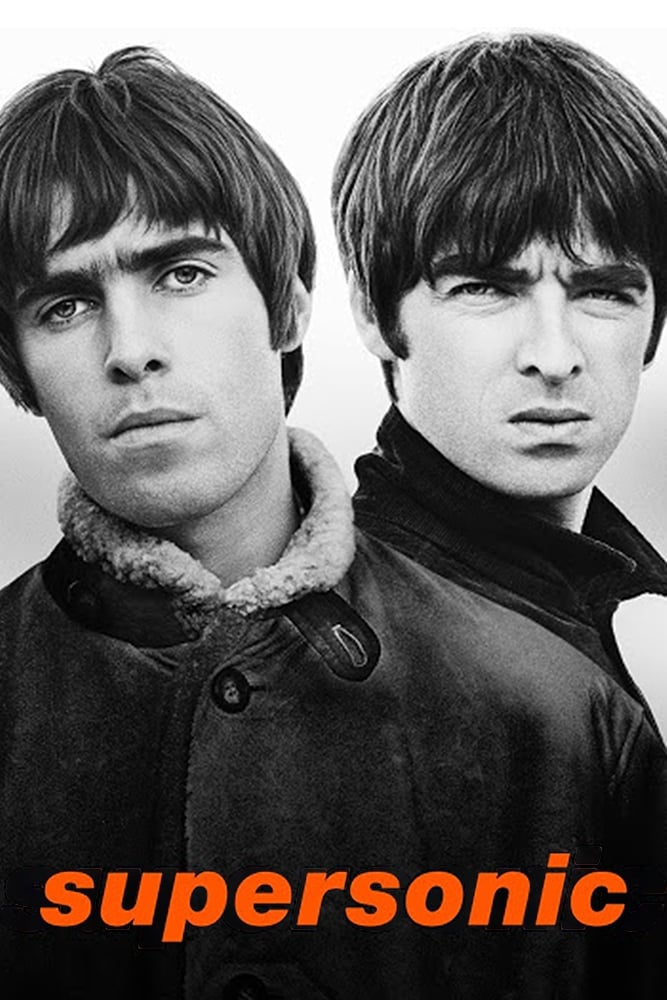
Supersonic charts the meteoric rise of Oasis from the council estates of Manchester to some of the biggest concerts of all time in just three short years. This palpable, raw and moving film shines a light on one of the most genre and generation-defining British bands that has ever existed and features candid new interviews with Noel and Liam Gallagher, their mother, and members of the band and road crew.
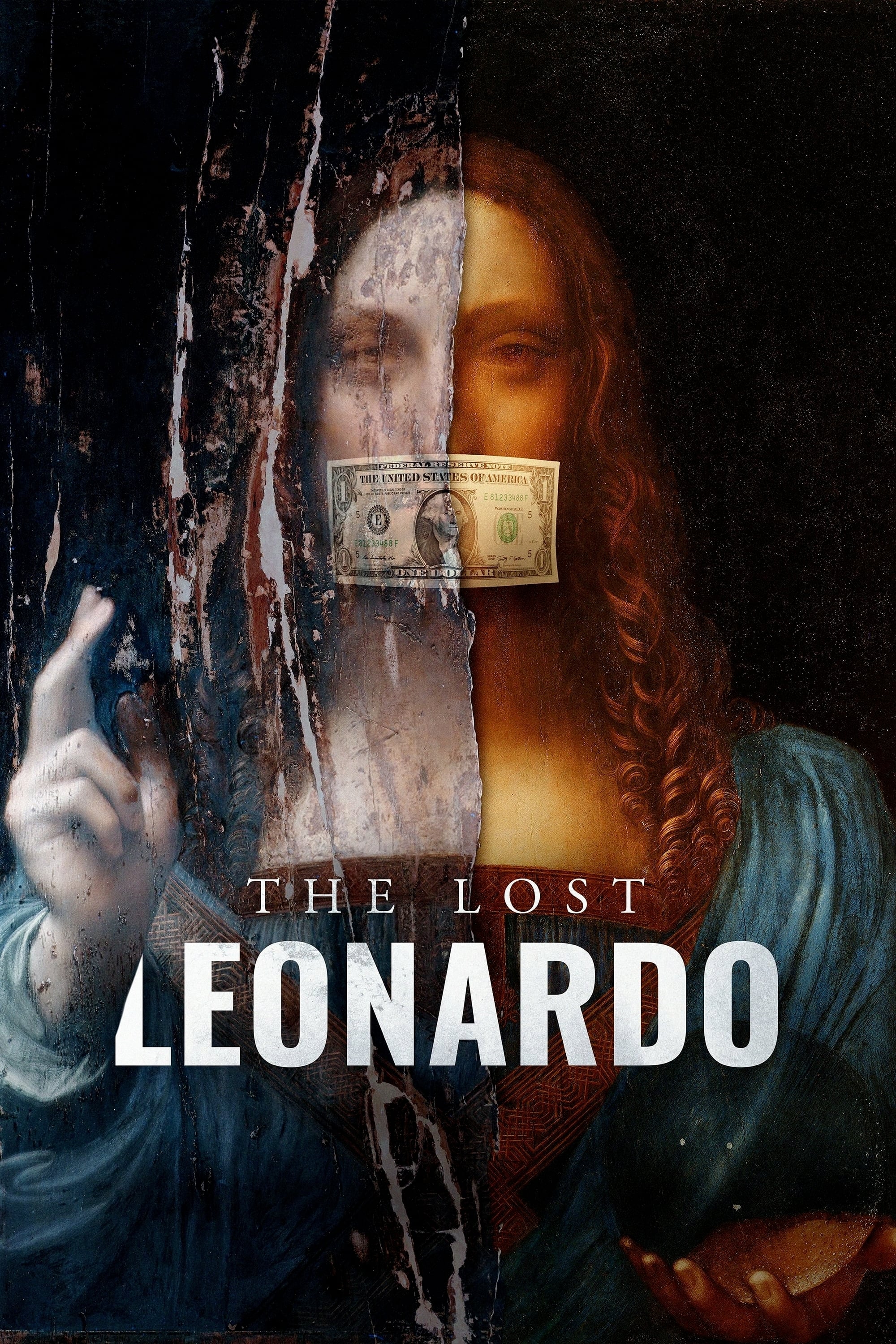
London, England, 2008. Some of the most distinguished experts on the work of Italian artist Leonardo da Vinci (1452-1519) gather at the National Gallery to examine a painting known as Salvator Mundi; an event that turns out to be the first act of one of the most fascinating stories in the history of art.
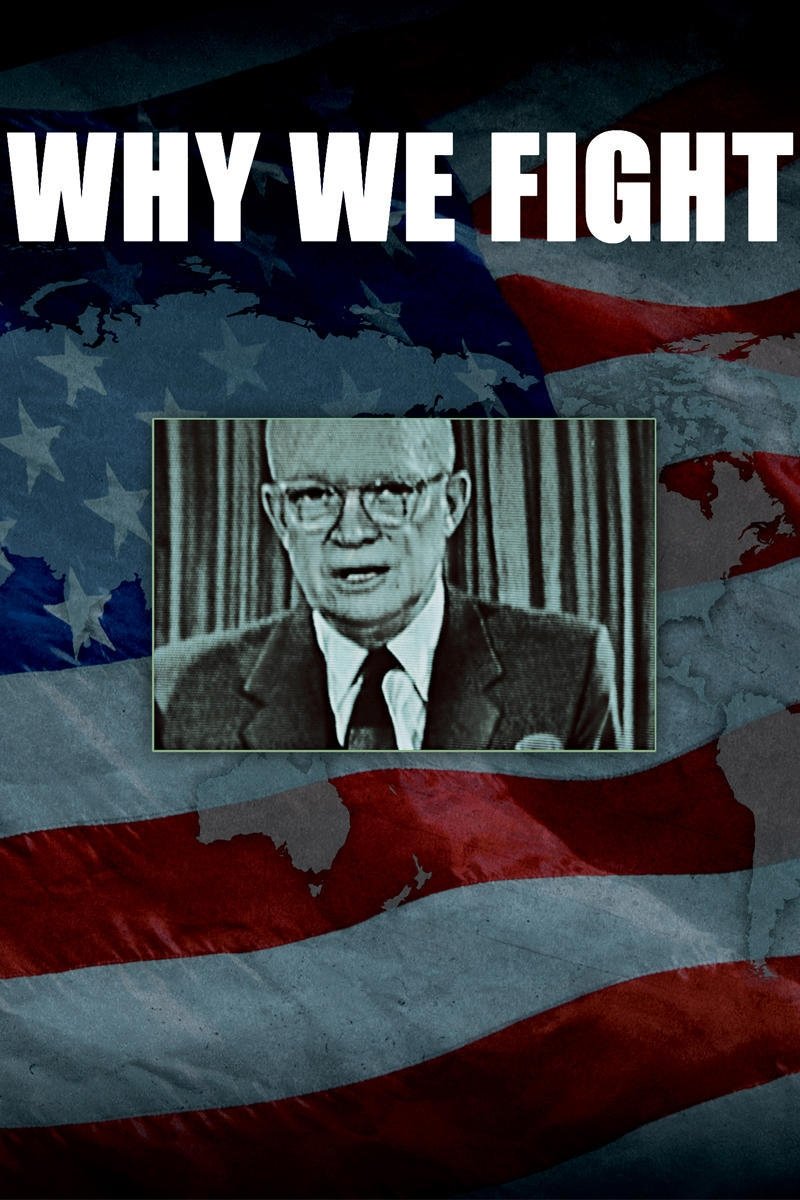
Is American foreign policy dominated by the idea of military supremacy? Has the military become too important in American life? Jarecki's shrewd and intelligent polemic would seem to give an affirmative answer to each of these questions.