Writer Adam Rockoff provides a basic overview of the slasher movie genre.
Social & External
Himself
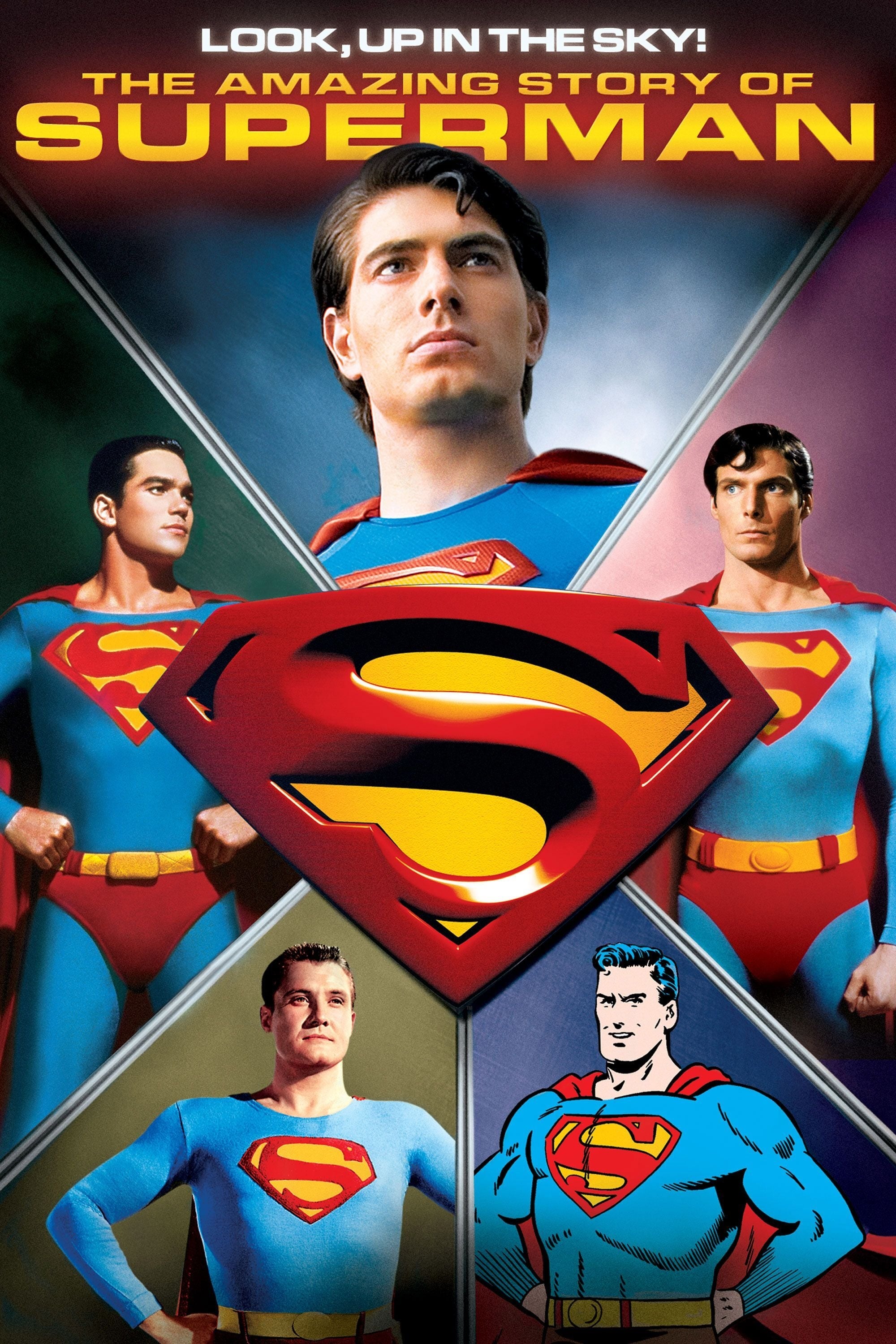
The history of the comic book superhero, Superman, in his various media incarnations.
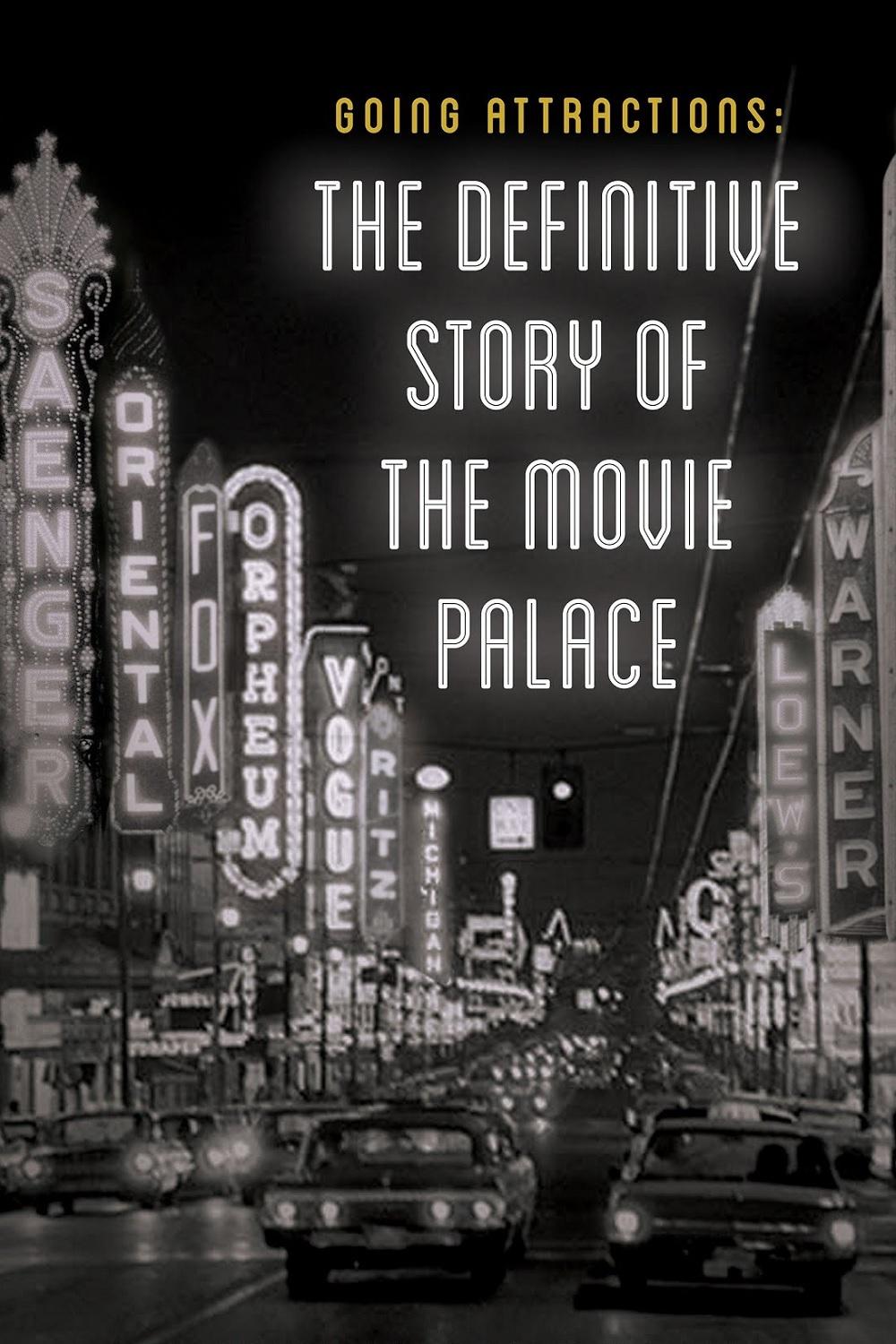
Celebrating the splendor and grandeur of the great cinemas of the United States, built when movies were the acme of entertainment and the stories were larger than life, as were the venues designed to show them. The film also tracks the eventual decline of the palaces, through to today’s current preservation efforts. A tribute to America’s great art form and the great monuments created for audiences to enjoy them in.
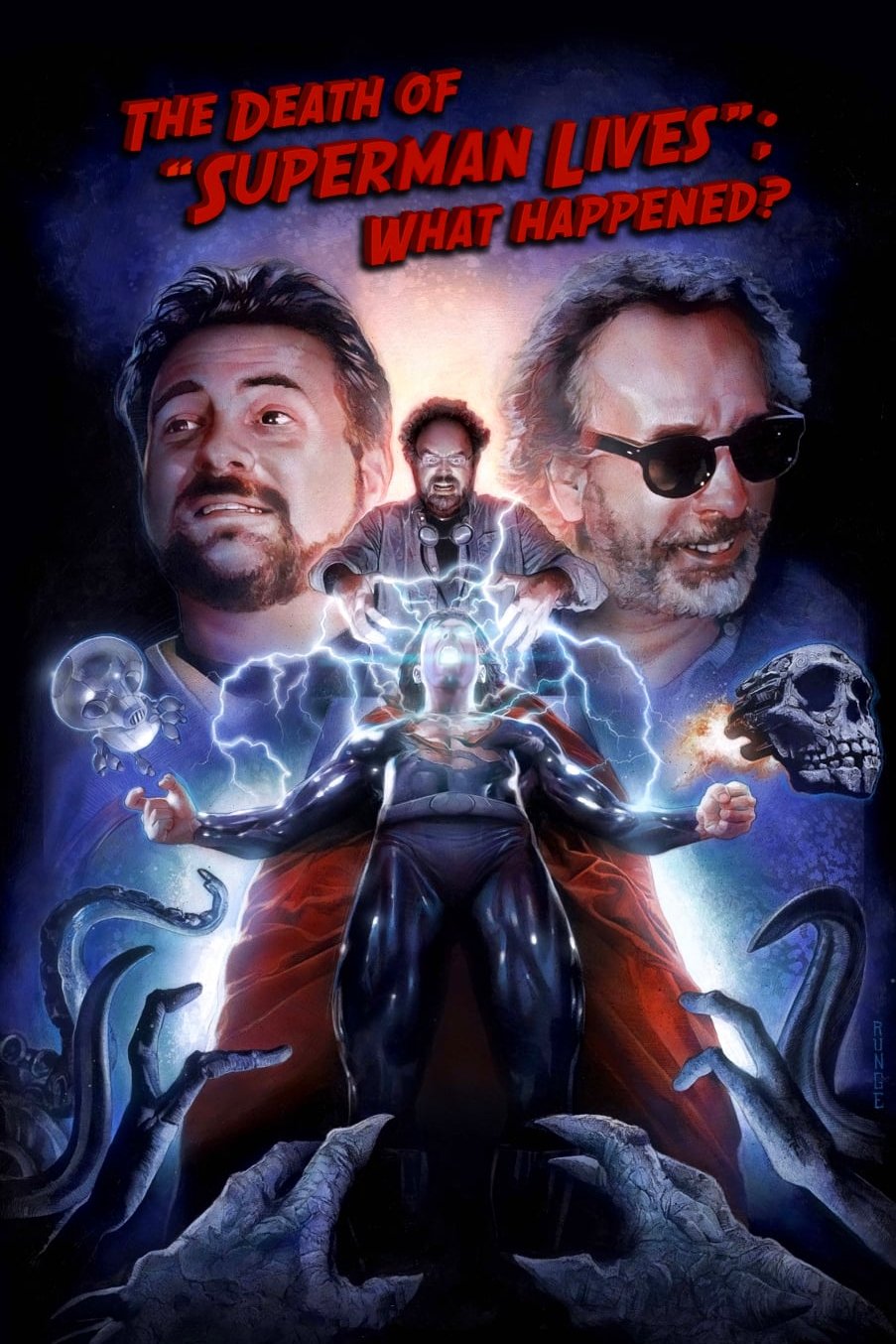
The Death of 'Superman Lives': What Happened? feature film documents the process of development of the ill fated "Superman Lives" movie, that was to be directed by Tim Burton and star Nicolas Cage as the man of steel himself, Superman. The project went through years of development before the plug was pulled, and this documentary interviews the major filmmakers: Kevin Smith, Tim Burton, Jon Peters, Dan Gilroy, Colleen Atwood, Lorenzo di Bonaventura and many many more.
A documentary about Fassbinder and the early years of the legendary Antiteater, the group he was a member/leader of. You can here see and hear some of the actors he was going to use in his movies for the next years. The movie shows rehearsals for his play "The Coffeehouse," which also became a television movie, and you can watch unique footage from the 19th Film Festival in Berlin (1969) where "Love is Colder Than Death" was shown. As told in this documentary, his first feature movie was given a cold shoulder by many of the journalists and visitors at the festival. You can in "End of the Commune" watch Fassbinder and actor Ulli Lommel walk out on stage after the opening of "Love is Colder Than Death,” while a man in the audience is shouting "Out with the director!” In this documentary, Fassbinder also talks a lot about his father, who was a respectable doctor.
Examines the early 1980s Hong Kong filmmaking community. Tony Rayns interviews some of the new generation of filmmakers and figures from the wider film culture.
A feature-length documentary about the film Galaxy Quest and its legacy, celebrating its milestone 20th anniversary.
In the late 1990s, iconic photographer Bruce Weber barely managed to convince legendary actor Robert Mitchum (1917-97) to let himself be filmed simply hanging out with friends, telling anecdotes from his life and recording jazz standards.
In one of those wonderful coincidences of history, lumière, the French word for “light,” was also the last name of brothers Auguste and Louis, whose brilliant invention, the cinematograph, helped to inaugurate the most beloved art form of the last 130 years. Institute Lumière director Thierry Frémaux uses Lumière, Le Cinema! to guide the viewer through over a hundred shorts—some famous, some forgotten, some never before seen—directed by Lumière and company. In the process, Frémaux illuminates how the brothers employed the camera as a creative instrument as they (and their operators) mastered framing, staging, and subject selection for quotidian and exotic microdocumentaries as well as the first ever fictional motion pictures. The result is not only a glorious re(telling) of the genesis of cinema but a profound meditation on the beautiful world captured—and the mysterious world imagined—by the Lumières.
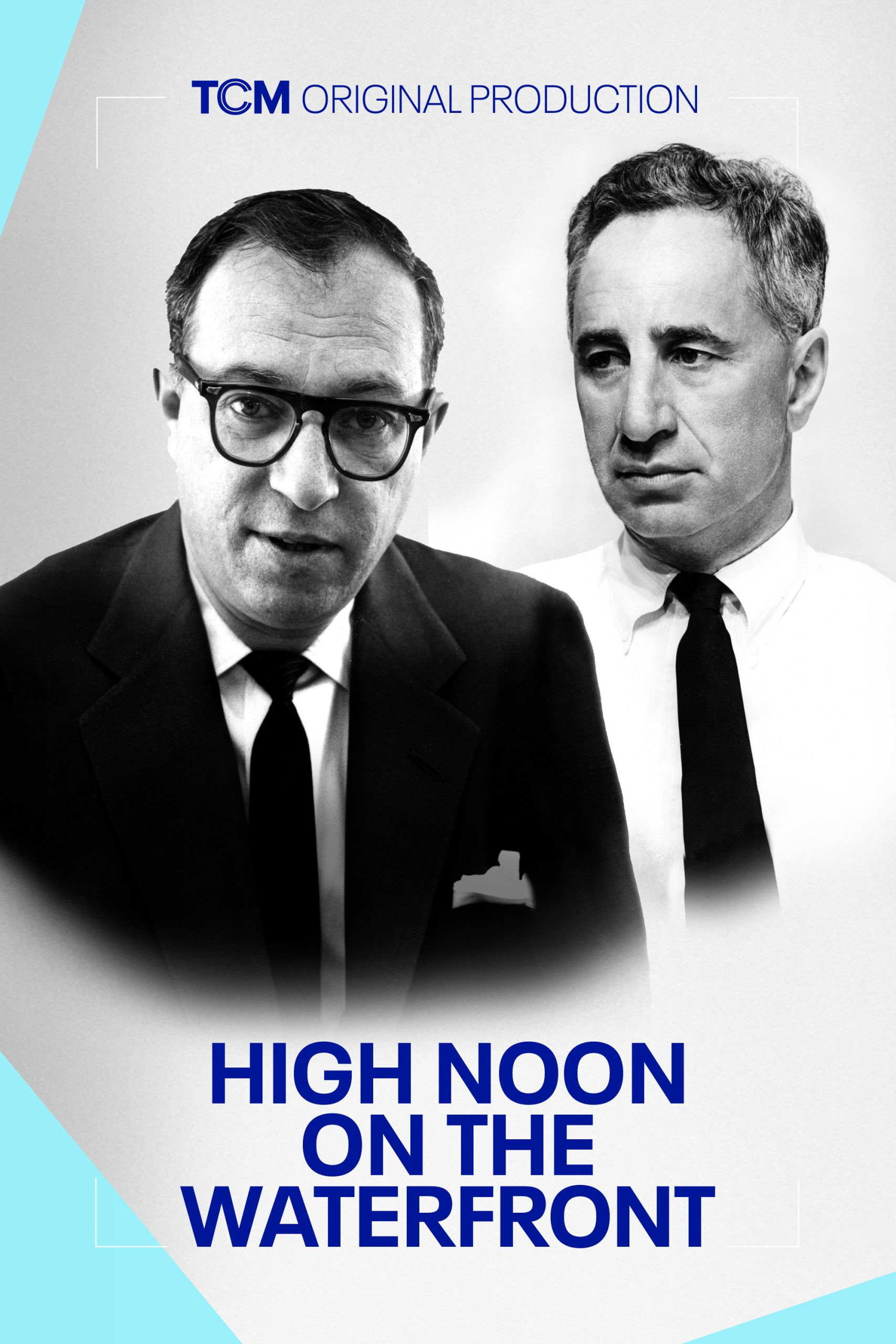
An inventive remembrance of the impact of the Hollywood blacklist on two American classics, rendered as a visually mesmerizing dialogue between Carl Foreman and Elia Kazan.
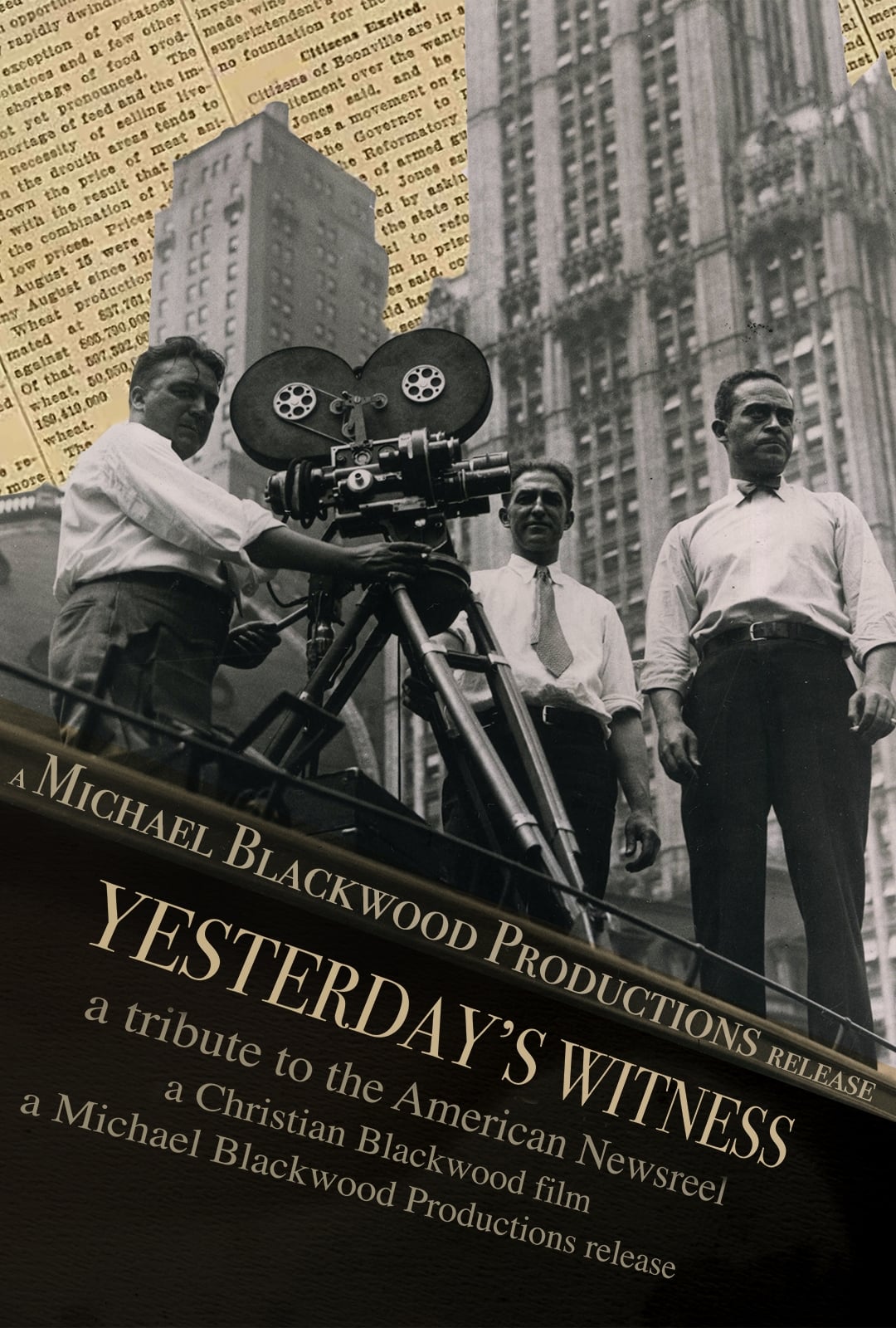
For the first 50 years of film history, the newsreel was a fixture in American movie theaters. From 1911 to 1967, these shorts proved an influential source of information – and misinformation – for generations of American moviegoers. Television news and public affairs programs became a great improvement over the scanty information offered by the newsreels. This documentary offers insight into a medium which has disappeared.
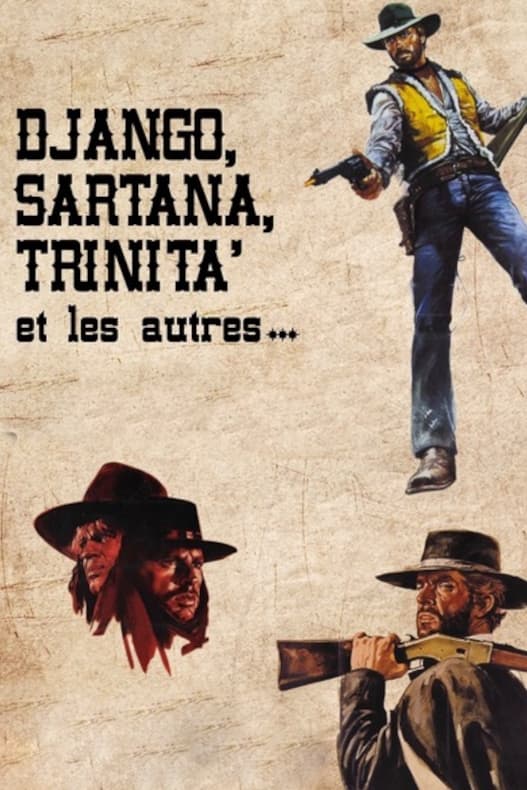
French documentary on the Spaghetti Western genre, with numerous interviews.
"Actor" is China's first documentary film to explore the virtues and skills of actors. The film takes the "Twenty-Two Big Movie Stars of New China" as the starting point. It will explore the film experience and artistic achievements of the older generation of artists, explore their insights and thinking about the profession of actors for more than half a century, and pay tribute to the century-old Chinese film with the classic film images they created.
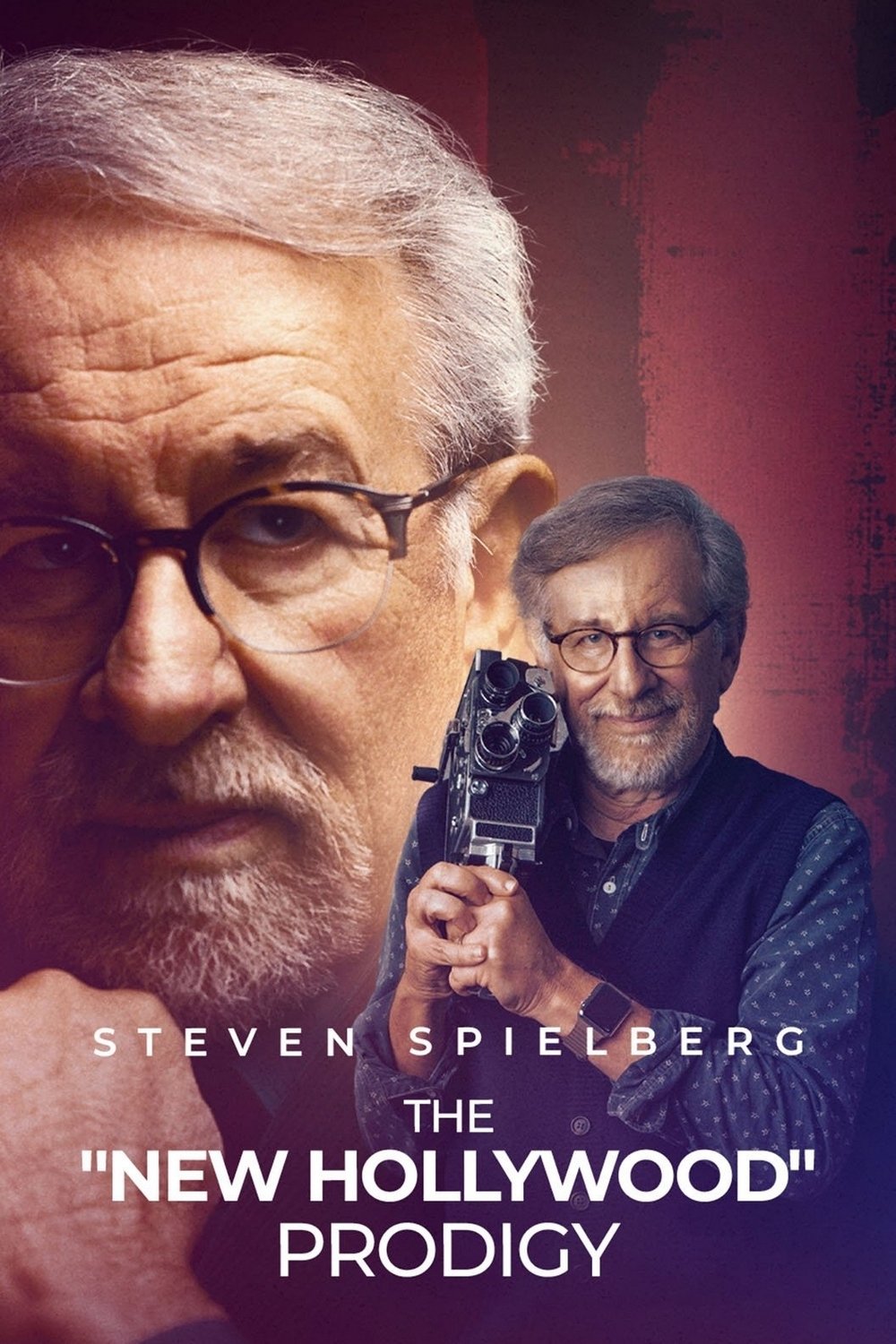
A new light on American filmmaker Steven Spielberg, Hollywood’s greatest director, offering a unique perspective on his work and digging into his personal influences.
She worked with the world’s greatest actors and directors: Buñuel, Mastroianni, Lellouche, Depardieu... The film guides us throughout her career with the filmmakers with whom she invented herself not to be a “cold blonde actress”, thanks to great interviews of many artists who crossed her path.
He is the most sought-after man in Europe in the 1960s. Lex Barker embodies the flawless hero in his films and, as Old Shatterhand, becomes a role model for generations of fans. Revered in Europe, misunderstood and almost forgotten in his native America. But who was this American who rode through Yugoslavia in a leather costume for the European audience? In 1973, Lex Barker died of a heart attack on the streets of Manhattan in New York. But no one recognizes the man who was Tarzan in Hollywood. Nobody knows him or cares about that he, as Winnetou's friend, is revered as an icon in Europe. Lex Barker's European western adventures are just a footnote in American film history. On the occasion of the 50th anniversary of his death, the documentary tells the story of one of the most beautiful men who ever flickered across Europe's cinema screens, for whom European cinema proved to be a stroke of luck and for whom a failed Hollywood career took him via Italy to Germany.
As Australian cinema broke through to international audiences in the 1970s through respected art house films like Peter Weir's "Picnic At Hanging Rock," a new underground of low-budget exploitation filmmakers were turning out considerably less highbrow fare. Documentary filmmaker Mark Hartley explores this unbridled era of sex and violence, complete with clips from some of the scene's most outrageous flicks and interviews with the renegade filmmakers themselves.
Fifty years after its release, the special effects makeup team behind Planet of the Apes reflect on making the iconic film.
This historical and critical look at slasher films, which includes dozens of clips, begins with Halloween, Friday the 13th, and Prom Night. The films' directors, writers, producers, and special effects creators comment on the films' making and success. During the Reagan years, the films get gorier, budgets get smaller, and their appeal wanes. Then, Nightmare on Elm Street revives the genre. Jump to the late 90s, when Scream brings humor and TV stars into the mix.
Follow the evolution of the 'Halloween' movies over the past twenty-five years. It examines why the films are so popular and revisits many of the original locations used in the films - seeing the effects on the local community. For the first time, cast, crew, critics and fans join together in the ultimate 'Halloween' retrospective.
The most comprehensive retrospective of the '80s action film genre ever made.
In the early-morning hours of July 23, 2007, in Cheshire, Conn., ex-convicts Steven Hayes and Joshua Komisarjevsky broke into the family home of William Petit, his wife, Jennifer, and their daughters, Michaela, 11, and Hayley, 17. Dr. Petit was beaten and tied to a pole in the basement. The three women were bound in their bedrooms while the men ransacked the house. The brutal ordeal continued throughout the morning, ending with rape, arson and a horrific triple homicide.
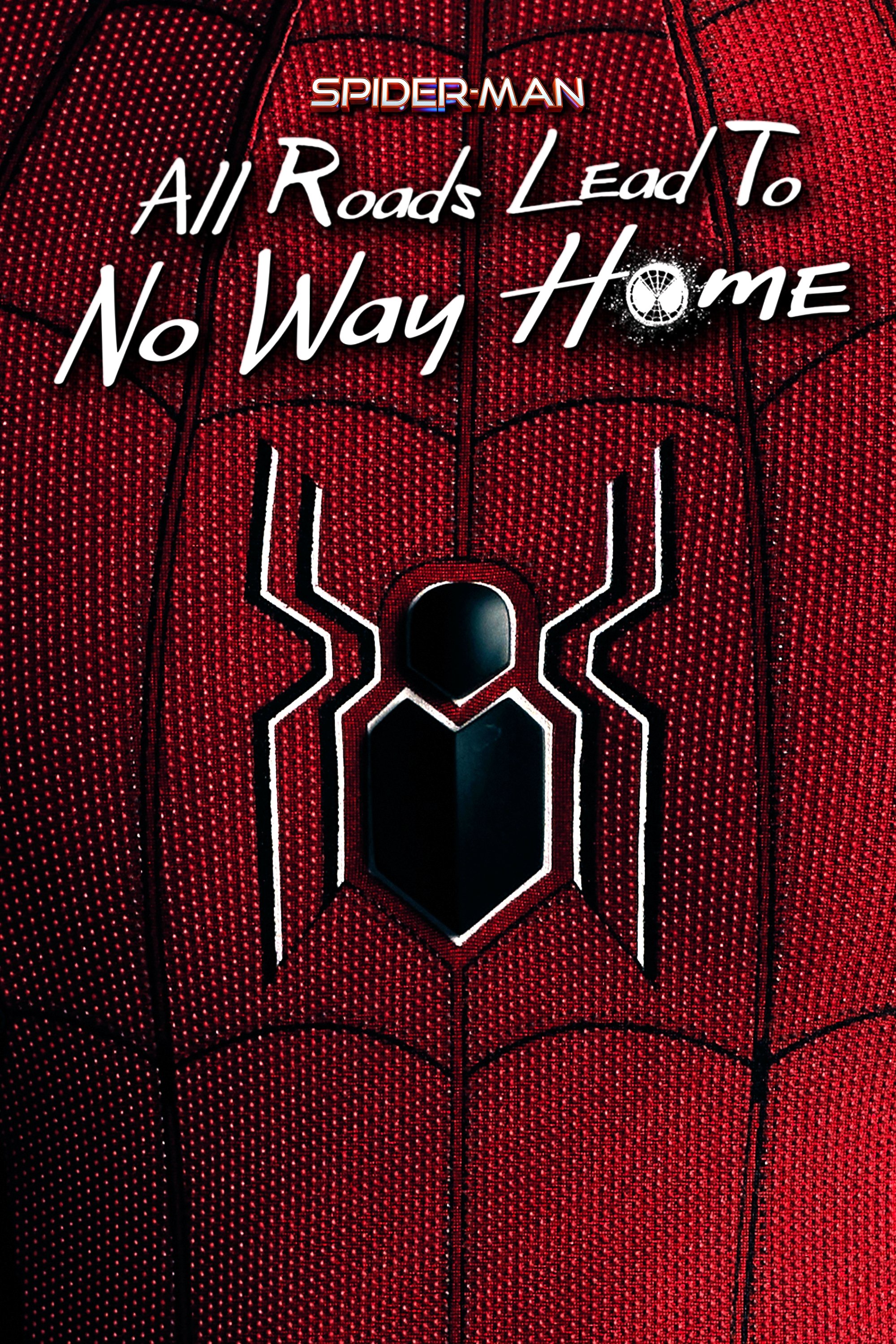
JB Smoove and Martin Starr host a celebration of 20 years of "Spider-Man" movies, from the Sam Raimi trilogy to Marc Webb's movies and the trio from Jon Watts.
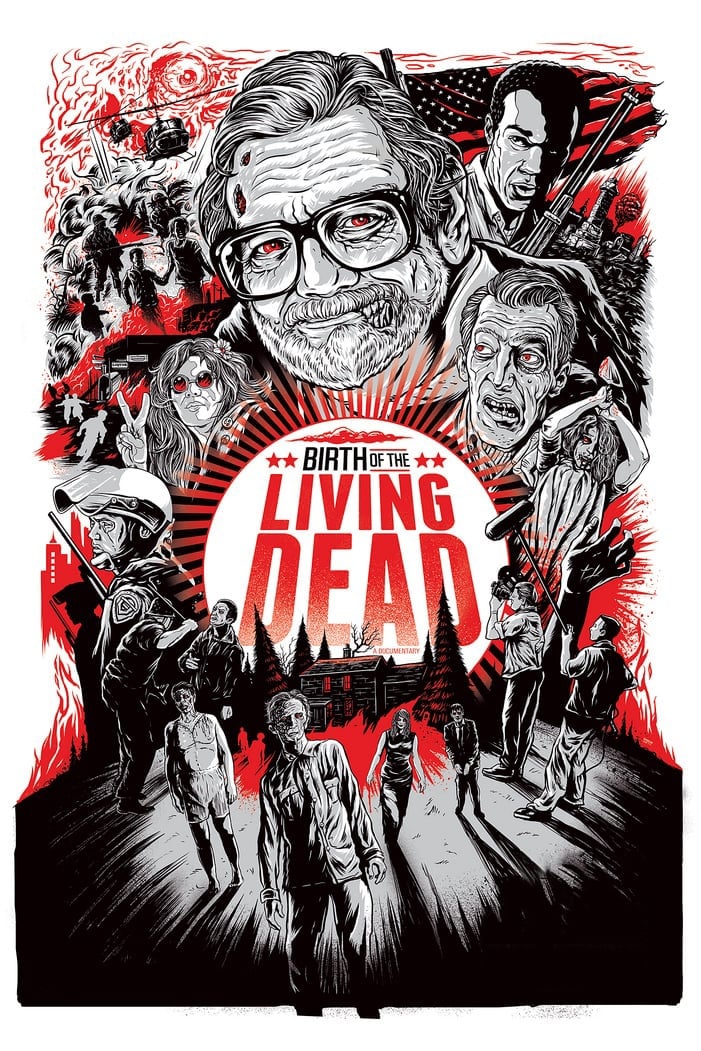
A behind the scenes look into George Romero's groundbreaking horror classic Night of the Living Dead.
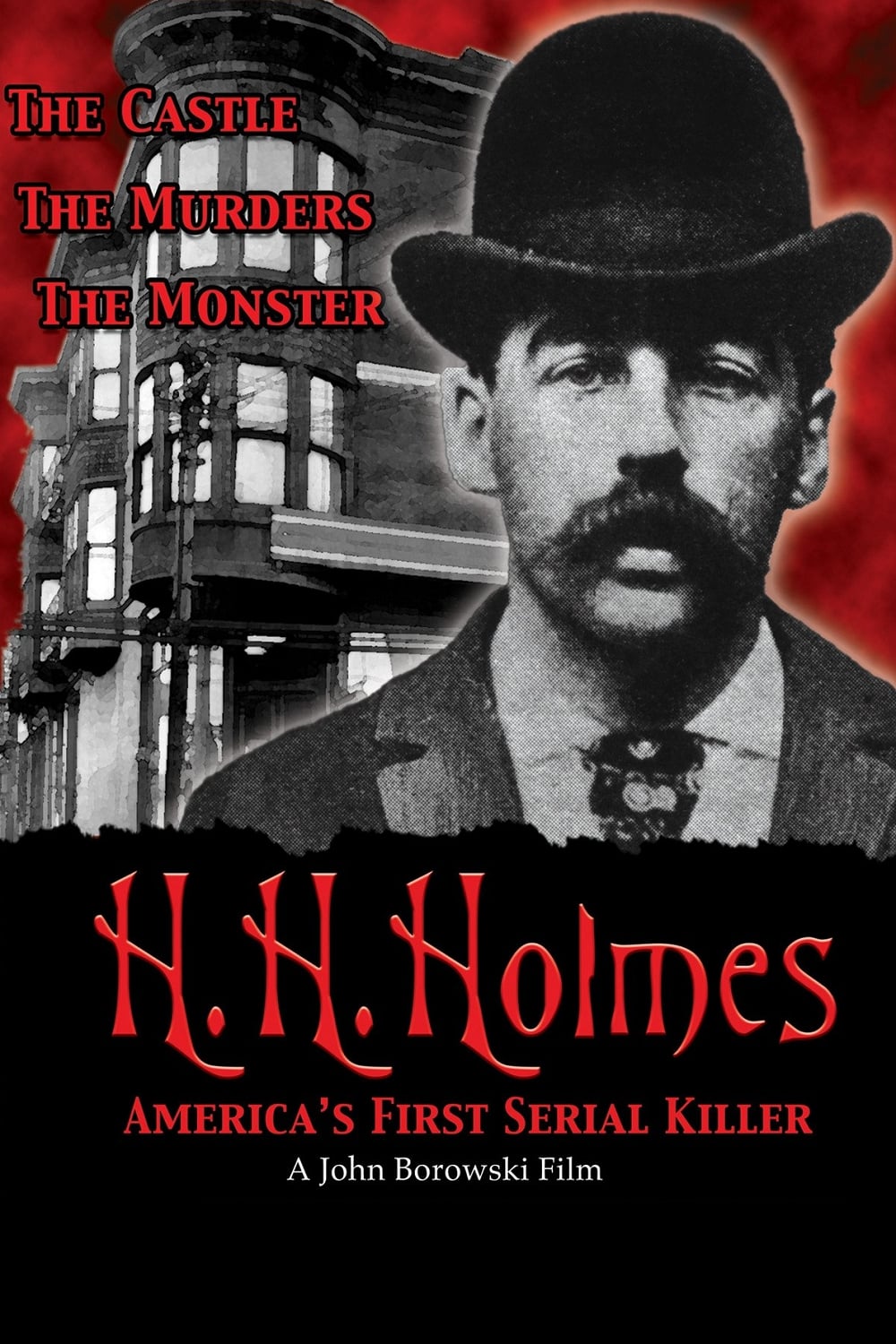
Torture chambers, acid vats, greased chutes and gassing rooms were just some of the devices of death designed by the Torture Doctor, H.H. Holmes in his castle of horrors. Follows Holmes' entire life as a criminal mastermind.
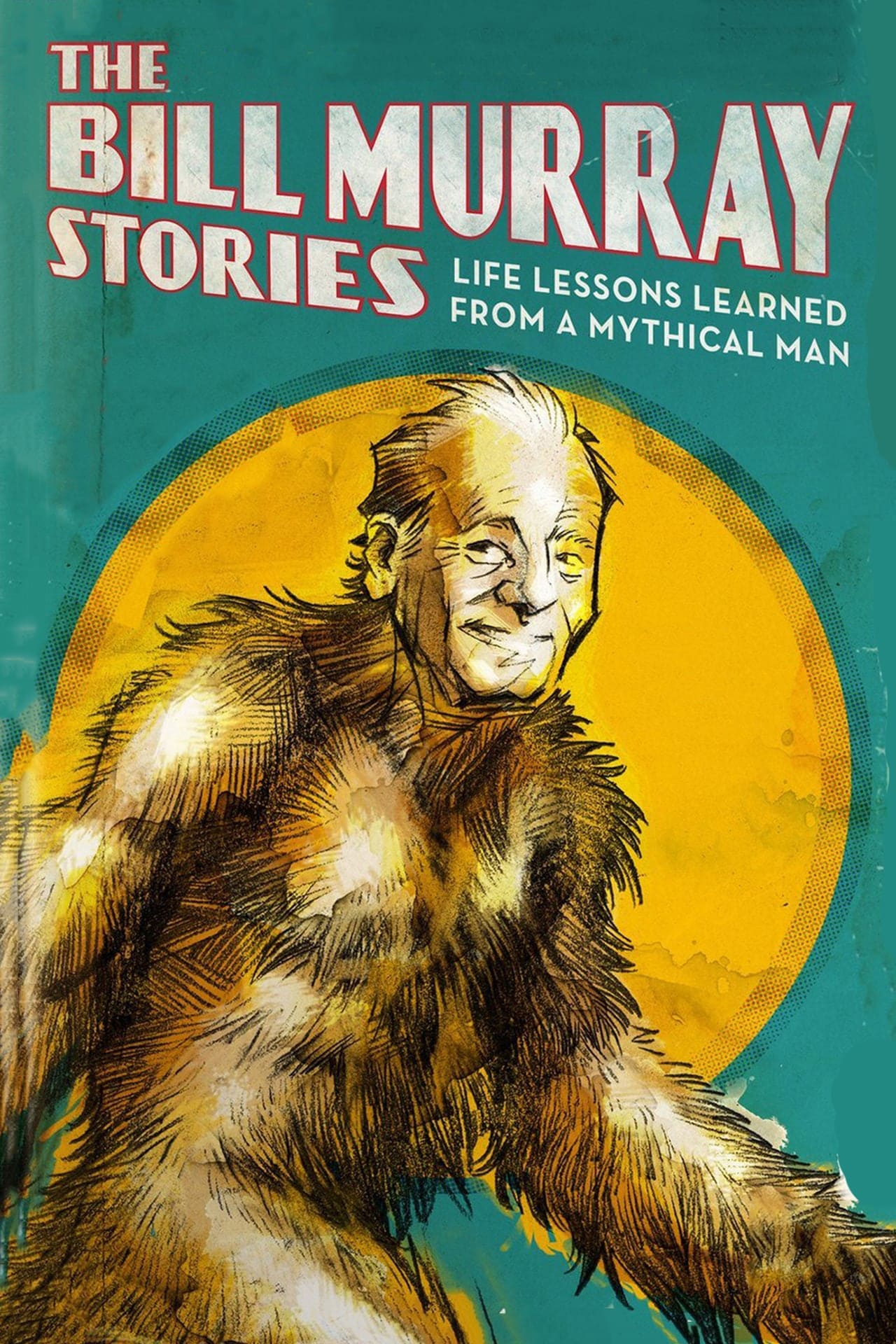
One man’s journey to find meaning in Bill Murray’s many unexpected adventures with everyday people, rare and never-before seen footage of the comedic icon participating in stories previously presumed to be urban legend.
A documentary detailing the epic Rogues' Gallery of DC Comics from The Joker and Lex Luthor, Sinestro, Darkseid and more, this documentary will explore the Super Villains of DC Comics.
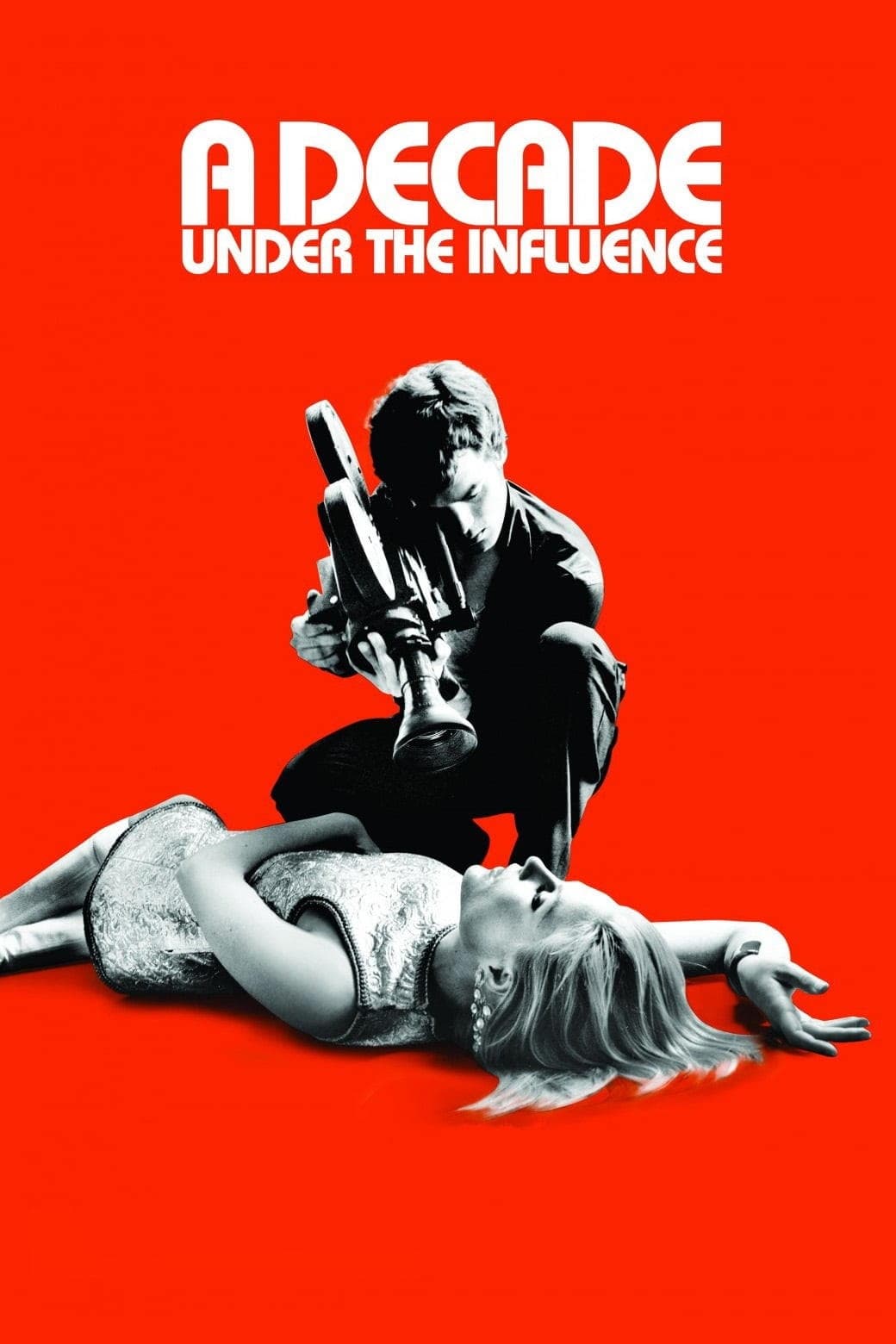
A documentary examining the decade of the 1970s as a turning point in American cinema. Some of today's best filmmakers interview the influential directors of that time.
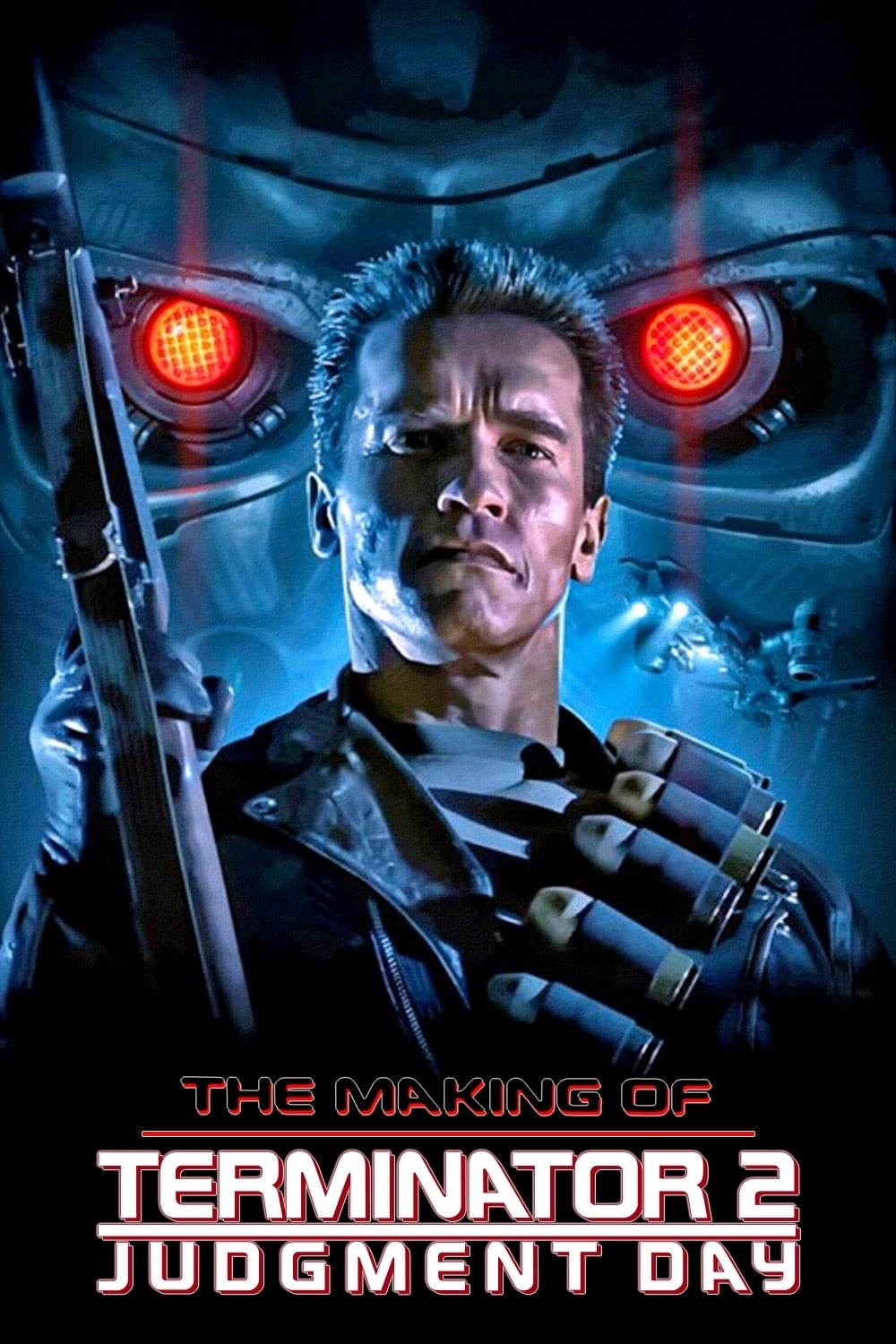
Documentary of the making of the sequel to the popular Schwarzenegger film, The Terminator.
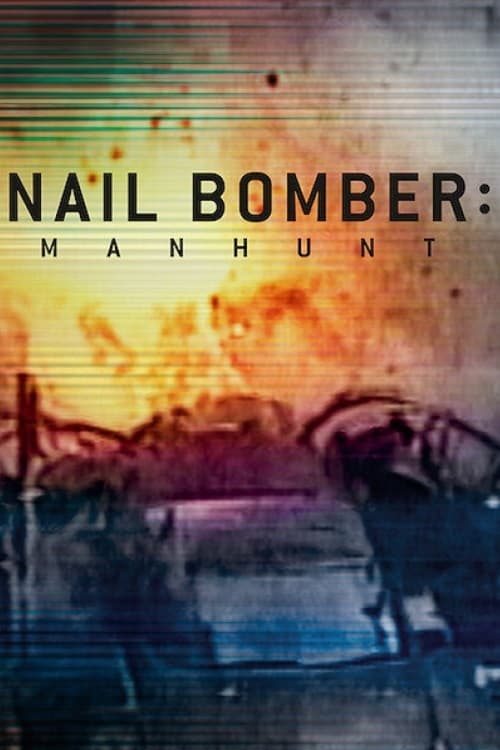
This documentary examines the 1999 London bombings that targeted Black, Bangladeshi and gay communities, and the race to find the far-right perpetrator. He terrorized a city, seeking to ignite a race war but justice was served by those who wouldn't let his hate win.
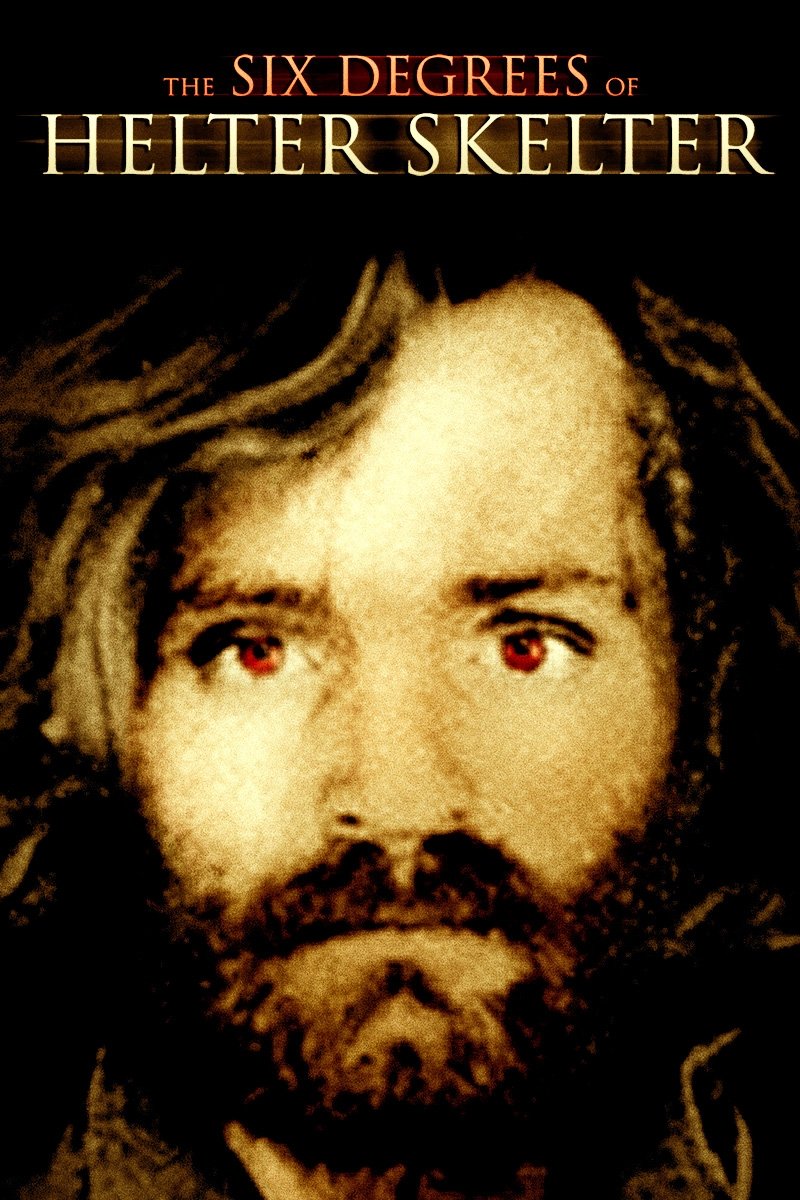
Entertainingly led by famous Hollywood historian Scott Michaels, this epic documentary employs never-before-seen autopsy reports, dozens of rare photographs, original Manson Family music recordings, and modern-day visits to the locations where the action went down, in the most complete retelling of the Manson Murders ever put on film.
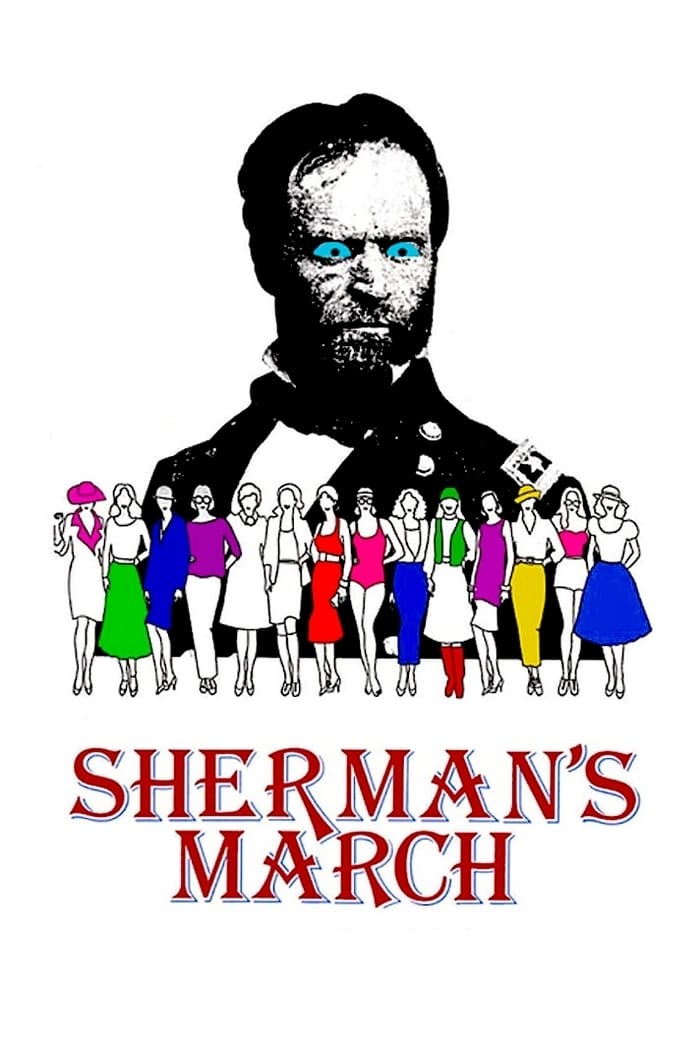
Ross McElwee sets out to make a documentary about the lingering effects of General Sherman's march of destruction through the South during the Civil War, but is continually sidetracked by women who come and go in his life, his recurring dreams of nuclear holocaust, and Burt Reynolds.
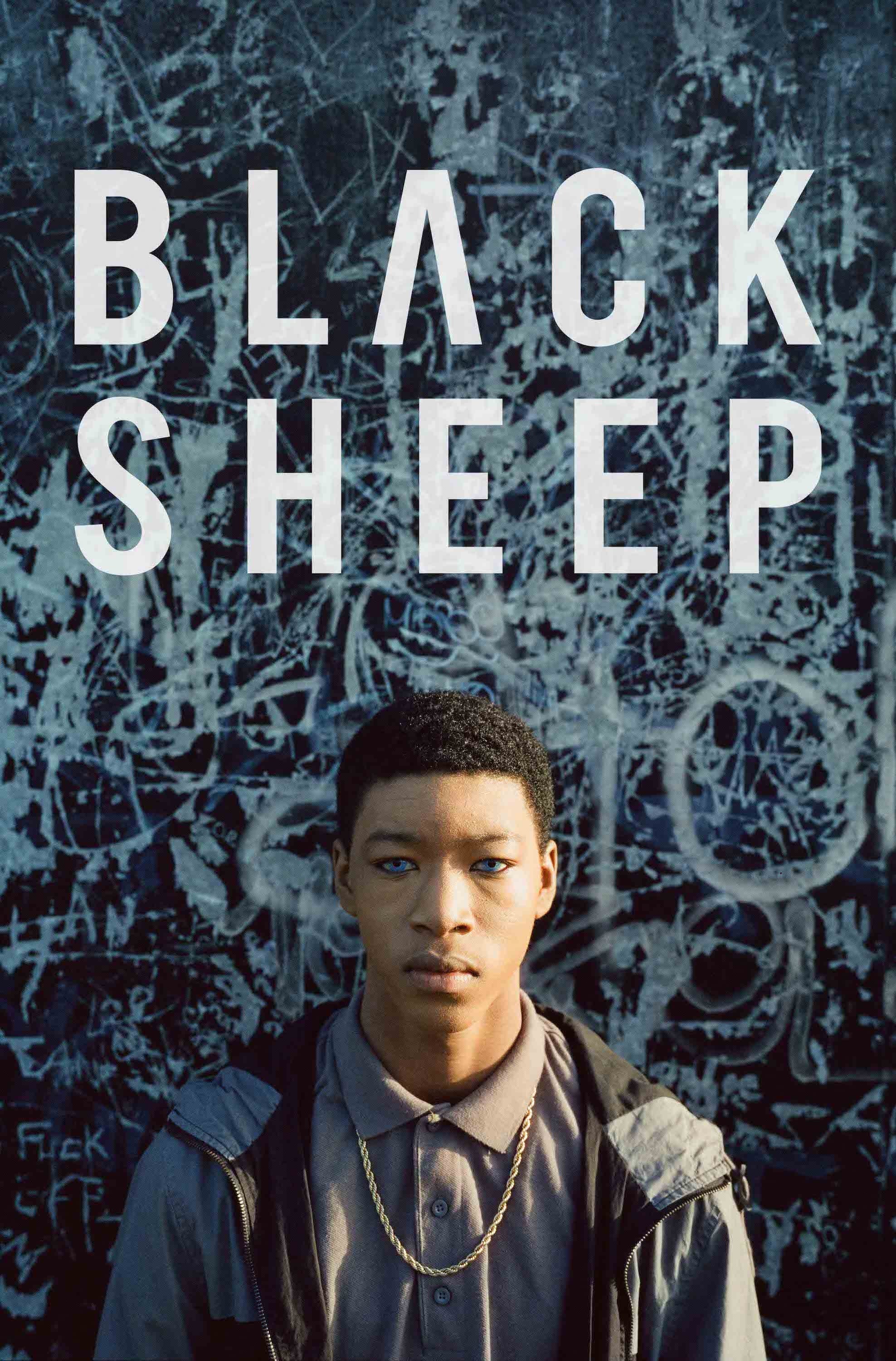
After the high-profile killing of Damilola Taylor, Cornelius' family move out of London. But when they discover their new town is run by racists, Cornelius takes a drastic step to survive.
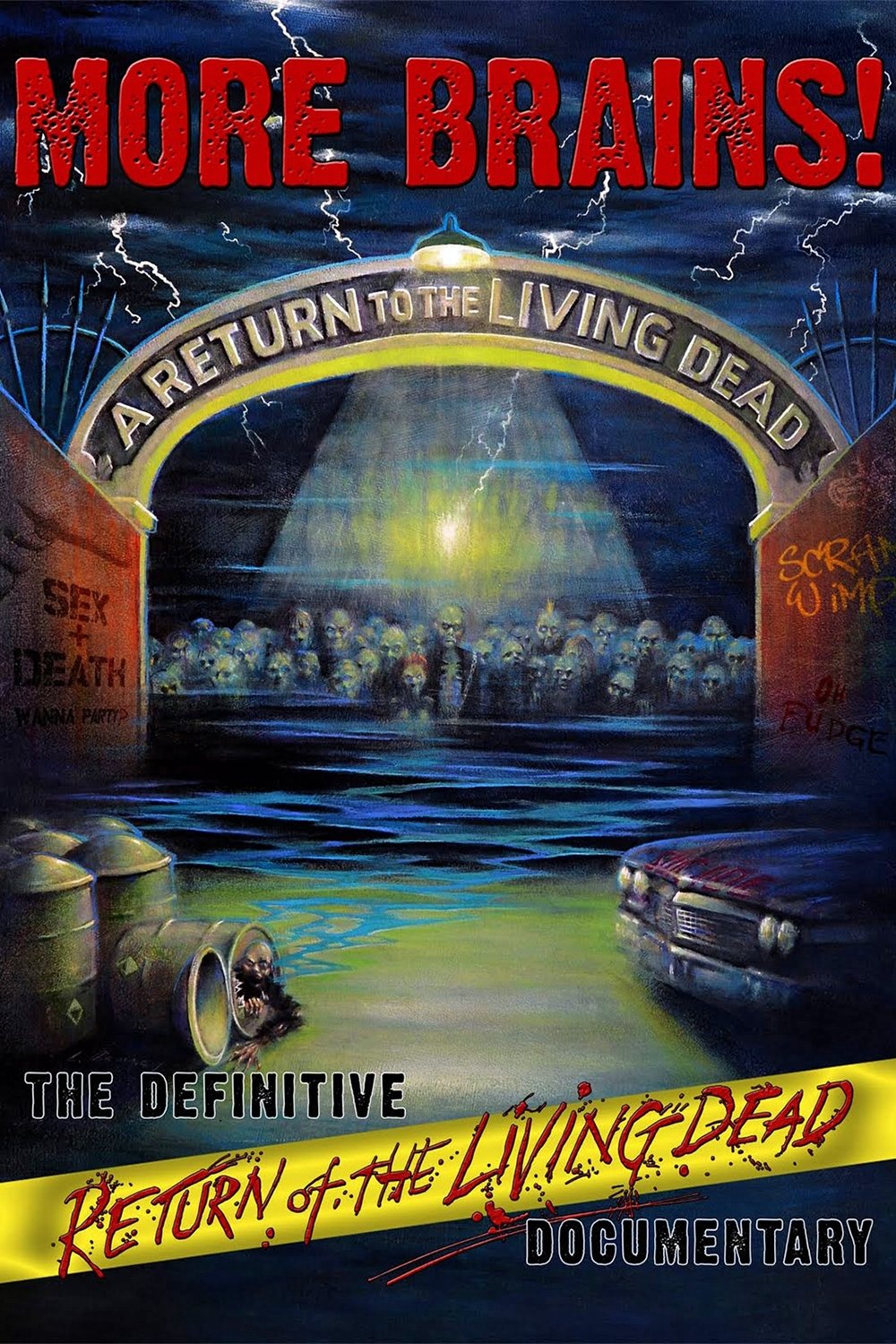
Retrospective documentary about the making of the horror cult classic "The Return of the Living Dead."
A retrospective documentary about the groundbreaking horror series, Friday the 13th, featuring interviews with cast and crew from the twelve films spanning 3 decades.
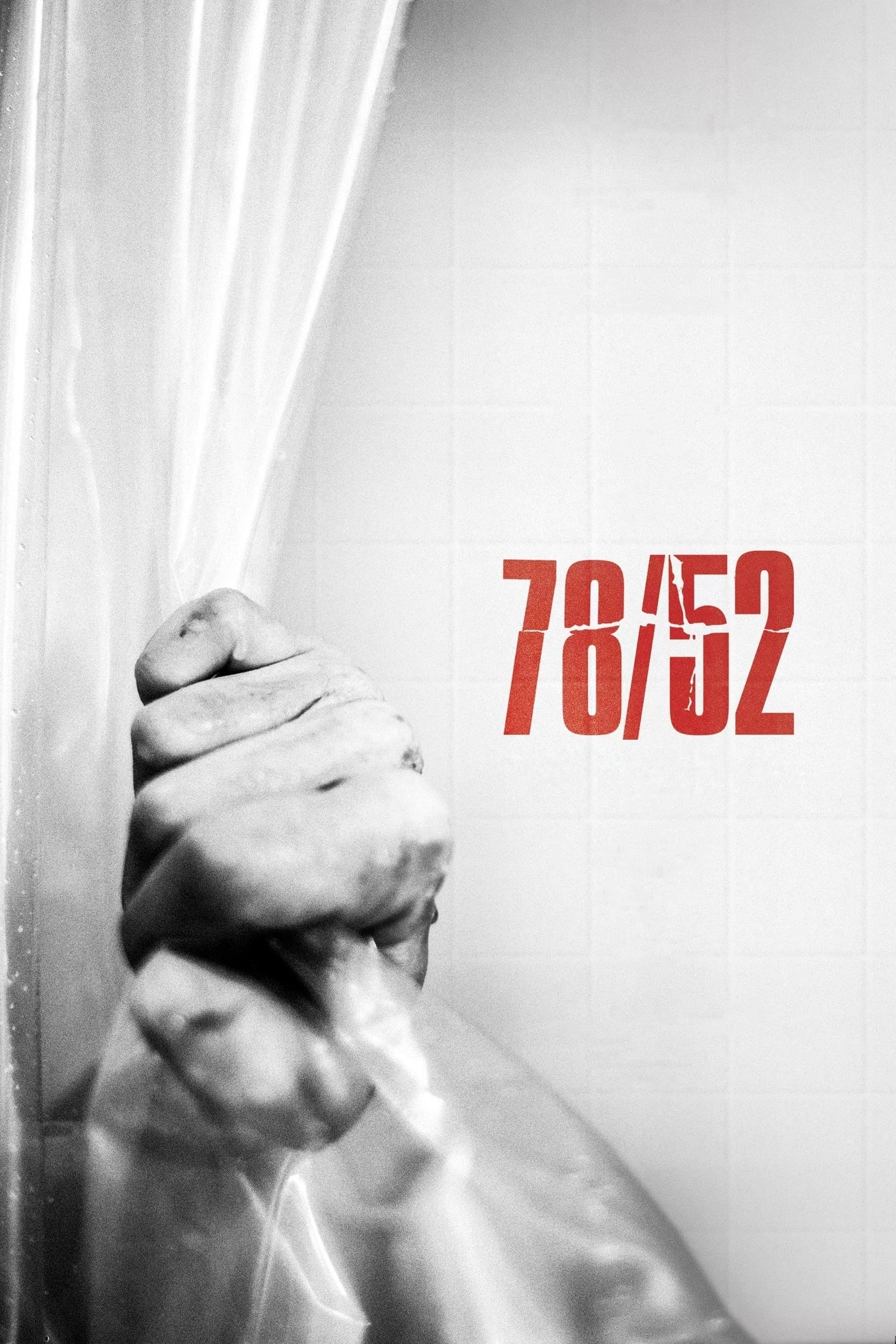
The most famous murder scene in movie history comprises 78 camera settings and 52 cuts: the shower scene in Alfred Hitchcock's Psycho. 78/52 tells the story of the man behind the curtain and his greatest obsession.
A teen slams her car into a building, killing her boyfriend and his friend. What seems like a tragic accident becomes a murder case.
A history of the ill-fated 1994 production of “The Fantastic Four” that was executive produced by Roger Corman.