Social & External
The people behind it
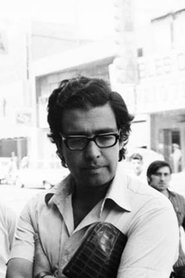
José Donoso
Self
Founded in 1947, “Group 47” made half‐yearly authors read publicly and endure brutal critique, launching postwar German literature (including Nobel winners). Its 1967 end still influences writers; veterans recall its power, while Kehlmann and Biller debate a modern equivalent.
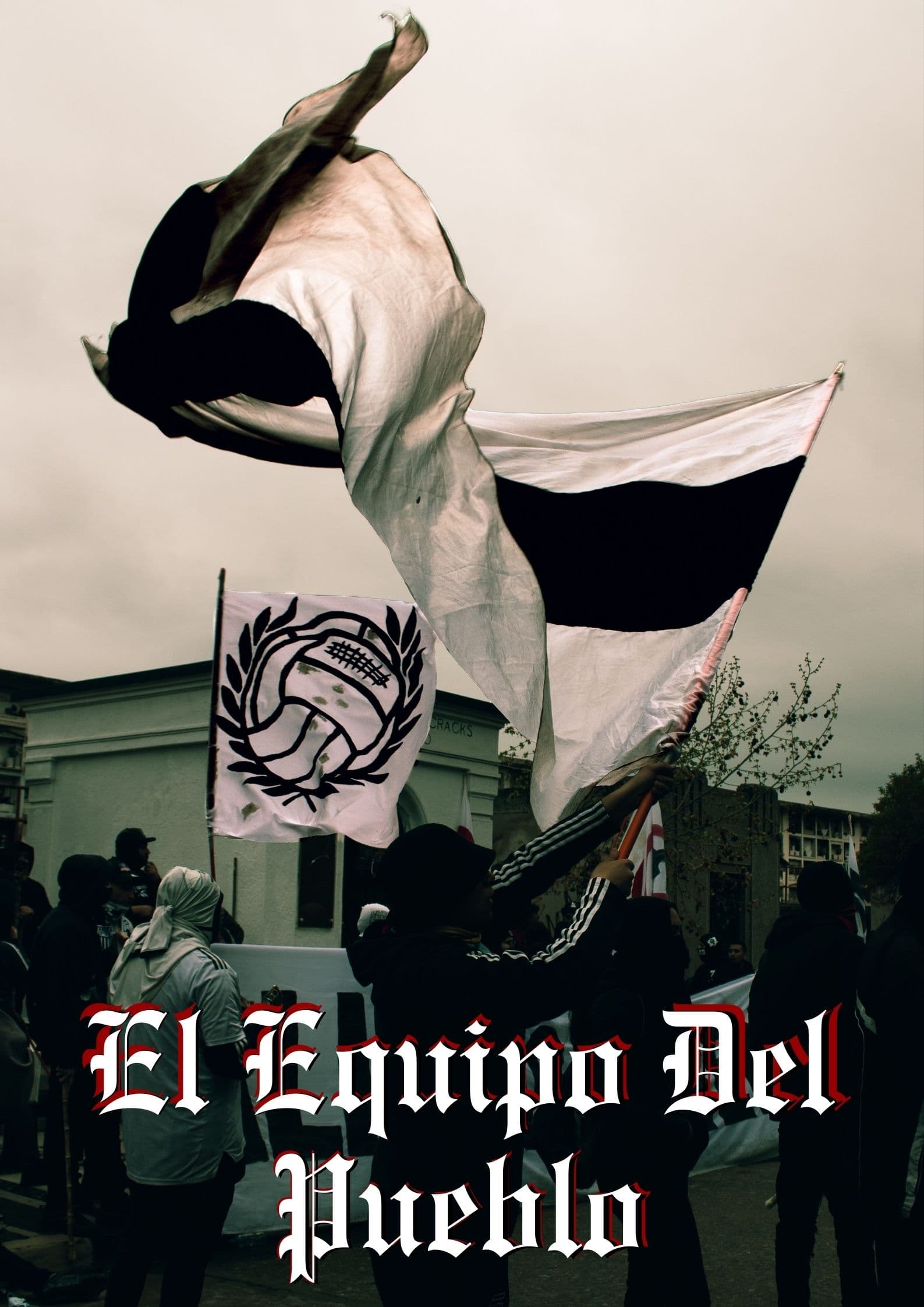
Documentary tells the story of the Chilean football club Colo-Colo, exploring its profound impact on popular culture and the everyday lives of its fans. Throughout the film, it shows how the club has transcended sport to become a symbol of resistance, pride, and class struggle in Chile.
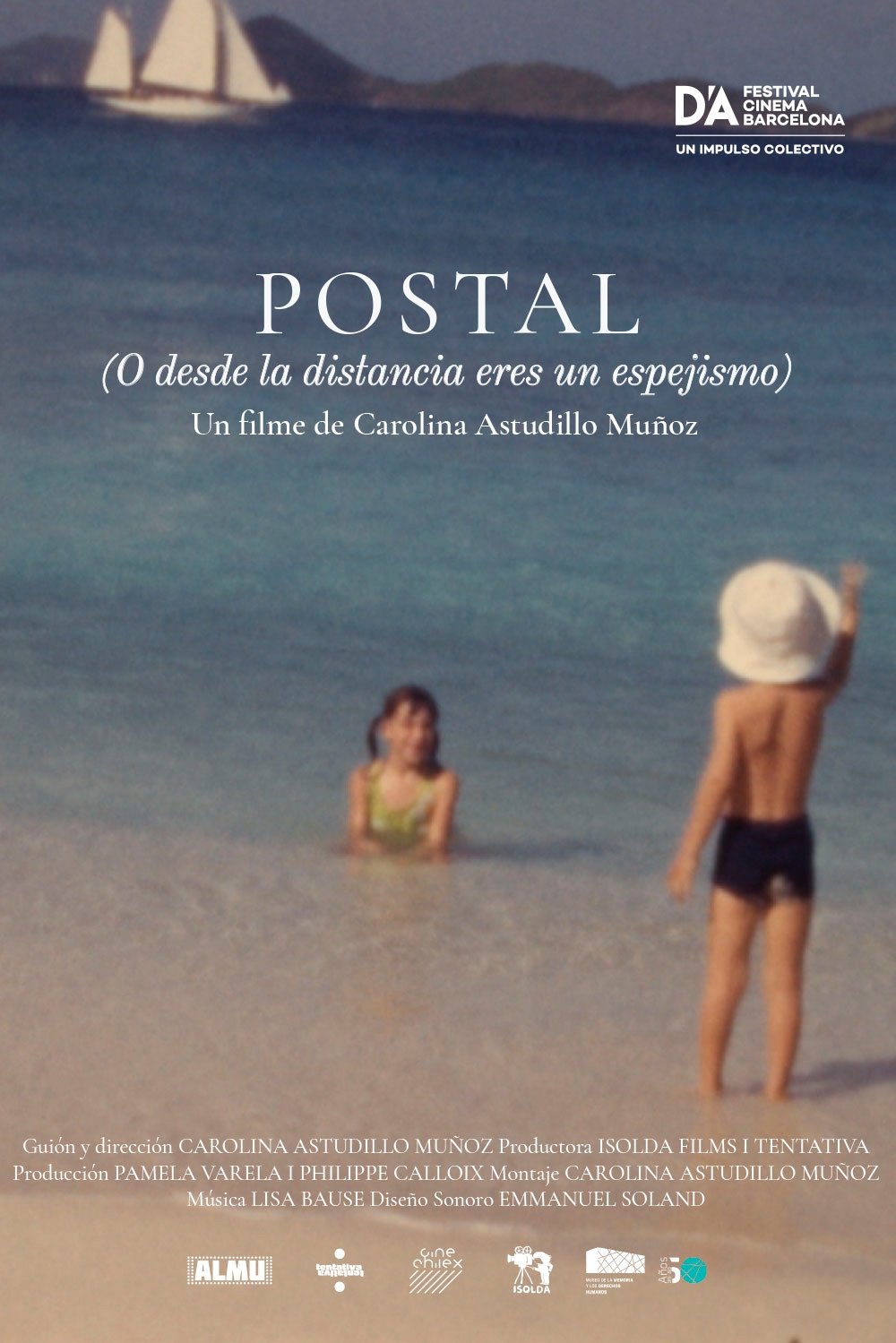
"The palm trees on the reverse are a delusion; so is the pink sand". This line, taken from a poem by Margaret Atwood, lights the path traced in "Postcard". As the years go by, landscapes transform, take on new meanings, and hold onto joys that will never be regained. The sea and the beach, once stages of happy summers, romances, and encounters, will turn into concentration camps or centers of detention and torture. This occurs across different times and places. In this piece, I embark on a journey through some of my works that explore the relationship between testimony, spaces, and time, engaging in dialogue with the beautiful film directed by Alejandro Segovia in 1972.
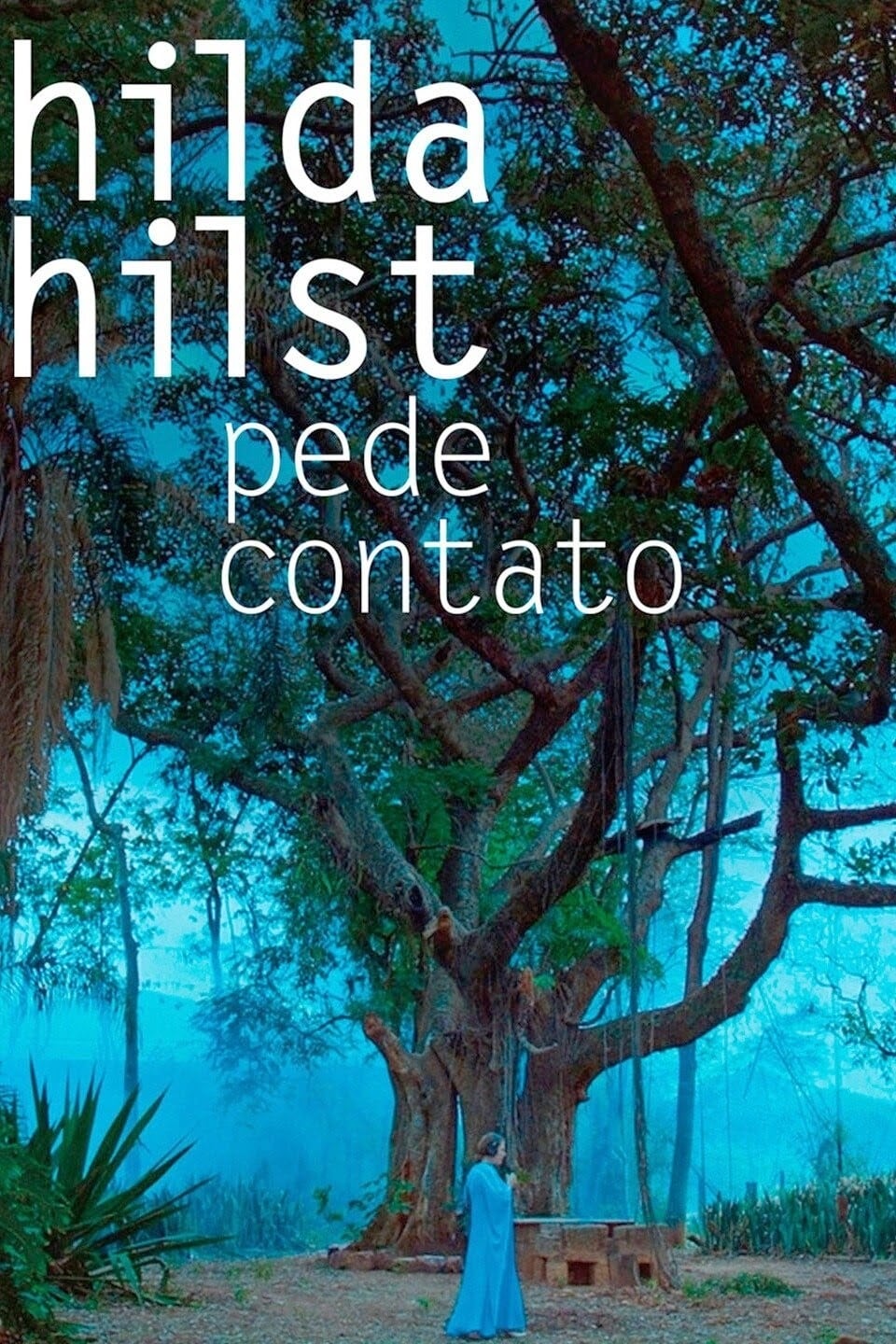
Draped in an electric blue fabric, the artist acts as a conduit between the tangile and the spiritual, blurring the boundaries between human form and natural elements.
The documentary portrays the desires and ftures of four young people from the third year of secundary education in Chile. Two of them attend the industrial high school in the San Joaquín commune, where they have already begun their training as a textile technician. They both have dreams, they want to study, work, start a family and improve themselves. On the other hand, at the exclusive Saint George school, two students study in privileged conditions. They want to be professionals and develop through the arts. This is the portrait of two worlds located less than 20 kilometers apart and that can only be together in the audiovisual montage. It is the manifestation of the coincidences and contradictions that exist between the realities and the discourses of four young Chilean students in a fundamental stage for their future.
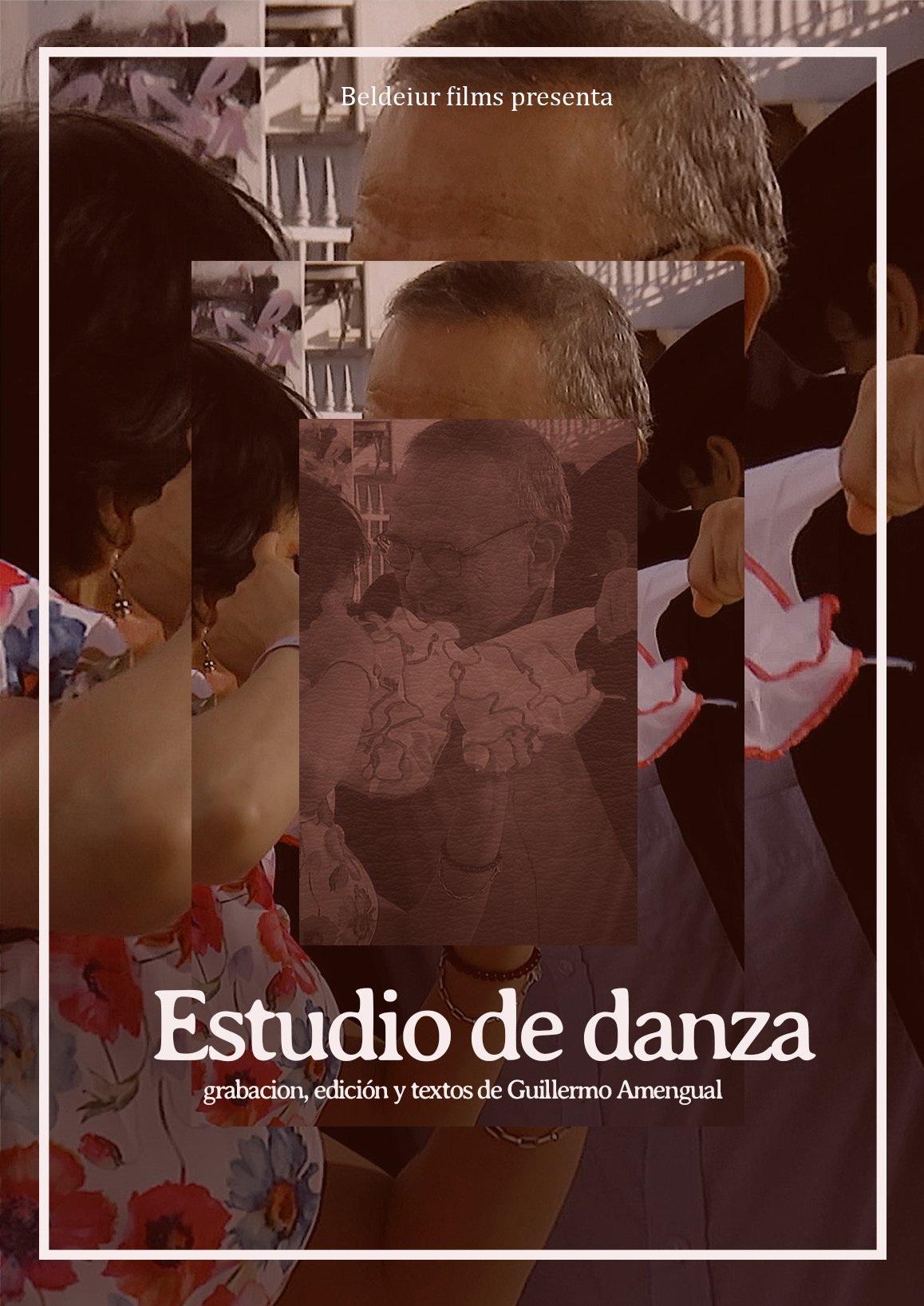
The "cueca" is Chile's national dance. Marveled by this form of dancing, the narrator reflects on the meaning of dance in our lives and how it has been portrayed in the history of cinema.
The film narrates the process in which two female forensic doctors, responsible for the Office of Identification of Legal Medical Institute of Santiago, fail to determine the identity of bodies that presumed are prisoners, detained and disappeared during the military dictatorship of Augusto Pinochet (1973- 1990).
In this short documentary, Canadian poet Andrew Suknaski introduces us to Wood Mountain, the south central Saskatchewan village he calls home. In between musings on his poetry, which is tinged with nostalgia and the vast loneliness of the plains, the poet discusses the area’s multicultural background and Native heritage, as well as the customs and stories of these various ethnic groups.
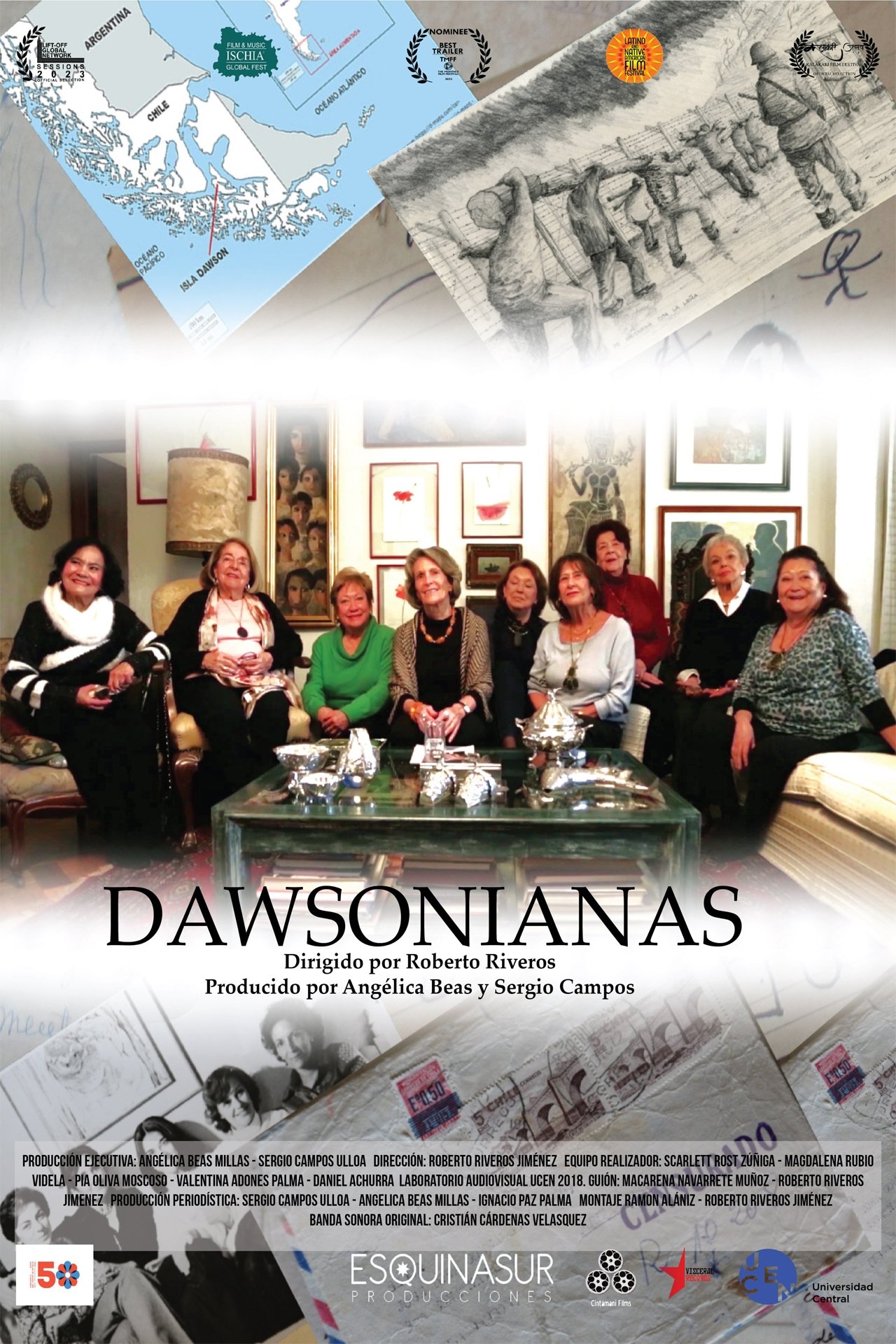
During the first days after the 1973 Chilean coup d’état, the political leadership of the Popular Unity government was arrested and transferred to Dawson Island, Magallanes Region, extreme south of Chile and the mainland. The wives of the then political prisoners began an incessant effort to find out the whereabouts of their husbands and then try to return them alive. In these circumstances, they meet and spontaneously organize into a group they call the “Dawsonianas.”
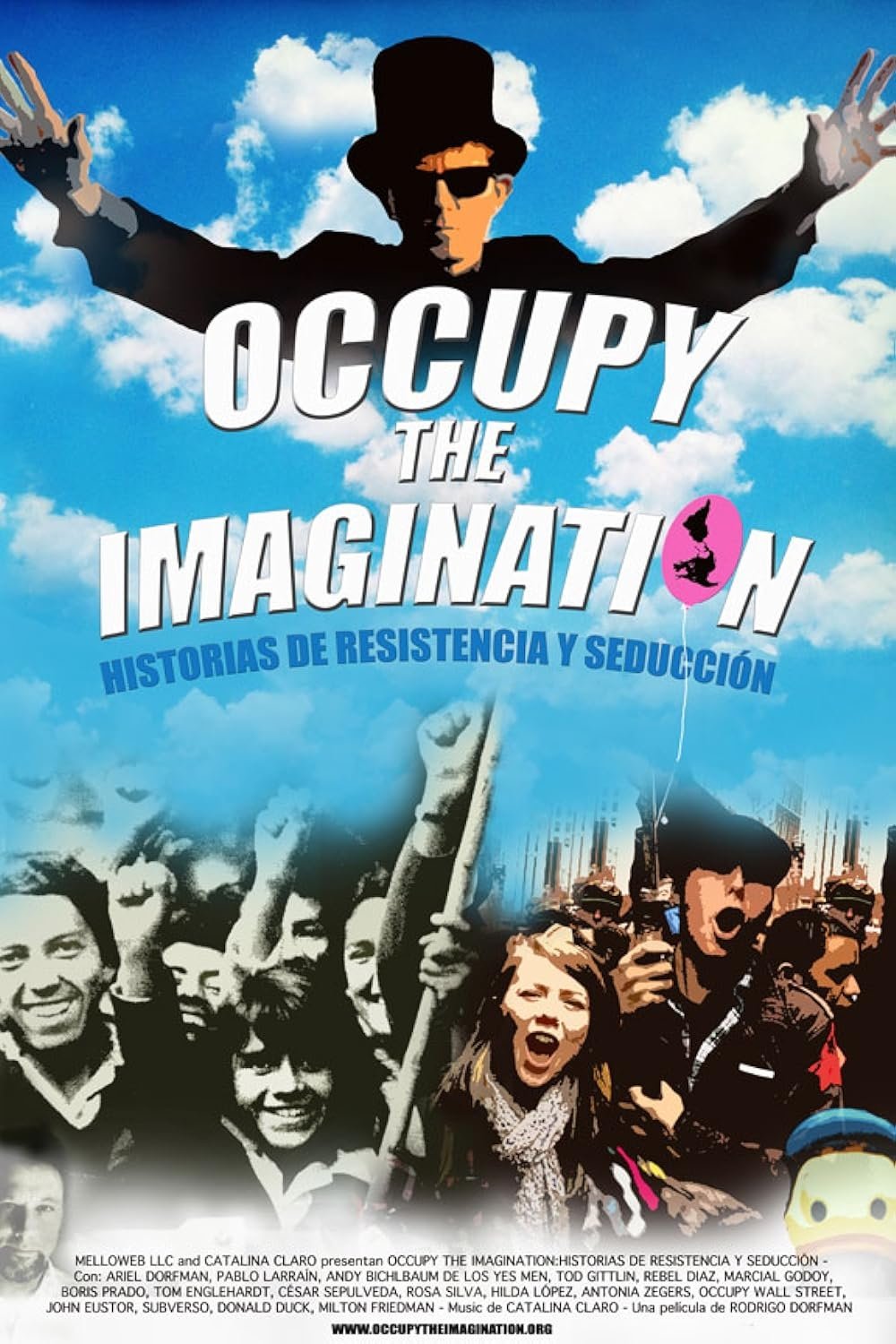
Filmmaker Rodrigo Dorfman goes in search of his revolutionary roots in Chile and in the process finds it in the euphoria of the Occupy Movement.
It follows Chilean writer Antonio Skármeta as he celebrates the end of the autocrats. Cheerful farewell rituals accompany others facing political persecution on their way to fly home.
"The photonovel FIASKO is based on and named after Kertész’ novel. He describes his absurd attempt of a new beginning – after Auschwitz and Buchenwald – in the Budapest of the Stalin area. Our photonovel transfers Kertész’ literary method into a visual language: the joining of fragmentary elements of the past and of the present, finding a trace that links experience and remembrance. From 2008 to 2010 approximately 800 colored medium-format photos were taken. The sequential photos have been taken on the original locations. The remainders of the past systems are rendered via multiple exposures, pictures shown in their ambivalence, mirroring etc. The literary text and the photographies remain independent from one another, however they enter into a dialog and open up space for associations. The course of movement caused by the juxtaposition of multiple still images is continued when one turns the pages (see chronophotography)."
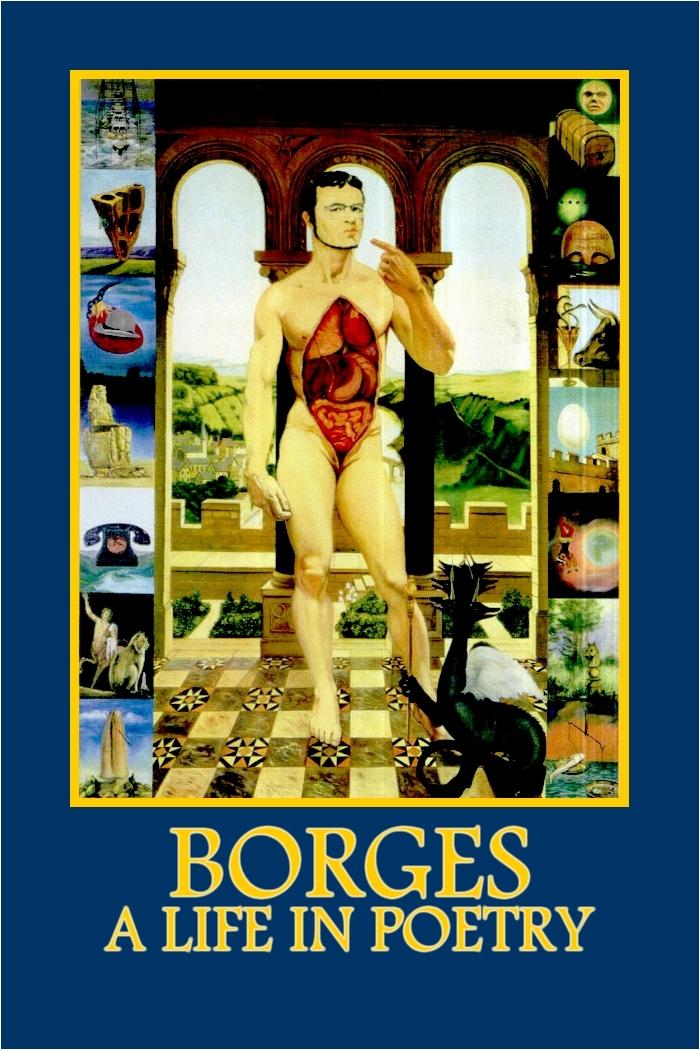
A peculiar portrait of the Argentinean writer Jorge Luis Borges (1899-1986) drawn by the extravagant and original look of the Spanish writer Fernando Arrabal, who establishes a bold parallelism between Borges' work and opinions and his own creations, both literary and cinematographic.
In 1973 Roberto Saldivar was arrested and imprisoned in an old Salpetermine in northern Chile. The mine was used as concentrationcamp for political prisoners. 20 years later he returned to confront his memories. He has lived there since. Alone.
Documentary about the poet, writer and playwright Hilda Hilst, considered by critics as one of the most important voices of the Portuguese language of the twentieth century. Through the use of personal sound and image files, interviews, meetings and fictional interventions, we will seek the memory and the presence of Hilda Hilst in her daily life at Casa do Sol, the farm where she lived in Campinas.
Alexander McQueen's rags-to-riches story is a modern-day fairy tale, laced with the gothic. Mirroring the savage beauty, boldness and vivacity of his design, this documentary is an intimate revelation of McQueen's own world, both tortured and inspired, which celebrates a radical and mesmerizing genius of profound influence.
A night of drunken chaos rocks a quiet Dutch town in this shocking documentary about a teen's birthday invite that accidentally went viral on Facebook.
Through deeply personal interviews with her siblings and an examination of the photographs, letters, and belongings left behind, Mariska assembles a new portrait of her mother Jayne Mansfield, an extraordinary and complex woman.
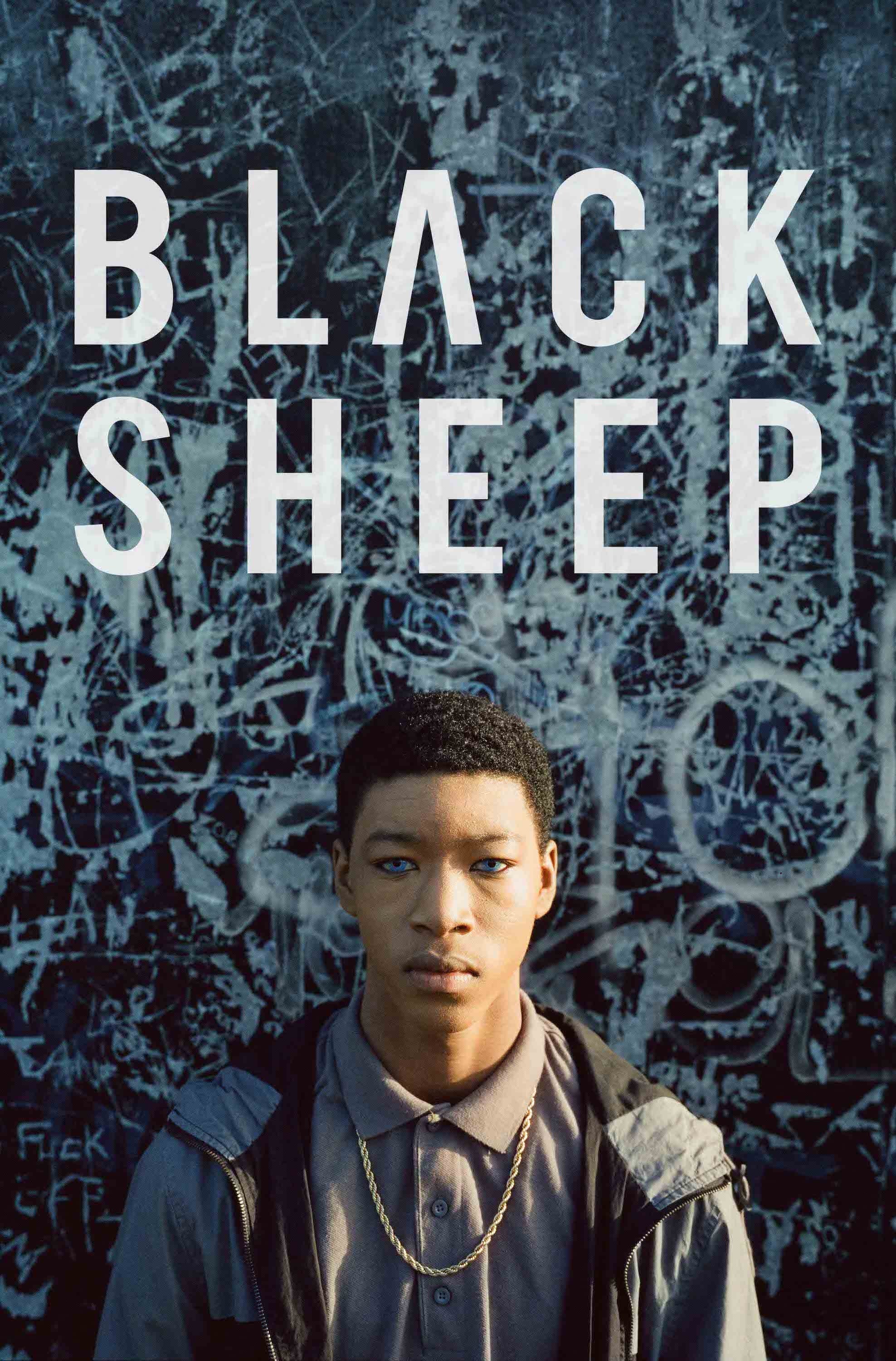
After the high-profile killing of Damilola Taylor, Cornelius' family move out of London. But when they discover their new town is run by racists, Cornelius takes a drastic step to survive.
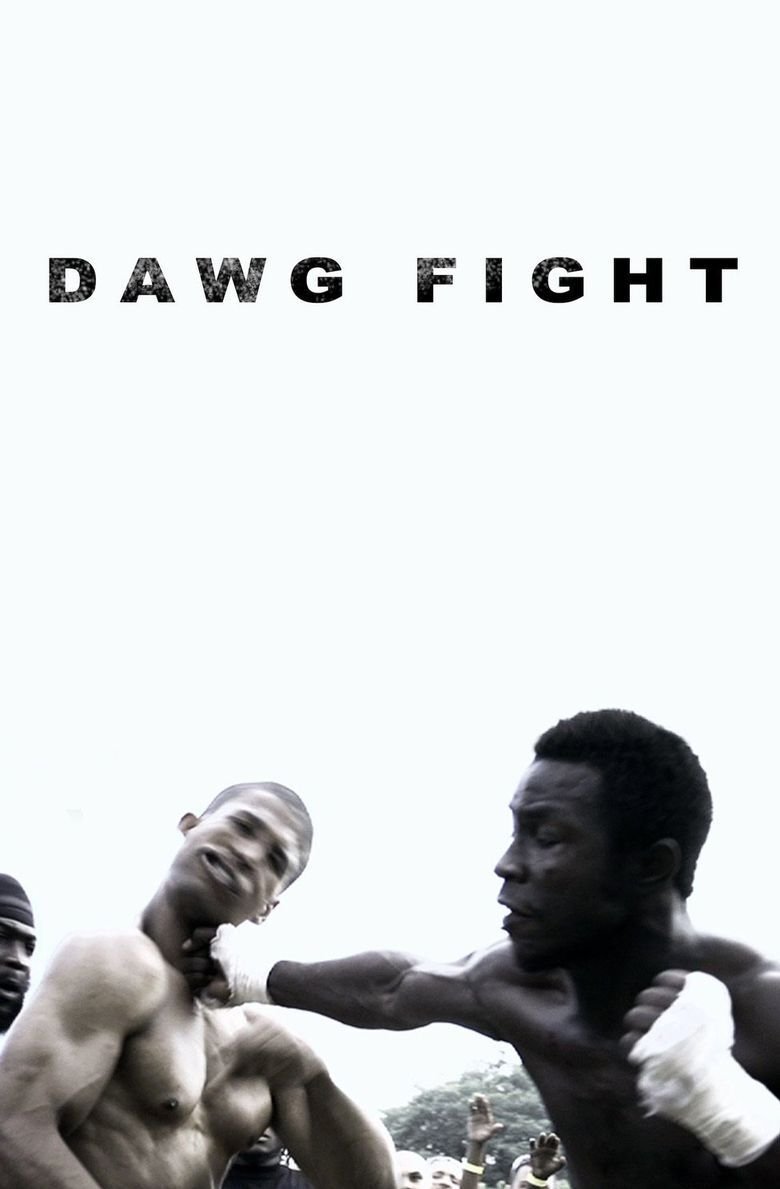
In a crime-plagued neighborhood near Miami, brutal, bare-knuckled backyard fights give young men a chance to earn money -- and self-respect.
Those who knew iconic funnyman John Candy best share his story, in their own words, through never-before-seen archival footage, imagery, and interviews.
SEDUCED AND ABANDONED combines acting legend Alec Baldwin with director James Toback as they lead us on a troublesome and often hilarious journey of raising financing for their next feature film. Moving from director to financier to star actor, the two players provide us with a unique look behind the curtain at the world's biggest and most glamourous film festival, shining a light on the bitter-sweet relationship filmmakers have with Cannes and the film business. Featuring insights from directors Martin Scorsese, 'Bernando Bertolucci' and Roman Polanski; actors Ryan Gosling and Jessica Chastain and a host of film distribution luminaries.
An inside look at one of the most anticipated movie sequels ever with James Cameron and cast.
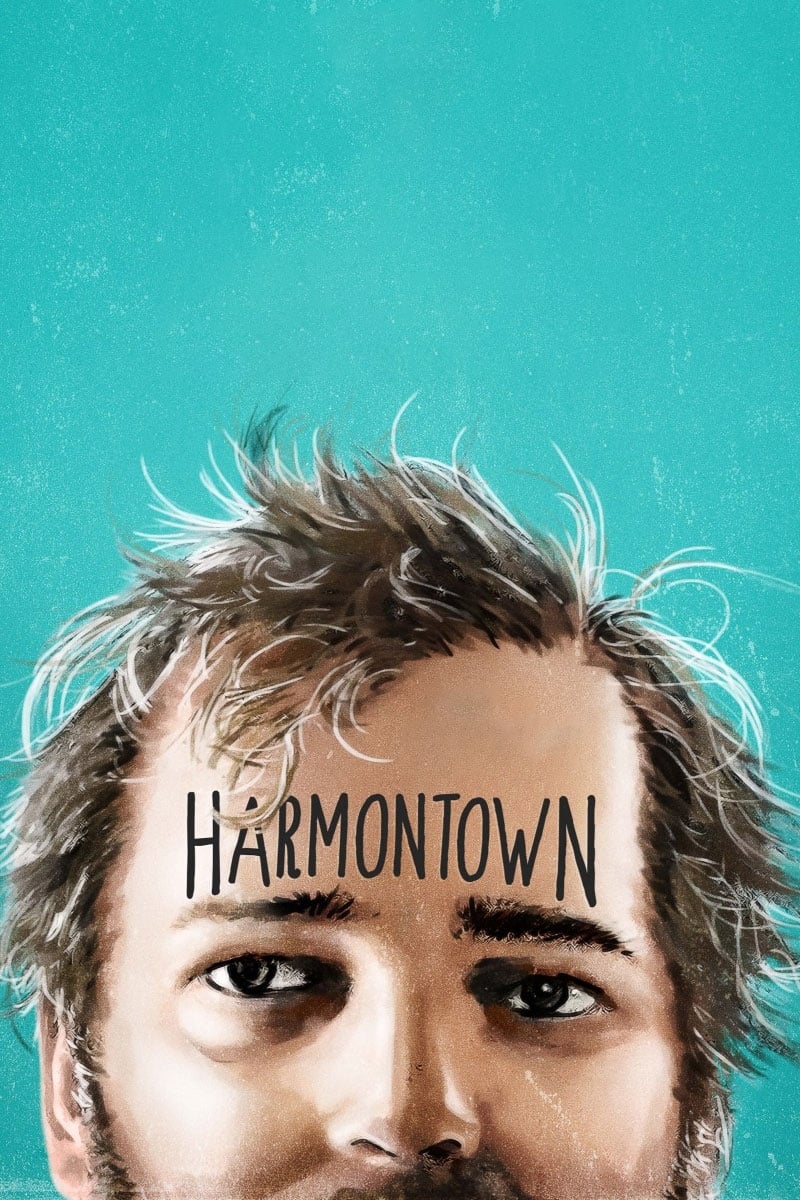
A comedic, brutally honest documentary following self-destructive TV writer Dan Harmon as he takes his live podcast on a national tour.
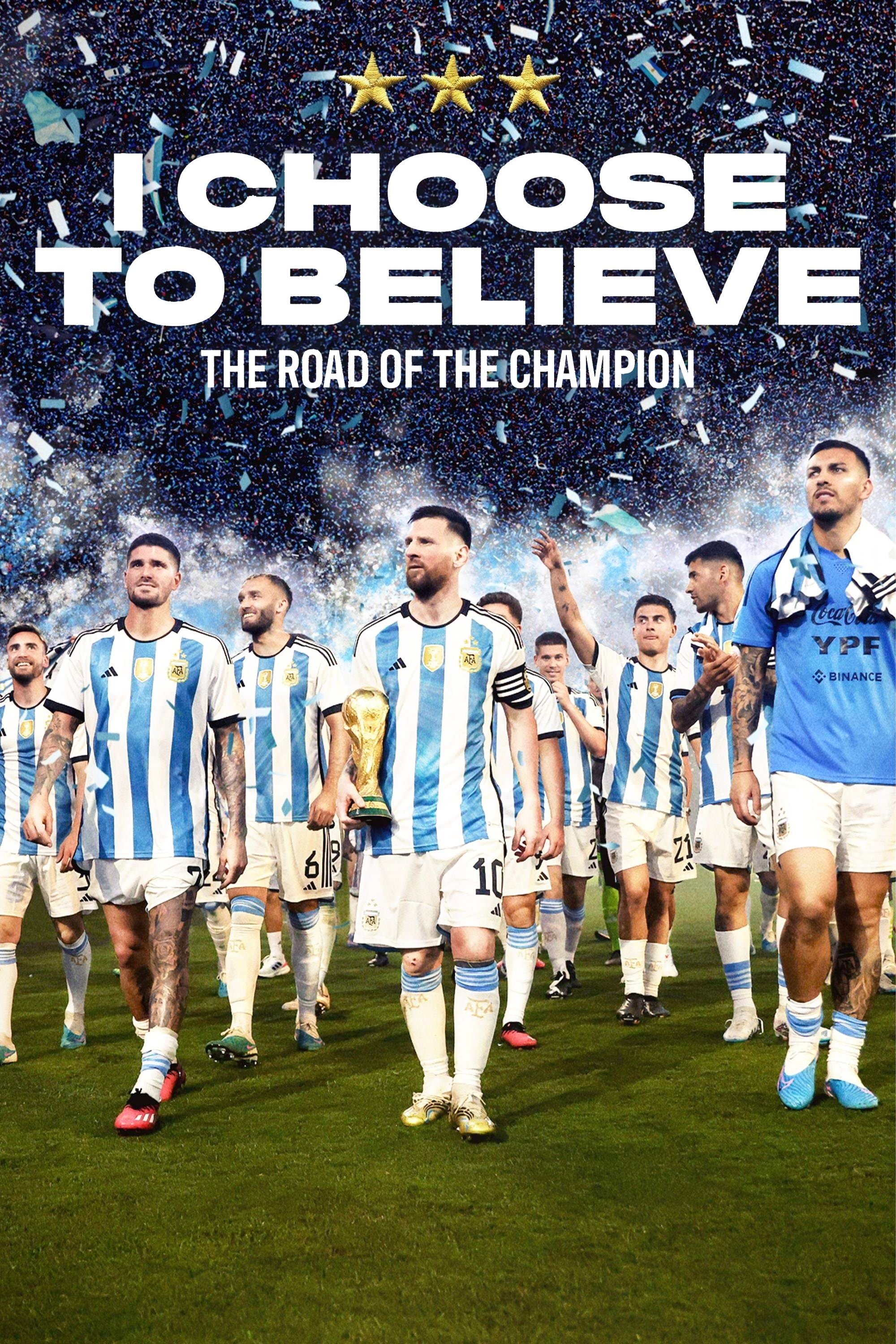
It narrates the epic title obtained by the Argentine National Team in the World Cup Qatar 2022 with testimonies of the protagonists, told from the intimacy and in first person.
A purely observational non-fiction film that takes viewers into the ethically murky world of end-of-life decision making in a public hospital.
A documentary chronicling Queen and Lambert's incredible journey since they first shared the stage together on "American Idol" in 2009.
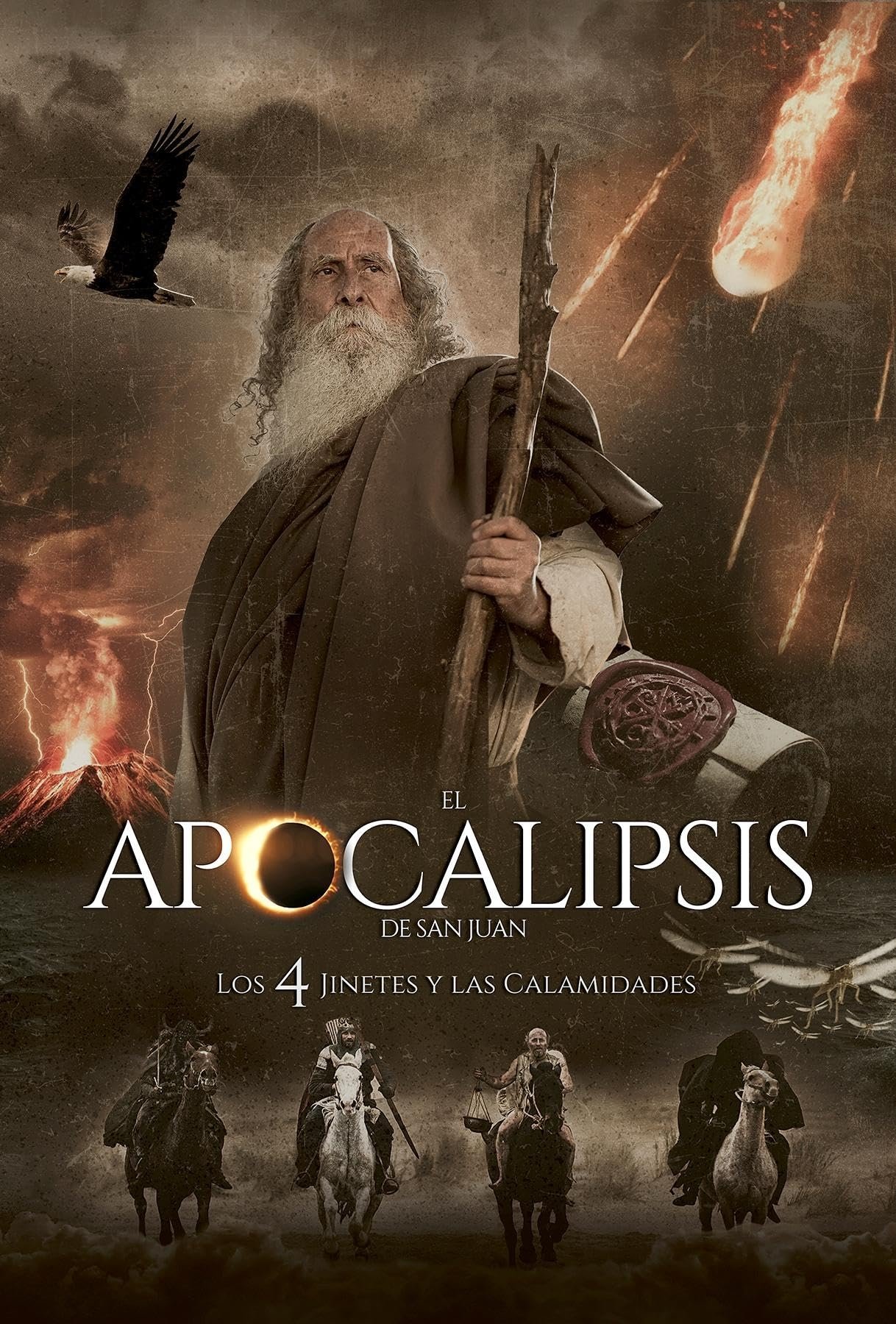
Embark on an epic journey through time and faith with 'The Apocalypse of Saint John.' Join the Apostle John in a stunning visual narrative that unravels the visions of the End Times. Experience each vision like never before, with striking visual effects and epic scenes that immerse you in the apocalyptic narrative.
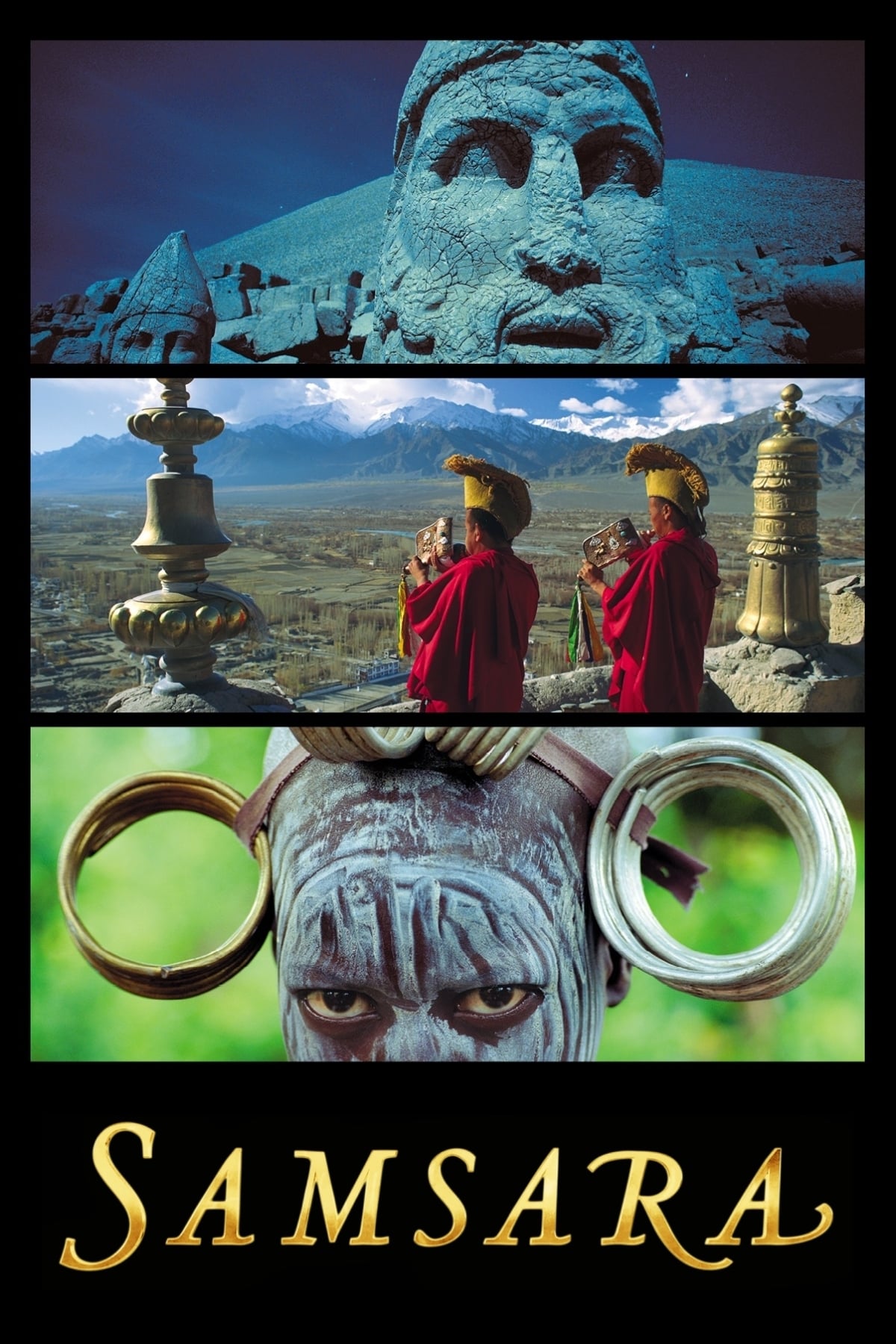
Filmed over nearly five years in twenty-five countries on five continents, and shot on seventy-millimetre film, Samsara transports us to the varied worlds of sacred grounds, disaster zones, industrial complexes, and natural wonders.
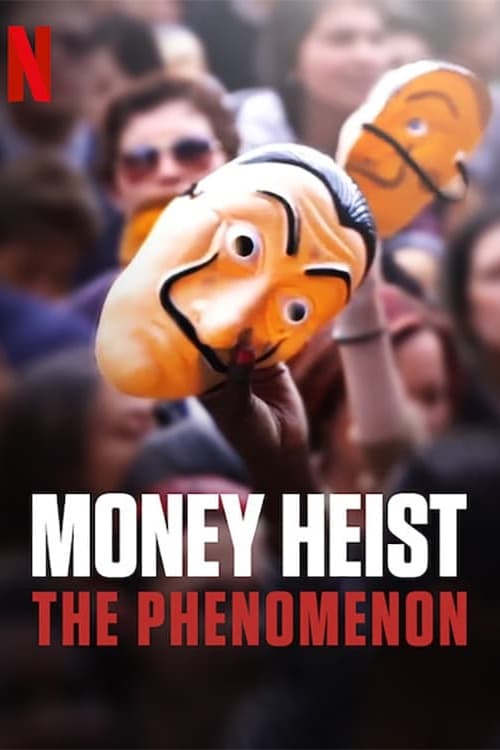
A documentary on why 'Money Heist' sparked a wave of enthusiasm around the world for a lovable group of thieves and their professor.
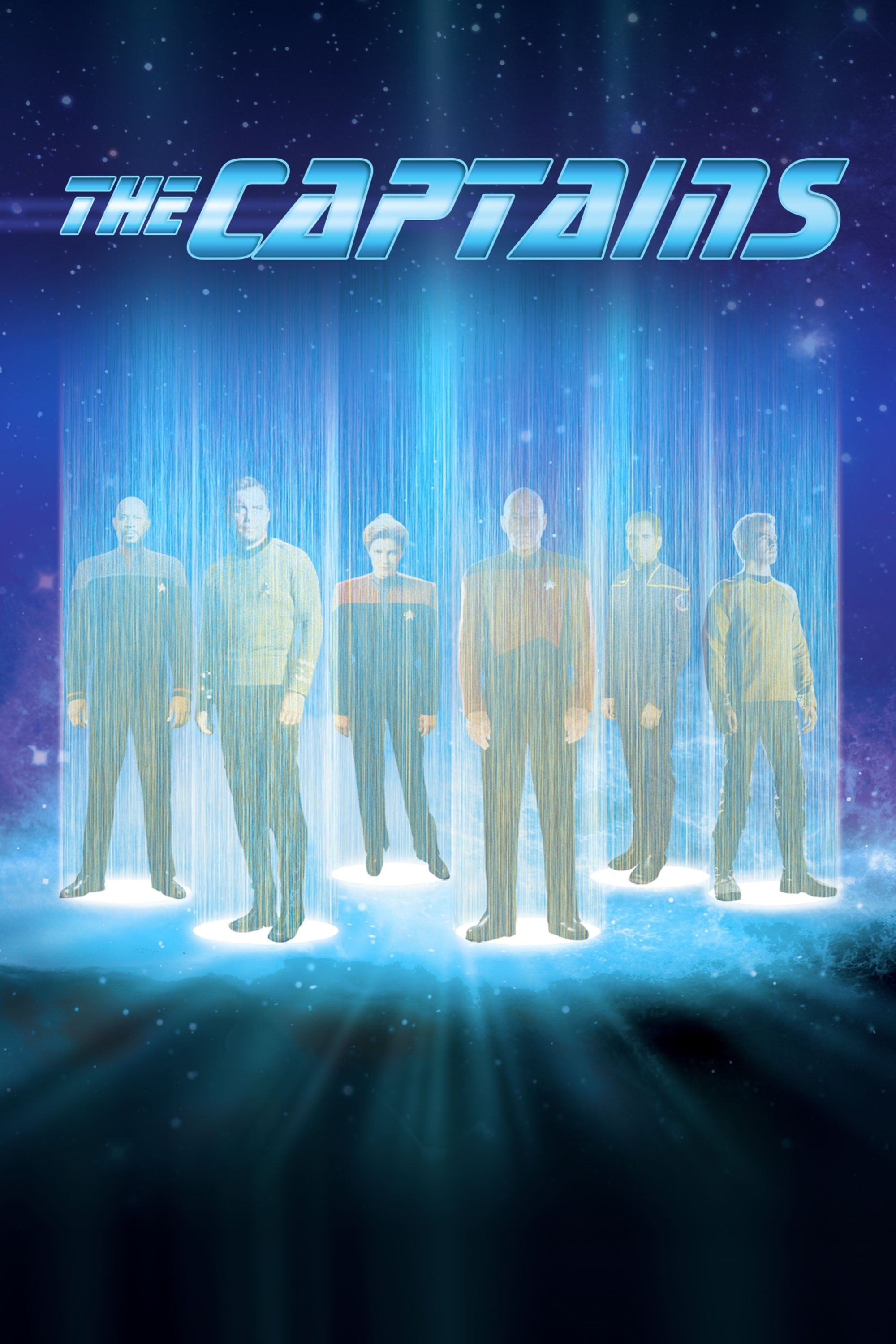
The Captains is a feature-length documentary film written and directed by William Shatner. The film follows Shatner as he interviews the other actors who have portrayed starship captains in the Star Trek franchise.
Vulgar, taunting texts blow up the phones of a teen and her boyfriend. Who's sending them — and why? This twisty documentary reveals the shocking answer.
In the Realms of the Unreal is a documentary about the reclusive Chicago-based artist Henry Darger. Henry Darger was so reclusive that when he died his neighbors were surprised to find a 15,145-page manuscript along with hundreds of paintings depicting The Story of the Vivian Girls, in What is Known as the Realms of the Unreal, of the Glodeco-Angelinnian War Storm, Cased by the Child Slave Rebellion.
A visual montage portrait of our contemporary world dominated by globalized technology and violence.
The film follows adventurer Jeff Johnson as he retraces the epic 1968 journey of his heroes Yvon Chouinard and Doug Tompkins to Patagonia.