Gopal becomes the world’s first HIV+ person to summit Mount Everest.
Social & External
Himself
Tanzanian queer singer Tofa Jaxx in conversation with HIV/Trans activist Aunty Ali, exploring issues of sex work, gender and being out.
An international team of climbers ascends Mt. Everest in the spring of 1996. The film depicts their lengthy preparations for the climb, their trek to the summit, and their successful return to Base Camp. It also shows many of the challenges the group faced, including avalanches, lack of oxygen, treacherous ice walls, and a deadly blizzard.
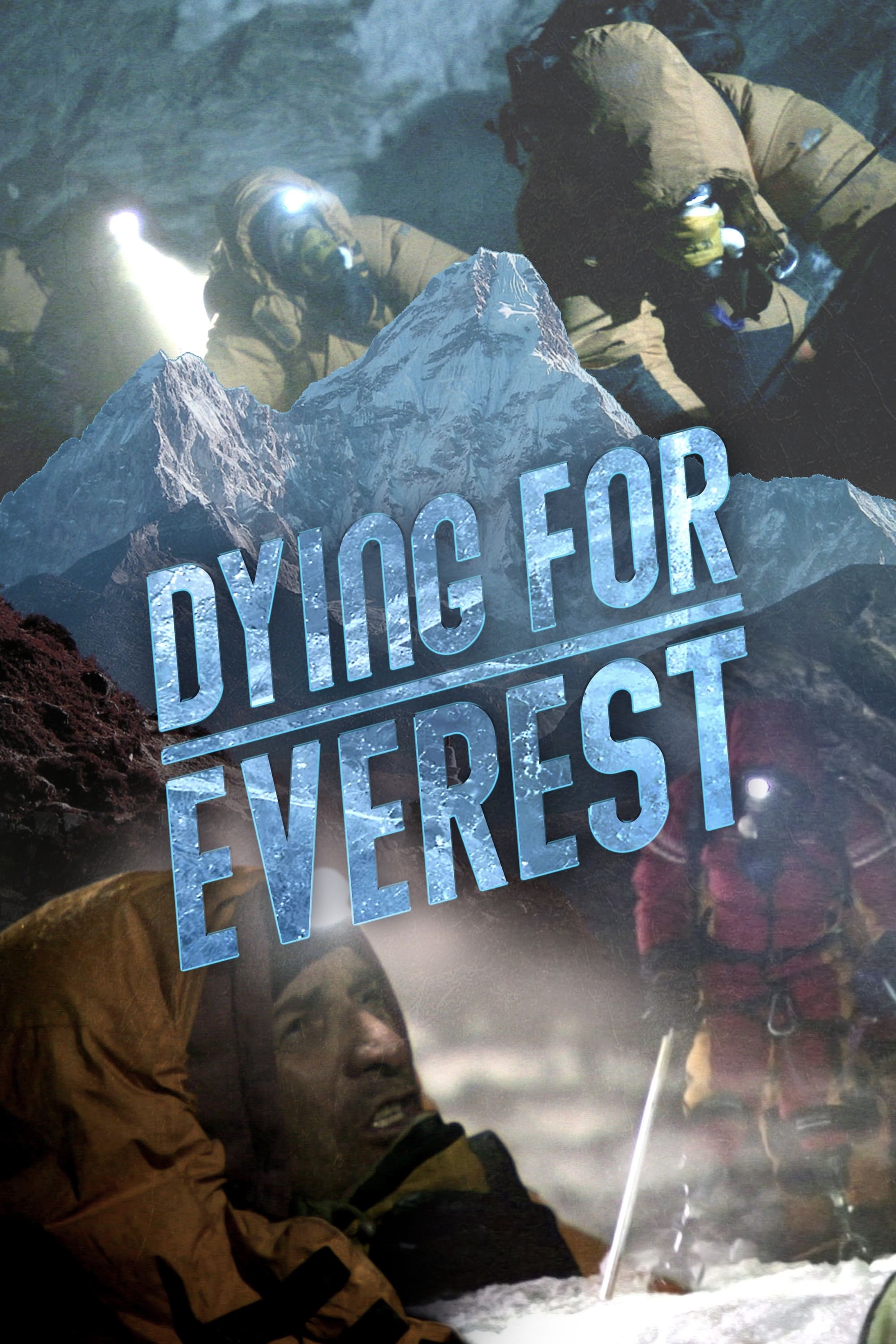
On 15 May, 2006, double amputee Mark Inglis reached the summit of Mt Everest. It was a remarkable achievement and Inglis was feted by press and public alike. But only a few days later he was plunged into a storm of controversy when it was learned that he had passed an incapacitated climber, Englishman David Sharp, leaving him to a lonely end high in the Death Zone.
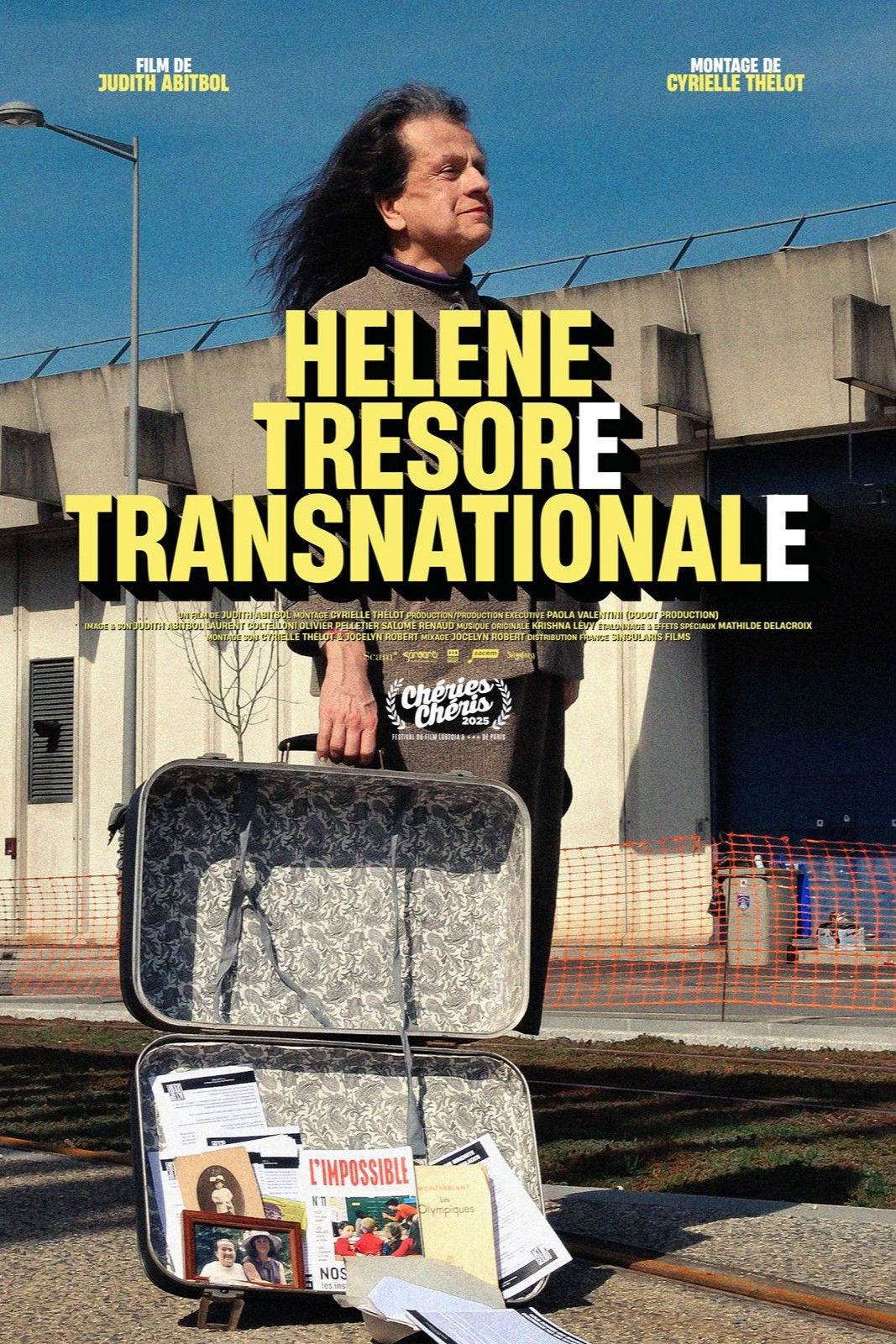
In this intimate portrait addressed directly to Hélène Hazera, filmmaker Judith Abitbol revisits a key figure of France’s countercultures from the late 1960s to the 1990s. A member of the Gazolines and the FHAR (Homosexual Front for Revolutionary Action), Hazera was a tireless LGBTQ activist who founded Act Up’s Trans and AIDS commissions—one of her proudest achievements. Her true victory, however, was becoming the first transgender journalist at a major national newspaper (Libération), and later a producer at Radio France and France TV. Through her story, Abitbol reconnects with the insurrectionary spirit and creative chaos of those decades—an era when French culture was shaken by radical imagination, humor, and defiance. The film celebrates these modern Antigones who dared to live their desires beyond the reach of any law.
This feature-length documentary retraces the journey of 4 Canadians who set off to climb the perilous north side of Mount Everest without the use of oxygen or sherpas. The group's ordeal gives us a rare insight into the human condition under stress, and, while immobilized on the edge of the mountain by extreme weather, we share the tensions that afflict the group's solidarity - threatening the dream of attaining the summit itself.
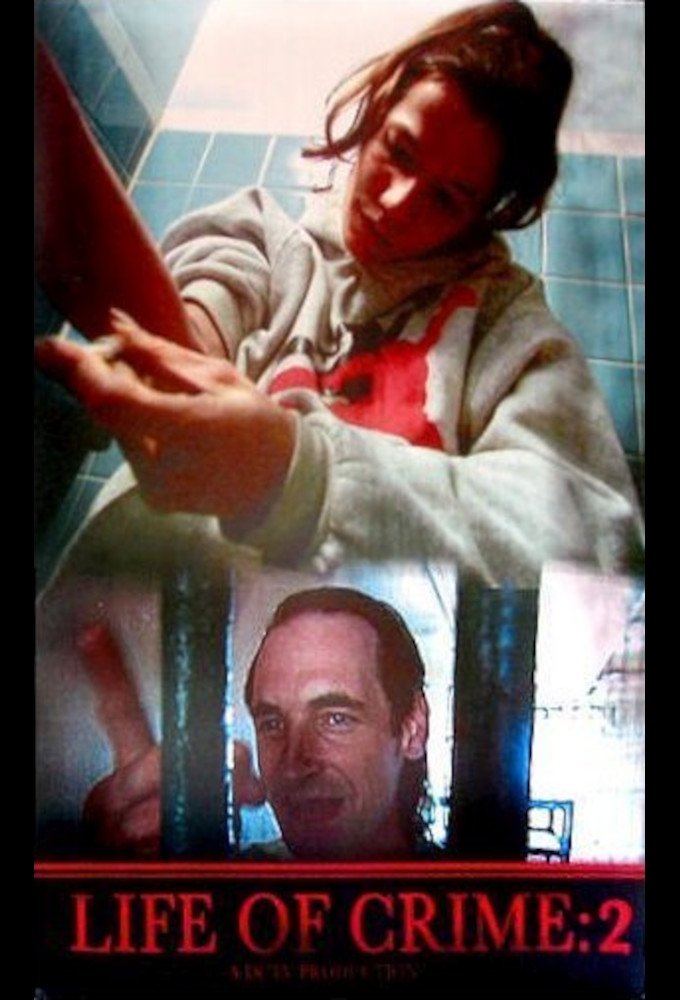
This follow-up to the 1989 documentary ONE YEAR IN A LIFE OF CRIME revisits three of the original subjects in New Jersey during a five-year period in the 1990s. We share in their triumphs and setbacks as they navigate lives of poverty, drug abuse, AIDS, and petty crime.
That Child with AID$ tells the story of Brazilian advocate and artist Lili Nascimento, who was born with HIV in 1990. Lili has worked to expand narratives about living with HIV beyond the limited images and ideologies that permeate the AIDS industry.
Losing the Light reflects the artist's bitter battle to stay in this world as a long-term survivor of AIDS who has lost his vision to CMV retinitis. An experimental self-portrait, the video evokes the dissolution and fragmentation of the artists body, representing the impact of blindness, long-term HIV infection, and the cumulative effects of decades of antiretroviral medication.
In 1924, British climber George Mallory and his partner Andrew Irvine attempted to conquer Everest for the third time. They never returned. Could they have been the first to successfully climb the mountain before meeting their deaths? In 1999, German geologist Jochen Hemmleb discovered Mallory's body just below the summit, reigniting speculation. In 2010, he organized a new expedition to follow up on this sensational discovery. His goal: to find the base camp from which Mallory and Irvine set out to conquer the summit.
Produced by the activist video collective ACT UP/NY called DIVA TV (Damned Interfering Activist Television), this tape analyzes the collaborative demonstration "Stop the Church" by WHAM! (Women's Health Action and Mobilization) and ACT UP/NY on December 10, 1990, against Cardinal John O'Connor and the Roman Catholic Church's murderous stand on abortion rights, safer sex, and homosexuality.
Blind climber Erik Weihenmayer and his team's highly successful ascent of Mount Everest along with four other remarkable milestones on the mountain. Time magazine called this the most successful Everest expedition of all time.
This Oscar-winning documentary tells the story behind Japanese daredevil Yuichiro Miura's 1970 effort to ski down the world's tallest mountain.
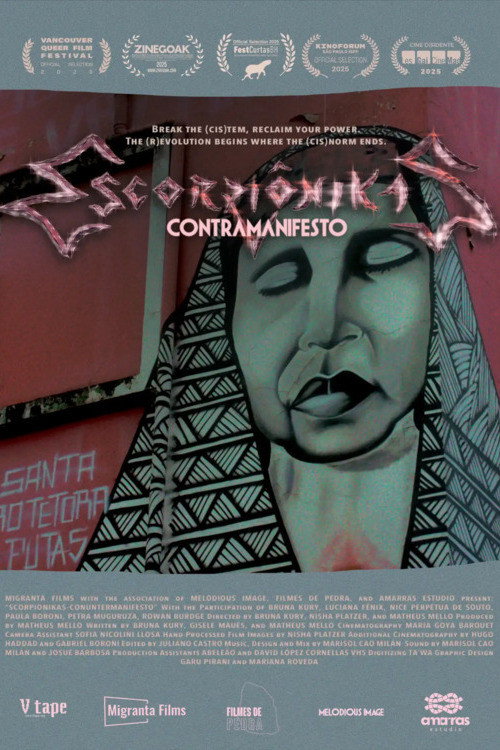
A revolutionary trans HIV+ sex worker manifesto.
An artist leads his Infection Procession to the water.
Letter Beyond the Walls reconstructs the trajectory of HIV and AIDS with a focus on Brazil, through interviews with doctors, activists, patients and other actors, in addition to extensive archival material. From the initial panic to awareness campaigns, passing through the stigma imposed on people living with HIV, the documentary shows how society faced this epidemic in its deadliest phase over more than two decades. With this historical approach as its base, the film looks at the way HIV is viewed in today's society, revealing a picture of persistent misinformation and prejudice, which especially affects Brazil’s most historically vulnerable populations.
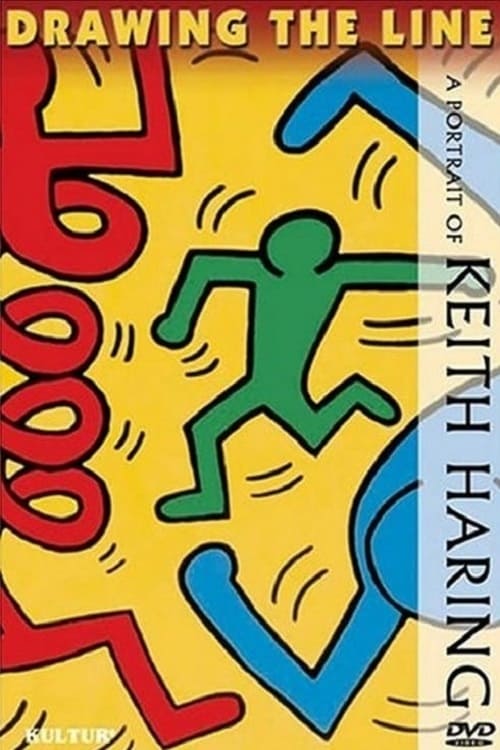
Short documentary about artist Keith Haring, detailing his involvement in the New York City graffiti subculture, his opening of the Pop Shop, and the social commentary present in his paintings and drawings.
27-year-old German alpinist Jost Kobusch wants to climb Everest, alone, without oxygen and in Winter, when the roof of the world is deserted.
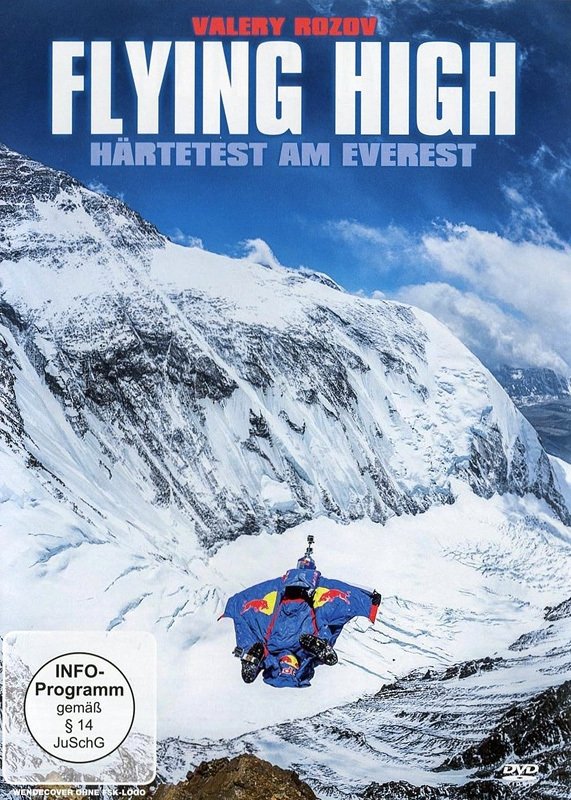
One of the greatest adventures of mankind told in a one-year storyline: Will Valery Rozov be able to do a wingsuit flight from the top of the world? Starting from training on a 7.500 m peak in India, the images show the feasibility test in vast nature, wind channel testing, the development of a completely new wingsuit and the final adventure: leaping off and flying from the Everest massif.
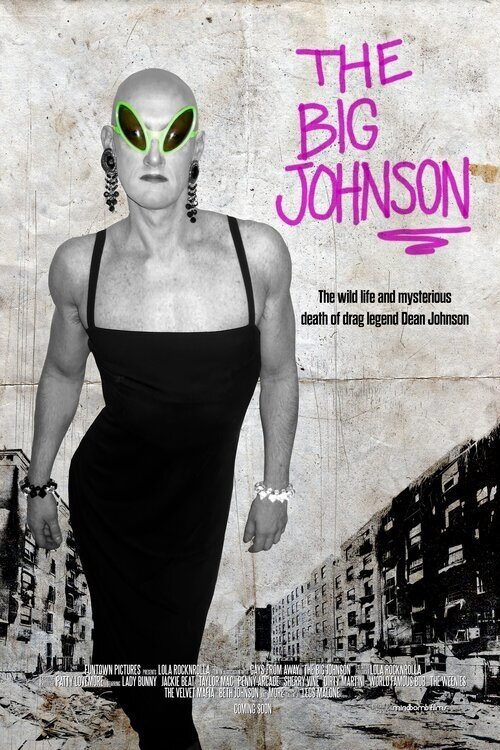
Dean Johnson, drag queen, rock star, LGBTQI activist, junkie, genius, escort then John Doe. How does someone so famous in New York die as an unknown in DC? This documentary explores the incredible highs and the crushing lows of Dean Johnson’s life and untimely death. Was it murder? Was it an accident? We may never know, but what is certain is that Dean and “the Big Johnson” changed New York City and all who knew him forever.
A detailing of the rise to prominence and global sporting superstardom of six supremely talented young Manchester United football players (David Beckham, Nicky Butt, Ryan Giggs, Paul Scholes, Phil and Gary Neville). The film covers the period 1992-1999, culminating in Manchester United's European Cup triumph.
This revealing documentary honors the legendary Sidney Poitier—iconic actor, filmmaker, and civil rights activist. Featuring interviews with Denzel Washington, Spike Lee, Halle Berry, and more.
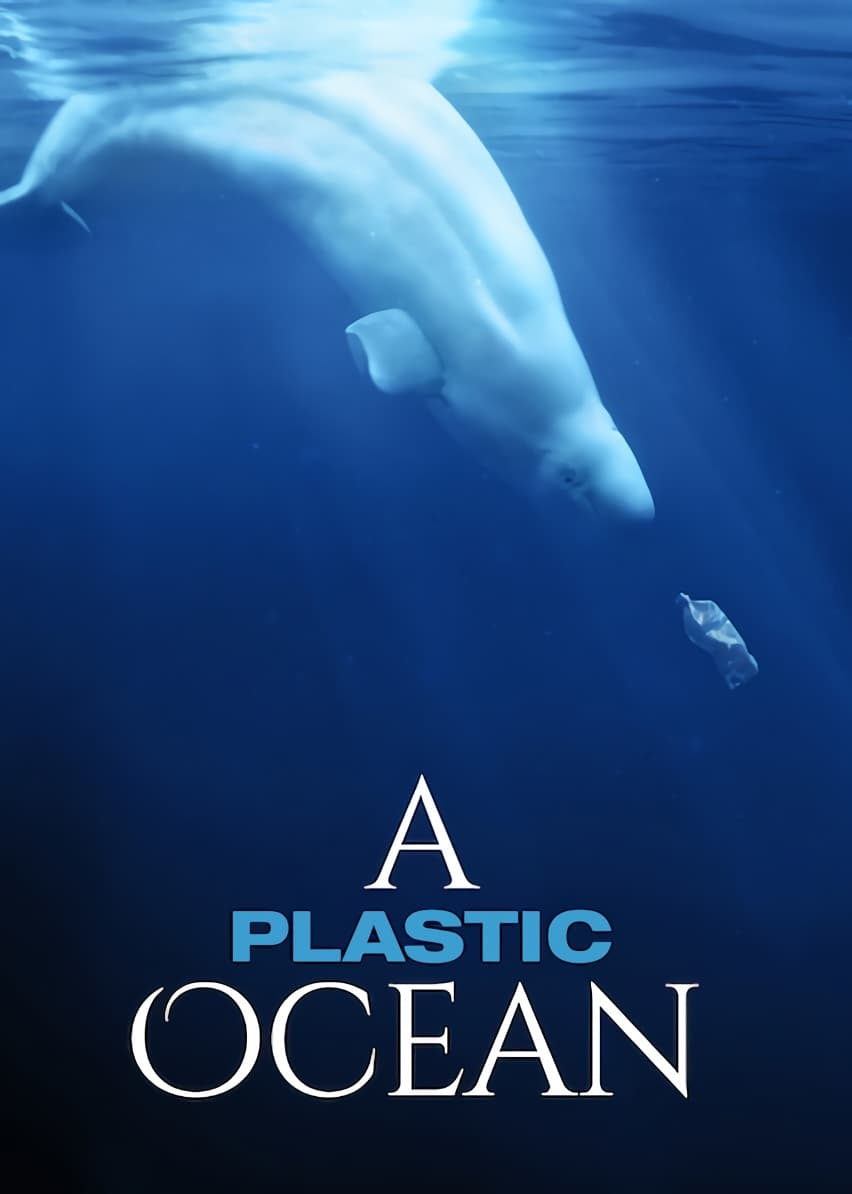
A documentary focused on plastic pollution in the world's oceans.
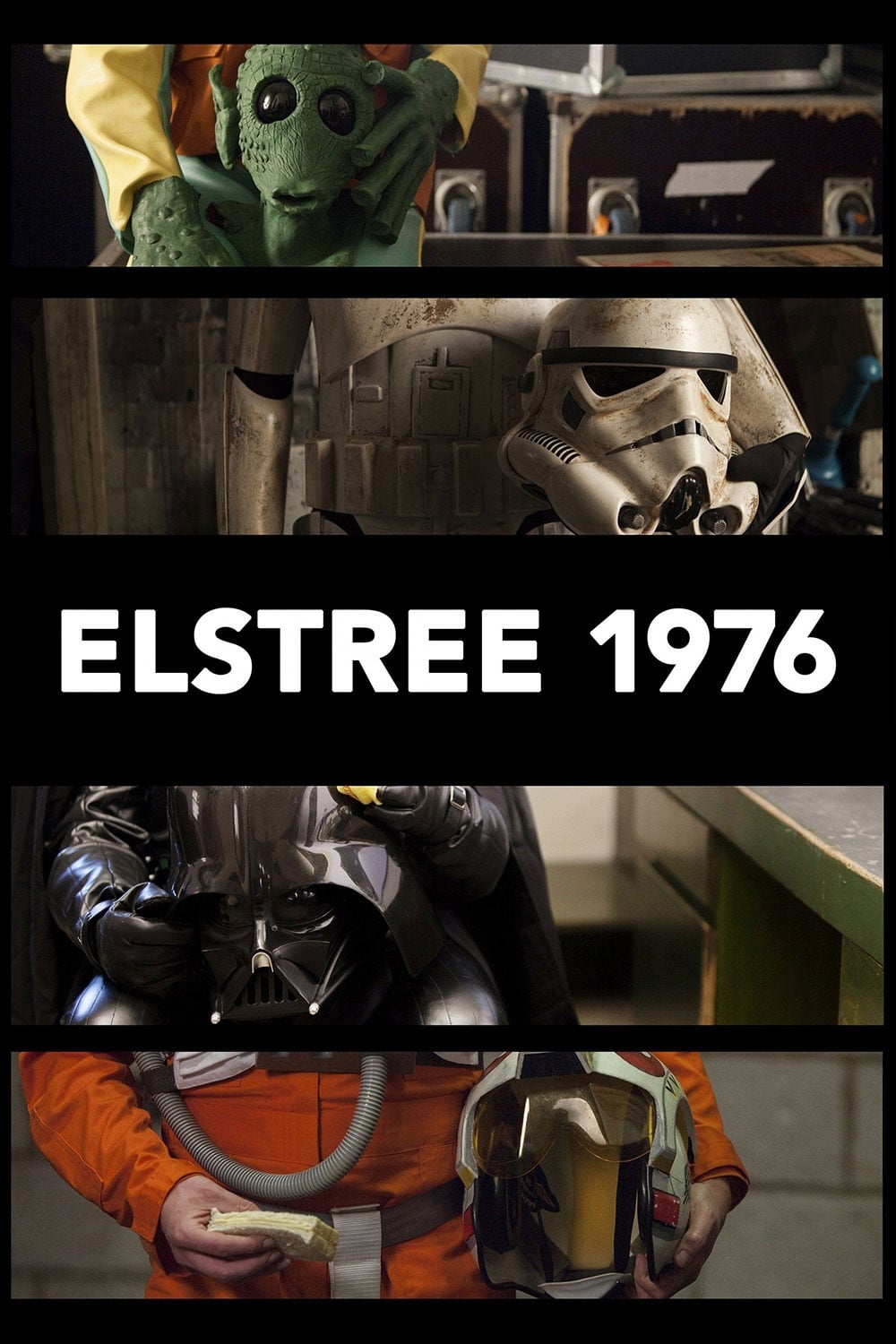
A documentary about ten very different lives connected by having appeared onscreen wearing masks or helmets in Star Wars.
Those who knew iconic funnyman John Candy best share his story, in their own words, through never-before-seen archival footage, imagery, and interviews.
The life and career of an actor, artist, and icon. His own journey through his own camera.
A documentary about the life and films of director John Ford.
In the Realms of the Unreal is a documentary about the reclusive Chicago-based artist Henry Darger. Henry Darger was so reclusive that when he died his neighbors were surprised to find a 15,145-page manuscript along with hundreds of paintings depicting The Story of the Vivian Girls, in What is Known as the Realms of the Unreal, of the Glodeco-Angelinnian War Storm, Cased by the Child Slave Rebellion.
Al Pacino's deeply-felt rumination on Shakespeare's significance and relevance to the modern world through interviews and an in-depth analysis of "Richard III."
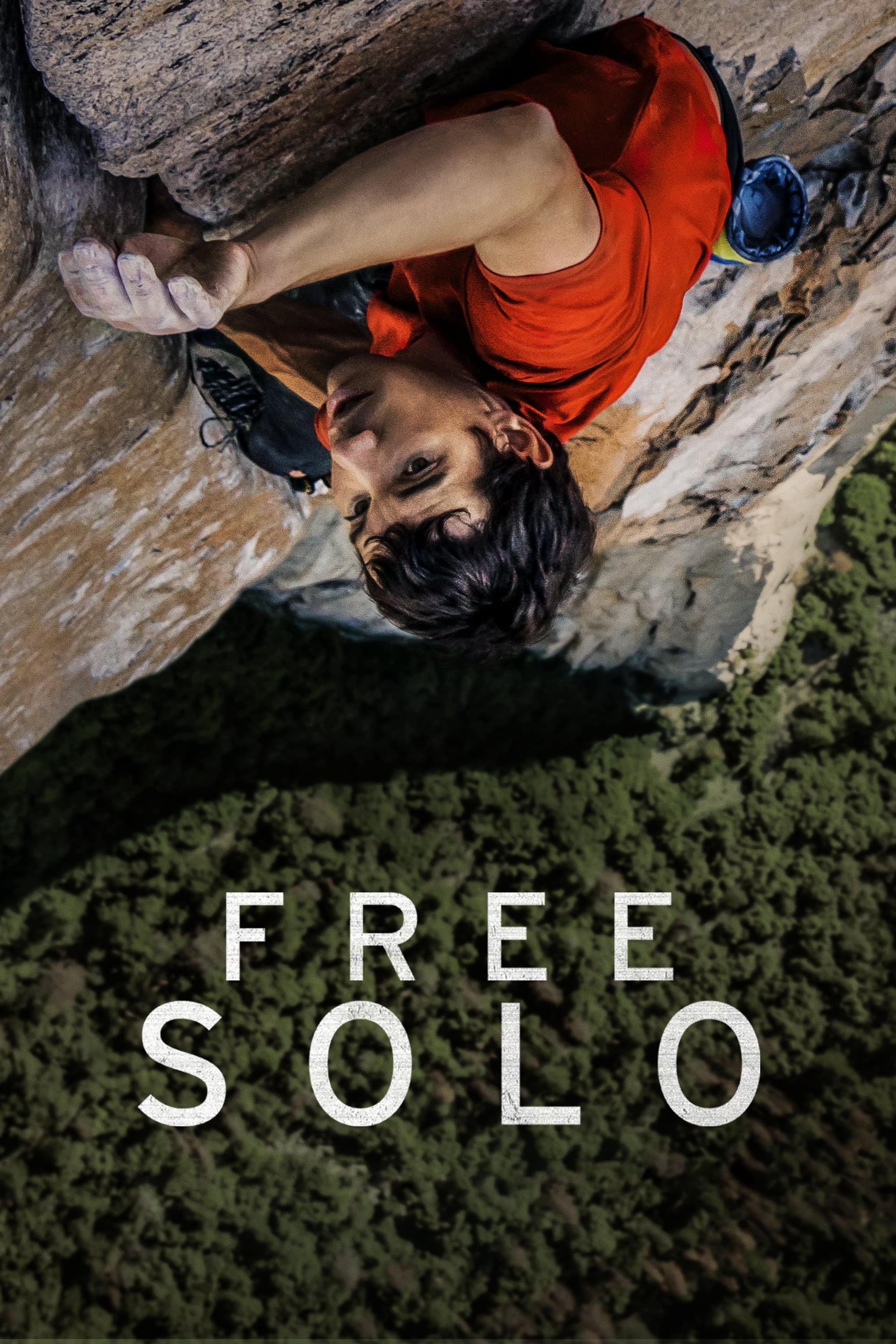
Follow Alex Honnold as he attempts to become the first person to ever free solo climb Yosemite's 3,000 foot high El Capitan wall. With no ropes or safety gear, this would arguably be the greatest feat in rock climbing history.
Behind-the-scenes documentary about how Lionel Messi succeeded in lifting the World Cup – the only trophy to have eluded him in an incredible career.
In 2019, Nepalese mountain climber Nirmal “Nims” Purja set out to do the unthinkable by climbing the world’s fourteen highest summits in less than seven months. (The previous record was eight years). He called the effort “Project Possible 14/7” and saw it as a way to inspire others to strive for greater heights in any pursuit. The film follows his team as they seek to defy naysayers and push the limits of human endurance.
When Allied forces liberated the Nazi concentration camps in 1944-45, their terrible discoveries were recorded by army and newsreel cameramen, revealing for the first time the full horror of what had happened. Making use of British, Soviet and American footage, the Ministry of Information’s Sidney Bernstein (later founder of Granada Television) aimed to create a documentary that would provide lasting, undeniable evidence of the Nazis’ unspeakable crimes. He commissioned a wealth of British talent, including editor Stewart McAllister, writer and future cabinet minister Richard Crossman – and, as treatment advisor, his friend Alfred Hitchcock. Yet, despite initial support from the British and US Governments, the film was shelved, and only now, 70 years on, has it been restored and completed by Imperial War Museums under its original title "German Concentration Camps Factual Survey".
An unprecedented and intimate look at the life, work and enduring legacy of British actress Audrey Hepburn (1929-1993).
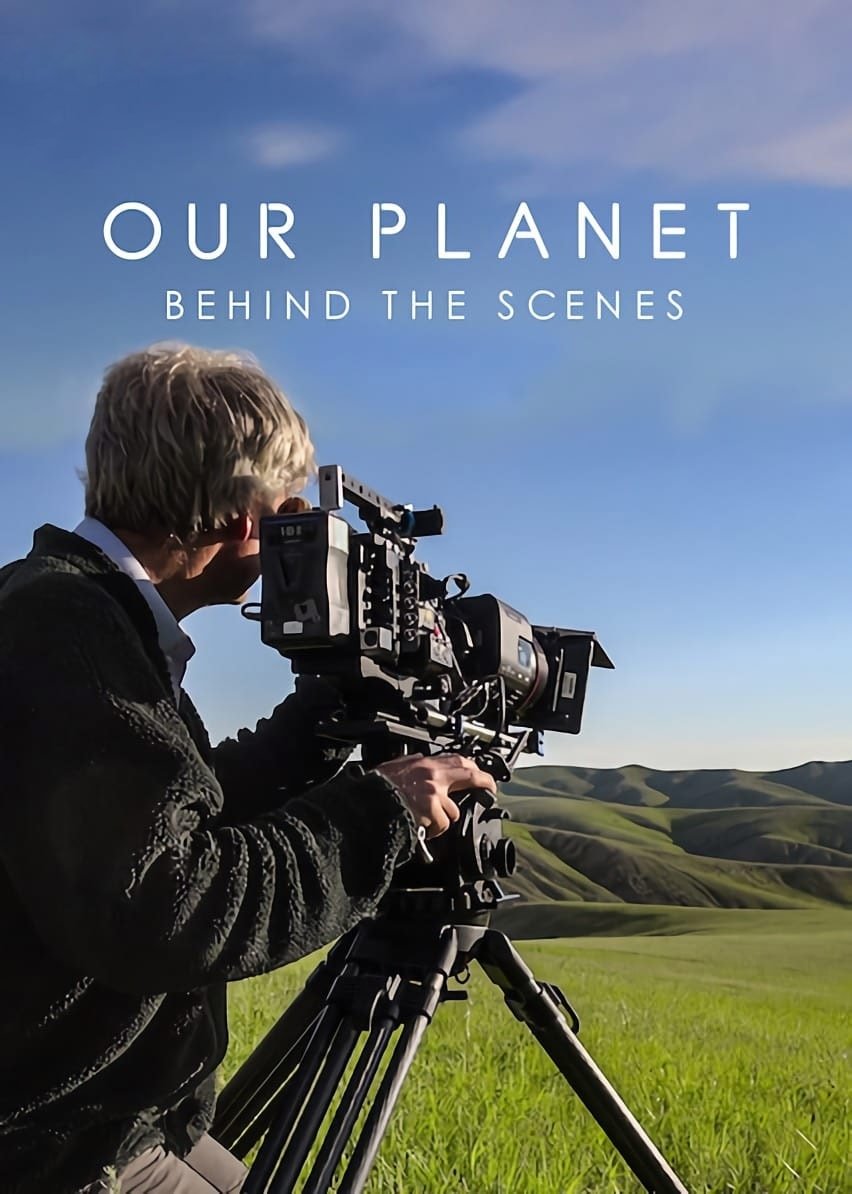
Years spent recording footage of creatures from every corner of the globe is bound to produce a bit of drama. Here's a behind-the-scenes look.
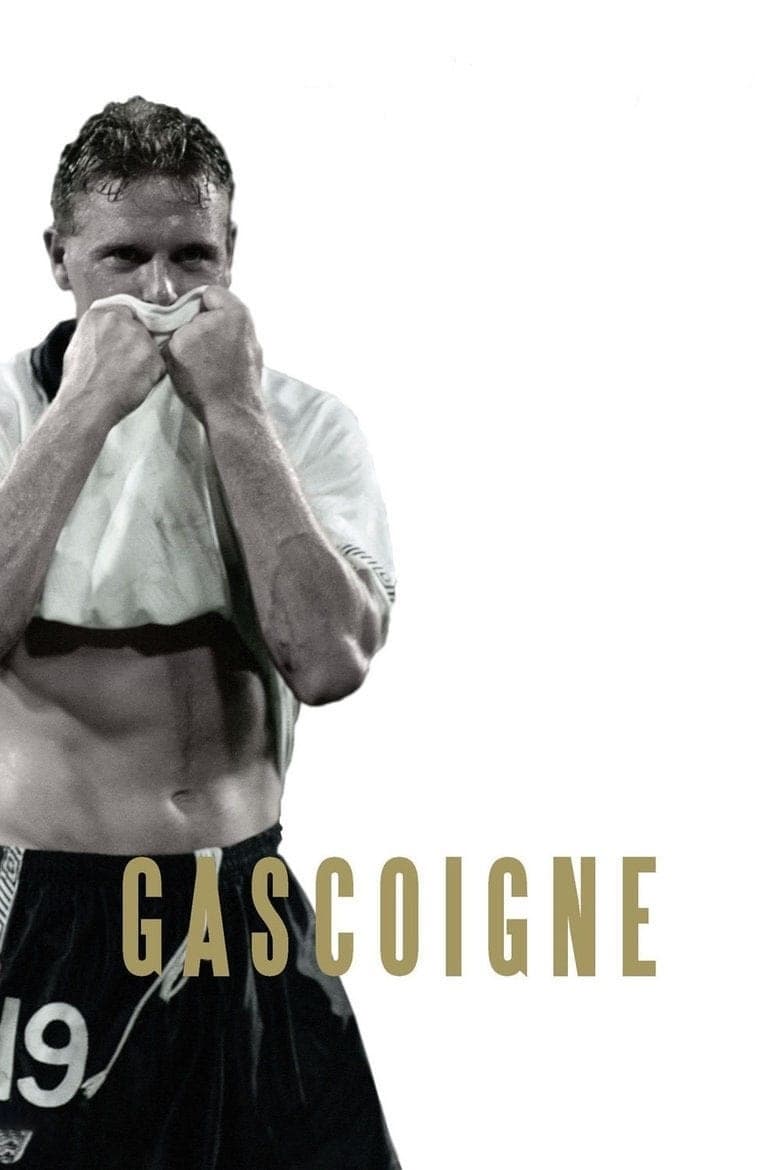
A feature length, theatrical documentary on the life of Paul Gascoigne, one of the greatest footballers that ever lived: delving deep into his psyche, vulnerabilities, fears and triumphs.
A documentary on a former Miss Wyoming who is charged with abducting and imprisoning a young Mormon Missionary.
As a visually radical memoir, CAMERAPERSON draws on the remarkable footage that filmmaker Kirsten Johnson has shot and reframes it in ways that illuminate moments and situations that have personally affected her. What emerges is an elegant meditation on the relationship between truth and the camera frame, as Johnson transforms scenes that have been presented on Festival screens as one kind of truth into another kind of story—one about personal journey, craft, and direct human connection.
Through deeply personal interviews with her siblings and an examination of the photographs, letters, and belongings left behind, Mariska assembles a new portrait of her mother Jayne Mansfield, an extraordinary and complex woman.