"A murky picture of collapse and disharmony"
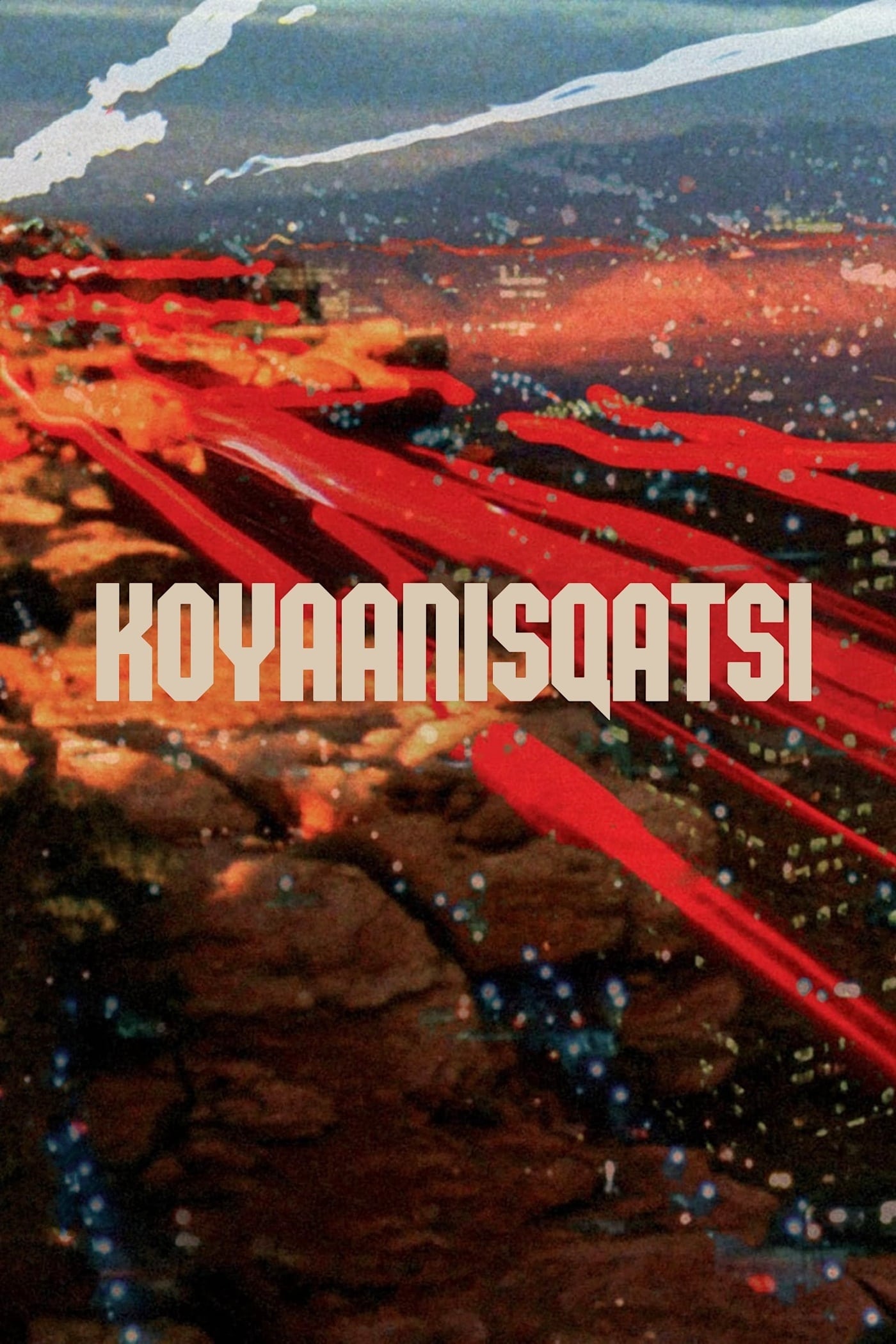
Twenty-four images of a camera running in the woods, a moonlight and a cemetery through improvised gestures, mechanical abstraction and saturated colors
Social & External
This short film focuses on the job of the Hollywood screenwriter.
This is a conversation starter first, a video second.
Working men and women leave through the main gate of the Lumière factory in Lyon, France. Filmed on 22 March 1895, it is often referred to as the first real motion picture ever made, although Louis Le Prince's 1888 Roundhay Garden Scene pre-dated it by seven years. Three separate versions of this film exist, which differ from one another in numerous ways. The first version features a carriage drawn by one horse, while in the second version the carriage is drawn by two horses, and there is no carriage at all in the third version. The clothing style is also different between the three versions, demonstrating the different seasons in which each was filmed. This film was made in the 35 mm format with an aspect ratio of 1.33:1, and at a speed of 16 frames per second. At that rate, the 17 meters of film length provided a duration of 46 seconds, holding a total of 800 frames.
Unlike our dream of becoming a great filmmaker, the movie boards that adults talk about are tough. We are looking for our idol, Bong Joon-ho...
Go head-to-head with an icebreaker. Plunge down a twisting mountain gorge. Soar through the clouds in the nosecone of a jet, then speed along with a dog team as it races across a frozen Arctic lake. A sweeping, moving tribute to Canada's stunning geography and rich cultural heritage, Momentum leaps off your screen--and touches your heart. Momentum wowed audiences from around the world when it premiered at Seville, the greatest world's fair of the last quarter century.
Paparazzi explores the relationship between Brigitte Bardot and groups of invasive photographers attempting to photograph her while she works on the set of Jean-Luc Godard's film Le Mépris (Contempt). Through video footage of Bardot, interviews with the paparazzi, and still photos of Bardot from magazine covers and elsewhere, director Rozier investigates some of the ramifications of international movie stardom, specifically the loss of privacy to the paparazzi. The film explains the shooting of the film on the island of Capri, and the photographers' valiant, even foolishly dangerous, attempts to get a photograph of Bardot.
Upon realising her generation won’t have a future unless the world’s politicians act now on climate change, 15-year-old Greta Thunberg skipped school in August 2018 to protest outside the Swedish parliament. What started as a one person strike soon gained global momentum. We follow Greta and the organisers of the school strikes for climate as they are cementing a worldwide movement ahead of their first global protest that took place on March 15th, 2019. It was the biggest climate strike in history with up to 1.6 million students in more than 125 countries.
A day in the city of Berlin, which experienced an industrial boom in the 1920s, and still provides an insight into the living and working conditions at that time. Germany had just recovered a little from the worst consequences of the First World War, the great economic crisis was still a few years away and Hitler was not yet an issue at the time.
Flubs and bloopers that occurred on the set of some of the major Warner Bros. pictures of 1938.
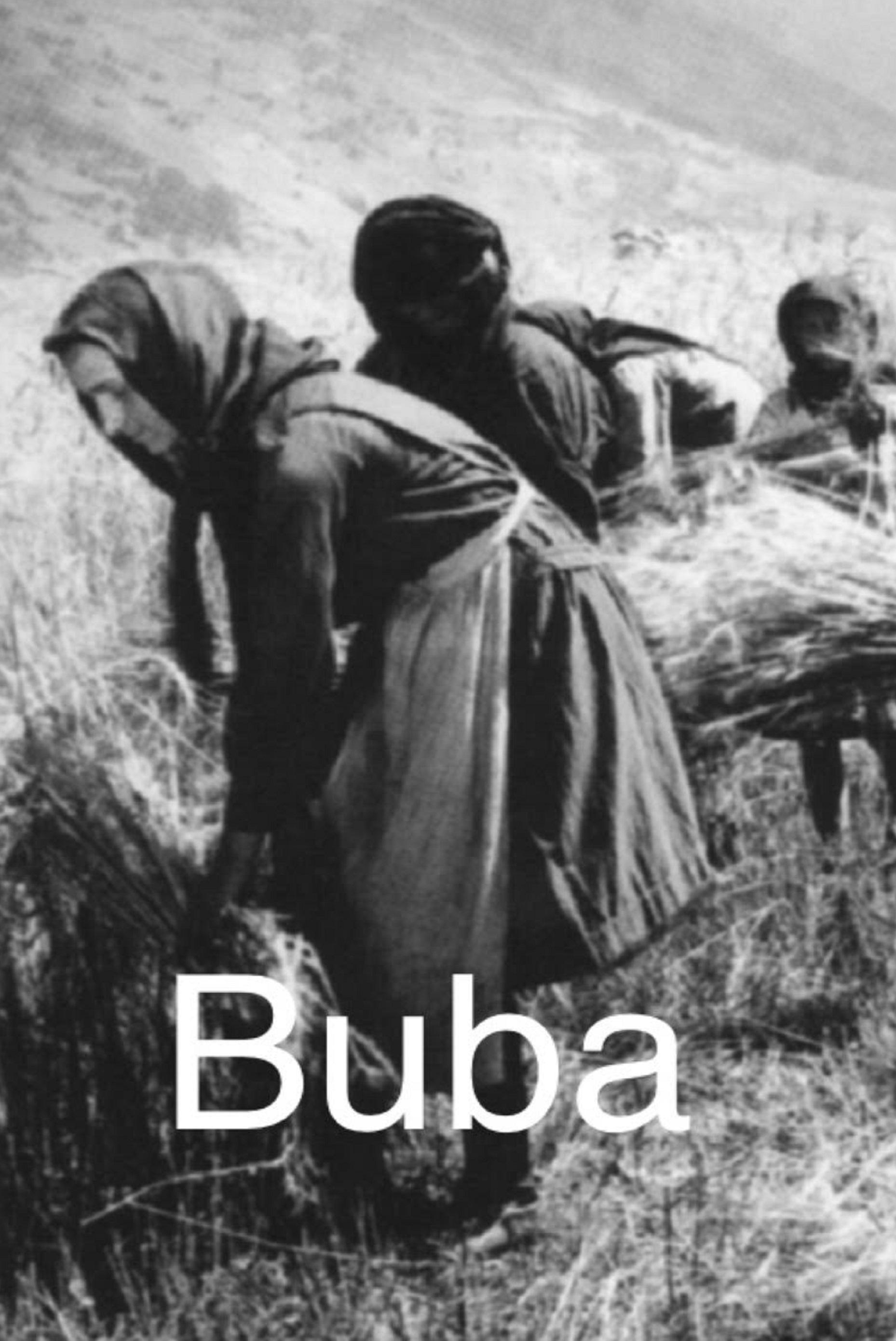
An exploration —manipulated and staged— of life in Las Hurdes, in the province of Cáceres, in Extremadura, Spain, as it was in 1932. Insalubrity, misery and lack of opportunities provoke the emigration of young people and the solitude of those who remain in the desolation of one of the poorest and least developed Spanish regions at that time.
An animated film about the history and use of hot water.
Squirrels are among the most widely known and recognized mammals. In many parts of the world they gladly join us for our lunches in city parks, amaze us with their acrobatics and entertain our children as cartoons on TV. Squirrels live in an extraordinarily diverse range of habitats. Some can fly, some can swim, some live in trees or underground, others love icy wastelands or burning hot deserts. But don’t let their cuteness fool you! They may be small, but squirrels are one of the most successful species on the planet. And they have big families. This blue-chip documentary explores some of the most fascinating squirrel species and shows how they became so successful dealing with extreme environments and curious (human) neighbors. 'Going Nuts' unveils the enchanting world of one of the “most watched” mammals on the planet.
This programme tells the story behind the conception, recording and release of this groundbreaking album. By use of interviews, musical demonstration, performance, archive footage and returning to the multi tracks with Ahmet Zappa and Joe Travers we discover how Frank Zappa and The Mothers of Invention created the album with the help of legendary African- American producer Tom Wilson.
"Lionpower from MGM" (1967) is an exciting 60's promotional short subject, which showcases MGM's releases for the 1967-68 film season under a "five seasons" theme--fall, winter, spring, summer--plus a "fabulous fifth season". The main music is set to the rousing theme from "The Magnificent Yankee" composed by David Raksin in 1950. The promo is narrated by some of the best voice-over actors of the time, and is an excellent time capsule of a by-gone era.
A look into the lives of eagles.
For detained immigrants who can’t pay their bond, for-profit companies like Libre by Nexus offer a path to reunite with their families. But for many, the reality is much more complicated. “Libre” sheds light on one of many hidden costs of reunification for immigrant families.
Filmmaker Alain Resnais documents the atrocities behind the walls of Hitler's concentration camps.
Set to a classic Duke Ellington recording "Daybreak Express", this is a five-minute short of the soon-to-be-demolished Third Avenue elevated subway station in New York City.
The earth is rapidly approaching a sixth mass extinction event, with a quarter of all species under threat. However, there is still hope. Armed with a radical new vision known as ‘rewilding’, follow the world’s top environmental leaders on a spectacular journey across six continents as they work to rebuild ecosystems, restore biodiversity, and even transform lives.
A visual montage portrait of our contemporary world dominated by globalized technology and violence.
Takes us to locations all around the US and shows us the heavy toll that modern technology is having on humans and the earth. The visual tone poem contains neither dialogue nor a vocalized narration: its tone is set by the juxtaposition of images and the exceptional music by Philip Glass.
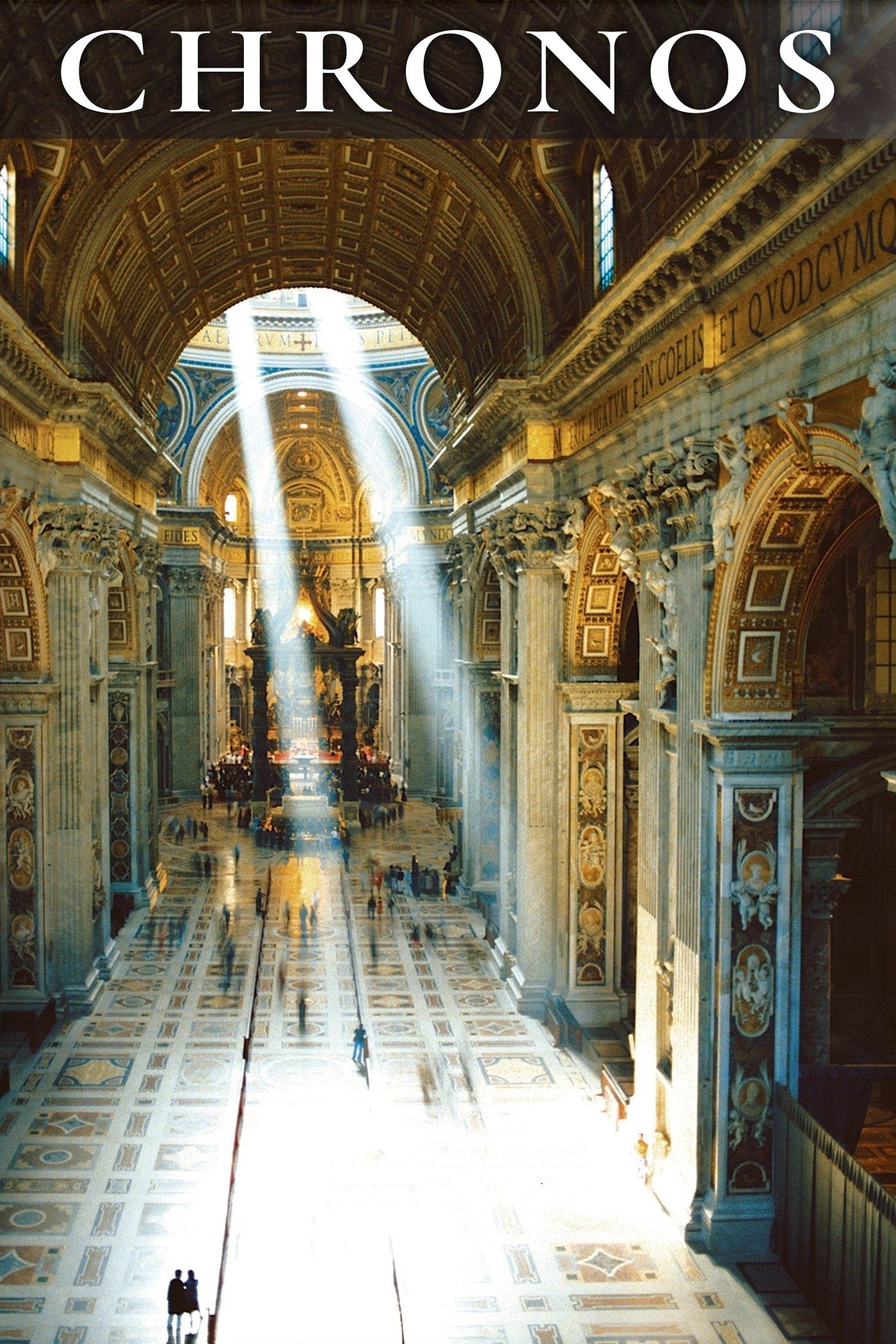
Carefully picked scenes of nature and civilization are viewed at high speed using time-lapse cinematography in an effort to demonstrate the history of various regions.
A compilation of over 30 years of private home movie footage shot by Lithuanian-American avant-garde director Jonas Mekas, assembled by Mekas "purely by chance", without concern for chronological order.
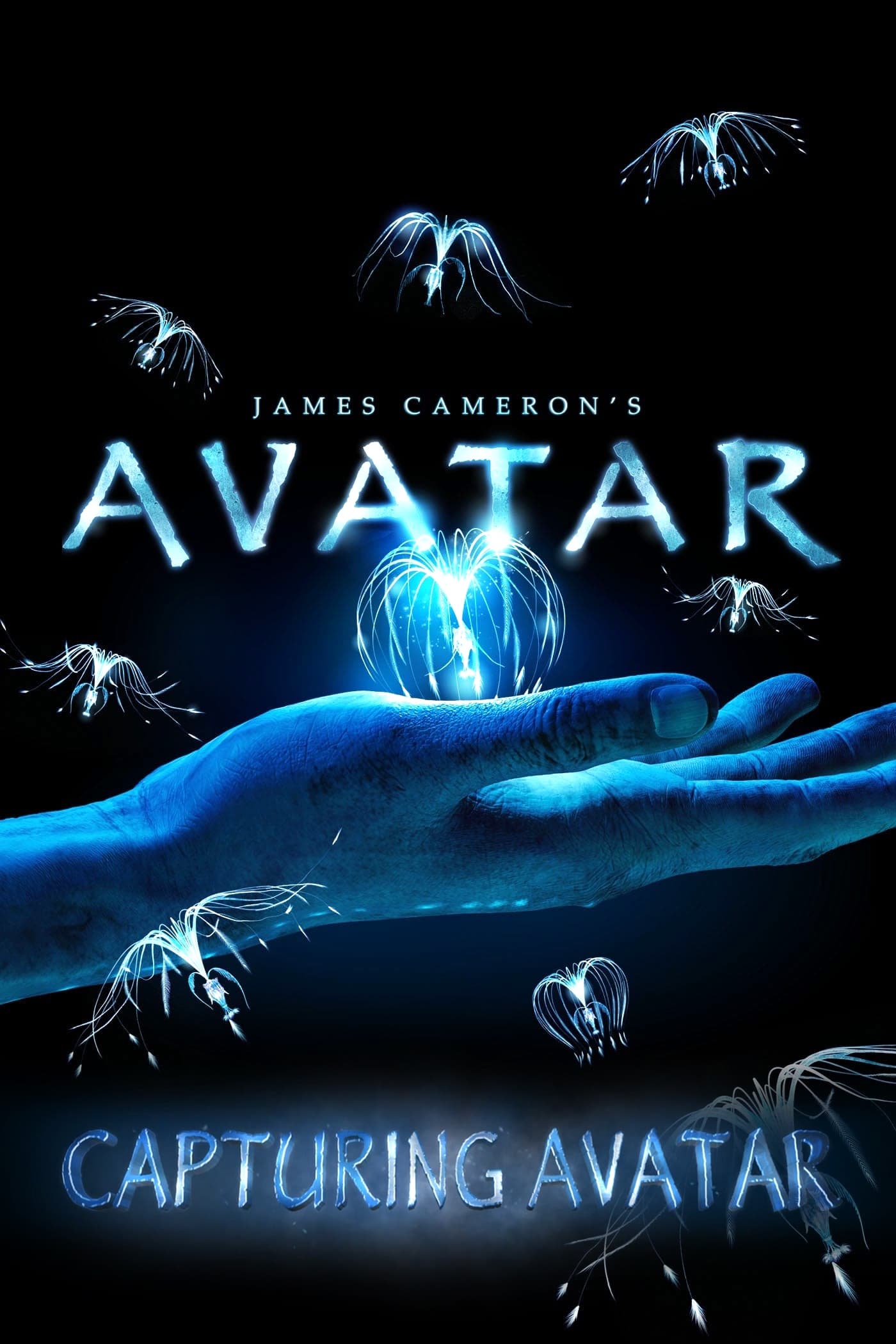
Capturing Avatar is a feature length behind-the-scenes documentary about the making of Avatar. It uses footage from the film's development, as well as stock footage from as far back as the production of Titanic in 1995. Also included are numerous interviews with cast, artists, and other crew members. The documentary was released as a bonus feature on the extended collector's edition of Avatar.
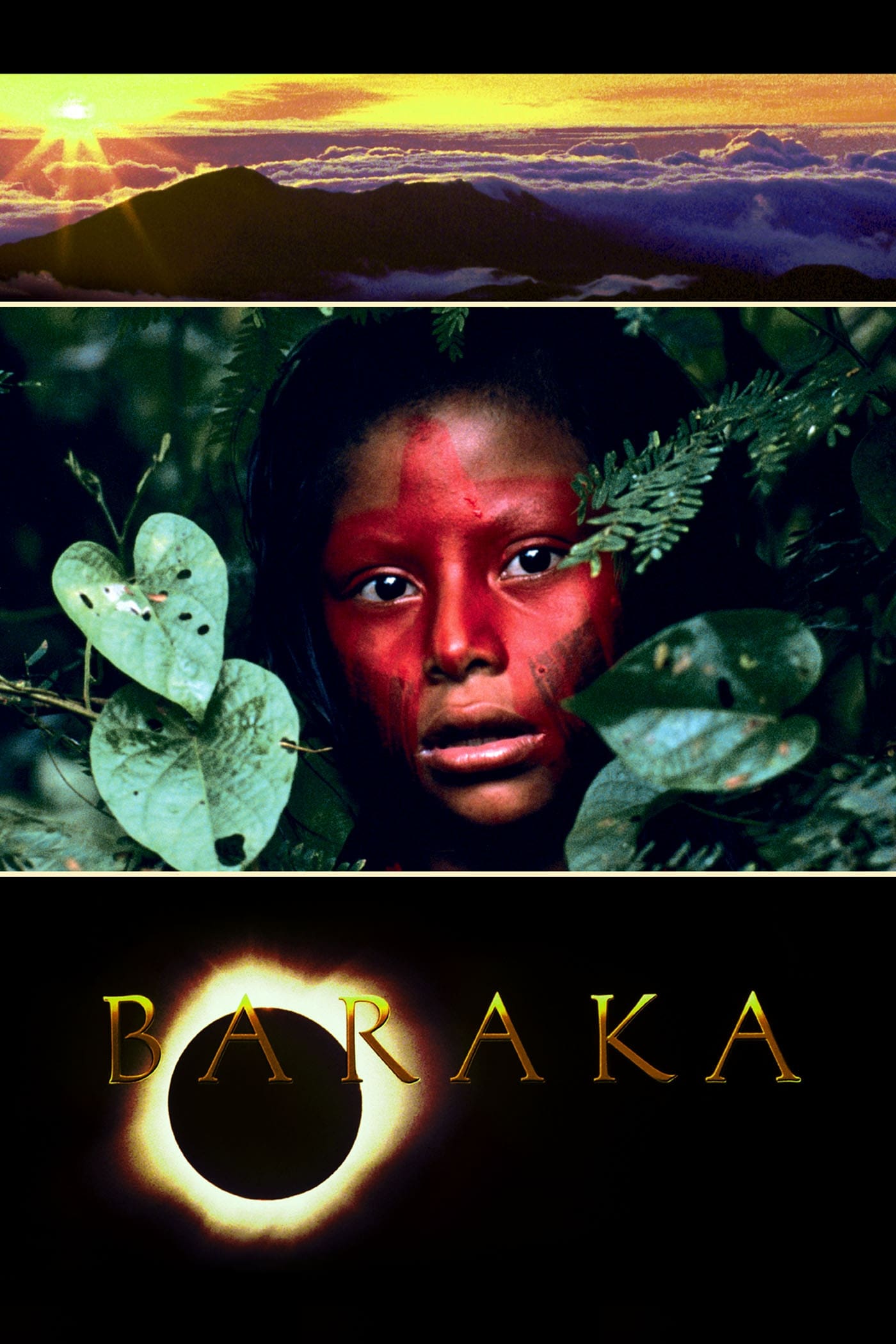
A paralysingly beautiful documentary with a global vision—an odyssey through landscape and time—that attempts to capture the essence of life.
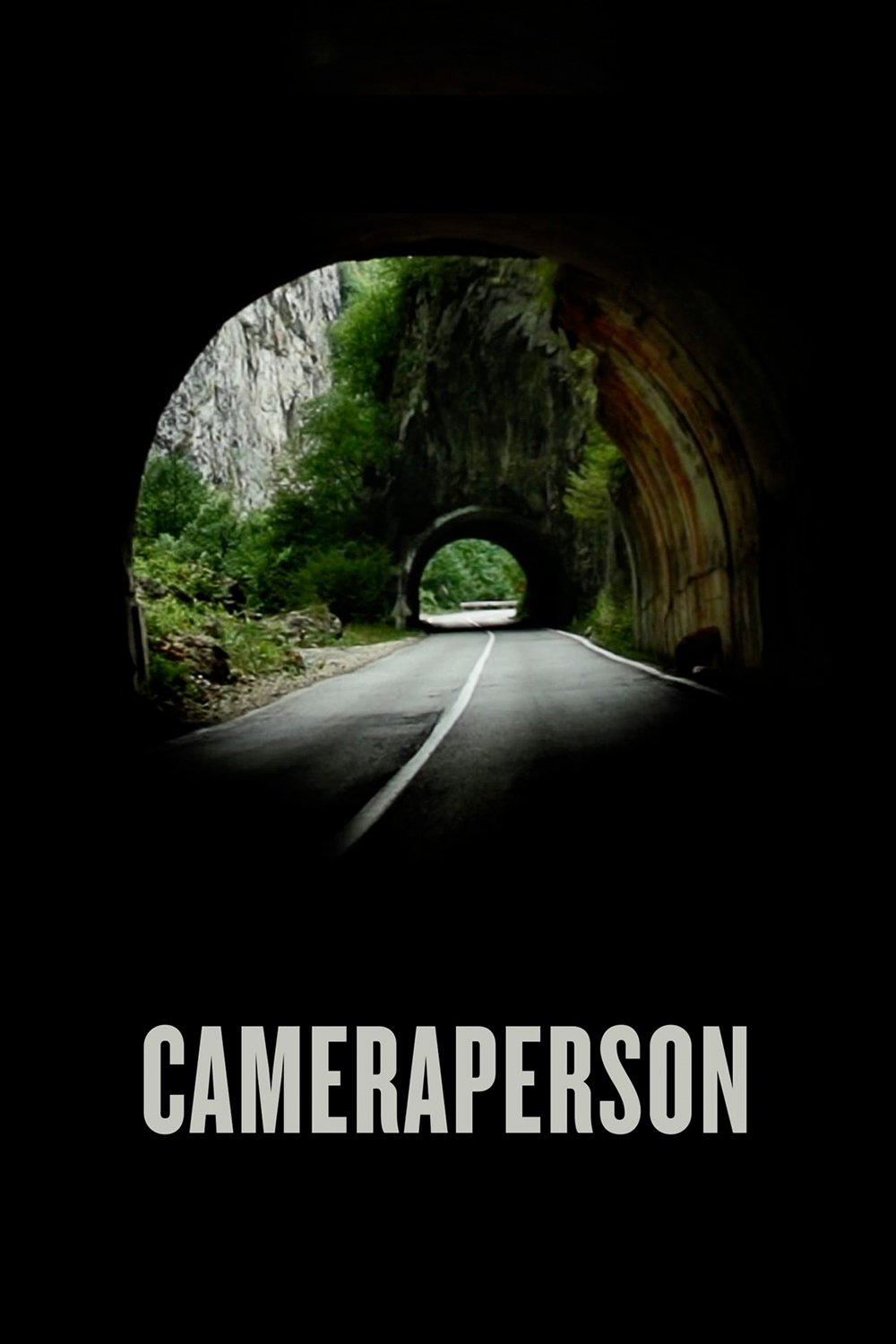
As a visually radical memoir, CAMERAPERSON draws on the remarkable footage that filmmaker Kirsten Johnson has shot and reframes it in ways that illuminate moments and situations that have personally affected her. What emerges is an elegant meditation on the relationship between truth and the camera frame, as Johnson transforms scenes that have been presented on Festival screens as one kind of truth into another kind of story—one about personal journey, craft, and direct human connection.
In Manhattan's Central Park, a film crew directed by William Greaves is shooting a screen test with various pairs of actors. It's a confrontation between a couple: he demands to know what's wrong, she challenges his sexual orientation. Cameras shoot the exchange, and another camera records Greaves and his crew. Sometimes we watch the crew discussing this scene, its language, and the process of making a movie. Is there such a thing as natural language? Are all things related to sex? The camera records distractions - a woman rides horseback past them; a garrulous homeless vet who sleeps in the park chats them up. What's the nature of making a movie?
Wirt and Gregory are brothers who get tired of walking, so, they borrow a car from a romantic songster made of vegetables.
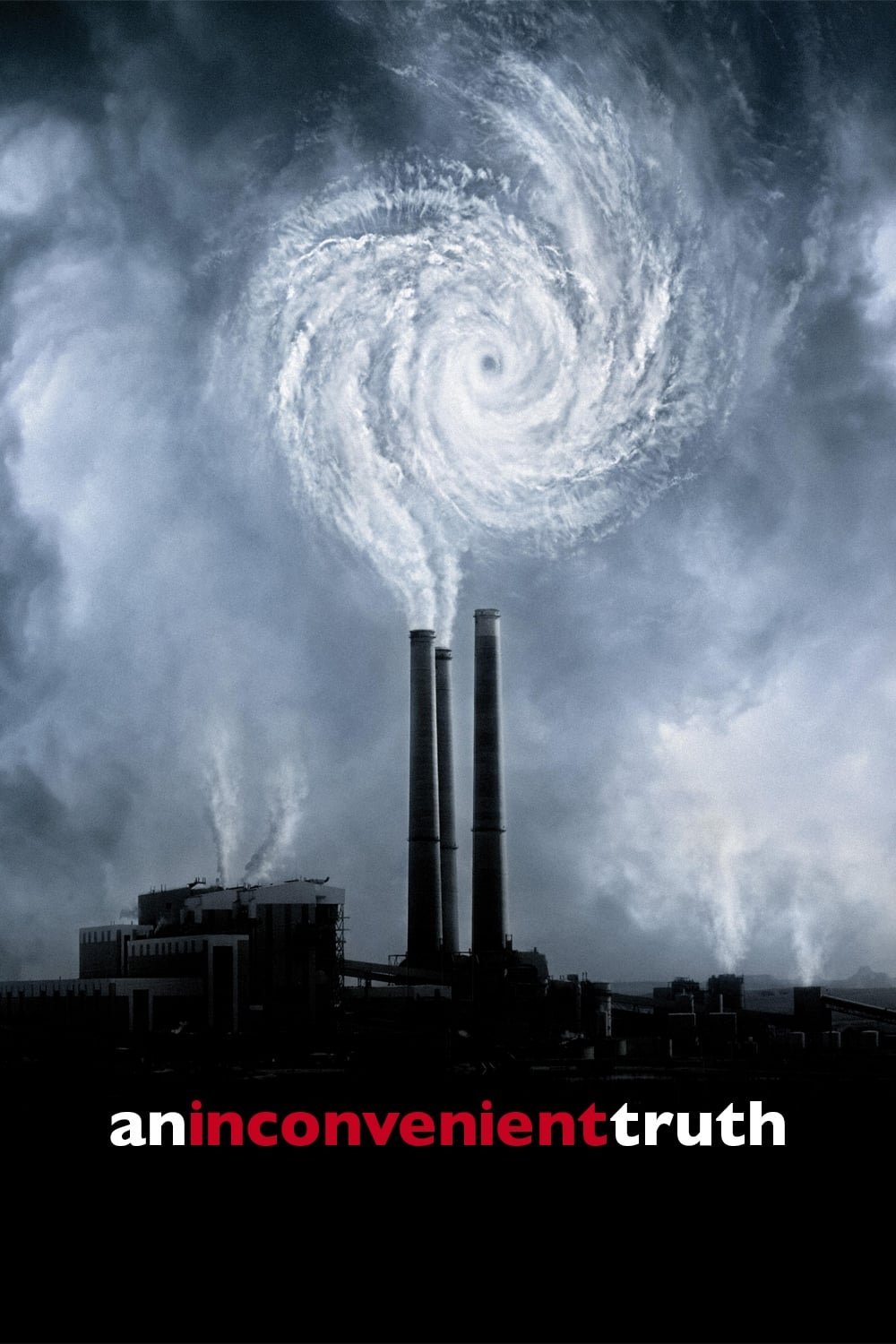
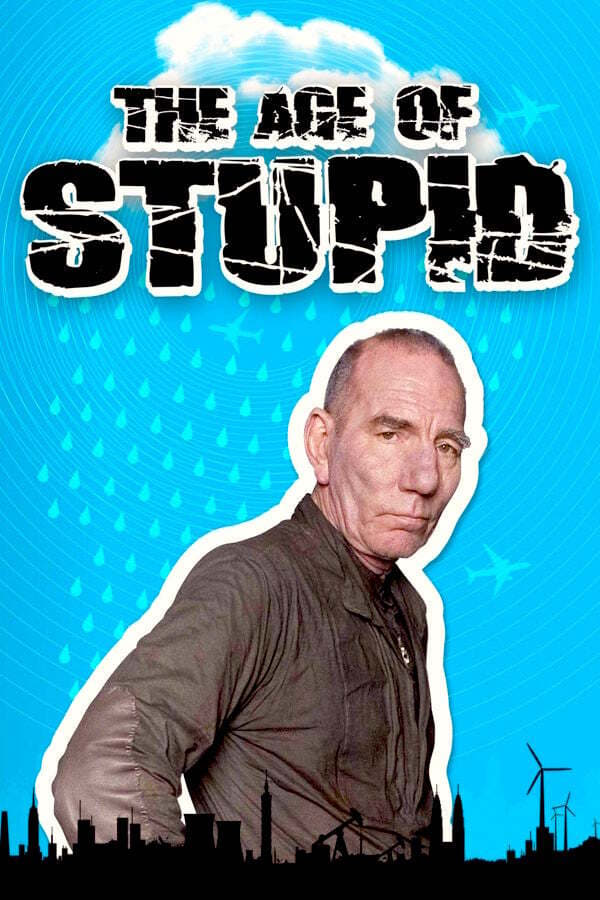
Pete Postlethwaite stars as a man living alone in the devastated future world of 2055, looking at old footage from 2008 and asking: why didn’t we stop climate change when we had the chance?
Stars of "The Walking Dead," Andrew Lincoln and Danai Gurira, walk down memory lane and visit iconic locations where pivotal moments between their characters, Rick and Michonne, were filmed.
The Making-of James Cameron's Avatar. It shows interesting parts of the work on the set.
A look behind the lens of Christopher Nolan's space epic.
Short film to a song of love lost and rediscovered, a woman sees and undergoes surreal transformations. Her lover's face melts off, she dons a dress from the shadow of a bell and becomes a dandelion, ants crawl out of a hand and become Frenchmen riding bicycles. Not to mention the turtles with faces on their backs that collide to form a ballerina, or the bizarre baseball game.
An exploration of technologically developing nations and the effect the transition to Western-style modernization has had on them.
A documentary about the making of David Fincher's 2008 film THE CURIOUS CASE OF BENJAMIN BUTTON. Virtually every element in the evolution of the Fincher's film is documented here, from the project's attachment to numerous other directors during the 1990s, to its shoot in 2006 and 2007 in New Orleans, to its complex, CGI-intensive postproduction process.
A visual representation, in four parts, of one man's internalization of "The Divine Comedy." Hell is a series of multicolored brush strokes against a white background; the speed of the changing images varies. "Hell Spit Flexion," or springing out of Hell, is on smaller film stock, taking the center of the frame. Montages of color move rapidly with a star and the edge of a lighted moon briefly visible. Purgation is back to full frame; blurs of color occasionally slow down then freeze. From time to time, an image, such as a window or a face, is distinguishable for a moment. In "existence is song," colors swirl then flash in and out of view. Behind the vivid colors are momentary glimpses of volcanic activity.
Follow the evolution of the 'Halloween' movies over the past twenty-five years. It examines why the films are so popular and revisits many of the original locations used in the films - seeing the effects on the local community. For the first time, cast, crew, critics and fans join together in the ultimate 'Halloween' retrospective.
A celebration of the universe, displaying the whole of time, from its start to its final collapse. This film examines all that occurred to prepare the world that stands before us now: science and spirit, birth and death, the grand cosmos and the minute life systems of our planet.
This special explores the return of Obi-Wan Kenobi and Anakin Skywalker to the screen, as well as Ewan McGregor and Hayden Christensen to their classic roles. Director Deborah Chow leads the cast and crew as they create new heroes and villains that live alongside new incarnations of beloved Star Wars characters, and an epic story that dramatically bridges the saga films.