Social & External
The people behind it
A New York Times documentary mini-series revealing the dark and troubling history of Soviet and Russian misinformation campaigns on foreign governments.
In 1978, just after Le fond de l'Air Est Rouge, which mercilessly analyzed the previous ten years of the revolutionary left's momentum until its collapse, Chris Marker made this complementary piece entitled Quand le Siècle a Pris Forme (Guerre et Révolution).
How a group of young men managed to take over the government and lead it to the brink of democracy. What drove the “Praetorians” and why almost the entire country was at their feet. Why the European public marveled and admired this.
This documentary goes behind the scenes of the recent 2024 local elections in one particular ward - Dublin's North Inner City. Considered by many to be the most vibrant, diverse and rapidly changing place in Ireland, this June, nineteen candidates put themselves forward to represent this electoral ward, contesting seven seats on Dublin City Council. The Locals is an observational documentary following seven candidates through a gruelling local election campaign. The documentary was directed by Luke McManus, whose previous work includes the acclaimed North Circular and Stories from the Street.
For years, right-wing politicians and pundits have repeatedly criticized the left for playing “the race card” and “the woman card.” This new film turns the tables and takes dead aim at the right’s own longstanding – but rarely discussed – deployment of white-male identity politics in American presidential elections. Ranging from Richard Nixon’s tough-talking, law-and-order campaign in 1968 to Donald Trump’s hyper-macho revival of the same fear-based appeals in 2020, "The Man Card" shows how the right has mobilized dominant ideas about manhood and enacted a deliberate strategy to frame Democrats and liberals as soft, brand the Republican Party as the party of “real men,” and position conservatives as defenders of white male power and authority in the face of transformative demographic change and ongoing struggles for racial, gender, and sexual equality.
Tells the story of a Communist Party's early history during the turbulent era, examining the remarkable Chinese revolutionary leaders' zeal and contrition for the ascension of the Chinese people.
The Network is an exclusive group of the most professional and fearless corruption hunters in the world. It is twenty public prosecutors and investigators from Europe, US, Africa, Asia and Latin America that meet in order to support each other and find new tools in the struggle against corruption. They investigate some of the wealthiest, greediest and most influential leaders and enterprises in the world. The members have faith in a just world even if many corruption hunters have been killed.
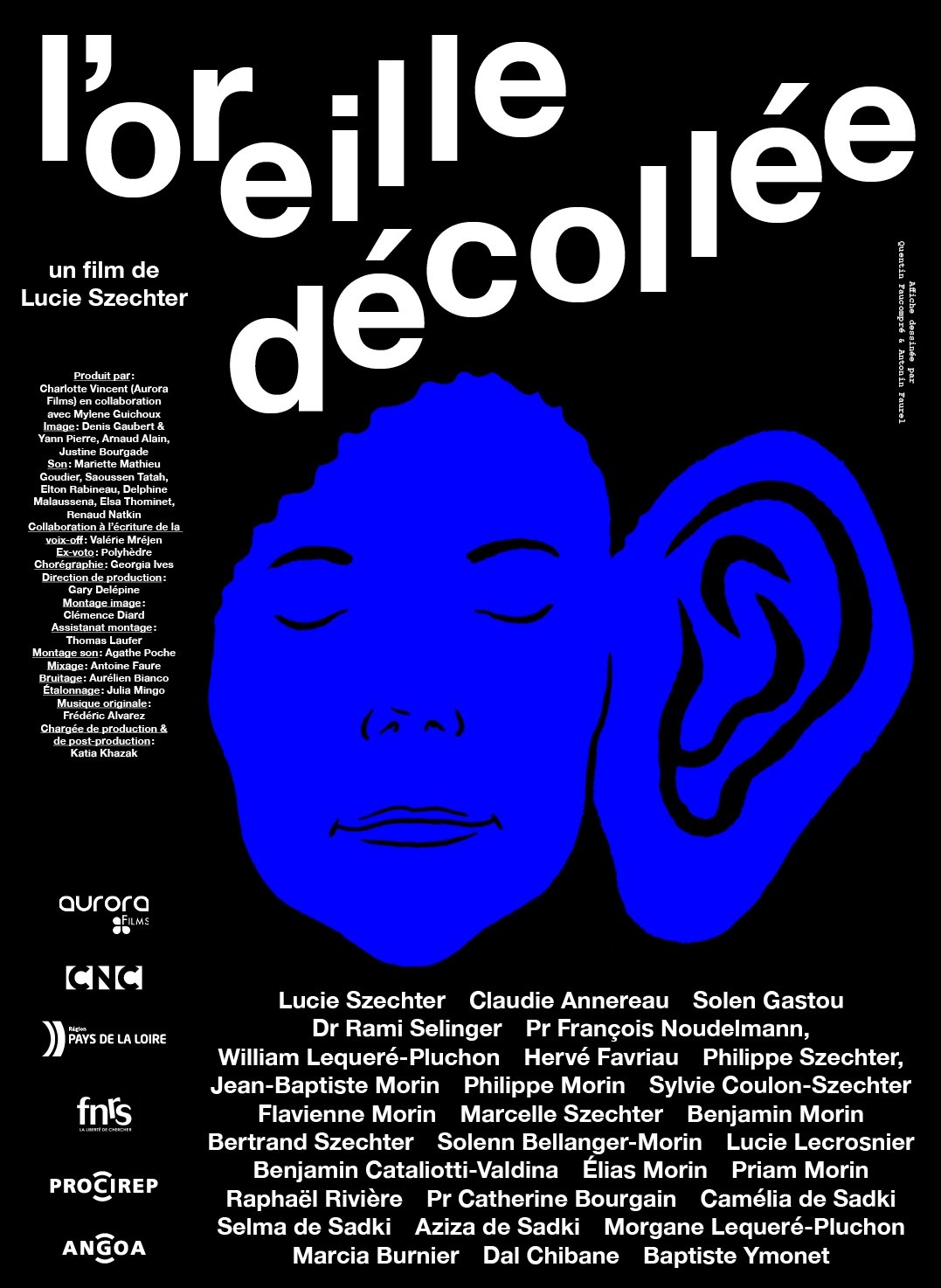
Lucie was born with a protruding ear that she got from her mother. In this documentary she tries to find answers in her fathers' features.
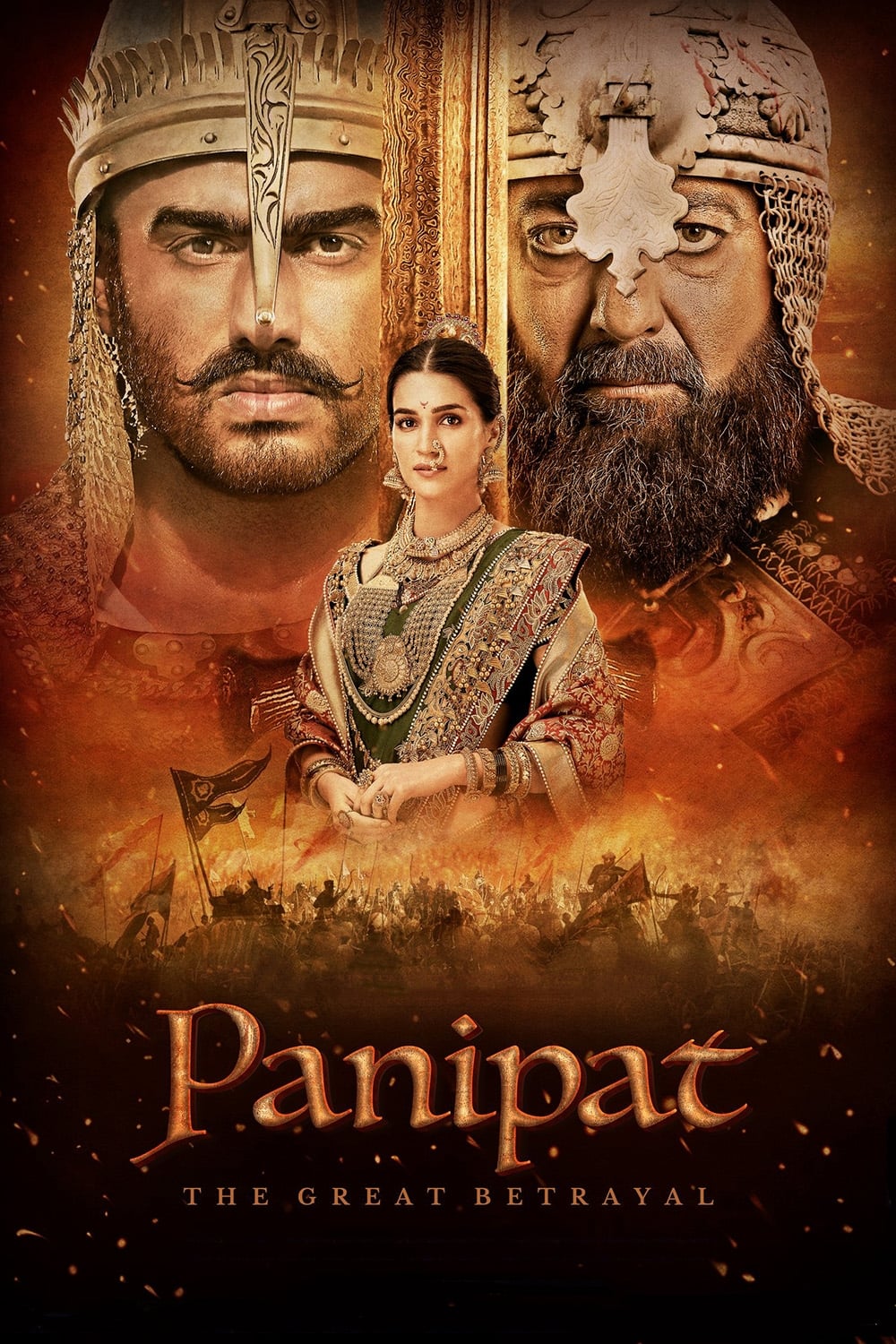
During 18th century India, the Marathas emerged as the most powerful empire in the nation until the Afghan King Ahmad Shah Abdali plans to take over India. Sadashiv Rao Bhau is brought in to save the empire from the king which then leads to the third battle of Panipat.
Danube upstream from Vienna, with its images of monasteries and castles. It's hard for an American to realize the age of civilization in Europe. This Burton Holmes travelogue hints at it.
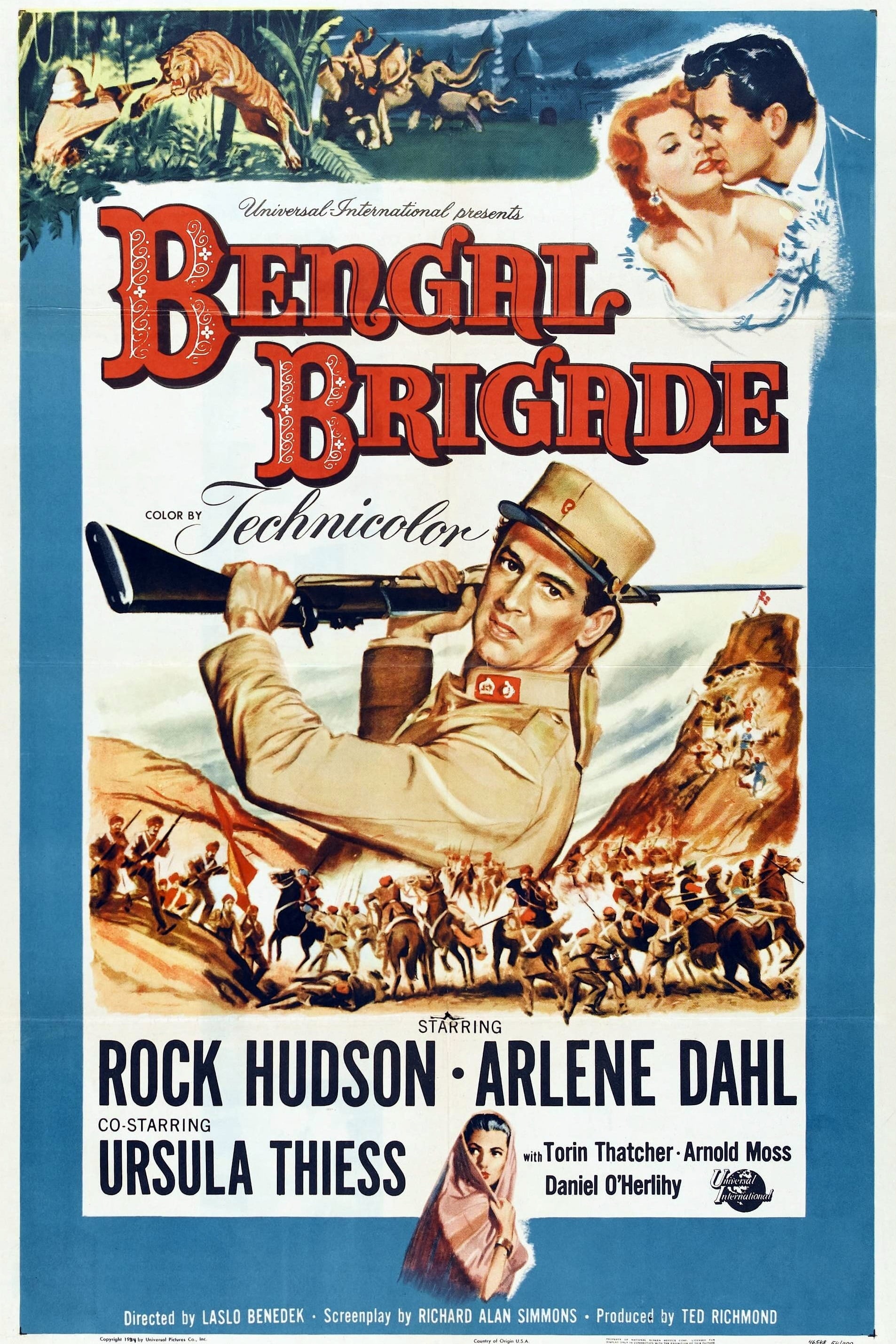
Year 1856, British India. Capt. Jeffrey Claybourne is severely punished after disobeying an order. Feeling unworthy of his fiancée Vivian Morrow, the daughter of his superior officer, Claybourne leaves the army until he could regain his reputation. When the Rajah Karam launches an attack on the British forces in India, Claybourne finds a chance at redemption.
Exploring the rich biodiversity and breathtaking natural landscapes of Baishanzu, China, the documentary takes viewers deep into one of the region’s most remarkable ecosystems. Filmed in stunning 8K, it captures the fascinating lives and interactions of plants, animals, and fungi throughout the changing seasons. Beyond showcasing the area’s unique natural beauty, the film also highlights ongoing efforts to protect biodiversity, preserve fragile ecosystems, and promote a sustainable relationship between people and nature.
A tour of Granada offers glimpses into the daily life of the 70,000 Granadans who once inhabited the city. Crossing the city from the Alhambra hill, you'll encounter churches, fountains, the Darro River, donkeys wandering the streets, gypsy women, courtyards, archways, and women in their traditional mantillas. The city center, with areas like Reyes Católicos, Plaza Nueva, and Cuesta de Gomérez, is easily recognizable, as are the Sacromonte caves, where Holmes found gypsy women who were "less picturesque" than he had expected.
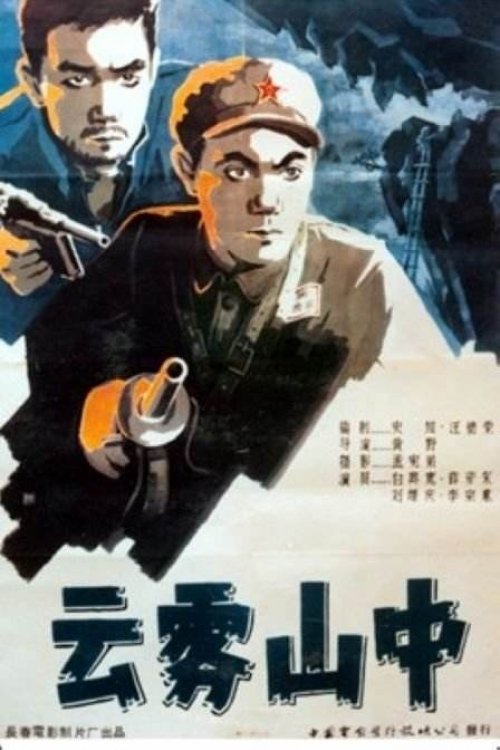
Set in the 1950s, the PLA exterminates residual bandits in the Yunwushan Mountain.
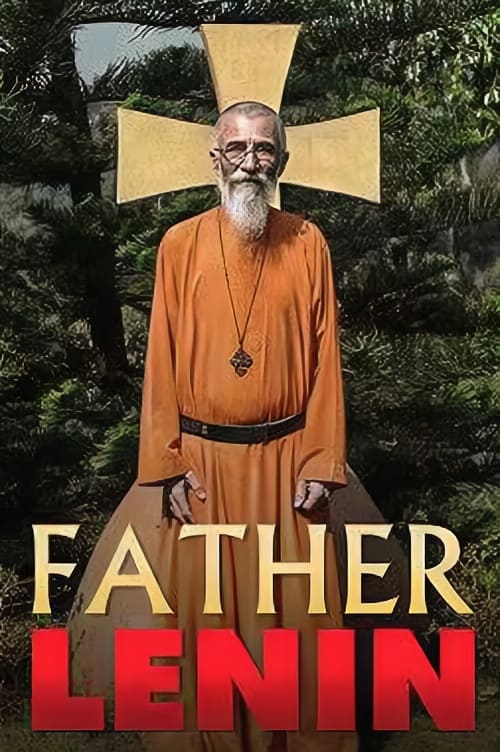
An evocative and unsettling journey through christian and also deeply communist Kerala. Amidst red flags and altar boys, between the sea and the jungle, mixing the language of reportage and that of fable, the unedited docufilm tells the touching, profound, at times funny stories of a group of priests and nuns in the days leading up to Easter.
Highlights the rebellious young generation of artists in China fighting for political emancipation, artistic freedom and creating a cultural golden age during the 1980s - a significant decade of transformational change. Interweaving six main characters' memories with the director's personal narration, the film embarks on an emotional journey and tells a story of being passionate and idealistic before dreams are dashed to pieces.
A record of the ascent of the Jungfrau by Frederick Burlingham accompanied by four mountain guides. The film starts with panoramics of the Eiger North Face from Kleine Scheidegg. The party begin the climb from the Jungfraujoch Station crossing the Jungfrau Firn and reaching the summit of the Jungfrau by the steep Roththal Sattel. Frederick Burlingham was a traveller cinematographer and one of the mountain film pioneers. Continuing the mountain film tradition established by Ormiston-Smith, Burlingham filmed several mountaineering films largely in Switzerland, taking mountain film in a new direction of immediacy and perceived peril. In the early history of factual filmmaking, Burlingham played a substantial role in developing the related genres of the mountaineering and the exploration film.
...where the whole expedition, by the breaking of an ice cornice on the summit, escaped death by a hair's breadth. The miraculous escape is recorded on the screen.
Prelude to War was the first film of Frank Capra's Why We Fight propaganda film series, commissioned by the Pentagon and George C. Marshall. It was made to convince American troops of the necessity of combating the Axis Powers during World War II. This film examines the differences between democratic and fascist states.
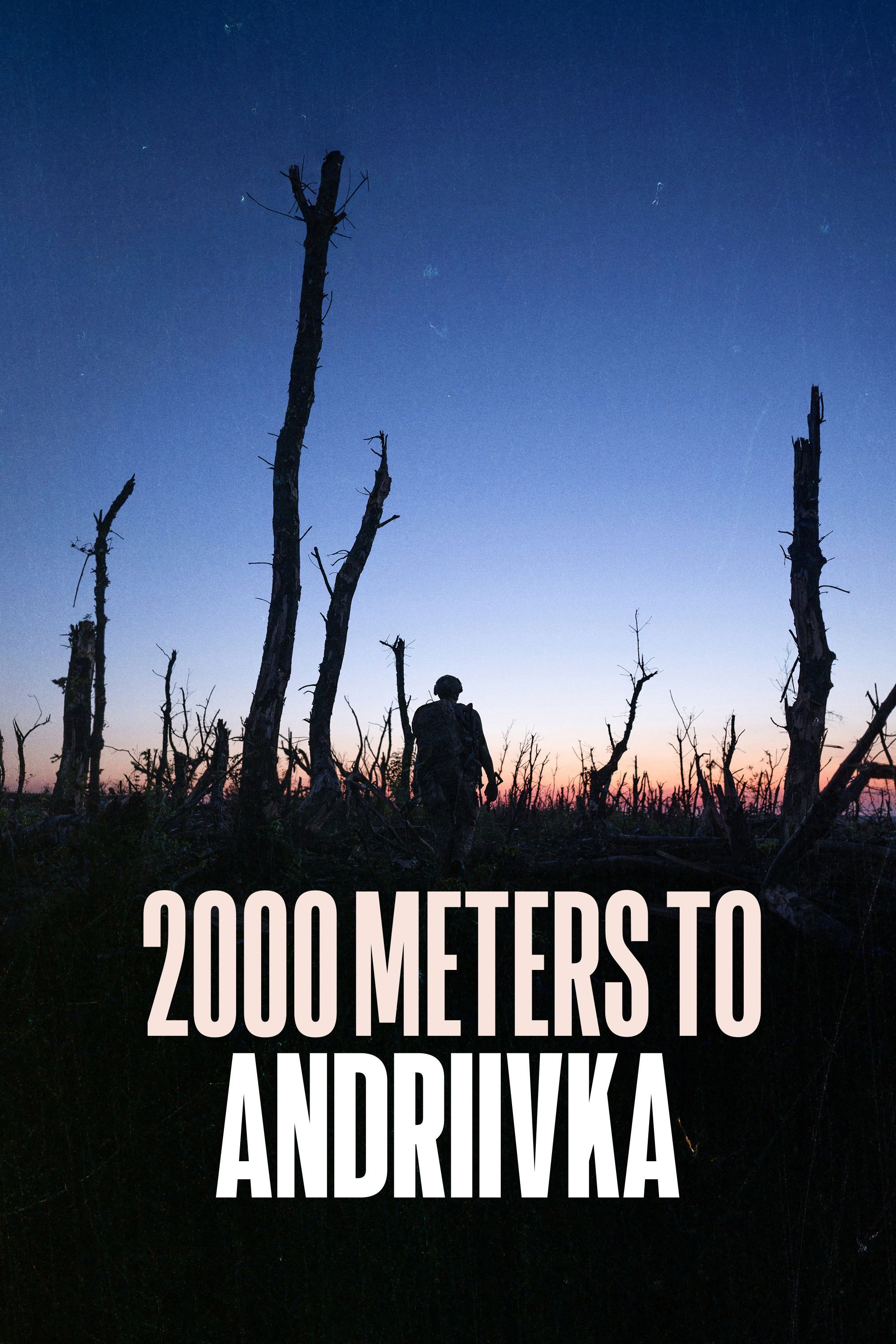
Amid the failing counteroffensive, a journalist follows a Ukrainian platoon on their mission to traverse one mile of heavily fortified forest and liberate a strategic village from Russian occupation. But the farther they advance through their destroyed homeland, the more they realize that this war may never end.
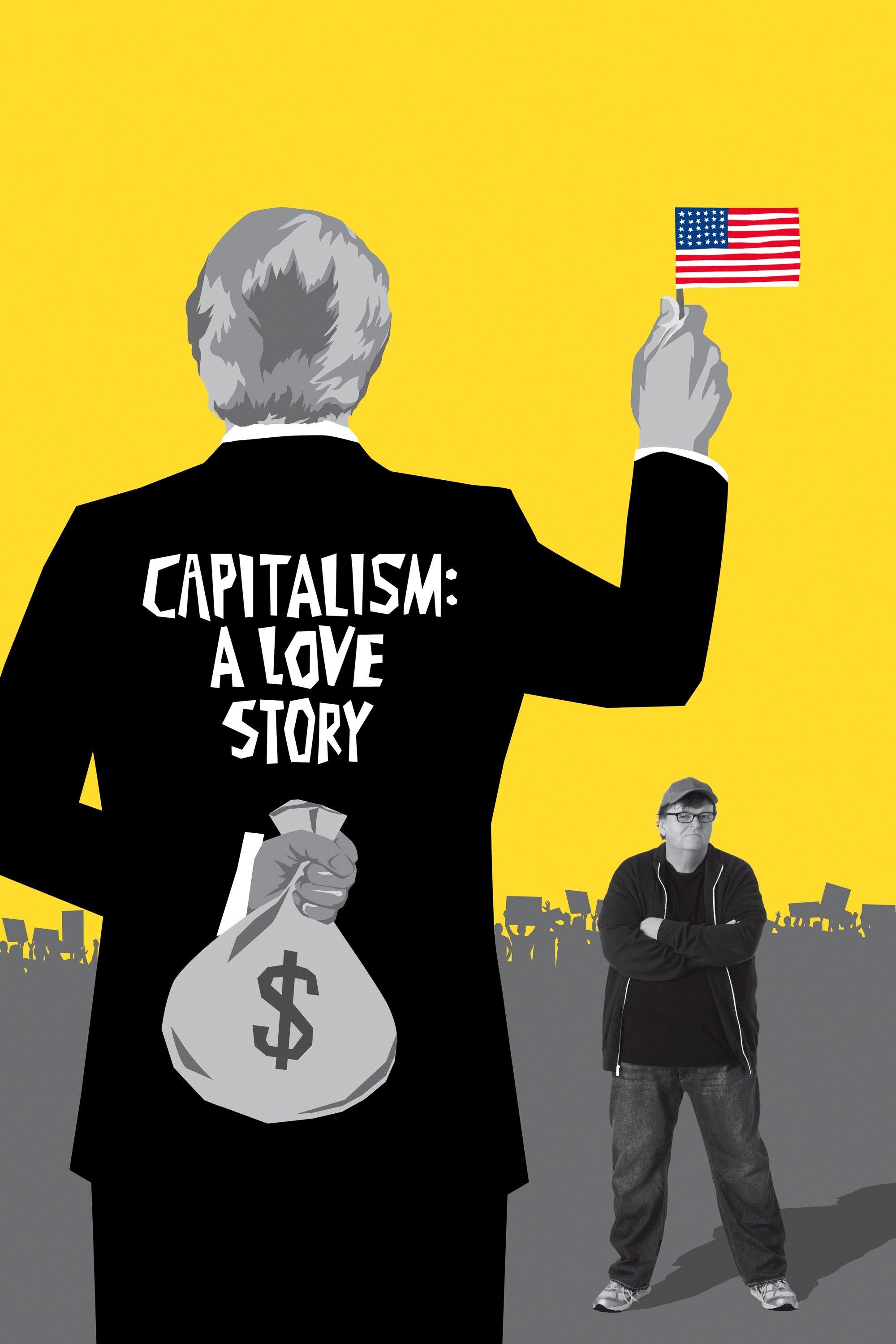
Michael Moore comes home to the issue he's been examining throughout his career: the disastrous impact of corporate dominance on the everyday lives of Americans (and by default, the rest of the world).
Five broken cameras – and each one has a powerful tale to tell. Embedded in the bullet-ridden remains of digital technology is the story of Emad Burnat, a farmer from the Palestinian village of Bil’in, which famously chose nonviolent resistance when the Israeli army encroached upon its land to make room for Jewish colonists. Emad buys his first camera in 2005 to document the birth of his fourth son, Gibreel. Over the course of the film, he becomes the peaceful archivist of an escalating struggle as olive trees are bulldozed, lives are lost, and a wall is built to segregate burgeoning Israeli settlements.
A documentary highlighting the Soviet Union's legendary and enigmatic hockey training culture and world-dominating team through the eyes of the team's Captain Slava Fetisov, following his shift from hockey star and celebrated national hero to political enemy.
Experience the events of September 11, 2001 through the eyes of President Bush and his closest advisors as they personally detail the crucial hours and key decisions from that historic day.
Filmmaker Alain Resnais documents the atrocities behind the walls of Hitler's concentration camps.
The history of cinematic sound, told by legendary sound designers and visionary filmmakers.
Director Claude Lanzmann spent 11 years on this sprawling documentary about the Holocaust, conducting his own interviews and refusing to use a single frame of archival footage. Dividing Holocaust witnesses into three categories – survivors, bystanders, and perpetrators – Lanzmann presents testimonies from survivors of the Chelmno concentration camp, an Auschwitz escapee, and witnesses of the Warsaw Ghetto Uprising, as well as a chilling report of gas chambers from an SS officer at Treblinka.
Meet the real-life airmen who inspired Masters of the Air as they share the harrowing and transformative events of the 100th Bomb Group.
A documentary examining possible historical and modern conspiracies surrounding Christianity, the 9/11 terrorist attacks, and the Federal Reserve bank.
For the 20th anniversary of "Titanic," James Cameron reopens the file on the disaster.
Director Peter Joseph examines examples of economic subjugation and offers solutions based on alignment with nature.
A documentary about the legendary series of nationally televised debates in 1968 between two great public intellectuals, the liberal Gore Vidal and the conservative William F. Buckley Jr. Intended as commentary on the issues of their day, these vitriolic and explosive encounters came to define the modern era of public discourse in the media, marking the big bang moment of our contemporary media landscape when spectacle trumped content and argument replaced substance. Best of Enemies delves into the entangled biographies of these two great thinkers, and luxuriates in the language and the theater of their debates, begging the question, "What has television done to the way we discuss politics in our democracy today?"
An unprecedented and intimate look at the life, work and enduring legacy of British actress Audrey Hepburn (1929-1993).
A behind-the-scenes documentary about the Clinton for President campaign, focusing on the adventures of spin doctors James Carville and George Stephanopoulos.
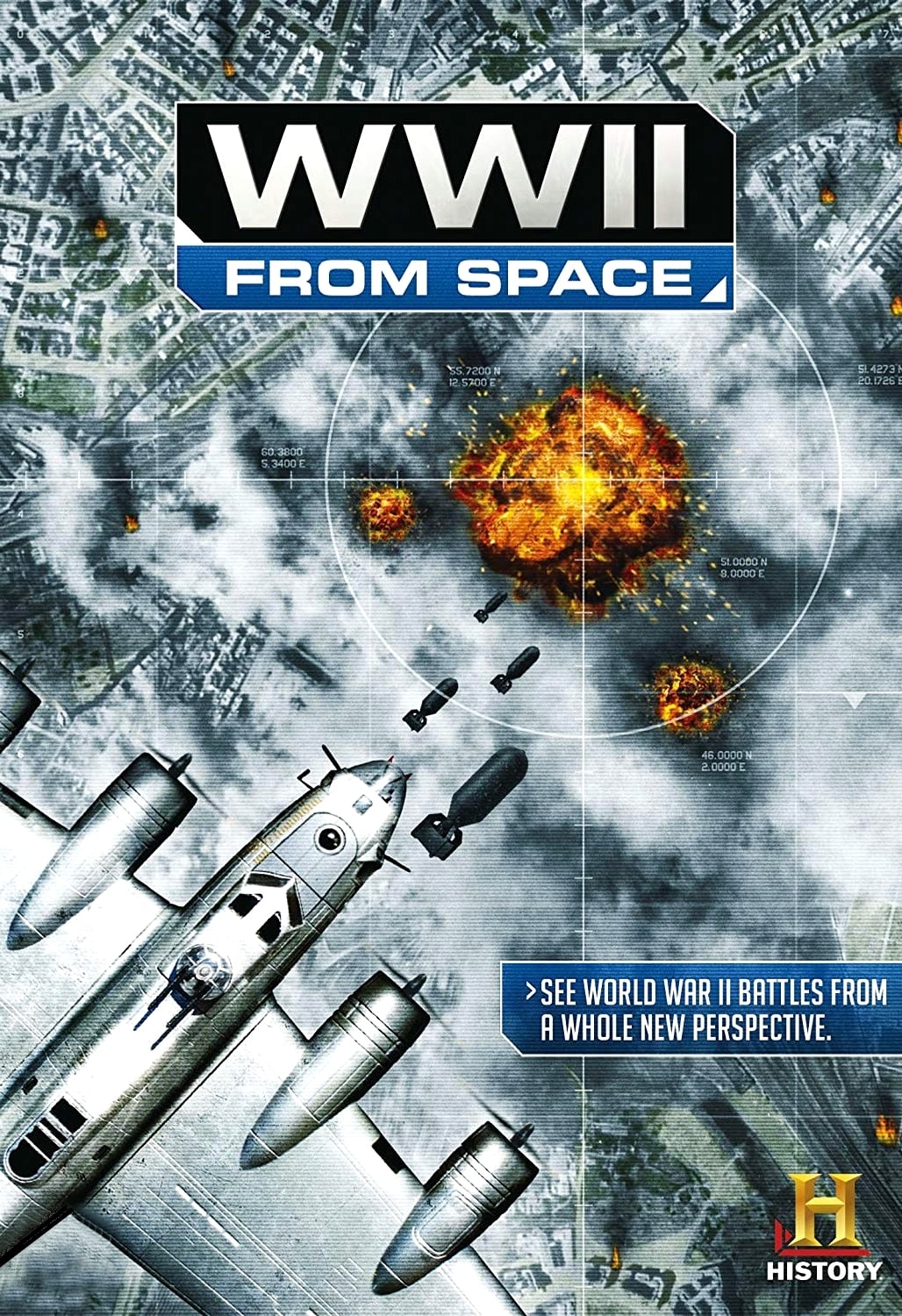
WWII from Space delivers World War II in a way you've never experienced it before. This HISTORY special uses an all-seeing CGI eye that offers a satellite view of the conflict, allowing you to experience it in a way that puts key events and tipping points in a global perspective. By re-creating groundbreaking moments that could never have been captured on camera, and by illustrating the importance of simultaneity and the hidden effects of crucial incidents, HISTORY presents the war's monumental moments in a never-before-seen context. And with new information brought to the forefront, you'll better understand how a nation ranked 19th in the world's militaries in 1939 emerged six years later as the planet's only atomic superpower.
Jazz and decolonization are intertwined in a powerful narrative that recounts one of the tensest episodes of the Cold War.
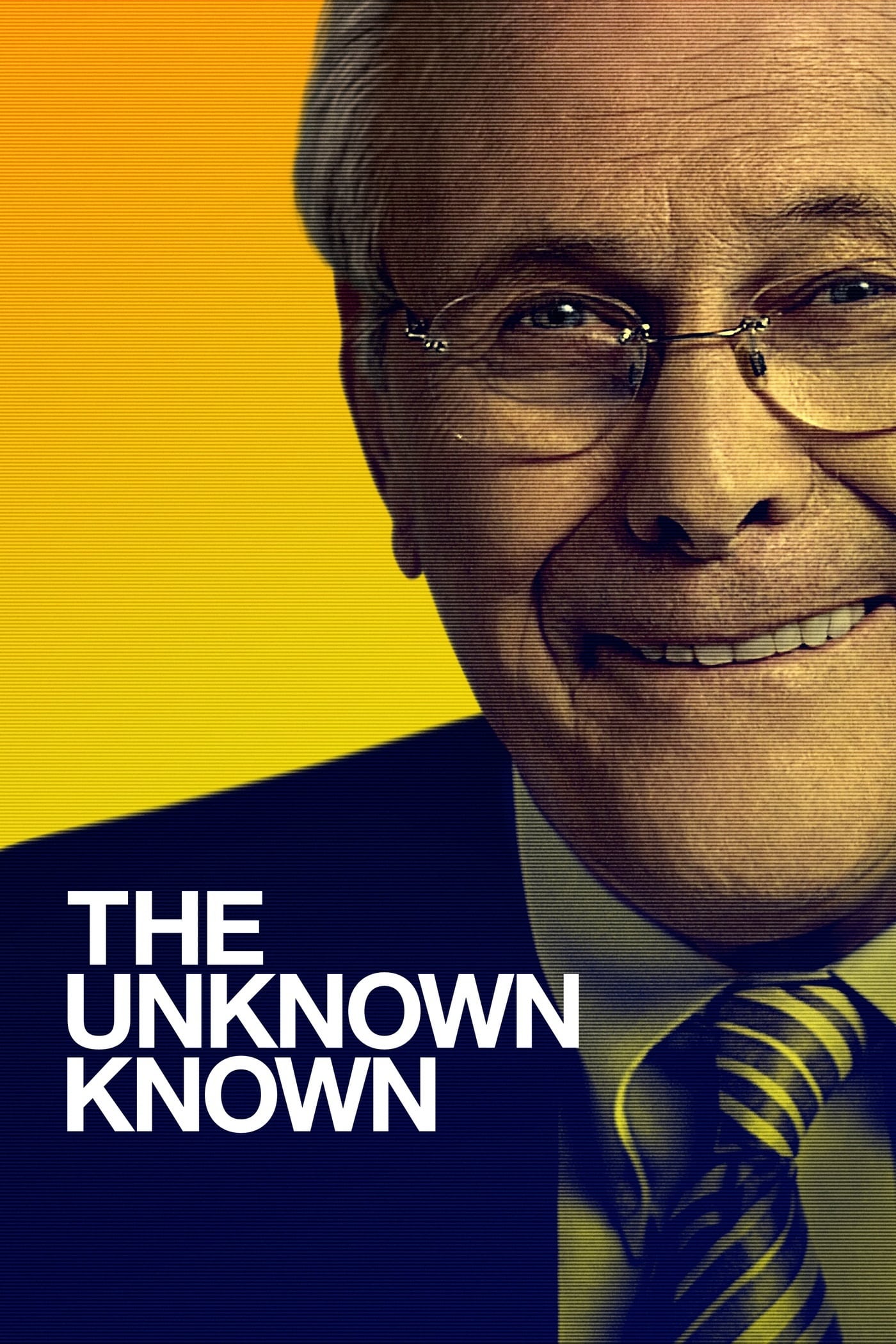
Former United States Secretary of Defense, Donald Rumsfeld, discusses his career in Washington D.C. from his days as a congressman in the early 1960s to planning the invasion of Iraq in 2003.
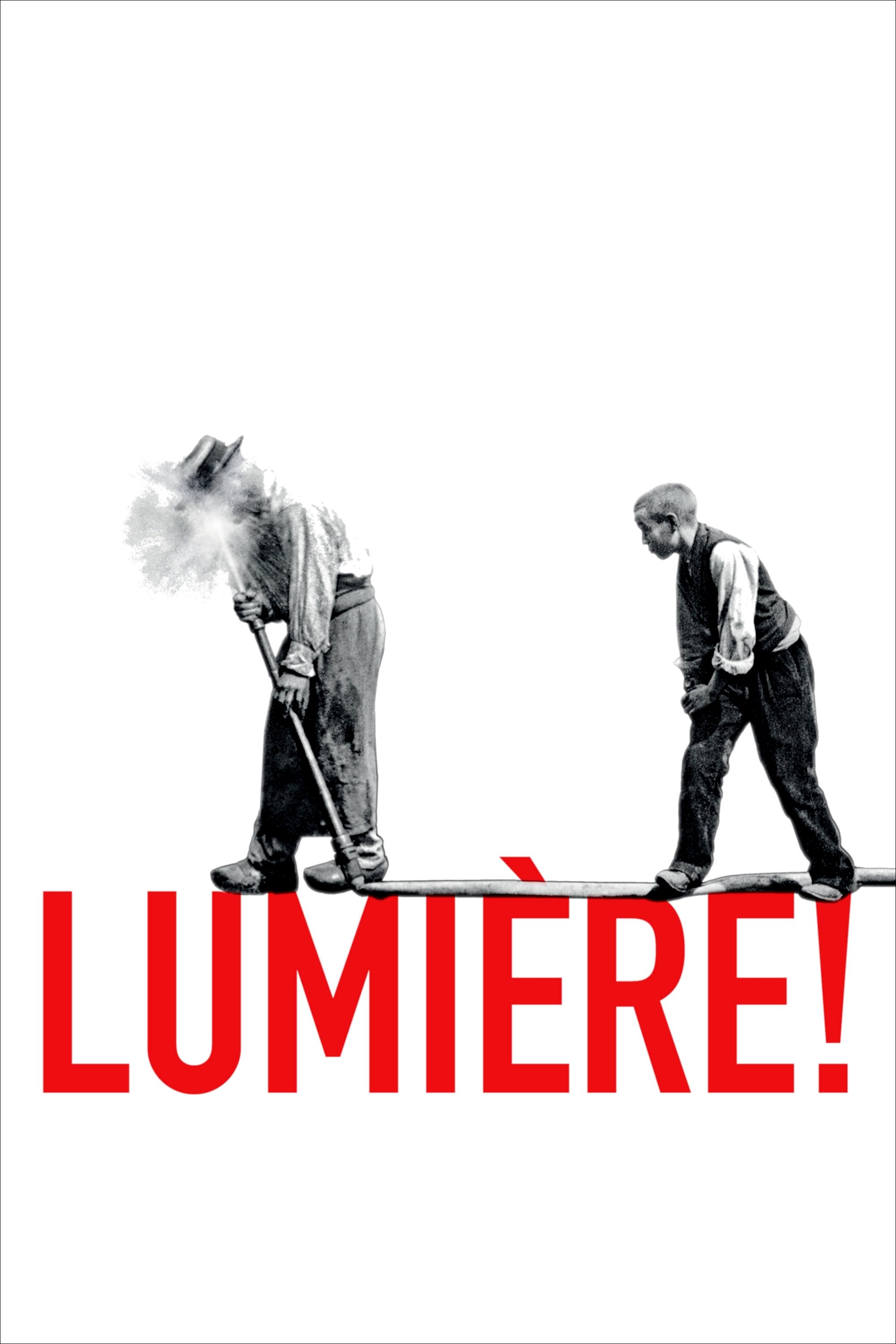
A collection of restored prints from the Lumière Brothers.