Made at the height of 'cold war' paranoia, this drama-documentary shows the work of the UK Warning and Monitoring Organisation, who's duties included the issuing of public warnings of any nuclear missile strike and the subsequent fallout.
Social & External
Narrator
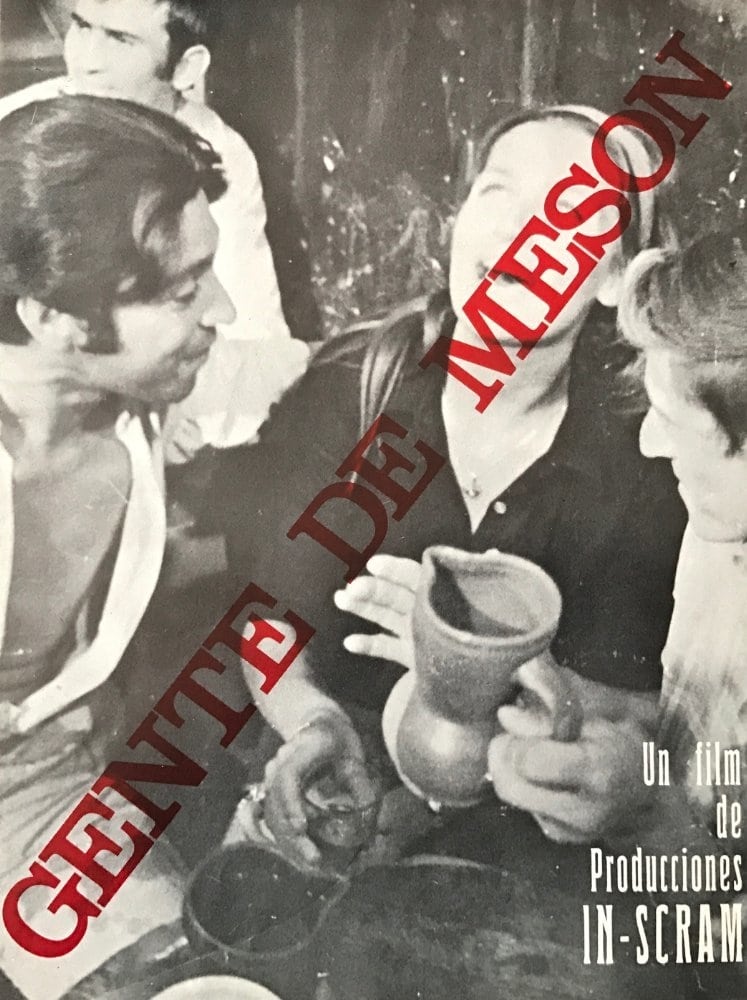
Madrid, Spain, 1949. The Circo Americano arrives in the city. While the big top is pitched in a vacant lot, the troupe parades through the grand avenues: the band, a witty impersonator, the Balodys, acrobats, jugglers, acrobatic skaters, clowns and… Buffallo Bill.
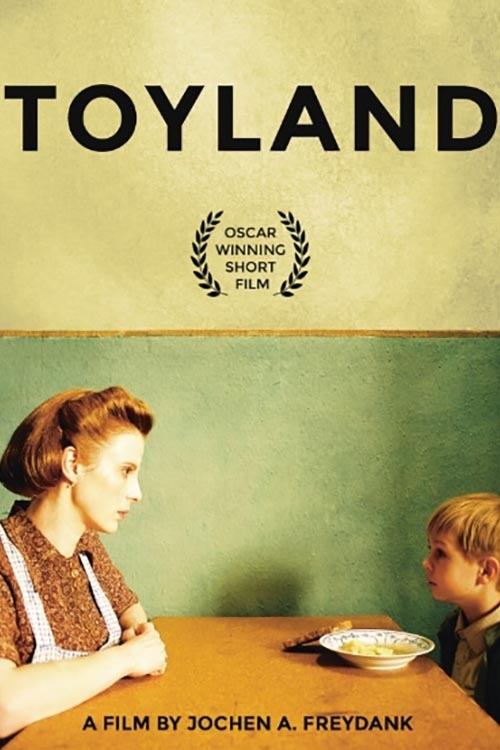
On a winter morning, a mother goes to waken her son Heinrich; his bed is empty. She leaves her flat to find him. The neighbors' door, with a Star of David painted on it, is ajar, the furnishings in disarray, the family gone. She asks passersby, runs to the police then on to the rail yard. Flashbacks show that Heinrich and the neighbors' son Paul are six years old and best friends. Paul's family's deportation is expected soon; Heinrich's mother tells her son that they're going to Toyland. Heinrich wants to go with them, has a bag packed, and listens for their departure. His mother realizes he's joined them, and her resolve becomes more urgent. Will she arrive in time to save Heinrich?
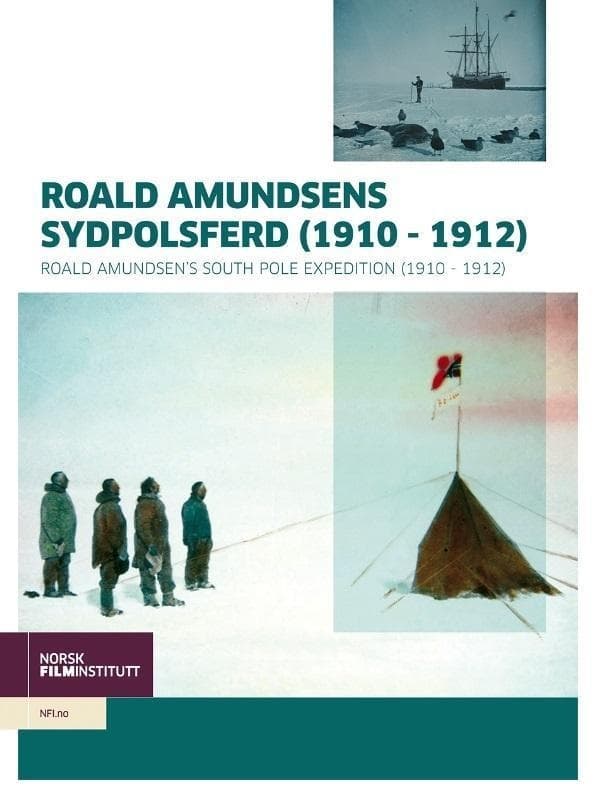
Roald Amundsen's South Pole Journey is a Norwegian documentary film that features Roald Amundsen's original footage from his South Pole expedition from 1910 to 1912.
This film describes a psychological state "kin to moonstruck, its images emblems (not quite symbols) of suspension-of-self within consciousness and then that feeling of falling away from conscious thought. The film can only be said to describe or be emblematic of this state because I cannot imagine symbolizing or otherwise representing an equivalent of thoughtlessness itself. Thus the actors in the film, Jane Brakhage, Tom and Gloria Bartek, Williams Burroughs, Allen Ginsberg, Peter Olovsky and Phillip Whalen are figments of this 'Thought-Fallen Process', as are their images in the film to find themselves being photographed."
A portrait of a family living in a village in Masuria.
Kurt Vonnegut, Jr., discusses his development as a writer, including references to some of his major novels, his themes and their meaning, his relationship to other writers, problems in sustaining his special vision of American life, and his future. Accompanied by photographs that chronicle the author’s life and selections from home movies taken during his youth.
In 1973, fresh from his performance in Walkabout, a film that brought outback landscapes to urban audiences, Gulpilil returned the favour by paying a visit to Melbourne with camera in hand, shooting a wry fly-on-the-wall documentary that compares the sights and sounds of the city to those of his home in Arnhem Land.
Are eligible Indigenous bachelors an endangered demographic in the 21st century? That’s the question cheekily posed by Tracey Rigney’s debut documentary short, which invites First Nations individuals to confide what they desire, what holds them back, and their hopes and worries about whether they’ll ever find The One. Endangered first screened at the Melbourne International Film Festival in 2005.
As technology accelerates, our species' collective imagination of the future grows ever more kaleidoscopic. We are all haunted by temporal distortion, perhaps no more than when we attempt to remember what the future looked like to our younger selves. As the mist of time devours our memories, the future recedes; each of us burdened by the gaping mouth of entropy. Yet, emerging technology provides a glimmer of hope; transhumanism promises a future free from mortality, disease and pain. Does our salvation lie in digital simulacra? We're here to sell you the answer to that question, for the low, low price of four hundred and seventy seconds.
Long thought to be the first film ever made by an Indigenous filmmaker, Black Fire examines the situation of First Nations people in the early 1970s through politically charged discussions, comical vox pops, and interviews with luminaries of the time such as Pastor Doug Nicholls and Aboriginal Tent Embassy co-founder Bertie Williams.
The sights and sounds of a kimchi factory in Vietnam.
A 1942 short film.
Animated short documentary following a young woman's diagnosis of bipolar: a journey of self-acceptance to challenge everyday stigma. In "Trust Me", a genre-bending short documentary, a young woman uses humour and compassion to share her moving and deeply personal story of coming to terms with her mental health condition. When she starts exhibiting atypical and extreme behaviour, her loved ones trick her into hospitalisation against her will. She is diagnosed with bipolar disorder which starts her challenging journey of self-acceptance, confronting internalised and societal stigma, and learning to trust herself and others again.
Prelude to War was the first film of Frank Capra's Why We Fight propaganda film series, commissioned by the Pentagon and George C. Marshall. It was made to convince American troops of the necessity of combating the Axis Powers during World War II. This film examines the differences between democratic and fascist states.
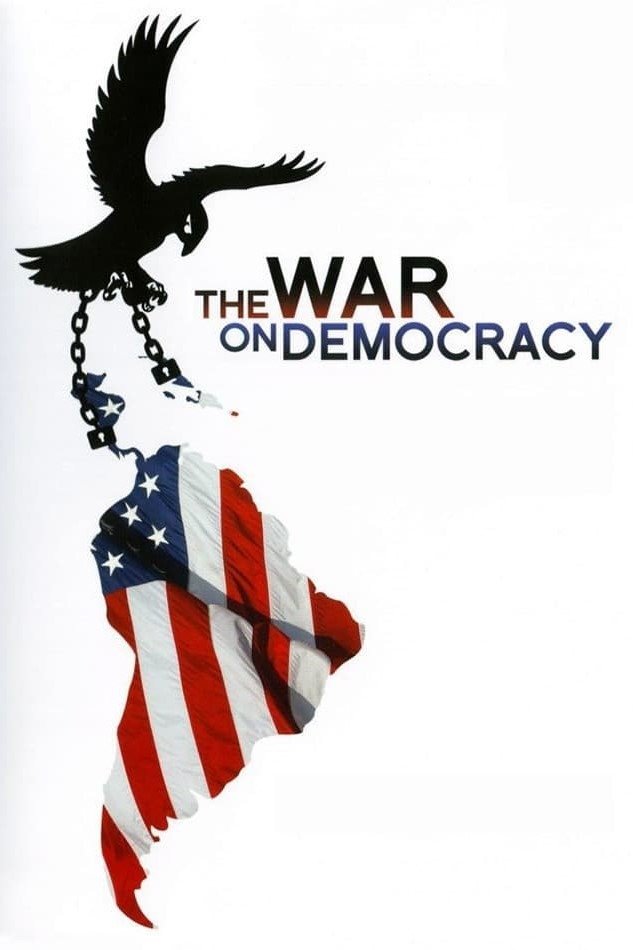
Set both in Latin America and the United States, the film explores the historic and current relationship of Washington with countries such as Venezuela, Bolivia and Chile. Pilger says that the film "...tells a universal story... analysing and revealing, through vivid testimony, the story of great power behind its venerable myths. It allows us to understand the true nature of the so-called "war on terror". According to Pilger, the film’s message is that the greed and power of empire is not invincible and that people power is always the "seed beneath the snow".
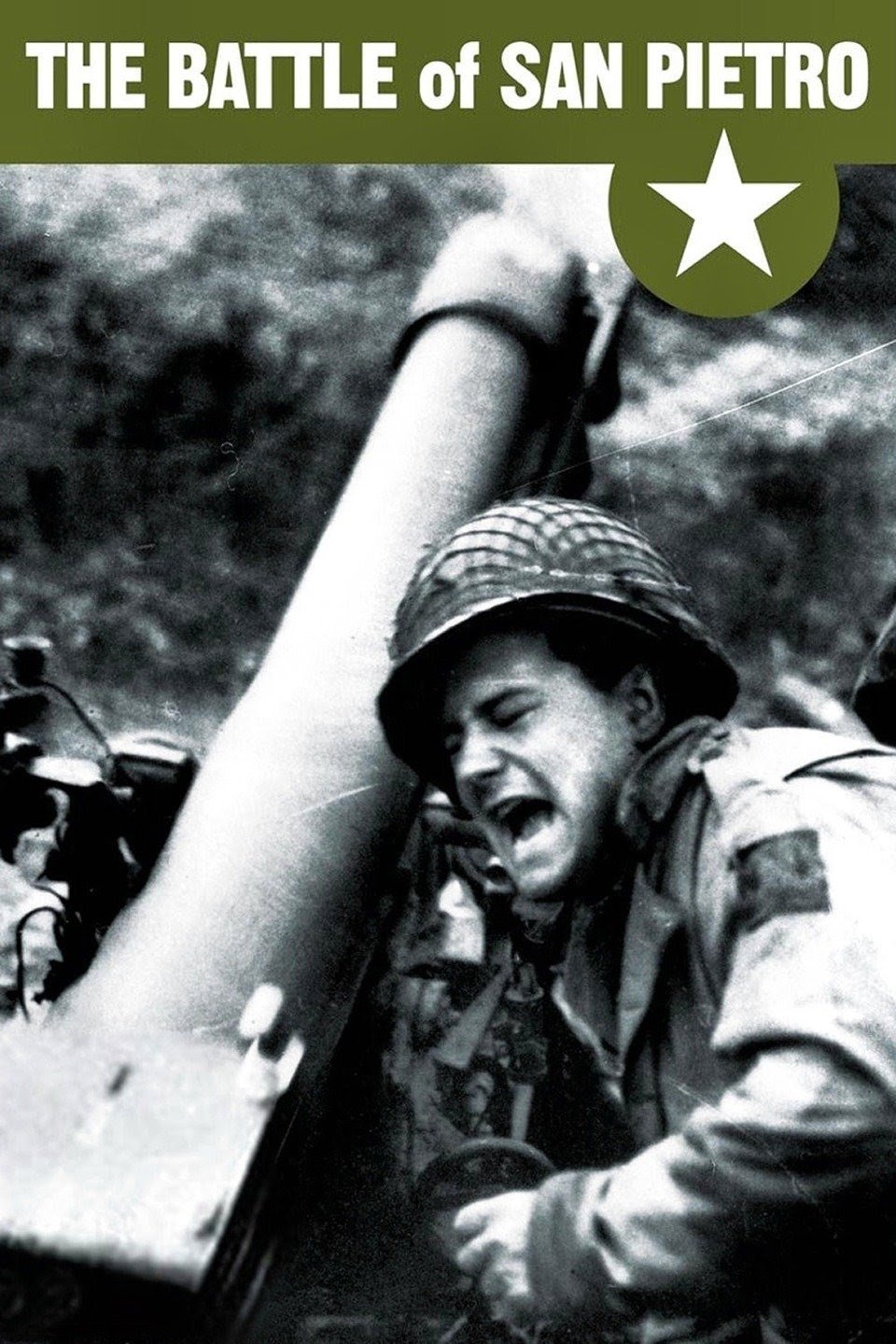
This documentary movie is about the battle of San Pietro, a small village in Italy. Over 1,100 US soldiers were killed while trying to take this location, that blocked the way for the Allied forces from the Germans. Preserved by the Academy Film Archive in 2005.
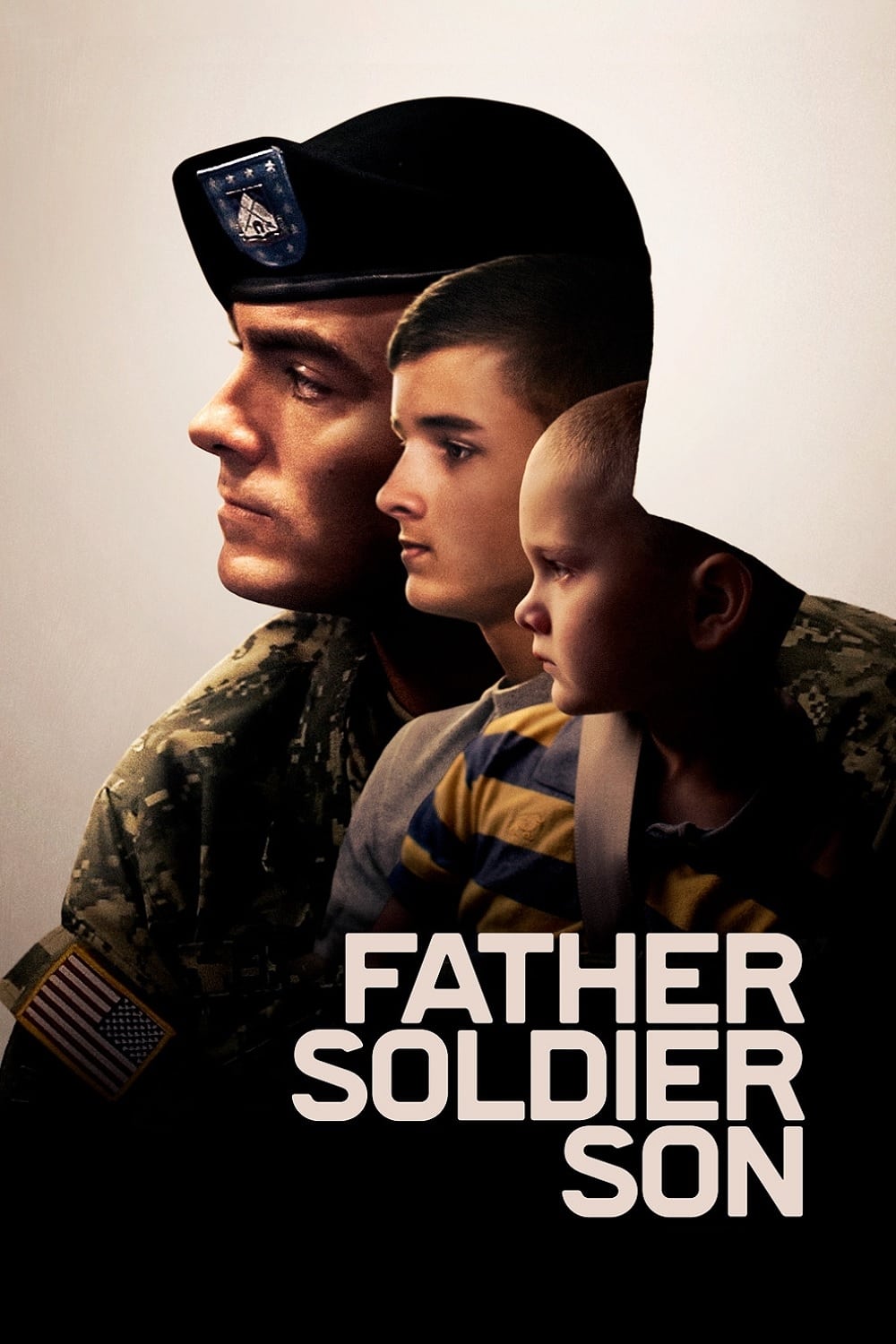
When Sgt. First Class Brian Eisch is critically wounded in Afghanistan, it sets him and his sons on a journey of love, loss, redemption and legacy.
“The Soviet Story” is a story of an Allied power, which helped the Nazis to fight Jews and which slaughtered its own people on an industrial scale. Assisted by the West, this power triumphed on May 9th, 1945. Its crimes were made taboo, and the complete story of Europe’s most murderous regime has never been told. Until now...
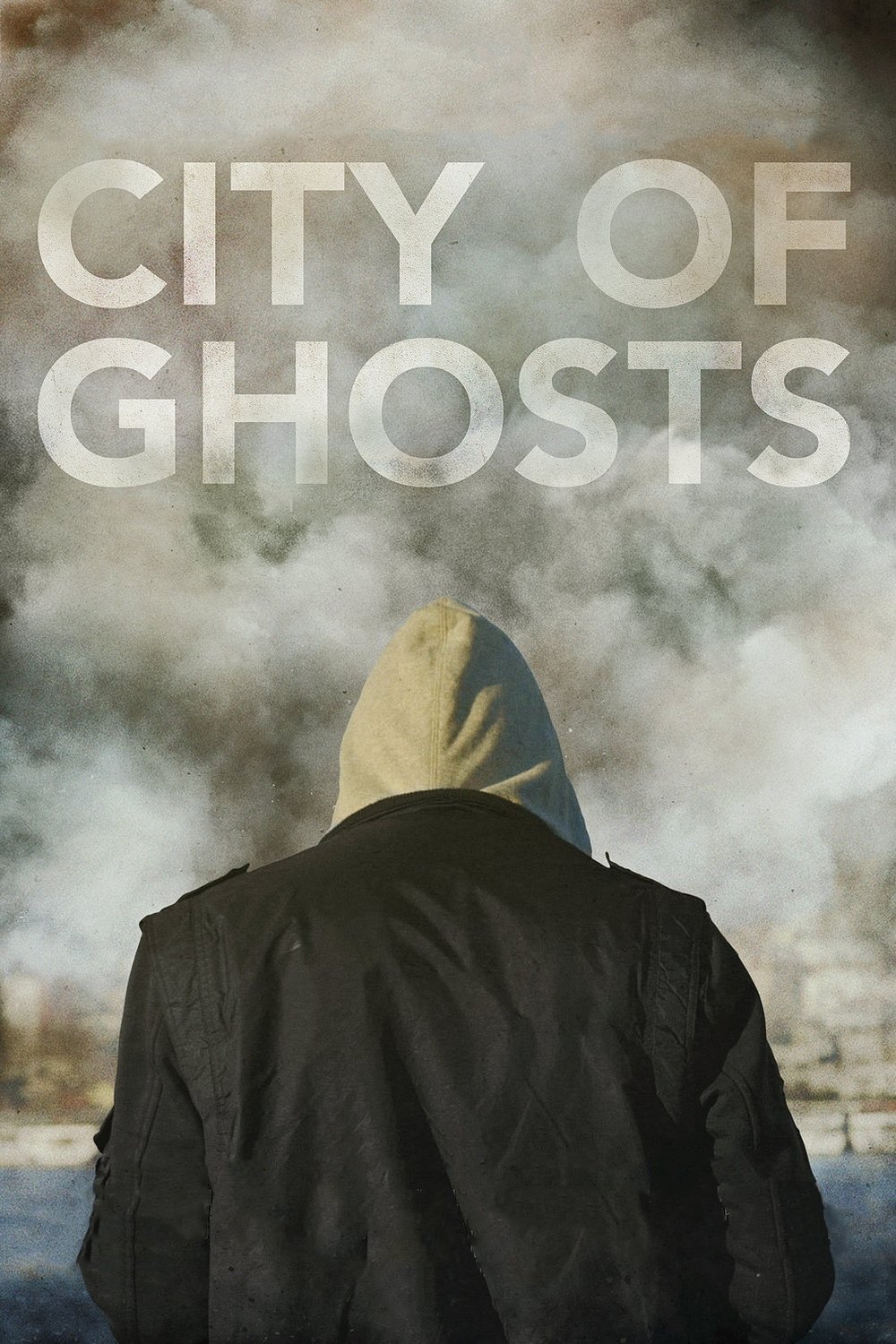
With unprecedented access, this documentary follows the extraordinary journey of “Raqqa is Being Slaughtered Silently”—a group of anonymous citizen journalists who banded together after their homeland was overtaken by ISIS—as they risk their lives to stand up against one of the greatest evils in the world today.
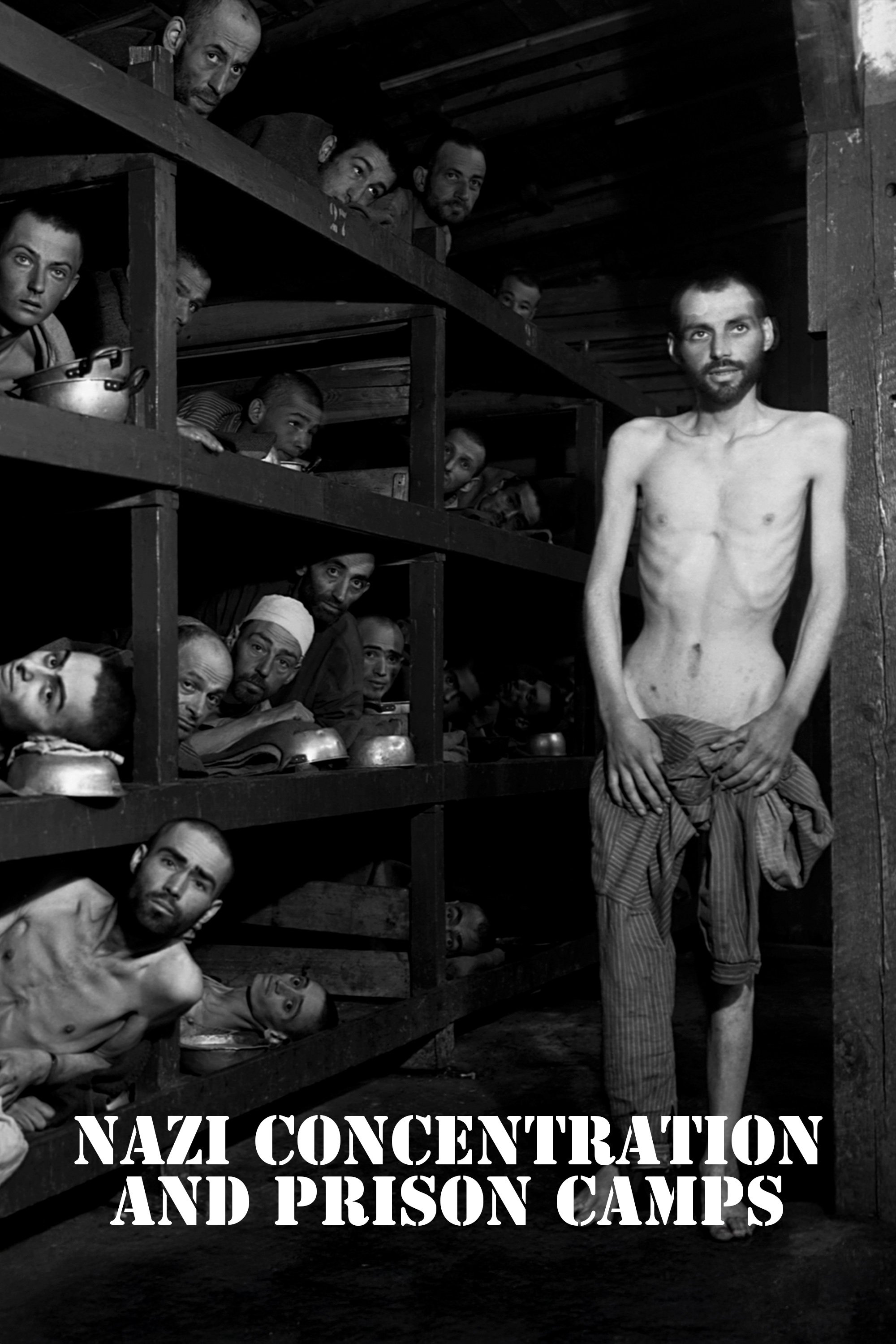
Produced and presented as evidence at the Nuremberg war crimes trial of Hermann Göring and twenty other Nazi leaders, this film consists primarily of dead and surviving prisoners and of facilities used to kill and torture during the World War II.
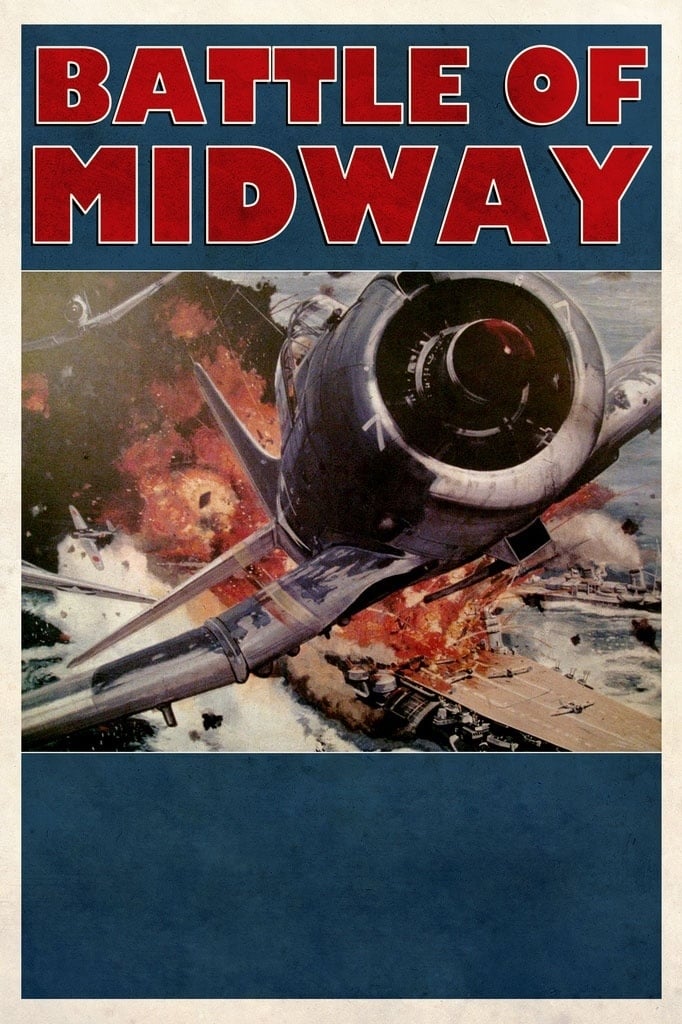
The Japanese attack on Midway in June 1942, filmed as it happened. Preserved by the Academy Film Archive, in partnership with Twentieth Century Fox Film Corporation, in 2006.
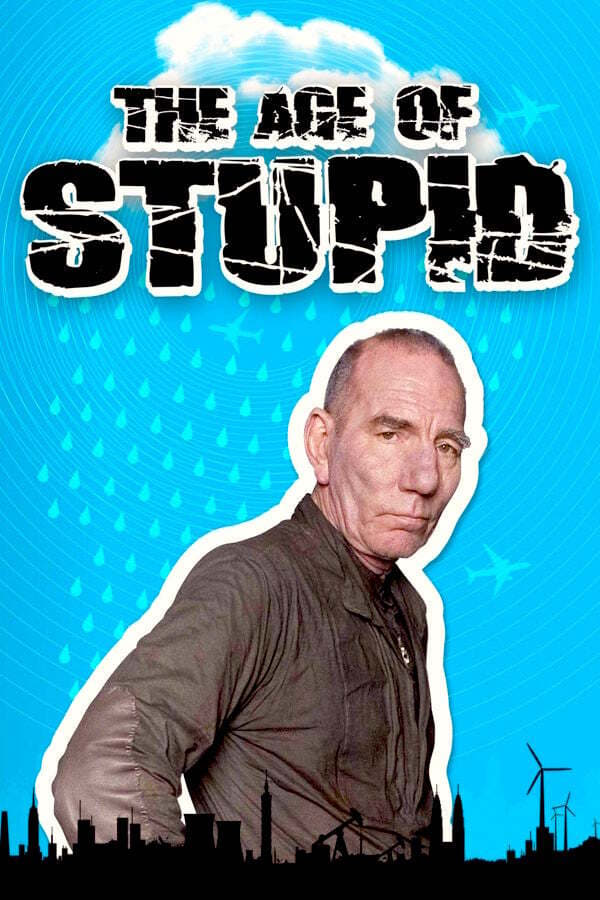
Pete Postlethwaite stars as a man living alone in the devastated future world of 2055, looking at old footage from 2008 and asking: why didn’t we stop climate change when we had the chance?
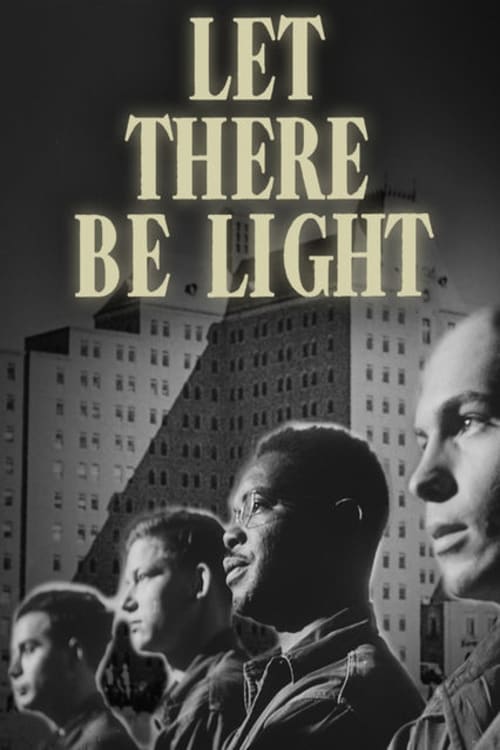
The final entry in a trilogy of films produced for the U.S. government by John Huston. Some returning combat veterans suffer scars that are more psychological than physical. This film follows patients and staff during their treatment. It deals with what would now be called PTSD, but at the time was categorised as psychoneurosis or shell-shock. Government officials deemed this 1946 film counterproductive to postwar efforts; it was not shown publicly until 1981.
Amid the failing counteroffensive, a journalist follows a Ukrainian platoon on their mission to traverse one mile of heavily fortified forest and liberate a strategic village from Russian occupation. But the farther they advance through their destroyed homeland, the more they realize that this war may never end.
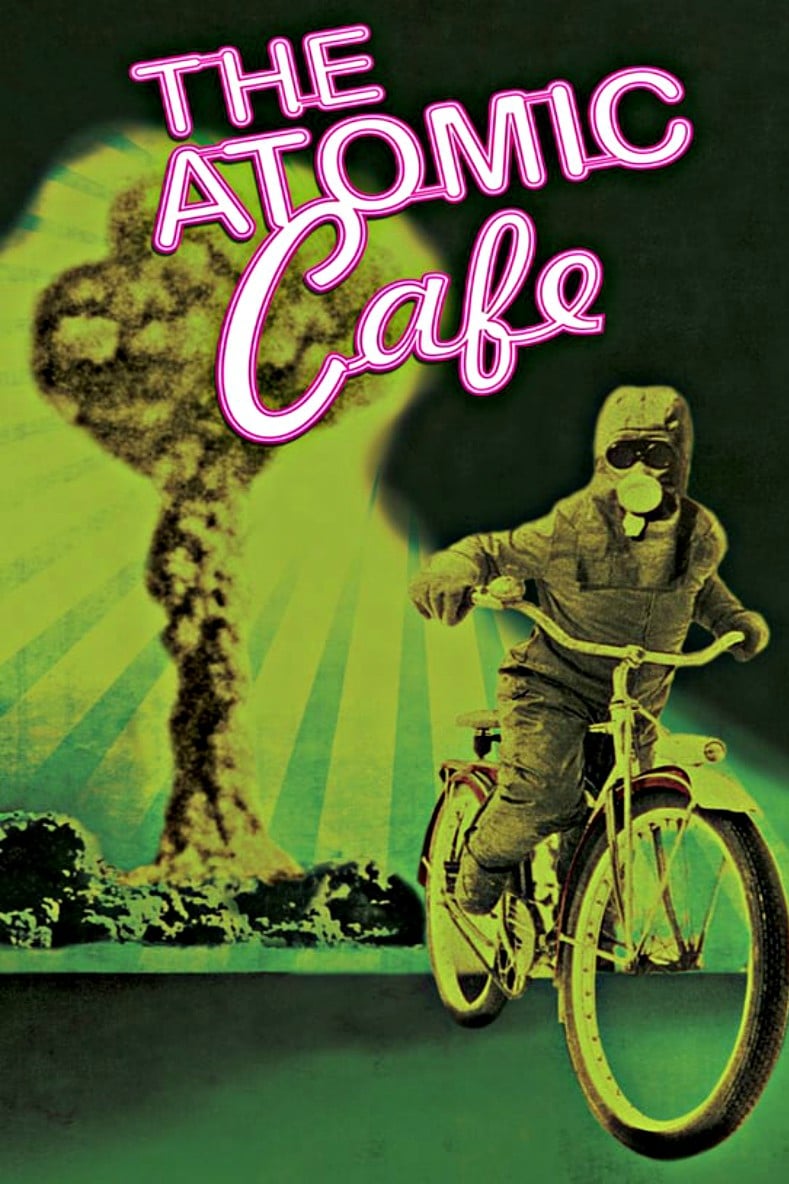
A disturbing collection of 1940s and 1950s United States government-issued propaganda films designed to reassure Americans that the atomic bomb was not a threat to their safety.
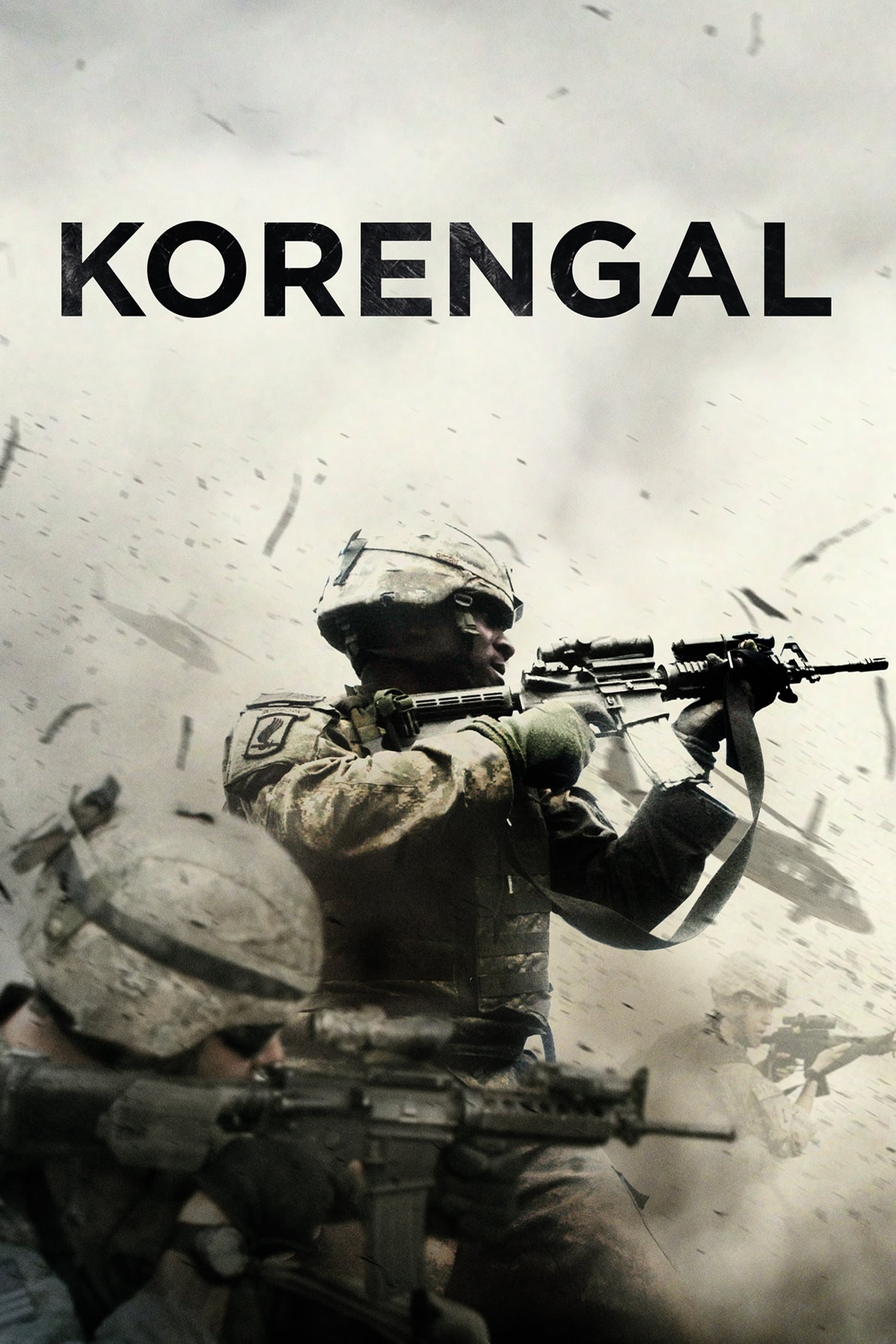
Korengal picks up where Restrepo left off; the same men, the same valley, the same commanders, but a very different look at the experience of war.
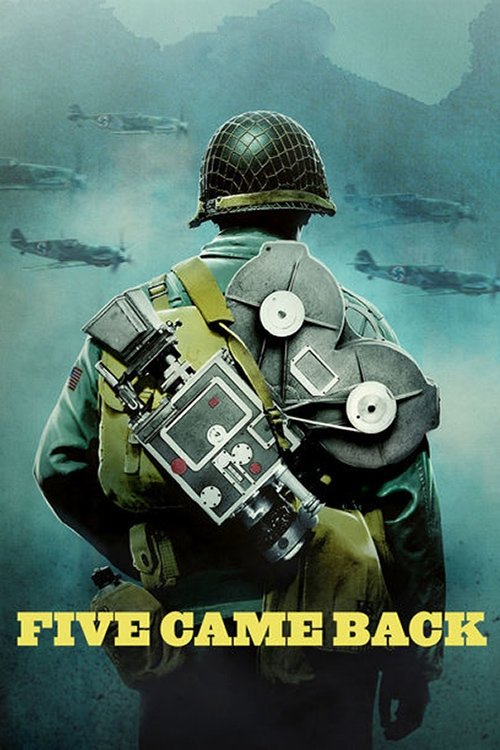
The extraordinary story of how Hollywood changed World War II – and how World War II changed Hollywood, through the interwoven experiences of five legendary filmmakers who went to war to serve their country and bring the truth to the American people: John Ford, William Wyler, John Huston, Frank Capra, and George Stevens. Based on Mark Harris’ best-selling book, “Five Came Back: A Story of Hollywood and the Second World War.”
A love letter from a young mother to her daughter, the film tells the story of Waad al-Kateab’s life through five years of the uprising in Aleppo, Syria as she falls in love, gets married and gives birth to Sama, all while cataclysmic conflict rises around her. Her camera captures incredible stories of loss, laughter and survival as Waad wrestles with an impossible choice– whether or not to flee the city to protect her daughter’s life, when leaving means abandoning the struggle for freedom for which she has already sacrificed so much.
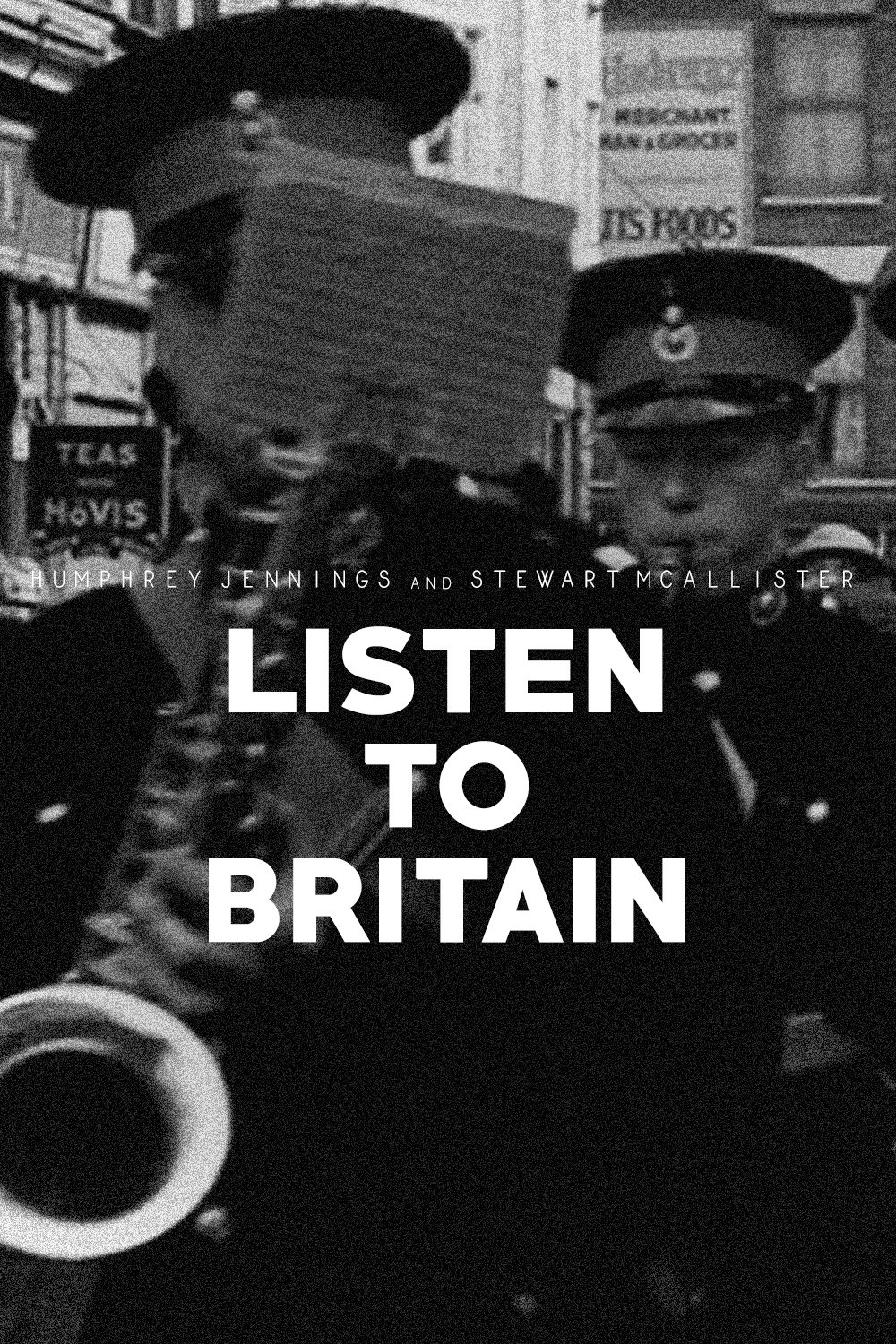
A depiction of life in wartime Britain during the Second World War. Director Humphrey Jennings visits many aspects of civilian life and of the turmoil and privation caused by the war, all without narration.
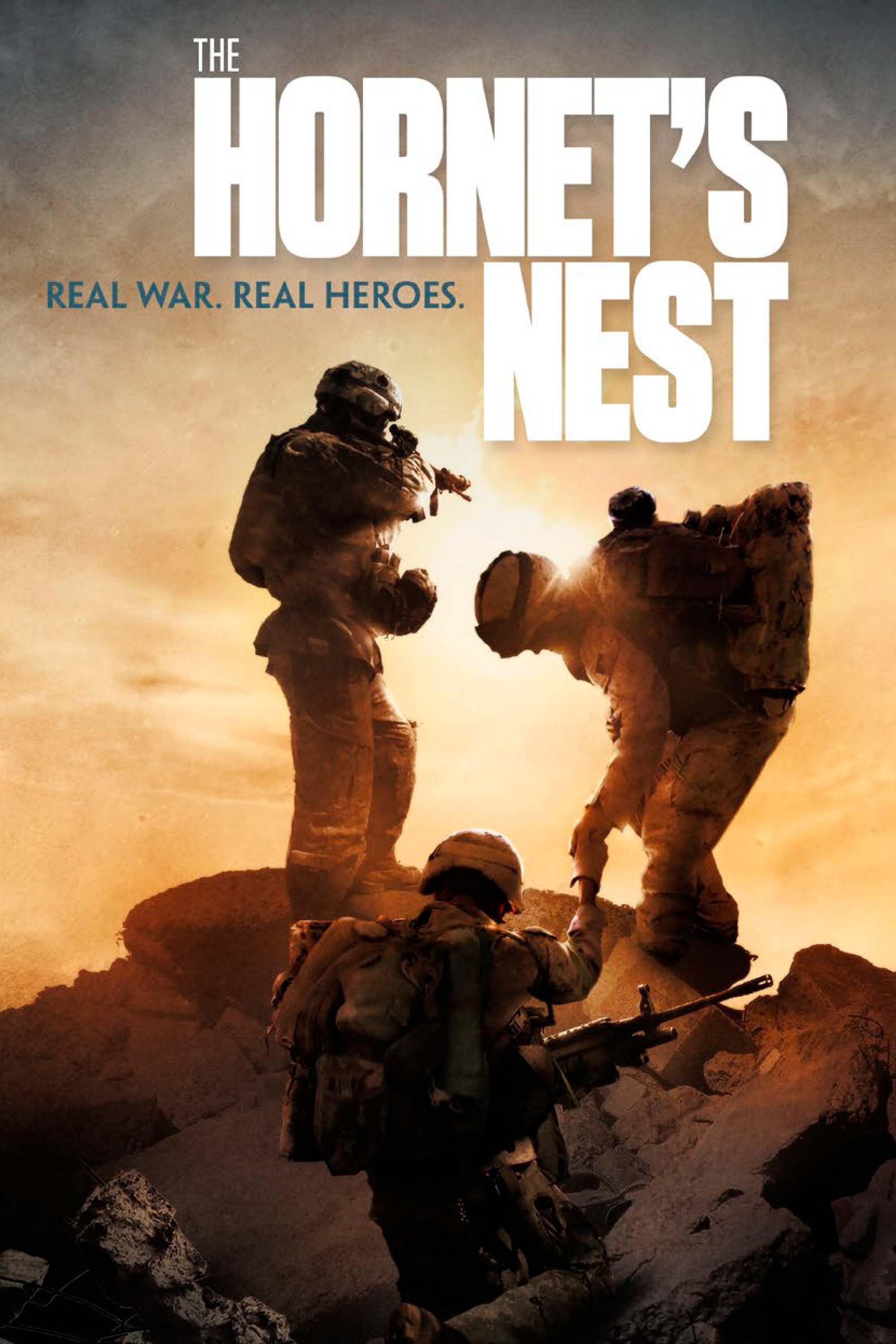
Armed only with their cameras, Peabody and Emmy Award-winning conflict Journalist Mike Boettcher, and his son, Carlos, provide unprecedented access into the longest war in U.S. history: they are embed with U.S. troops during nine days of intense combat in Afghanistan.
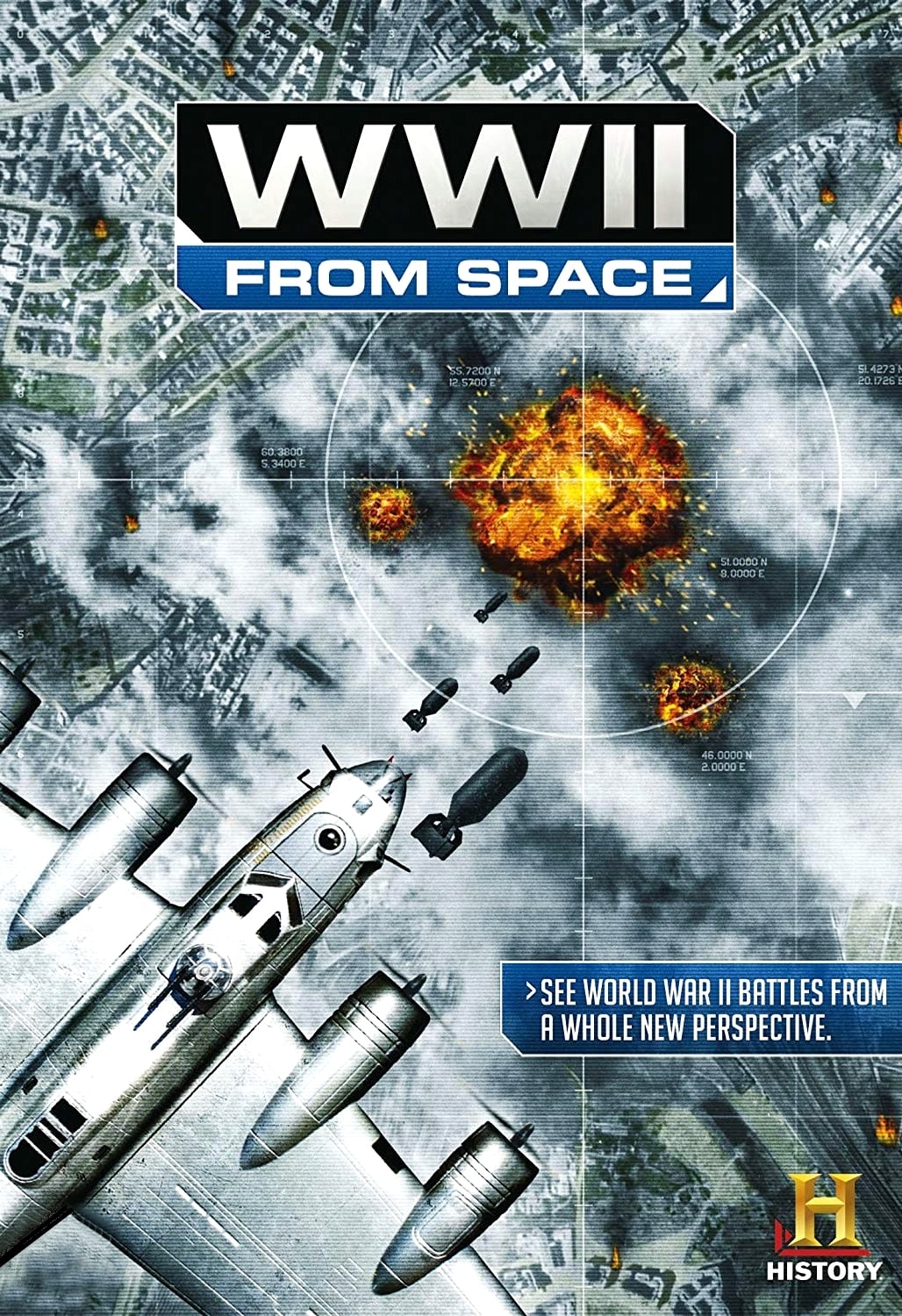
WWII from Space delivers World War II in a way you've never experienced it before. This HISTORY special uses an all-seeing CGI eye that offers a satellite view of the conflict, allowing you to experience it in a way that puts key events and tipping points in a global perspective. By re-creating groundbreaking moments that could never have been captured on camera, and by illustrating the importance of simultaneity and the hidden effects of crucial incidents, HISTORY presents the war's monumental moments in a never-before-seen context. And with new information brought to the forefront, you'll better understand how a nation ranked 19th in the world's militaries in 1939 emerged six years later as the planet's only atomic superpower.
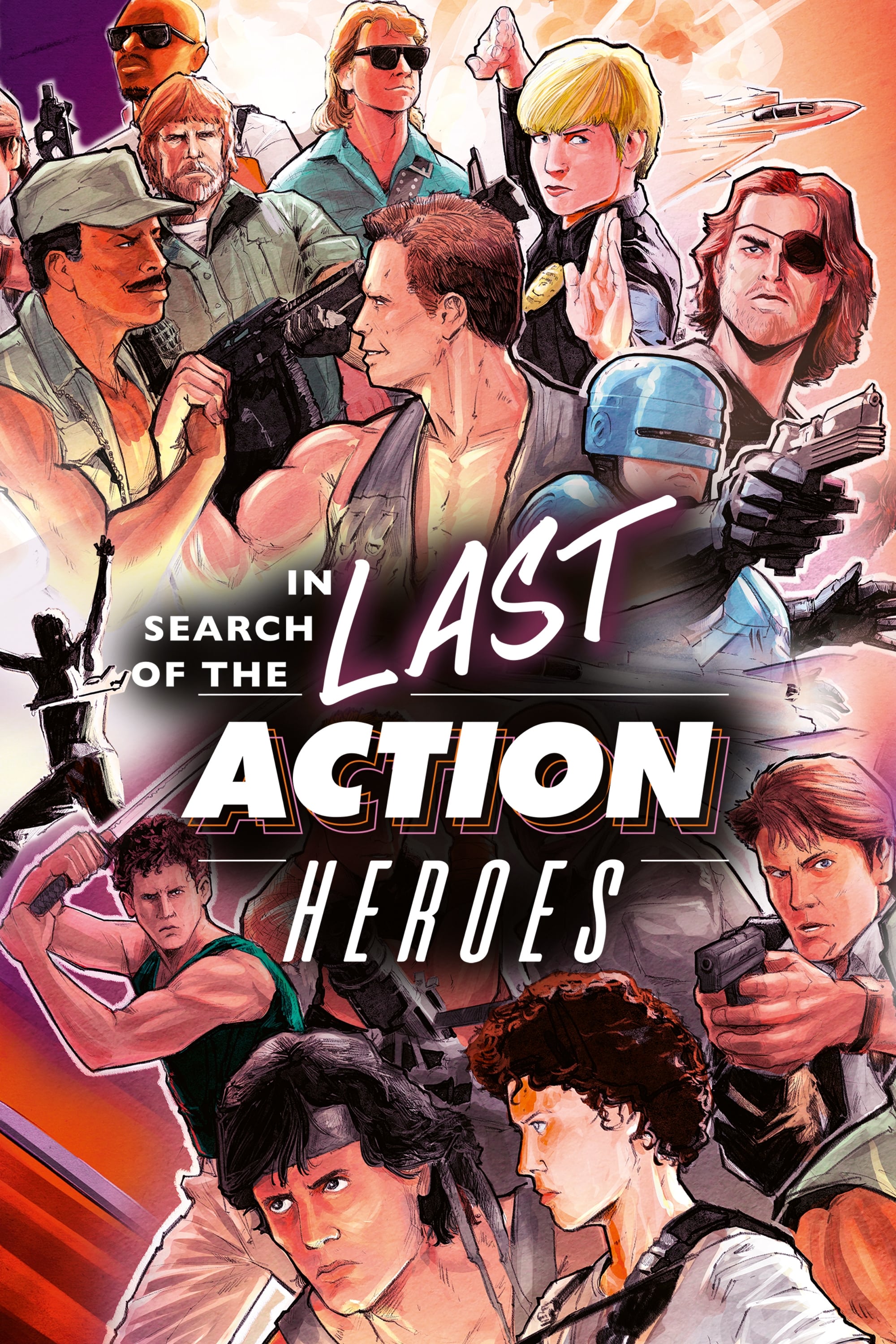
The most comprehensive retrospective of the '80s action film genre ever made.
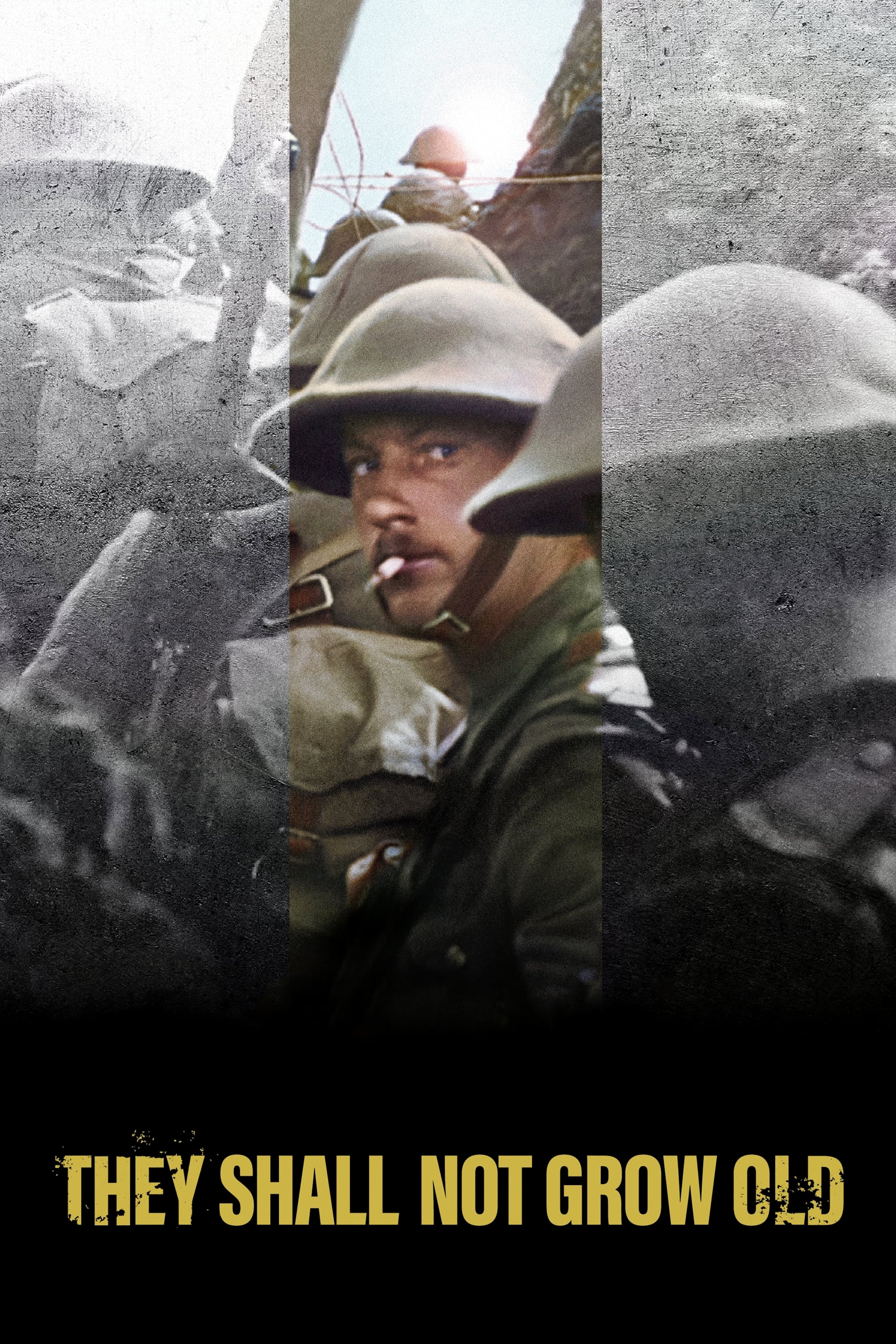
A documentary about World War I with never-before-seen footage to commemorate the centennial of Armistice Day, and the end of the war.