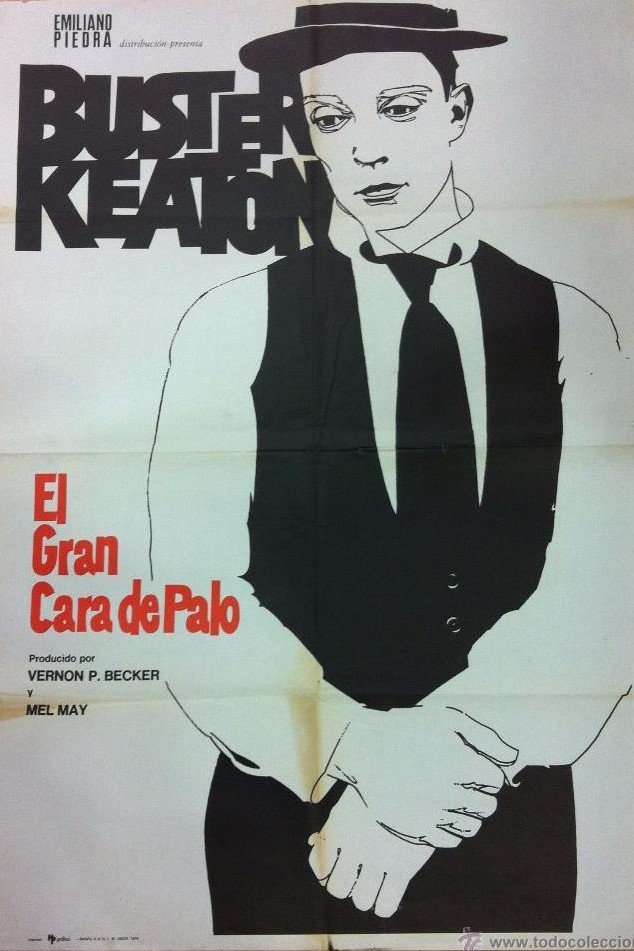
A documentary about the work of Buster Keaton.
Social & External
Narrator
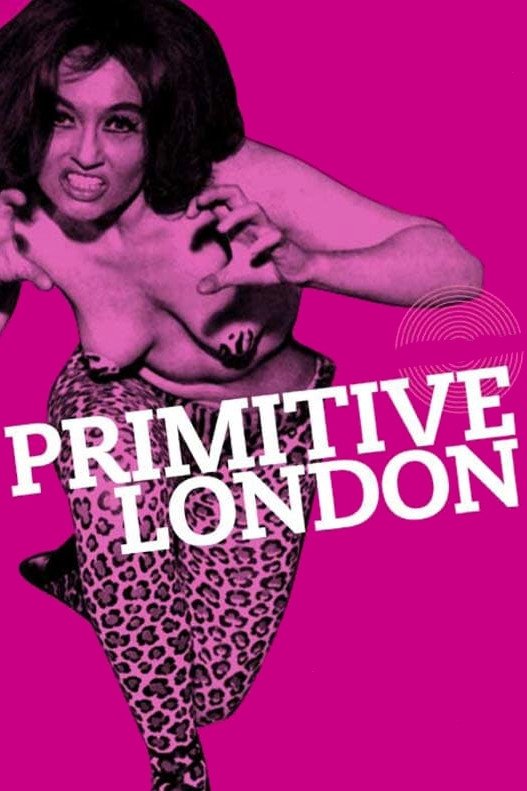
The sensational follow-up to "London in the Raw," "Primitive London" sets out to reflect society's decay through a sideshow spectacle of 1960s London depravity—and manages to outdo its predecessor. Here, we confront mods, rockers and beatniks at the Ace Café, cut some rug with obscure beat band The Zephyrs, smirk at flabby men in the sauna and goggle at sordid wife-swapping parties as we discover a pre-permissive Britain still trying to move on from the post-war depression of the 1950s.
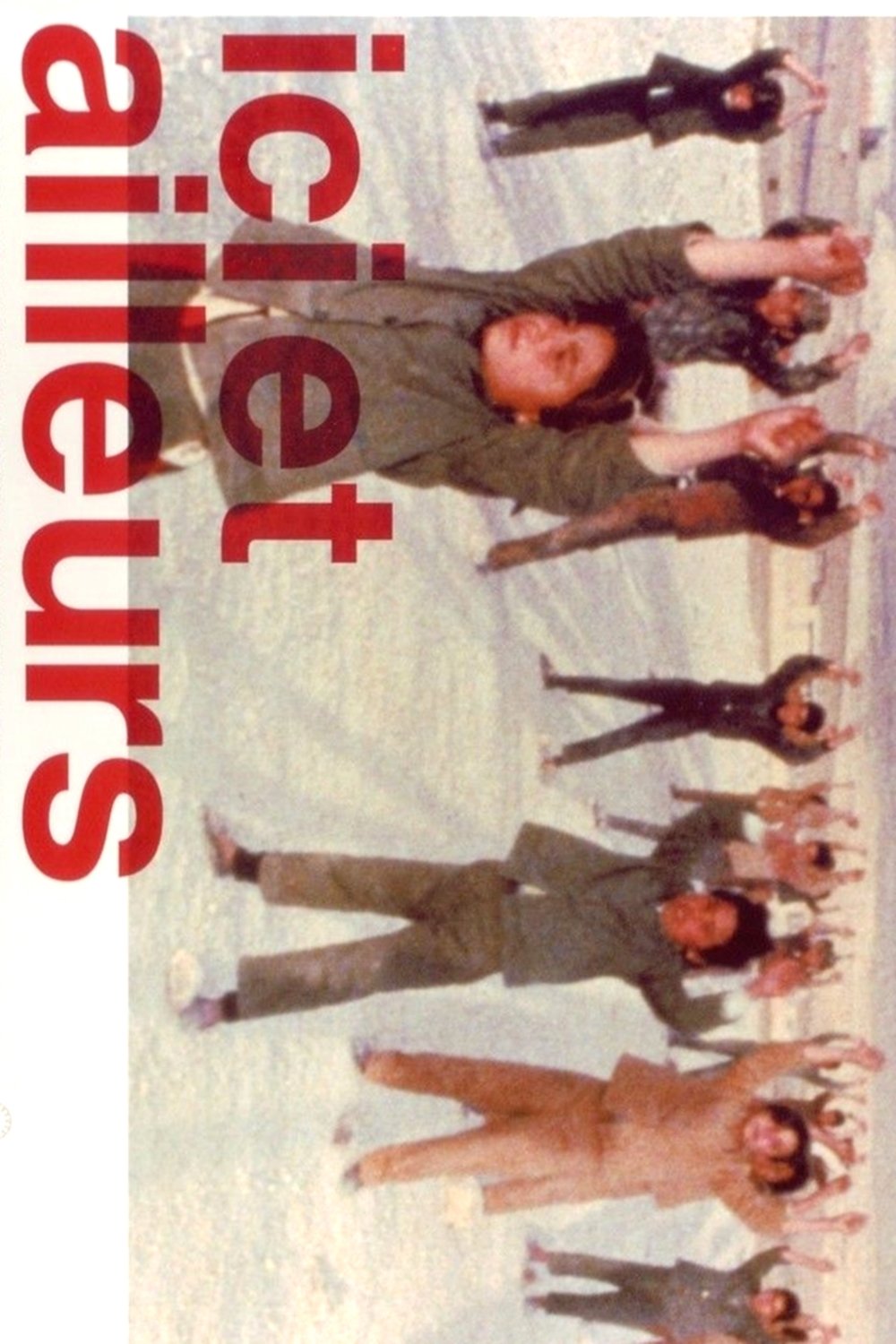
Here and Elsewhere takes its name from the contrasting footage it shows of the fedayeen and of a French family watching television at home. Originally shot by the Dziga Vertov Group as a film on Palestinian freedom fighters, Godard later reworked the material alongside Anne-Marie Miéville.
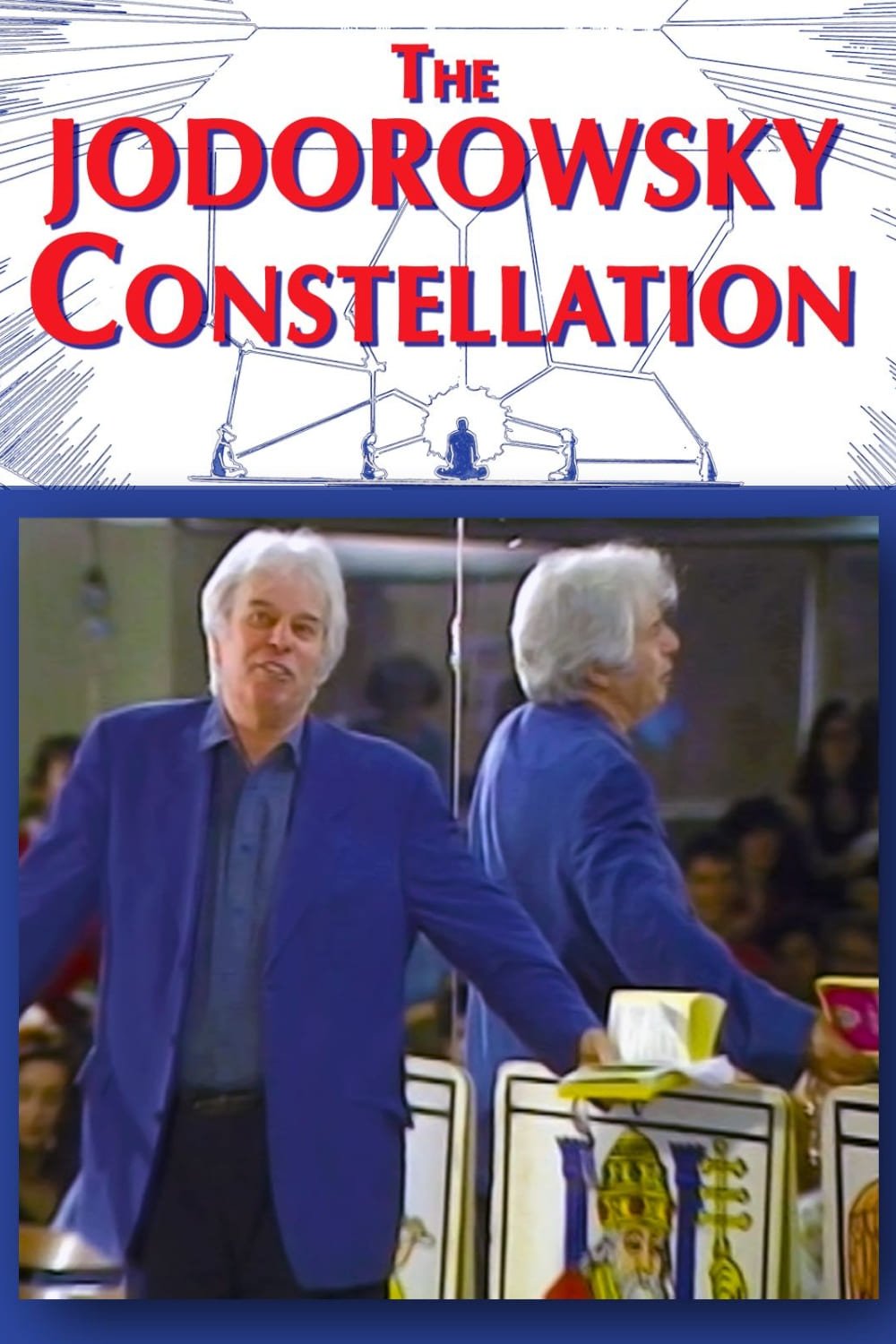
This documentary depicts the filmmaker Alejandro Jodorowsky talking about his life, his loves, his career as a filmmaker, graphic novelist, and workshop leader, and his eccentricities including tarot reader and theatrical director during The Panic Movement. Directed by Louis Mouchet, La Constellation Jodorowsky includes a lengthy on-camera interview with Jodorowsky in Spanish with subtitles. Marcel Marceau, Fernando Arrabal, Peter Gabriel, Jean "Moebius" Giraud, and Jean Pierre Vignau make appearances discussing their various projects with the director. In addition to the interview and film clips, Mouchet features some bizarre footage from Jodorowsky’s absurdist plays in which topless women splattered with paint writhe around the stage in a theatrical production meant to represent The Panic Movement, i.e., an artistic expression in which reason cannot fully express the human experience.
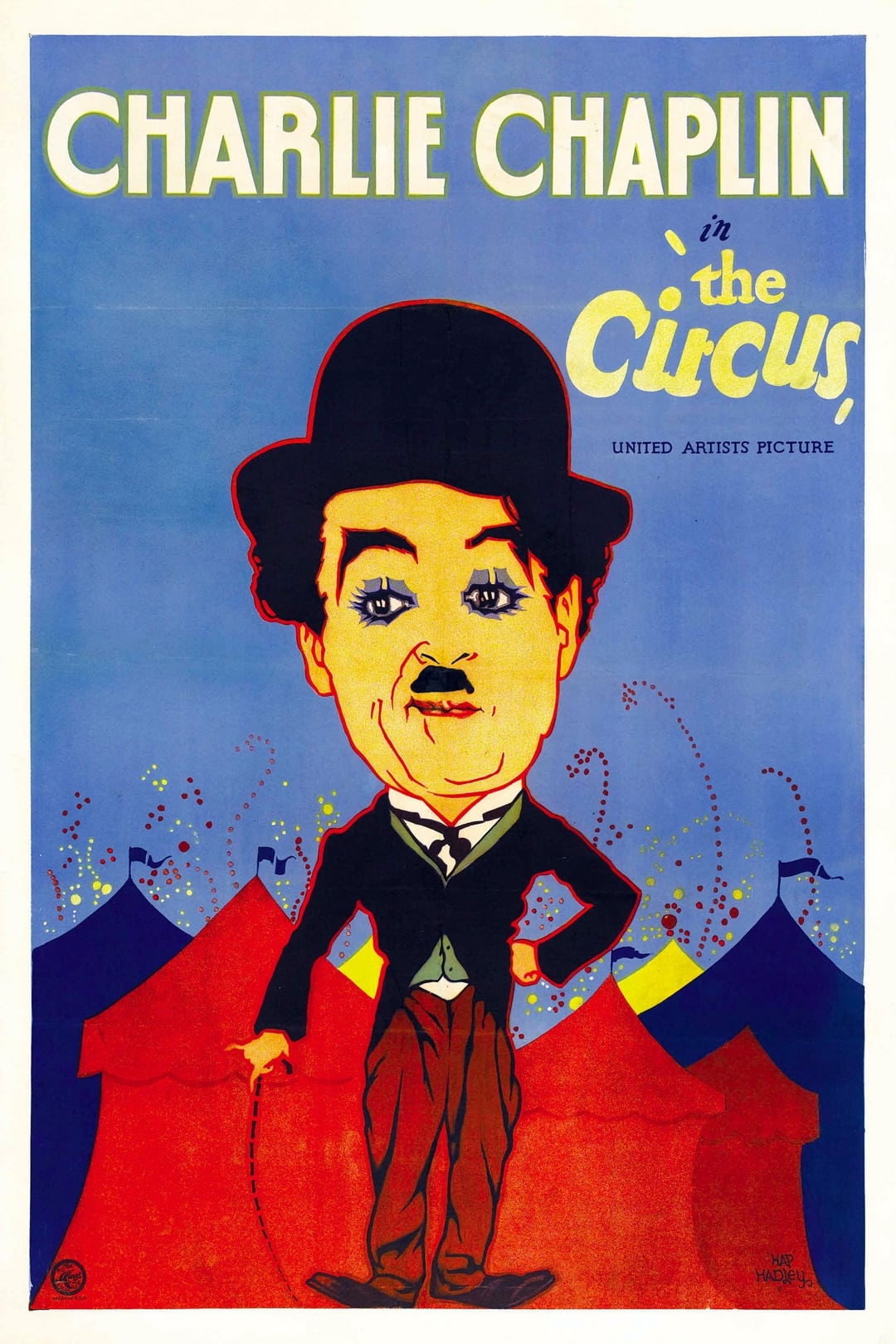
Footage from the premiere of Charlie Chaplin's 1928 film 'The Circus'.
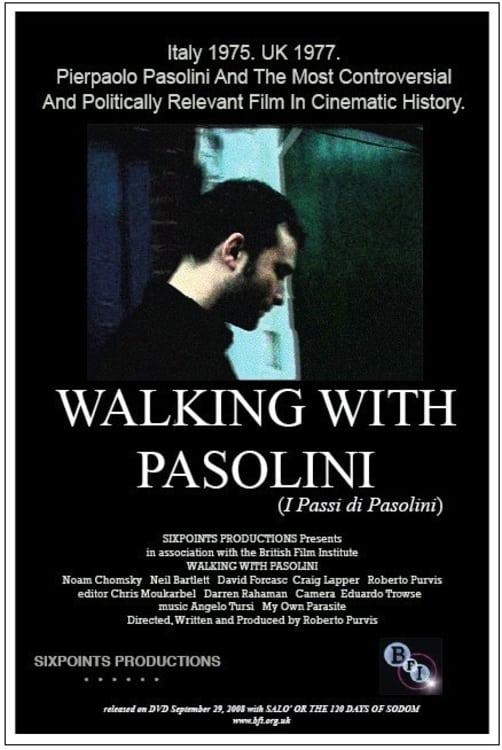
A documentary about Pier Paolo Pasolini and his film 'Salò o le 120 giornate di Sodoma'.
A documentary by writer and filmmaker Daniel Bird about the making of Sergei Parajanov's 'The Colour of Pomegranates'.
A documentary about Buster Keaton's "Italian" villa in Beverly Hills.
A short documentary by Levon Grigoryan about the making of Parajanov's «Sayat-Nova», or «The Colour of Pomegranates».
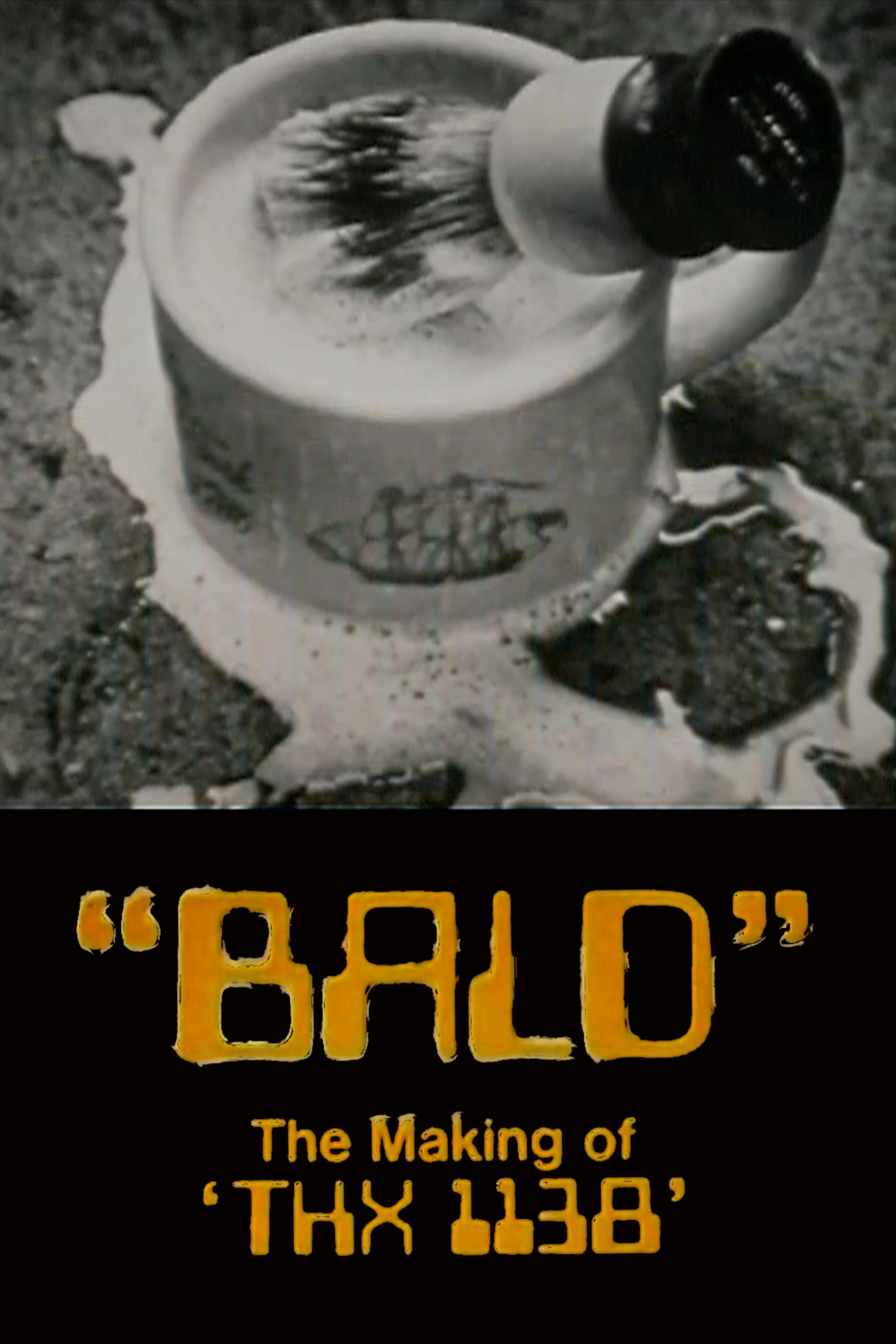
The film features a conversation between Lucas and Francis Ford Coppola, producer of THX 1138. They discuss Lucas' vision for the film, including his ideas about science fiction in general and in particular his concept of the "used future" which would famously feature in his film Star Wars. Intercut with this discussion is footage shot prior to the start of production of THX 1138 showing several of its actors having their heads shaved, a requirement for appearing in the film. In several cases the actors are shown being shaved in a public location. For example, Maggie McOmie is shaved outside the Palace of Fine Arts in San Francisco, while Robert Duvall watches a sporting event as his hair is cut off. Another actor, Marshall Efron, who would later play an insane man in the film, cut off his own hair and was filmed doing so in a bathtub.
Behind the scenes footage of Pasolini and crew filming 'Salò o le 120 giornate di Sodoma'.
A 55-minute film by director Xavier Giannoli that analyses 'À nos amours'. The film features former Cahiers du cinéma editorial director Jean-Michel Frodon, actors Jacques Fieschi and Sandrine Bonnaire, and other members of the cast
A short documentary about Fritz Lang's film 'Frau im Mond', and its relation to the science and history of real space travel.
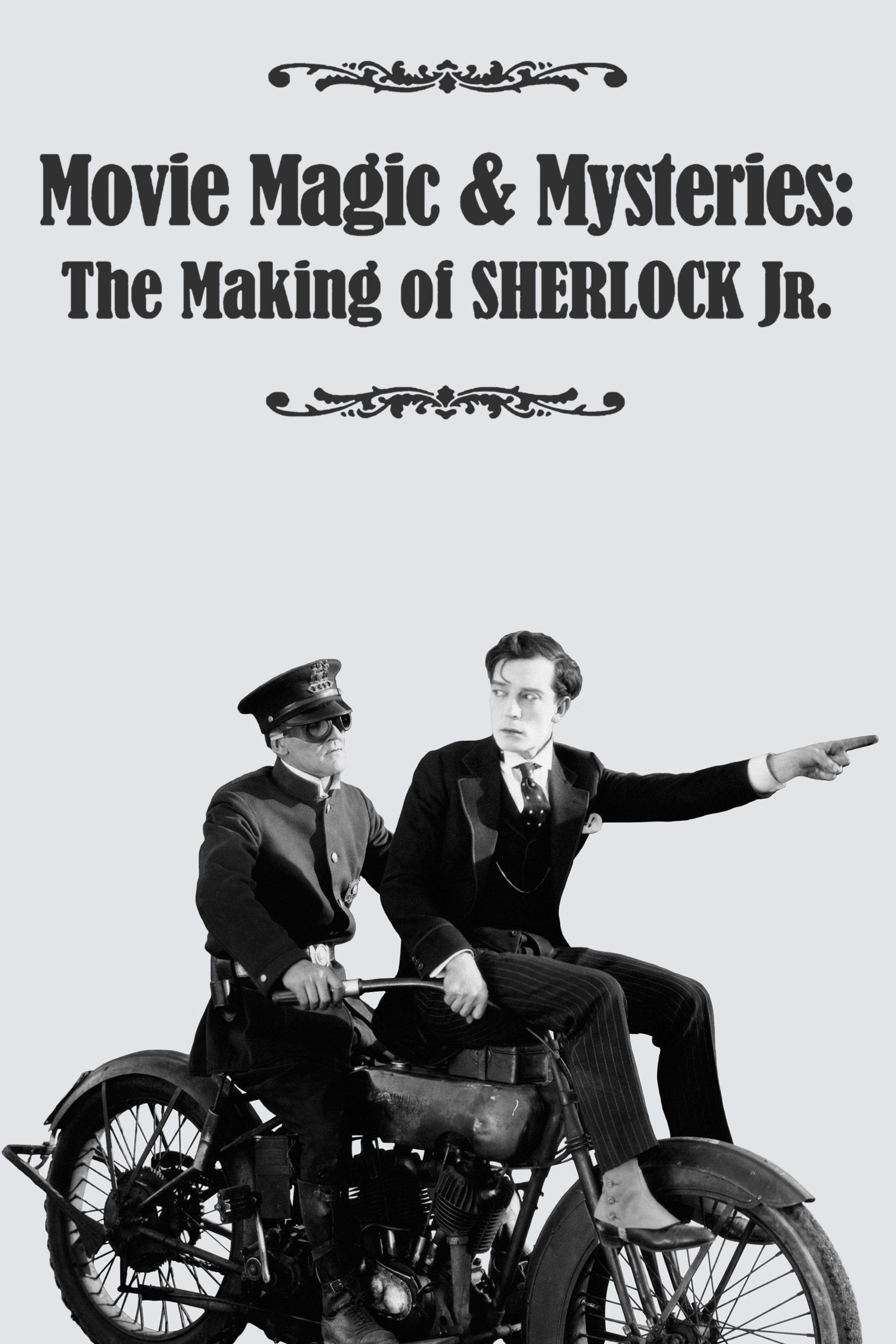
Documentary about the making of Buster Keaton's silent comedy classic, Sherlock Jr. (1924).
A short documentary on the works of Buster Keaton.
The special effects in The Play House (1921) are discussed.
This visual essay by John Bengtson, author of Silent Echoes: Discovering Early Hollywood Through the Films of Buster Keaton, reveals the locations where Keaton's 1923 comedy feature Three Ages was filmed in Hollywood, USC, and Los Angeles.
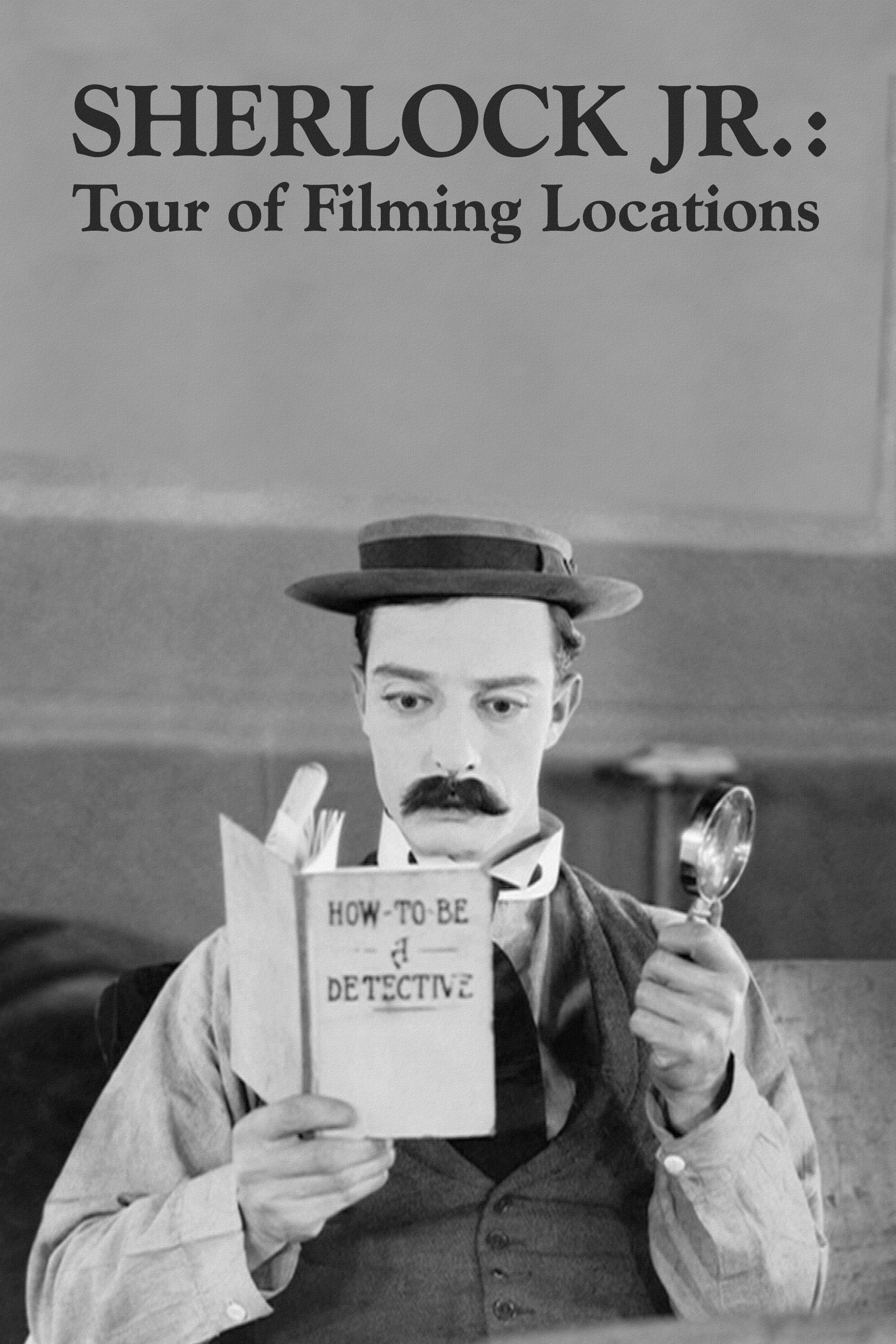
This visual essay by John Bengtson, author of Silent Echoes: Discovering Early Hollywood Through the Films of Buster Keaton, reveals the locations where Keaton's 1924 comedy feature Sherlock Jr. was filmed in Hollywood and Orange County.
In this visual essay John Bengtson, author of Silent Echoes: Discovering Early Hollywood Through the Films of Buster Keaton, pinpoints the locations used in the filming of The General and offers glimpses of how they look today.
In this visual essay John Bengtson, author of Silent Echoes: Discovering Early Hollywood Through the Films of Buster Keaton, provides a tour of where Seven Chances was filmed, comparing archival images with contemporary photos, and sharing stories of Mrs. Eleanor Keaton's visit to the Seven Chances church.
Four visual essays by Silent Echoes author John Bengtson identifying Buster Keaton's shooting locations for his many short films produced between 1920-1923, many in the streets surrounding his former Hollywood studio, the same studio where, a few years earlier, Charlie Chaplin had made his brilliant series of Mutual shorts.
Al Pacino's deeply-felt rumination on Shakespeare's significance and relevance to the modern world through interviews and an in-depth analysis of "Richard III."
A night of drunken chaos rocks a quiet Dutch town in this shocking documentary about a teen's birthday invite that accidentally went viral on Facebook.
A comedic, brutally honest documentary following self-destructive TV writer Dan Harmon as he takes his live podcast on a national tour.
The film follows adventurer Jeff Johnson as he retraces the epic 1968 journey of his heroes Yvon Chouinard and Doug Tompkins to Patagonia.
A detailing of the rise to prominence and global sporting superstardom of six supremely talented young Manchester United football players (David Beckham, Nicky Butt, Ryan Giggs, Paul Scholes, Phil and Gary Neville). The film covers the period 1992-1999, culminating in Manchester United's European Cup triumph.
In the Realms of the Unreal is a documentary about the reclusive Chicago-based artist Henry Darger. Henry Darger was so reclusive that when he died his neighbors were surprised to find a 15,145-page manuscript along with hundreds of paintings depicting The Story of the Vivian Girls, in What is Known as the Realms of the Unreal, of the Glodeco-Angelinnian War Storm, Cased by the Child Slave Rebellion.
An inside look at one of the most anticipated movie sequels ever with James Cameron and cast.
A documentary about the life and films of director John Ford.
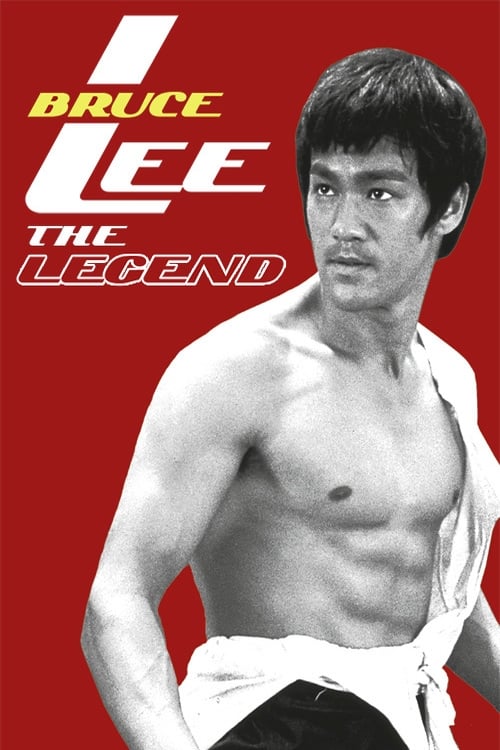
The Official Golden Harvest tribute to the Master of the Martial Arts Film, Bruce Lee.
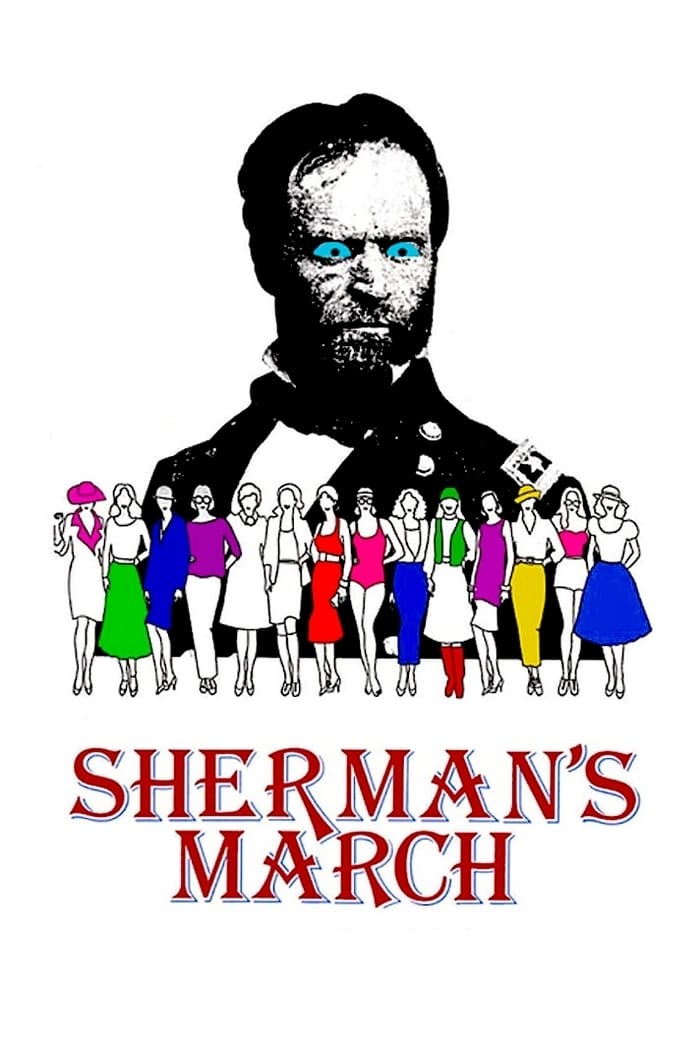
Documentarian Ross McElwee originally set out to make a travelogue of sorts tracing General William T. Sherman's infamous scorched-earth march through the Confederacy in the latter stages of the Civil War. Instead, haunted by a recent breakup with a girlfriend, McElwee ends up documenting his progress -- or lack thereof -- in starting a new relationship. His journey then becomes one of self-reflection and self-discovery rather than a historical/sociological exploration.
SEDUCED AND ABANDONED combines acting legend Alec Baldwin with director James Toback as they lead us on a troublesome and often hilarious journey of raising financing for their next feature film. Moving from director to financier to star actor, the two players provide us with a unique look behind the curtain at the world's biggest and most glamourous film festival, shining a light on the bitter-sweet relationship filmmakers have with Cannes and the film business. Featuring insights from directors Martin Scorsese, 'Bernando Bertolucci' and Roman Polanski; actors Ryan Gosling and Jessica Chastain and a host of film distribution luminaries.
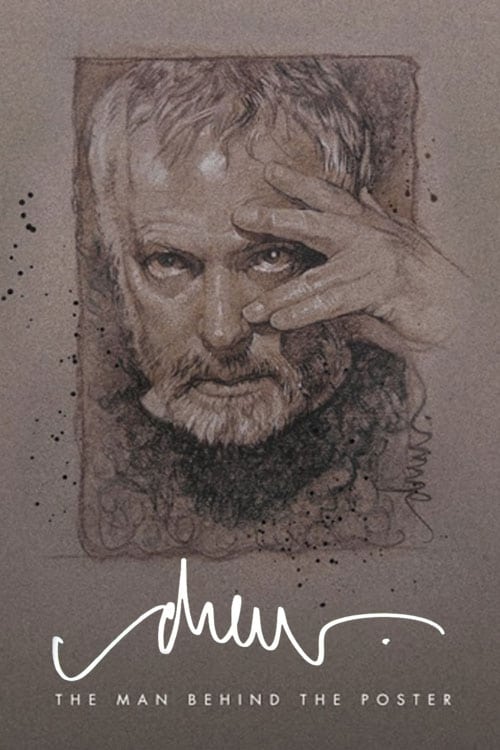
A documentary on legendary movie-poster artist Drew Struzan.
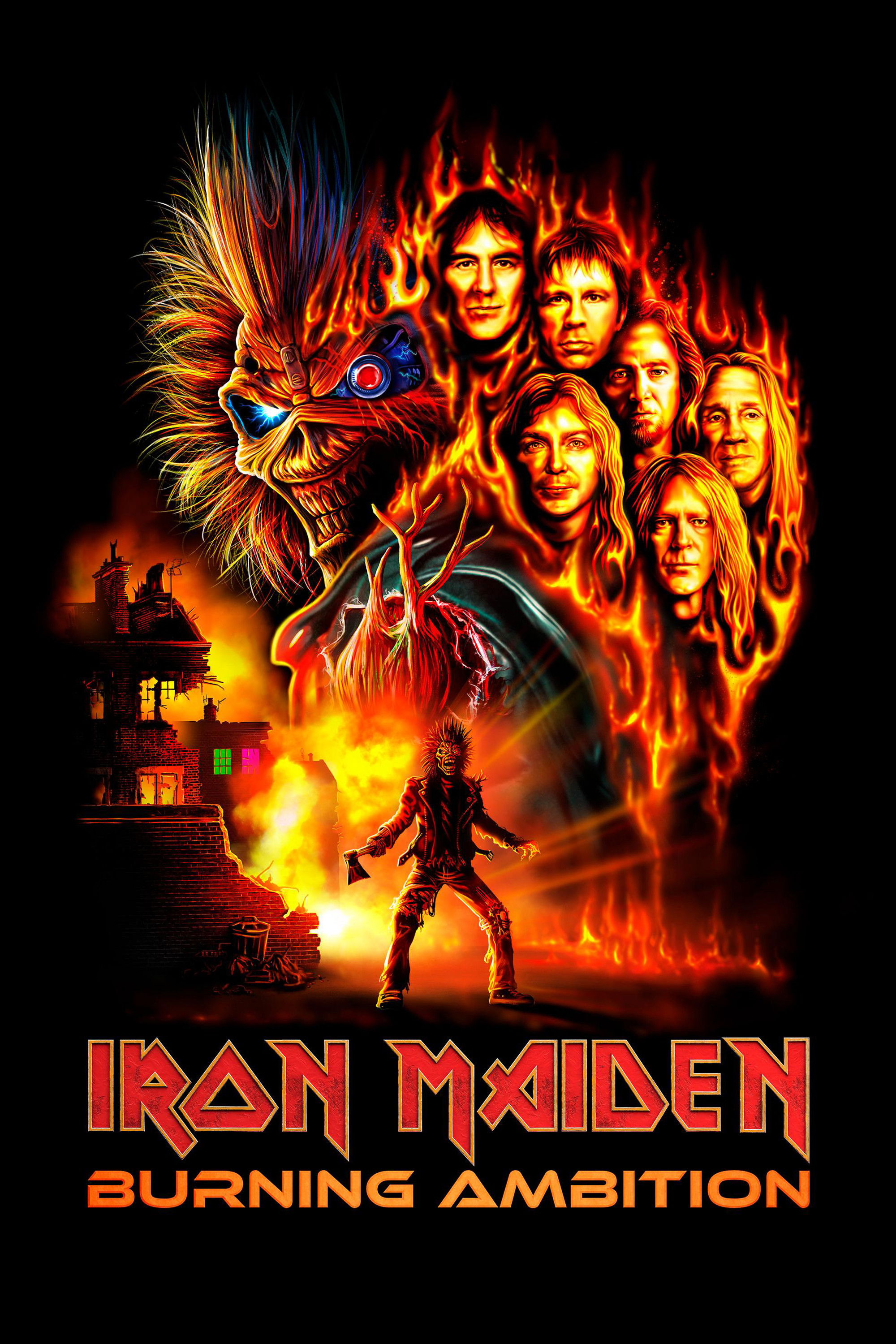
With unprecedented access to the official archives and intimate recollections from the band, both current and past, Iron Maiden: Burning Ambition invites fans to experience one of the most iconic journeys in music history. Spanning five decades, this electrifying documentary charts the band’s rise from the pubs of East London to the world’s biggest stadiums. Featuring exclusive interviews with band members and contributors such as Javier Bardem, Lars Ulrich and Chuck D, as well as all-new animated sequences of the band's legendary mascot, Eddie, the film offers a rare and intimate look at Iron Maiden’s uncompromising vision and unwavering connection with their truly global army of fans.
The life and career of an actor, artist, and icon. His own journey through his own camera.
From a prolific career in film and television, Anton Yelchin left an indelible legacy as an actor. Through his journals and other writings, his photography, the original music he wrote, and interviews with his family, friends, and colleagues, this film looks not just at Anton's impressive career, but at a broader portrait of the man.
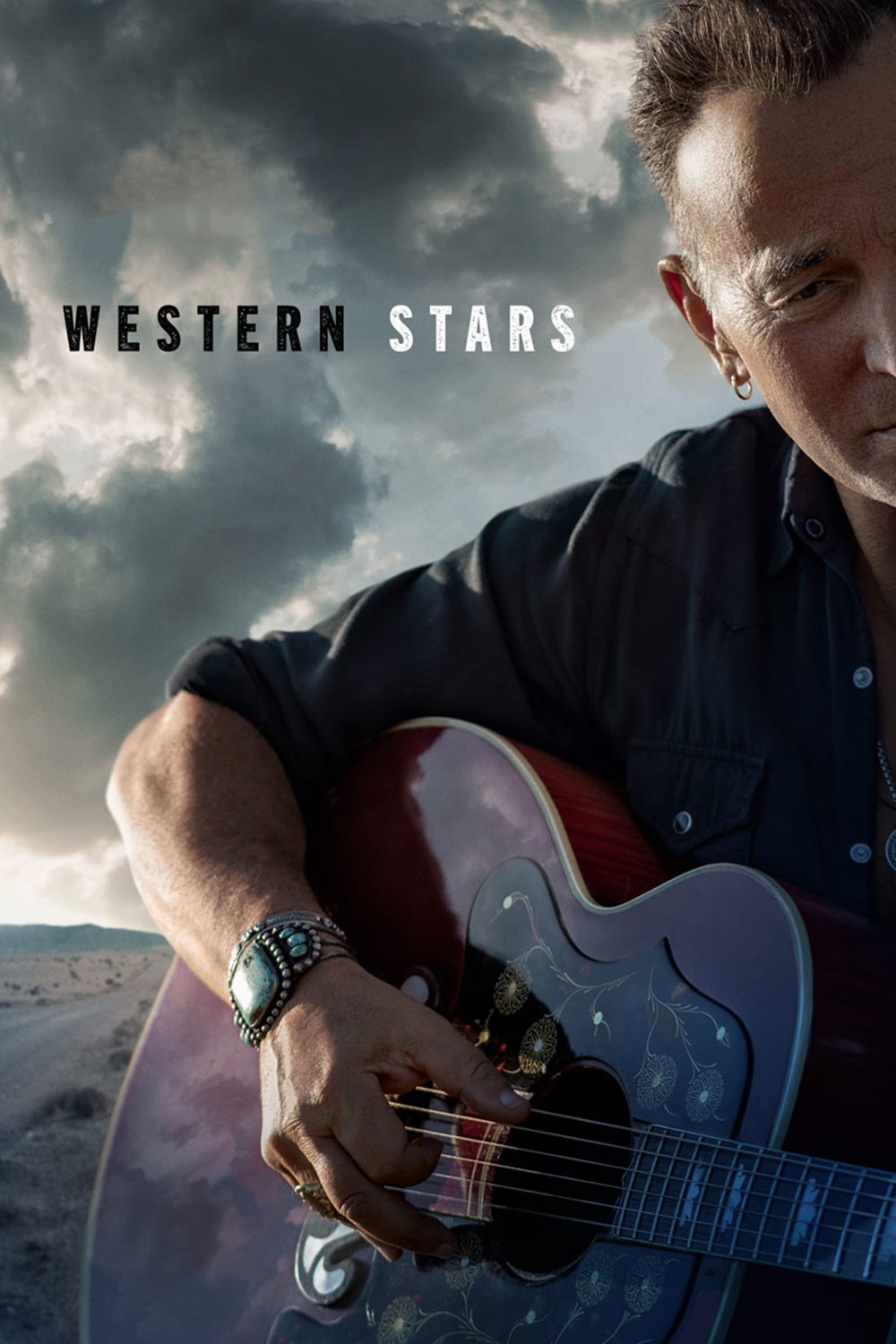
The incomparable Bruce Springsteen performs his critically acclaimed latest album and muses on life, rock, and the American dream, in this intimate and personal concert film co-directed by Thom Zimny and Springsteen himself.
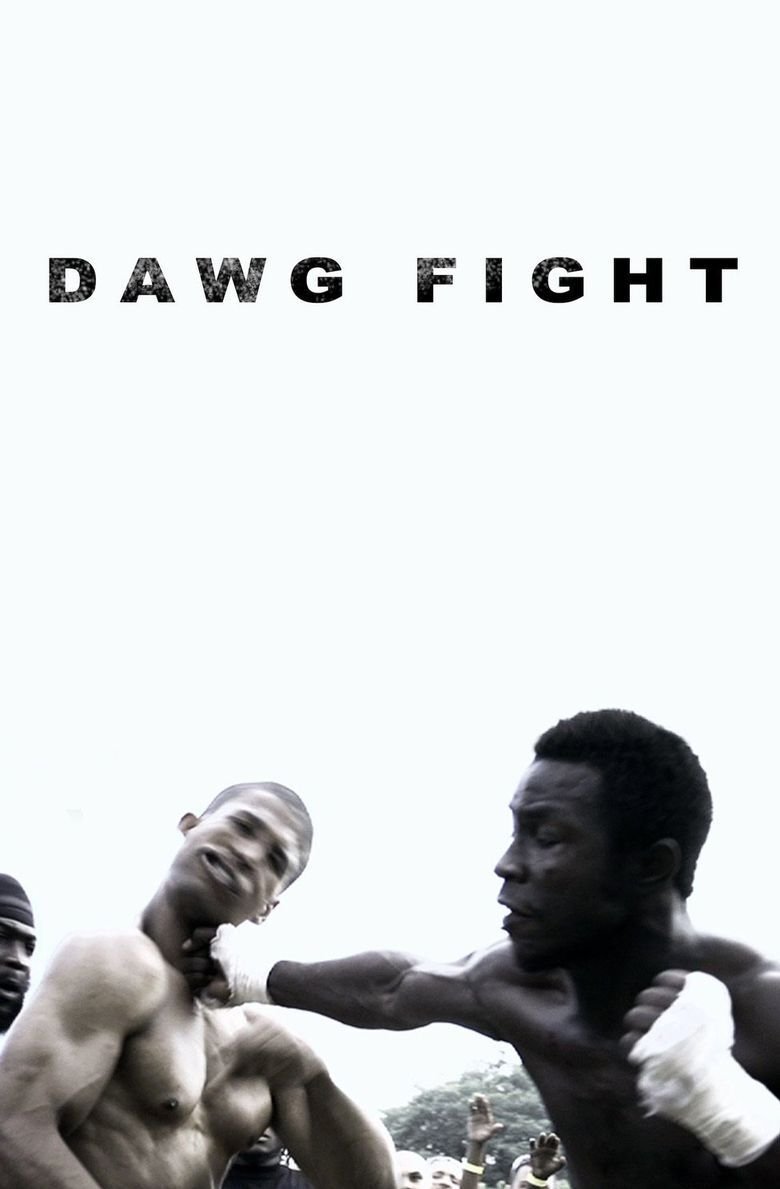
In a crime-plagued neighborhood near Miami, brutal, bare-knuckled backyard fights give young men a chance to earn money -- and self-respect.
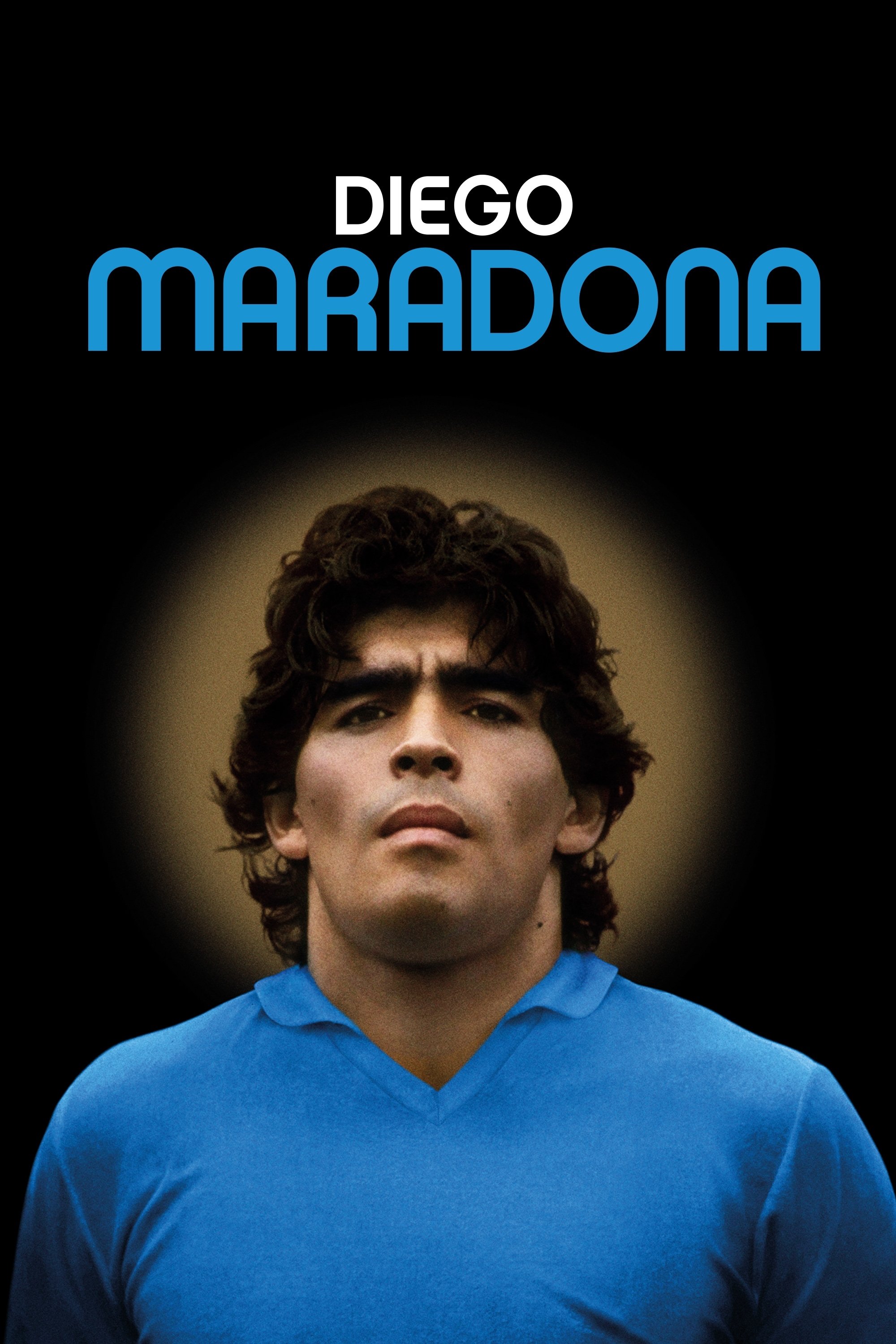
Constructed from over 500 hours of never-before-seen footage, this documentary centers on the personal life and career of the controversial football player Diego Maradona who played for SSC Napoli and Argentina in the 1980s.
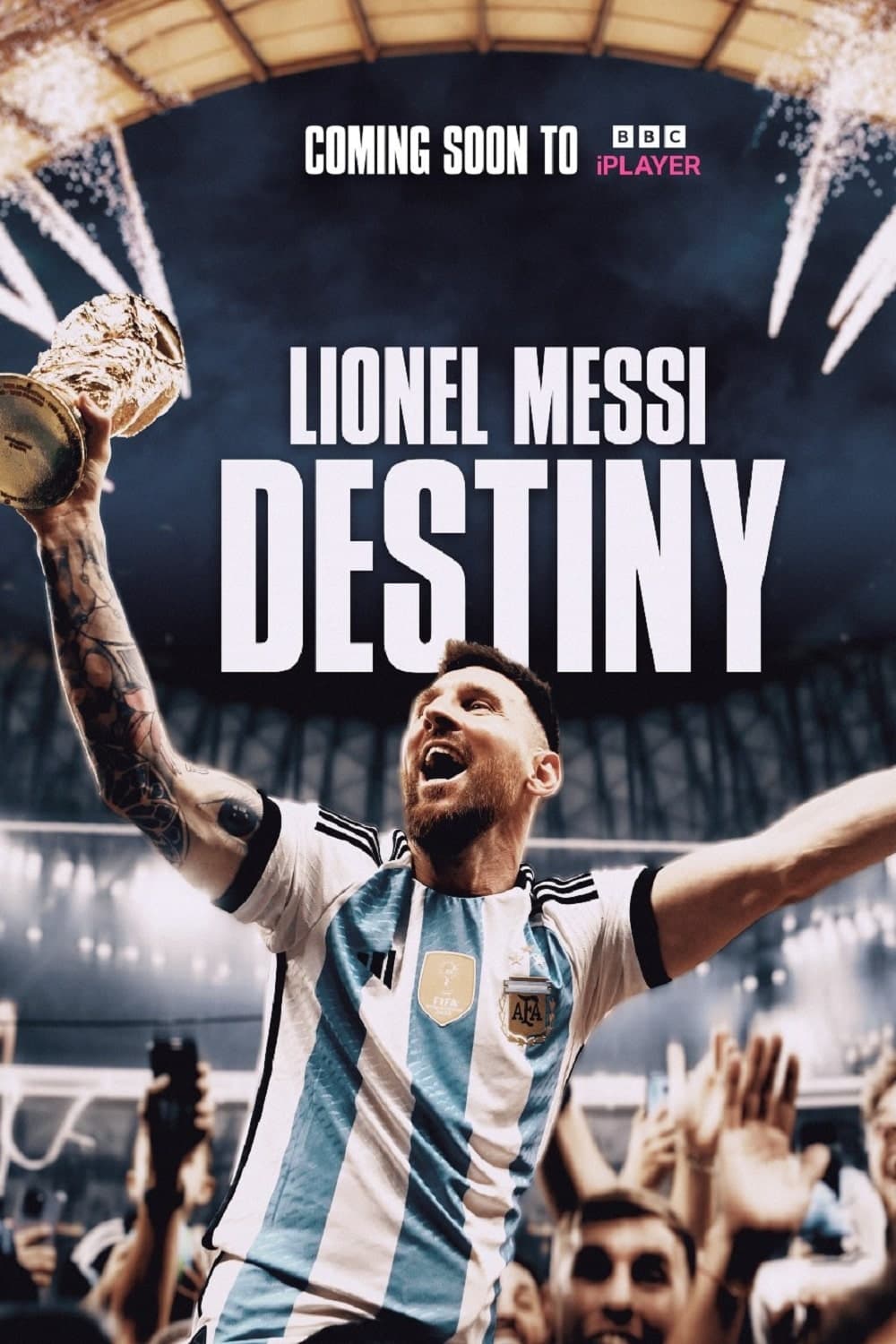
Behind-the-scenes documentary about how Lionel Messi succeeded in lifting the World Cup – the only trophy to have eluded him in an incredible career.
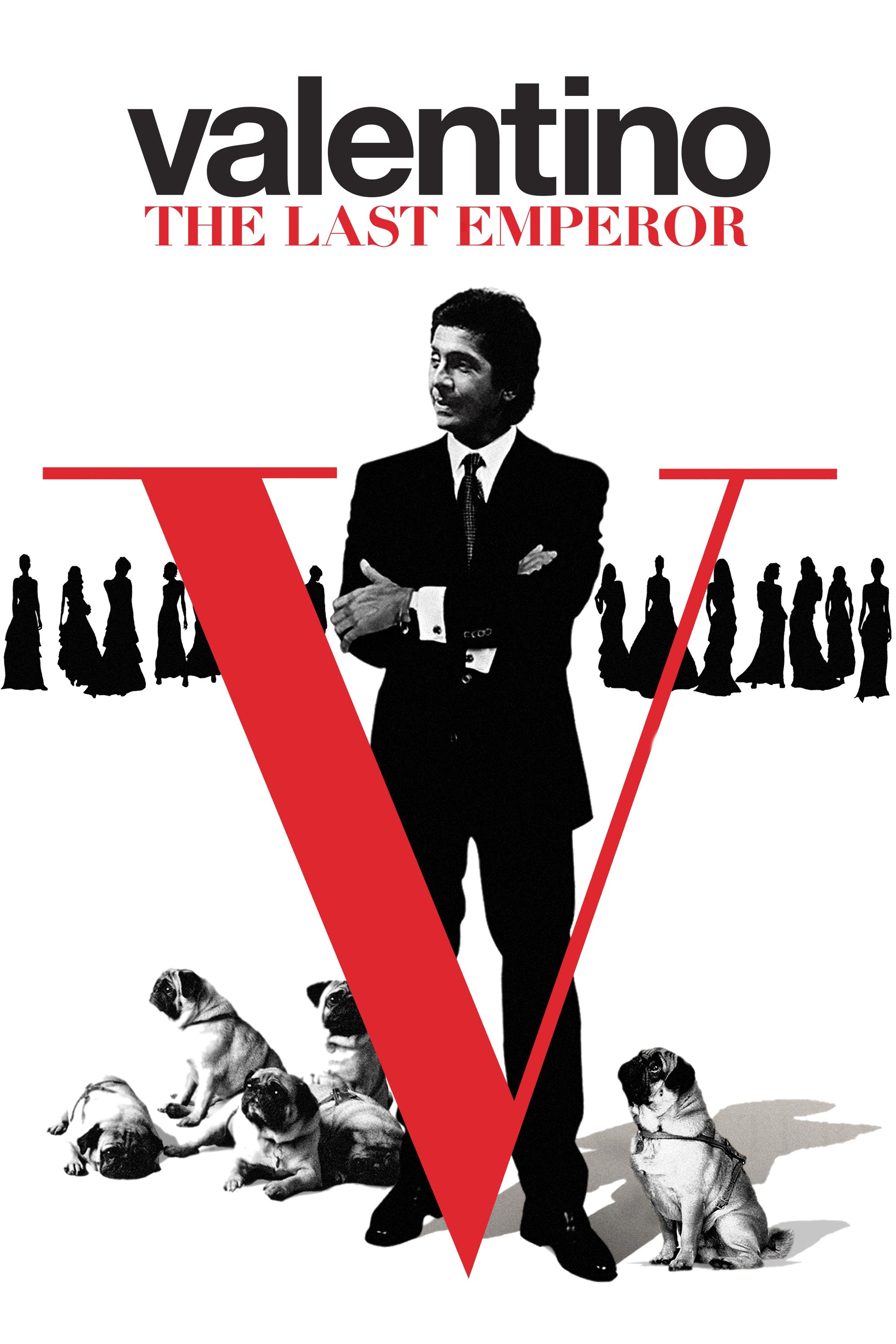
Film which travels inside the singular world of one of Italy's most famous fashion designers, Valentino Garavani, documenting the colourful and dramatic closing act of his celebrated career and capturing the end of an era in global fashion. However, at the heart of the film is a love story - the unique relationship between Valentino and his business partner and companion of 50 years, Giancarlo Giammetti. Capturing intimate moments in the lives of two of Italy's richest and most famous men, the film lifts the curtain on the final act of a nearly 50-year reign at the top of the glamorous and fiercely competitive world of fashion. (Storyville)