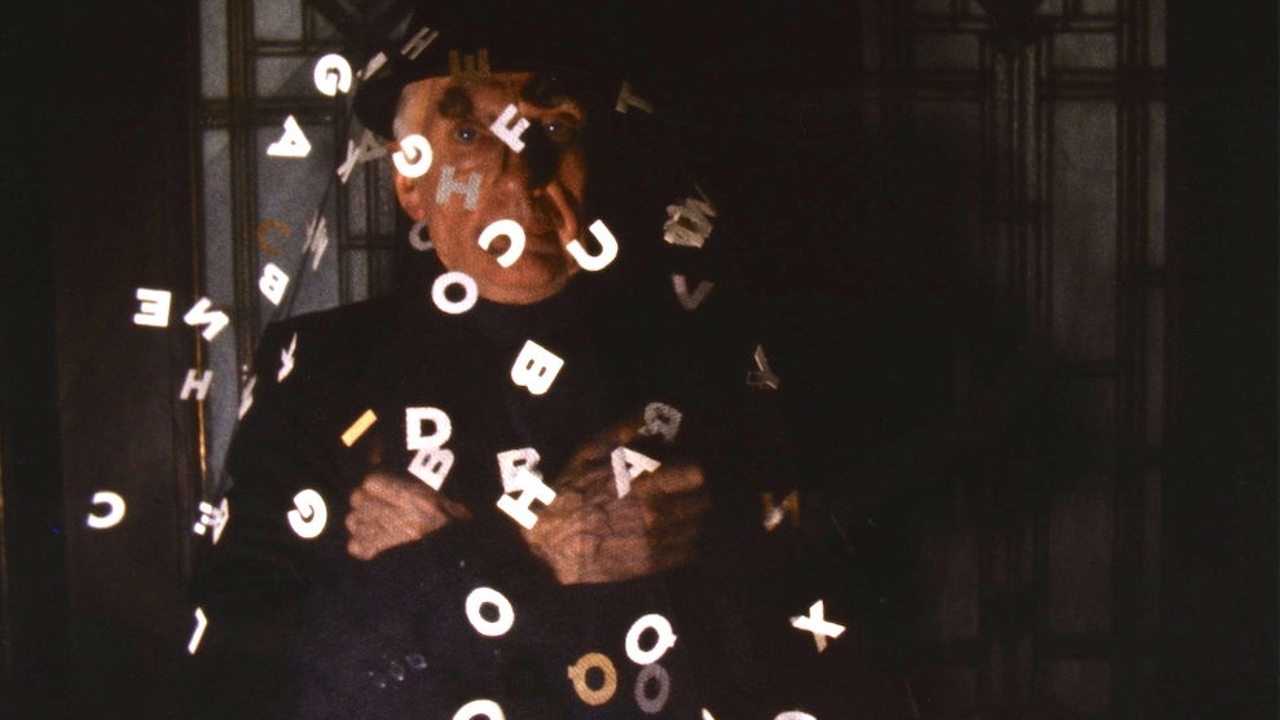
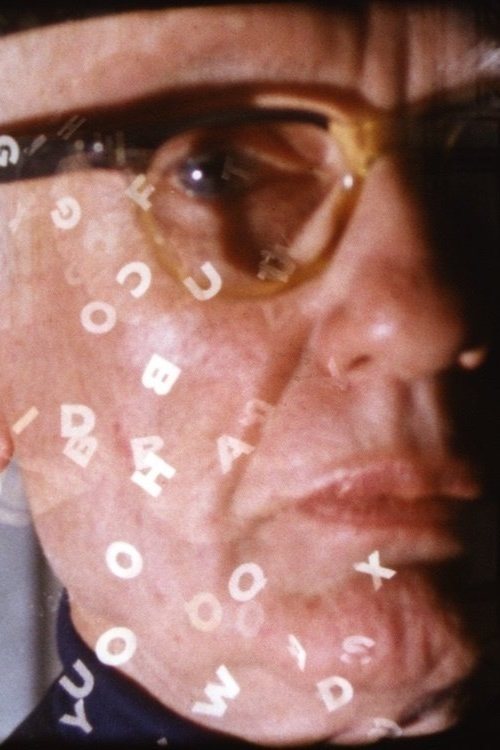
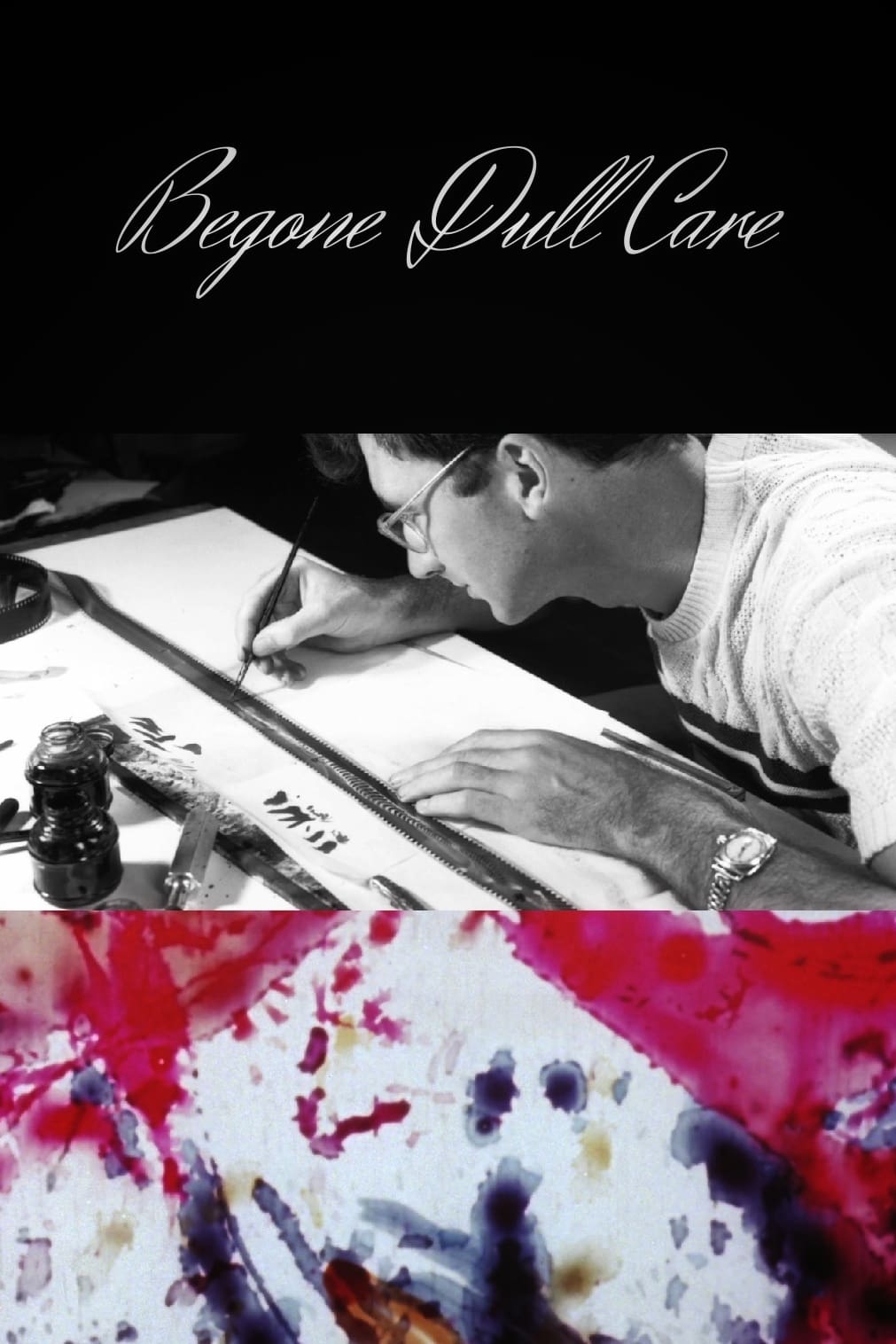
The life of painter, dancer and poet Mark Turbyfill, seen in his 70th year, is evoked through Markopoulos’ unique form of cinematic portraiture.
Social & External
Himself
Measuring their power and proving themselves is part of the boys’ everyday life. Even for the 13-year-old gentle-natured Yannik. Until his best friend’s upcoming sexual curiosity suddenly puts him in a threatening situation. Where is the line between game and reality and what happens if that line is crossed?
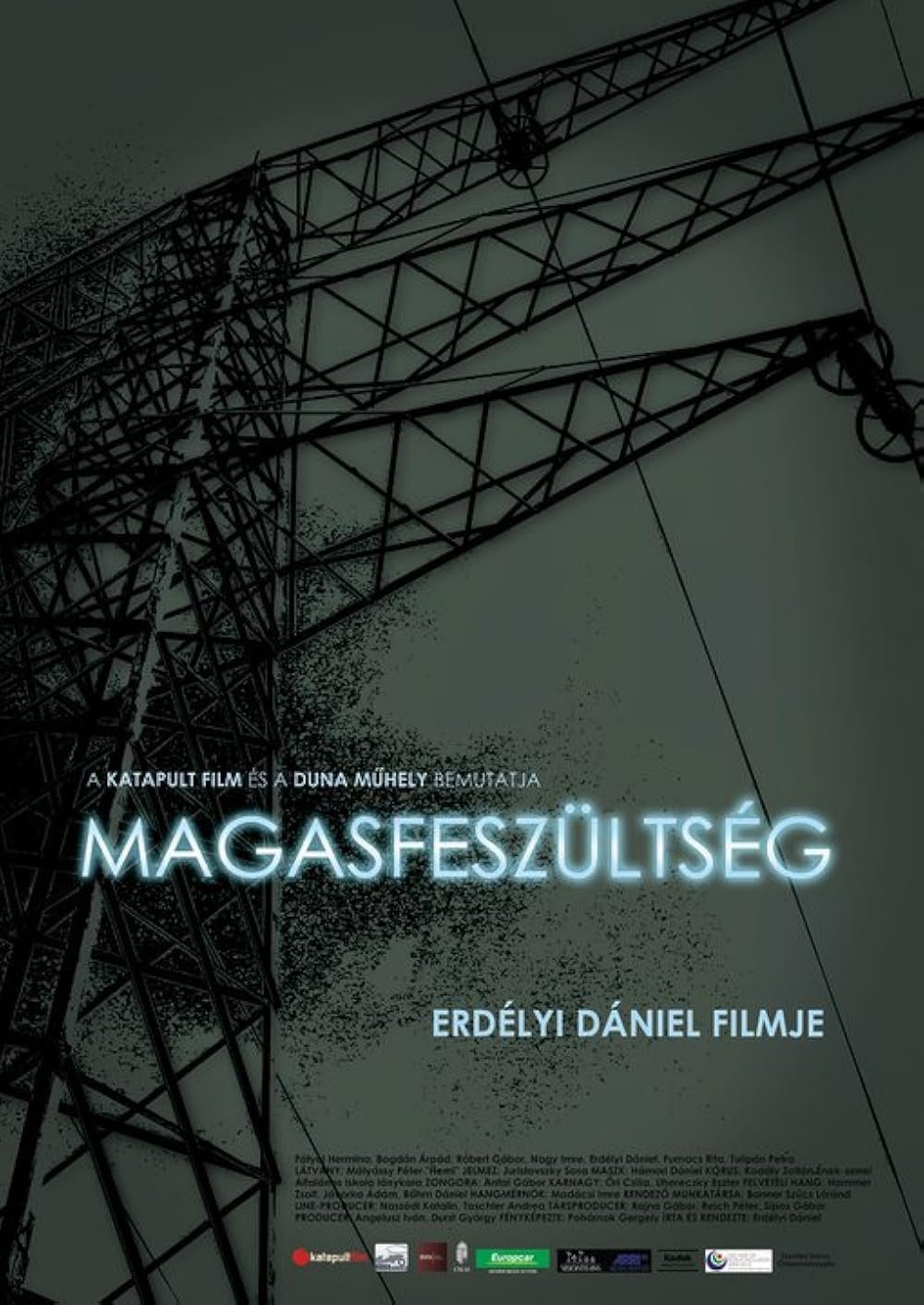
At the outskirts of a village in the Great Hungarian Plain, two communities live side-by-side as strangers: the workers of a high-tech factory and the inhabitants of the gypsy ghetto. This happens in spite of the fact that both of them deal with electricity. However, one community' s business needs constant supply of electric current while the other' s at least temporary power-cut.
Six women. Six rooms. Six confrontations with the past. Shot in East London, Second Skin is a devastating meditation on society’s obsession with a woman’s age.
Javier is haunted by a recurring nightmare - he's trapped in a strange house with something waiting for him in the basement. Despite his mother's reassurance that they're only dreams (solo son sueños), he can't shake the growing sense that an ominous presence is getting closer.
Caught between paranoia and boredom, an injured ballerina must choose to sacrifice herself or her only friend.
A film adaptation of George Berkeley's 1747 tract of the same name, which consists of an intricate, lengthy proof that gradually comes to connect the banal with the total.
At the end of Summer after finishing sixth form, two friends meet up for the first time in a year to talk about what happens next.
A thought provoking journey that follows a young man through his final day of life.
Psychological-thriller set during the Korean War that follows the twisted journey of two surviving marines trying to make their way back through enemy territory after their platoon was wiped out.
Short film with the theme ‘Time travel’
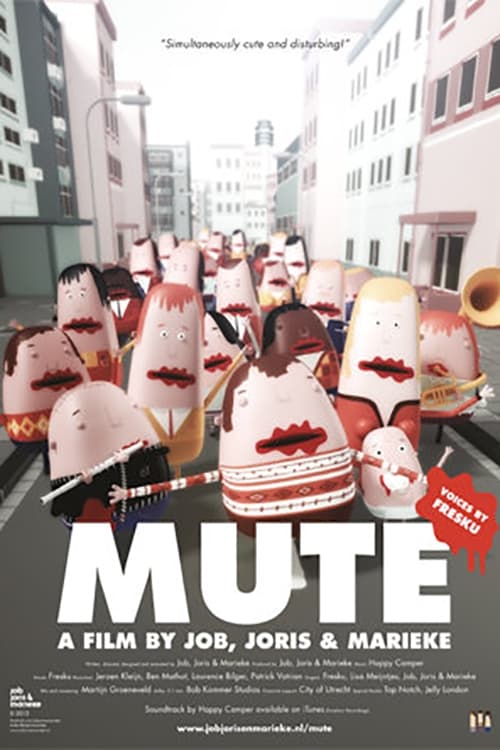
MUTE is an animated short about a world populated by people born without mouths.
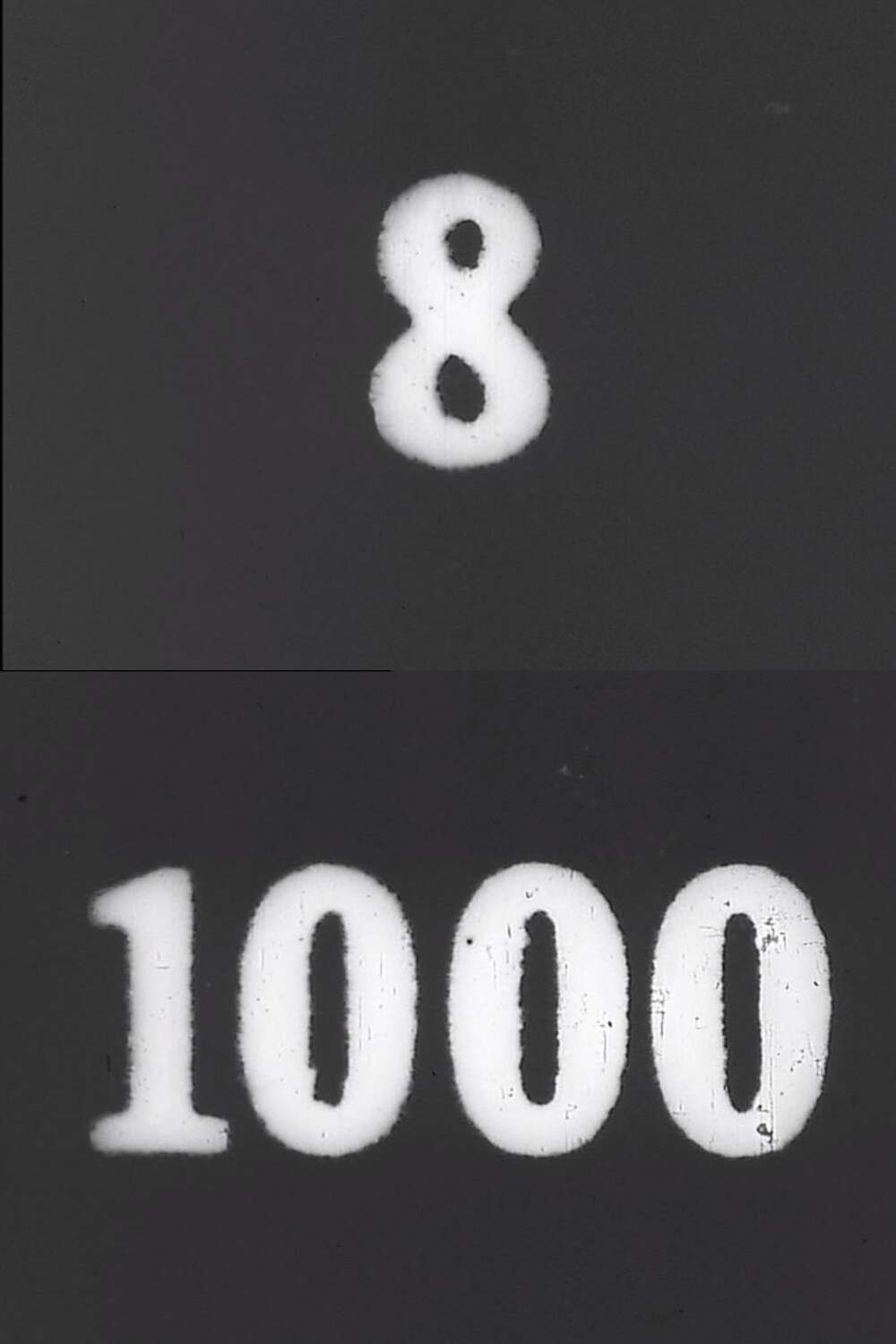
Numerals on clear film from 1 to 1000."
A documentary about the Parisian night club “Bus Palladium”. This film was theatrically released as a complement for Godard's Masculin, féminin.
A staged cinematic parable, it presents in symbolic images a painful diagnosis of Poles' sense of identity in the 1970s.
A 16mm anthology of experimental super 8 films by Derek Jarman, Michael Kostiff, Cerith Wyn Evans and John Maybury, with framing footage by Tim Burke of Brion Gysin using a dream machine. Jarman's contribution is a version of his 1977 Art and the Pose (aka Arty the Pose), refilmed at 3fps, with a musical soundtrack. Jarman planned The Dream Machine as a commemoration of William Burroughs and Gysin's 1982 visit to the UK, and received initial funding from the Arts Council in 1983, then rethought the project as a portmanteau film featuring Gysin alone. The production remained in limbo until 1986, when James Mackay obtained completion funding from the British Film Institute. (Since this film was released on VHS accompanied by Jarman's Broken English: Three Songs by Marianne Faithfull, T.G.: Psychic Rally in Heaven and Pirate Tape under the umbrella title The Dream Machine, synopses of this film have often muddled up its details with those of the earlier films. )
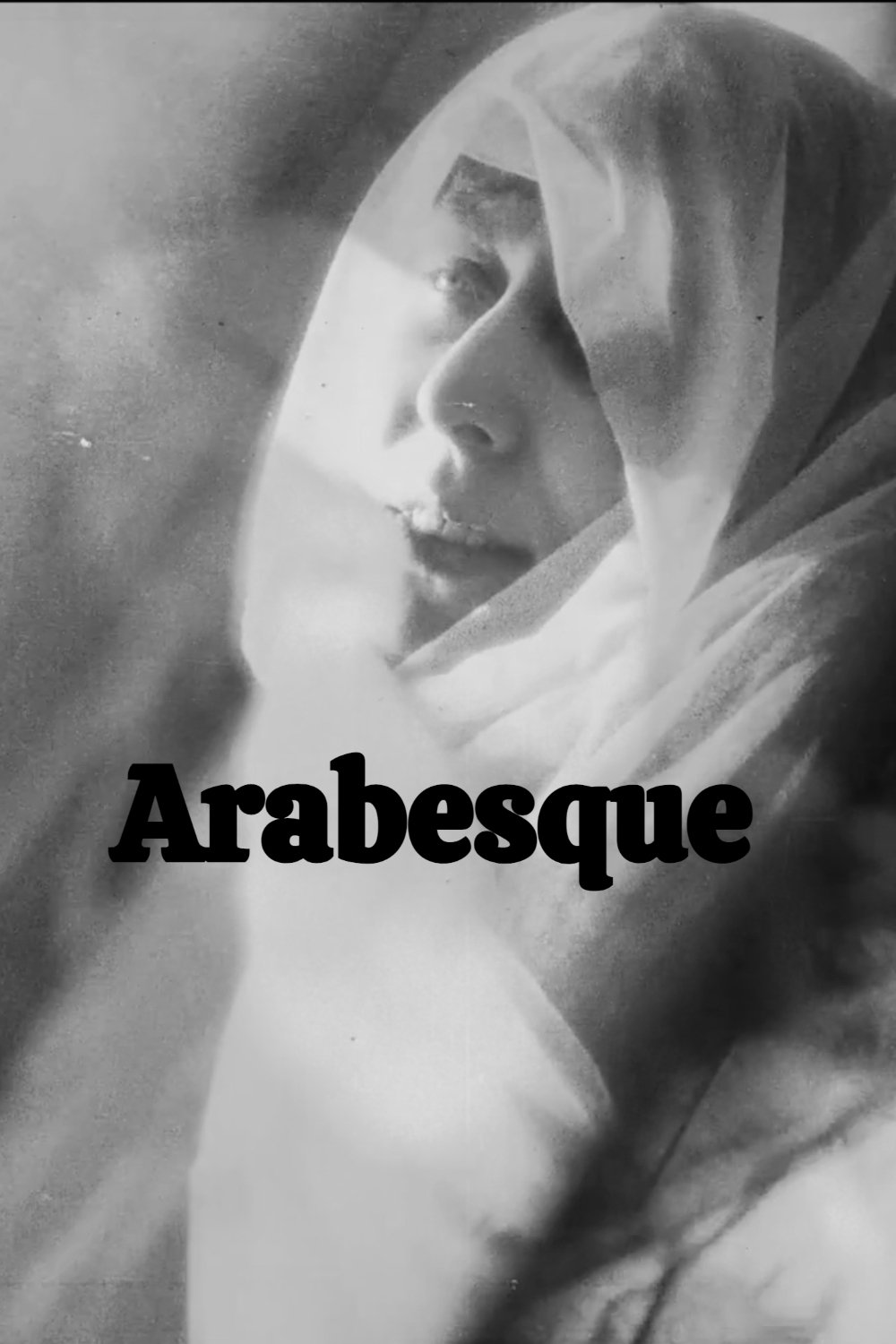
The film’s visual structure is principally composed of variations on the arabesque: arcs of light, water spouts, spider webs, burgeoning trees, flowers and foliage, a woman’s smile, arms stretching, an arm giving rhythm to a rocking chair. It uses natural elements (light, mirrors, water, and wind) and photographic techniques (multiple exposures and lenses) to distort the various elements, or to intensify their design.
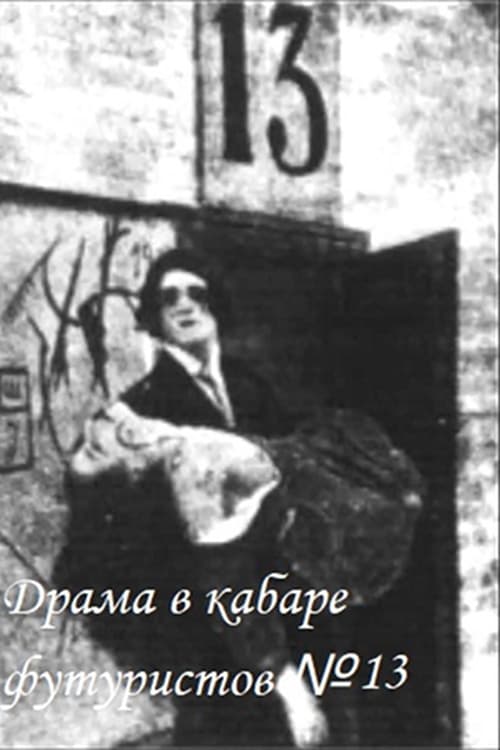
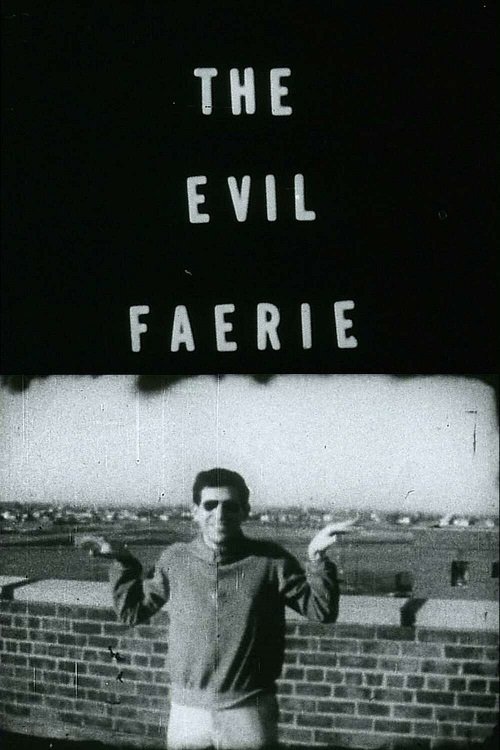
Following a series of title cards, a man in sunglasses briefly flutters his hands like fairy. Owen Land states that this film was not made by George Landow, and believes it should be credited to John Cavanaugh. "George Maciunas had a number of films which didn’t have titles on them. Then he put them together into his Fluxus reel and tried to remember who made them. It was an intentional Fluxus joke." (Owen Land, interview with Mark Webber, 2004)
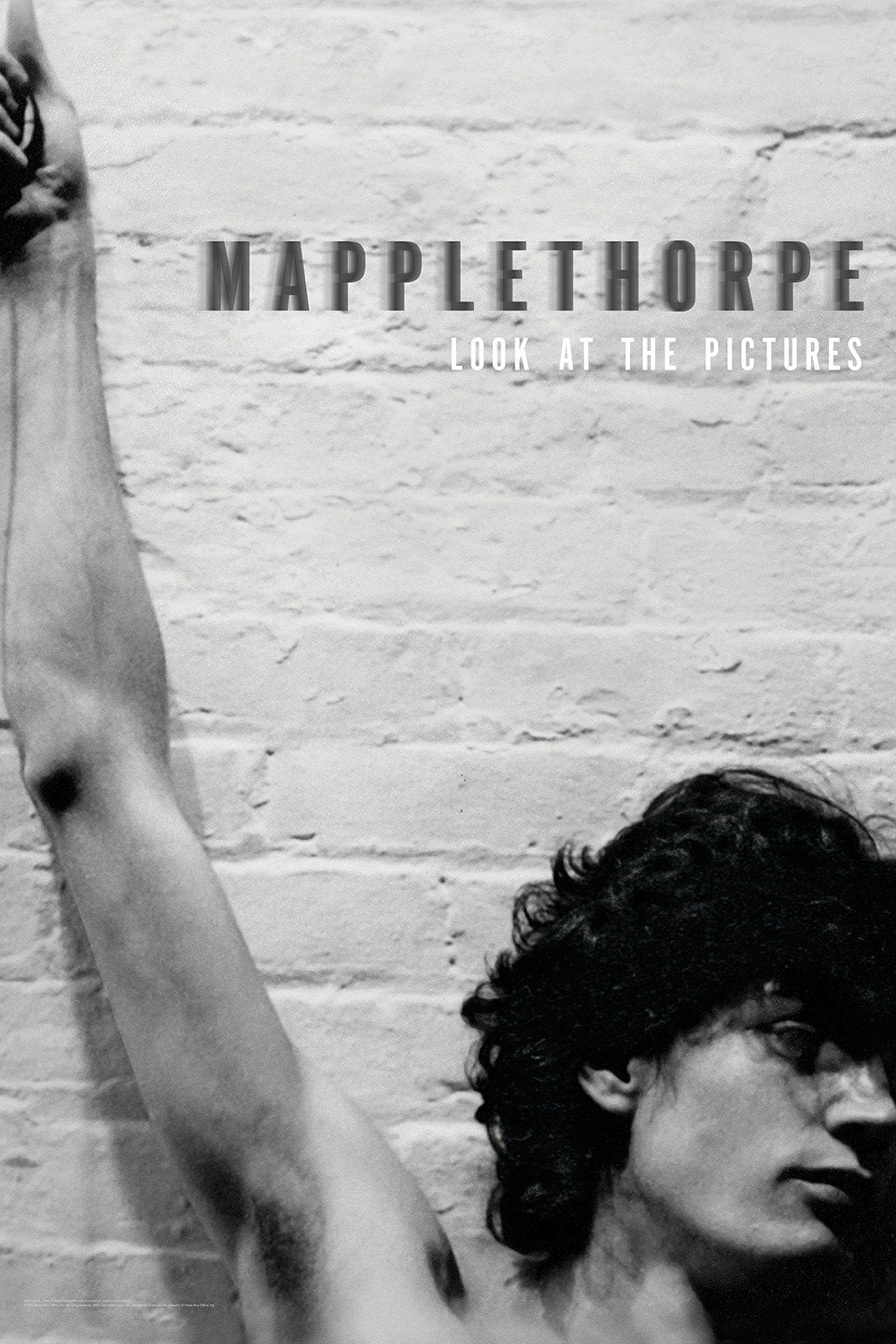
Nude men in rubber suits, close-ups of erections, objects shoved in the most intimate of places—these are photographs taken by Robert Mapplethorpe, known by many as the most controversial photographer of the twentieth century. Openly gay, Mapplethorpe took images of male sex, nudity, and fetish to extremes that resulted in his work still being labelled by some as pornography masquerading as art. But less talked about are the more serene, yet striking portraits of flowers, sculptures, and perfectly framed human forms that are equally pioneering and powerful.
A visual representation, in four parts, of one man's internalization of "The Divine Comedy." Hell is a series of multicolored brush strokes against a white background; the speed of the changing images varies. "Hell Spit Flexion," or springing out of Hell, is on smaller film stock, taking the center of the frame. Montages of color move rapidly with a star and the edge of a lighted moon briefly visible. Purgation is back to full frame; blurs of color occasionally slow down then freeze. From time to time, an image, such as a window or a face, is distinguishable for a moment. In "existence is song," colors swirl then flash in and out of view. Behind the vivid colors are momentary glimpses of volcanic activity.
Arthur Lipsett's first film is an avant-garde blend of photography and sound. It looks behind the business-as-usual face we put on life and shows anxieties we want to forget. It is made of dozens of pictures that seem familiar, with fragments of speech heard in passing and, between times, a voice saying, "Very nice, very nice." The film was nominated for an Oscar for Best Live Action Short Film.
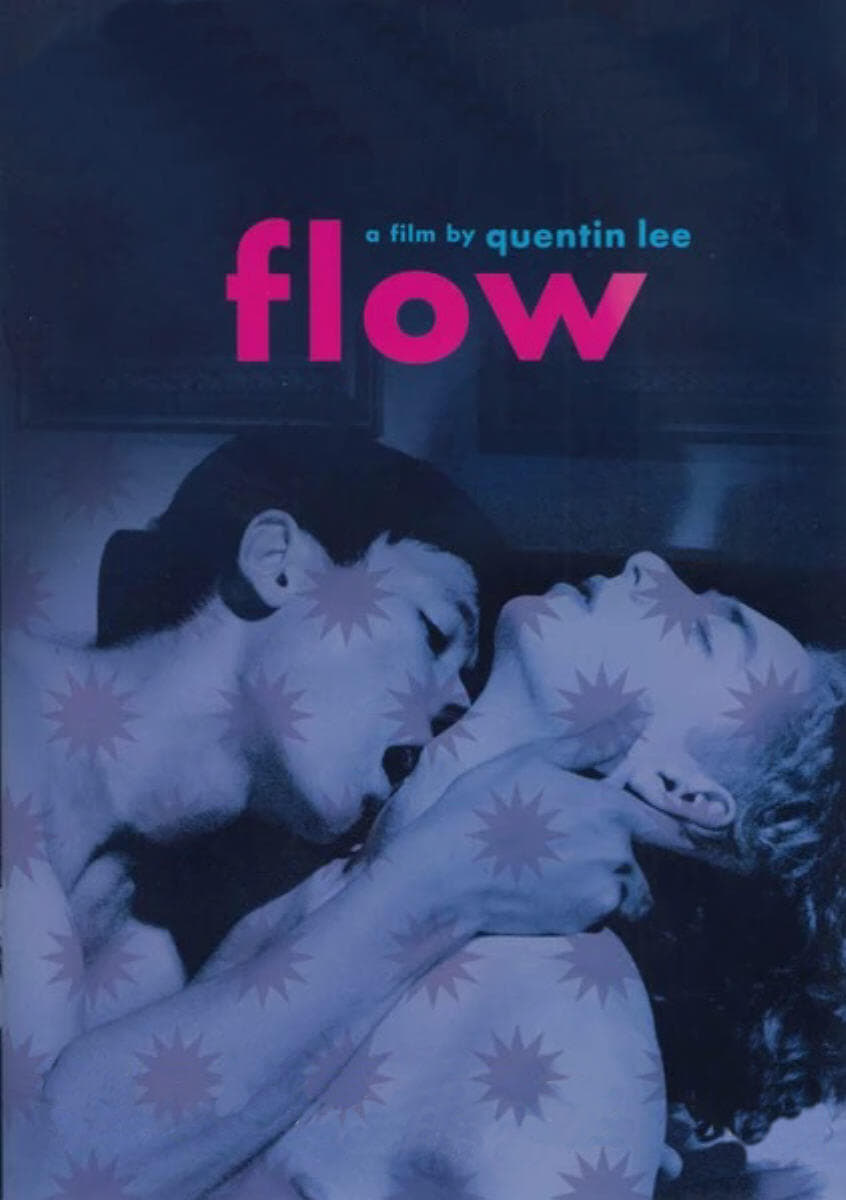
Gay, alienated Los Angeles teens have a hard time as their parents kick them out of their homes, they don’t have money, their lovers cheat, and they are harassed by gay-bashers.
A Japanese fairy tale meets commedia dell'Arte. All in white, the naïf Pierrot lies in a wood. Doo-wop music plays as he rises, stares about, and reaches for the moon. Although music abounds and the children of the wood are there at play, Pierrot is melancholy and alone. Harlequin appears, brimming with confidence and energy. He conjures the lovely Colombina. Pierrot is dazzled. But can the course of true love run smooth?
Against a plain, unchanging blue screen, a densely interwoven soundtrack of voices, sound effects and music attempt to convey a portrait of Derek Jarman's experiences with AIDS, both literally and allegorically, together with an exploration of the meanings associated with the colour blue.
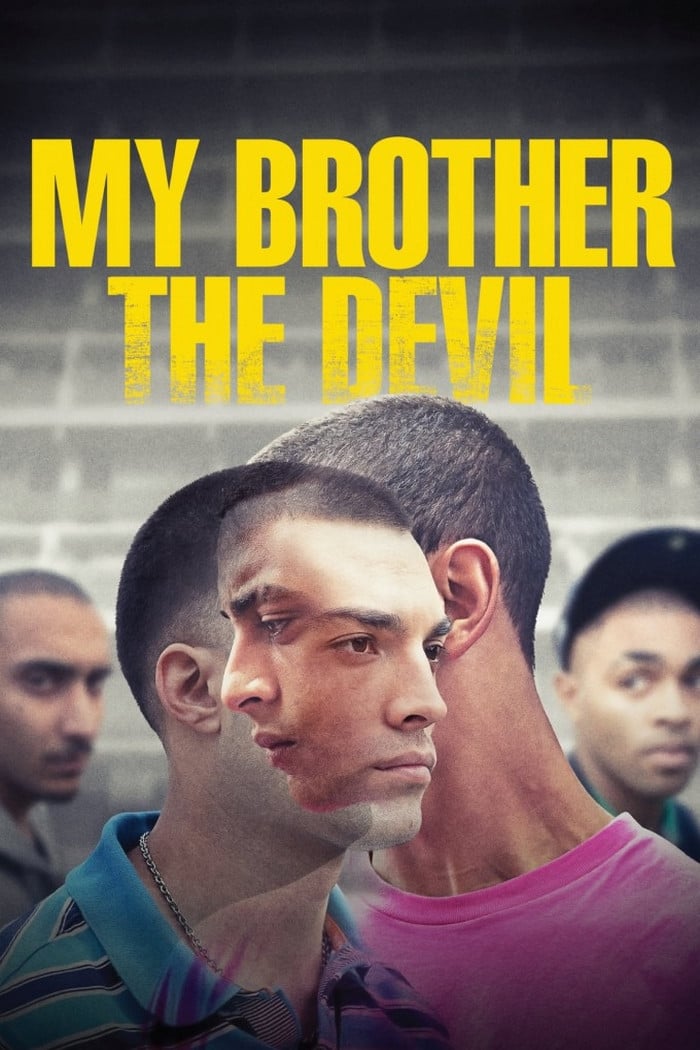
Fourteen-year-old Mo is a lonely, sensitive boy whose hunger for the rant and banter of buddies makes him prone to tread dangerous territories. He idolizes his handsome older brother, Rashid, a charismatic, well-respected member of a local gang, whose drug dealing enables “Rash” to provide for his family. Aching to be seen as a tough guy himself, Mo takes a job that unlocks a fateful turn of events and forces the brothers to confront their inner demons. It turns out that hate is easy. It is love and understanding that take real courage.
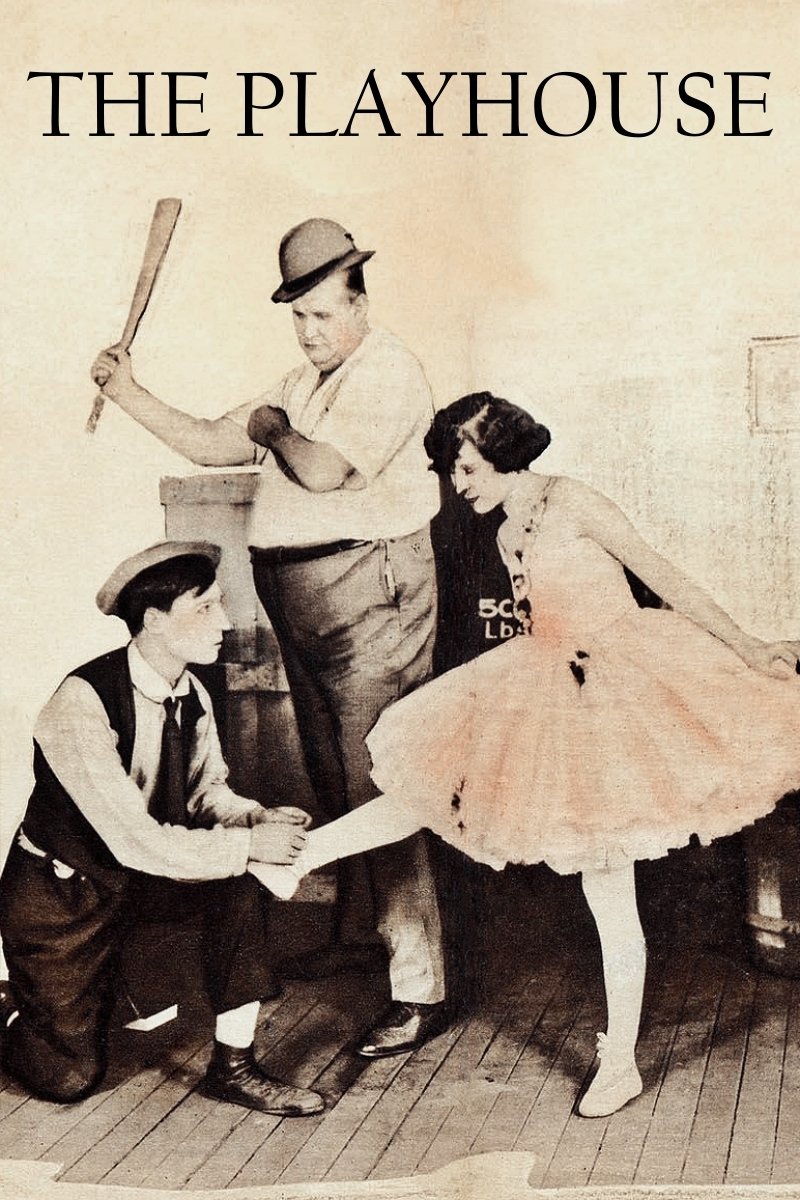
Upon waking from the dream of a theater peopled entirely by numerous Buster Keatons, a lowly stage hand causes havoc everywhere he works.
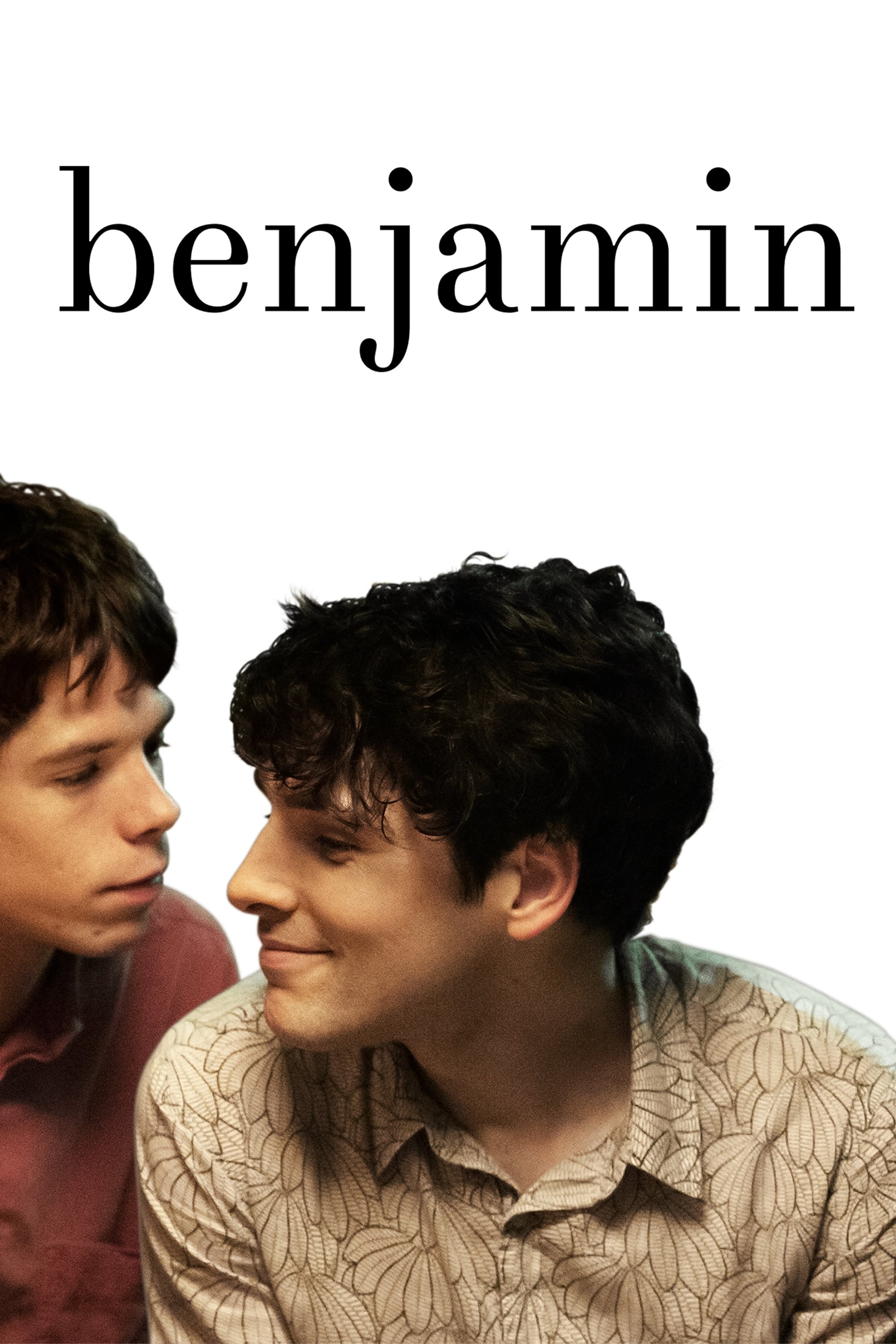
Benjamin, a rising star filmmaker, is on the brink of premiering his difficult second film No Self at the London Film Festival when Billie, his hard drinking publicist, introduces him to a mesmeric French musician called Noah.
A filmmaker talks about his work and love life with an unseen friend behind the camera. We also watch four of his short films.
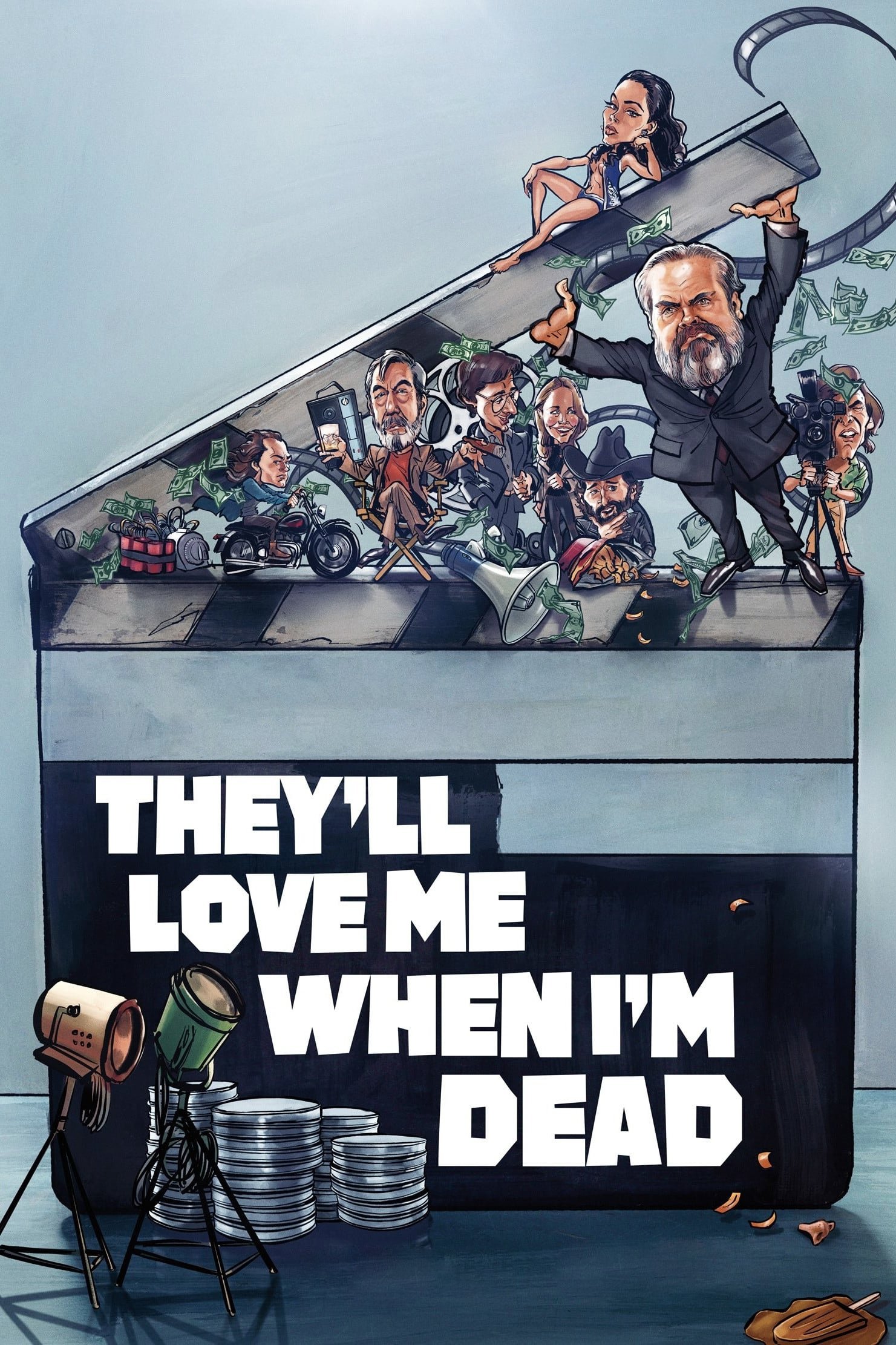
As his life comes to its end, famous Hollywood director Orson Welles puts it all on the line at the chance for renewed success with the film The Other Side of the Wind.
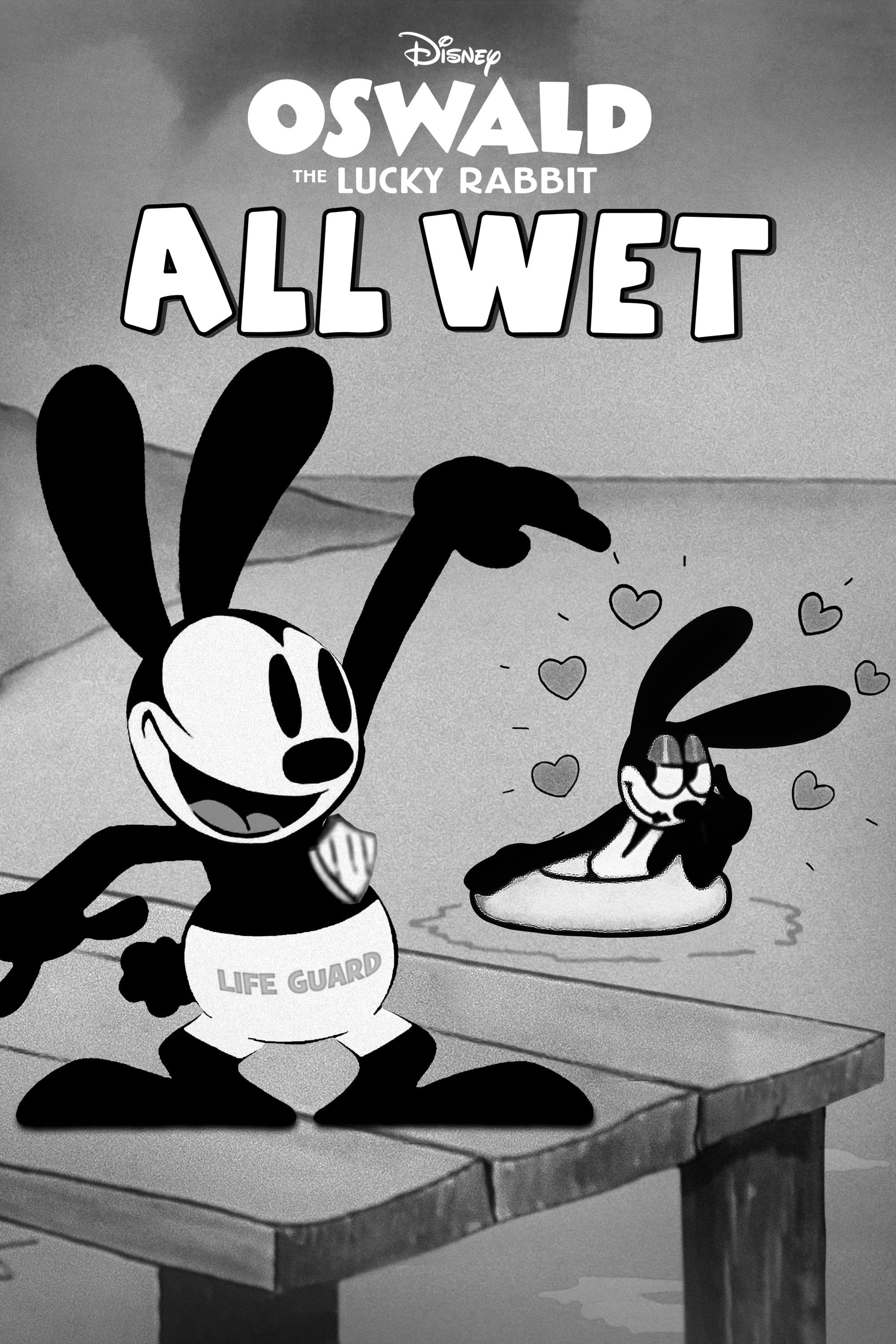
Oswald takes a job as a lifeguard to keep an eye on Miss Rabbit, who in turn stages a boating accident hoping Oswald will come to save her.
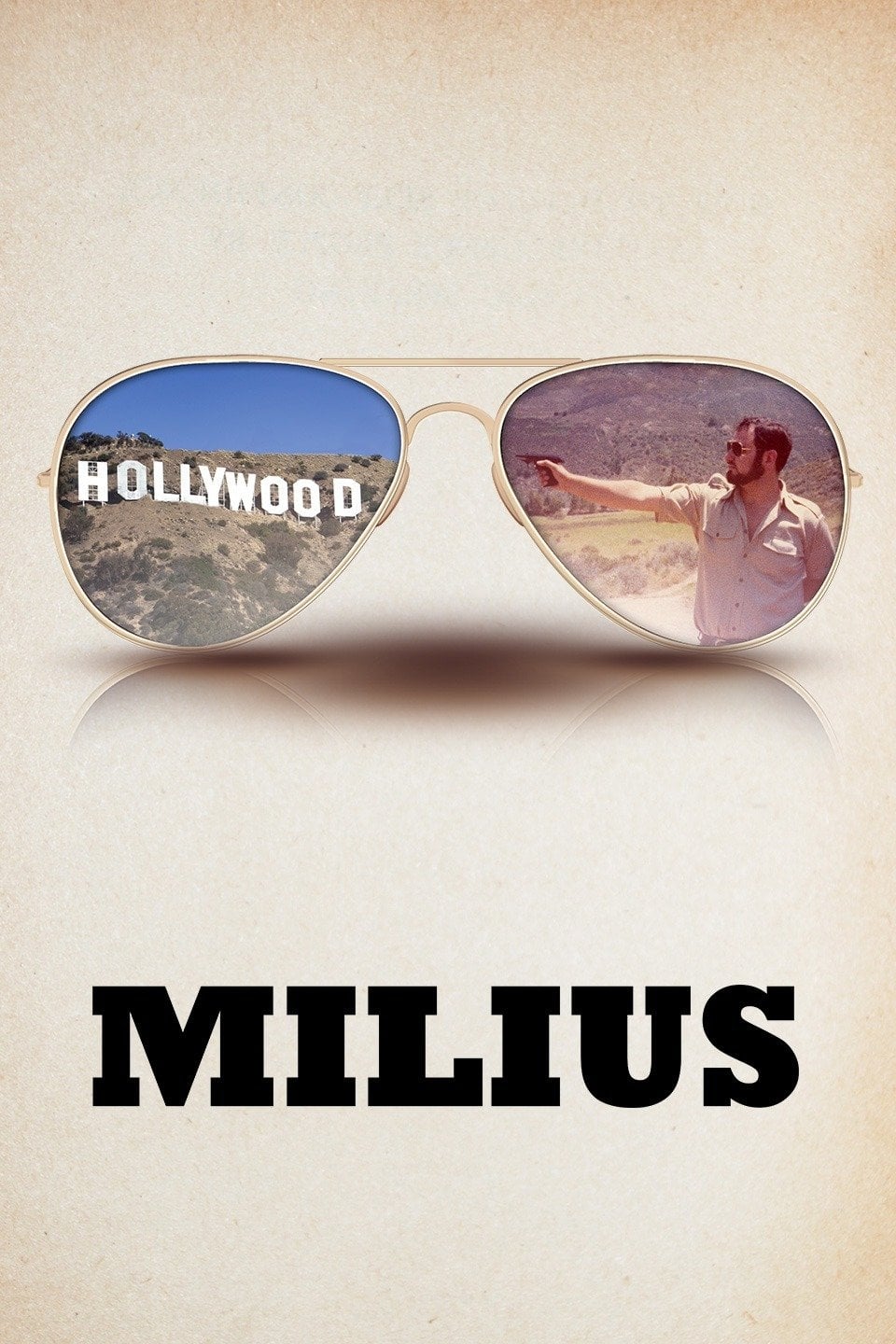
The life story of ‘Zen Anarchist’ filmmaker John Milius, one of the most influential storytellers of his generation.
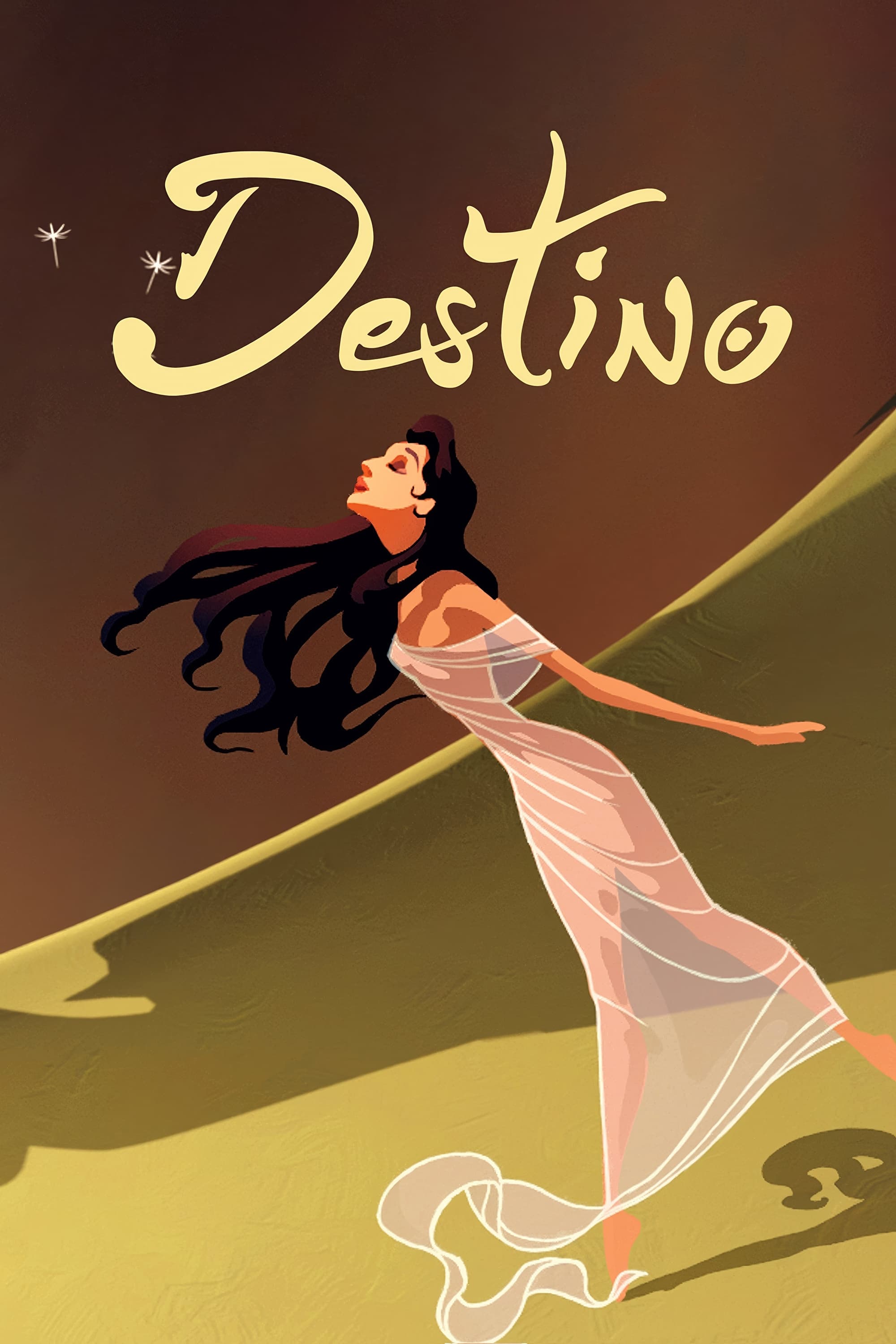
Short film to a song of love lost and rediscovered, a woman sees and undergoes surreal transformations. Her lover's face melts off, she dons a dress from the shadow of a bell and becomes a dandelion, ants crawl out of a hand and become Frenchmen riding bicycles. Not to mention the turtles with faces on their backs that collide to form a ballerina, or the bizarre baseball game.
In this extraordinary short animation, Evelyn Lambart and Norman McLaren painted colours, shapes, and transformations directly onto their filmstrip. The result is a vivid interpretation, in fluid lines and colour, of jazz music played by the Oscar Peterson Trio.
In the 1960s, British painter Francis Bacon surprises a burglar and invites him to share his bed. The burglar, a working class man named George Dyer, accepts. After the unique beginning to their love affair, the well-connected and volatile artist assimilates Dyer into his circle of eccentric friends, as Dyer's struggle with addiction strains their bond.
A lonely typographer with a cruel speech impediment but an eloquent inner voice must face his greatest fear.
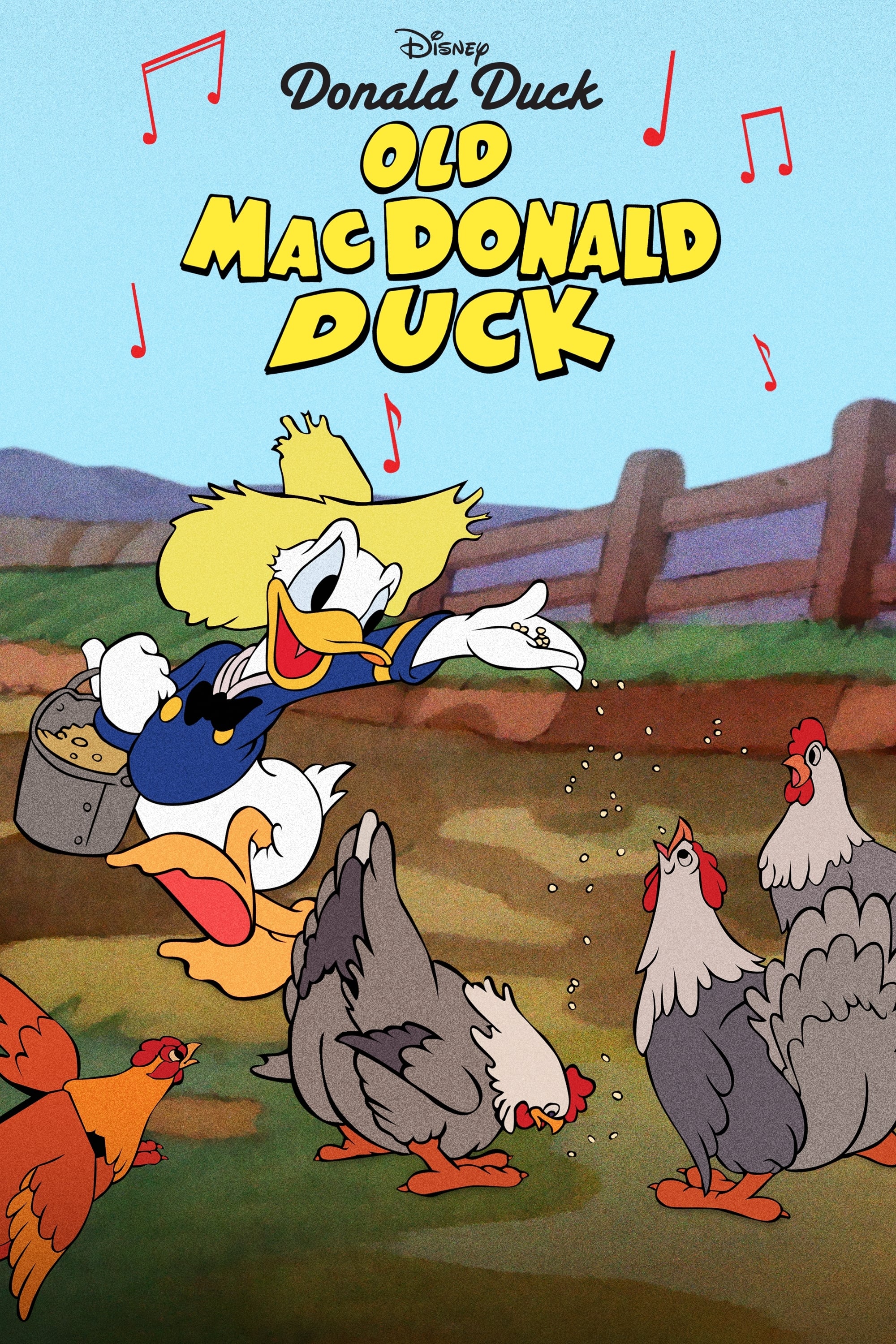
Farmer Donald goes through his farmer day until a fly causes him to lose control while milking a cow.
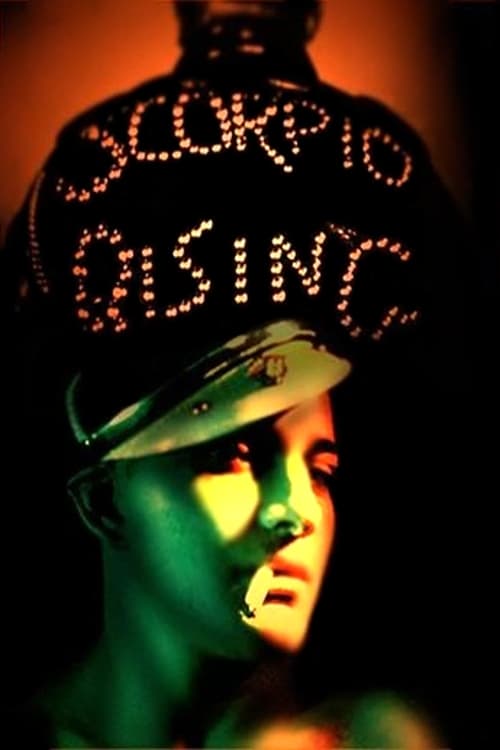
A gang of bikers prepares for a race as sexual, sadistic, and occult images are cut together.
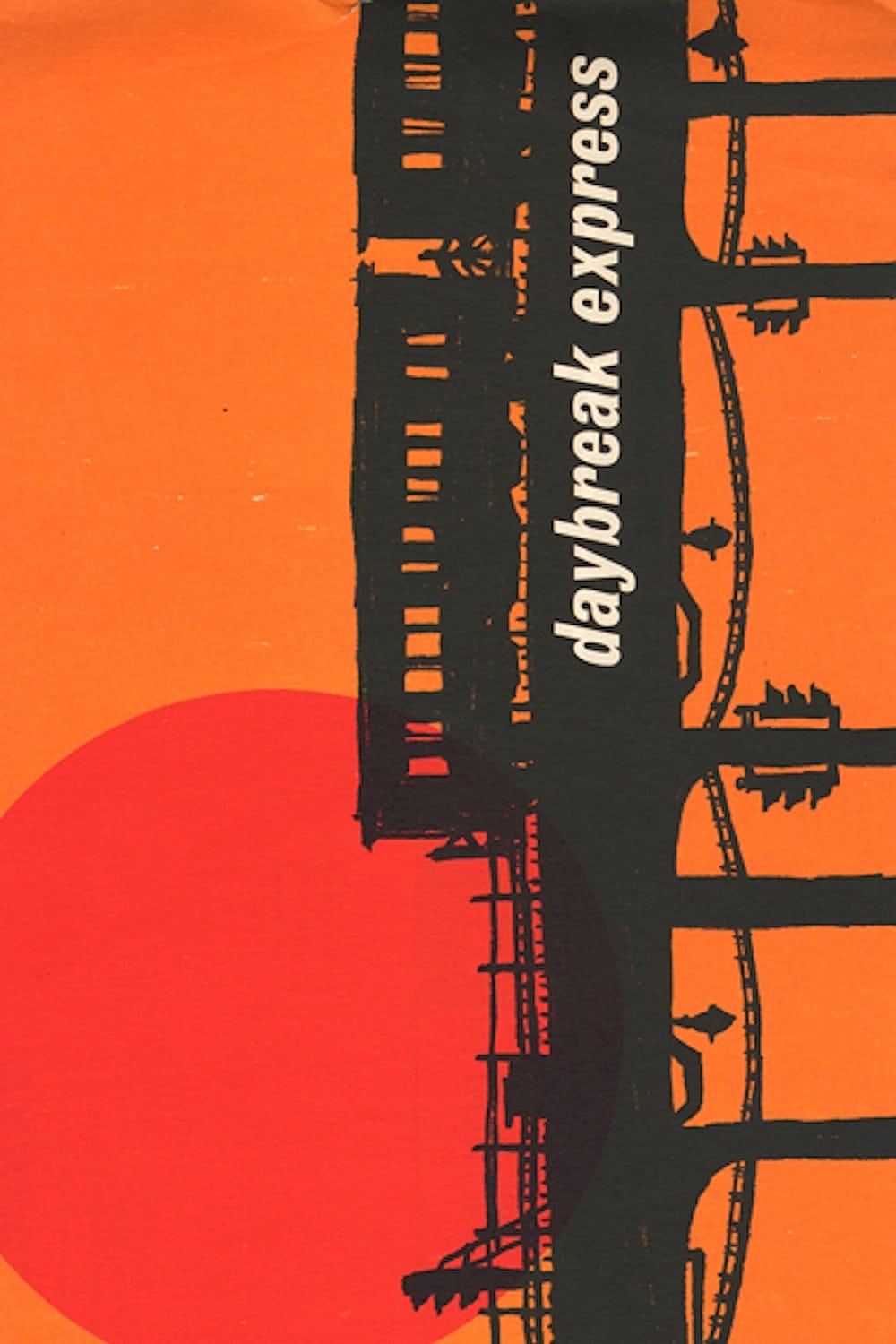
Set to a classic Duke Ellington recording "Daybreak Express", this is a five-minute short of the soon-to-be-demolished Third Avenue elevated subway station in New York City.