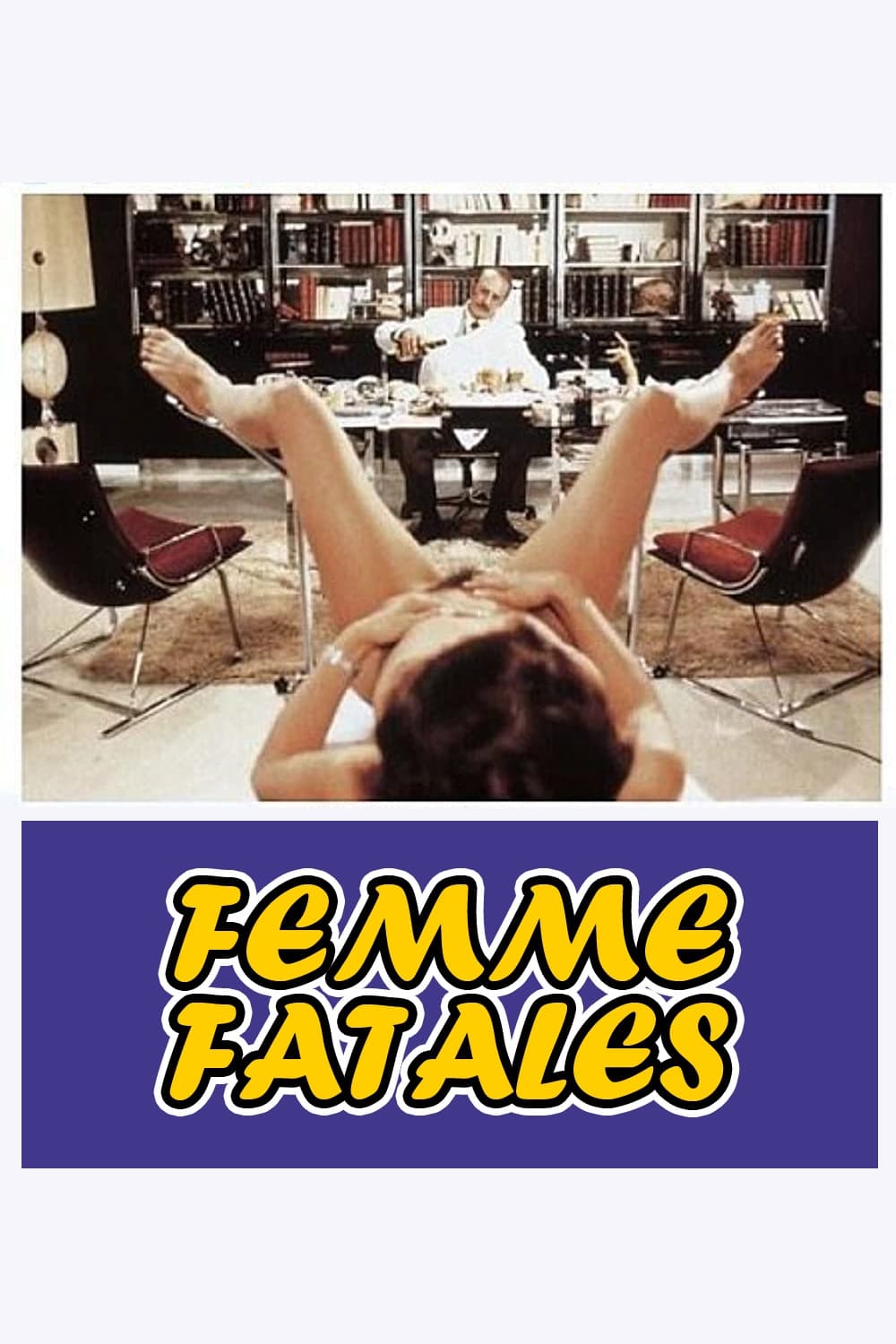
A man at the feet of a seated woman, who looks like a big doll, licking her whole body.
Social & External
One of the early animation works of Benjamin Rabier, a former designer of Epinal images who produced elegant illustrated editions of La Fontaine's fables and created the trademark image of 'La Vache qui rit'.
2012/HD/Color/19min/
Henry’s and Fay's son Ned sets out to find and kill his father for destroying his mother's life. But his aims are frustrated by the troublesome Susan, whose connection to Henry predates even his arrival in the lives of the Grim family.
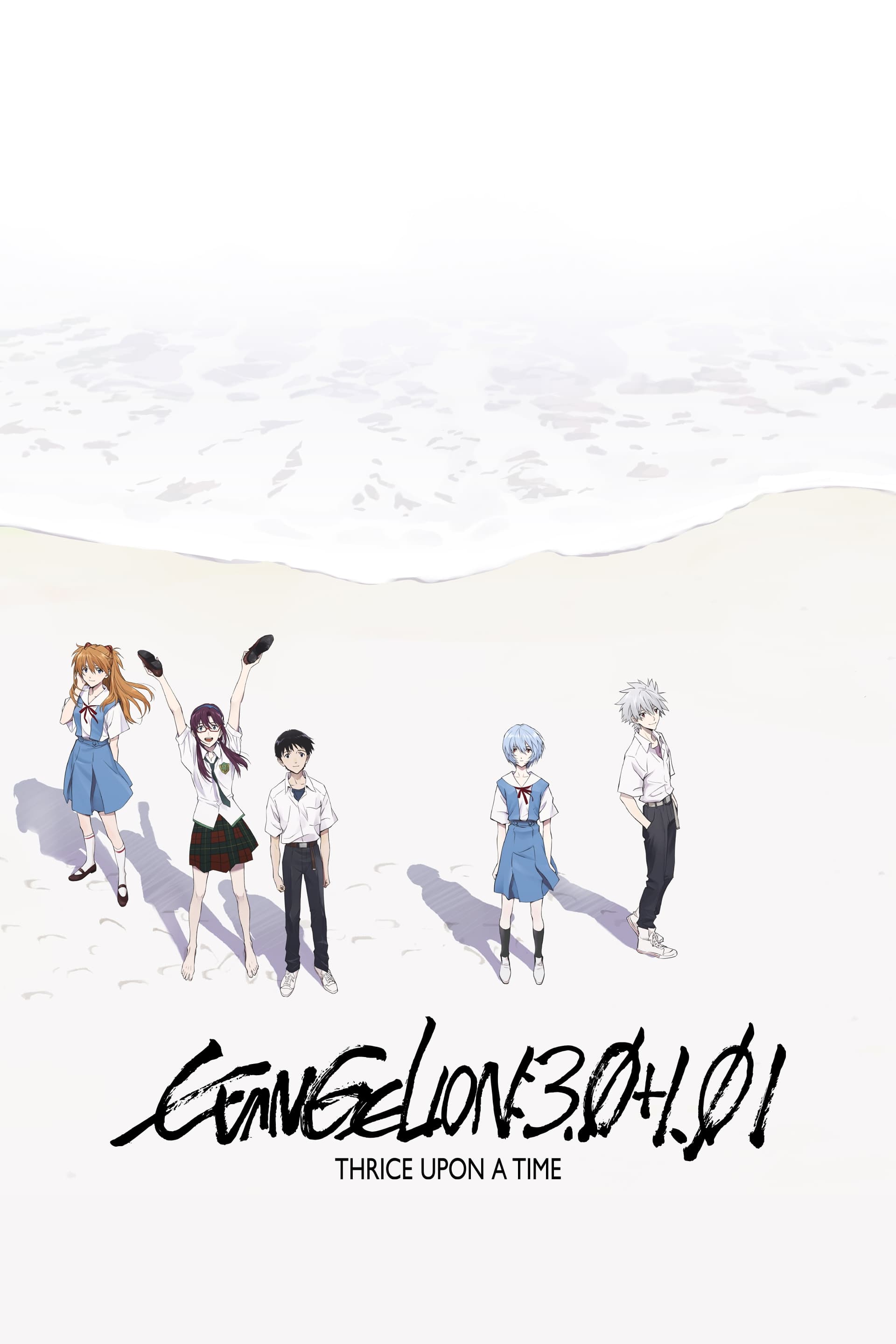
In the aftermath of the Fourth Impact, stranded without their Evangelions, Shinji, Asuka and Rei find refuge in one of the rare pockets of humanity that still exist on the ruined planet Earth. There, each lives a life far different from their days as an Evangelion pilot. However, the danger to the world is far from over. A new impact is looming on the horizon—one that will prove to be the true end of Evangelion.
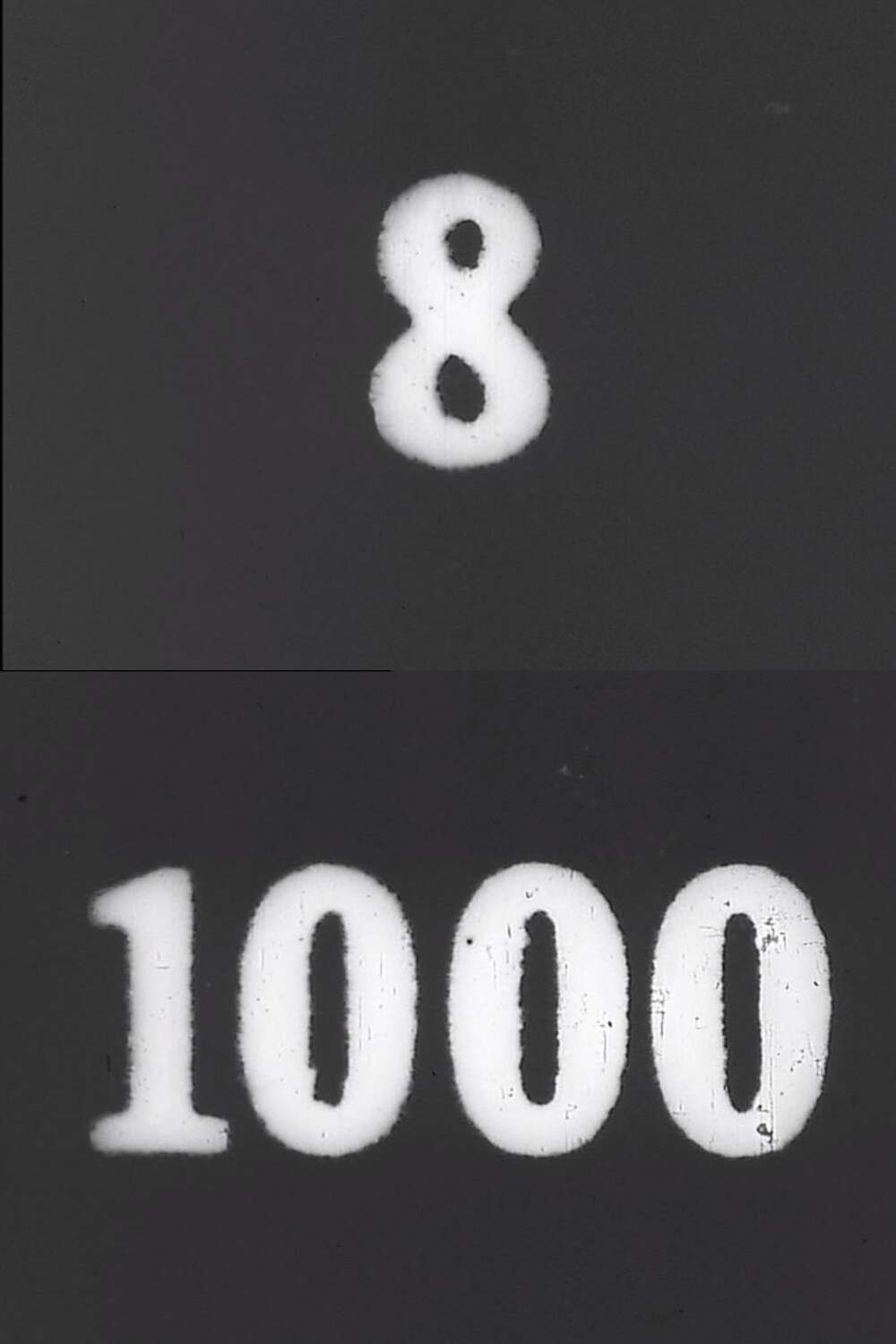
Numerals on clear film from 1 to 1000."
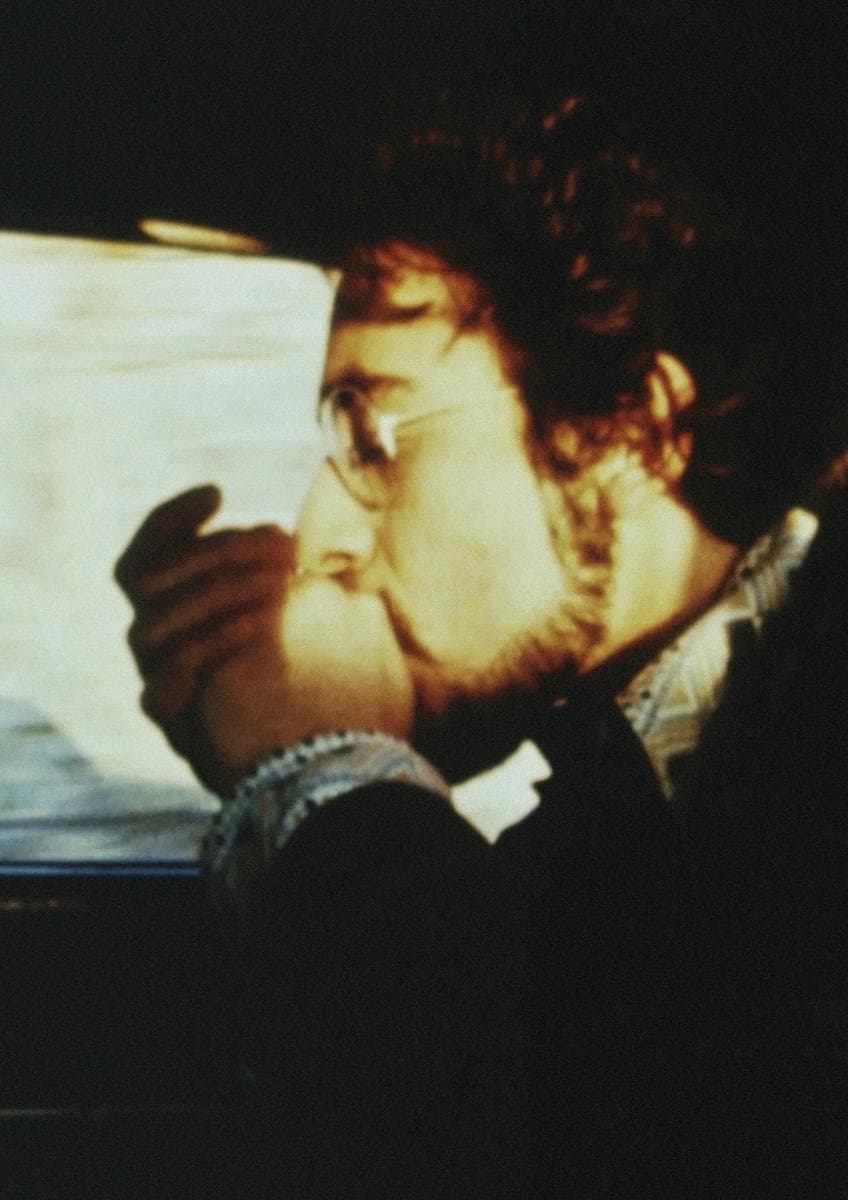
Arguably Larry Gottheim’s most exuberant experiment in the single-shot, single-roll format (and his first with a soundtrack), HARMONICA trains the camera on a friend improvising a tune in the backseat of a moving car. Held out the window, the harmonica becomes a musical conduit for the wind, while Gottheim's film transforms before our eyes into a playful meditation on wrangling the natural elements into art. - Max Goldberg
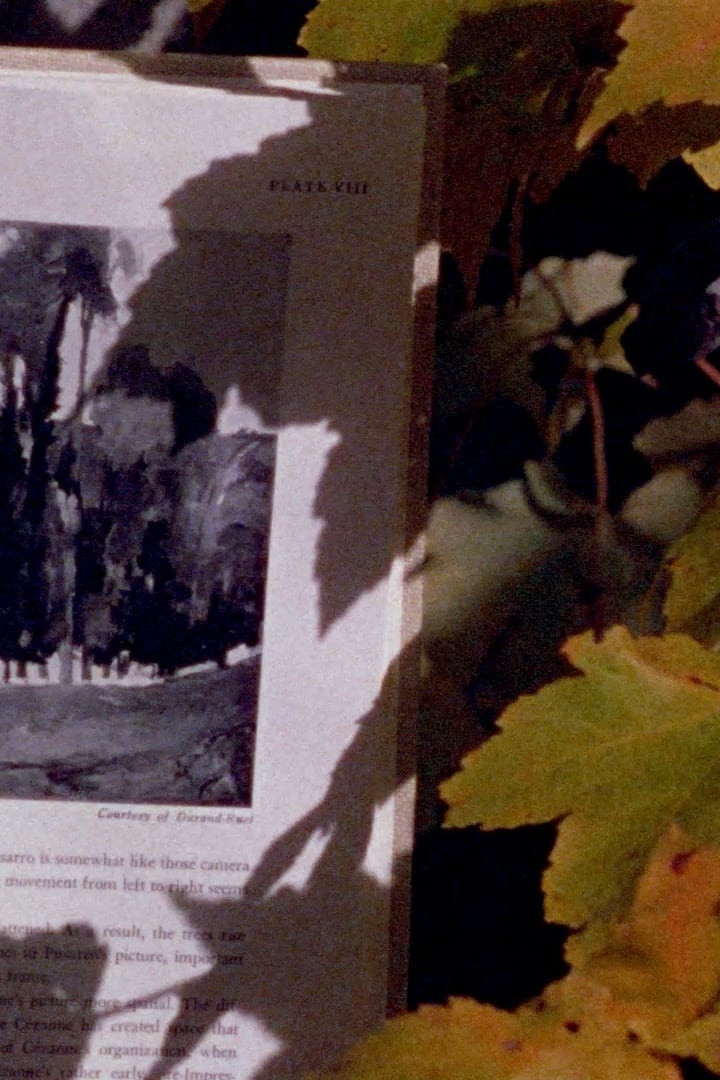
Four four-minute image sections and four four-minute sound sections are linked in all combinations of the sound sections with each of the image sections. This established affinities between each of the image sections to the others, and the sound sections to each other. The image sections are: surveyors measuring the land near my house as seen through an old window, a family of Siamang Gibbon apes in the Washington zoo, an industrial site, and a page turned from a book on Cézanne’s composition showing a diagram of his painting Mardi Gras, filmed against bright leaves. The sound sections are: a dramatic scene from Debussy’s opera “Pelléas et Mélisande”, a passage from William Wordworth’s autobiographical poem “The Prelude,” sounds from rowing on a lake at night, and the sounds of the apes vocalizing.
Working with Virgil’s four-part poem “Georgics” and Antonio Vivaldi’s concertos “The Four Seasons” as models, Gottheim arranged his painterly compositions into four distinct sections, each edited according to its own exacting pattern. The seasonal flux thus informs both the form and content of the image, with the basic elements of trees, sky, hills and the occasional crisscrossing clothesline filmed in every imaginable light.
In his study a cardinal is surrounded by bizarre props in an atmosphere of decay.
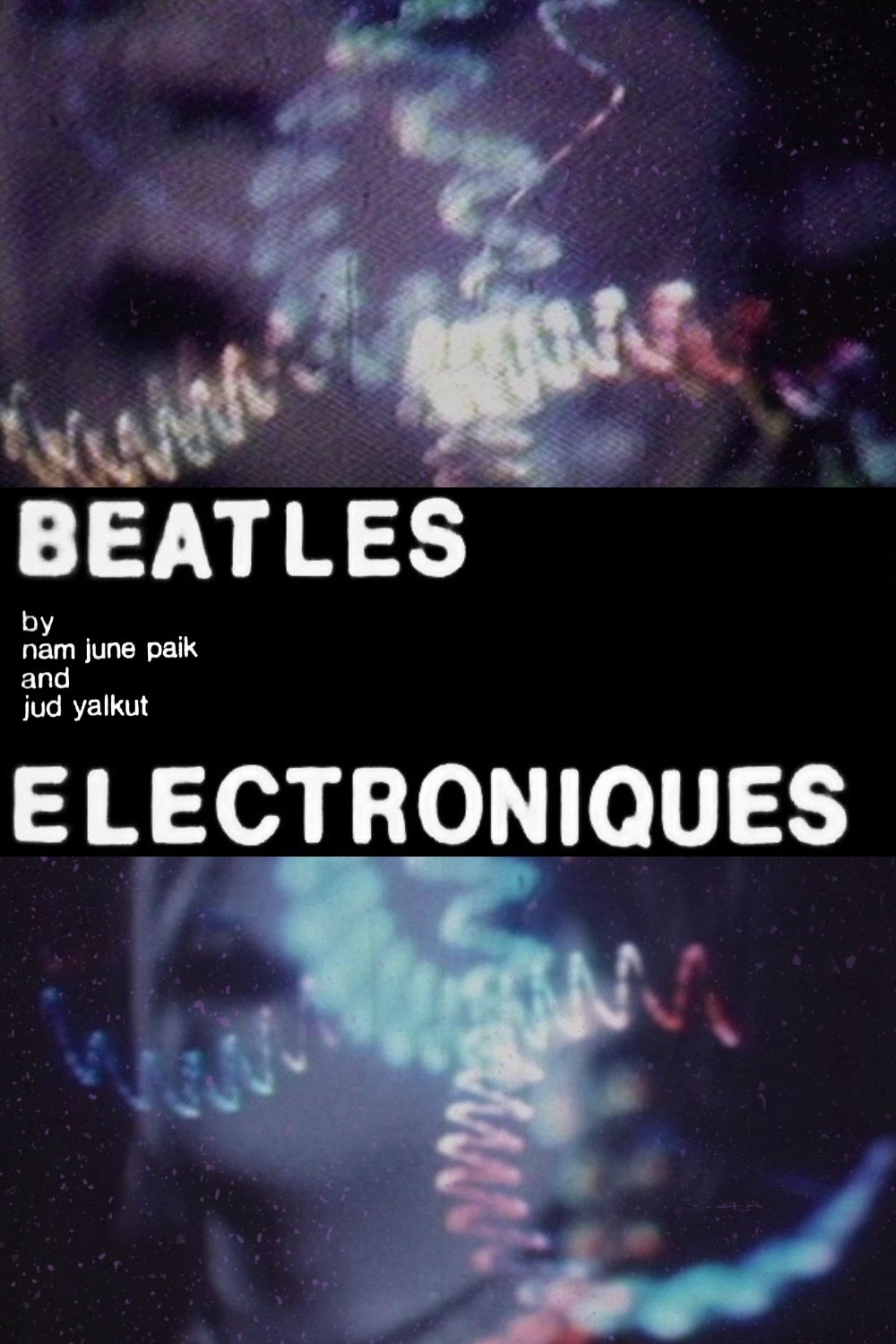
Part of a collection of restored early works by Nam June Paik, the haunting Beatles Electronique reveals Paik's engagement with manipulation of pop icons and electronic images. Snippets of footage from A Hard Day's Night are countered with Paik's early electronic processing.
Oddball hot dog vendor Albert is shocked to find himself becoming the bizarre muse of enigmatic NYC photographer Ivan Worthington. But shocks come his way even more so when he finds out how difficult is is to succeed in the art world, leading him to take his own photographs that suit his very unique - and very limited - skill set.
After World War II a group of young writers, outsiders and friends who were disillusioned by the pursuit of the American dream met in New York City. Associated through mutual friendships, these cultural dissidents looked for new ways and means to express themselves. Soon their writings found an audience and the American media took notice, dubbing them the Beat Generation. Members of this group included writers Jack Kerouac, William Burroughs, Allen Ginsberg. a trinity that would ultimately influence the works of others during that era, including the "hippie" movement of the '60s. In this 55-minute video narrated by Allen Ginsberg, members of the Beat Generation (including the aforementioned Burroughs, Anne Waldman, Peter Orlovsky, Amiri Baraka, Diane Di Prima, and Timothy Leary) are reunited at Naropa University in Boulder, CO during the late 1970's to share their works and influence a new generation of young American bohemians.
A man and woman embark on a sexual journey to detach mind from body. The relationship slowly grows into one of emotional domination, physical disease, abandonment and the creation of personal pornography.
The main protagonist is a young fellow who tries to live his life within 30 frames. He's a person suitable for any atmosphere, which makes him different from the rest. He's like a plant that differs from others, an informer who wants to escape out from his skin. This man loves, hates, eats, drinks, lies ill, laughs, cries, kisses, plays... These are agonies of a contemporary man.
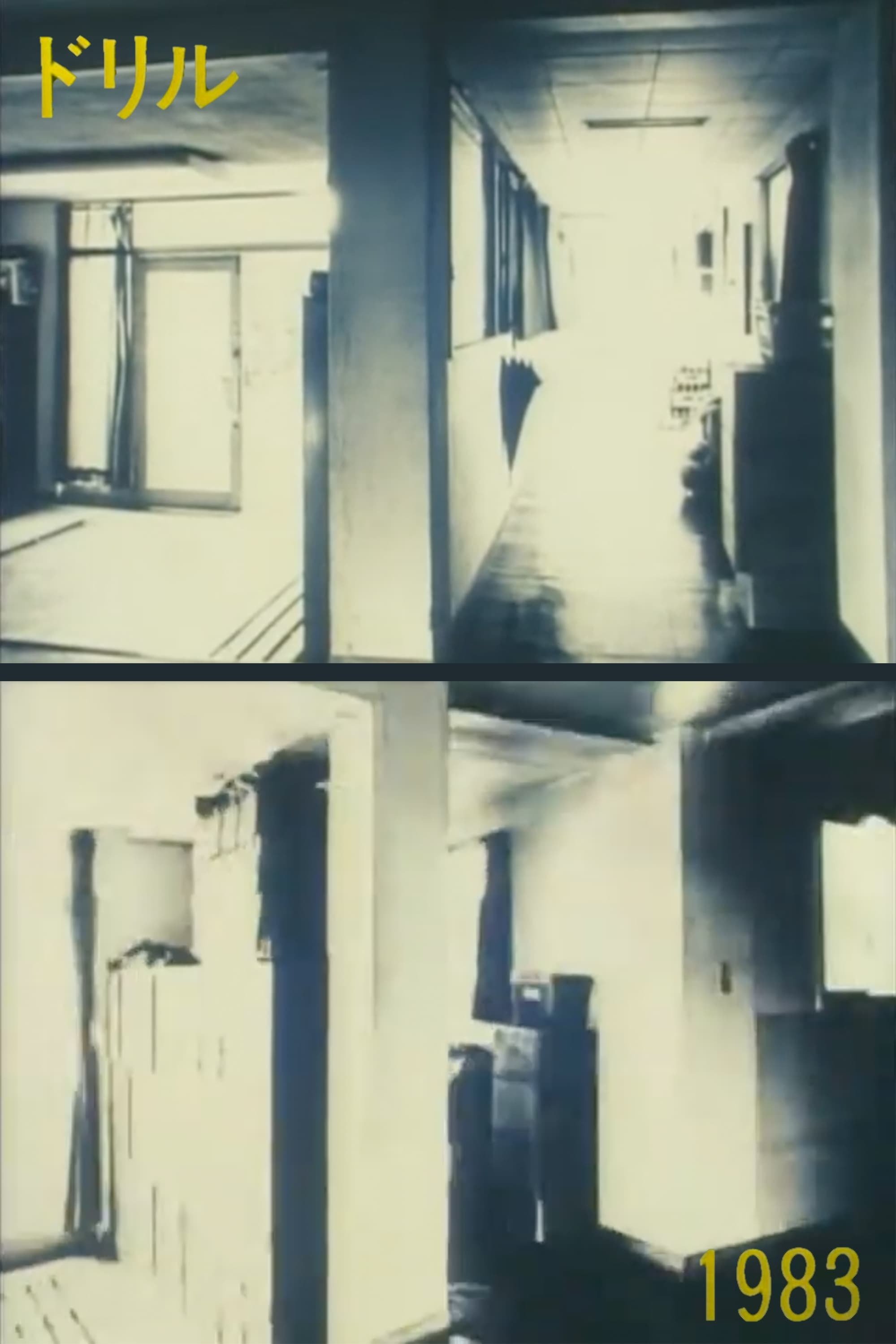
"The filming of the entrance to the company dormitory in which the film-maker was living. Centering the film on one pillar, he warps the spaces to the left and right and creates an unstable space similar to painting that employs anamorphosis. Made as were SPACY and BOX with a large number of photographs, the film ends with a violent movement, but is poetic for this." - Takashi Nakajima
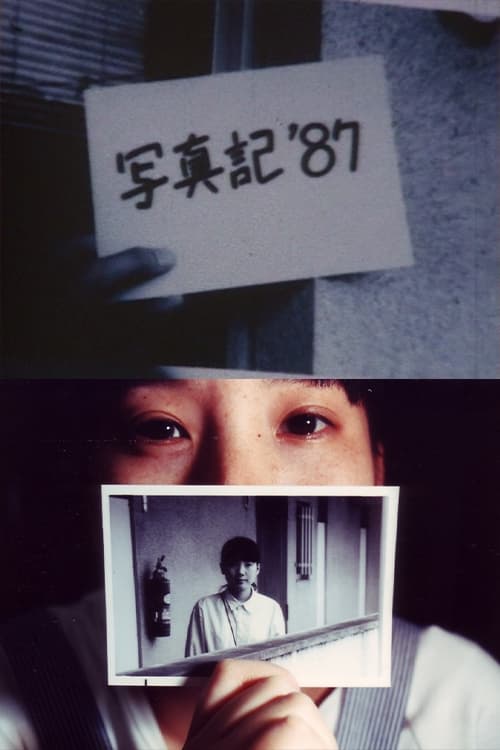
"The majority of my 8-mm works were made for the three-minute "Personal Focus" film special put on in Fukuoka. This film is an animation of photographs I had taken on a regular basis as a sort of diary, and was made to have a rough feel to it." - Takashi Ito
I turned my gaze to the various events in daily life and made this filmic diary in a manner as if confessing my feelings. Of course, since I was making the film, I wanted to depict these feelings and events with tricky techniques. I used various methods to shoot photographs of a relative's wedding, the landscape I see from window of my house, commemorative travel photographs and the like frame-by-frame.
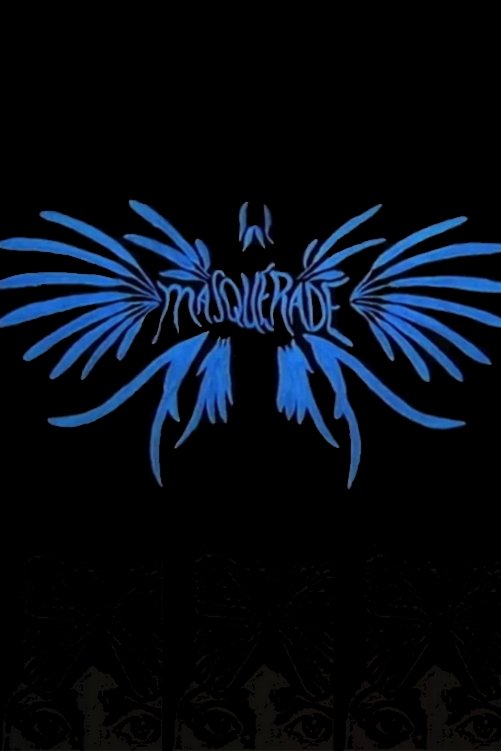
For the first time I am animating hand-painted engraved cut-outs on a full-color background. The film is mood-filled: A duel scene in a snowy forest, obviously the morning after a masquerade ball. Harlequin lies dying, while Red Indian walks away with the wings of victory. The woman between them appears, cat-masked. The mask dissolves away. Her spirit passes into the face of the sun upon the sun upon the sun flower. But Harlequin cannot escape death. The blue world engulfs him.
Comedy short set in the 1930s in which Hilda Stolf (Sally Phillips) visits her doctor (Reece Shearsmith) complaining of a rare case of 'high foot'. But what can be done about it?
"Ryuta is 5 years old. Even though he is my son, I sometimes wonder what this small person is to me. Even though I see his joys and sadnesses and know the feel of his warmth on my skin when I hold him, there are moments when my feelings for him become vague and blank." - Takashi Ito
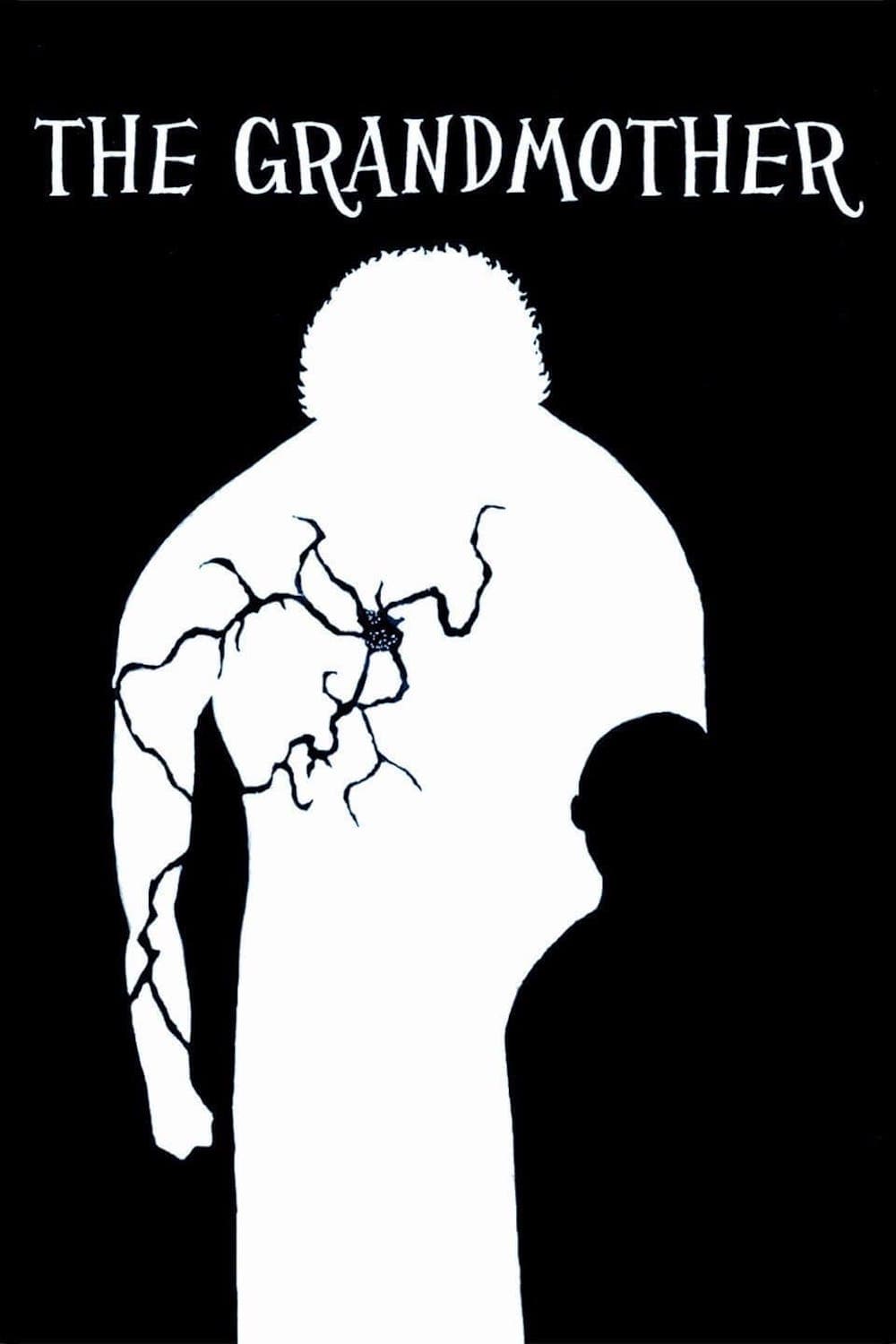
To escape neglect and abuse from his parents, a young boy plants some strange seeds and they grow into a grandmother.
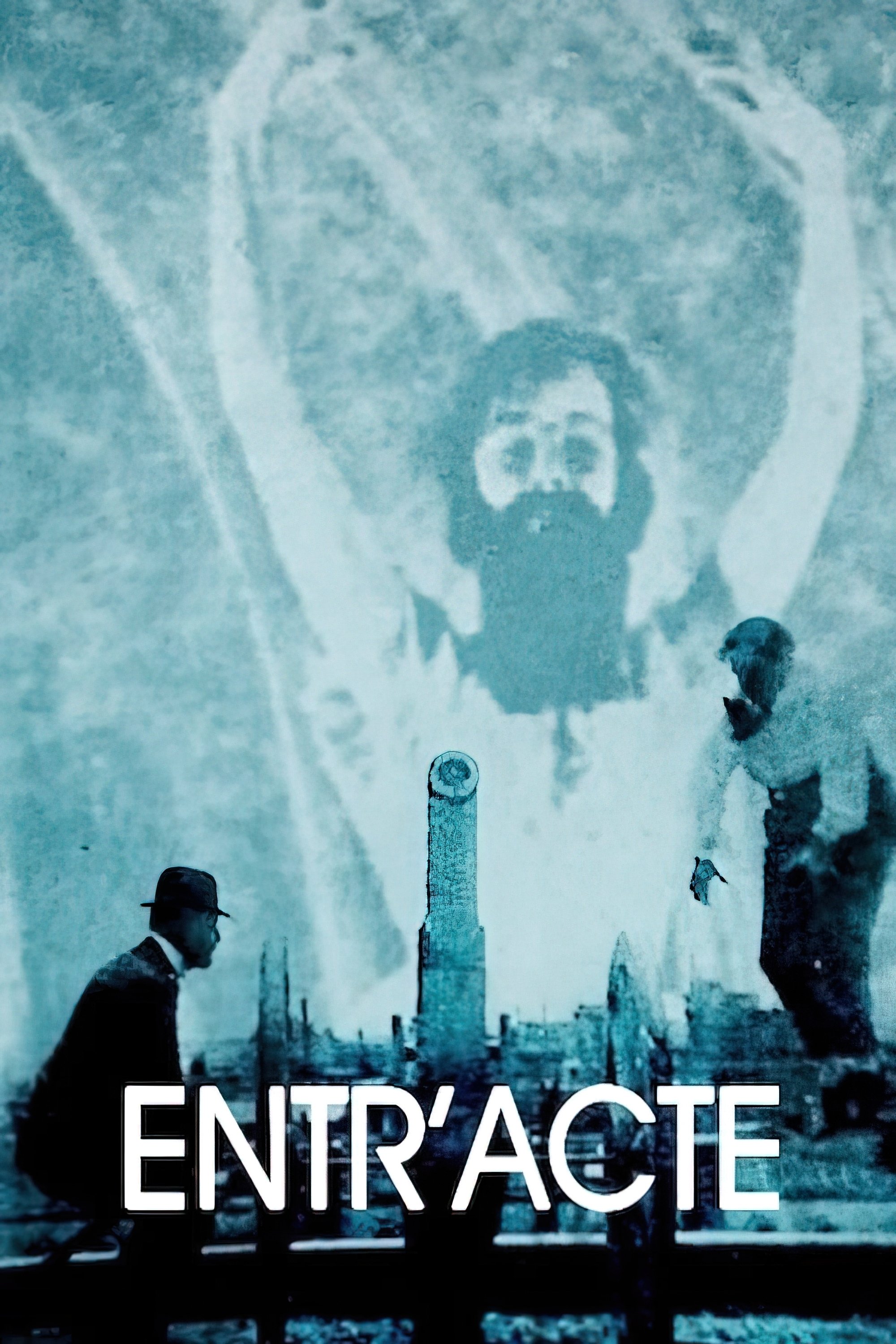
Stop-motion photography blends with extreme slow-motion in Clair's first and most dada film, composed of a series of zany, interconnected scenes. We witness a rooftop chess match between Marcel Duchamp and Man Ray, a hearse pulled by a camel (and chased by its pallbearers) and a dizzying roller coaster finale. A film of contradictions and agreements.
A grizzled, hard-of-hearing cowboy, Slim, and his two friends, Dusty and Pete, capture a mysterious, well-dressed Frenchman.
A surreal odyssey in which a melancholic maidservant crosses paths with a homicidal little boy, travels to a tiny island of pirates and encounters a man with multiple personalities.
Four children, all but one of whom go unnamed, build a snowman which comes to life and threatens their town.
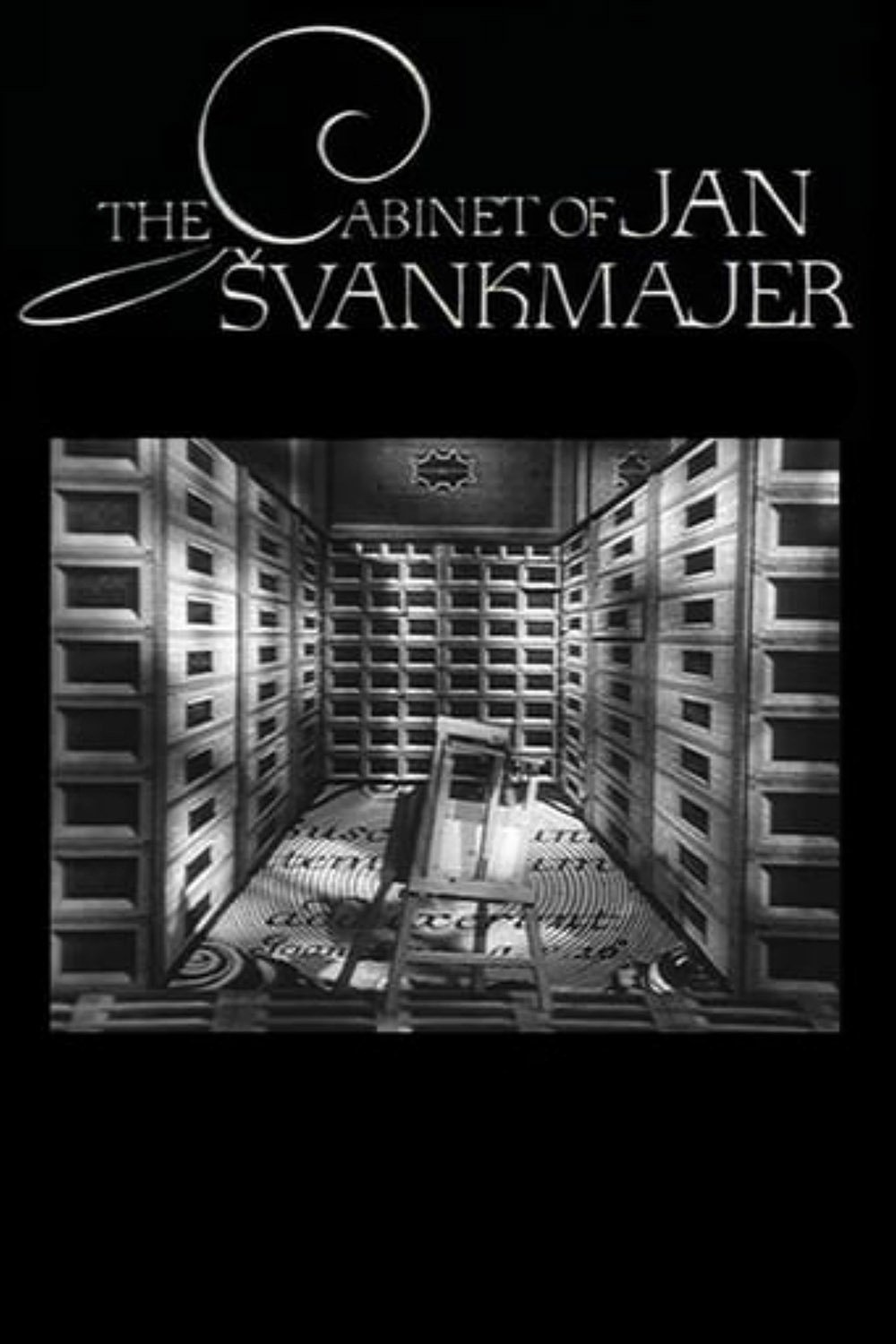
In Prague, a professorial puppet, with metal pincers for hands and an open book for a hat, takes a boy as a pupil. First, the professor empties fluff and toys from the child's head, leaving him without the top of his head for most of the film. The professor then teaches the lad about illusions and perspectives, the pursuit of an object through exploring a bank of drawers, divining an object, and the migration of forms. The child then brings out a box with a tarantula in it: the professor puts his "hands" into the box and describes what he feels. The boy receives a final lesson about animation and film making; then the professor gives him a brain and his own open-book hat.
Mrs. Van Houten has shown signs of losing touch with reality, and her husband discusses possible treatment with Dr. Caligari, who says Mrs. Van Houten has a disease of the libido.
An inventor builds a homemade spacecraft, and uses it to have various adventures, including peeping at women, visiting ‘human’ planets, and becoming involved in intergalactic warfare.
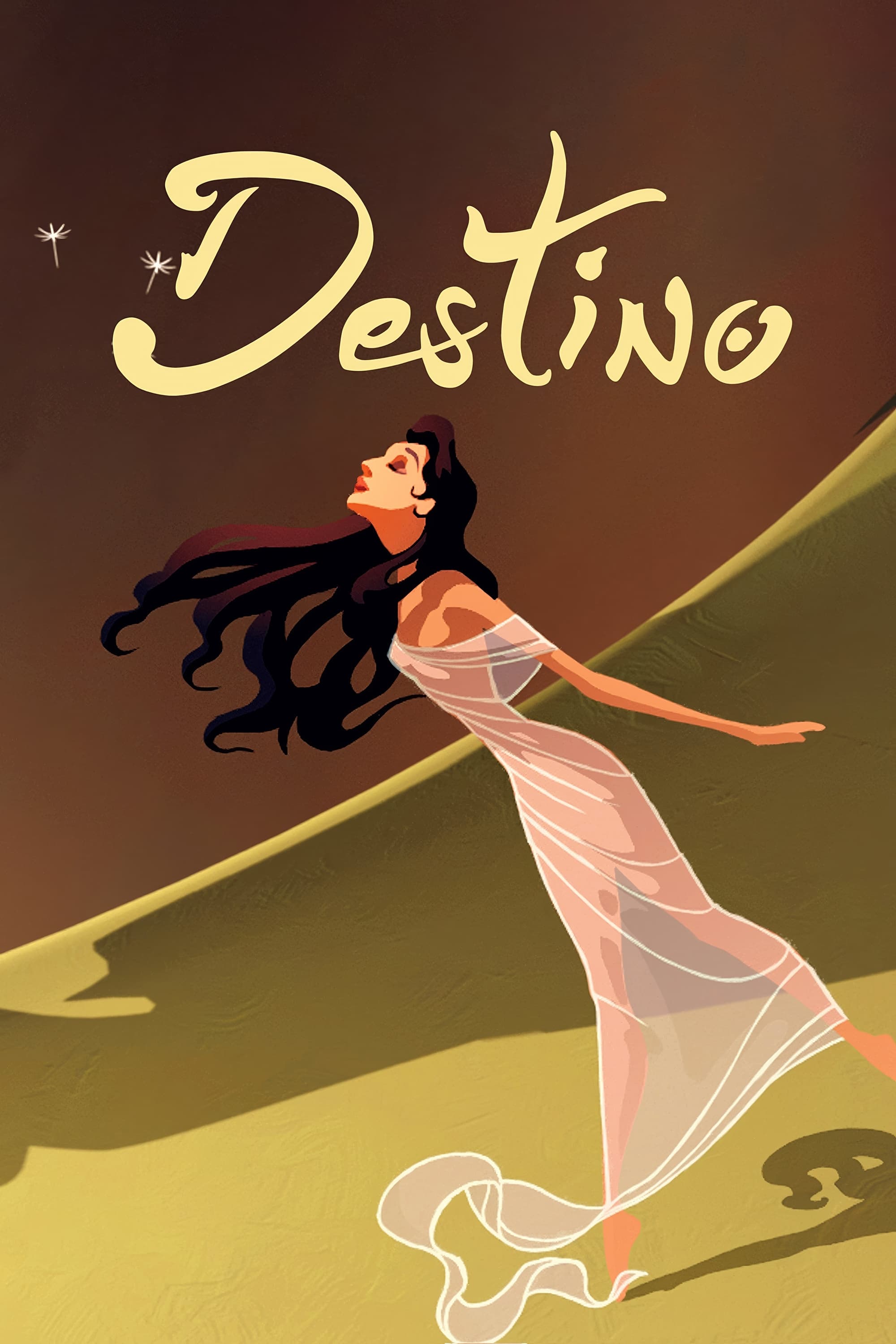
Short film to a song of love lost and rediscovered, a woman sees and undergoes surreal transformations. Her lover's face melts off, she dons a dress from the shadow of a bell and becomes a dandelion, ants crawl out of a hand and become Frenchmen riding bicycles. Not to mention the turtles with faces on their backs that collide to form a ballerina, or the bizarre baseball game.
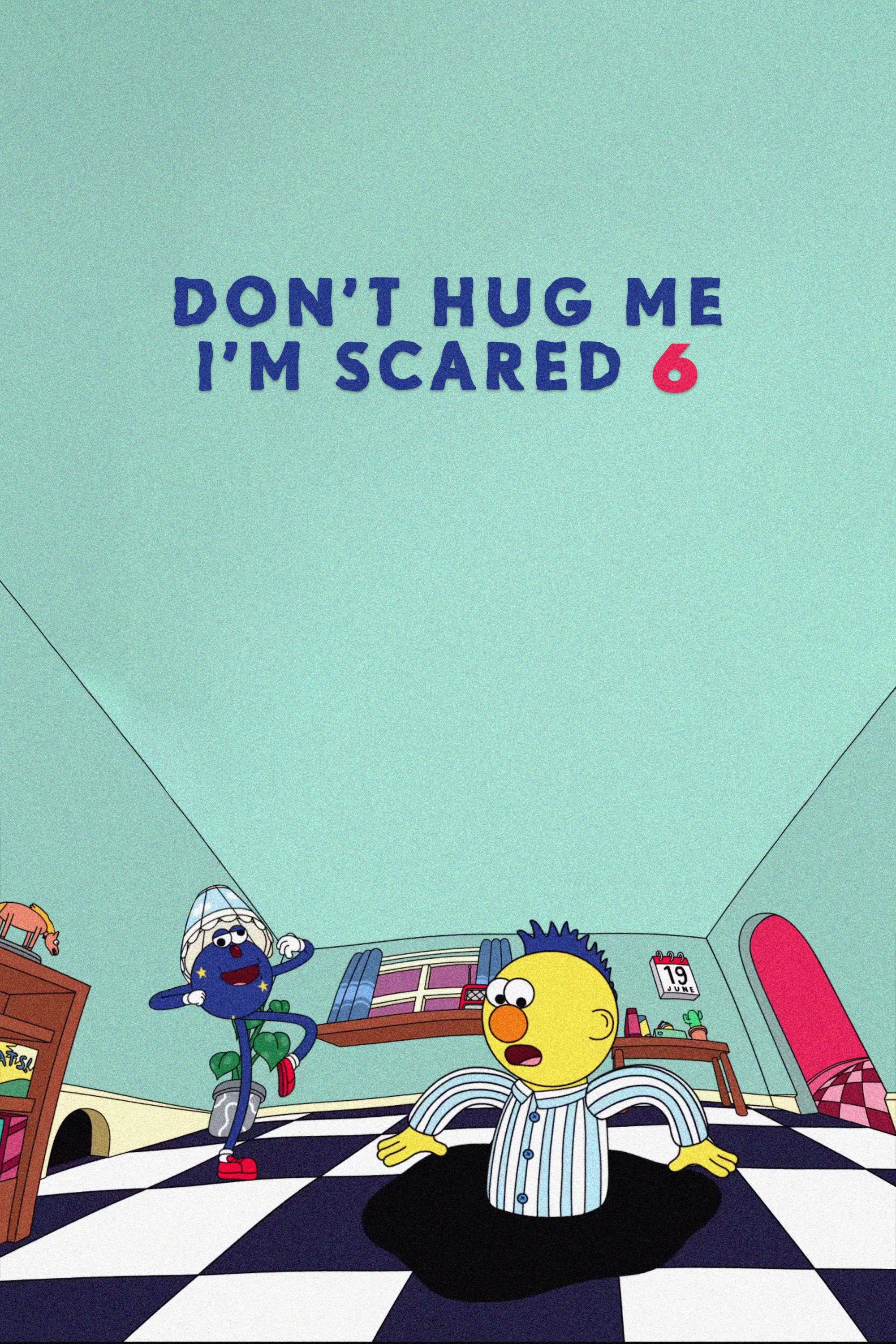
All alone, Yellow Guy tries to stop a lamp from teaching him about dreams. While Red Guy finds out the truth about the puppets' existence.
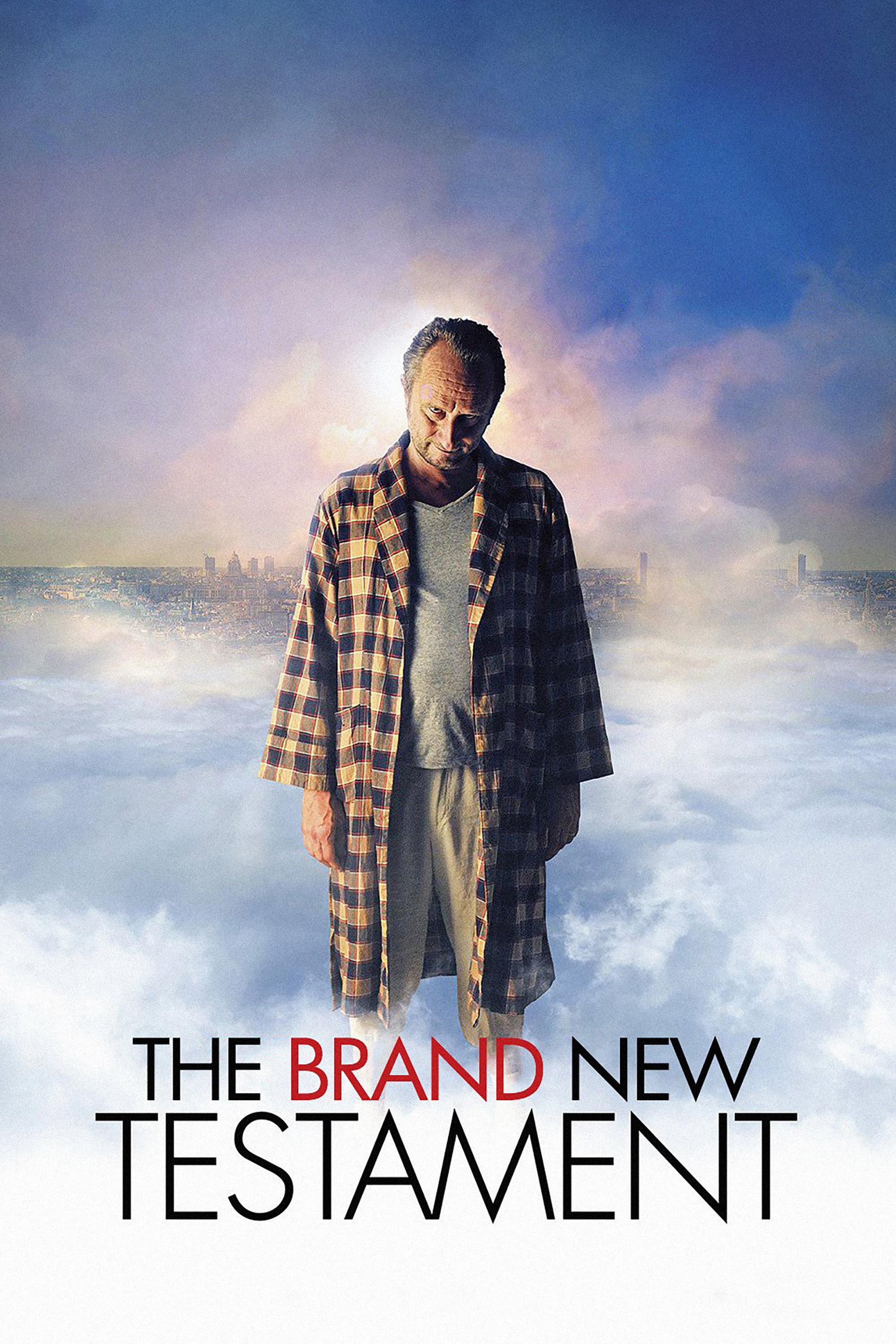
God lives in Brussels. On Earth though, God is a coward, morally pathetic and odious to his family. His daughter, Ea, is bored at home and can't stand being locked up in a small apartment in ordinary Brussels, until the day she decides to revolt against her dad...
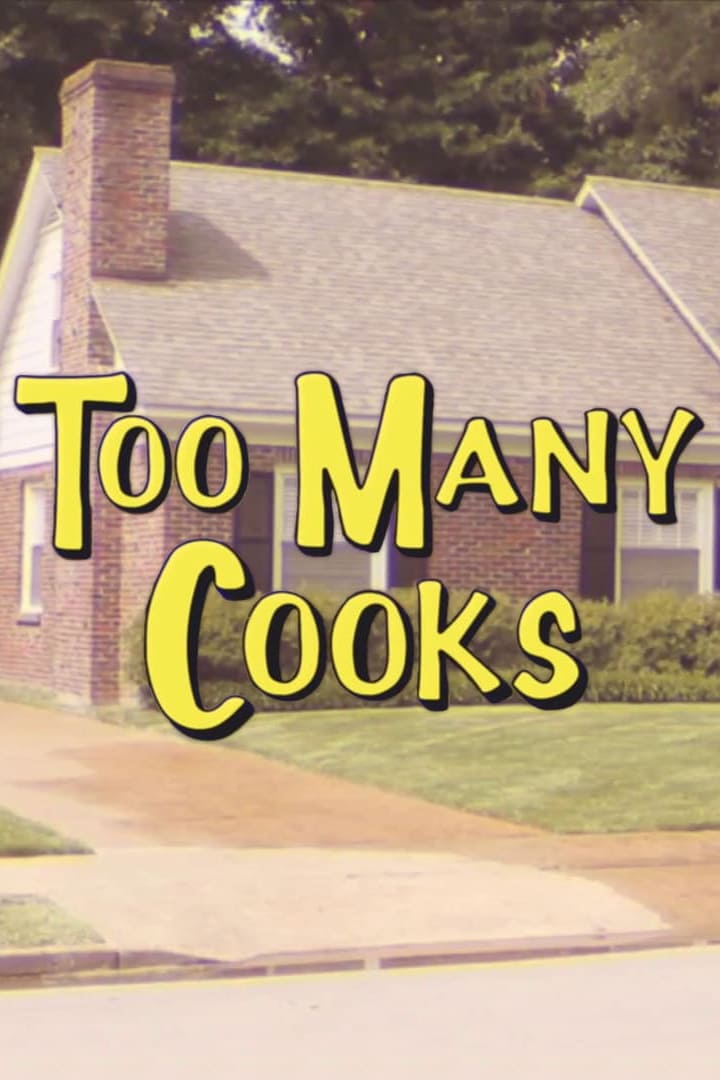
"Too Many Cooks" is a humorous parody of US sitcoms of the 1970s and the 1980s, meanwhile what seems like an interminable opening theme, a mysterious killer makes his way and kills (preparing a lunch with their limbs) various members of the Cook Family.
The shadowing forth of Our Lord Lucifer, as the Power of Darkness gather at a midnight mass. The dance of the Magus widdershins around the Swirling Spiral Force, the solar swastika, until the Bringer of Light—Lucifer—breaks through.
Experimental film, white specks and shapes gyrating over a black background, the light-striped torso of Kiki of Montparnasse (Alice Prin), a gyrating eggcrate. One of the first Dadaist films.
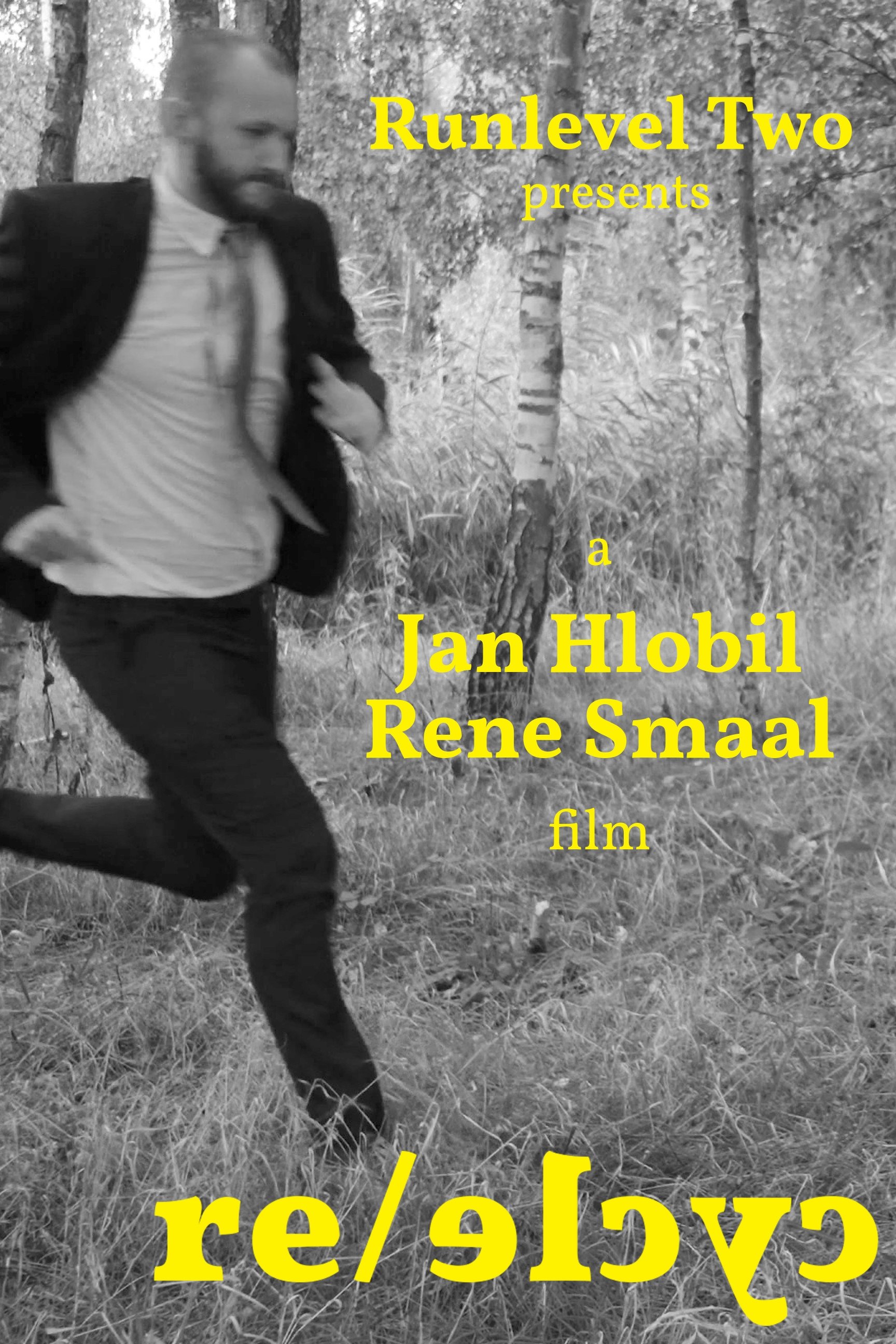
With input from actor and writer Jan Hlobil, director and cinematographer Rene Smaal presents a film in the true surrealist tradition, in the sense that only 'found' elements were used, and that it defies interpretation based on ordinary cause-and-effect time sequence.
Two men, fortyish, worn out by their wives, abandon everything to go and live in the back of beyond. There they meet a truculent priest, a boozer, Émile who recalls them to life's simple pleasures. Calm is what they want. But soon their example inspires thousands of disorientated males...
A young student decides to have no more interaction with the world than is needed to minimally sustain life. His increasingly automaton-like behavior is coupled with a strange clarity of insight about the world around him.
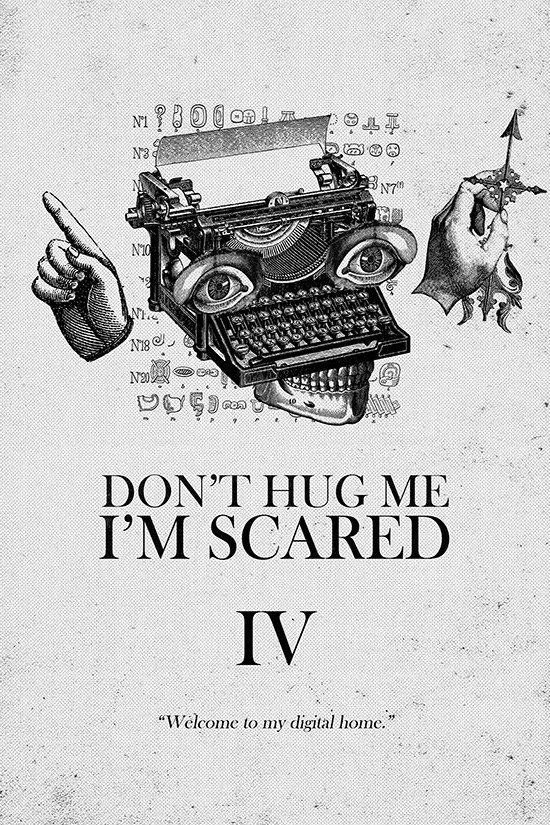
The fourth instalment in the surreal Don’t Hug Me I’m Scared videos in which the three returning characters enter a sinister digital world through their computer.
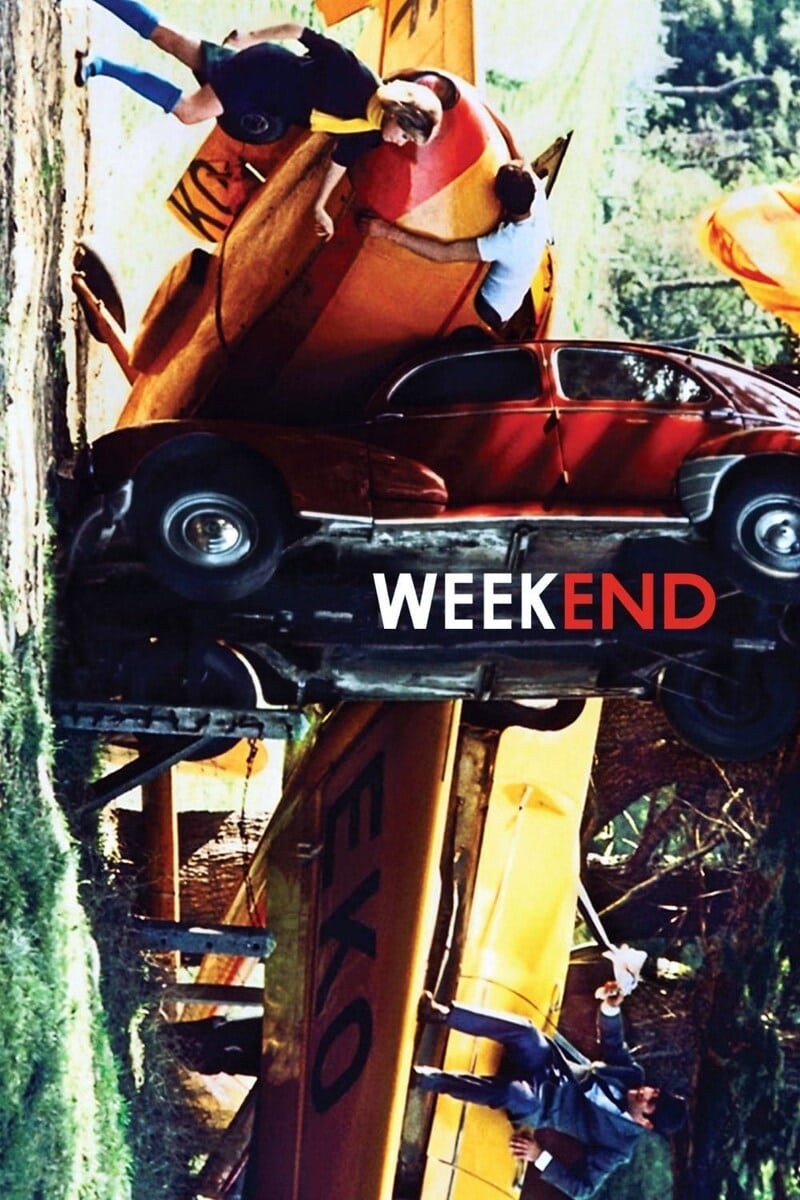
A supposedly idyllic weekend trip to the countryside turns into a never-ending nightmare of traffic jams, revolution, cannibalism and murder as French bourgeois society starts to collapse under the weight of its own consumer preoccupations.
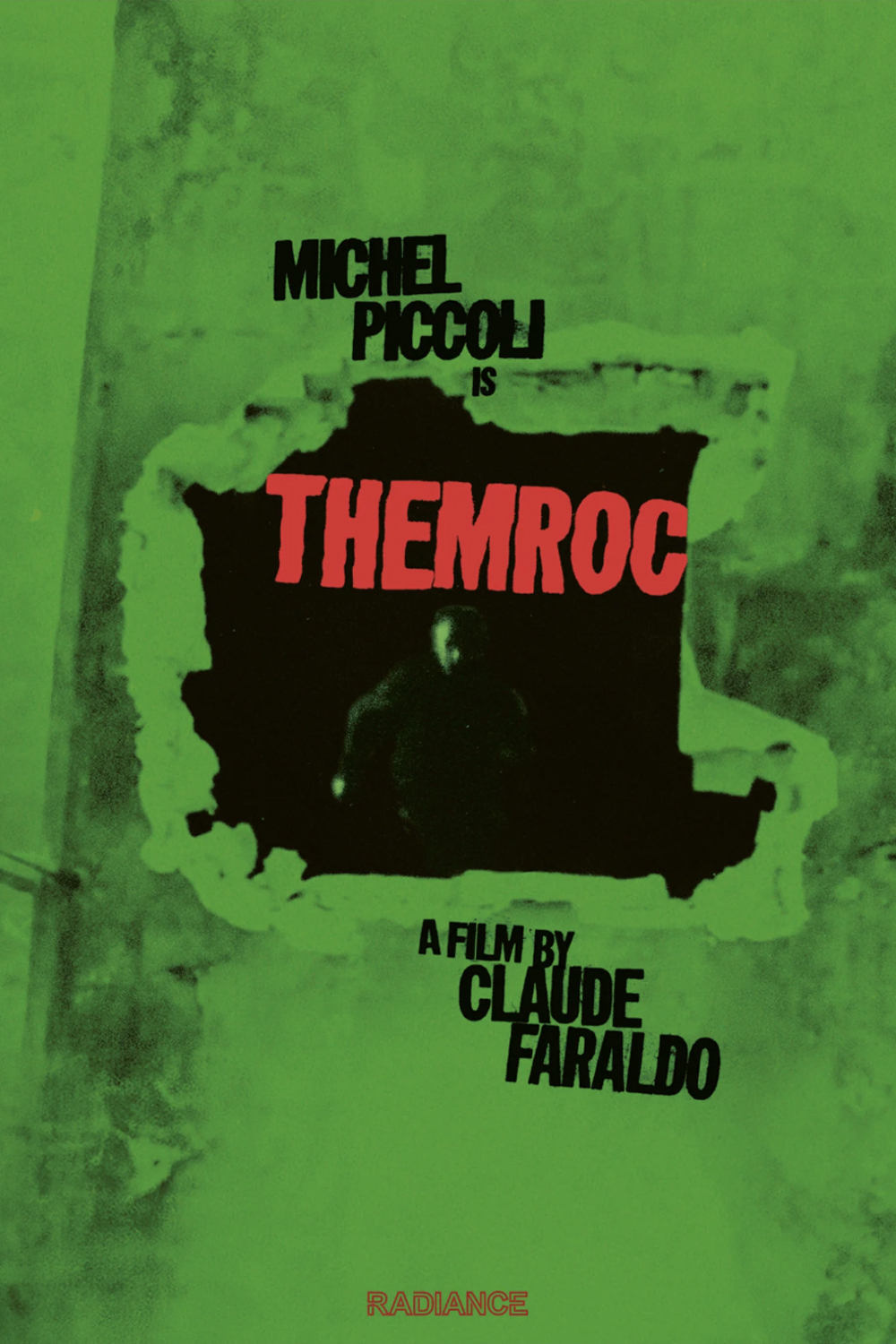
Themroc, a bachelor house painter living at home with his mother, leads a sad and colorless life. One day, after a run-in with his boss, he rebels. He wrecks his apartment, rejects every facet of bourgeois life, and begins acting like an urban, modern-day Neanderthal.