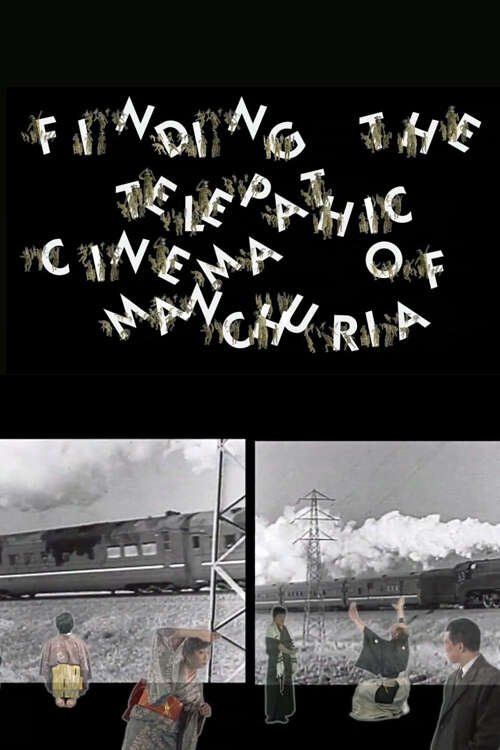
An expansive research project that takes us in a flashback to the reconstruction of a lost film production in Manchuria, the doomed epic entitled The Lost Tribes. (M HKA)
Social & External
Measuring their power and proving themselves is part of the boys’ everyday life. Even for the 13-year-old gentle-natured Yannik. Until his best friend’s upcoming sexual curiosity suddenly puts him in a threatening situation. Where is the line between game and reality and what happens if that line is crossed?
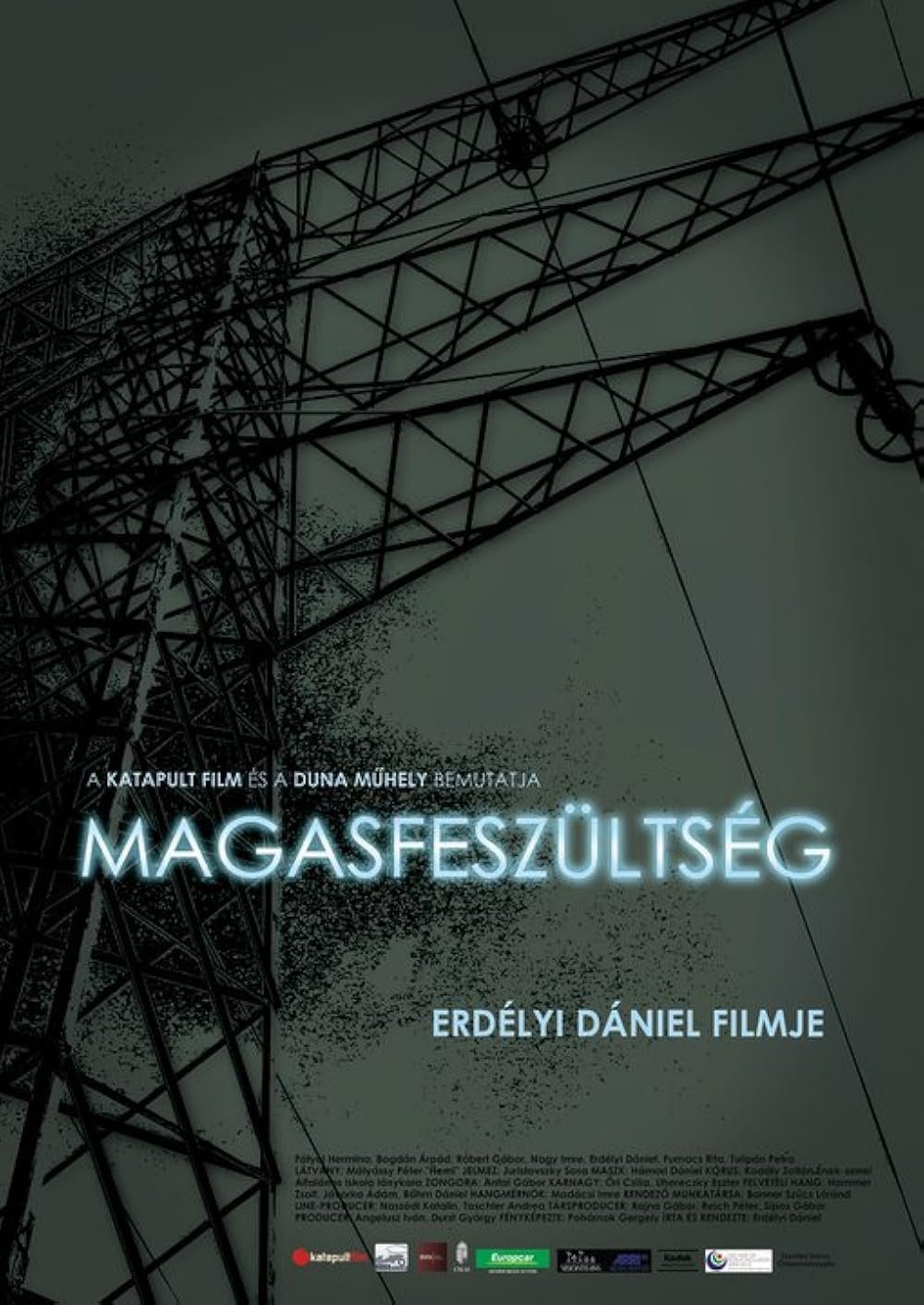
At the outskirts of a village in the Great Hungarian Plain, two communities live side-by-side as strangers: the workers of a high-tech factory and the inhabitants of the gypsy ghetto. This happens in spite of the fact that both of them deal with electricity. However, one community' s business needs constant supply of electric current while the other' s at least temporary power-cut.
Six women. Six rooms. Six confrontations with the past. Shot in East London, Second Skin is a devastating meditation on society’s obsession with a woman’s age.
Javier is haunted by a recurring nightmare - he's trapped in a strange house with something waiting for him in the basement. Despite his mother's reassurance that they're only dreams (solo son sueños), he can't shake the growing sense that an ominous presence is getting closer.
Caught between paranoia and boredom, an injured ballerina must choose to sacrifice herself or her only friend.
At the end of Summer after finishing sixth form, two friends meet up for the first time in a year to talk about what happens next.
A thought provoking journey that follows a young man through his final day of life.
Psychological-thriller set during the Korean War that follows the twisted journey of two surviving marines trying to make their way back through enemy territory after their platoon was wiped out.
Short film with the theme ‘Time travel’
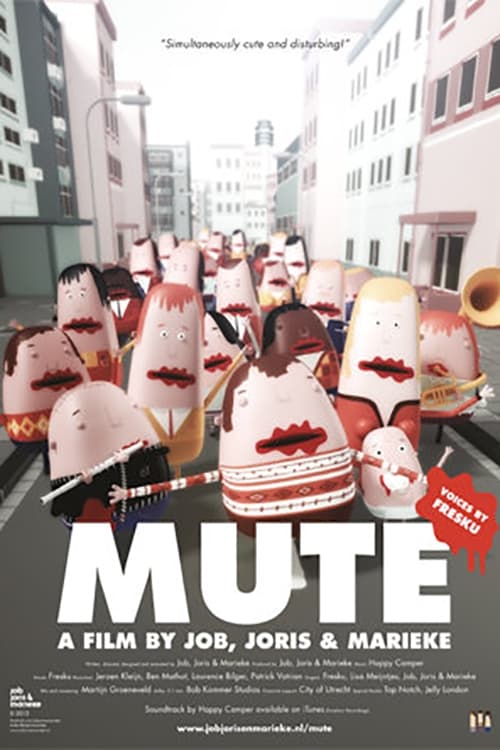
MUTE is an animated short about a world populated by people born without mouths.
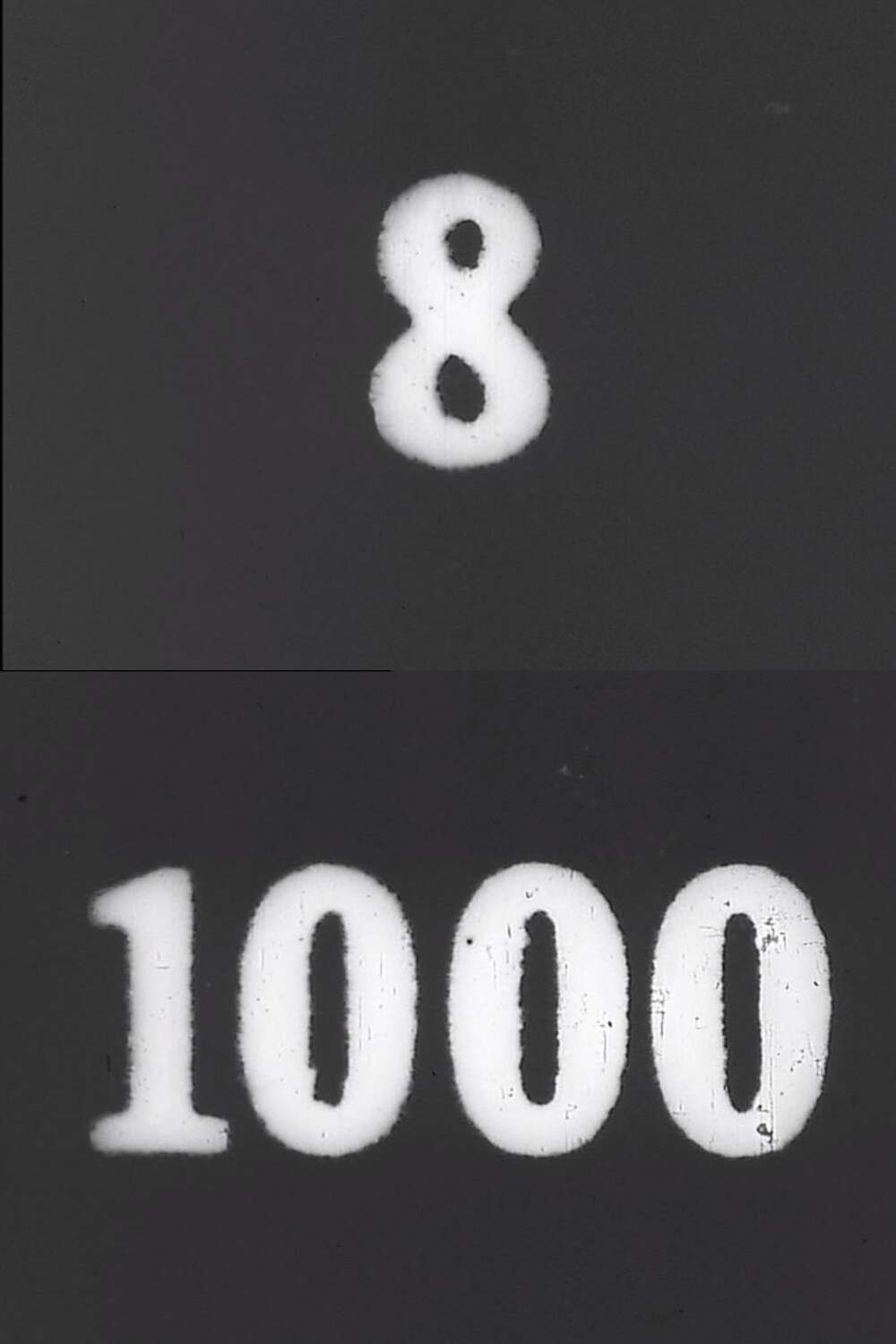
Numerals on clear film from 1 to 1000."
A documentary about the Parisian night club “Bus Palladium”. This film was theatrically released as a complement for Godard's Masculin, féminin.
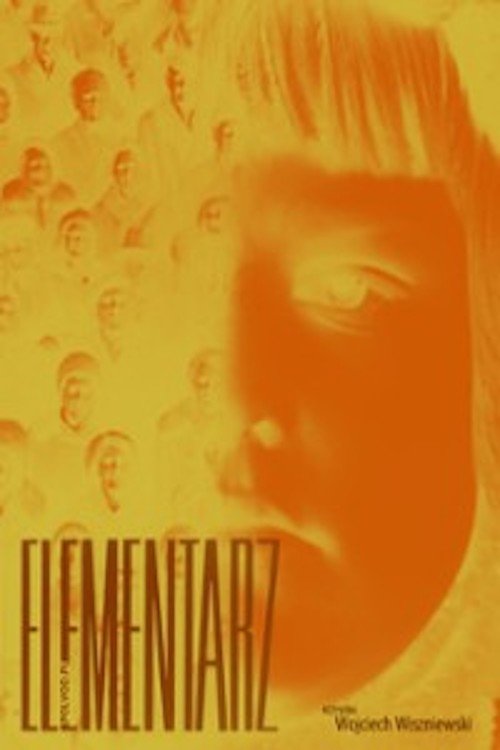
A staged cinematic parable, it presents in symbolic images a painful diagnosis of Poles' sense of identity in the 1970s.
A 16mm anthology of experimental super 8 films by Derek Jarman, Michael Kostiff, Cerith Wyn Evans and John Maybury, with framing footage by Tim Burke of Brion Gysin using a dream machine. Jarman's contribution is a version of his 1977 Art and the Pose (aka Arty the Pose), refilmed at 3fps, with a musical soundtrack. Jarman planned The Dream Machine as a commemoration of William Burroughs and Gysin's 1982 visit to the UK, and received initial funding from the Arts Council in 1983, then rethought the project as a portmanteau film featuring Gysin alone. The production remained in limbo until 1986, when James Mackay obtained completion funding from the British Film Institute. (Since this film was released on VHS accompanied by Jarman's Broken English: Three Songs by Marianne Faithfull, T.G.: Psychic Rally in Heaven and Pirate Tape under the umbrella title The Dream Machine, synopses of this film have often muddled up its details with those of the earlier films. )
The film’s visual structure is principally composed of variations on the arabesque: arcs of light, water spouts, spider webs, burgeoning trees, flowers and foliage, a woman’s smile, arms stretching, an arm giving rhythm to a rocking chair. It uses natural elements (light, mirrors, water, and wind) and photographic techniques (multiple exposures and lenses) to distort the various elements, or to intensify their design.
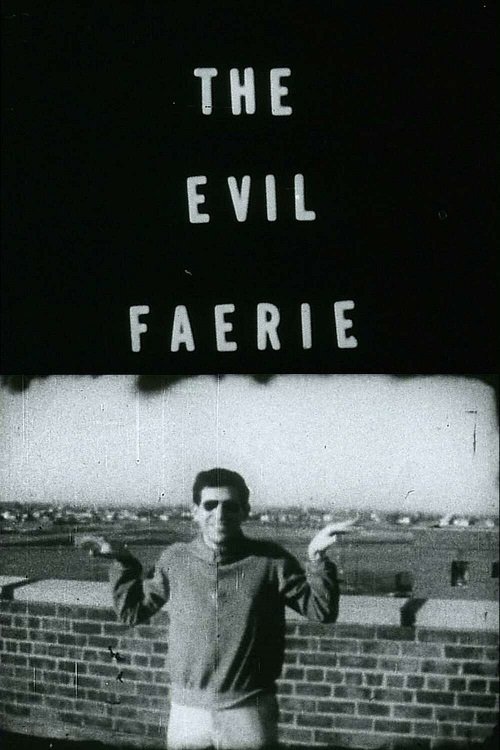
Following a series of title cards, a man in sunglasses briefly flutters his hands like fairy. Owen Land states that this film was not made by George Landow, and believes it should be credited to John Cavanaugh. "George Maciunas had a number of films which didn’t have titles on them. Then he put them together into his Fluxus reel and tried to remember who made them. It was an intentional Fluxus joke." (Owen Land, interview with Mark Webber, 2004)
When Stella realises she's the only girl in her class who doesn't have her period, she sets out to fast-track her way to womanhood through somewhat unconventional methods.
A teenage girl gets a keyhole look into a dangerous and mysterious world when a tattooed stranger checks into her roadside motel.
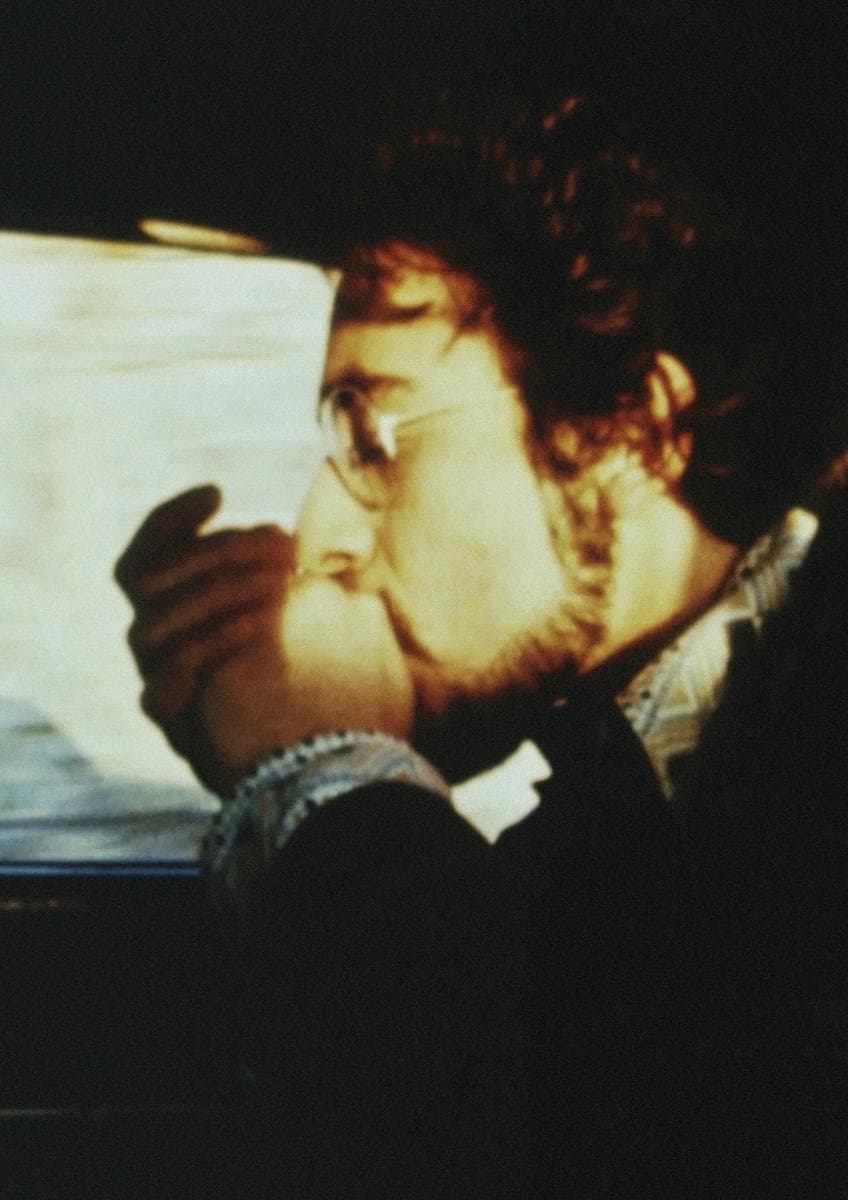
Arguably Larry Gottheim’s most exuberant experiment in the single-shot, single-roll format (and his first with a soundtrack), HARMONICA trains the camera on a friend improvising a tune in the backseat of a moving car. Held out the window, the harmonica becomes a musical conduit for the wind, while Gottheim's film transforms before our eyes into a playful meditation on wrangling the natural elements into art. - Max Goldberg
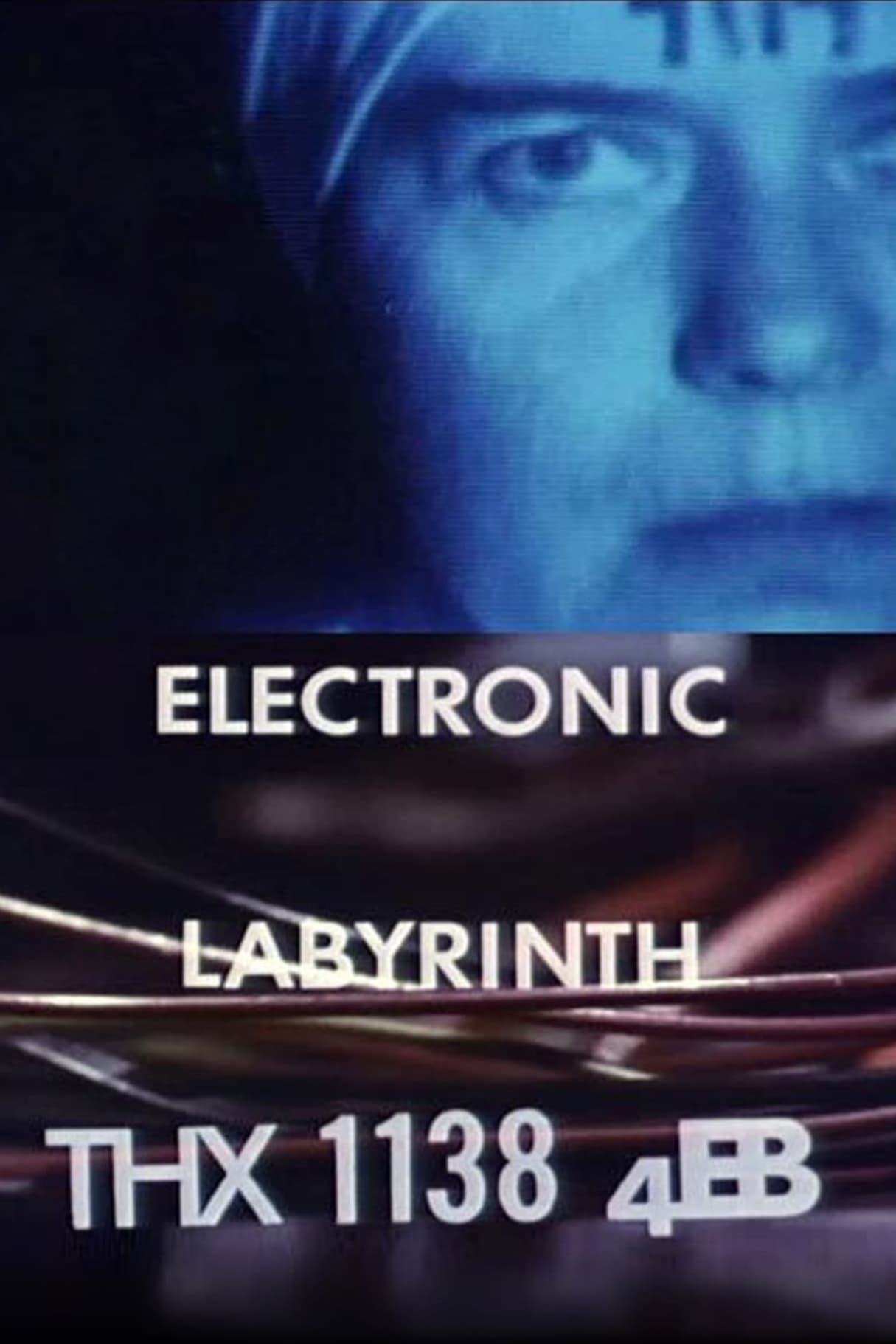
In an underground city in a dystopian future, the protagonist, whose name is "THX 1138 4EB", is shown running through passageways and enclosed spaces. It is soon discovered that THX is escaping his community. The government uses computers and cameras to track down THX and attempt to stop him; however, they fail. He escapes by breaking through a door and runs off into the sunset. The government sends their condolences to YYO 7117, THX's mate, claiming that THX has destroyed himself. Electronic Labyrinth: THX-1138 4EB is a 1967 science fiction short film written and directed by George Lucas while he attended the University of Southern California's film school.
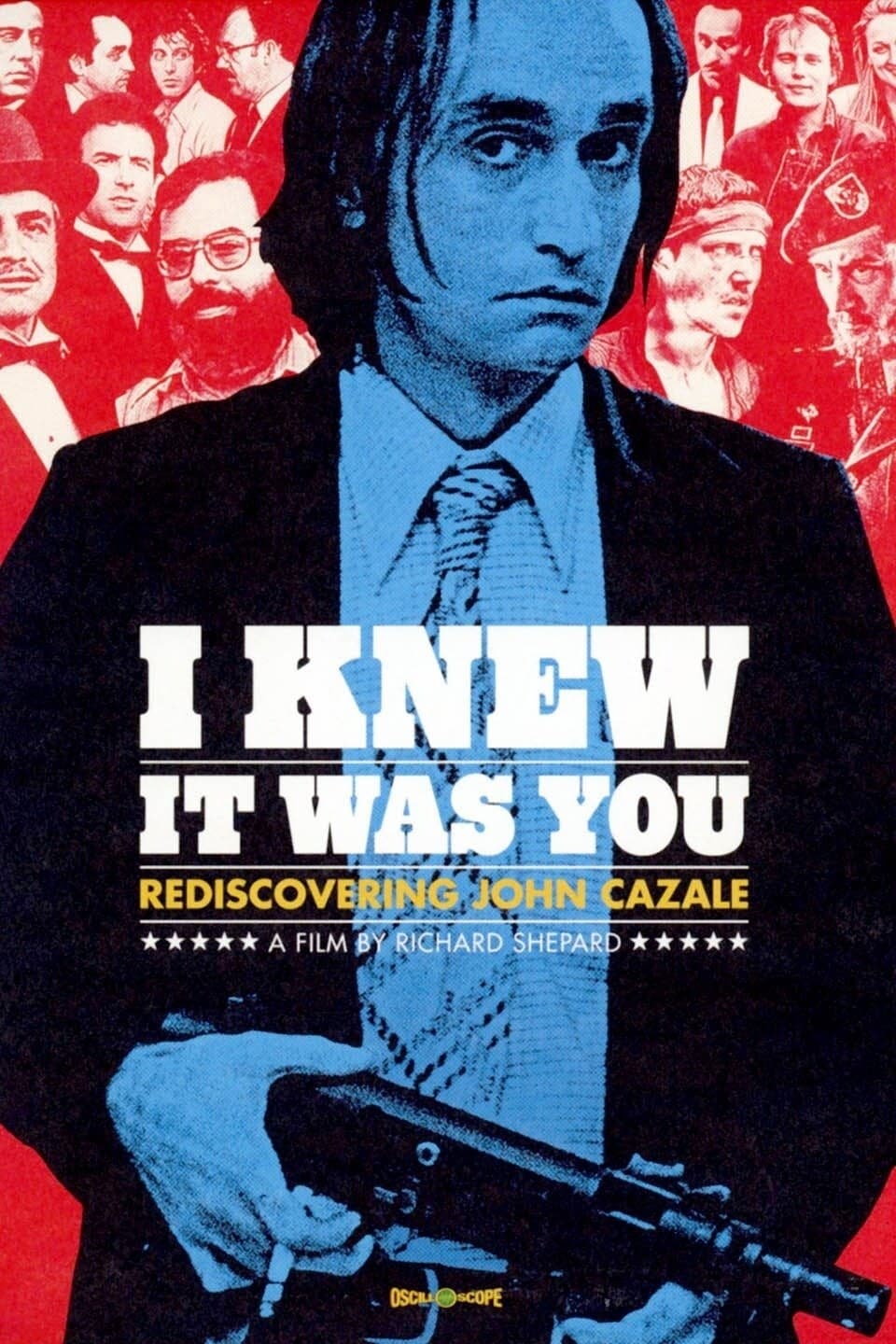
John Cazale was in only five films – The Godfather, The Conversation, The Godfather: Part II, Dog Day Afternoon and The Deer Hunter – each was nominated for Best Picture. Yet today most people don't even know his name. I KNEW IT WAS YOU is a fresh tour through movies that defined a generation.
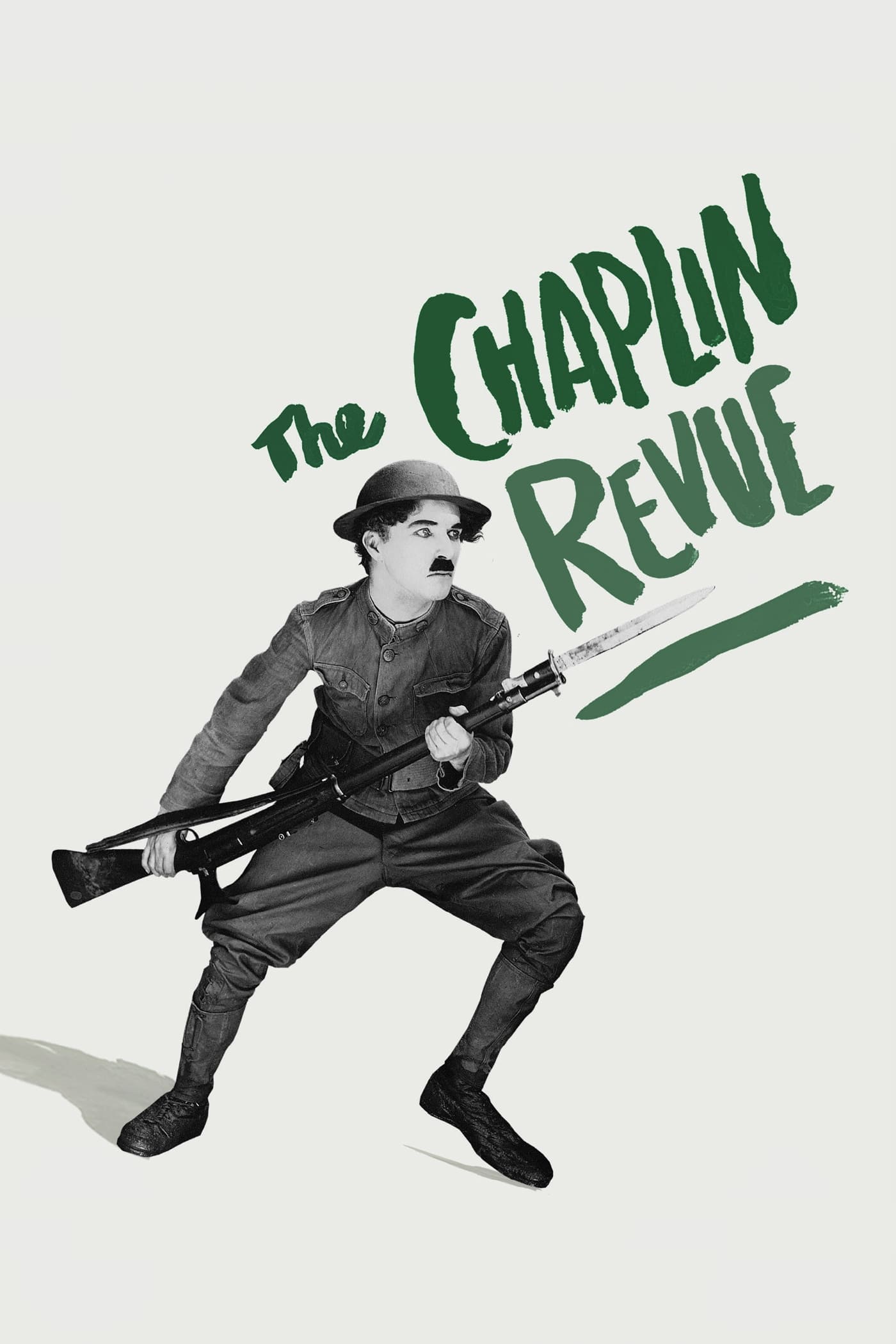
Three Chaplin silent comedies "A Dog's Life", "Shoulder Arms", and "The Pilgrim" are strung together to form a single feature length film. Chaplin provides new music, narration, and a small amount of new connecting material. "Shoulder Arms" is now described as taking place in a time before "the atom bomb".
In celebration of Asian Heritage Month, HBO presents a collection of perspectives from a diverse group of Asian Americans.
A poor young boy goes on a field trip and dreams of escaping to a land beyond the sunset.
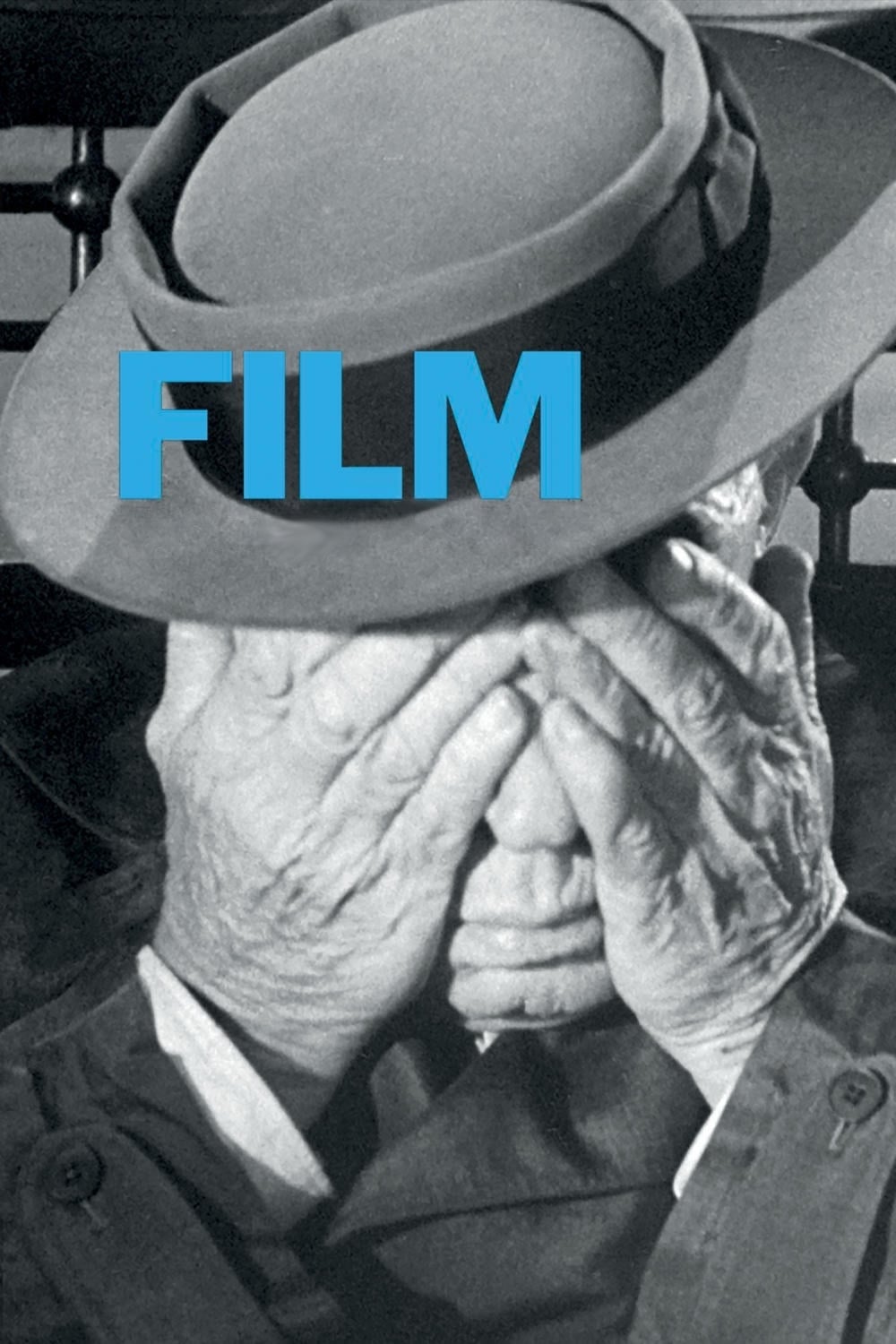
A man attempts to evade observation by an all-seeing eye.
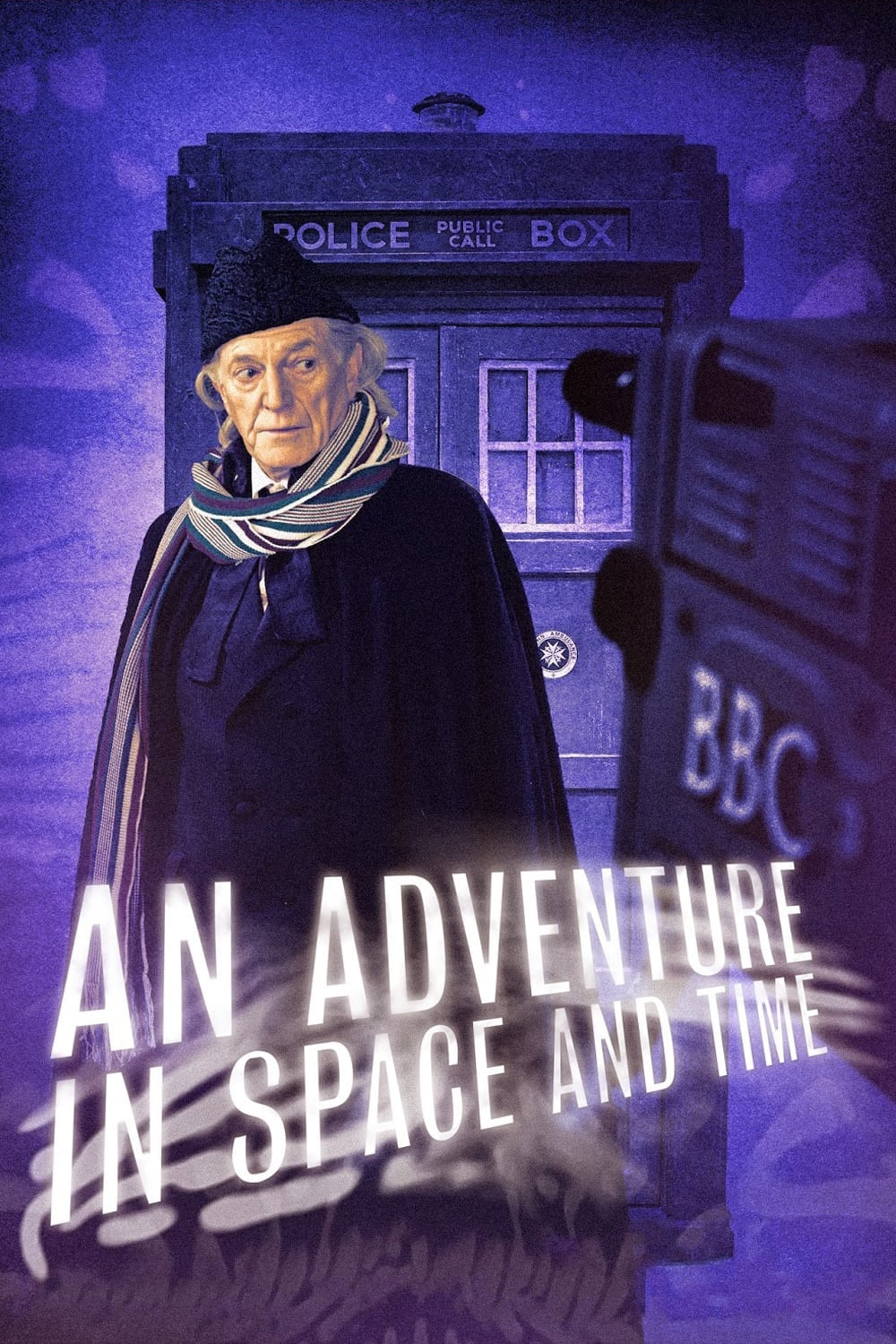
Actor William Hartnell felt trapped by a succession of hard-man roles while wannabe producer Verity Lambert was frustrated by the TV industry's glass ceiling. Both of them were to find unlikely hope and unexpected challenges in the form of a Saturday tea-time drama. Allied with a team of unusual but brilliant people, they went on to create the longest running science fiction series ever made.
The surrealist film shows repetitive imagery involving a string fashioned in a bizarre, almost spiderweb-like pattern over the hands of several individuals, most notably an unnamed young woman and an elderly gentleman. The film also shows a shadowy darkness and people filmed at odd angles, an exposed human heart, and other occult symbols and ritualistic imagery which evokes an unsettling and dream-like aura. Considered an unfinished film.
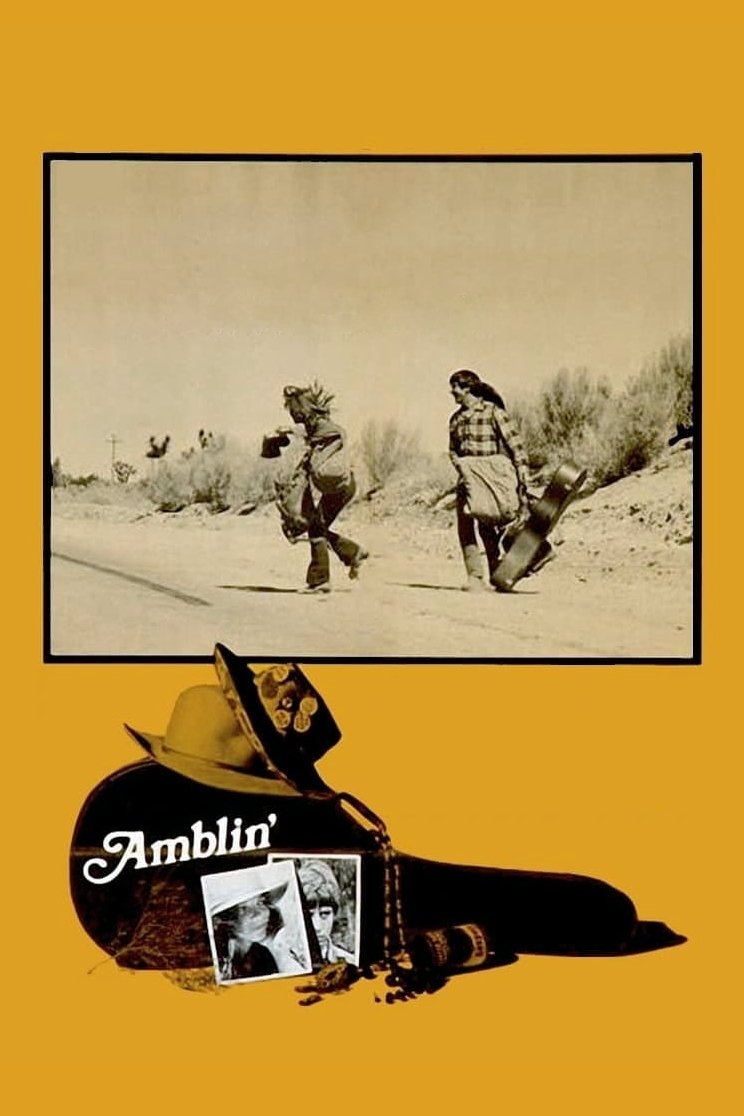
Two wanderers, a young man and a young woman, meet in the desert and decide to travel on together. The two travellers walk and hitch-hike their way down the road to their destination, the beach, becoming friends and lovers.
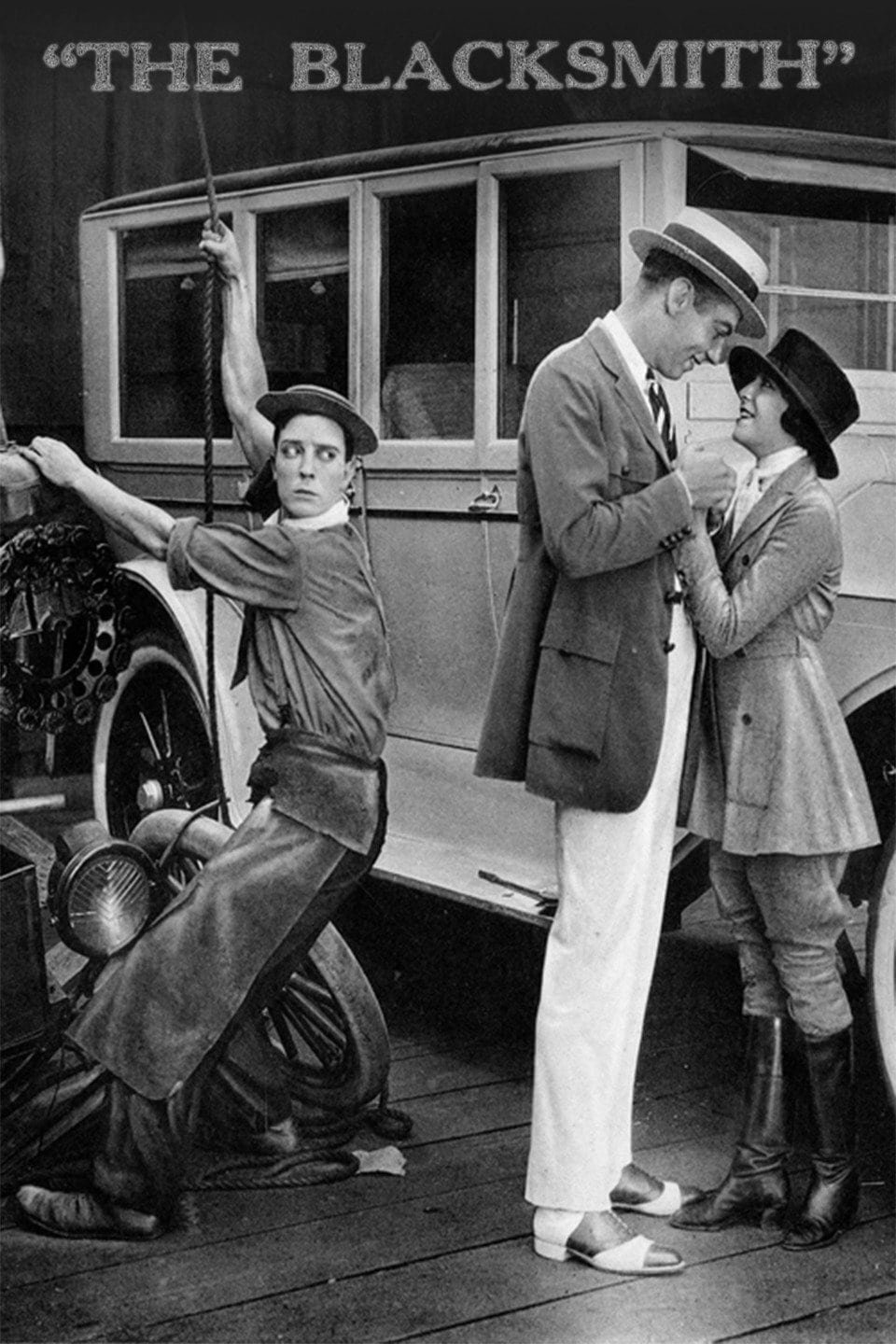
Buster clowns around in a blacksmith's shop until he and the smithy get in a fight which sends the smithy to jail. Buster helps several customers with horses, then destroys a Rolls Royce while fixing the car parked next to it.
Stan and Ollie are hired to build a house in just one day. When they are done, a bird lands on the house and it collapses. Naturally, the owner wants his money back.
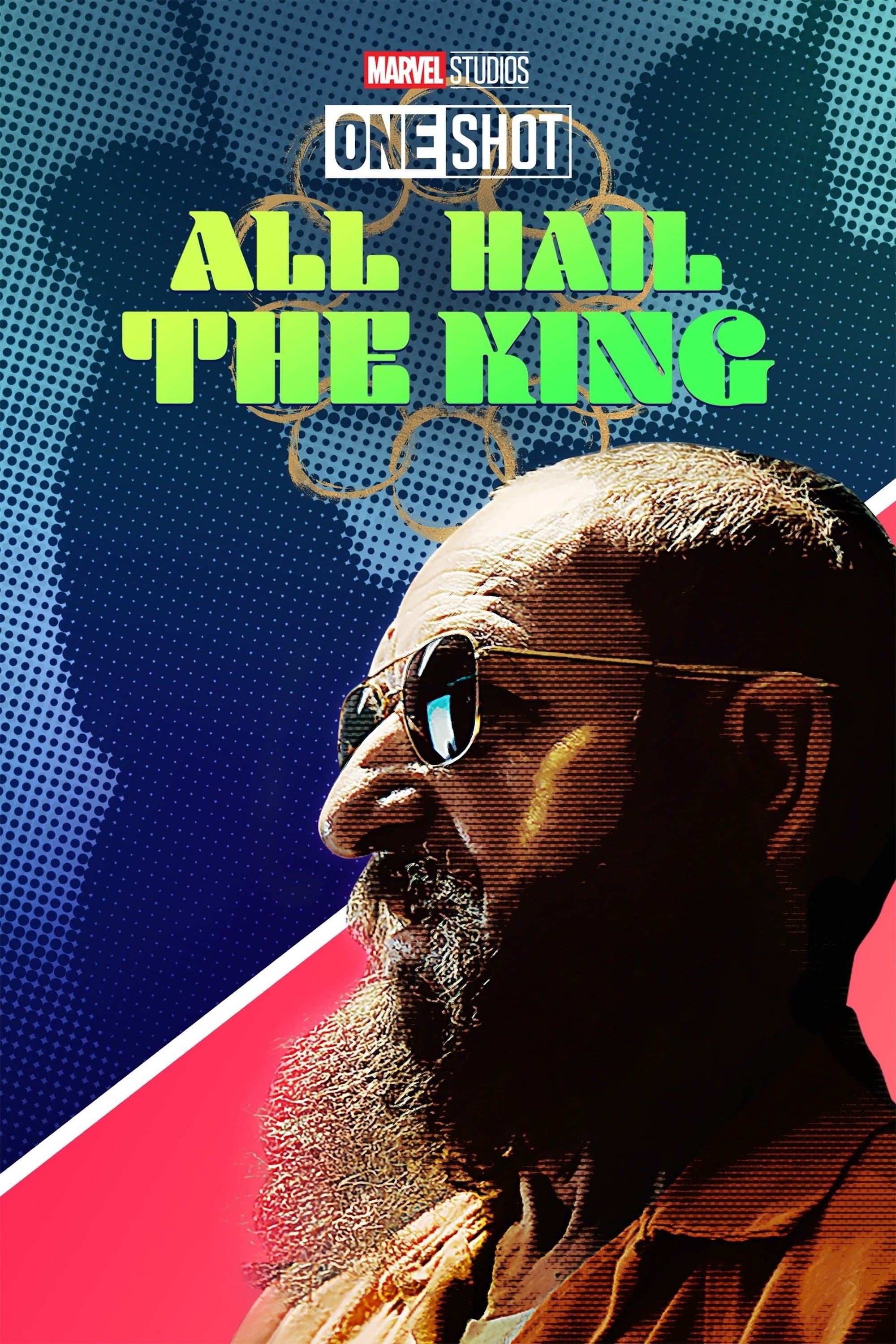
A documentary short that gives you an exclusive look behind the groundbreaking original series, "Ms. Marvel", from its comic book origins to its development and production as Marvel Studios’ next hit series on Disney+. It features interviews with its award winning filmmaking team and the show’s captivating star, newcomer Iman Vellani.
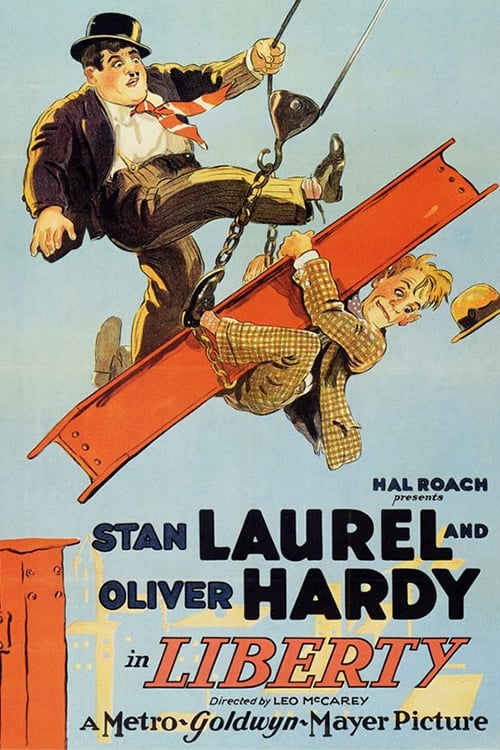
While changing clothes in a getaway car, escaped convicts Stan and Ollie mistakenly put on each other's pants. They spend the rest of the film trying to exchange pants in various unlikely settings.
In 2015, Christopher Nolan curated a selection of short films by the surrealist animators the Quay Brothers to be distributed as a touring 35mm presentation. The three films—"In Absentia" (2000), "The Comb" (1991) and "Street of Crocodiles" (1986)—were accompanied by this brief portrait of the brothers at work in their London studio.
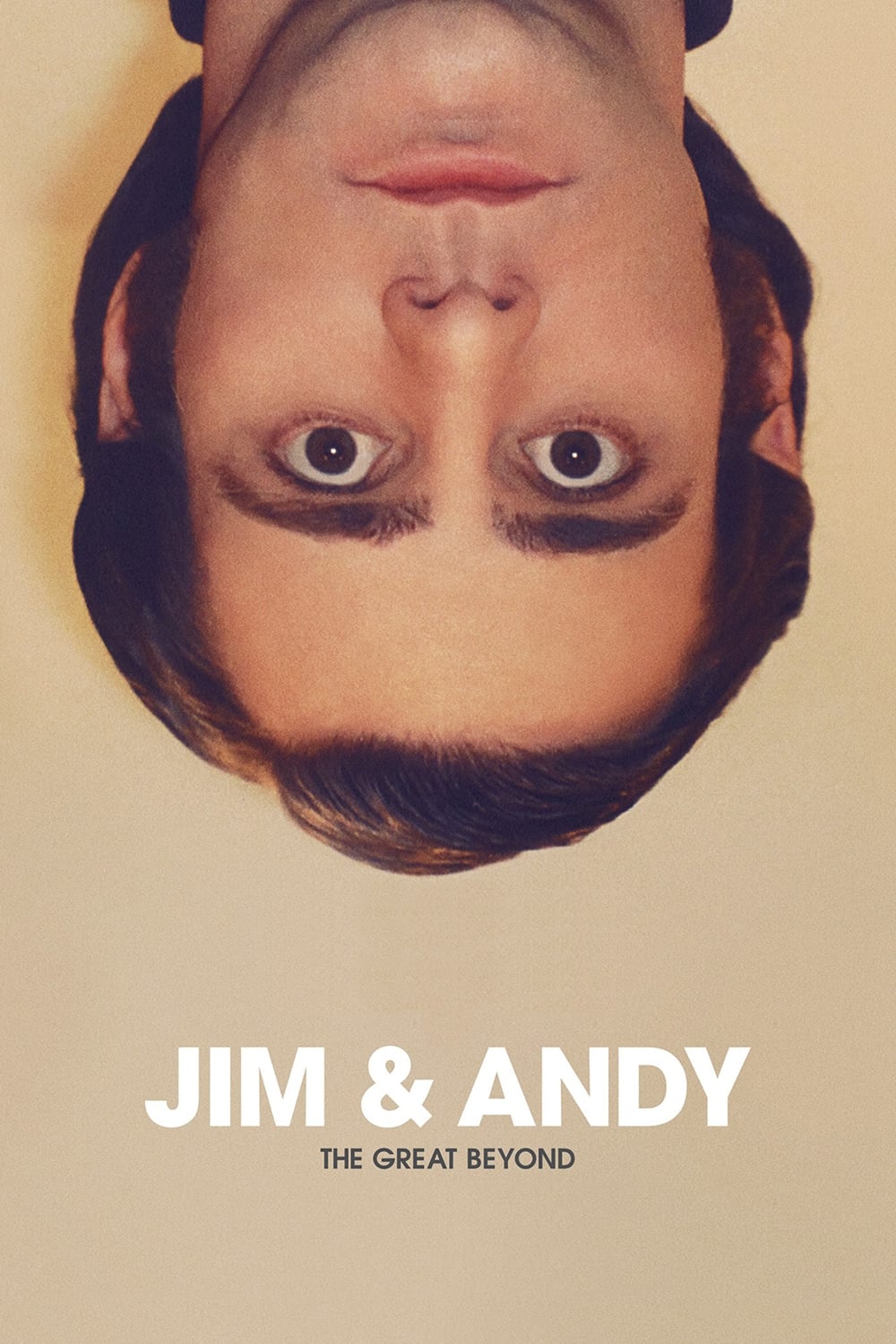
Offbeat documentarian Chris Smith provides a behind-the-scenes look at how Jim Carrey adopted the persona of idiosyncratic comedian Andy Kaufman on the set of Man on the Moon.
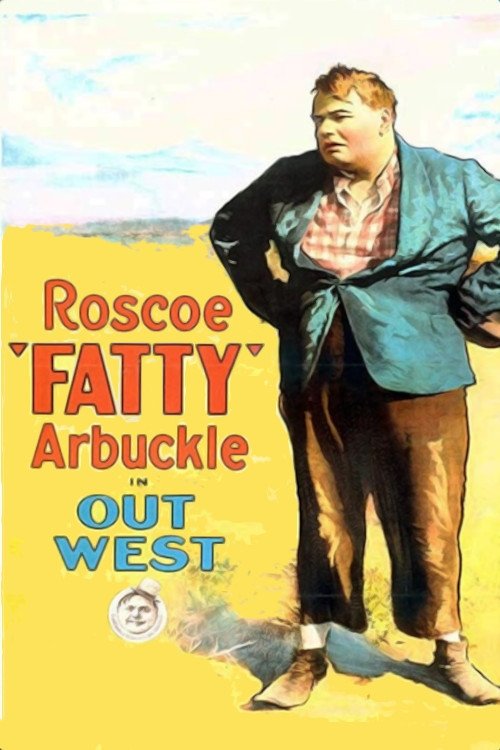
The story involves Arbuckle coming to the western town of Mad Dog Gulch after being thrown off a train and chased by Indians. He teams up with gambler/saloon owner Bill Bullhum, in trying to keep the evil Wild Bill Hickup away from Salvation Army girl, Salvation Sue. Fatty and Buster have a series of adventures trying to beat St. John, until they discover his one weakness: his ticklishness.
A documentary filmmaker interviews the now-famous Trevor Slattery from behind bars.
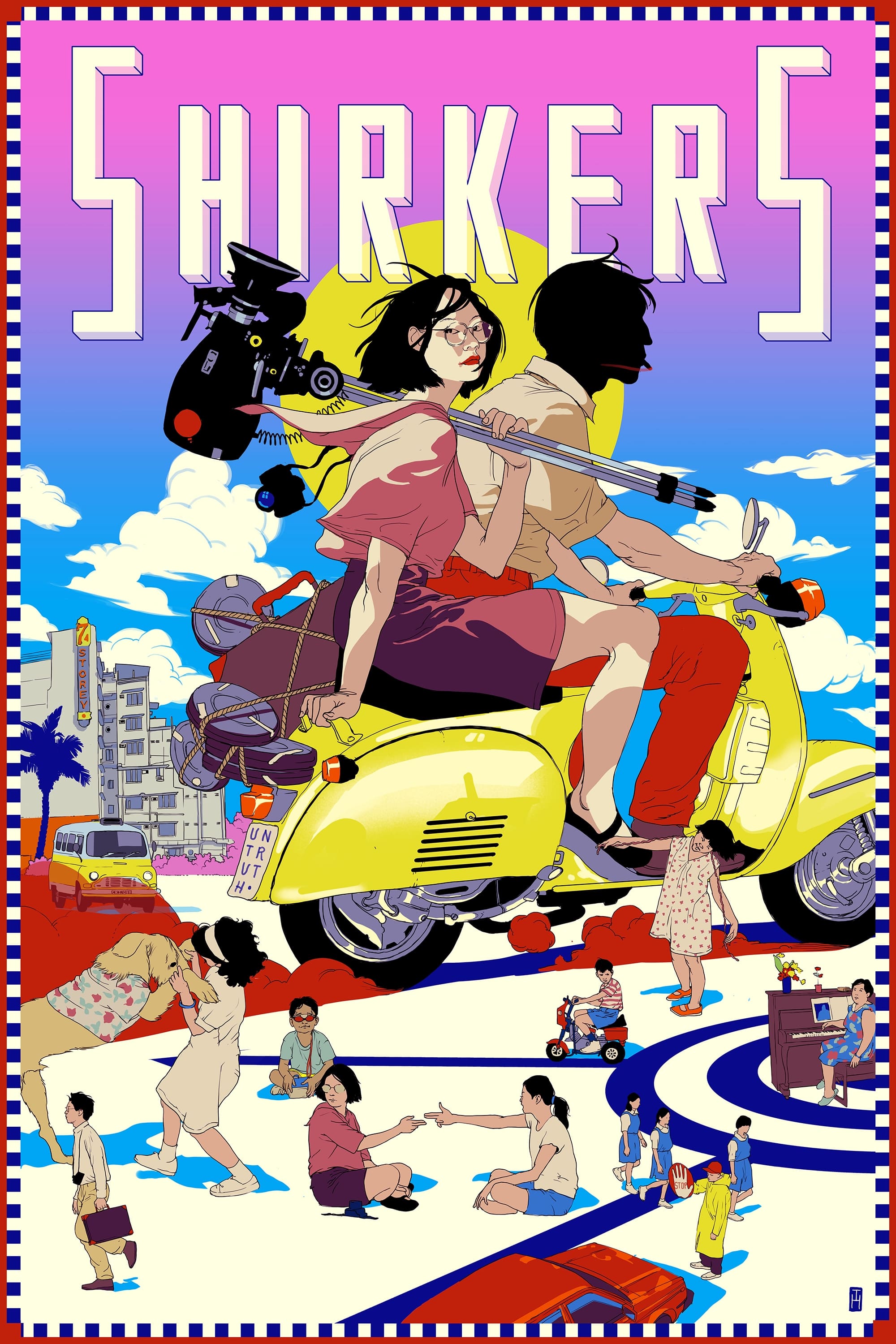
In 1992, teenager Sandi Tan shot Singapore's first indie road movie with her enigmatic American mentor Georges – who then vanished with all the footage. Twenty years later, the 16mm film is recovered, sending Tan, now a novelist in Los Angeles, on a personal odyssey in search of Georges' vanishing footprints.
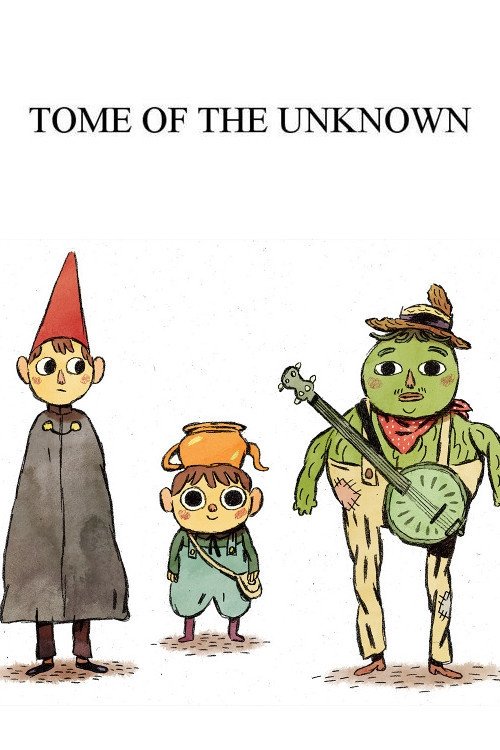
Wirt and Gregory are brothers who get tired of walking, so, they borrow a car from a romantic songster made of vegetables.
When Allied forces liberated the Nazi concentration camps in 1944-45, their terrible discoveries were recorded by army and newsreel cameramen, revealing for the first time the full horror of what had happened. Making use of British, Soviet and American footage, the Ministry of Information’s Sidney Bernstein (later founder of Granada Television) aimed to create a documentary that would provide lasting, undeniable evidence of the Nazis’ unspeakable crimes. He commissioned a wealth of British talent, including editor Stewart McAllister, writer and future cabinet minister Richard Crossman – and, as treatment advisor, his friend Alfred Hitchcock. Yet, despite initial support from the British and US Governments, the film was shelved, and only now, 70 years on, has it been restored and completed by Imperial War Museums under its original title "German Concentration Camps Factual Survey".