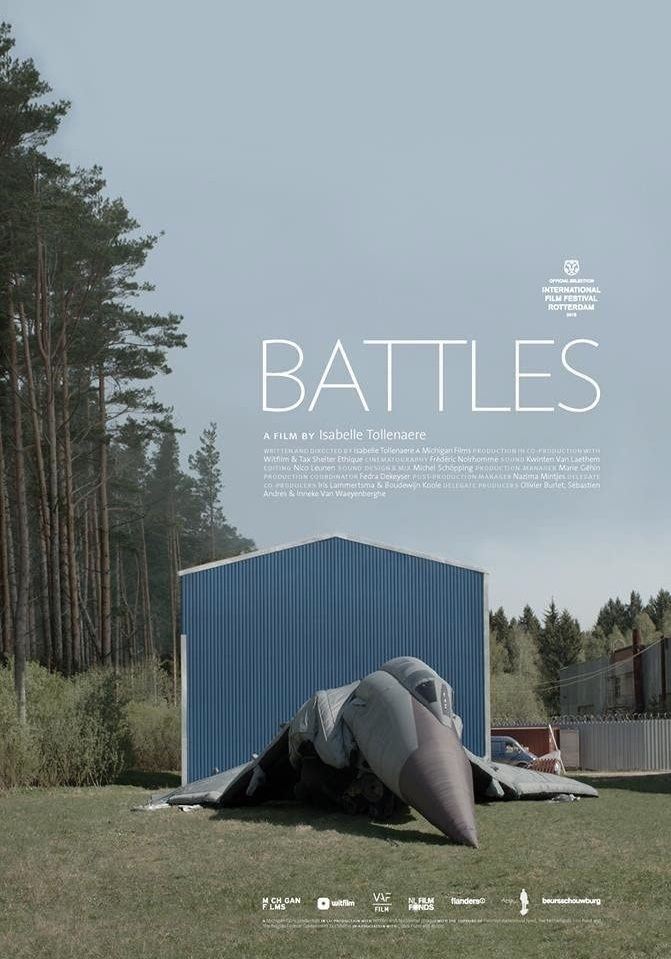
How do Europeans deal with their recent dark history (the wars, dictatorships and occupations)? What traces are etched?
Stream
Buy
Rent
Social & External
Himself
Herself
Iverson is the ultimate legacy of NBA legend Allen Iverson, who rose from a childhood of crushing poverty in Hampton, Virginia, to become an 11-time NBA All-Star and universally recognized icon of his sport. Off the court, his audacious rejection of conservative NBA convention and unapologetic embrace of hip hop culture sent shockwaves throughout the league and influenced an entire generation. Told largely in Iverson's own words, the film charts the career highs and lows of one of the most distinctive and accomplished figures the sport of basketball has ever seen.
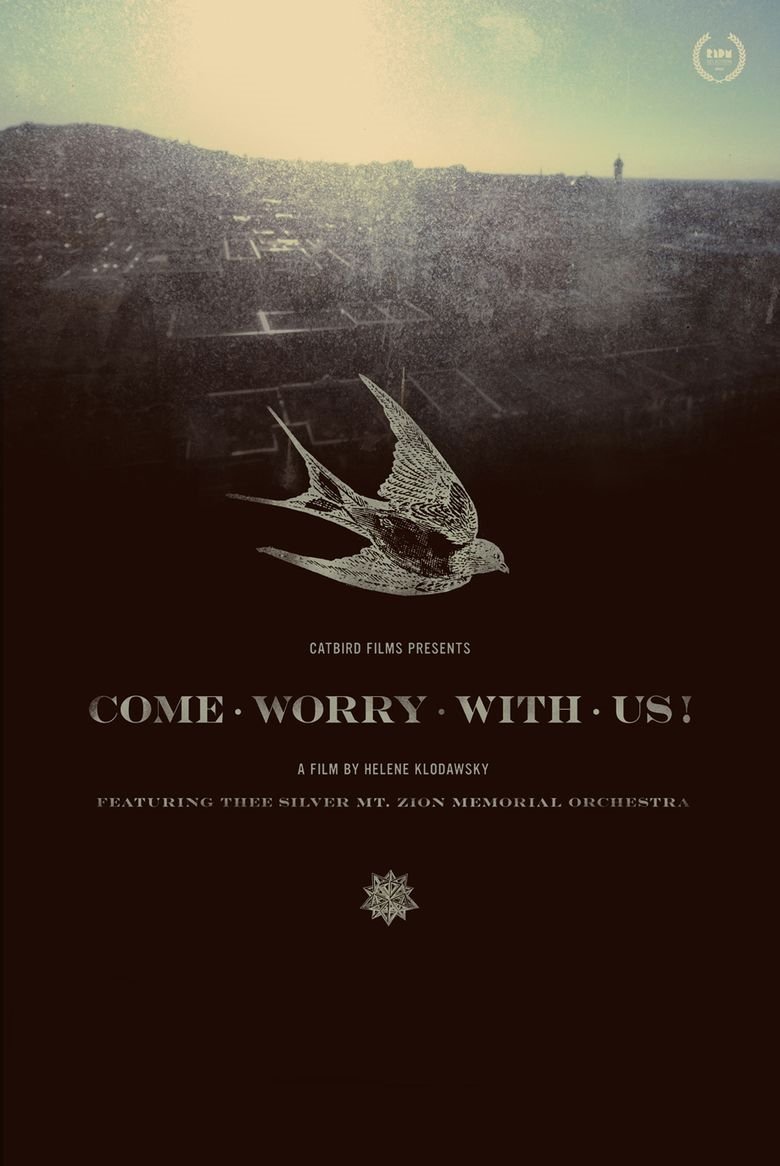
Acclaimed Montreal band Thee Silver Mt. Zion Memorial Orchestra is one of a growing number of rock groups to have accepted an infant into their touring tribe. Touring with children is both costly and complicated, yet SMZ are determined to combine family life and being on the road with the band's deep political commitment.
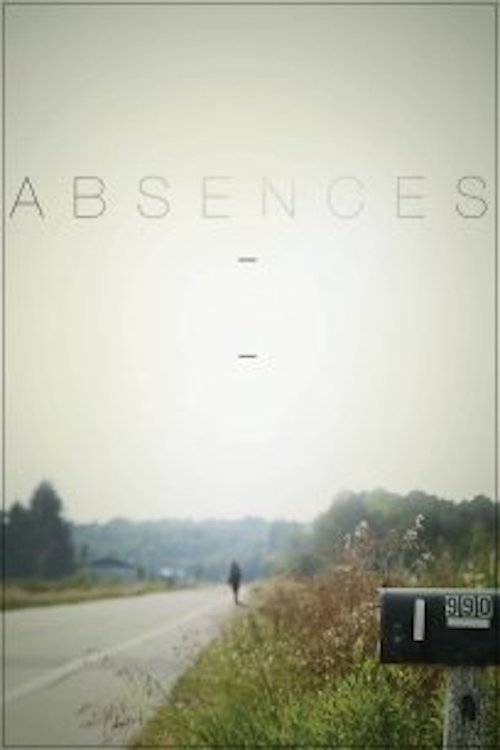
Carole Laganière dives deeply into personal territory in this beautifully crafted exploration of absence and loss and its painful effect on daily lives. Inspired by her mother’s steadily advancing Alzheimer’s and the inevitability of her estrangement, Laganière weaves their story with the stories of others wrestling with loss: Ines, an immigrant who returns to her birth country of Croatia to find the mother who abandoned her during the war; Deni, an American author who’s finally able to search for his Quebec roots; and Nathalie, who’s desperately looking for her missing sister. Through their experiences the film ponders how absence is often the catalyst for a quest—a quest for information, understanding and often acceptance. Through its many voices, Absences speaks to us of the immense fragility and resiliency of human emotions.
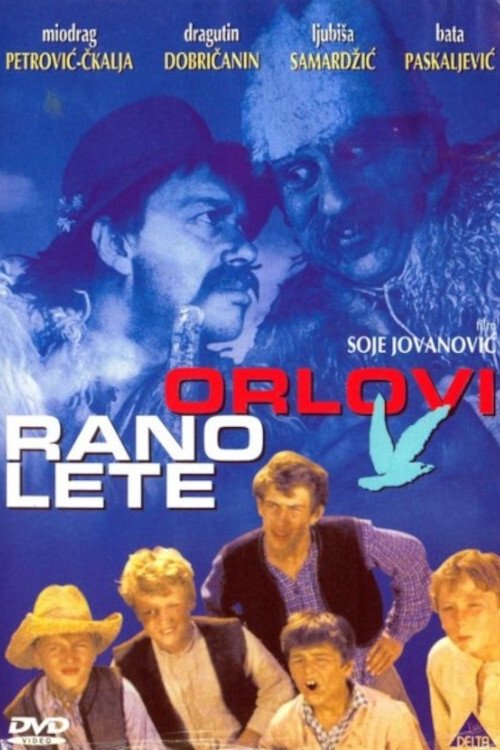
A group of kids from the Bosnian village often run away from school from the terror of Pepper, a teacher who got his nickname because of his red nose. Soon they formed a brigand division, but have been discovered and caught. The sudden arrival of year 1941 turns their game into reality.
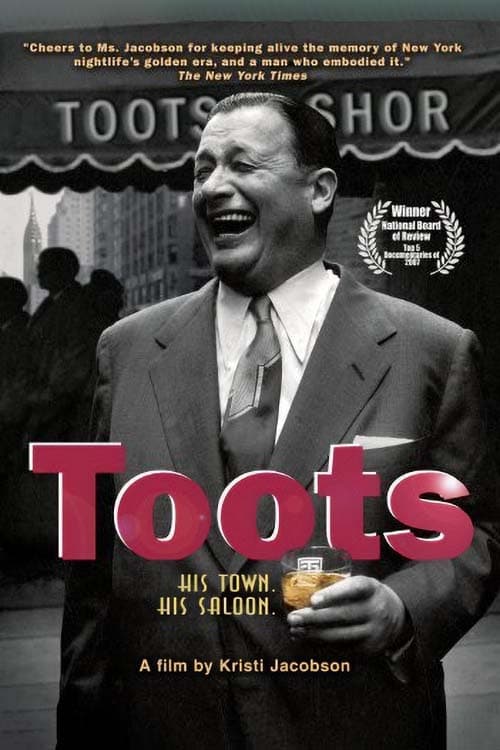
The '40s and '50s were a classic period in New York City nightlife, when the saloonkeeper was king and regular folks could drink with celebrities like Frank Sinatra and Jackie Gleason. In this documentary, Kristi Jacobson profiles her grandfather, the king of kings: Toots Shor of the eponymous restaurant and saloon, which was once the place to be seen in Manhattan. Edward R. Murrow called Toots Shor the owner of America’s greatest saloon. He became the unlikely den-mother to the heroes of America's golden age. Politicians and gangsters, sports heroes and movie stars - Sinatra, Gleason, DiMaggio, Ruth, Costello, Eisenhower, Nixon, Warren - for 30 years, they all found their way to Toots' eponymous saloon on New York's West 51st Street.
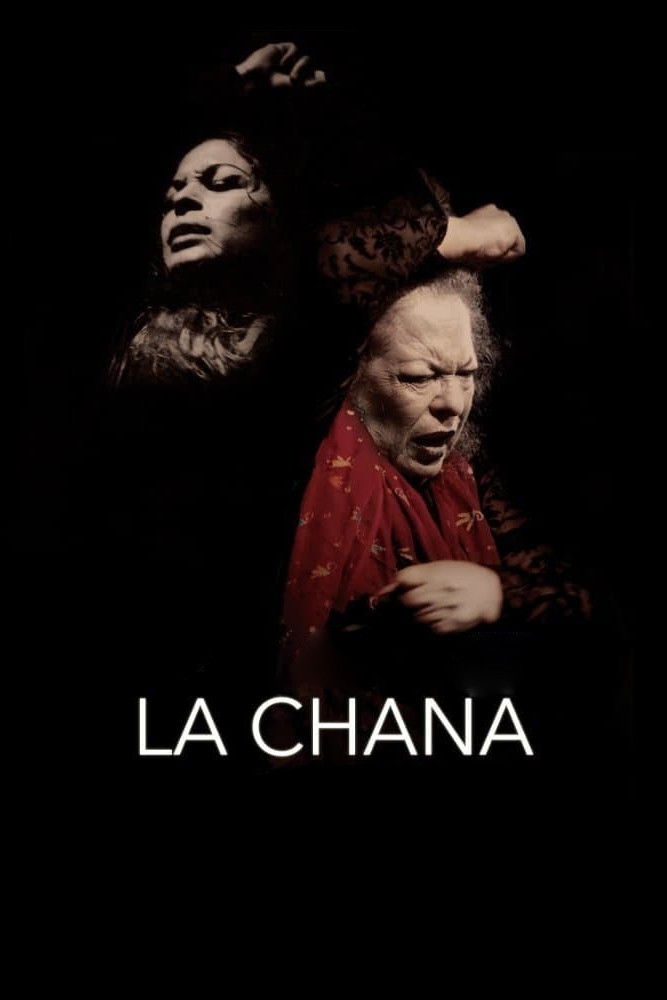
The film brings us under the skin and into the mind of La Chana, a talented Gypsy flamenco dancer as she returns to the stage to give a final seated performance after a 30-year break. Along the way, La Chana reveals the secret behind her disappearance when she was at the peak of her career.
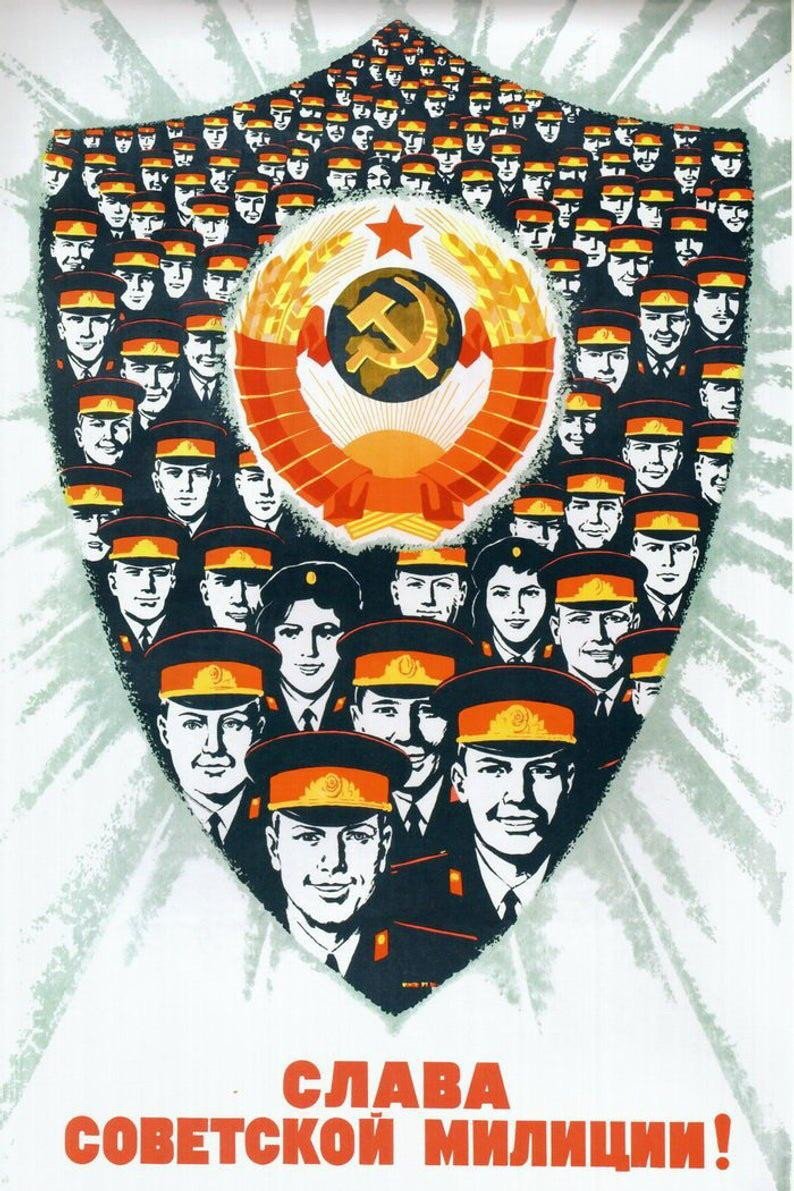
The first uncensored documentary about the Soviet Union ever made by an outsider. The film takes viewers to 12 of the 15 states of the former USSR.
Why would two New York-based filmmakers dedicate five years of their lives to following three white, Jesus-loving, spandex-clad men from the Bible Belt, particularly when the world of documentary filmmaking has generated its fair share of films concerning sensationalistic religious expression and contact sports in recent years? Because it's not about wrestling, and it's not about Jesus. Against a bizarre and entertaining backdrop, and through a motley cast of characters, we are reminded of what connects us all, lest we forget what it means to be human.
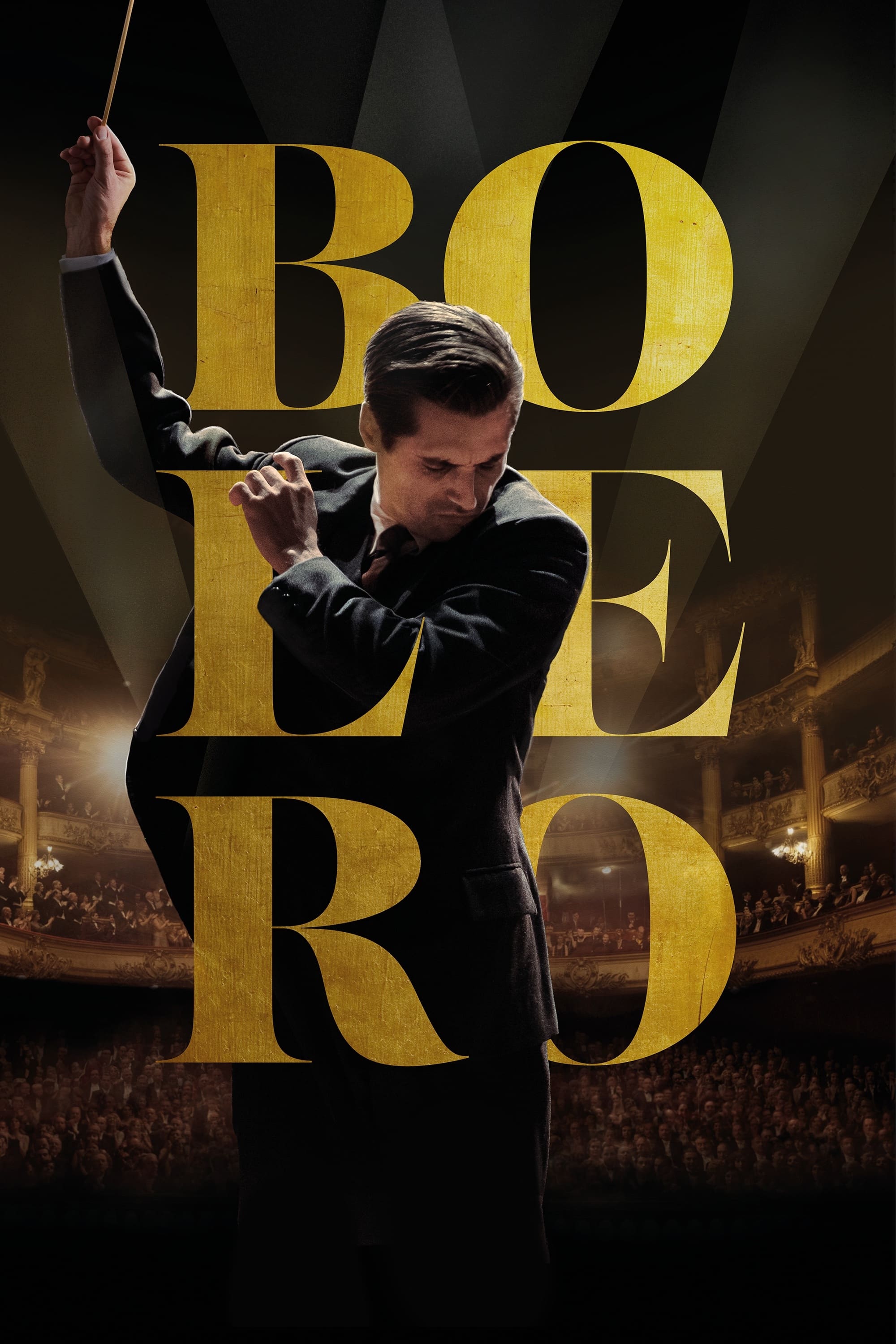
Boundary-pushing Russian dancer and actress Ida Rubinstein selects renowned French composer Maurice Ravel to compose the music for her next ballet. Ravel ends up creating his greatest success ever: Boléro.
Using her husband's struggle with cancer as a case in point, filmmaker Linda Garmon explores the status of the fight against the devastating disease and looks at the lives of the medical professionals dedicated curing it. Interweaving personal testimony with science, this compelling documentary also includes a panel discussion with cancer experts led by broadcast journalist and cancer survivor Linda Ellerbee.
An in-depth documentary about the making of David Cronenberg's feature film, Cosmopolis (2012), an adaptation of Don DeLillo's novel of the same name.
In 1928, Lady Heath became the first person to fly solo from Cape Town to London. Eighty-five years later, Tracey Curtis-Taylor set out in a vintage biplane to fly that adventure again. Following Tracey as she retraces the journey, The Aviatrix is more than just a film about the rapture of flying – it’s a story about living life on your own terms and having the courage and determination to realise your greatest dreams.
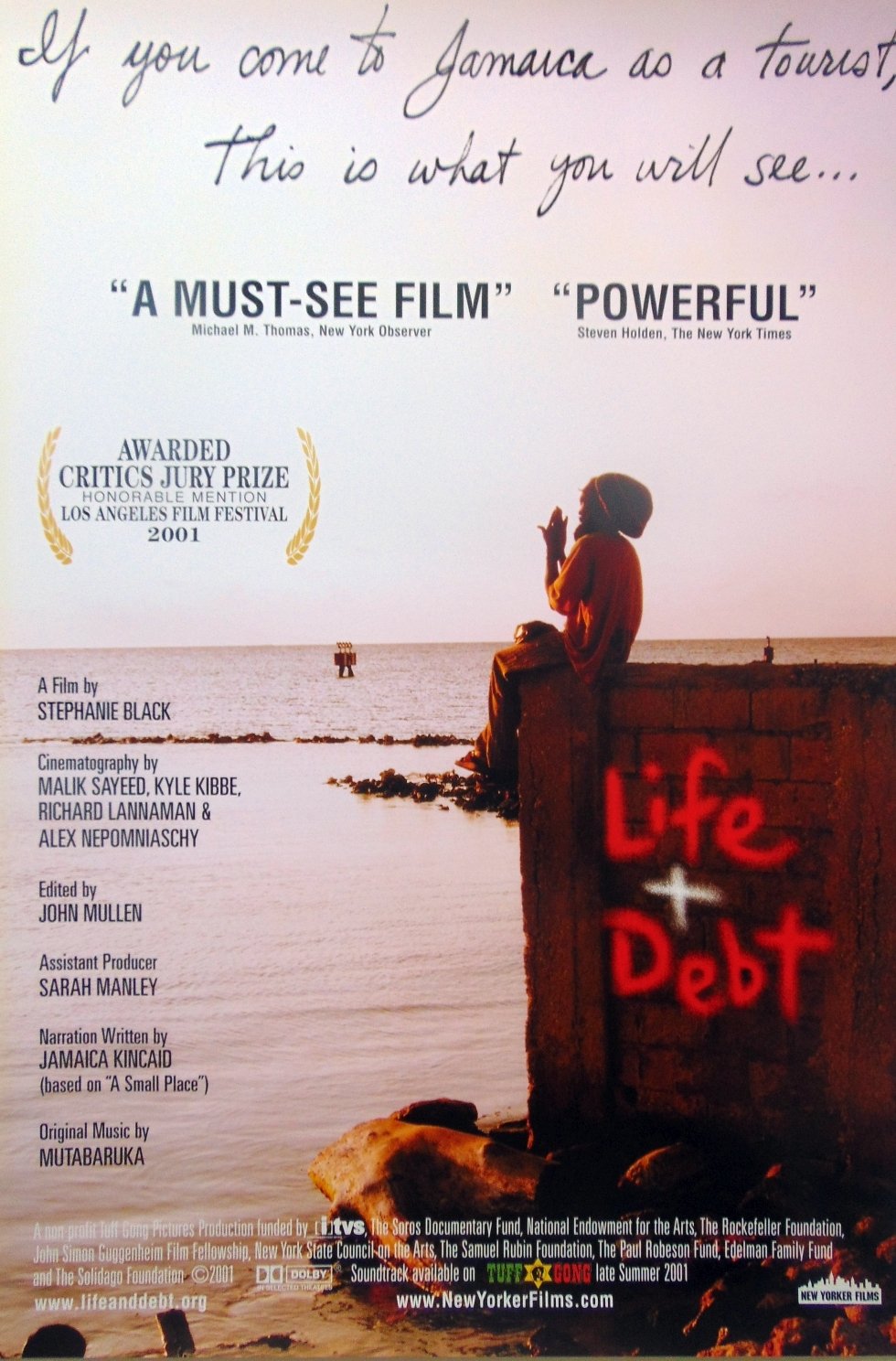
Life and Debt is a 2001 American documentary film that examines the economic and social situation in Jamaica, and specifically how the International Monetary Fund and the World Bank's structural adjustment policies have impacted the island.
Three women whose paths never cross, yet are bound by the shared experience of losing their mothers during adolescence, exploring each one’s sometimes-complex relationship with her mother.
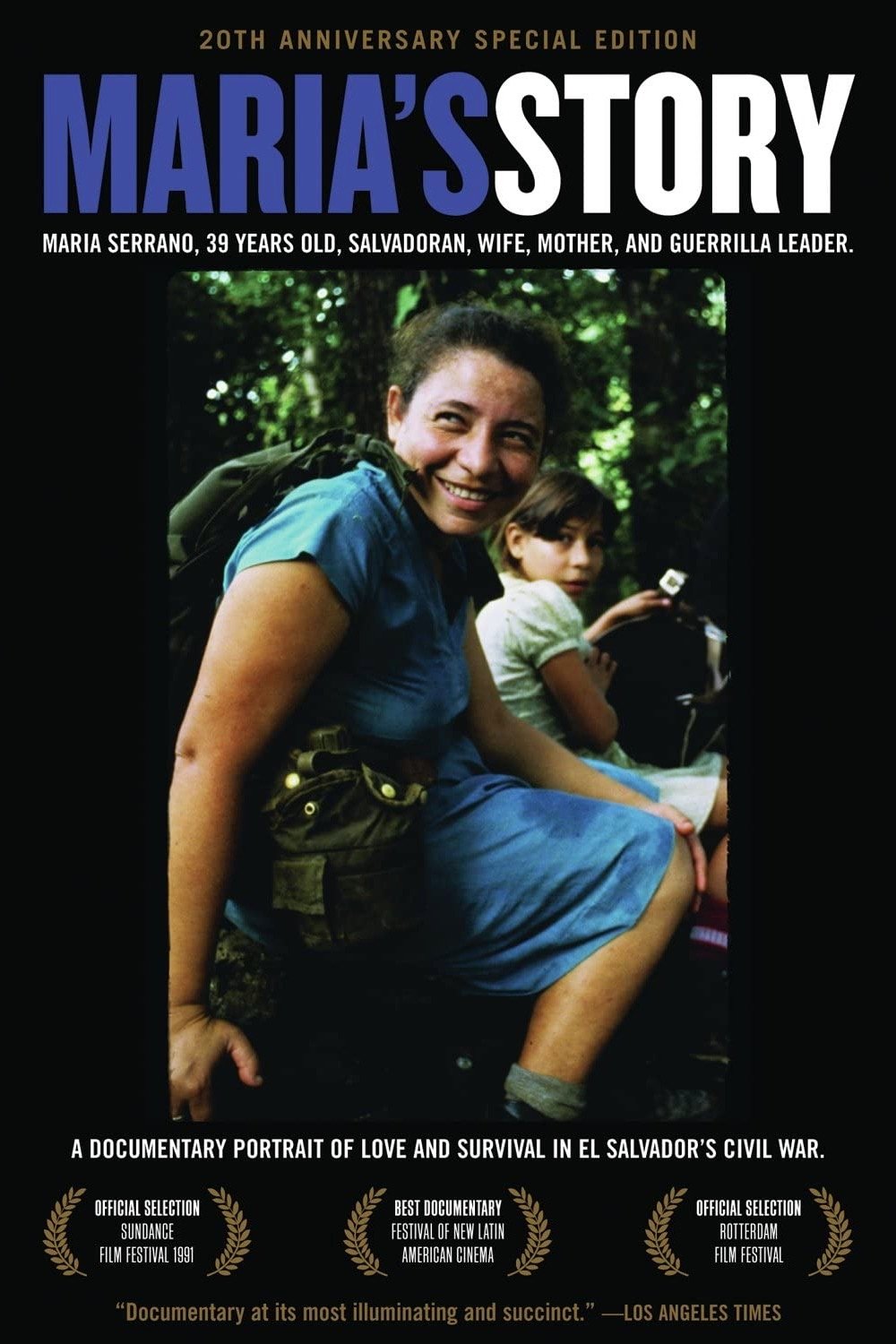
It is El Salvador, 1989, three years before the end of a brutal civil war that took 75,000 lives. Maria Serrano, wife, mother, and guerrilla leader is on the front lines of the battle for her people and her country. With unprecedented access to FMLN guerrilla camps, the filmmakers dramatically chronicle Maria's daily life in the war.
On an island in the Indian Ocean, the Comoros archipelago, unoccupied houses await the arrival of their owners. These places without souls and half built abound across the landscape. The myth of eternal return is repeated in the Comorian diaspora.
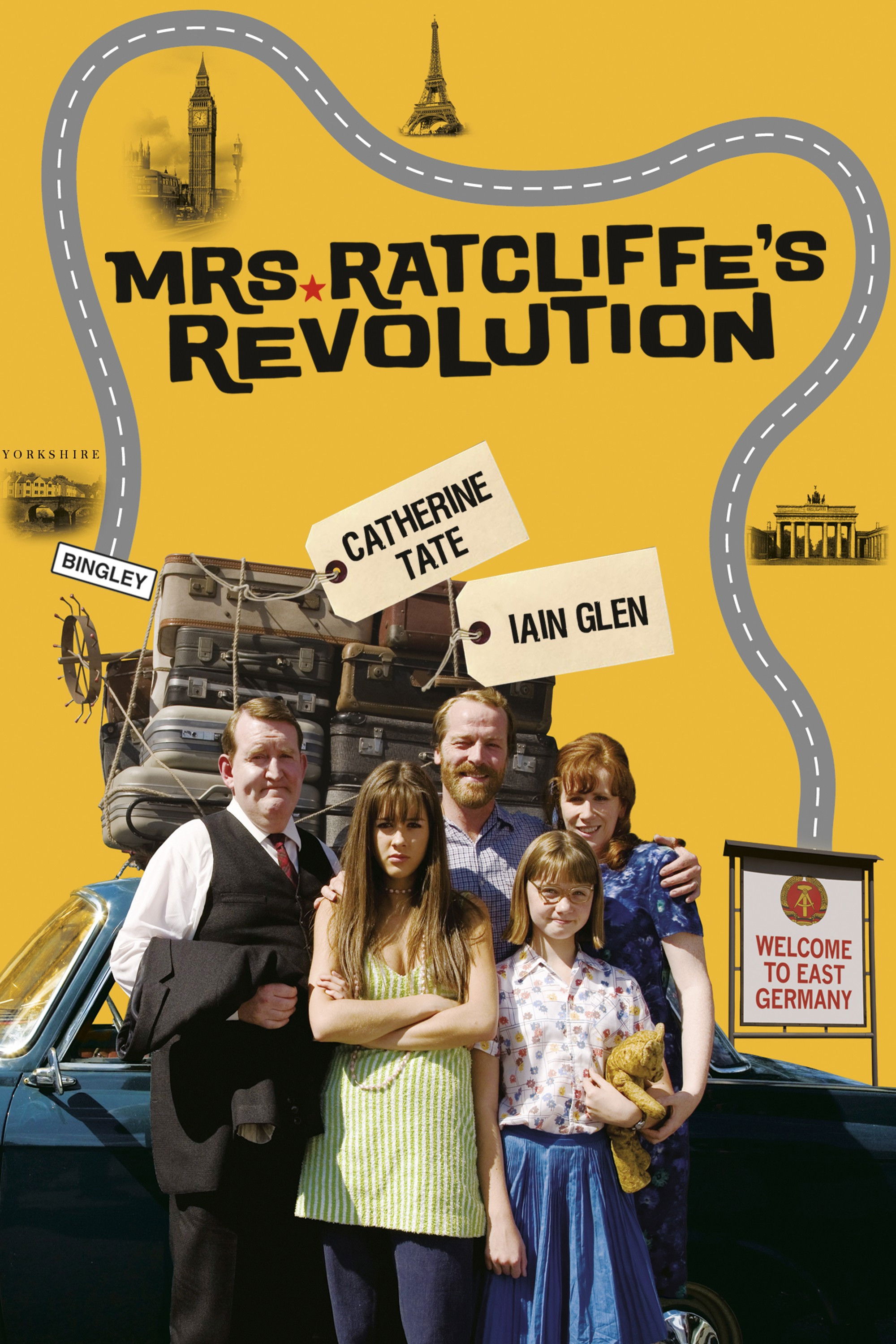
Based on a true story, Mrs. Ratcliffe's Revolution is the tale of a family from Bingley in Yorkshire, who defect to East Germany. Here they find a nightmare of rationing, censorship and the most spied upon people in history rather than the Marxist utopia they were expecting. But if they thought getting in was difficult wait until they try to get out.
Kiyoha rises from the lowly courtesan ranks to the high class position of Oiran in the steamy red-light district of Yoshiwara. She is determined to stand on her own two feet and live life as she pleased.
Before the internet. Before social media. Before breaking news. The victims of Thalidomide had to rely on something even more extraordinary to fight their corner: Investigative journalism. This is the story of how Harold Evans fought and won the battle of his and many other lives.
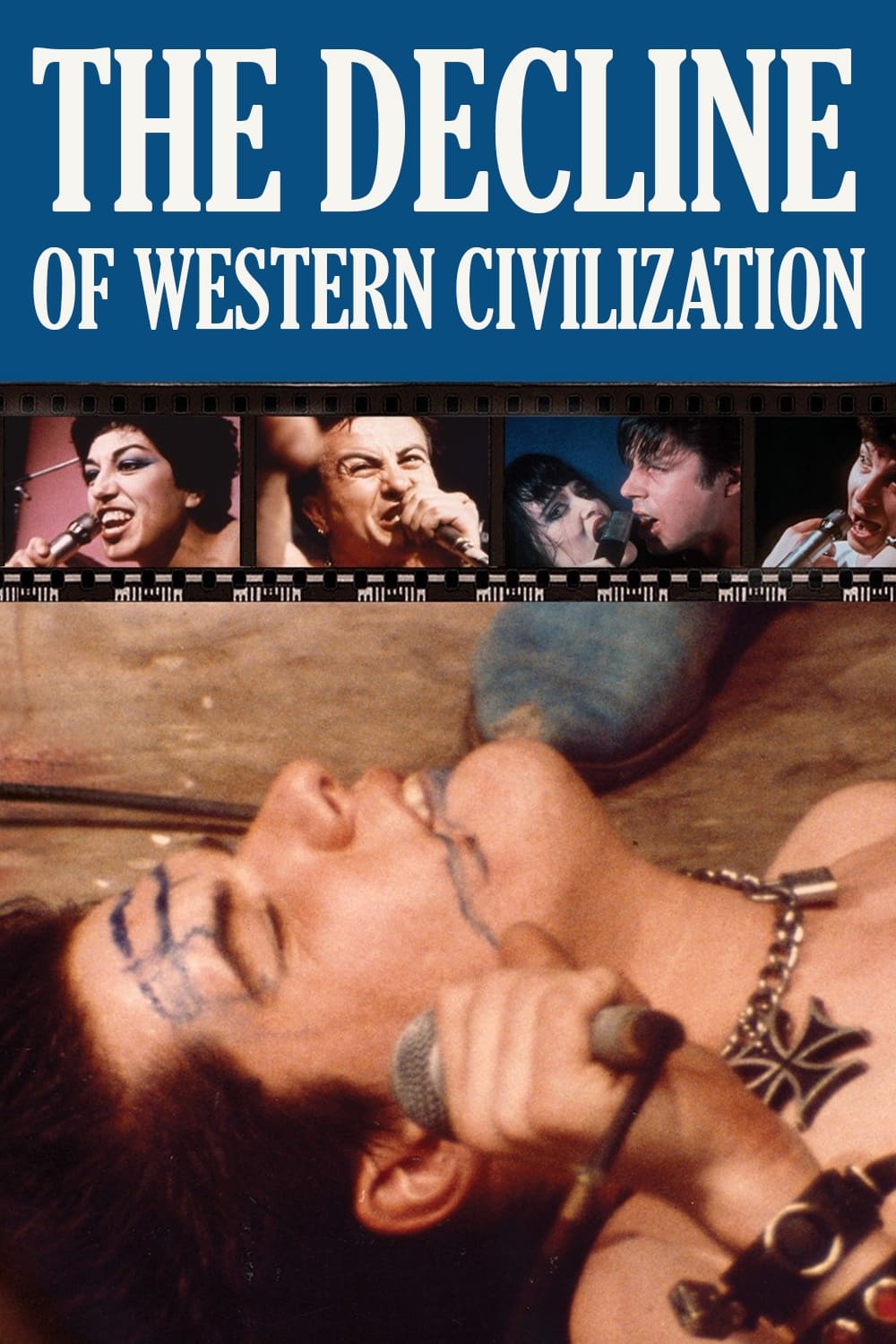
The Los Angeles punk music scene circa 1980 is the focus of this film. With Alice Bag Band, Black Flag, Catholic Discipline, Circle Jerks, Fear, Germs, and X.
“The Soviet Story” is a story of an Allied power, which helped the Nazis to fight Jews and which slaughtered its own people on an industrial scale. Assisted by the West, this power triumphed on May 9th, 1945. Its crimes were made taboo, and the complete story of Europe’s most murderous regime has never been told. Until now...
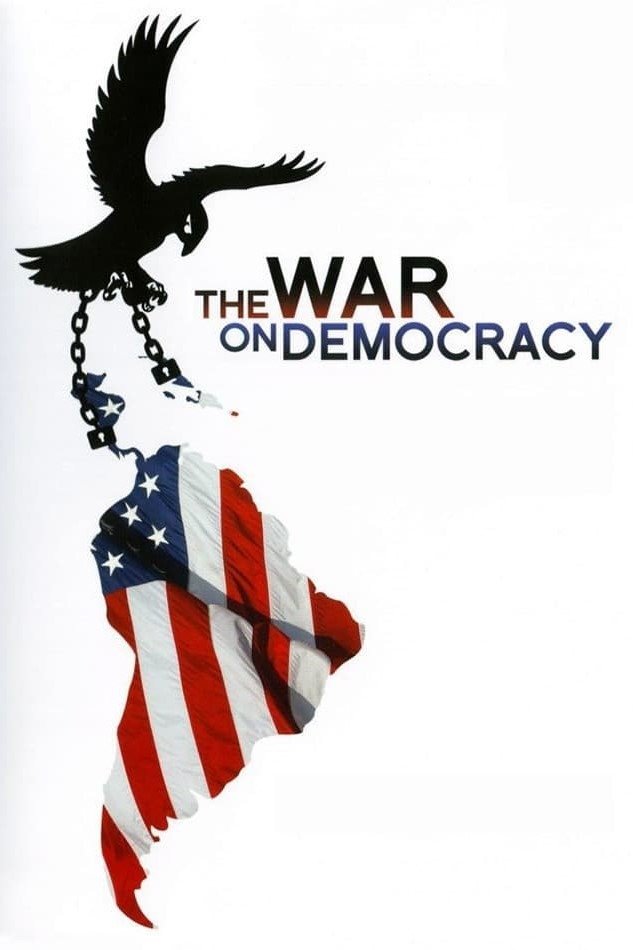
Set both in Latin America and the United States, the film explores the historic and current relationship of Washington with countries such as Venezuela, Bolivia and Chile. Pilger says that the film "...tells a universal story... analysing and revealing, through vivid testimony, the story of great power behind its venerable myths. It allows us to understand the true nature of the so-called "war on terror". According to Pilger, the film’s message is that the greed and power of empire is not invincible and that people power is always the "seed beneath the snow".
Pete Postlethwaite stars as a man living alone in the devastated future world of 2055, looking at old footage from 2008 and asking: why didn’t we stop climate change when we had the chance?
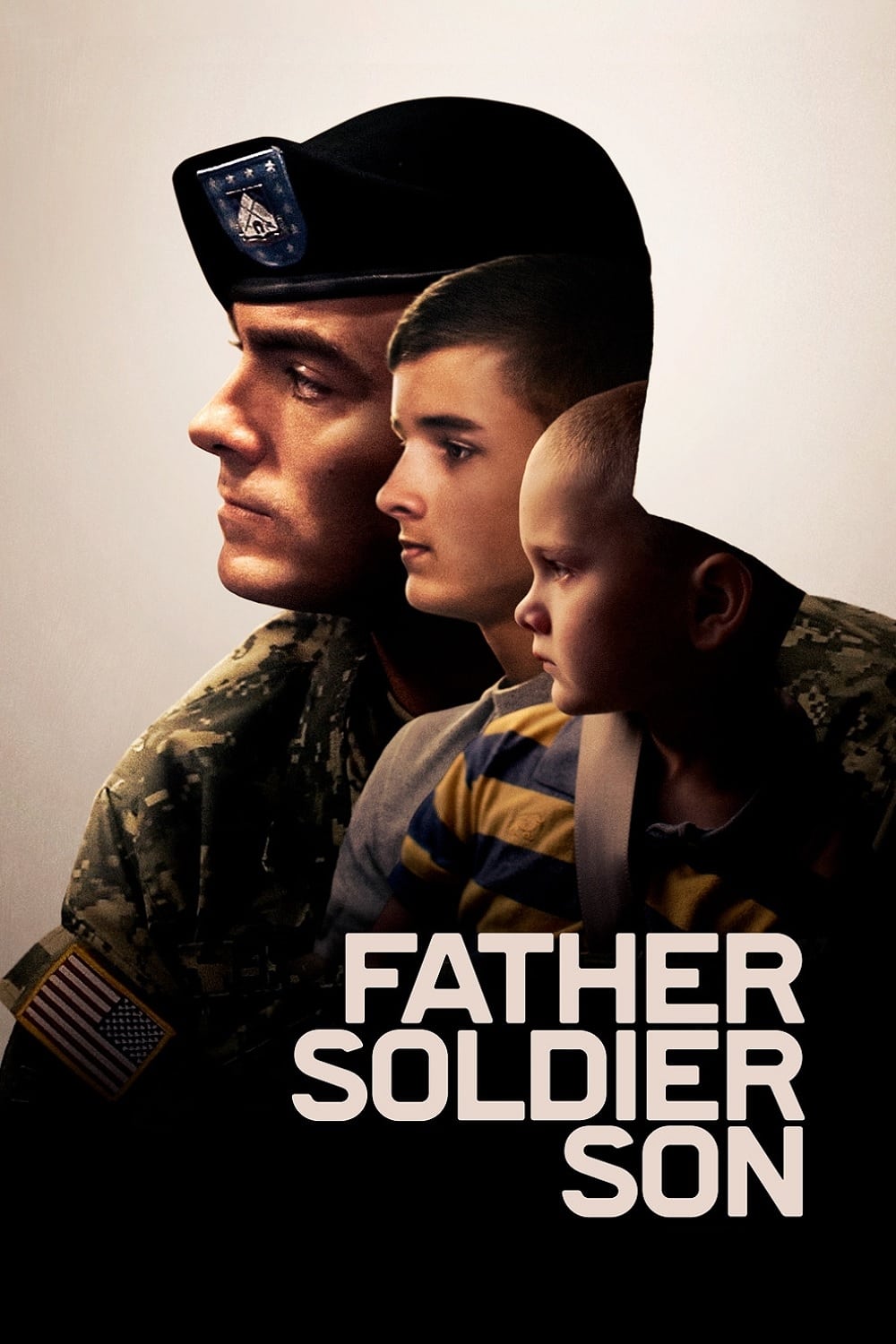
When Sgt. First Class Brian Eisch is critically wounded in Afghanistan, it sets him and his sons on a journey of love, loss, redemption and legacy.
Prelude to War was the first film of Frank Capra's Why We Fight propaganda film series, commissioned by the Pentagon and George C. Marshall. It was made to convince American troops of the necessity of combating the Axis Powers during World War II. This film examines the differences between democratic and fascist states.
Armed only with their cameras, Peabody and Emmy Award-winning conflict Journalist Mike Boettcher, and his son, Carlos, provide unprecedented access into the longest war in U.S. history: they are embed with U.S. troops during nine days of intense combat in Afghanistan.
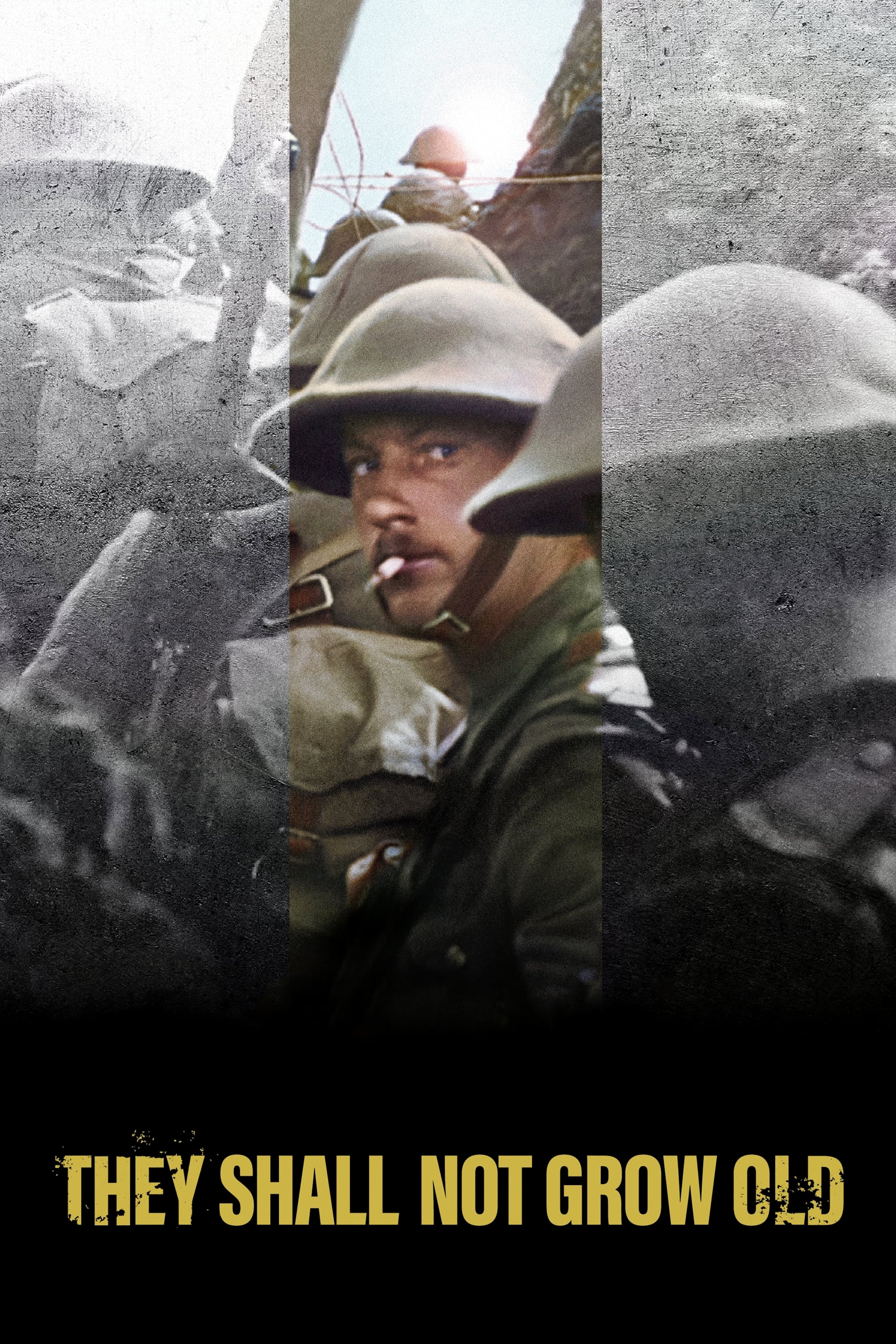
A documentary about World War I with never-before-seen footage to commemorate the centennial of Armistice Day, and the end of the war.
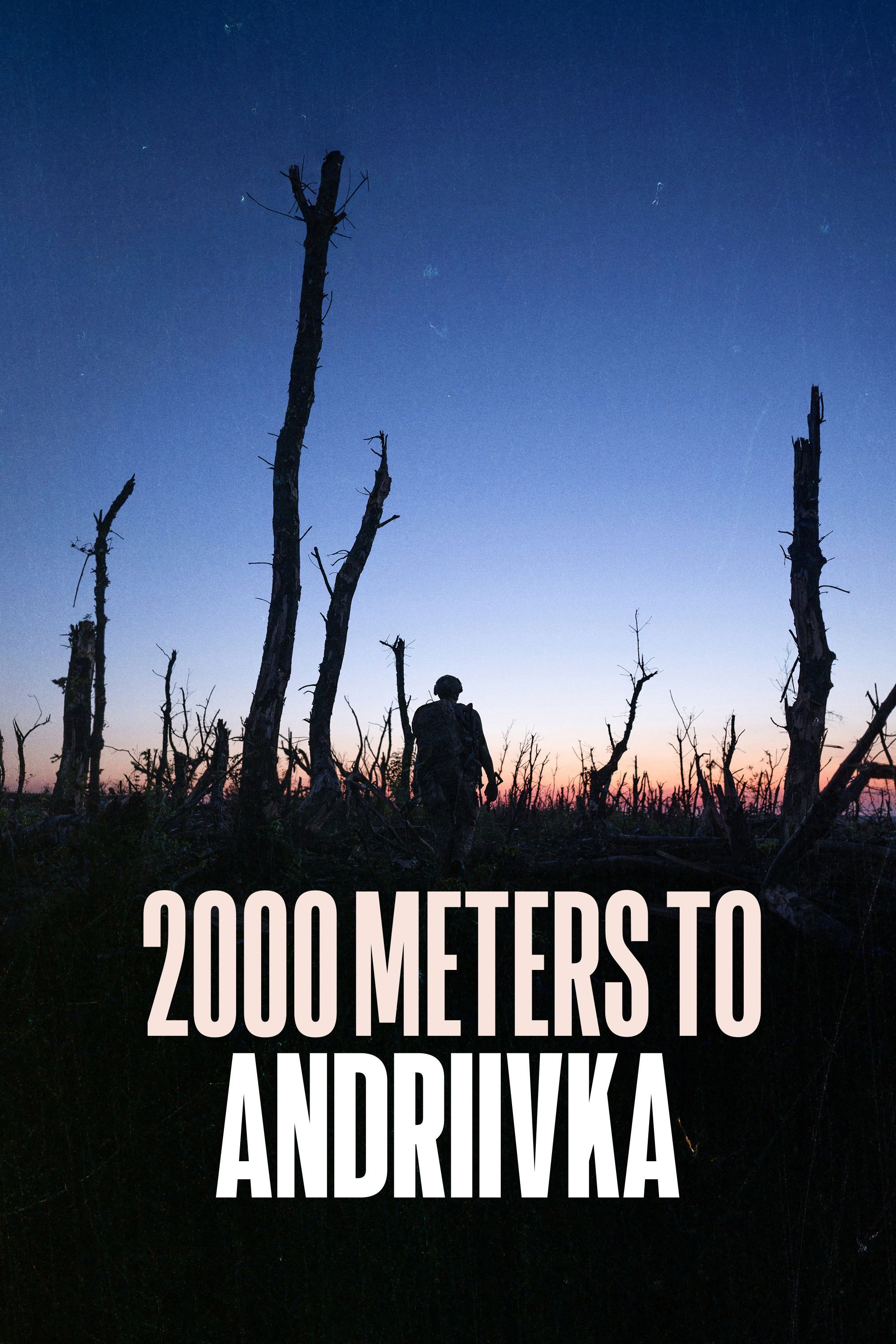
Amid the failing counteroffensive, a journalist follows a Ukrainian platoon on their mission to traverse one mile of heavily fortified forest and liberate a strategic village from Russian occupation. But the farther they advance through their destroyed homeland, the more they realize that this war may never end.
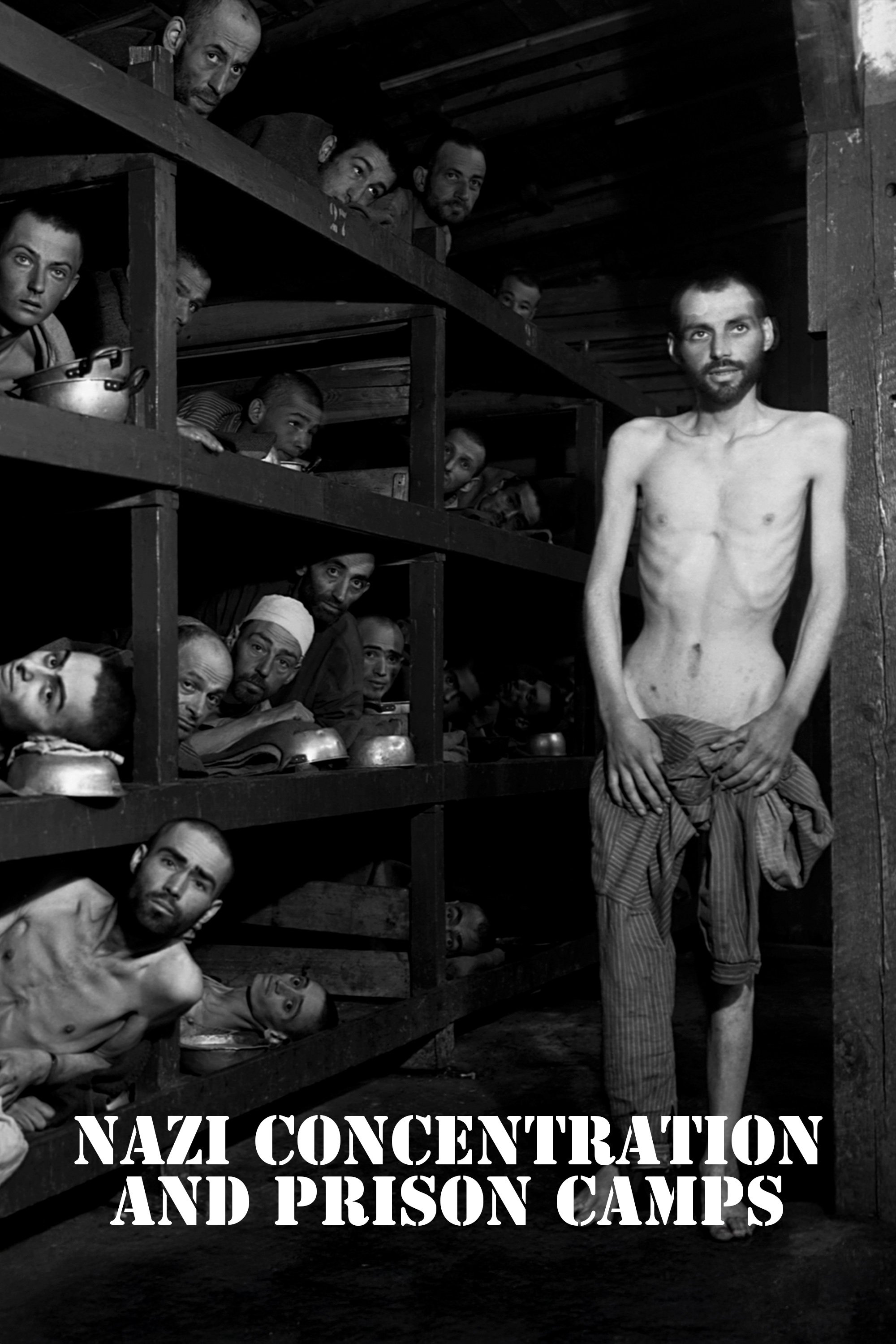
Produced and presented as evidence at the Nuremberg war crimes trial of Hermann Göring and twenty other Nazi leaders, this film consists primarily of dead and surviving prisoners and of facilities used to kill and torture during the World War II.
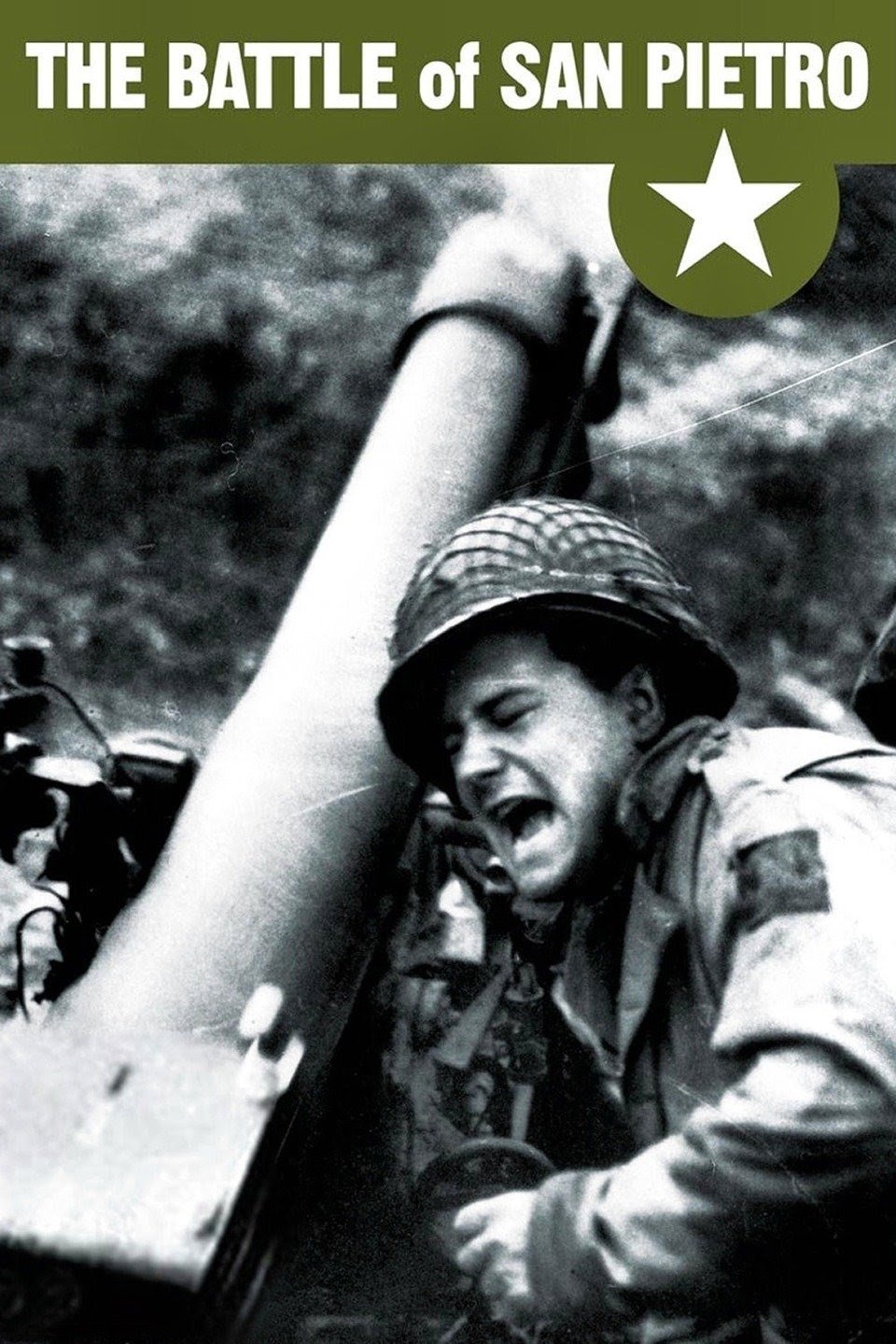
This documentary movie is about the battle of San Pietro, a small village in Italy. Over 1,100 US soldiers were killed while trying to take this location, that blocked the way for the Allied forces from the Germans. Preserved by the Academy Film Archive in 2005.
With unprecedented access, this documentary follows the extraordinary journey of “Raqqa is Being Slaughtered Silently”—a group of anonymous citizen journalists who banded together after their homeland was overtaken by ISIS—as they risk their lives to stand up against one of the greatest evils in the world today.
"Trinity and Beyond" is an unsettling yet visually fascinating documentary presenting the history of nuclear weapons development and testing between 1945-1963. Narrated by William Shatner and featuring an original score performed by the Moscow Symphony Orchestra, this award-winning documentary reveals previously unreleased and classified government footage from several countries.
A love letter from a young mother to her daughter, the film tells the story of Waad al-Kateab’s life through five years of the uprising in Aleppo, Syria as she falls in love, gets married and gives birth to Sama, all while cataclysmic conflict rises around her. Her camera captures incredible stories of loss, laughter and survival as Waad wrestles with an impossible choice– whether or not to flee the city to protect her daughter’s life, when leaving means abandoning the struggle for freedom for which she has already sacrificed so much.
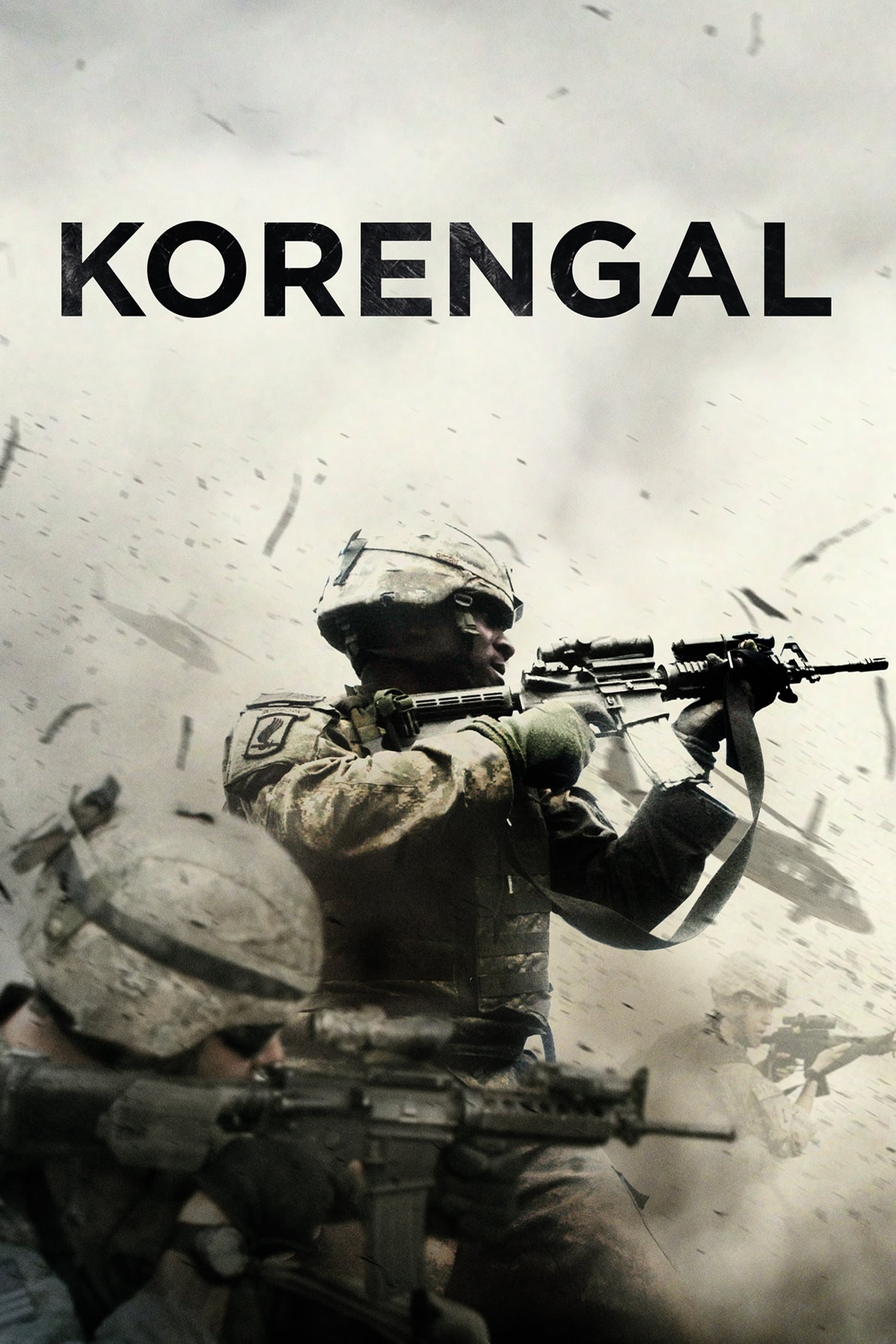
Korengal picks up where Restrepo left off; the same men, the same valley, the same commanders, but a very different look at the experience of war.
Oliver Stone charts the history of the United States from the Second World War to the present.
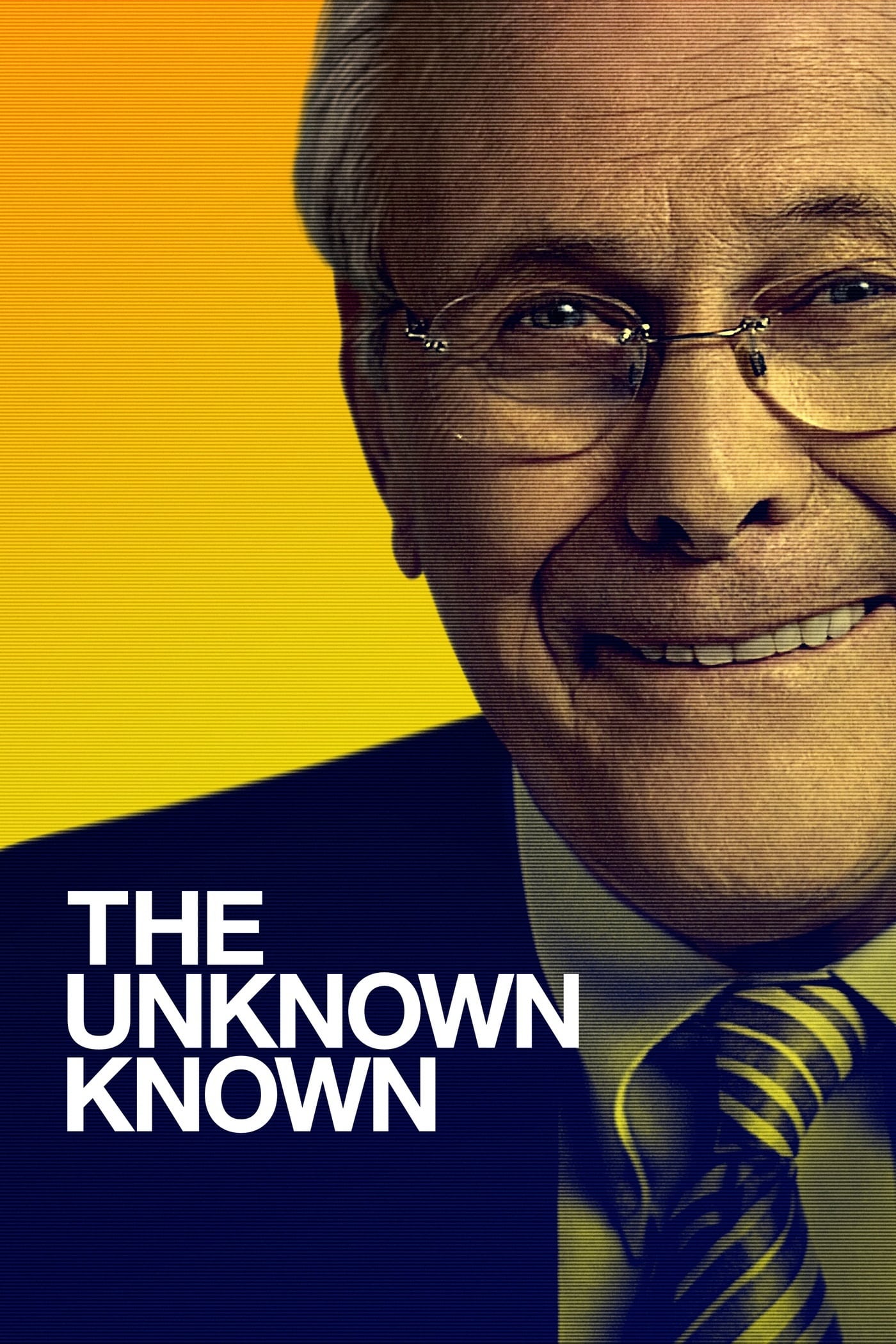
Former United States Secretary of Defense, Donald Rumsfeld, discusses his career in Washington D.C. from his days as a congressman in the early 1960s to planning the invasion of Iraq in 2003.
Documentary about the art of film editing. Clips are shown from many groundbreaking films with innovative editing styles.
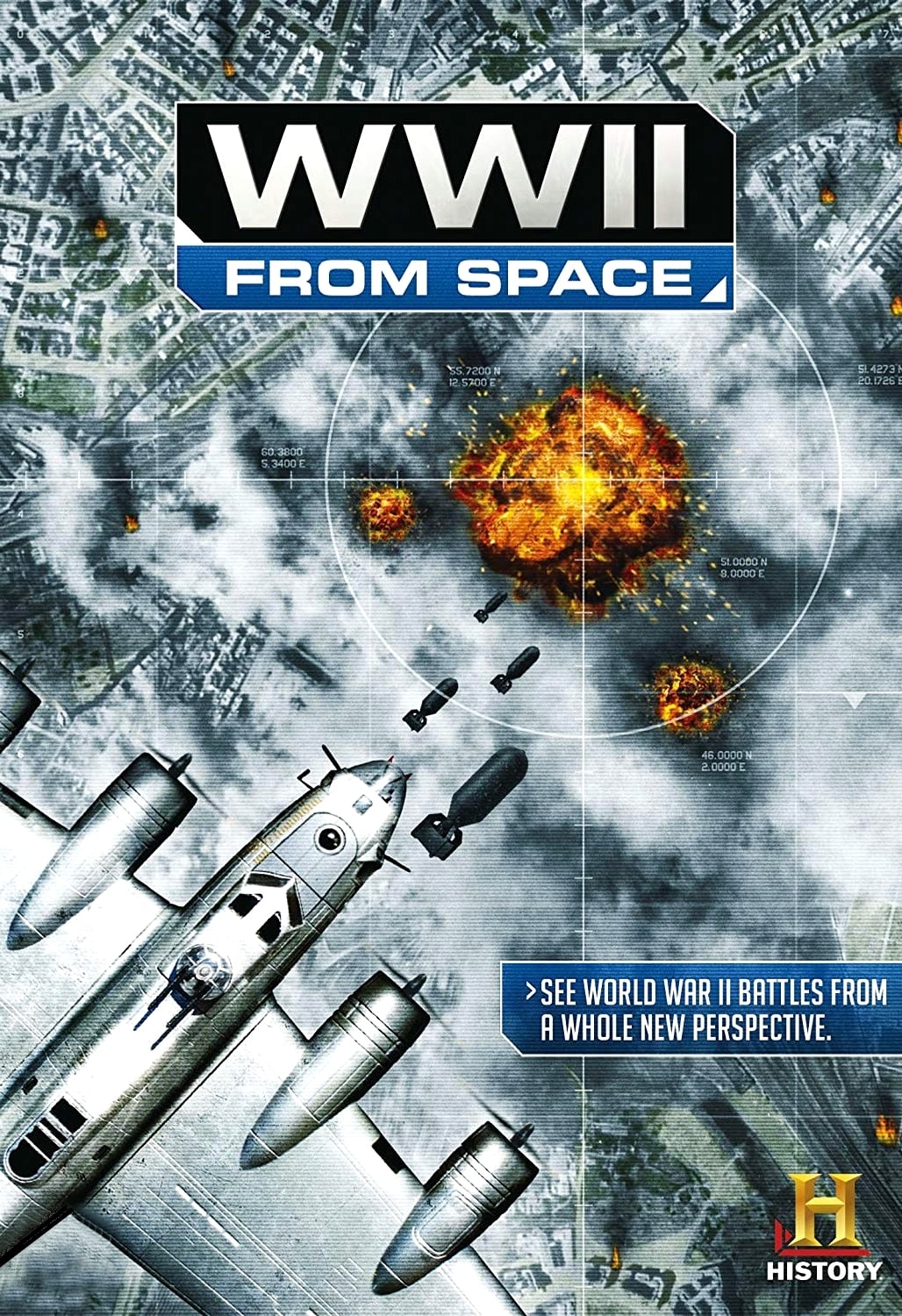
WWII from Space delivers World War II in a way you've never experienced it before. This HISTORY special uses an all-seeing CGI eye that offers a satellite view of the conflict, allowing you to experience it in a way that puts key events and tipping points in a global perspective. By re-creating groundbreaking moments that could never have been captured on camera, and by illustrating the importance of simultaneity and the hidden effects of crucial incidents, HISTORY presents the war's monumental moments in a never-before-seen context. And with new information brought to the forefront, you'll better understand how a nation ranked 19th in the world's militaries in 1939 emerged six years later as the planet's only atomic superpower.
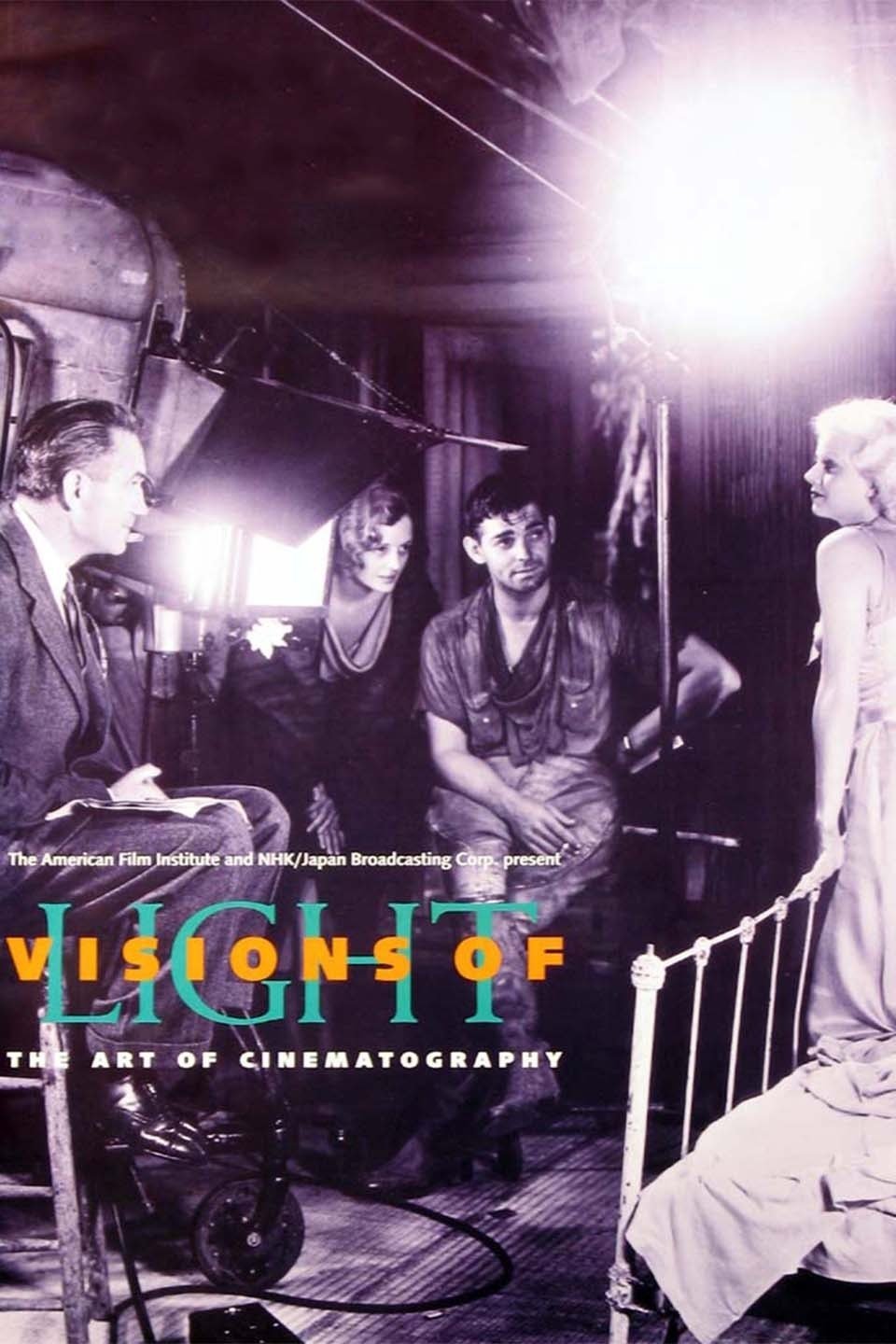
Cameramen and women discuss the craft and art of cinematography and of the "DP" (the director of photography), illustrating their points with clips from 100 films, from Birth of a Nation to Do the Right Thing. Themes: the DP tells people where to look; changes in movies (the arrival of sound, color, and wide screens) required creative responses from DPs; and, these artisans constantly invent new equipment and try new things, with wonderful results. The narration takes us through the identifiable studio styles of the 30s, the emergence of noir, the New York look, and the impact of Europeans. Citizen Kane, The Conformist, and Gordon Willis get special attention.
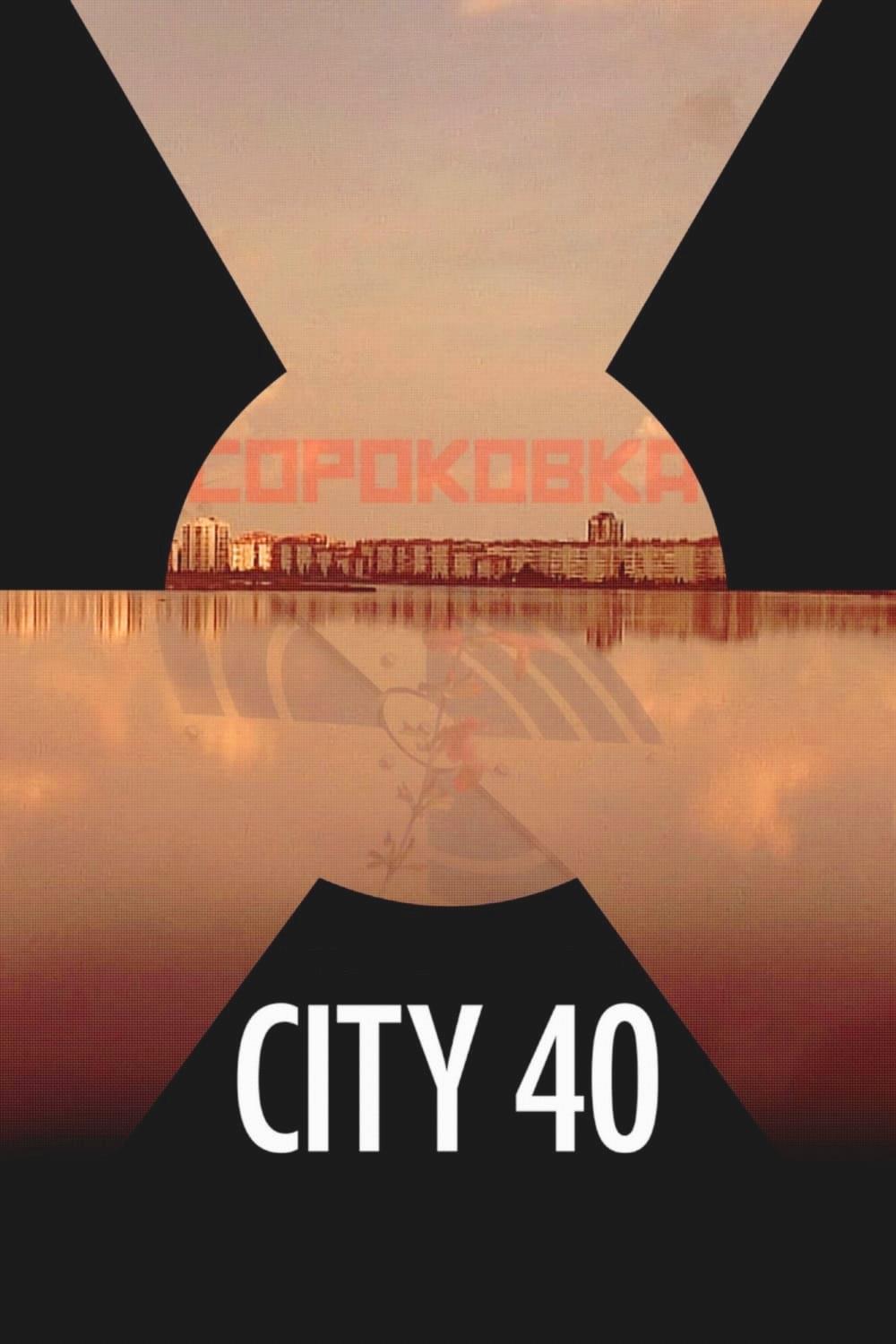
Hidden in the heart of Russia, there is a Soviet-era city where thousands of people live and work behind barbed-wire fences monitored by armed guards. It is Ozyorsk (Ozersk), located in the Chelyabinsk Oblast, one of the most polluted places on the planet and home to the largest stockpiles of nuclear material. Its code name: City 40.