Shot both on and from an elevated electric train.
Social & External
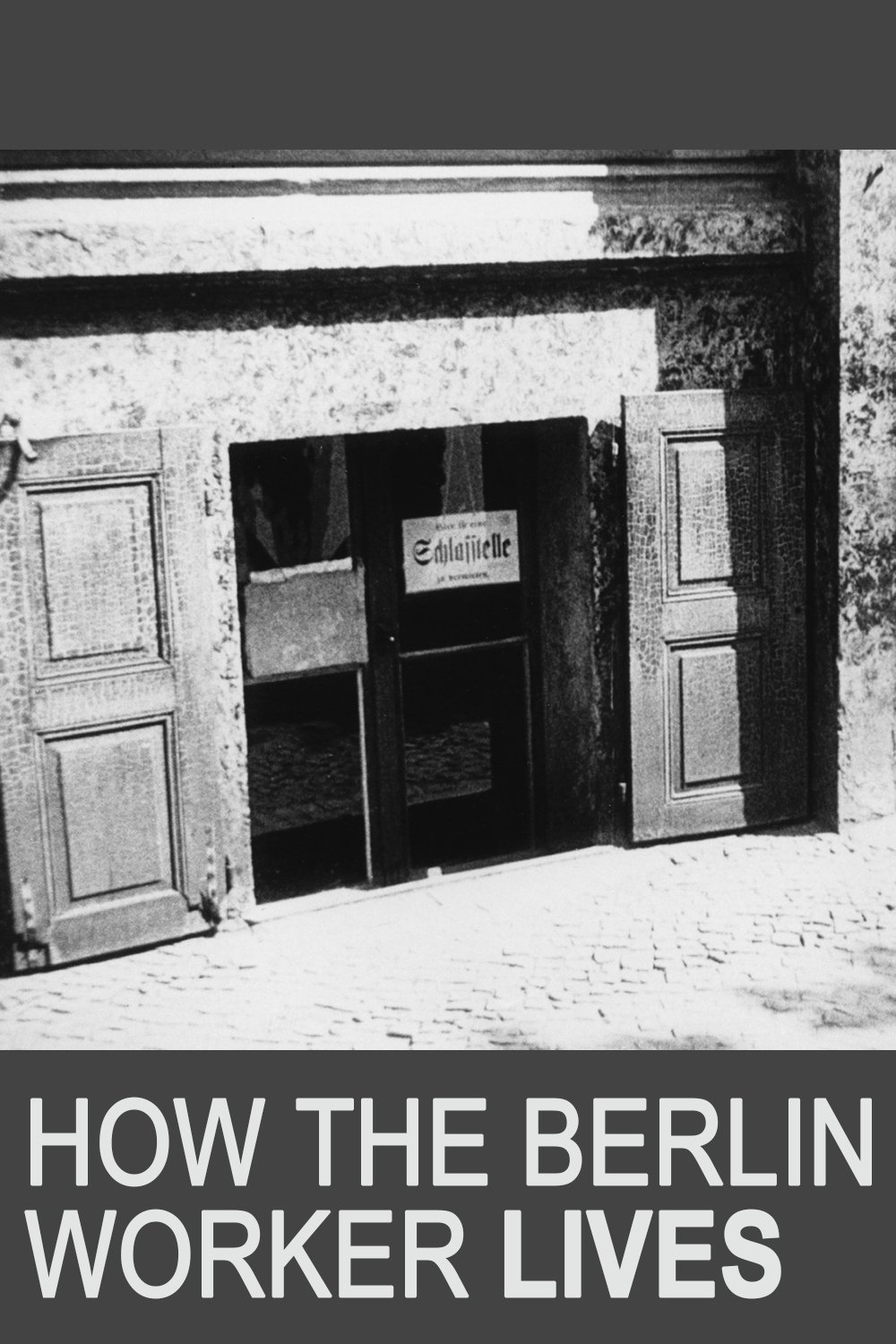
This documentary shows how the Berliner workers lived in 1930. The director Slatan Dudow shows through images: a) the workers leaving the factory; b) the raise of the rents; c) the "unpleasant" guest, meaning the justice officer that brings the eviction notice; d) the fight of classes of the houses of capitalists and working classes; e) the parks of the working class; f) the houses of the working class, origin of the tuberculosis and the victims; g) the playground of the working class; h) the swimming pool for the working class, ironically called the "Baltic Sea" of the working class; i) the effects of humidity of basement where a family lives, with one member deaf; j) one working class family having dinner while the capitalist baths his dog; k) the eviction notice received from an unemployed family and their eviction.
Journey across Morocco, Spain, Mexico, Argentina, Patagonia, Texas and British Columbia, to meet vaqueros, gauchos, baqueanos and cowboys - all part of a single global horse culture, an unbroken trail stretching back 1,500 years.
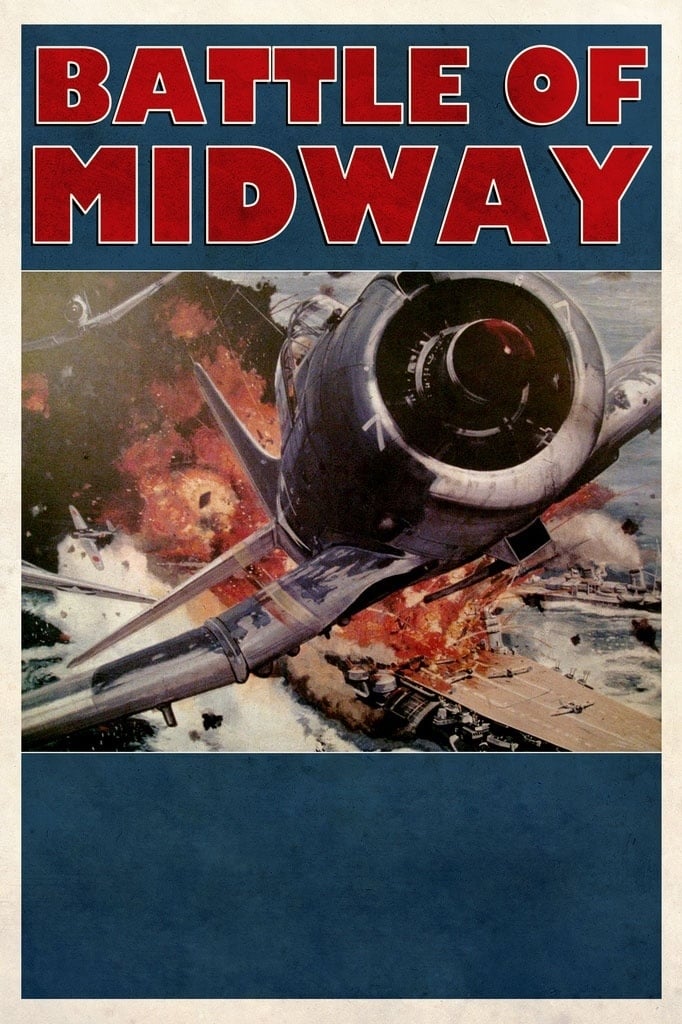
The Japanese attack on Midway in June 1942, filmed as it happened. Preserved by the Academy Film Archive, in partnership with Twentieth Century Fox Film Corporation, in 2006.
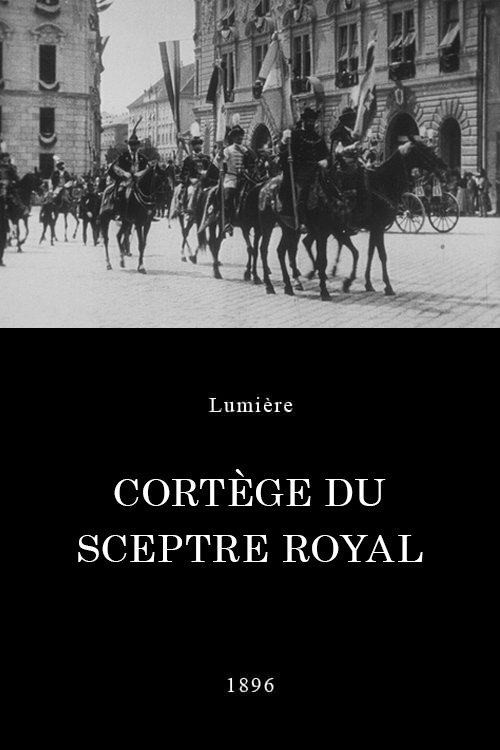
These two views were taken during the celebrations given in 1896 on the occasion of the millennium of the foundation of the kingdom of Hungary. Horsemen and men on foot parade, all dressed in historic uniforms.
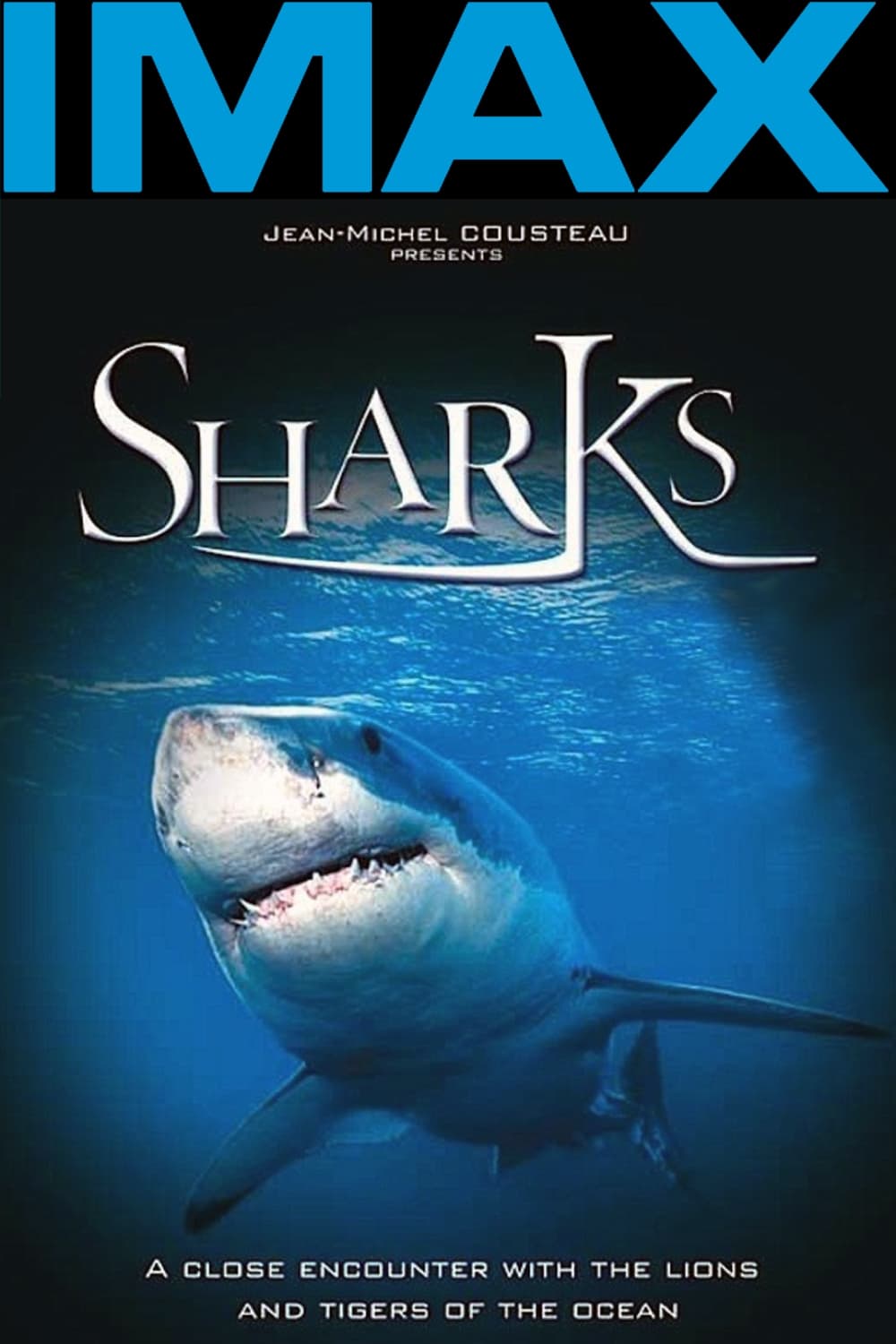
Jean-Michel Cousteau invites you to embark on a breathtaking underwater voyage to discover the ultimate predator: the shark. Experience an astonishing up-close encounter in 3D with the lions and tigers of the ocean.
A documentary about the cultural effect of film censorship, focusing on the tumultuous times of the teens and early 1920s in America.
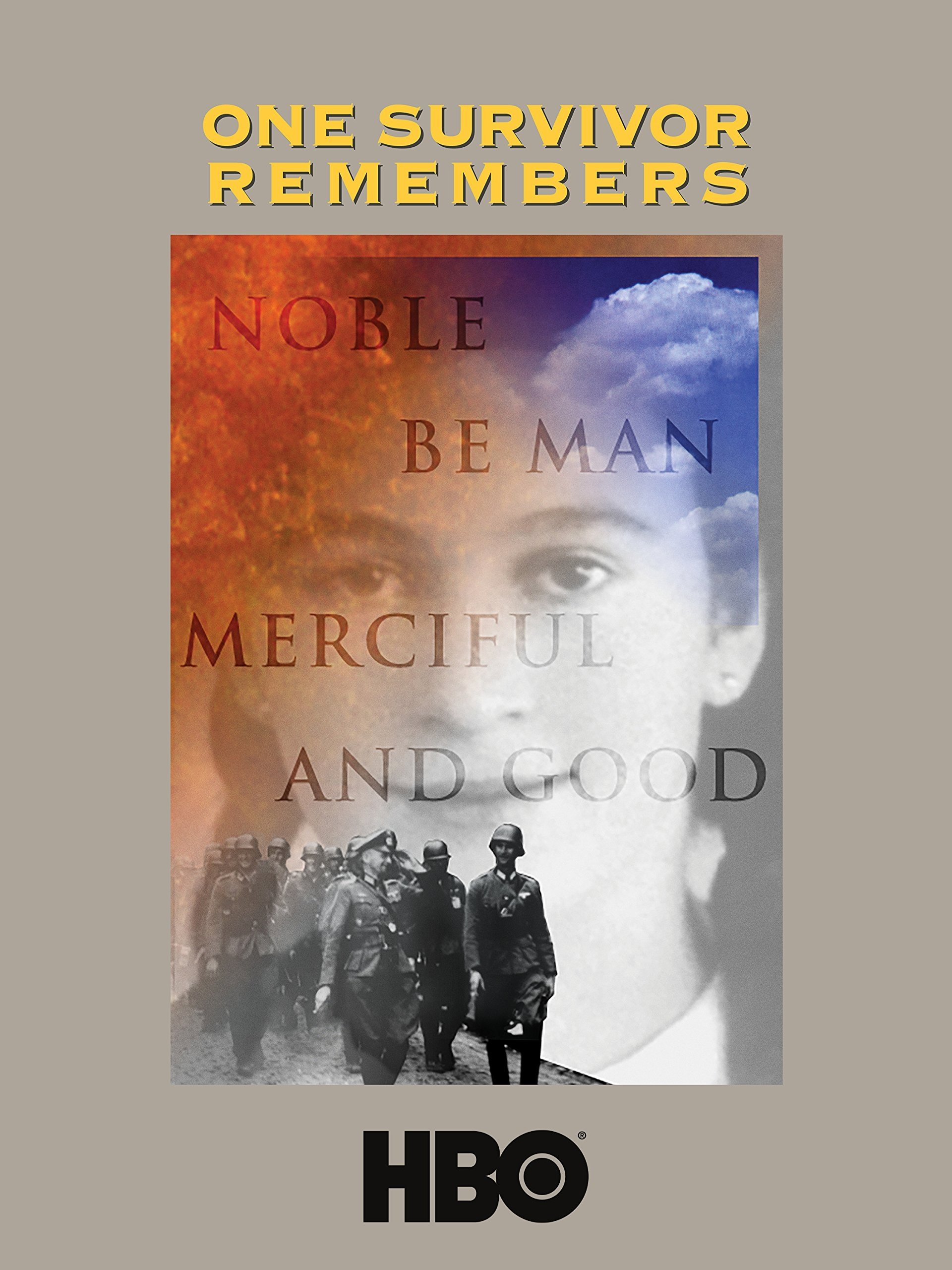
Co-produced by the U.S. Holocaust Memorial Museum Research Institute, this Academy Award-winning documentary relates the harrowing story of Gerda Weissmann Klein and her journey of survival and remembering both before and after the war.
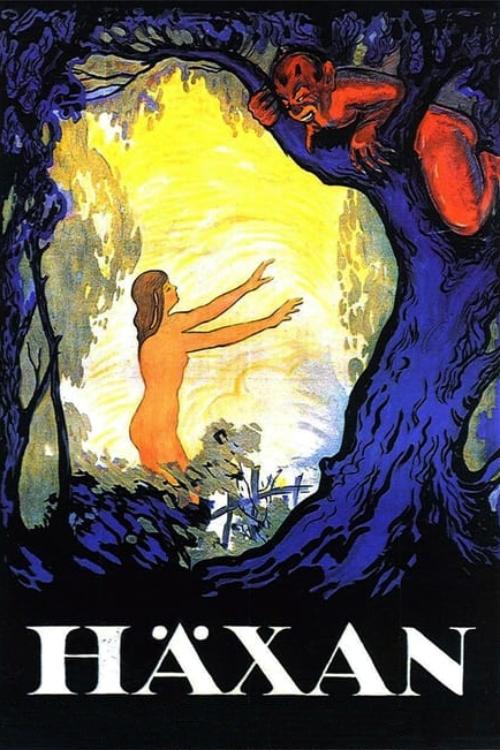
Grave robbing, torture, possessed nuns, and a satanic Sabbath: Benjamin Christensen's legendary film uses a series of dramatic vignettes to explore the scientific hypothesis that the witches of the Middle Ages suffered the same hysteria as turn-of-the-century psychiatric patients. But the film itself is far from serious-- instead it's a witches' brew of the scary, gross, and darkly humorous.
This documentary goes to coral reefs of the Bahamas and the waters of the Kingdom of Tonga for a close encounter with the surviving tribes of the ocean: wild dolphins and belugas, the love of a Humpback mother for her newborn calf, the singing Humpback males, an orca the mighty King of the ocean, and the gentle manatee. Little-known aspects of these creatures capable of sophisticated communication and social interaction. Documents the life of these graceful, majestic yet endangered sea creatures
A Documentary about basic film terms, applied through a short film.
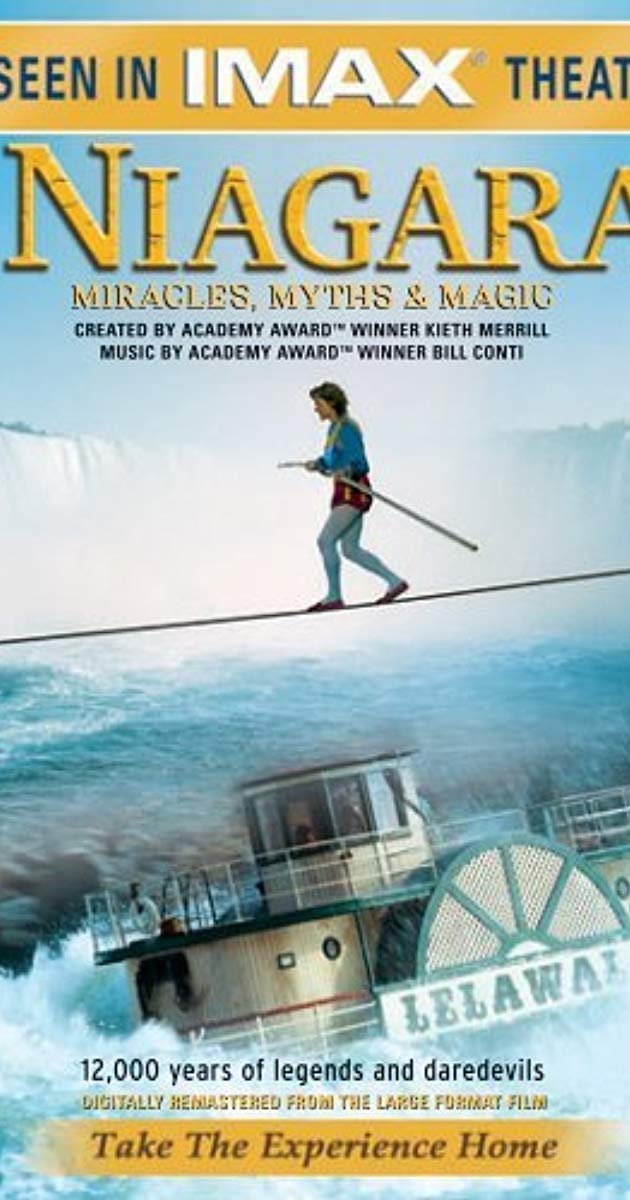
Niagara: Miracles, Myths and Magic is one of the most spectacular large-format (IMAX) adventures of all. From the comfort of your seat, you'll thrill to the larger-than-life vista of raging waters as you take a heart-pounding ride over the Falls and experience other death-defying stunts performed there. Meet the daredevils who challenged the fury of the Falls: The Great Blondin, who completed a death-defying tightrope walk over the river in 1860; and Annie Taylor, a 63 year-old teacher who was the first person to go over in a barrel and live to tell the story. Created by Academy Award winner Kieth Merrill, the film takes you back to before the first Europeans discovered the Falls and gives you a glimpse of their 12,000 year history. No trip to the Falls is complete until you've seen Niagara: Miracles, Myths and Magic.
A portrait of artist, actress, poet and occultist Marjorie Cameron, it shows images of her paintings and recitations of her poems. Preserved by the Academy Film Archive in 2006.
A quotation from Aristophanes, "The desire and pursuit of the whole is called love," precedes views of a man and a woman's bodies, often in extreme close up. Off-screen, a voice recites fragments of oracular literature and purple prose. We see an eye, an ear, a mouth, a tongue, bits of hair, a hand, the tips of fingers, toes. Occasionally, the frame includes a larger scape of a body: a chest, a back, a breast. Usually the camera is stationery; sometimes, it moves across a body, remaining in close up. They hold hands for one moment. The bodies are without clothes; no genitalia are visible.
The dangers of drug use by teenagers are illustrated by showing how well-dressed, happy teens are turned into slovenly, long-haired, drug-addled potheads who don't know that, according to the film's drug expert, “in high dosages, it [marijuana] parallels LSD.”
[…] Though the highs and lows of human experience are all here, it's often the gimcrack set design and fashion chops in these vintage clunkers that really wow – the pot-holder sweater vests, ponytails decorated with yarn, hippies with crumb-catching moustaches, banana-seat bikes and a hard rain of Quaaludes and amphetamines to illustrate the dangers of drug addiction. It is hard to believe anyone would buy the goofball cause-and-effect of that pill-popper's weather pattern in "Drugs Are Like That". Co-produced by the Miami Junior League and narrated by Anita Bryant in this cheery little hand-slapper, a kid stealing cookies from a cookie jar is implied to be headed down a bad road to Bowery bum rolls and LSD parties. (from: http://clatl.com/atlanta/av-geeks-greatest-hits-lessons-learned/Content?oid=1268313)
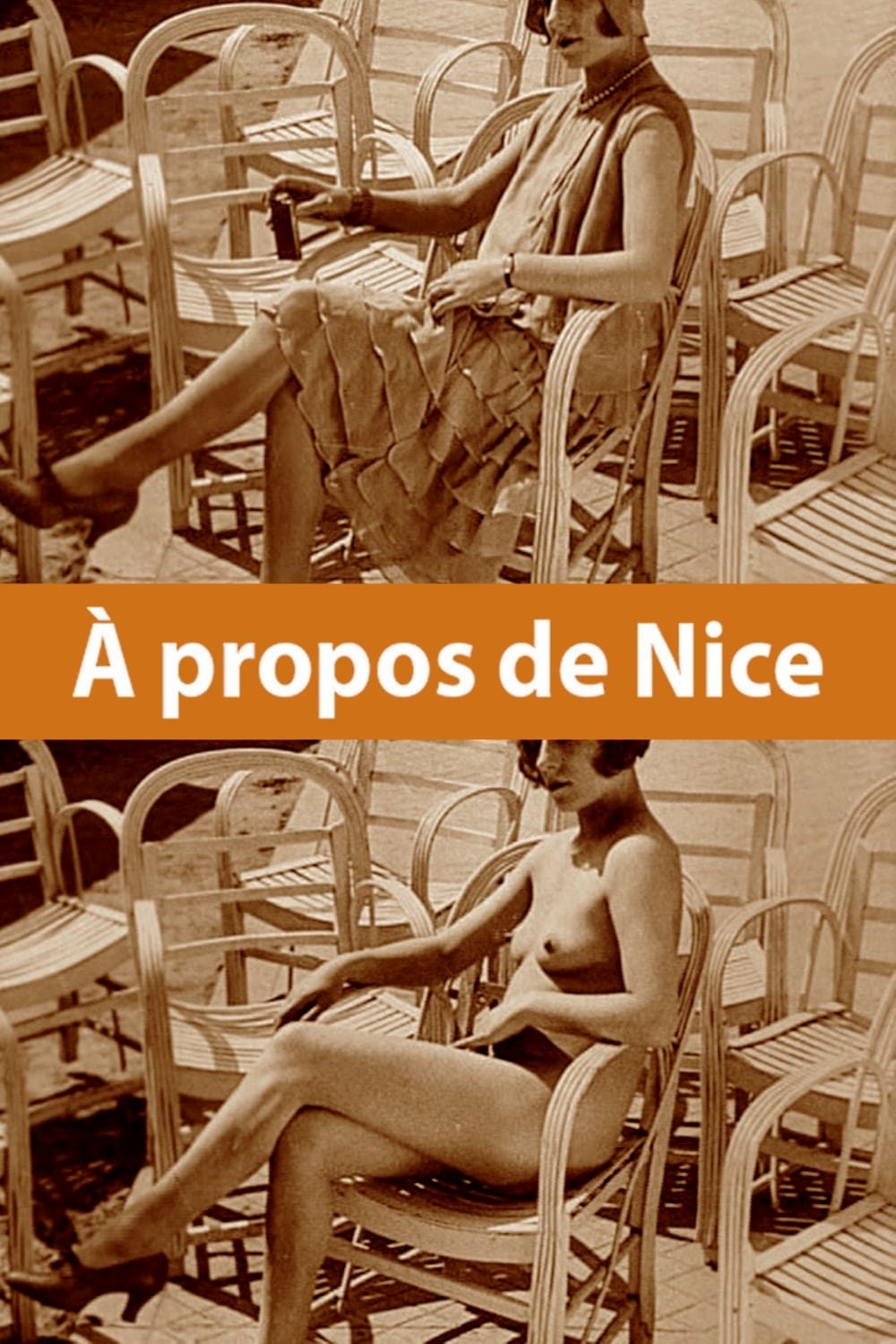
What starts off as a conventional travelogue turns into a satirical portrait of the town of Nice on the French Côte d'Azur, especially its wealthy inhabitants.
Things don’t always work out the way we want them to, or the way we think they will. Sometimes we don’t even see it coming. We get hit with some form of pain out of nowhere leaving us feeling desperate and helpless. That’s the way life is. Still, it makes us wonder how God can let these things happen to us. How God can just stand by and watch us suffer. Where is God when it really hurts? Maybe God is actually closer to us than we think. Maybe it’s when we’re in these situations, where everything seems to be falling apart, that God gets an opportunity to remind us of how much he really loves us. Topics: Pain, Loneliness, Lost, Confusion, Comfort
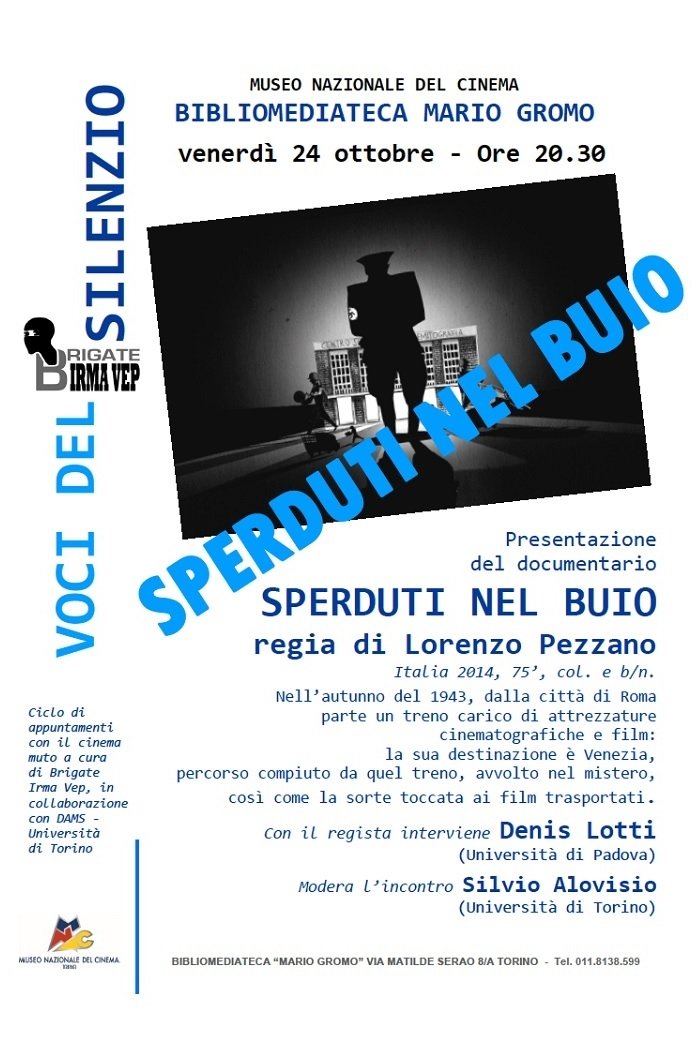
Documentary about the lost 1914 film "Sperduti nel buio". Film historian Denis Lotto journeys across Europe following the trail of the lost movie.
In 1967, a young David Lynch grabbed his new Bolex 16mm camera, to film his friend and mentor Bushnell Keeler and brother Dave Keeler sailing on the Chesapeake Bay in Bush's King's Cruiser. This was David Lynch's very first film, which he prefers to call a "home movie". It depicts a man, a painter, who changed David's life forever pursuing the artist's life, which he continues to this day.
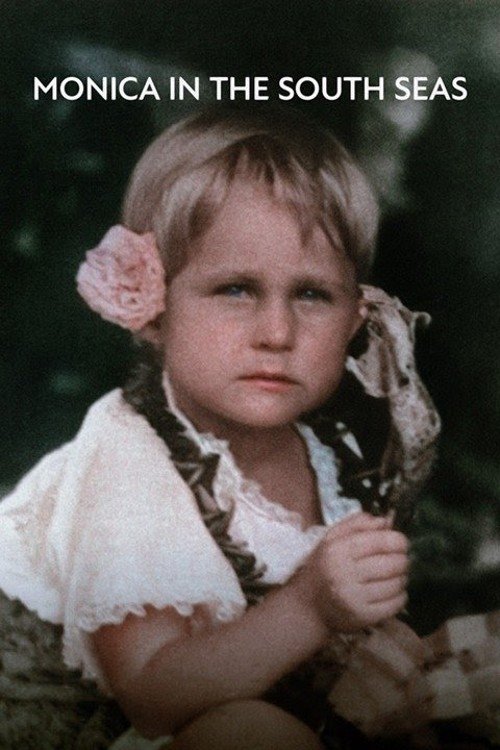
Finnish filmmaker and artist Sami van Ingen is a great-grandson of documentary pioneer Robert Flaherty, and seemingly the sole member of the family with a hands-on interest in continuing the directing legacy. Among the materials he found in the estate of Robert and Frances Flaherty’s daughter Monica were the film reels and video tapes detailing several years of work on realising her lifelong dream project: a sound version of her parents’ 1926 docu-fiction axiom, Moana: A Romance of the Golden Age.
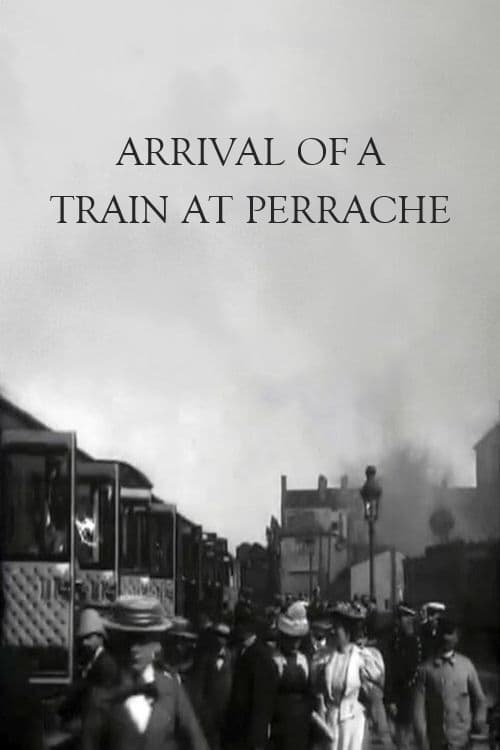
A trains arrives at Perrache station and people disembark.
The film is a panorama shot-scene lasting just under a minute. The panorama film, as coined by Lumière, is a moving-camera shot--usually accomplished by placing the camera on a moving transport, such as a boat or train.
SEDUCED AND ABANDONED combines acting legend Alec Baldwin with director James Toback as they lead us on a troublesome and often hilarious journey of raising financing for their next feature film. Moving from director to financier to star actor, the two players provide us with a unique look behind the curtain at the world's biggest and most glamourous film festival, shining a light on the bitter-sweet relationship filmmakers have with Cannes and the film business. Featuring insights from directors Martin Scorsese, 'Bernando Bertolucci' and Roman Polanski; actors Ryan Gosling and Jessica Chastain and a host of film distribution luminaries.
A purely observational non-fiction film that takes viewers into the ethically murky world of end-of-life decision making in a public hospital.
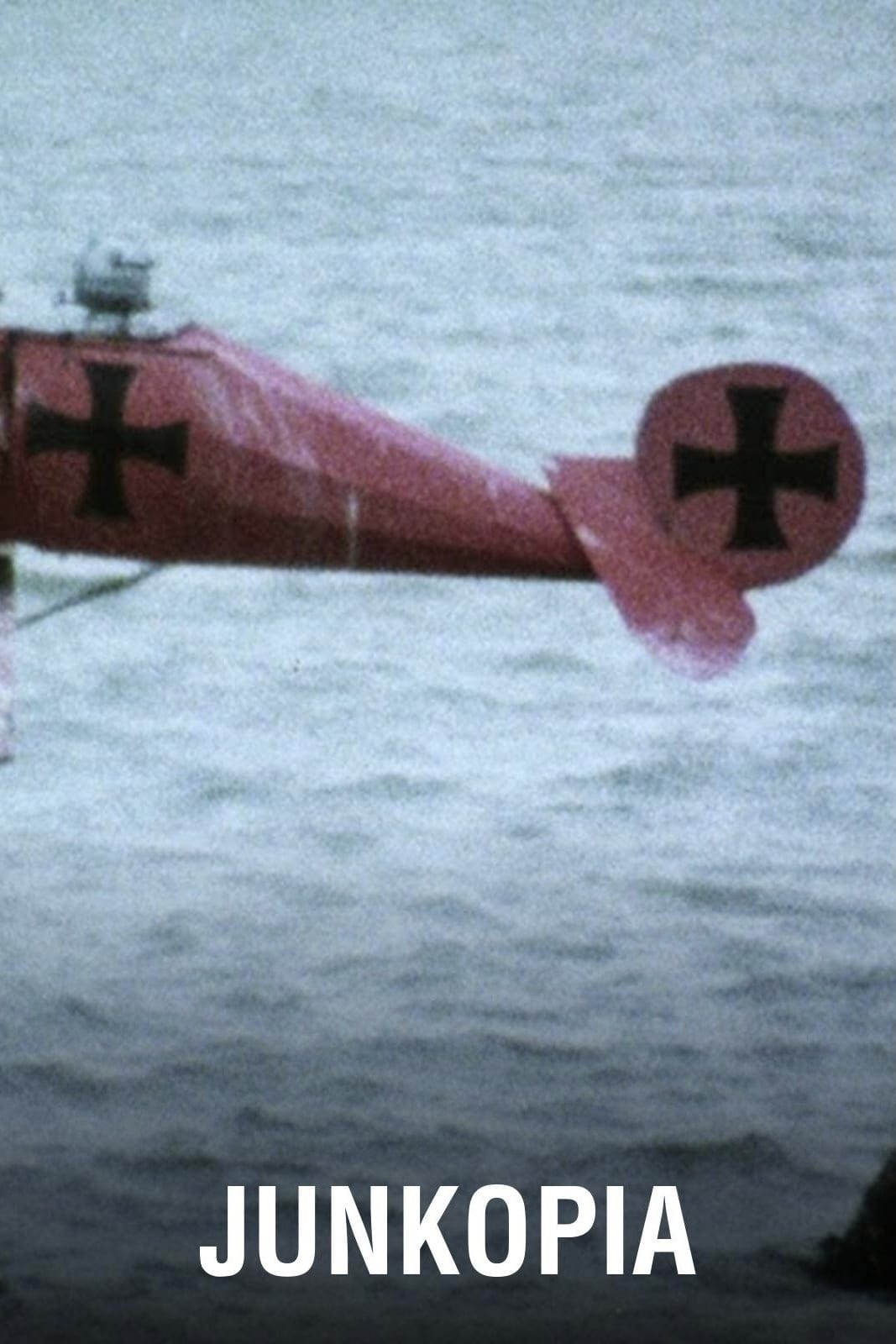
Filmed along the Emeryville Mudflats near San Francisco, Junkopia captures a landscape of sculptural installations made from driftwood and discarded materials. Chris Marker, John Chapman, and Frank Simeone transform these ephemeral artworks—set against highways and the distant city—into a quiet meditation on art, decay, and the modern environment.
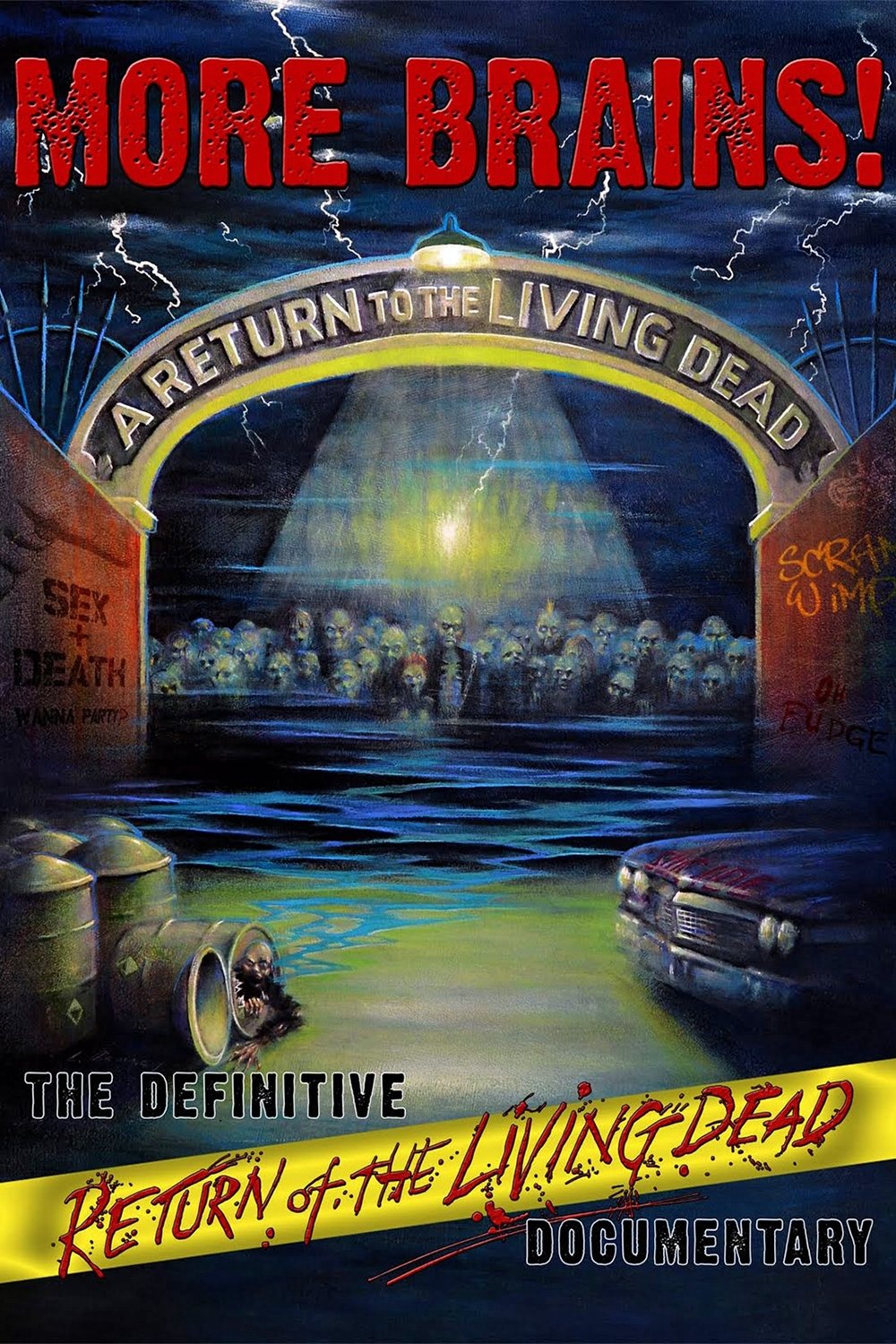
Retrospective documentary about the making of the horror cult classic "The Return of the Living Dead."
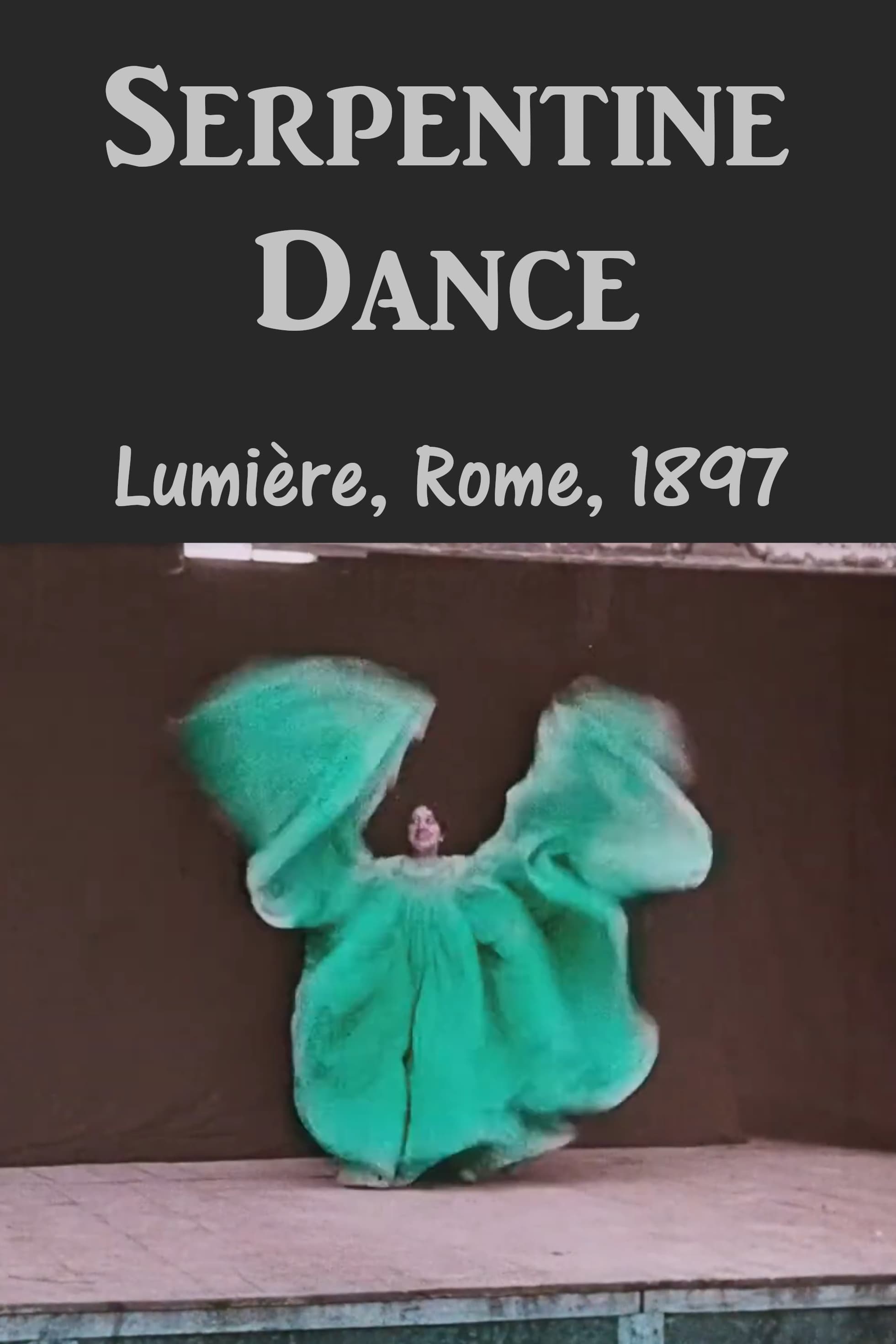
Angelic and demonic serpentine dance from dawn of cinema. Hand-colored frame by frame. Lumière no. 765 or 765.1 (colorized, different dancer?).
A compilation of over 30 years of private home movie footage shot by Lithuanian-American avant-garde director Jonas Mekas, assembled by Mekas "purely by chance", without concern for chronological order.
A documentary that explores the downloading revolution; the kids that created it, the bands and the businesses that were affected by it, and its impact on the world at large.
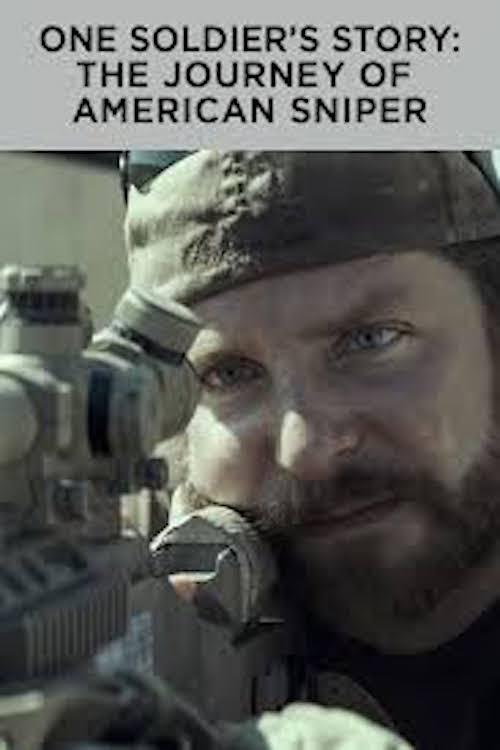
Join director Clint Eastwood and his creative team, along with Bradley Cooper and Sienna Miller, as they overcome enormous creative and logistic obstacles to make a film that brings the truth of Navy SEAL Chris Kyle's story to the screen.
Filmed in 1896 by Alexandre Promio for the Lumière company, this short actuality presents one of the earliest traveling shots in cinema. With the camera mounted on a gondola, the film glides along Venice’s Grand Canal, capturing passing gondolas, bustling waterfront activity, and the city’s iconic architecture from a moving perspective. This simple yet groundbreaking technique introduced audiences to a new way of experiencing motion on screen.
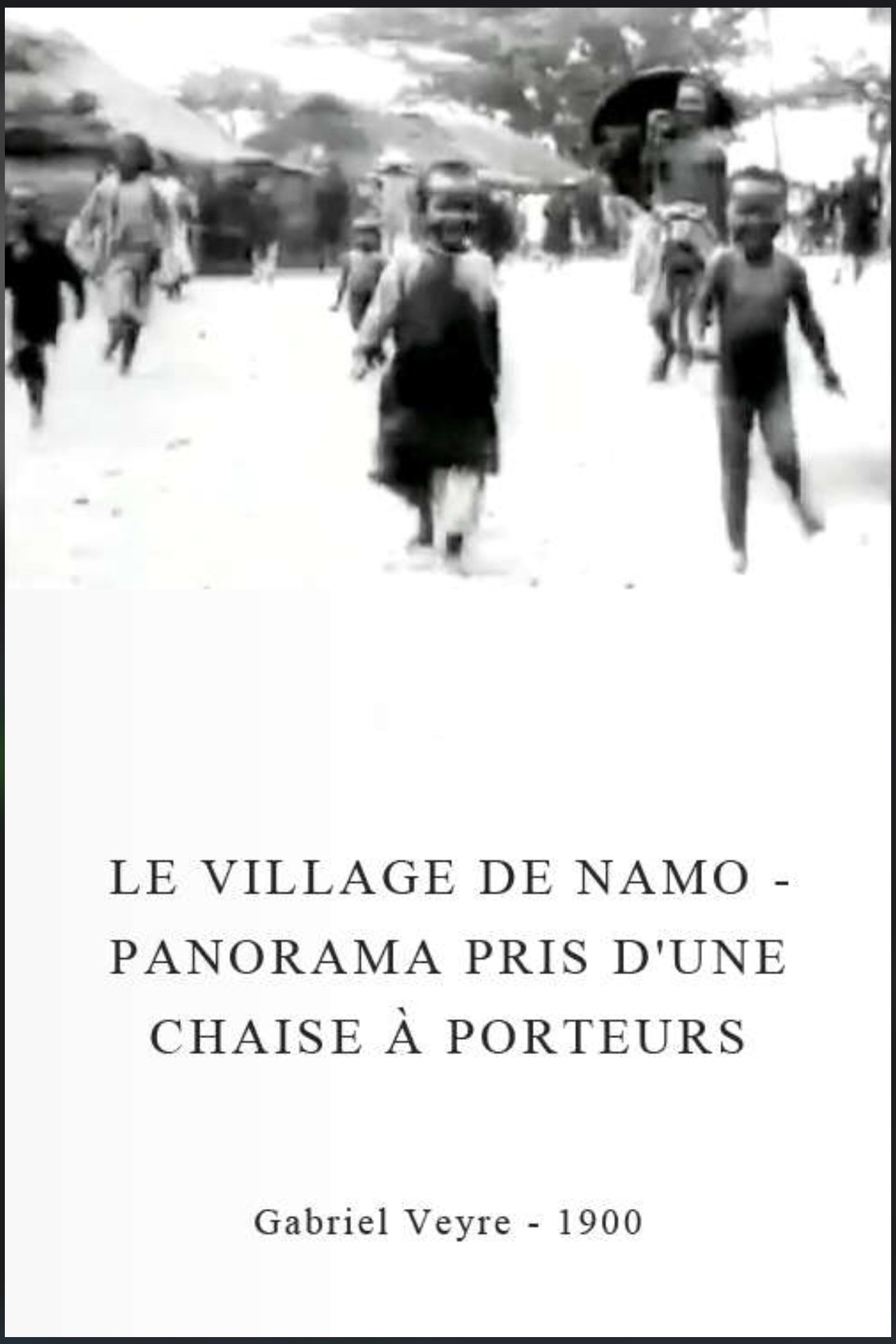
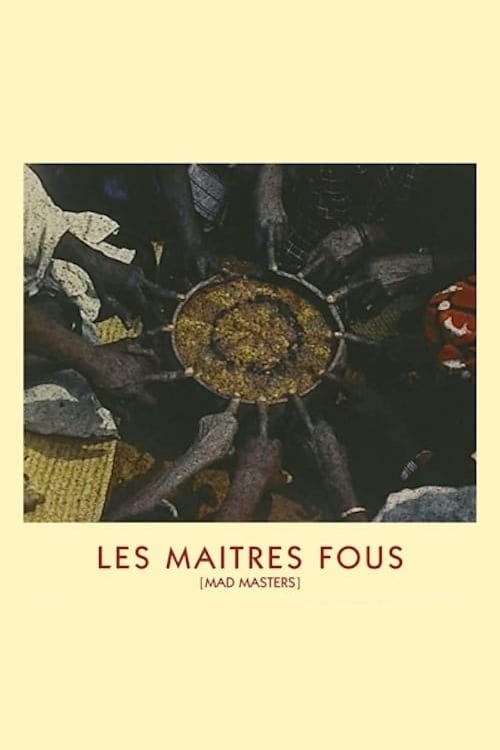
The subject of the film was the Hauka movement. The Hauka movement consisted of mimicry and dancing to become possessed by French Colonial administrators. The participants performed the same elaborate military ceremonies of their colonial occupiers, but in more of a trance than true recreation.
Daniel Craig candidly reflects on his 15 year adventure as James Bond. Including never-before-seen archival footage from Casino Royale to the upcoming 25th film No Time To Die, Craig shares his personal memories in conversation with 007 producers, Michael G Wilson and Barbara Broccoli.
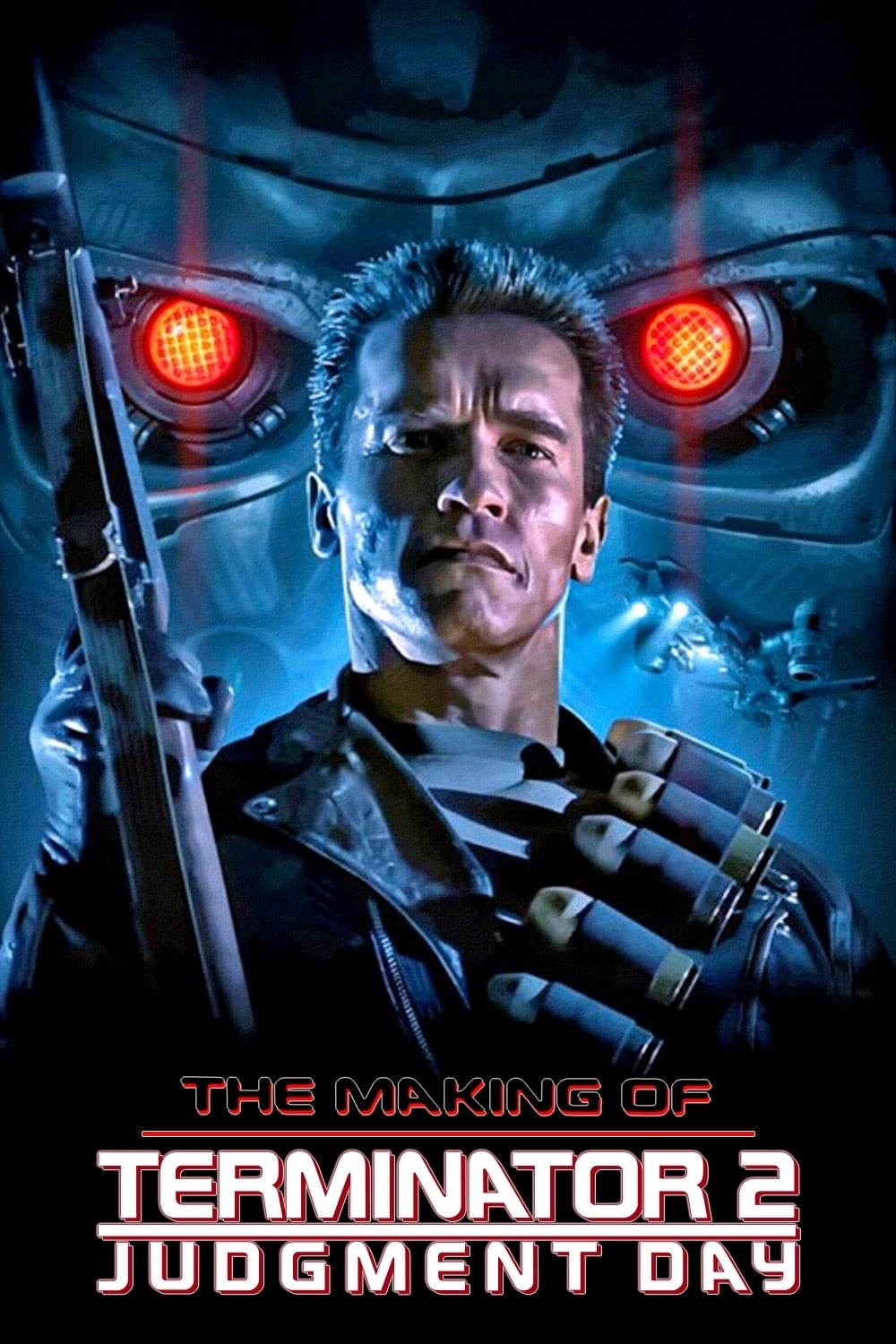
Documentary of the making of the sequel to the popular Schwarzenegger film, The Terminator.
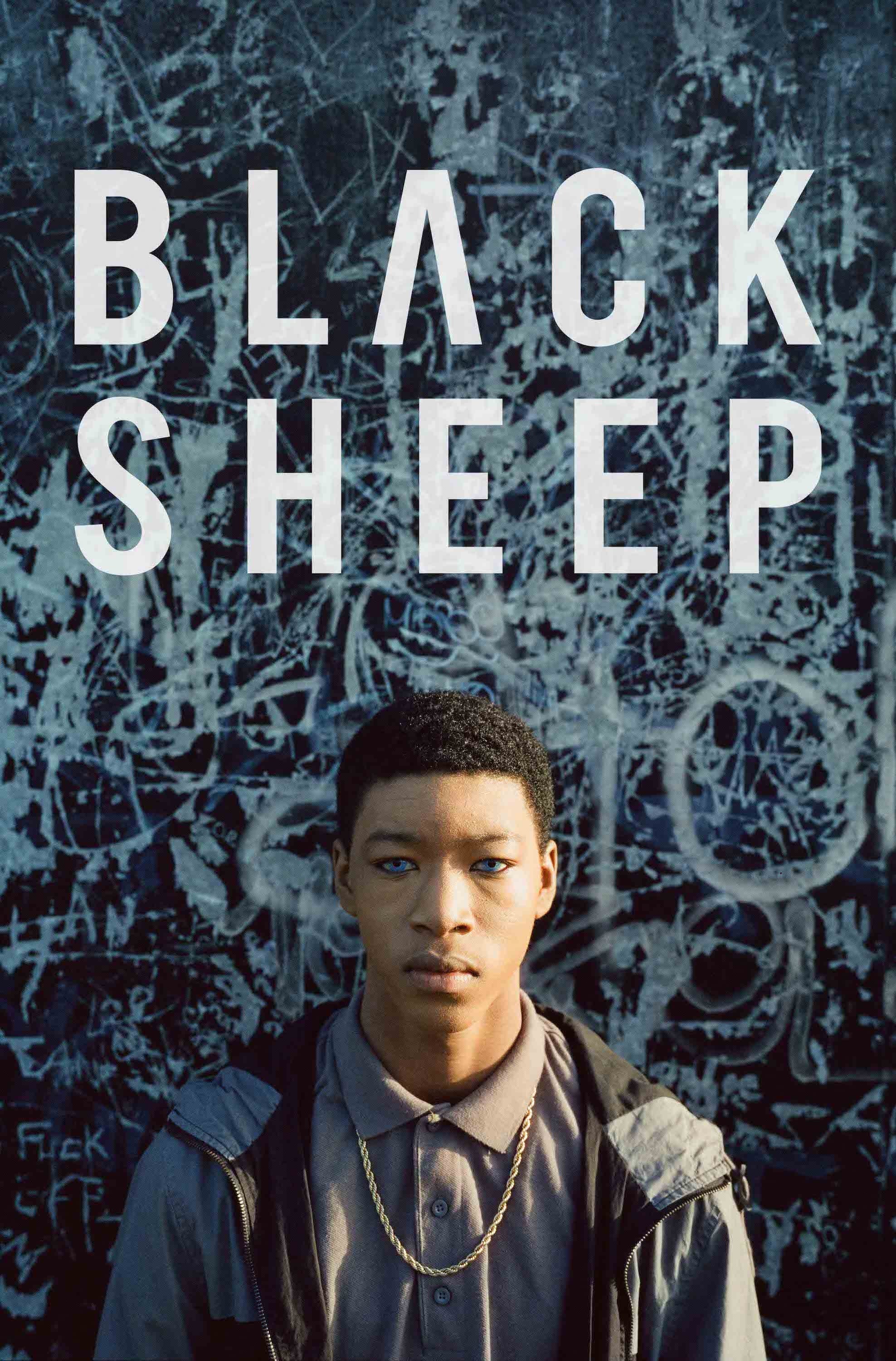
After the high-profile killing of Damilola Taylor, Cornelius' family move out of London. But when they discover their new town is run by racists, Cornelius takes a drastic step to survive.
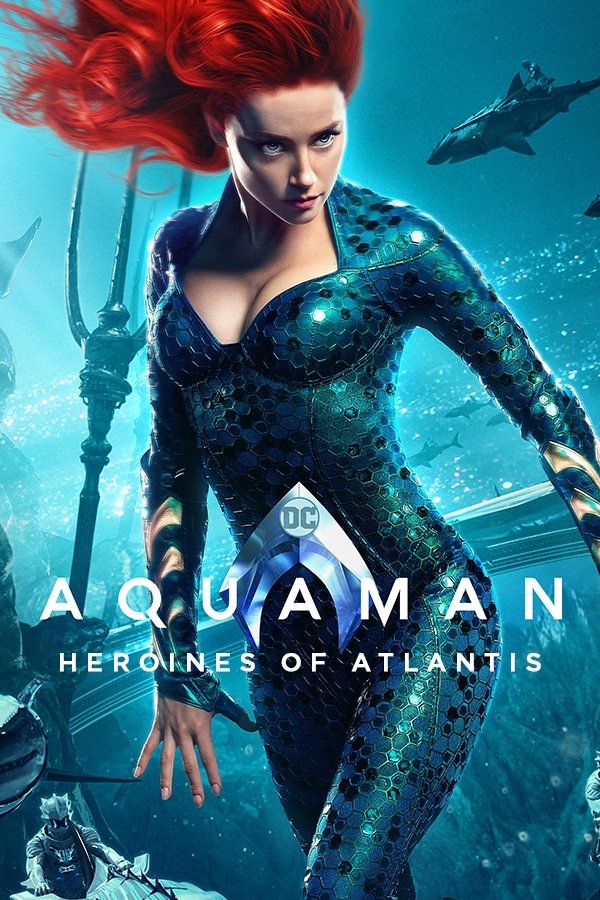
Amber Heard and Nicole Kidman discuss their characters Mera and Atlanna.
Featuring interviews with filmmakers and industry legends, discover the origins and evolution of The Joker, and learn why The Clown Prince of Crime is universally hailed as the greatest comic-book supervillain of all time.
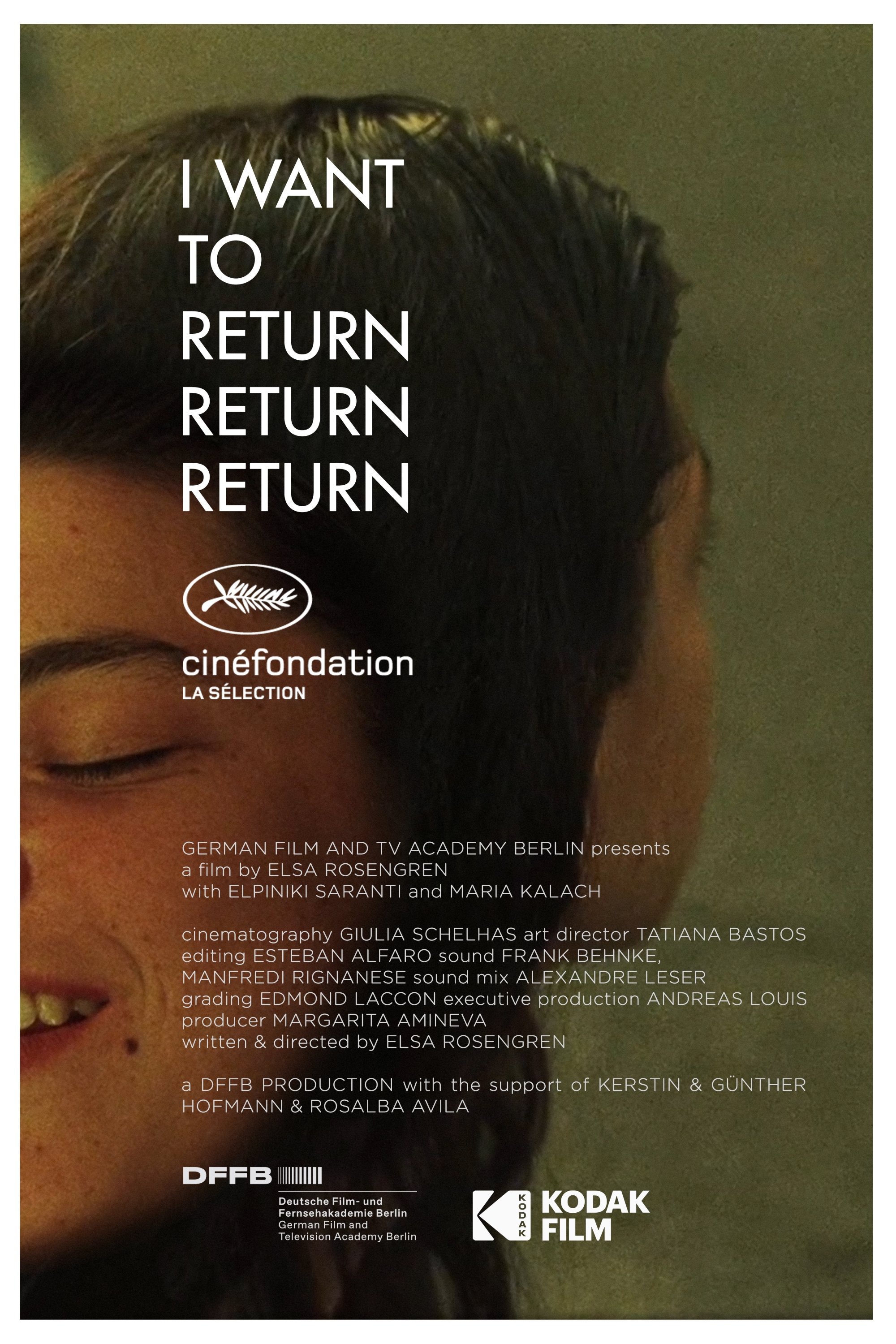
A depiction of the Wrangelkiez neighbourhood in Berlin. The people portrayed tell their life stories. One woman came to the neighbourhood a decade ago to work in Berlin’s still unfinished Brandenburger Airport, one man reminisces his childhood on a Tobacco farm in Kentucky, another speaks of an exceptional day in an otherwise monotonous workplace. These portraits are interwoven with the story of Elpi, a Greek woman who is waiting for the long overdue visit of an old important friend. The outcome of this mixture is a film which captures the lives and perspectives of some of Wrangelkiez’s most commanding citizens, while at the same time evoking the loss that change and time passing means for places and for people.
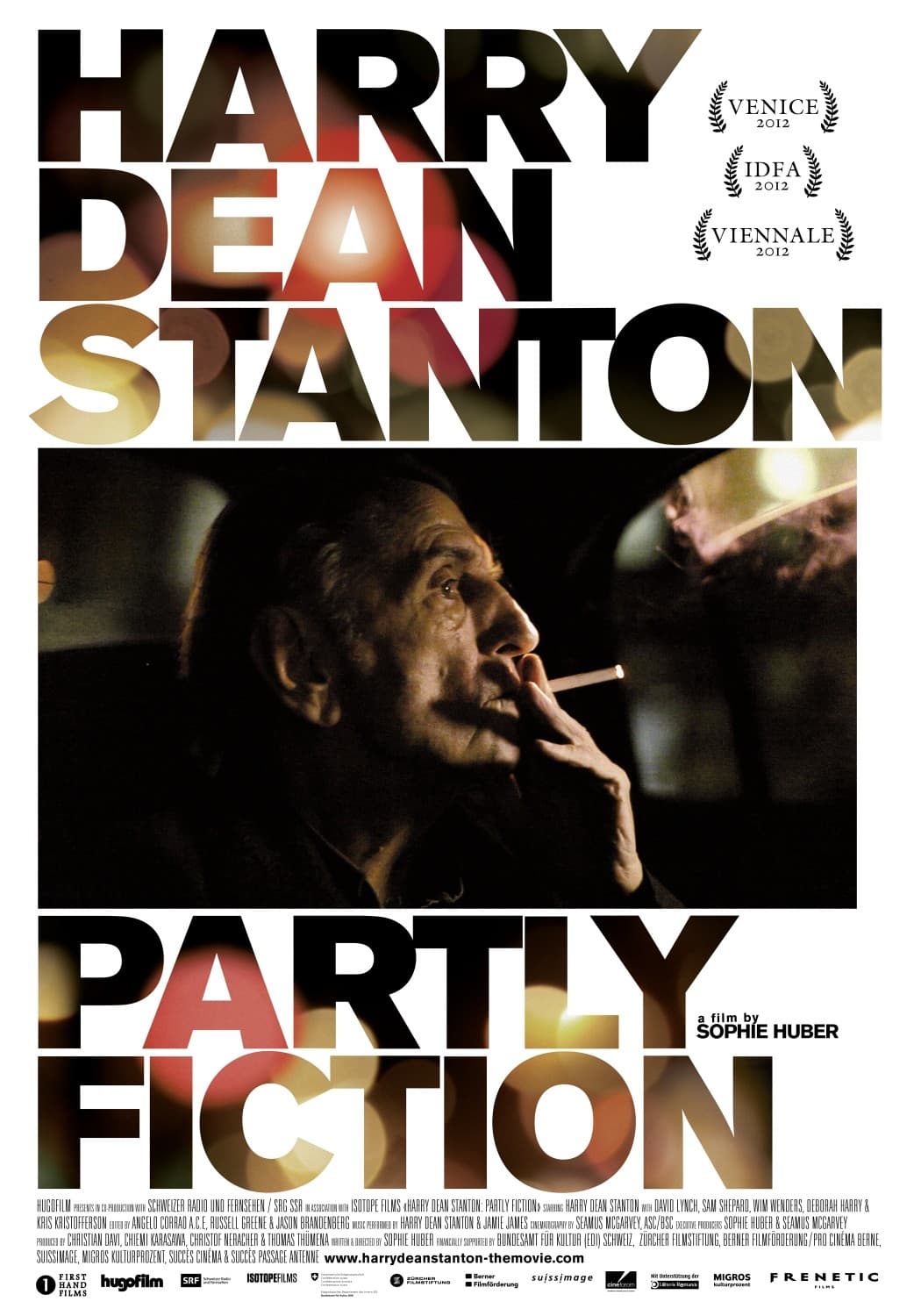
An impressionistic portrait of the iconic actor Harry Dean Stanton comprised of intimate moments, film clips from some of his 250 films and his renditions of American folk songs.
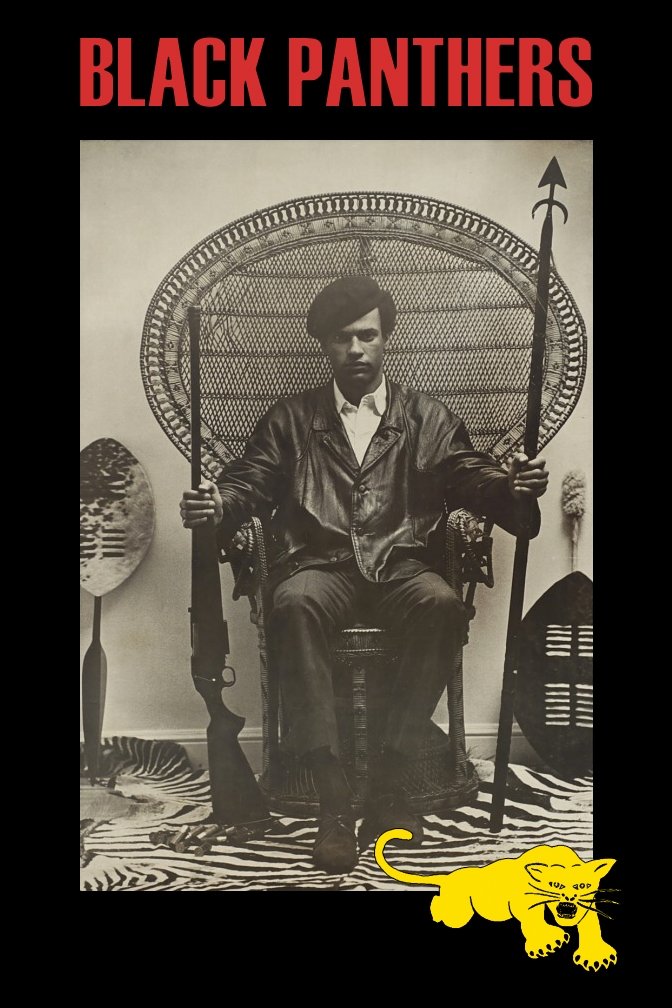
A film shot during the summer of 1968 in Oakland, California around the meetings organised by the Black Panthers Party to free Huey Newton, one of their leaders, and to turn his trial into a political debate. They tried and succeeded in catching America’s attention.