Social & External
Dateline's coverage of the lawsuit by Patty Burgus and family against Bennett Braun, director of the Dissociative Disorder's Unit at Rush Presbyterian St. Lukes in Chicago. Oct 1998. This is the story of the foundational works which constitute the current theory of Dissociative Identity Disorder/ Multiple Personality Disorder. This was the first Dissociative Disorder's Unit in the United States. All subsequent units specializing in Multiple Personality Disorder/ Dissociative Identity Disorders have been modeled after it. After having his license suspended in Illinois, Dr. Braun has resumed practice in Butte, Montana. Despite the malpractice payments paid by insurance on his behalf as well, Dr. Kluft remains in practice and continues to give training lectures on the treatment of MPD/DID to large audiences of mental health practitioners.
One in five Americans is taking a psychiatric drug, including millions of children. Pharmaceutical companies have over-hyped the benefits of these drugs, while hiding the risks and severe side effects including physiological dependence. "Medicating Normal" explores what happens when for- profit medicine intersects with human beings in distress.
‘Voices from the Shadows’ shows the brave and sometimes heartrending stories of five ME patients and their carers, along with input from Dr Nigel Speight, Prof Leonard Jason and Prof Malcolm Hooper. These were filmed and edited between 2009 and 2011, by the brother and mother of an ME patient in the UK. It shows the devastating consequences that occur when patients are disbelieved and the illness is misunderstood. Severe and lasting relapse occurs when patients are given inappropriate psychological or behavioural management: management that ignores the severe amplification of symptoms that can be caused by increased physical or mental activity or exposure to stimuli, and by further infections. A belief in behavioural and psychological causes, particularly when ME becomes very severe and chronic, following mismanagement, is still taught to medical students and healthcare professionals in the UK. As a consequence, situations similar to those shown in the film continue to occur.
An in-depth look at how a diabetes drug reinvented weight loss culture and the way we treat obesity in America.
As millions of women and girls take shots and pills to stop their periods, the meaning of menstruation changes. Current marketing of hormonal birth control (Depo-Provera, Seasonale, Seasonique, Lybrel, Anya) attracts customers by promising freedom from monthly periods. For many consumers, menstrual suppression eliminates painful monthly flow, giving them more control in their lives. For others, menstrual suppression represents a frightening shift in thinking about the human body and another dangerous experiment on woman’s health. Period: The End of Menstruation? interrogates the cultural and medical side effects of suppression before 'the curse' disappears.
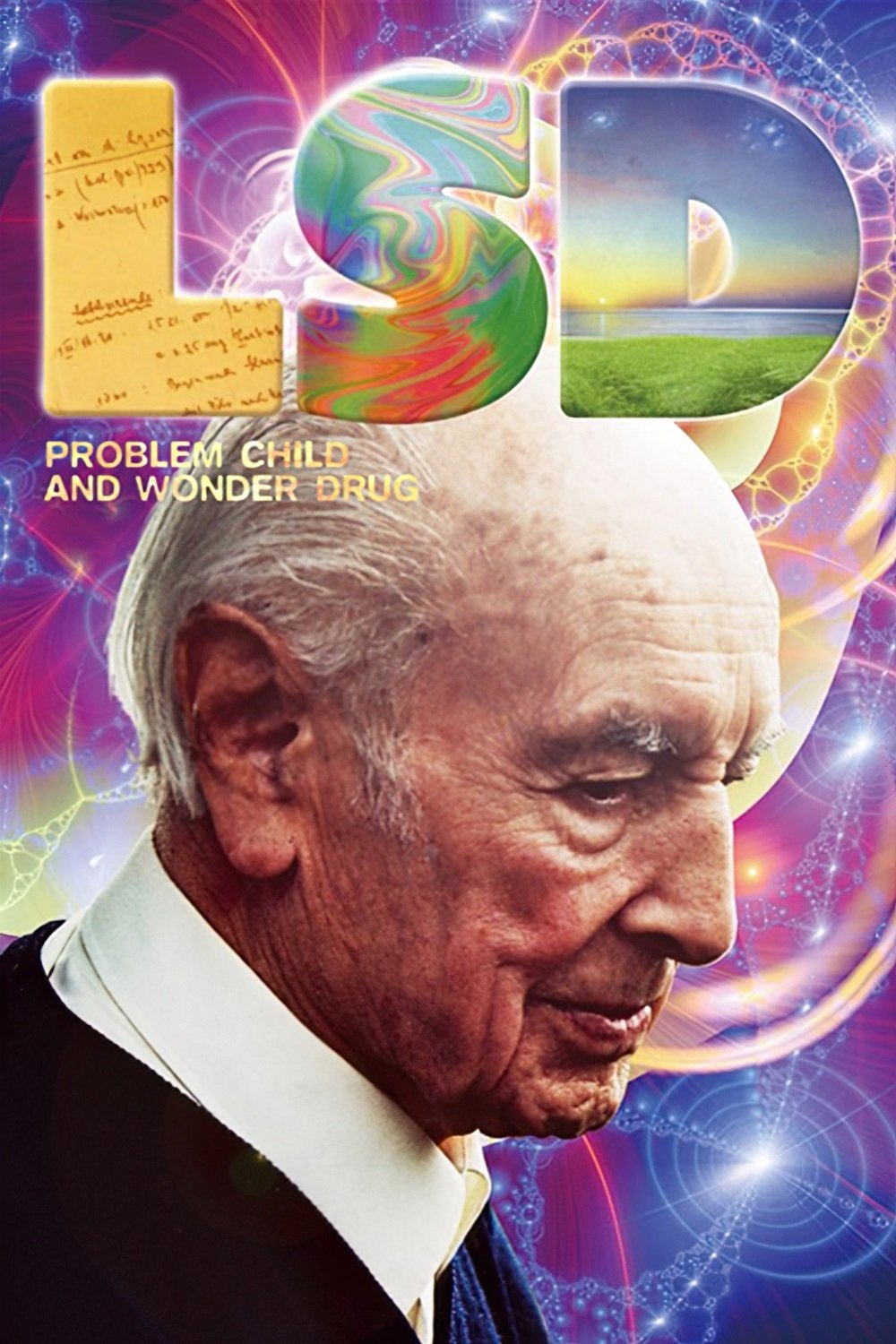
LSD: Problem Child and Wonder Drug captures the fascinating story of LSD as it is eloquently told by Dr. Albert Hofmann, the 100-year-old sage-scientist who brought LSD into the world. With interviews and presentations by Rick Doblin, Alex Grey, Ralph Metzner, Carl Ruck, Goa Gil, and others, this historic message from the father of LSD is a timeless relic and an immediate source of inspiration. The story is told through an account of the 2006 International LSD Symposium in Basel, Switzerland. At the now-legendary conference, eighty speakers and two thousand participants gathered for three days in honor of Dr. Hofmann's 100th birthday and to hear Dr. Hofmann speak about his life, his discovery, and his thoughts on the psychedelic experience. It was also an occasion for leading doctors, researchers, artists and thinkers in the psychedelic field to present their work.
The controversial Enhanced Games challenge the foundations of modern sport by allowing athletes to use performance-enhancing drugs in pursuit of world records and prize money. As investors, athletes, scientists, and anti-doping officials clash over the project's ambitions, questions emerge about human enhancement, medical risks, commercial interests, and the future of elite competition. Between technological progress, ethical boundaries, and billion-dollar business opportunities, the debate raises a fundamental question: if doping becomes the norm, what remains of sport?
It is late 2004, and 34-year-old Englishman Alistair Appleton is about to fly from London to the Brazilian coast, where he will drink ayahuasca for the first time. With wit, insight, and sensitivity, Alistair shares this experience with us, and chats with some fellow participants before and after the ayahuasca ceremonies. For the past few years, Alistair had been working as a television presenter. In 2000, he started making trips to the Centre for World Peace and Health in Scotland to learn how to meditate. When clinical psychologist Silvia Polivoy opened an ayahuasca healing center in Bahia in 2004, Alistair faced his fears and seized the opportunity to attend.
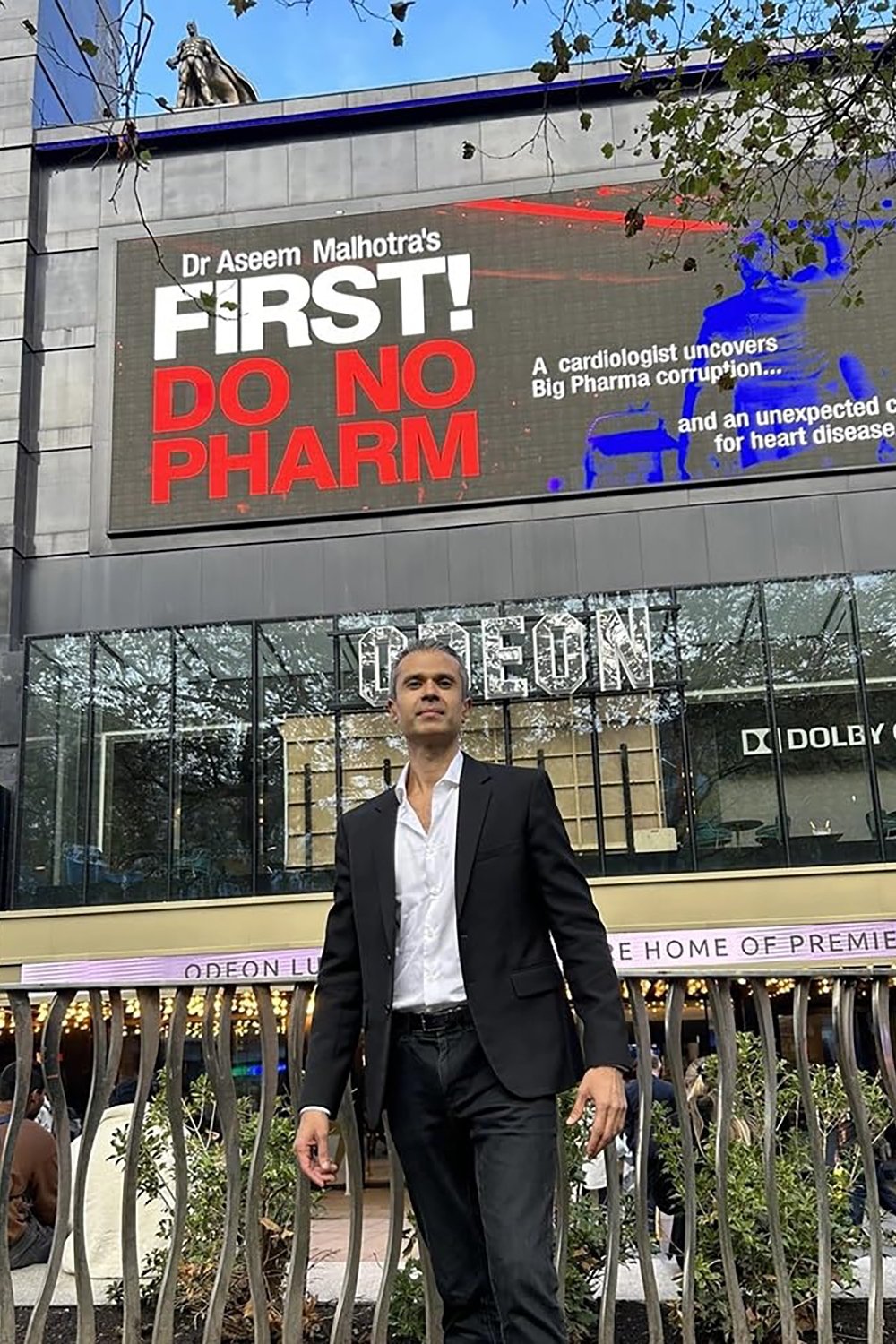
We have had too much medicine for too many years. The time to act is now. How one doctor's fight against corporate greed led to an ancient, life-changing solution for heart disease.
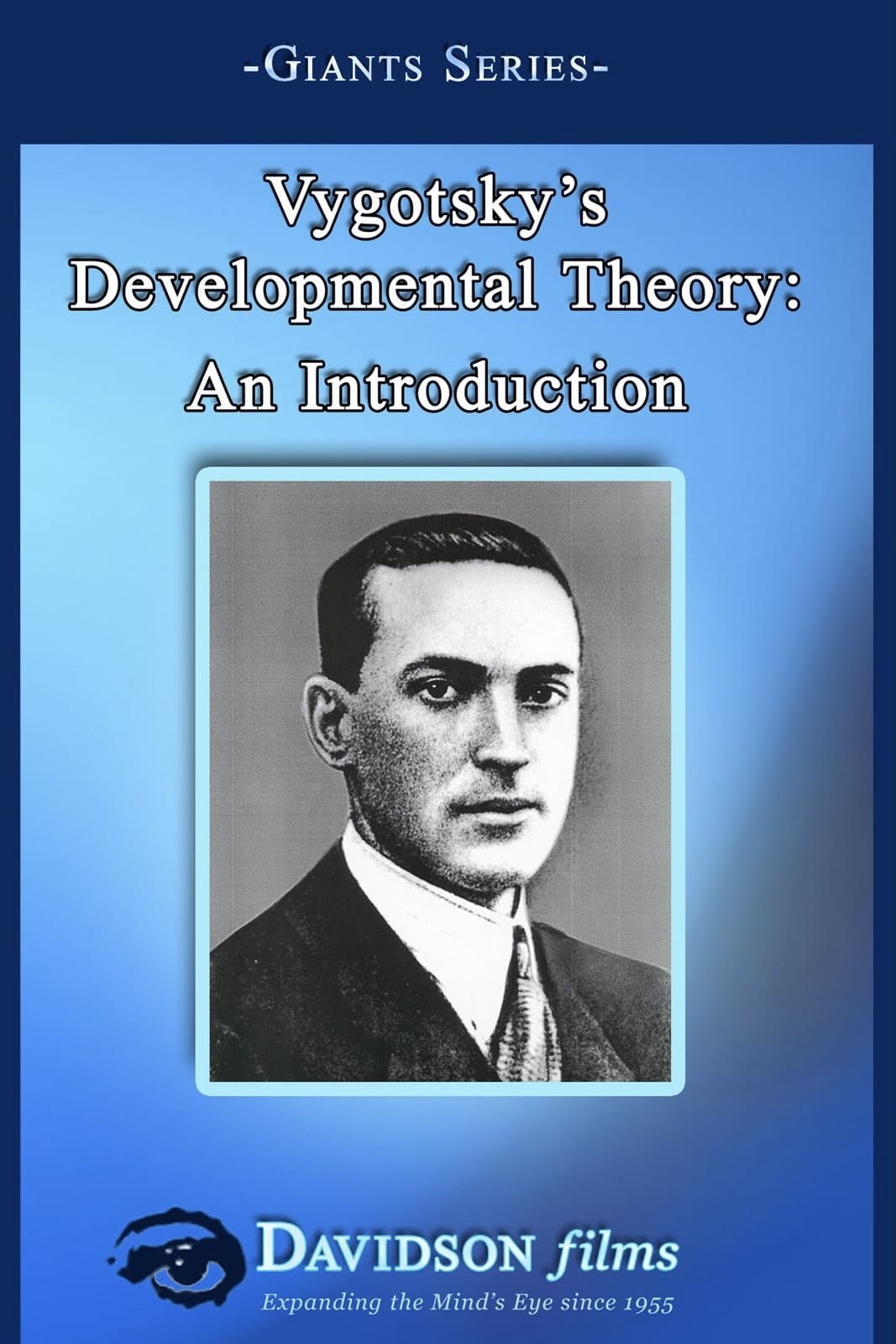
The work of Lev Vygotsky is increasingly cited as we reconsider the theory and practice of constructivist education. This program introduces the life, vocabulary and concepts of Lev Vygotsky. The video illustrates four basic concepts integral to his work: Children construct knowledge, learning can lead development, development cannot be separated from its social context, and language plays a central role in cognitive development. Elena Bodrova brings an easy familiarity to these concepts. Deborah Leong’s commentary and the lively classroom examples enable students, teachers in training, and classroom teachers to incorporate these concepts into their understanding of child development.
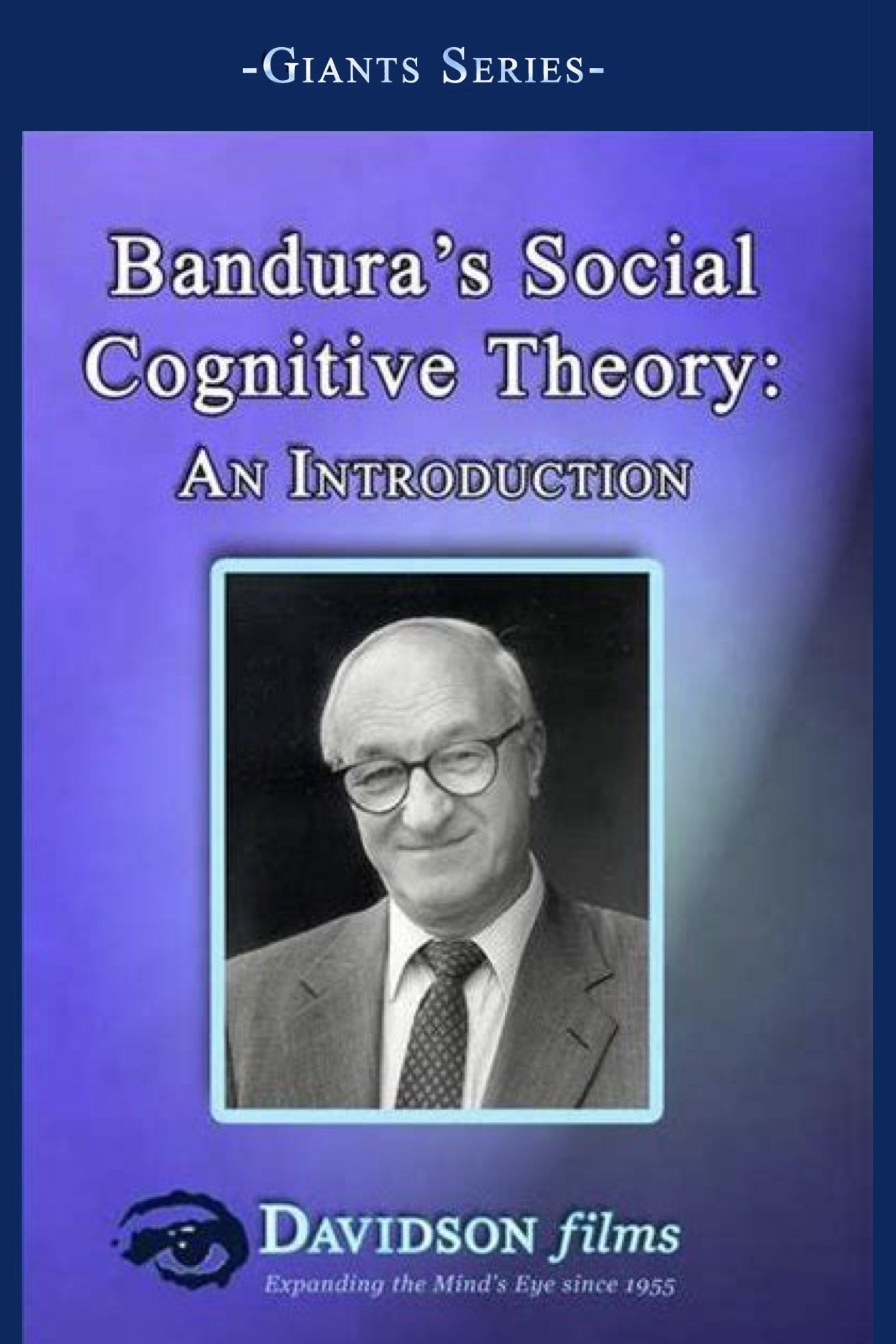
Treading new ground in the field of social psychology, Albert Bandura’s work has become basic to an understanding of how social forces influence individuals, small groups and large groups. From his early BoBo doll experiments through his work with phobias, to his recent work on self-efficacy, Bandura has given us a sense of how people actively shape their own lives and those of others. Utilizing archival materials and newly shot visuals, students will be introduced to the vocabulary and innovative methods of this influential thinker. Dr. Bandura’s narration imbues this video with his compelling presentation style and intellectual authority.
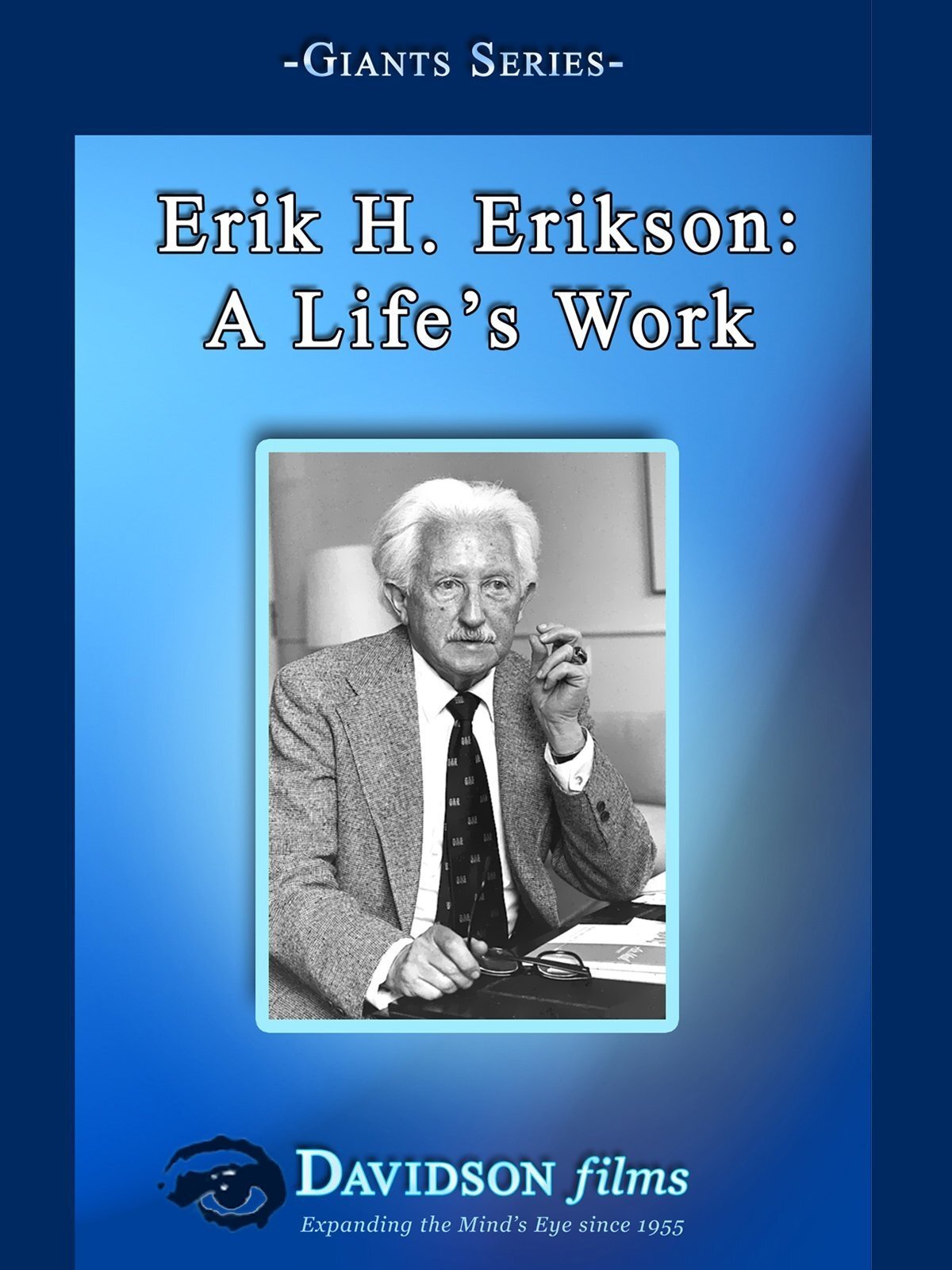
Narrated by Erikson's colleague, Margaret Brenman-Gibson, Ph.D. and Ruthie Mickles, Ph.D. Using archival materials and newly shot footage, this film introduces students to the rich wisdom of Erik H. Erikson. Best known for his identification of the eight stages of the life cycle, Erikson spent a lifetime observing and studying the way in which the interplay of genetics, cultural influences and unique experiences produces individual human lives. This film combines biographical information about Erikson with his theoretical proposals to give students an understanding of the relationship between the life experience of a theorist and the work that is produced.
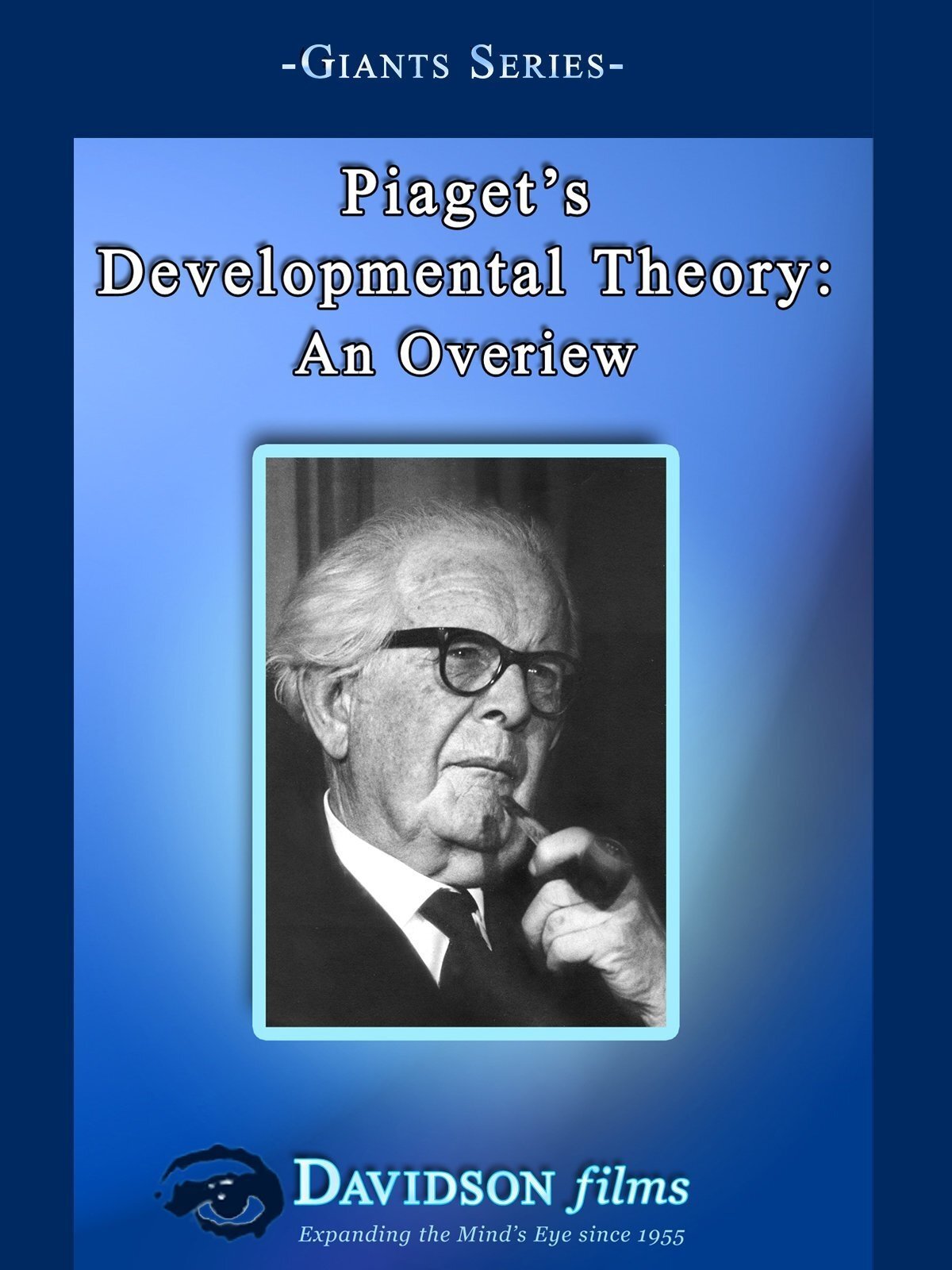
The work of Jean Piaget has become the foundation of current developmental psychology and the basis for changes in educational practice. David Elkind, author of The Hurried Child and Miseducation, and a student of Jean Piaget, explores the roots of Piaget’s work and outlines important vocabulary and concepts that structure much of the study of child development. Using both archival film of Dr. Piaget and newly shot sequences of Dr. Elkind conducting interviews with children of varying ages, this film presents an overview of Piaget’s developmental theory, its scope and content.
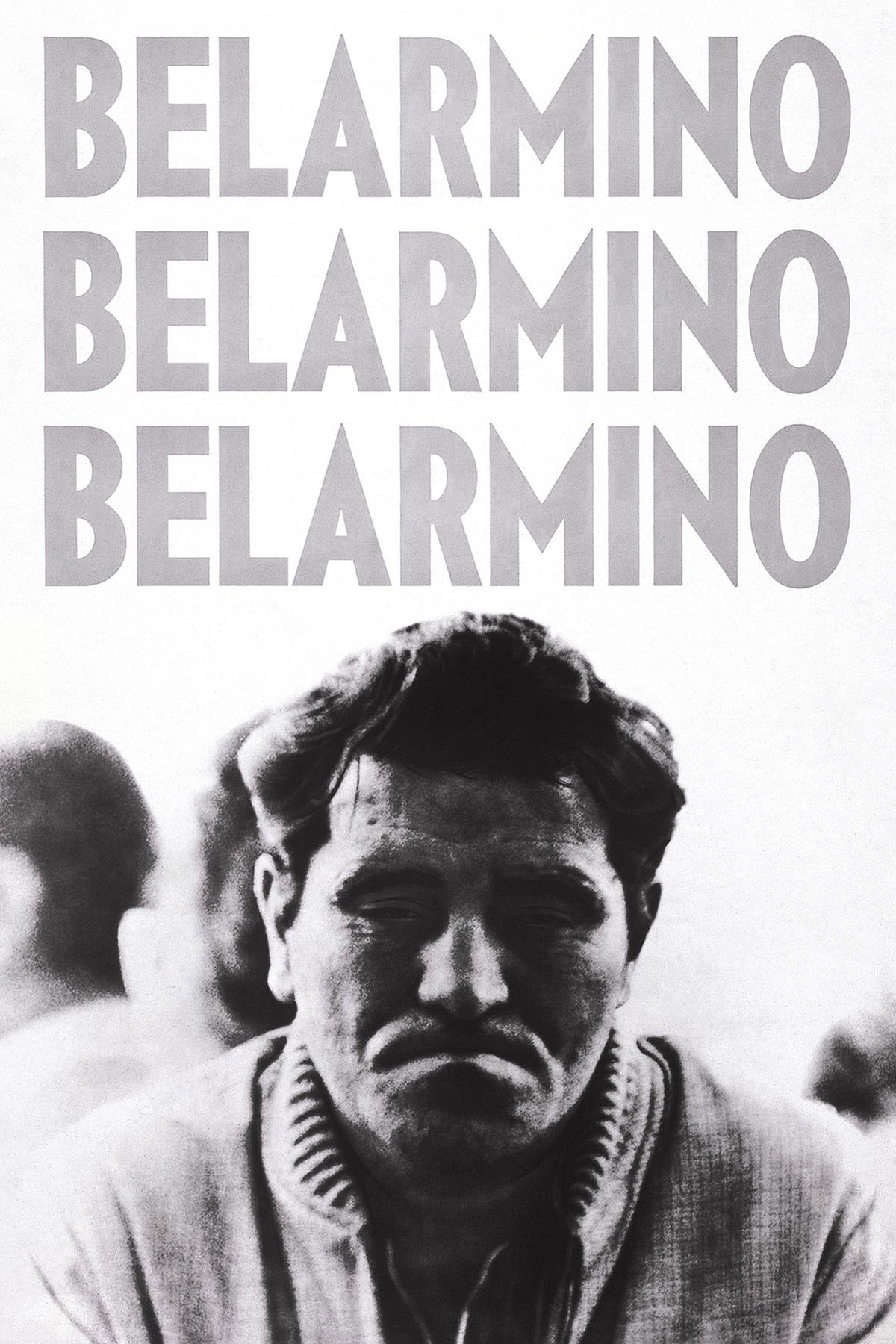
A portrait of Belarmino Fragoso, a veteran boxer in Lisbon nearing the end of his career. In a blend of reportage and re-enactment, the many vices of the once national featherweight champion are revealed against a background of the grim economics of boxing in 1960s Portugal.
Prescription for Disaster is an in-depth investigation into the symbiotic relationships between the pharmaceutical industry, the FDA, lobbyists, lawmakers, medical schools, and researchers, and the impact this has on consumers and their health care. During this thorough investigation, we take a close look at patented drugs, why they are so readily prescribed by doctors, the role insurance companies and HMO's play in promoting compliance, and the problem of rising health care costs. We will examine the marketing and public relations efforts on behalf of the pharmaceutical companies, including sales reps, medical journals and conferences.
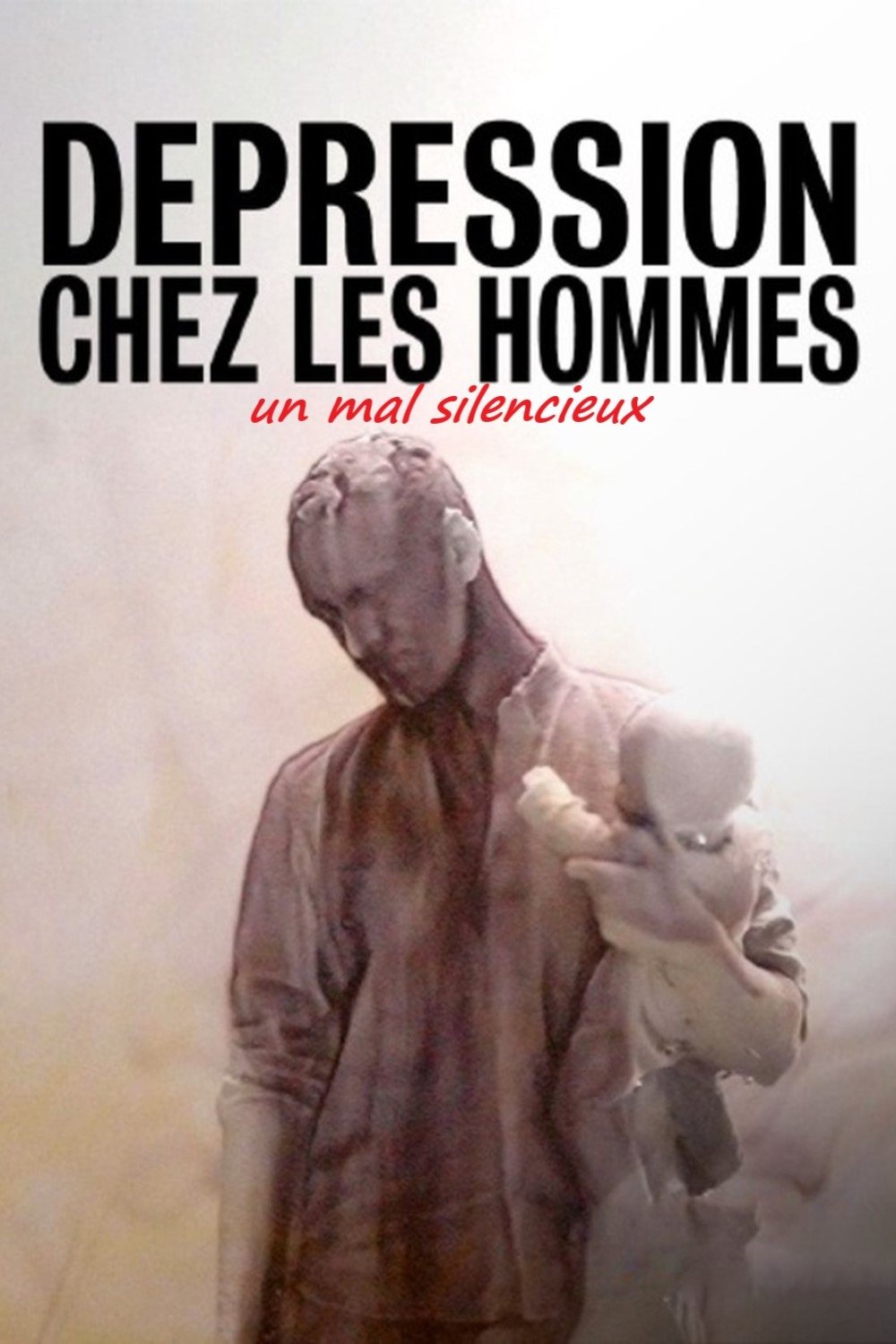
Why are men two or even three times less likely than women to be diagnosed with depression? Why are the figures reversed between the sexes in suicide statistics—some 47,000 people in Europe each year, more than three-quarters of whom are men? In men, the signs may differ from those generally identified with depression: anger rather than sadness, hyperactivity (at work or in sports) rather than asthenia, antisocial or addictive behavior, greater difficulty in asking for help due to modesty or shame, etc. But whatever form it takes, mental suffering is still often overlooked by those affected, misdiagnosed by many practitioners, and therefore generally underestimated.
Shot over the course of 18 months in New York City's Lower East Side, METHADONIA sheds light on the inherent flaws of legal methadone treatments for heroin addiction by profiling eight addicts, in various stages of recovery and relapse, who attend the New York Center for Addiction Treatment Services (NYCATS).
Filmed inside Pharmacy No. 3 in Shanghai, Joris Ivens and Marceline Loridan-Ivens document the daily work of a state pharmacy that functions as both a dispensary and a neighborhood medical center. The film focuses on routine interactions between staff and patients, revealing an integrated model of urban healthcare in 1970s China.
This compelling film represents a rare record of an original genius. In Jung on Film, the pioneering psychologist tells us about his collaboration with Sigmund Freud, about the insights he gained from listening to his patients' dreams, and about the fascinating turns his own life has taken. Dr. Richard I. Evans, a Presidential Medal of Freedom nominee, interviews Jung, giving us a unique understanding of Jung's many complex theories, while depicting Jung as a sensitive and highly personable human being.
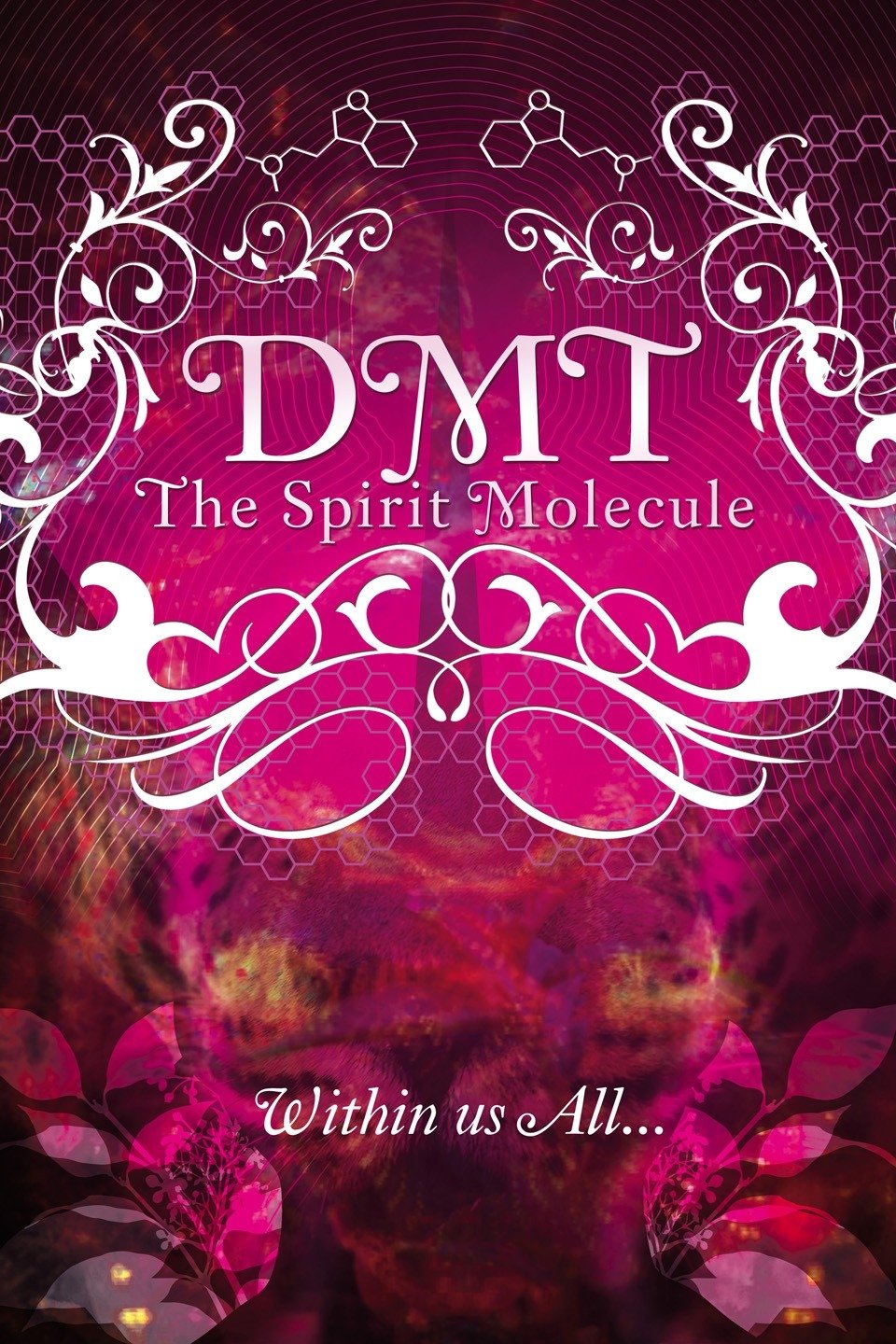
THE SPIRIT MOLECULE weaves an account of Dr. Rick Strassman's groundbreaking DMT research through a multifaceted approach to this intriguing hallucinogen found in the human brain and hundreds of plants, including the sacred Amazonian brew, ayahuasca. Utilizing interviews with a variety of experts to explain their thoughts and experiences with DMT, and ayahuasca, within their respective fields, and discussions with Strassman’s research volunteers, brings to life the awesome effects of this compound, and introduces us to far-reaching theories regarding its role in human consciousness.
JB Smoove and Martin Starr host a celebration of 20 years of "Spider-Man" movies, from the Sam Raimi trilogy to Marc Webb's movies and the trio from Jon Watts.
Happy is a 2011 feature documentary film directed, written, and co-produced by Roko Belic. It explores human happiness through interviews with people from all walks of life in 14 different countries, weaving in the newest findings of positive psychology. Director Roko Belic was originally inspired to create the film after producer/director Tom Shadyac (Liar, Liar, Patch Adams, Bruce Almighty) showed him an article in the New York Times entitled "A New Measure of Well Being From a Happy Little Kingdom". The article ranks the United States as the 23rd happiest country in the world. Shadyac then suggested that Belic make a documentary about happiness. Belic spent several years interviewing over 20 people, ranging from leading happiness researchers to a rickshaw driver in Kolkatta, a family living in a "co-housing community" in Denmark, a woman who was run over by a truck, a Cajun fisherman, and more.
A documentary chronicling Vogue editor-in-chief Anna Wintour's preparations for the 2007 fall-fashion issue.
A portrait of the day-to-day operations of the National Gallery of London, that reveals the role of the employees and the experiences of the Gallery's visitors. The film portrays the role of the curators and conservators; the education, scientific, and conservation departments; and the audience of all kinds of people who come to experience it.
What does it mean to lead men in war? What does it mean to come home? Hell and Back Again is a cinematically revolutionary film that asks and answers these questions with a power and intimacy no previous film about the conflict in Afghanistan has been able to achieve. It is a masterpiece in the cinema of war.
A visual montage portrait of our contemporary world dominated by globalized technology and violence.
The life and career of an actor, artist, and icon. His own journey through his own camera.
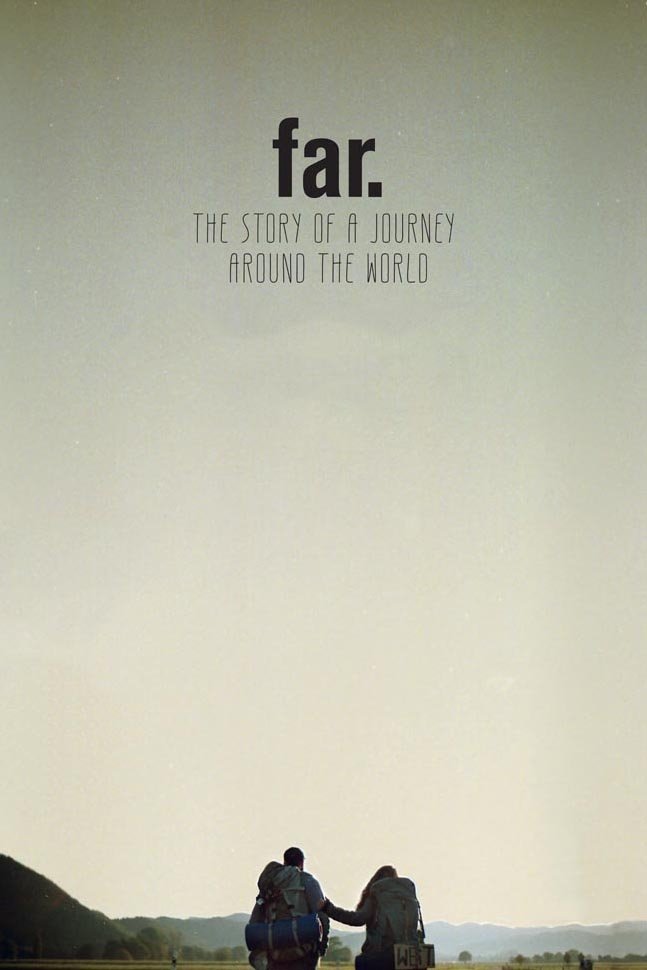
Documentary about the journey of Patrick Allgair and Gwendolin Weisser, who travelled over 100,000 kilometres on foot and by hitchhiking. Starting in Freiburg, Germany, they travelled eastwards for three and a half years, passing through Ukraine, Russia, China, Japan and Mexico on their way around the world.
Daniel Craig candidly reflects on his 15 year adventure as James Bond. Including never-before-seen archival footage from Casino Royale to the upcoming 25th film No Time To Die, Craig shares his personal memories in conversation with 007 producers, Michael G Wilson and Barbara Broccoli.
A chronicle of the life, work and mind that created the Cthulhu mythos.
The extraordinary story of the planet’s most famous contemporary scientist, told in his own words and by those closest to him. Made with unique access to Hawking’s private life, this is an intimate and moving journey into Stephen's world, both past and present.
A documentary that explores the downloading revolution; the kids that created it, the bands and the businesses that were affected by it, and its impact on the world at large.
Through deeply personal interviews with her siblings and an examination of the photographs, letters, and belongings left behind, Mariska assembles a new portrait of her mother Jayne Mansfield, an extraordinary and complex woman.
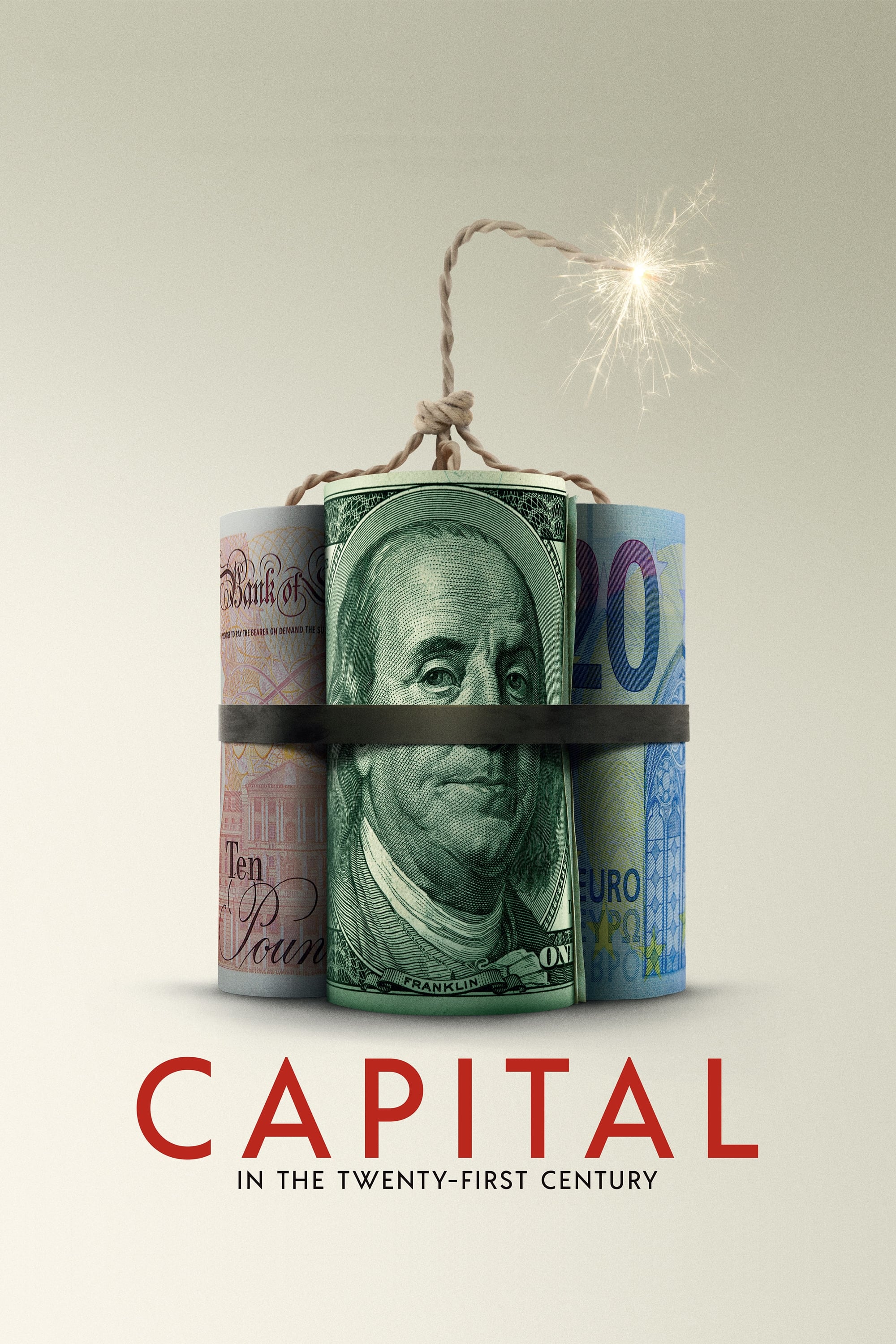
Film adaptation of French economist Thomas Piketty's ground-breaking global bestseller of the same name: an eye-opening journey through wealth and power.
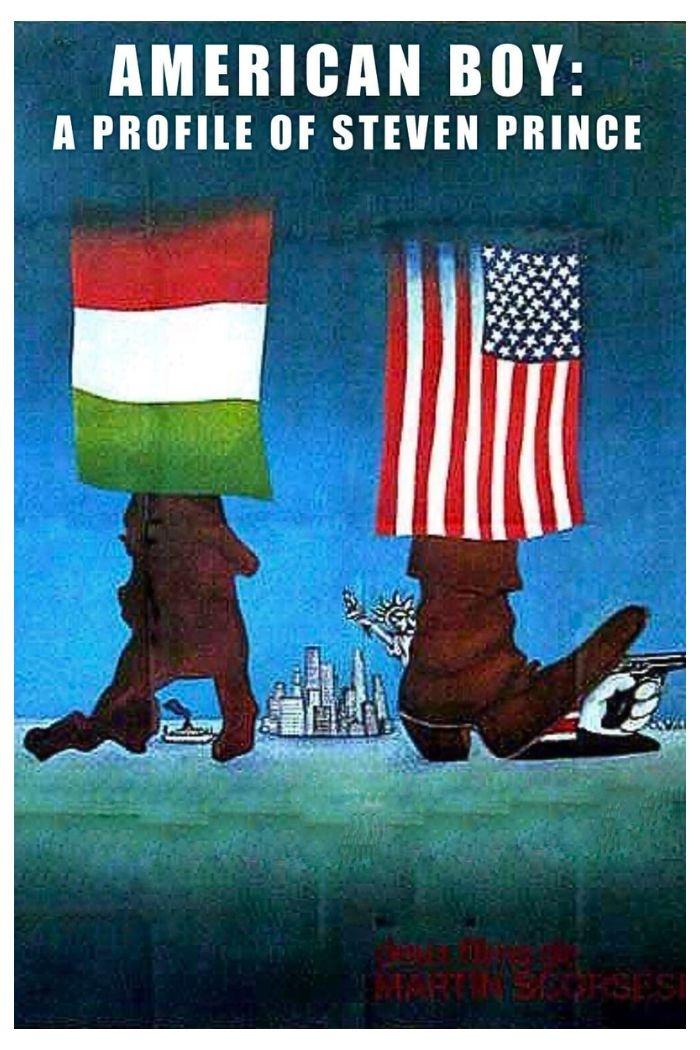
Martin Scorsese spends an evening with larger-than-life raconteur Steven Prince—a former drug addict, road manager for Neil Diamond, and actor—as he recounts stories from his colorful life.
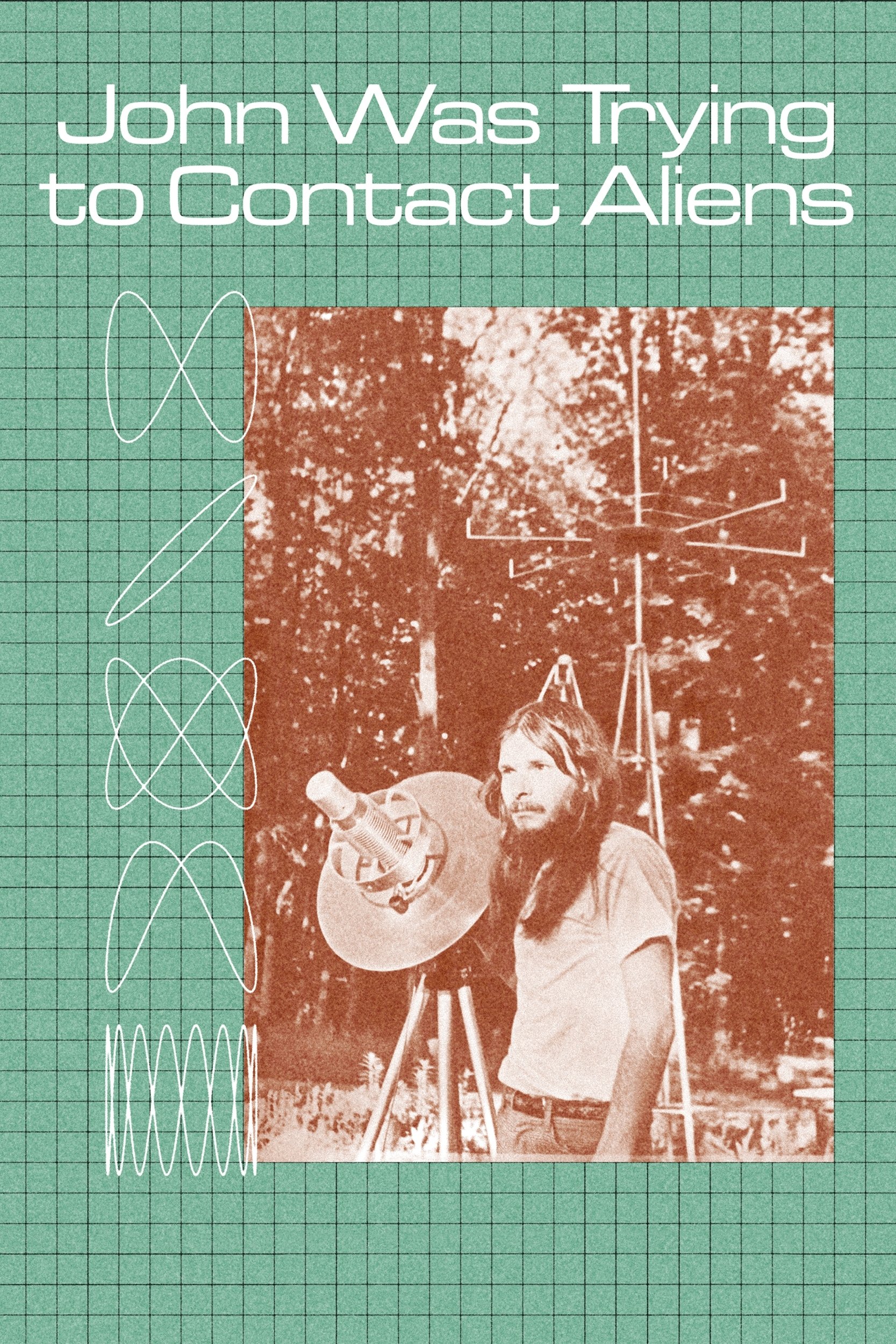
John Shepherd spent 30 years trying to contact extraterrestrials by broadcasting music millions of miles into space. After giving up the search, he makes a different connection here on earth.
A dreamlike conversation with the past and the present, reimagining Latasha Harlins' story by excavating intimate memories shared by those who loved her.
This unique cinematic experience dives deep into an artist’s work and reveals his life path, inspiration, and creative process. It explores his fascination with myth and history. Past and present are interwoven to diffuse the line between film and painting, allowing the audience to be completely immersed in the remarkable world of one of the greatest contemporary artists, Anselm Kiefer. Wim Wenders shot this unique portrait over the course of two years in stunning 3D.
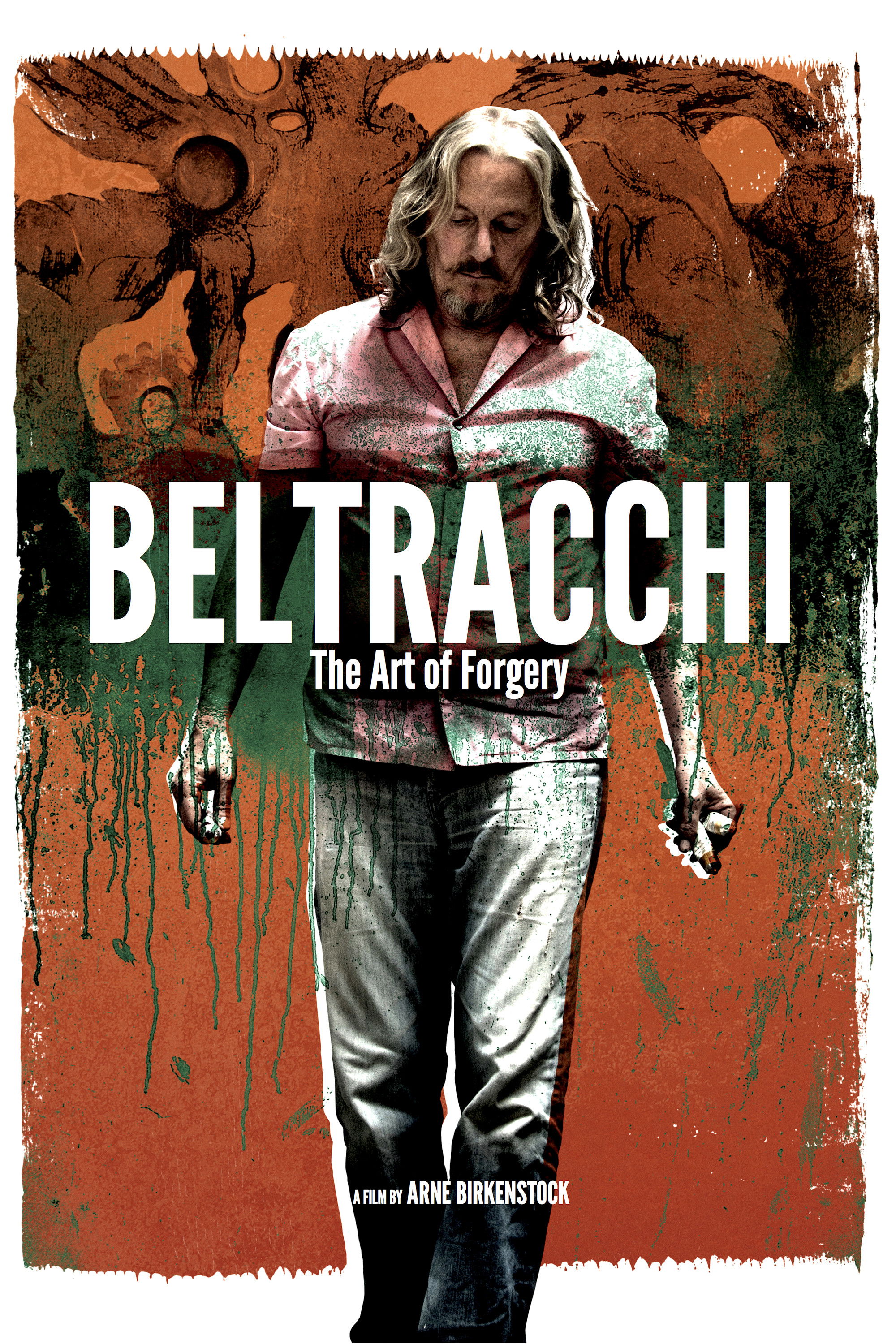
Wolfgang Beltracchi got away with forging art masterpieces for over 40 years. He may be egotistical and nihilistic, but his genius in undeniable. He managed to fool gallery owners, historians and investors with the stroke of a brush. This documentary follows his last days as a free man.