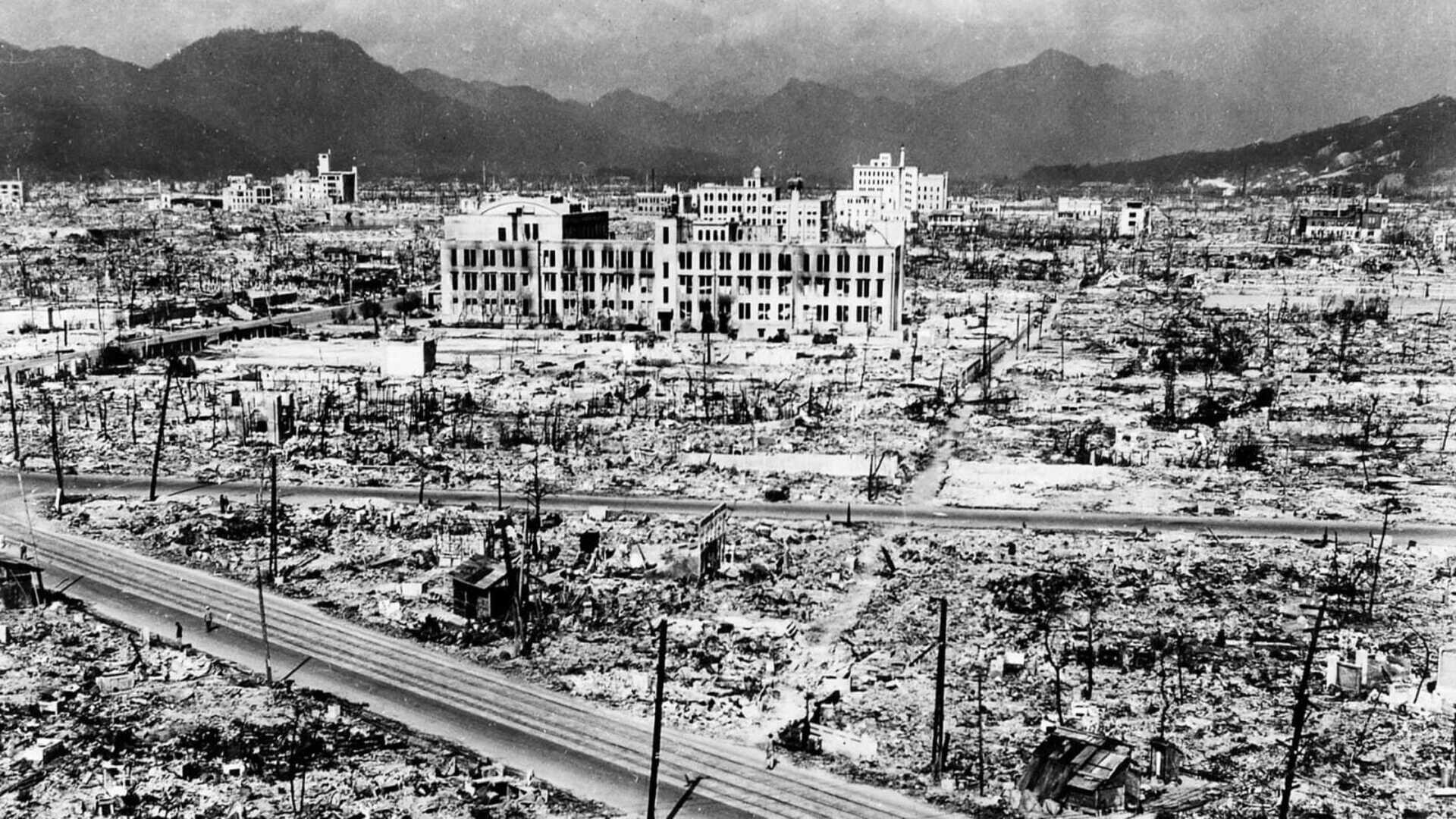
"Hiroshima: The Aftermath"
Brand new documentary marking the 70th anniversary of the Hiroshima and Nagasaki bombings which ended WWII and began the nuclear age. Features interviews with survivors from both sides.
Social & External
Narrator
In the winter of 1944, the Allied Armies stand ready to invade Germany at the coming of a New Year. To prevent it, Hitler orders an all-out offensive to re-take French territory and capture the major port city of Antwerp.
Film journalist and critic Rüdiger Suchsland examines German cinema from 1933, when the Nazis came into power, until 1945, when the Third Reich collapsed. (A sequel to From Caligari to Hitler, 2015.)
Nebi Surreli lives in poverty along with his mother. Doing small jobs to earn a living, he also helps his town's communist unit.
Beginning just after the bloody Sioux victory over General Custer at Little Big Horn, the story is told through two unique perspectives: Charles Eastman, a young, white-educated Sioux doctor held up as living proof of the alleged success of assimilation, and Sitting Bull the proud Lakota chief whose tribe won the American Indians’ last major victory at Little Big Horn.
Captain Muller struggles to survive fighting overwhelming Russian forces. Wounded, he is sent to Normandy as Americans Lee and Trey prepare for D-Day. Soon, scores are settled and battle brings our GIs and Germans on the same path.
Professor Lo Yeung-guo (Hou Yao) and his students escape death from the Japanese army, and call on villagers in the countryside to form a guerrillas group. His son Lo Yung (Lau Hark-suen), however, indulges in debauchery. Entrapped by the Japanese, chicken-hearted Yung leaks information about the guerrilla that leads to deaths and injuries in the group. Yeung-guo reprimands his son for being an invisible traitor, inflicting even more harm than an outright traitor. Placing righteousness before family, he decides to execute his own son. As a writer-director-actor in the film, Hou Yao proclaimed his unwavering stance on resistance on the screen, and delivered a scathing attack on the cowardly ‘invisible traitors‘ at that time. Not long after, Hou was sadly arrested and executed by the Japanese army in Singapore.
In the midst of World War II, the 6888th Central Postal Directory Battalion, an all-female African-American unit, undertook the monumental task of sorting and delivering a massive backlog of mail for the U.S. military. Despite facing deplorable working conditions and the pervasive dual discrimination of race and gender, these women served their country with unbreakable determination and pride. Led by the formidable Major Charity Adams, they not only achieved their mission in half the expected time but also broke barriers, standing firm against inequality and inspiring future generations. Tragically overlooked for years, the story of the 6888th sheds light on a remarkable, untold chapter of American history, reflecting both the triumphs and injustices that shaped the nation's path towards civil rights. Their courage and resilience continue to resonate, a poignant reminder of the societal strides still needed to fully recognize and honor their invaluable contribution.
The story of the conception of a new British weapon for smashing the German dams in the Ruhr industrial complex and the execution of the raid by 617 Squadron 'The Dam Busters'.
During World War II, a small group of survivors is stranded in a lifeboat together after the ship they were traveling on is destroyed by a German U-boat.
Shortly before the end of the war in 1945, the Allies can already be heard in Nesselbühl in Swabia when three freight cars are uncoupled at the station. The screams of the starving concentration camp prisoners inside can be heard throughout the village, but nobody dares to help them. Only the innkeeper's daughter Anna takes heart...
The film is based on a real story that happened in 1943 in the Sobibor concentration camp in German-occupied Poland. The main character of the movie is the Soviet-Jewish soldier Alexander Pechersky, who at that time was serving in the Red Army as a lieutenant. In October 1943, he was captured by the Nazis and deported to the Sobibor concentration camp, where Jews were being exterminated in gas chambers. But, in just 3 weeks, Alexander was able to plan an international uprising of prisoners from Poland and Western Europe. This uprising resulted in being the only successful one throughout the war, which led to the largest escape of prisoners from a Nazi concentration camp.
Based on the novel of Arsen Diklić which describes the horror’s of concentration camp Jasenovac.
A story about the effect of the atomic bombing of Hiroshima on a boy's life and the lives of the Japanese people.
Three years after the Hiroshima bombing, a teenager helps a group of orphans to survive and find their new life.
Together with Shimada Akira (Hagiwara Masato), the last appointed governor of Okinawa during the war, Arai Taizo (Murakami Jun), the chief of police of Okinawa Prefecture, goes beyond his duties and strives to protect the lives of the citizens of the prefecture. As the ravages of war intensify, the two, who each carried a heavy cross during the Battle of Okinawa, desperately devote themselves to saving the lives of the Okinawan people, with the belief that "life is precious." A human drama, set in Okinawa at the end of World War II, depicting the preciousness of human life. Directed by Igarashi Sho of One Step on a Mine, It's All Over.
When Col. William McNamara is stripped of his freedom in a German POW camp, he's determined to keep on fighting even from behind enemy lines. Enlisting the help of a young lieutenant in a brilliant plot against his captors, McNamara risks everything on a mission to free his men and change the outcome of the war.
In the dying days of World War II, Dick Dynamite and his ragtag team of Nazi-killing commandos must stop a group of depraved German scientists from turning the population of New York into flesh-eating zombies.
The Hawker Hurricane was the first fighter monoplane to join the Royal Air Force and the first combat aircraft adopted by that arm capable of exceeding 300 mph in level flight. The Hurricane shouldered the lion s share of Britain s defence during the Battle of Britain. This program portrays the history of this legendary aircraft which was to form an immortal partnership during the infamous battle.
Set in 1942, DECIMATION tells the story of ten Russian soldiers accused of cowardice and their subsequent punishment.
The story of the WWII project to crack the code behind the Enigma machine, used by the Germans to encrypt messages sent to their submarines.
This documentary explores the mystery surrounding the death of movie icon Marilyn Monroe through previously unheard interviews with her inner circle.
A love letter from a young mother to her daughter, the film tells the story of Waad al-Kateab’s life through five years of the uprising in Aleppo, Syria as she falls in love, gets married and gives birth to Sama, all while cataclysmic conflict rises around her. Her camera captures incredible stories of loss, laughter and survival as Waad wrestles with an impossible choice– whether or not to flee the city to protect her daughter’s life, when leaving means abandoning the struggle for freedom for which she has already sacrificed so much.
As the Russian invasion begins, a team of Ukrainian journalists trapped in the besieged city of Mariupol struggle to continue their work documenting the war's atrocities.
When Allied forces liberated the Nazi concentration camps in 1944-45, their terrible discoveries were recorded by army and newsreel cameramen, revealing for the first time the full horror of what had happened. Making use of British, Soviet and American footage, the Ministry of Information’s Sidney Bernstein (later founder of Granada Television) aimed to create a documentary that would provide lasting, undeniable evidence of the Nazis’ unspeakable crimes. He commissioned a wealth of British talent, including editor Stewart McAllister, writer and future cabinet minister Richard Crossman – and, as treatment advisor, his friend Alfred Hitchcock. Yet, despite initial support from the British and US Governments, the film was shelved, and only now, 70 years on, has it been restored and completed by Imperial War Museums under its original title "German Concentration Camps Factual Survey".
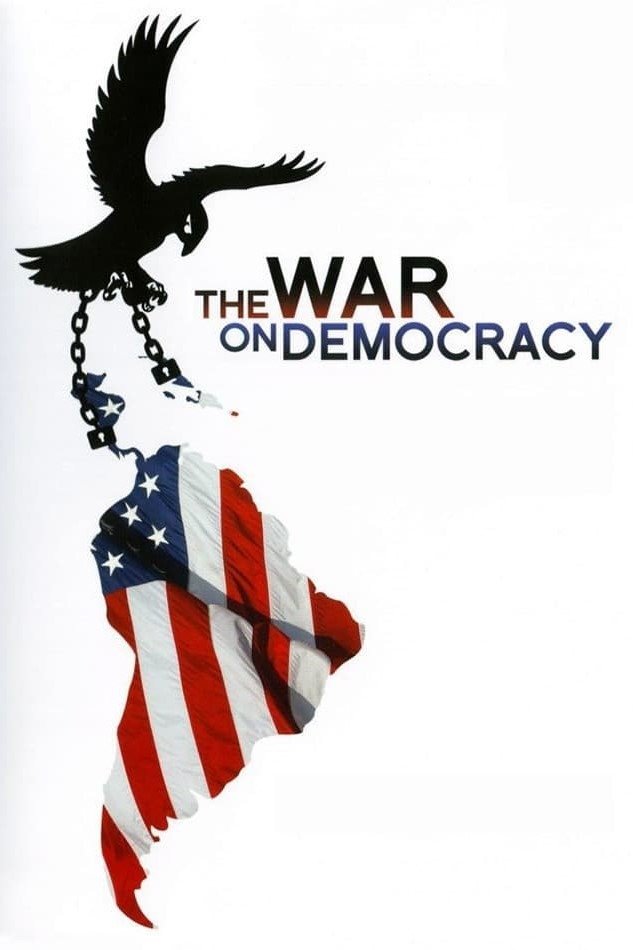
Set both in Latin America and the United States, the film explores the historic and current relationship of Washington with countries such as Venezuela, Bolivia and Chile. Pilger says that the film "...tells a universal story... analysing and revealing, through vivid testimony, the story of great power behind its venerable myths. It allows us to understand the true nature of the so-called "war on terror". According to Pilger, the film’s message is that the greed and power of empire is not invincible and that people power is always the "seed beneath the snow".
With unprecedented access, this documentary follows the extraordinary journey of “Raqqa is Being Slaughtered Silently”—a group of anonymous citizen journalists who banded together after their homeland was overtaken by ISIS—as they risk their lives to stand up against one of the greatest evils in the world today.
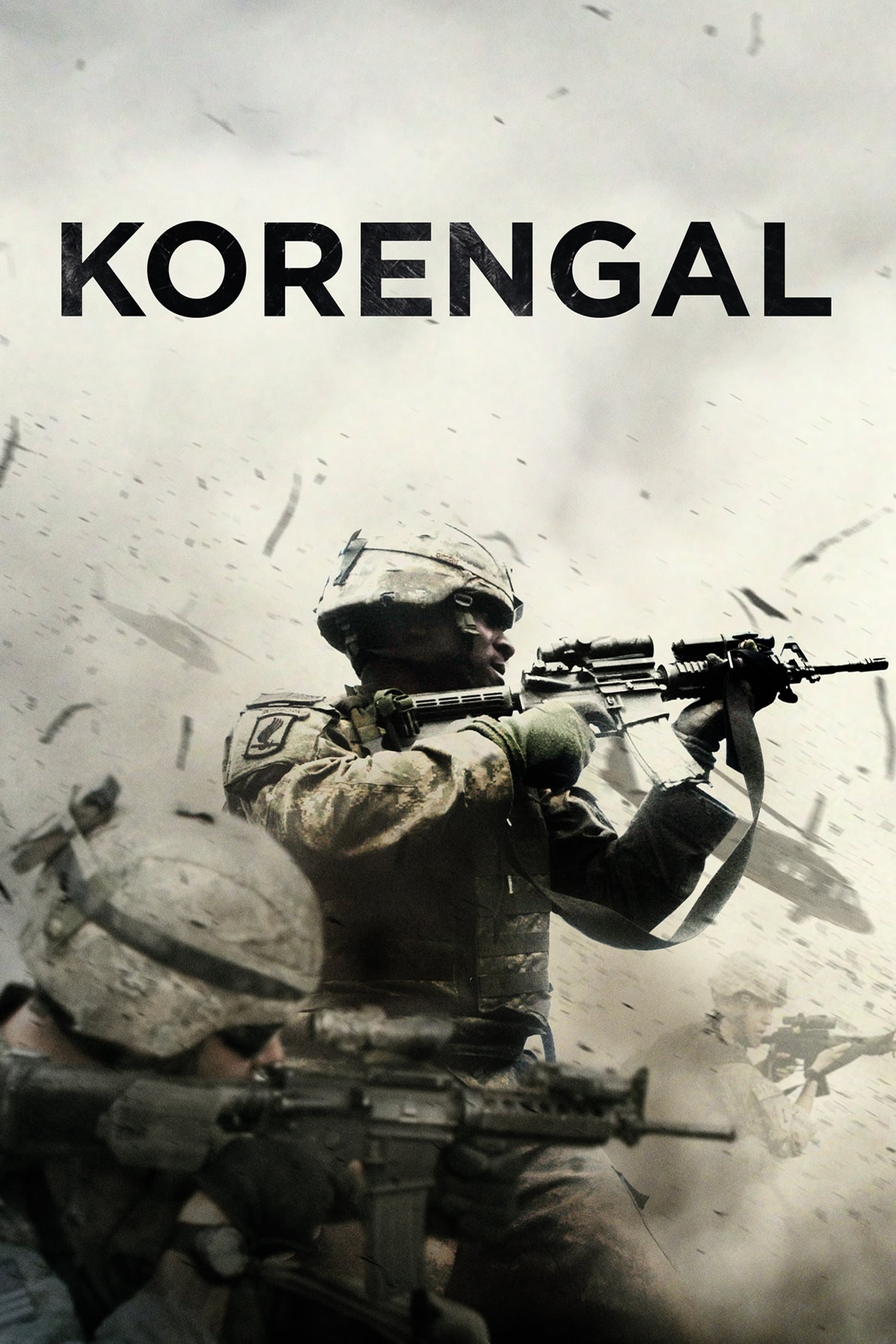
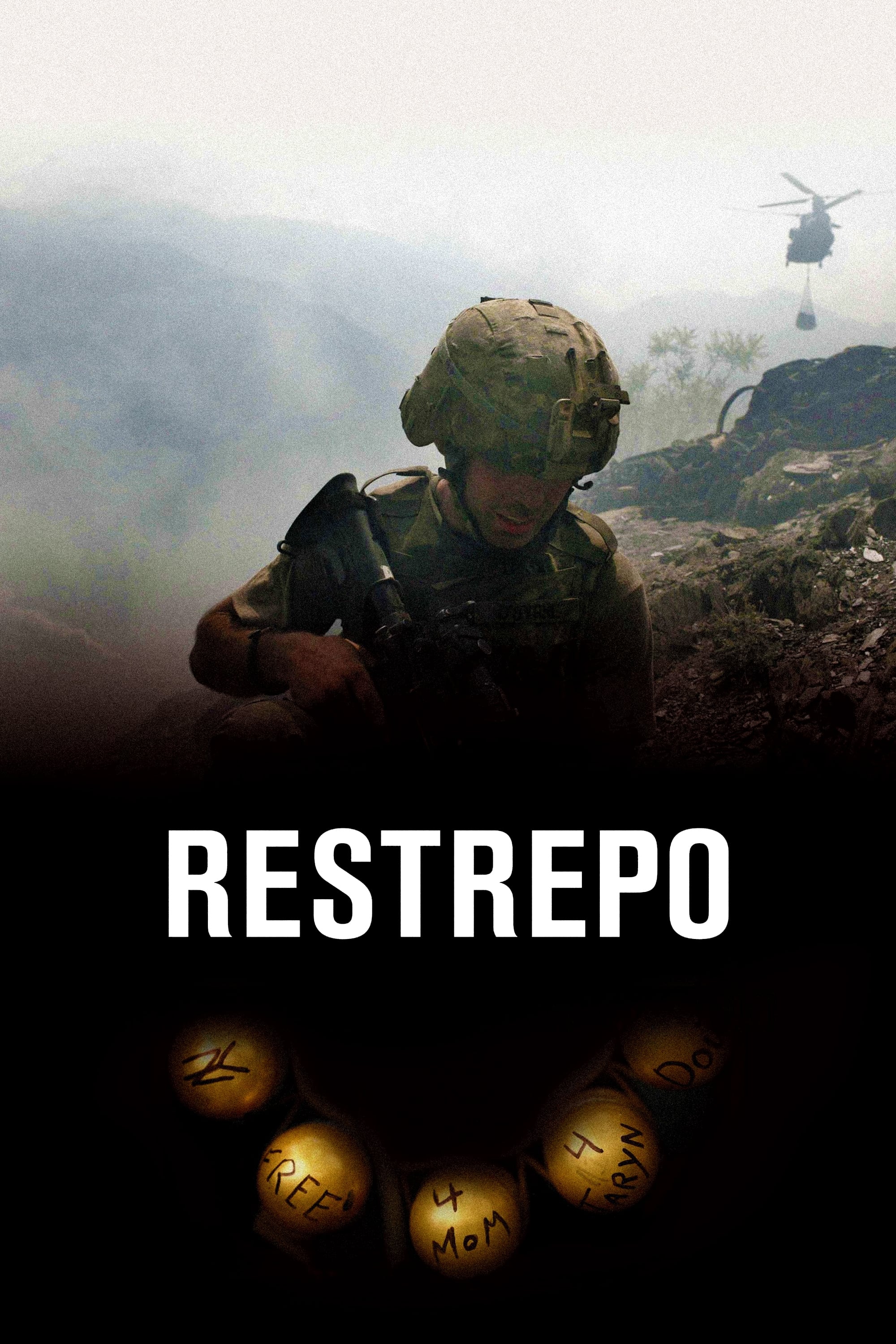
Korengal picks up where Restrepo left off; the same men, the same valley, the same commanders, but a very different look at the experience of war.
Armed only with their cameras, Peabody and Emmy Award-winning conflict Journalist Mike Boettcher, and his son, Carlos, provide unprecedented access into the longest war in U.S. history: they are embed with U.S. troops during nine days of intense combat in Afghanistan.
From teen comedian to Hollywood legend, Eddie Murphy revisits his extraordinary showbiz ride with raw honesty and humor.
From a prolific career in film and television, Anton Yelchin left an indelible legacy as an actor. Through his journals and other writings, his photography, the original music he wrote, and interviews with his family, friends, and colleagues, this film looks not just at Anton's impressive career, but at a broader portrait of the man.
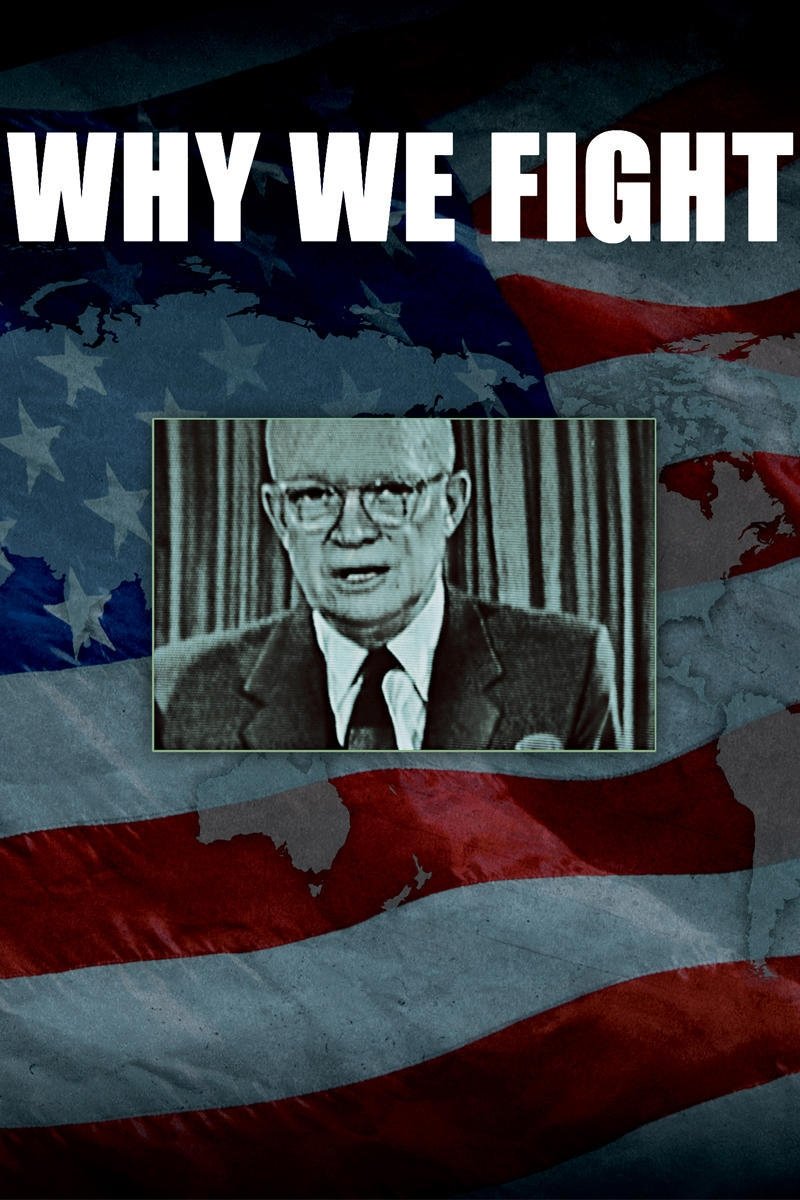
Is American foreign policy dominated by the idea of military supremacy? Has the military become too important in American life? Jarecki's shrewd and intelligent polemic would seem to give an affirmative answer to each of these questions.
In 2009, Alex Gibney was hired to make a film about Lance Armstrong's comeback to cycling. The project was shelved when the doping scandal erupted, and re-opened after Armstrong's confession. The Armstrong Lie picks up in 2013 and presents a riveting, insider's view of the unraveling of one of the most extraordinary stories in the history of sports. As Lance Armstrong says himself, "I didn't live a lot of lies, but I lived one big one."
A subjective documentary that explores various theories about hidden meanings in Stanley Kubrick's classic film The Shining. Five very different points of view are illuminated through voice over, film clips, animation and dramatic reenactments.
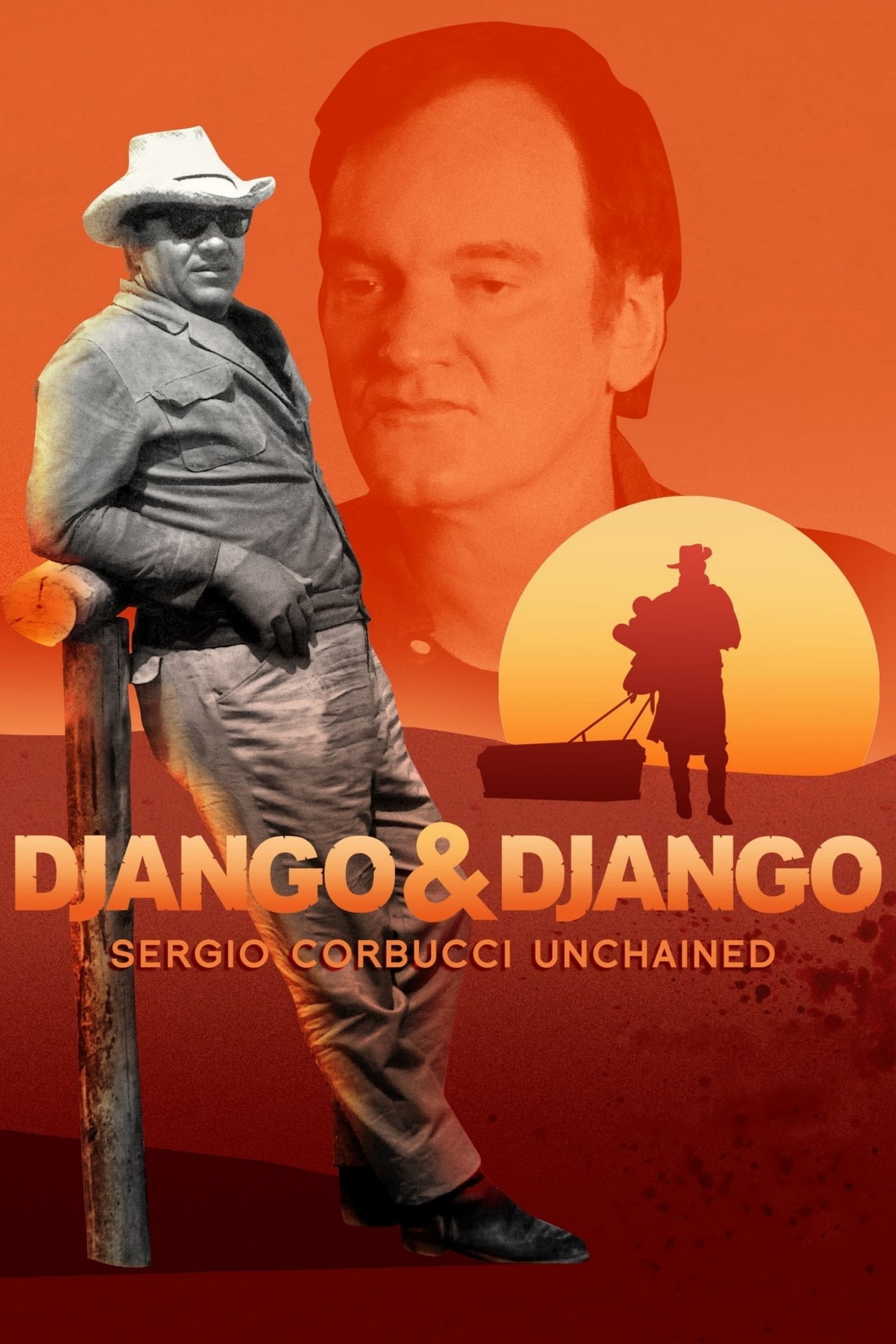
A tribute to Italian filmmaker Sergio Corbucci (1926-90), presented by American filmmaker Quentin Tarantino.
In June 2013, Laura Poitras and reporter Glenn Greenwald flew to Hong Kong for the first of many meetings with Edward Snowden. She brought her camera with her.
When Sgt. First Class Brian Eisch is critically wounded in Afghanistan, it sets him and his sons on a journey of love, loss, redemption and legacy.
Legendary journalist Gay Talese unmasks a motel owner who spied on his guests for decades. But his bombshell story soon becomes a scandal of its own.
Documentary sequel that offers a close-up look into the personal lives of the legendary porn stars who've survived the test of time and influenced popular culture. Blends rare interviews with erotic clips and additional appearances by Whoopi Goldberg, Steven Soderbergh and a host of adult stars, directors and trendsetters.
An Army cameraman is embedded with a reconnaissance patrol and charts their mission across territory controlled by the North Vietnamese.
Pete Postlethwaite stars as a man living alone in the devastated future world of 2055, looking at old footage from 2008 and asking: why didn’t we stop climate change when we had the chance?