How the Soviet Union was able to copy the Boeing B-29 Superfortress bomber, and the influence of the resulting Tupolev TU-4 on the Cold War.
Social & External
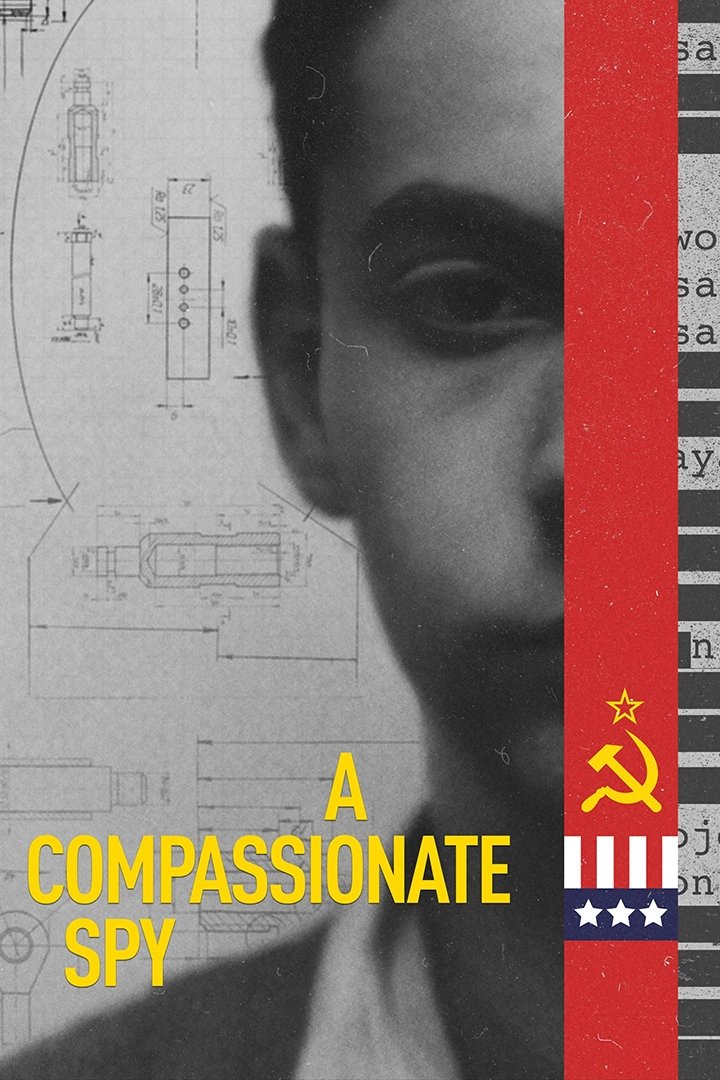
Physicist Ted Hall is recruited to join the Manhattan Project as a teenager and goes to Los Alamos with no idea what he'll be working on. When he learns the true nature of the weapon being designed, he fears the post-war risk of a nuclear holocaust and begins to pass significant information to the Soviet Union.
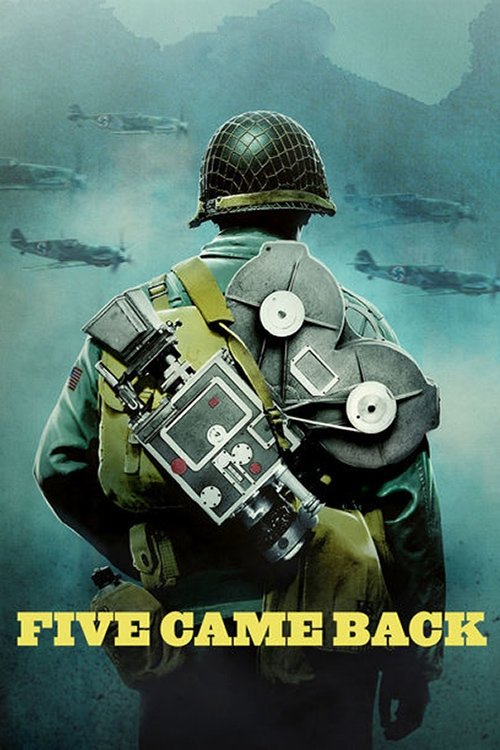
The extraordinary story of how Hollywood changed World War II – and how World War II changed Hollywood, through the interwoven experiences of five legendary filmmakers who went to war to serve their country and bring the truth to the American people: John Ford, William Wyler, John Huston, Frank Capra, and George Stevens. Based on Mark Harris’ best-selling book, “Five Came Back: A Story of Hollywood and the Second World War.”
The Polish city of Łódź was under Nazi occupation for nearly the entirety of WWII. The segregation of the Jewish population into the ghetto, and the subsequent horrors are vividly chronicled via newsreels and photographs. The narration is taken almost entirely from journals and diaries of those who lived–and died–through the course of the occupation, with the number of different narrators diminishing as the film progresses, symbolic of the death of each narrator.
A documentary examining possible historical and modern conspiracies surrounding Christianity, the 9/11 terrorist attacks, and the Federal Reserve bank.
102 Years in the Heart of Europe: A Portrait of Ernst Jünger (Swedish: 102 år i hjärtat av Europa) is a Swedish documentary film from 1998 directed by Jesper Wachtmeister. It consists of an interview by the journalist Björn Cederberg with the German writer, philosopher and war veteran Ernst Jünger (1895-1998). Jünger talks about his life, his authorship, his interests and ideas. The actor Mikael Persbrandt reads passages from some of Jünger's works, such as Storm of Steel, The Worker, On the Marble Cliffs and The Glass Bees.
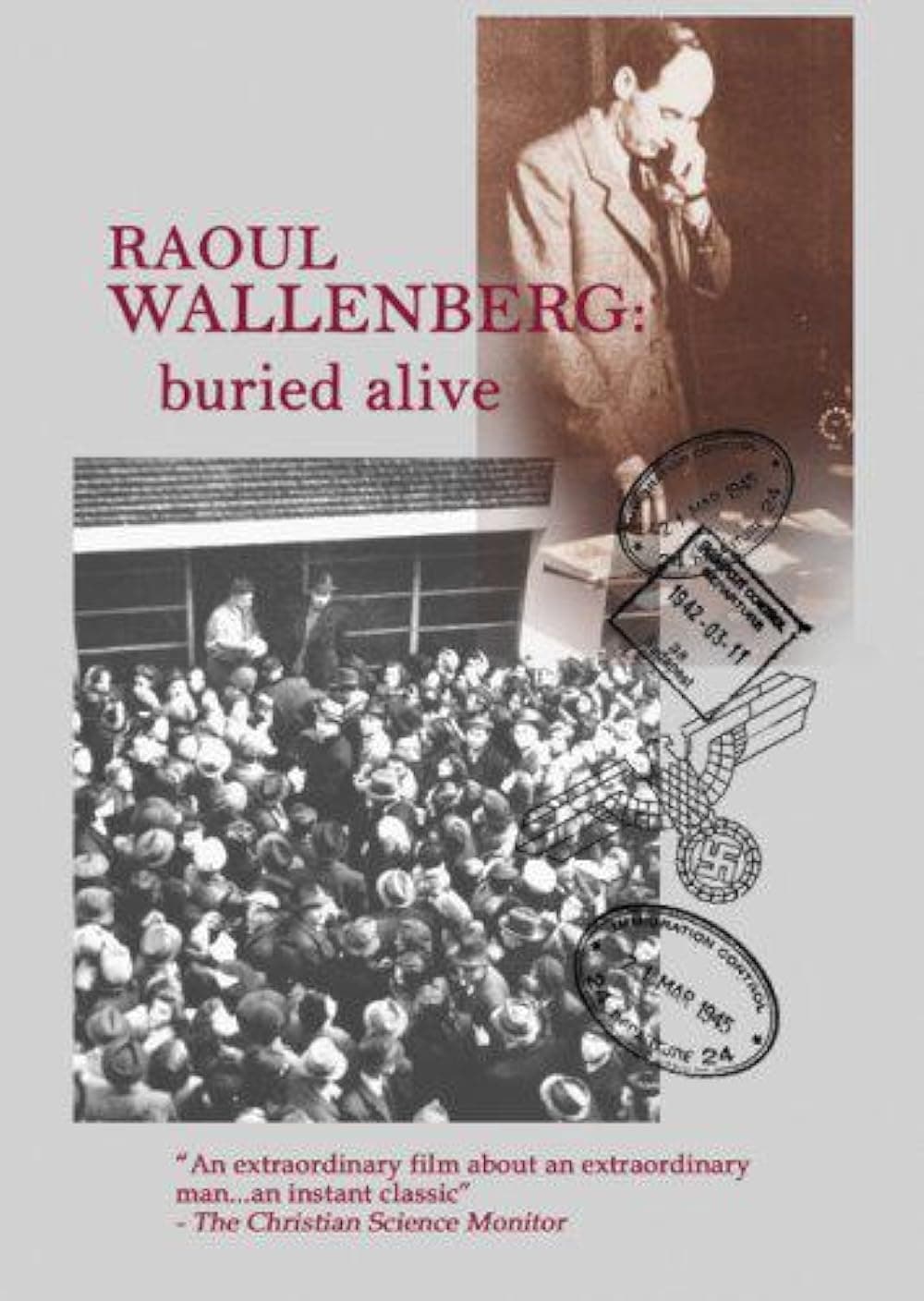
A profile of Swedish diplomat Raoul Wallenberg, the film covers his role in saving the lives of Jewish refugees from the Holocaust, as well as exploring the evidence that he may still have been alive in a Soviet gulag as late as the early 1980s.
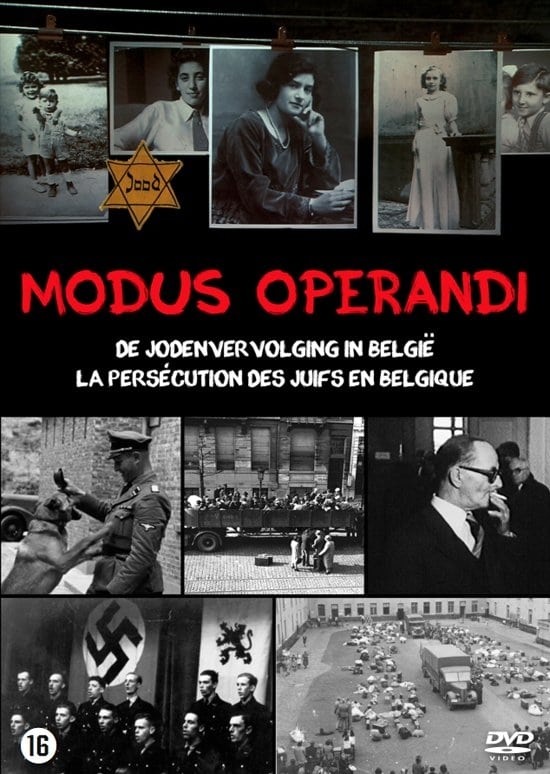
Between 1942 and 1944 some 24,916 Jews were deported from Belgium to Auschwitz. The roundups and deportations were organized and carried out by the Nazis with the - not always conscious - cooperation of Belgian authorities. The attitude of the authorities here varied from outright resistance to voluntary or unwitting collaboration.
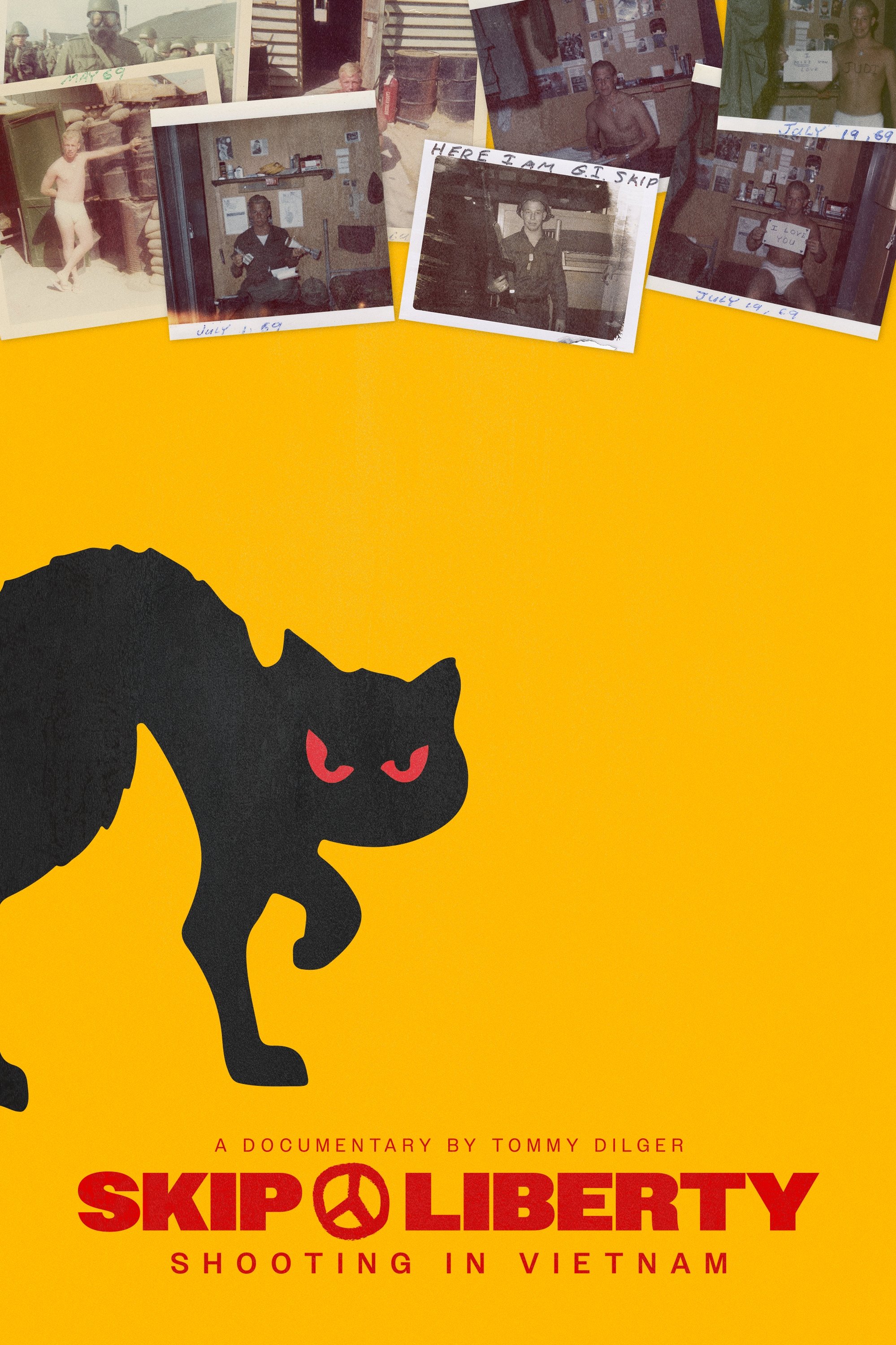
Skip Liberty enlisted in the Army in 1968. During his tour in Vietnam he shot 3,100 feet of Super 8 film, over 3 hours worth. Upon returning to the states the film was placed in storage, Skip had never seen the footage he shot. Until now.
When Canada entered World War II, the National Film Board suddenly had an urgent new mission—and hundreds of women stepped forward, helping to create Canadian cinema as we now know it.
This chilling, vitally important documentary was produced to mark the 40th anniversary of the liberation of Auschwitz Concentration Camp. The film contains unedited, previously unavailable film footage of Auschwitz shot by the Soviet military forces between January 27 and February 28, 1945 and includes an interview with Alexander Voronsov, the cameraman who shot the footage. The horrifying images include: survivors; camp visit by Soviet investigation commission; criminal experiments; forced laborers; evacuation of ill and weak prisoners with the aid of Russian and Polish volunteers; aerial photos of the IG Farben Works in Monowitz; and pictures of local people cleaning up the camp under Soviet supervision. - Written by National Center for Jewish Film
The Holocaust began with the indiscriminate mass shootings by the Einsatzgruppen in the bloodlands of Eastern Europe and was perfected in the gas chambers at Auschwitz. “Bullets And Blueberries” explores the motives, methods and madness of the perpetrators, using never-before-seen images captured by the killers themselves — images that fully capture the banality of evil.
Documentary about the liberation of Maastricht.
Documentary about Japan's Unit 731 of World War II.
Upon Canada's entry into World War II, the RCMP rounded up thousands of people it considered fascist sympathizers. Among them, 700 Italian-Canadians were held for up to three years in internment camps. None were ever charged with a criminal offence.
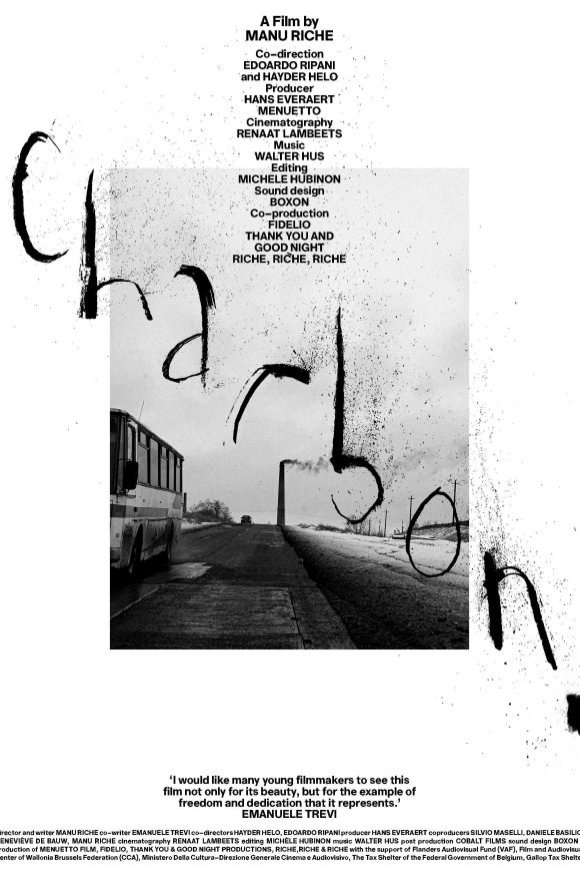
CHARBON depicts how Europe was built on fossil fuels over the past 100 years. And how it was torn apart by wars that were the result of these same fossil fuels. During 3 trips to Ukraine, Italy and Iraq, filmmaker Manu Riche explains how he and his French-German family are inseparably connected to the fate of the Iraqi filmmaker and refugee Hayder Helo.
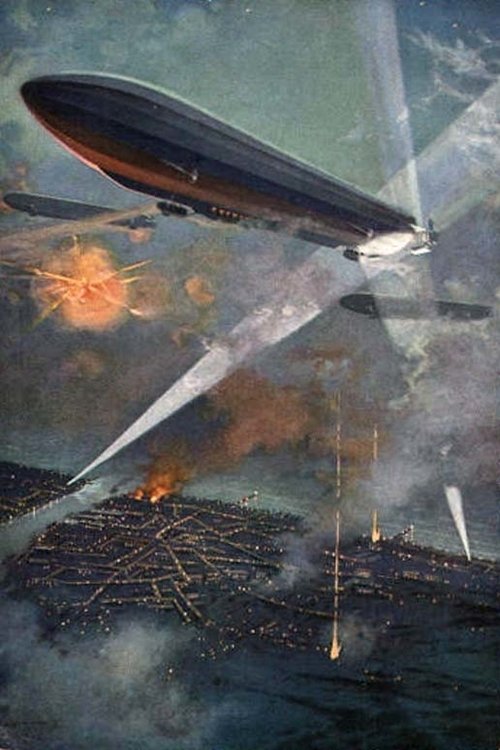
Engineer Dr Hugh Hunt revisits the little-known story of the First World War's Blitz, when the Zeppelin waged an 18-month terror campaign on the people of London.
The 'mighty' Hood was the pride of the British Navy for more than 20 years, revered around the world as the largest and most powerful warship afloat. But when it was sunk by the German battleship Bismarck off the coast of Greenland on 24 May 1941, its end was shockingly swift.
A subjective documentary that explores various theories about hidden meanings in Stanley Kubrick's classic film The Shining. Five very different points of view are illuminated through voice over, film clips, animation and dramatic reenactments.
This searing investigative work shadows a group of activists risking unimaginable peril to confront the ongoing anti-LGBTQ program raging in the repressive and closed Russian republic. Unfettered access and a remarkable approach to protecting anonymity exposes this under-reported atrocity–and an extraordinary group of people confronting evil.
Ten of Muhammad Ali's former rivals pay tribute to the three-time world heavyweight champion.
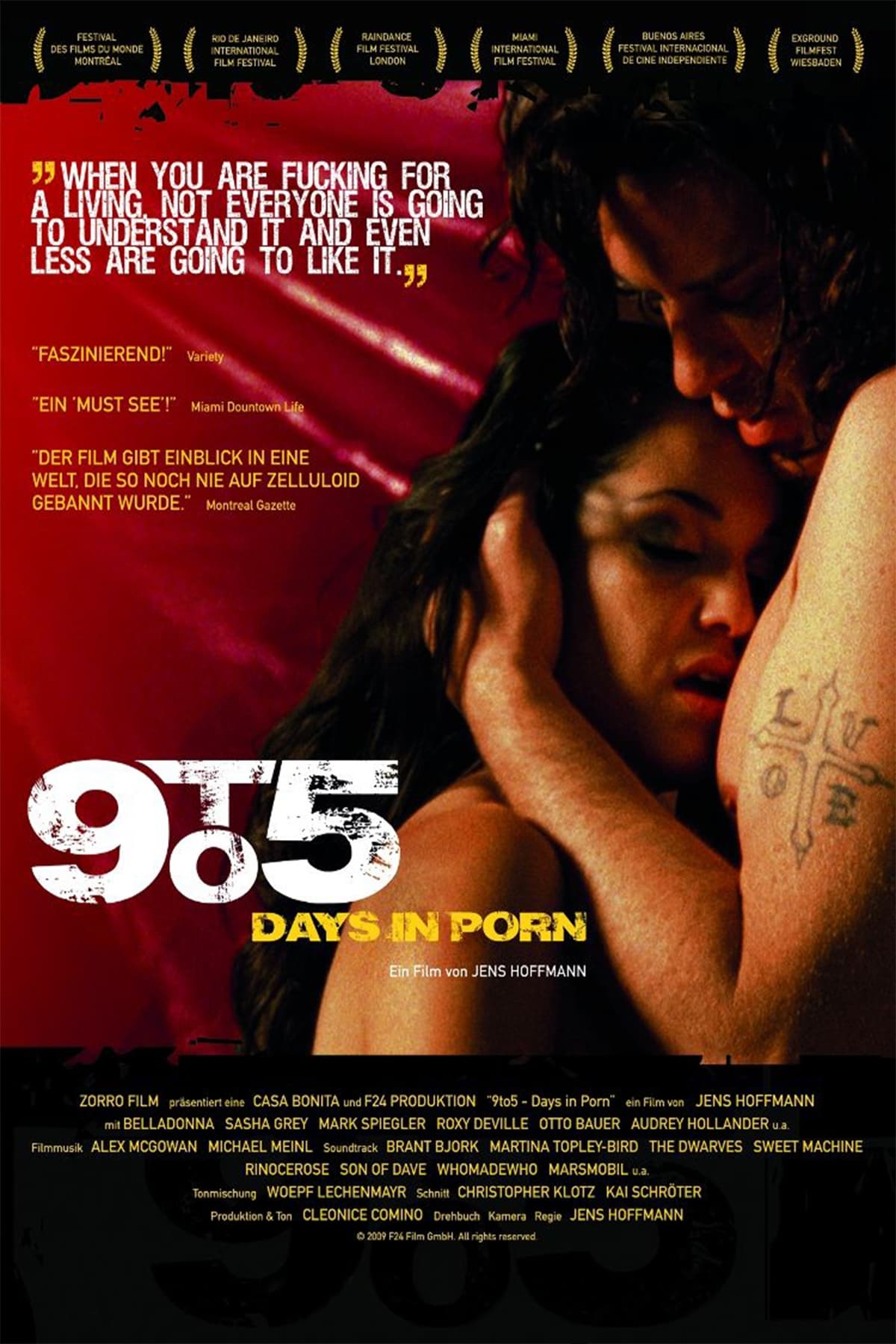
9to5 - Days in Porn focuses on the people behind a controversial and multi-billion dollar industry "The Adult Entertainment industry". It depicts their stories, each one different, unadorned and authentic, without glorification or prejudice. It delivers deep insight into their personal lives - from glamorous to grotesque - strange, fascinating, offensive, absurd and sometimes funny moments all at once.
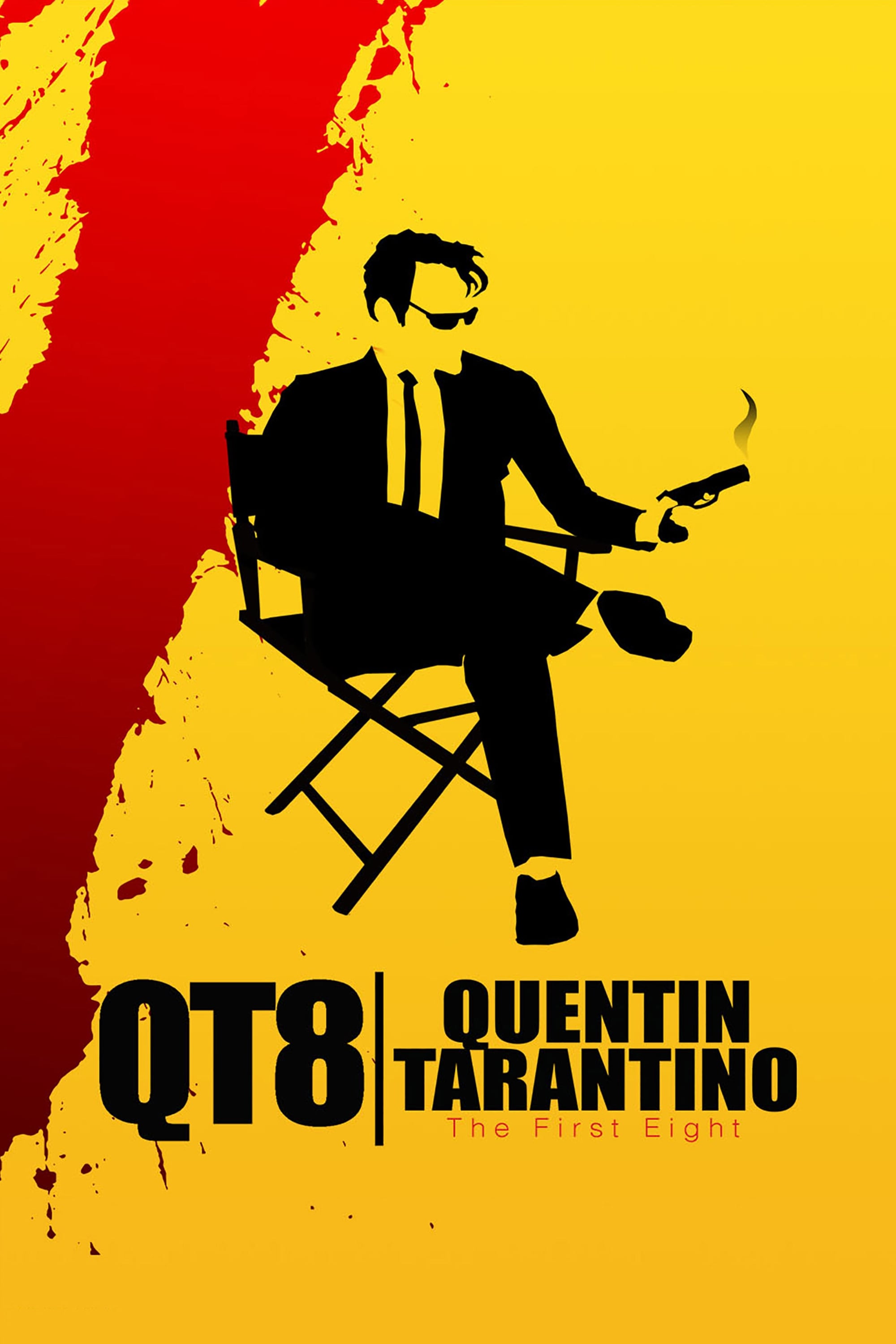
A detailed account of the life and artistic career of legendary filmmaker Quentin Tarantino, from his early days as a video club manager to the scandalous fall in disgrace of producer Harvey Weinstein. A story about how to shoot eight great movies and become an icon of modern pop culture.
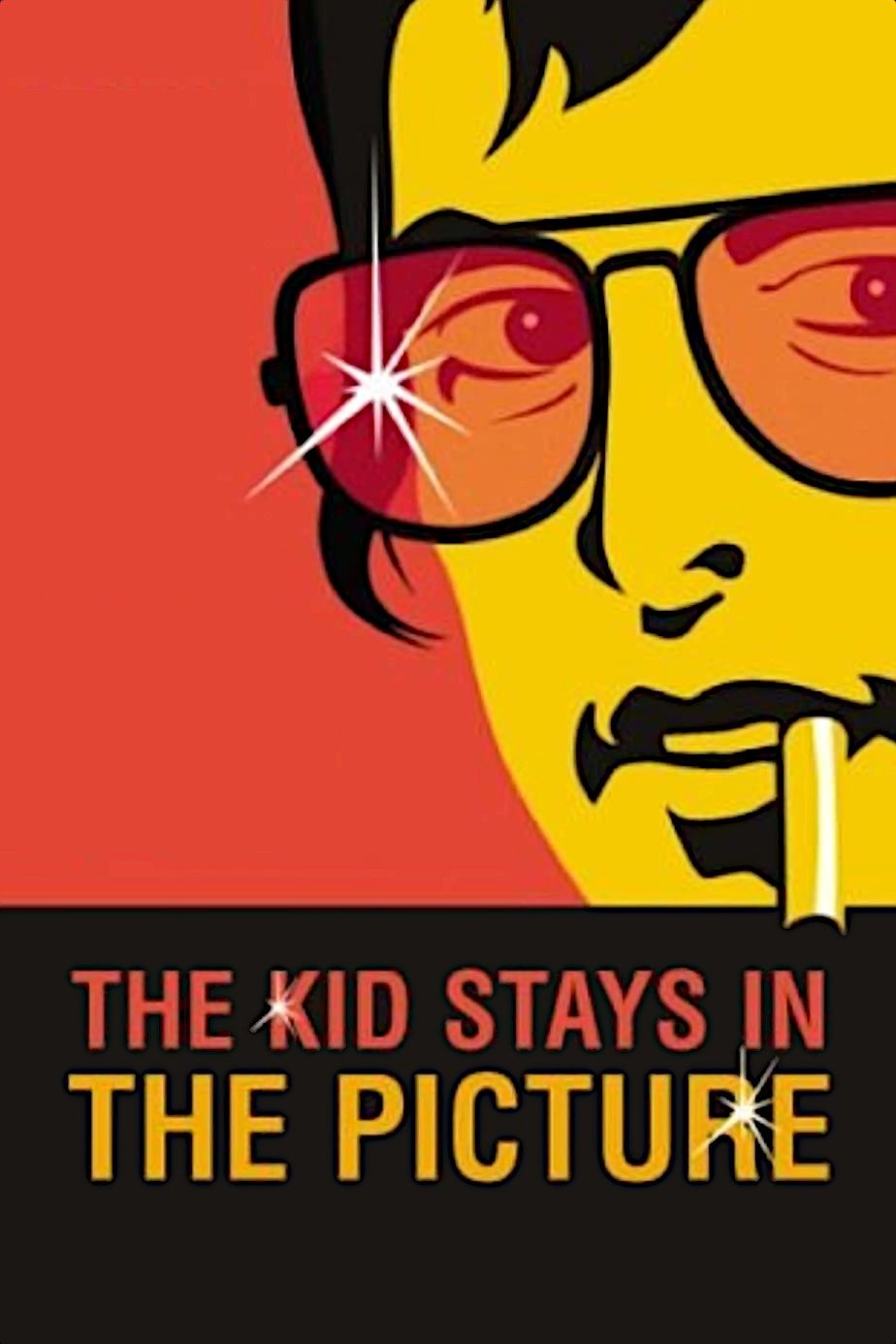
Documentary about legendary Paramount producer Robert Evans, based on his famous 1994 autobiography.
A love letter from a young mother to her daughter, the film tells the story of Waad al-Kateab’s life through five years of the uprising in Aleppo, Syria as she falls in love, gets married and gives birth to Sama, all while cataclysmic conflict rises around her. Her camera captures incredible stories of loss, laughter and survival as Waad wrestles with an impossible choice– whether or not to flee the city to protect her daughter’s life, when leaving means abandoning the struggle for freedom for which she has already sacrificed so much.
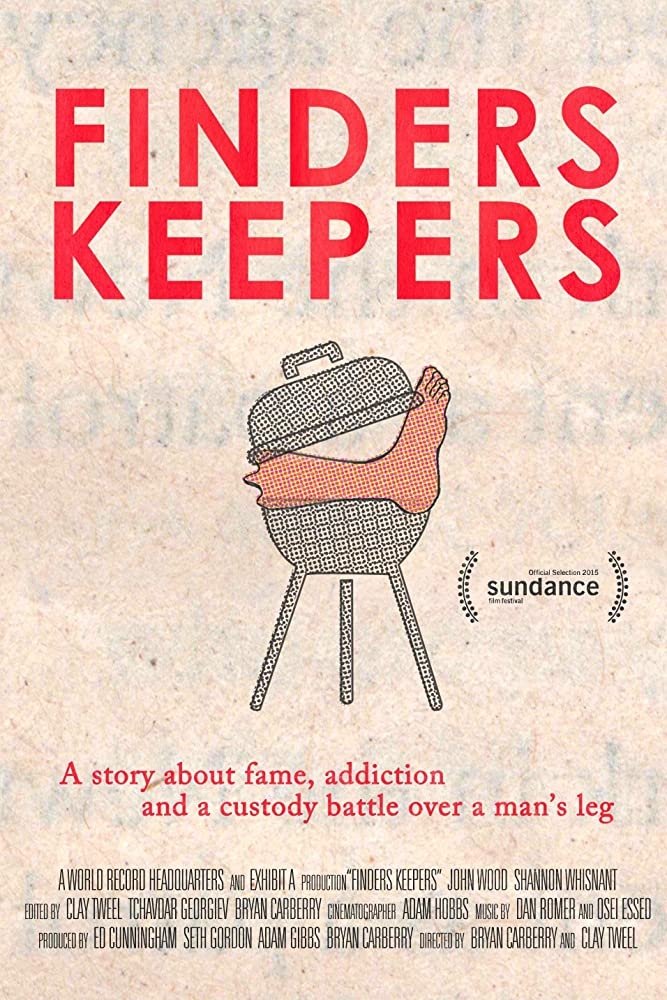
In this documentary, recovering addict and amputee John Wood finds himself in a stranger-than-fiction battle to reclaim his mummified leg from Southern entrepreneur Shannon Whisnant, who found it in a grill he bought at an auction and believes it therefore to be his rightful property.
Controversy erupts when an unassuming young man floods the American wine market with fake vintages valued in the millions, bamboozling the wine world elite, in this humorous and suspenseful tale of an ingenious con on the eve of the 2008 stock market crash.
A wide-ranging, definitive look at Hawk’s life and iconic career, and his relationship with the sport with which he’s been synonymous for decades, featuring unprecedented access, never-before-seen footage, and interviews with Hawk and prominent figures in the sport including Stacy Peralta, Rodney Mullen, Mike McGill, Lance Mountain, Steve Caballero, Neil Blender, Andy MacDonald, Duane Peters, Sean Mortimer, and Christian Hosoi.
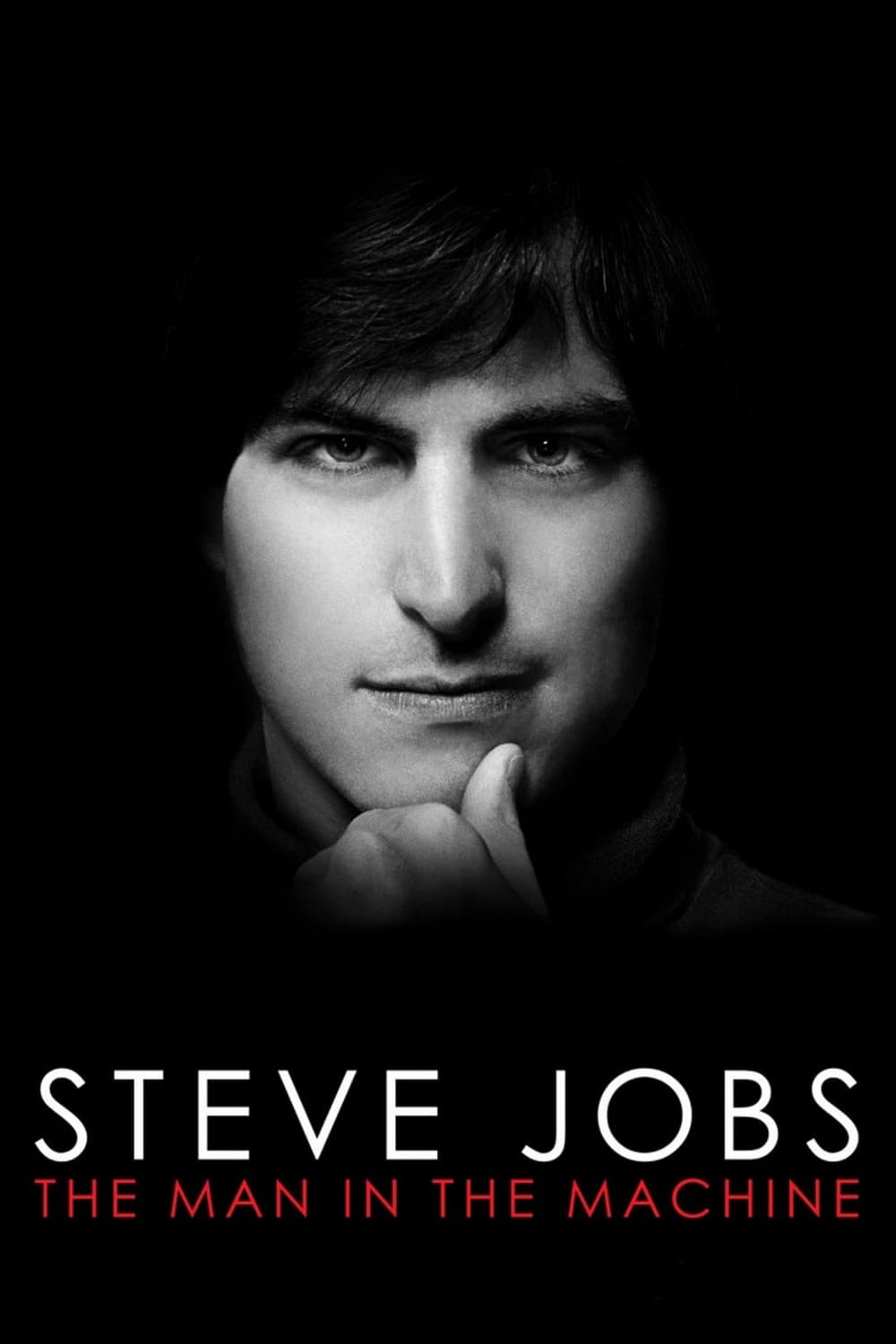
When Steve Jobs died the world wept. But what accounted for the grief of millions of people who didn’t know him? This evocative film navigates Jobs' path from a small house in the suburbs, to zen temples in Japan, to the CEO's office of the world's richest company, exploring how Jobs’ life and work shaped our relationship with the computer. The Man in the Machine is a provocative and sometimes startling re-evaluation of the legacy of an icon.
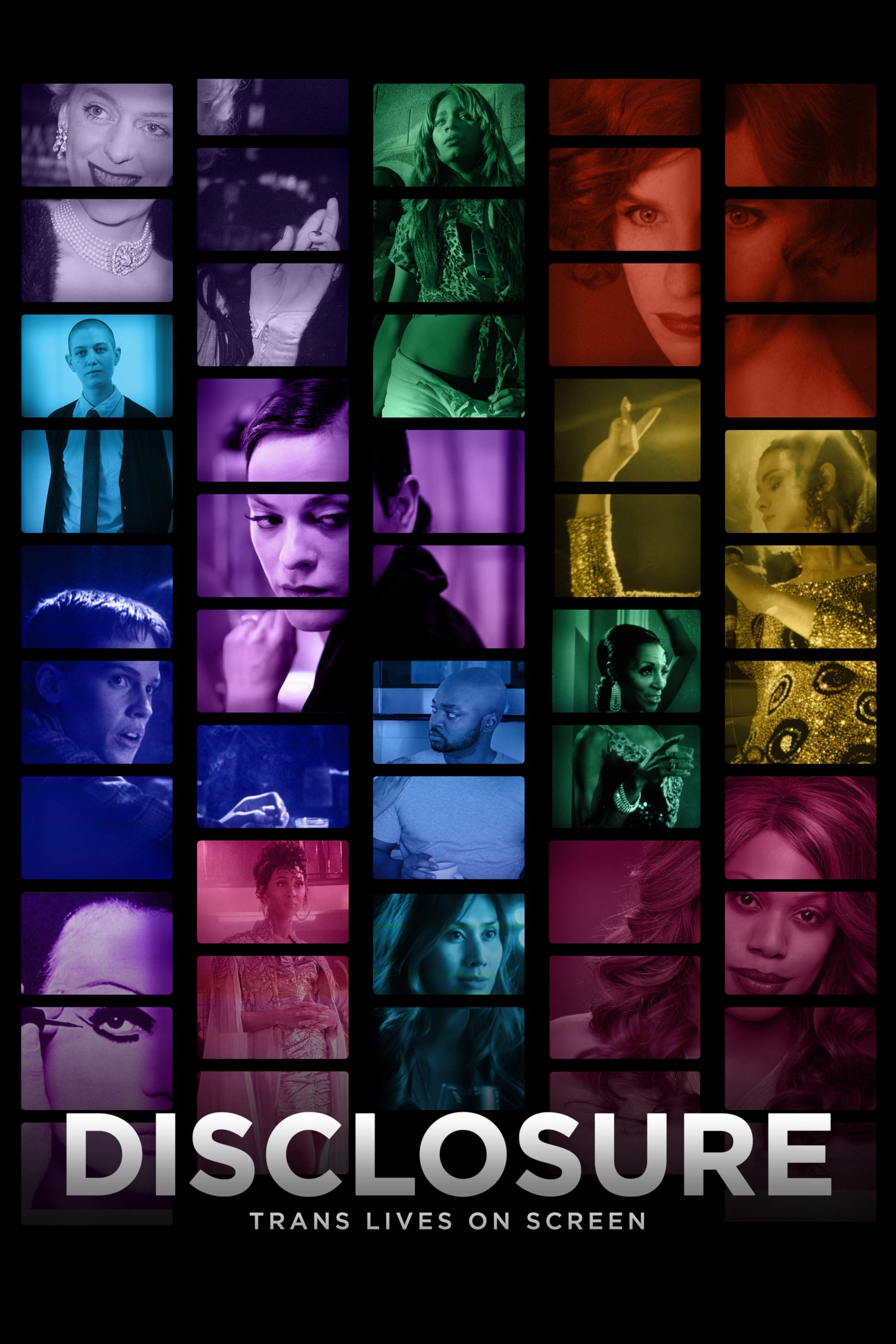
An investigation of how Hollywood's fabled stories have deeply influenced how Americans feel about transgender people, and how transgender people have been taught to feel about themselves.
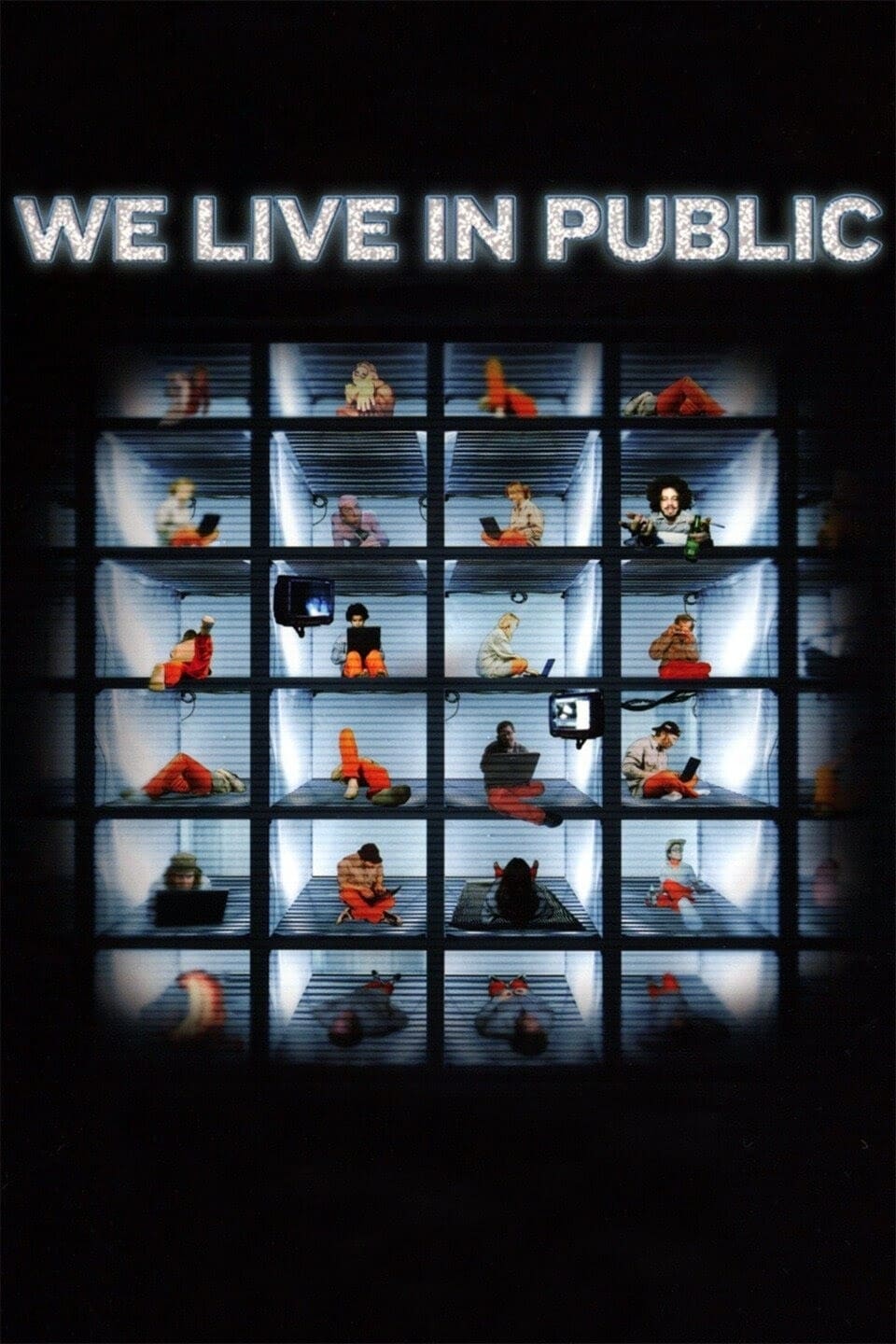
In 1999, Internet entrepreneur Josh Harris recruits dozens of young men and women who agree to live in underground apartments for weeks at a time while their every movement is broadcast online. Soon, Harris and his girlfriend embark on their own subterranean adventure, with cameras streaming live footage of their meals, arguments, bedroom activities, and bathroom habits. This documentary explores the role of technology in our lives, as it charts the fragile nature of dot-com economy.
50 years after the legendary fest, Barak Goodman’s electric retelling of Woodstock, from the point of view of those who were on the ground, evokes the freedom, passion, community, and joy the three-day music festival created.
The courtroom and publicity battles between the superstar wrestler and the notorious website explode in a sensational trial all about the limits of the First Amendment and the new no holds barred nature of celebrity life in an internet dominated society.
Tony Silver and Henry Chalfant's PBS documentary tracks the rise and fall of subway graffiti in New York in the late 1970s and early 1980s.
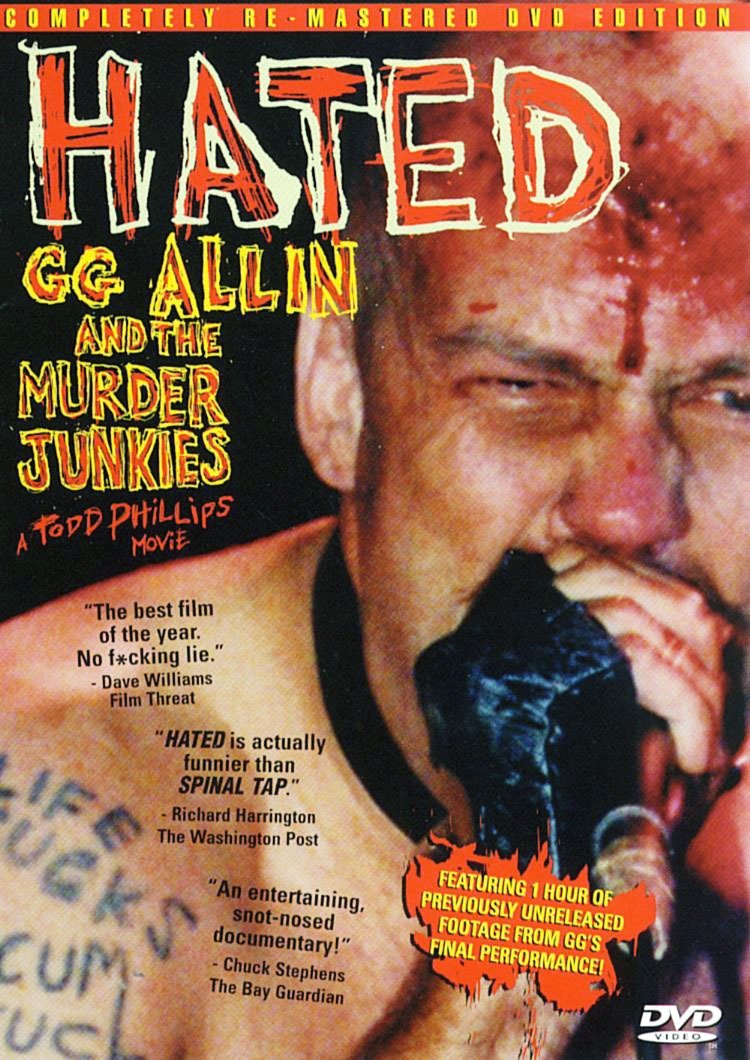
An overview of the life of the most shocking, vile, and notorious of punk rock legends.
The definitive portrait of one of sport's most inspirational, influential figures - whose legacy lives on far beyond the football field.
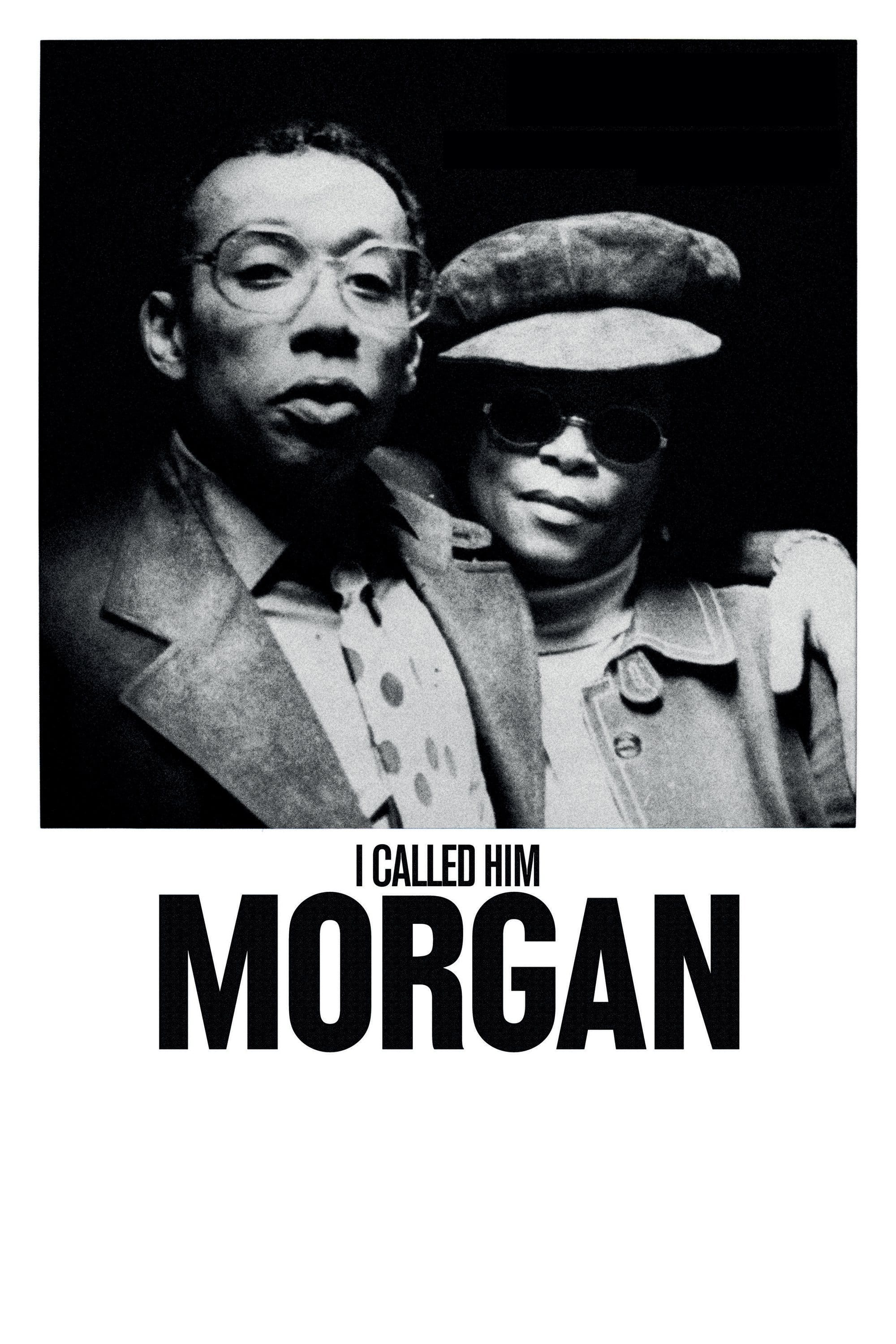
Part jazz history, part true-crime tale, Kasper Collin’s new documentary employs extensive archival footage and new interviews to tell the tragic story of the magnificently talented trumpeter Lee Morgan and his common-law wife Helen, who murdered him in a New York bar in 1972.
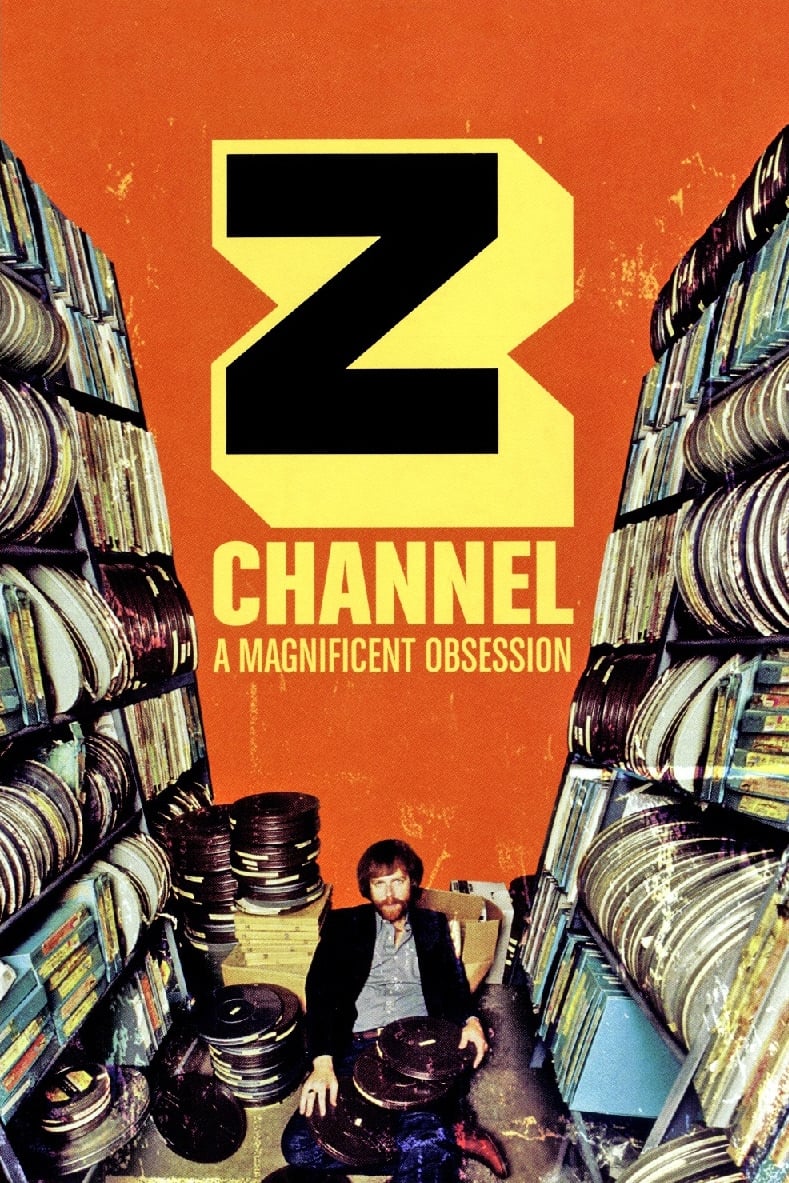
A documentary on the Z Channel, one of the first pay cable stations in the US, and its programming chief, Jerry Harvey. Debuting in 1974, the LA-based channel's eclectic slate of movies became a prime example of the untapped power of cable television.