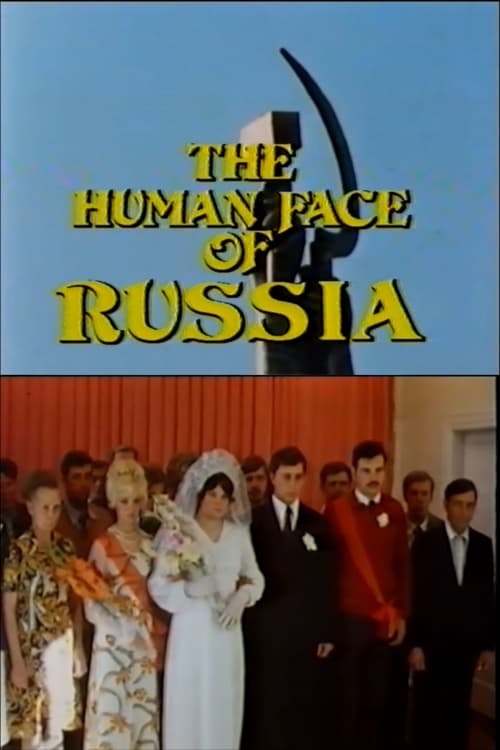
Compilation short film about the Communist Revolution and Soviet Union.
Social & External
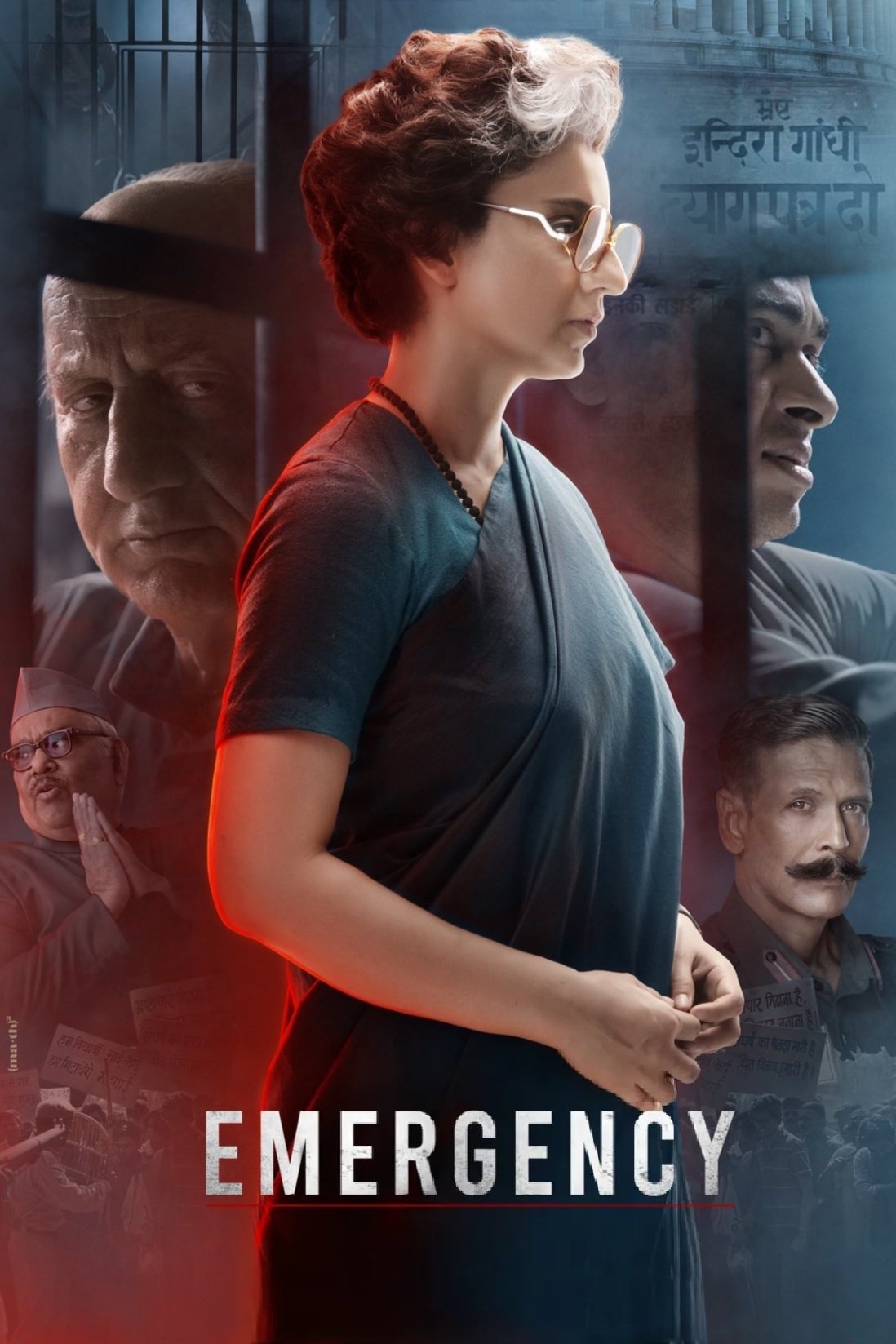
Based on true events that unfolded in 1975, the film chronicles incidents that took place under the leadership of Indira Gandhi, one of the most powerful women in Indian history.
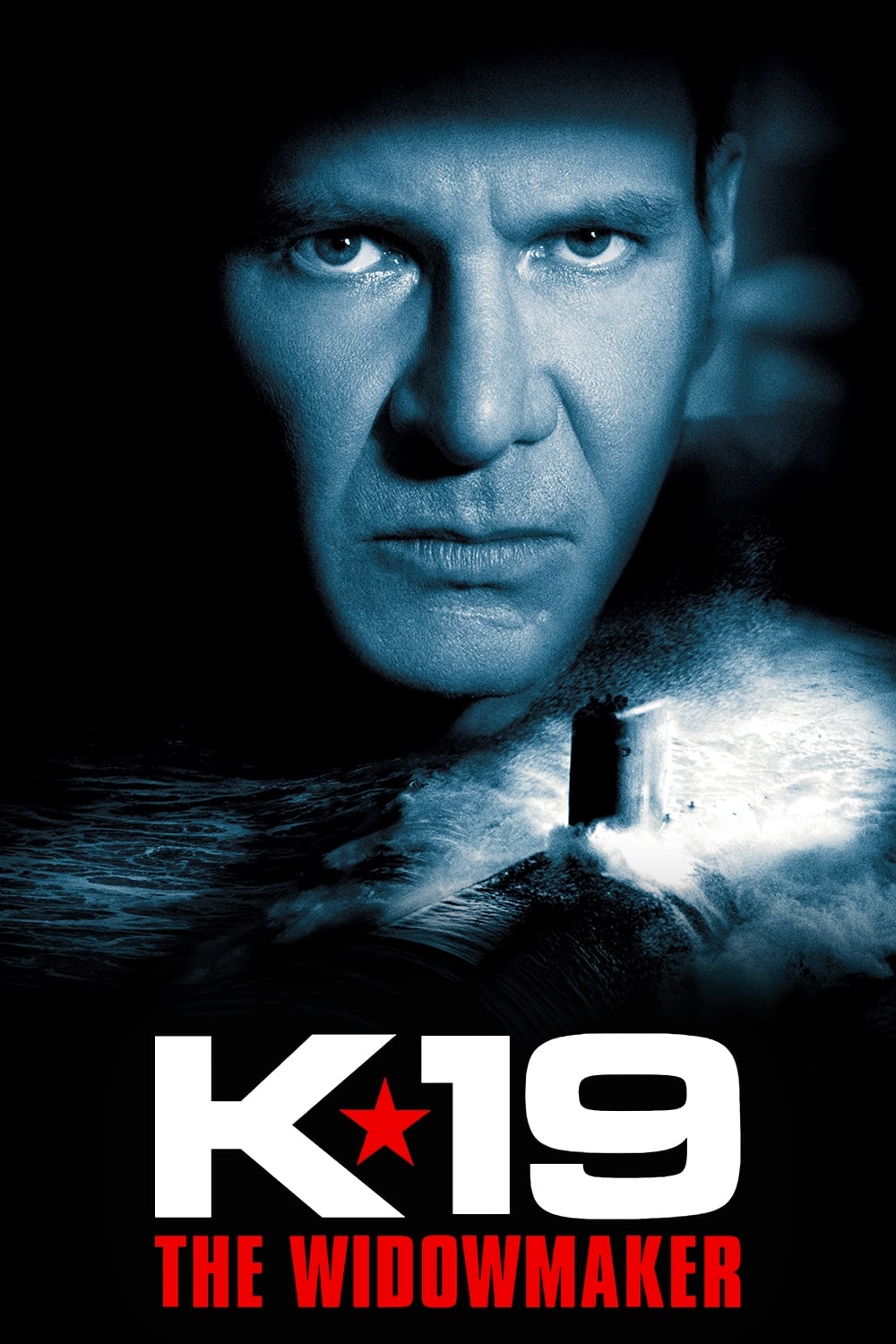
When Russia's first nuclear submarine malfunctions on its maiden voyage, the crew must race to save the ship and prevent a nuclear disaster.
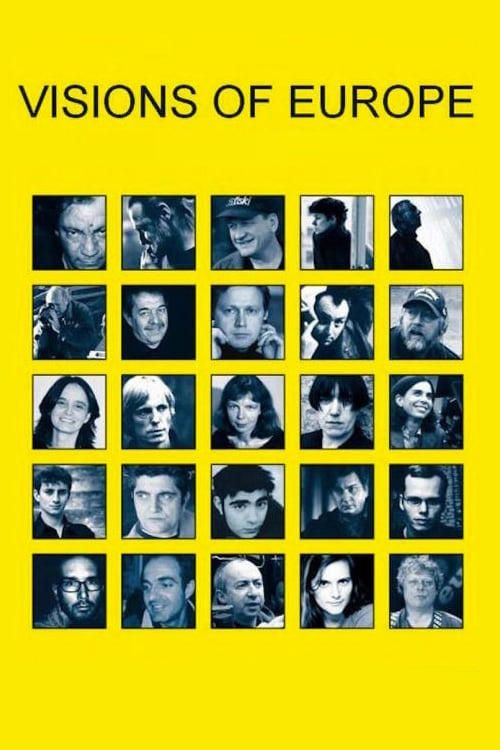
Twenty-five films from twenty-five European countries by twenty-five European directors.
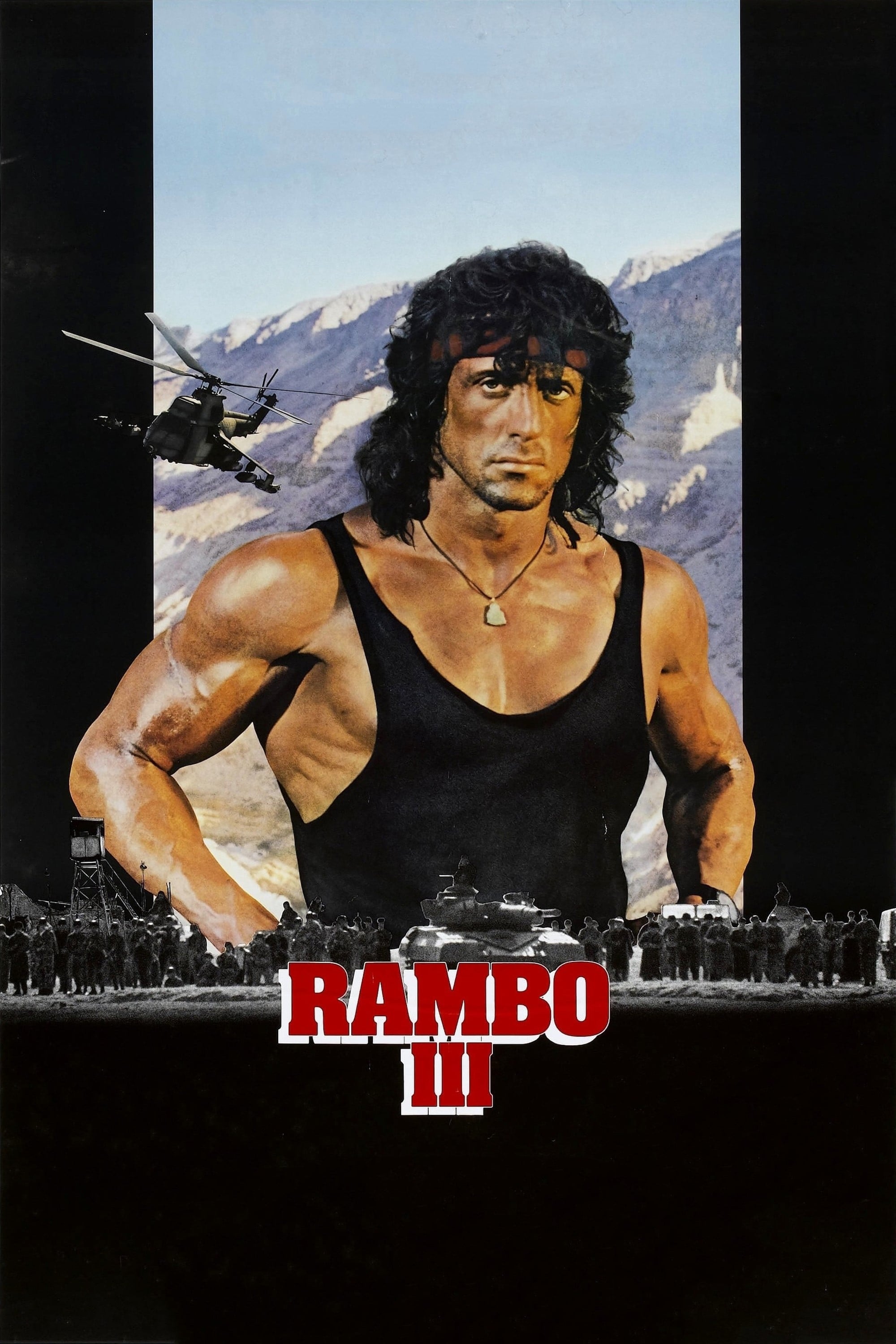
Combat has taken its toll on Rambo, but he's finally begun to find inner peace in a monastery. When Rambo's friend and mentor Col. Trautman asks for his help on a top secret mission to Afghanistan, Rambo declines but must reconsider when Trautman is captured.
Charlie Marx and the Chocolate Factory started as an investigation of the link between politics and chocolate, at the Karl Marx Confectionary Factory in Kiev, Ukraine. Since access to the factory was denied, the project had to be re-considered, re-invented or re-enacted. Mostly made of archival footage and re-enacted performances based on the company's website, the film merges what was left of the initial idea with what has been collected and realized instead. It borrows from the genres of video art, 'Man on the street' interview, direct address, corporate film, essay, and music video, without legitimately belonging to any of them. The film unravels as a reflection on its own failure, and yet keeps on investigating what has always been at stake: the shift from public to private property (and from analog to digital technology), dialectics of permanence and change, language as a mirror of ideology, and post-Soviet oligarchy culture.
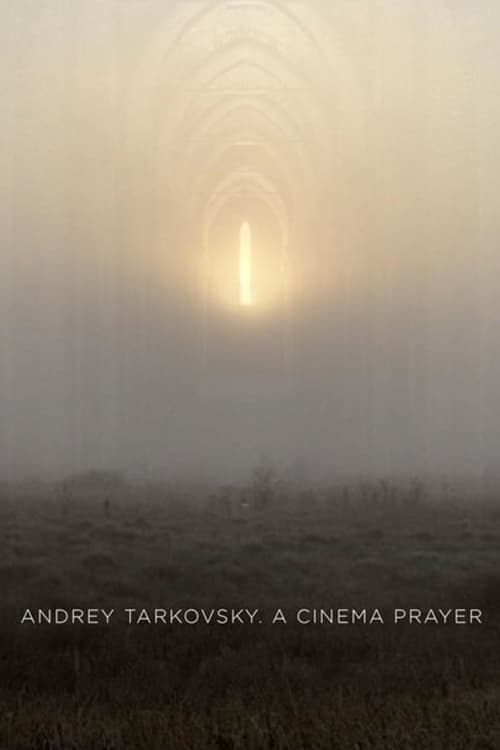
An account of the life and work of Russian filmmaker Andrey Tarkovsky (1932-86) in his own words: his memories, his vision of art and his reflections on the fate of the artist and the meaning of human existence; through extremely rare audio recordings that allow a complete understanding of his inner life and the mysterious world existing behind his complex cinematic imagery.
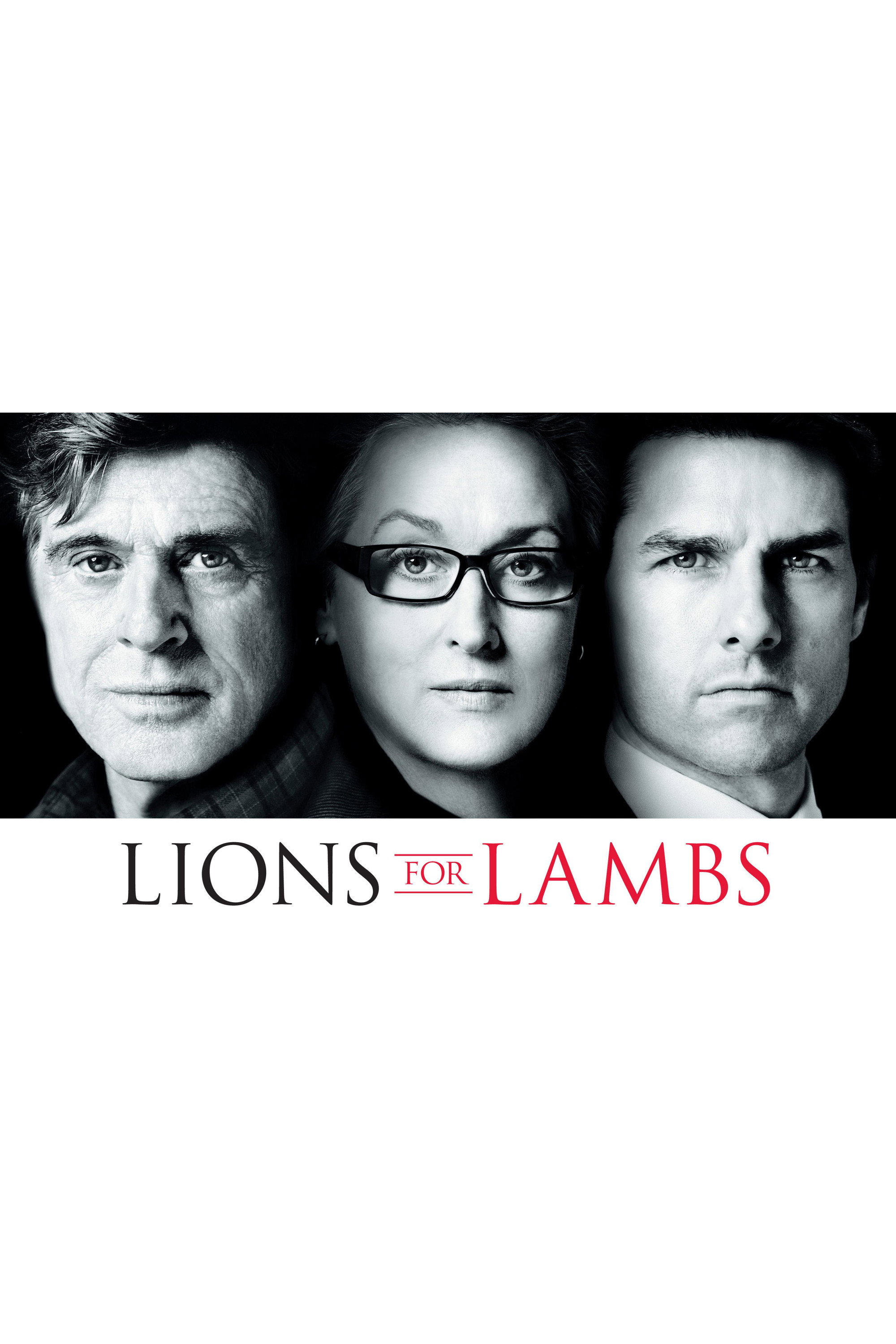
Three stories told simultaneously in ninety minutes of real time: a Republican Senator who's a presidential hopeful gives an hour-long interview to a skeptical television reporter, detailing a strategy for victory in Afghanistan; two special forces ambushed on an Afghani ridge await rescue as Taliban forces close in; a poli-sci professor at a California college invites a student to re-engage.
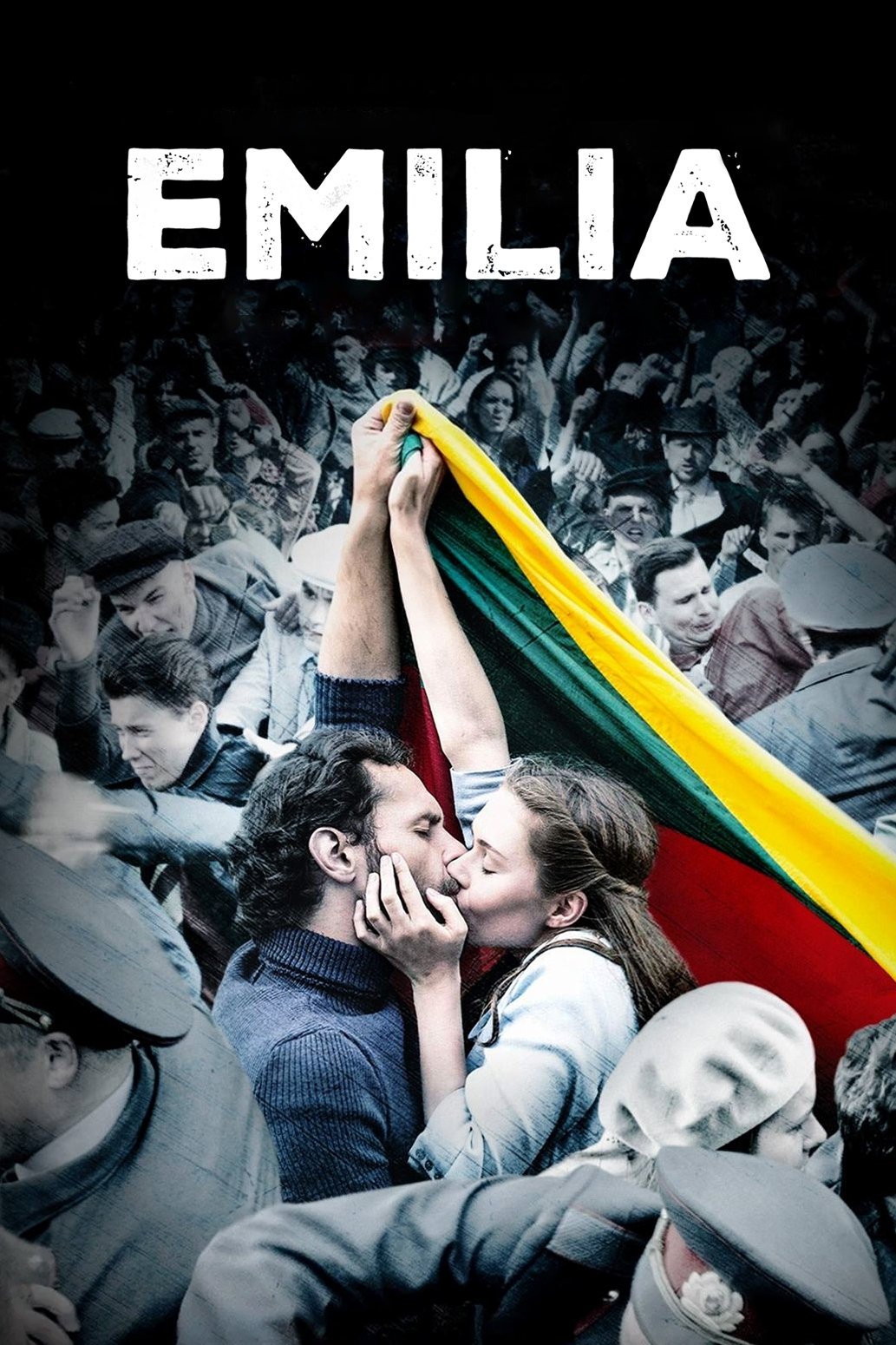
Soviet Lithuania in 1972. A young theatre actress is trying to make a difference and tell the forbidden story of repression in a play.
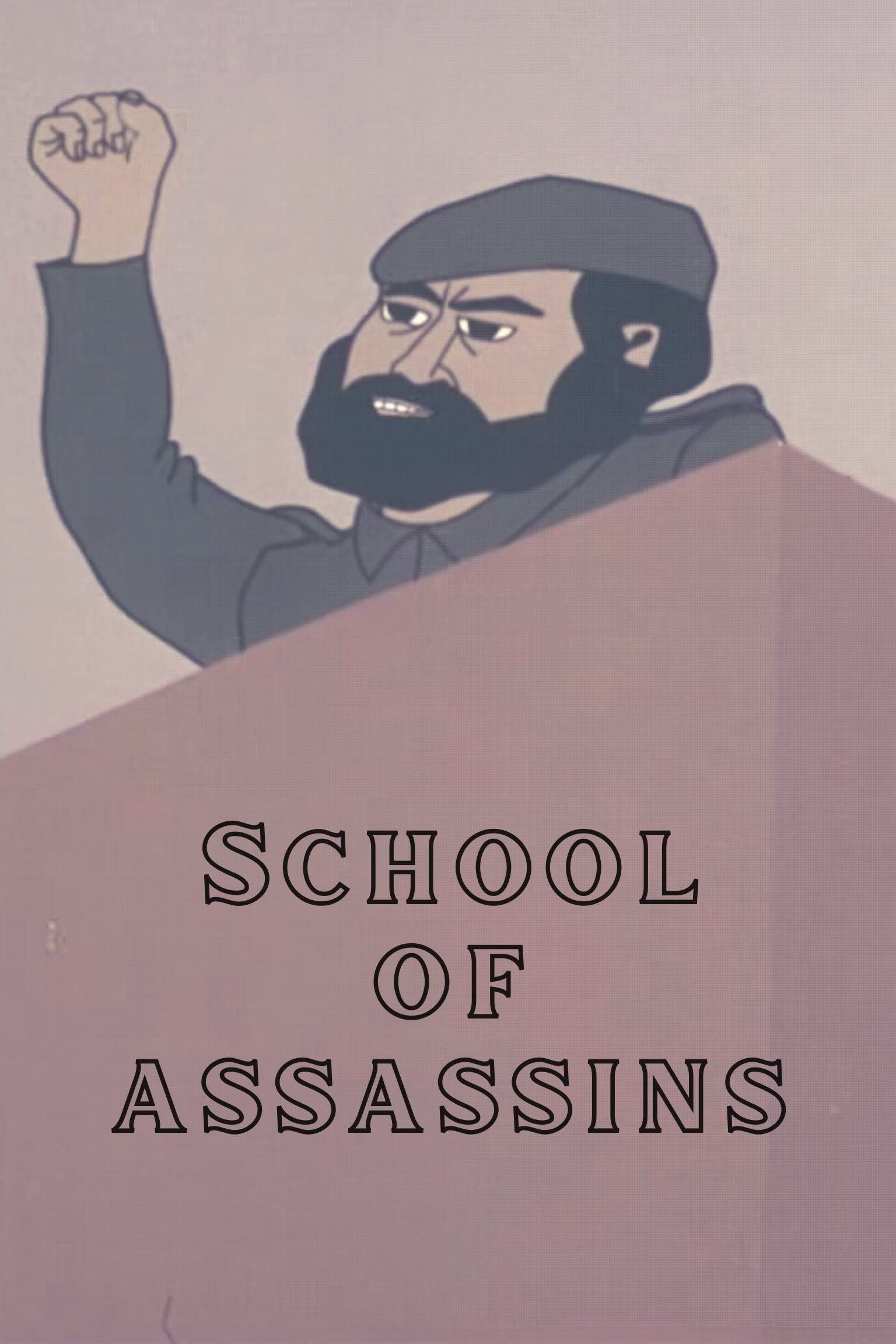
"This anti-Communism film uses animation to tell the story of two brothers, one of whom receives training for hemispheric subversion in Cuba and returns to his own country to spread violence and terror. He realizes his mistake when, in the course of trying to destroy an experimental farm, his actions bring about the death of his brother Gustavo. Produced by Copri International Films, Inc. (Miami, FL) and directed by Jose D. de Villegas" (US National Archives).
An exploration —manipulated and staged— of life in Las Hurdes, in the province of Cáceres, in Extremadura, Spain, as it was in 1932. Insalubrity, misery and lack of opportunities provoke the emigration of young people and the solitude of those who remain in the desolation of one of the poorest and least developed Spanish regions at that time.
Warsaw's Central Railway Station. 'Someone has fallen asleep, someone's waiting for somebody else. Maybe they'll come, maybe they won't. The film is about people looking for something.
Photon batteries are an energy source created to save the resource-depleted Earth. Bellri Zenam, Aida Surugan, and their comrades have left the Earth Sphere to head for the source of these energy devices that cannot be manufactured on Earth. Now the Megafauna finally reaches its destination, the Venus Globe in the inner solar system. After battling the G-IT Corps, which plans to return to Earth in a Reconguista operation, Aida has an opportunity to meet with President La Gu of the Hermes Foundation, the organization that controls the production and supply of the photon batteries.
The Megafauna, carrying Bellri and his comrades, leaves the Venus Globe in pursuit of the G-IT Corps. However, the war situation in the Earth Sphere has changed completely in the interim. The Capital Army, the Amerian forces, and the Dorette Fleet, which have been confronting each other outside the atmosphere, are now clashing even more violently around the untouchable sacred ship Kashiba Mikoshi. Amid all this, Bellri wishes to end the tragedy and hatred that war creates...
Dramatization of the time around the first Danish Social Democrats and the Battle of Fælleden. A social blockbuster produced for AOF.
A pragmatic U.S. Marine observes the dehumanizing effects the U.S.-Vietnam War has on his fellow recruits from their brutal boot camp training to the bloody street fighting in Hue.
Documentary on the USSR
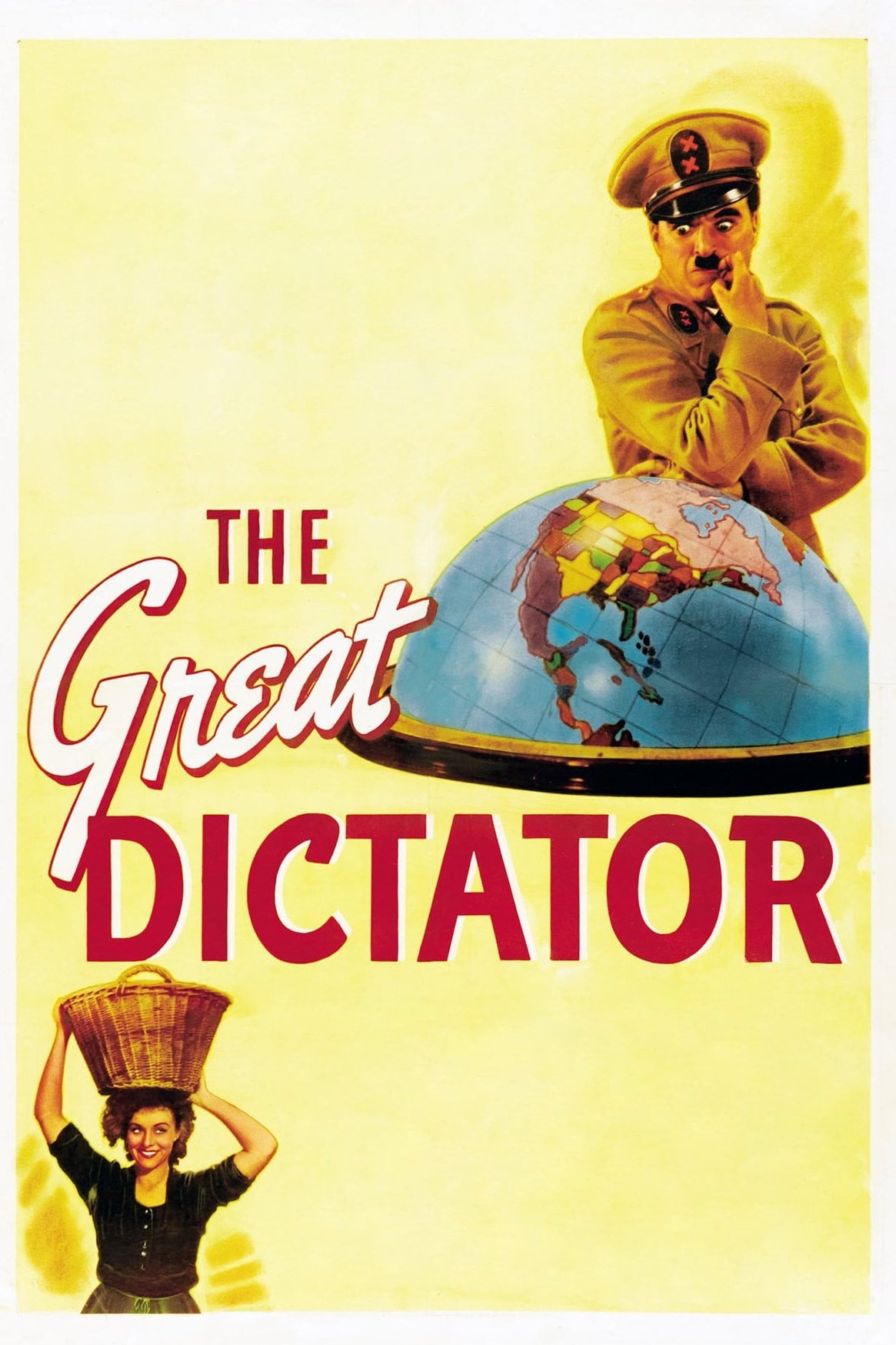
Dictator Adenoid Hynkel tries to expand his empire while a poor Jewish barber tries to avoid persecution from Hynkel's regime.
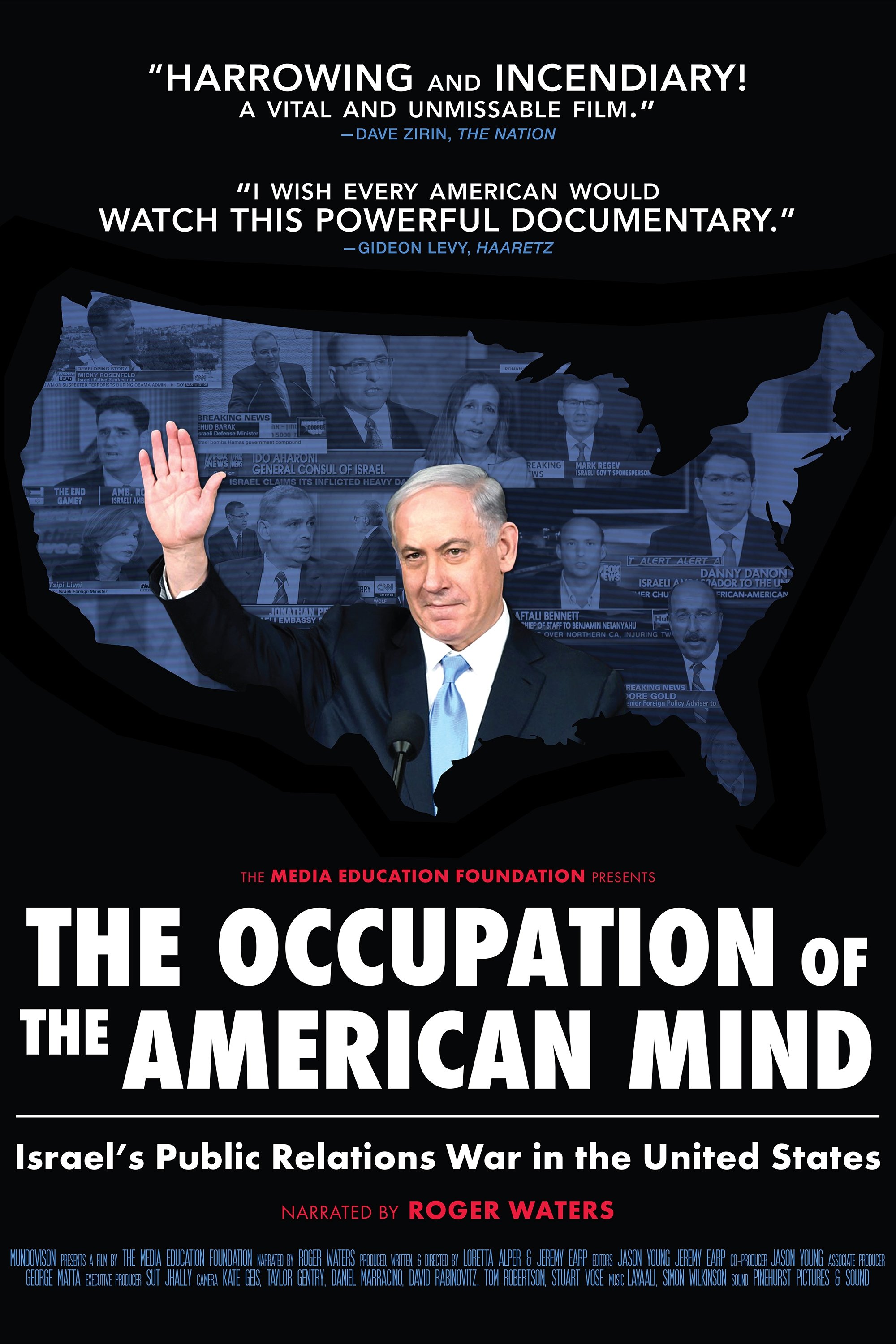
Over the past few years, Israel's ongoing military occupation of Palestinian territory and repeated invasions of the Gaza strip have triggered a fierce backlash against Israeli policies virtually everywhere in the world—except the United States. This documentary takes an eye-opening look at this critical exception, zeroing in on pro-Israel public relations efforts within the U.S.
“The Soviet Story” is a story of an Allied power, which helped the Nazis to fight Jews and which slaughtered its own people on an industrial scale. Assisted by the West, this power triumphed on May 9th, 1945. Its crimes were made taboo, and the complete story of Europe’s most murderous regime has never been told. Until now...
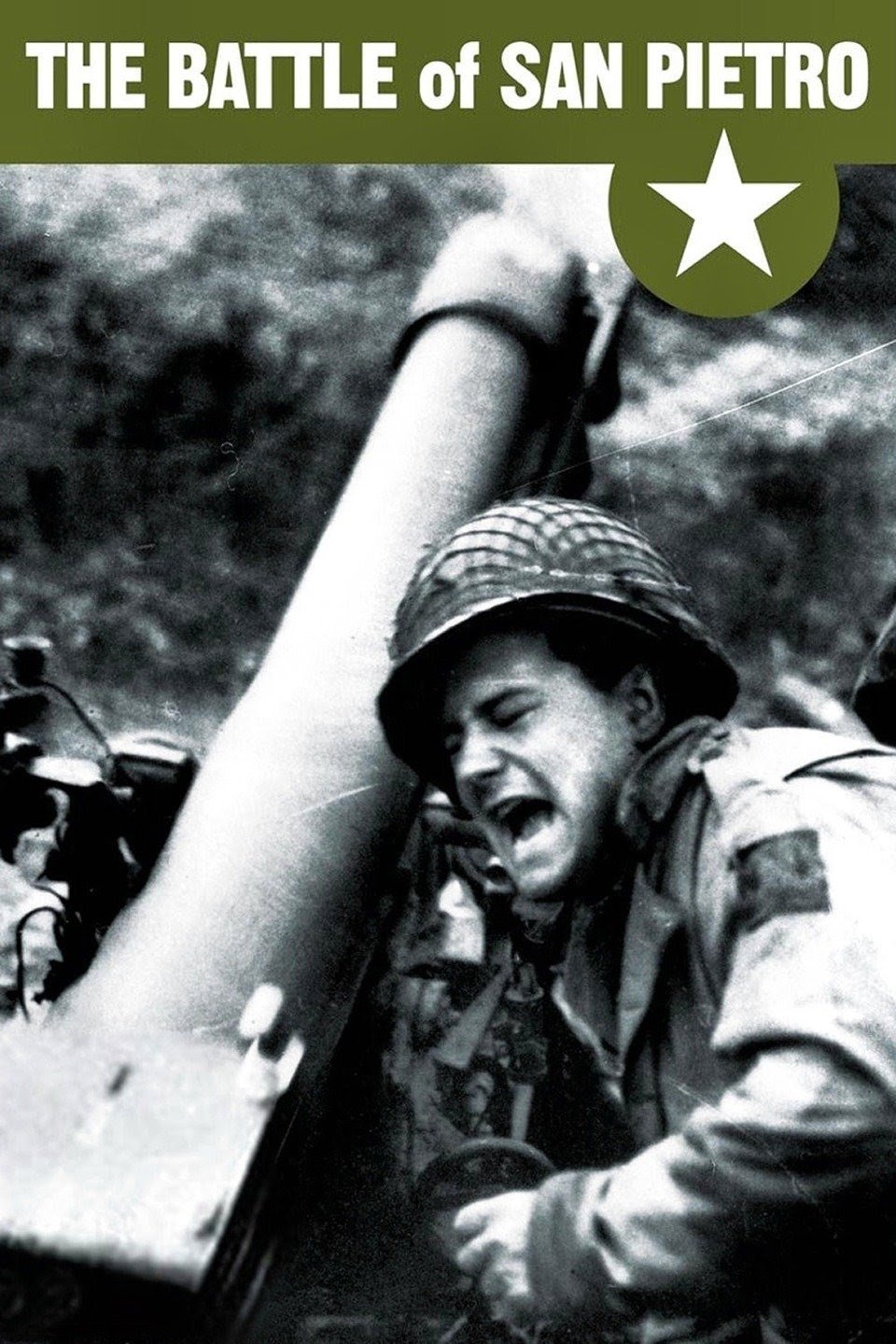
This documentary movie is about the battle of San Pietro, a small village in Italy. Over 1,100 US soldiers were killed while trying to take this location, that blocked the way for the Allied forces from the Germans. Preserved by the Academy Film Archive in 2005.
Prelude to War was the first film of Frank Capra's Why We Fight propaganda film series, commissioned by the Pentagon and George C. Marshall. It was made to convince American troops of the necessity of combating the Axis Powers during World War II. This film examines the differences between democratic and fascist states.
A love letter from a young mother to her daughter, the film tells the story of Waad al-Kateab’s life through five years of the uprising in Aleppo, Syria as she falls in love, gets married and gives birth to Sama, all while cataclysmic conflict rises around her. Her camera captures incredible stories of loss, laughter and survival as Waad wrestles with an impossible choice– whether or not to flee the city to protect her daughter’s life, when leaving means abandoning the struggle for freedom for which she has already sacrificed so much.
Pete Postlethwaite stars as a man living alone in the devastated future world of 2055, looking at old footage from 2008 and asking: why didn’t we stop climate change when we had the chance?
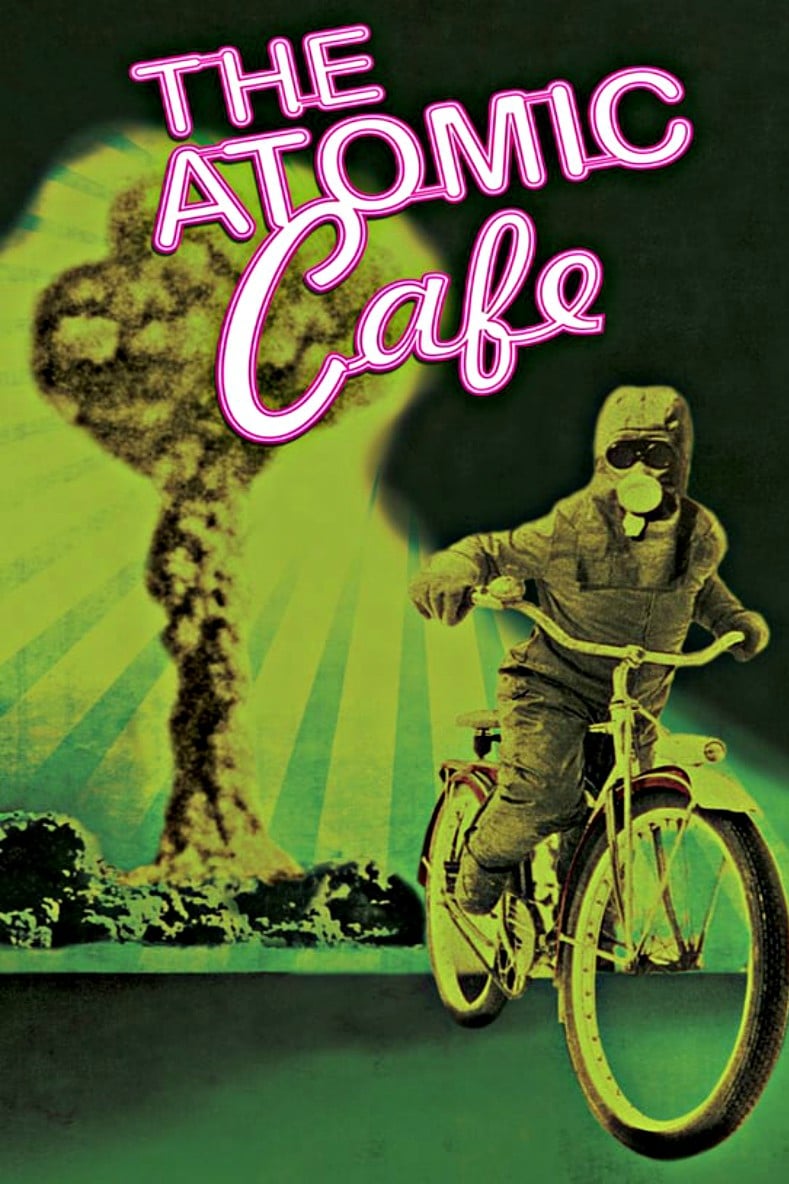
A disturbing collection of 1940s and 1950s United States government-issued propaganda films designed to reassure Americans that the atomic bomb was not a threat to their safety.
Korengal picks up where Restrepo left off; the same men, the same valley, the same commanders, but a very different look at the experience of war.
WWII from Space delivers World War II in a way you've never experienced it before. This HISTORY special uses an all-seeing CGI eye that offers a satellite view of the conflict, allowing you to experience it in a way that puts key events and tipping points in a global perspective. By re-creating groundbreaking moments that could never have been captured on camera, and by illustrating the importance of simultaneity and the hidden effects of crucial incidents, HISTORY presents the war's monumental moments in a never-before-seen context. And with new information brought to the forefront, you'll better understand how a nation ranked 19th in the world's militaries in 1939 emerged six years later as the planet's only atomic superpower.
Set both in Latin America and the United States, the film explores the historic and current relationship of Washington with countries such as Venezuela, Bolivia and Chile. Pilger says that the film "...tells a universal story... analysing and revealing, through vivid testimony, the story of great power behind its venerable myths. It allows us to understand the true nature of the so-called "war on terror". According to Pilger, the film’s message is that the greed and power of empire is not invincible and that people power is always the "seed beneath the snow".
The Japanese attack on Midway in June 1942, filmed as it happened. Preserved by the Academy Film Archive, in partnership with Twentieth Century Fox Film Corporation, in 2006.
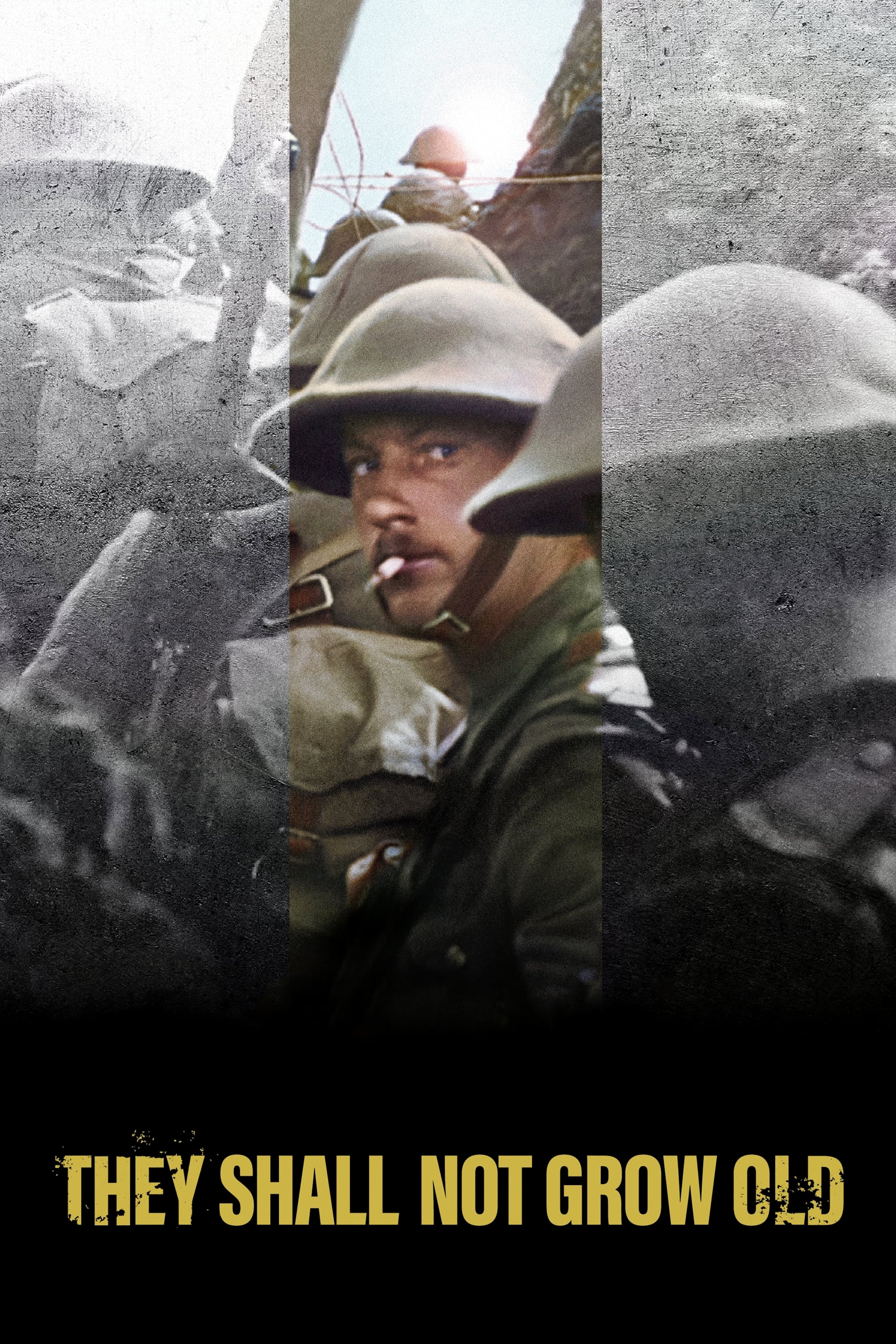
A documentary about World War I with never-before-seen footage to commemorate the centennial of Armistice Day, and the end of the war.
Romm pulls out all the stops in its selection of documentary material to draw the viewer not only into absolute horror about fascism and nazism in the 1920s–1940s Europe, but also to a firm conviction that nothing of the sort should be allowed to happen again anywhere in the world.
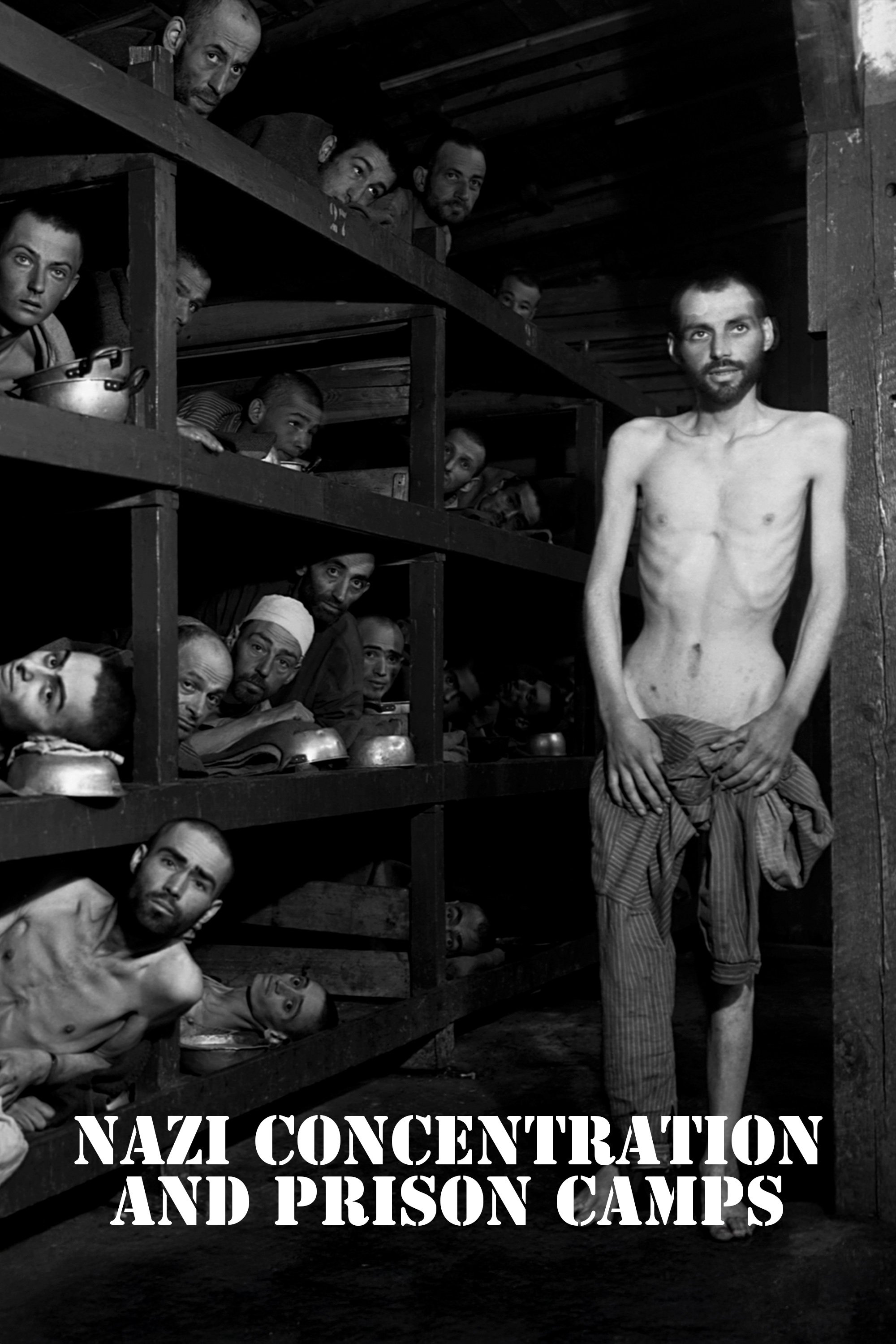
Produced and presented as evidence at the Nuremberg war crimes trial of Hermann Göring and twenty other Nazi leaders, this film consists primarily of dead and surviving prisoners and of facilities used to kill and torture during the World War II.
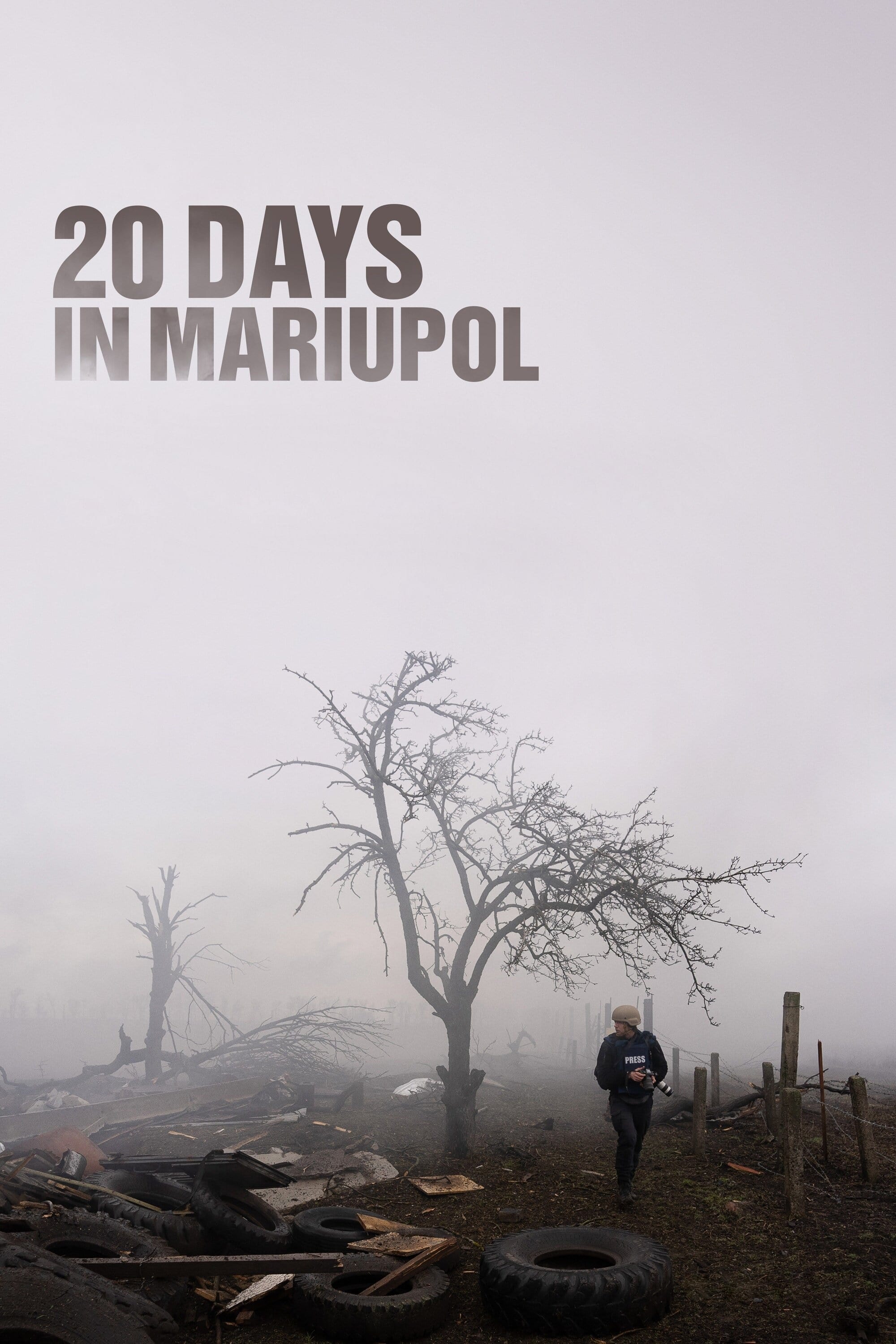
As the Russian invasion begins, a team of Ukrainian journalists trapped in the besieged city of Mariupol struggle to continue their work documenting the war's atrocities.
Meet the real-life airmen who inspired Masters of the Air as they share the harrowing and transformative events of the 100th Bomb Group.
The history of cinematic sound, told by legendary sound designers and visionary filmmakers.
With unprecedented access, this documentary follows the extraordinary journey of “Raqqa is Being Slaughtered Silently”—a group of anonymous citizen journalists who banded together after their homeland was overtaken by ISIS—as they risk their lives to stand up against one of the greatest evils in the world today.
The final entry in a trilogy of films produced for the U.S. government by John Huston. Some returning combat veterans suffer scars that are more psychological than physical. This film follows patients and staff during their treatment. It deals with what would now be called PTSD, but at the time was categorised as psychoneurosis or shell-shock. Government officials deemed this 1946 film counterproductive to postwar efforts; it was not shown publicly until 1981.
This documentary examines the 1999 London bombings that targeted Black, Bangladeshi and gay communities, and the race to find the far-right perpetrator. He terrorized a city, seeking to ignite a race war but justice was served by those who wouldn't let his hate win.
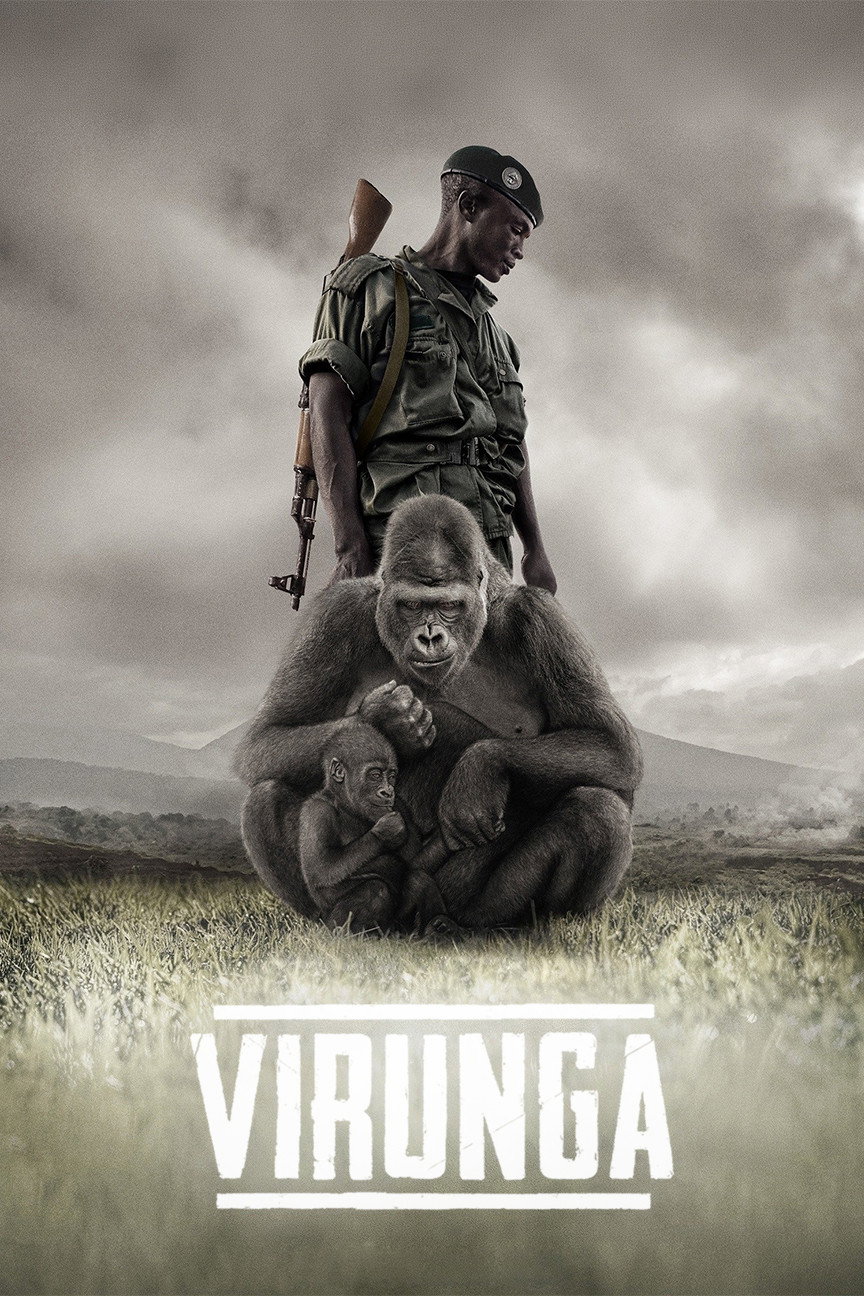
Virunga in the Democratic Republic of the Congo is Africa’s oldest national park, a UNESCO world heritage site, and a contested ground among insurgencies seeking to topple the government that see untold profits in the land. Among this ongoing power struggle, Virunga also happens to be the last natural habitat for the critically endangered mountain gorilla. The only thing standing in the way of the forces closing in around the gorillas: a handful of passionate park rangers and journalists fighting to secure the park’s borders and expose the corruption of its enemies. Filled with shocking footage, and anchored by the surprisingly deep and gentle characters of the gorillas themselves, Virunga is a galvanizing call to action around an ongoing political and environmental crisis in the Congo.