Instructions on how to make a Molotov Cocktail
Social & External
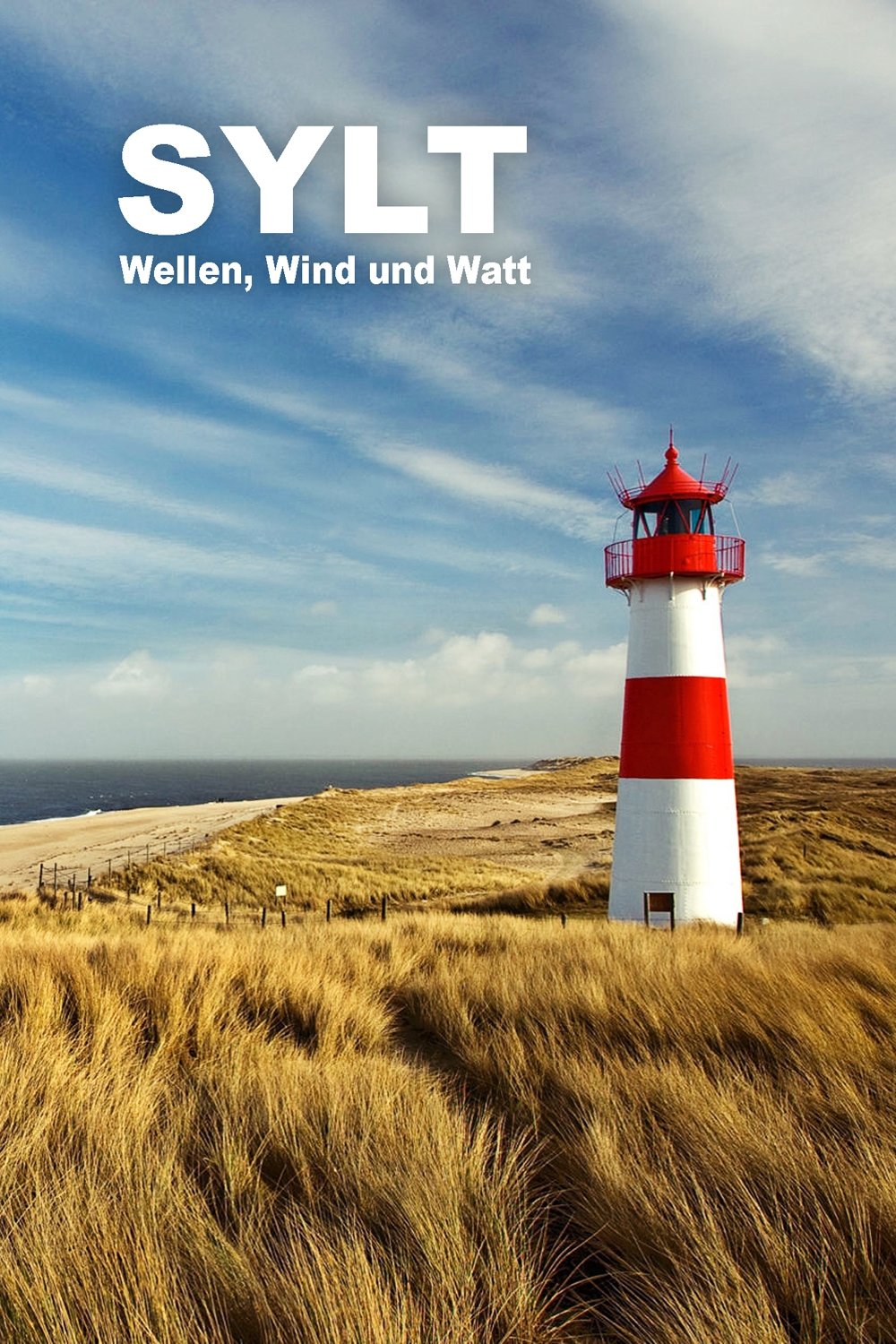
Endless beaches, dunes, heath and the Wadden Sea characterize the landscape of Sylt. Germany's largest North Sea island is also a paradise for numerous animal and plant species. Around half of its area is under landscape or nature protection. In spring and autumn, thousands of migratory birds stop here on their way between Siberia and East Africa. Sheep graze on the dike meadows, female seals give birth to their young off Sylt. And the Sylt Wadden Sea is one of the last large wilderness areas in Europe. But in winter storms hit the island. If the “Blanke Hans”, as the storm on Sylt is called, causes the North Sea to rage, it hits the island with tremendous force. Only a few places on the German North Sea coast are as exposed to the force of the sea as the west coast of Sylt. The documentary shows Sylt's nature in fascinating images. People who are particularly connected to the island and its nature are accompanied in their everyday lives.
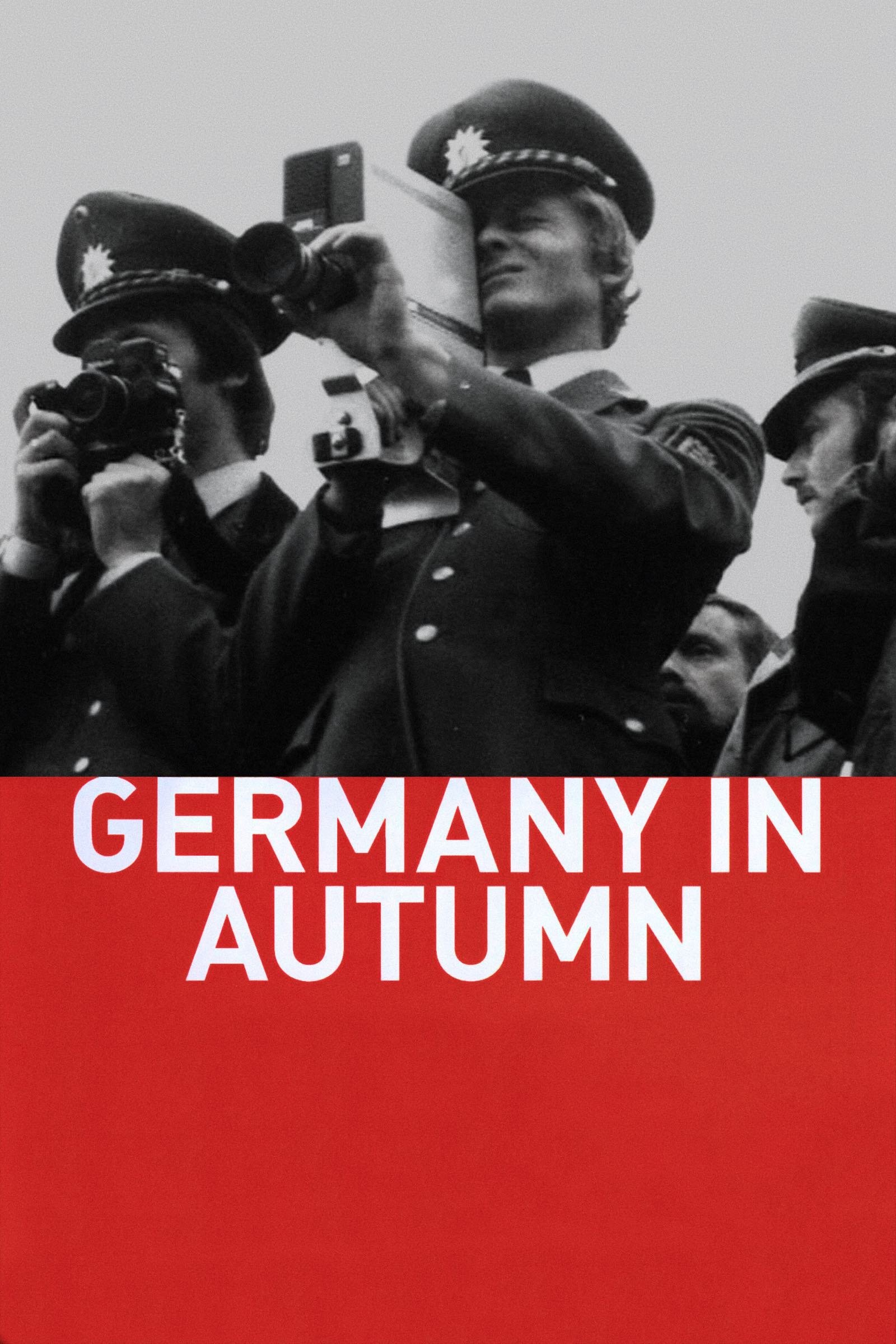
Nine fictitious documentaries and films reflect the mood of late 1970s Germany, particularly the two-month period in 1977 when a businessman was kidnapped by the RAF (Red Army Faction). The kidnap had been made to orchestrate the release of the original leaders of the RAF, aka the Baader-Meinhof.
During the donations scandal of 1999/2000, Helmut Kohl gave his legendary "word of honor" not to name any donors. This documentary explores the question of what this word of honor was really all about
Kraftwerk's vision of a keyboard-driven world of clicking metronomic rhythms and digitised sound bites may have been the stuff of avant fantasy in the 1970s (the decade that saw the band's first groundbreaking albums), but it is a reality in the new millennium. Their visionary style is explored in KRAFTWERK AND THE ELECTRONIC REVOLUTION, a study of the group, their career and their emergence as the most influential electronic band in the world.
In 1997, the feminist punk poet and experimental writer Kathy Acker interviewed the Spice Girls for the Guardian (not, as has passed into legend, US Vogue). The Spice Girls were at the height of their fame, flicking peace signs at us from every teenage girl’s bedroom wall on posters ripped from magazines. Acker on the other hand was an unapologetic weirdo in the same vein as William S Burroughs, writing books so filled with sex, incest and violence that West Germany banned Blood and Guts in High School for being too pornographic. SEE THIS NEVER SEEN BEFORE EVA BERRY EXCLUSIVE NOW! NOW! NOW!
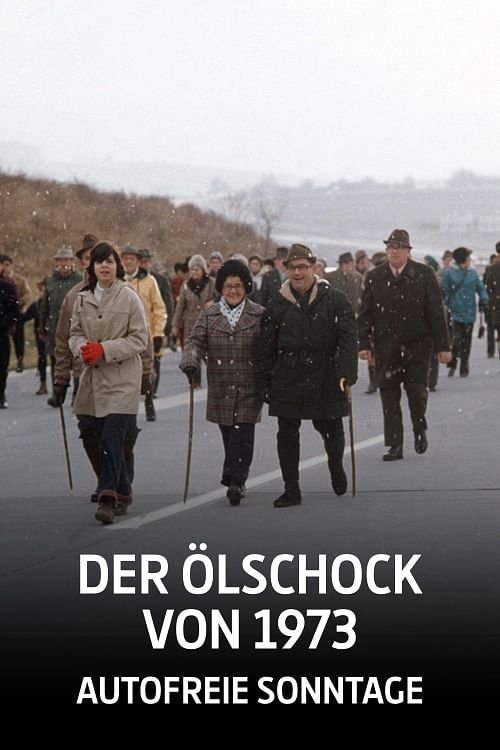
On November 25, 1973, the first of four car-free Sundays transformed West Germany's deserted highways into spaces for walking, cycling, and horse-drawn carriages, while towns and cities took on a festive atmosphere. Introduced during the oil crisis to conserve fuel after the Arab oil embargo and production cuts following the Yom Kippur War, the measure became an unforgettable collective experience. Beyond the immediate energy shortage, the crisis marked a turning point, ending the postwar economic boom and encouraging greater awareness of energy use, consumerism, and environmental issues.
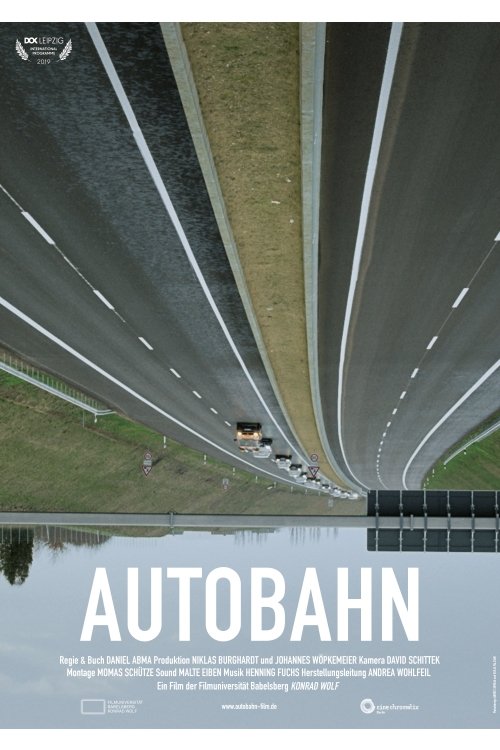
Traffic on the B61 road, which connects Rotterdam to Warsaw and cuts through the German spa town of Bad Oeynhausen, is permanently gridlocked. The promised cure is a bypass whose construction is documented for a period of eight years: the efforts of the mayor, police, fire brigade and construction companies, the delays in the construction of the northern bypass and above all the reactions of the affected residents.
Filmed in a village of the indigenous Mandaya people, located in a mountainous area of southeastern Mindanao, the country's second largest island, the documentary portrays the struggle of the Communist Party of the Philippines and its armed wing, the New People's Army, for the rights of indigenous Filipino peoples and the environment, which are constantly under threat from landowners, large logging companies and agribusiness.
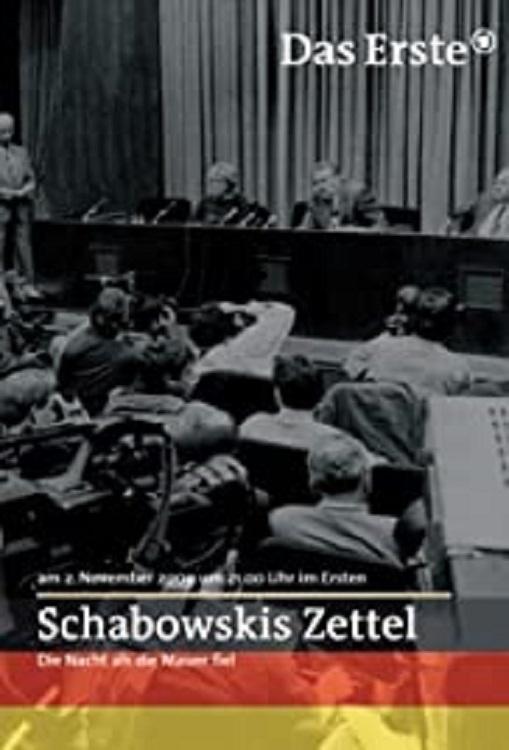
Berlin, summer 1988: While Michael Jackson and Pink Floyd perform in the West, East Berliners can look forward to Bruce Springsteen, Depeche Mode and James Brown. The documentary reveals how the organizers enforced the concerts with the state authorities. On the anniversary of the fall of the Wall.
Marcel Ophüls interviews various important Eastern European figures for their thoughts on the reunification of Germany and the fall of Communism.
Fred Davis introduces us to Canadian Air Force operations in Zweibrucken, West Germany. Follow Green Section as they perform drills and explain what it takes to be a fighter pilot.
A BAFTA award nominated documentary intended for secondary schools exploring the three distinct geographical regions of Germany from a British perspective.
In buildings where foreign workers lived in Germany, there were strict rules of conduct, defined by the house rules and supervised by the building superintendents. Many rights regarding the freedom of movement, communication and behavior were abused. Interviews with the tenants and with the "orderlies" which point out absurd situations and clashes caused by these restrictions.
The film was shot in an old, decrepit building where dozens of guest-workers' families live. The owner, a local influential politician, has avoided paying for the maintenance of the building under the legal standards by using his connections to proclaim the building a national cultural heritage. However, the rent he has been charging was as if the building were an object that offered standard comfort. The only German tenant takes the crew around and speaks of his battle against the landlord’s manipulation.
This James A. FitzPatrick Traveltalks short visits the West German cities of Hamburg, Bremen, Munich, and Heidelberg. Included are scenes of World War II destruction that lingered at the time.
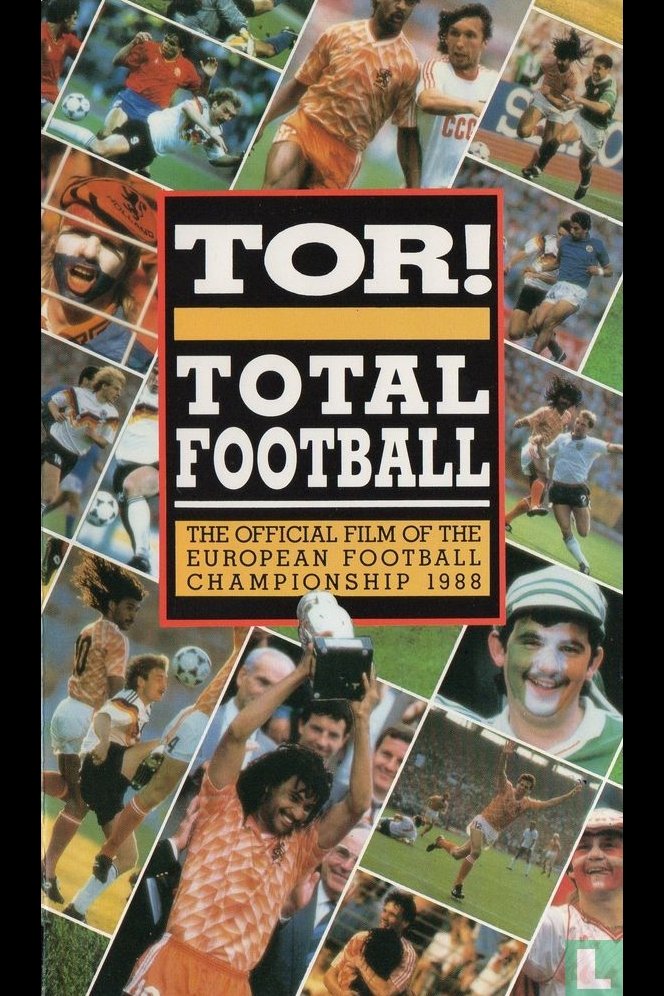
Ruud Gullit, Marco van Basten, The brothers Koeman… These were some of the superstars from Holland whose blazing talents made the European Championship of 1988 so memorable and one to log indelibly in the whole recent legend of outstanding international football. Eight teams qualified for the tournament finals, including England who scored more goals than any other side, 18, to reach the final stages – and the Cinderella side from the Republic of Ireland, managed by Jack Charlton. But most of all Euro ’88 had a winning side who swept all before them in a colourful and passionate series of displays that will be viewed again and again by anyone fascinated and intrigued by the way the world’s most popular game is so sumptuously developing as it enters its second organised century. It is a must for fans and serious students alike.
The 1974 finals in West Germany saw the emergence of "Total Football" in the shape of the classy Dutch led by the legendary Johan Cruyff. The Dutch swept all before them until they came up against the solid hosts in the final. Beckenbauer led West Germany to a tense 2-1 victory.
A film essay investigating the question of what “the West” means beyond the cardinal direction: a model of society inscribed itself in the Federal Republic of Germany’s postwar history and architecture. The narrator shifts among reflections on modern architecture and property relations, detailed scenes from childhood, and a passed-down memory of a “hemmed-in West Germany,” recalling the years of her parents’ membership in a 1970s communist splinter group.
Those who knew iconic funnyman John Candy best share his story, in their own words, through never-before-seen archival footage, imagery, and interviews.
A documentary about the life and films of director John Ford.
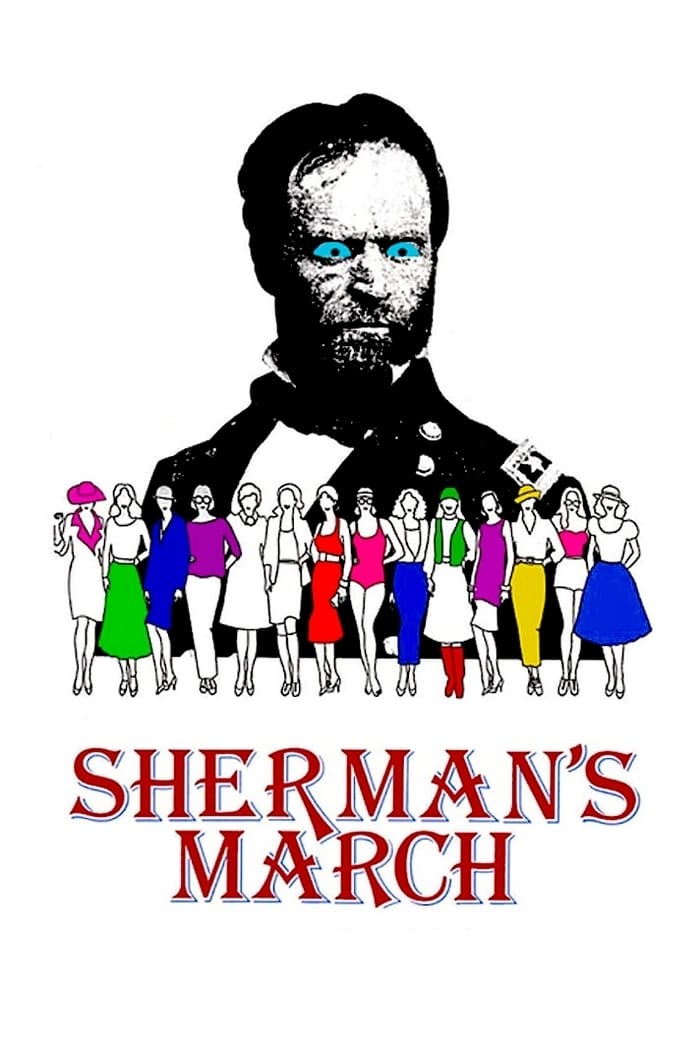
Ross McElwee sets out to make a documentary about the lingering effects of General Sherman's march of destruction through the South during the Civil War, but is continually sidetracked by women who come and go in his life, his recurring dreams of nuclear holocaust, and Burt Reynolds.
Journey into the extraordinary world of "The Witcher" — from casting the roles to Jaskier's catchy song — in this behind-the-scenes look at the series.
A detailing of the rise to prominence and global sporting superstardom of six supremely talented young Manchester United football players (David Beckham, Nicky Butt, Ryan Giggs, Paul Scholes, Phil and Gary Neville). The film covers the period 1992-1999, culminating in Manchester United's European Cup triumph.
A documentary on the expletive's origin, why it offends some people so deeply, and what can be gained from its use.
The film follows adventurer Jeff Johnson as he retraces the epic 1968 journey of his heroes Yvon Chouinard and Doug Tompkins to Patagonia.
Vulgar, taunting texts blow up the phones of a teen and her boyfriend. Who's sending them — and why? This twisty documentary reveals the shocking answer.
When Allied forces liberated the Nazi concentration camps in 1944-45, their terrible discoveries were recorded by army and newsreel cameramen, revealing for the first time the full horror of what had happened. Making use of British, Soviet and American footage, the Ministry of Information’s Sidney Bernstein (later founder of Granada Television) aimed to create a documentary that would provide lasting, undeniable evidence of the Nazis’ unspeakable crimes. He commissioned a wealth of British talent, including editor Stewart McAllister, writer and future cabinet minister Richard Crossman – and, as treatment advisor, his friend Alfred Hitchcock. Yet, despite initial support from the British and US Governments, the film was shelved, and only now, 70 years on, has it been restored and completed by Imperial War Museums under its original title "German Concentration Camps Factual Survey".
Unravel the case of Utah therapist Jodi Hildebrandt, whose child abuse arrest with parenting YouTuber Ruby Franke exposed a twisted tale of manipulation.
JB Smoove and Martin Starr host a celebration of 20 years of "Spider-Man" movies, from the Sam Raimi trilogy to Marc Webb's movies and the trio from Jon Watts.
A look at the origins, history and conspiracies behind the "Majestic 12", a clandestine group of military and corporate figureheads charged with reverse-engineering extraterrestrial technology.
Bruce Conner’s most celebrated film for a reason: it takes historical moments that were replayed over and over on television—chilling repetition of Kennedy assassination coverage—and repurposes them into a meditation on how the media tries to exert authority and apply a sense of order to the anarchic. And though it may sound perverse to say so, the film is also—not incidentally—a thrill to watch. -- The A.V. Club
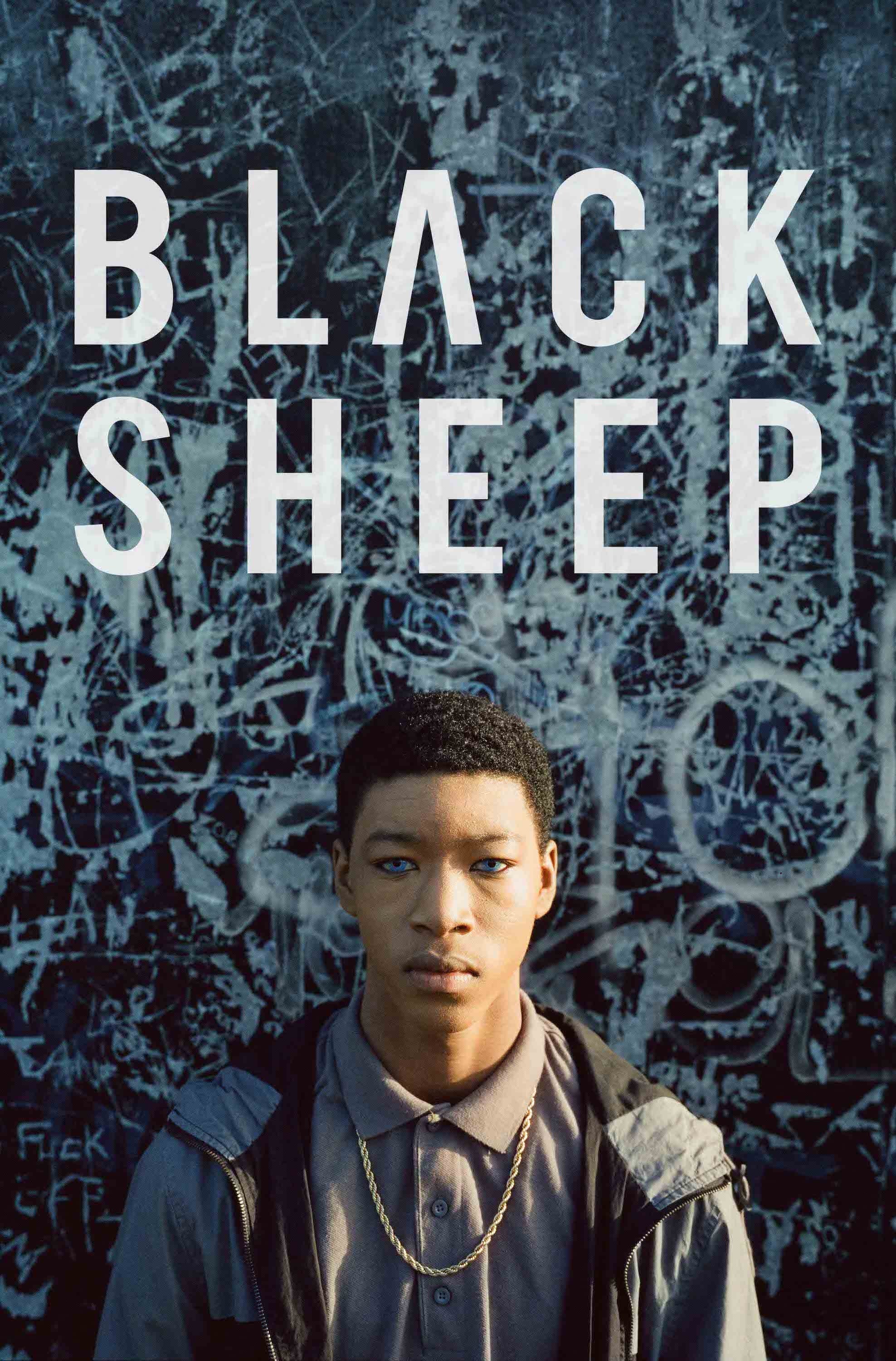
After the high-profile killing of Damilola Taylor, Cornelius' family move out of London. But when they discover their new town is run by racists, Cornelius takes a drastic step to survive.
“The Soviet Story” is a story of an Allied power, which helped the Nazis to fight Jews and which slaughtered its own people on an industrial scale. Assisted by the West, this power triumphed on May 9th, 1945. Its crimes were made taboo, and the complete story of Europe’s most murderous regime has never been told. Until now...
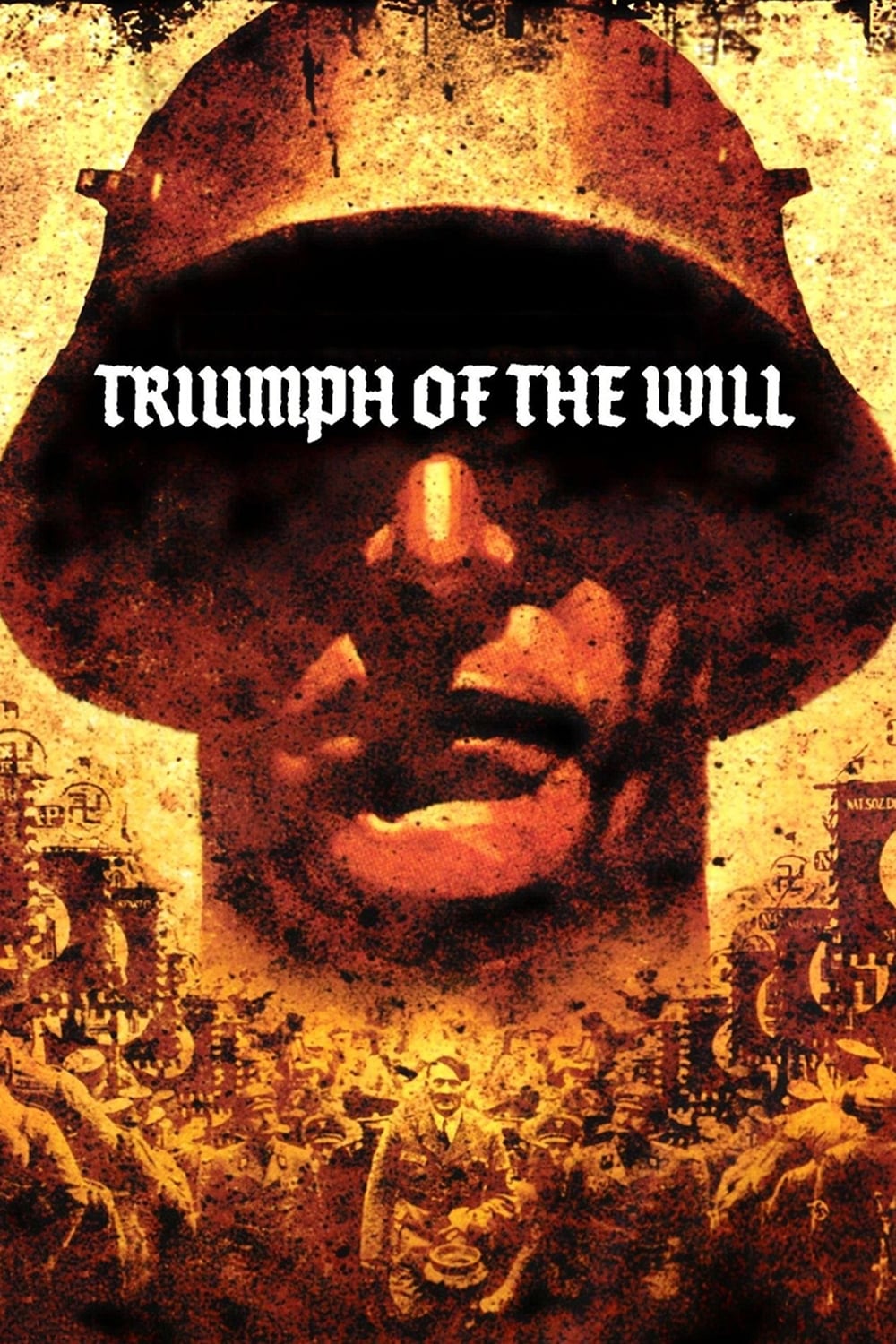
A showcase of German chancellor and Nazi Party leader Adolf Hitler at the 1934 Nuremberg Rally.
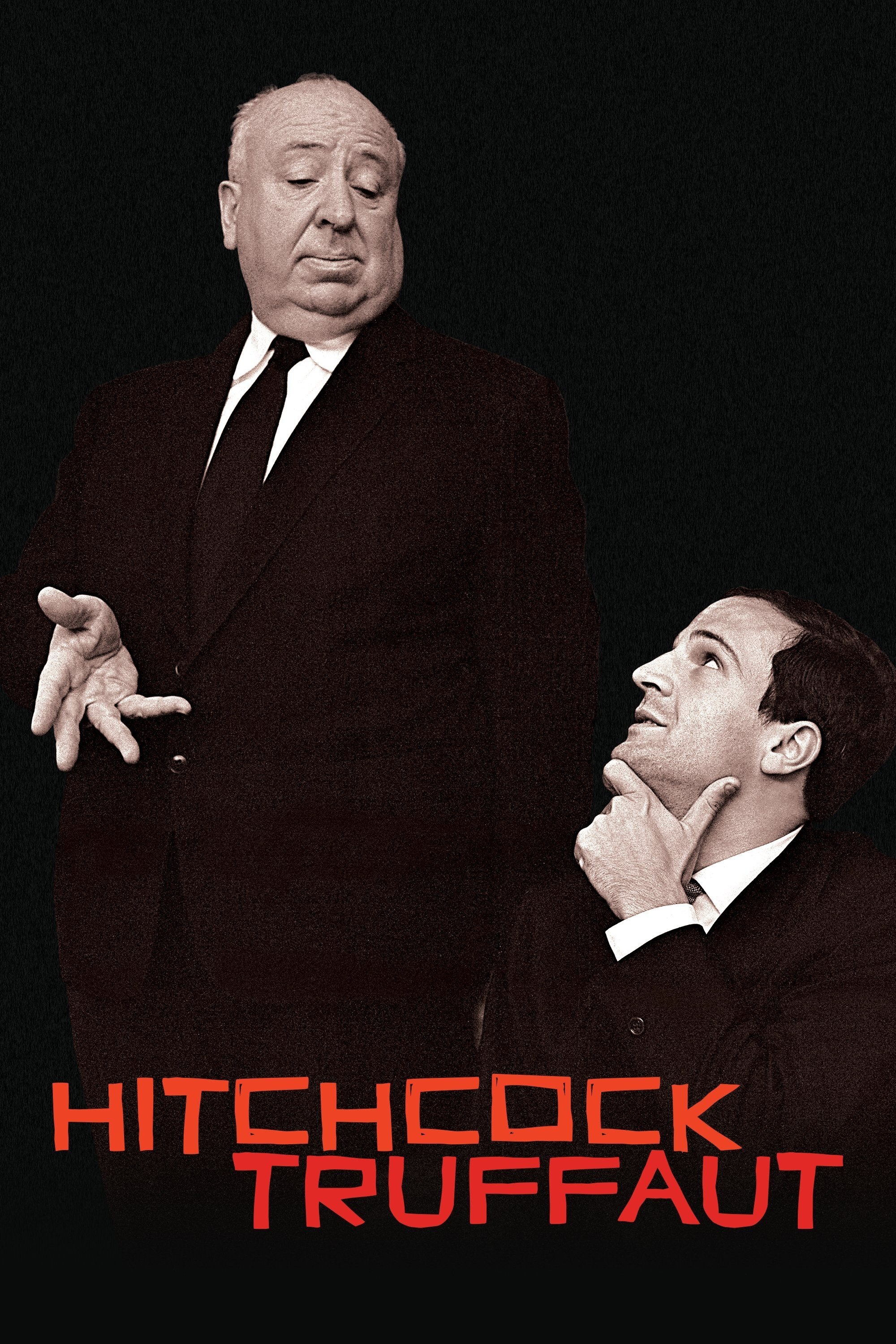
Filmmakers discuss the legacy of Alfred Hitchcock and the book “Hitchcock/Truffaut” (“Le cinéma selon Hitchcock”), written by François Truffaut and published in 1966.
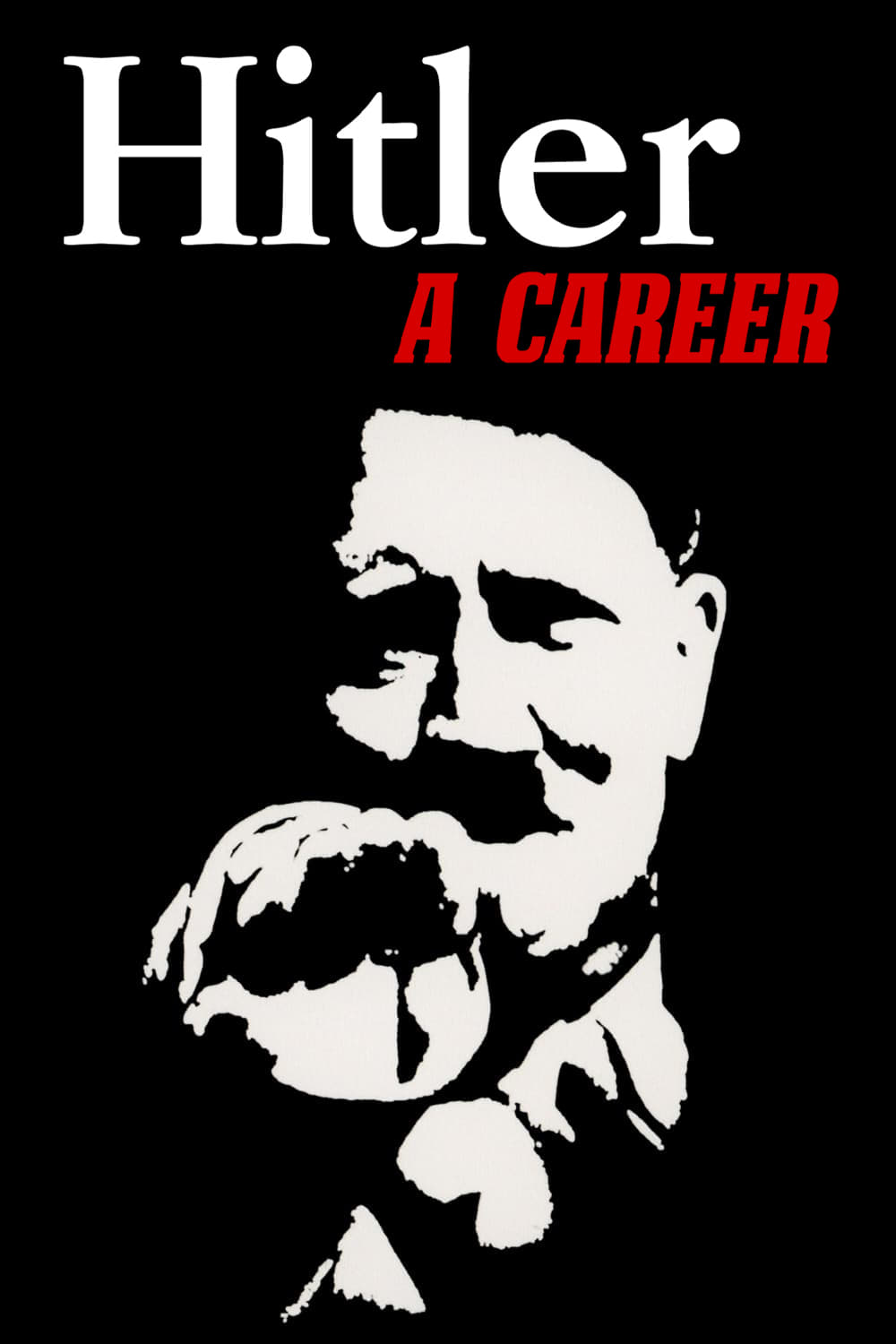
A keen chronicle of the unlikely rise to power of Adolf Hitler (1889-1945) and a dissection of the Third Reich (1933-1945), but also an analysis of mass psychology and how the desperate crowd can be deceived and shepherded to the slaughterhouse.
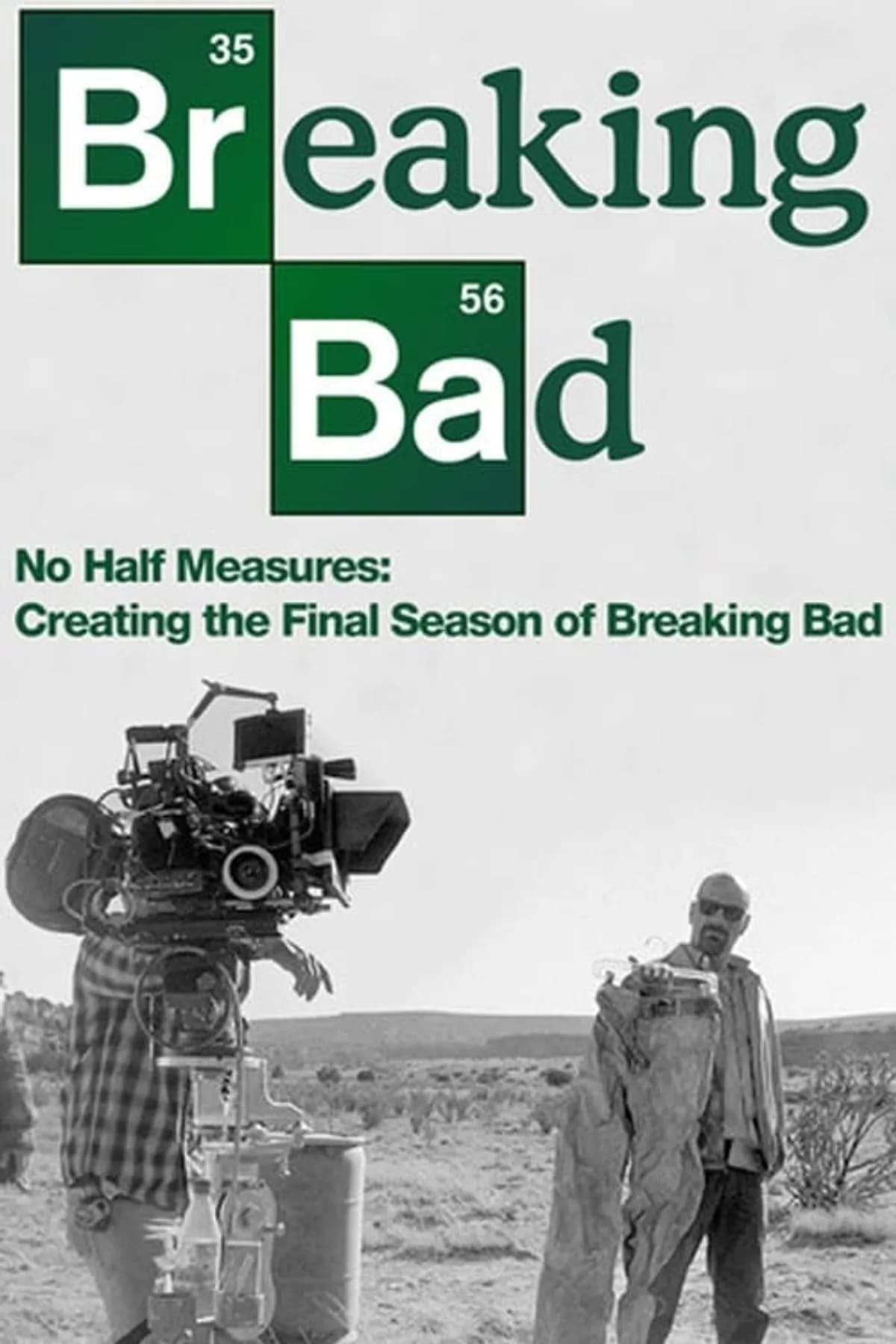
A documentary about the making of season five of the acclaimed AMC series Breaking Bad.
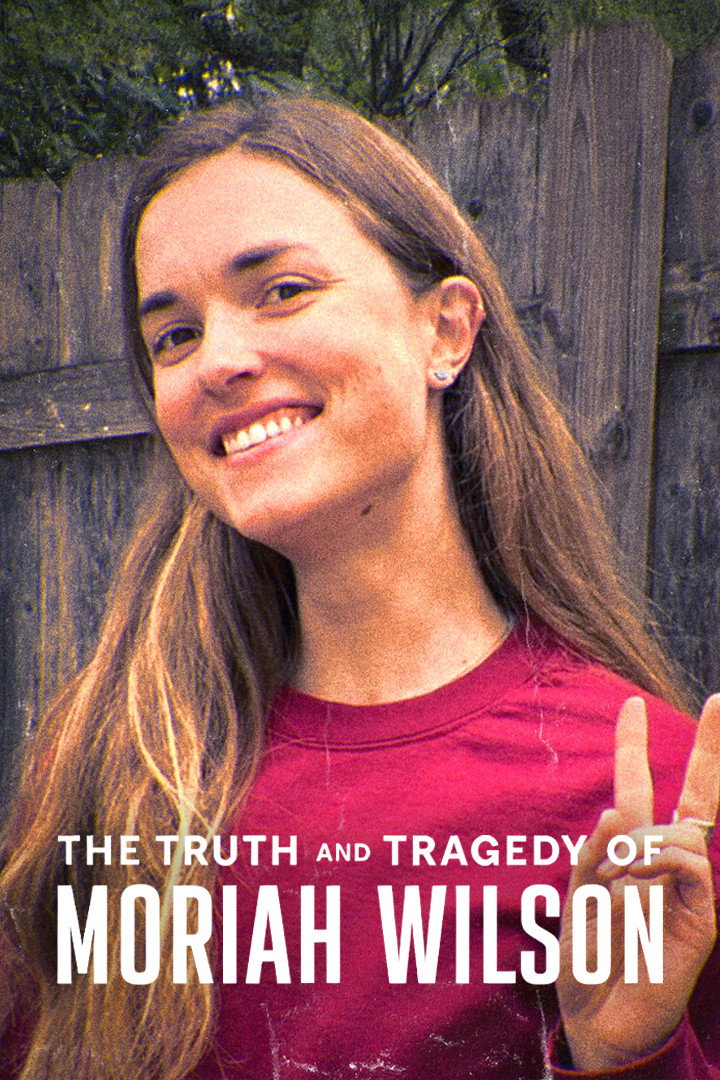
An intimate, arresting portrait of cyclist Moriah Wilson—raised by a fierce, loving family—whose singular drive becomes her superpower, carrying her to athletic brilliance and, devastatingly, toward a life cut short by murder.