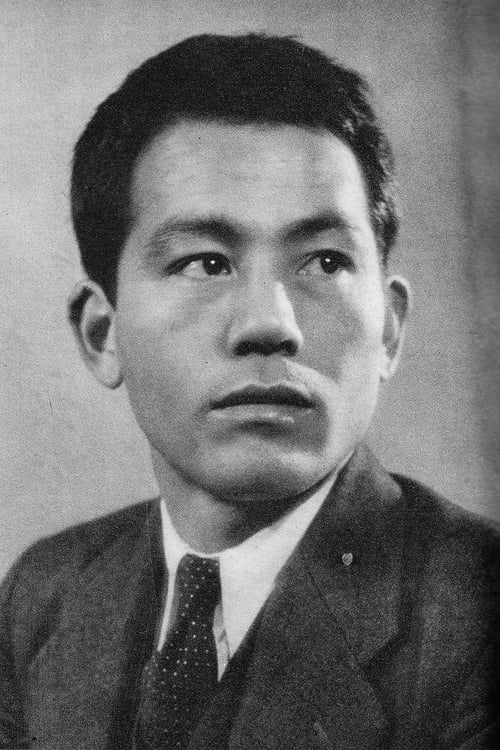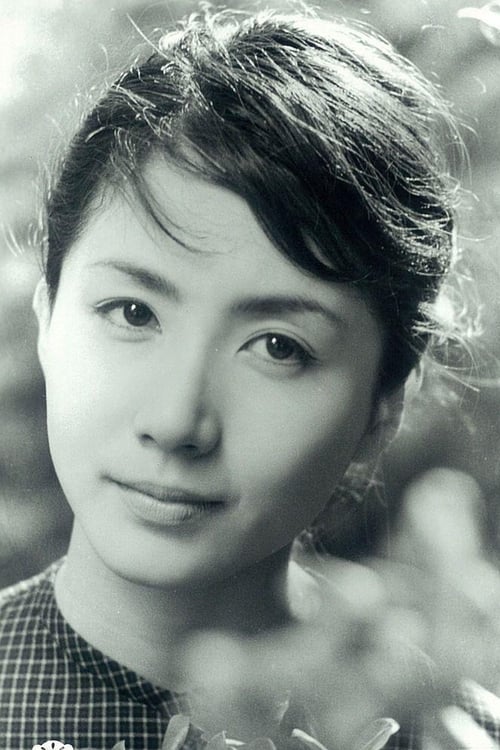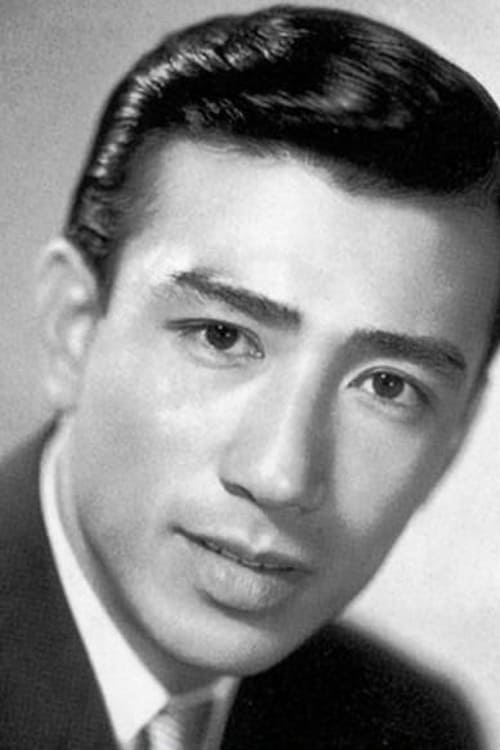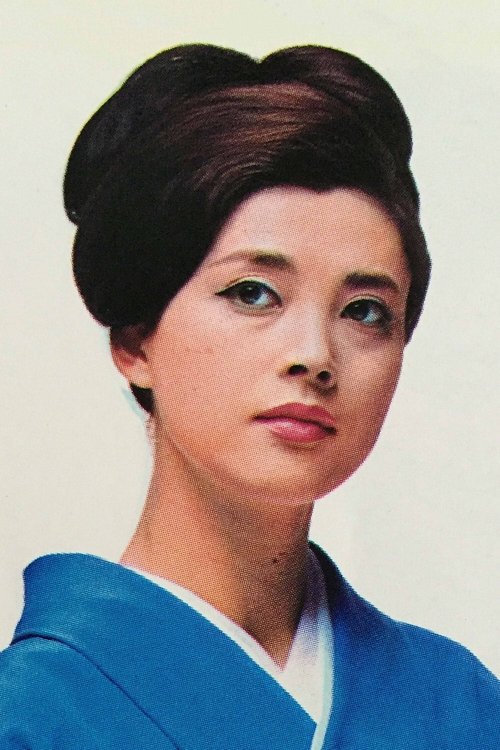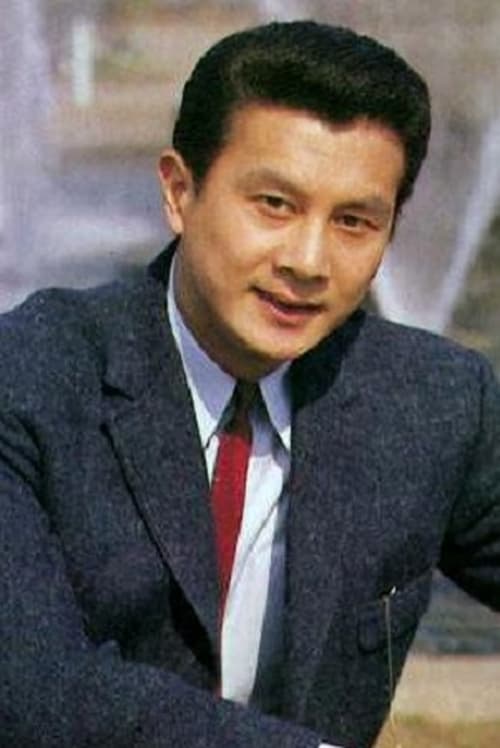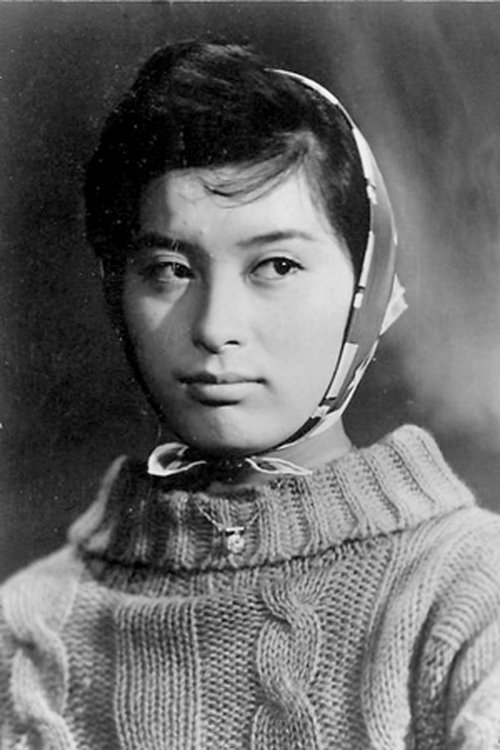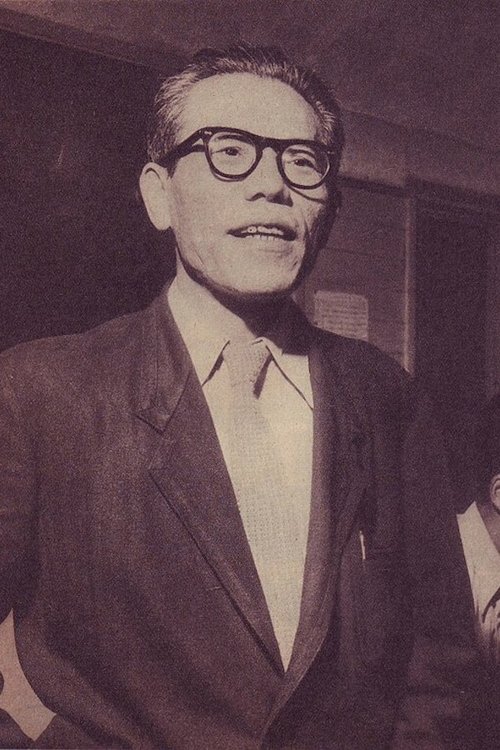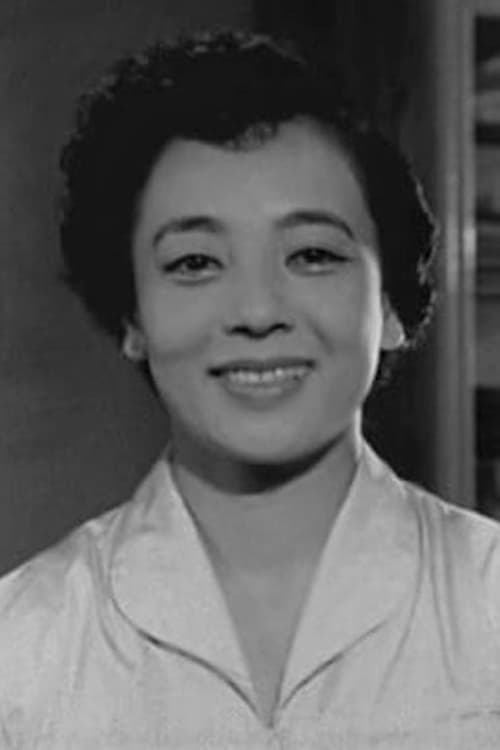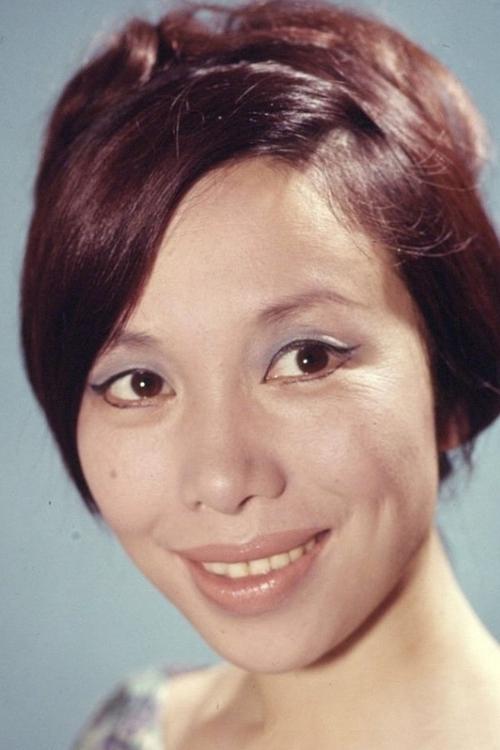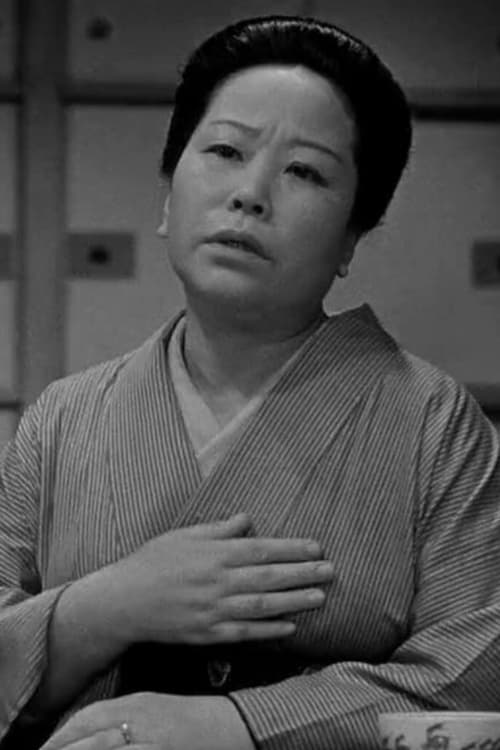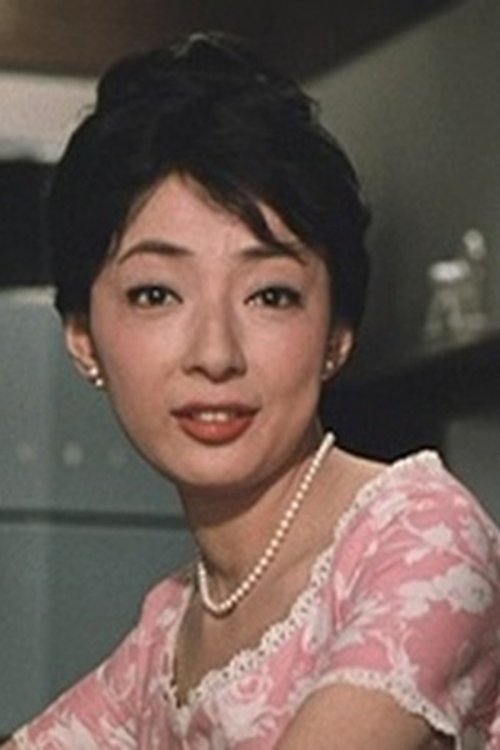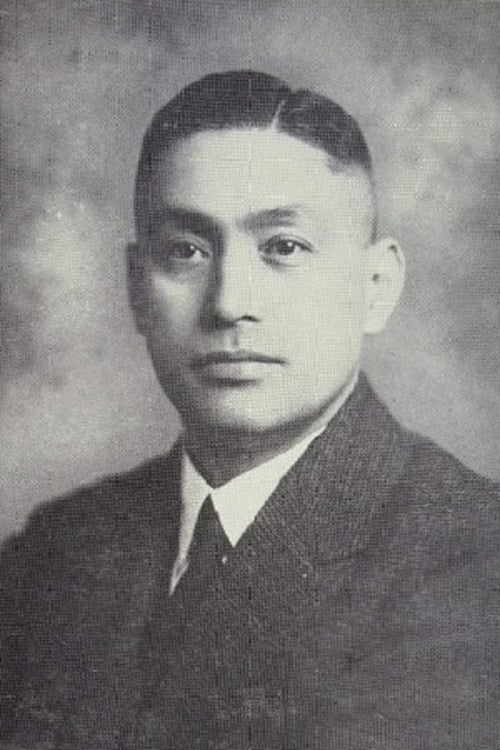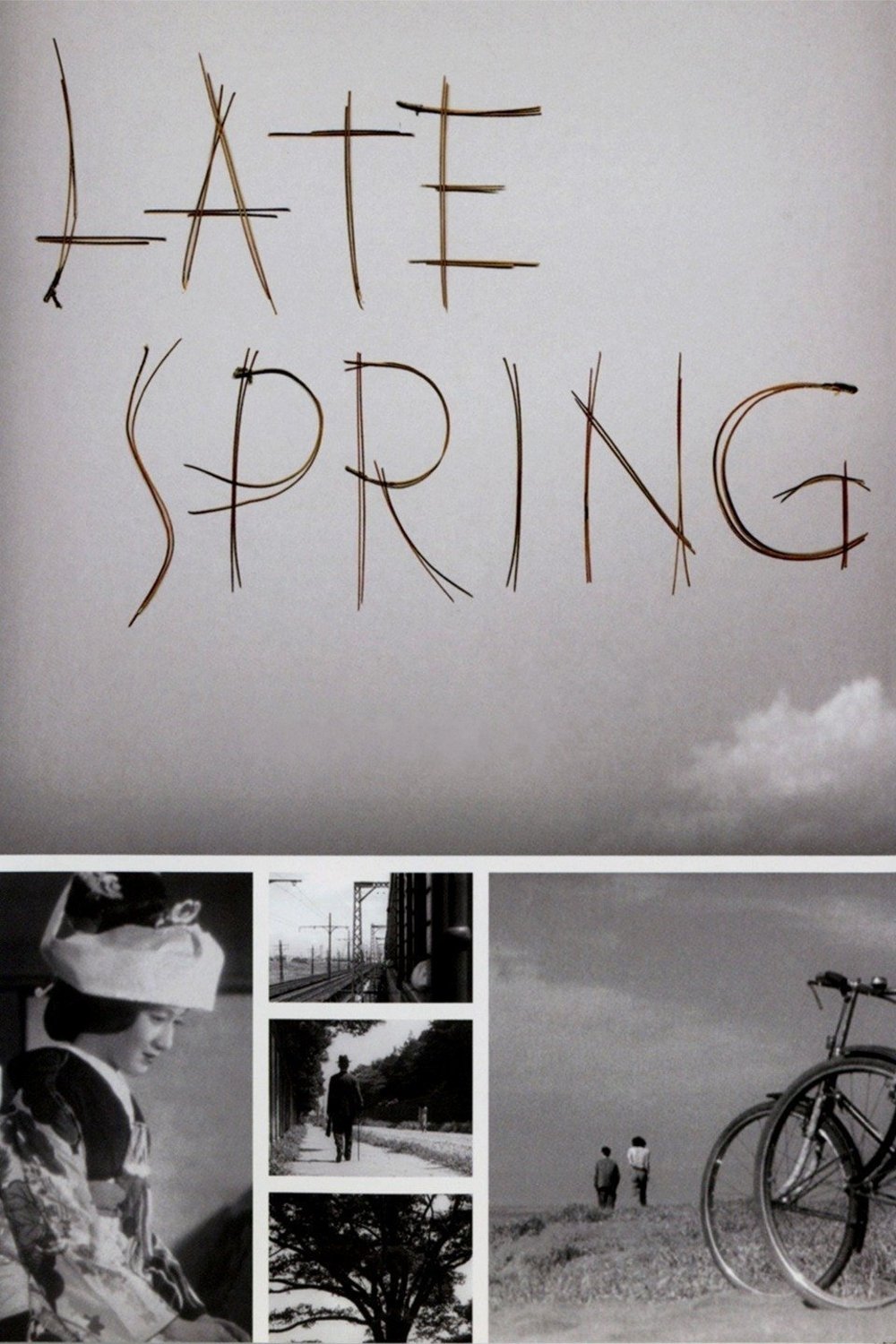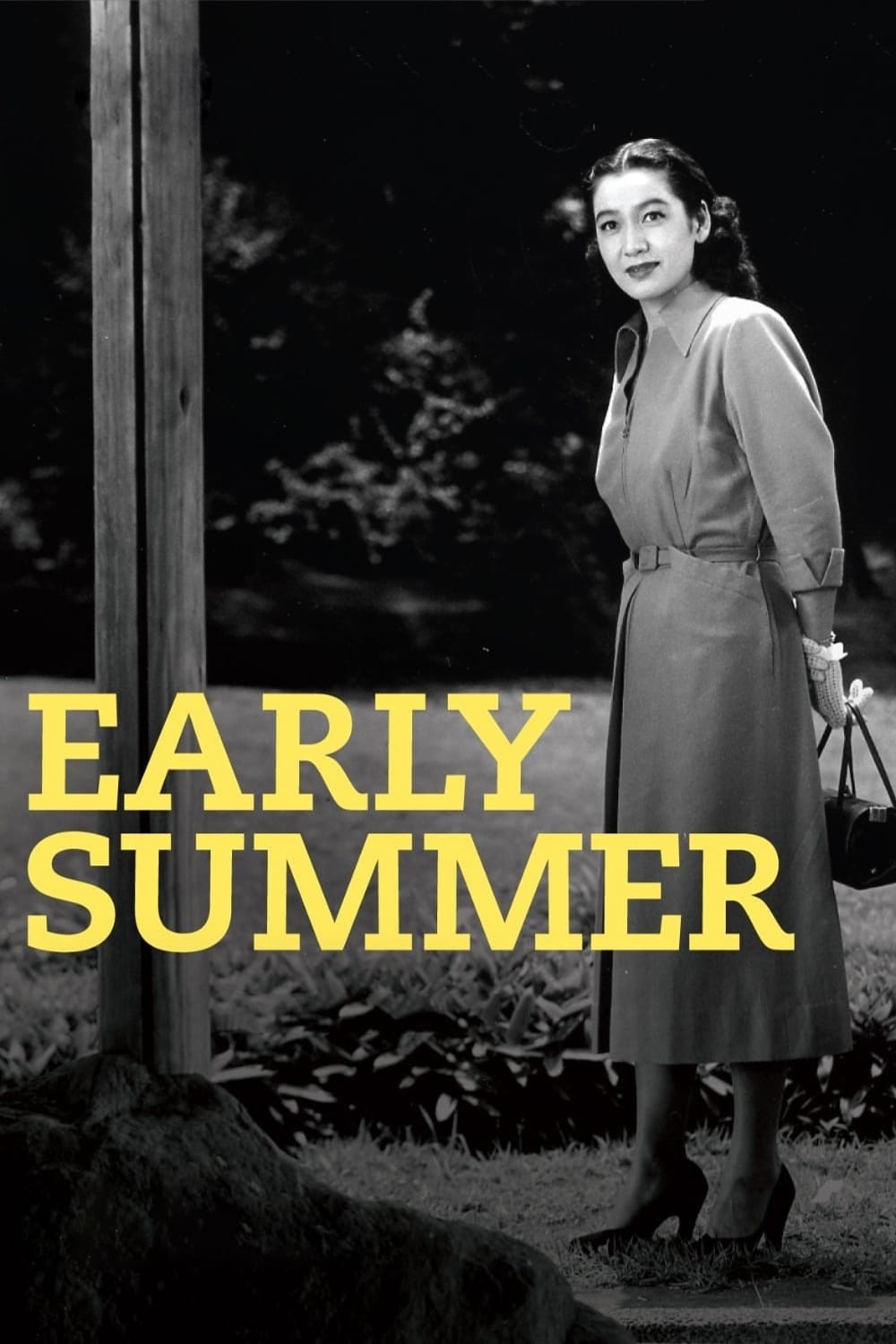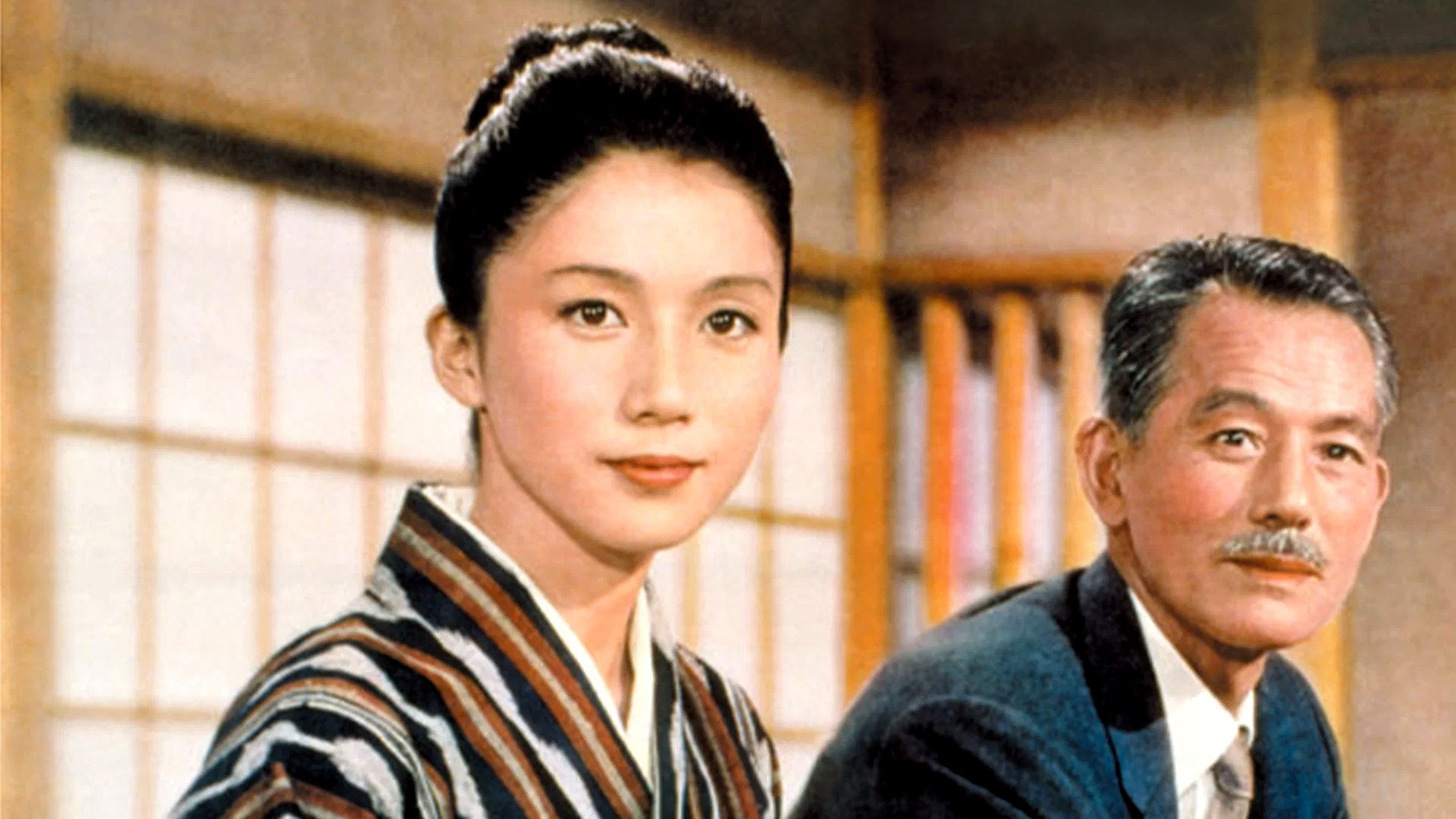

Widower Shuhei Hirayama's caretaker is his 24-year-old daughter, Michiko. Gradually, he comes to realize that Michiko should not be obliged to look after him for the rest of his life, so he arranges a marriage for her.

Social & External
The people behind it
Chishū Ryū
Shuhei Hirayama
Shima Iwashita
Michiko Hirayama
Keiji Sada
Koichi
Mariko Okada
Akiko
Teruo Yoshida
Yutaka Miura
Noriko Maki
Fusako Taguchi
Shinichirō Mikami
Kazuo
Nobuo Nakamura
Shuzo Kawai
Eijirō Tōno
Sakuma, The 'Gourd'
Kuniko Miyake
Nobuko
America is in the midst of the Great Depression, and the Kamp family is struggling to get by, especially since Mrs. Kamp’s untimely death nearly a year ago. The older children do their best to take care of the family, but it’s the younger children—Hopalong Cassidy fan Norman and straight-talking little Ruthie—who struggle most. Now, with their mother gone and their father overwhelmed by doctor bills from young Norman’s battle with polio, the Kamp siblings fully expect a Christmas without presents. But when William scrapes together a dollar in coins to use for Christmas gifts, everything begins to change.
Sayuri Namba's Dream Come True Special was a professional wrestling event promoted by Tokyo Joshi Pro-Wrestling, held on June 14, 2025 at Shin-Kiba 1st RING in Tokyo, Japan.
Satoshi Murayama, the shogi (Japanese chess) master known as the arch-rival of Yoshiharu Habu, the shogi genius of the century, died of an intractable disease at age 29. Satoshi devoted his life to fighting not only the disease but also his rivals, feverishly pursuing the highest title, at risk to his life. Director Yoshitaka Mori (Hyakuhachi (2008), Space Brothers (2012)) depicts Murayama's true struggling life, full of love from his parents and teacher, based on the non-fiction novel written by Yoshio Osaki. Kenichi Matsuyama intensely portrays Satoshi and physically embodies the character.
Based on four of the six short stories compiled in Murakami Haruki's anthology, After the Quake explores the complex aftermath of Japan’s earthquakes and other global crises. (Movie version of the TV drama).
Director Koreyoshi Kurahara chronicles a year in the lives of Flep and Leila, two foxes living in Hokkaido, Japan's northernmost island, where the freezing winters are long and the mild summers short. After Flep defeats another male fox to become Leila's lifelong partner, they mate and raise a litter of five kits. With their family complete, the group must contend with human interference in their habitat, such as chicken farms and snowmobiles, and struggle against the debilitating cold of winter. The animals experience both triumph and tragedy, as the law of this harsh land proves – only the strong survive.
These five award-winning coming of age short films offer a glimpse of how boys and young men tackle life's difficult desires: confronting one's demons, understanding sexual relationships, gaining the respect of one's father, or simply running away from it all. This is only the start of their complex formative years, where not every question has an answer, and not every answer makes sense. The short films are: Boys [Pojkarna] (2015); Ioana (2015); Kiem Holijanda (2017); Picnic [Piknik] (2015); Tomer & Elias [Tomer en Elias] (2016).
Lord Oda Nobunaga plans to control Japan where rival warlords battle by waging war against several clans. His vassal Araki Murashige stages a rebellion and promptly disappears.
Baffling serial killings unfold in which the victims are tied up and left to starve. Tone was just released from prison after finishing his sentence for another crime, and he surfaces as a suspect but detective Tomashiro can't nail down conclusive proof.
Yasuo (Hiroshi Abe) grew up as an orphan. He married a woman he loved and they had a son Akira (later played by Takumi Kitamura). Yasuo's life seemed great at the time, but his life totally changed after his wife died in accident. Since that time, Yasuo, who never experienced parents' love himself, has to raise his son Akira alone.
A sendup of the stereotypical Japanese family: dad is a salaryman jerk, unable to relate to anyone; mom is a hopeless housewife; the older son is a moderate academic success; but the younger son is a rebellious goof-off for whom a tutor must be hired. The tutor proceeds to blow the entire family apart.
True story of the life of Jimmy Piersall, who battled mental illness to achieve stardom in major league baseball.
Seeking revenge after a brutal attack that left him disfigured, a former assassin gets drawn into a high-stakes conflict over a valuable treasure.
A few days in the life of a quiet geisha, single mother of a smart young boy, in the lively Tokyo quarter of Ginza. A woman devoted to others' needs, she'll end by taking part herself in one of the many disguises of Ginza.
In January 1904, the situation between Japan and Russia had grown tense. The Emperor Meiji is deeply concerned, for Russia has started to build an invincible fortress at Port Arthur, and the relations between two countries have become strained to breaking point. General Nogi has retired to the first reserve and is now a gentleman farmer, but he is prepared for sudden mobilization. Finally, Japan declares war against Russia and Emperor Meiji appoints General Nogi as the commander of the force to attack Port Arthur. However, in spite of several all-out attacks, the fortress is strong and the casualties increase among the Japanese. Because of these reverses, there are loud cries for a change in command. However, the Emperor places his confidence in General Nogi.
A narrator tells the story of his childhood years in a tightly knit Afro-American community in the deep south under racial segregation.
Two elderly men, a black man and a Jew, both widowers, try to bond with one another despite their very different backgrounds and customs.
Kabir, a highly intelligent but short-tempered medical surgeon spirals into addiction after his intense relationship with his girlfriend turbulently ends.
Widowed Zdena lives a quiet life as a postwoman in a small Czech village. When her beloved son Lukas returns home from France to say goodbye to his dying grandmother, his determination to make her seemingly impossible wish come true leads him to reveal a secret that challenges the values of the village: his queer life in Paris and his drag queen alter ego, Chica Checa.
Writes Ando, "Oh! My Mother was the first work I made using a newly bought 16mm camera I had purchased with the writer Shuji Terayama in Paris. This piece was selected for the Oberhausen International Film Festival. In 1969, there were, of course, no video cameras like ones we see now, and color TVs were only found at broadcast television studios. I had just been employed at the TBS (Tokyo Broadcasting System), and I often snuck into the studios after hours to experiment with the equipment. Oh! My Mother was made using the feedback effect, which is produced by infinitely expanding the image by looping the video."
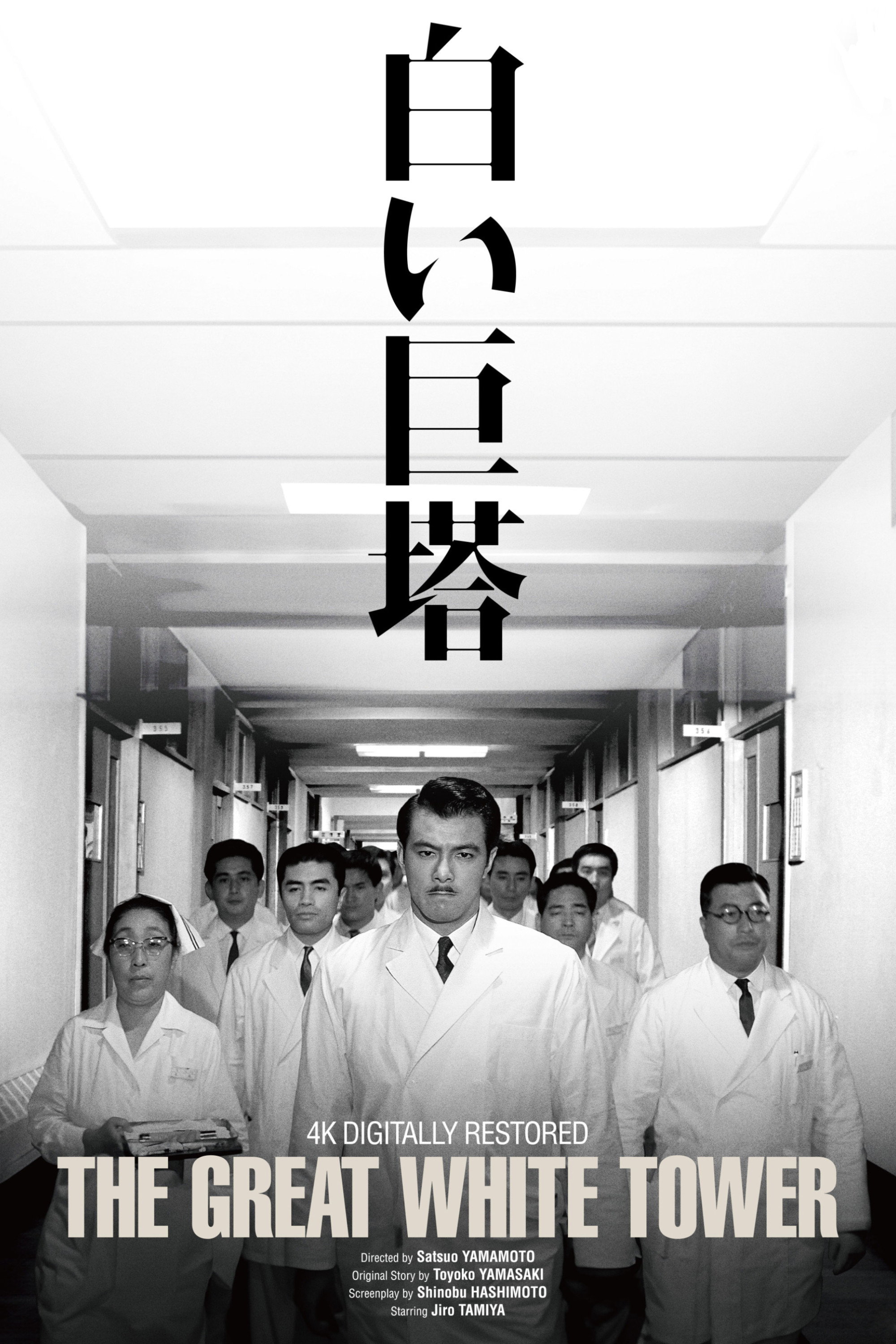
The story contrasts the life of two doctors, former classmates and now both assistant professors at Naniwa University Hospital in Osaka. The brilliant and ambitious surgeon Goro Zaizen stops at nothing to rise to a position of eminence and authority, while the friendly Shuji Satomi busies himself with his patients and research.
The arranged marriage between a capricious woman from Tokyo high society and a quiet rustic man is tested by a marital crisis.
Noriko is perfectly happy living at home with her widowed father, Shukichi, and has no plans to marry -- that is, until her aunt Masa convinces Shukichi that unless he marries off his 27-year-old daughter soon, she will likely remain alone for the rest of her life. When Noriko resists Masa's matchmaking, Shukichi is forced to deceive his daughter and sacrifice his own happiness to do what he believes is right.
The elderly Shukishi and his wife, Tomi, take the long journey from their small seaside village to visit their adult children in Tokyo. Their elder son, Koichi, a doctor, and their daughter, Shige, a hairdresser, don't have much time to spend with their aged parents, and so it falls to Noriko, the widow of their younger son who was killed in the war, to keep her in-laws company.
In postwar Tokyo, Noriko lives with her extended family. Although she enjoys her career and her social life, her more traditional family worries about her single marital status at the advanced age of 28. 40-year-old business associate Takako proposes, Noriko's family press her into accepting, but when her widowed childhood friend Kenkichi returns to the neighborhood, she finds her heart leading in another direction.
In Japan's Aokigahara Forest, a troubled teacher meets a mysterious lost stranger who takes him on a life-changing journey of love and redemption.
Ryota is an unpopular writer although he won a literary award 15 years ago. Now, Ryota works as a private detective. He is divorced from his ex-wife Kyoko and he has an 11-year-old son Shingo. His mother Yoshiko lives alone at her apartment. One day, Ryota, his ex-wife Kyoko, and son Shingo gather at Yoshiko's apartment. A typhoon passes and the family must stay there all night long.
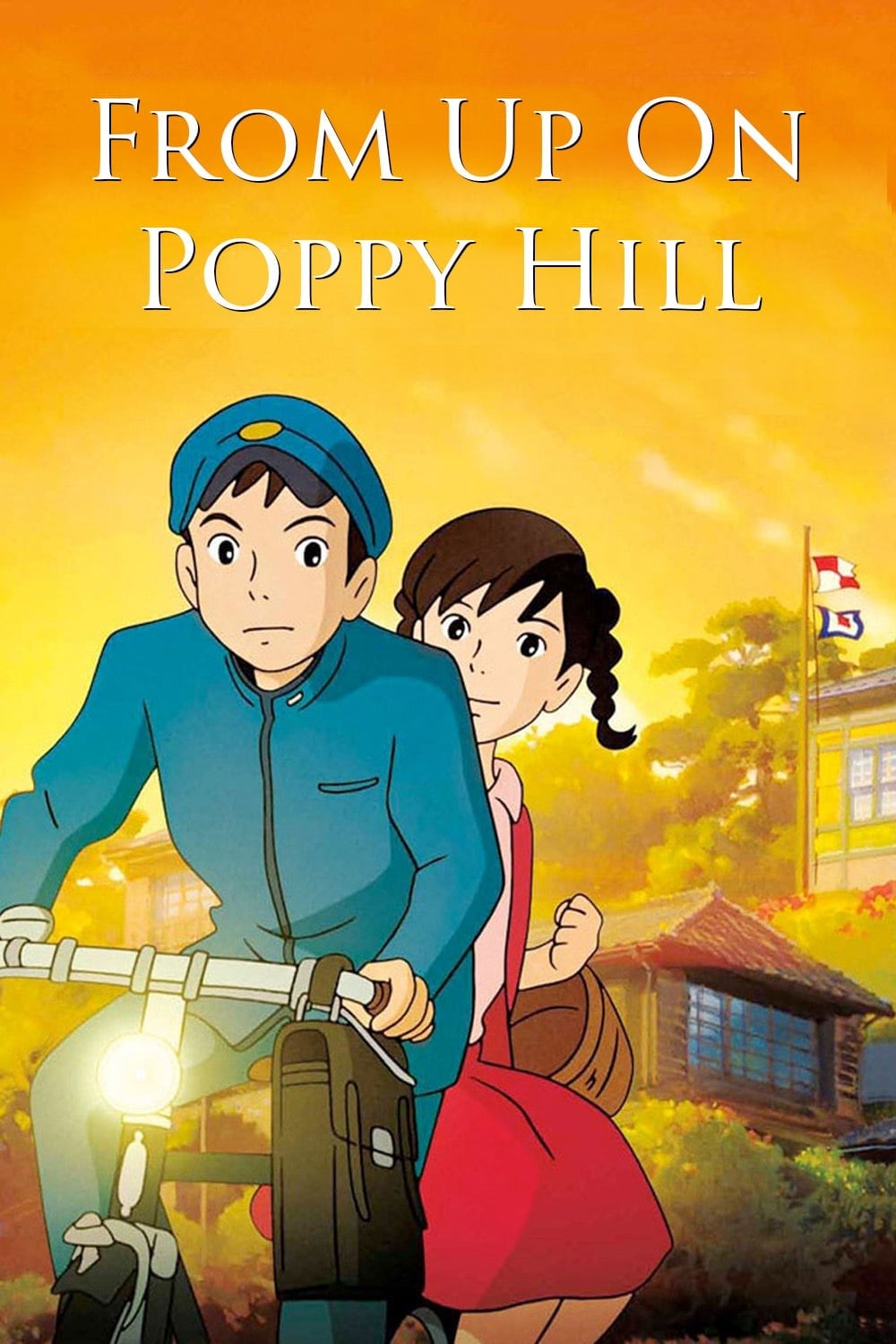
Yokohama, 1963. Japan is picking itself up from the devastation of World War II and preparing to host the 1964 Olympics—and the mood is one of both optimism and conflict as the young generation struggles to throw off the shackles of a troubled past. Against this backdrop of hope and change, a friendship begins to blossom between high school students Umi and Shun—but a buried secret from their past emerges to cast a shadow on the future and pull them apart.
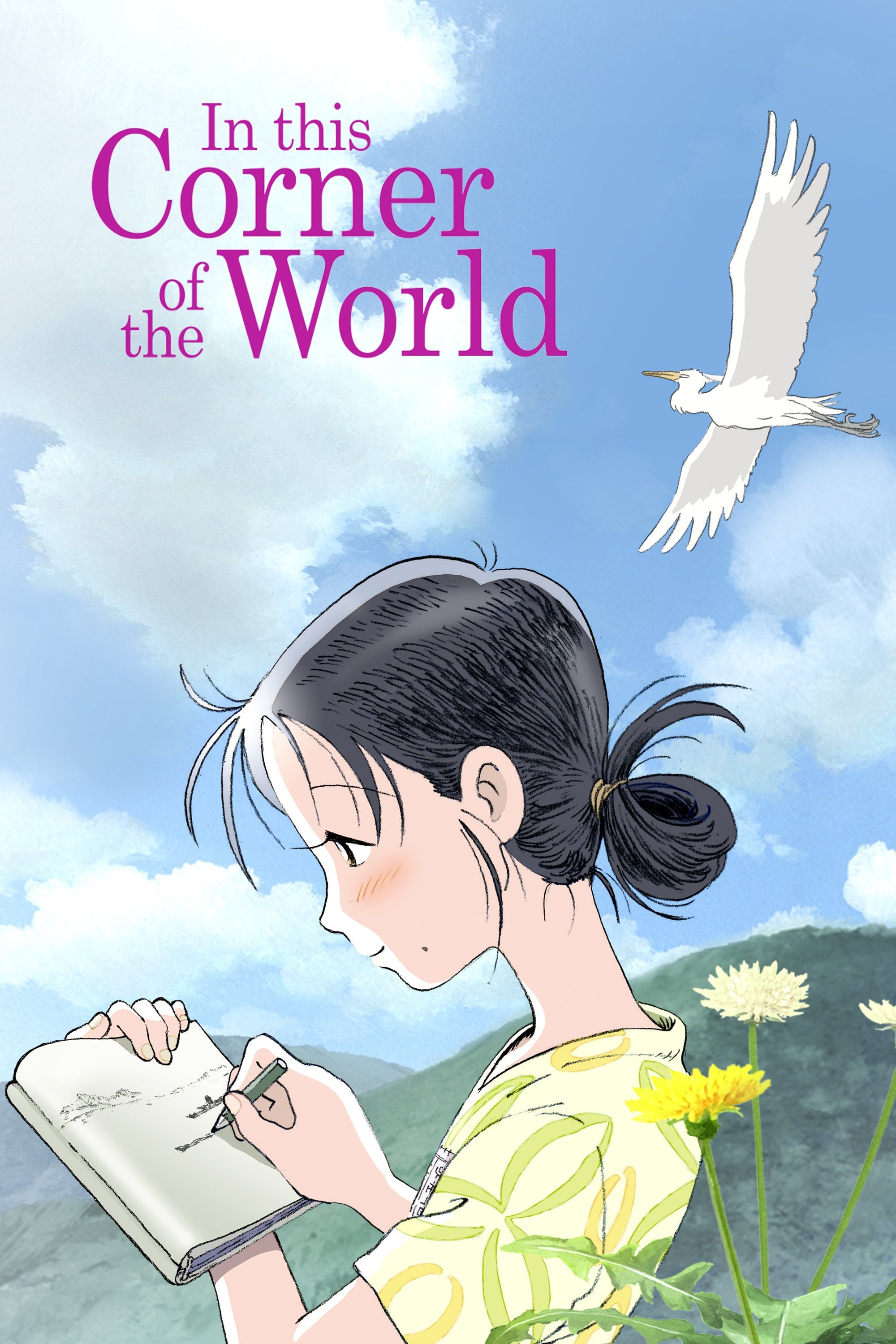
Japan, 1943, during World War II. Young Suzu leaves her village near Hiroshima to marry and live with her in-laws in Kure, a military harbor. Her creativity to overcome deprivation quickly makes her indispensable at home. Inhabited by an ancestral wisdom, Suzu impregnates the simple gestures of everyday life with poetry and beauty. The many hardships, the loss of loved ones, the frequent air raids of the enemy, nothing alters her enthusiasm…
After being diagnosed with a terminal illness, Futaba resolves to spend her remaining time reuniting her broken family, reopening the long-closed bathhouse, and helping her shy daughter Azumi learn to stand on her own.
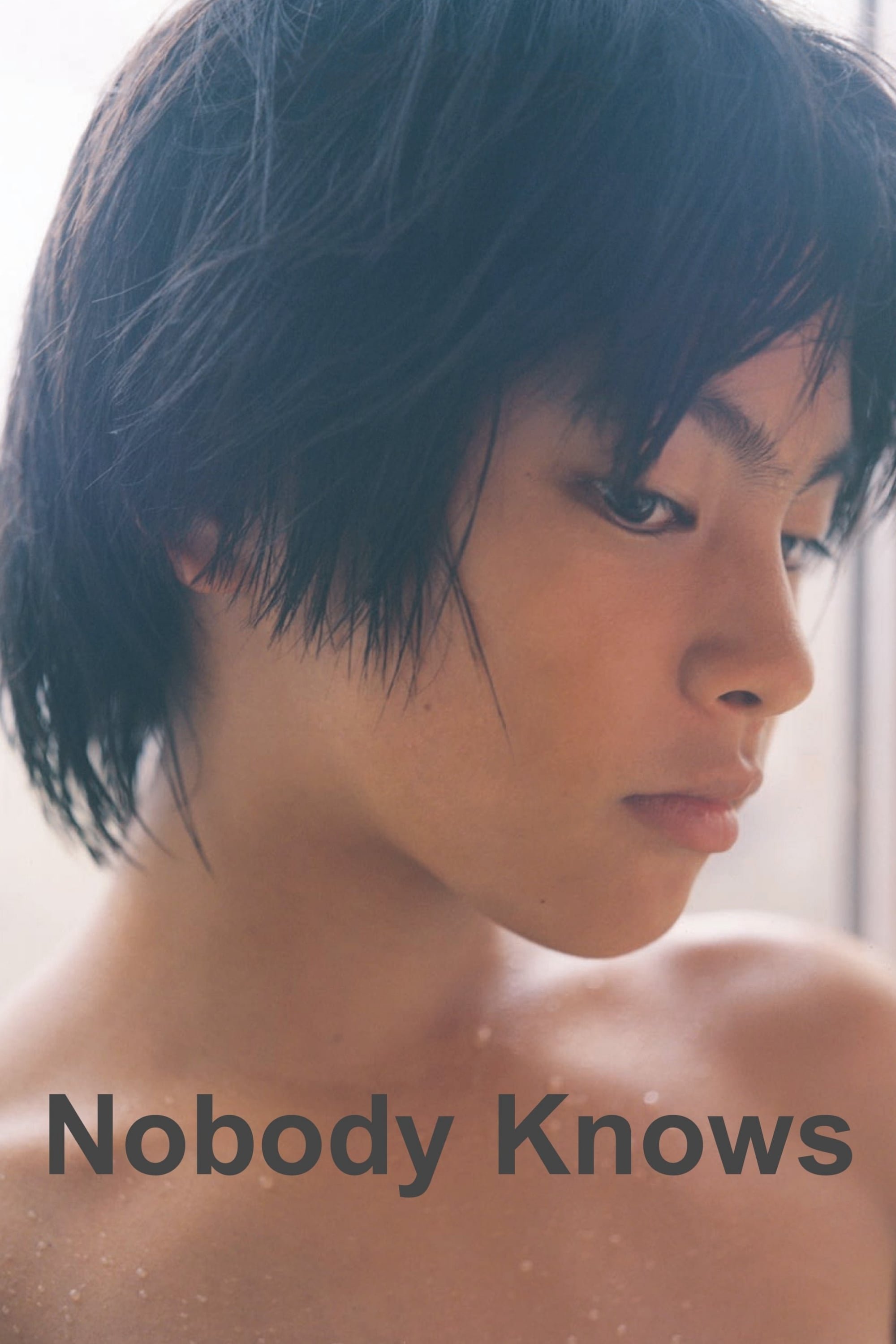
In a small Tokyo apartment, twelve-year-old Akira must care for his younger siblings after their mother leaves them and shows no sign of returning.
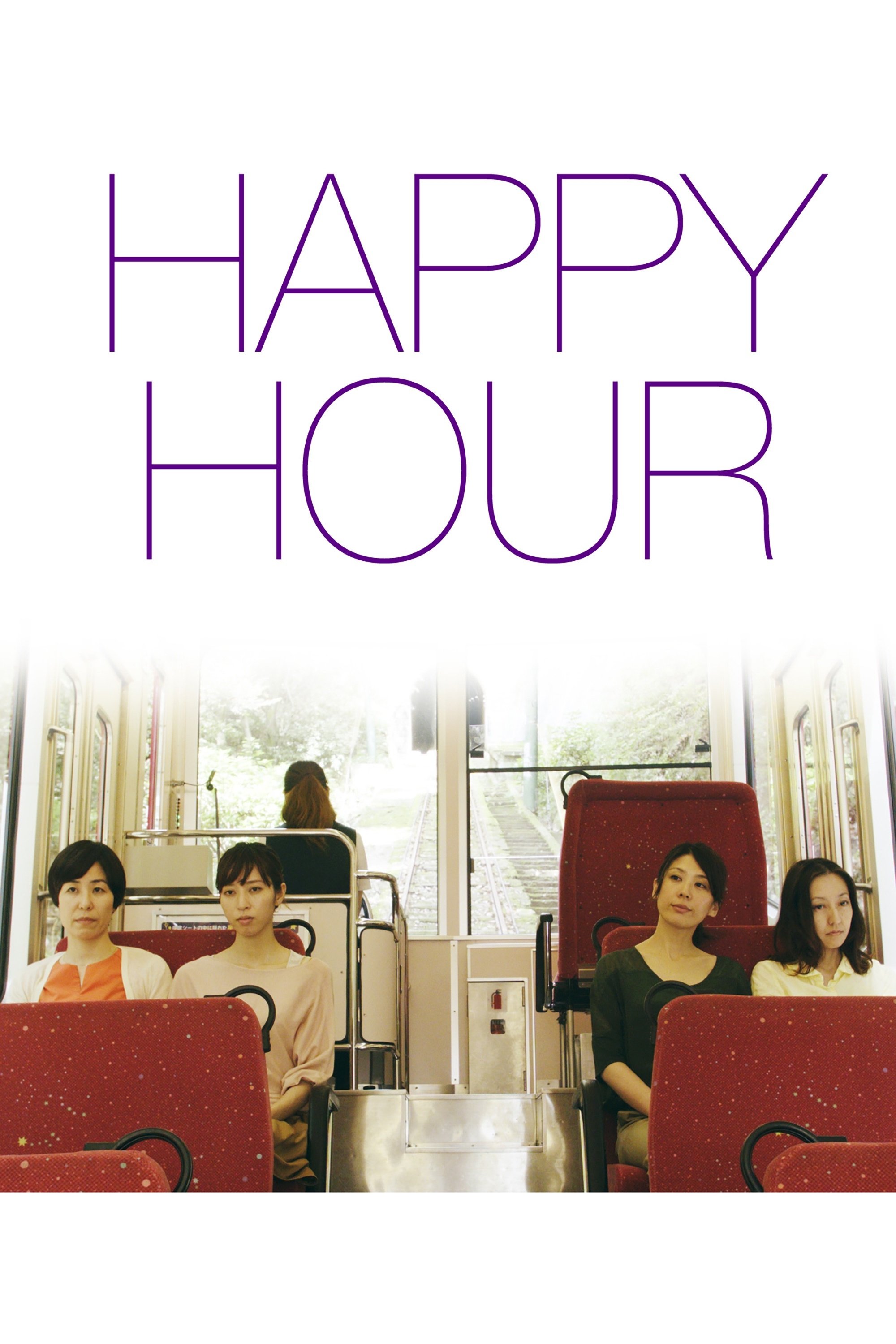
Four women in their thirties reevaluate their relationships, both shared and private, after a startling revelation concerning one's marriage forces each of them to ask one of life's biggest questions: "Am I who I want to be?"
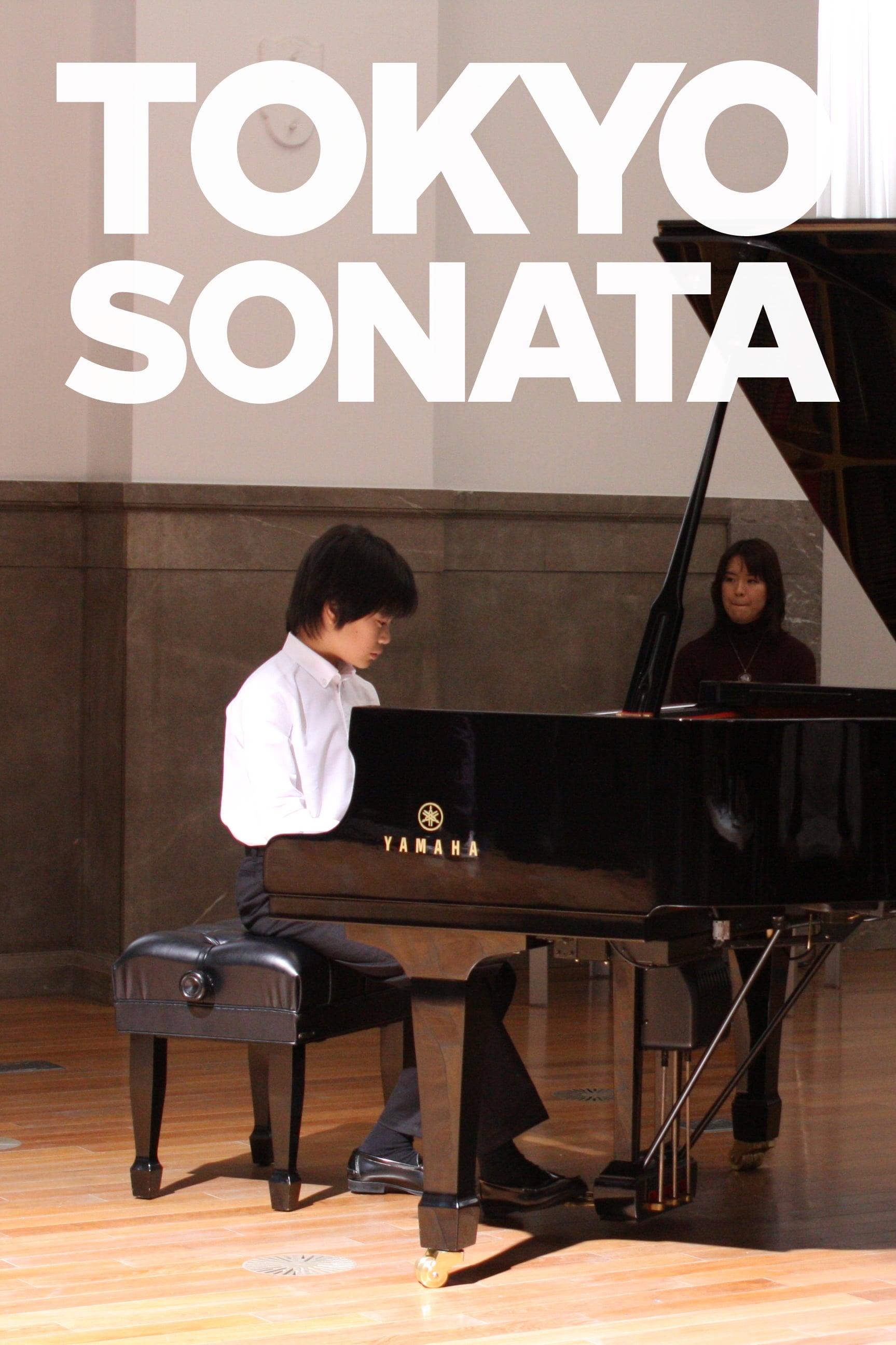
The winds of change blow as a family grapples with unemployment, alienation, mistrust and a lack of communication. When a Japanese salaryman loses his job to outsourcing to China, it's simply the beginning of a series of shattering incidents, leading to the implosion of the family unit.
A Yokohama shoe executive faces a wrenching choice when kidnappers mistakenly seize his chauffeur’s son but demand the ransom anyway.
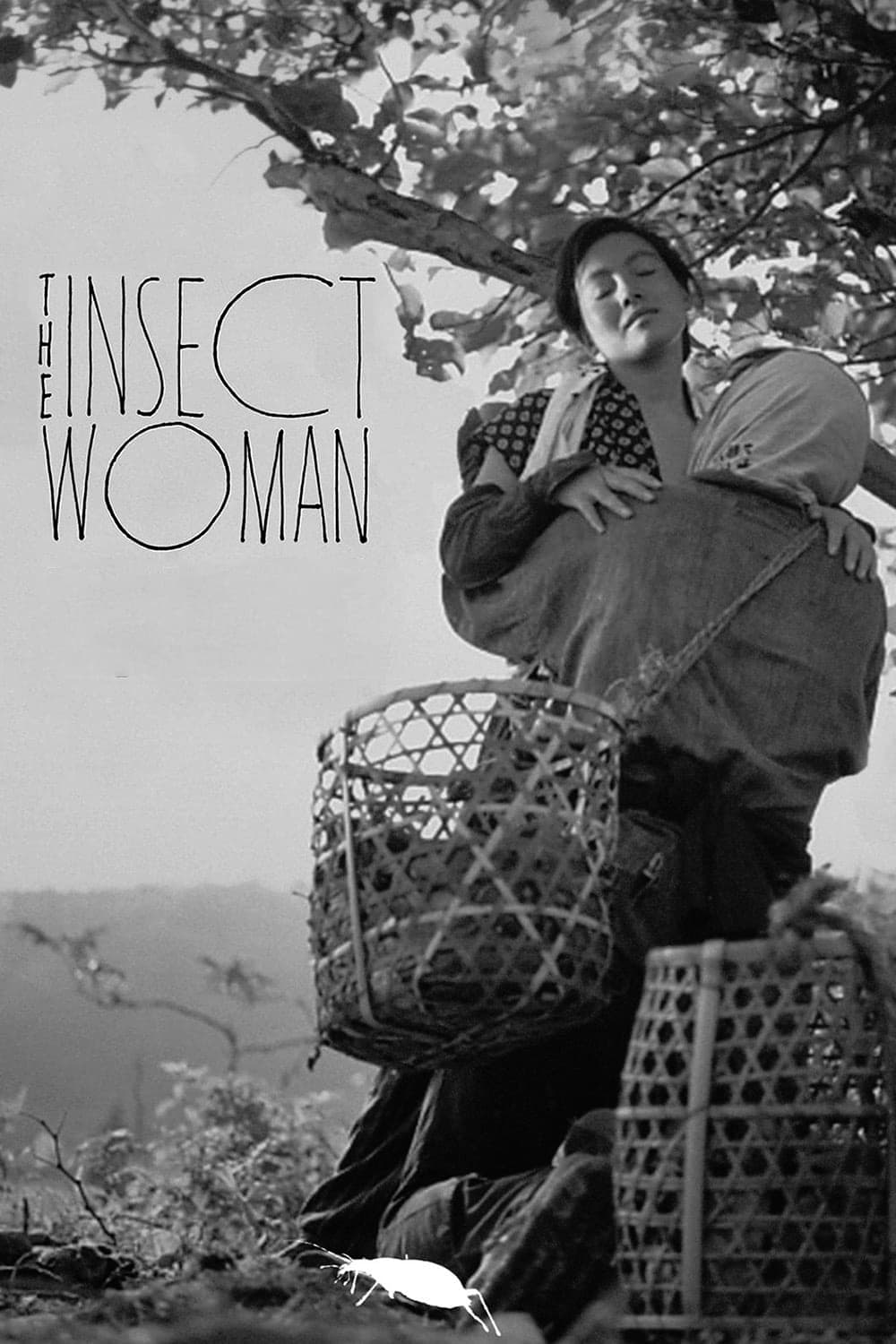
A woman, Tome, is born to a lower class family in Japan in 1918. The title refers to an insect, repeating its mistakes, as in an infinite circle. Imamura, with this metaphor, introduces the life of Tome, who keeps trying to change her poor life.
Shuhei is leading a tough life. His alcoholic mother Akiko can only hook up with bad guys and order Shuhei to go get money from his disapproving grandparents instead of going to school. Except raising the little half-sister, his rock-bottom life seems to have no end.
Akira works as a lawyer. One day, he meets with his former client Rie, who asks Akira to perform a background check on her late husband Daisuke.
Narumi is on bad terms with her husband, Shinji, when, one day, Shinji goes missing. He comes back a couple of days later, but he seems like a totally different person, and he is now gentle and tender. He goes for a walk every day. Meanwhile, journalist Sakurai covers the story of a family that was brutally murdered, when an unexplained phenomenon takes place.
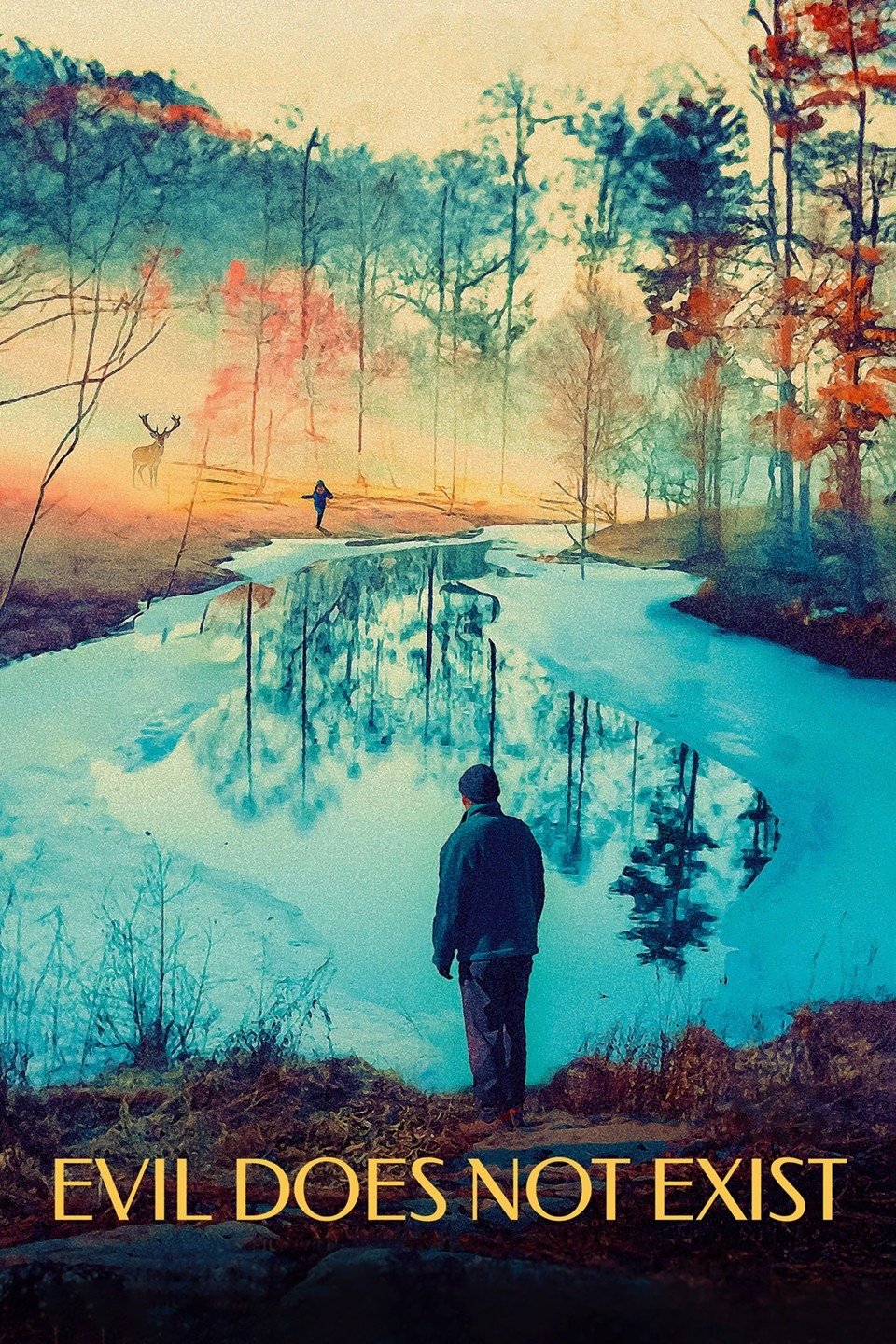
Takumi and his daughter Hana live in Mizubiki Village, close to Tokyo. One day, the village inhabitants become aware of a plan to build a camping site near Takumi's house offering city residents a comfortable "escape" to nature.
Mr. Takazawa, an elderly invalid who is cared for at his home by Haruko, a young nursing student, is chosen by the Japanese Ministry of Public Welfare to test the Z-001, a computerized hospital bed with robotic features that allegedly displays more efficiency and skills than any human nurse, but Haruko mistrusts a machine unable to consider human feelings.
In rural Japan, the survivors of a tragedy converge and attempt to overcome their damaged selves, all while a serial killer is on the loose.