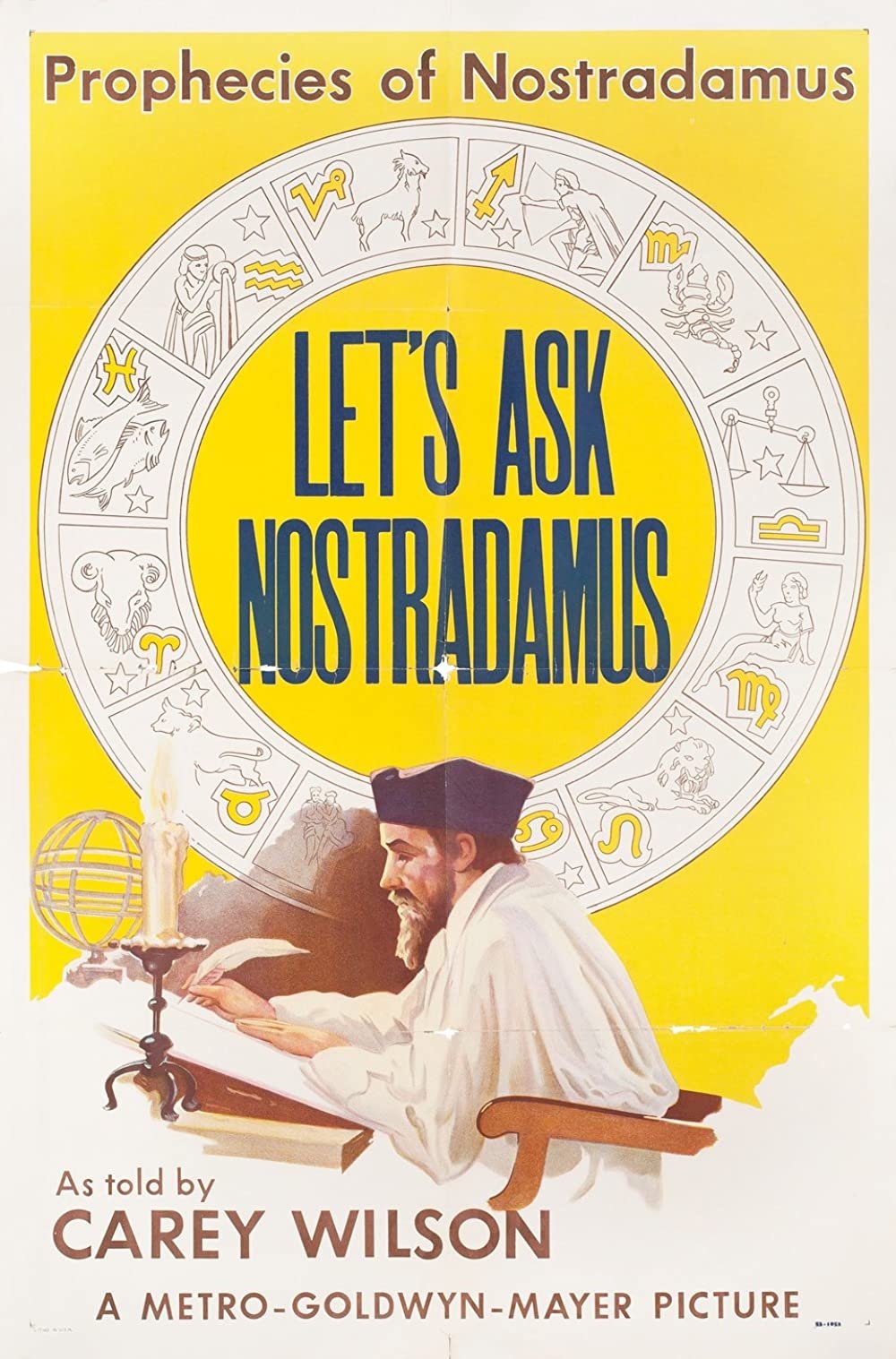
Nostradamus writes a letter to his young son, and his prophecies are compared to events of the French Revolution.
Social & External
Narrator (voice)
Nostradamus
A few weeks before Carnival, slum boys organize huntings for stray cats, whose leather can be used in Samba percussion instruments, like the Tamborim, a small drum.
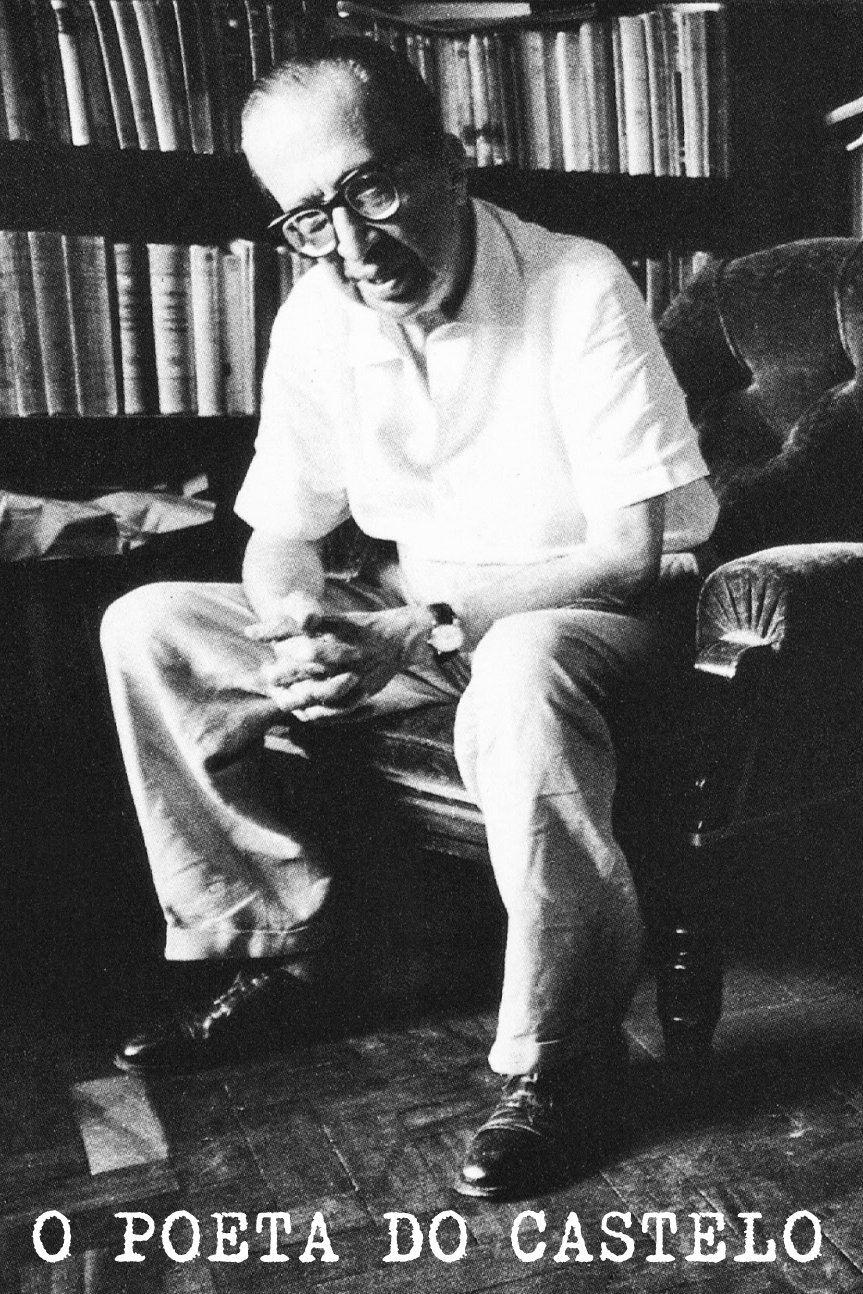
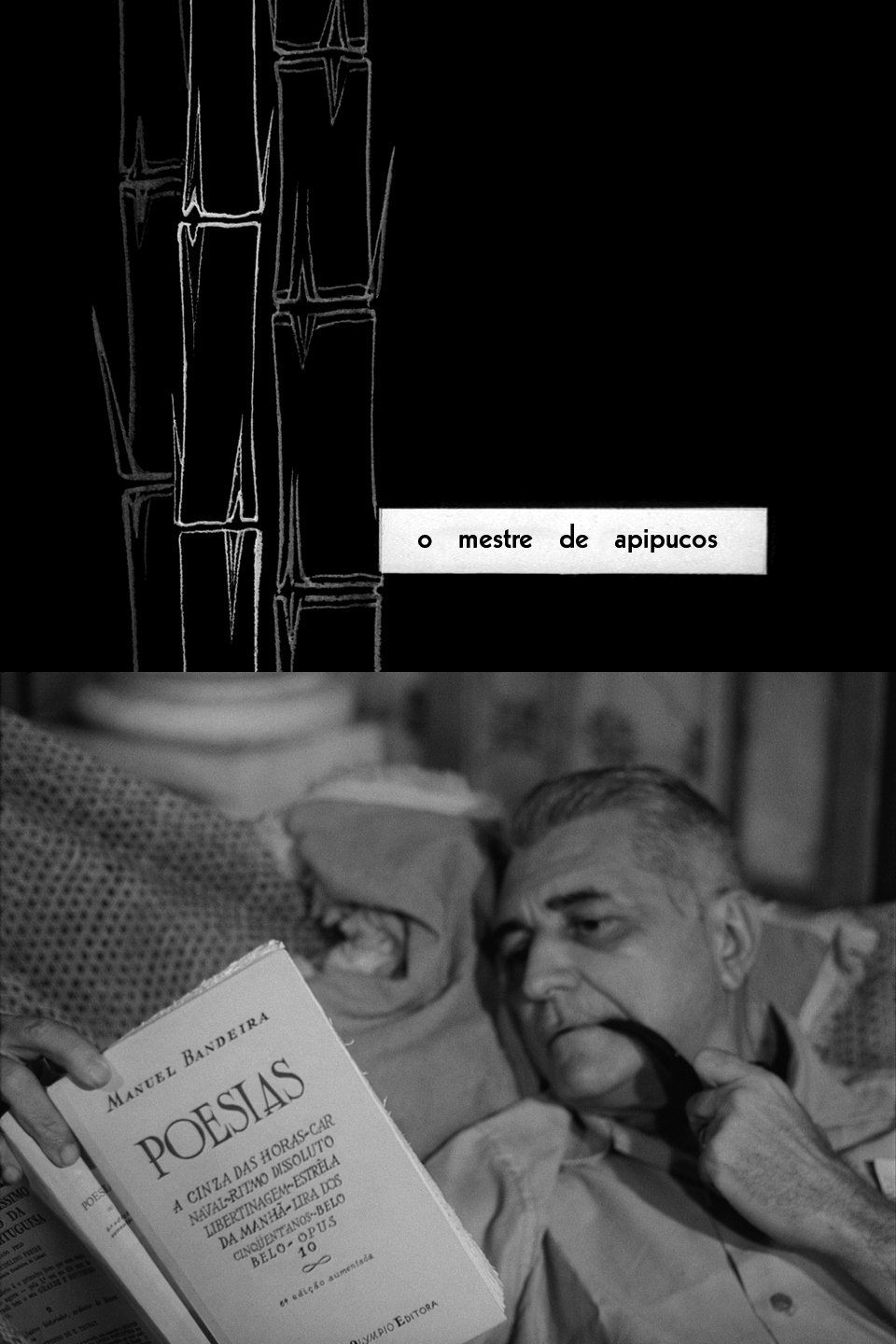
A 10-minute portrait of modernist poet and de Andrade’s godfather, Manuel Bandeira, is clear in its affection for it subject, though like many New-Waveish films of the time, depicts the modern urban landscape as an ominous and alienating force.
Documentary about influential Brazilian sociologist Gilberto Freyre, made in his country house in Apipucos, Pernambuco (Northeast Brazil).
She works nights, when most people are asleep. As she listens to trendy music, she practices the words she means to say to jump out to the world that she senses, is vibrating outside.
A trip on the Swedish lake Mälaren by a 115-year-old steamboat. The journey between Stockholm and Mariefred takes 3,5 hours. The steamboat Mariefred was manufactured over a hundred years ago and is one of the last steam-powered vessels on the lake. The steam whistle sounds when Maja, as she is called in Mariefred, steers into the bay towards the small town. A fanfare for the summer!
A day and night in the life of three alcoholic derelicts: "and the meek shall inherit the earth - six feet of it".
Anna and Marie are two women who could possibly love each other, but each must decide if she is willing to throw away her old life in pursuit of this new overwhelming feeling.
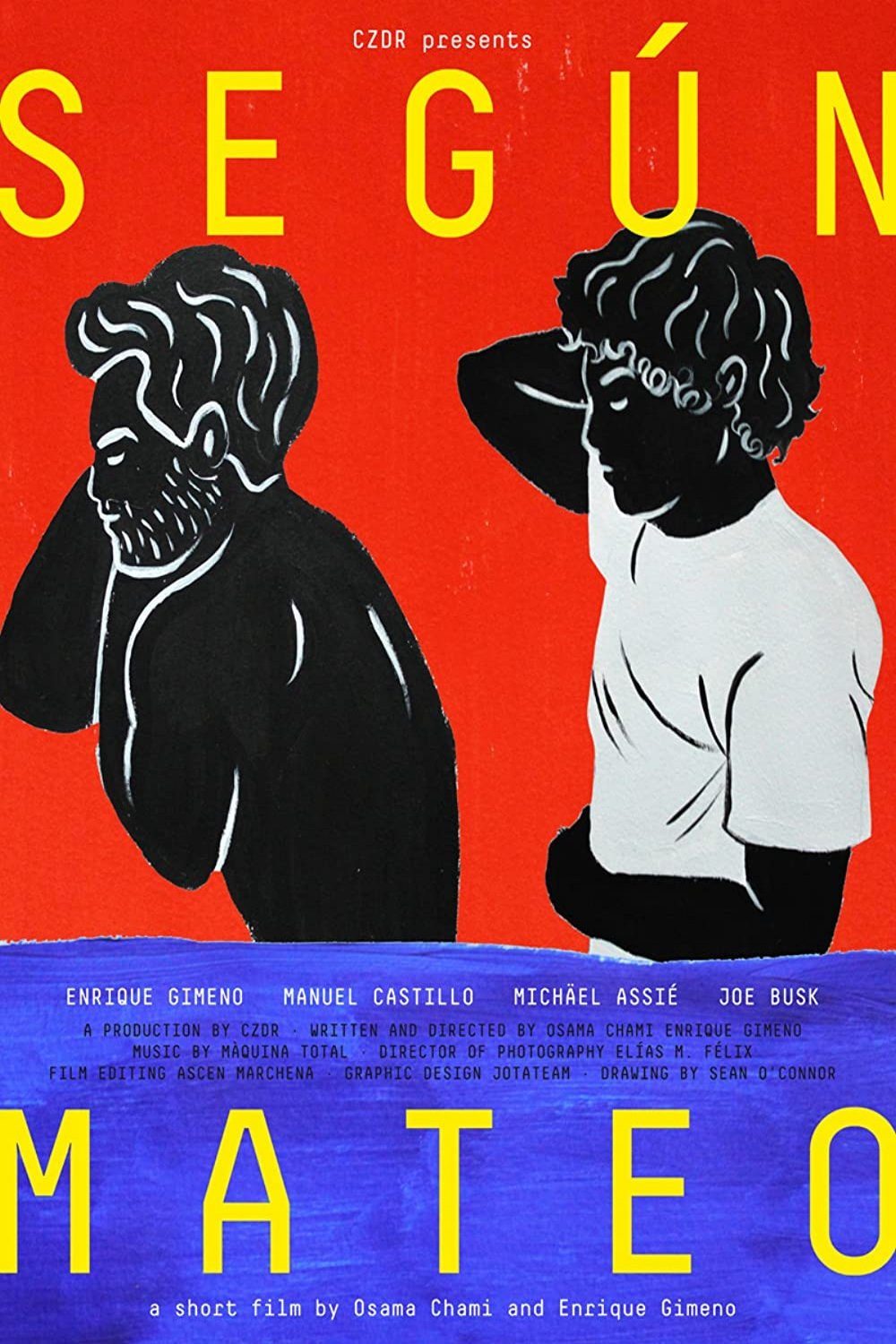
Mateo and his boyfriend, Marc, arrive home after a night out with Luke, a guy they've just met. After an argument, Mateo leaves the flat and bumps into Jon, a drug dealer they have called. Mateo convinces Jon to take him to his house where he discovers he can't feel anything if it's not through pain.
Peter Hutton’s essay on the naturalization of the urban landscape. Voluptuously gray, worn and lived in, the city is like a stage set for an invisible drama.
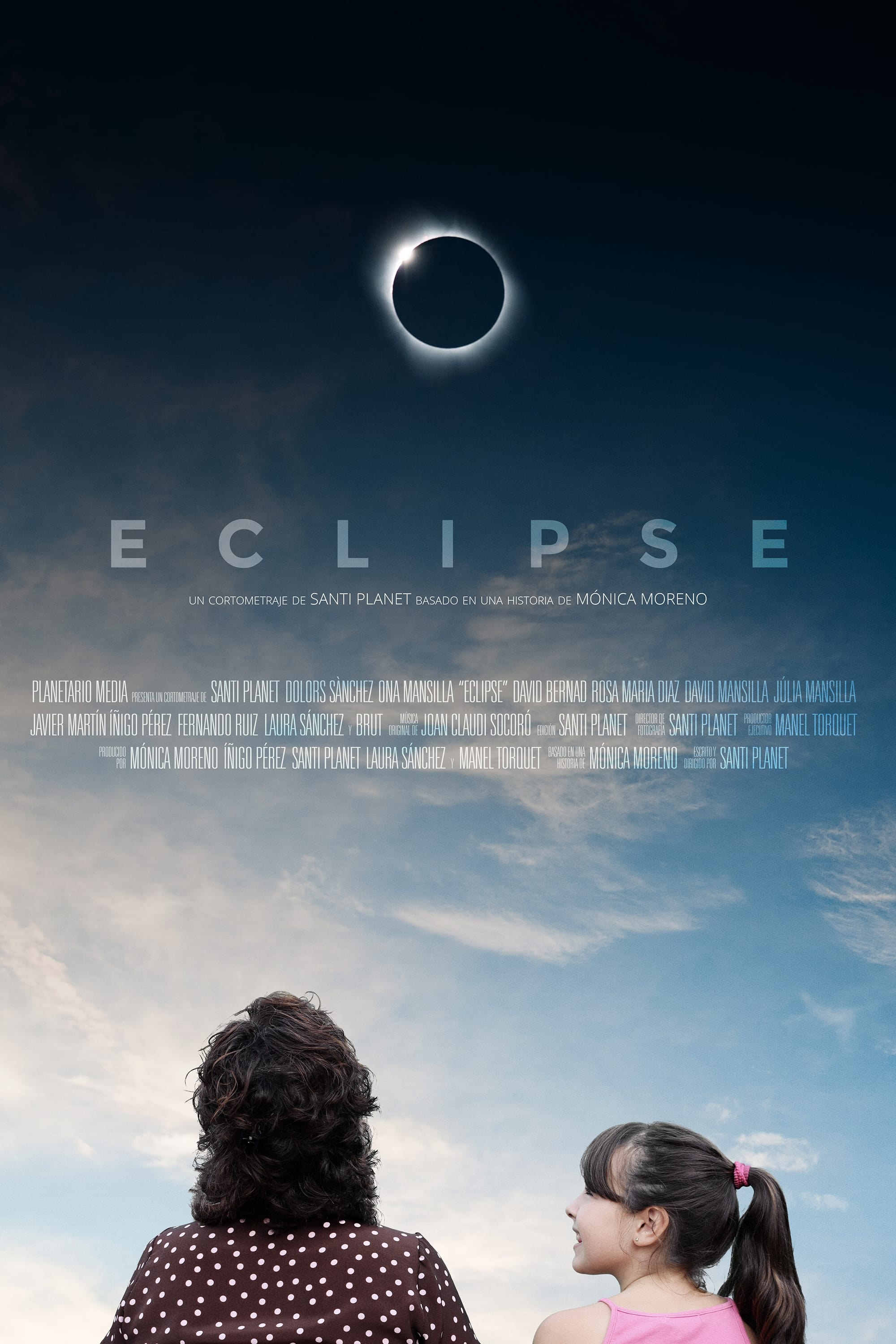
The event of the century is about to take place, a spectacular total solar eclipse. A girl is going to witness it with her grandmother and, despite her happiness, she will have to face her fear of the dark to enjoy the moment when it gets dark in the middle of the day. But when that happens, both of them will understand that sometimes the mind is also overshadowed by a reality that can erase all its memories.
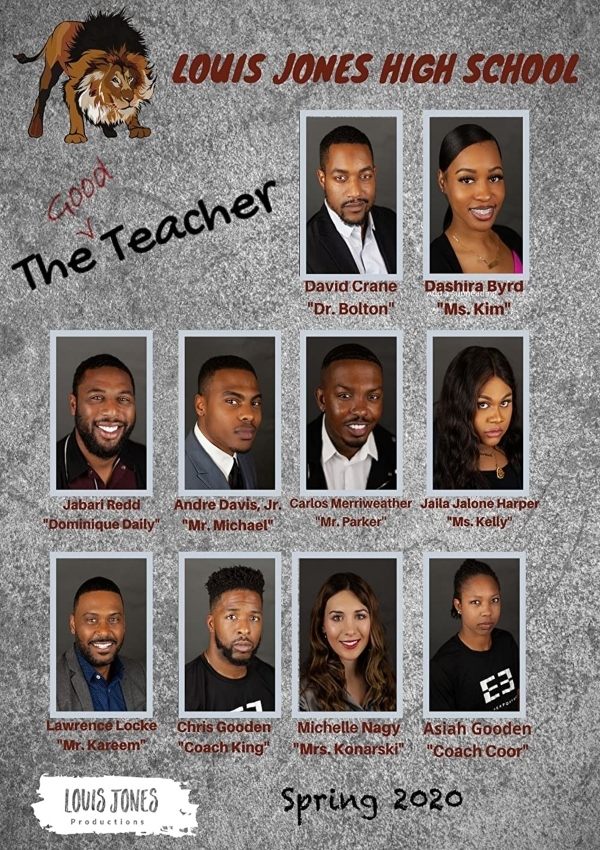
The Good Teacher is a film about the lives of school teachers in a low-income urban area and the challenges they face while trying to provide a quality education to students. Dominique Daily is a first year school teacher who gives up his football career after an injury to teach Math at Louis Jones high school while struggling to cope with his short-lived life long dream of being a football star.
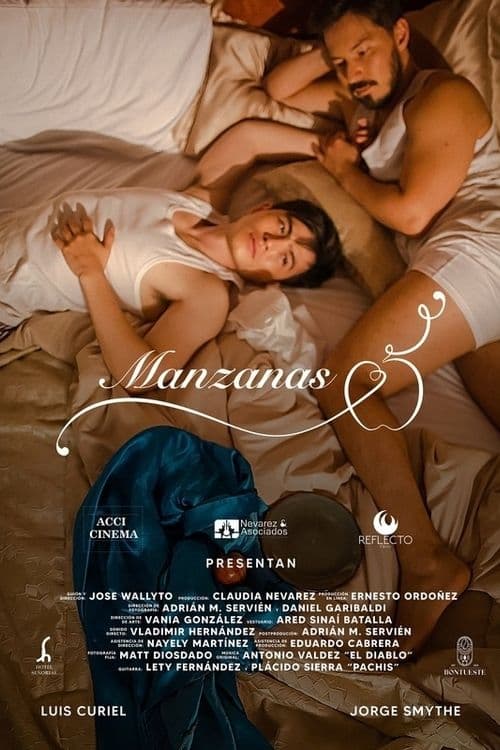
Manuel and Alexander met in 1945. They fell in love and together they fought for the creation of laws and norms for inclusion and equality in society.
'Intended Parents' is a short film about a Black millennial couple, seeking to expand their family through surrogacy. With one partner identifying as a transgender woman, the couple (Alexandra Grey as "Robyn" and Lawrence Locke as "Anthony") find themselves continously educating or being imprisoned by outdated traditions and opinions from loved ones. While the film explores the intersections of love, gender, surrogacy, acceptance, and desperation; the powerful couple aims to deflate multiple negative stigmas as they prepare for the life-alternating roller coaster of fertility and surrogacy.
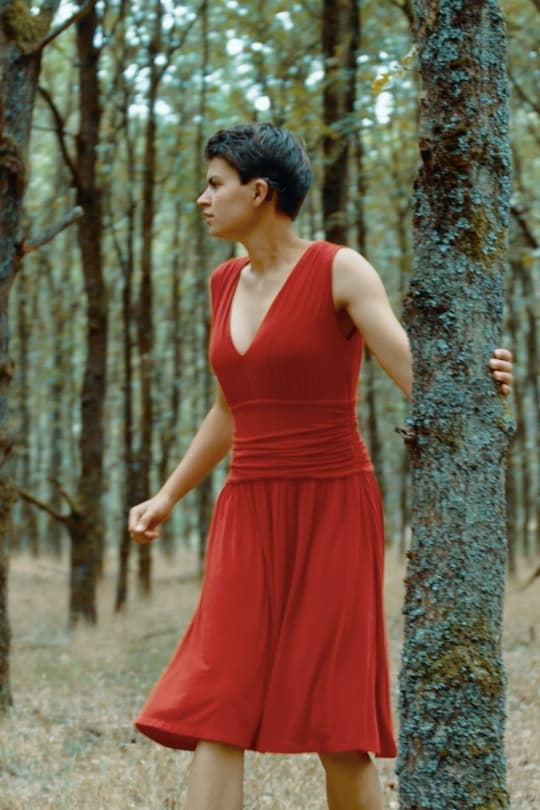
From the music of UK composer Anne Dudley, Belgian filmmaker Stijn Coninx crafts a story of a hearing-impaired woman on various runs, determinedly straight ahead of herself, crossing deserted forests, meadows and swamps, in different get-ups. This short film is part of the 2x25 Project of Film Fest Gent and the World Soundtrack Awards. The project commissioned 25 composers to compose a short piece of music, after which 25 filmmakers made short films that are the ultimate symbioses of music and cinematography, fitting completely within the DNA of the festival. The result: 25 exceptional films where the music inspired the form, narrative and texture.
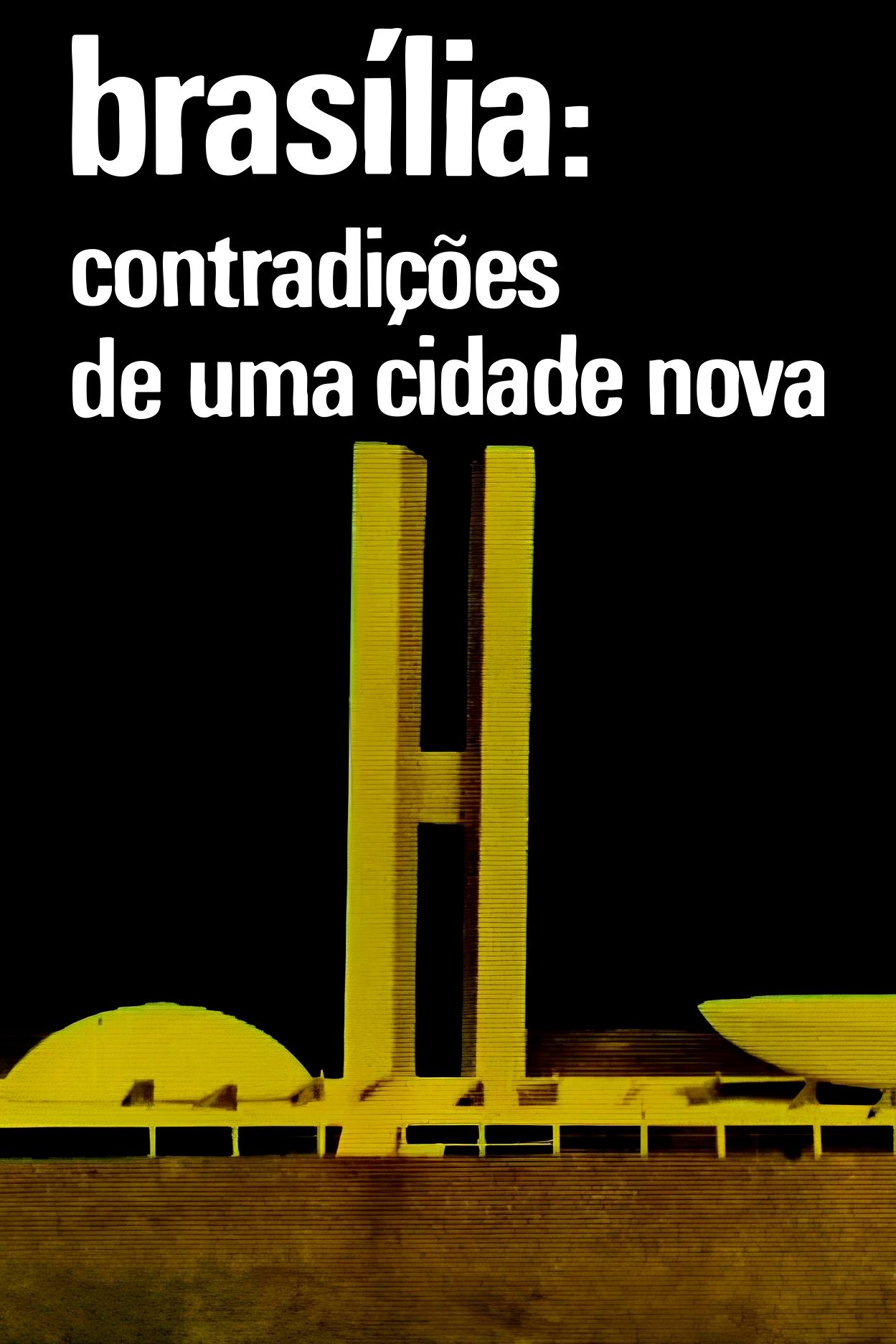
In 1967, de Andrade was invited by the Italian company Olivetti to produce a documentary on the new Brazilian capital city of Brasília. Constructed during the latter half of the 1950s and founded in 1960, the city was part of an effort to populate Brazil’s vast interior region and was to be the embodiment of democratic urban planning, free from the class divisions and inequalities that characterize so many metropolises. Unsurprisingly, Brasília, Contradições de uma Cidade Nova (Brasília, Contradictions of a New City, 1968) revealed Brasília to be utopic only for the wealthy, replicating the same social problems present in every Brazilian city. (Senses of Cinema)
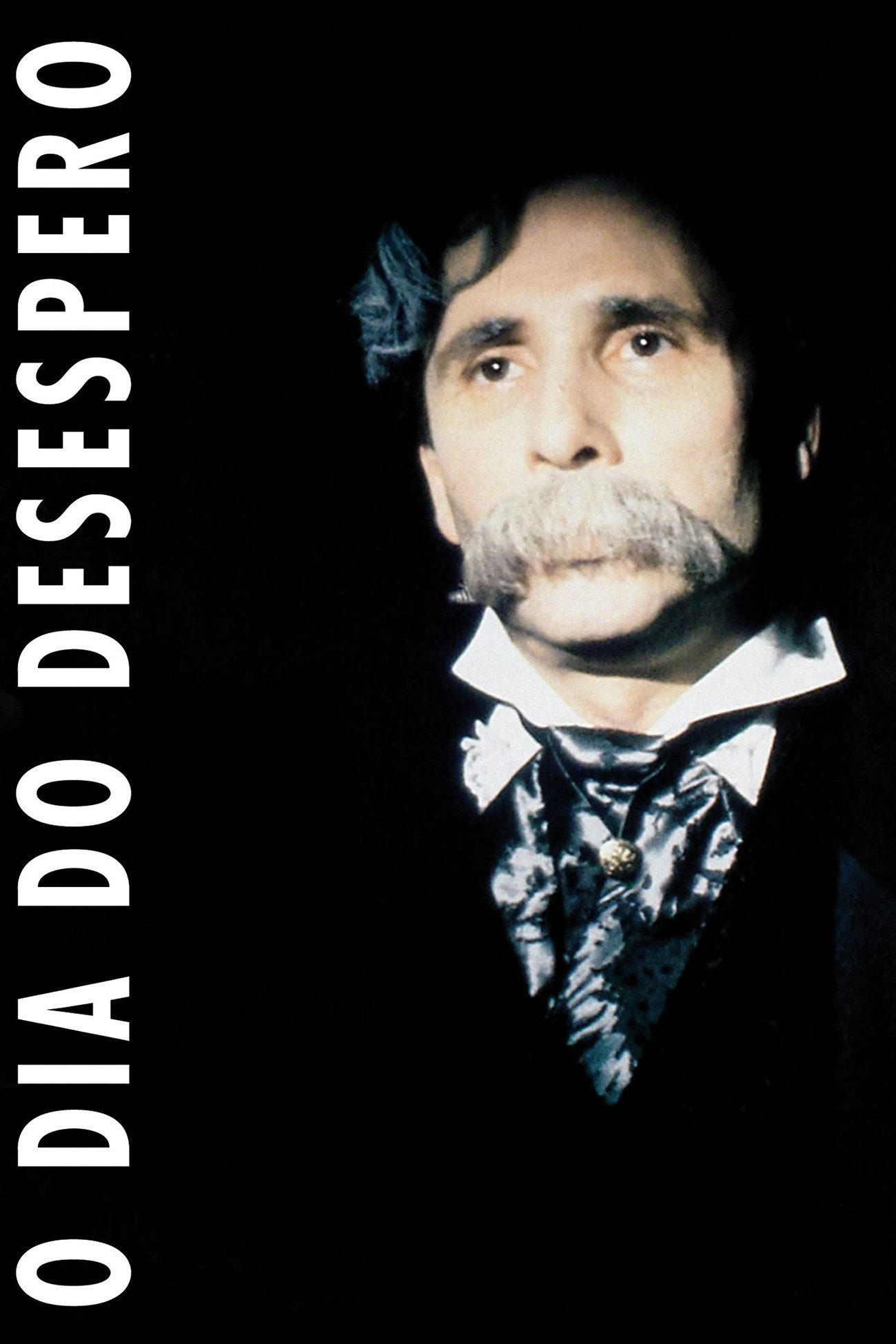
Portrait of the last days of the life of Portuguese writer Camilo Castelo Branco.
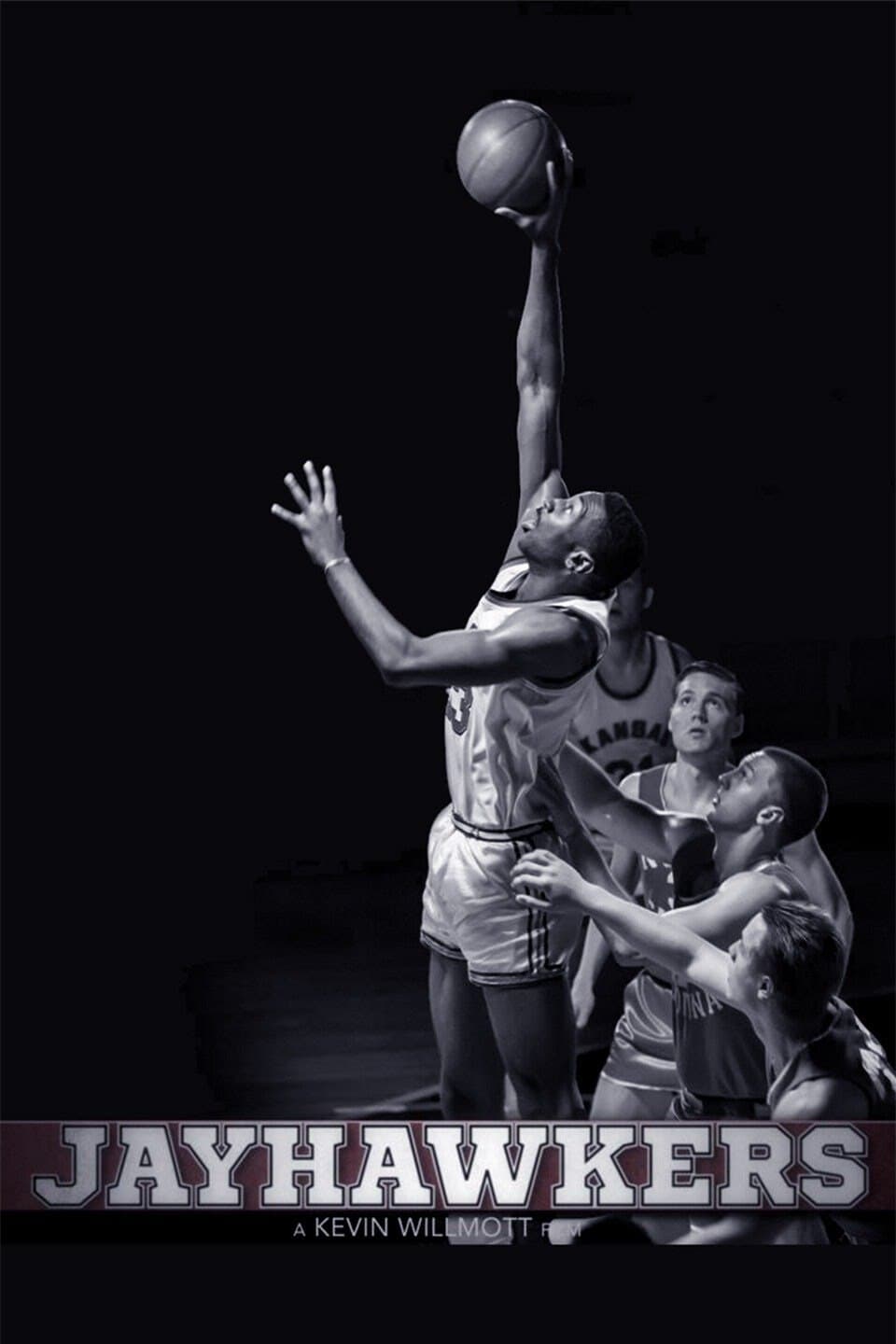
A group of unlikely allies modernized college sports and changed a small Midwestern town, serving as a parallel to the Civil Rights movement that would transform the entire American society.
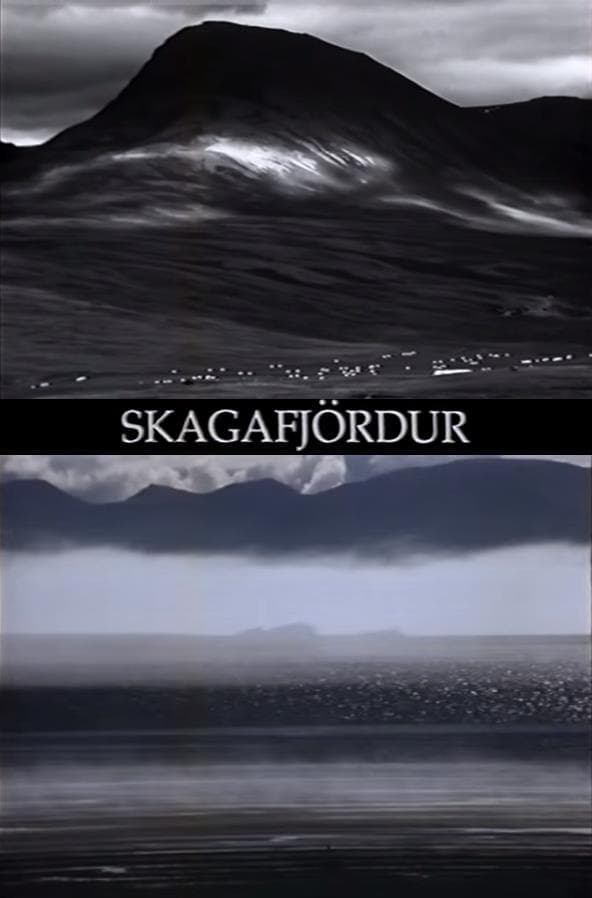
A film documenting the landscapes of northern Iceland.
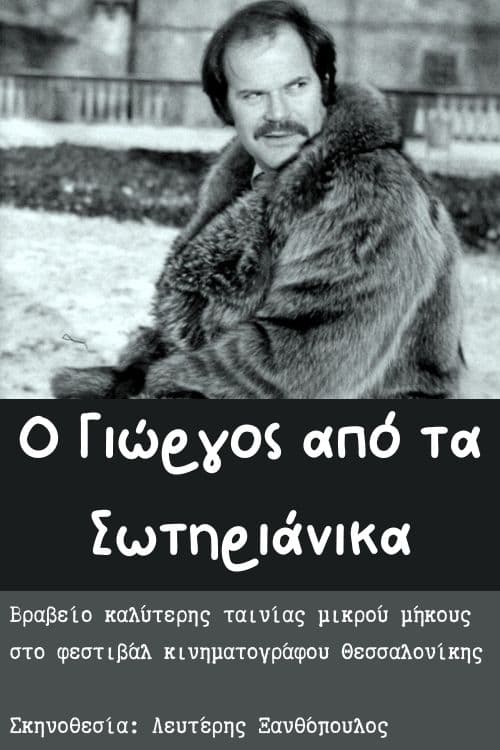
The story of a successful Greek immigrant, the restaurant owner Giorgos Kozompolis, who emigrated in the mid 1960’s from the poor village of Sotirianika, in Mani to the developed city of Heidelberg in the Federal Republic of Germany.
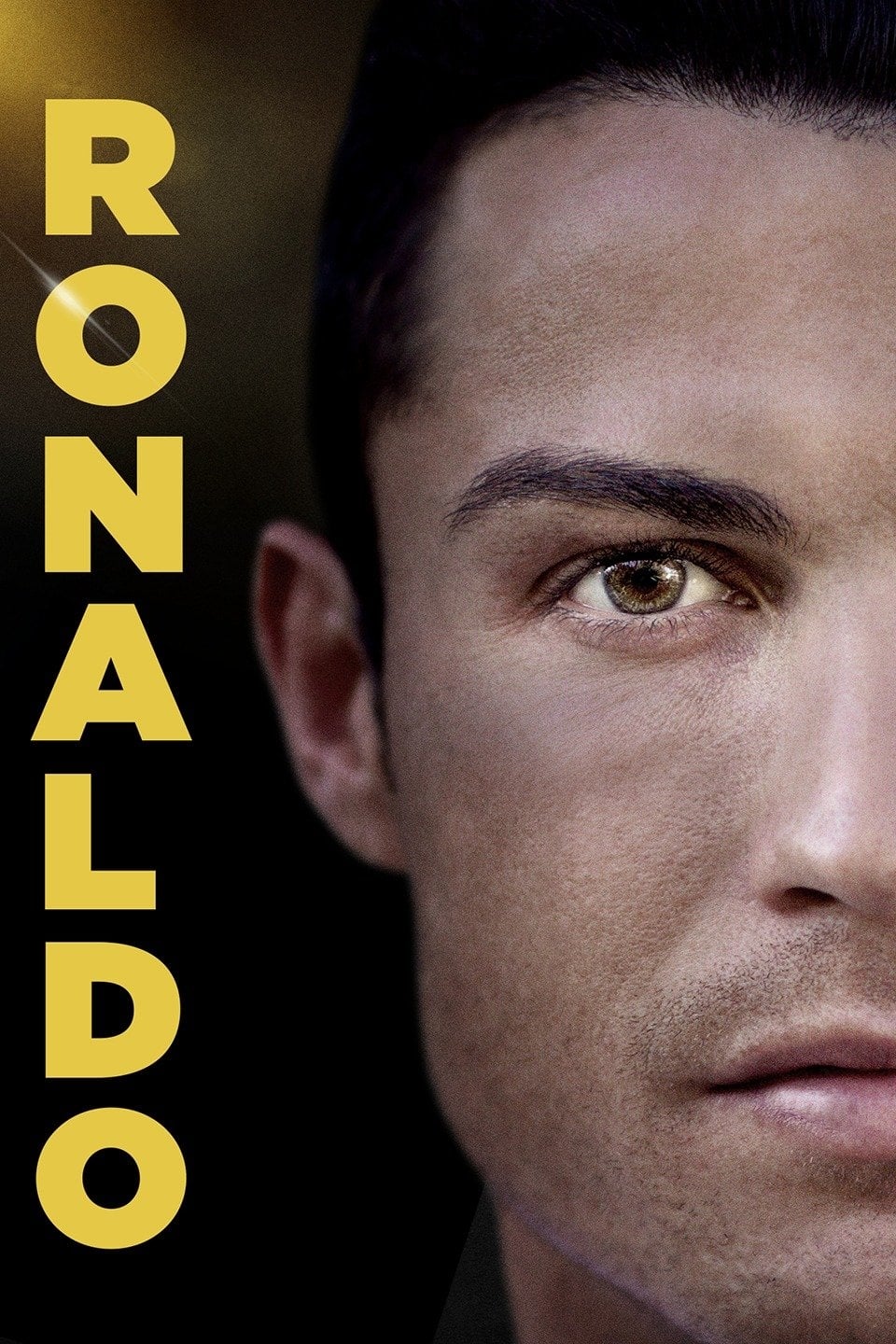
Filmed over 14 months with unprecedented access into the inner circle of the man and the sport, this is the first official and fully authorised film of one of the most celebrated figures in football. For the first time ever, the world gets vividly candid and un-paralleled, behind-closed-doors access to the footballer, father, family-man and friend in this moving & fascinating documentary. Through in-depth conversations, state of the art football footage and never before seen archival footage, the film gives an astonishing insight into the sporting and personal life of triple Ballon D'Or winner Cristiano Ronaldo at the peak of his career. From the makers of ‘Senna’ and ‘Amy’, Ronaldo takes audiences on an intimate and revealing journey of what it’s like to live as an iconic athlete in the eye of the storm.
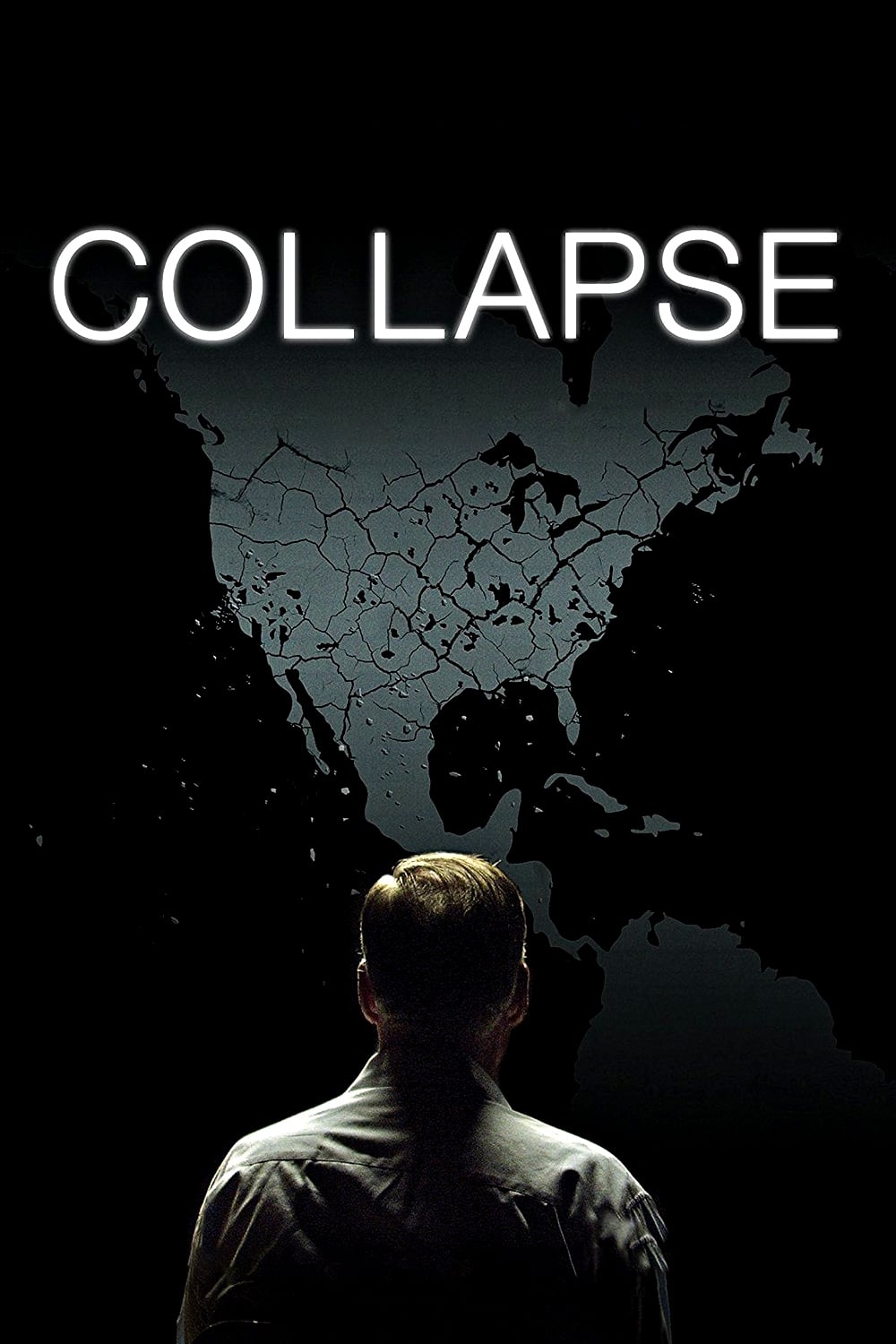
From the acclaimed director of American Movie, the documentary follows former Los Angeles police officer turned independent reporter Michael Ruppert. He recounts his career as a radical thinker and spells out his apocalyptic vision of the future, spanning the crises in economics, energy, environment and more.
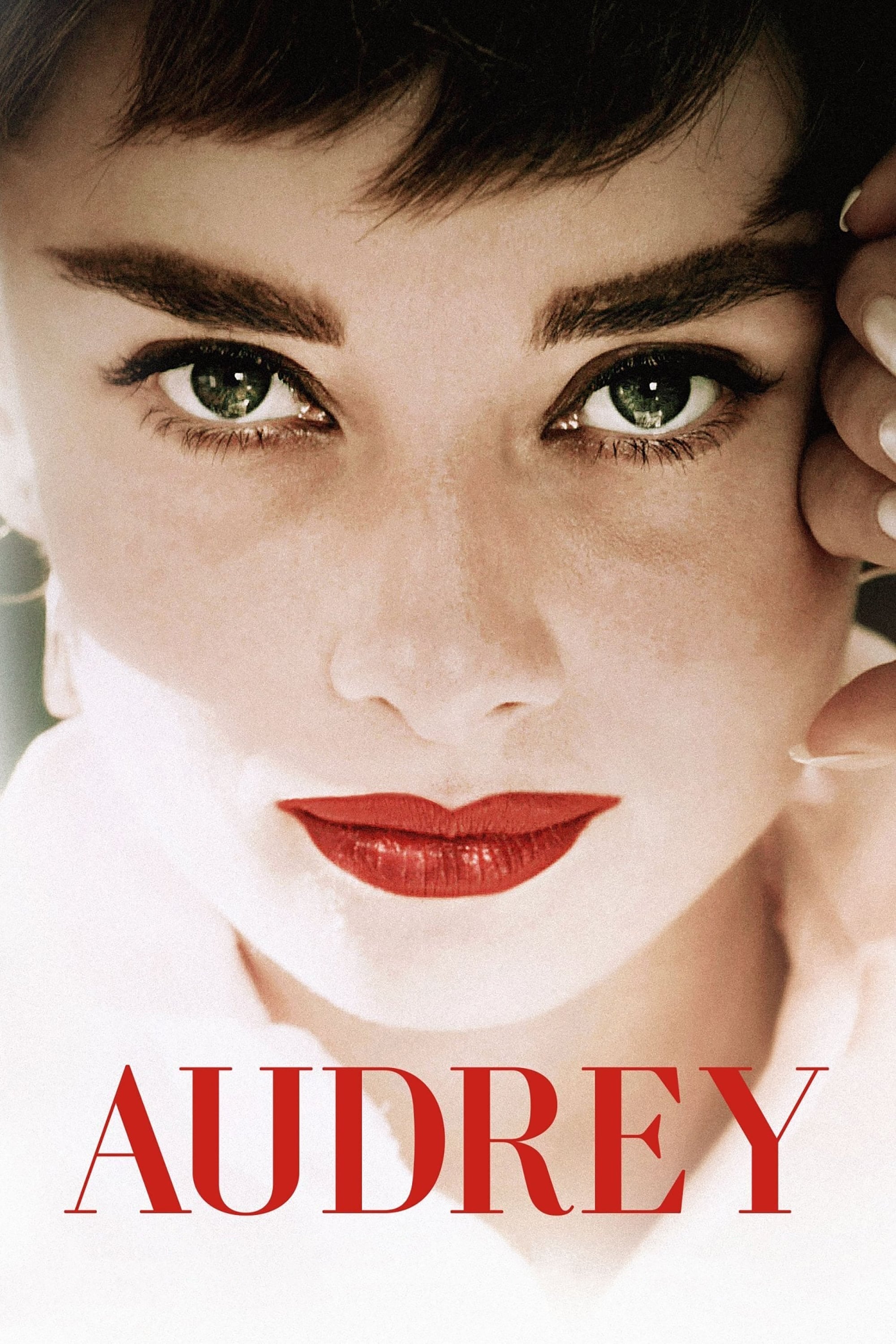
An unprecedented and intimate look at the life, work and enduring legacy of British actress Audrey Hepburn (1929-1993).
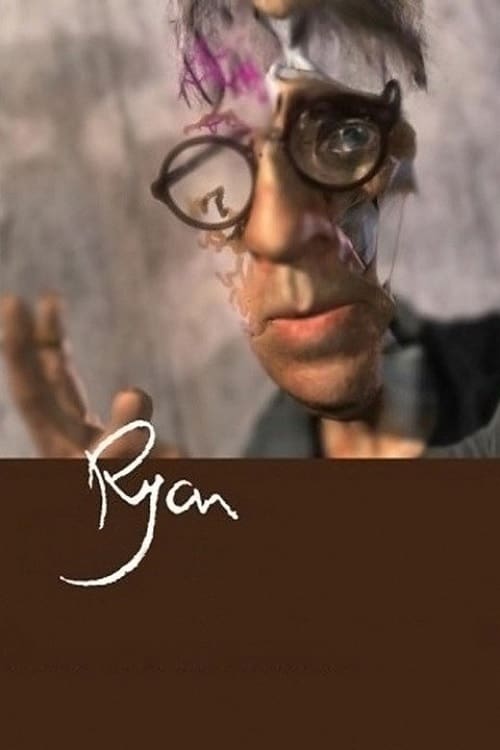
Centres on Canadian animator Ryan Larkin, who in later years lived on skid row in Montreal following a history of drug and alcohol abuse.
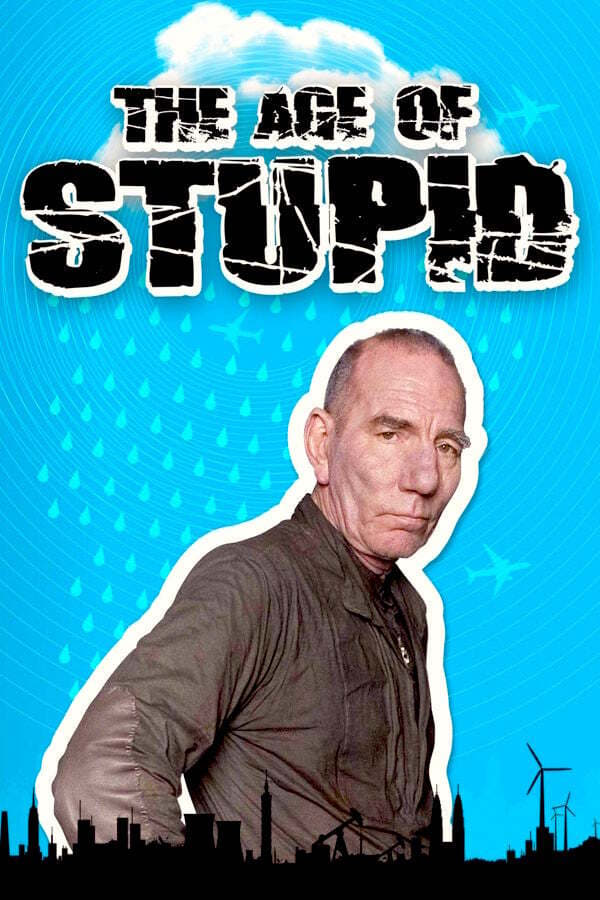
Pete Postlethwaite stars as a man living alone in the devastated future world of 2055, looking at old footage from 2008 and asking: why didn’t we stop climate change when we had the chance?
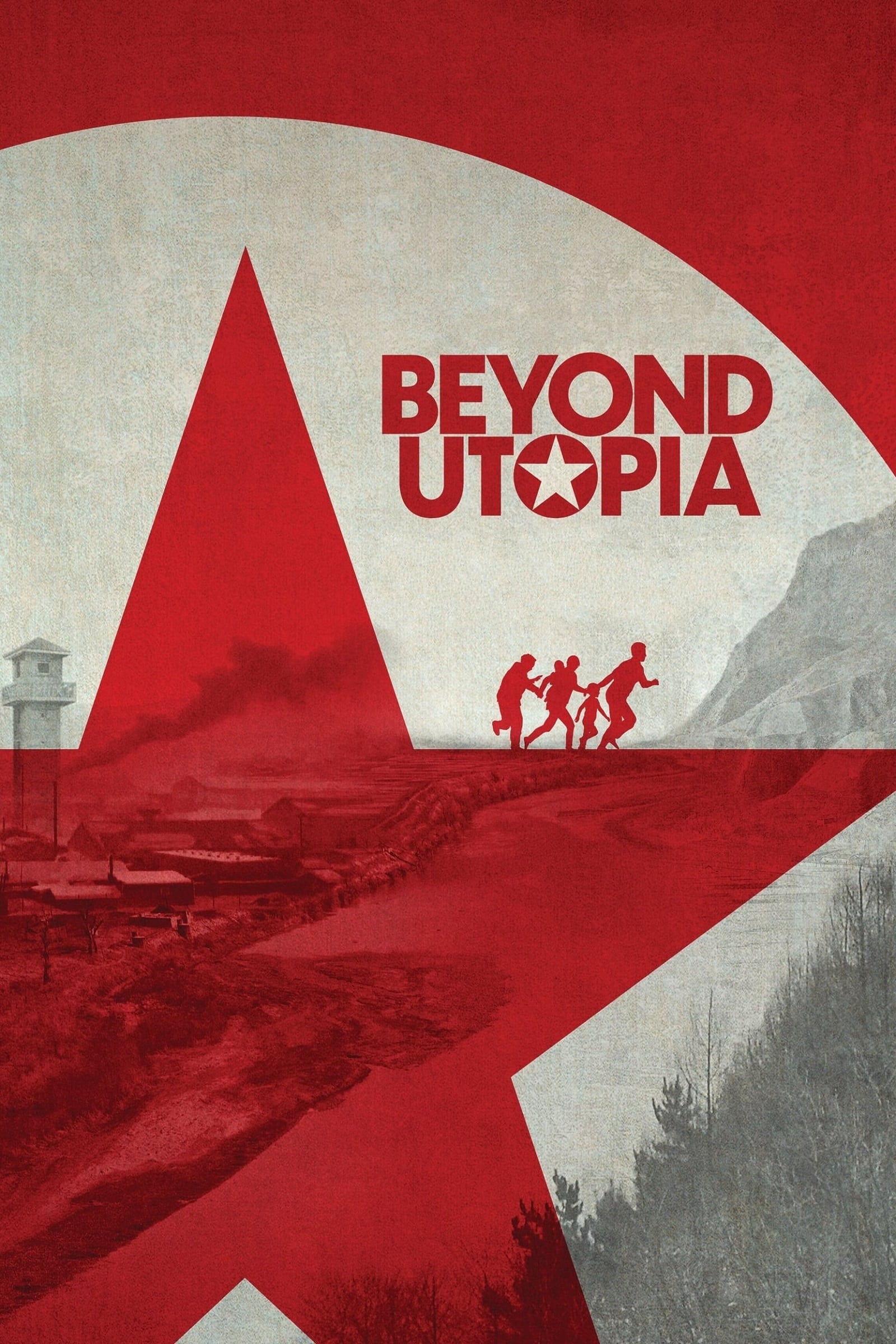
A courageous pastor uses his underground network to rescue and aid North Korean families as they risk their lives to embrace freedom.
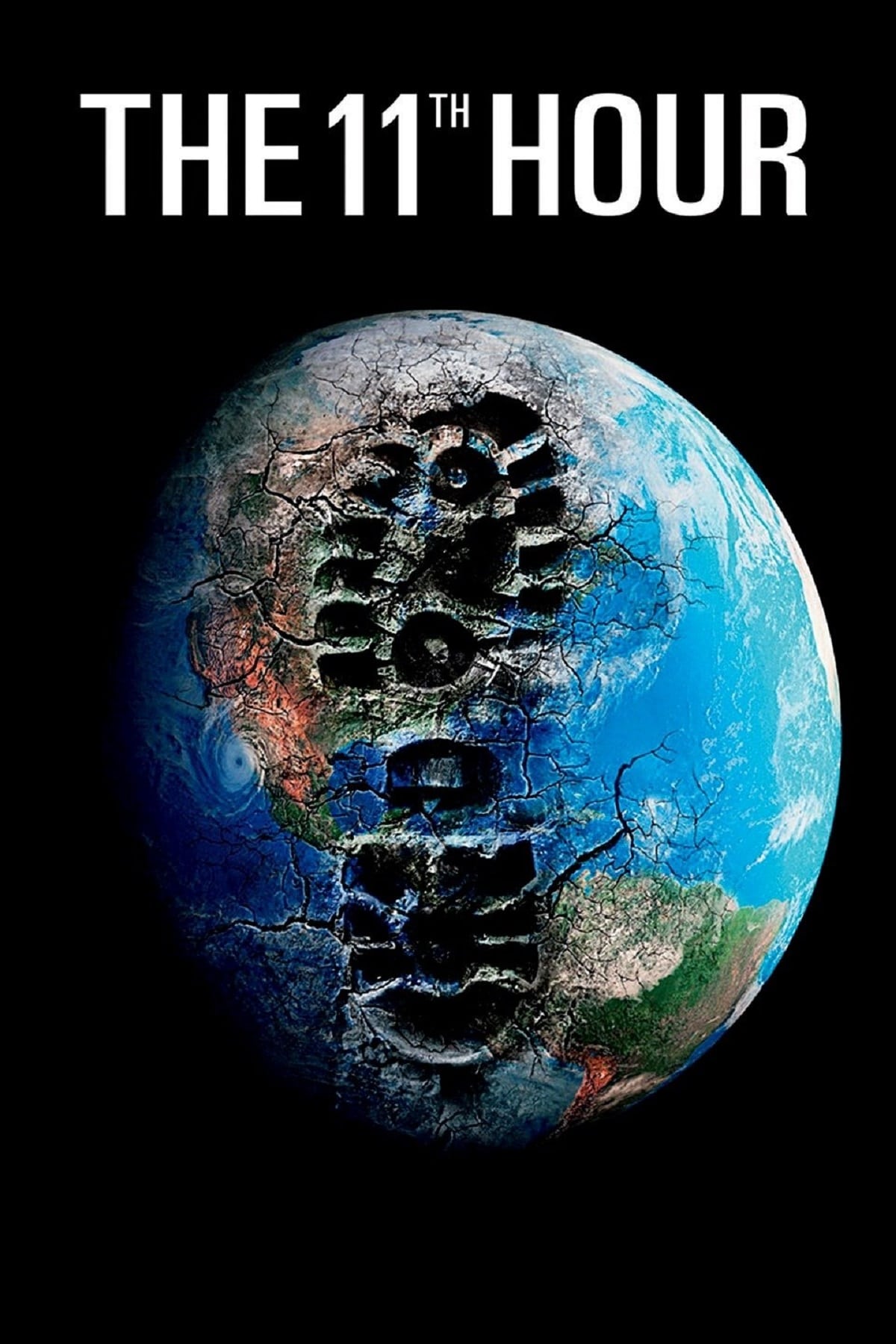
A look at the state of the global environment including visionary and practical solutions for restoring the planet's ecosystems. Featuring ongoing dialogues of experts from all over the world, including former Soviet Prime Minister Mikhail Gorbachev, renowned scientist Stephen Hawking, former head of the CIA R. James Woolse
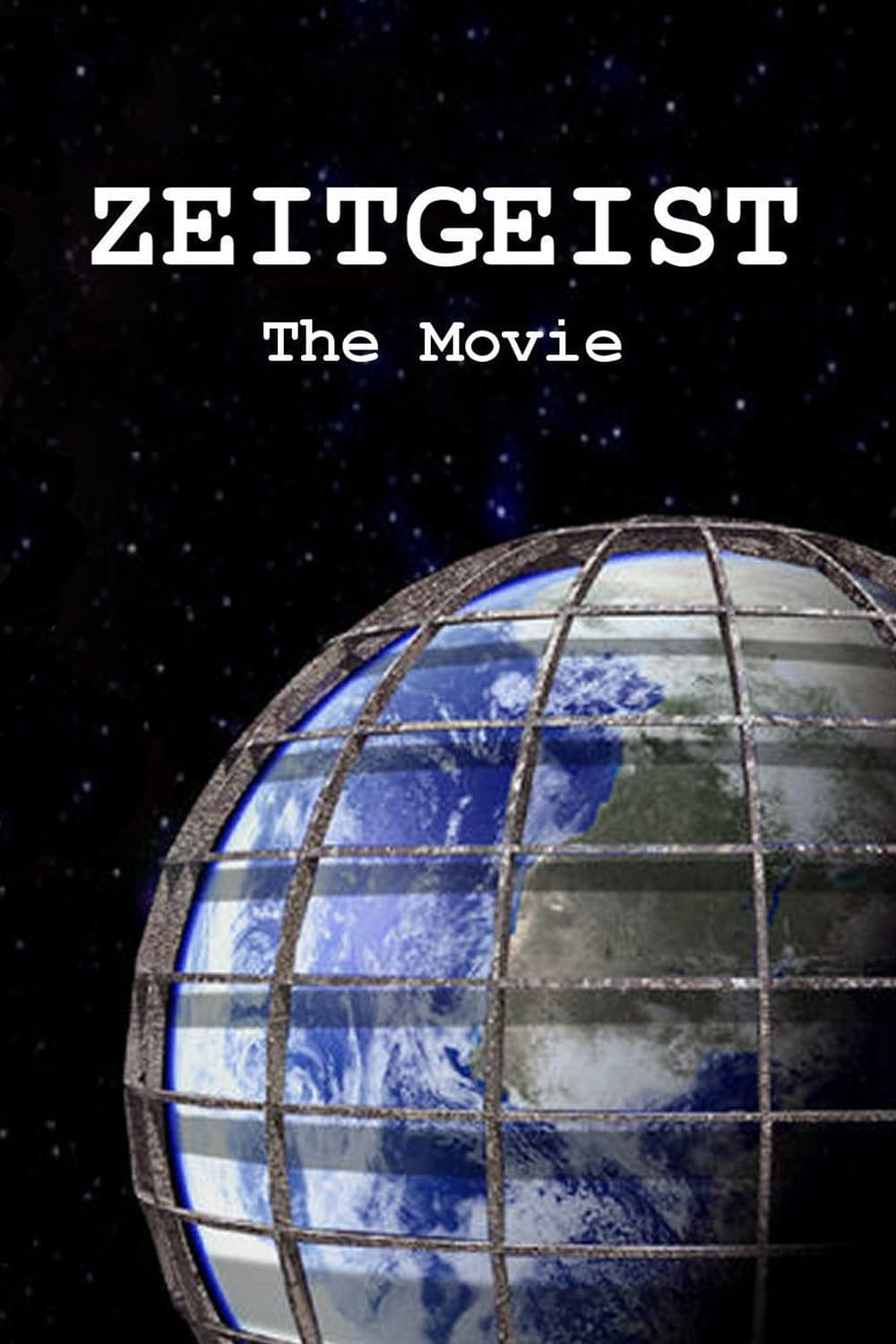
A documentary examining possible historical and modern conspiracies surrounding Christianity, the 9/11 terrorist attacks, and the Federal Reserve bank.
Filmmaker Jonathan Caouette's documentary on growing up with his schizophrenic mother -- a mixture of snapshots, Super-8, answering machine messages, video diaries, early short films, and more -- culled from 19 years of his life.
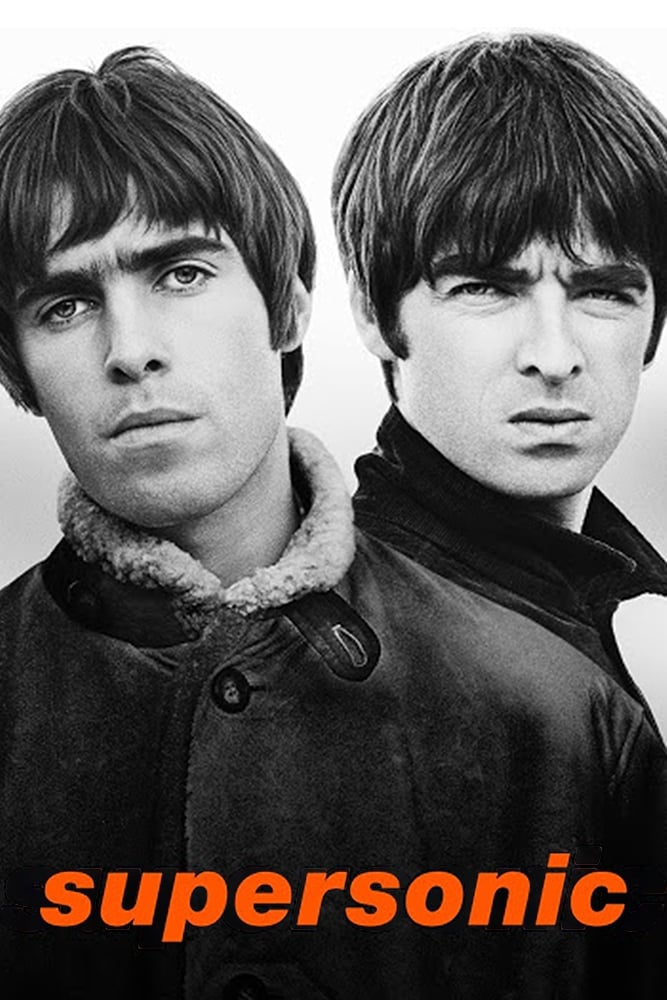
Supersonic charts the meteoric rise of Oasis from the council estates of Manchester to some of the biggest concerts of all time in just three short years. This palpable, raw and moving film shines a light on one of the most genre and generation-defining British bands that has ever existed and features candid new interviews with Noel and Liam Gallagher, their mother, and members of the band and road crew.
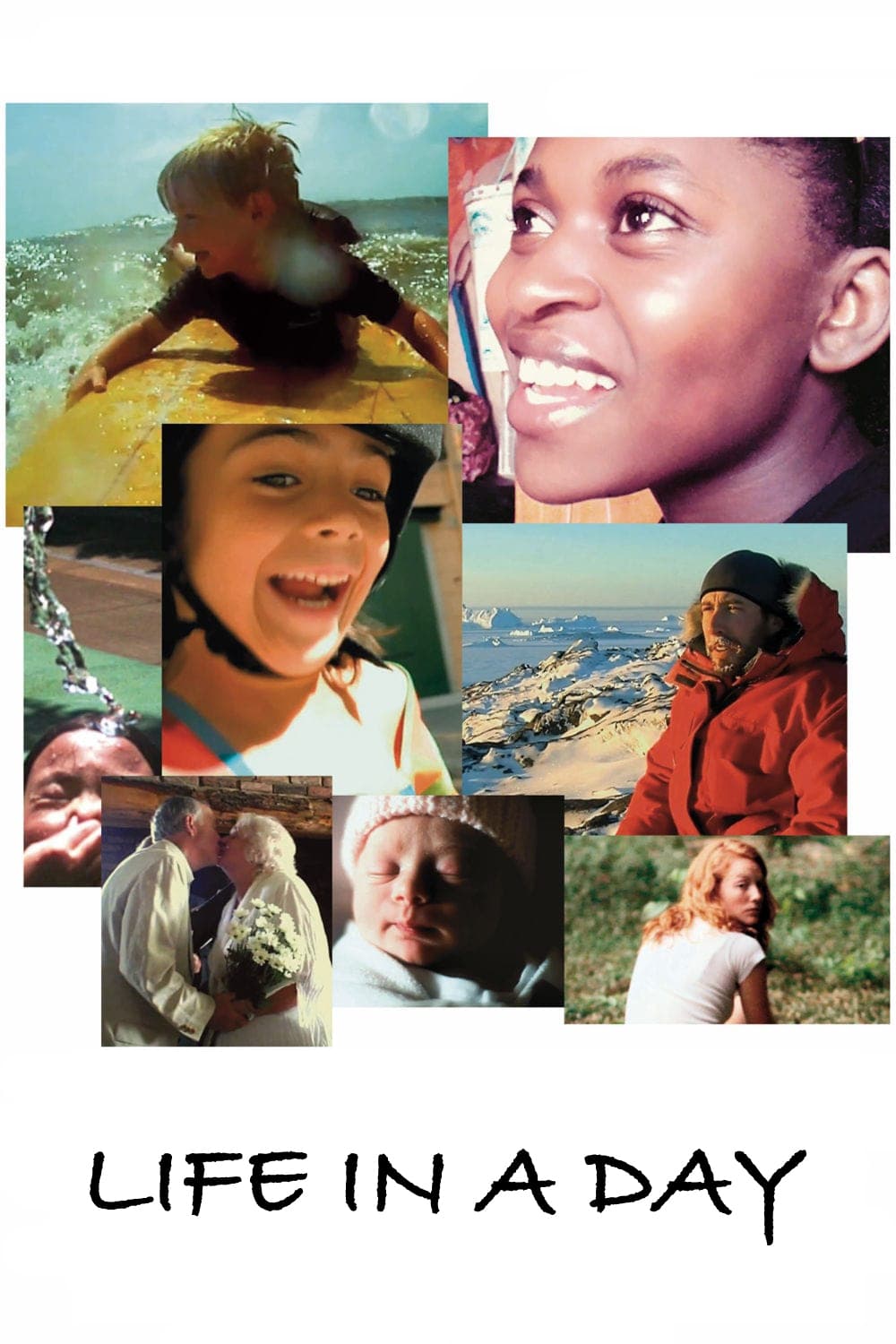
A documentary shot by filmmakers all over the world that serves as a time capsule to show future generations what it was like to be alive on the 24th of July, 2010.
The history of cinematic sound, told by legendary sound designers and visionary filmmakers.
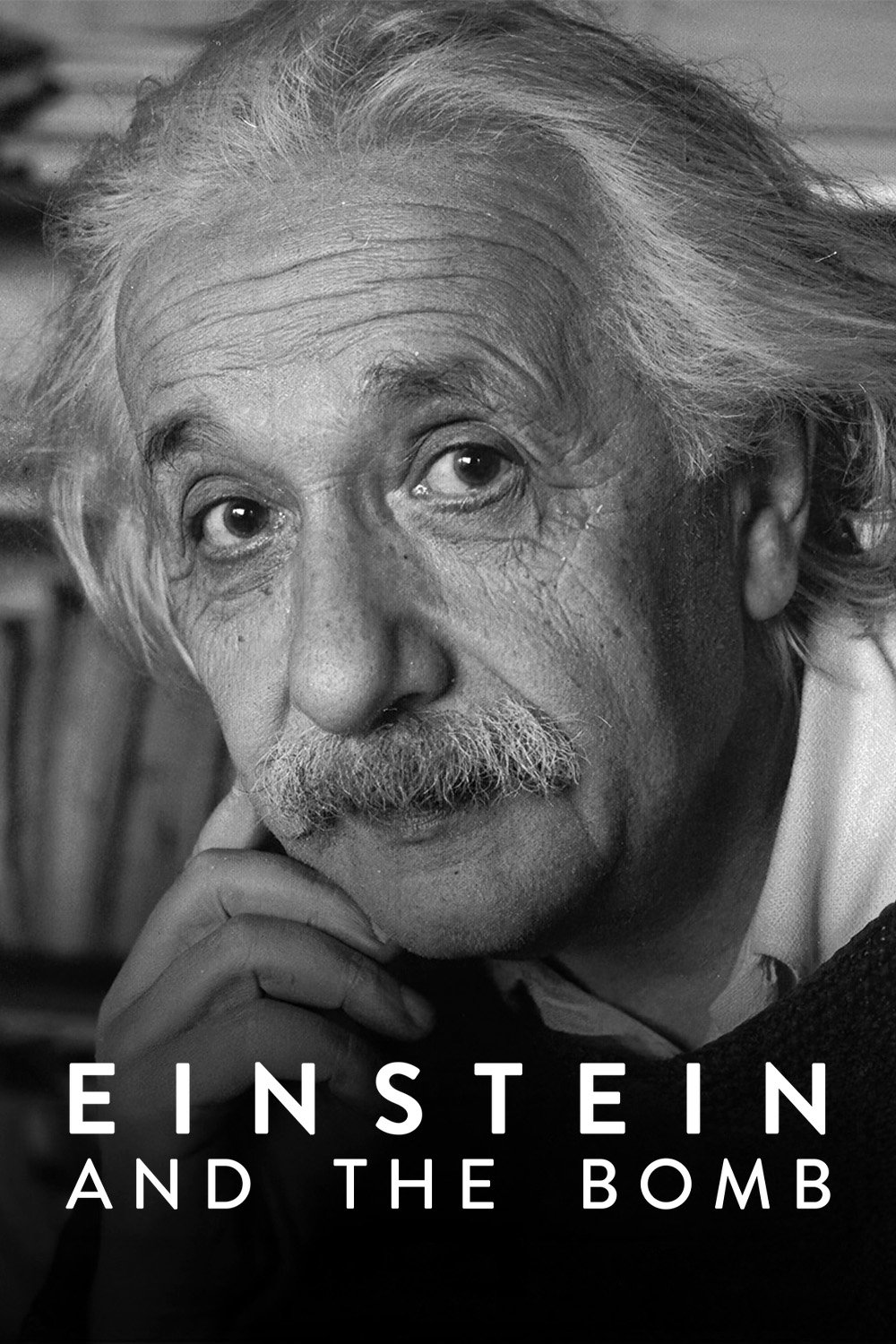
What happened after Einstein fled Nazi Germany? Using archival footage and his own words, this docudrama dives into the mind of a tortured genius.
An intimate look at the Woodstock Music & Art Festival held in Bethel, NY in 1969, from preparation through cleanup, with historic access to insiders, blistering concert footage, and portraits of the concertgoers; negative and positive aspects are shown, from drug use by performers to naked fans sliding in the mud, from the collapse of the fences by the unexpected hordes to the surreal arrival of National Guard helicopters with food and medical assistance for the impromptu city of 500,000.
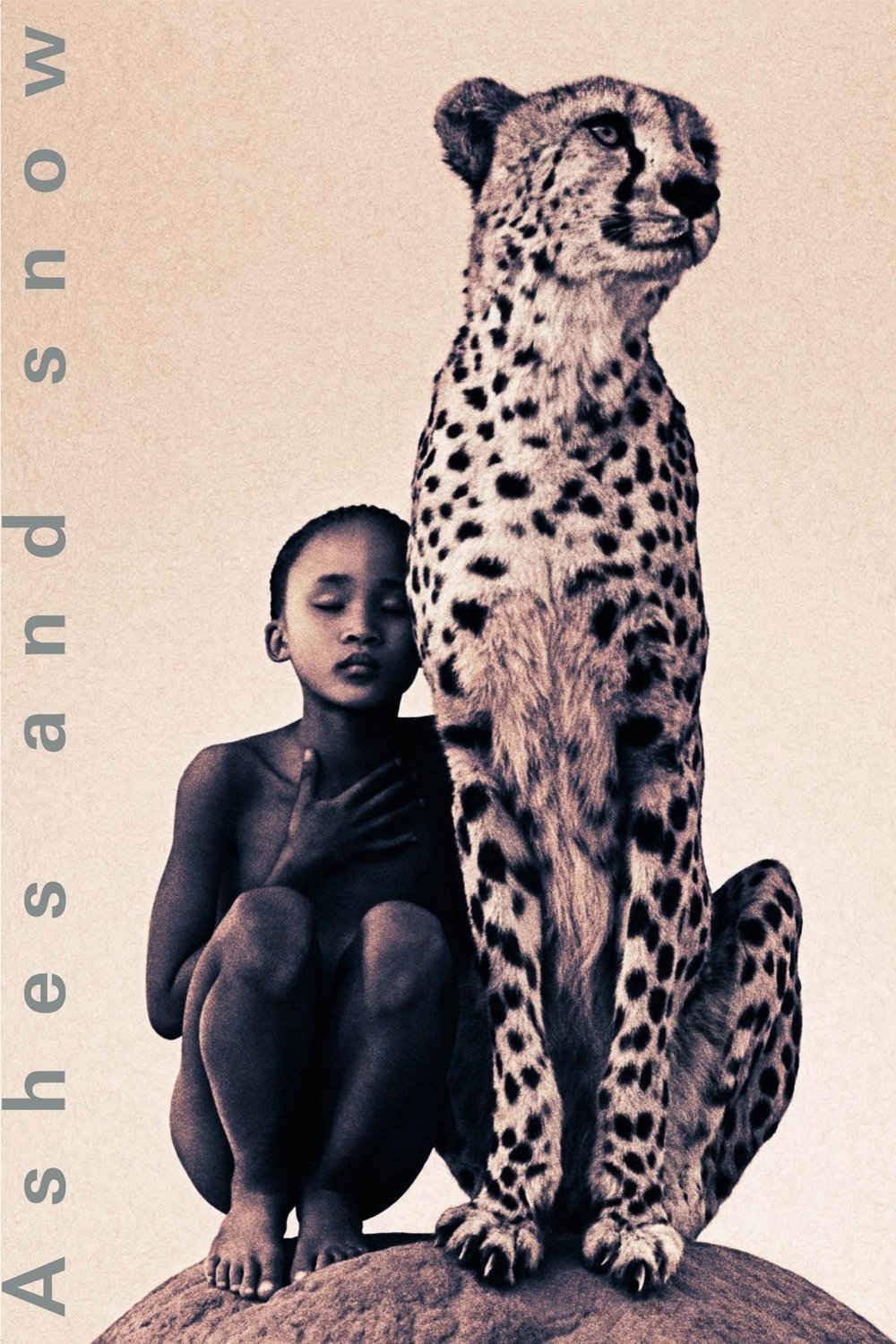
Ashes and Snow, a film by Gregory Colbert, uses both still and movie cameras to explore extraordinary interactions between humans and animals. The 60-minute feature is a poetic narrative rather than a documentary. It aims to lift the natural and artificial barriers between humans and other species, dissolving the distance that exists between them.
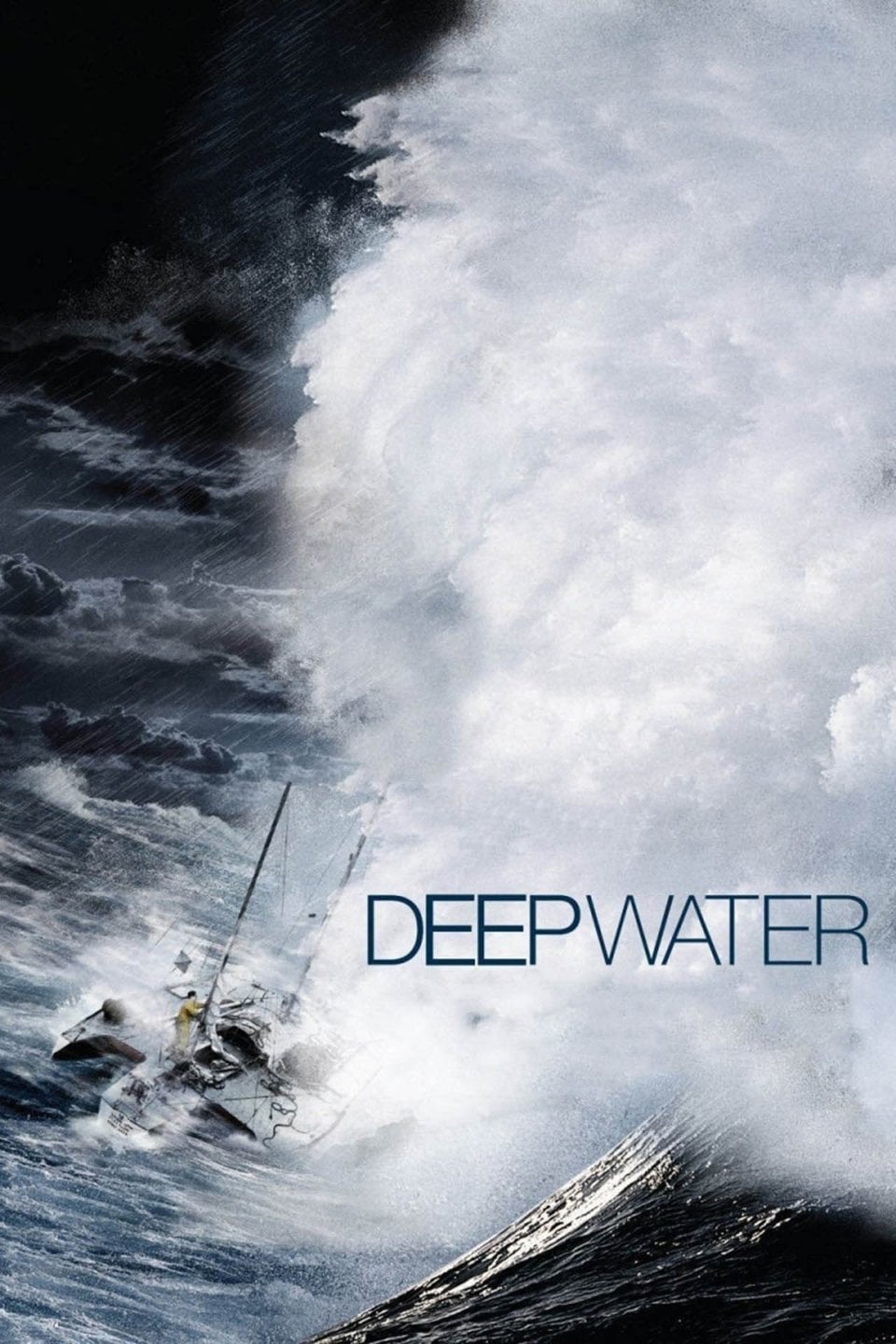
DEEP WATER is the stunning true story of the fateful voyage of Donald Crowhurst, an amateur yachtsman who enters the most daring nautical challenge ever – the very first solo, non-stop, round-the-world boat race.
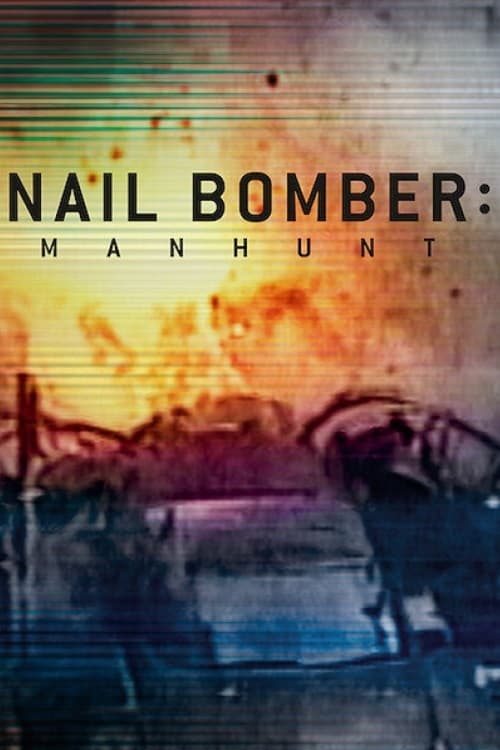
This documentary examines the 1999 London bombings that targeted Black, Bangladeshi and gay communities, and the race to find the far-right perpetrator. He terrorized a city, seeking to ignite a race war but justice was served by those who wouldn't let his hate win.
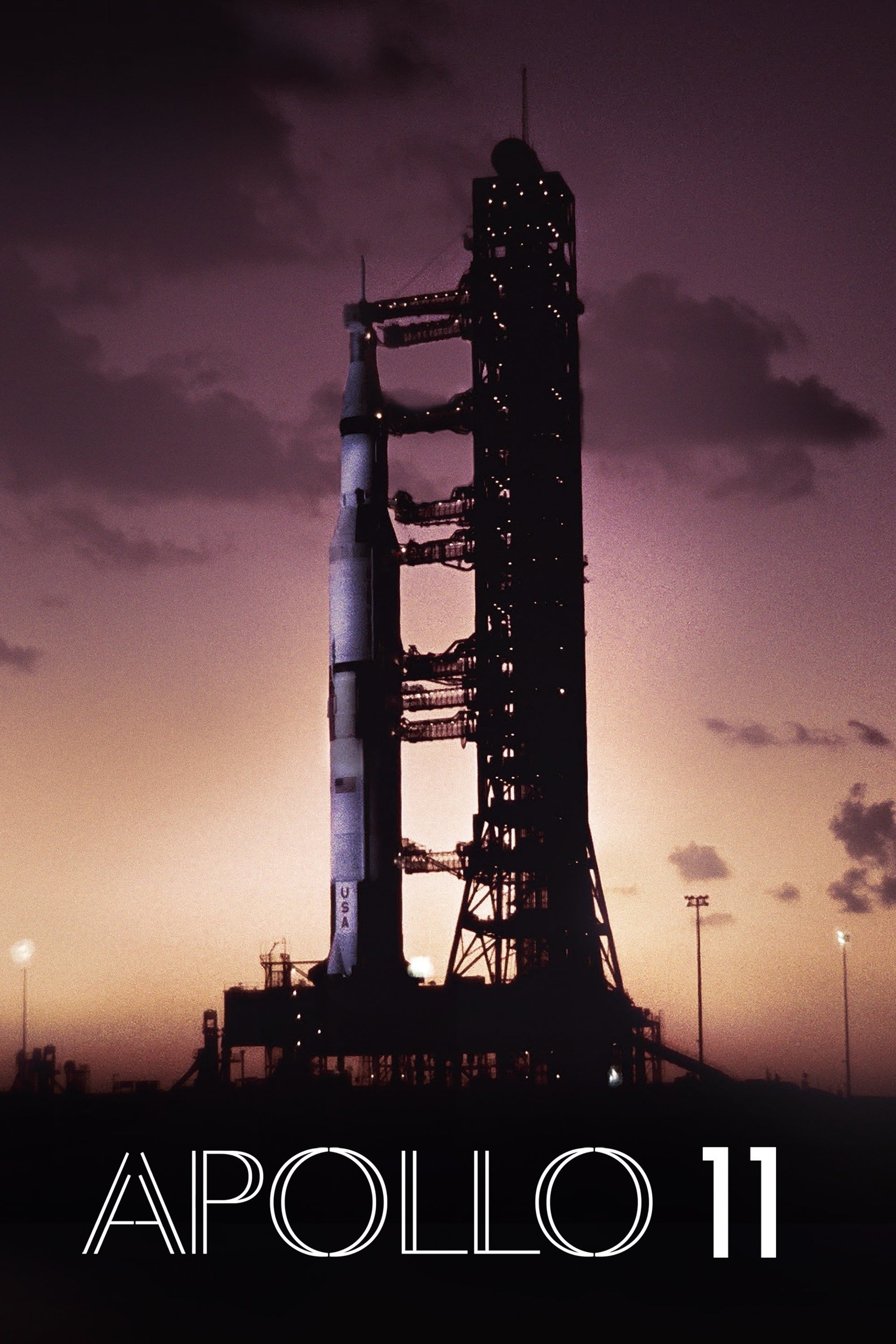
A look at the Apollo 11 mission to land on the moon led by commander Neil Armstrong and pilot Buzz Aldrin.
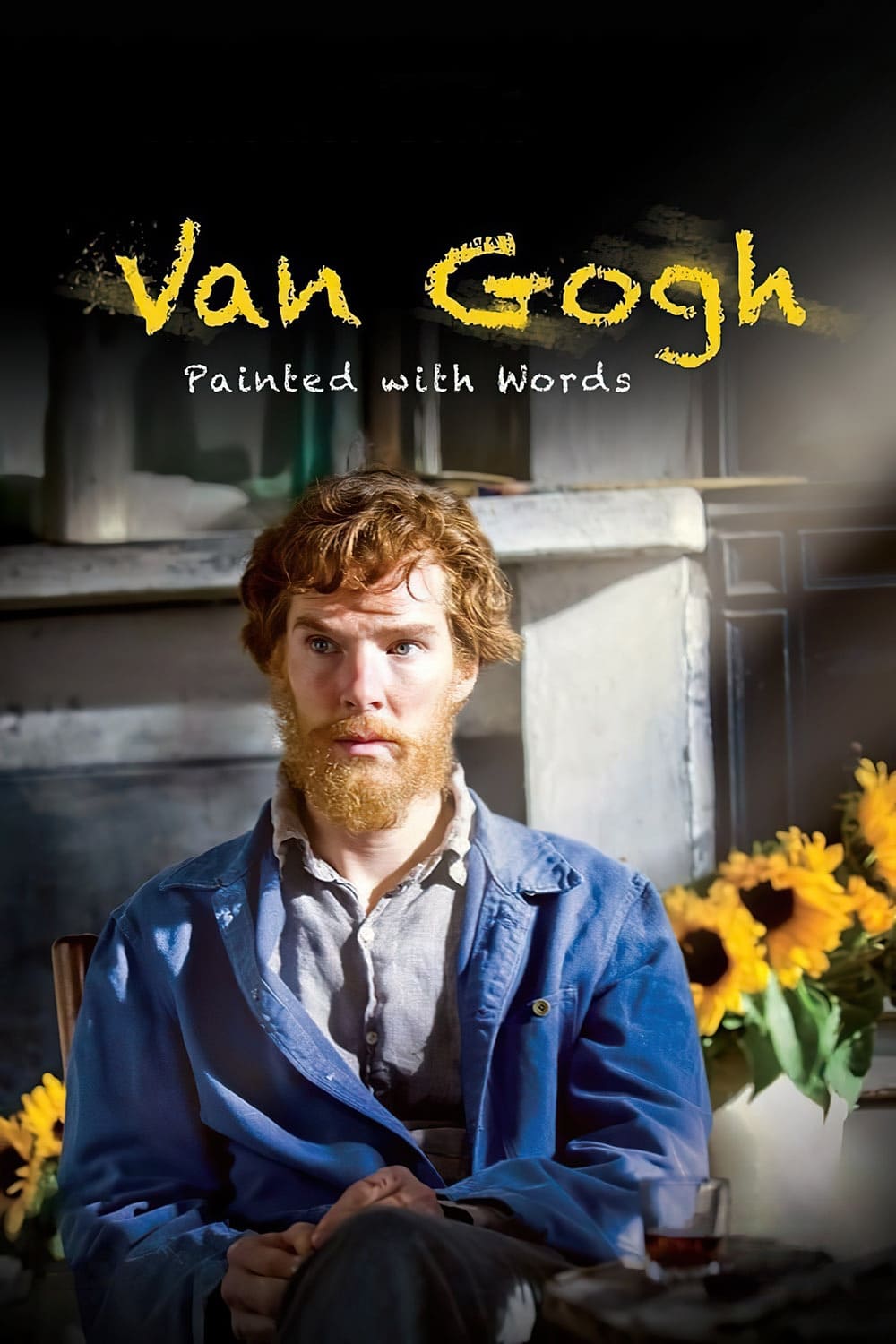
A drama-documentary presented by Alan Yentob, with Benedict Cumberbatch in the lead role. Every word spoken by the actors in this film is sourced from the letters that Van Gogh sent to his younger brother Theo, and of those around him. What emerges is a complex portrait of a sophisticated, civilised and yet tormented man.
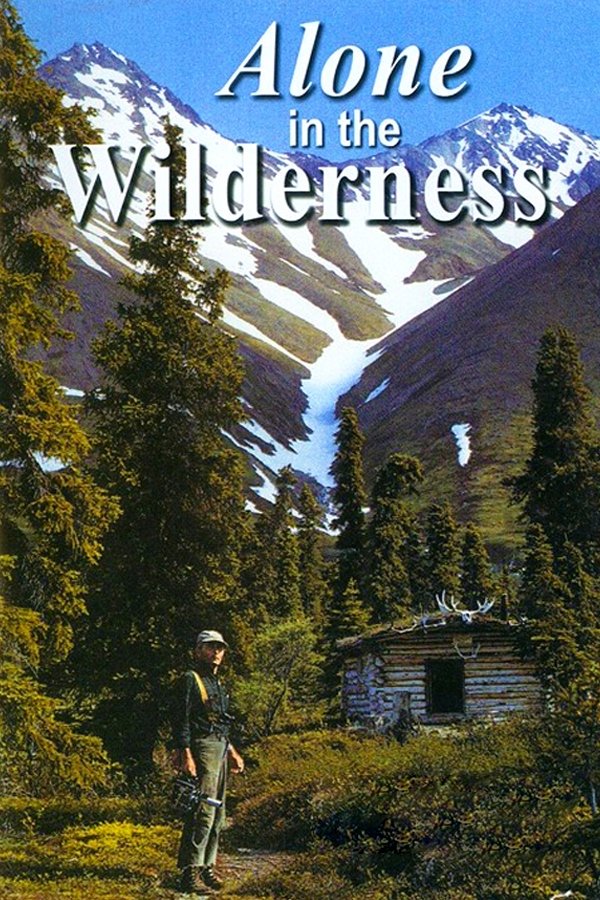
Dick Proenneke retired at age 50 in 1967 and decided to build his own cabin in the wilderness at the base of the Aleutian Peninsula, in what is now Lake Clark National Park. Using color footage he shot himself, Proenneke traces how he came to this remote area, selected a homestead site and built his log cabin completely by himself. The documentary covers his first year in-country, showing his day-to-day activities and the passing of the seasons as he sought to scratch out a living alone in the wilderness.