Social & External
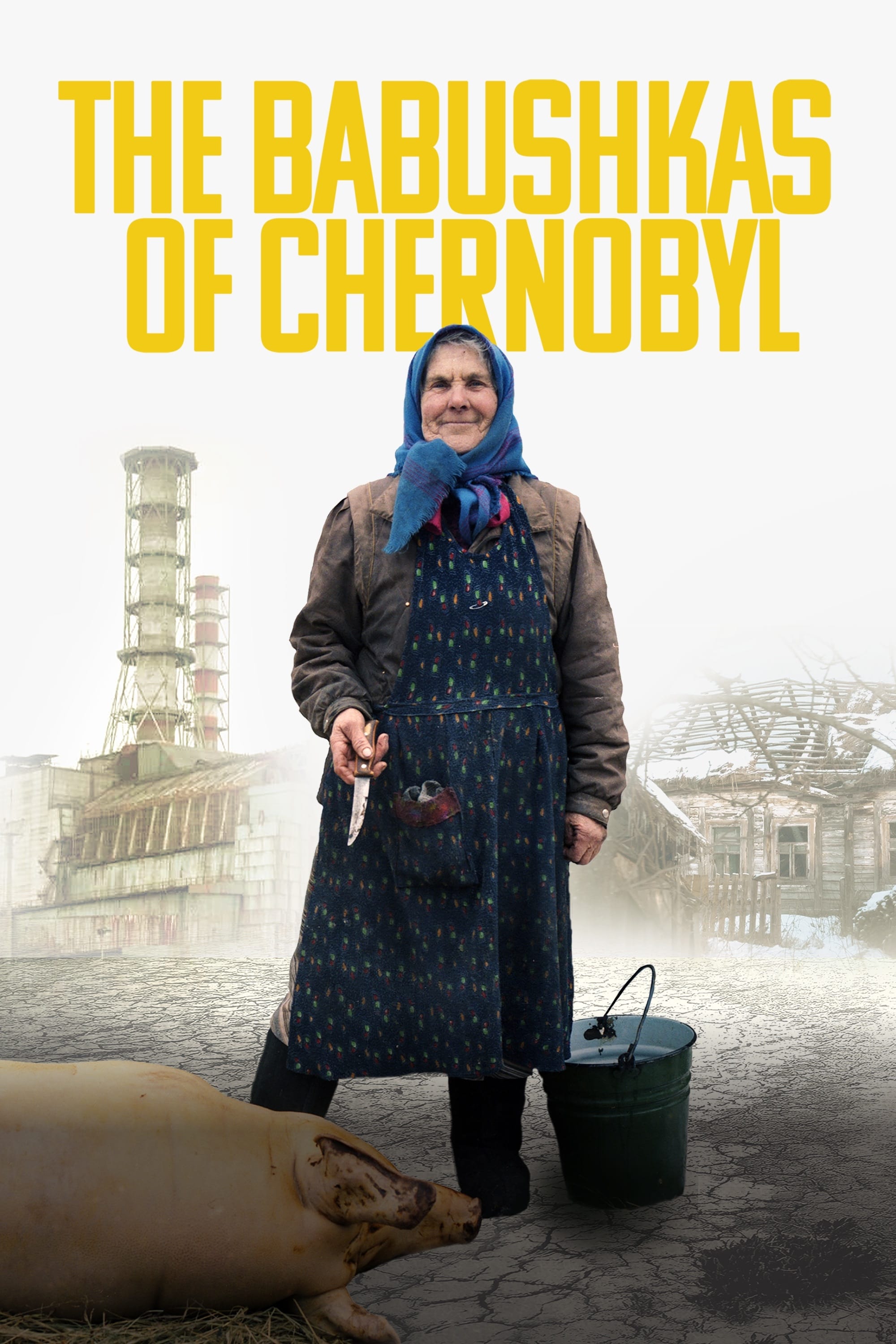
Some 200 women defiantly cling to their ancestral homeland in Chernobyl’s radioactive “Exclusion Zone.”
The film uniquely recounts the lives of workers at Ukraine's Chornobyl nuclear power plant, National Guard soldiers and residents of surrounding towns and villages. These have been at the epicenter of the Russian occupation since February 24, 2022. It's a film that shows how a thin line separates humanity from another nuclear catastrophe and how the fight for survival was on a "ticking bomb." Under the constant threat of shelling and rockets.
Military people call such places "FRONTLINE", liquidators who worked at the Chernobyl nuclear station called it "ROOF COATING". It was the most contaminated, and therefore the most dangerous, place in the zone. The remains of the roof coating of the 4th reactor. The operation on decontaminating the roof lasted more than five months. We will tell about only two days. About the most important two days in the life of an explorer - dosimetrist Valeriy Starodumov. He participated in this operation until it was over. He himself came out to the roof and led people there. He himself planted the "victory banner" at the level of 75 meters, as the signal for the zone: the roof coating has been decontaminated! Now, 25 years later, Valeriy Starodumov comes back to the zone. Now Chernobyl is a tourist object. But not for him...
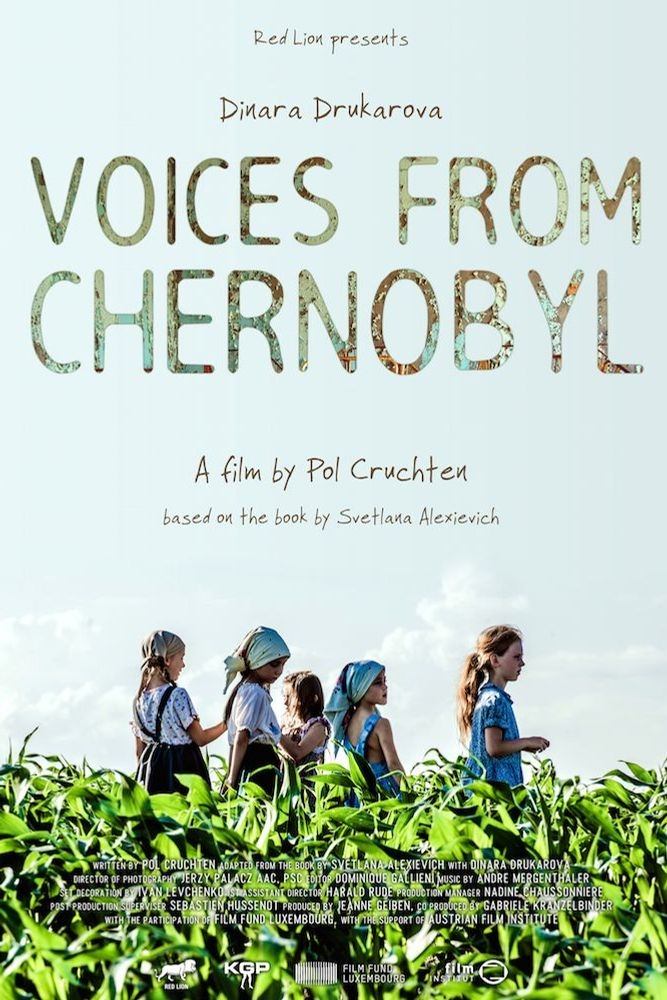
This film does not deal with Chornobyl, but rather with the world of Chornobyl, about which we know very little. Eyewitness reports have survived: scientists, teachers, journalists, couples, children... They tell of their old daily lives, then of the catastrophe. Their voices form a long, terrible but necessary supplication which traverses borders and stimulates us to question our status quo.
Three months after the March 2011 disaster in Fukushima, TEPCO, the electric company operating the nuclear power plant, installed a livecam on the facilities. The images, on which days and minutes add up, are available online. Using them for sole visual material, such is the daring challenge Philippe Rouy has taken up in 4 bâtiments, face à la mer. (Nicola Féodoroff, FID 2012)
The film tells the story of the Chernobyl accident through a mosaic of unique personal testimonies of its participants. The experiences of the difficult past and the sad results of the present recreate the full picture of the accident 30 years later.
A story about a city built as a paradise but turned into hell – a city slowly turning into paradise again, just in a different way. Igor has been living in the Chernobyl Zone for almost ten years, for peace and a chance to escape modern civilization. Psychological issues, both personal and global, are still troubling him, and he embodies both harmonizing peace and supernatural stress. And an existential secret – the secret of the essence of life. He is surrounded by the elderly inhabitants of Chernobyl, living in villages entirely overcome by nature. They lead their unrealistic Atlantean lives, from which even war in Ukraine seems to be happening on another planet.
Ben Fogle narrates a detailed film revealing the crucial events that led to the 1986 nuclear accident in Ukraine, as Chernobyl Power Plant Reactor 4 exploded with devastating consequences.
A retrospective analysis of the causes and consequences of the catastrophic accident at the Chernobyl nuclear power plant in Ukraine on April 26, 1986.
Thirty-six years after the Chernobyl nuclear reactor exploded in Soviet Ukraine, newly uncovered archival footage and recorded interviews with those who were present paint an emotional and gripping portrait of the extent and gravity of the disaster and the lengths to which the Soviet government went to cover up the incident, including the soldiers sent in to “liquidate” the damage. Chernobyl: The Lost Tapes is the full, unvarnished true story of what happened in one of the least understood tragedies of the twentieth century.
The film marks the occasion of the 800-year anniversary of Chornobyl: an epitaph to the nuclear power station tragedy. Lina Kostenko, the Ukrainian poetess, joins former residents on their annual trip to the dead town.
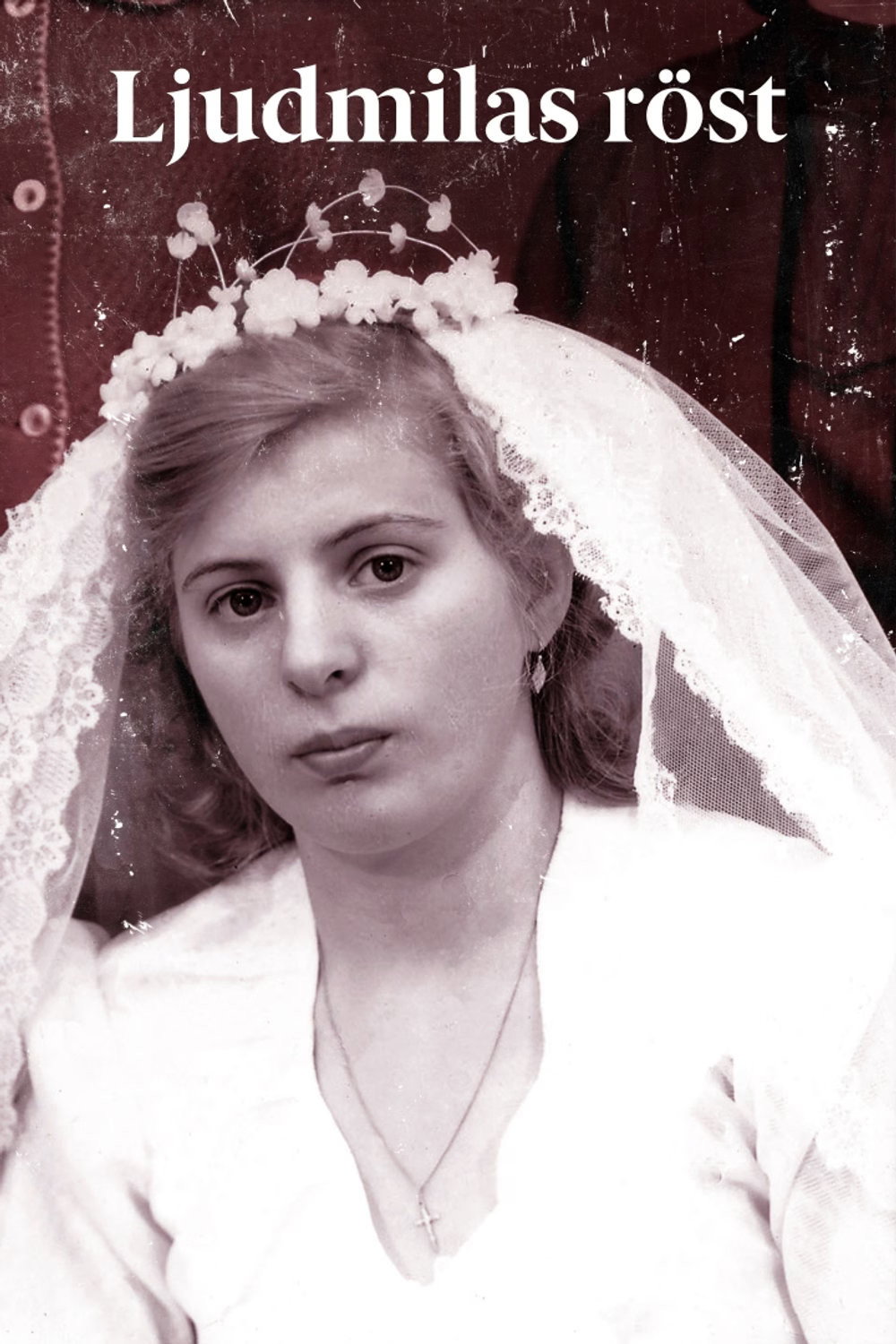
Ljudmila Ignatenko tells the story of her and her husband Vasilij, a firefighter who was one of the victims of the Chernobyl disaster in 1986.
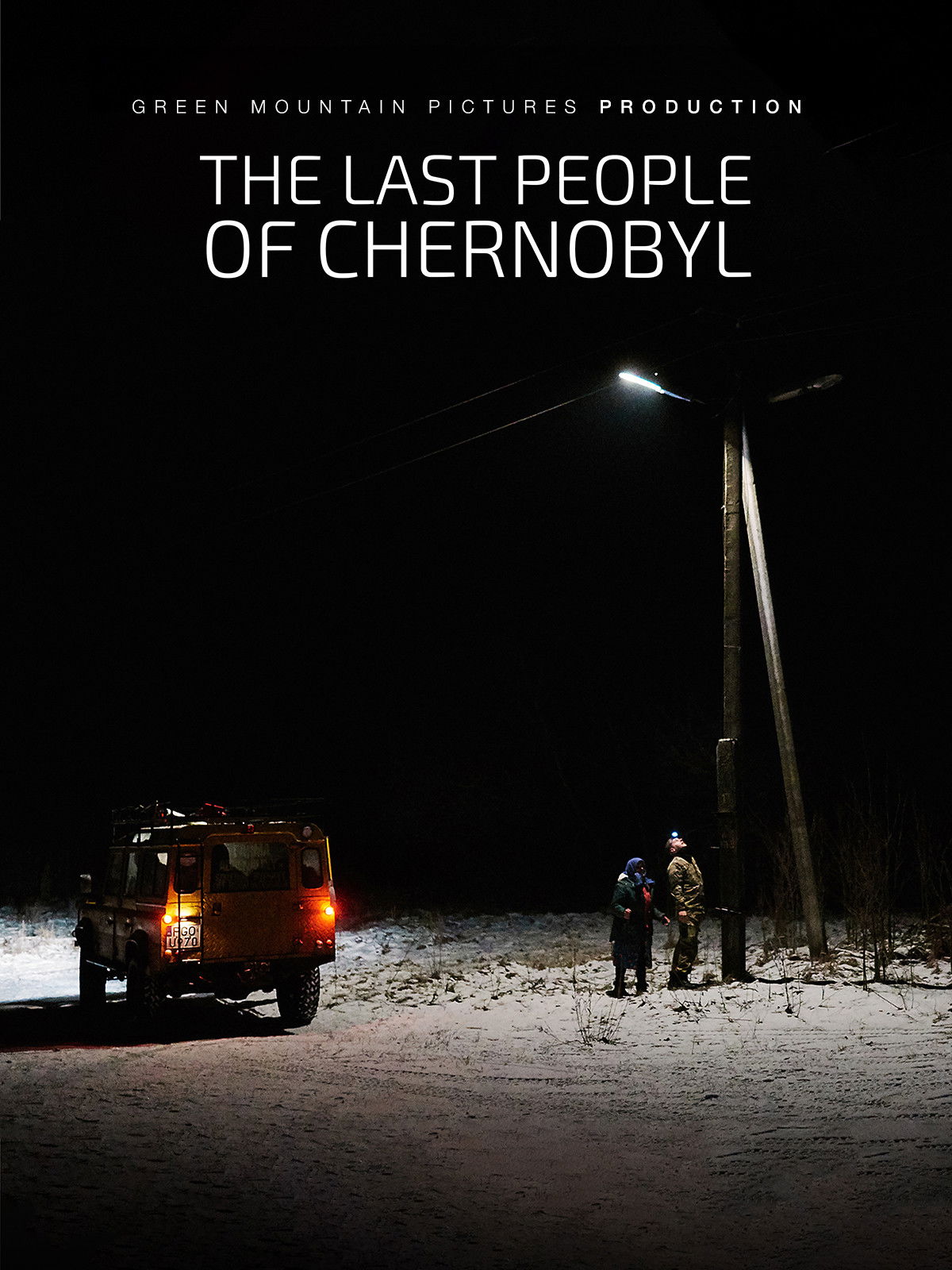
The documentary was created during a charity expedition that was organized to help the last inhabitants of Chernobyl. It presents the life of people who never accepted the enforced evacuation, that was ordered after the Chernobyl disaster. They live on a poisoned ground despite all the restrictions and hardships.
Chernobyl 1986. A nuclear reactor exploded, spewing out massive quantities of radiation into the atmosphere. Within days, the pollution had spread across Europe. Living on land contaminated with radioactivity would be a life-changing ordeal for the people of Belarus, but also for the Sami reindeer herders of central Norway. It even affected the Gaels of the distant Hebrides. Five years ago there was a meltdown at the Fukushima reactor, and thousands of Japanese people found their homes, fields and farms irradiated, just as had happened in Europe. This international documentary, filmed in Belarus, Japan, the lands of Norway's Sami reindeer herders and in the Outer Hebrides, poses the question: what lessons have we learned?
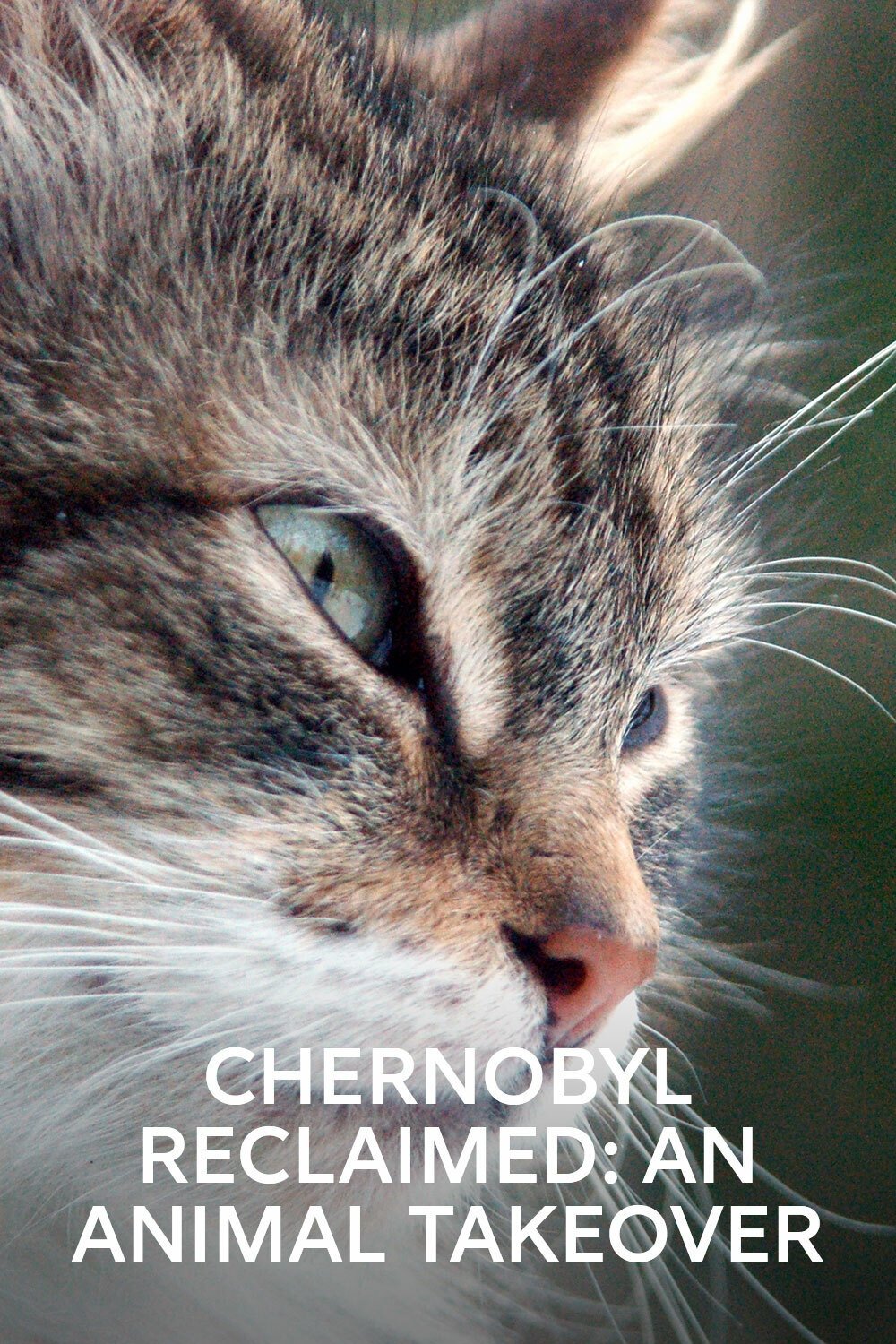
What would happen if the world were suddenly without people - if humans vanished off the face of the earth? How would nature react - and how swiftly? On the edge of Europe, the deserted village of Chernobyl reveals the surprising answer after an unplanned experiment. Chernobyl was abandoned by people after the worst nuclear disaster in history (April 26, 1986). A level 7 meltdown resulted in a severe release of radioactivity following a massive explosion that destroyed the reactor. More than 20 years later, Chernobyl has been taken over by a remarkable collection of wildlife and descendents of pets that were left in the city when its residents fled the nuclear fallout. Unexpectedly in the aftermath of this disaster, Chernobyl has become a sanctuary for plants, birds, and animals, including some species thought to be on the brink of extinction.
In this special documentary that inspired a two-season television series, scientists and other experts speculate about what the Earth, animal life, and plant life might be like if, suddenly, humanity no longer existed, as well as the effect humanity's disappearance might have on the artificial aspects of civilization.
This Academy Award-winning documentary takes a look at children born after the 1986 Chernobyl nuclear plant disaster who have been born with a deteriorated heart condition.
A documentary about the making of season five of the acclaimed AMC series Breaking Bad.
Investigators reveal how Boeing’s alleged priority of profit over safety could have contributed to two catastrophic crashes within months of each other.
A documentary on the expletive's origin, why it offends some people so deeply, and what can be gained from its use.
A candid look at rehearsal footage in support of a focus on pre-viz.
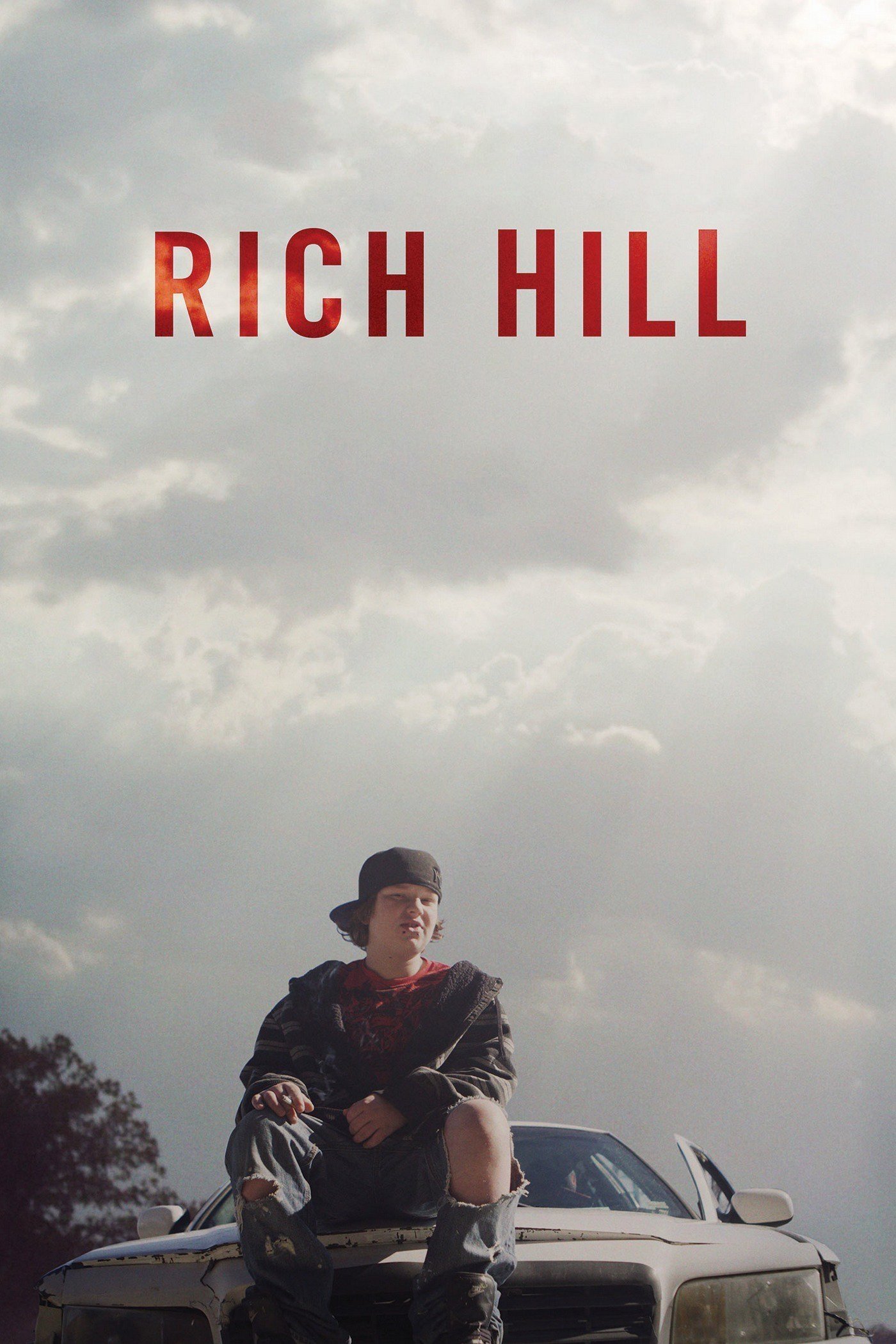
If you ever find yourself traveling down Interstate 49 through Missouri, try not to blink—you may miss Rich Hill, population 1,396. Rich Hill is easy to overlook, but its inhabitants are as woven into the fabric of America as those living in any small town in the country. This movie intimately chronicles the turbulent lives of three boys living in said Midwestern town and the fragile family bonds that sustain them.
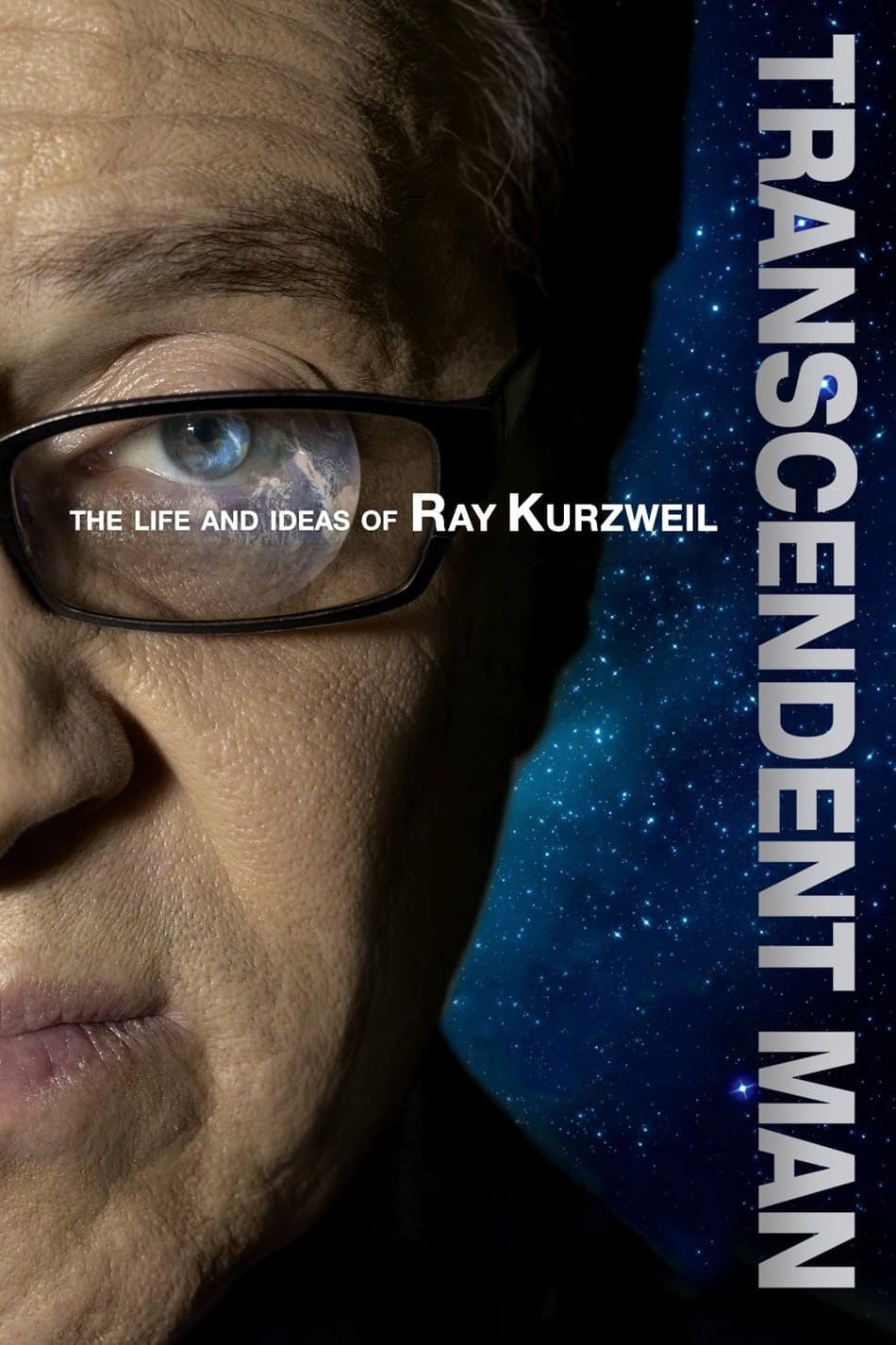
The compelling feature-length documentary film, by director Barry Ptolemy, chronicles the life and controversial ideas of luminary Ray Kurzweil. For more than three decades, inventor, futures, and New York Times best-selling author Ray Kurzweil has been one of the most respected and provocative advocates of the role of technology in our future.
In the Realms of the Unreal is a documentary about the reclusive Chicago-based artist Henry Darger. Henry Darger was so reclusive that when he died his neighbors were surprised to find a 15,145-page manuscript along with hundreds of paintings depicting The Story of the Vivian Girls, in What is Known as the Realms of the Unreal, of the Glodeco-Angelinnian War Storm, Cased by the Child Slave Rebellion.
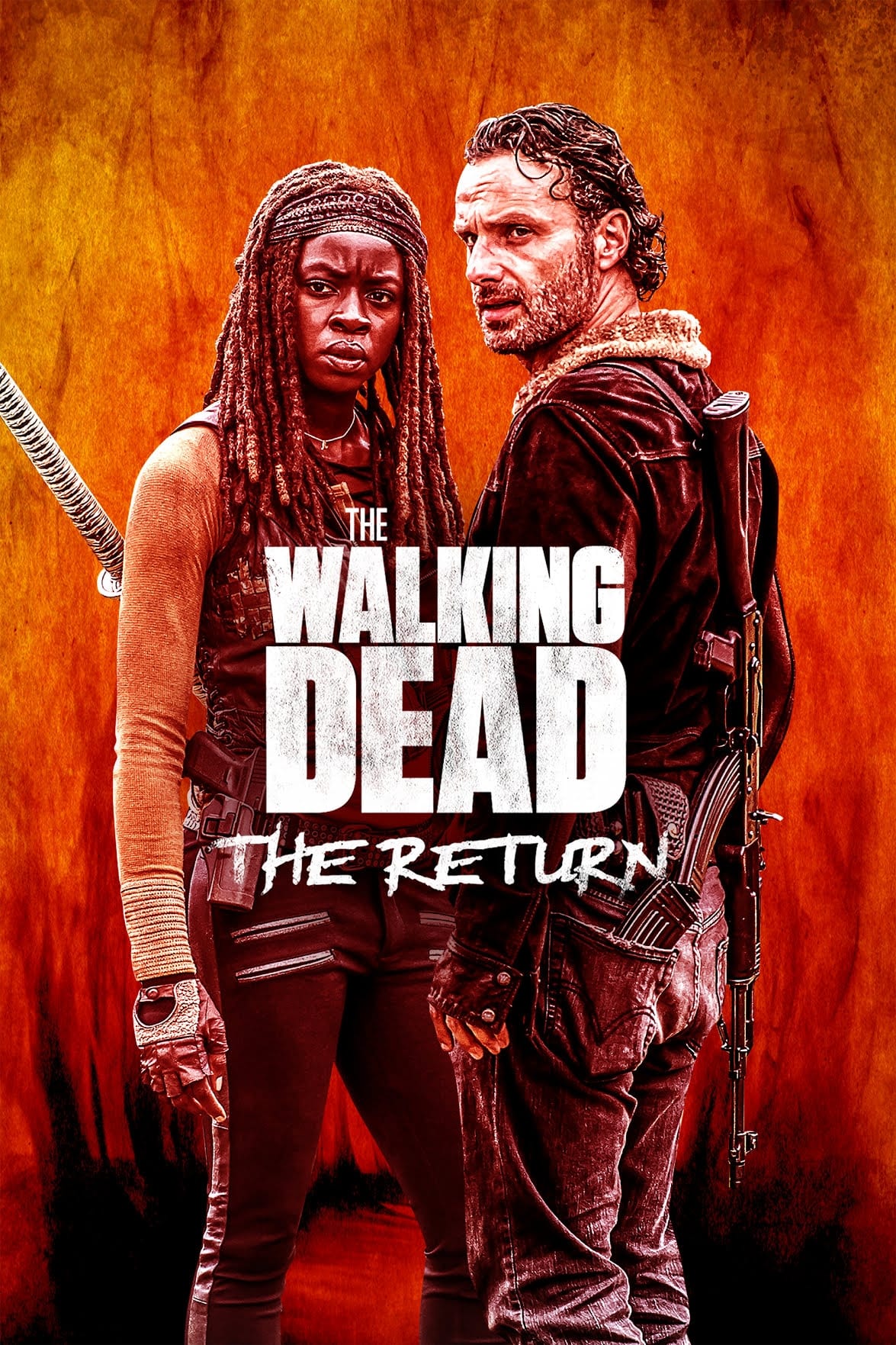
Stars of "The Walking Dead," Andrew Lincoln and Danai Gurira, walk down memory lane and visit iconic locations where pivotal moments between their characters, Rick and Michonne, were filmed.
A visual montage portrait of our contemporary world dominated by globalized technology and violence.
A documentary about how a dominant cultural and demographic institution both sustains their traditional activities and adapts to the digital revolution.
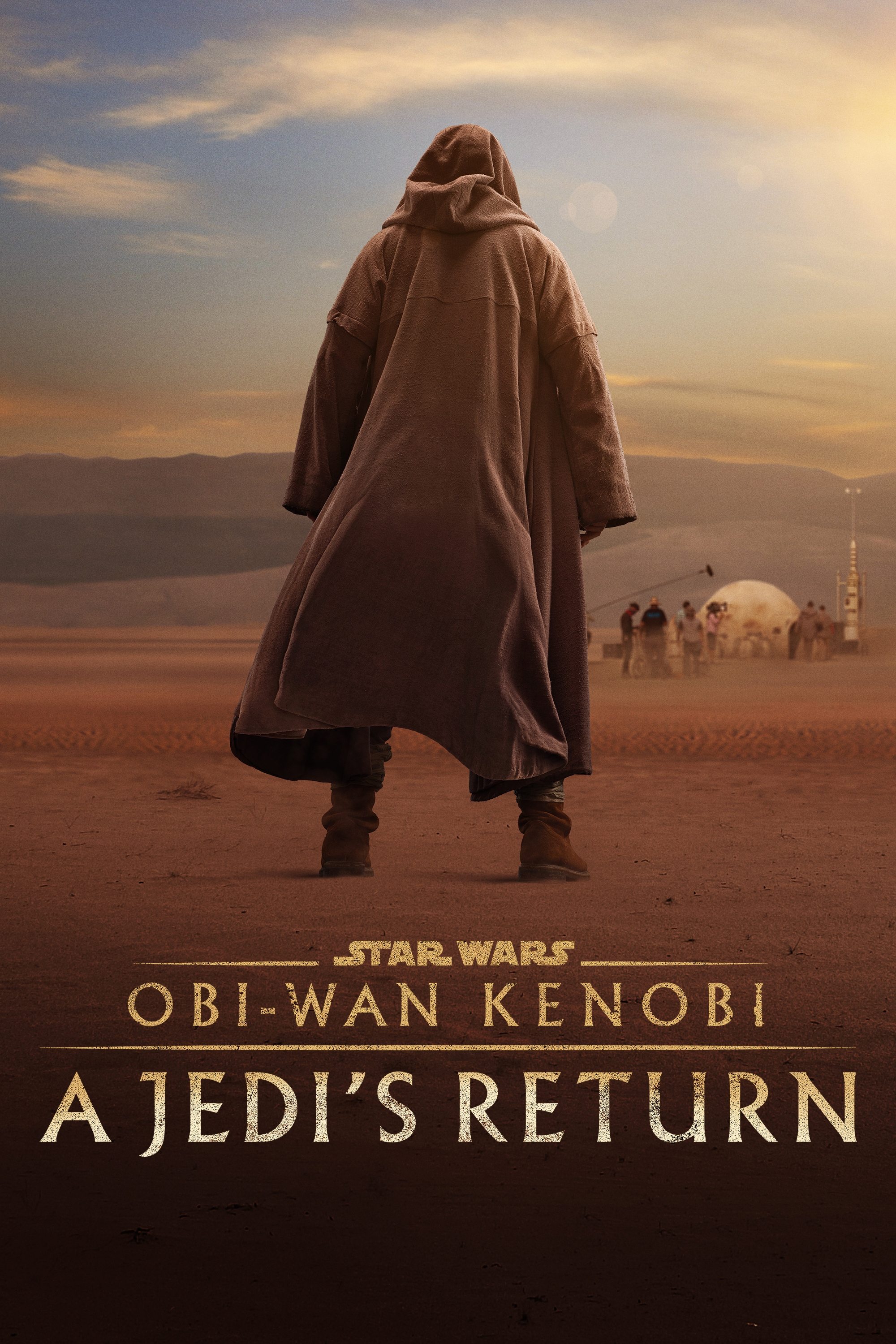
This special explores the return of Obi-Wan Kenobi and Anakin Skywalker to the screen, as well as Ewan McGregor and Hayden Christensen to their classic roles. Director Deborah Chow leads the cast and crew as they create new heroes and villains that live alongside new incarnations of beloved Star Wars characters, and an epic story that dramatically bridges the saga films.
Brilliant, long in-the-works story of the life and art of the world's greatest comedian and the cinema's first genius, Charlie Chaplin. Produced, written and directed by renowned film critic Richard Schickel.
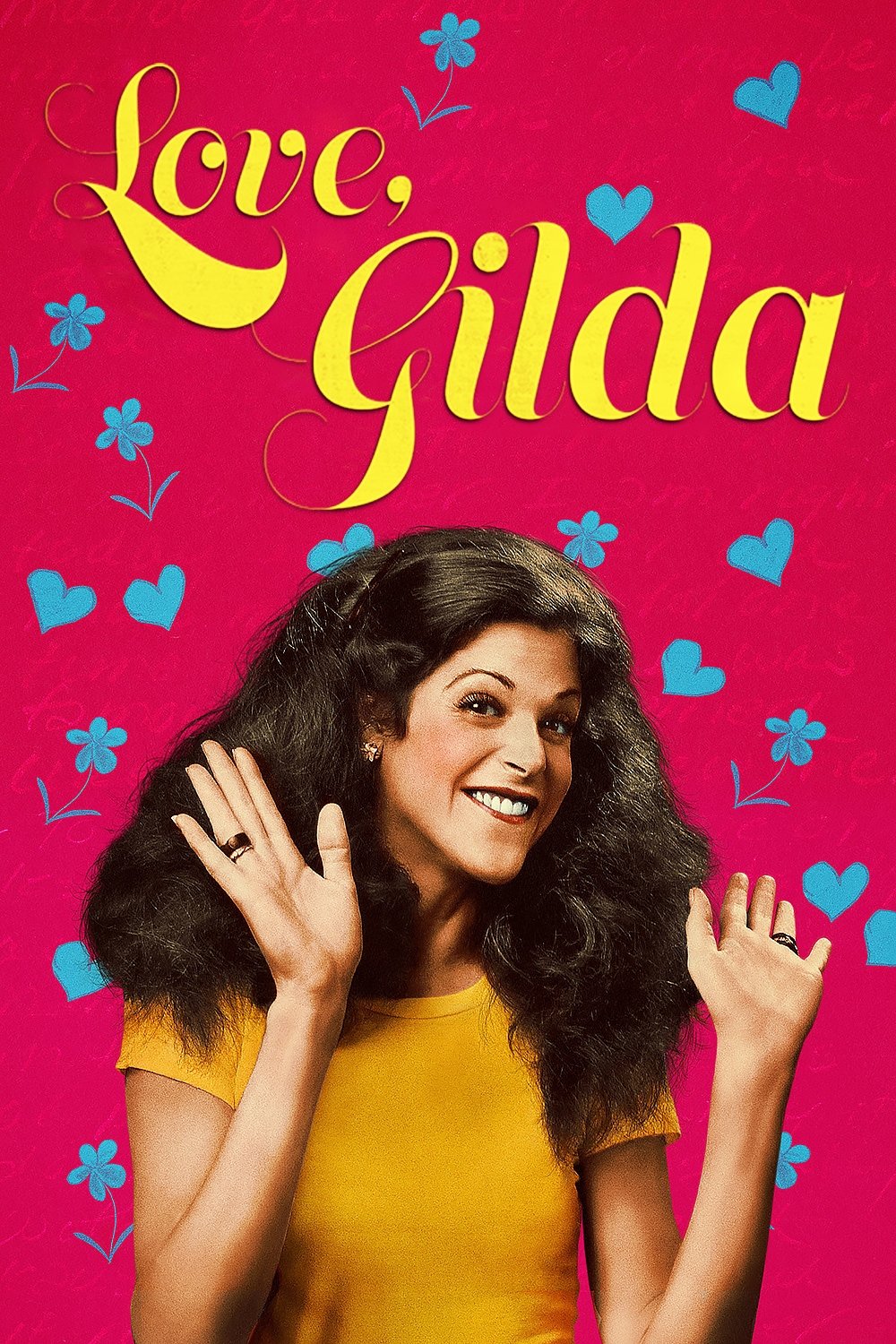
Diaries, audiotapes, videotapes and testimonials from friends and colleagues offer insight into the life and career of Gilda Radner -- the beloved comic and actress who became an icon on Saturday Night Live.
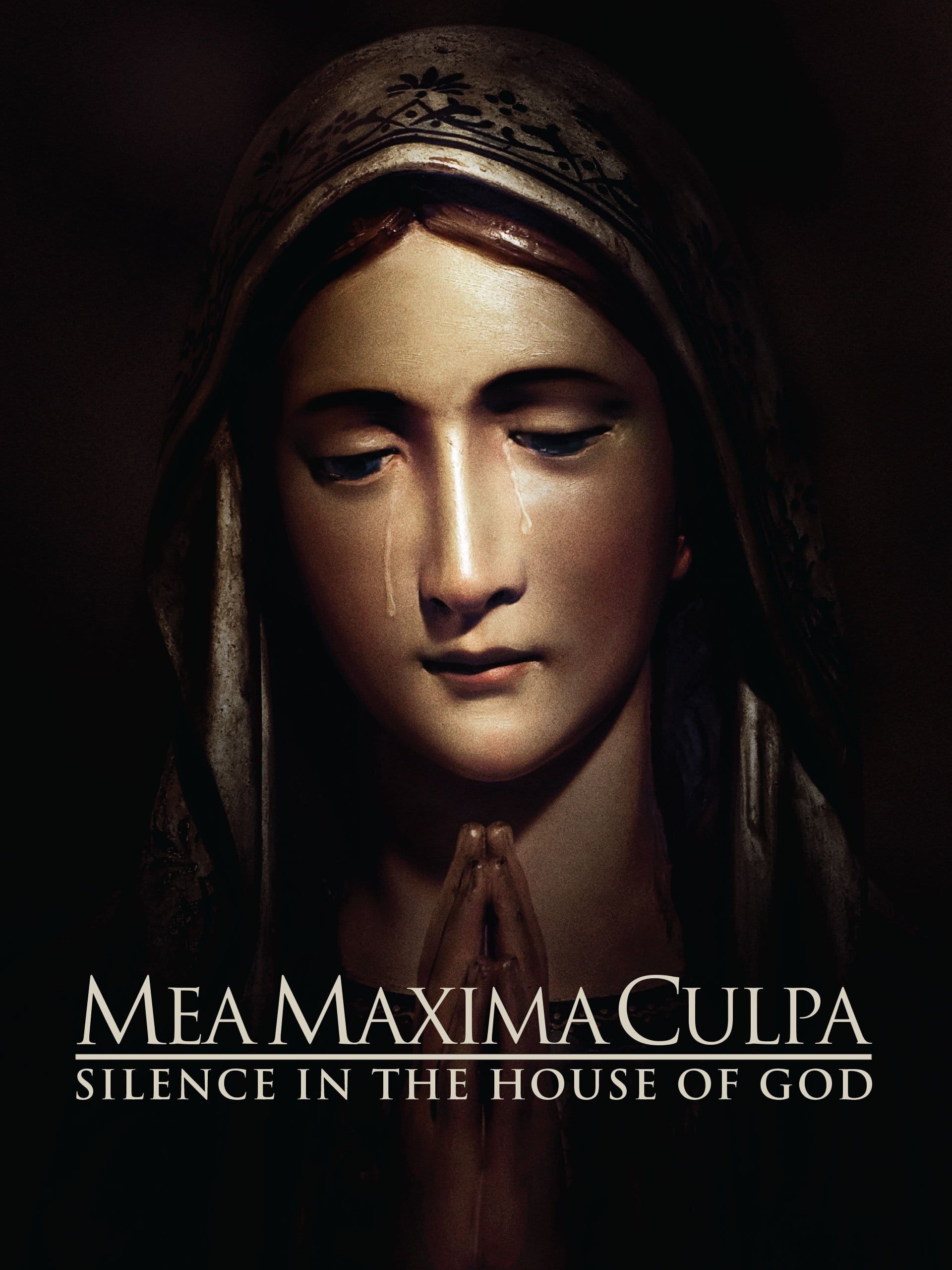
Alex Gibney explores the charged issue of pedophilia in the Catholic Church, following a trail from the first known protest against clerical sexual abuse in the United States and all way to the Vatican.
A documentary that explores the downloading revolution; the kids that created it, the bands and the businesses that were affected by it, and its impact on the world at large.
The life and career of one of comedy's most inimitable modern voices, Mr. Gilbert Gottfried.
A compilation of over 30 years of private home movie footage shot by Lithuanian-American avant-garde director Jonas Mekas, assembled by Mekas "purely by chance", without concern for chronological order.
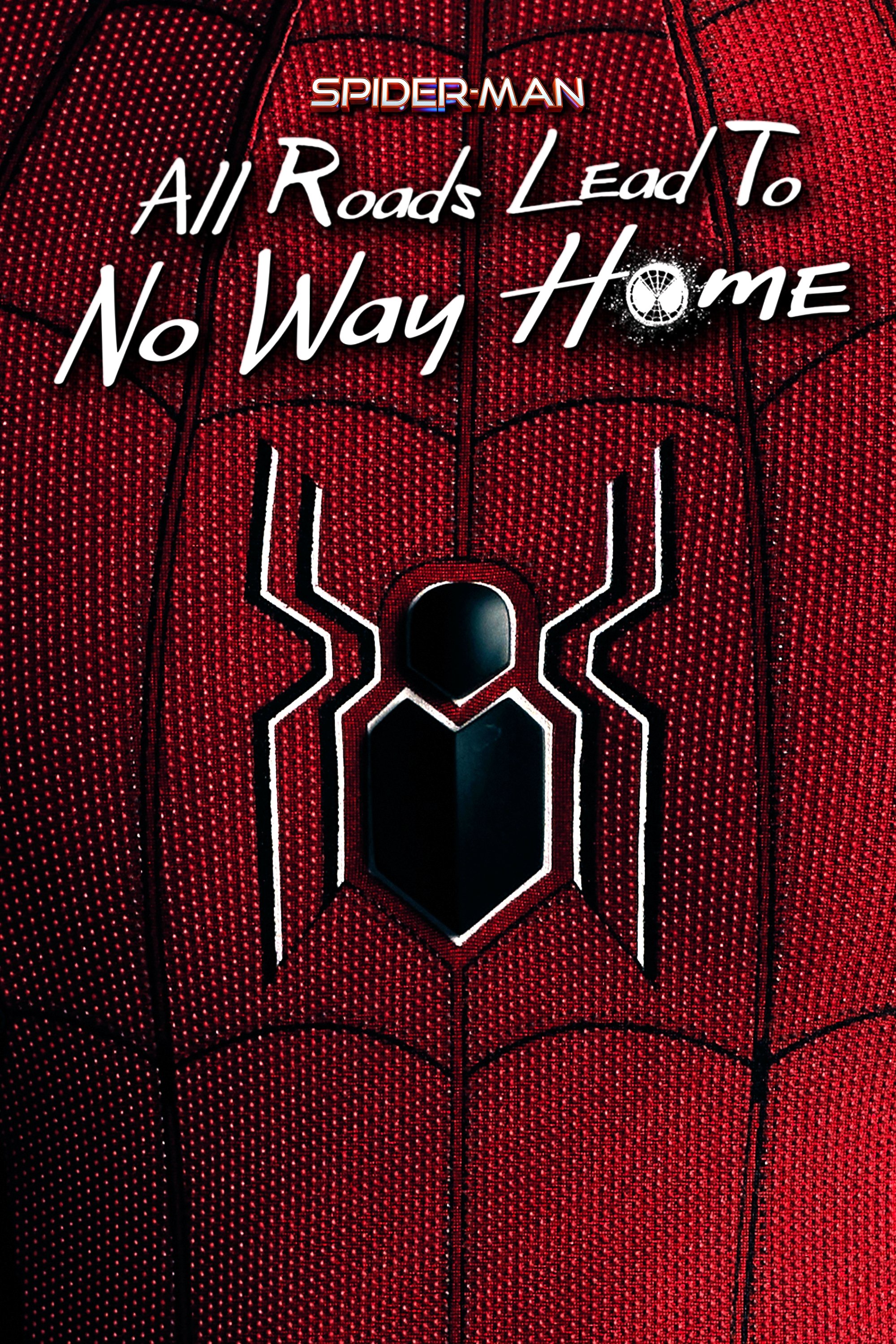
JB Smoove and Martin Starr host a celebration of 20 years of "Spider-Man" movies, from the Sam Raimi trilogy to Marc Webb's movies and the trio from Jon Watts.
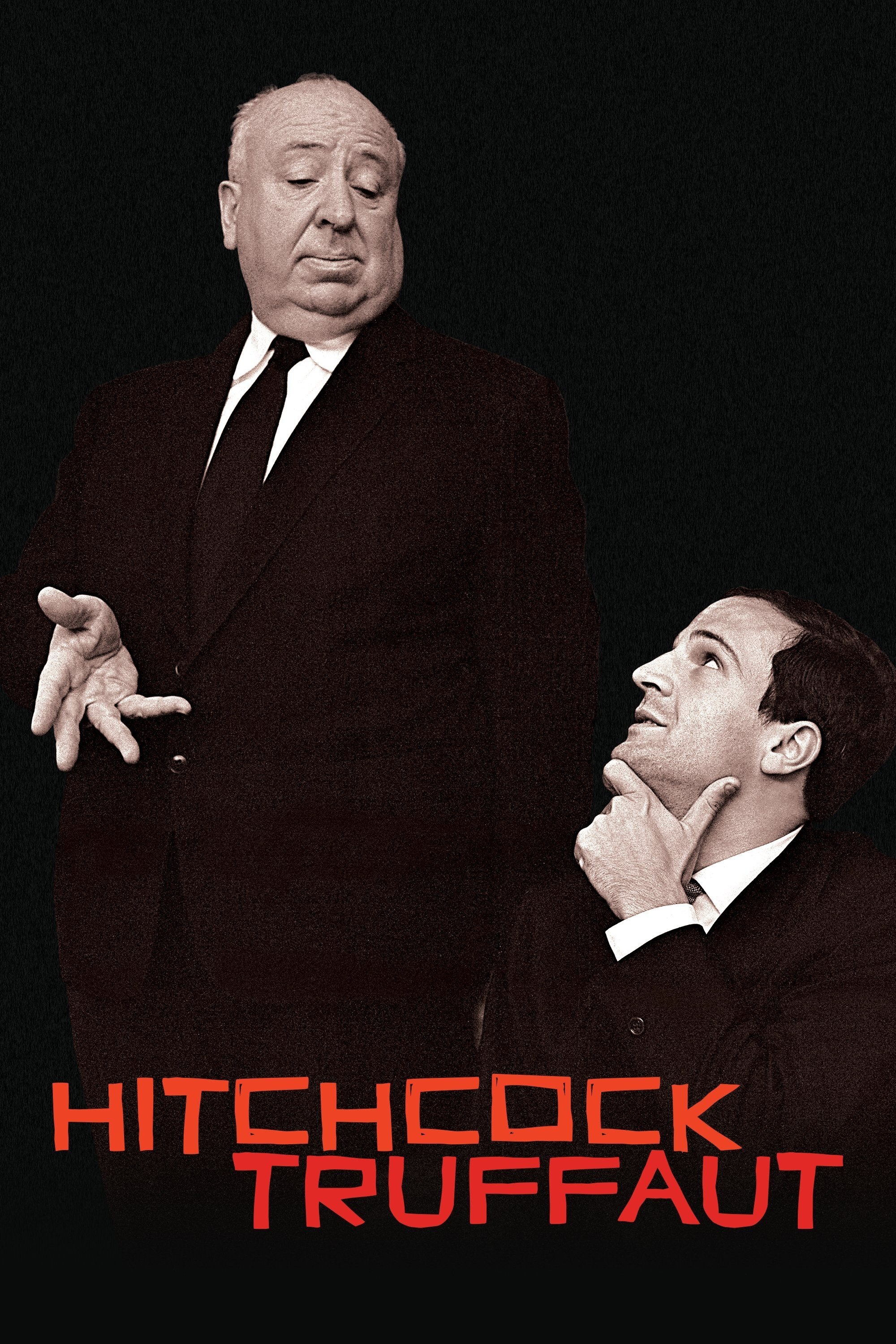
Filmmakers discuss the legacy of Alfred Hitchcock and the book “Hitchcock/Truffaut” (“Le cinéma selon Hitchcock”), written by François Truffaut and published in 1966.