Social & External
The people behind it
This documentary serves as a beginner’s guide to world of Soviet animation, which covers the entire history of the USSR.
A program that explores the strange but true medical mysteries housed in this one-of-a-kind museum in Philadelphia, Pennsylvania.
A documentary film exploring the exceptional musical art of Kurdish jurist and musical master Ostad Elahi.
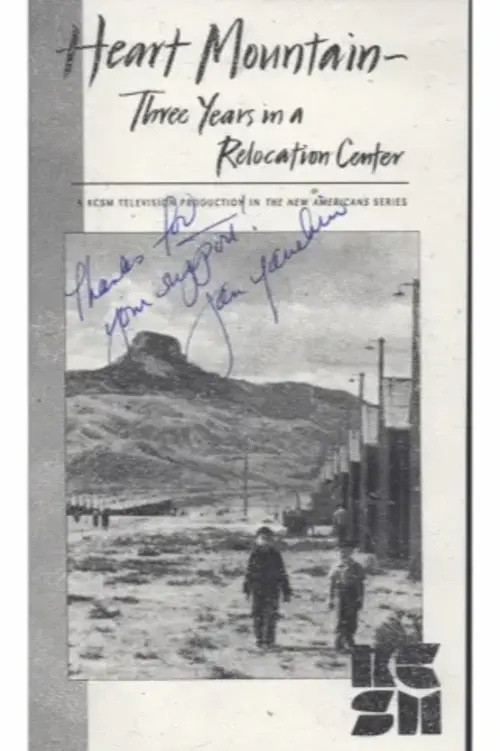
A documentary film about the internment of Japanese Americans at Heart Mountain, Wyoming during World War II. The program, hosted by Jan Yanehiro, proceeds in part as a series of interviews. It also includes archival film footage of Heart Mountain and Japanese Americans during World War II, as well as present day footage of the Heart Mountain landscape.
From Race Track to Assembly Center documents life for San Francisco Bay Area residents of Japanese ancestry incarcerated at the Tanforan Race Track in San Mateo County after being evicted from their homes during World War II.
The vertiginous progress of modernity has caused the spaces that humanity previously inhabited, now remain forgotten.
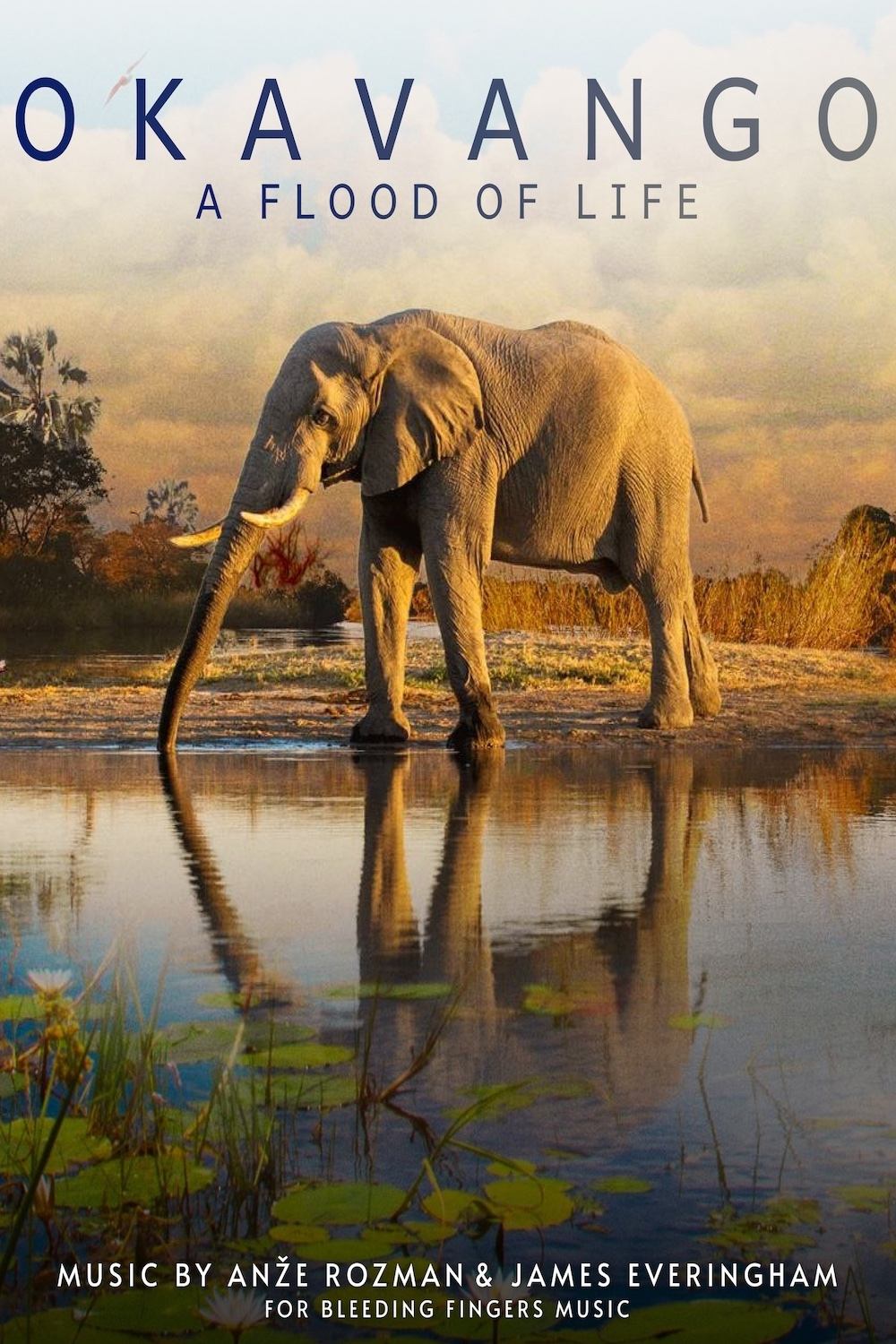
A great flood arrives in a desert kingdom, transforming a dustbowl into a vast and lush wetland, in one of the most diverse habitats on earth. This breath-taking blue-chip natural history film is a journey through Okavango’s seasons, seen through the eyes of an indigenous River Bushman. Our storyteller guides us through the course of Okavango’s flood and into a savage drought, interweaving intimate and spectacular wildlife stories. The arrival and disappearance of precious water determines the destiny of the millions of animals that call Okavango home. For many, the flood is a lifeline. For others, it brings the greatest challenges. Everyone lives or dies by this epic event. It is the heartbeat of the Kalahari.
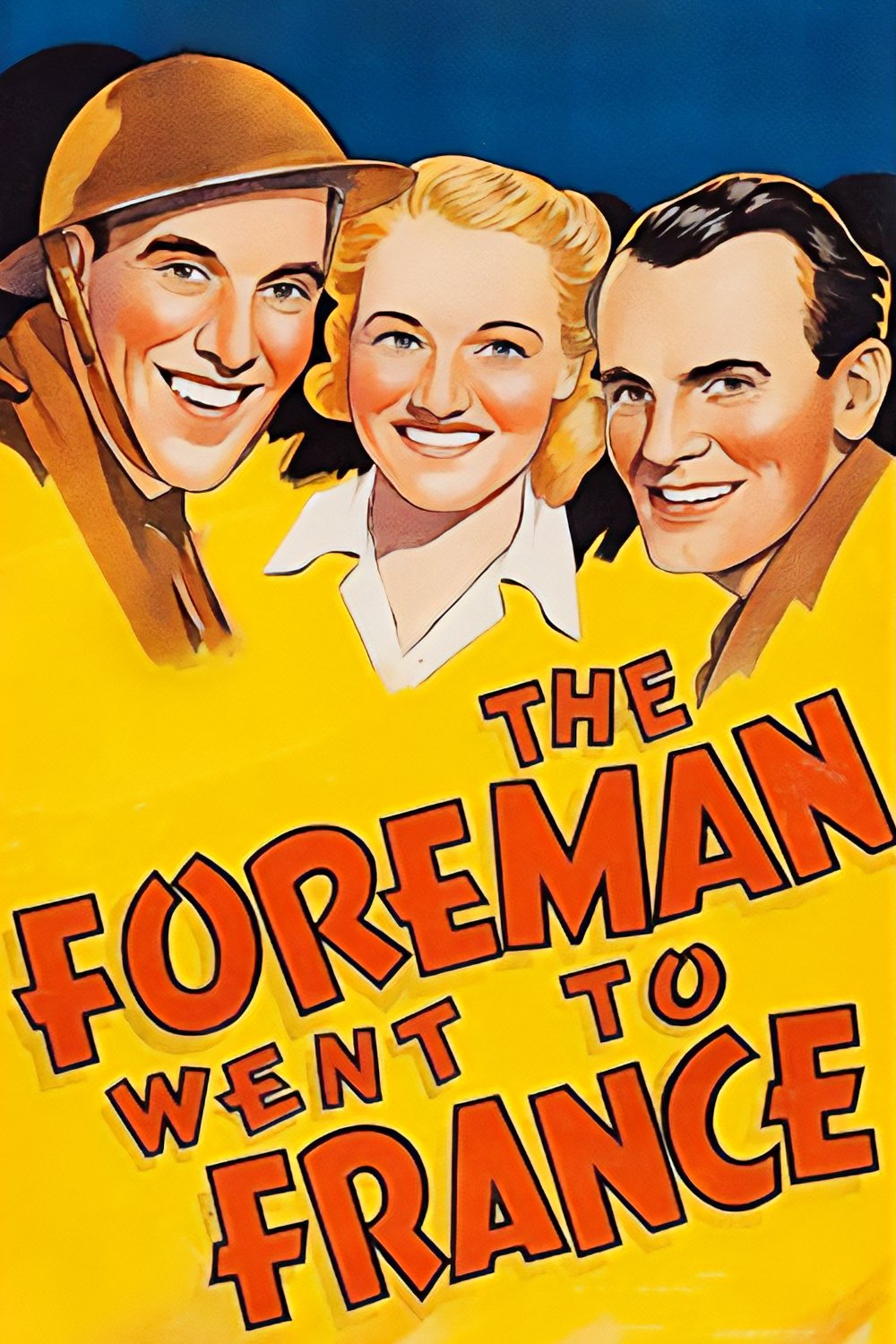
Based on the true story of Melbourne Johns, an aircraft factory foreman sent to France to prevent the Nazis getting hold of some vital equipment.
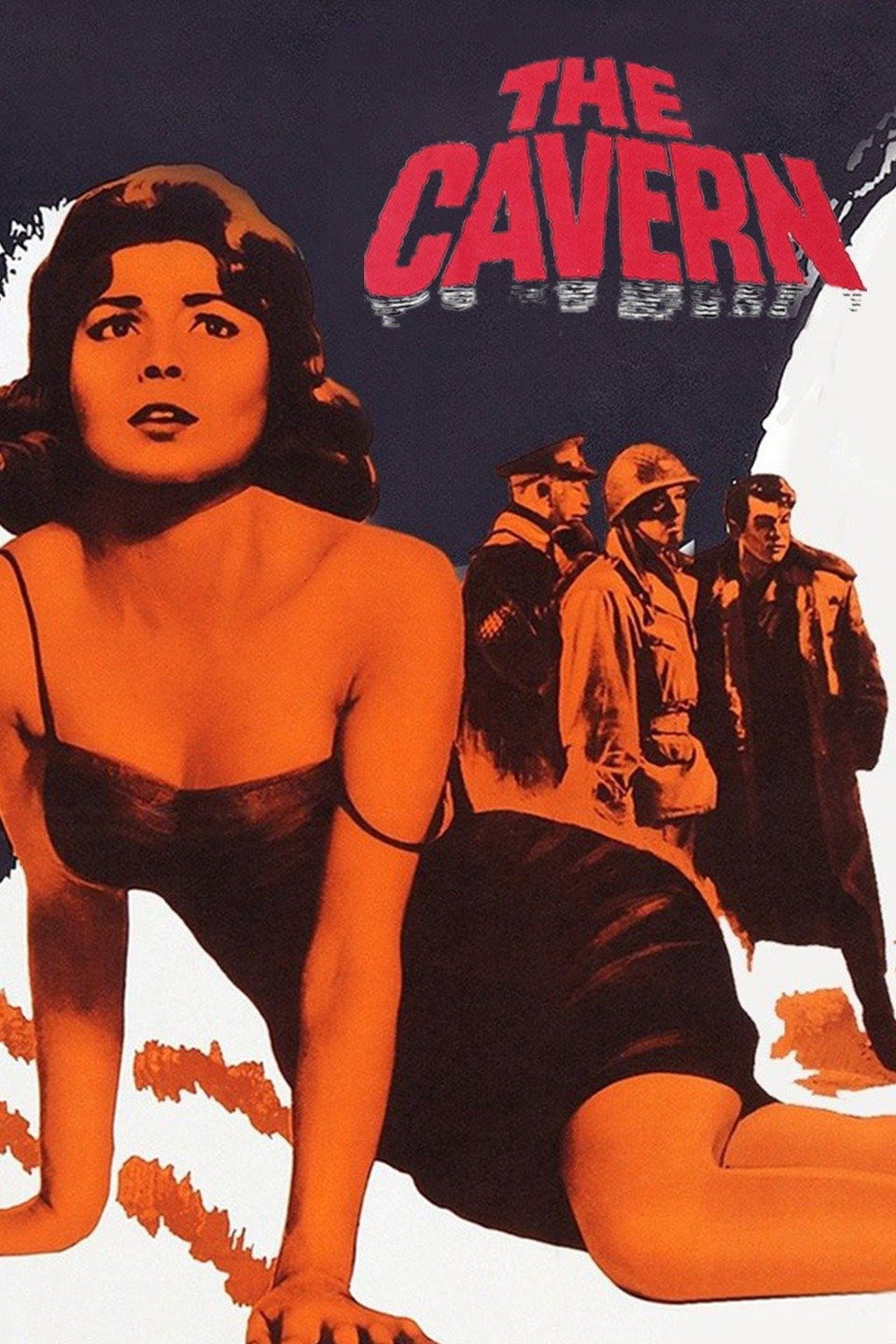
Adventure drama during WW2 in Italy where a mixed group of people get trapped inside a cave after a bomb raid. But can they co-operate? And will they survive?
Mila and María are two teenagers who get to know each other through video correspondences they send to each other. One day, they arrange to meet in person.
After the capture of Shanghai, Japanese soldiers make a trip to Suzhou.
Following filmmaker Taye Alvis as he looks to reconnect to his community of Walpole Island First Nation. Taye will explore his relationship to Walpole Island, and how one can reconnect to their traditions and culture by way of conversation, arts, and recreation.
Nitassinan is a feature-length documentary that bears witness to the Innu people and affirms our history—past, present, and future. The film testifies to our vitality, our resilience, and the unbreakable bond that unites us to the land. Because Nitassinan is not only the place we come from; it is a living part of ourselves. It has nourished our language, inspired our thoughts, and guided our steps. This film is a message of love for our territory, which saw our birth and which still accompanies us today, even in our dreams.
The extraordinary life story of former Auschwitz prisoner no. 918, Kazimierz Piechowski, who organized one of the most amazing escapes from the camp.
In 1944 prior to D Day the allied planners realised it was vital to isolate the Normandy Battlefield from reinforcements. In particular it was essential to delay or stop the movement of 2 SS Pz Div (Das Reich) from the south of France. The initial plan called for the French Resistance to interdict the French Railway system to stop their movements. Doubts over the effectiveness of the resistance led to the deployment of 1st SAS to do the task. This programme covers both the deployment of a troop of B Sqn into the Poitiers, in what was known as OP BULBASKET, to delay the Das Reich and the movements and actions of the Das Reich as they move through the Dordogne and Vienne Regions culminating in the massacre at Oradour. Part 2 of this programme will cover the SAS actions in delaying the Das Reich.
The fifth film of Frank Capra's Why We Fight propaganda film series, revealing the nature and process of the fight between the Soviet Union and Germany in the Second World War.
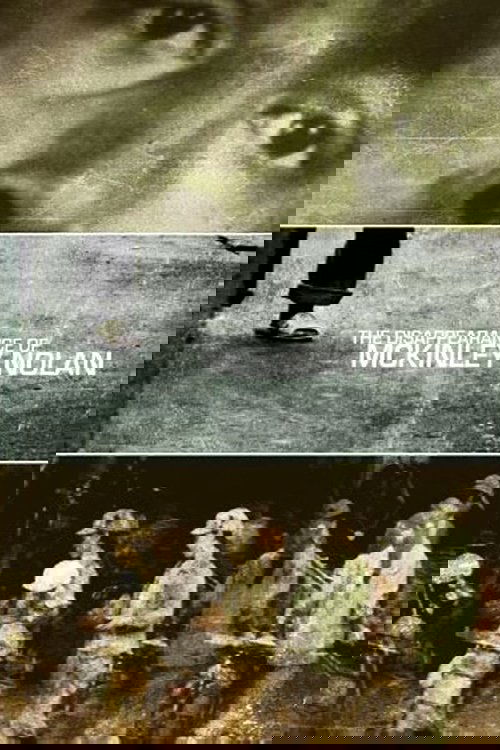
Private McKinley Nolan vanished 40 years ago in Vietnam on the Cambodian frontier. Some say he was captured, some say he was a traitor, some even say he was an American operative. The US Army officially claims he was radicalized and went native, joining the Viet Cong and later encountering the Khmer Rouge. In 2006, retired US Army Lt. Dan Smith, revisiting the battlefields of his youth, may have encountered the elusive McKinley, alive. So began a journey into the heart of darkness.
“The Soviet Story” is a story of an Allied power, which helped the Nazis to fight Jews and which slaughtered its own people on an industrial scale. Assisted by the West, this power triumphed on May 9th, 1945. Its crimes were made taboo, and the complete story of Europe’s most murderous regime has never been told. Until now...
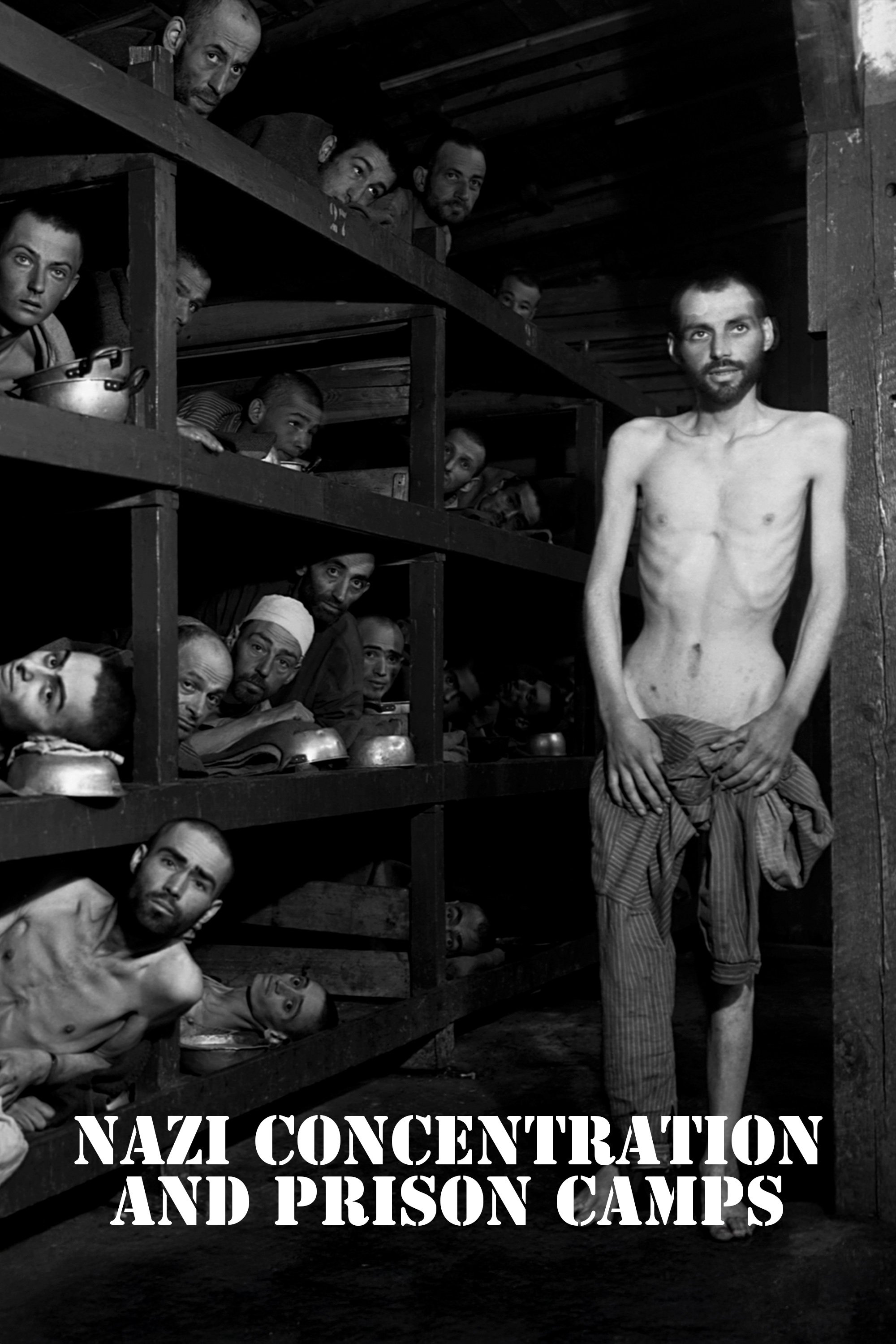
Filmmaker Alain Resnais documents the atrocities behind the walls of Hitler's concentration camps.
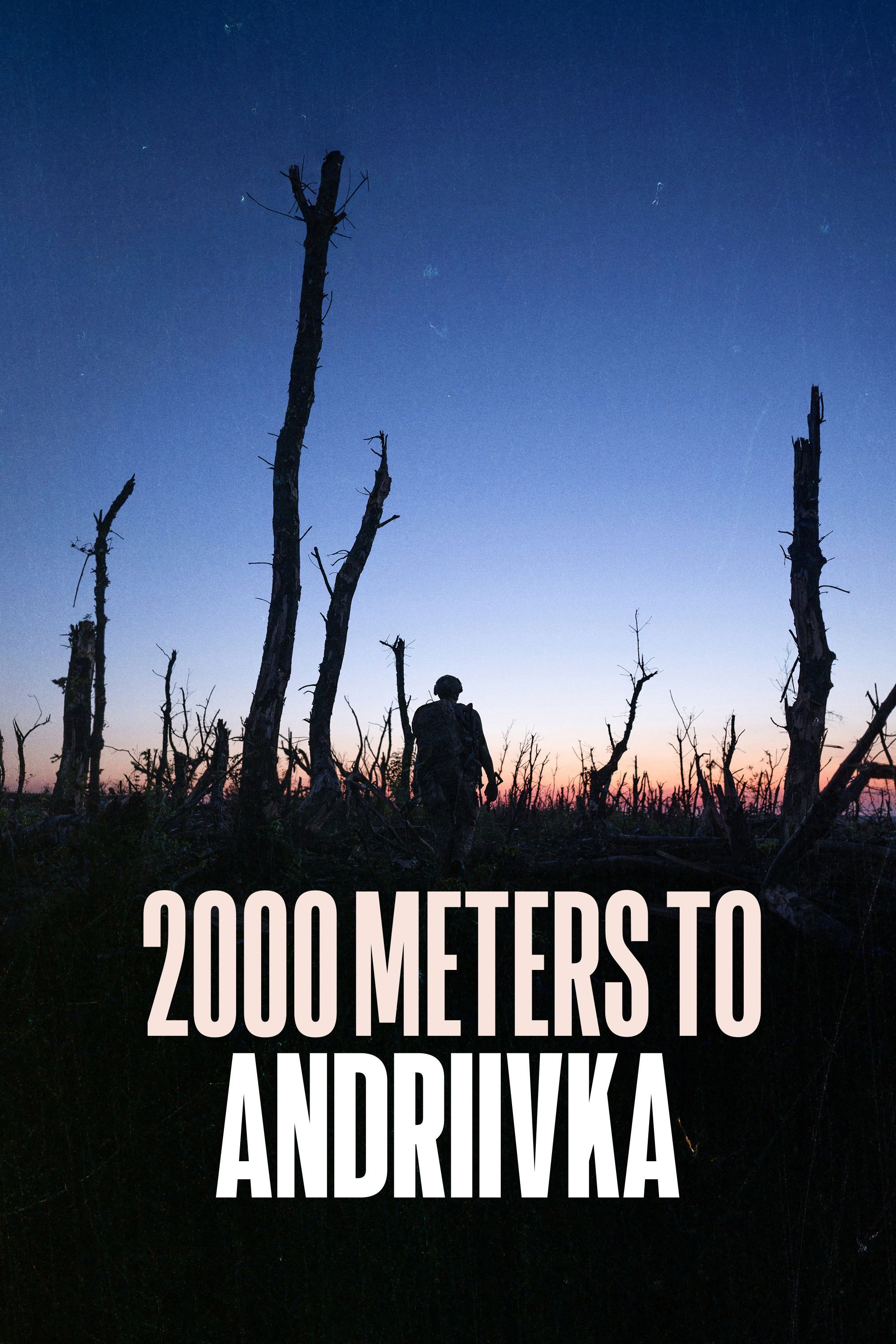
Amid the failing counteroffensive, a journalist follows a Ukrainian platoon on their mission to traverse one mile of heavily fortified forest and liberate a strategic village from Russian occupation. But the farther they advance through their destroyed homeland, the more they realize that this war may never end.
Prelude to War was the first film of Frank Capra's Why We Fight propaganda film series, commissioned by the Pentagon and George C. Marshall. It was made to convince American troops of the necessity of combating the Axis Powers during World War II. This film examines the differences between democratic and fascist states.
Meet the real-life airmen who inspired Masters of the Air as they share the harrowing and transformative events of the 100th Bomb Group.
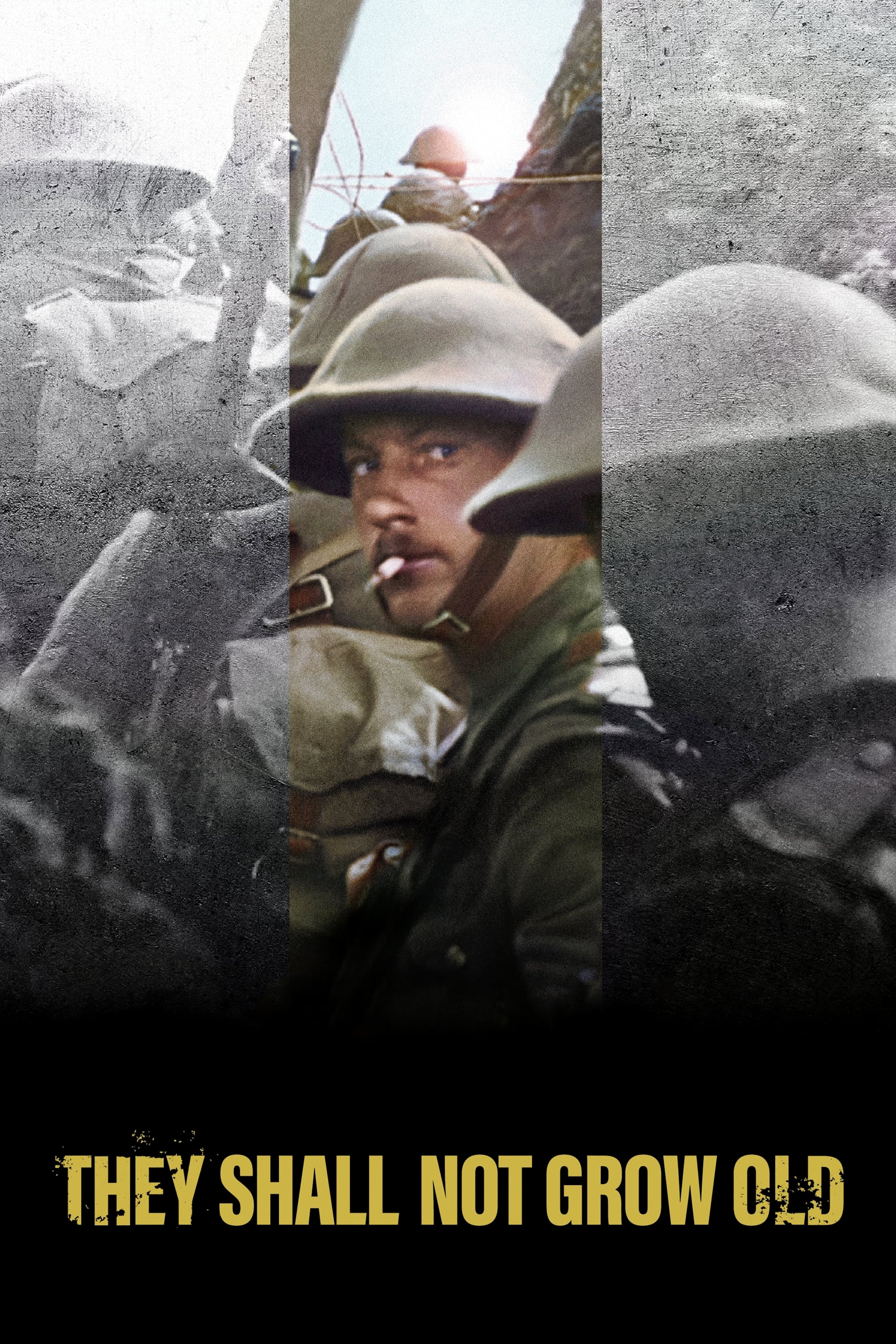
A documentary about World War I with never-before-seen footage to commemorate the centennial of Armistice Day, and the end of the war.
A love letter from a young mother to her daughter, the film tells the story of Waad al-Kateab’s life through five years of the uprising in Aleppo, Syria as she falls in love, gets married and gives birth to Sama, all while cataclysmic conflict rises around her. Her camera captures incredible stories of loss, laughter and survival as Waad wrestles with an impossible choice– whether or not to flee the city to protect her daughter’s life, when leaving means abandoning the struggle for freedom for which she has already sacrificed so much.
"Trinity and Beyond" is an unsettling yet visually fascinating documentary presenting the history of nuclear weapons development and testing between 1945-1963. Narrated by William Shatner and featuring an original score performed by the Moscow Symphony Orchestra, this award-winning documentary reveals previously unreleased and classified government footage from several countries.
Produced and presented as evidence at the Nuremberg war crimes trial of Hermann Göring and twenty other Nazi leaders, this film consists primarily of dead and surviving prisoners and of facilities used to kill and torture during the World War II.
Director Claude Lanzmann spent 11 years on this sprawling documentary about the Holocaust, conducting his own interviews and refusing to use a single frame of archival footage. Dividing Holocaust witnesses into three categories – survivors, bystanders, and perpetrators – Lanzmann presents testimonies from survivors of the Chelmno concentration camp, an Auschwitz escapee, and witnesses of the Warsaw Ghetto Uprising, as well as a chilling report of gas chambers from an SS officer at Treblinka.
Korengal picks up where Restrepo left off; the same men, the same valley, the same commanders, but a very different look at the experience of war.
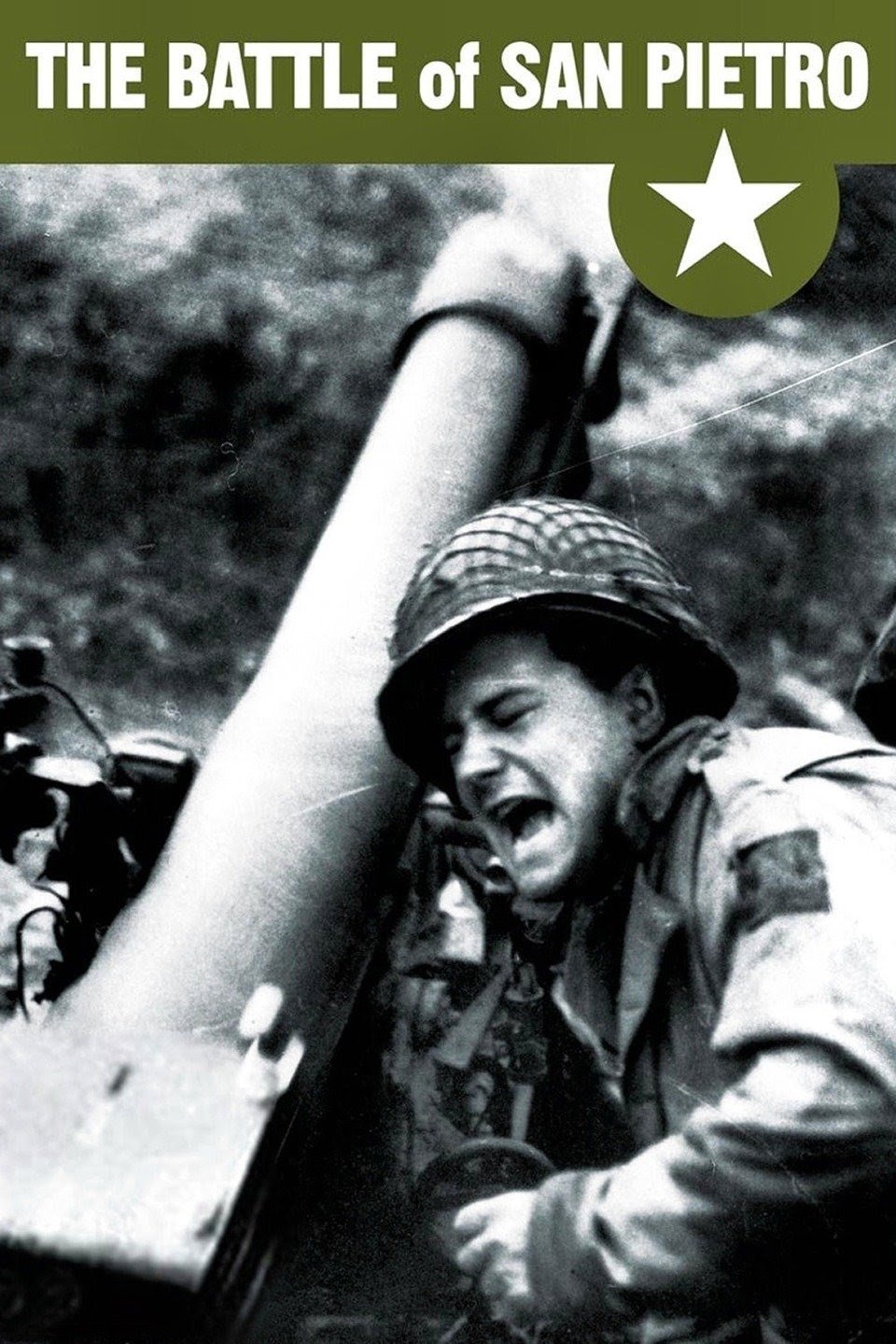
This documentary movie is about the battle of San Pietro, a small village in Italy. Over 1,100 US soldiers were killed while trying to take this location, that blocked the way for the Allied forces from the Germans. Preserved by the Academy Film Archive in 2005.
Pete Postlethwaite stars as a man living alone in the devastated future world of 2055, looking at old footage from 2008 and asking: why didn’t we stop climate change when we had the chance?
As the Russian invasion begins, a team of Ukrainian journalists trapped in the besieged city of Mariupol struggle to continue their work documenting the war's atrocities.
WWII from Space delivers World War II in a way you've never experienced it before. This HISTORY special uses an all-seeing CGI eye that offers a satellite view of the conflict, allowing you to experience it in a way that puts key events and tipping points in a global perspective. By re-creating groundbreaking moments that could never have been captured on camera, and by illustrating the importance of simultaneity and the hidden effects of crucial incidents, HISTORY presents the war's monumental moments in a never-before-seen context. And with new information brought to the forefront, you'll better understand how a nation ranked 19th in the world's militaries in 1939 emerged six years later as the planet's only atomic superpower.
The Japanese attack on Midway in June 1942, filmed as it happened. Preserved by the Academy Film Archive, in partnership with Twentieth Century Fox Film Corporation, in 2006.
Over a period of two years, Mark Cowen and his crew travelled to thirty U.S. states and ten European cities, to interview the veterans of Easy Company. The stories told by the veterans themselves, create a history of the Second World War from the point of view of this heroic company of men, made famous in the mini-series Band of Brothers.
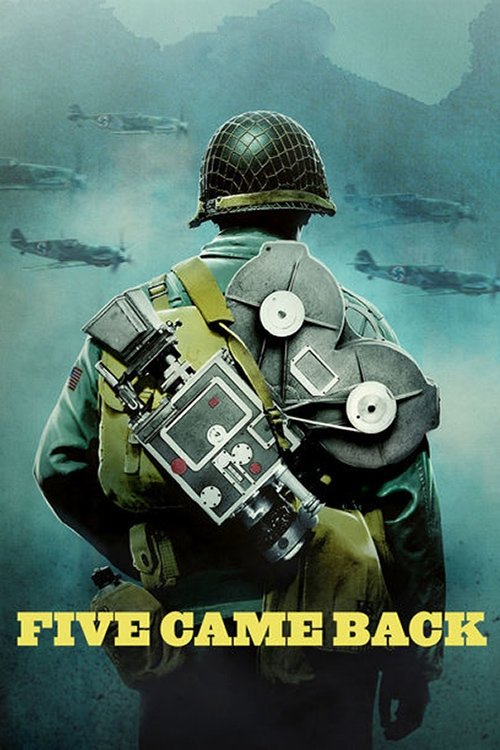
The extraordinary story of how Hollywood changed World War II – and how World War II changed Hollywood, through the interwoven experiences of five legendary filmmakers who went to war to serve their country and bring the truth to the American people: John Ford, William Wyler, John Huston, Frank Capra, and George Stevens. Based on Mark Harris’ best-selling book, “Five Came Back: A Story of Hollywood and the Second World War.”
From its distinctive neighborhoods to its architectural homes, Los Angeles has been the backdrop to countless movies. In this dazzling work, Andersen takes viewers on a whirlwind tour through the metropolis' real and cinematic history, investigating the myriad stories and legends that have come to define it, and meticulously, judiciously revealing the real city that lives beneath.
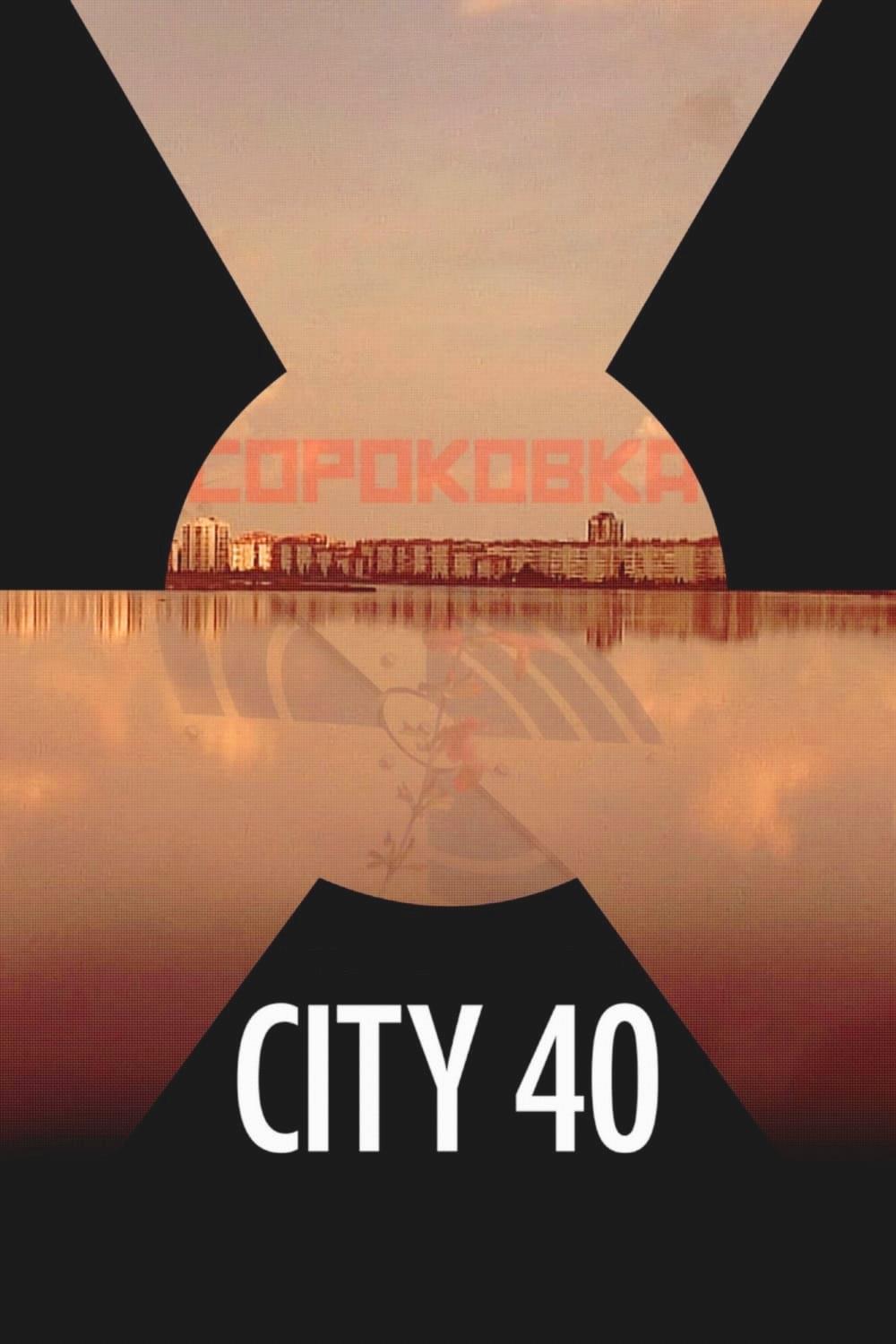
Hidden in the heart of Russia, there is a Soviet-era city where thousands of people live and work behind barbed-wire fences monitored by armed guards. It is Ozyorsk (Ozersk), located in the Chelyabinsk Oblast, one of the most polluted places on the planet and home to the largest stockpiles of nuclear material. Its code name: City 40.