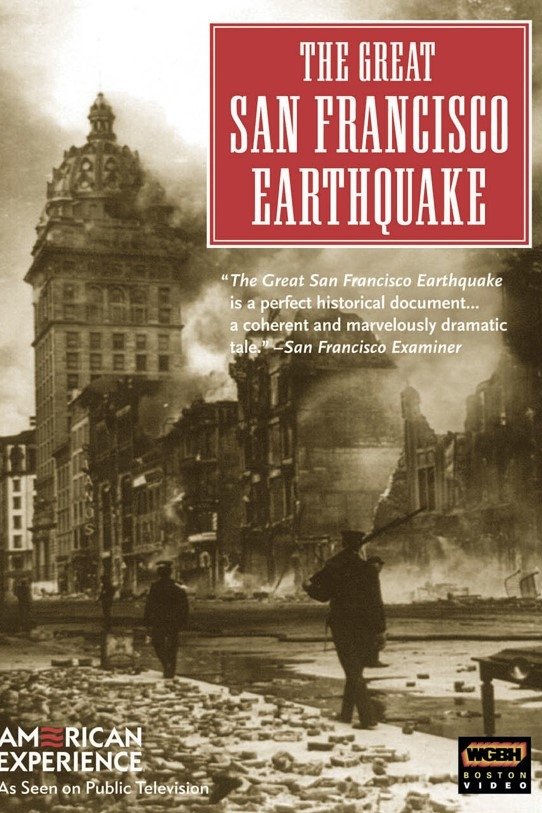
An account of the devastating 1906 San Francisco earthquake and the subsequent effort to rebuild.
Social & External
Self - Narrator (voice)
Machines relentlessly working under the scorching sun. Pumps, reels, and unbearable horizons behind corrugated metal sheets that spark at the touch. Eleven months after the devestated floods of 2023, the rural greek settlement of Metamorfosi, awaits the end of a suffocating August and its inevitable transformation.
This astounding documentary delves into the mysteries of the Tunguska event – one of the largest cosmic disasters in the history of civilisation. At 7.15 am, on 30th June 1908, a giant fireball, as bright the sun, exploded in the sky over Tunguska in central Siberia. Its force was equivalent to twenty million tonnes of TNT, and a thousand times greater than that of the atomic bomb dropped on Hiroshima in 1945. An estimated sixty million trees were felled over an area of over two thousand square kilometres - an area over half the size of Rhode Island. If the explosion had occurred over London or Paris, hundreds of thousands of people would have been killed.
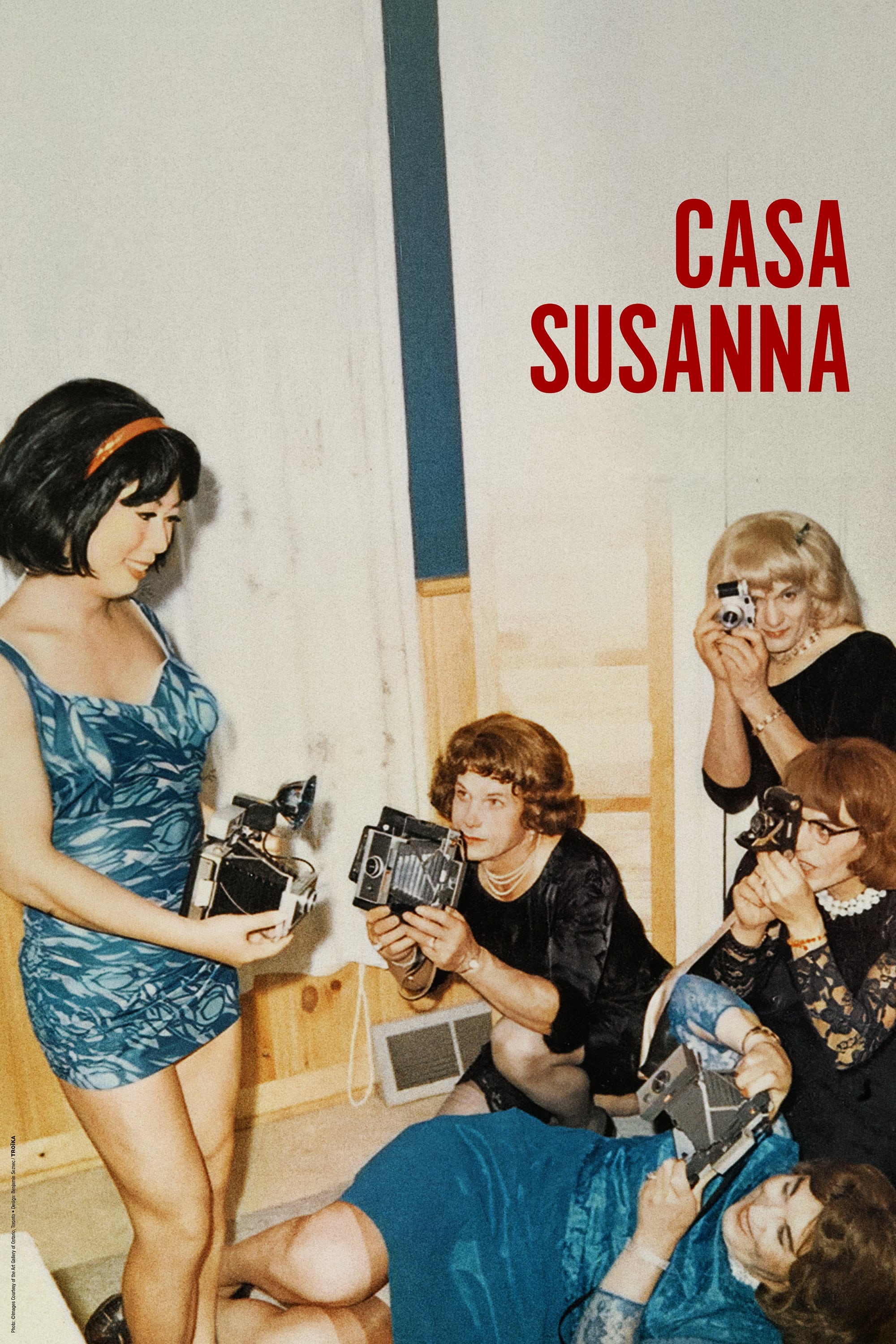
In the 50s and 60s, deep in the American countryside at the foot of the Catskills, a small wooden house with a barn behind it was home to the first clandestine network of cross-dressers. Diane and Kate are now 80 years old. At the time, they were men and part of this secret organization. Today, they relate this forgotten but essential chapter of the early days of trans-identity. It is a story full of noise and fury, rich in extraordinary characters, including the famous Susanna, who had the courage to create this refuge that came to be known as Casa Susanna.
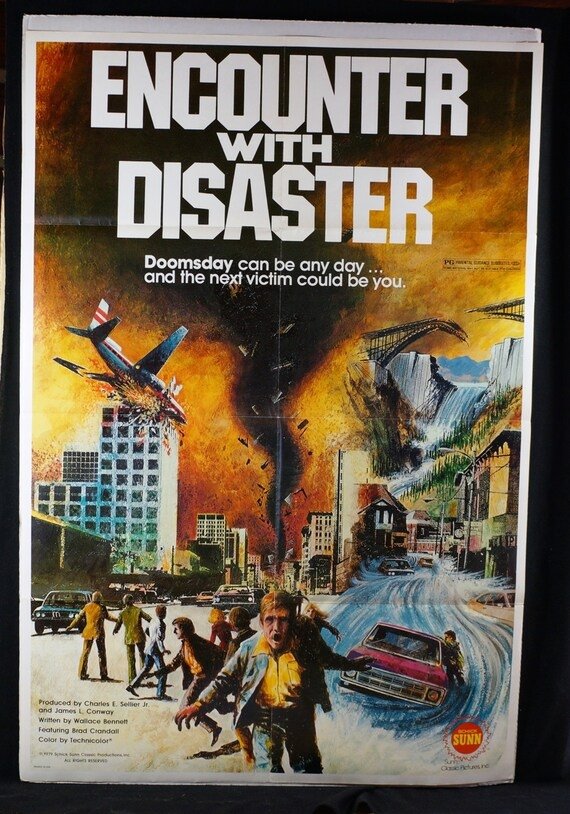
Depicts assorted natural and human disasters, including the crash of the Hindenburg (1937), earthquakes in Alaska (1964) and Long Beach (1933), the LeMans auto racing crash at which 82 people were killed (1955), Hurrican Camille (1964), the eruption of the Mt. Etna volcano (1971), a tornado (1974), the collapse of Idaho's Teton Dam (1976), the sinking of the Andrea Doria (1956) and the Texas City explosion which devastated Galveston (1947).
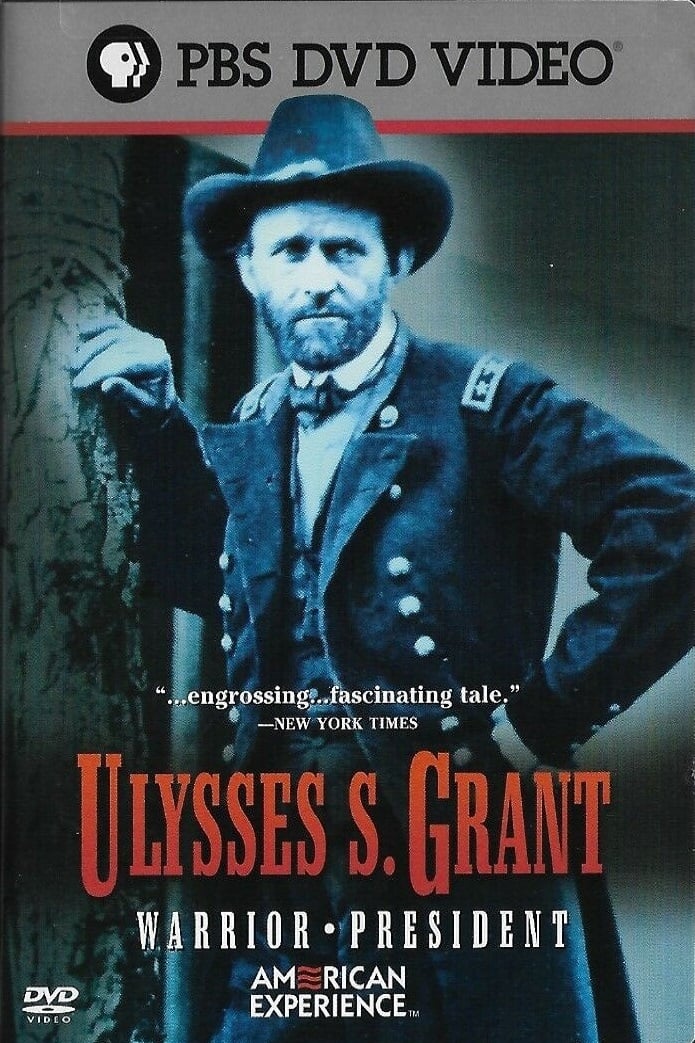
As a general, he had fought to preserve the Union. As president, he helped to oversee the transformation from union to nation. As a former president, he was the embodiment of the very idea of national union, and of America's entry onto the world stage. As a dying general, he was the symbol of the nation's greatest and most traumatic war. The story of Ulysses S. Grant's life, from his first days on the Ohio frontier to his last days out-writing death in the Adirondacks, is an endlessly fascinating one. Few public figures have ever held a such a firm grip on the American popular imagination. Grant was a man whose rise from obscurity made him a hero to millions who could see themselves in him. An ordinary man who faced and met extraordinary challenges, his successes and failures seemed to encapsulate the national character. He was so popular with the American public that, despite his two scandal-ridden terms as president, he was nearly nominated to run for a third term.
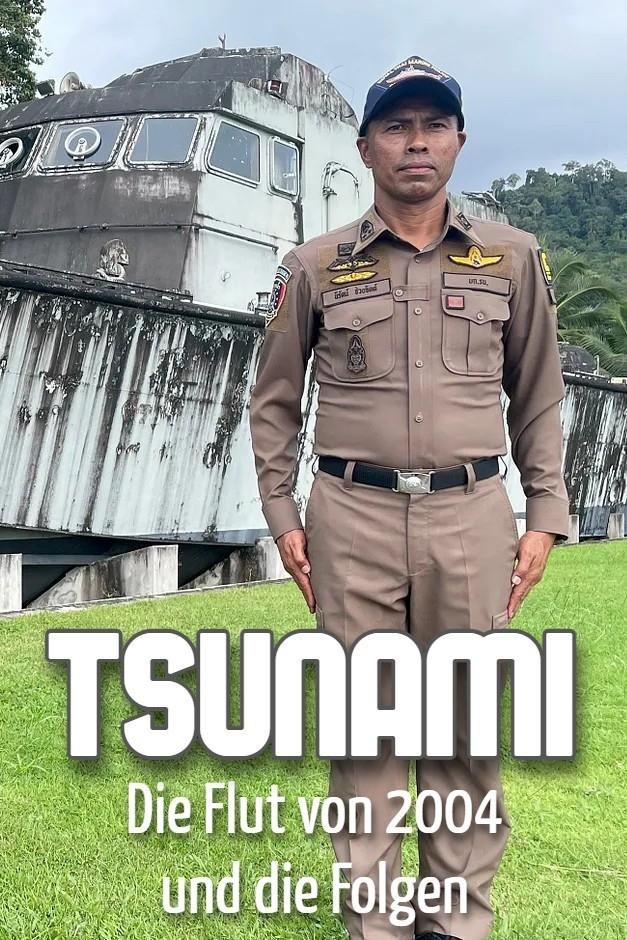
It was one of the greatest natural disasters of all time. On the morning of Boxing Day 2004, a massive tsunami hit the coast of the Indian Ocean. More than 230,000 people died, including many holidaymakers from Germany and France. On the occasion of the 20th anniversary, survivors tell their stories. How has the disaster affected their lives to this day?
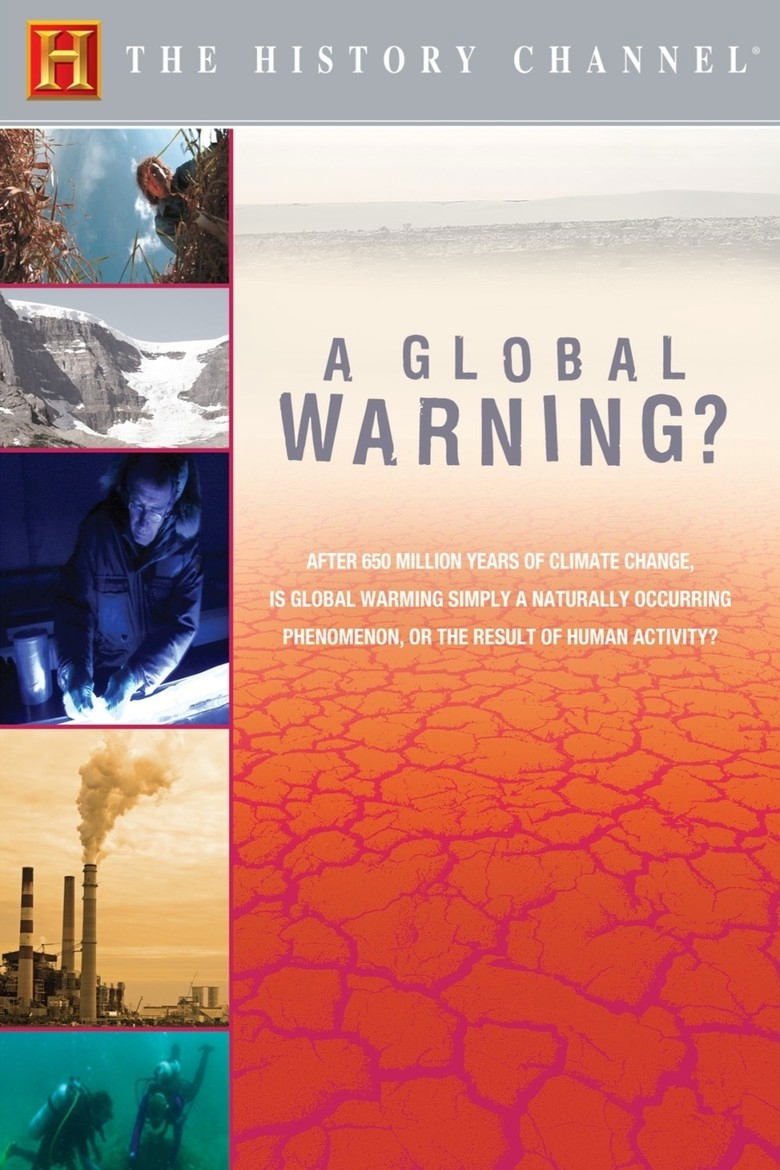
Global warming in context. What the climate of the past tells us about the climate of the future.
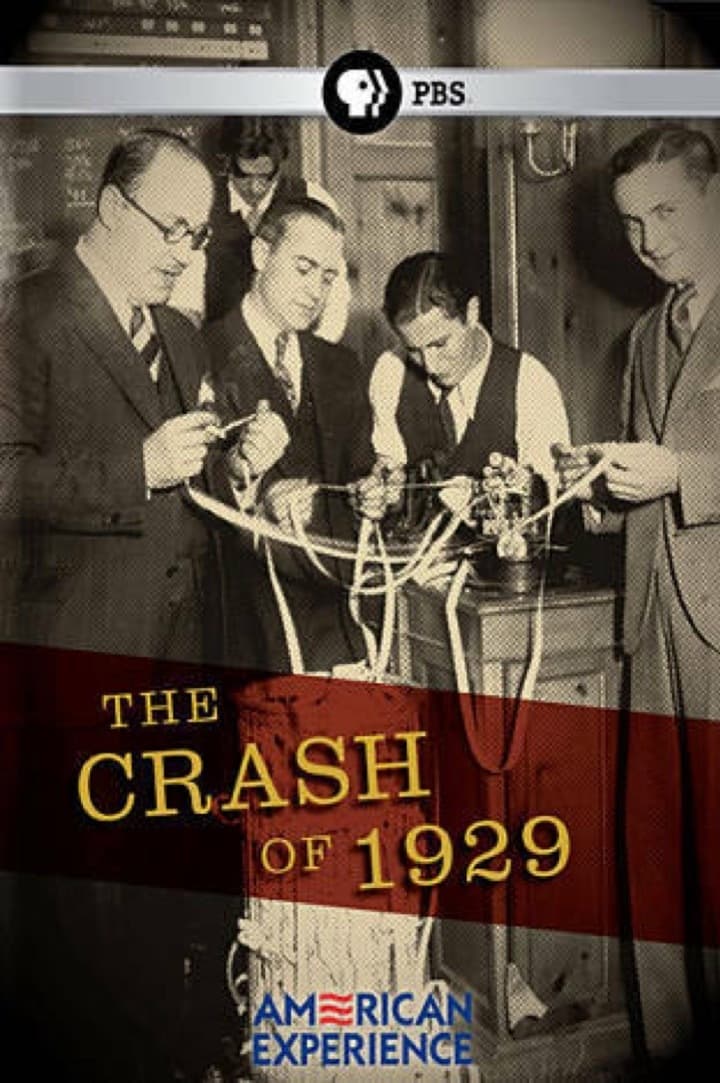
Based on eight years of continued prosperity, presidents and economists alike confidently predicted that America would soon enter a time when there would be no more poverty, no more depressions -- a "New Era" when everyone could be rich. But when reality finally struck, the consequences of such unbound optimism shocked the world.
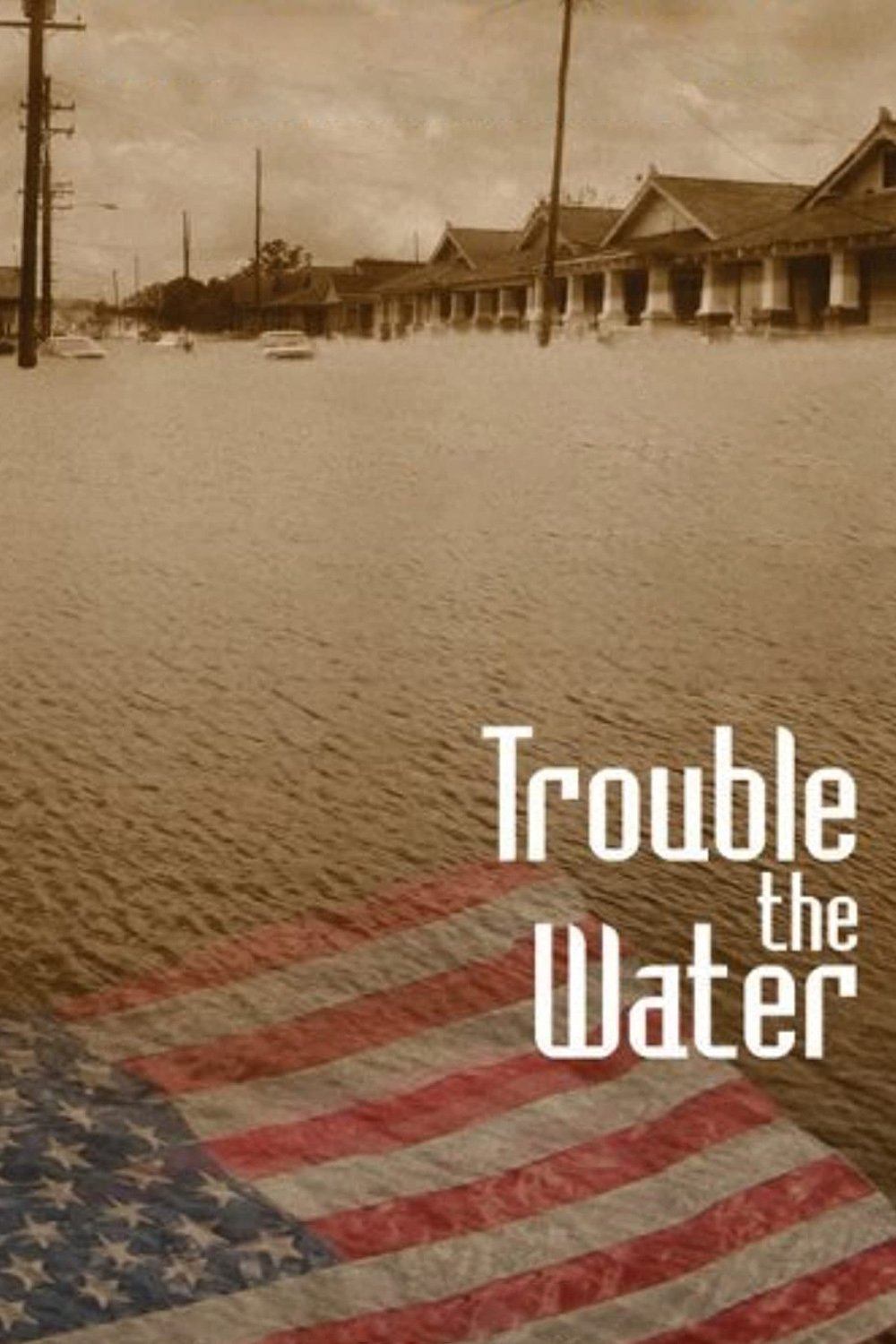
"Trouble the Water" takes you inside Hurricane Katrina in a way never before seen on screen. The film opens the day before the storm makes landfall--just blocks away from the French Quarter but far from the New Orleans that most tourists knew. Kimberly Rivers Roberts, an aspiring rap artist, is turning her new video camera on herself and her Ninth Ward neighbors trapped in the city. Weaving an insider's view of Katrina with a mix of verité and in-your-face filmmaking, it is a redemptive tale of self-described street hustlers who become heroes--two unforgettable people who survive the storm and then seize a chance for a new beginning.
When a devastating famine descended on Soviet Russia in 1921, it was the worst natural disaster in Europe since the Black Plague in the Middle Ages. Examine Herbert Hoover’s American Relief Administration—an operation hailed for its efficiency, grit and generosity. By the summer of 1922, American kitchens were feeding nearly 11 million Soviet citizens a day.
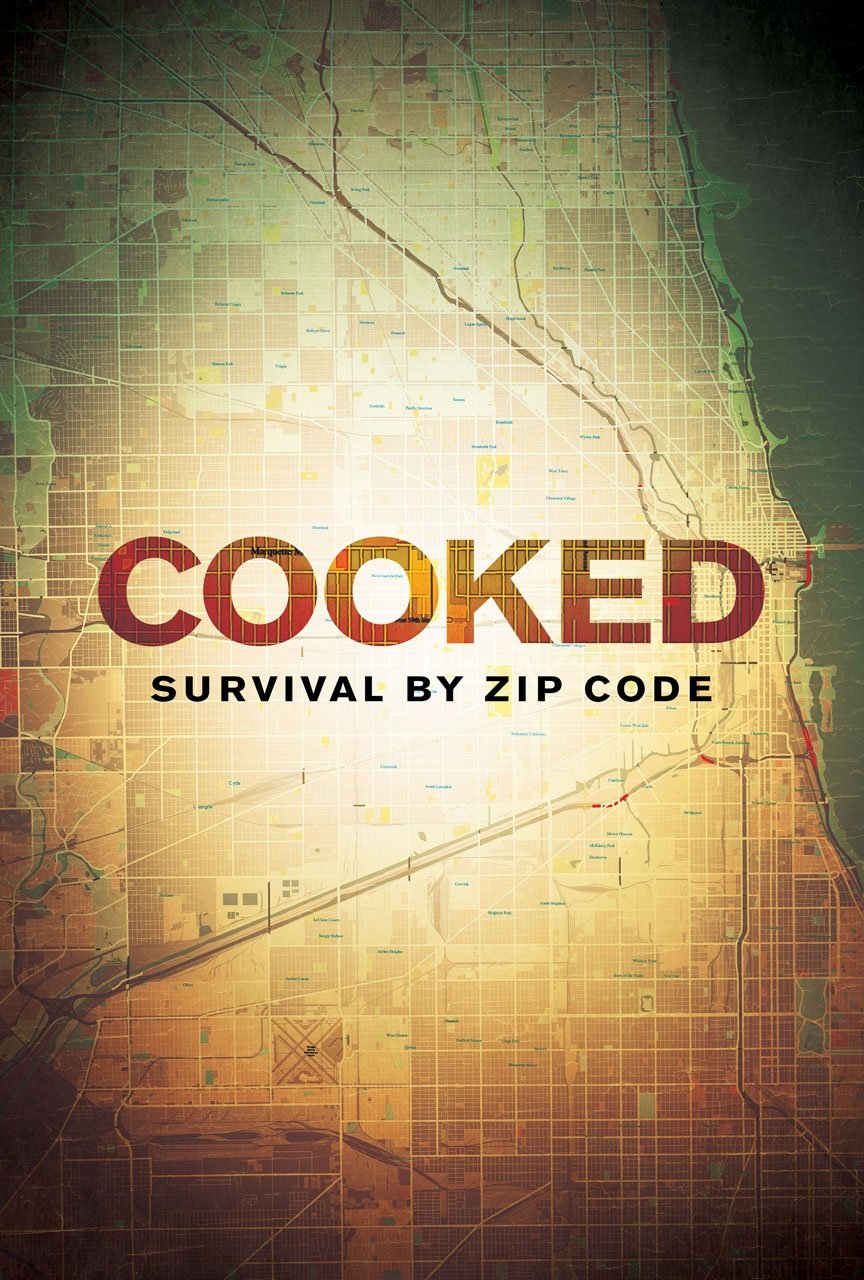
Filmmaker Judith Helfand's searing investigation into the politics of “disaster” – by way of the deadly 1995 Chicago heat wave, in which 739 residents perished (mostly Black and living in the city’s poorest neighborhoods).
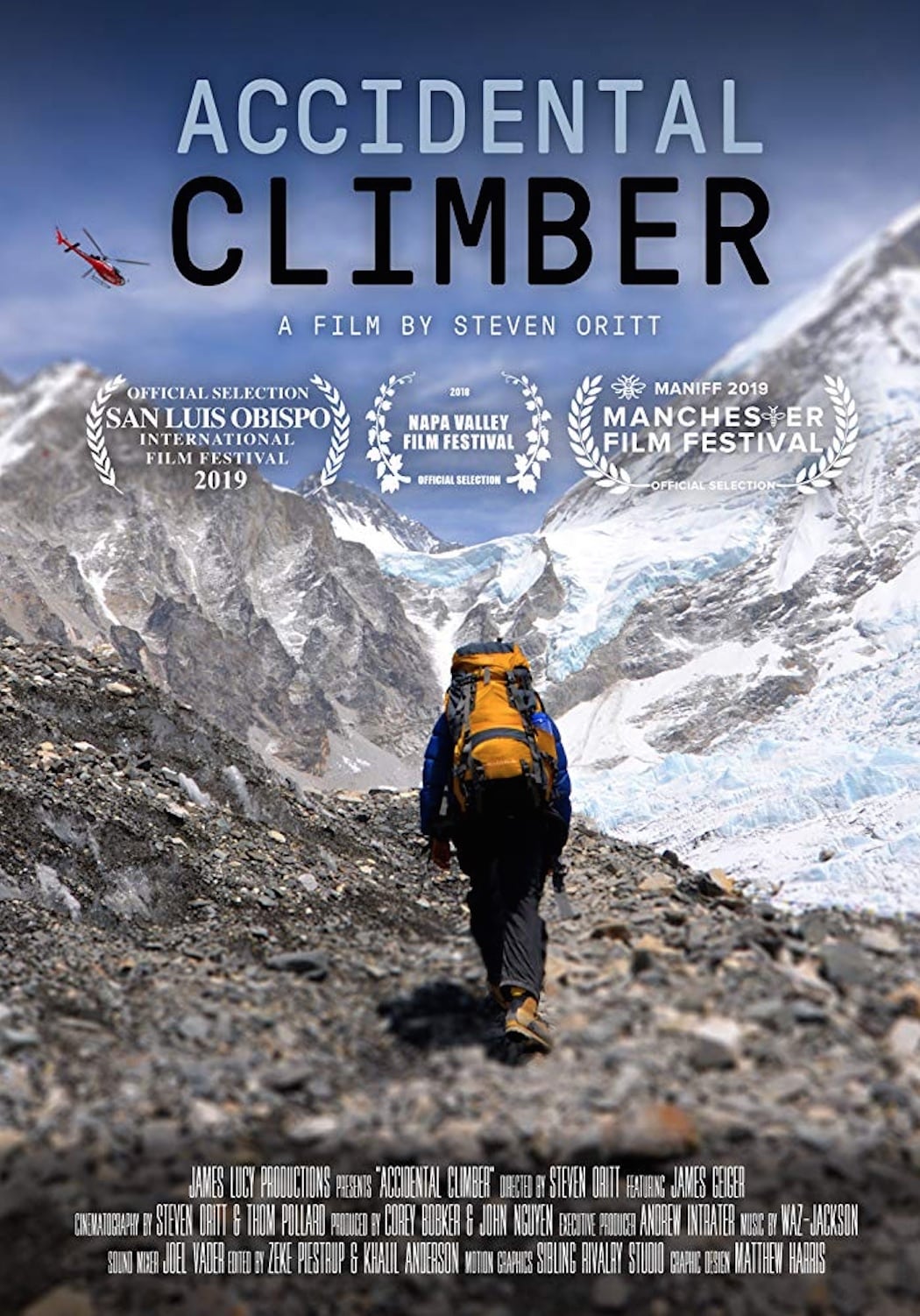
Jim Geiger, a retired forest ranger and amateur mountaineer, attempts to become the oldest American and first great grandfather to summit Mt. Everest, aged 68. His transformation from a weekend hiker to attempting one of the most extreme and physically demanding feats known to man is driven by a desire to prove that age is just a number. What ensued, however, forever changed Jim's life.
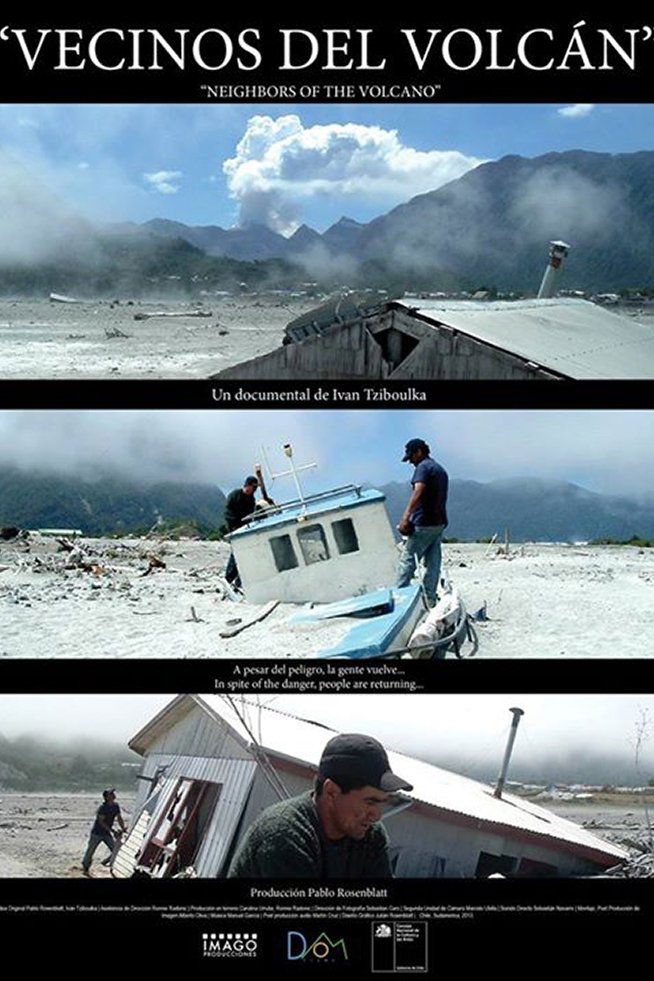
The last representatives of Mixteco culture inhabit a village in the Sierra Madre. Deprived of their identity by modern civilization, they are facing an even bigger threat: a landslide that may destroy the village during the next torrential rains. The mayor tries to prevent the disaster. He wants to invite a geologist, so that the approaching danger can be officially confirmed. But no help is coming and the inhabitants must simply wait for the disaster.
A look at the state of the global environment including visionary and practical solutions for restoring the planet's ecosystems. Featuring ongoing dialogues of experts from all over the world, including former Soviet Prime Minister Mikhail Gorbachev, renowned scientist Stephen Hawking, former head of the CIA R. James Woolse
The film interweaves the personal accounts of polio survivors with the story of an ardent crusader who tirelessly fought on their behalf while scientists raced to eradicate this dreaded disease. Based in part on the Pulitzer Prize-winning book Polio: An American Story by David Oshinsky, Features interviews with historians, scientists, polio survivors, and the only surviving scientist from the core research team that developed the Salk vaccine, Julius Youngner.
Leading Australian documentarian Eddie Martin puts viewers on the frontlines of the deadly 2019–2020 bushfires, capturing the catastrophe with a perspective and scale never before seen. 24 million hectares were burnt, 3000 homes were destroyed, 33 people died, and nearly three billion animals perished or were displaced. Fire Front is a powerful account of that calamitous antipodean summer, told from the ground where climate change took on the face of hell.
This one-hour documentary film tells the story of "Storm of the Century: The Blizzard of '49" - the worst series of storms in Wyoming's history. But for all the tragedy and loss, suffering and death, there was also hope and heroism, unselfish sacrifice and generosity. The blizzard brought out the best in people. Wyoming citizens from all walks of life cooperated together and demonstrated exceptional ingenuity in the face of dire circumstances. There were extraordinary acts of kindness, with people generously giving their time and resources. The public worked together to overcome seemingly insurmountable obstacles and ultimately won in the end.
This documentary examines the 1999 London bombings that targeted Black, Bangladeshi and gay communities, and the race to find the far-right perpetrator. He terrorized a city, seeking to ignite a race war but justice was served by those who wouldn't let his hate win.
A documentary about the life and films of director John Ford.
“The Soviet Story” is a story of an Allied power, which helped the Nazis to fight Jews and which slaughtered its own people on an industrial scale. Assisted by the West, this power triumphed on May 9th, 1945. Its crimes were made taboo, and the complete story of Europe’s most murderous regime has never been told. Until now...
The history of cinematic sound, told by legendary sound designers and visionary filmmakers.
In the Realms of the Unreal is a documentary about the reclusive Chicago-based artist Henry Darger. Henry Darger was so reclusive that when he died his neighbors were surprised to find a 15,145-page manuscript along with hundreds of paintings depicting The Story of the Vivian Girls, in What is Known as the Realms of the Unreal, of the Glodeco-Angelinnian War Storm, Cased by the Child Slave Rebellion.
Pete Postlethwaite stars as a man living alone in the devastated future world of 2055, looking at old footage from 2008 and asking: why didn’t we stop climate change when we had the chance?
A comedic, brutally honest documentary following self-destructive TV writer Dan Harmon as he takes his live podcast on a national tour.
Ross McElwee sets out to make a documentary about the lingering effects of General Sherman's march of destruction through the South during the Civil War, but is continually sidetracked by women who come and go in his life, his recurring dreams of nuclear holocaust, and Burt Reynolds.
When Allied forces liberated the Nazi concentration camps in 1944-45, their terrible discoveries were recorded by army and newsreel cameramen, revealing for the first time the full horror of what had happened. Making use of British, Soviet and American footage, the Ministry of Information’s Sidney Bernstein (later founder of Granada Television) aimed to create a documentary that would provide lasting, undeniable evidence of the Nazis’ unspeakable crimes. He commissioned a wealth of British talent, including editor Stewart McAllister, writer and future cabinet minister Richard Crossman – and, as treatment advisor, his friend Alfred Hitchcock. Yet, despite initial support from the British and US Governments, the film was shelved, and only now, 70 years on, has it been restored and completed by Imperial War Museums under its original title "German Concentration Camps Factual Survey".
Those who knew iconic funnyman John Candy best share his story, in their own words, through never-before-seen archival footage, imagery, and interviews.
With unprecedented access to the official archives and intimate recollections from the band, both current and past, Iron Maiden: Burning Ambition invites fans to experience one of the most iconic journeys in music history. Spanning five decades, this electrifying documentary charts the band’s rise from the pubs of East London to the world’s biggest stadiums. Featuring exclusive interviews with band members and contributors such as Javier Bardem, Lars Ulrich and Chuck D, as well as all-new animated sequences of the band's legendary mascot, Eddie, the film offers a rare and intimate look at Iron Maiden’s uncompromising vision and unwavering connection with their truly global army of fans.
An unprecedented and intimate look at the life, work and enduring legacy of British actress Audrey Hepburn (1929-1993).
The film follows adventurer Jeff Johnson as he retraces the epic 1968 journey of his heroes Yvon Chouinard and Doug Tompkins to Patagonia.
A documentary focused on plastic pollution in the world's oceans.
A documentary on Al Gore's campaign to make the issue of global warming a recognized problem worldwide.
Daniel Craig candidly reflects on his 15 year adventure as James Bond. Including never-before-seen archival footage from Casino Royale to the upcoming 25th film No Time To Die, Craig shares his personal memories in conversation with 007 producers, Michael G Wilson and Barbara Broccoli.
Police pull over a woman who claims she just gave birth. But the baby — and the blood — aren't hers. Twisted lies unravel in this true-crime documentary.
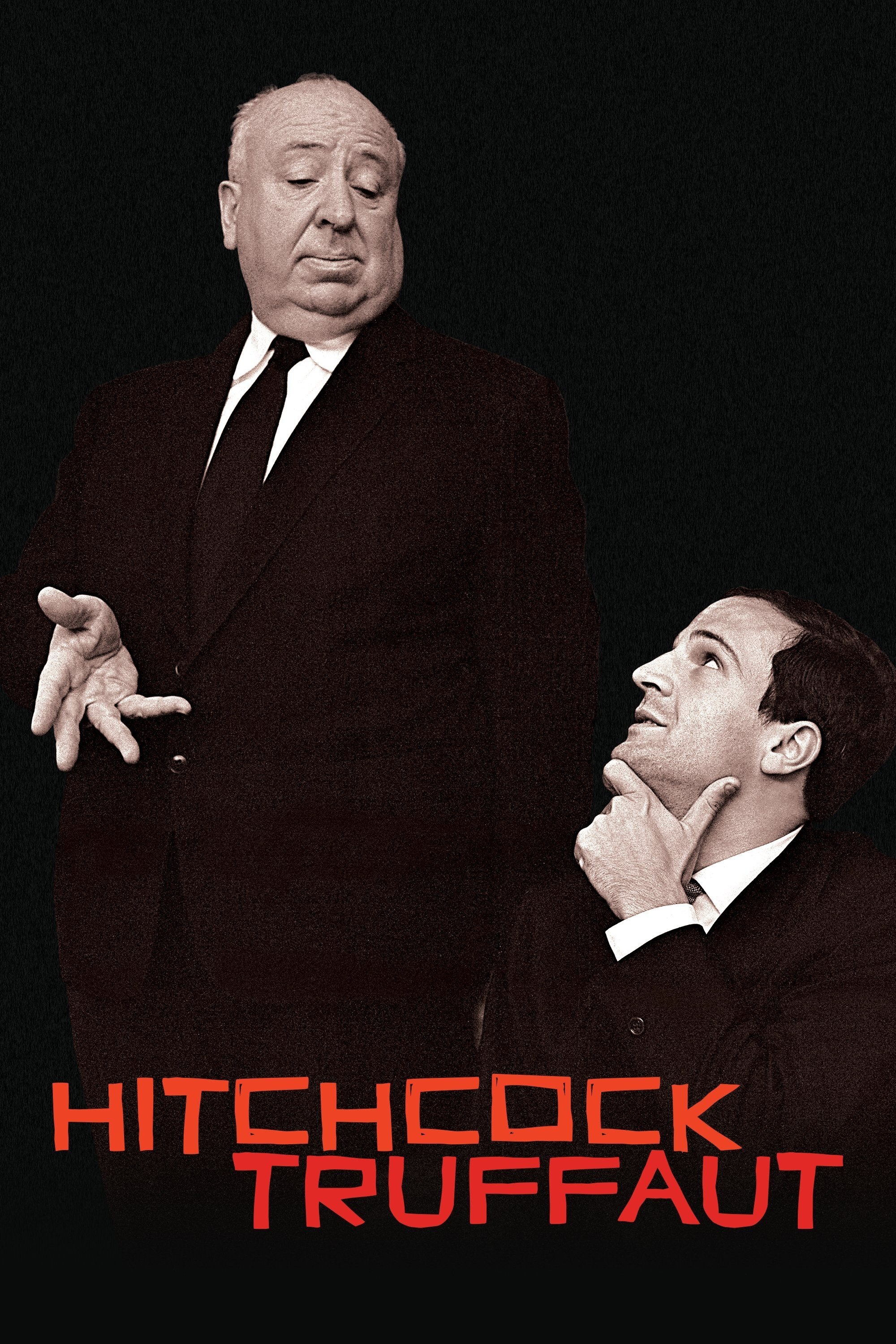
Filmmakers discuss the legacy of Alfred Hitchcock and the book “Hitchcock/Truffaut” (“Le cinéma selon Hitchcock”), written by François Truffaut and published in 1966.
14-year-old Laura Dekker sets out on a two-year voyage in pursuit of her dream to become the youngest person ever to sail around the world alone.
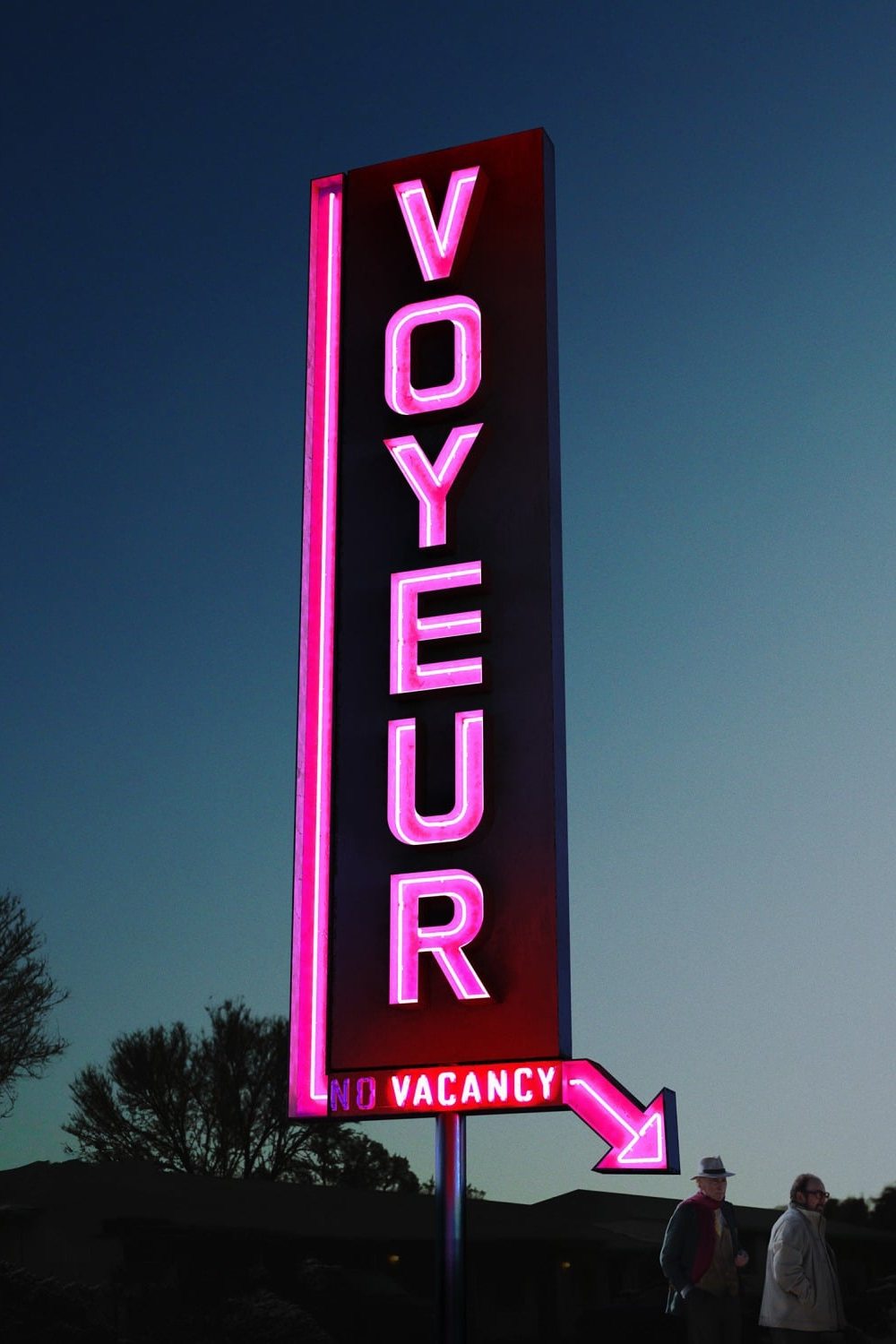
Legendary journalist Gay Talese unmasks a motel owner who spied on his guests for decades. But his bombshell story soon becomes a scandal of its own.