Social & External
Commentary (voice)
PUMP is a documentary that tells the story of America’s addiction to oil, from its corporate conspiracy beginnings to its current monopoly today, and explains clearly and simply how we can end it — and finally win choice at the pump. Today, oil is our only option for transportation-fuel at the pump. Our exclusive use of it has drained our wallets, increased air pollution and sent our sons and daughters to war in faraway lands. PUMP shows how, through the use of a variety of replacement fuels, we will be able to fill up our cars — cheaper, cleaner and American made — and in the process create more jobs for a stronger, healthier economy. Narrated by Jason Bateman and featuring notable experts such as John Hofmeister former President of Shell Oil, and Elon Musk, the CEO of Tesla Motors, PUMP will forever change the way you think about your car — and the fuel that powers it.
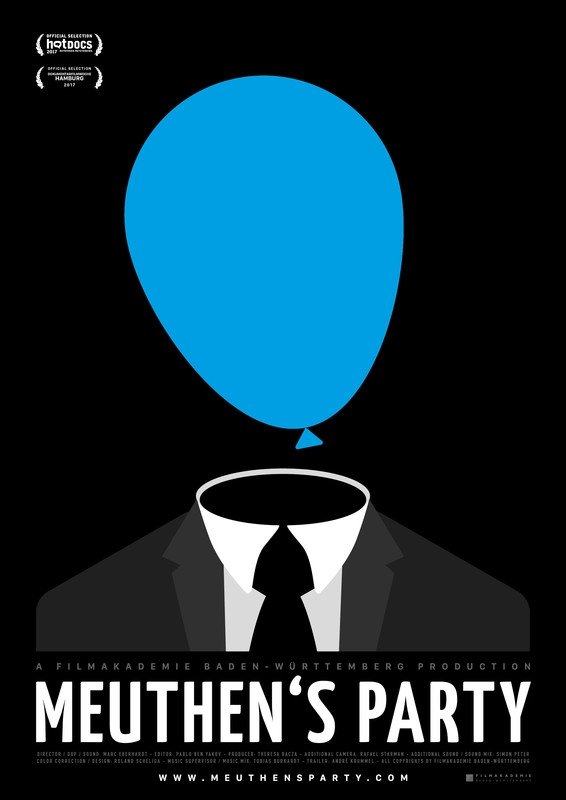
MEUTHEN'S PARTY unmasks the rise of the provincial politician Dr. Jörg Meuthen who doesn't shy away from spreading racist sentiments with a smile on his face.
Filmed during the production of the Columbia Pictures western "Mackenna’s Gold," this short work presents a non-narrative visual study of the Arizona desert. Rather than documenting the film set itself, "6-18-67" assembles landscape images, time-lapse photography, and ambient sound into an abstract record of place and duration.
An experimental and iconoclastic journey through the Spanish Holy Week in the late sixties.
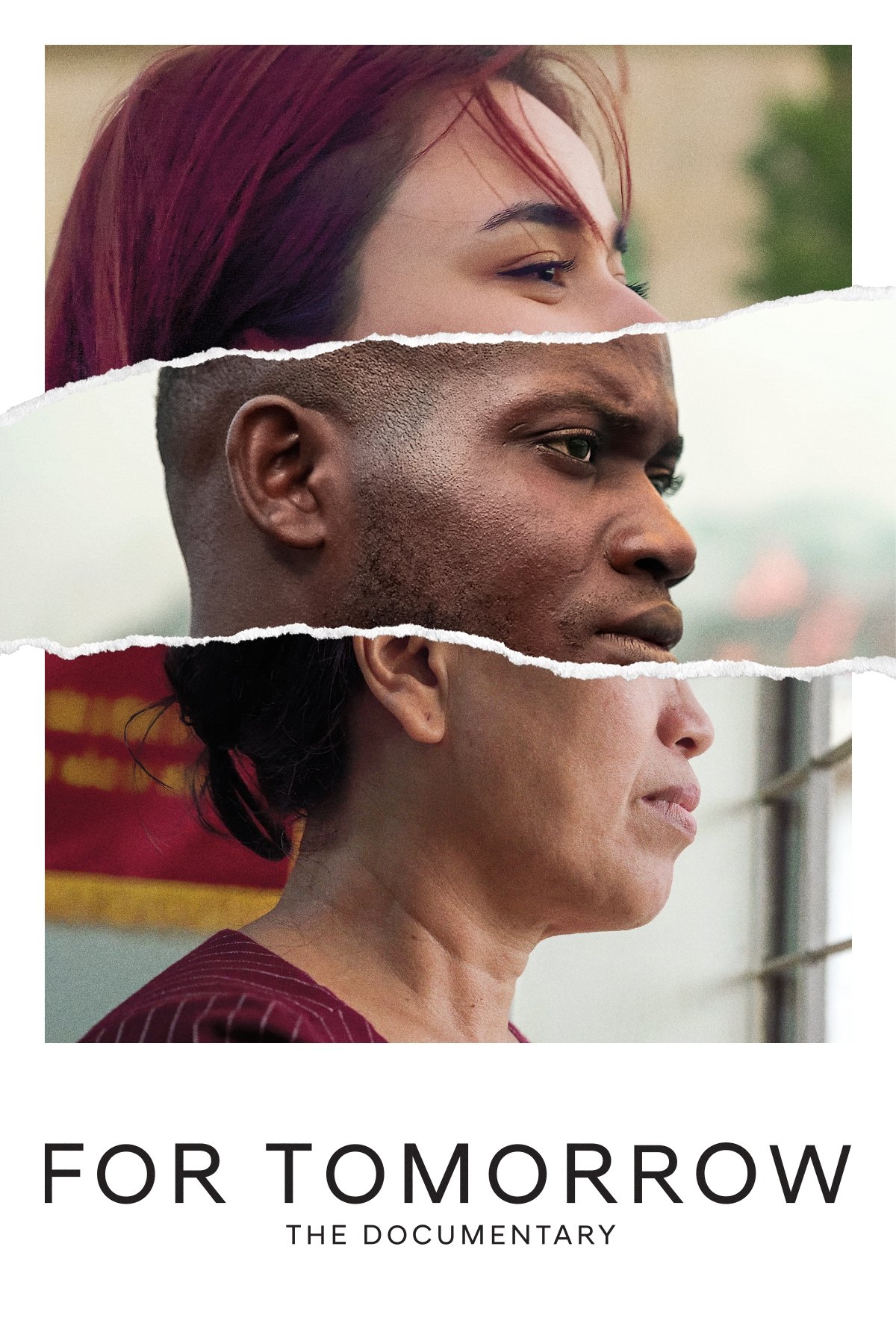
The story of grassroots innovators striving to create a more sustainable future. From a self-taught engineer who built a solar-powered car to a young woman with disabilities fighting for inclusivity, they are tackling sustainability issues on the ground and empowering their communities. Is the world ready to look elsewhere for solutions to our challenges?
The adventure of the minitel, a small cubic terminal with a folding keyboard that began in the 1970s in the labs of France Telecom, is closely linked to Alsace. Alsatians had then in hand the future tools of interactive communication. What remains today of all those minitel years? Like a nocturnal and intimate road-movie, this documentary went to meet the last people who are still interested in the minitel, this strange beige box of access to telematic services, corny today, but pioneers at the end of the last century.
A movie about improvement proposals in factories. It shows viewers how patents are accepted, how tenders are called, and how improvement proposals are submitted. The film calls for other innovators to follow suit, thereby contributing to catching up with and outstripping the globál economy.
A 4-year-old girl cries, lost in the city. A Soviet soldier on a ferry takes her in and takes her to her home village.
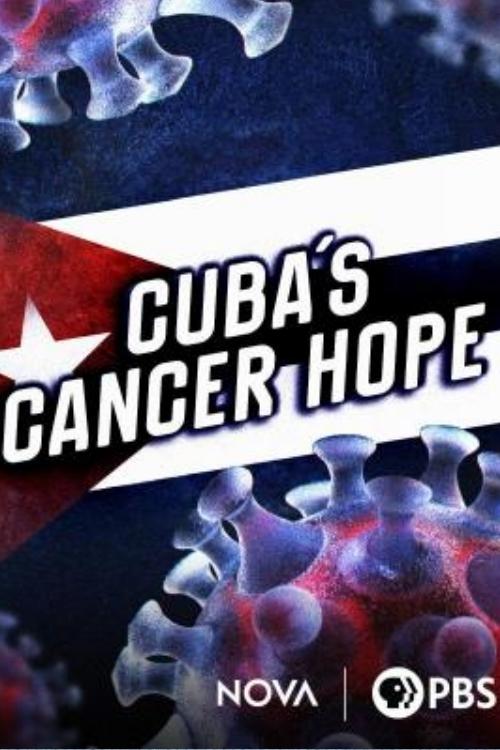
When the U.S. trade embargo left Cuba isolated from medical resources, Cuban scientists were forced to get creative. Now they've developed lung cancer vaccines that show so much promise, some Americans are defying the embargo and traveling to Cuba for treatment. In an unprecedented move, Cuban researchers are working with U.S. partners to make the medicines more widely available.
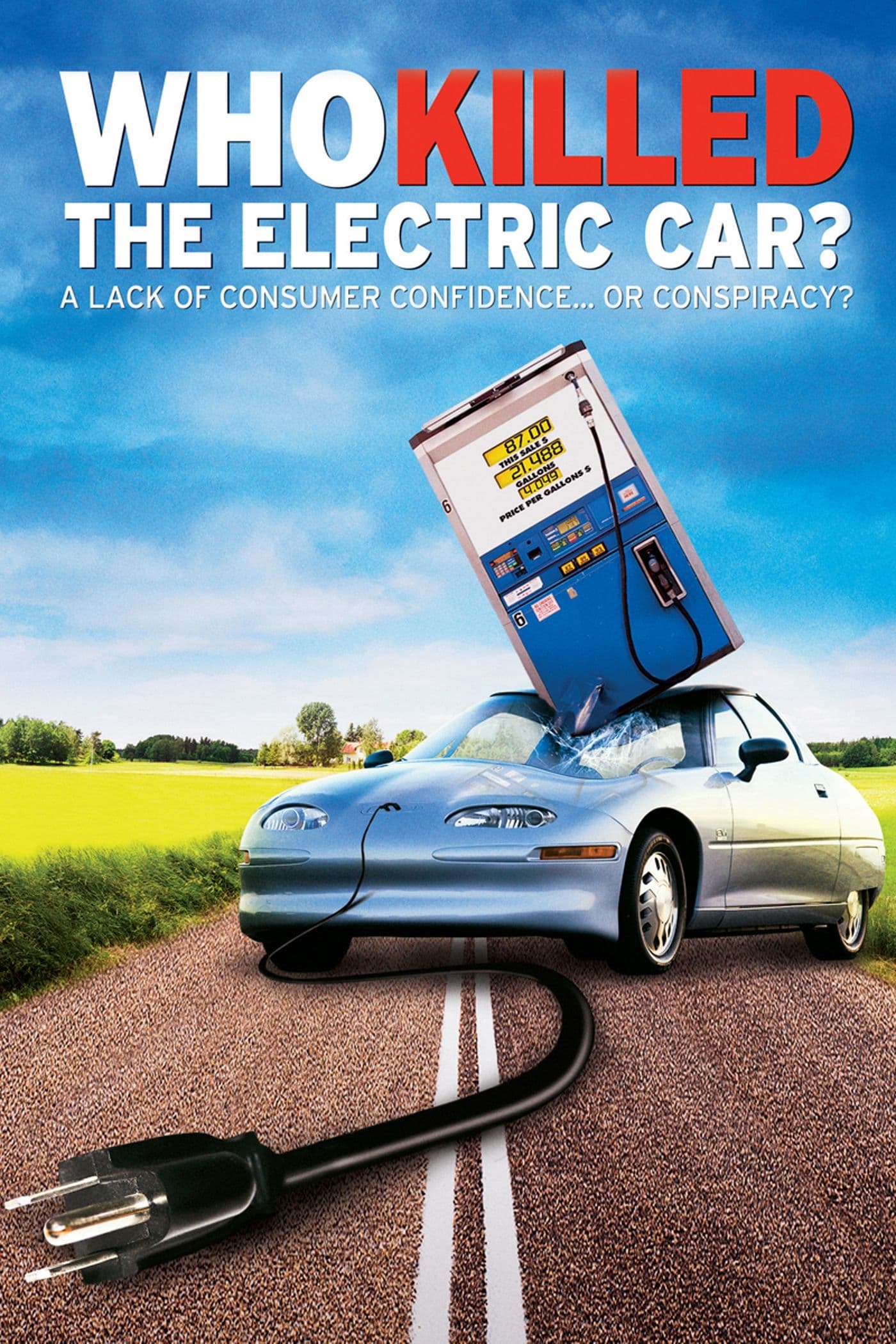
In 1996, electric cars began to appear on roads all over California. They were quiet and fast, produced no exhaust, and ran without gasoline... Ten years later, these cars were destroyed.
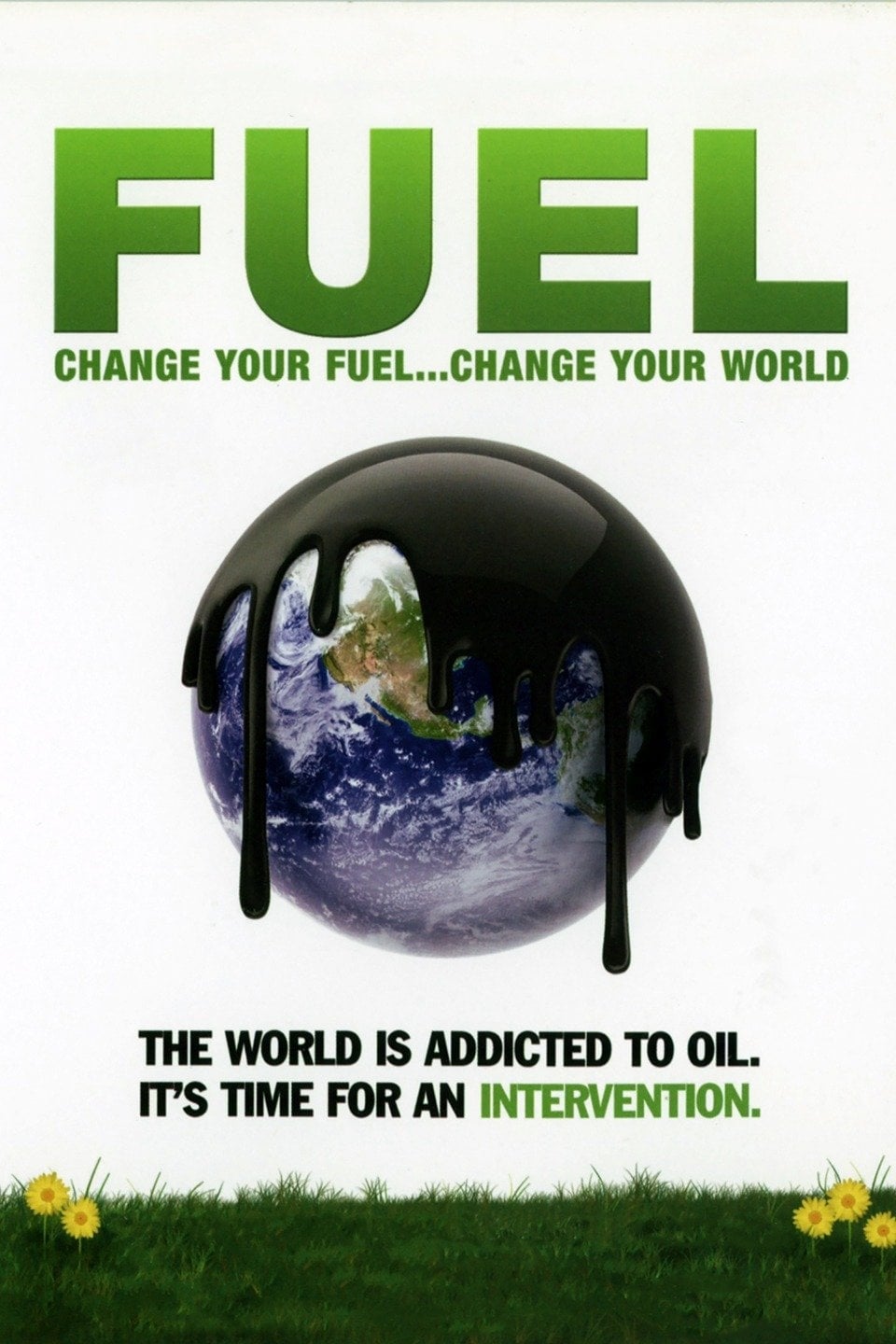
Record high oil prices, global warming, and an insatiable demand for energy: these issues define our generation. The film exposes shocking connections between the auto industry, the oil industry, and the government, while exploring alternative energies such as solar, wind, electricity, and non-food-based biofuels.
Here's a strange one. First, a song on a blackboard: a Polish translation of “I love my little rooster” by American folk writer Almeda Riddle. Then, two men roll around trash bins and lift them to the garbage truck. They do it several times. A woman shouts in the distance. At the end, the picture stops, and the woman sings the song. An early short by Piotr Szulkin.
A film about the Czechoslovak automobile industry and its gradual automation. First of all, the quality of Czechoslovak cars and motorcycles in comparison with foreign competitors is demonstrated using a de facto advertising approach. The movie also talks about the need to expand automation in manufacturing and it presents examples of new technologies that have been introduced.
A documentary film about parachute training in the Voluntary Union of People's Aviation.
A report from a Svazarm summer training camp where trained instructors dedicate themselves to providing children and young people with defence education.
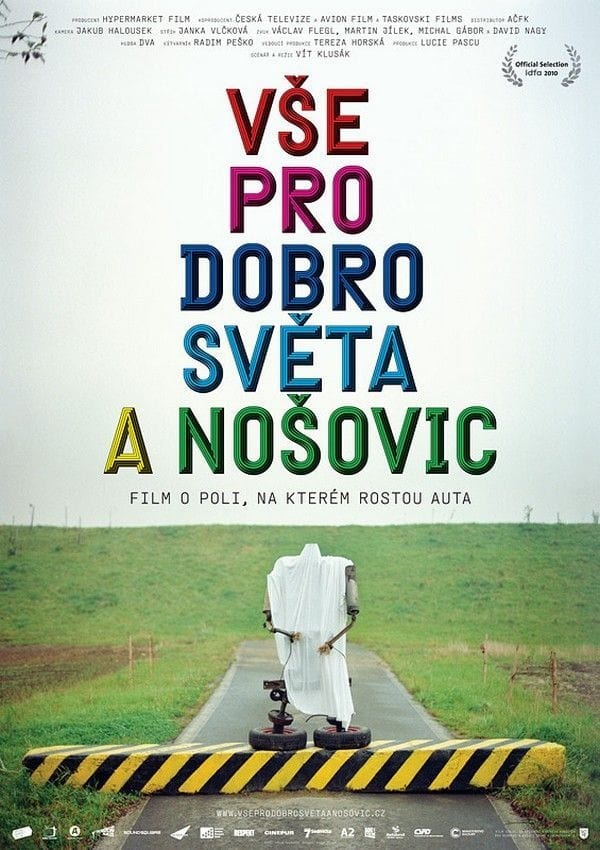
An original portrayal of a small Czech village where – as the locals put it – an UFO has landed in the form of a kilometre-long silverish factory: a Korean Hyundai automobile plant. The village, hitherto famous mostly for its sauerkraut and the “Radegast” beer was thus turned into an industrial zone – the largest greenfield investment project in the Czech Republic’s history. Nonetheless, for a long time many farmers resisted selling the land upon which the factory was now standing. Eventually, they all succumbed under the pressure from the neighbours, and even the anonymous death threats. The filmmakers returned to Nošovice two years after the dramatic property buyouts, at the time when the factory has just started churning out cheap cars. Combining the perspectives of seven characters, they have composed a portrayal of a place suddenly changed beyond recognition that is playful and chilling at the same time: a politically engaged absurd flick about a field that yields cars.
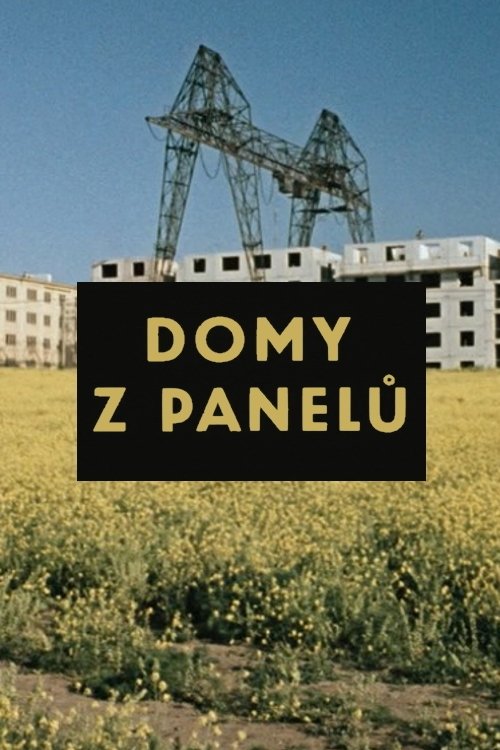
A student work by Jiří Menzel, filmed during his second year at the FAMU film school. Views of old Prague and its tenement buildings, symbolizing the obsolete past, alternate with shots of construction sites for new prefabricated apartment buildings. In spite of certain unavoidable propagandistic overtones added by the director, it is notable as the beginning of his search for a “dramaturgy of colors.”
Confessions of people who have lost their sight during their lives. What are their feelings and how do they view their apparent handicap?
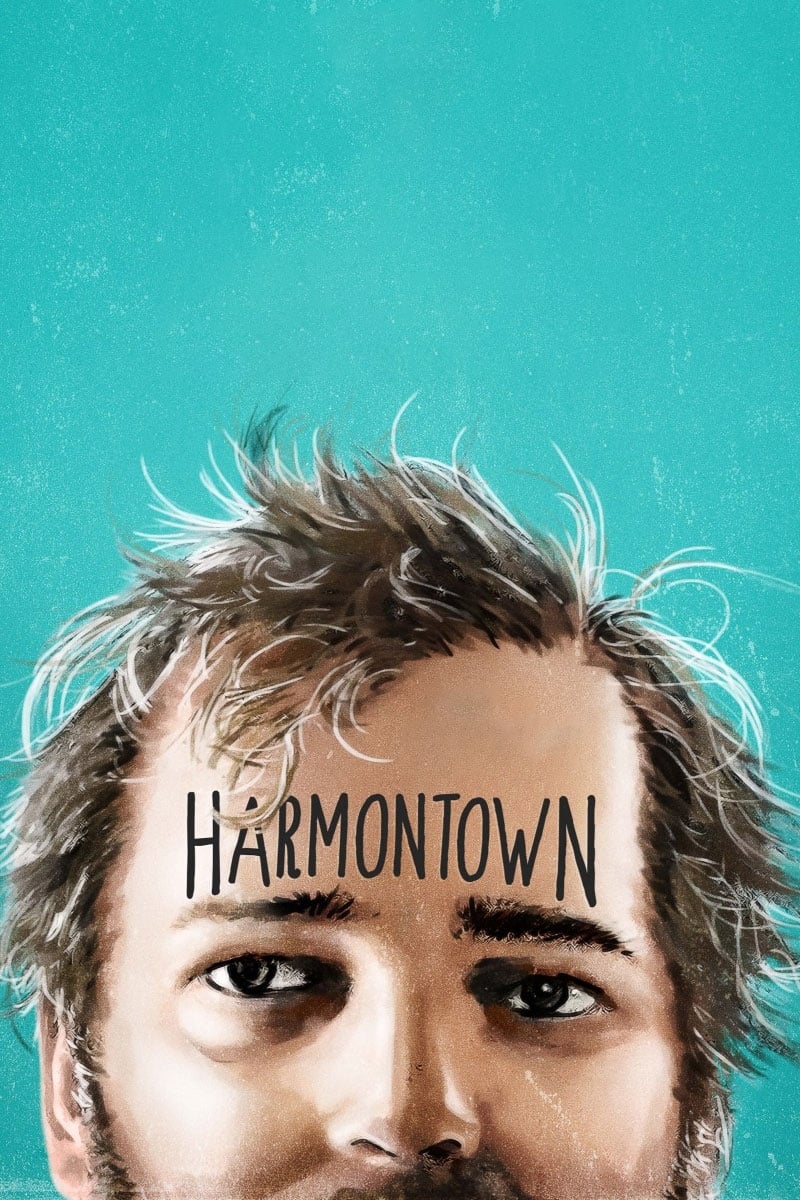
A comedic, brutally honest documentary following self-destructive TV writer Dan Harmon as he takes his live podcast on a national tour.
Behind-the-scenes documentary about how Lionel Messi succeeded in lifting the World Cup – the only trophy to have eluded him in an incredible career.
Ten of Muhammad Ali's former rivals pay tribute to the three-time world heavyweight champion.
In the Realms of the Unreal is a documentary about the reclusive Chicago-based artist Henry Darger. Henry Darger was so reclusive that when he died his neighbors were surprised to find a 15,145-page manuscript along with hundreds of paintings depicting The Story of the Vivian Girls, in What is Known as the Realms of the Unreal, of the Glodeco-Angelinnian War Storm, Cased by the Child Slave Rebellion.
A look at the origins, history and conspiracies behind the "Majestic 12", a clandestine group of military and corporate figureheads charged with reverse-engineering extraterrestrial technology.
JB Smoove and Martin Starr host a celebration of 20 years of "Spider-Man" movies, from the Sam Raimi trilogy to Marc Webb's movies and the trio from Jon Watts.
A detailing of the rise to prominence and global sporting superstardom of six supremely talented young Manchester United football players (David Beckham, Nicky Butt, Ryan Giggs, Paul Scholes, Phil and Gary Neville). The film covers the period 1992-1999, culminating in Manchester United's European Cup triumph.
When Allied forces liberated the Nazi concentration camps in 1944-45, their terrible discoveries were recorded by army and newsreel cameramen, revealing for the first time the full horror of what had happened. Making use of British, Soviet and American footage, the Ministry of Information’s Sidney Bernstein (later founder of Granada Television) aimed to create a documentary that would provide lasting, undeniable evidence of the Nazis’ unspeakable crimes. He commissioned a wealth of British talent, including editor Stewart McAllister, writer and future cabinet minister Richard Crossman – and, as treatment advisor, his friend Alfred Hitchcock. Yet, despite initial support from the British and US Governments, the film was shelved, and only now, 70 years on, has it been restored and completed by Imperial War Museums under its original title "German Concentration Camps Factual Survey".
Those who knew iconic funnyman John Candy best share his story, in their own words, through never-before-seen archival footage, imagery, and interviews.
The life of Mr. Spock, as well as that of Leonard Nimoy, the actor who played him for almost fifty years, written and directed by his son: Adam.
The life and career of an actor, artist, and icon. His own journey through his own camera.
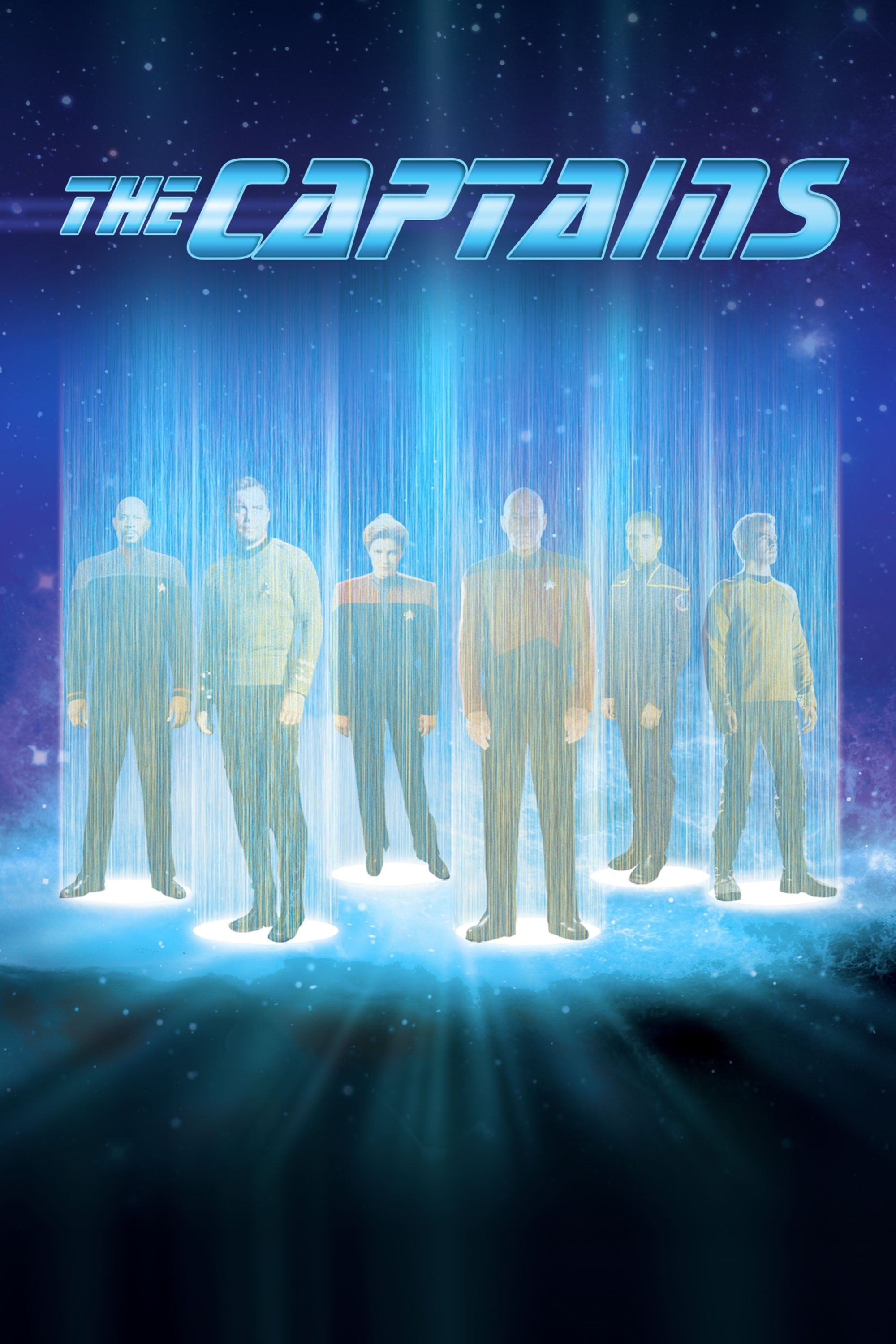
The Captains is a feature-length documentary film written and directed by William Shatner. The film follows Shatner as he interviews the other actors who have portrayed starship captains in the Star Trek franchise.
Al Pacino's deeply-felt rumination on Shakespeare's significance and relevance to the modern world through interviews and an in-depth analysis of "Richard III."
This character-driven film considers the evolving sex trafficking landscape as seen by the main players: the exploited, the pimps, the johns that fuel the business, and the cops who fight to stop it.
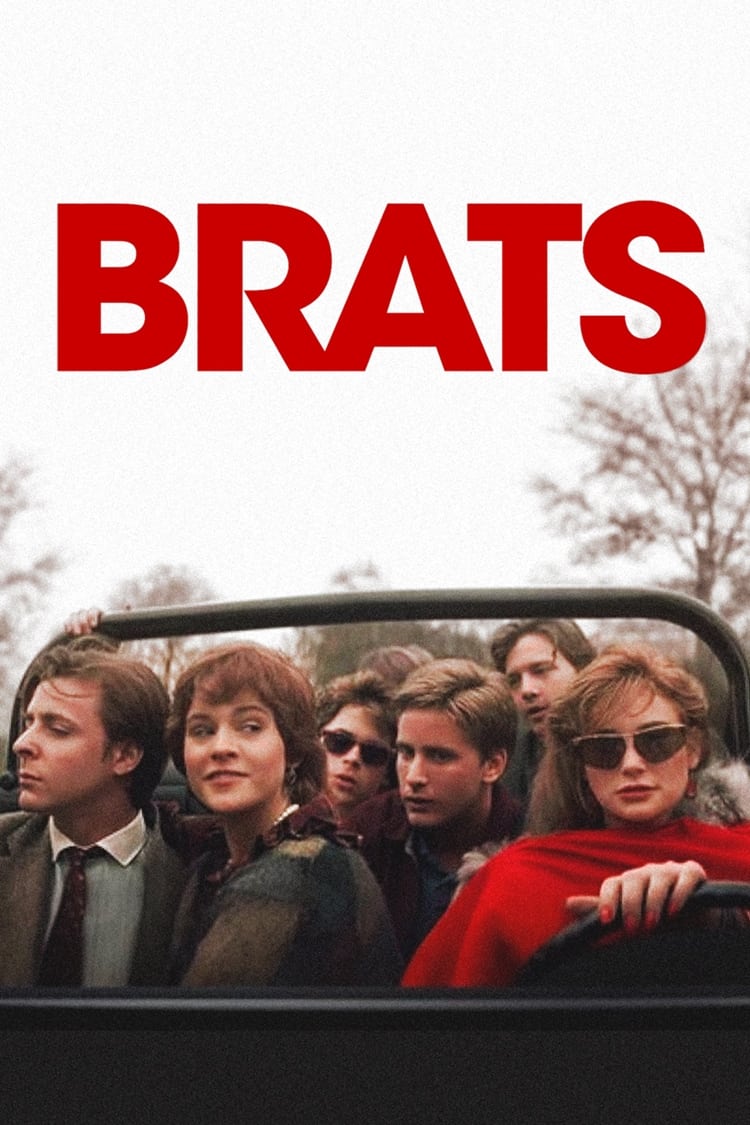
In the 1980s, Andrew McCarthy was part of a young generation of actors who were set to take over Hollywood after a string of successful teen movies. However, when the New York magazine cover story in 1985 dubs them the Brat Pack, stars in the making suddenly find themselves losing control over the trajectory of their careers. Now, almost forty years later, McCarthy looks to reconnect with peers and co-stars so that together they can reflect on their respective legacies.
The film follows adventurer Jeff Johnson as he retraces the epic 1968 journey of his heroes Yvon Chouinard and Doug Tompkins to Patagonia.
A documentary about the life and films of director John Ford.
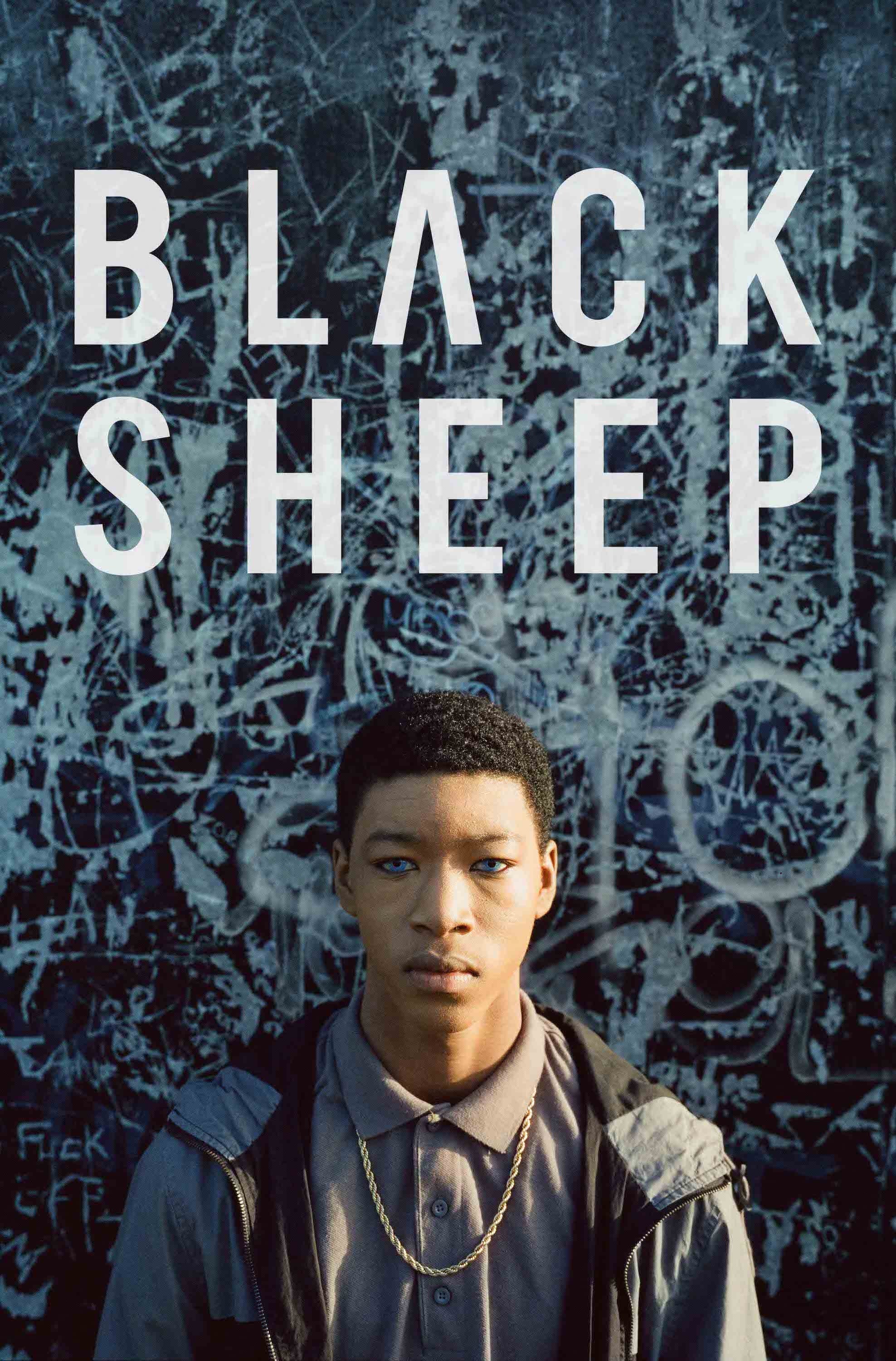
After the high-profile killing of Damilola Taylor, Cornelius' family move out of London. But when they discover their new town is run by racists, Cornelius takes a drastic step to survive.
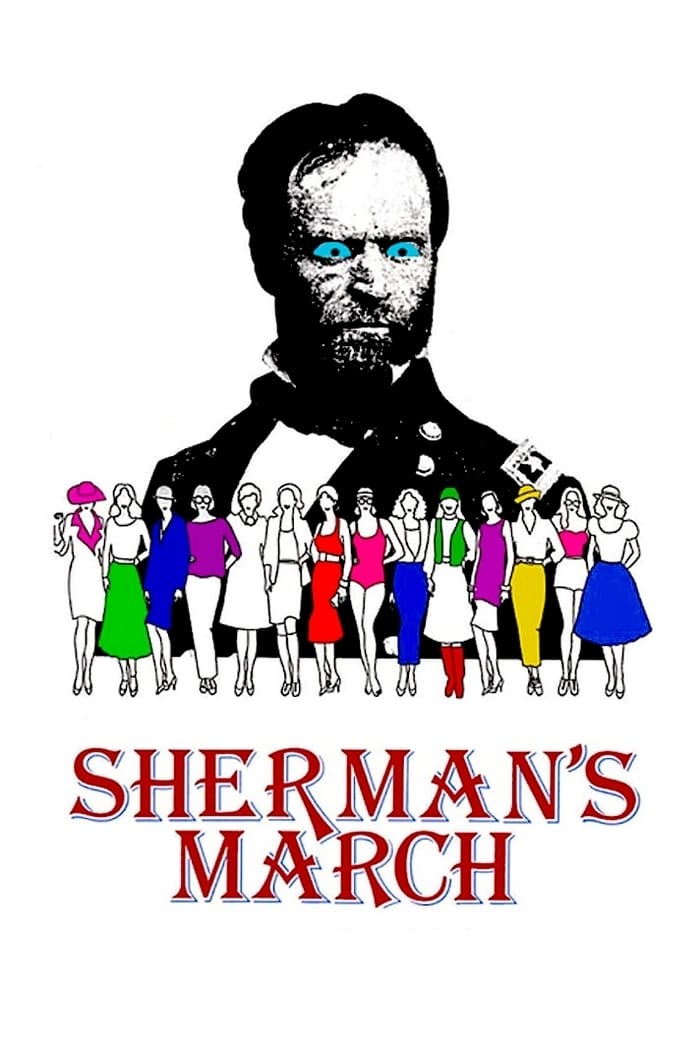
Ross McElwee sets out to make a documentary about the lingering effects of General Sherman's march of destruction through the South during the Civil War, but is continually sidetracked by women who come and go in his life, his recurring dreams of nuclear holocaust, and Burt Reynolds.