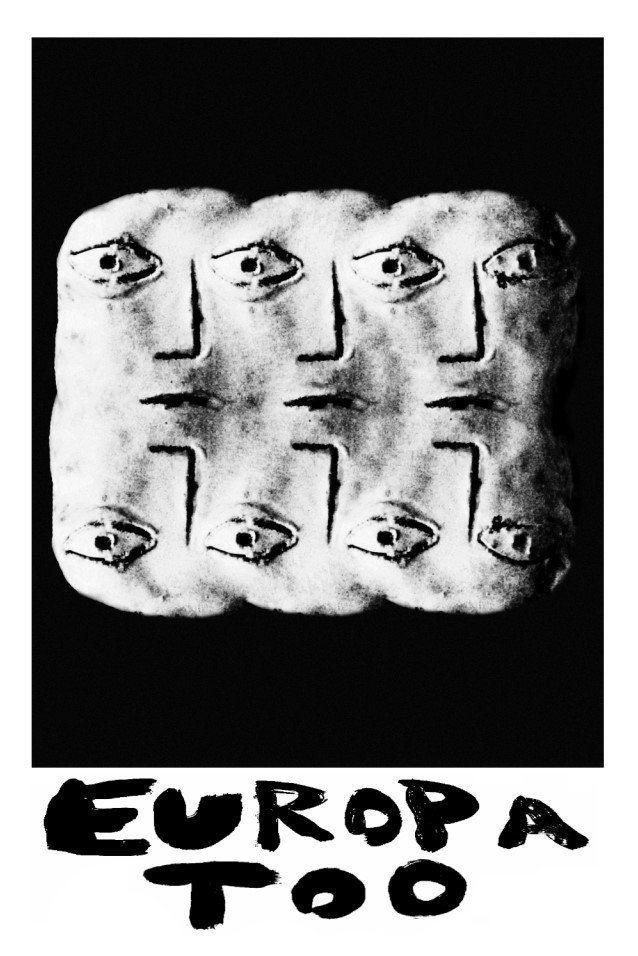
A short film spelling Tokyo in hiragana.
Social & External
SEELE orders an all-out attack on NERV, aiming to destroy the Evas before Gendo can advance his own plans for the Human Instrumentality Project. Shinji is pushed to the limits of his sanity as he is forced to decide the fate of humanity.
An anthology of one-minute films created by 51 international filmmakers on the theme of the death of cinema. Intended as an ode to 35mm, the film was screened one time only on a purpose-built 20x12 meter public cinema screen in the Port of Tallinn, Estonia, on 22 December 2011. A special projector was constructed for the event which allowed the actual filmstrip to be burnt at the same time as the film was shown.
In a nightmarish world, dominated by the decline and degradation of Man , Christ resurrected wandering, across three different eras of human history.
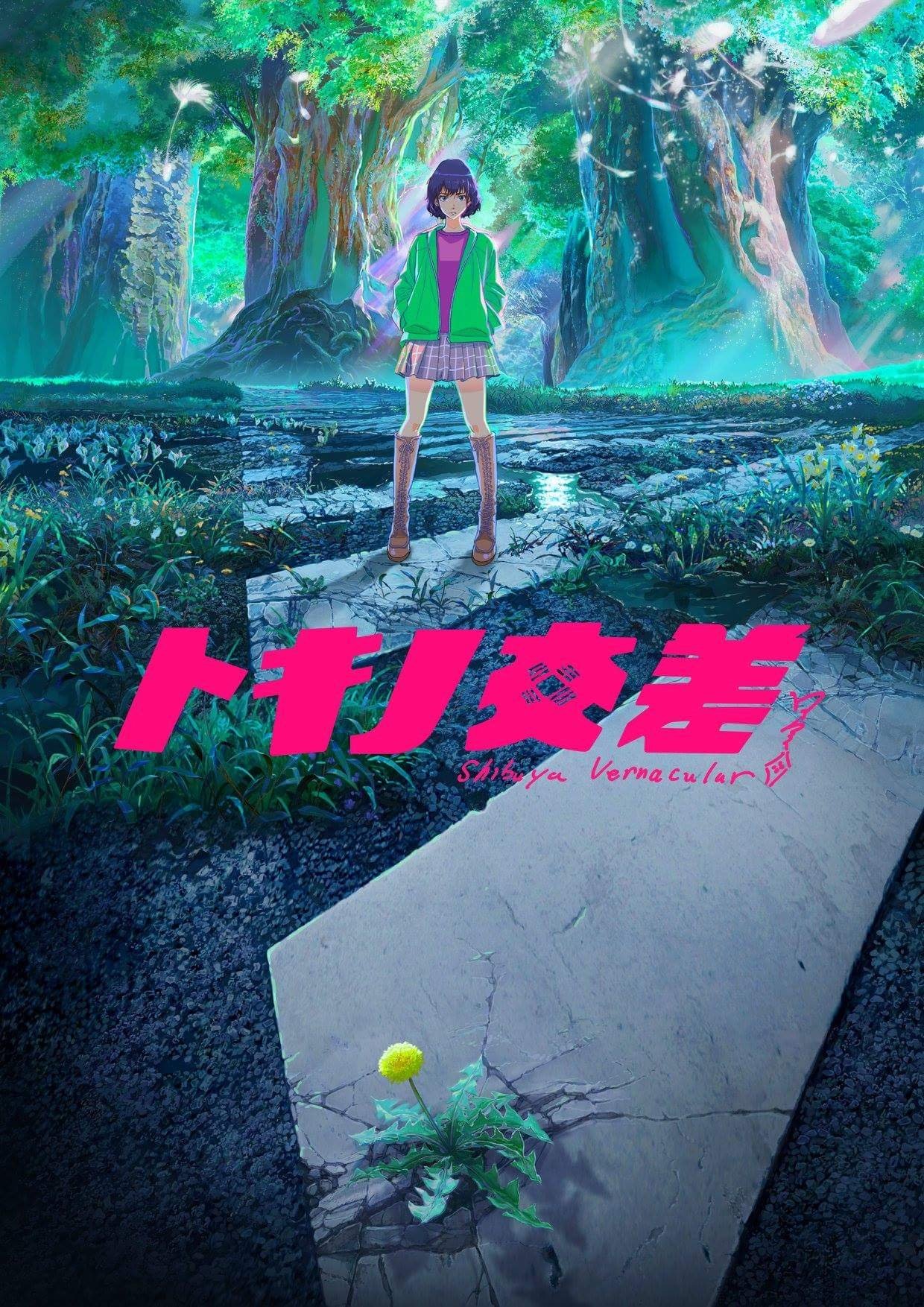
A four-dimensional short anime will start at the very beginning of Shibuya Crossing, that is, 10,000 years in the past. The anime is part of a collaborative project helmed by Yoshitoshi Shinomiya. It features a hybrid of animation and live-action. The short was screened on Shibuya's Crossing screens and a YouTube-friendly version was posted as well. (Source: ANN)
A film in which the one 60-story skyscraper that soars in the spaces between roofs spins with incredible speed. I centered the circumference with its 400 or 500 meter radius on the skyscraper and divided it into 48 sections, then took photographs from those spots and shot the photographs frame by frame.
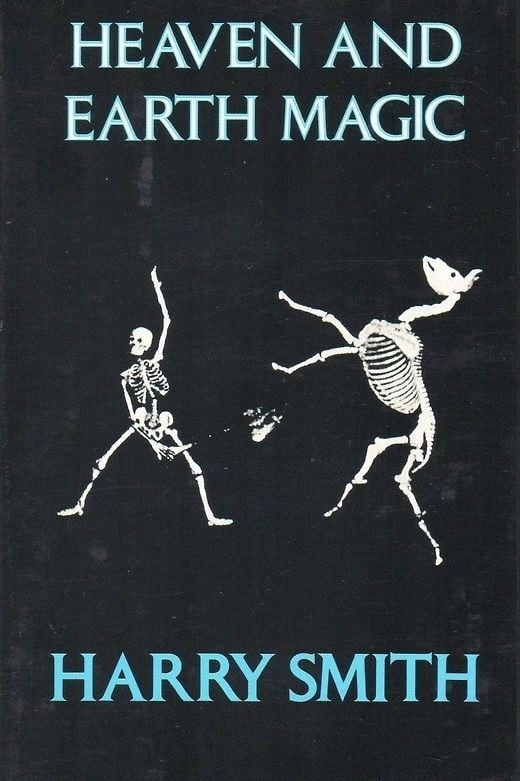
The first part depicts the heroine's toothache consequent to the loss of a very valuable watermelon, her dentistry and transportation to heaven. Next follows an elaborate exposition of the heavenly land, in terms of Israel and Montreal. The second part depicts the return to Earth from being eaten by Max Müller on the day Edward VII dedicated the Great Sewer of London.
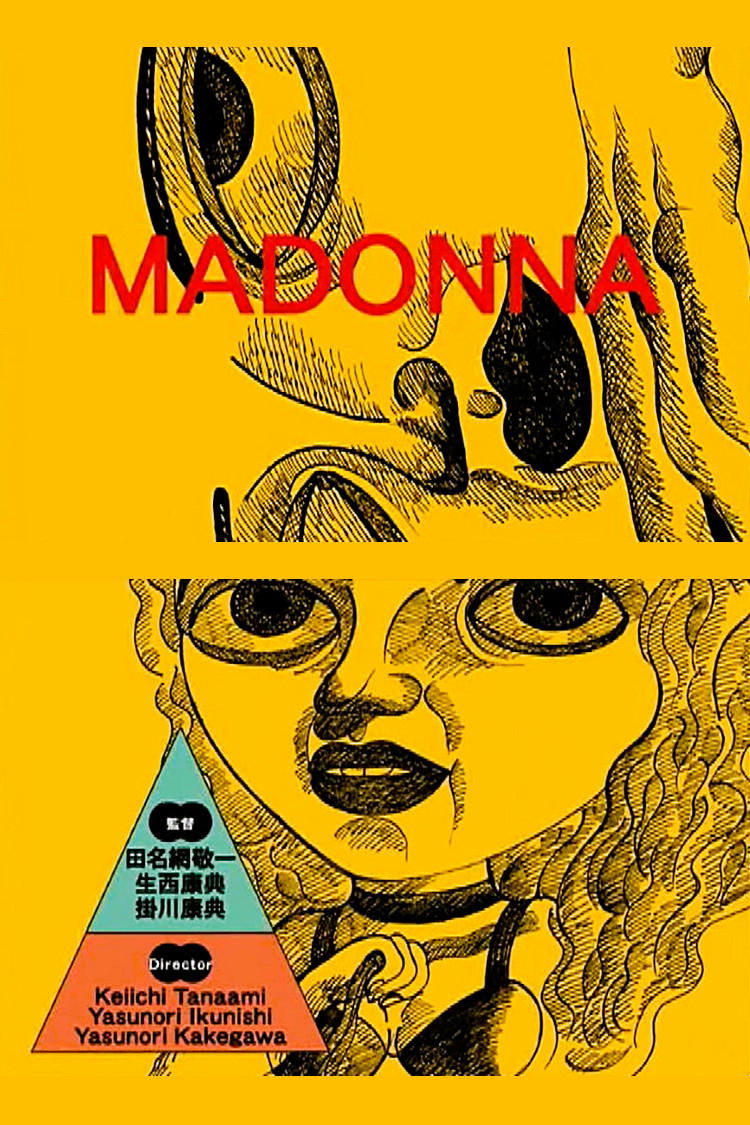
In Madonna, Tanaami employs his signature collage-style animation, combining pop art influences, retro aesthetics, and surrealistic motifs. The film explores themes of desire, fantasy, and memory, often referencing elements of post-war Japanese culture and American pop culture.
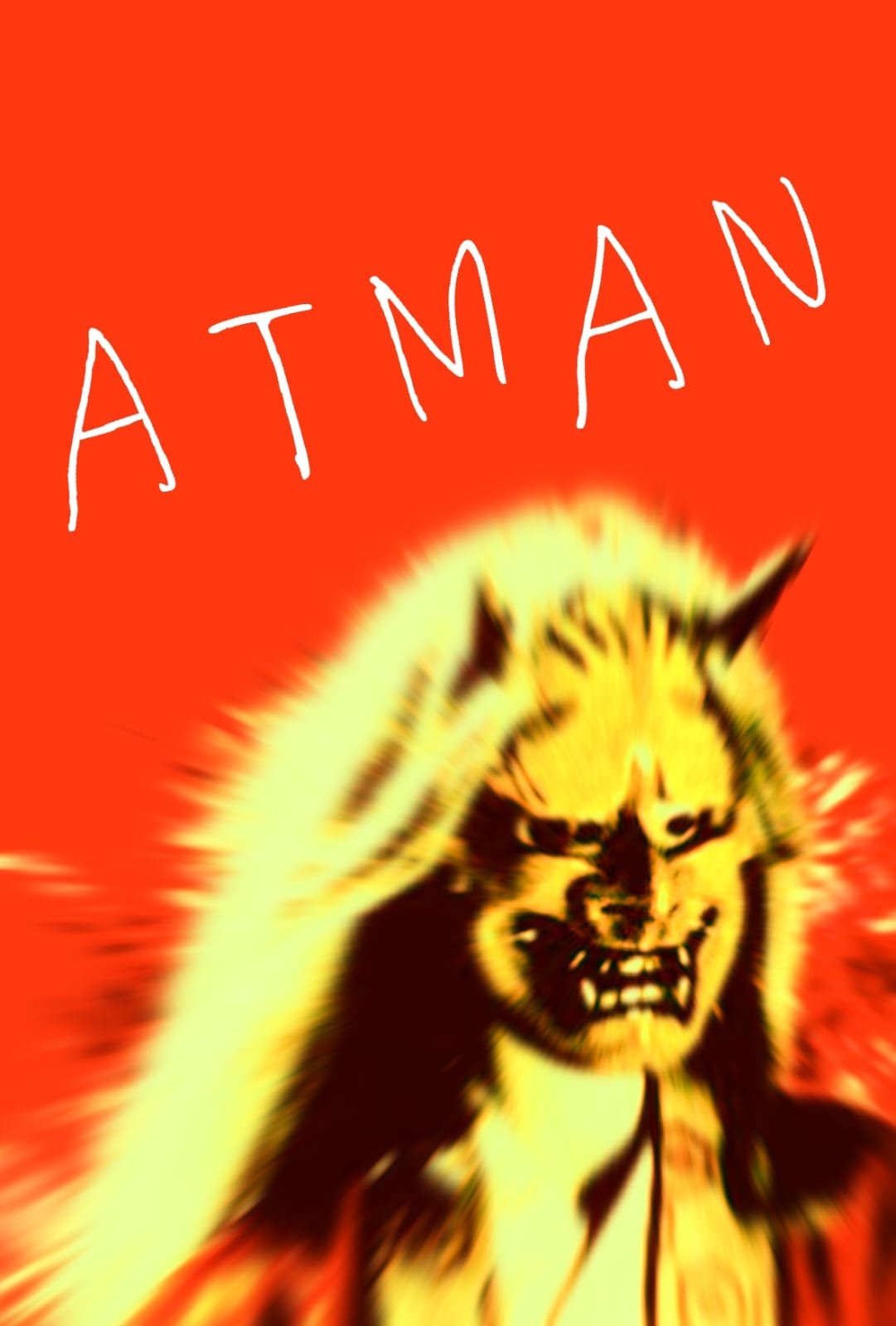
ĀTMAN is a visual tour-de-force based on the idea of the subject at the centre of the circle created by camera positions (480 such positions). Shooting frame-by-frame the filmmaker set up an increasingly rapid circular motion. ĀTMAN is an early Buddhist deity often connected with destruction; the Japanese aspect is stressed by the devil mask of Hangan, from the Noh, and by using both Noh music and the general principle of acceleration often associated with Noh drama.
In an urban Indian city, A struggling actor battles for his career, but his friend who loses money in a scam deal commits an action that puts both of their lives in danger. The three last days before the incident follows the struggling actor, an ambitious filmmaker, a wannabe hustler, an opportunist, a lover and two cinephile thugs, through an inter-twining vignette of their lives.
We are first presented a cobweb castle, filled with the haunting doubts of the young protagonist. Spirits appear on the screen and are heard on the soundtrack. Gradually a female guide emerges and escorts the young man into an antechamber to another (and possibly higher) world.
An anthology of surreal films by Patrick McGuinn featuring Vincent, a puppet who is obsessed with Twinkies and pasta.
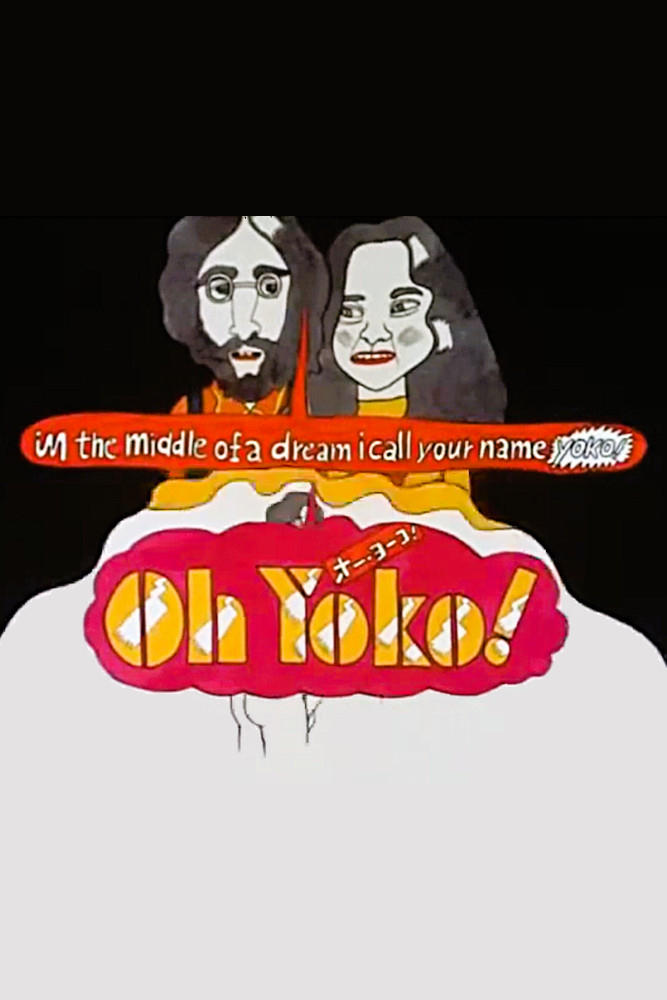
Animation by japanese artist Keiichi Tanaami for John Lennon's song "Oh Yoko!" -- the song was released in 1971, and the animation made in 1973. Keiichi Tanaami (田名網 敬一, Tanaami Keiichi, born in 1936 in Tokyo) was one of the leading pop artists of postwar Japan, and was active as multi-genre artist since the 1960s as a graphic designer, illustrator, video artist and fine artist until his death in 2024.
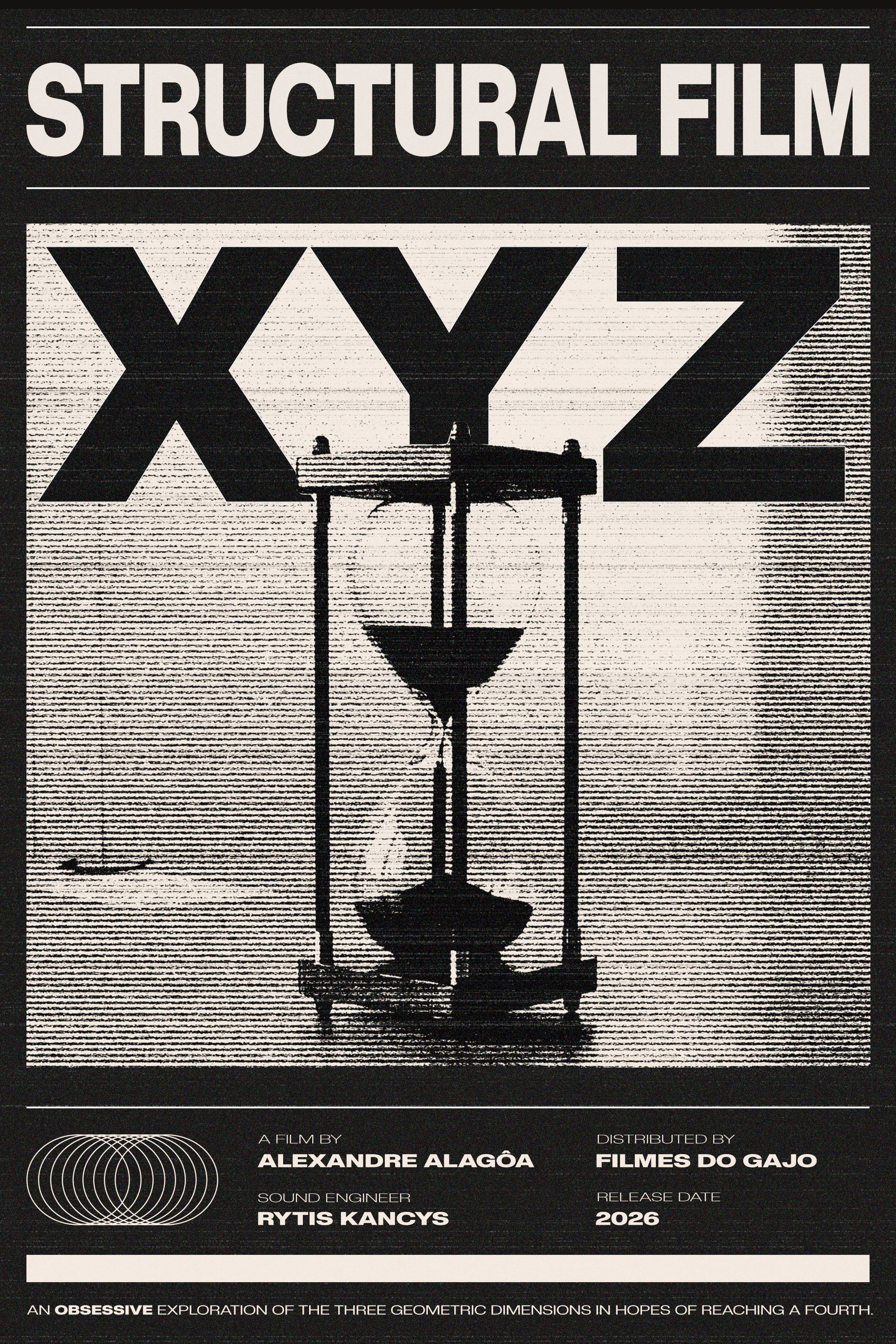
An obsessive exploration of the three geometric dimensions in hopes of reaching a fourth.
Hans Richter, noted for his abstract shorts, has everyday objects rebelling against their daily routine.
A visual representation, in four parts, of one man's internalization of "The Divine Comedy." Hell is a series of multicolored brush strokes against a white background; the speed of the changing images varies. "Hell Spit Flexion," or springing out of Hell, is on smaller film stock, taking the center of the frame. Montages of color move rapidly with a star and the edge of a lighted moon briefly visible. Purgation is back to full frame; blurs of color occasionally slow down then freeze. From time to time, an image, such as a window or a face, is distinguishable for a moment. In "existence is song," colors swirl then flash in and out of view. Behind the vivid colors are momentary glimpses of volcanic activity.
In the 1920s, Man Ray directed four films which, although largely unknown by the general public, made him into a major figure in avant-garde cinema. His films were to be as radical as his images or objects. Included: Le Retour à la Raison, Les Mystères du Château du Dé, Emak-Bakia, L'étoile de Mer and collected shorts.
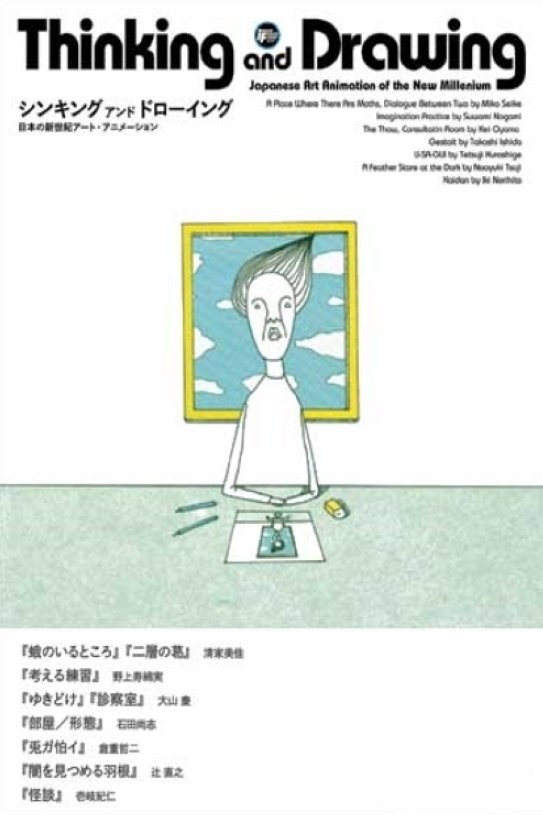
The walls of video rental shops in Japan are lined with hundreds upon hundreds of animation DVDs, but experimental and art animation on DVD are rare. To remedy this situation, Image Forum put together this showcase of the work of contemporary avant-garde animators trained in Kyoto and Tokyo.
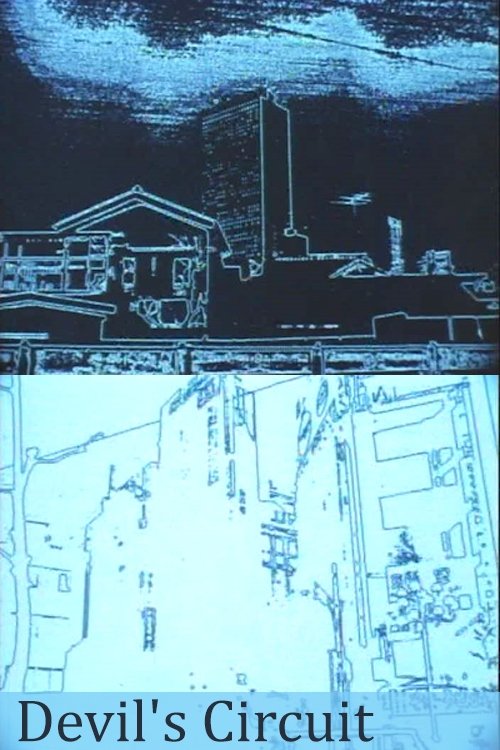
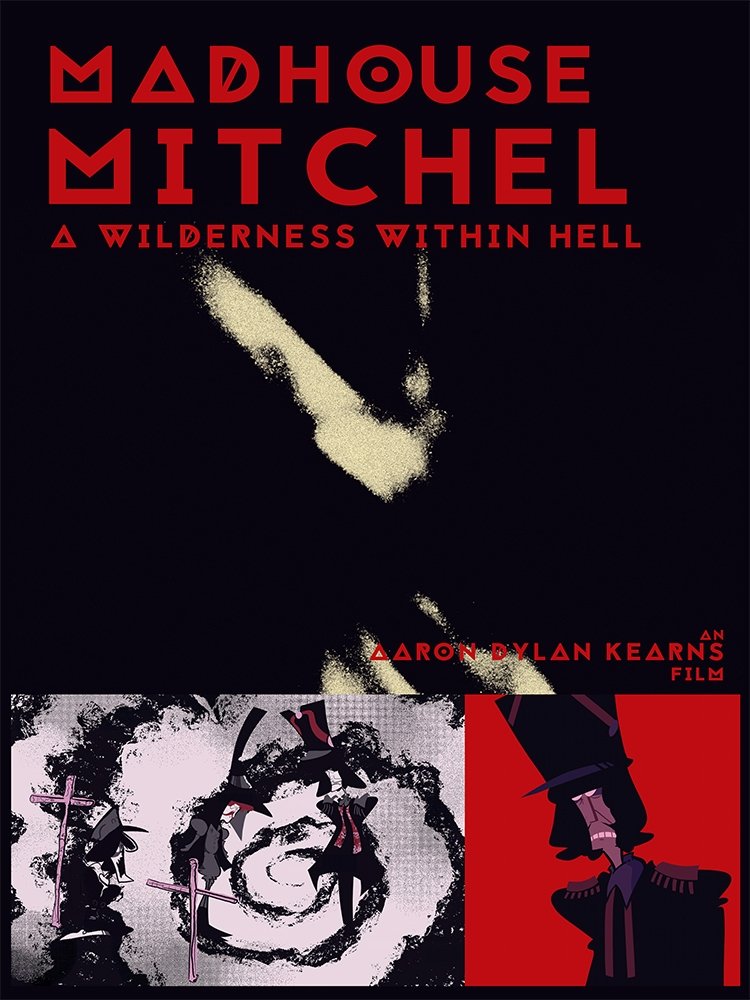
Creeping from the halls of the maze brain, corruption and terror is woven by devils born from the denied errors of mankind.
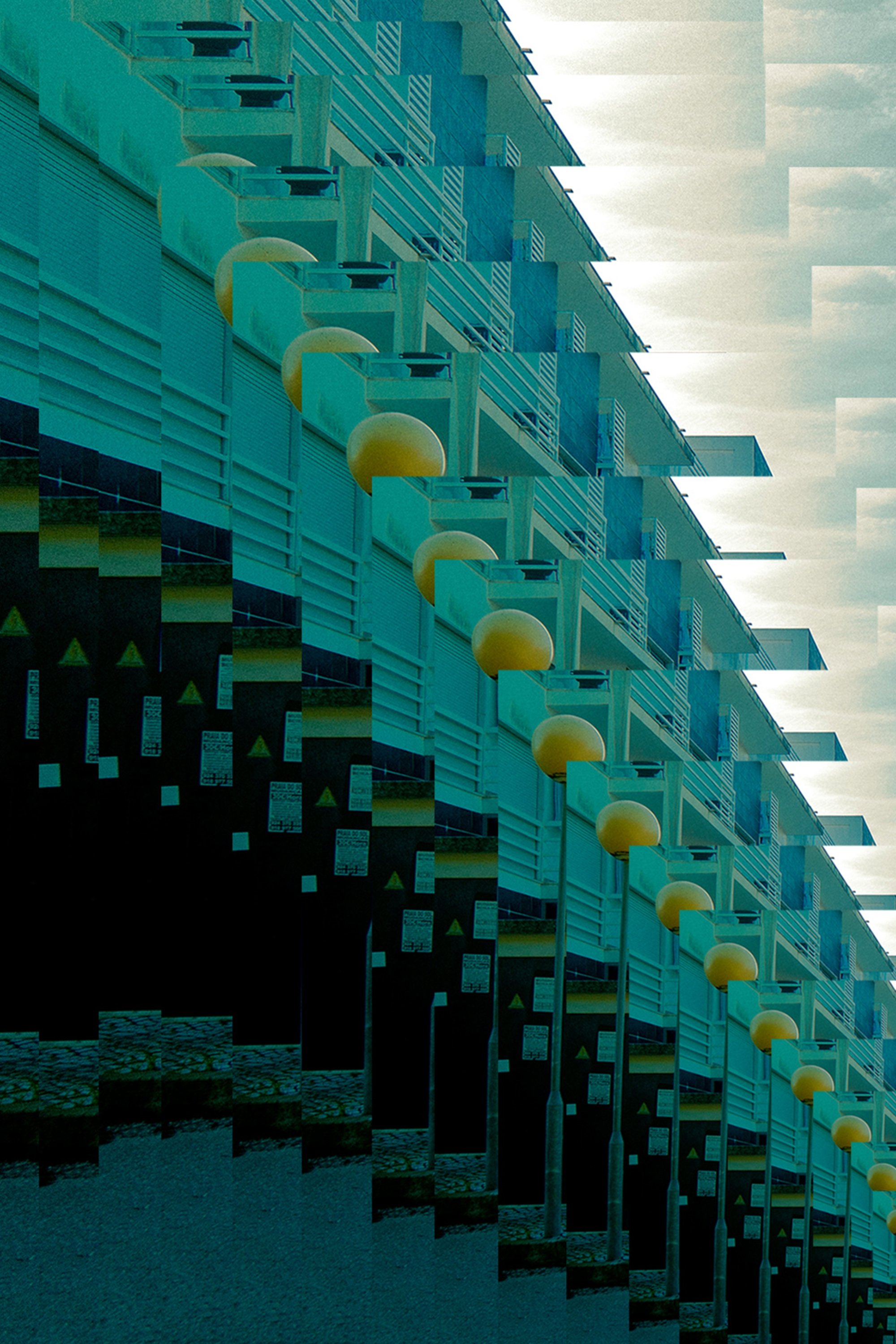
The corner of a street is matched and mixed with the chant of a bird recorded on that same street. A symbiotic relationship is triggered: the rapid and successively repetitive montage cuts between the image of the street and the corners of the video frame itself produce new textures and shapes in our brain, whilst the sound follows the same rhythmic movements by emphasizing different “corners” (frequencies) from the bird’s singing. The energetic potency stemming from the junction of these elements creates a new image that is almost tactitle, maleable and rippling. The result is a somewhat humorous operation of the portuguese word "corner" throughout the different stages of making the piece, finally unveiling a piercing physical and kinetic experience for all the corners of our eyes and ears.
Naruto faces off against his old pupil Konohamaru in a tournament during the chuunin entrance exams.
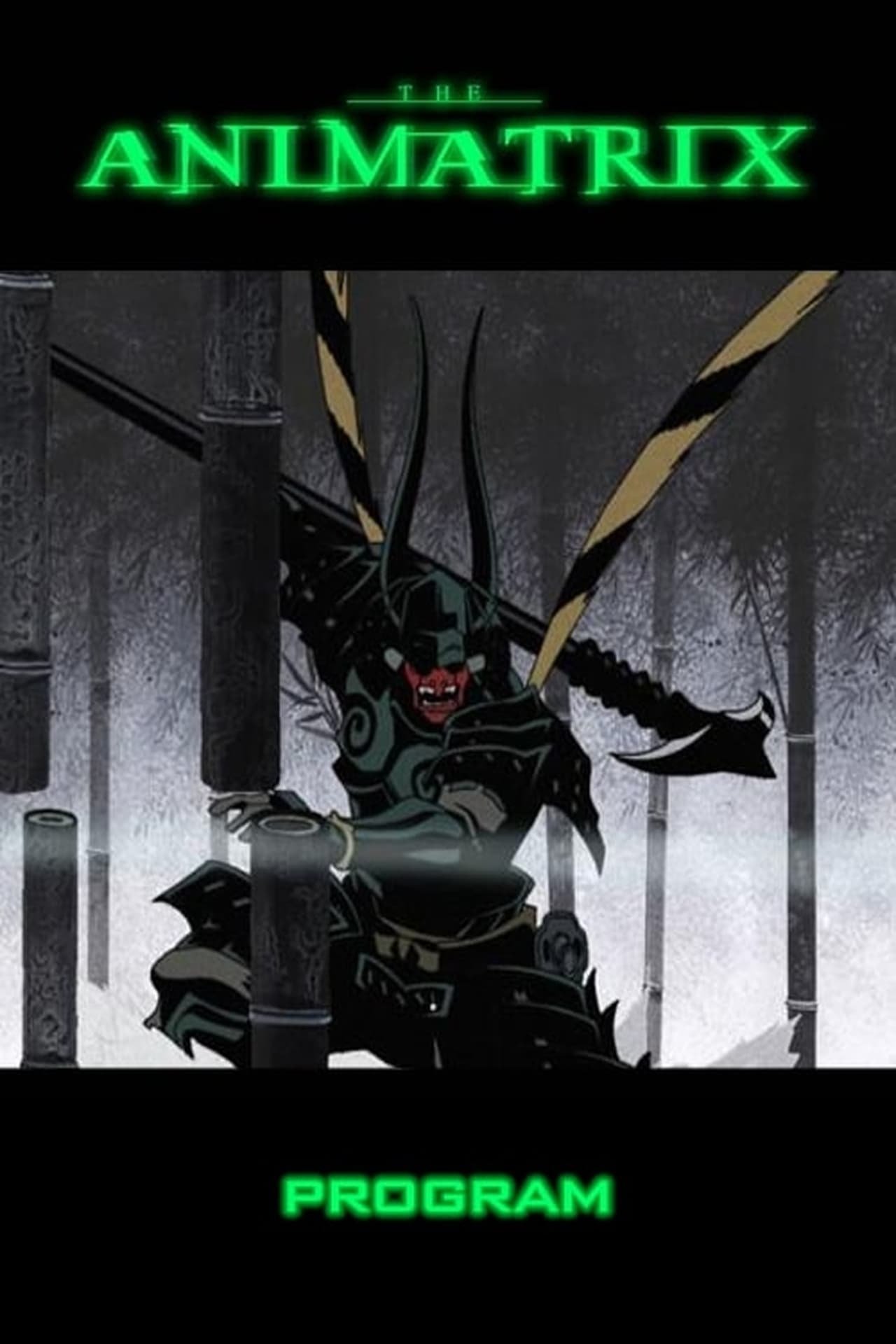
Cis and Duo discuss leaving the real world while during a samurai sword fight. Part of the Animatrix collection of animated shorts set in the Matrix universe.
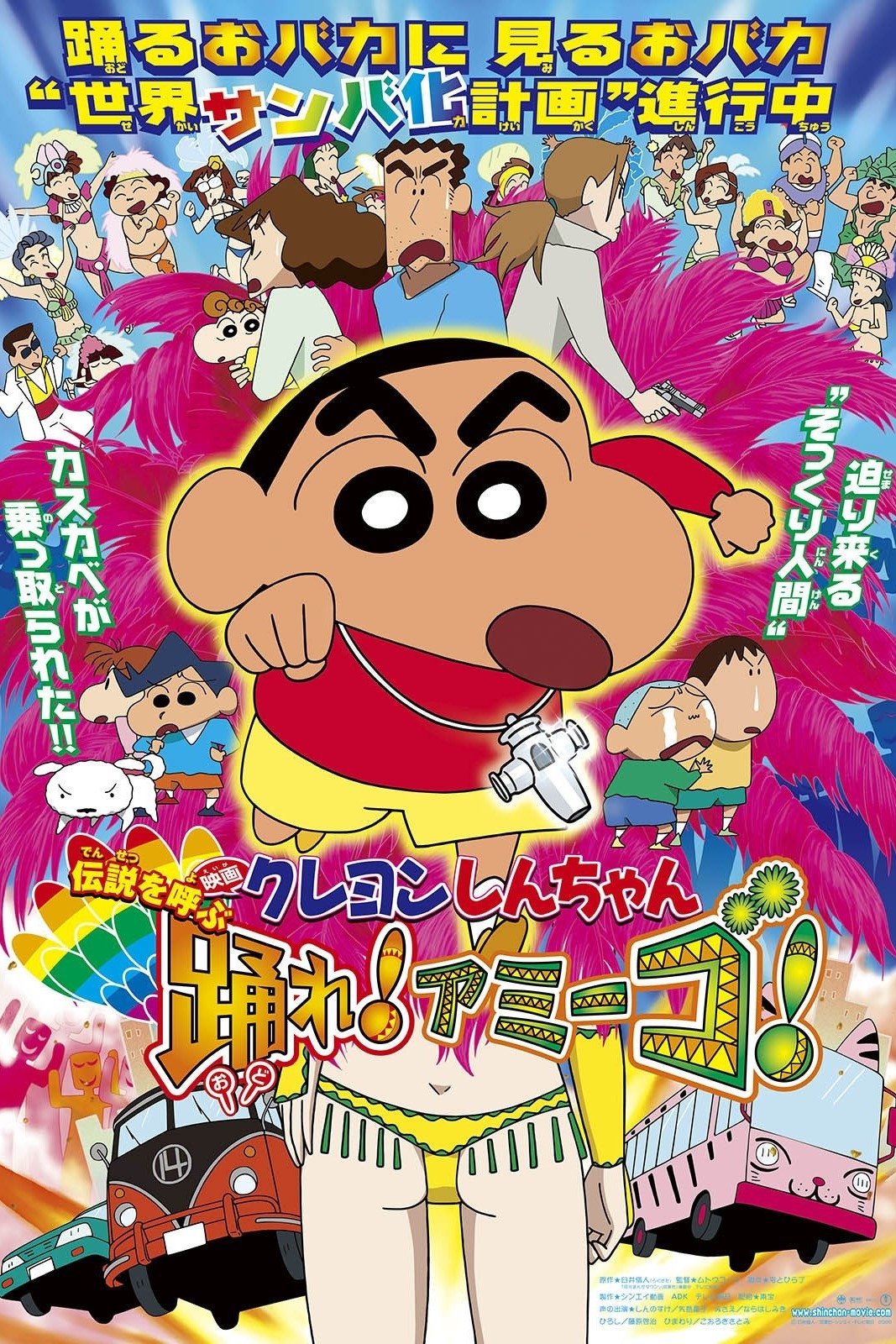
Something sinister's afoot in Kasukabe. Shin-chan doesn't know what it is, but he's pretty sure it involves samba-dancing doppelgängers.
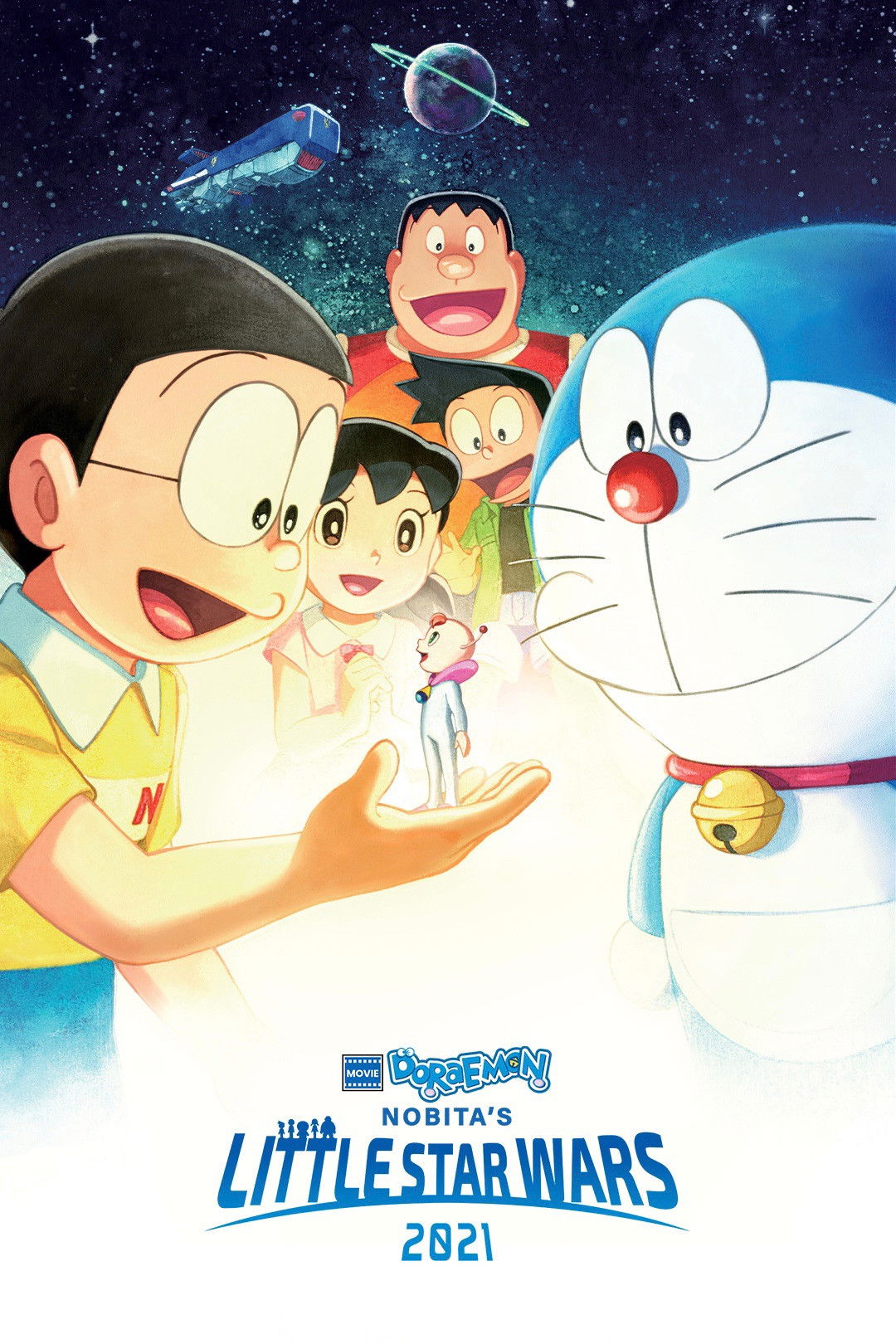
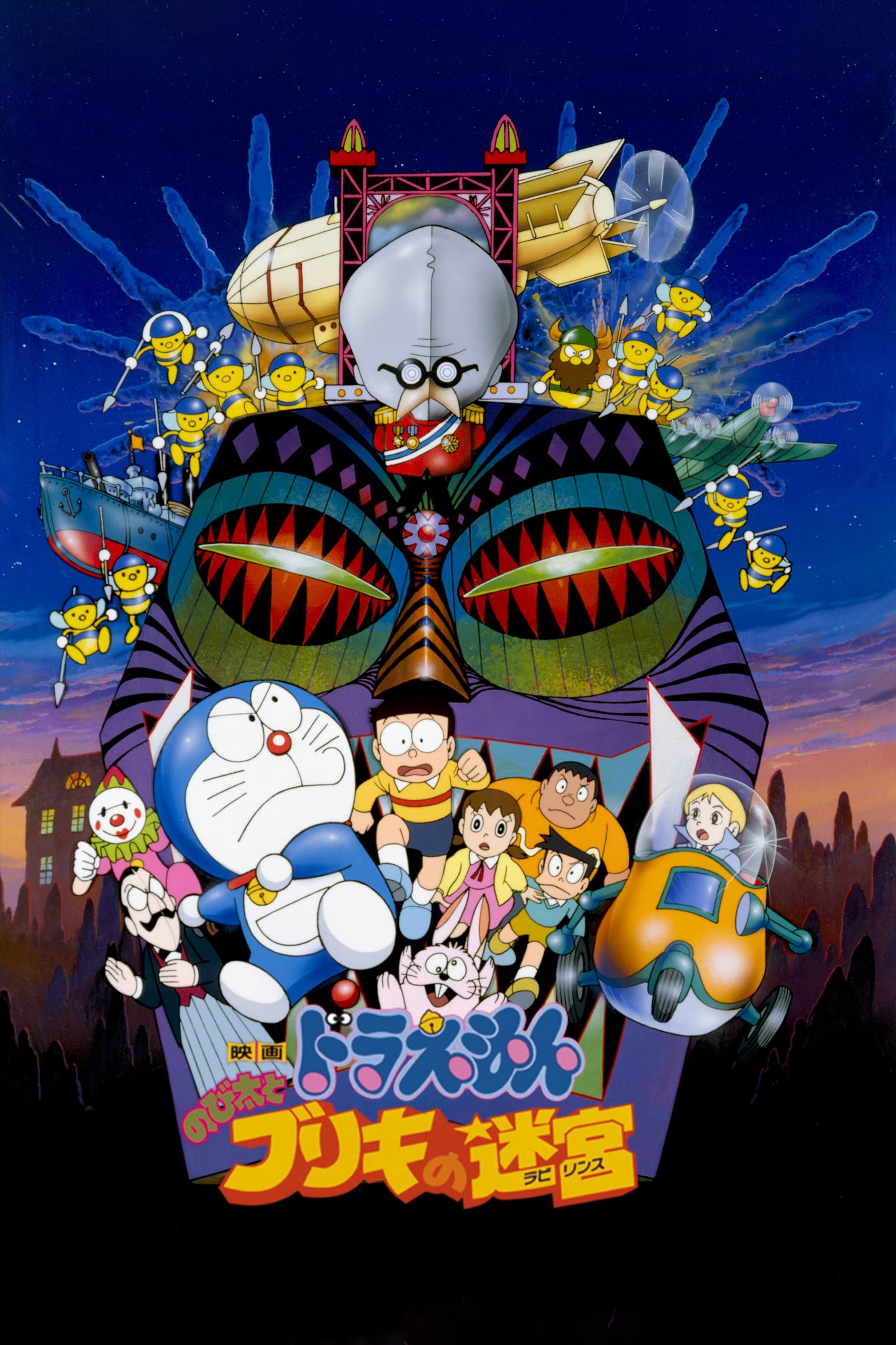
During summer vacation Nobita picks up a small rocket containing Papi, a palm-sized alien president escaping rebels on his home planet Pirika.
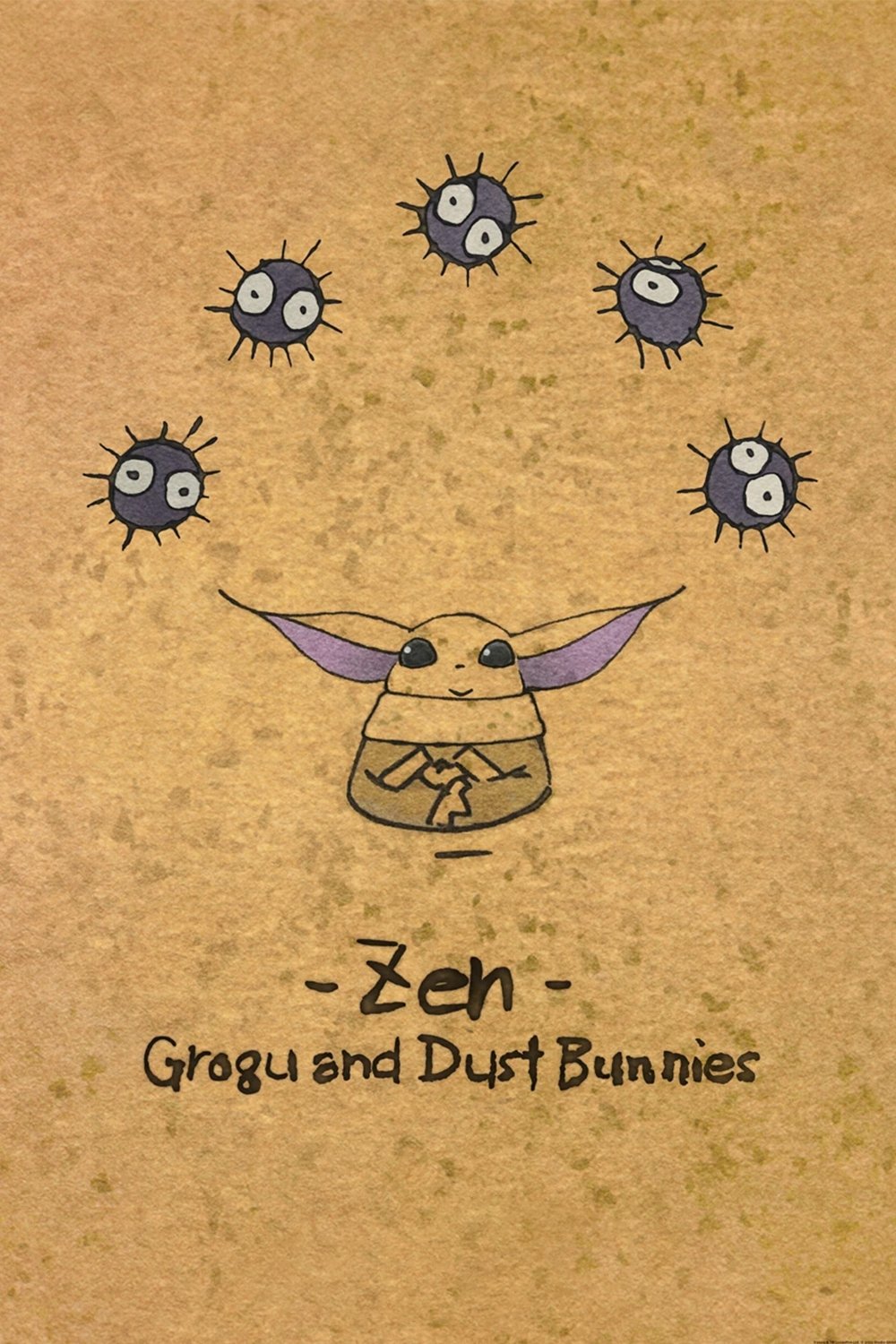
A hand drawn animated short by Studio Ghibli.
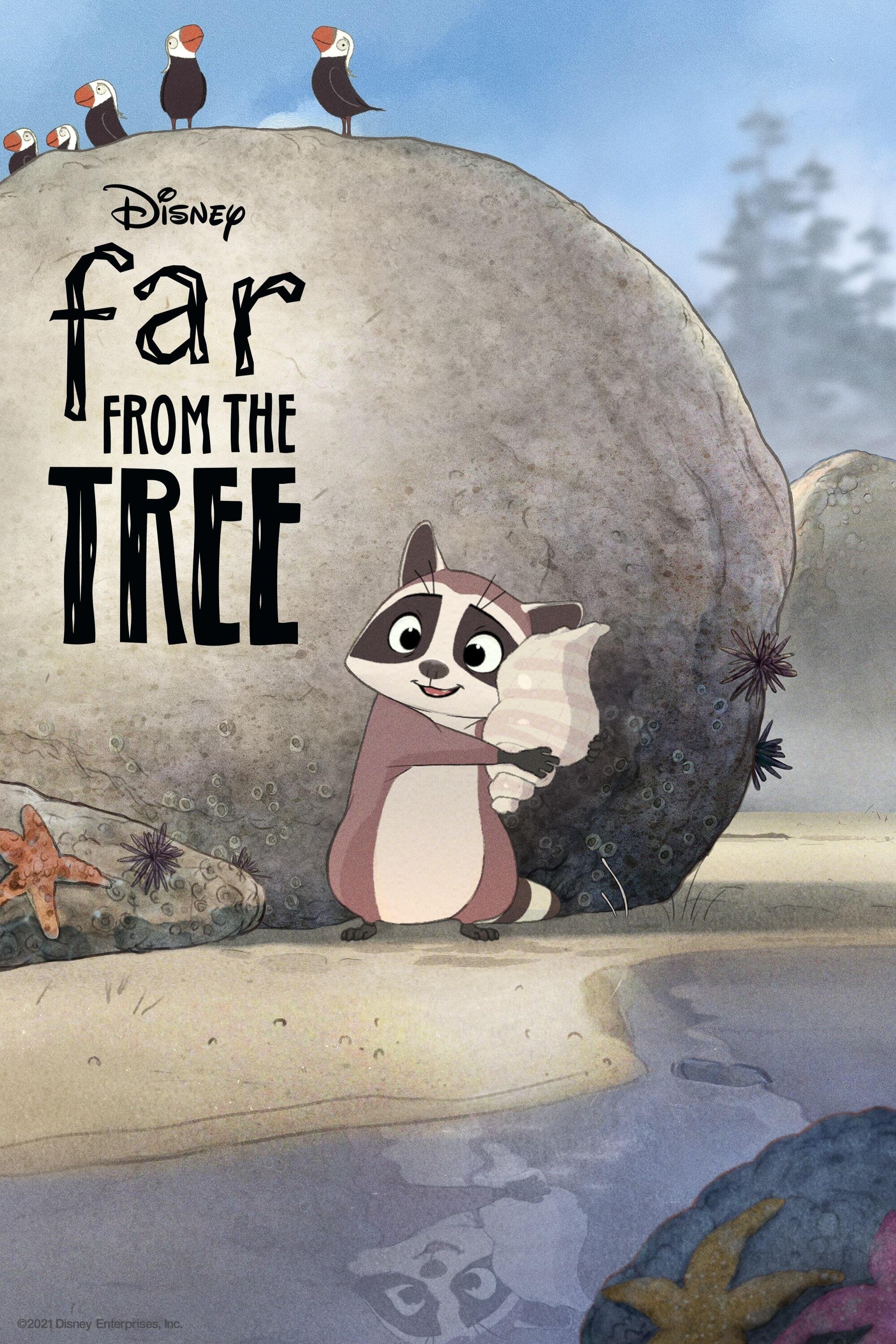
On an idyllic beach in the Pacific Northwest, curiosity gets the better of a young raccoon whose frustrated parent attempts to keep them both safe.
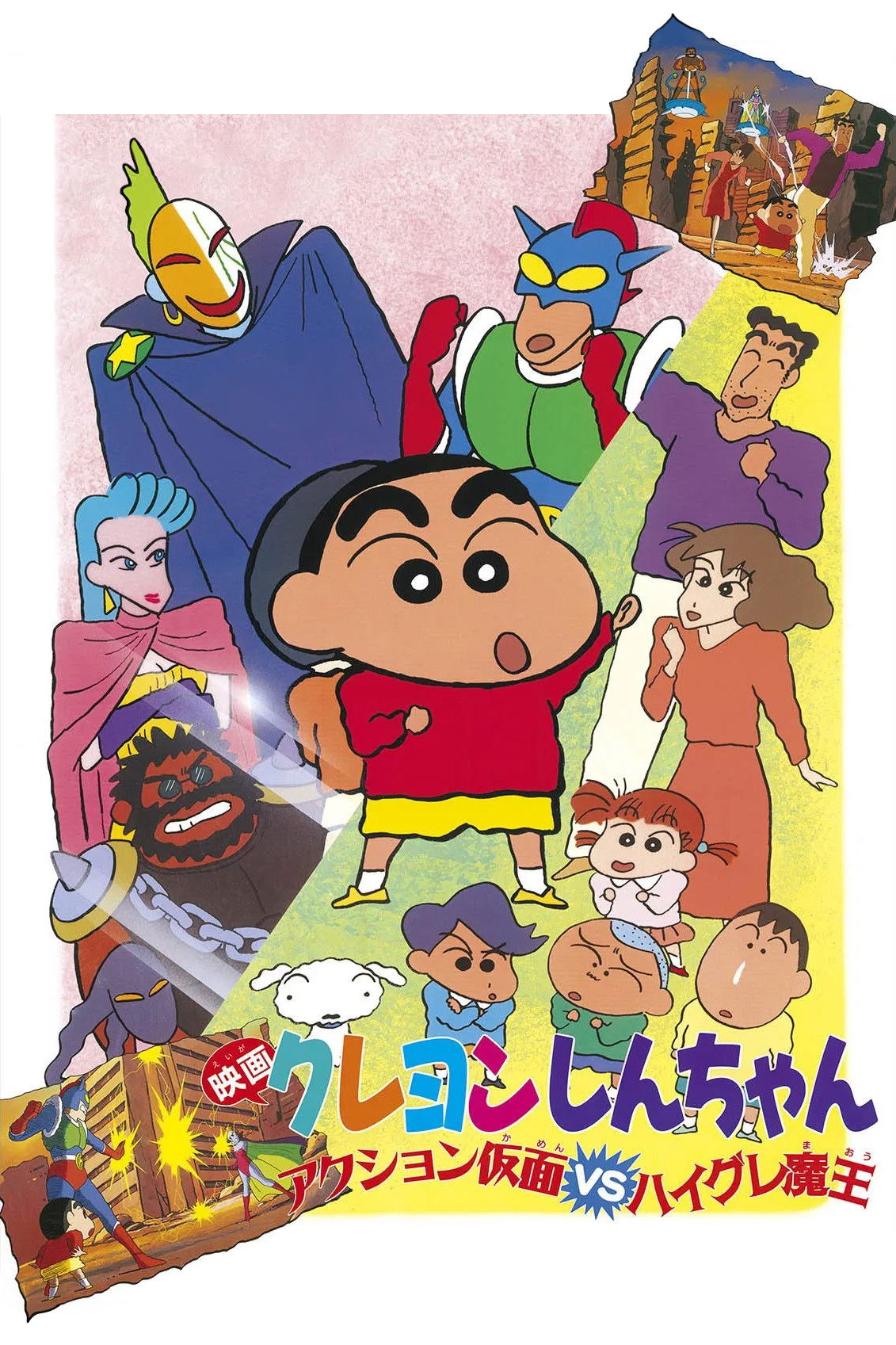
Everyone's favorite TV superhero Action Mask shows up in Kasukabe, and he's trying to get something from Shin-chan -- but what could it be?
Nobita and his friends find a portal to a mysterious resort filled with metal buildings. They soon discover that the person who opened the portal for them has an ulterior motive.
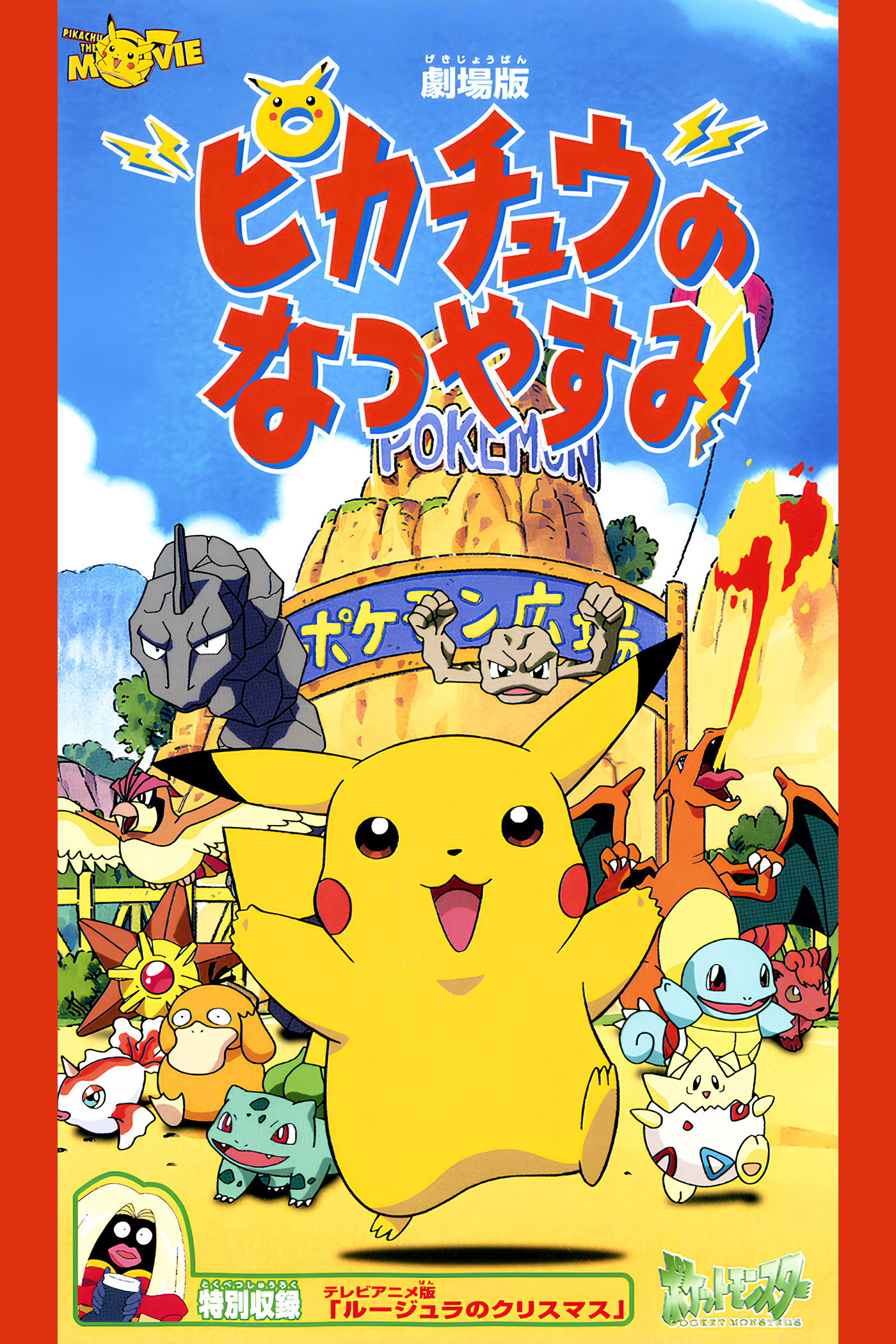
Pikachu and the gang learn responsibility, teamwork as well as cooperation during their Summer vacation at Pokemon Island.
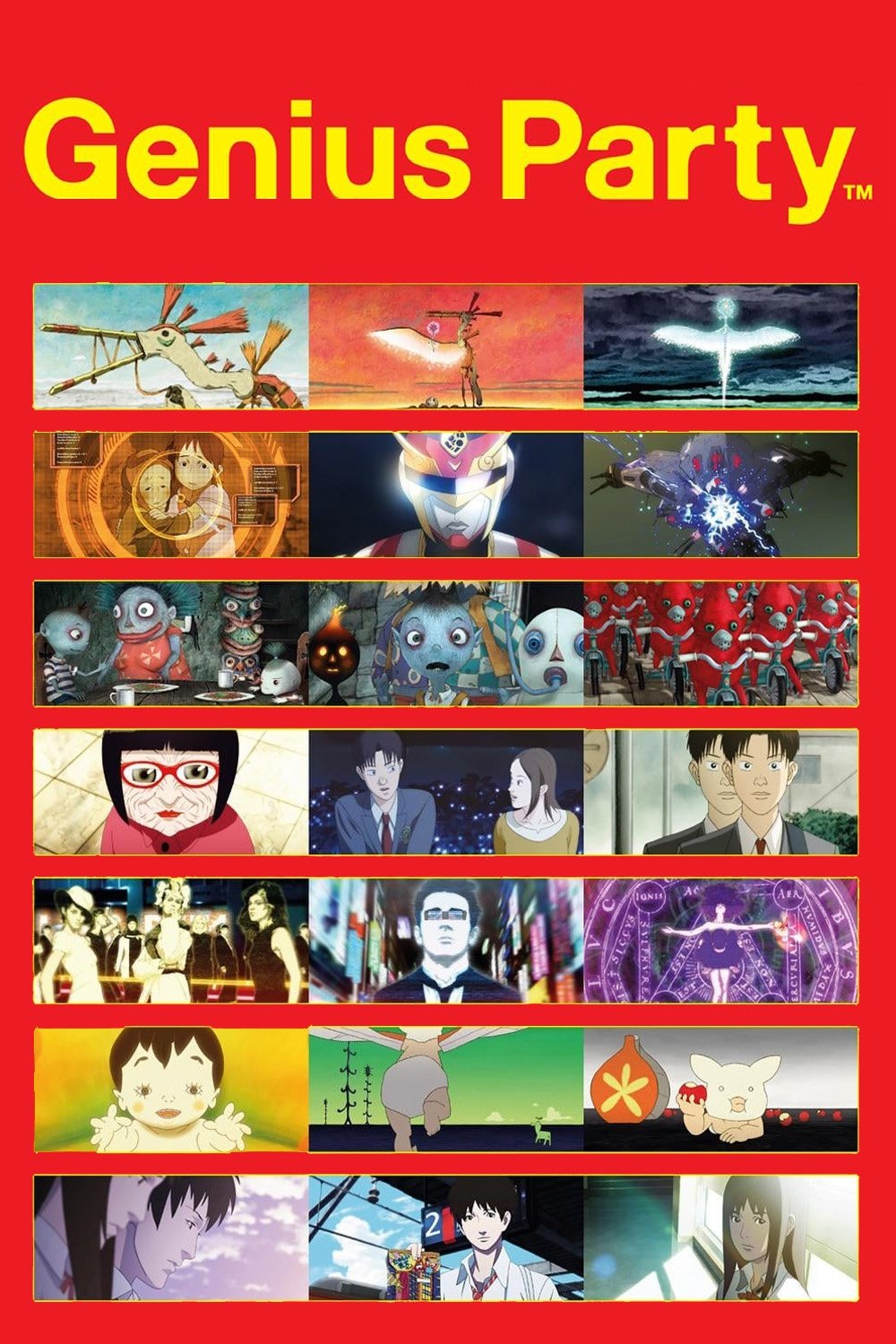
Five stories, five maestros, five styles and one common denominator: maximum creativity. Studio 4°C, the coolest label on the planet, invites us for the second time to an exclusive reunion of a talents with a group film, full of freedom and ingenuity, that goes from Mahiro Maeda's classic anime, to Kazuto Nakazawa's intricate urban sketches, Shinya Ohira's bedlam of color and Tatsuyuki Tanaka's animated cyberpunk. And as if that wasn't enough, Koji Morimoto, the studio big boss, is charge of putting the icing on the cake with fantafabulous piece of abstract poetry that would make a VJ die of ecstasy. The party of the year.
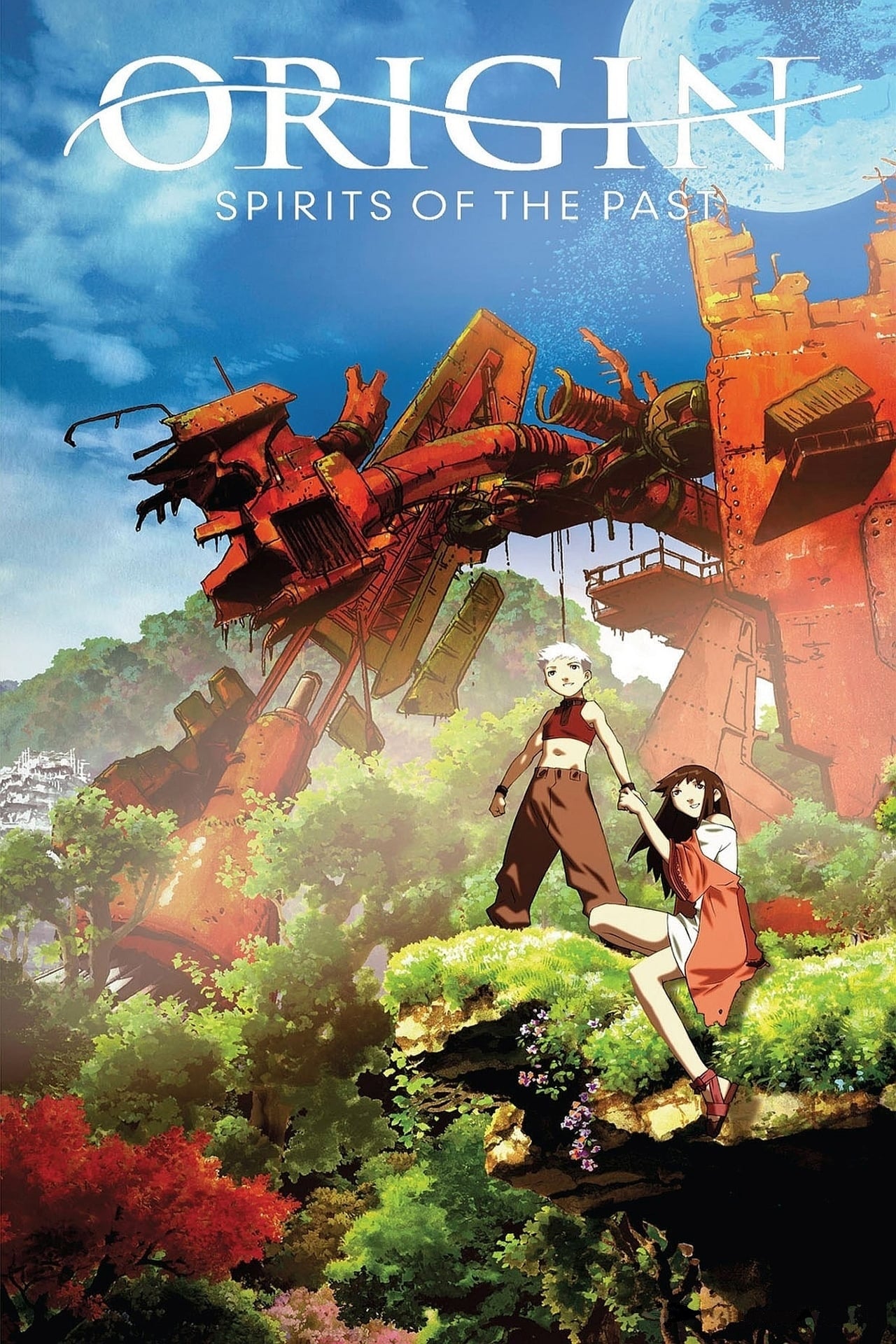
It is 300 years into the future. Earth's environment had been devastated by mankind's own foolish plans and humankind is beleaguered by the sentient forests which they have awoken. The world balance is tipped when a young boy named Agito stumbles across a machine that glowed in a strange blue hue inside a forbidden sanctuary.
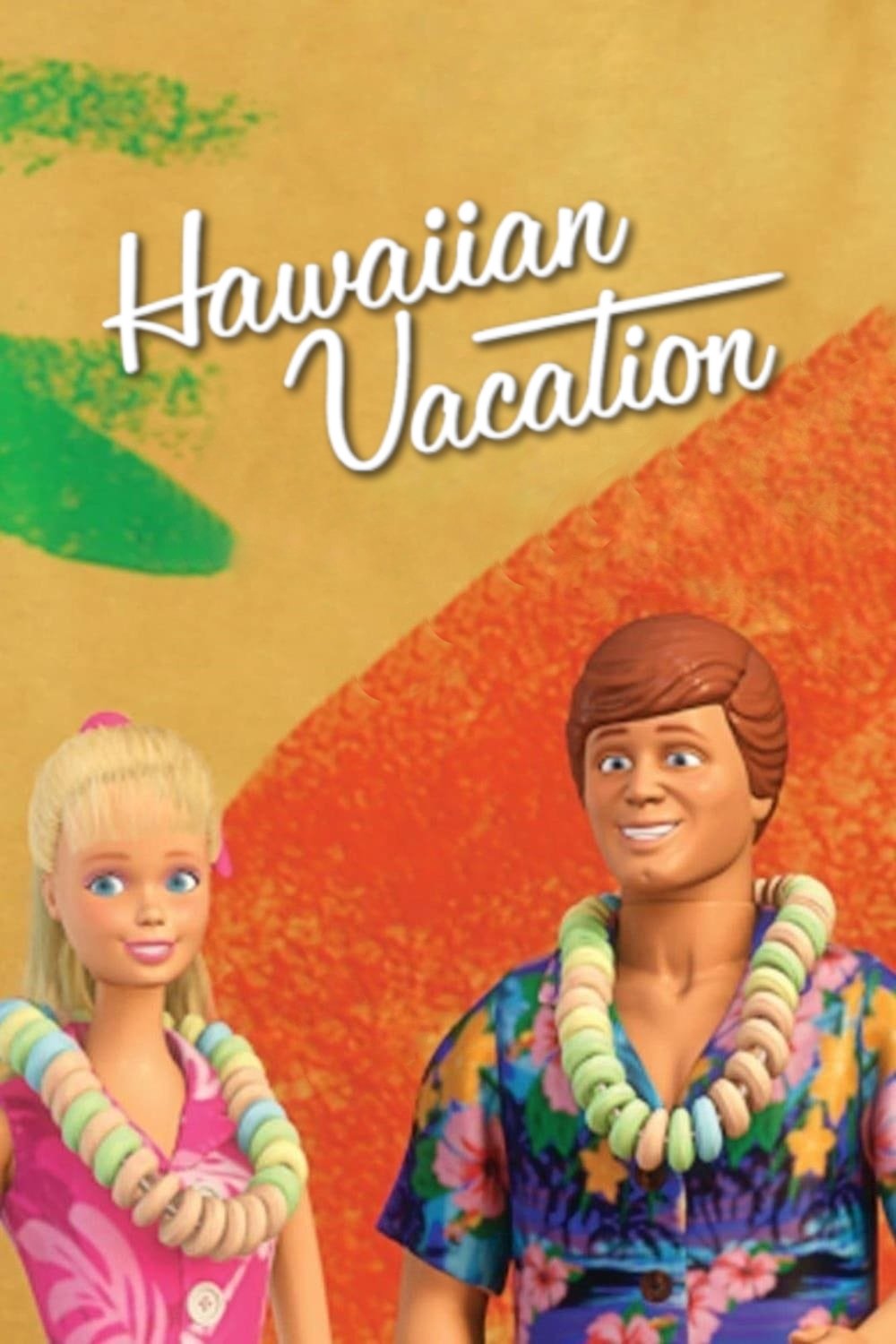
The toys throw Ken and Barbie a Hawaiian vacation in Bonnie's room.
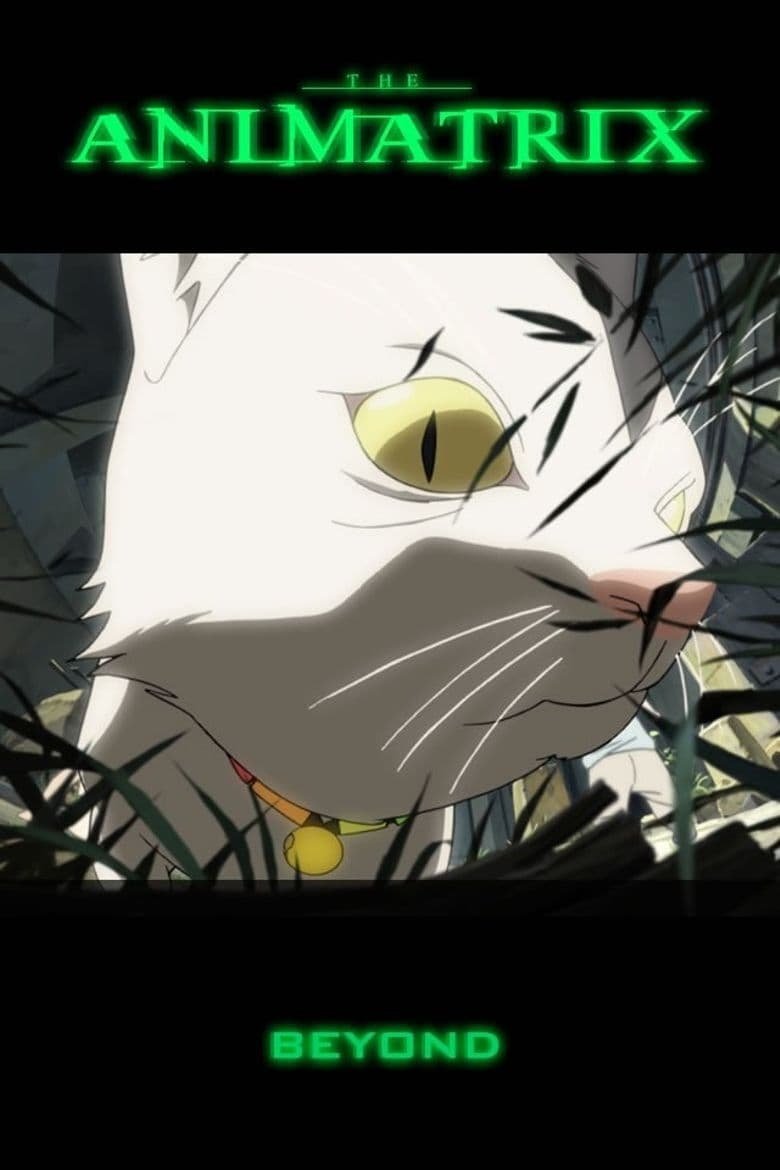
While looking for her cat, a young woman and some kids find an abandoned building where strange things happen and the rules of physics don't always apply. Part of the Animatrix collection of animated shorts set in the Matrix universe.
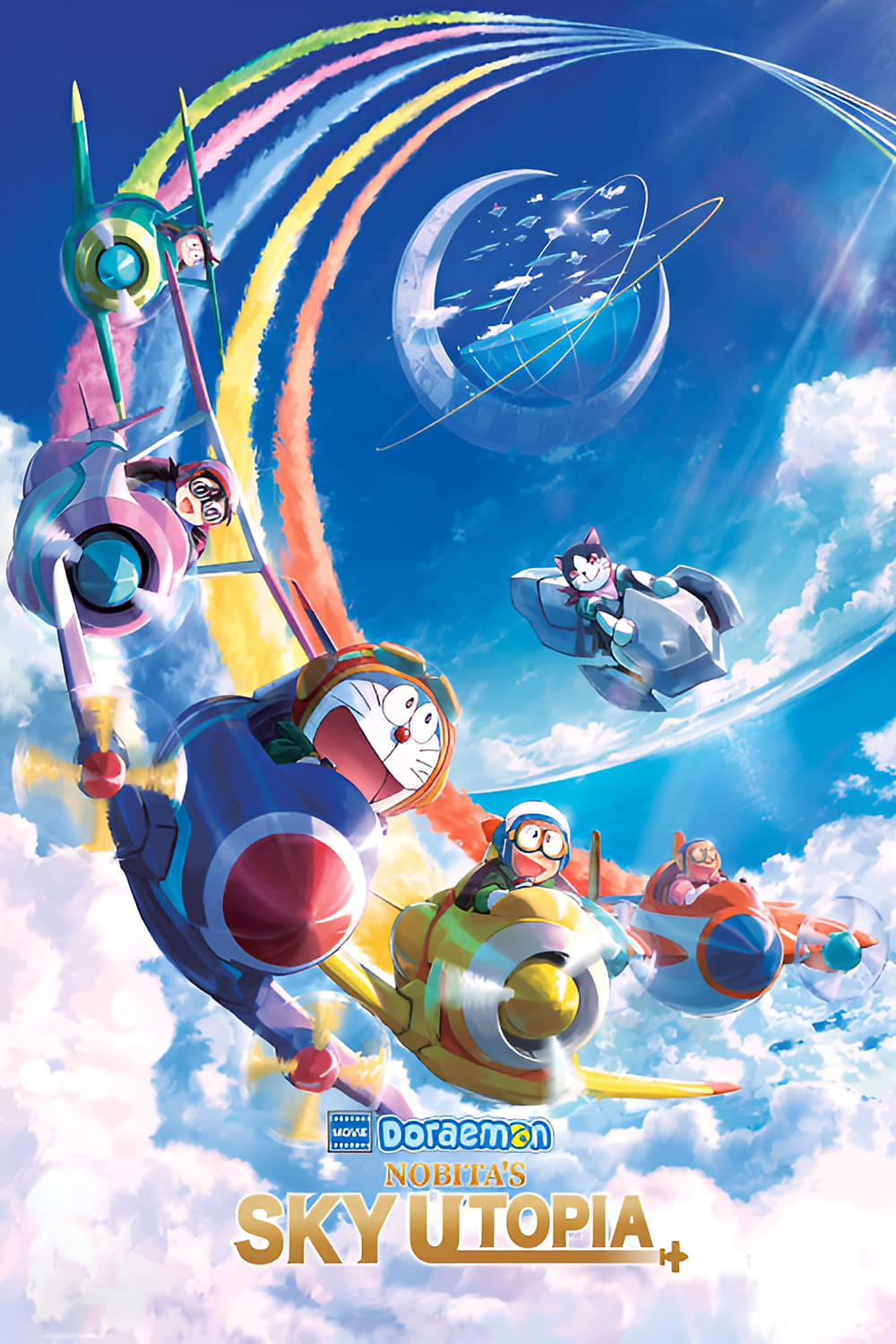
Doraemon, Nobita and his friends go to find Utopia, a perfect land in the sky where everyone lives with happiness, using an airship having a time warp function.
Two recap specials that focus on Team Urameshi's matches in the Dark Tournament and four separate volumes focusing around one of the main characters; Yusuke, Kurama, Hiei, or Kuwabara.
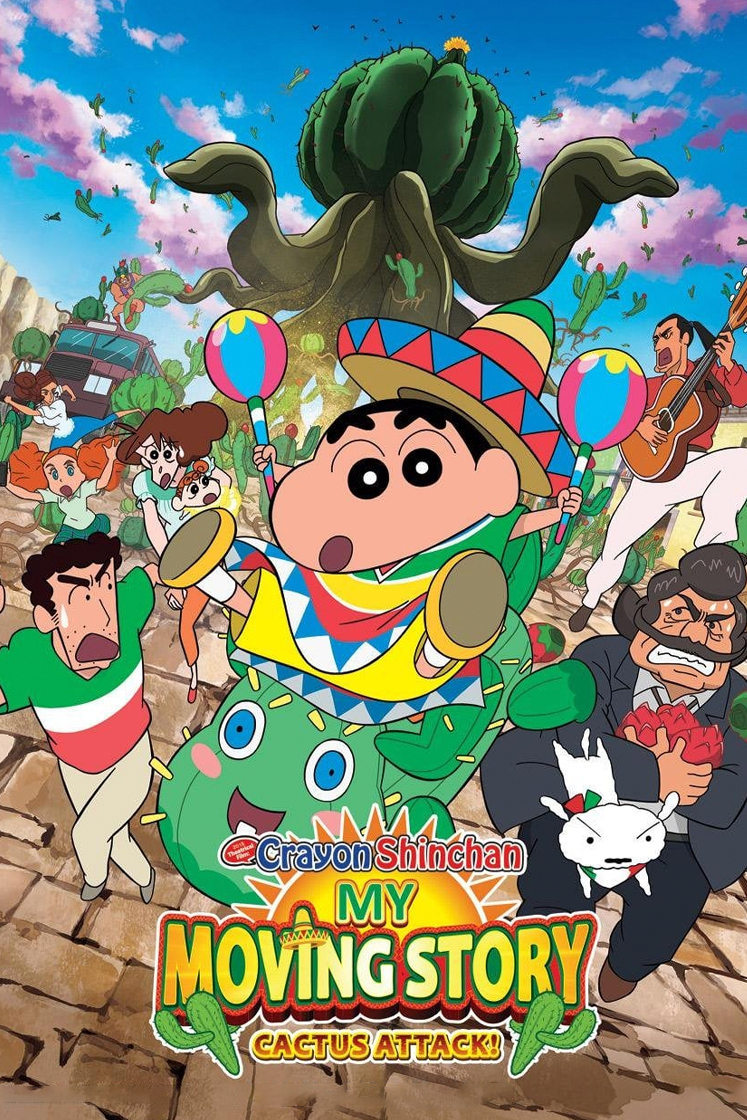
The Noharas must survive a hoard of man-eating killer cacti after Shin-chan's father relocates the family to Mexico for work.
The Noharas go on an Action Mask-themed cruise, where all the grown-ups get kidnapped by a gang of monkeys. It's up to the kids to rescue them!
A traveler is confronted by spirits in an abandoned shrine; a story of honor and firefighting in ancient Japan; a white bear defends the royal family from a monstrous red demon; ragtag soldiers battle a robotic force in futuristic Japan.
The seven short films making up GENIUS PARTY couldn’t be more diverse, linked only by a high standard of quality and inspiration. Atsuko Fukushima’s intro piece is a fantastic abstraction to soak up with the eyes. Masaaki Yuasa, of MIND GAME and CAT SOUP fame, brings his distinctive and deceptively simple graphic style and dream-state logic to the table with “Happy Machine,” his spin on a child’s earliest year. Shinji Kimura’s spookier “Deathtic 4,” meanwhile, seems to tap into the creepier corners of a child’s imagination and open up a toybox full of dark delights. Hideki Futamura’s “Limit Cycle” conjures up a vision of virtual reality, while Yuji Fukuyama’s "Doorbell" and "Baby Blue" by Shinichiro Watanabe use understated realism for very surreal purposes. And Shoji Kawamori, with “Shanghai Dragon,” takes the tropes and conventions of traditional anime out for very fun joyride.
Naruto and his friends must get back a jug of stolen holy water from a band of higher class ninjas.