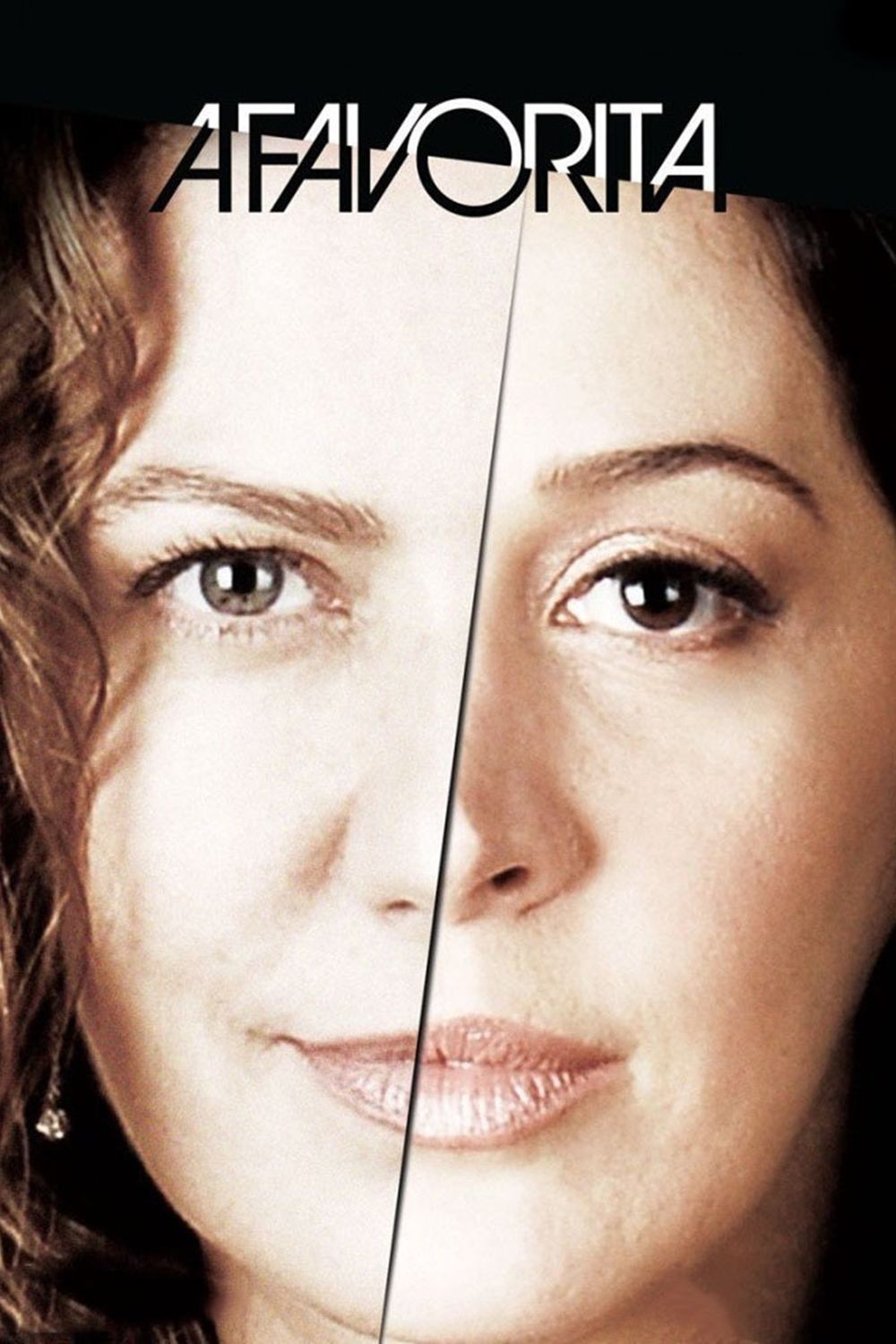
The story of a mother and daughter with opposing views on the path to success in life takes the audience on a contemporary journey about character, ethics and honesty.
Social & External
The people behind it
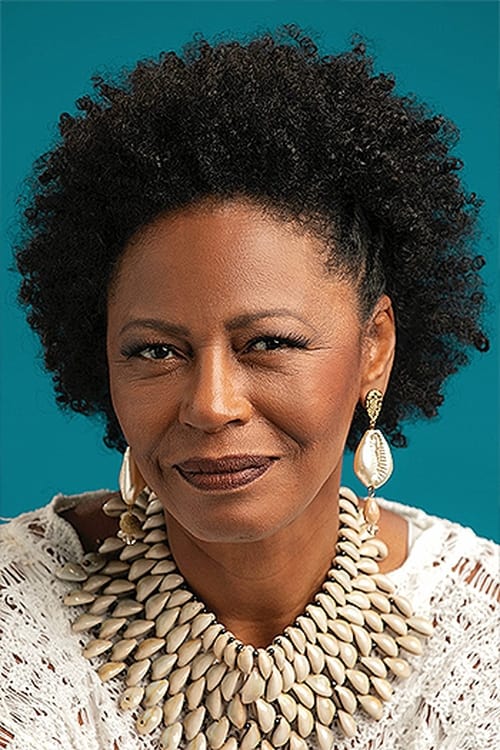
Taís Araújo
Raquel Gomes Accioli
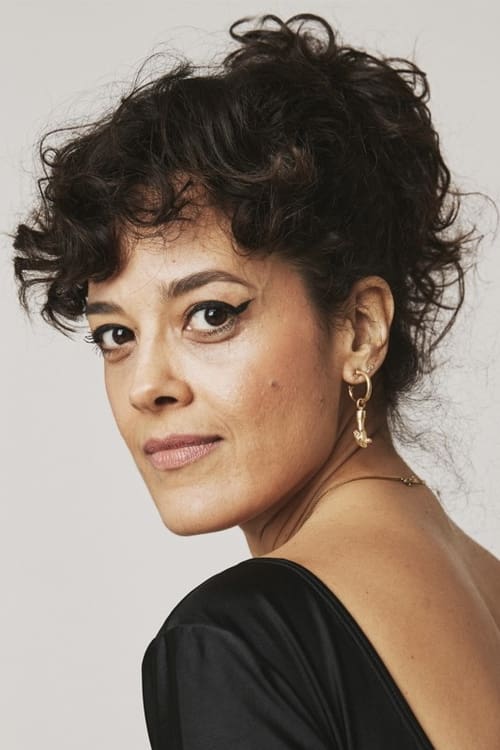
Bella Campos
Maria de Fátima Gomes Accioli

Cauã Reymond
César Ribeiro

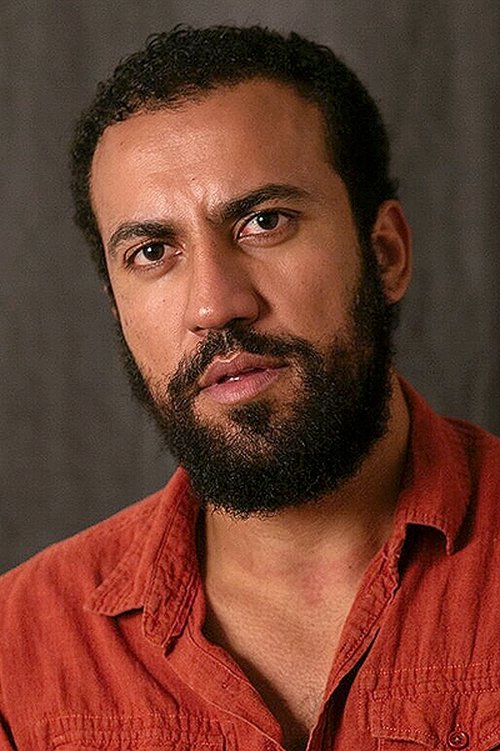
Renato Góes
Ivan Meireles

Paolla Oliveira
Helena de Almeida Roitman (Heleninha)
Humberto Carrão
Afonso de Almeida Roitman
Alice Wegmann
Solange Duprat

Débora Bloch
Odete de Almeida Roitman
Alexandre Nero
Marco Aurélio Cantanhede
Júlio Andrade
Rubens Accioli (Rubinho)
Three lawyers struggle to fulfill her dreams, the welfare of their families and professional success. Based on the Argentine TV series of the same name.
Luna Valente lives with her family in Cancún, Mexico. She goes to school, has her own group of friends, has a job, and loves to skate. However, her life changes when her parents are given a job offer that moves them to Buenos Aires, Argentina. There she finds a new skating rink (named Jam & Roller), learns freestyling, makes new friends, and even falls in love.
Las secretas intenciones is a Mexican telenovela produced by Lucy Orozco for Televisa and originally broadcast on Canal de las Estrellas from August 17 to November 27, 1992. Created by Alberto Rudich and directed by Francisco Franco, the telenovela stars Yolanda Andrade and Cristián Castro in their first leading roles. The story follows Larisa Cardenal and Miguel Ángel Curiel, two young people whose romance is threatened by family conflicts, hidden secrets, and the manipulations of Antonieta Alcántara, a woman determined to take revenge on Larisa's family. As long-buried truths come to light, their lives become entangled in a web of love, betrayal, and ambition.
Paz Roble, a kind, hard-working and honest woman from whom her husband, Fermín, takes her newborn daughter. Fermín has a large debt with some lenders and to pay it he decides to sell his daughter to Mauro Nicoliti. This plagiarism is orchestrated by Geneva, Mauro's adoptive sister. She lost her first-born daughter in childbirth and does everything to replace her dead daughter and keep her husband's fortune. On the other hand, Esteban Villa de Cortés loses his wife and becomes a widower with his three children. Elvira Moncada, Esteban's mother-in-law, holds him responsible for the death of her daughter. After a series of unexpected events, Esteban and Paz meet in the neighborhood where she lives with her family. The chemistry and great understanding that exists between them makes it inevitable that they will fall in love.
When a modern surgeon's soul is cast into a hated 17th-century troublemaker, he uses advanced medicine to save lives and win over his fierce rival.
La sonrisa del diablo is a Mexican telenovela produced by Ernesto Alonso for Televisa and originally broadcast on Canal de las Estrellas from February 24 to July 31, 1992. It is the second adaptation of the 1970 telenovela of the same name, originally created by Luisa Xamar, and was adapted by Fernanda Villeli and Marcia Yance. The story follows Déborah San Román, a beautiful and ambitious young woman who stops at nothing to achieve wealth and power. After marrying a wealthy widower while secretly maintaining a relationship with her unscrupulous lover, she manipulates and betrays everyone around her. As her web of lies and crimes grows, love, honesty, and justice begin to threaten her ruthless ambitions.
The tragic story of Catalina Santana, whose ambition is so strong that she will risk her life due to her obsession with having bigger breasts to attract drug lords and have all the luxuries in the world.
When Marichuy was born, her mother—believing she was on the verge of death—handed her over to a priest, who took her to an orphanage. At the age of fourteen, Marichuy ran away from the institution and began wandering from place to place, scraping together a living however she could. Years later, she was attacked by a drunkard; the incident left her harboring resentment toward men and plagued by harrowing nightmares.
This dramatic series follows a group of troubled Mexican teens in their last year of school, coping with such challenges as drug abuse and sexual identity. In other words, growing up.
Twin sisters with contrasting personalities, Ruth and Raquel, rival in the fictional Pontal D'Areia, on the coast of Rio de Janeiro.
Omar, a young man from Mexico City, is betrayed by his fiancé, Sara, and two close friends, in a failed robbery plot where he was famed as the perpetrator. After being unjustly imprisoned for 11 years and later released, he undergoes plastic surgery to alter his appearance and plots revenge under his new identity, "Yago".
Doña Bárbara is a Spanish-language telenovela produced by the United States-based television network Telemundo, Sony Pictures Television International and RTI Colombia. Edith González and Christian Meier star in this adaptation of the 1929 novel by Venezuelan author Rómulo Gallegos.
Los Protegidos is a Colombian telenovela aired since May 6, 2008 on Colombian TV network RCN. This telenovela is produced by Teleset and it was created as a counterweight for Caracol Televisión's new production El Cartel, but it was premiered before this last one in order to get a higher impact in the viewers.
The life and work of vallenato musician Diomedes Díaz, better known as 'The Chief of the Junta'.
Esperanza is a Peruvian nanny, who arrives in Chile with her son, in search of better job opportunities.
Buscando el paraíso is a Mexican youth telenovela produced by Luis de Llano Macedo and Marco Flavio Cruz for Televisa and originally broadcast on Canal de las Estrellas from November 8, 1993, to April 1, 1994. Directed by Benjamín Cann, the telenovela stars Pedro Fernández and Yolanda Andrade, with Karla Álvarez and Alejandro Ibarra in antagonist roles. The story follows Dalia and Andrea Montero Machado, two sisters with very different personalities. While Andrea is confident and charismatic, Dalia is shy and insecure. Dalia secretly falls in love with Ángel, Andrea's former boyfriend, who begins a relationship with her only to hurt her. After being abandoned and discovering she is pregnant, Dalia finds support in Julio, a humble and hardworking young man. However, jealousy, betrayal, and unresolved feelings threaten their chance at happiness.
Clarisa is a Mexican telenovela produced by Juan Osorio for Televisa and originally broadcast on Canal de las Estrellas from March 15 to June 11, 1993. Created by Ramón Obón, Lupita Obón, Pilar Obón, and María Teresa García, with literary editing by Dinorah Issak, the telenovela stars Gabriela Roel and Manuel Landeta. Set in the 1930s, the story follows Clarisa González León, a kind-hearted young woman who becomes the target of her ambitious and resentful sister, Elide. After tragedy strikes her family, Clarisa loses her husband and is led to believe that her newborn daughter has died. Years later, determined to uncover the truth, she embarks on a journey marked by love, betrayal, family secrets, and the hope of reuniting with her child.
Milagro y magia is a Mexican telenovela produced by Roberto Gómez Bolaños and Florinda Meza for Televisa and originally broadcast on Canal de las Estrellas from April 29 to August 30, 1991. Written by Florinda Meza and directed by Roberto Gómez Bolaños, the telenovela marked the duo's debut as telenovela producers and Florinda Meza's first leading role in the genre. The story is set in post-revolutionary Mexico and follows two orphaned children, Elisa and Pepe, as they leave their rural hometown in search of a better life in Mexico City. Separated by fate after escaping exploitation, they face hardship, love, and betrayal while struggling to reunite and build a brighter future.

A highly accomplished conductor decides to leave her life in New York behind to take up the challenge of reviving a struggling orchestra.
After making a pact with Jequitibá, José Inocêncio becomes a mythical figure, known as the most successful cocoa farmer in the region. While still young, he wins the heart of Maria Santa. Their intense passion results in four children: José Augusto, José Bento, José Venâncio, and the youngest, João Pedro, who never had the opportunity to know his mother, as she dies while giving birth to him. This tragedy fuels José Inocêncio’s anger, blaming João Pedro for the loss of his great love. Throughout their lives, indifference and resentment mark the relationship between the father and his youngest son. As if the past weren’t enough, years later, the arrival of the mysterious Mariana puts all these emotions to the test when both father and son fall in love with the same woman. This situation reawakens feelings that were either dormant or previously unknown to them.
A mature and successful woman, Helena becomes involved with Edu, who is twenty years her junior. She battles prejudice in order to live her love, but their romance fizzles out when she realizes that her daughter Camila has also fallen in love with him. Her dilemma grows even worse when she discovers that the girl has leukemia. Helena must disclose the real identity of Camila‘s father in order to try and find a compatible bone marrow donor. In order to save her, she decides to give up her new love and have another baby with her daughter‘s father.
The story of the first 2,300 years of humanity and recounts events exclusively from that period. The plot begins by giving us a greater understanding of why we exist and how we turned from perfection to imperfection. The origin of all social and racial problems is there at the beginning of everything, when via one decision a human being who only knew good and enjoyed it so much also chose to know evil.
Heartbreak forever changed the fate of the young and humble José Alfredo. Years later, he became the Lord Alfredo, a successful owner of a jewelry empire and a man obsessed with power. Temperamental and cunning, he tries to balance his turbulent marriage, an extramarital love affair, and the dispute between his children over succession in his business. One day, however, the unexpected appearance of a possible daughter, of whom he was unaware, causes upheaval in his life and takes his familial conflicts to a whole new level.
Paloma is a willful woman whose newborn baby is kidnapped by her own brother, Félix, who plans to become sole heir to the family’s fortune. Bruno is an honest man who, during the same night, loses his wife and son in childbirth and miraculously finds Paloma’s child in a dumpster. Destiny will unite their lives in a plot of secrets, revelations, and disputes, with the unpredictable consequences of lives based on a dangerous and surprising network of lies.
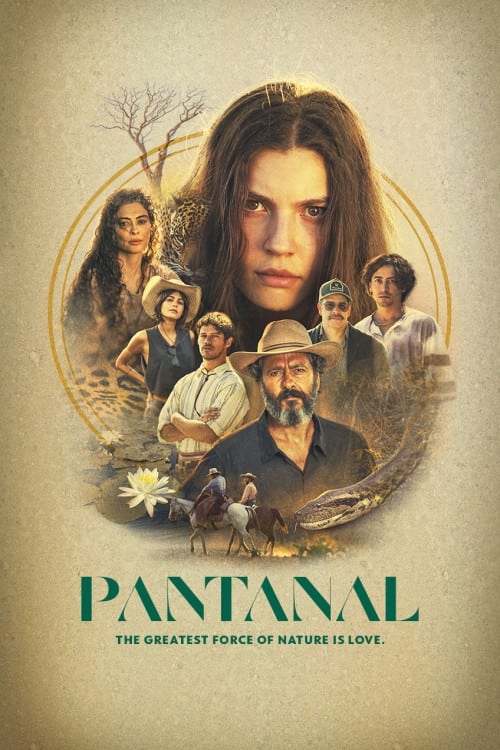
After the mysterious disappearance of his father, Joventino, the cowboy José Leôncio becomes a wealthy farm owner in Pantanal. Over twenty years have passed and, bitter-hearted because of his father vanishing and the escape of his wife to Rio de Janeiro with his baby, José Leôncio has the chance to make amends with the boy, now a young man raised in the big city with very different values and habits than his own.
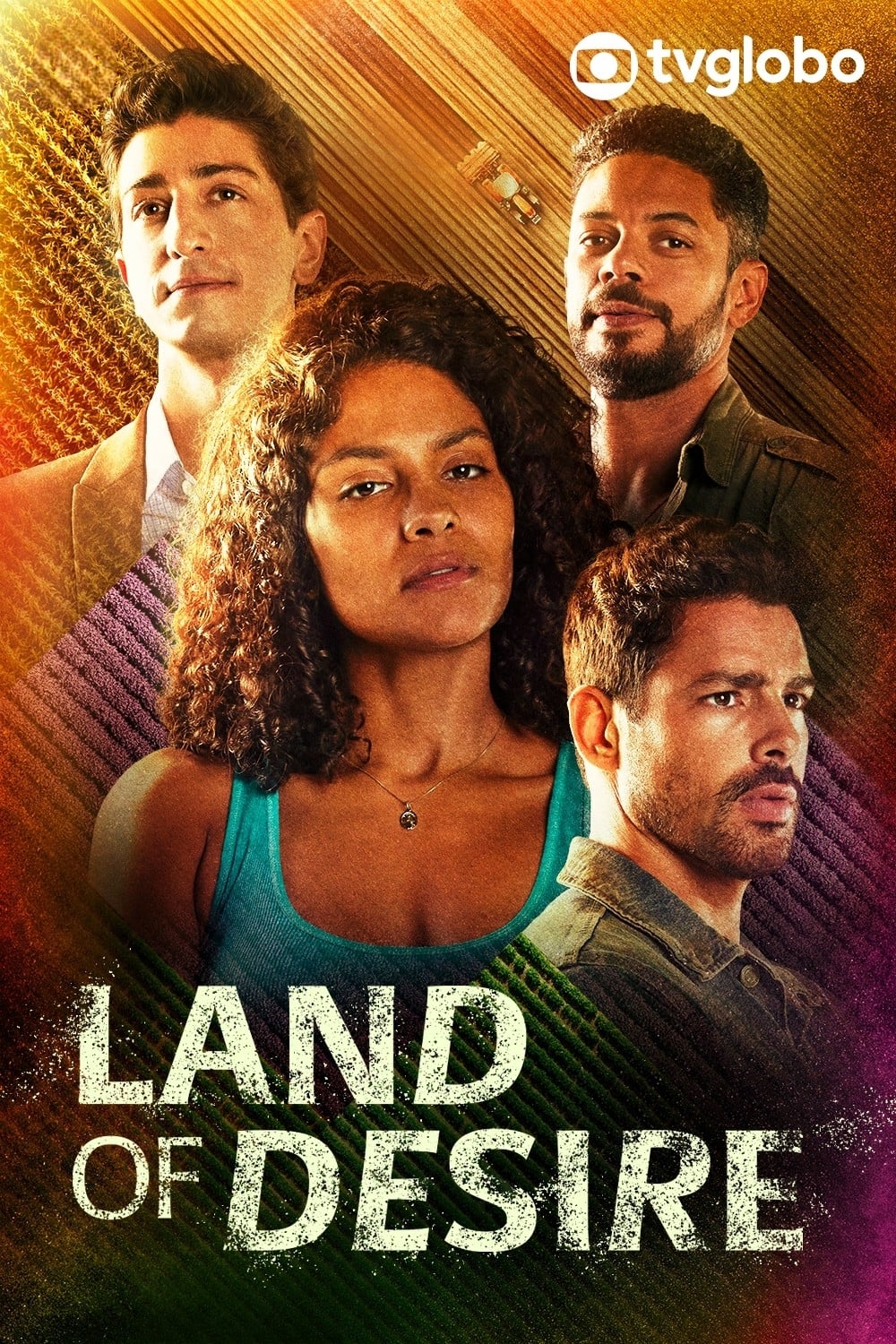
When her husband is killed in a land grabbing attempt, Aline takes charge of cultivating his land and protecting his family. Facing the powerful Antonio La Selva, responsible for the death of her husband and the largest landowner in the region, Aline is determined to keep possession of her land and invest in its production. However, she didn't expect that she would fall in love with Daniel, son of her rival, who is at odds with his rebellious half-brother, Caio, who, in turn, also falls in love with the girl. In the interior of Brazil, Aline will have to fight two battles: the dispute for her lands and for her heart.
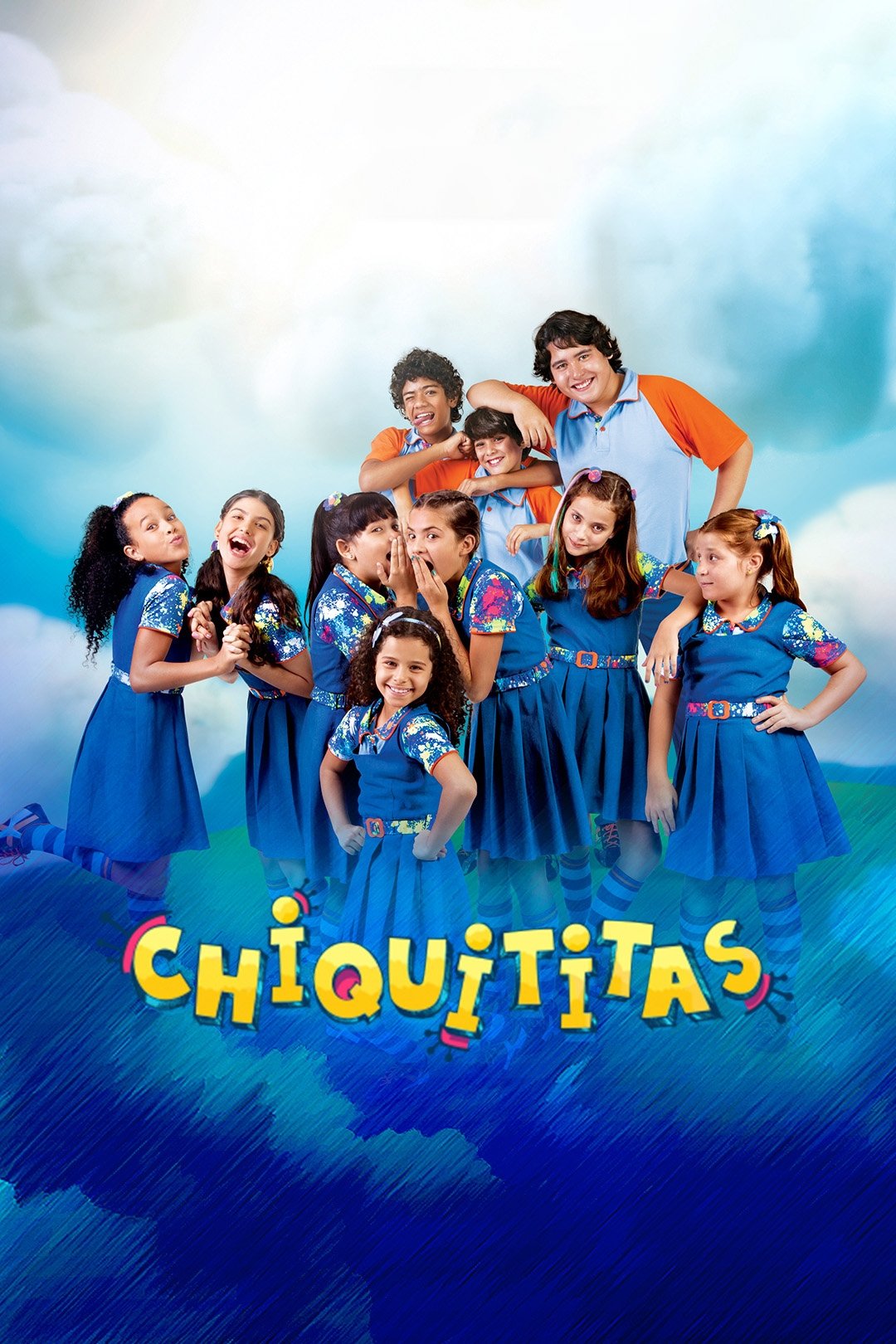
Based on the original version of same name created by Cris Morena, the series tells the story of a group of orphans living in a manor, known as Raio de Luz, struggling and being guided by a young woman, Carol, that assumes a maternal figure for them. Their experiences such as discovering first love, deceptions, loneliness and friendship, as well as adventures in fantasy, are depicted throughout the series. The narrative is followed by musical themes and videoclips.
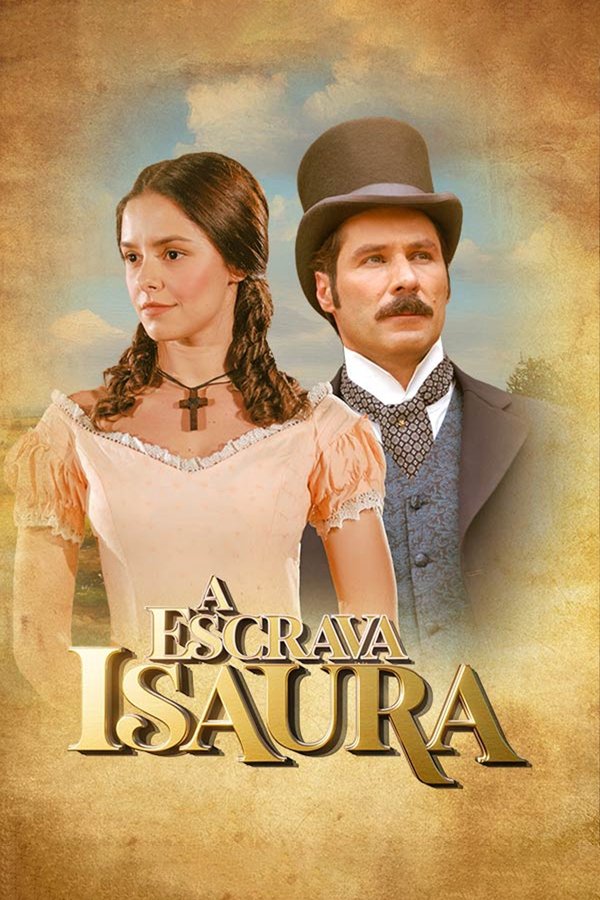
Isaura was born in 1835, in the farm of Commender Almeida. She is the daughter of the slave Juliana and the tenant of the farm, Miguel. Juliana dies right after the birth, because she denied going to bed with the Commender. He whips her to death in revenge. So, Isaura is raised and educated by Gertrudes, wife of the Commender, who always wanted to have a daughter. In spite of her excellent education and the white skin, Isaura, as a daughter of a slave,will always be treated as a slave.
The trials and tribulations of the very large, colorful and imperfect Braverman family.
A moving tale of courage and resilience in the struggle for freedom – this is the role that life has cast for headstrong Morena in Brave Woman. Raised in a poor neighborhood in the outskirts of Rio de Janeiro, this tough and humble woman will spare no effort to protect her family and gain her independence.
The story of fifteen-year-old Jovana Luna and the obstacles she will have to overcome in her fight to find happiness with the handsome León Baldomero, the love of her life.
Lurdes is a mother of five who tirelessly seeks for Domenico, a child of hers who was sold by his own father 26 years ago; Thelma is an overprotective mother who finds out she has a terminal illness, and must race against time to make her dreams come true and prepare her son for a life without her presence; Vitória is a successful lawyer who sees the end of her marriage after countless failed attempts to have a baby and decides for adoption, but finds out she is pregnant during the process. In "A Mother's Love", the lives of these women are intertwined while they recognize themselves in the unconditional love provided by motherhood.
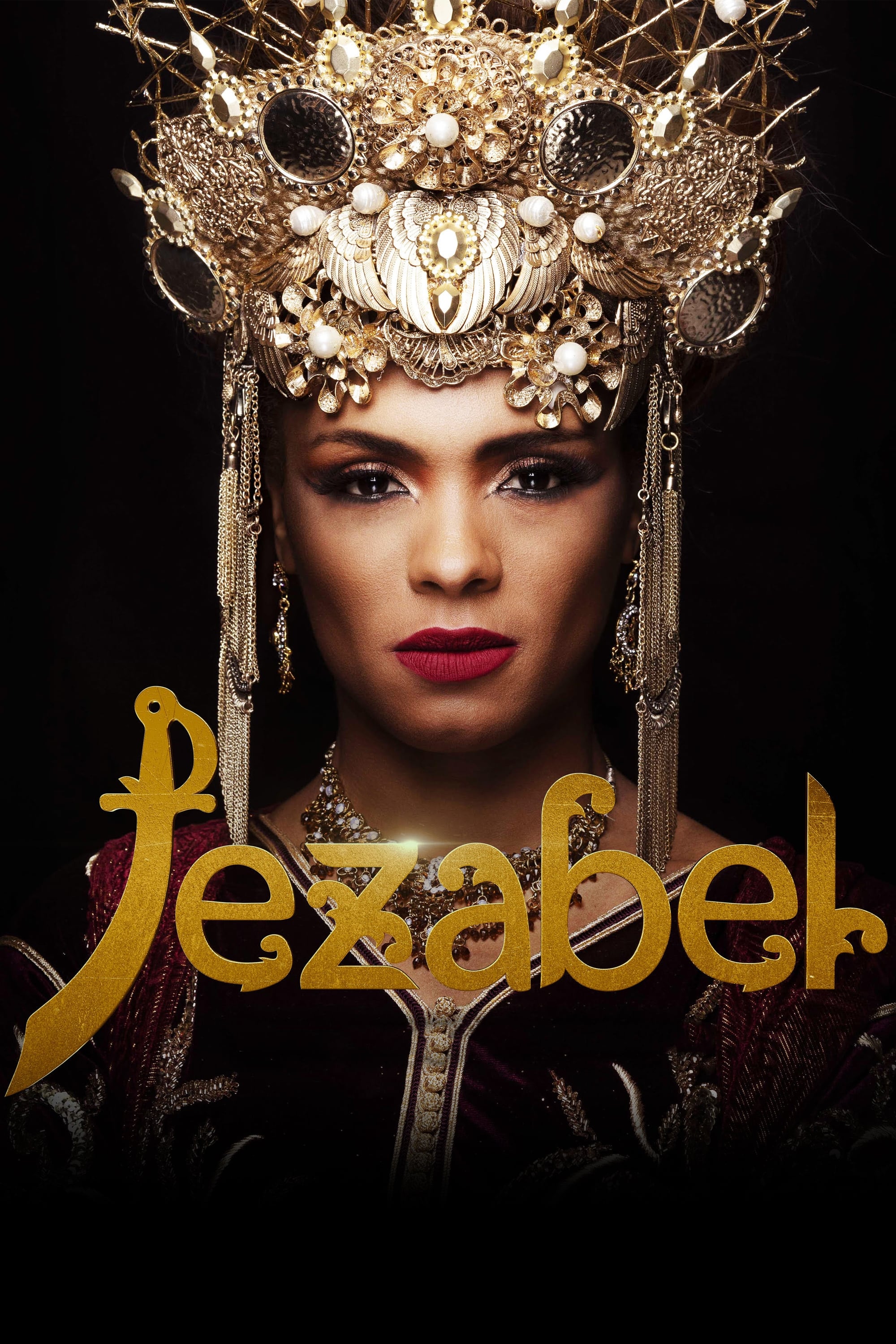
The story of Phoenician princess Jezebel, an idol worshipper who marries King Ahab and uses her beauty and wickedness to try to impose on the Israelite people the worship of her pagan gods.
Donatela and Flora, two friends who became rivals. One of them committed a homicide and pretends to be innocent. There are two versions for the same story. Who, after all, is telling the truth? Donatela or Flora?
Brazil Avenue is a dynamic, lifelike, and modern telenovela that reveals how unrelenting ambition and inflicted cruelty can change a young girl’s destiny and lead her to seek revenge.
A story about love and its different manifestations, told through the little boy Marcelino in search of his biggest dream: to meet his mother. Inspired by a famous book, the plot takes place in the 1940s.
The kidnapping of her son unleashes a storm in Nuria García's life who, in the most difficult moment, meets Santiago Zepeda; together, they find redemption in the face of adversity.
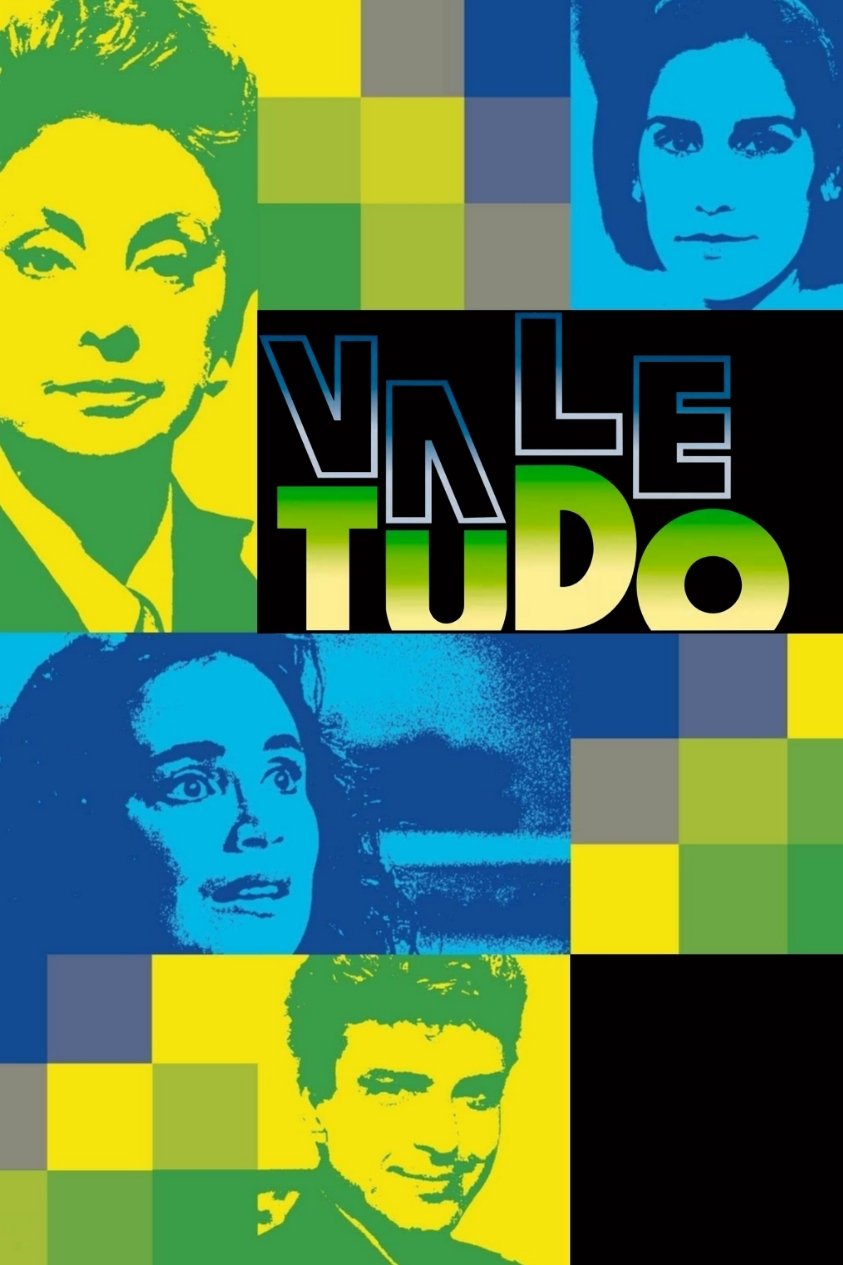
Fátima Accioly is a young, callous woman who wants to be rich and successful at any price. After selling her family's house in the country, she heads to Rio and gets to know dress man César who is unscrupulous himself. Meanwhile, her mother Raquel stays behind without home and money, but finally tries to find her daughter in the big city. Both women come in contact with the rich Roitman family which changes their lives forever.