An anthology of short plays shown on BBC Television between 1965 and 1973, used in part at least as a training ground for new writers, on account of its short length, and which therefore attracted many writers who later became well known.
Social & External
Eight legendary filmmakers collaborate with 9 superstars, breathing life into the timeless stories of author M.T. Vasudevan Nair. Based in Kerala, these stories explore the nuances of human nature.
A collection of one-off thrillers, each ending with a disturbing twist.
The Dick Powell Show is an American anthology series that ran on NBC from 1961- 1963, primarily sponsored by the Reynolds Metals Company. It was hosted by longtime film star Dick Powell until his death from lymphatic cancer on January 2, 1963, then by a series of guest hosts until the series ended. The first of these was Gregory Peck, who began the January 8 program with a tribute to Powell, recognizing him as "a great and good friend to our industry." Peck was followed by fellow actors such as Robert Mitchum, Frank Sinatra, Glenn Ford, Charles Boyer, Jackie Cooper, Rock Hudson, Milton Berle, Jack Lemmon, Dean Martin, Robert Taylor, Steve McQueen, David Niven, Danny Thomas, Robert Wagner and John Wayne.
Murder in Mind is a British television thriller drama anthology series of self-contained stories with a murderous theme seen from the perspective of the murderer.
Four stories of high school and college students whispered around campuses. Real or fabricated, it's up to you to discover.
Inspired by popular suspense short stories and anthology series like "The Twilight Zone," "The Nicest People in the World" confronts us with the supernatural and tackles the issues of our time in an exciting, frightening and satirical way. The teenager Lill runs like a ghostly thread through the four seemingly self-contained stories. But what do a crossbow, a manga comic and a video game have to do with it?
The Company of Five is a 1968 British anthology drama series produced by London Weekend Television for ITV, featuring a repertory cast of five actors—John Neville, Gwen Watford, Ann Bell, Cyril Luckham, and Ray Smith—who appear in different roles each week.
Born in a distant future, MIRU, a weaponless robot, travels across time to support people from different eras. MIRU meets individuals from different times and places, people who, despite their struggles, live their lives with determination. Through their encounters with MIRU, people take small yet meaningful steps forward. These steps, like the "Butterfly Effect," create waves of change, moving toward a brighter future.
Sir Arthur Conan Doyle's non-Sherlock Holmes stories embodying the author's interest in boxing, the supernatural, and medical matters.
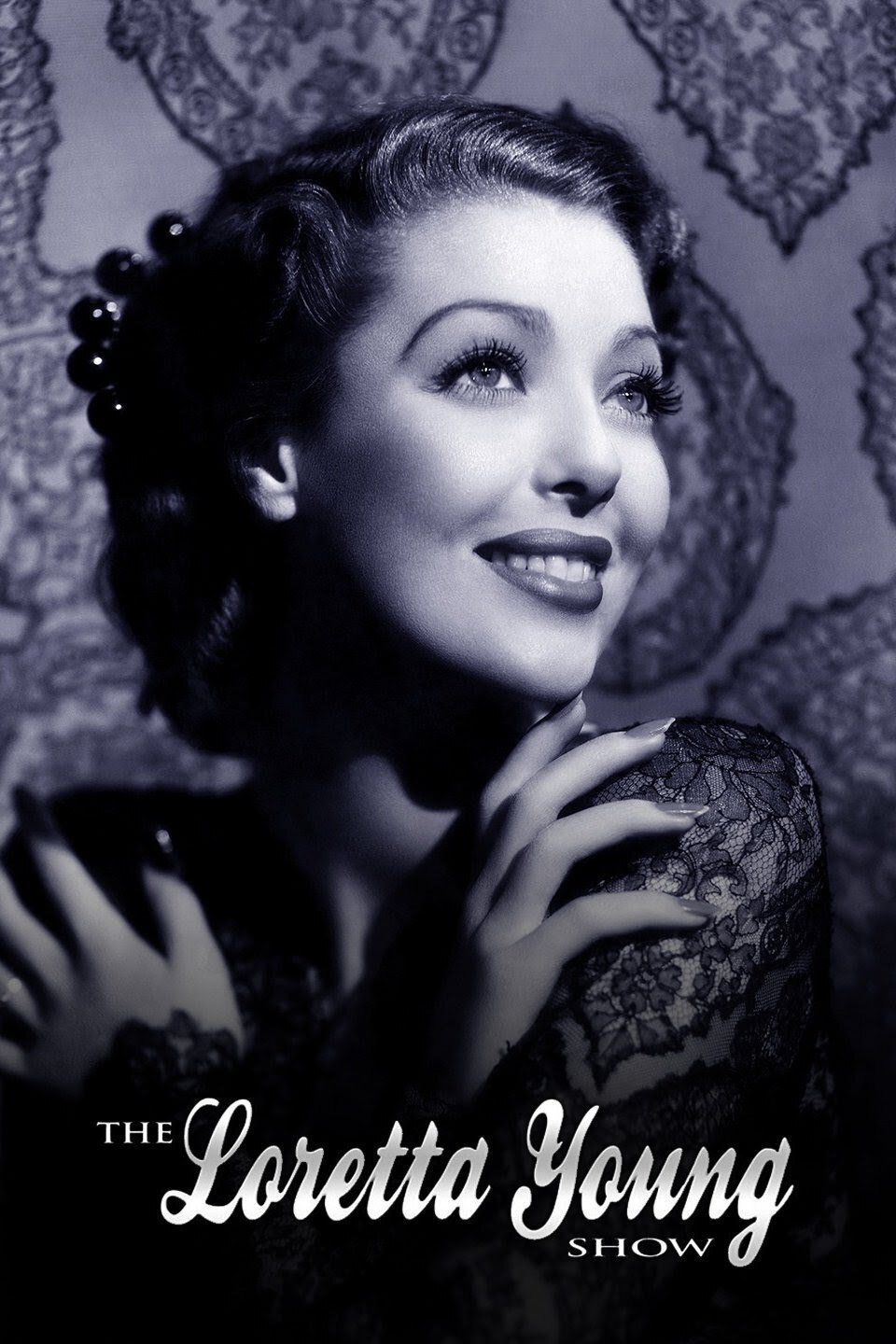
Letter to Loretta is an American anthology drama series telecast on NBC from September 1953 to June 1961 for a total of 165 episodes. The filmed show was hosted by Loretta Young who also played the lead in various episodes. Letter to Loretta was sponsored by Procter & Gamble from 1953 through 1960. The final season's sponsor was Warner-Lambert's Listerine.
London itself takes the starring role in this series of plays from the BBC – a role which varies between hero and villain, enchantress and harpy. The series features extensive location filming, ranging from Soho to the Law Courts, Wembley to the docks. Of the twelve episodes, eleven are believed to be lost.
Four different women, four journeys of love and betrayal. The common thread? They all want to dismantle the patriarchy.
Anthology series telling character-driven stories set at different moments in time, aiming to showcase that during people's most isolated moments, and in disparate circumstances, the human experience connects everyone.
Complicated marriages, digital romances, domestic dilemmas and schoolyard bullies get the spotlight in these seven, slice-of-life short films.
An exploration of different personas in an eclectic collection of four works by critically acclaimed Korean directors.
Tom and Louise meet in a pub immediately before their weekly marital therapy session. With each successive episode we piece together how their lives were, what drew them together and what has started to pull them apart.
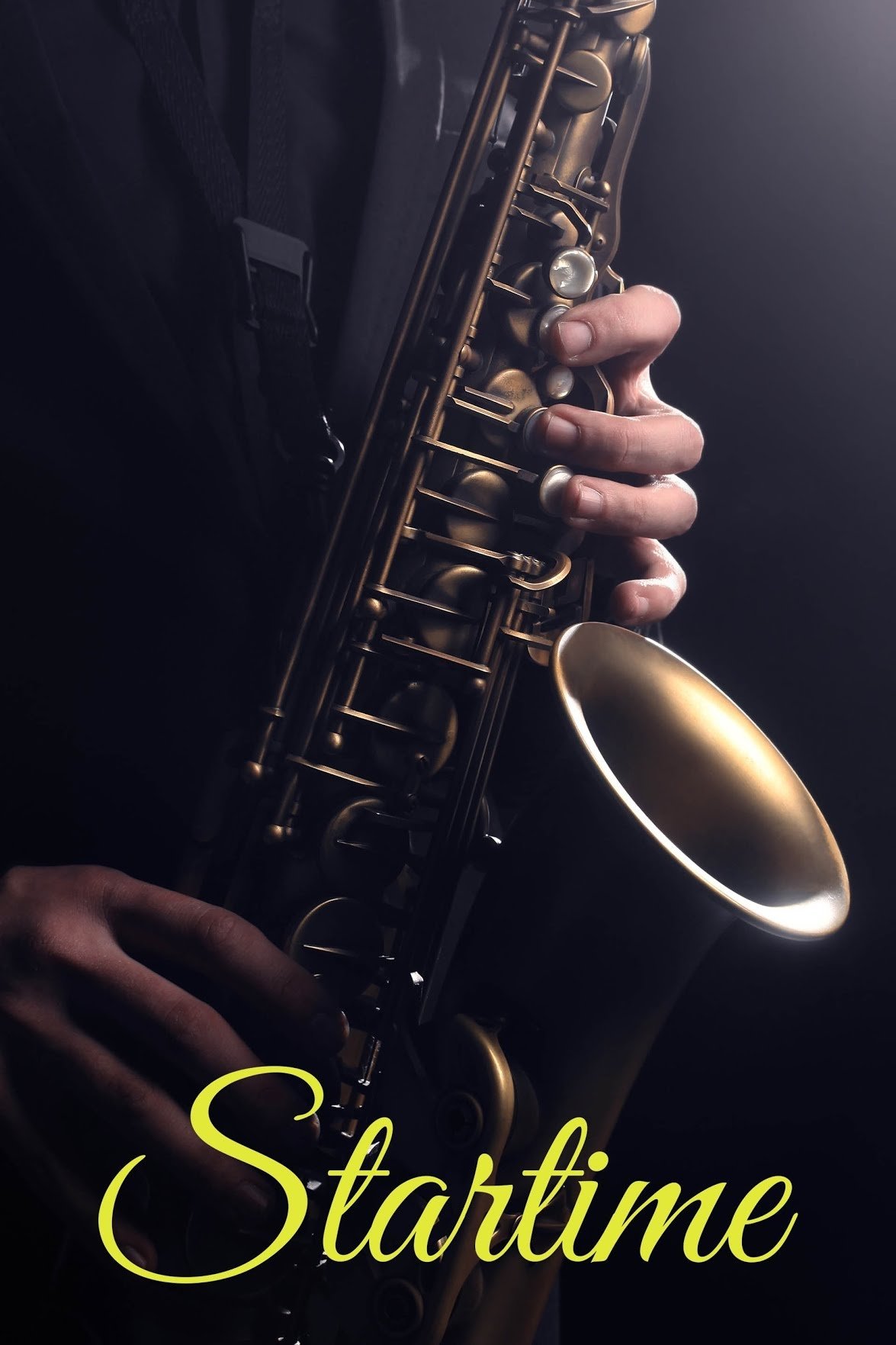
Startime, an anthology of drama, comedy and variety, was one of the first American television shows broadcast in color.
Starlight Theatre is an American anthology series that aired on CBS television from April 2, 1950 to September 20, 1951.
An anthology of 12 stories exploring the diverse journeys of 11 couples, blending romance, drama, comedy, and thrills to create unforgettable tales.
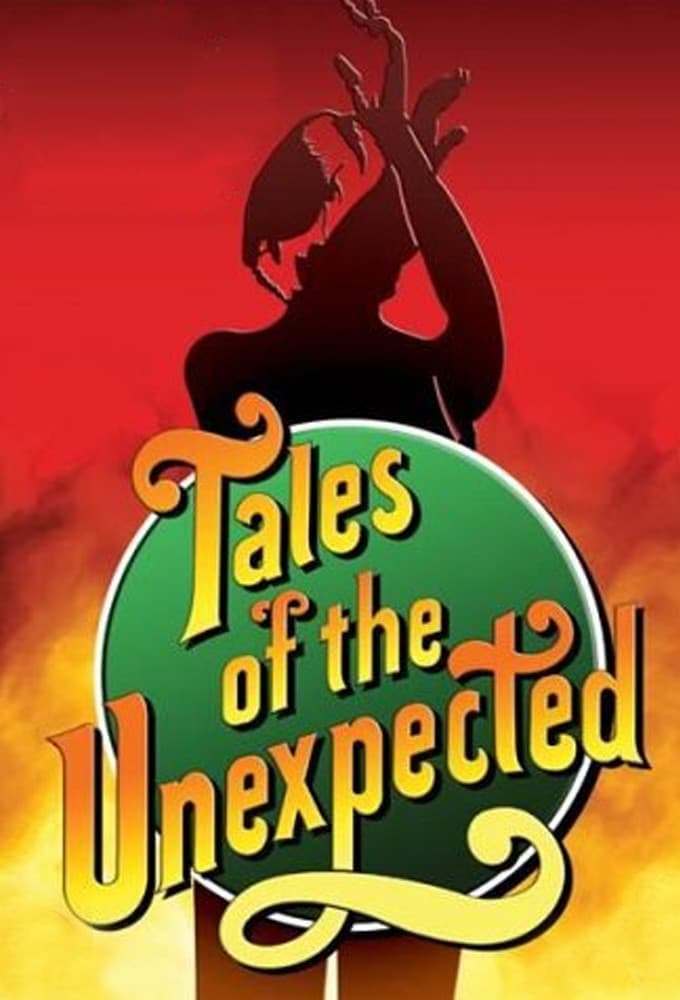
A British television anthology of stories, often with sinister and wryly comedic undertones, and a twist at the end. With early episodes written and presented by Roald Dahl, the series featured a plethora of big name guest stars.
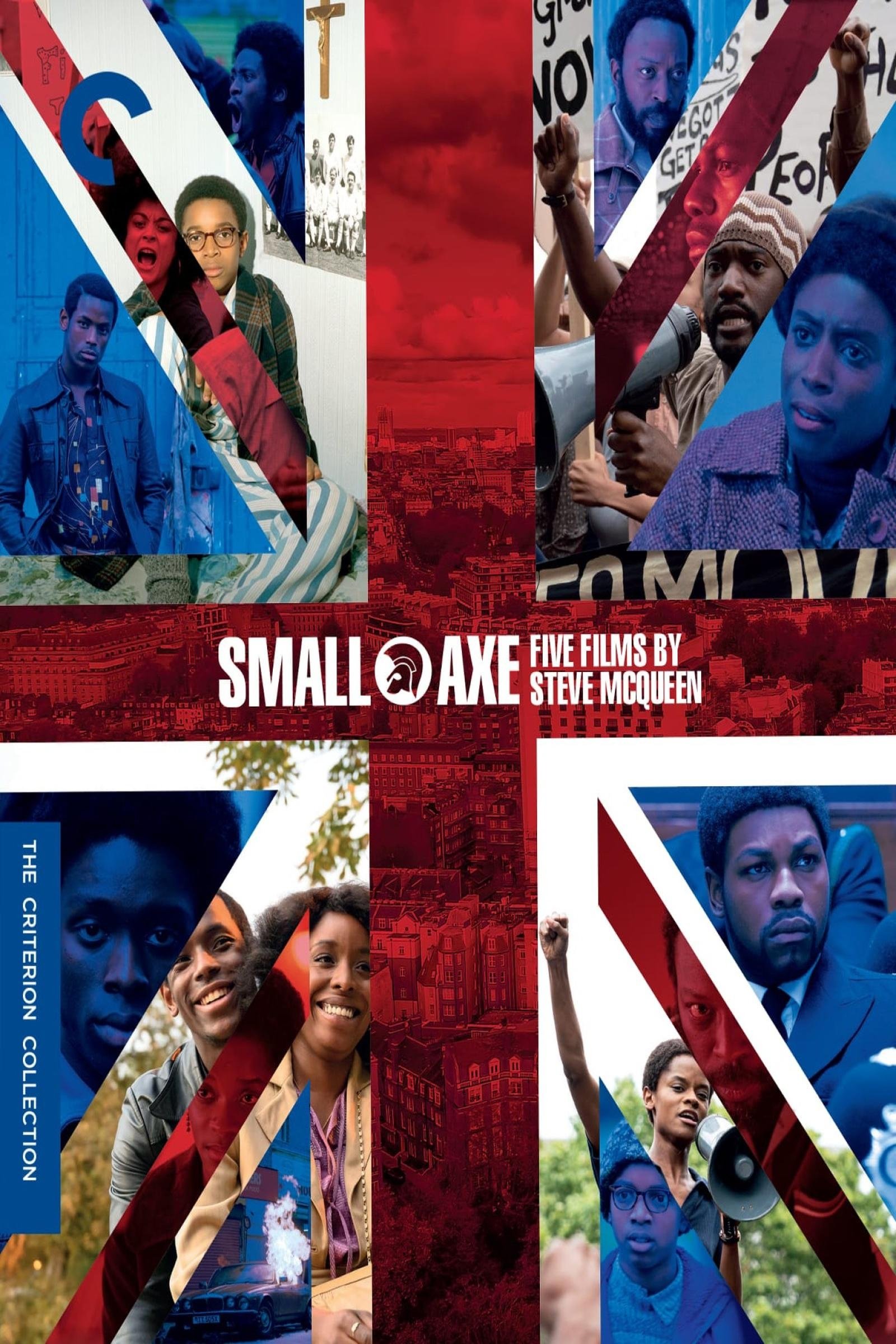
An anthology series of five stories looking at the lives of a group of friends and their families in London’s West Indian community from the late 1960s to the early 80s.
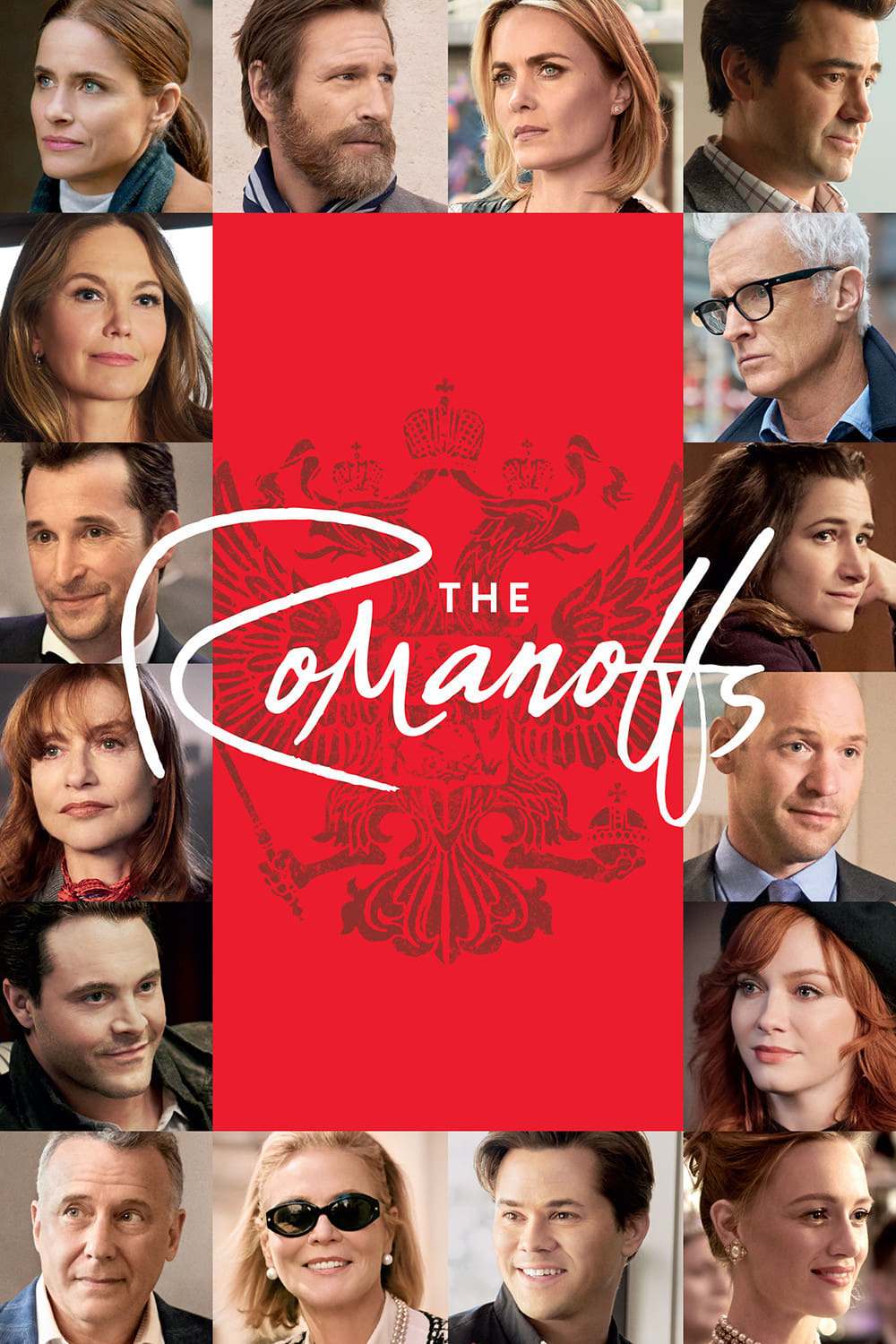
An anthology series centered around people who believe themselves to be the modern-day descendants of the Romanov family.
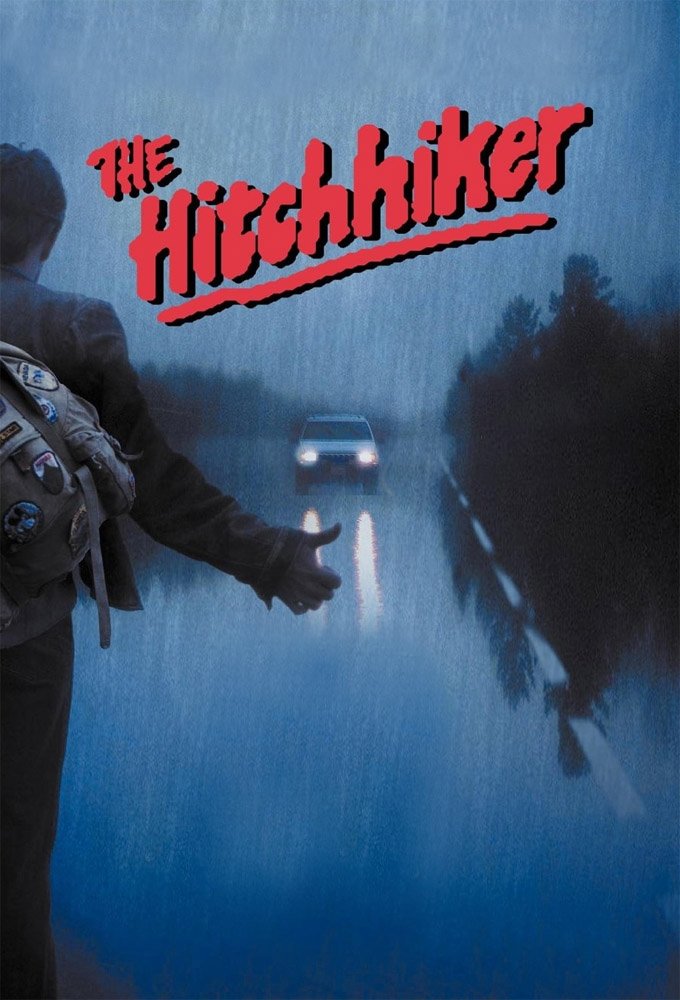
A young hitchhiker introduces characters who are about to experience a frightening and sometimes supernatural incident of some kind in this moody anthology series.
An anthology of sweeping true love stories that captured the world’s attention.
An anthology series based on the works of Stephen King.
R. L. Stine's The Haunting Hour is a Canadian/American original anthology horror-fantasy series, with episodes each half an hour long. The series is based on The Haunting Hour: Don't Think About It Movie, and the books The Haunting Hour and Nightmare Hour anthology by R. L. Stine.
Rod Serling narrates an anthology of fantasy, horror and sci-fi stories from a set resembling a macabre museum. A chilling work of art serves as the connective link between the stories.
Tales from the Darkside is an anthology horror TV series created by George A. Romero, each episode was an individual short story that ended with a plot twist. The series' episodes spanned the genres of horror, science fiction, and fantasy, and some episodes featured elements of black comedy or more lighthearted themes.
A horror/suspense anthology series directed by the biggest horror directors working in feature films.
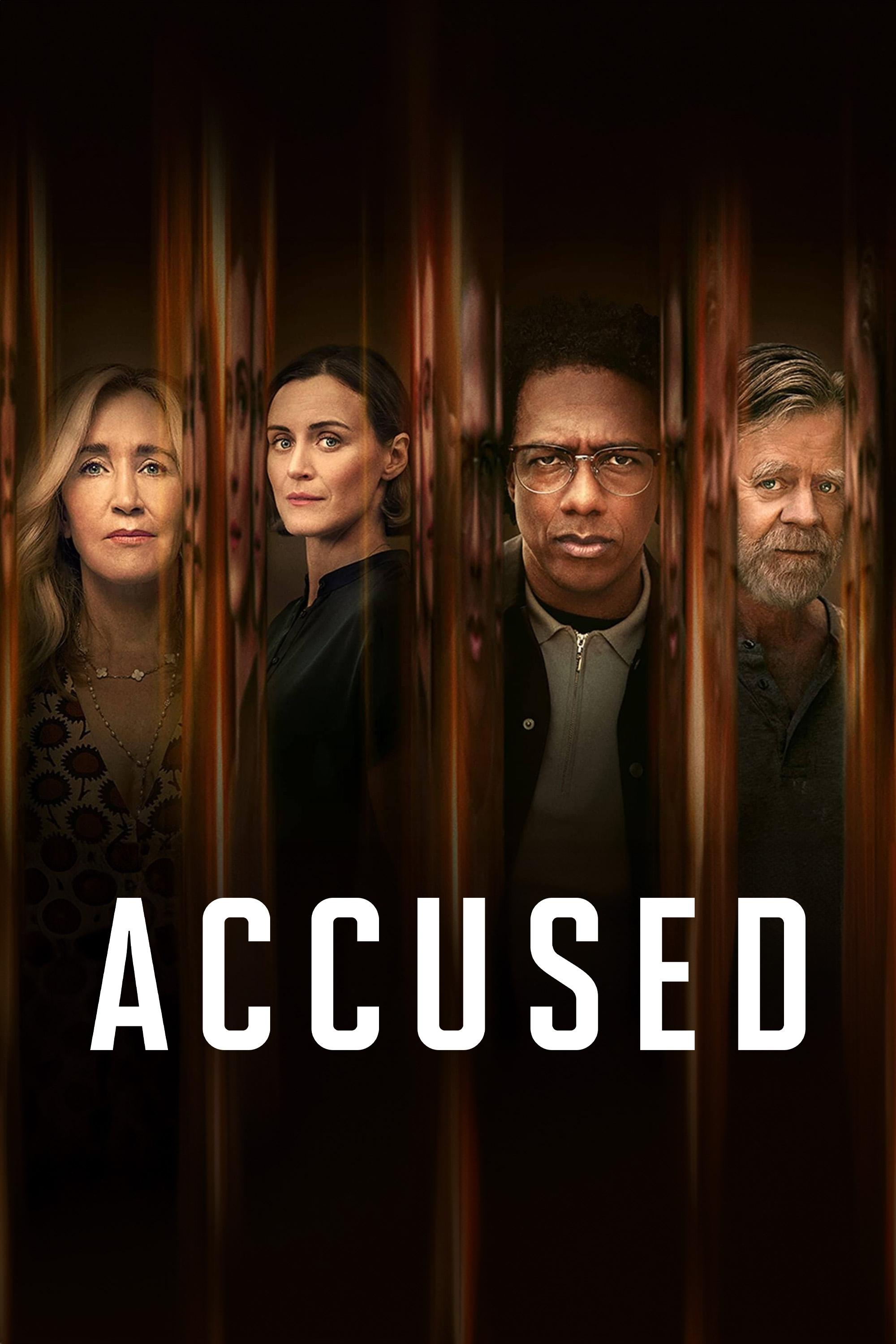
How certain people end up being accused of a crime.
An anthology series written and directed by the most famous names in horror.
The New Alfred Hitchcock Presents is an American anthology series that aired on NBC from 1985 to 1986, and on the USA Network from 1987 to 1989. The series is an updated re-imagining of the classic 1955 series Alfred Hitchcock Presents.
This anthology series brings to life Aaron Mahnke's titular podcast and uncovers the real-life events that spawn our darkest nightmares. Blending reenactments, animation, archive and narration, Lore reveals how our horror legends – such as vampires, werewolves and body snatchers – are rooted in truth.
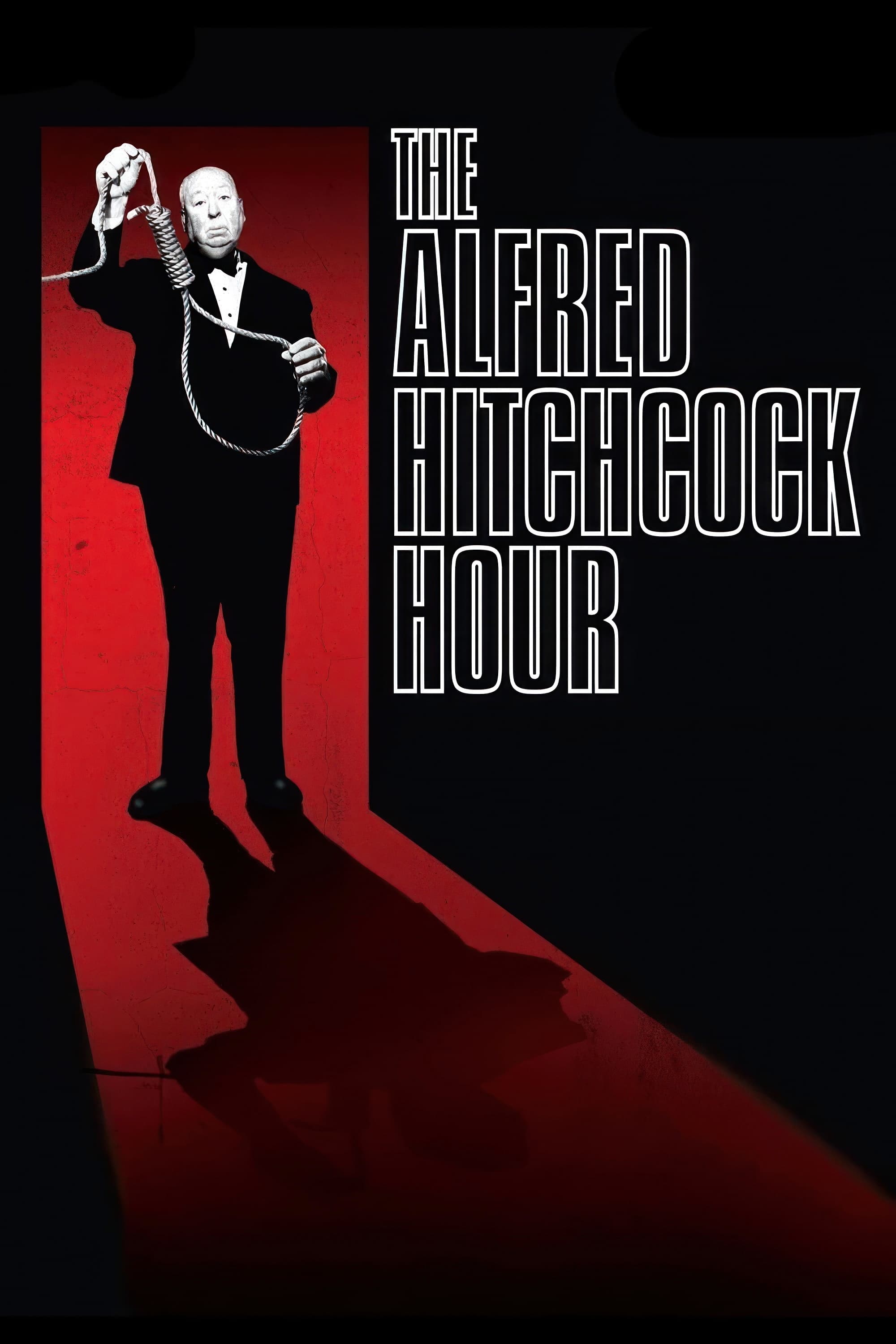
A television anthology series hosted by Alfred Hitchcock featuring dramas, thrillers, and mysteries.
An anthology series of stand alone episodes delving into horror myths, legends and lore.
A horror anthology series based on urban legends that takes viewers deeper into the horrors that lurk just beneath the surface of America.
The Hunger is a British/Canadian television horror anthology series, co-produced by Scott Free Productions, Telescene Film Group Productions and the Canadian pay-TV channel The Movie Network. Though it shares a title with the feature film The Hunger the series has no direct plot or character connection to the film, and was created by Jeff Fazio. Originally shown on the Sci Fi Channel in the UK, The Movie Network in Canada and Showtime in the US, the series was broadcast from 1997 to 2000, and is internally organized into two seasons. Each episode was based around an independent story introduced by the host; Terence Stamp hosted each episode for the first season, and was replaced in the second season by David Bowie. Stories tended to focus on themes of self-destructive desire and obsession, with a strong component of soft-core erotica; popular tropes for the stories included cannibalism, vampires, sex, and poison.
A basketball prodigy must navigate a maze of pressure if he's going to overcome the odds against him and learn what it truly means to have swagger.