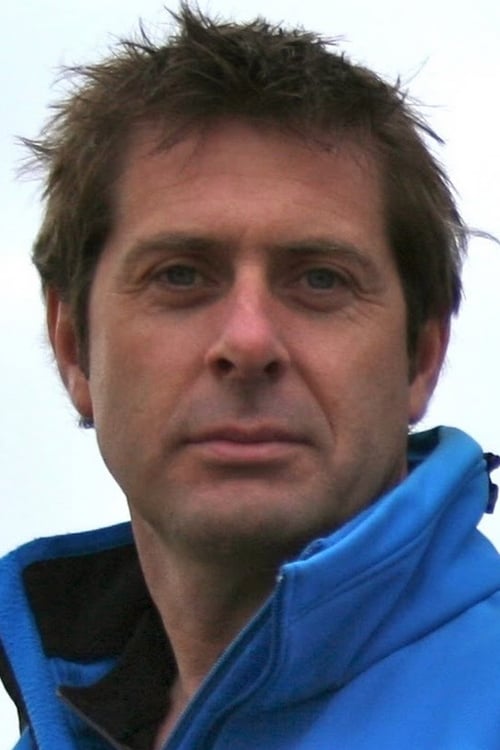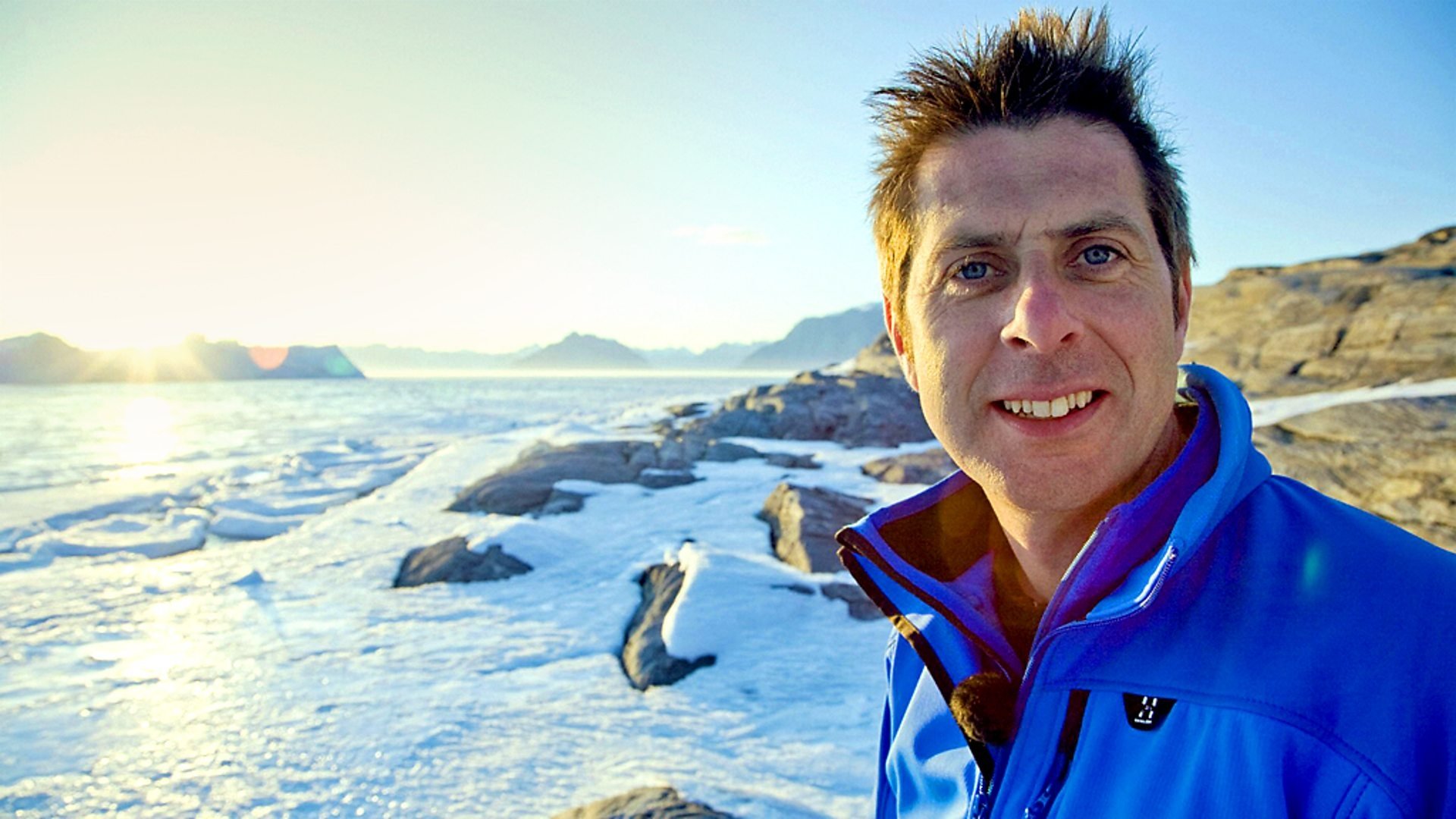
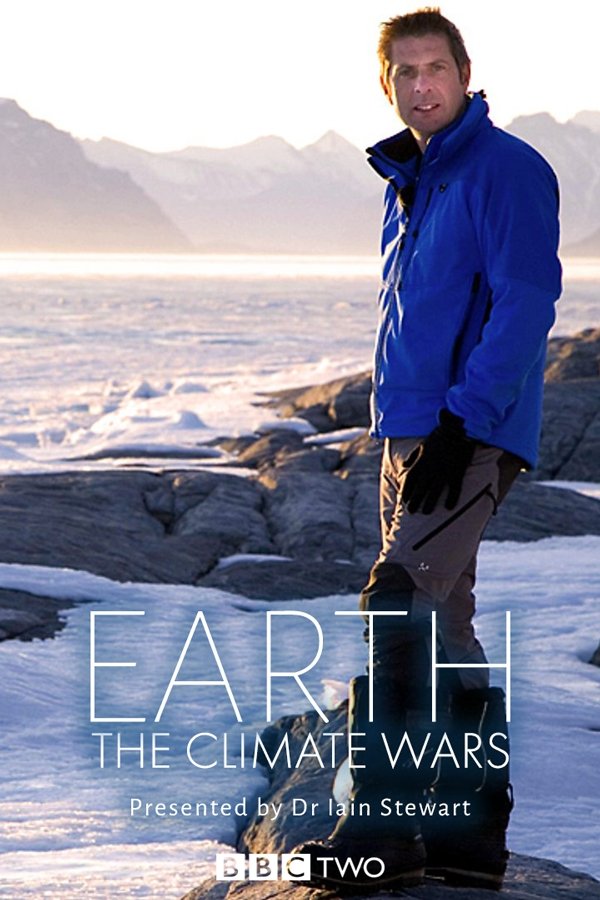
Dr Iain Stewart traces the history of climate change from its very beginning and examines just how the scientific community managed to get it so very wrong back in the Seventies.
Social & External
Himself - Presenter
Heart of the World delves into the true wonder and beauty of nature, taking us through the centuries of some of the most spectacular sights on earth - Colorado's National Parks. With stunning photography of the parks filmed throughout the seasons, these three hour-long episodes explore the geological history of each park, the forces of nature that changed them, and the people they have inspired.
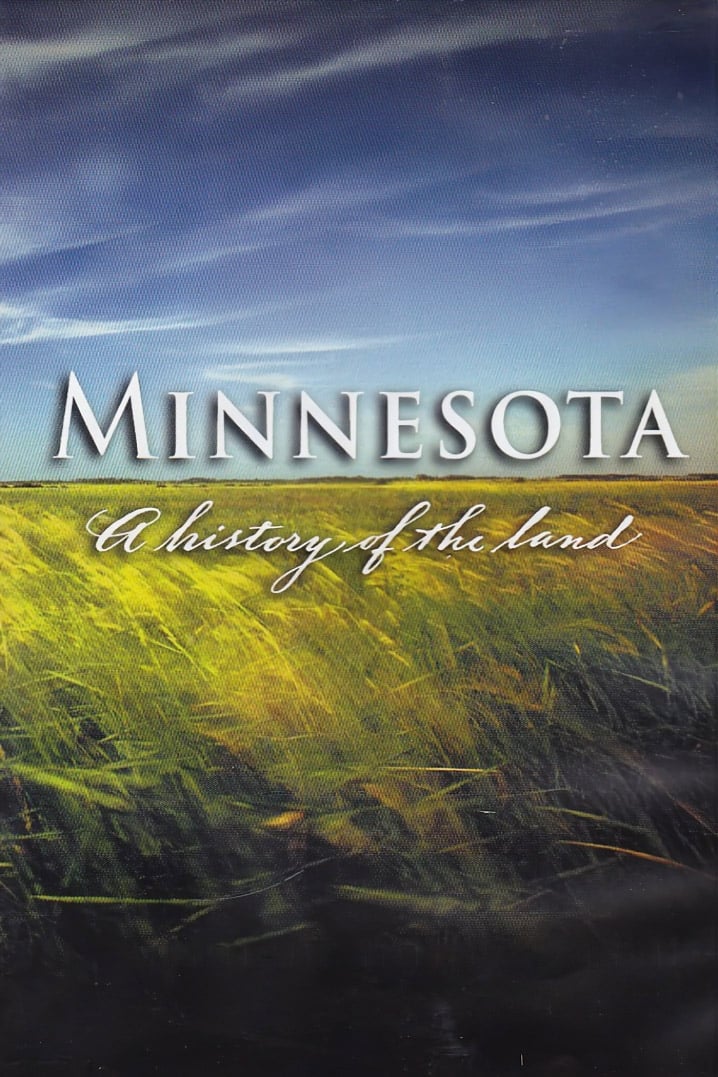
Brings to life the epic story of the people and landscapes of Minnesota - from the retreat of the last ice sheets to the growth of today’s suburbs - using nature videography from across the state, never-before-seen historic images, state-of-the-art animations, and historic recreations.
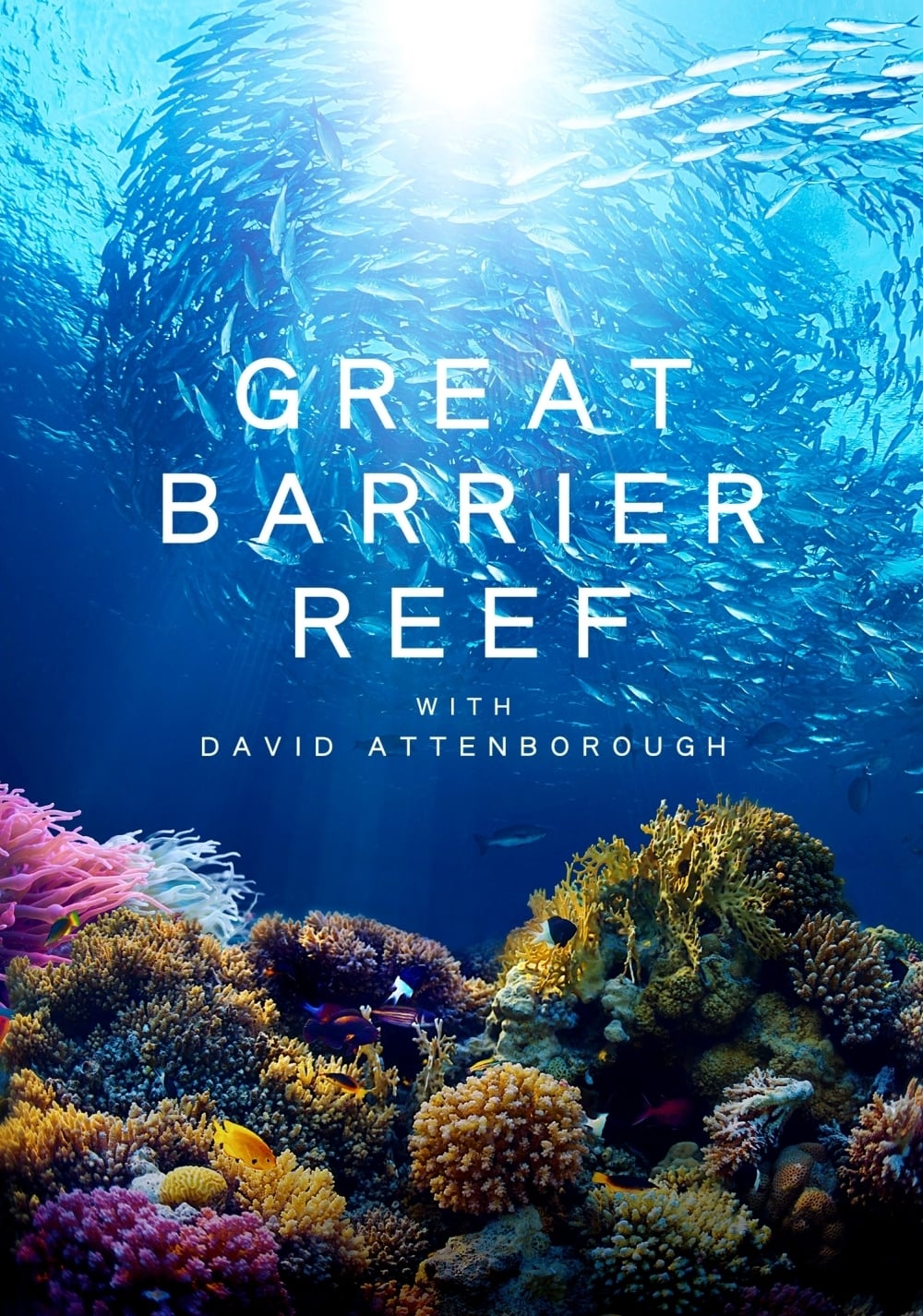
Following his visit to the Great Barrier Reef in 1957, naturalist and broadcaster David Attenborough returns and uses the latest filming techniques to unlock the secrets of the natural wonder.
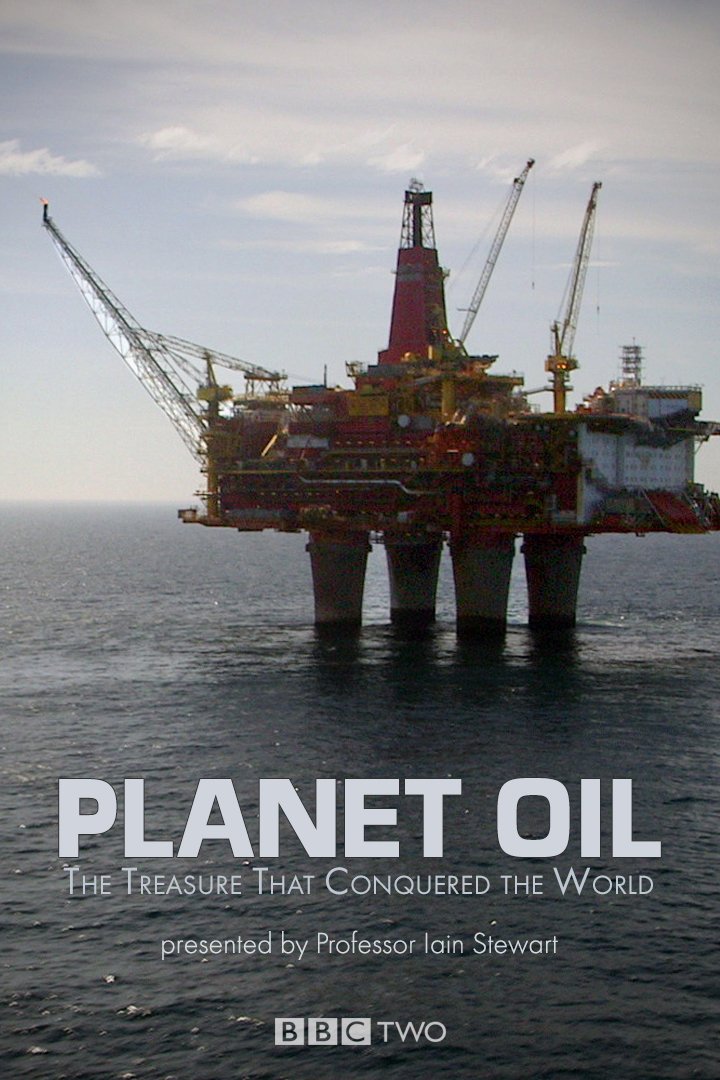
An excellent narration of oil industry since early days to 20th century and up to today. How oil changed the world and shaped our modern world today.
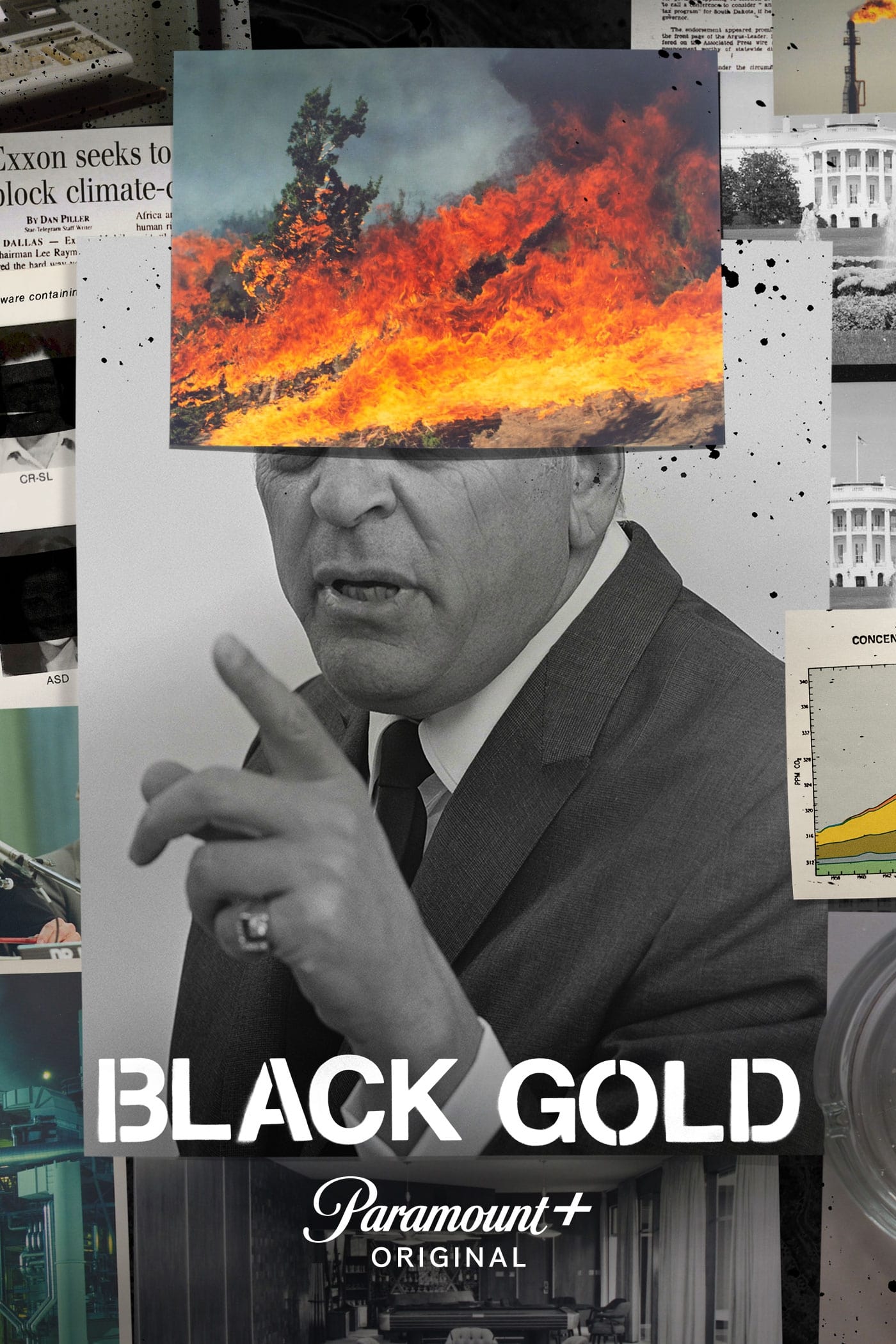
The story of the coverup of the century: of the boss atop a trillion dollar industry who discovered a shocking truth 40 years ago, created a black ops campaign to hide the evidence, and stopped at nothing to keep the money flowing, as the world burned.
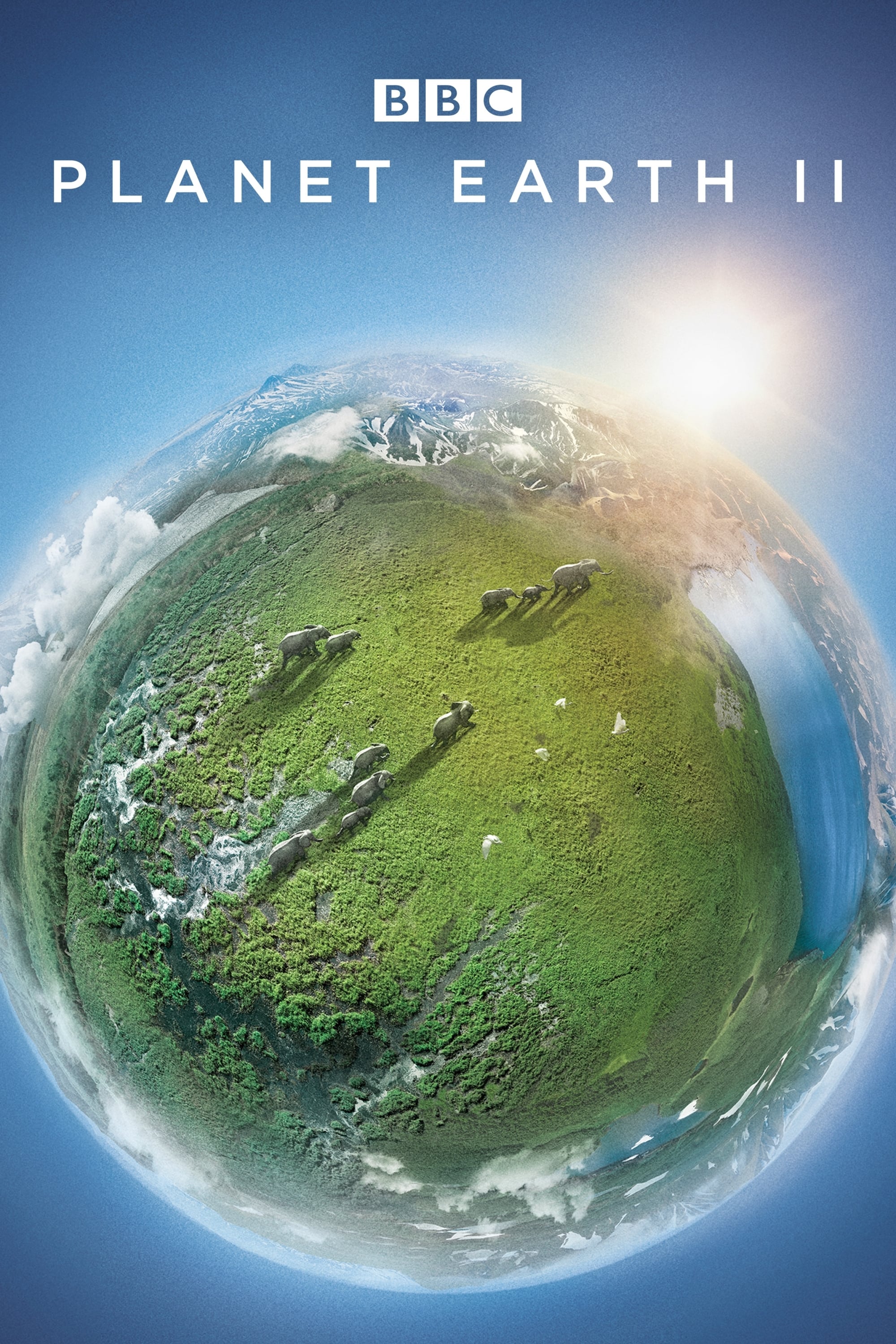
David Attenborough celebrates the amazing variety of the natural world in this epic documentary series, filmed over four years across 64 different countries.

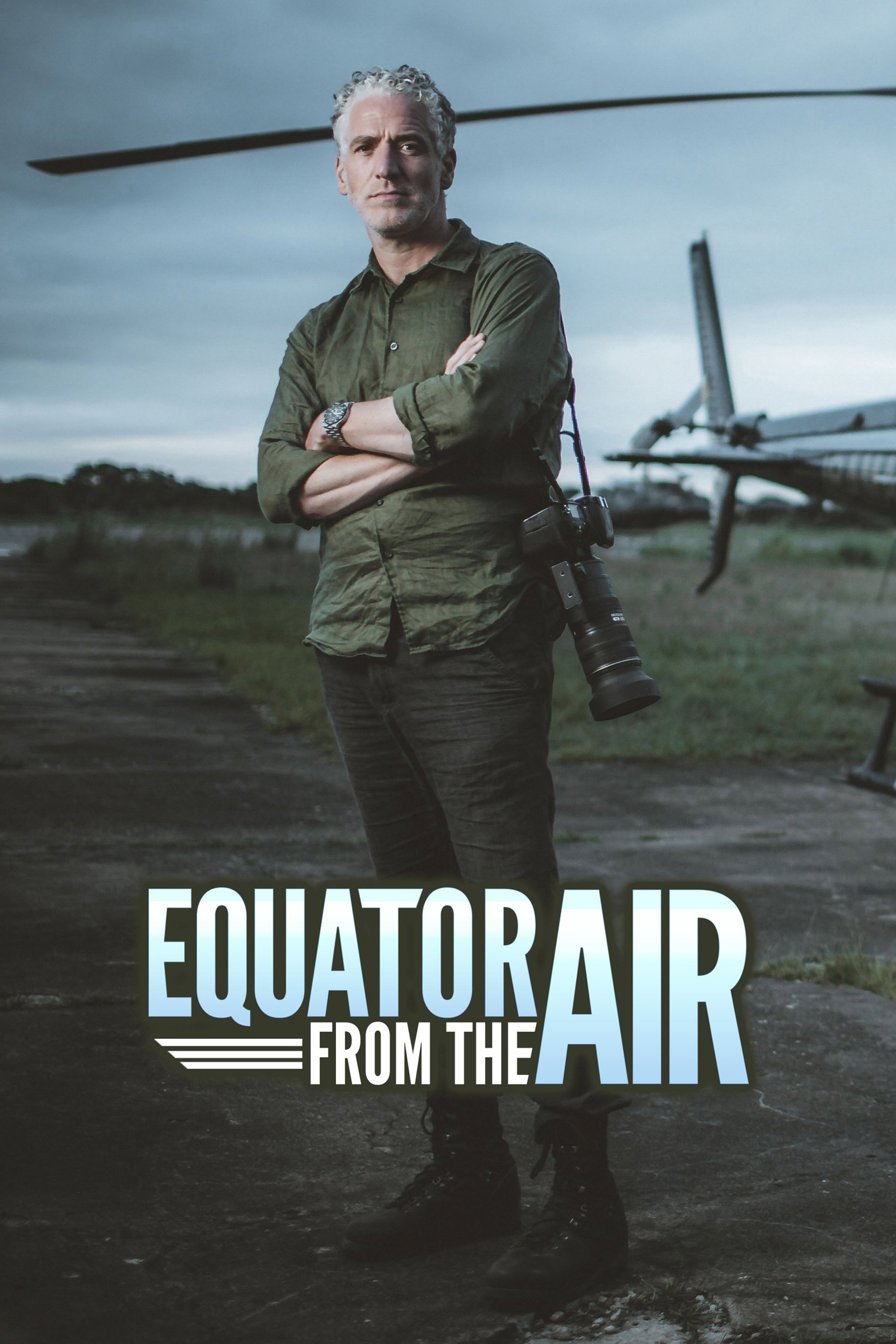
In a defining moment for the natural world, Gordon Buchanan makes an epic journey round the equator - taking to the skies with experts racing to protect both wildlife and people.
This revealing series follows environmental activist Greta Thunberg as she seeks to raise awareness of the accelerating climate change and spread her message, that we must act to drastically reduce our carbon emissions.
The catastrophic floods of New York, Bangkok and New-Orleans have shed light on the extreme vulnerability of more than 130 coastal cities faced with the violence of the sea. The mega-cities are threatened by a series of unusual phenomena: a surprising subsidence of soils, an unexplained rising of the level of the sea in some parts of the world, an increase in the frequency of extreme climatic events and exponential urbanization. Considering that science is capable of anticipating dangers and of suggesting protections, why do such disasters occur so often? Can they be avoided?
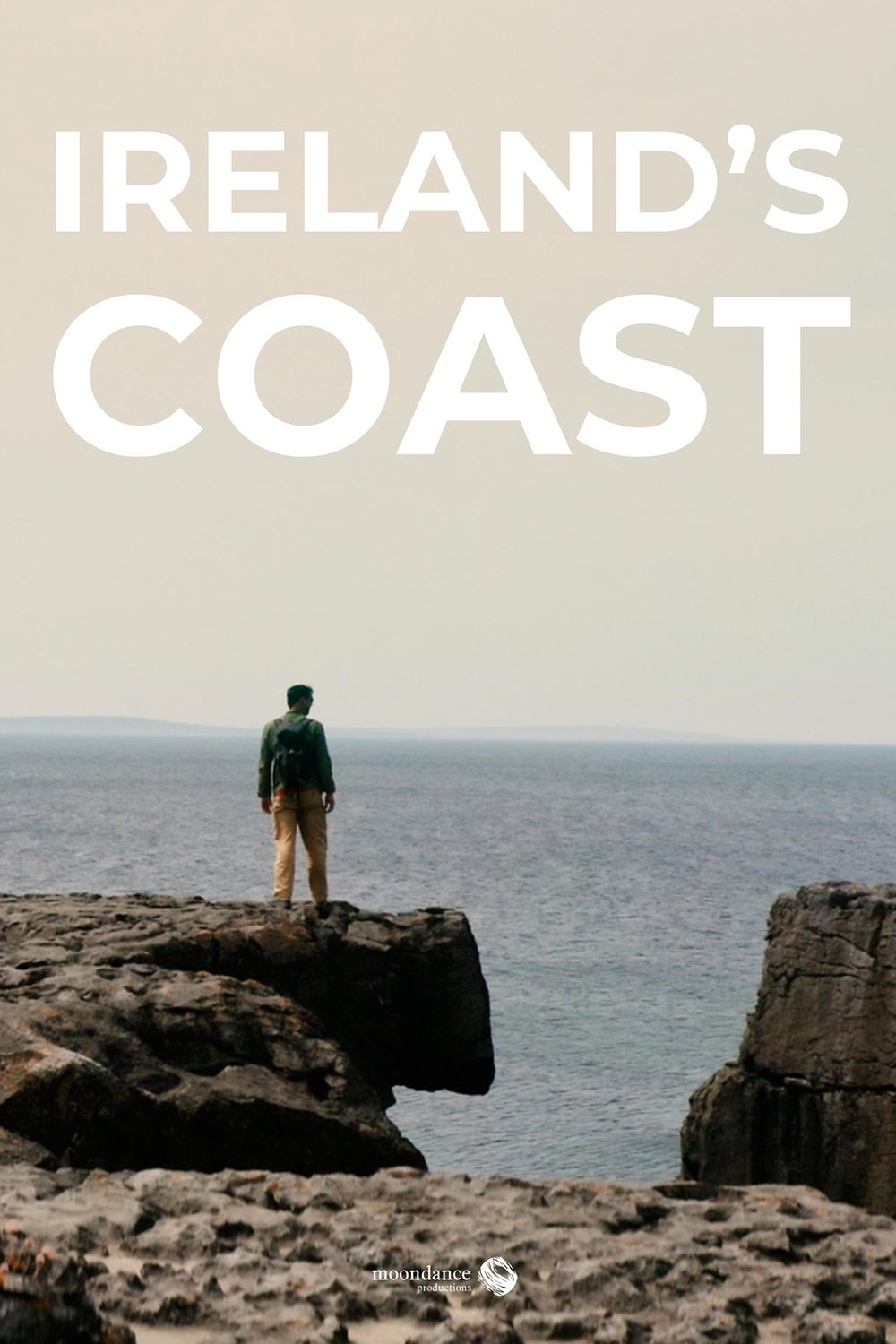
A three-part documentary series that journeys to the heart of Ireland's coast, revealing its fascinating origins, rich biodiversity and magnetic charm.
Take a trip inside the mind of Bill Gates as the billionaire opens up about those who influenced him and the audacious goals he's still pursuing.
The Great Global Warming Swindle is a polemical documentary film that suggests that the scientific opinion on climate change is influenced by funding and political factors, and questions whether scientific consensus on anthropogenic global warming exists. The program was formally criticised by Ofcom, the UK broadcasting regulatory agency, which upheld complaints of misrepresentation made by David King. The film, made by British television producer Martin Durkin, presents scientists, economists, politicians, writers, and others who dispute the scientific consensus regarding anthropogenic global warming. The programme's publicity materials assert that man-made global warming is "a lie" and "the biggest scam of modern times." Its original working title was "Apocalypse my arse", but the title The Great Global Warming Swindle was later adopted as an allusion to the 1980 mockumentary The Great Rock 'n' Roll Swindle about British punk band the Sex Pistols. The UK's Channel 4 premiered the documentary on 8 March 2007. The channel described the film as "a polemic that drew together the well-documented views of a number of respected scientists to reach the same conclusions. This is a controversial film but we feel that it is important that all sides of the debate are aired." According to Hamish Mykura, Channel 4's head of documentaries, the film was commissioned "to present the viewpoint of the small minority of scientists who do not believe global warming is caused by anthropogenic production of carbon dioxide."
The Earth’s continents are instantly recognizable. These iconic landmasses seem permanent and unchanging, yet they are merely the wreckage of a much larger long-lost supercontinent – Pangaea. In this stunning four part series Professor Iain Stewart uncovers the evidence for this ancient past. He reveals how the world around us is full of clues – in the rocks, the landscapes and even the animals. All of which tell us how the land we live on was created.
To coincide with COP28, the two-part arte documentary (originally from PBS Frontline/BBC under the title "Big Oil vs. The World" / "The Power of Big Oil") shows how oil companies and politicians have, for decades, sowed doubt about the causes of climate change and obstructed necessary countermeasures. In light of the growing threat of natural disasters, heat waves, and floods, the film examines the precise reasons for this long-standing obstruction and questions the responsibility of powerful oil companies like ExxonMobil.
The most important story of our time. 2022 is set to be a year of unprecedented climate chaos across the planet. As the world’s leading climate scientists issue new warnings about climate change and the soaring cost of fuel highlights the world’s ongoing dependence on fossil fuels – how did we get here?
Crushed, flooded and exploded into life – Europe is a battlefield of Nature. Discover the extraordinary and shocking geological story of how Europe was created by nature’s most titanic forces.
Man on Earth is a four-part British documentary television series presented by Tony Robinson. The programme documents the effects of climate change across 200,000 years of human history. The series premiered 7 December 2009 on Channel 4 with 1.4 million viewers. Accompanying Robinson to help explain the science are archaeologist Dr. Jago Cooper and climate modeller Dr. Joy Singarayer.
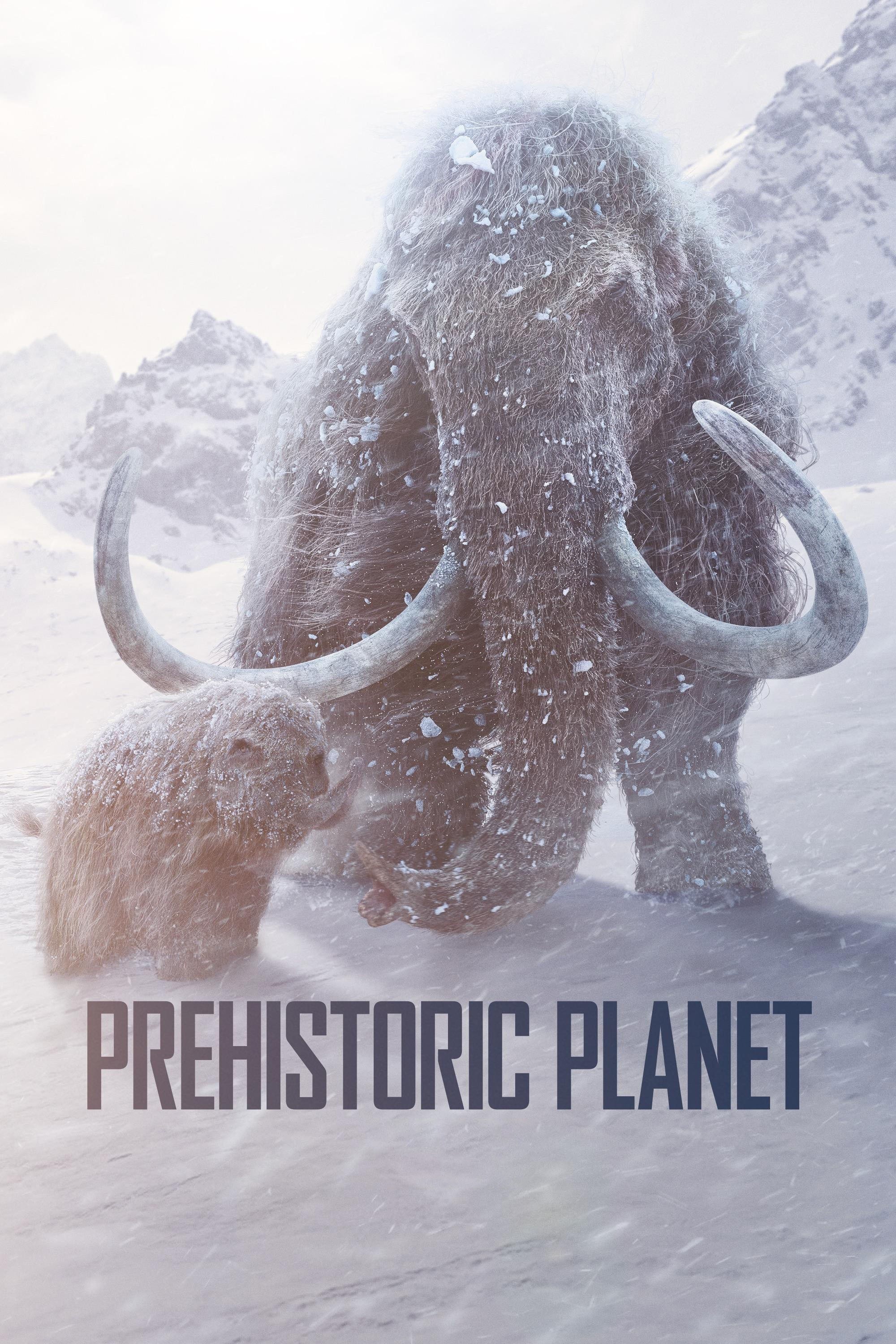
Experience the wonders of our world like never before in this epic series from Jon Favreau and the producers of Planet Earth. Travel back 66 million years to when majestic dinosaurs and extraordinary creatures roamed the lands, seas, and skies.
Experience our planet's natural beauty and examine how climate change impacts all living creatures in this ambitious documentary of spectacular scope.
Motoring programme featuring reviews of and reports about cars of all types.
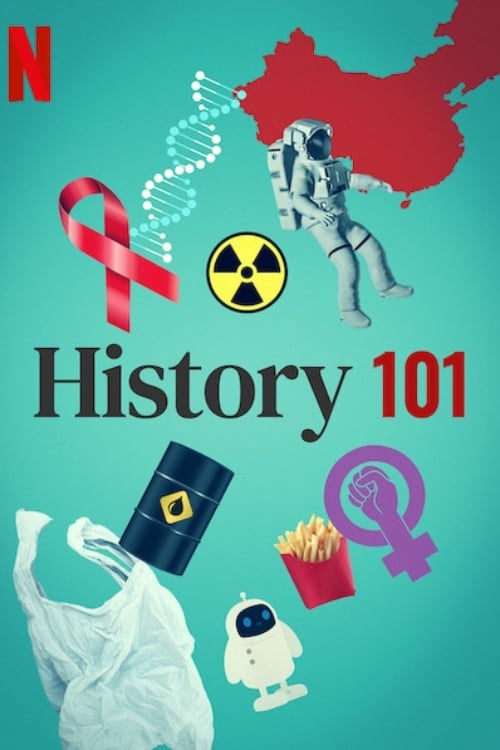
Infographics and archival footage deliver bite-size history lessons on scientific breakthroughs, social movements and world-changing discoveries.
This compelling series investigates the motives and m.o. of female murderers. While males are often driven by anger, impulse and destruction, women usually have more complex, long-term reasons to kill.
David Attenborough presents a documentary series exploring how animals meet the challenges of surviving in the most iconic habitats on earth.
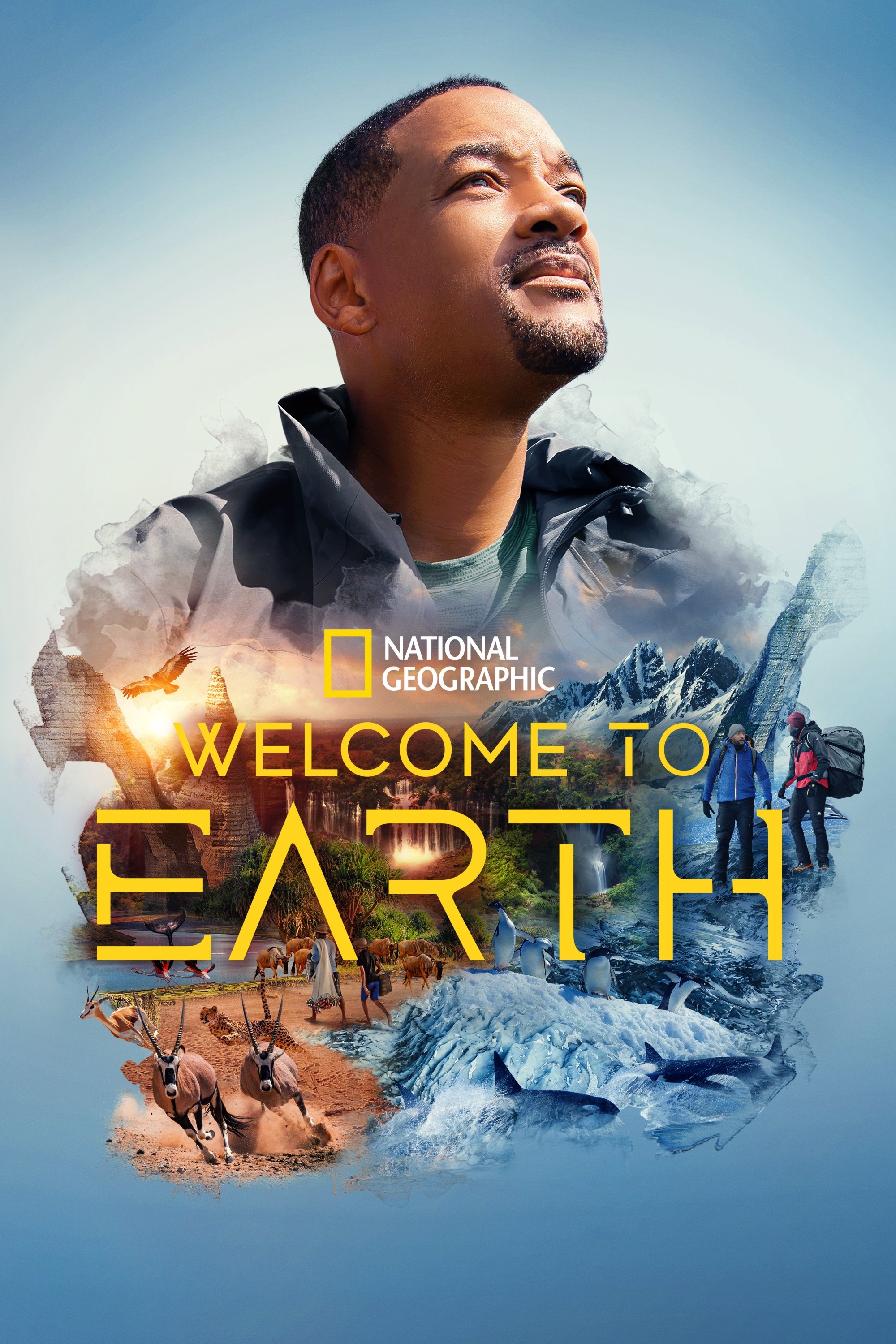
Will Smith whose curiosity and wonder is positively infectious—is guided by National Geographic Explorers traveling to different corners of the world to get up close and personal with the weirdest, most unusual, dangerous and thrilling spectacles of the planet.
Have you ever wondered how the products you use every day are made? How It's Made leads you through the process of how everyday products, such as apple juice, skateboards, engines, contact lenses, and many more objects are manufactured.
Filmed across six continents, this docuseries uses cutting-edge camera technology to capture animals' nocturnal lives, revealing new behaviours filmed in full color like never before.
Journeying to the far reaches of our planet, this eight part series follows some of the world's most amazing species, telling extraordinary stories that are dramatic, thrilling, funny and sometimes heart-breaking, but always full of hope.
Explore the surprising things we know (and don’t know) about why people are the way they are through expert interviews, rare footage from historical experiments, and brand-new, ground-breaking demonstrations of human nature at work.
An insider's look at the engineering and scientific miracles behind the things that form the modern world.
From the first dinosaurs to the last, this epic documentary series examines their 165 million years on Earth and the forces that shaped their evolution.
Natural World is a nature documentary television series broadcast annually on BBC Two and regarded by the BBC as its flagship natural history brand. It is currently the longest-running series in its genre on British television, with more than 400 episodes broadcast since its inception in 1983. Natural World is produced by the BBC Natural History Unit in Bristol, but individual programmes can be in-house productions, collaborative productions with other broadcasters or films made and distributed by independent production companies and purchased by the BBC. Natural World programmes are often broadcast as PBS Nature episodes in the USA. Since 2008, most Natural World programmes have been shot and broadcast in high definition.
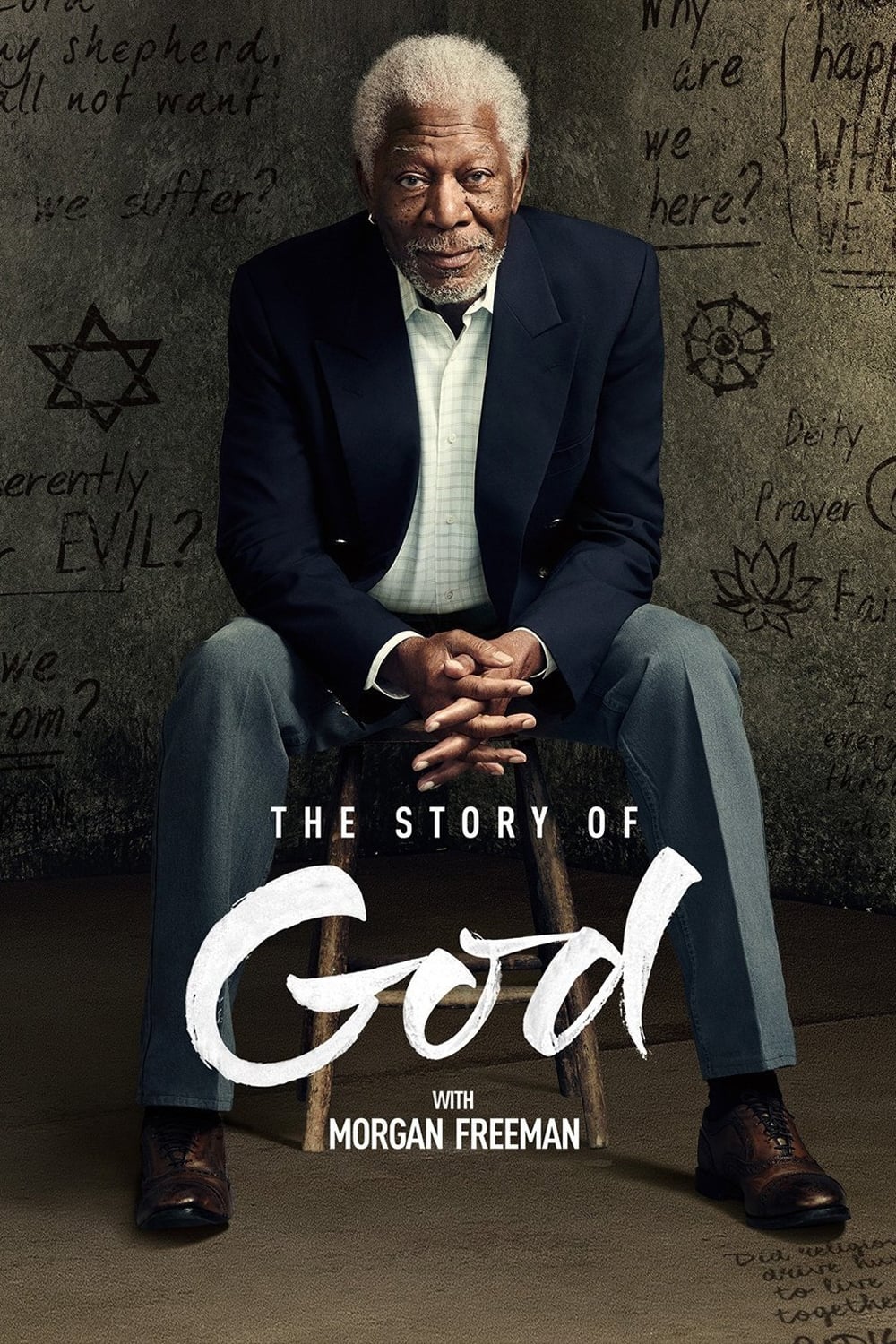
Morgan Freeman presents his quest in order to find how most religions perceive life after death, what different civilizations thought about the act of creation and other big questions that mankind has continuously asked.
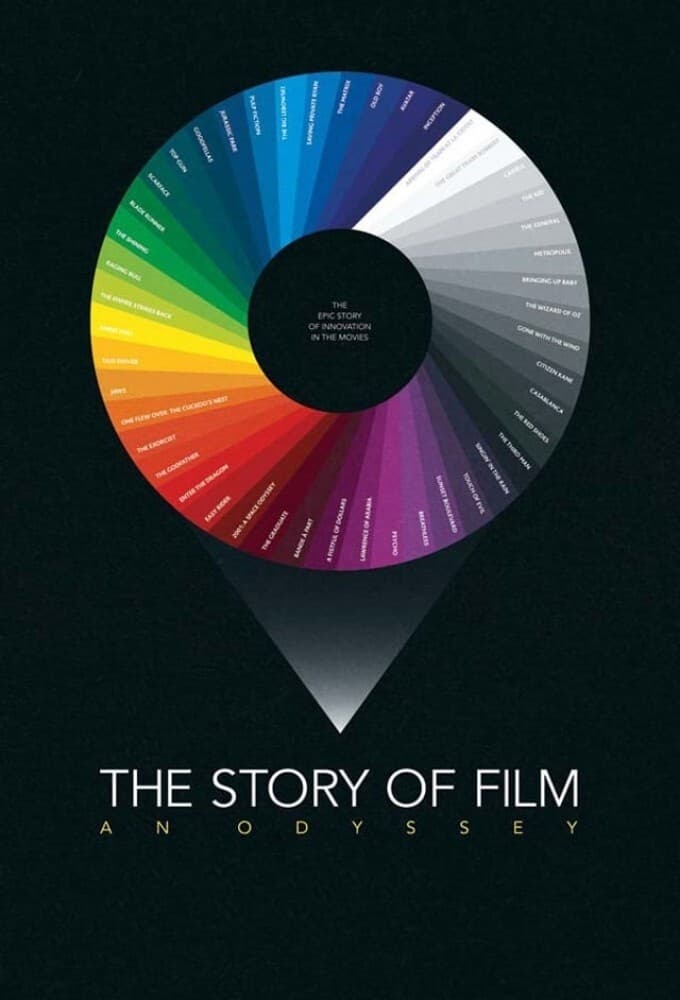
A worldwide guided tour of the greatest movies ever made and the story of international cinema through the history of cinematic innovation.
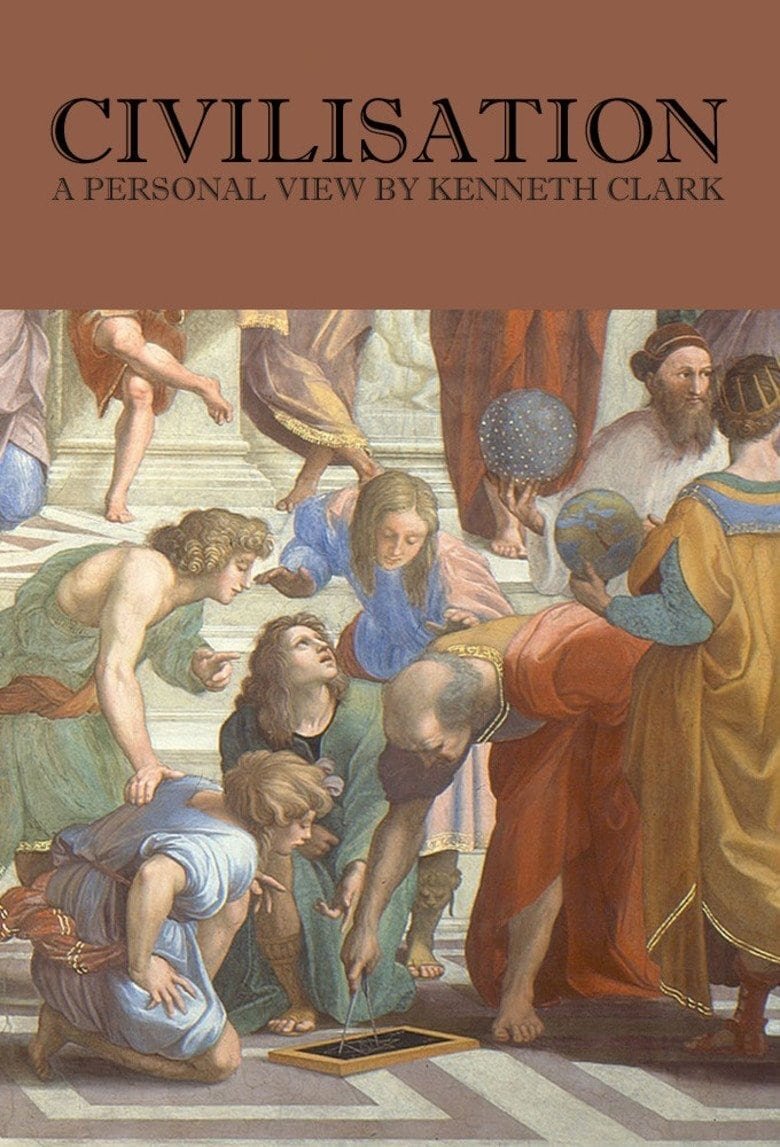
Sir Kenneth Clark guides us through the ages exploring the glorious rise of civilisation in western man. Beginning with the bleakness of the dark ages to the present day, we consider civilisation's articulations and expressions in some of man's finest works of art.
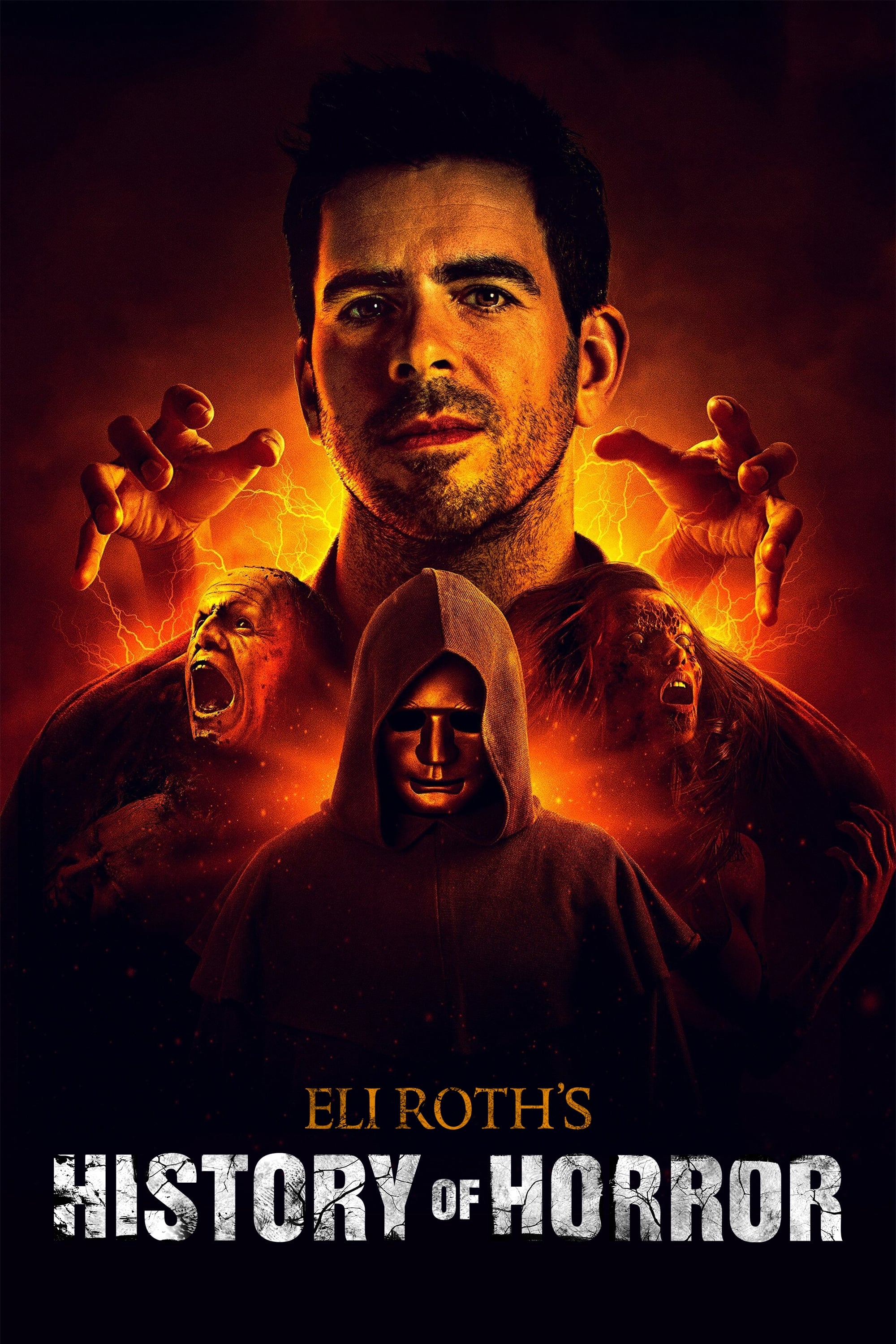
An in-depth look at the history and pop cultural significance of horror films.
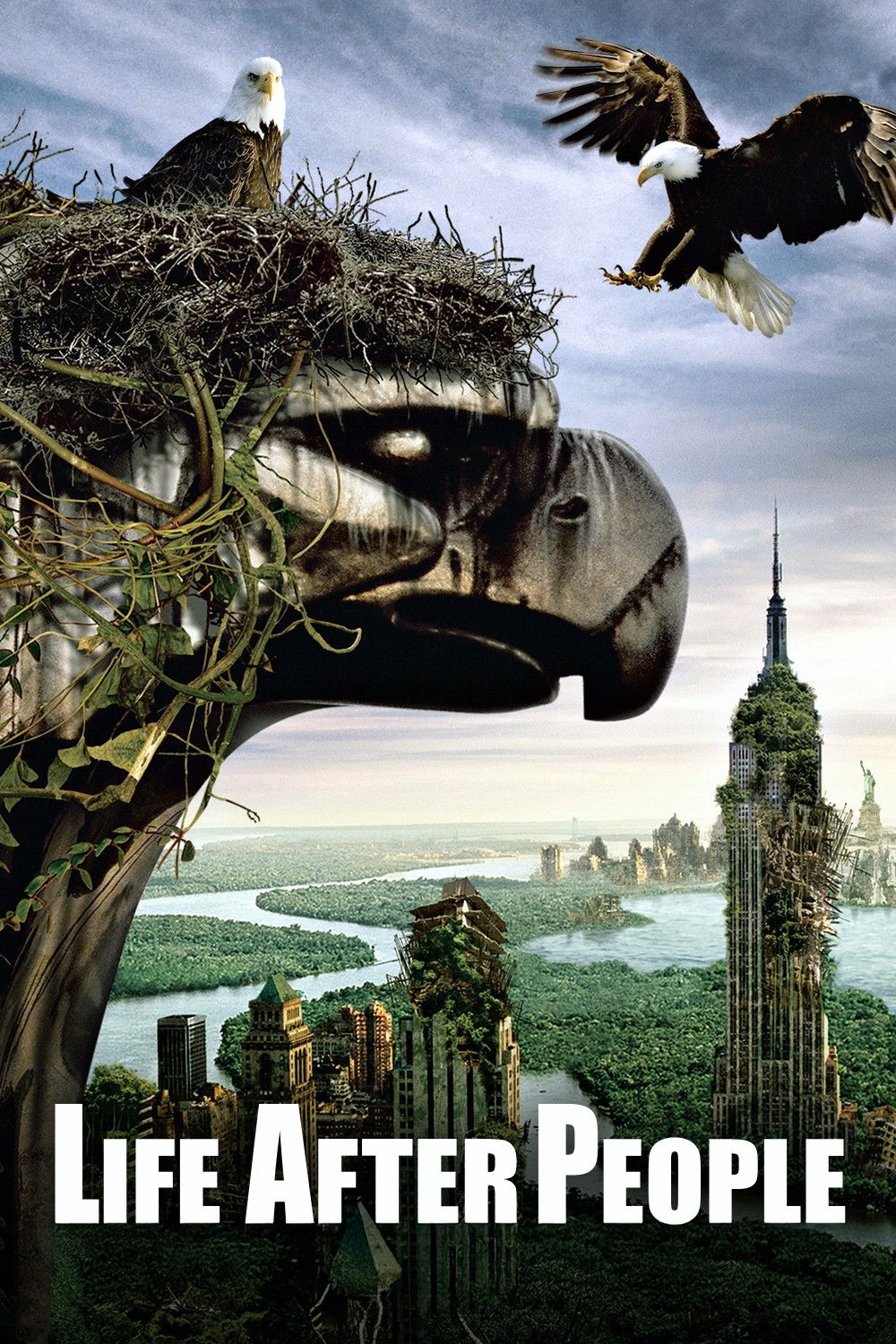
Life After People is a television series on which scientists, structural engineers, and other experts speculate about what might become of Earth should humanity instantly disappear. The featured experts also talk about the impact of human extinction on the environment, and the vestiges of civilization thus left behind.
TV's most-watched history series brings to life the compelling stories from our past that inform our understanding of the world today.