Social & External
The people behind it
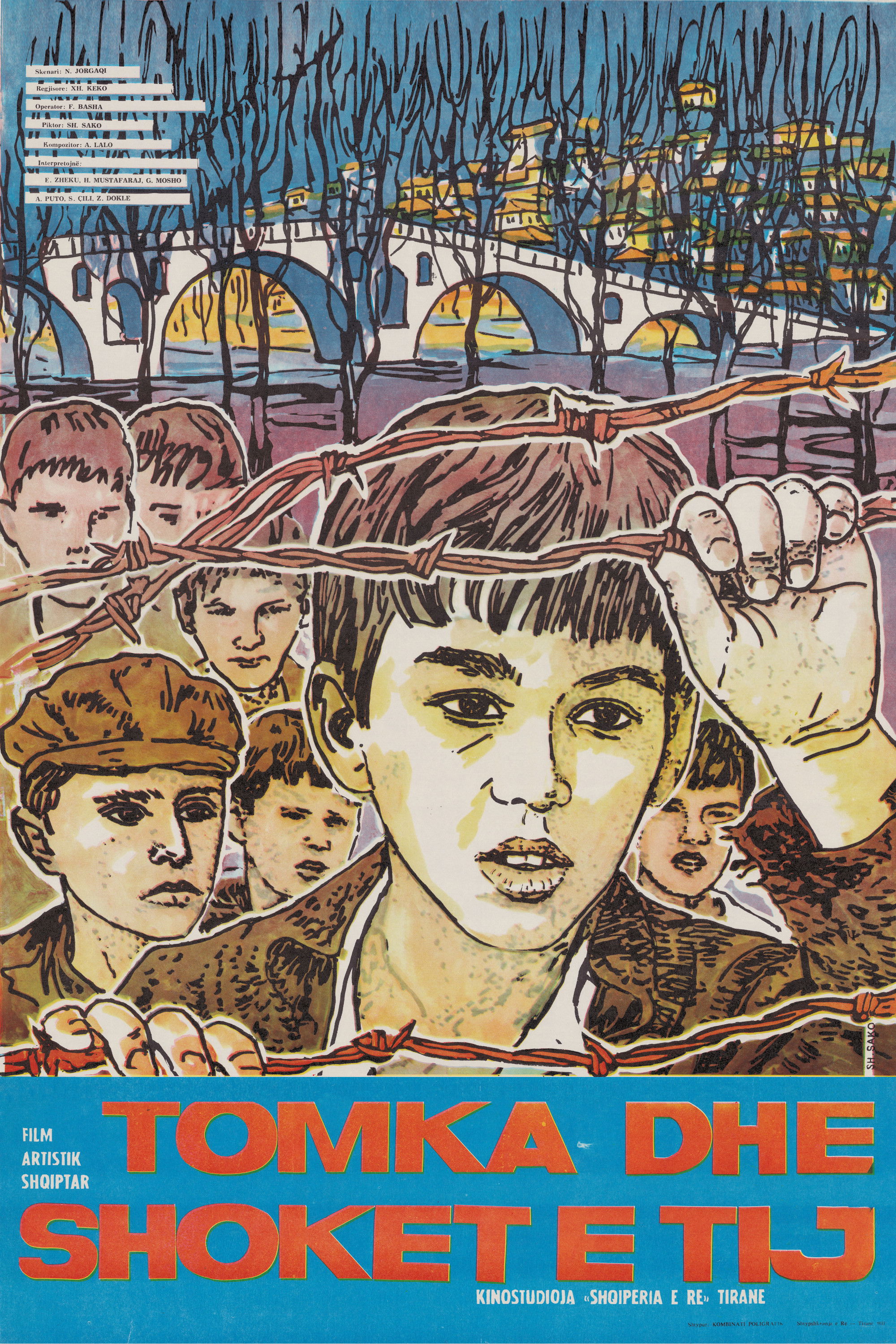
Tomka is a boy who likes playing football with his friends. When the German army captures his town, the German soldiers establish their camp in the town stadium. Tomka with help from his friends and their parents organizes sabotage actions against the soldiers.
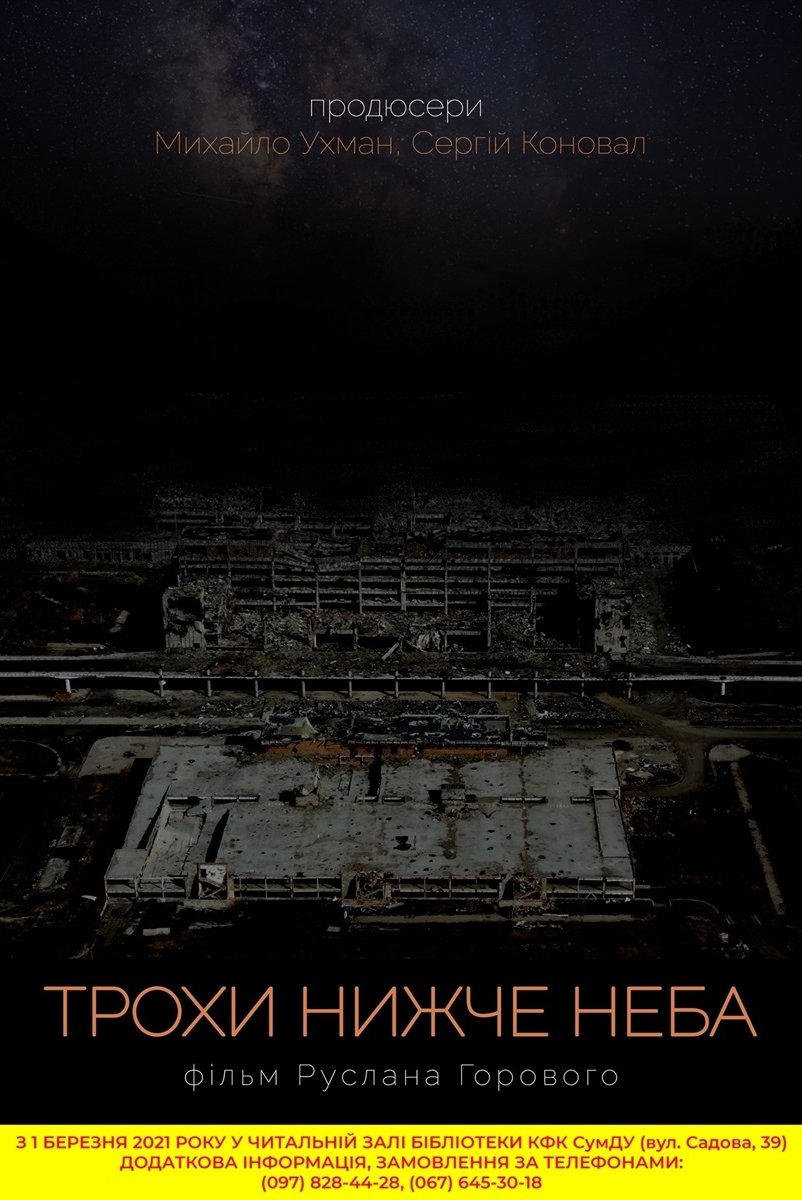
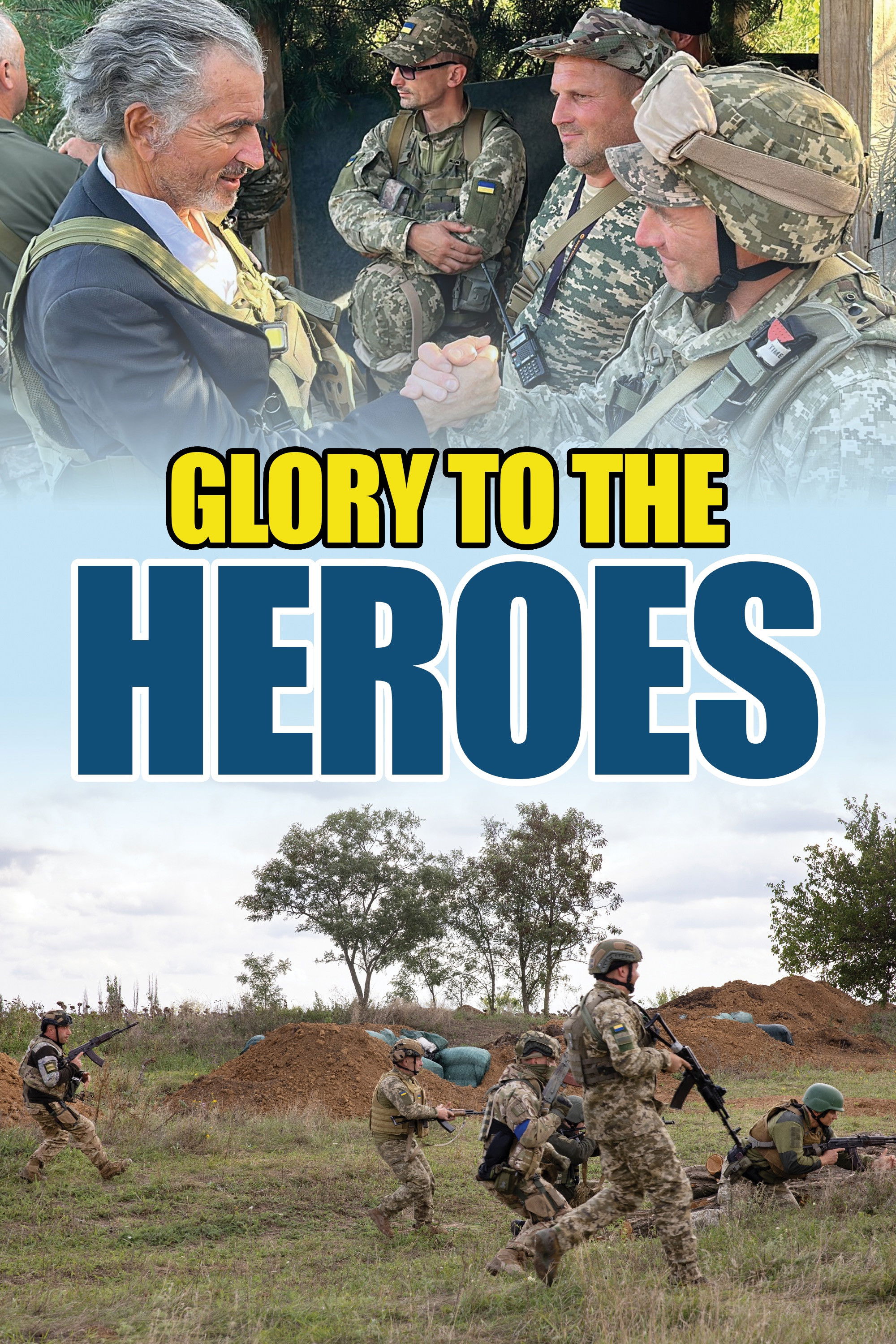
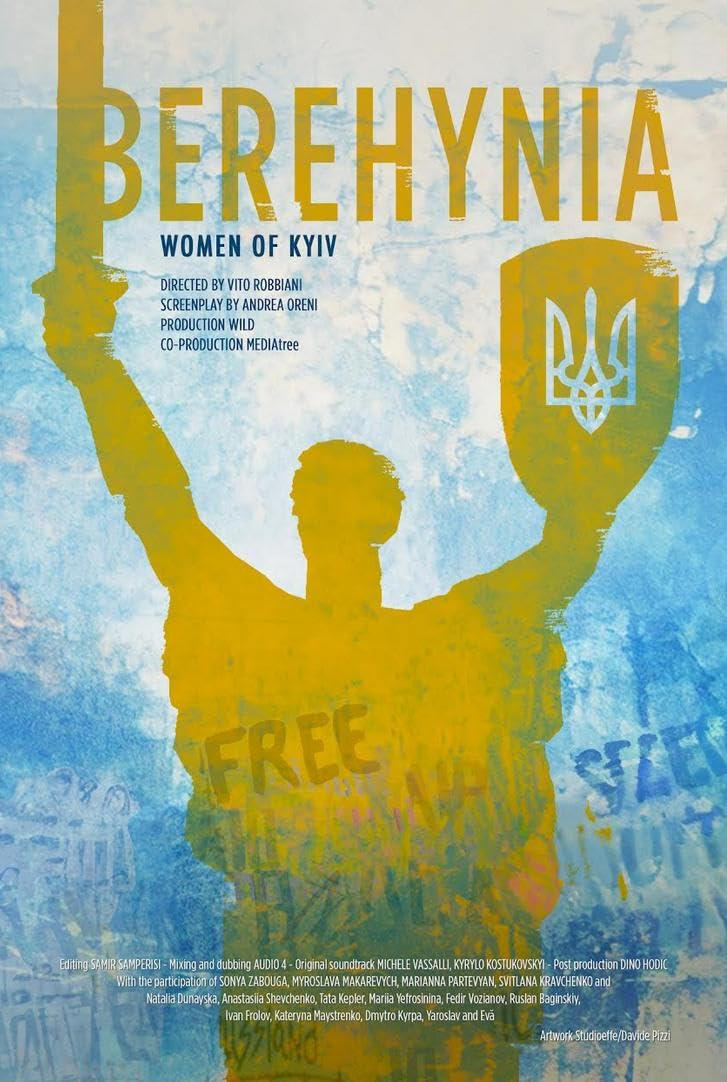
The story is about ordinary Ukrainian young men who become heroes. At a crucial moment, they take up arms and defend their homeland. This film is about those who have made a choice in favor of freedom, even if they have to pay with their lives for it.
Tells the story of the tragic events in Ukraine in 1932-33, the genocidal Great Famine or the Holodomor, and one Welshman's attempts to tell the world what was happening.
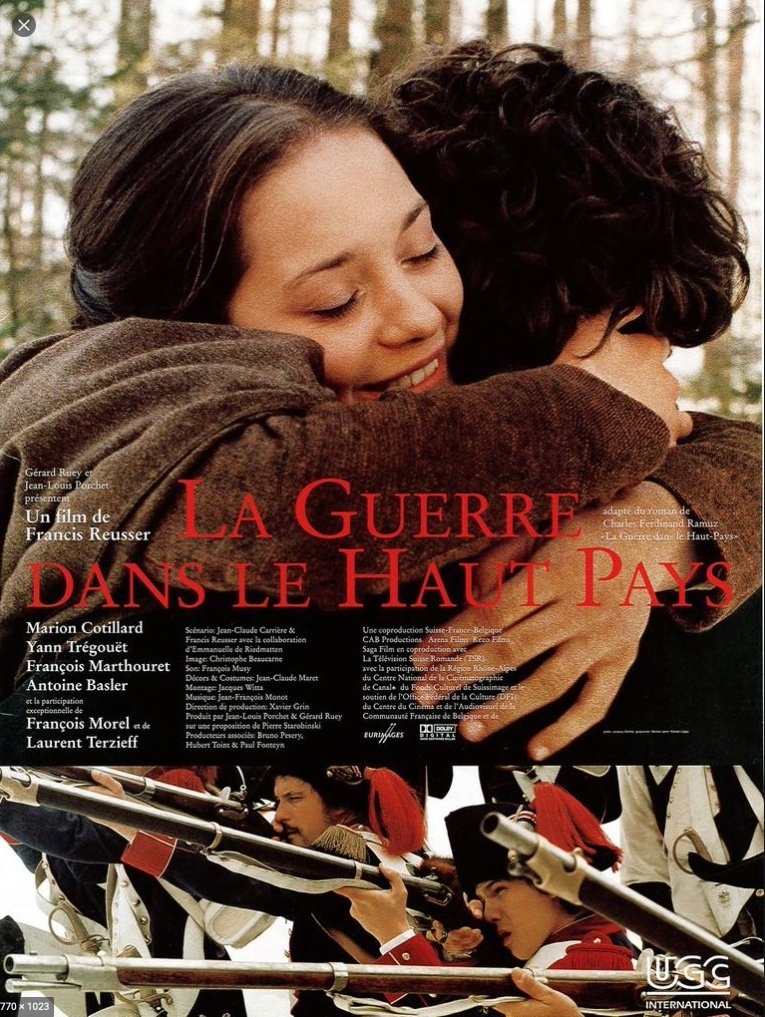
La Guerre Dans le Haut Pays is a period piece set in the winter of 1797-98, during the six days leading up to the fall of Bern and the victory of Napoleon's army, when the Bern government is faced with mixed loyalties from its subjects. The population of the lower valley is divided, but the upper region remains loyal, since they have been given special autonomy and a favorable system of taxation. David, a postman, works between the two regions. His father, who is a hard-line conservative, does not approve of his relationship with Julie, who is from the lower part of the valley. Julie's father, on the other hand, is more open to the new ideas of liberation. As a result of his work, David is exposed to new ideas and becomes a believer in equality and justice.
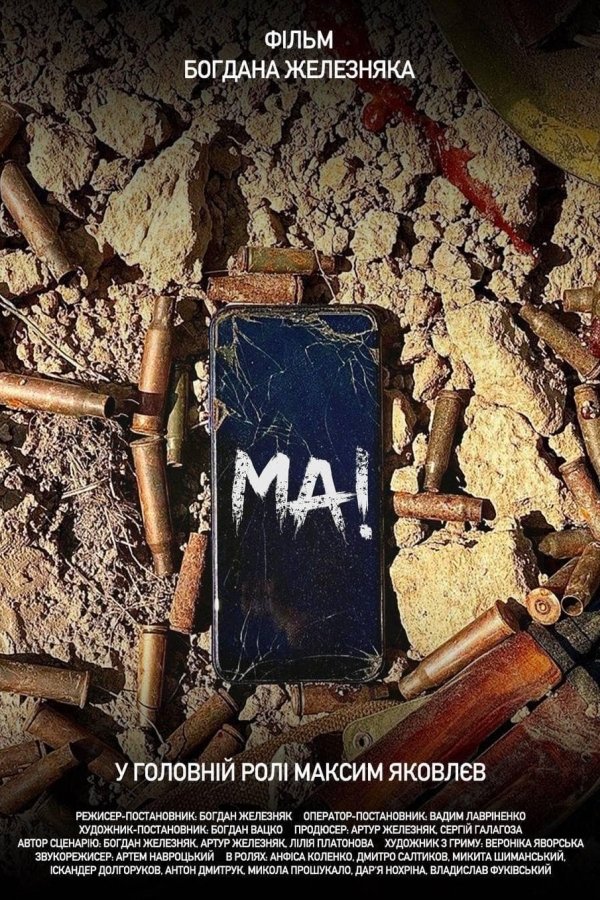
Two mirror situations: telephone conversation of a Russian soldier with his mother, and a soldier of the Armed Forces of Ukraine, who also communicates with his own, during the Russian military aggression. Why is there such a huge gulf between our people and their people? Perhaps the answer to this question lies in the difference in relationship with mothers.
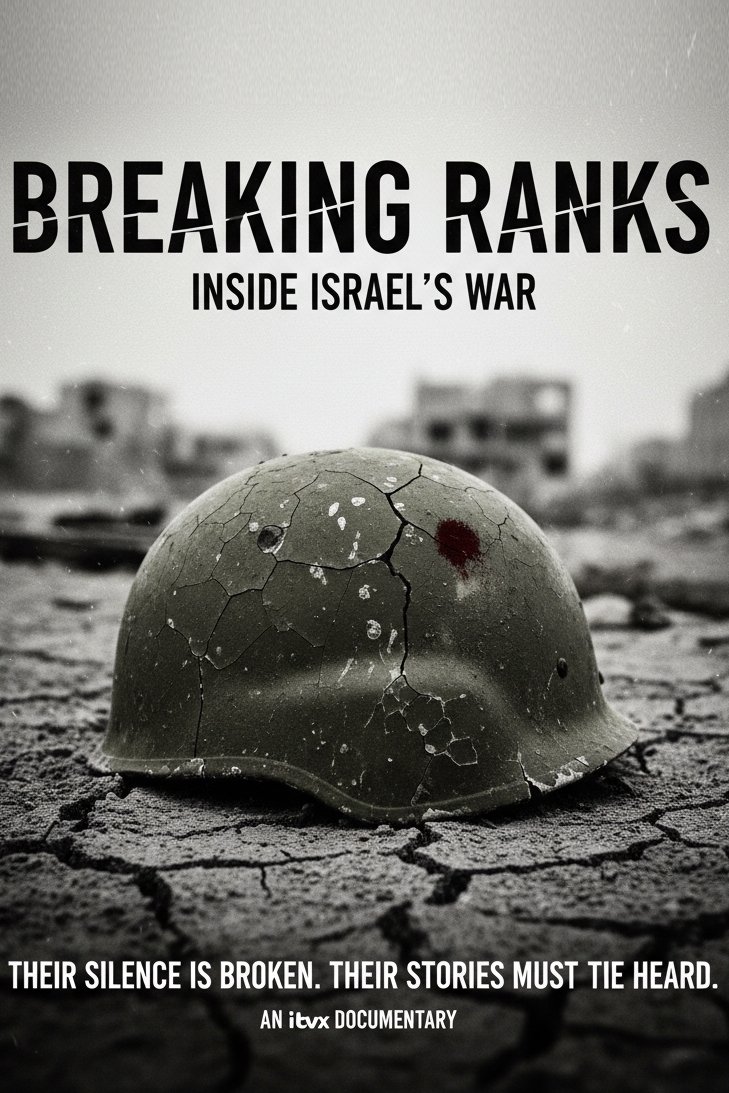
Breaking Ranks: Inside Israel’s War presents the first-hand recollections of IDF soldiers who have broken official silence to share their experiences of the war in Gaza - accounts that may raise serious questions about conduct on the ground and potential breaches of international law. Directed by award-winning filmmaker Ben Zand, the film features exclusive interviews with Israel Defense Forces (IDF), reservists and veterans - many speaking for the first time - who served during the war in Gaza. Their testimonies describe what they recall as indiscriminate bombardment, instances where Palestinian civilians were used as human shields, and an operational culture that some soldiers characterised as “no innocents in Gaza.”
An eye-opening documentary capturing Ukrainian soldiers in trenches and civilians facing ongoing destruction by invading Russian military forces.
Grief is an inheritance. Perhaps the sorrow you feel today once belonged to a woman who, a thousand years ago, watched a mountain of books burn in the fire of an invasion.
In the aftermath of war, an extraordinary professor brings hope to children haunted by trauma-induced nightmares.
Two people, a Frenchman and a Jewish German woman, meet on a train while escaping the German army entering France.
On July 31st, 2011 The Massachusetts Bay Railroad Enthusiasts chartered a special excursion on the Conway Scenic Railroad. The trip covered the CSRR Crawford Notch line (EX Maine Central "Mountain Division") from North Conway to the New Hampshire Central interchange in Hazens (Whitefield, NH). This rare mileage excursion featured track not used by the regular passenger trains by the CSRR! The star of the day was CSRR's steam locomotive #7470.
Where the Wind Blew, looks at the legacy of nuclear bomb testing during the Cold War in Kazakhstan (USSR) and Nevada (USA) told through the eyes of the victims, activists and participants.
After landing in Normandy, a squad of soldiers are split and must find each other whilst taking back Normandy.
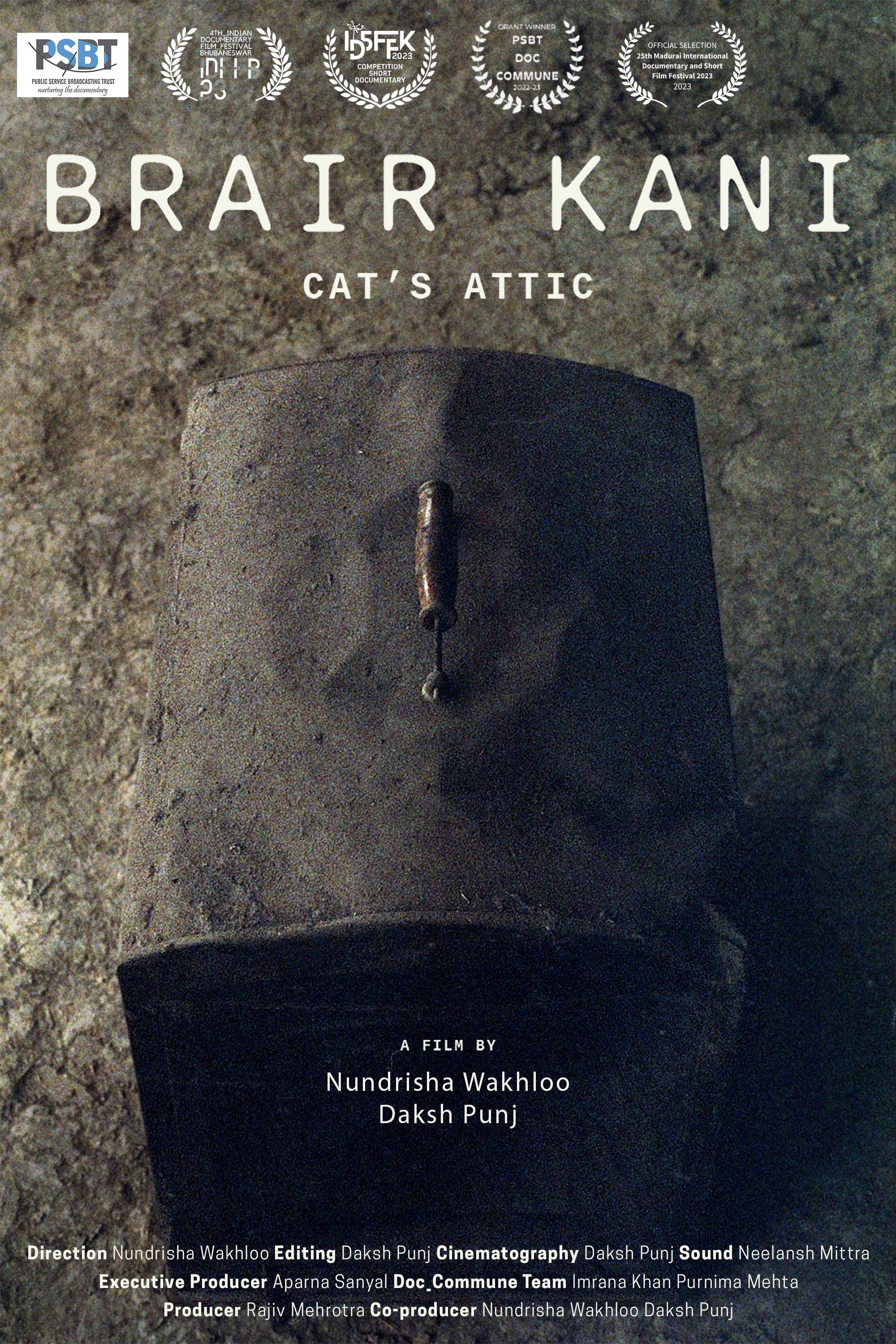
Brair Kani explores an ancestral house located in Srinagar, Kashmir. Using the attic as a site of reflection, the film navigates the relationship between space, belonging and personal history. Inhabiting the confines of the attic, the house spirits exist simultaneously as carriers of collective memory and as manifestations of the emotional landscape.
In Kyiv, the editorial staff of ELLE Ukraine, continue to publish the famous fashion and beauty magazine despite the war surrounding them.
Haitian history is presented through an explosion of colour, dance and music, as the country prepares for its legendary carnival.
The story of Nisar Ahmed Khan, told through his children and the people he served, a spiritual guide whose followers still visit his tomb on his birth and death anniversaries. And alongside how his family spends a few days at the village keeping his traditions alive.
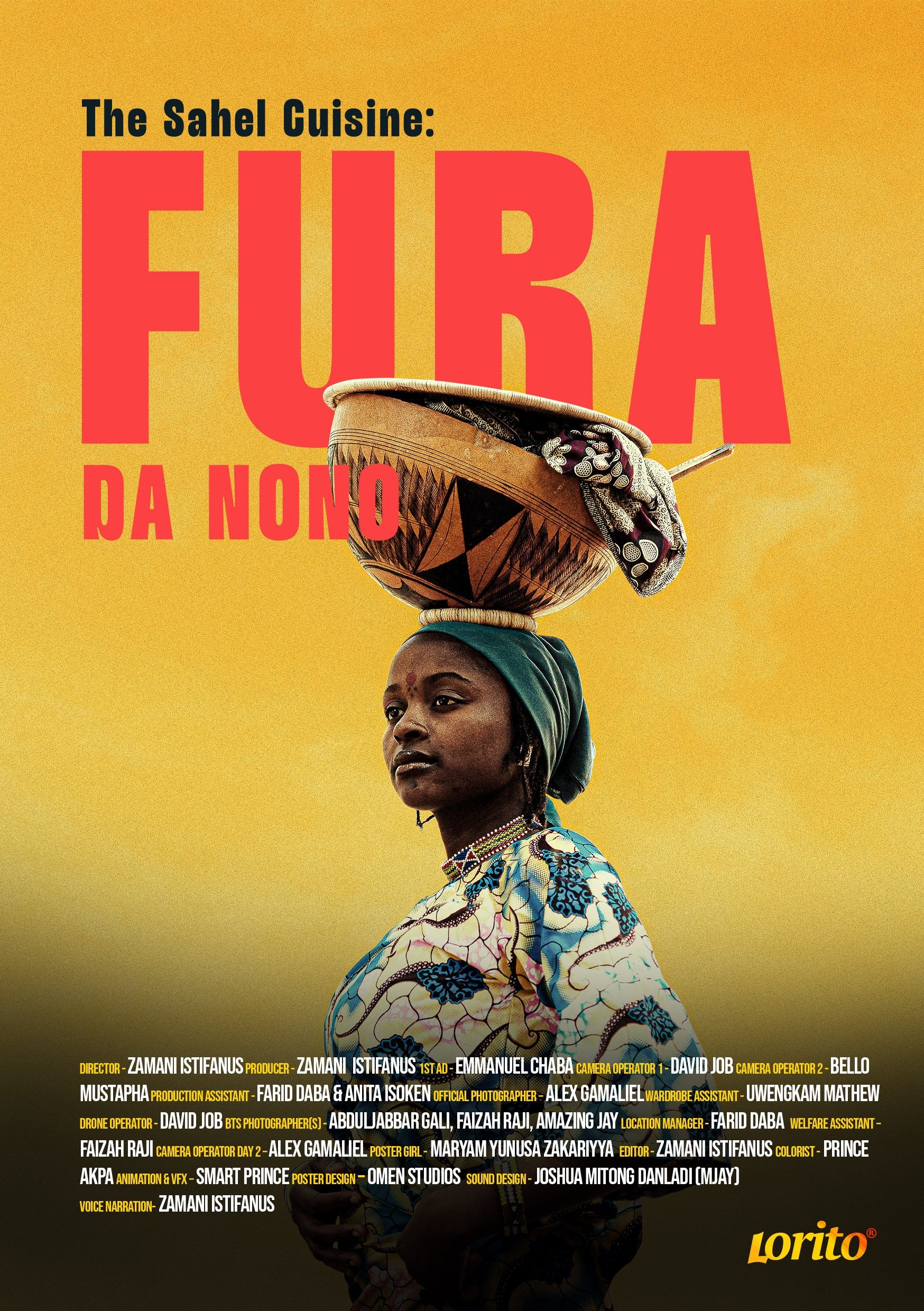
A documentary film about the art and process of making Fura Da Nono - a type of food that is originated from West Africa's Sahel region, one of the many unique traditions of the Fulani people which has been preserved for centuries.
Amid the failing counteroffensive, a journalist follows a Ukrainian platoon on their mission to traverse one mile of heavily fortified forest and liberate a strategic village from Russian occupation. But the farther they advance through their destroyed homeland, the more they realize that this war may never end.
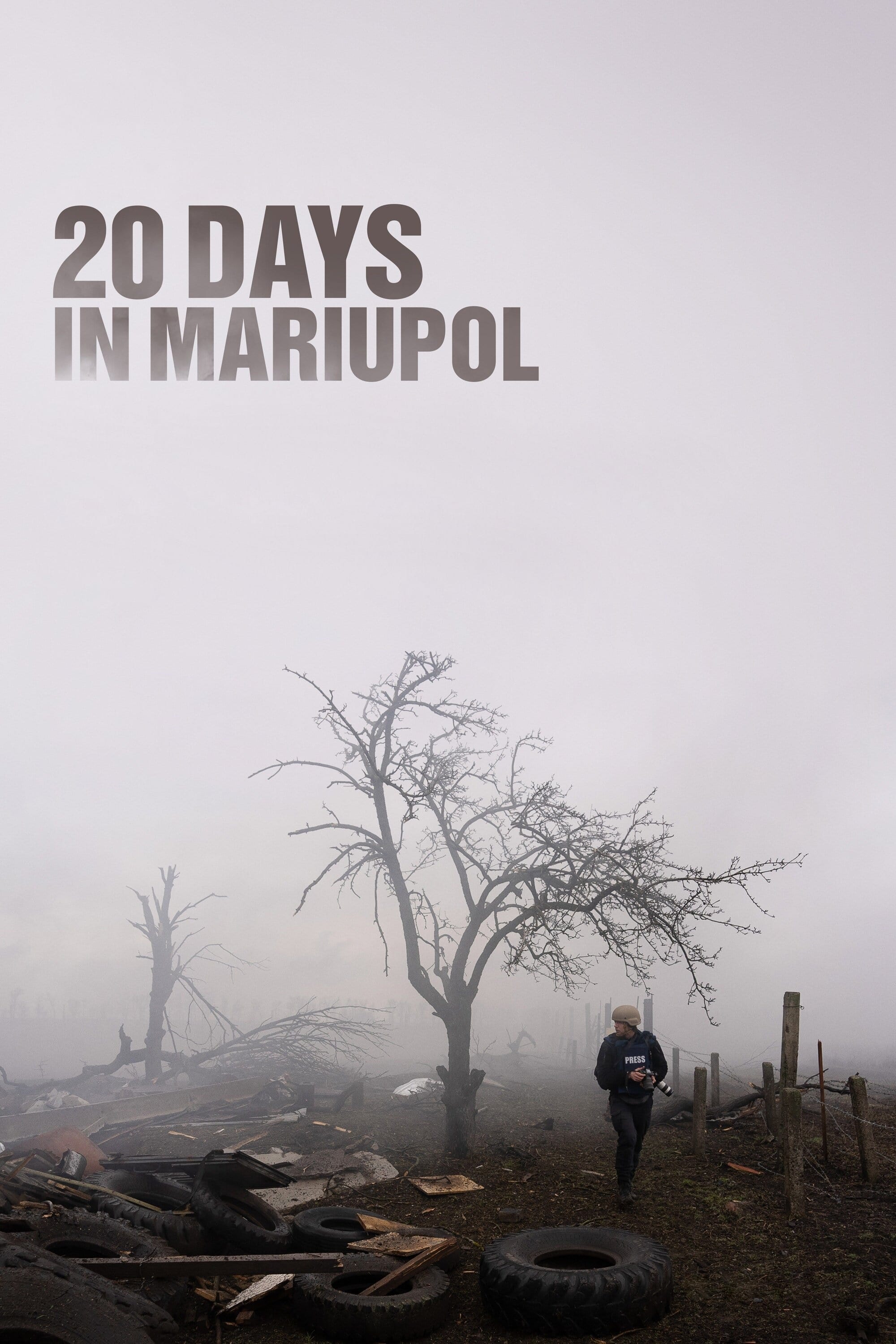
As the Russian invasion begins, a team of Ukrainian journalists trapped in the besieged city of Mariupol struggle to continue their work documenting the war's atrocities.
A documentary about World War I with never-before-seen footage to commemorate the centennial of Armistice Day, and the end of the war.
“The Soviet Story” is a story of an Allied power, which helped the Nazis to fight Jews and which slaughtered its own people on an industrial scale. Assisted by the West, this power triumphed on May 9th, 1945. Its crimes were made taboo, and the complete story of Europe’s most murderous regime has never been told. Until now...
Meet the real-life airmen who inspired Masters of the Air as they share the harrowing and transformative events of the 100th Bomb Group.
A love letter from a young mother to her daughter, the film tells the story of Waad al-Kateab’s life through five years of the uprising in Aleppo, Syria as she falls in love, gets married and gives birth to Sama, all while cataclysmic conflict rises around her. Her camera captures incredible stories of loss, laughter and survival as Waad wrestles with an impossible choice– whether or not to flee the city to protect her daughter’s life, when leaving means abandoning the struggle for freedom for which she has already sacrificed so much.
Prelude to War was the first film of Frank Capra's Why We Fight propaganda film series, commissioned by the Pentagon and George C. Marshall. It was made to convince American troops of the necessity of combating the Axis Powers during World War II. This film examines the differences between democratic and fascist states.
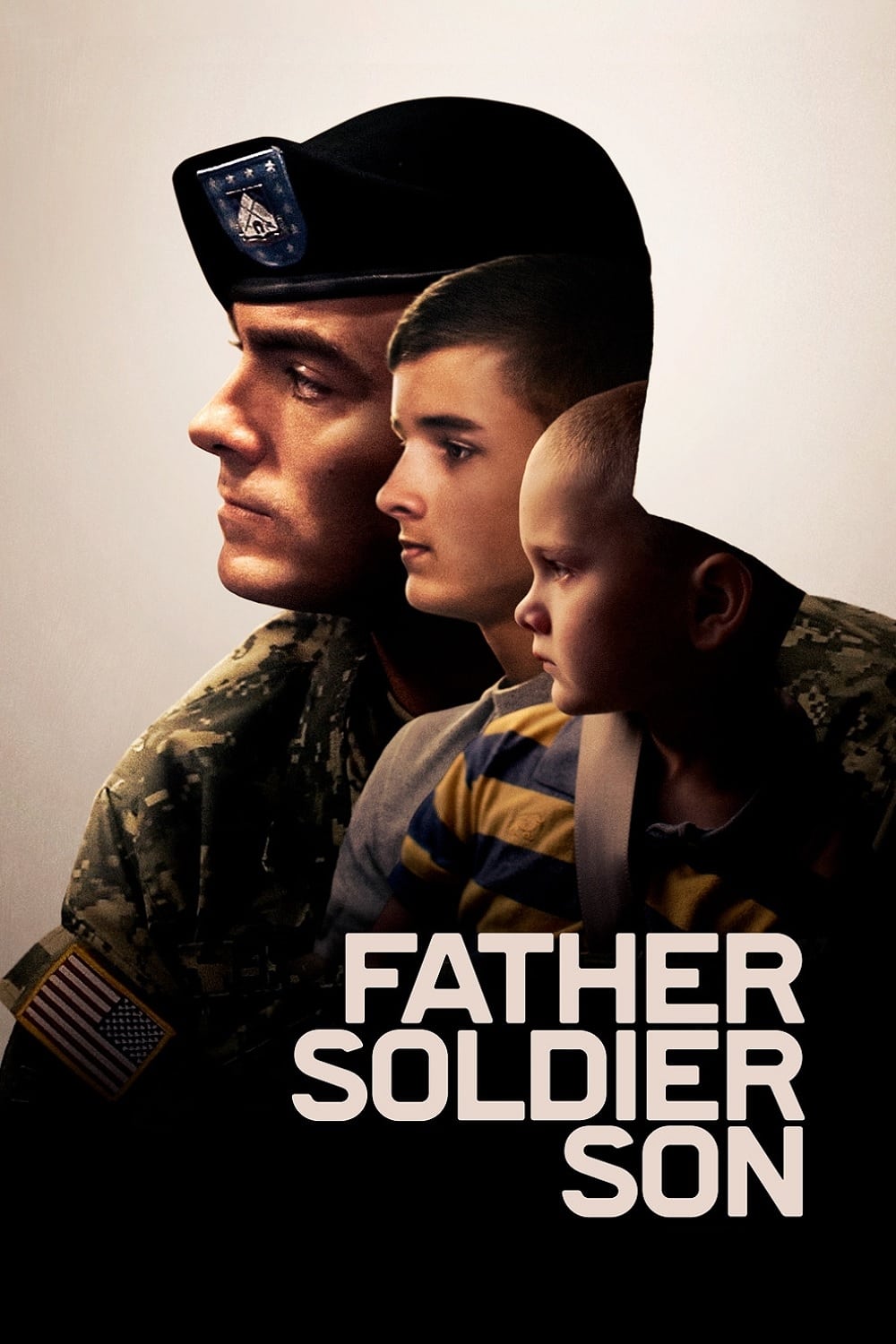
When Sgt. First Class Brian Eisch is critically wounded in Afghanistan, it sets him and his sons on a journey of love, loss, redemption and legacy.
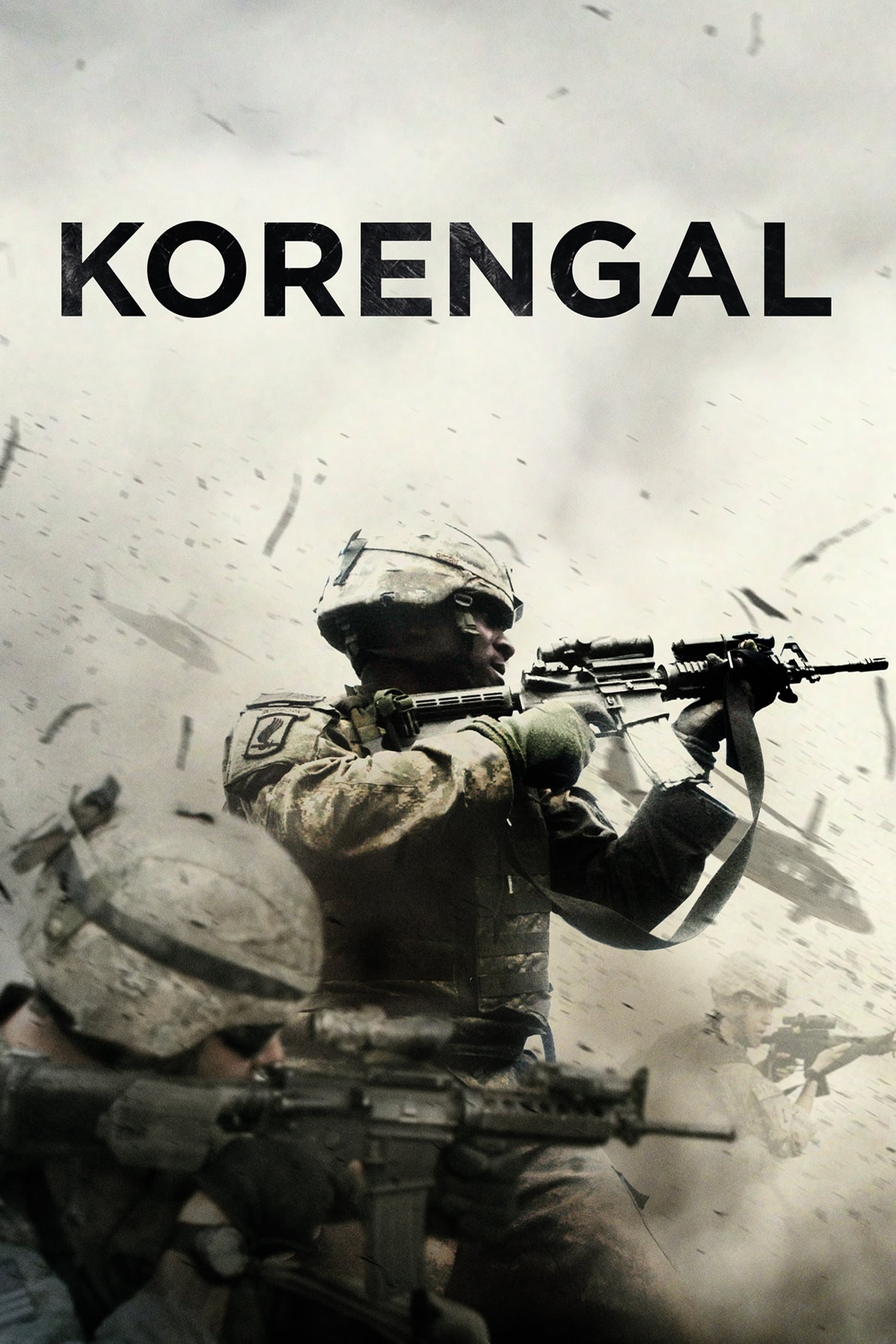
Korengal picks up where Restrepo left off; the same men, the same valley, the same commanders, but a very different look at the experience of war.
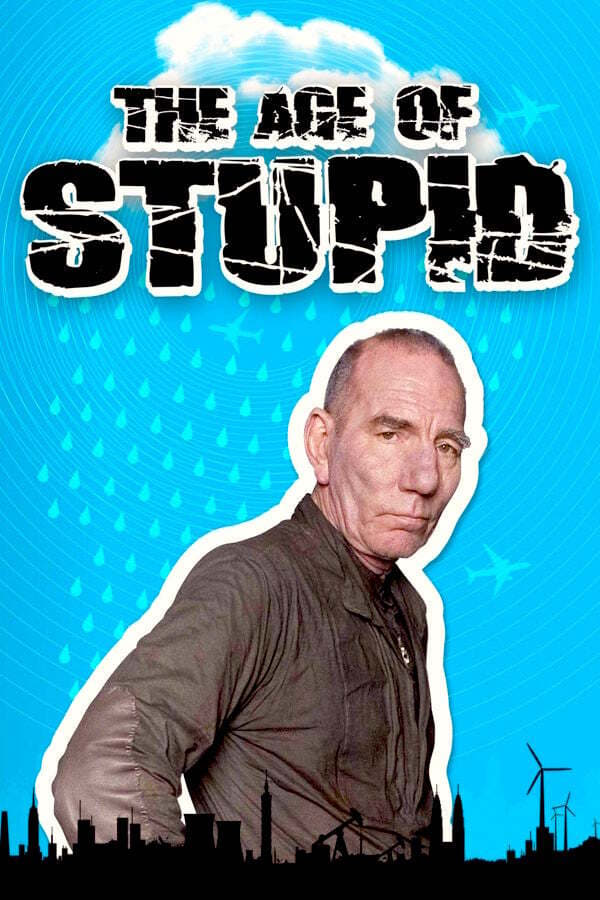
Pete Postlethwaite stars as a man living alone in the devastated future world of 2055, looking at old footage from 2008 and asking: why didn’t we stop climate change when we had the chance?
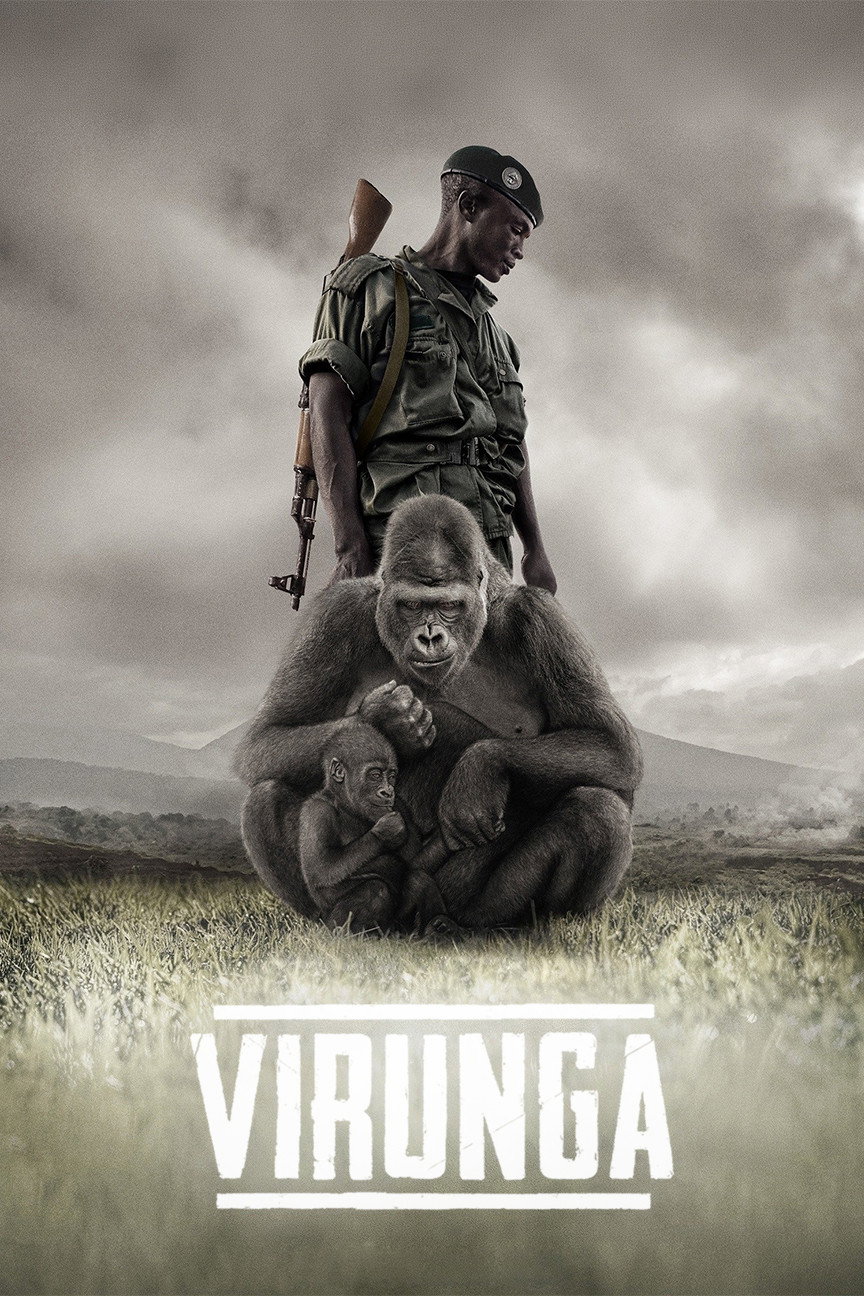
Virunga in the Democratic Republic of the Congo is Africa’s oldest national park, a UNESCO world heritage site, and a contested ground among insurgencies seeking to topple the government that see untold profits in the land. Among this ongoing power struggle, Virunga also happens to be the last natural habitat for the critically endangered mountain gorilla. The only thing standing in the way of the forces closing in around the gorillas: a handful of passionate park rangers and journalists fighting to secure the park’s borders and expose the corruption of its enemies. Filled with shocking footage, and anchored by the surprisingly deep and gentle characters of the gorillas themselves, Virunga is a galvanizing call to action around an ongoing political and environmental crisis in the Congo.
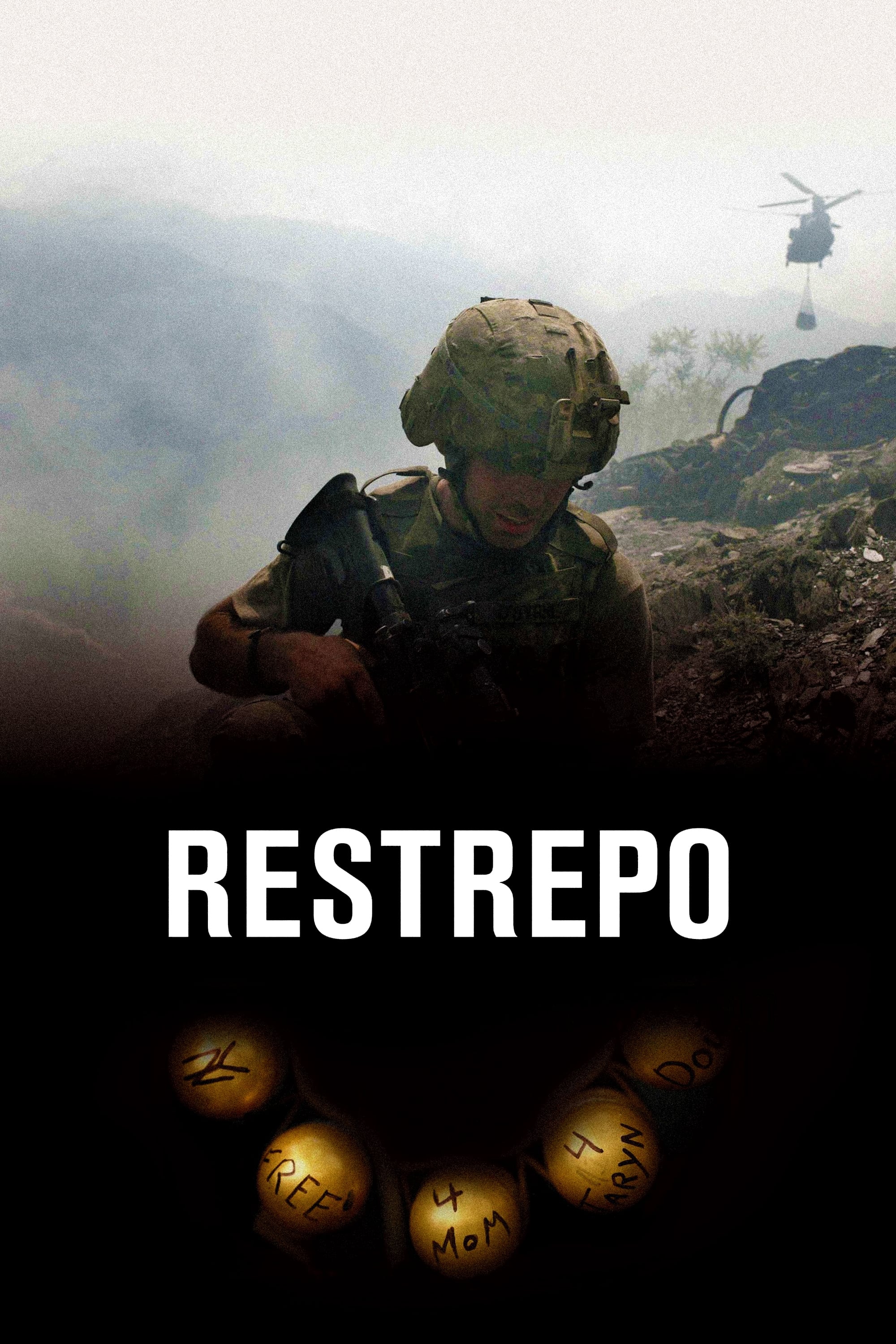
Directors Hetherington and Junger spend a year with the 2nd Battalion of the United States Army located in one of Afghanistan's most dangerous valleys. The documentary provides insight and empathy on how to win the battle through hard work, deadly gunfights and mutual friendships while the unit must push back the Taliban.
During the chaotic final weeks of the Vietnam War, the North Vietnamese Army closes in on Saigon as the panicked South Vietnamese people desperately attempt to escape. On the ground, American soldiers and diplomats confront a moral quandary: whether to obey White House orders to evacuate only U.S. citizens.
With unprecedented access, this documentary follows the extraordinary journey of “Raqqa is Being Slaughtered Silently”—a group of anonymous citizen journalists who banded together after their homeland was overtaken by ISIS—as they risk their lives to stand up against one of the greatest evils in the world today.
Filmmaker Alain Resnais documents the atrocities behind the walls of Hitler's concentration camps.
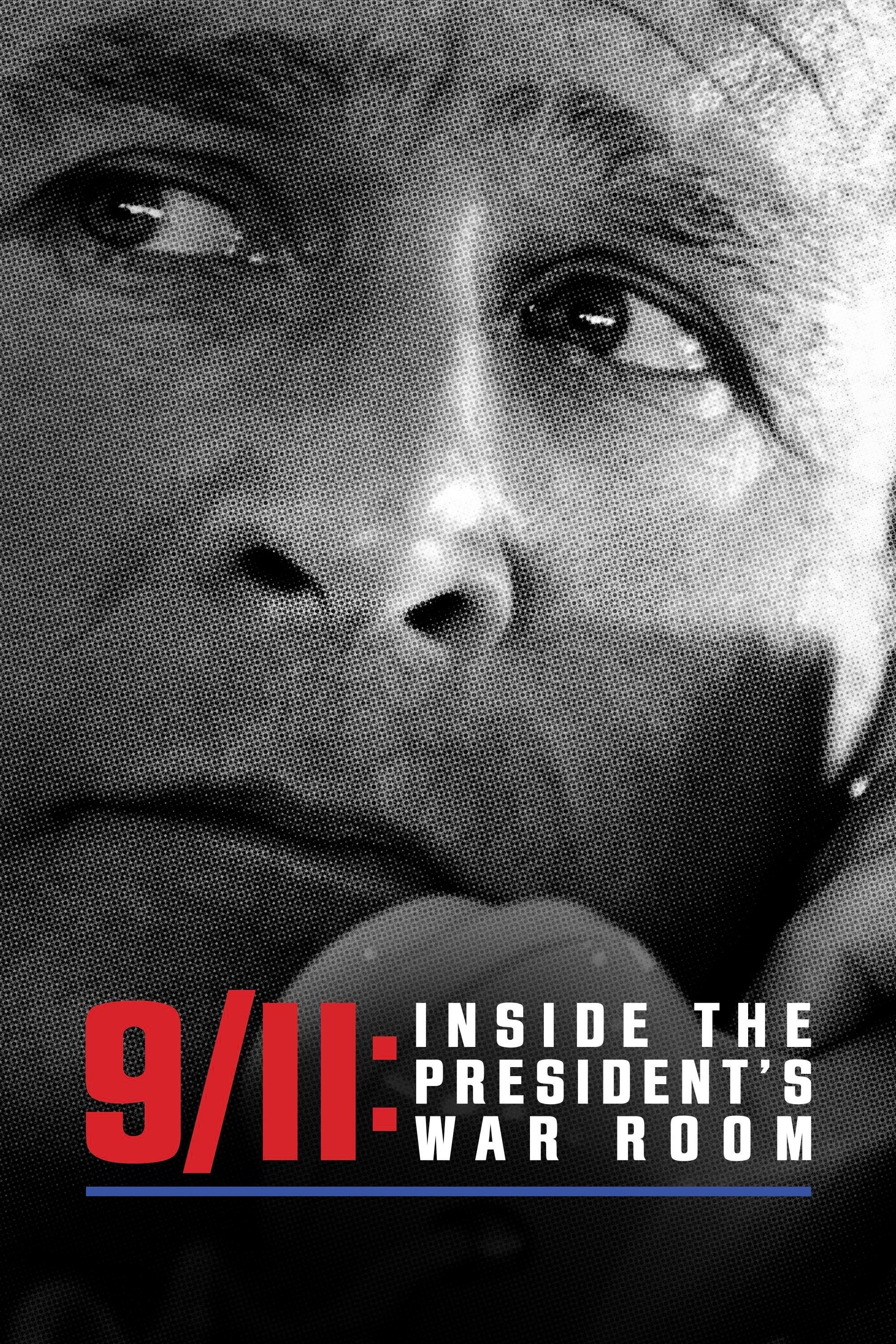
Experience the events of September 11, 2001 through the eyes of President Bush and his closest advisors as they personally detail the crucial hours and key decisions from that historic day.
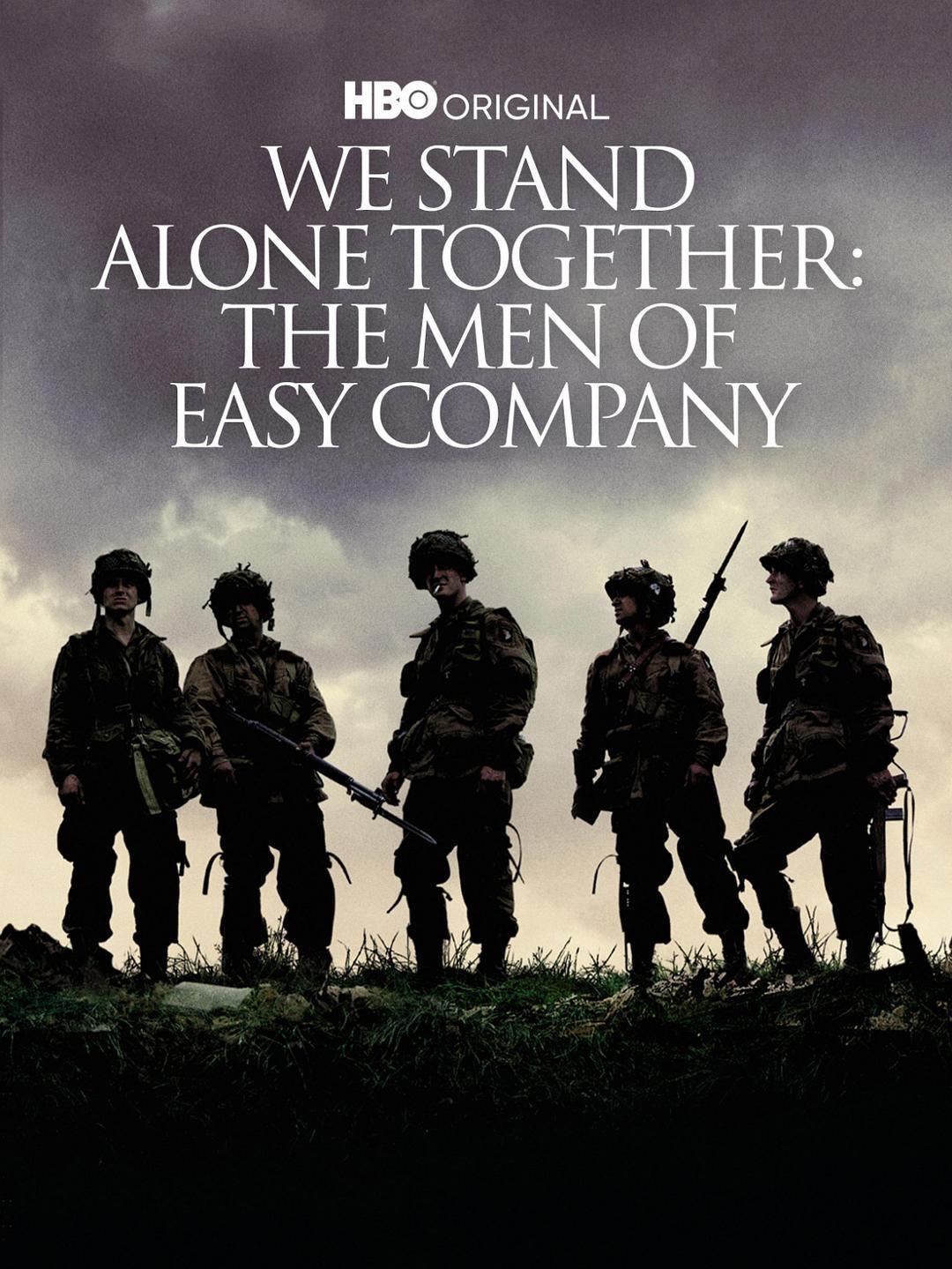
Over a period of two years, Mark Cowen and his crew travelled to thirty U.S. states and ten European cities, to interview the veterans of Easy Company. The stories told by the veterans themselves, create a history of the Second World War from the point of view of this heroic company of men, made famous in the mini-series Band of Brothers.
An unprecedented and intimate look at the life, work and enduring legacy of British actress Audrey Hepburn (1929-1993).
He's devoted his career to uncovering stories the powerful want buried. From My Lai to Abu Ghraib, dig into the life's work of journalist Seymour Hersh.
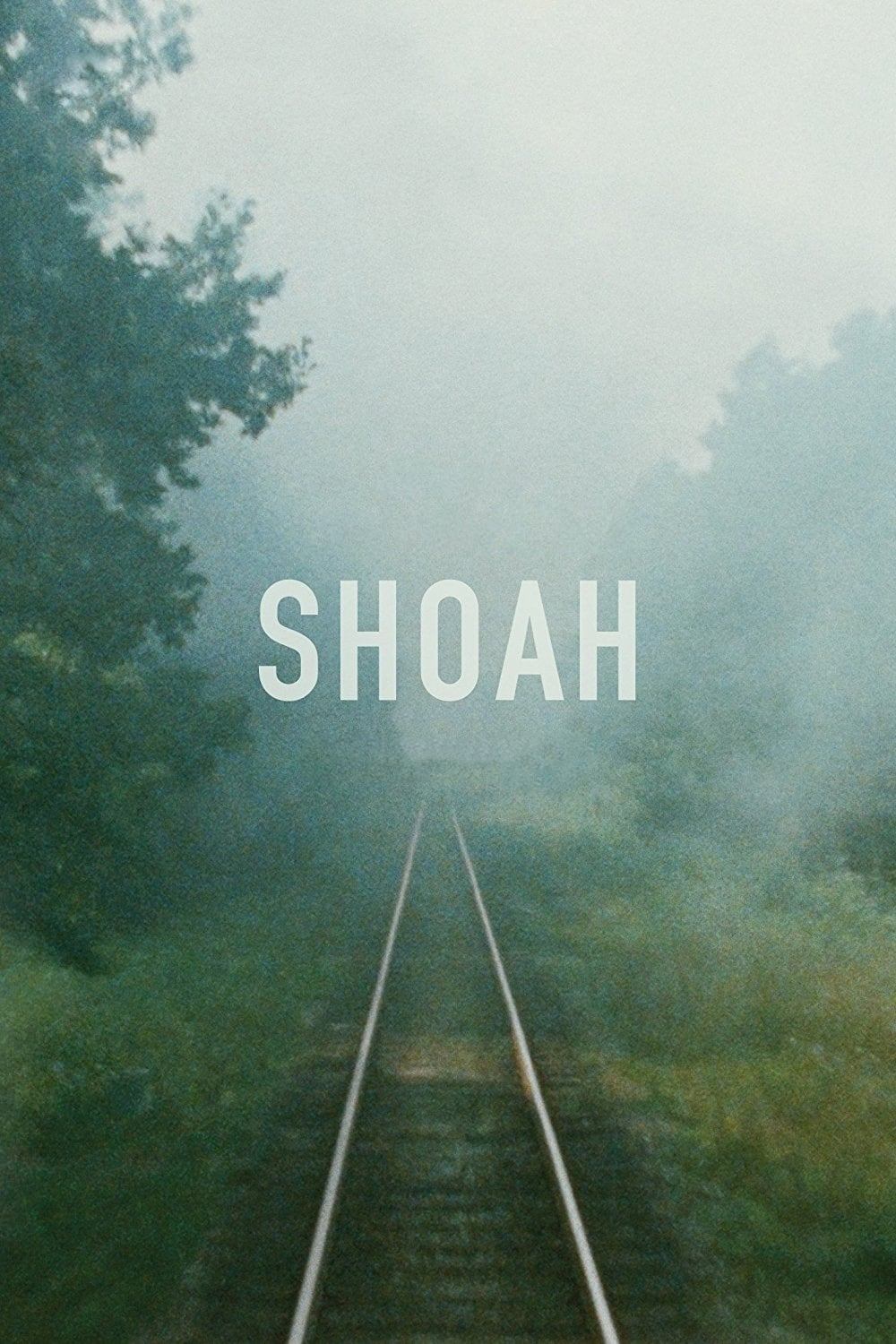
Director Claude Lanzmann spent 11 years on this sprawling documentary about the Holocaust, conducting his own interviews and refusing to use a single frame of archival footage. Dividing Holocaust witnesses into three categories – survivors, bystanders, and perpetrators – Lanzmann presents testimonies from survivors of the Chelmno concentration camp, an Auschwitz escapee, and witnesses of the Warsaw Ghetto Uprising, as well as a chilling report of gas chambers from an SS officer at Treblinka.