Short video art piece.
Social & External
Produced by WGBH-TV in Boston, the Medium Is the Medium is one of the earliest and most prescient examples of the collaboration between public television and the emerging field of video art in the U.S. WGBH commissioned artists — Allan Kaprow, Nam June Paik, Otto Piene, James Seawright, Thomas Tadlock and Aldo Tambellini — to create original works for broadcast television. Their works explored the parameters of the new medium, from image processing and interactivity to video dance and sculpture.
A video installation using three monitors and mirrors, Ooi and Environs depicts the Tokyo cityscape with electronically modified footage of the city. Aiming to create an interactive environment, images reflected on the mirror shift as audience members move.
In this tape, Ko Nakajima and Video Earth Tokyo interview a homeless man. The subject is initially angry and frustrated, but gradually opens up and shares stories about his life. Under A Bridge was later broadcast on cable television.
In Idemitsu's seminal women's liberationist video, the image of a tampon swirling in a toilet bowl slowly appears, as the artist speaks about the troubling roles, responsibilities and expectations of women in a clinical tone. Minimal in composition, What a Woman Made is a candid critique of the treatment of women in Japanese society.
A member of the collective Video Hiroba, Morihiro Wada also used video in his solo projects. In The Recognition Construction, each subject entering the frame is identified by a narrator, while the video camera slowly rotates. As the rotation speeds up the identification becomes more difficult, and the objects ultimately become "indecipherable."
Writes Kobayashi, "In 1972 I started a series of participatory performances where the first person performs an ambiguous action in front of a recording camera; the next person watches the recorded footage and imitates the action in front of a recording camera; the third person repeats the same procedure using the second person's video recording, and so on. Within the repetition of recording and action, the original gesture is transformed by the participants' misunderstanding, interpretation, and memory."
Single channel HD video. Part of the "Distortion III" video album.
Features four distinct, bizarre, existential tales about people whose lives are in transition, who are each asking questions about themselves, their environments, and about God(s).
Short video art redux.
Writes Ando, "Oh! My Mother was the first work I made using a newly bought 16mm camera I had purchased with the writer Shuji Terayama in Paris. This piece was selected for the Oberhausen International Film Festival. In 1969, there were, of course, no video cameras like ones we see now, and color TVs were only found at broadcast television studios. I had just been employed at the TBS (Tokyo Broadcasting System), and I often snuck into the studios after hours to experiment with the equipment. Oh! My Mother was made using the feedback effect, which is produced by infinitely expanding the image by looping the video."
An experimental short film from Toshio Matsumoto featuring Mona Lisa.
Video collage distributed by the label Come Organisation. I - IV. Noise, smut, medical procedures, studies on art, interviews and other assorted madness.
Computer Movie No. 2 is a CGI animation created in advance of video-editing software. CTG programmed graphics on an IBM computer, filmed the screen with a 16mm camera, and assembled the frames as an animated film.
Sylvia Kristel – Paris is a portrait of Sylvia Kristel , best known for her role in the 1970’s erotic cult classic Emmanuelle, as well as a film about the impossibility of memory in relation to biography. Between November 2000 and June 2002 Manon de Boer recorded the stories and memories of Kristel. At each recording session she asked her to speak about a city where Kristel has lived: Paris, Los Angeles, Brussels or Amsterdam; over the two years she spoke on several occasions about the same city. At first glance the collection of stories appears to make up a sort of biography, but over time it shows the impossibility of biography: the impossibility of ‘plotting’ somebody’s life as a coherent narrative.
Camera, Monitor, Frame is the first installment of Takahiko Iimura's "Video Semiotics Triptych" (the other two works are Observer/Observed, made in 1975, and Observer/Observed/Observer, made in 1976). The work analyzes the fundamental components of video: the camera, the monitor, and the frame, focusing on the role of each within a system of video as analogous to the functions of vision and speech.
Yamaguchi writes, "In April 1969, Image Modulator was shown at the Sony Building exhibition Electromagica '69, using three Trinitron color TV monitors behind a glass that created an optical effect. The glass acted as a literal filter, adding a mosaic effect to the video images."
Using video technology as an extension of his body, Yamamoto interacts with a pre-recorded image of his hand displayed on a monitor.
Katsuhiro Yamaguchi and Hakudo Kobayashi presented the video performance Eat at Video Hiroba's first exhibition, Video Communication DO IT YOURSELF KIT. Two performers sit at a table. One records the other eating; then they switch roles. The live video feed of the performance was displayed on a monitor in the exhibition space.
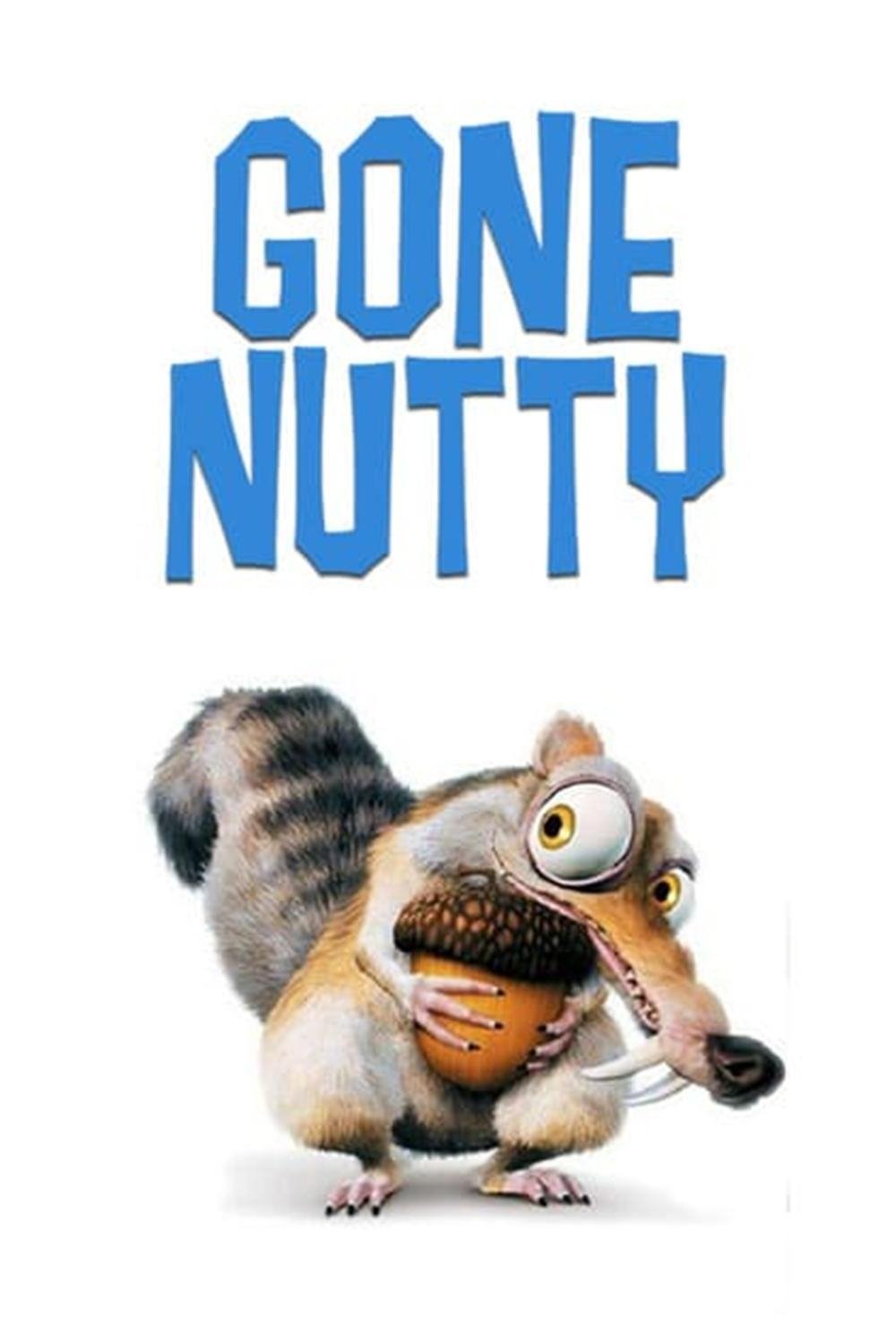
Scrat tries to finish his rather large collection of acorns when things start going nutty.
A nameless drifter navigates a barren landscape punctuated by satellite dishes, radio towers and droning airplanes. Stopping periodically in anonymous hotel rooms, she makes attempts to connect to an unidentified second party.
A playful exercise in intermittent animation and spasmodic imagery. Playing with the laws relating to persistence of vision and after-image on the retina of the eye, McLaren engraves pictures on blank film creating vivid, percussive effects.
Arthur Lipsett's first film is an avant-garde blend of photography and sound. It looks behind the business-as-usual face we put on life and shows anxieties we want to forget. It is made of dozens of pictures that seem familiar, with fragments of speech heard in passing and, between times, a voice saying, "Very nice, very nice." The film was nominated for an Oscar for Best Live Action Short Film.
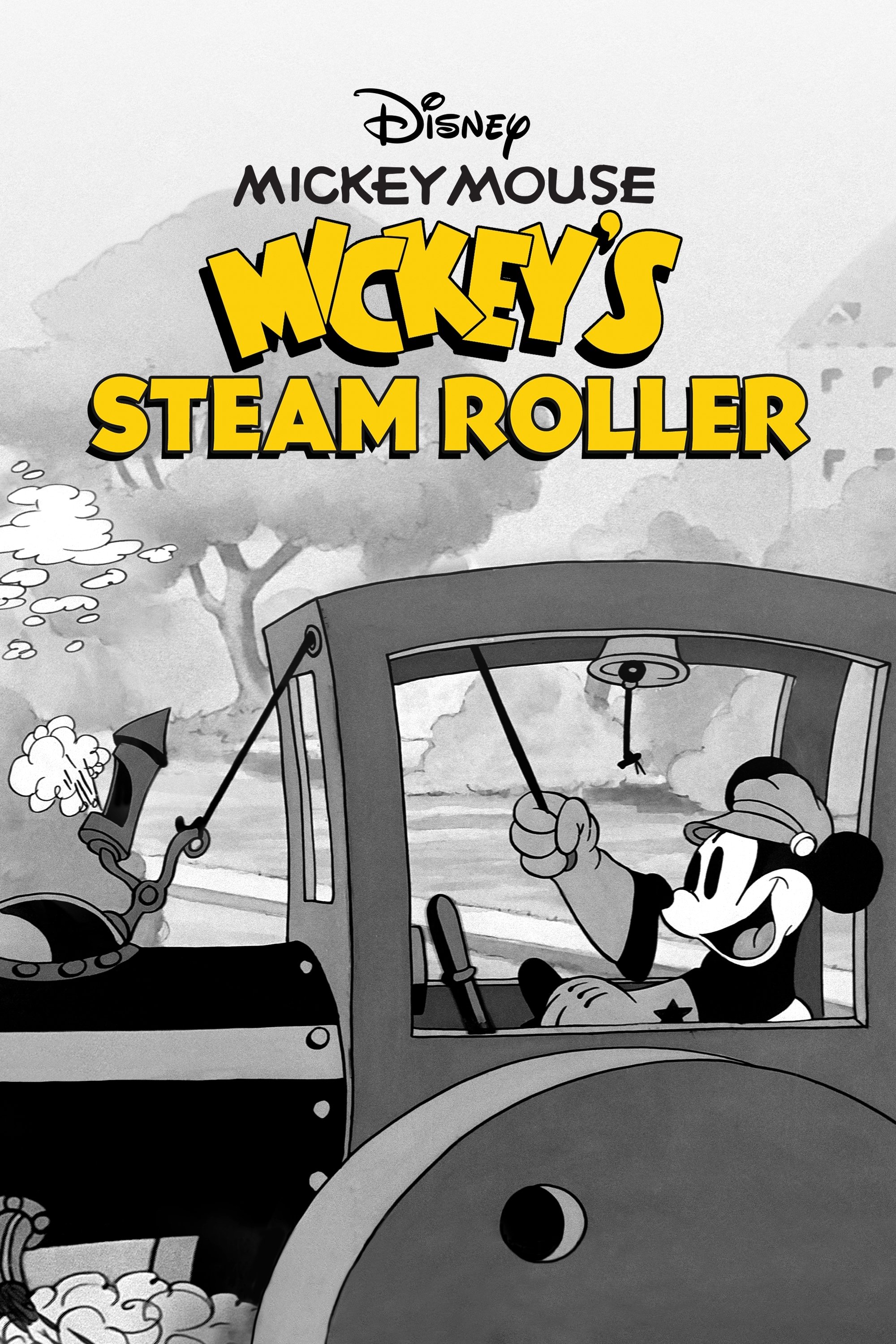
While streetworker Mickey romances Minnie, Mickey's nephews Morty and Ferdie take control of his steamroller and it's full speed ahead on a very destructive ride.
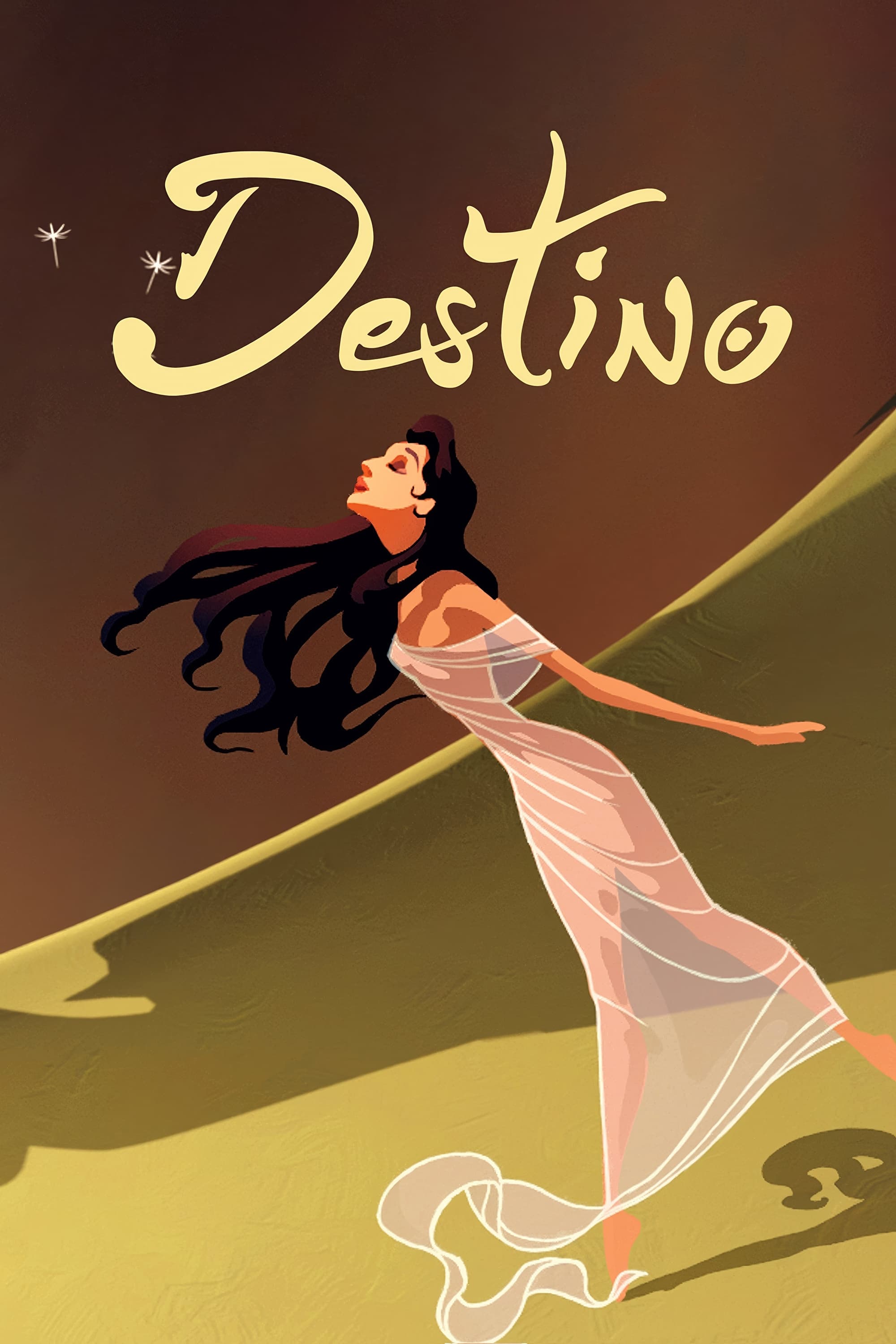
Short film to a song of love lost and rediscovered, a woman sees and undergoes surreal transformations. Her lover's face melts off, she dons a dress from the shadow of a bell and becomes a dandelion, ants crawl out of a hand and become Frenchmen riding bicycles. Not to mention the turtles with faces on their backs that collide to form a ballerina, or the bizarre baseball game.
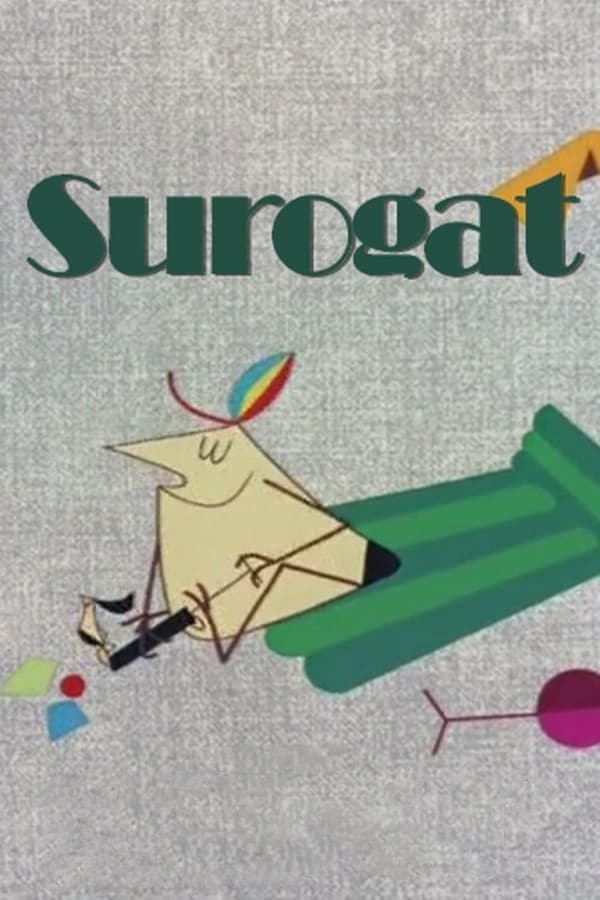
With magic inflatable objects that spring to life to fill his every need, a flippant beachgoer wants for nothing. Well... almost nothing.
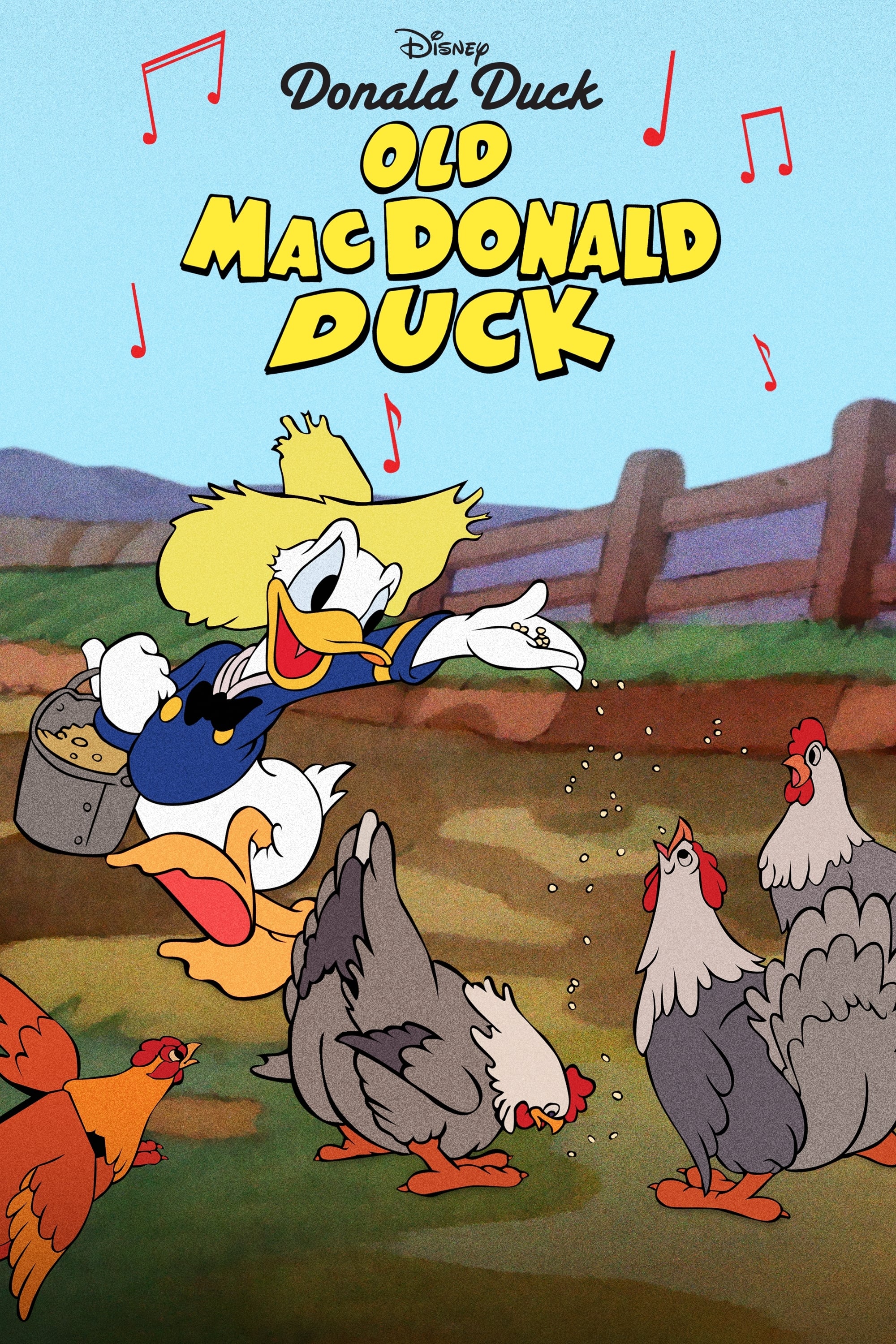
Farmer Donald goes through his farmer day until a fly causes him to lose control while milking a cow.
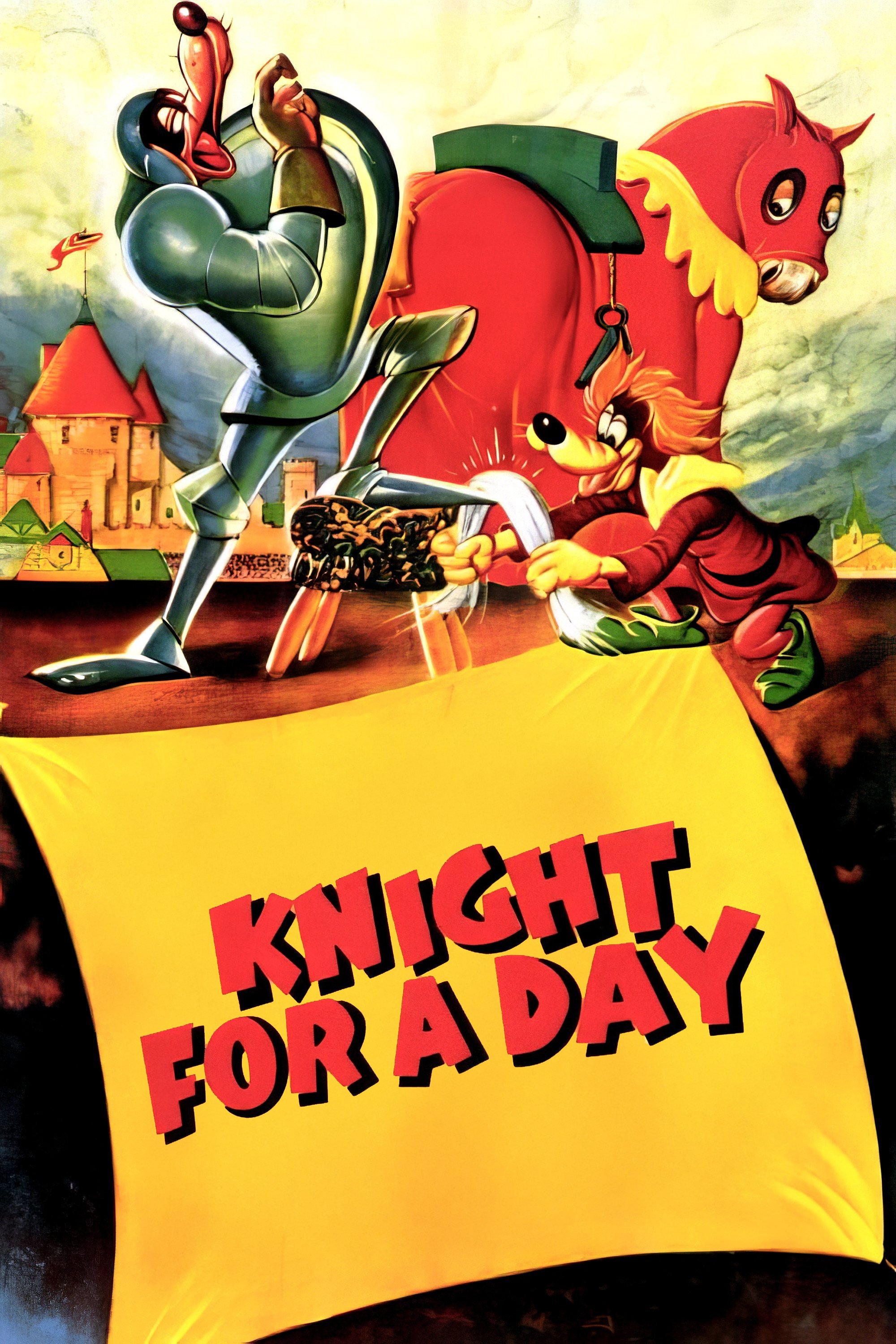
By accident, Cedric (Goofy), replaces his master, Sir Loinsteak, in the armor just before the joust with champion Sir Cumference.
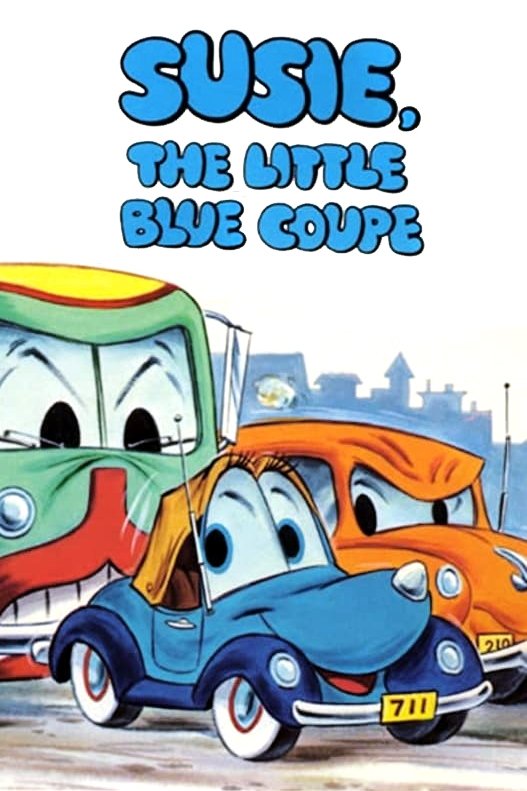
From a brand new car in a showroom that draws every eye, to a discard in a second-hand lot and ultimately Skid Row, Susie's story has the highest of highs, and plummets to the lowest of lows... an automotive riches to rags story.
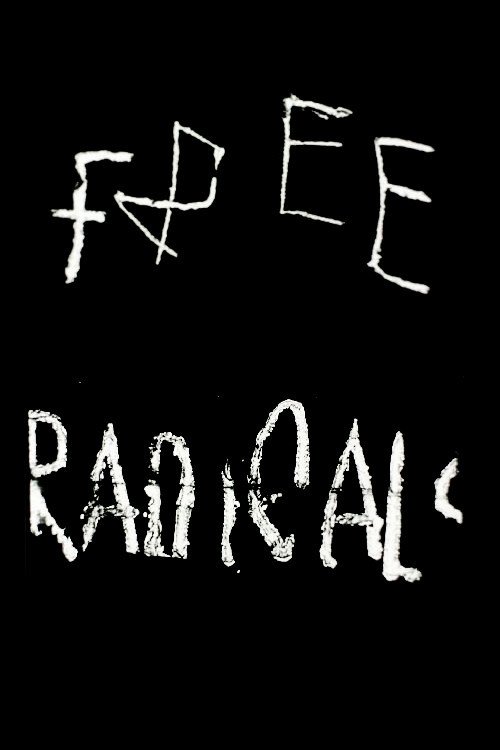
In this powerful abstract film with a soundtrack of African drum music, Lye scratched "white ziggle-zag-splutter scratches" on to black leather, using a variety of tools from saw teeth to arrow heads. The first version of the film won a major award at the International Experimental Film Festival Held in Brussels in 1958 in association with the World's Fair. Stan Brakhage described the film as "an almost unbelievably immense masterpiece".
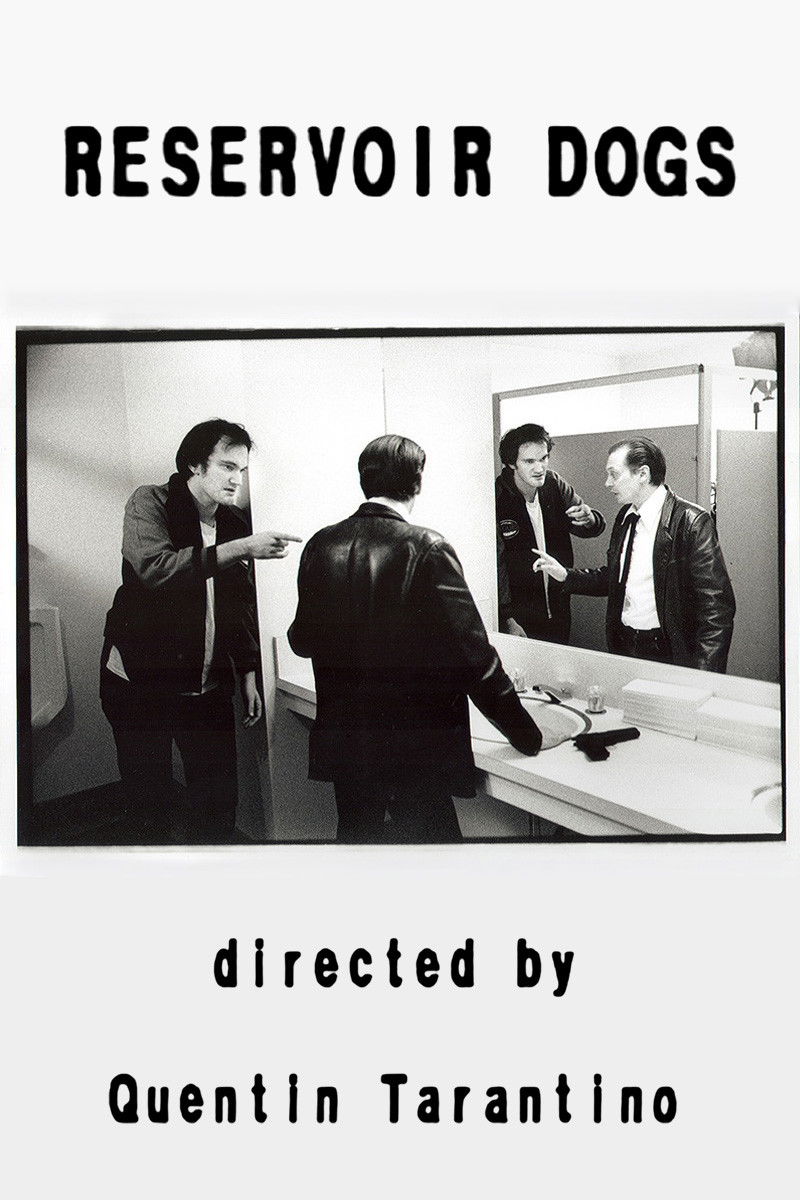
Short film made with the help of the Sundance Film Institute and serving as a proof-of-concept for the subsequent feature film.
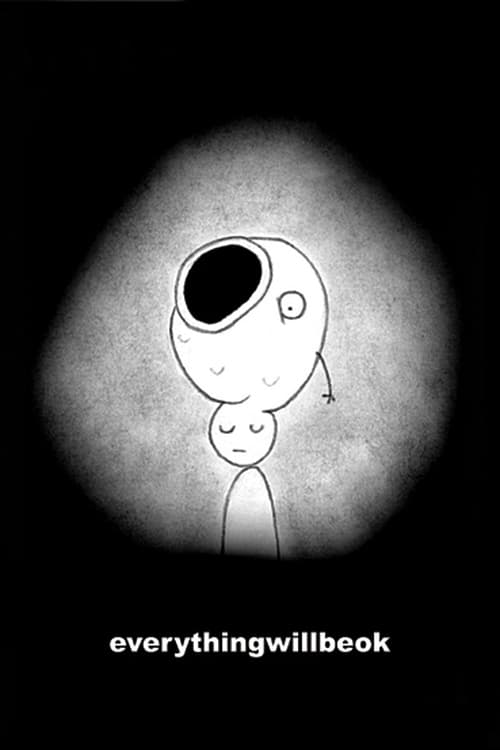
A series of dark and troubling events forces Bill to reckon with the meaning of his life… or lack thereof.
A visual representation, in four parts, of one man's internalization of "The Divine Comedy." Hell is a series of multicolored brush strokes against a white background; the speed of the changing images varies. "Hell Spit Flexion," or springing out of Hell, is on smaller film stock, taking the center of the frame. Montages of color move rapidly with a star and the edge of a lighted moon briefly visible. Purgation is back to full frame; blurs of color occasionally slow down then freeze. From time to time, an image, such as a window or a face, is distinguishable for a moment. In "existence is song," colors swirl then flash in and out of view. Behind the vivid colors are momentary glimpses of volcanic activity.
Donald has to get up early, but everything seems to be working to keep him awake. His loudly ticking alarm clock resists several attempts to quiet it. Donald ultimately swallows it; the glow-in-the-dark dial can be seen through his feathers. Then his folding bed folds up on him. Springs start popping out of it; Donald builds an elaborate framework to hold it down. Finally, enough of the clock reassembles itself to sound the alarm and night is over.
Bits of found film and different types of animation illustrate a classic chase scene scenario: A woman is abducted and a man comes to her rescue, but during their escape they find themselves in the enemy's secret headquarters.
This is the story of the internal struggle between a man's Brain—a pragmatic protector who calculates his every move, and his Heart—a free-spirited adventurer who wants to let loose.
Mickey runs a small theatre. The orchestra plays, rather badly, excerpts from Carmen. Mickey appears as a snake charmer, but the snake is revealed to be a cat with a snake's head painted on its tail. Mickey does a belly dance, to the audience's delight. Mickey then plays the piano, but the piano and stool, apparently annoyed at the violence and complexity of the piece, kick him off stage.
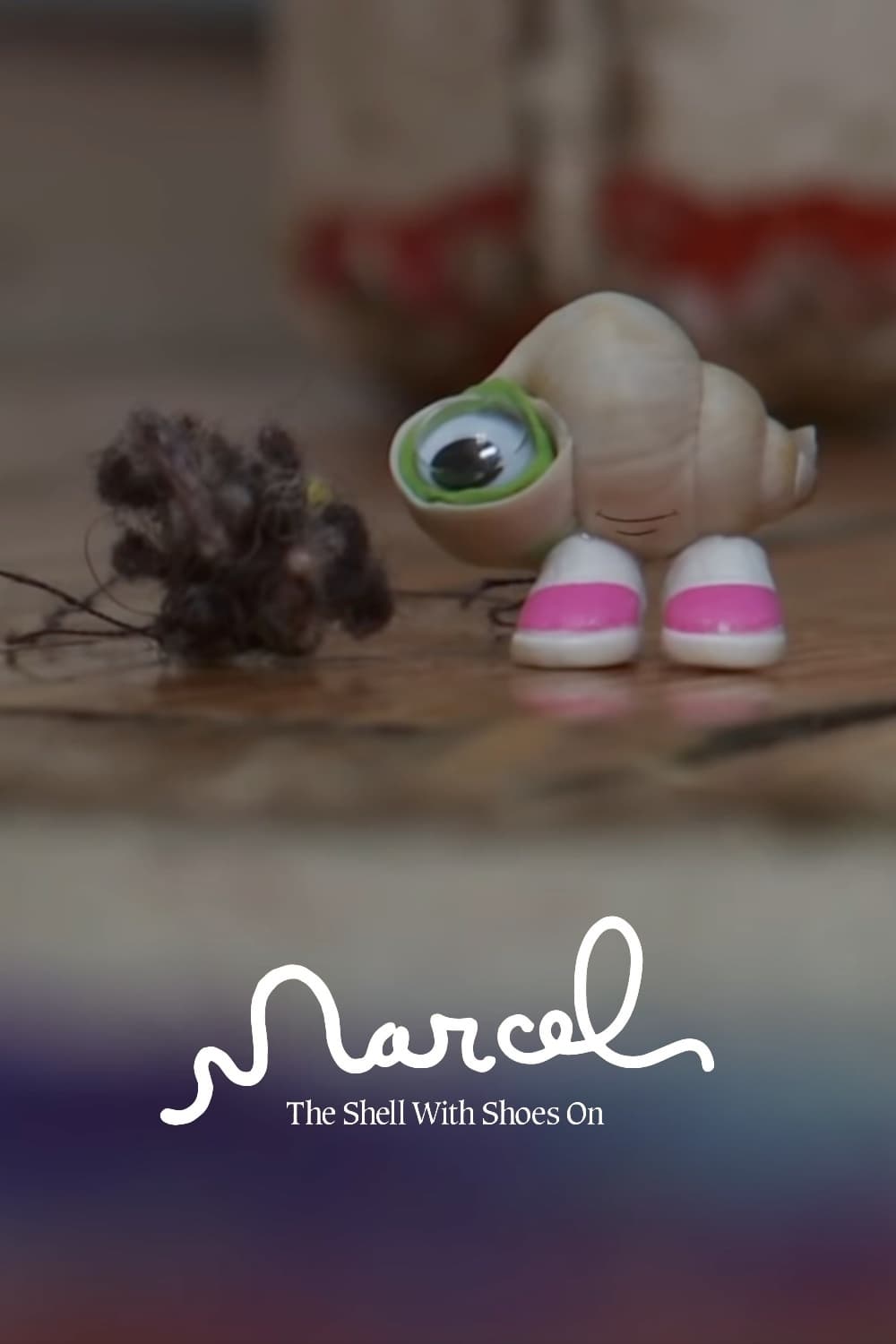
Marcel the shell gives an outline of his life.
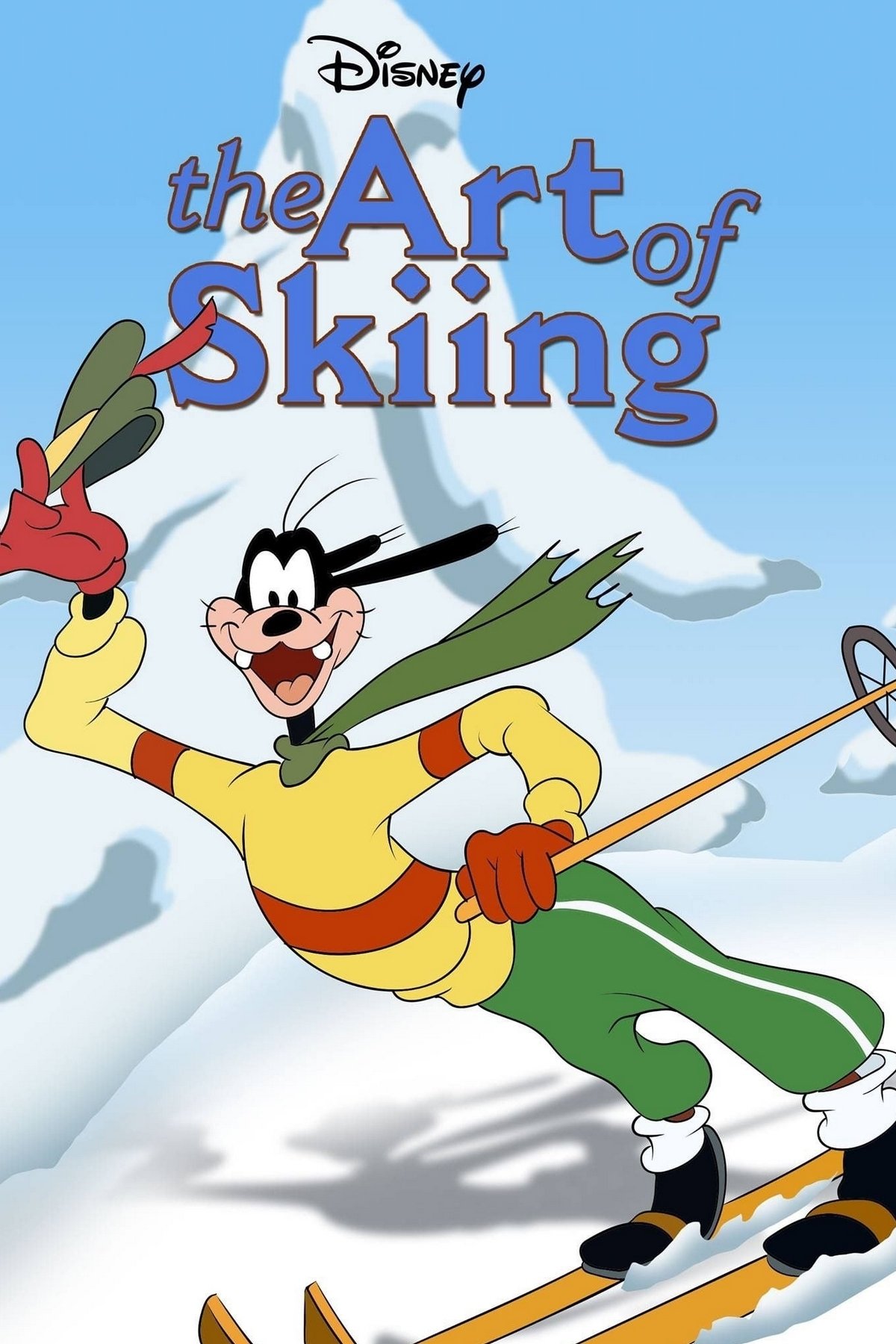
Goofy, staying at the Sugar Bowl resort, demonstrates the basics of downhill skiing, which the titles and announcer insist is pronounced "SHEEing". The equipment is, of course, of the era. As you can imagine, Goofy has much trouble keeping his skis parallel and pointing downhill. The final ski jump conveniently lands Goofy right back in bed.