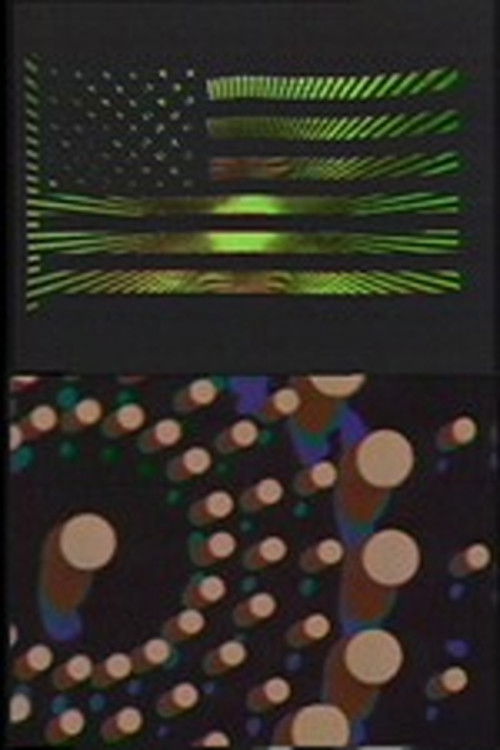
Short video art piece.
Social & External
Yamaguchi writes, "In April 1969, Image Modulator was shown at the Sony Building exhibition Electromagica '69, using three Trinitron color TV monitors behind a glass that created an optical effect. The glass acted as a literal filter, adding a mosaic effect to the video images."
A video installation using three monitors and mirrors, Ooi and Environs depicts the Tokyo cityscape with electronically modified footage of the city. Aiming to create an interactive environment, images reflected on the mirror shift as audience members move.
Writes Imai, "As a photographer during the 1970s, my interest in capturing time led me to explore the video medium. After utilizing video in two or three works, I saw a similarity between videotape and an ancient scroll, in that they both capture a story of our time. I started using physical videotape as a metaphorical representation of time, rolling out the magnetic tape from right to left, representing a narrative from beginning to end."
Katsuhiro Yamaguchi and Hakudo Kobayashi presented the video performance Eat at Video Hiroba's first exhibition, Video Communication DO IT YOURSELF KIT. Two performers sit at a table. One records the other eating; then they switch roles. The live video feed of the performance was displayed on a monitor in the exhibition space.
Camera, Monitor, Frame is the first installment of Takahiko Iimura's "Video Semiotics Triptych" (the other two works are Observer/Observed, made in 1975, and Observer/Observed/Observer, made in 1976). The work analyzes the fundamental components of video: the camera, the monitor, and the frame, focusing on the role of each within a system of video as analogous to the functions of vision and speech.
Using video technology as an extension of his body, Yamamoto interacts with a pre-recorded image of his hand displayed on a monitor.
Produced by WGBH-TV in Boston, the Medium Is the Medium is one of the earliest and most prescient examples of the collaboration between public television and the emerging field of video art in the U.S. WGBH commissioned artists — Allan Kaprow, Nam June Paik, Otto Piene, James Seawright, Thomas Tadlock and Aldo Tambellini — to create original works for broadcast television. Their works explored the parameters of the new medium, from image processing and interactivity to video dance and sculpture.
In Idemitsu's seminal women's liberationist video, the image of a tampon swirling in a toilet bowl slowly appears, as the artist speaks about the troubling roles, responsibilities and expectations of women in a clinical tone. Minimal in composition, What a Woman Made is a candid critique of the treatment of women in Japanese society.
In this tape, Ko Nakajima and Video Earth Tokyo interview a homeless man. The subject is initially angry and frustrated, but gradually opens up and shares stories about his life. Under A Bridge was later broadcast on cable television.
Single channel HD video. Part of the "Distortion III" video album.
Short video art redux.
The Second Electronic Visualization Event took place at The University of Illinois Chicago Circle Campus in 1976. This documentation features Bob Snyder on EMU Synthesizer, Phil Morton on the Sandin Image Processor by Dan Sandin and Guenther Tetz on the GRASS (GRaphics Symbiosis System) by Tom DeFanti. In Morton's words these artists perform live realtime audio and video synthesis "using both analog and digital computers as 'visual instruments'..." Other artists credited with participation in the Electronic Visualization Events between 1975 and 1978 include Drew Browning, Larry Cuba, Barbara Latham, John Manning, Faramarz Rahbar, Ed Rankus, Michael Sterling, Barbara Sykes and Jane Veeder.
Features four distinct, bizarre, existential tales about people whose lives are in transition, who are each asking questions about themselves, their environments, and about God(s).
Phil Morton's General Motors was created in 1976. Then based in Chicago, the late Phil Morton created this project as a playful and critical video response in conversation with a local General Motors dealership from whom he had purchased a van. Segments 'Colorful Colorado' and 'RYRAL' begin after the video-complaints cease. Produced at the School of the Art Institute of Chicago (where Morton founded the Video Area), this work includes Dan Sandin and Tom DeFanti who collaboratively developed the early Video Art scene in Chicago.
A collaborative performance, Image of Seeing--Seeing investigates the meaning of television watching. This work was created for television broadcast on the Nippon Broadcasting Corporation's program "Hyōgo no jikan" (Hyōgo Time).
A member of the collective Video Hiroba, Morihiro Wada also used video in his solo projects. In The Recognition Construction, each subject entering the frame is identified by a narrator, while the video camera slowly rotates. As the rotation speeds up the identification becomes more difficult, and the objects ultimately become "indecipherable."
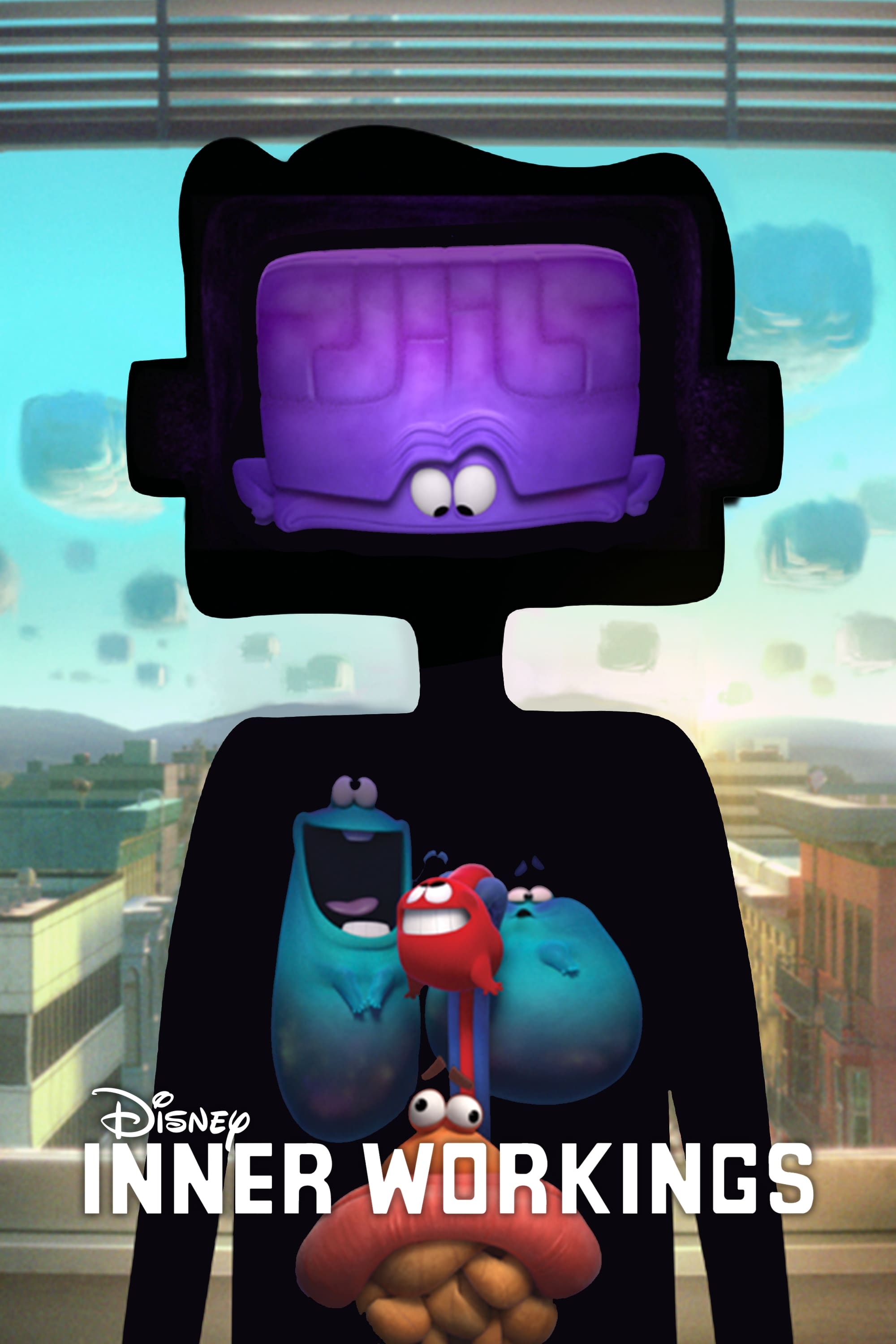
This is the story of the internal struggle between a man's Brain—a pragmatic protector who calculates his every move, and his Heart—a free-spirited adventurer who wants to let loose.
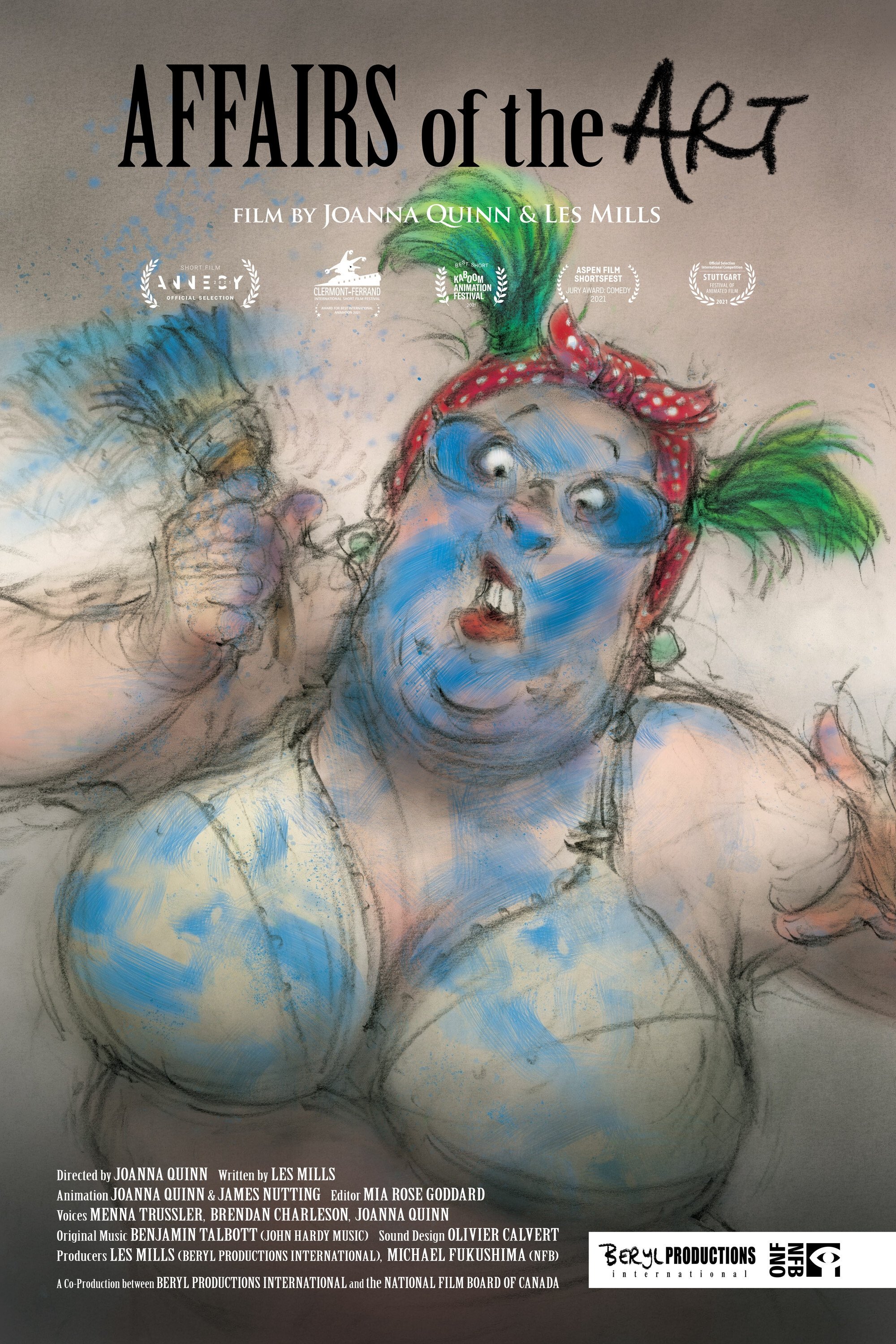
Look out: Beryl's back. With Affairs of the Art, British animator Joanna Quinn recounts another gloriously unhinged chapter in the adventures of Beryl, the comic everywoman she unleashed upon the world with her debut film, Girls' Night Out, which took home three major awards from Annecy in 1987.
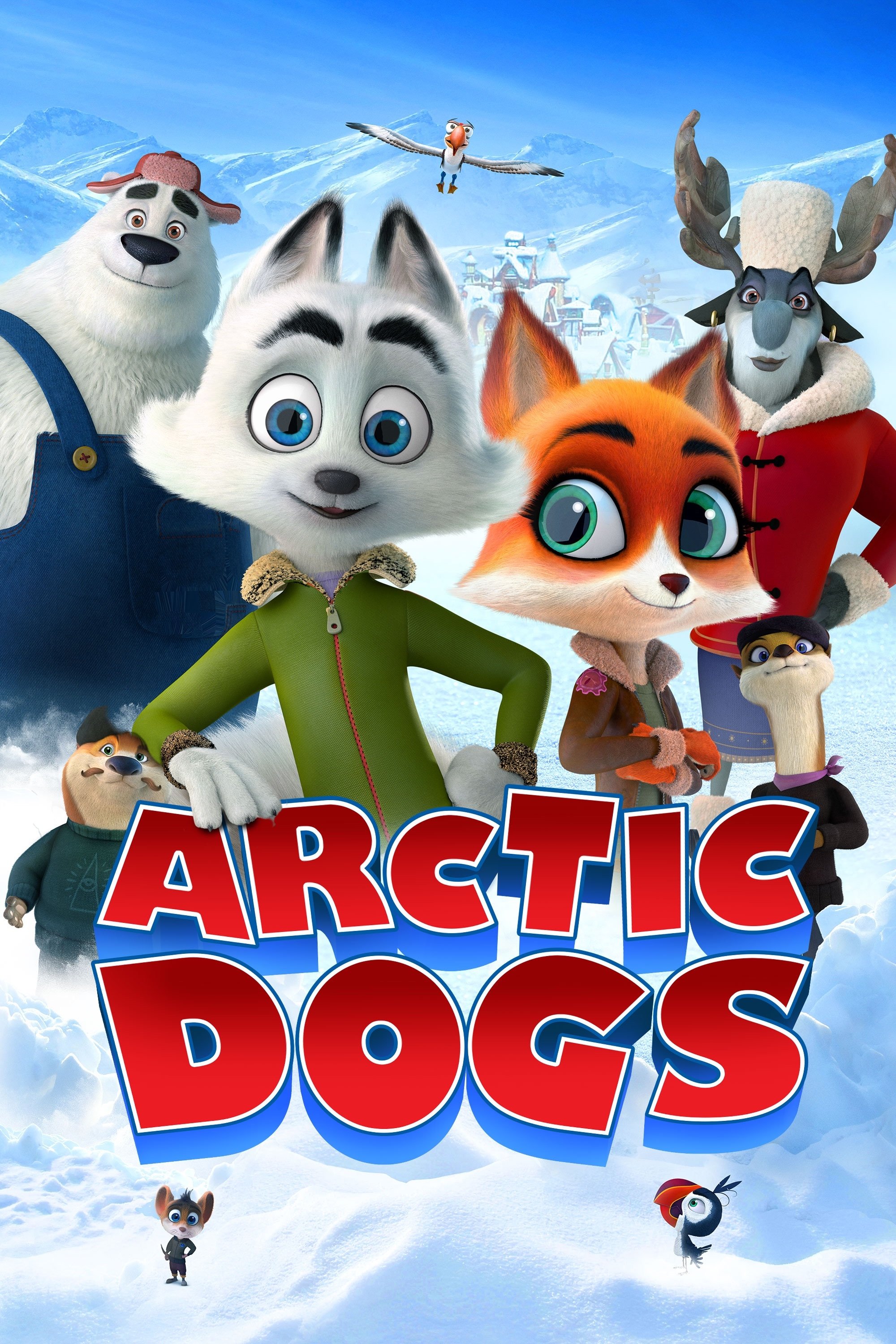
Animals band together to save the day when the evil Otto Von Walrus hatches a sinister scheme to accelerate global warming and melt the Arctic Circle.
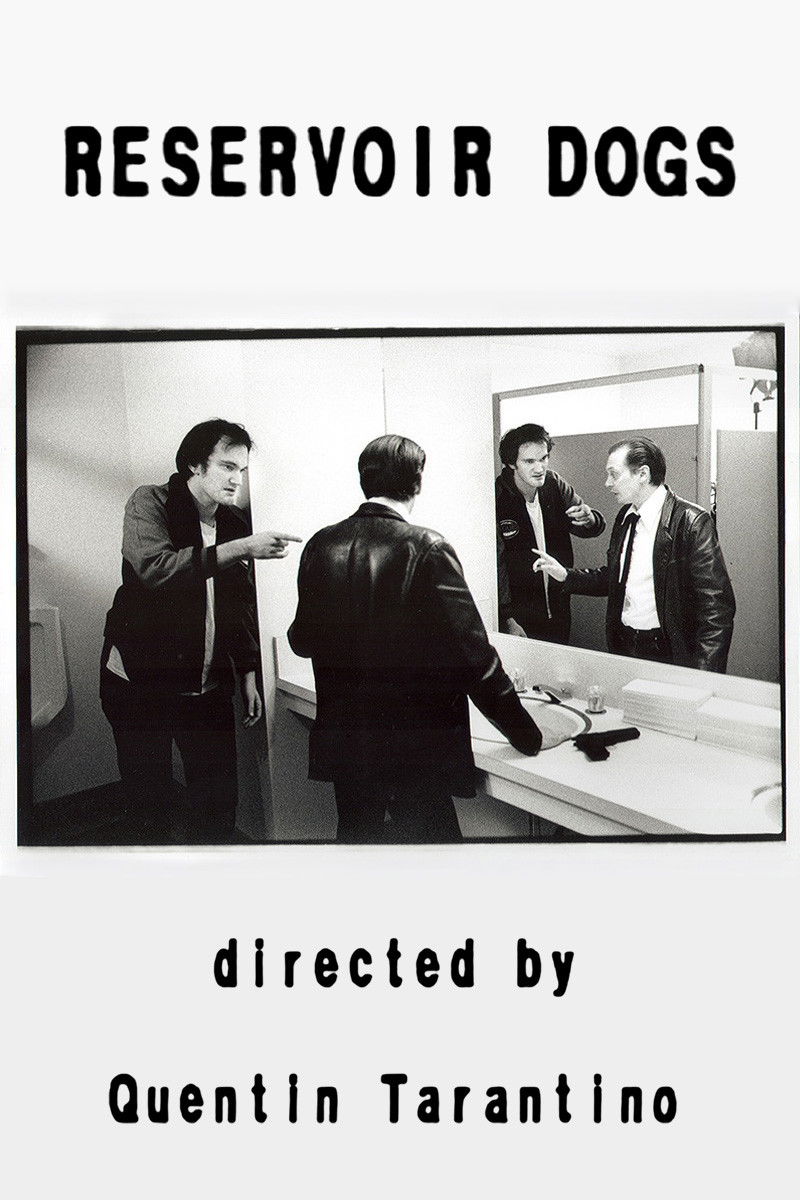
Short film made with the help of the Sundance Film Institute and serving as a proof-of-concept for the subsequent feature film.
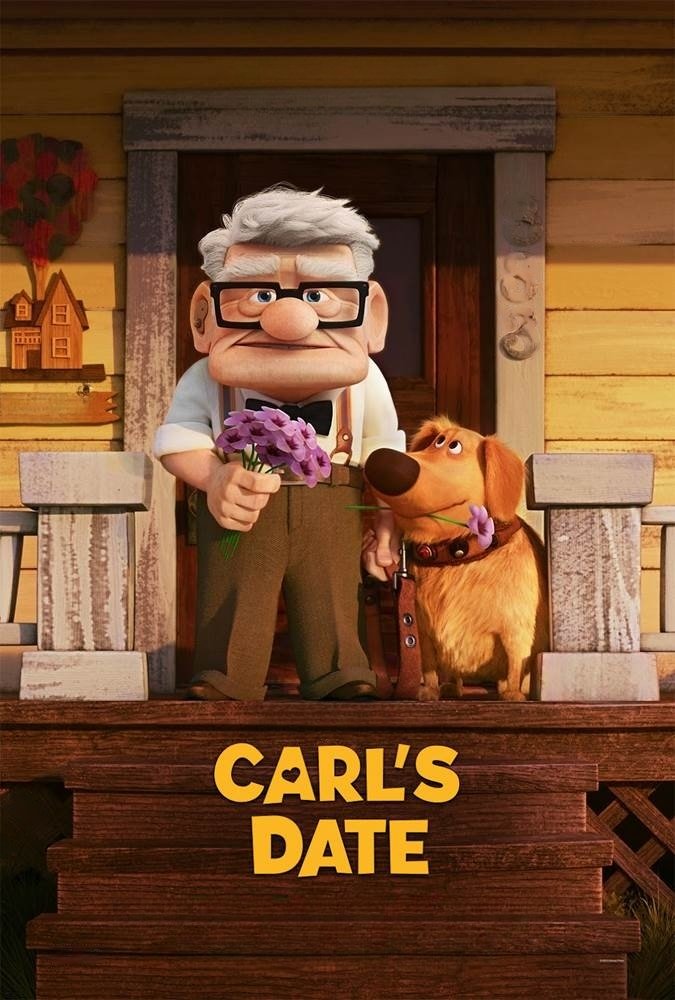
Carl Fredricksen reluctantly agrees to go on a date with a lady friend—but admittedly has no idea how dating works these days. Ever the helpful friend, Dug steps in to calm Carl's pre-date jitters and offer some tried-and-true tips for making friends—if you're a dog.
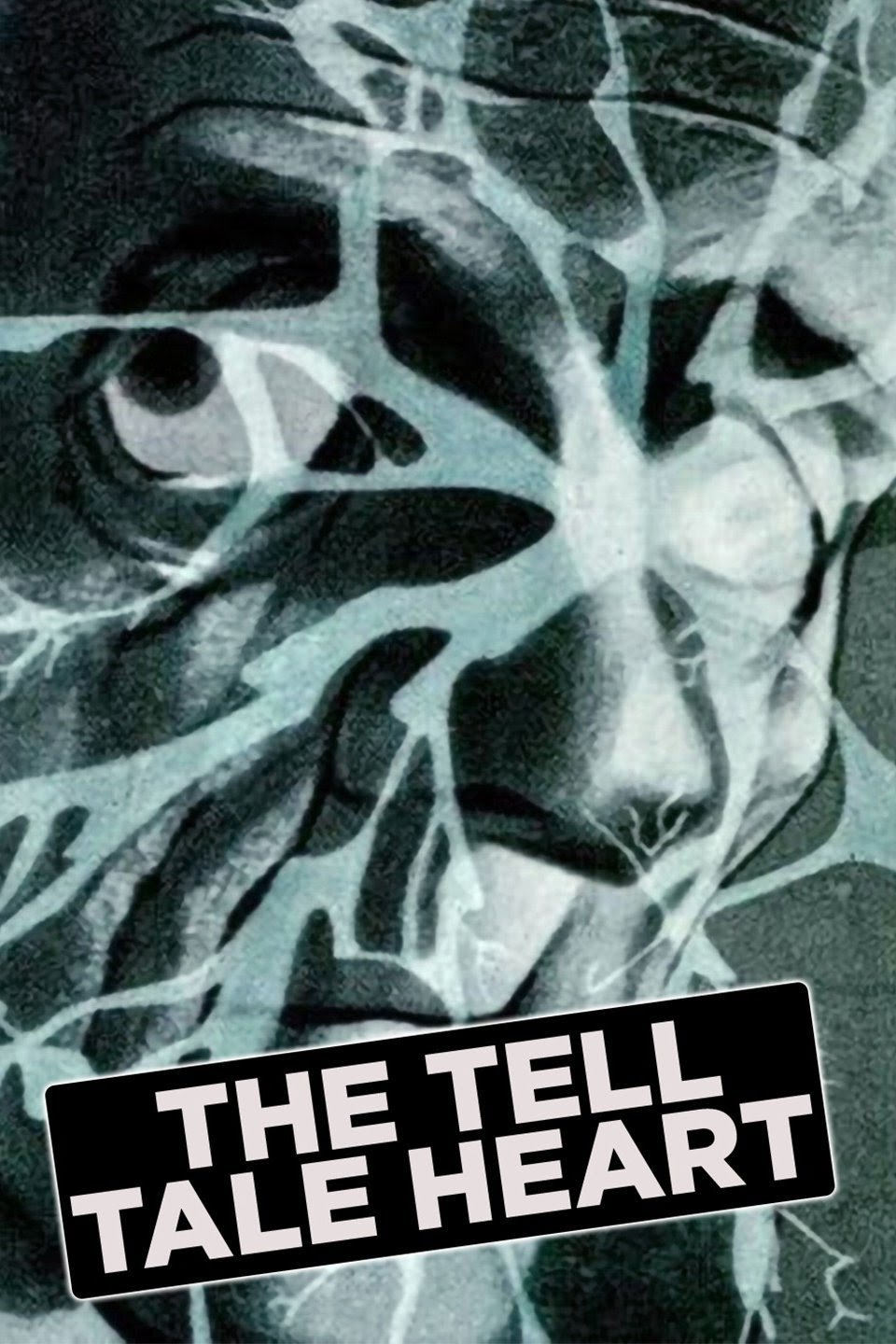
A man's sanity is a point of contention as he confesses to murdering an elderly man, driven by the victim's pale blue 'vulture eye', culminating in guilt-induced auditory hallucinations of the victim's beating heart.
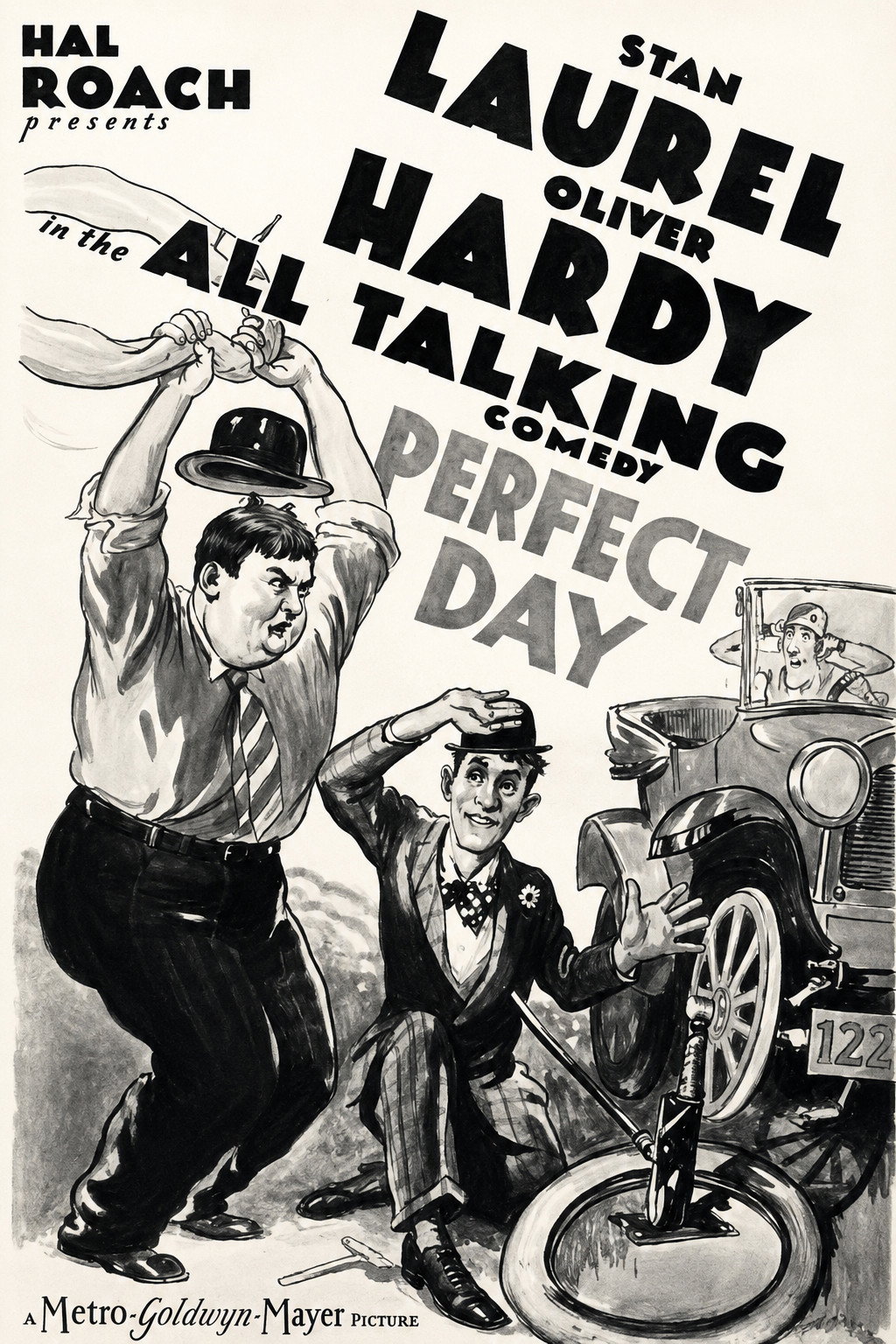
Two families embark on a pleasant Sunday picnic but manage to run into a variety of issues with their temperamental automobile. Each incident requires repeated exits and reboardings by Laurel, Hardy, their wives and grouchy, gout-ridden Uncle Edgar.
A mother bird tries to teach her little one how to find food by herself. In the process, she encounters a traumatic experience that she must overcome in order to survive.
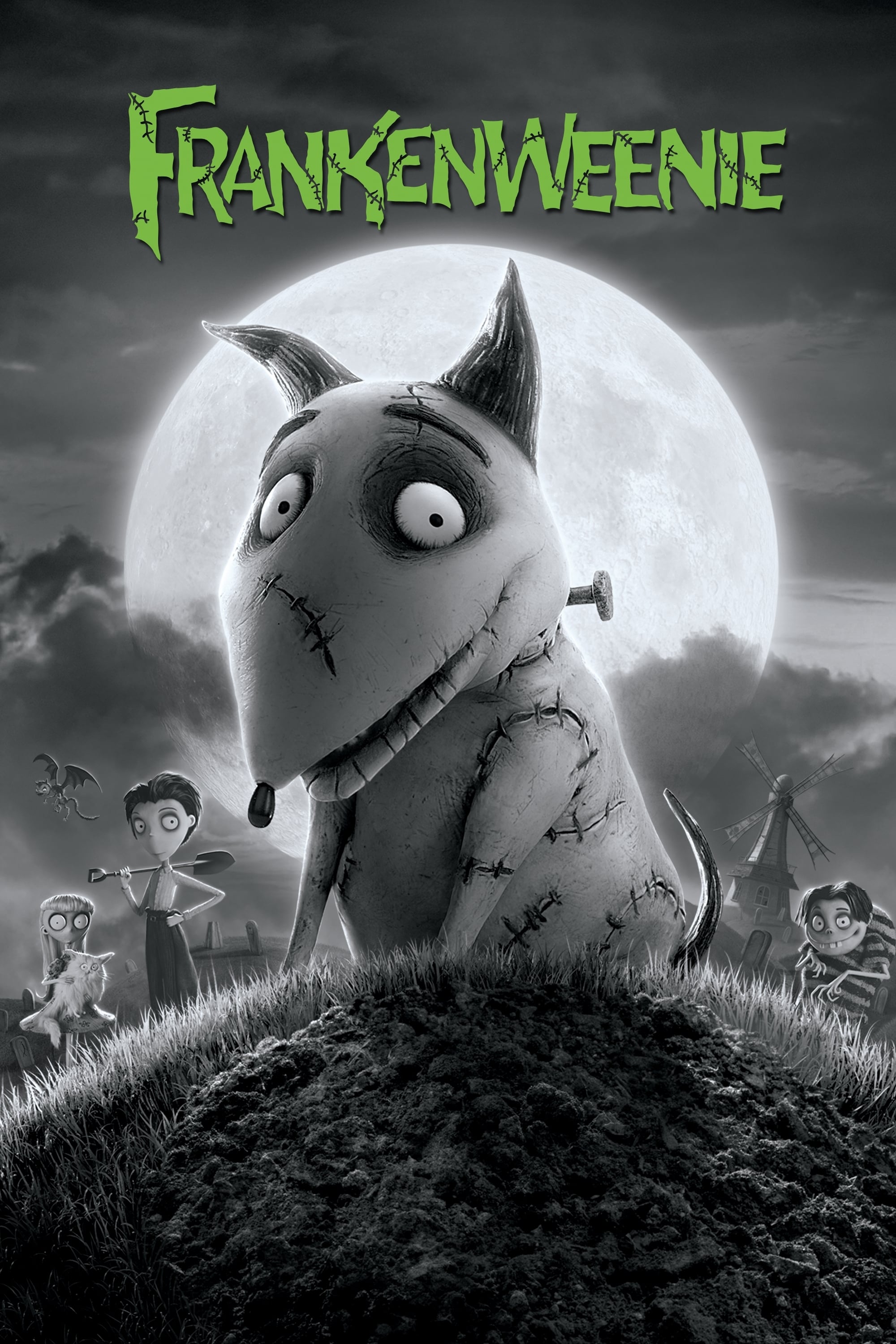
When a car hits young Victor's pet dog Sparky, Victor decides to bring him back to life the only way he knows how. But when the bolt-necked "monster" wreaks havoc and terror in the hearts of Victor's neighbors, he has to convince them that Sparky's still the good, loyal friend he was.
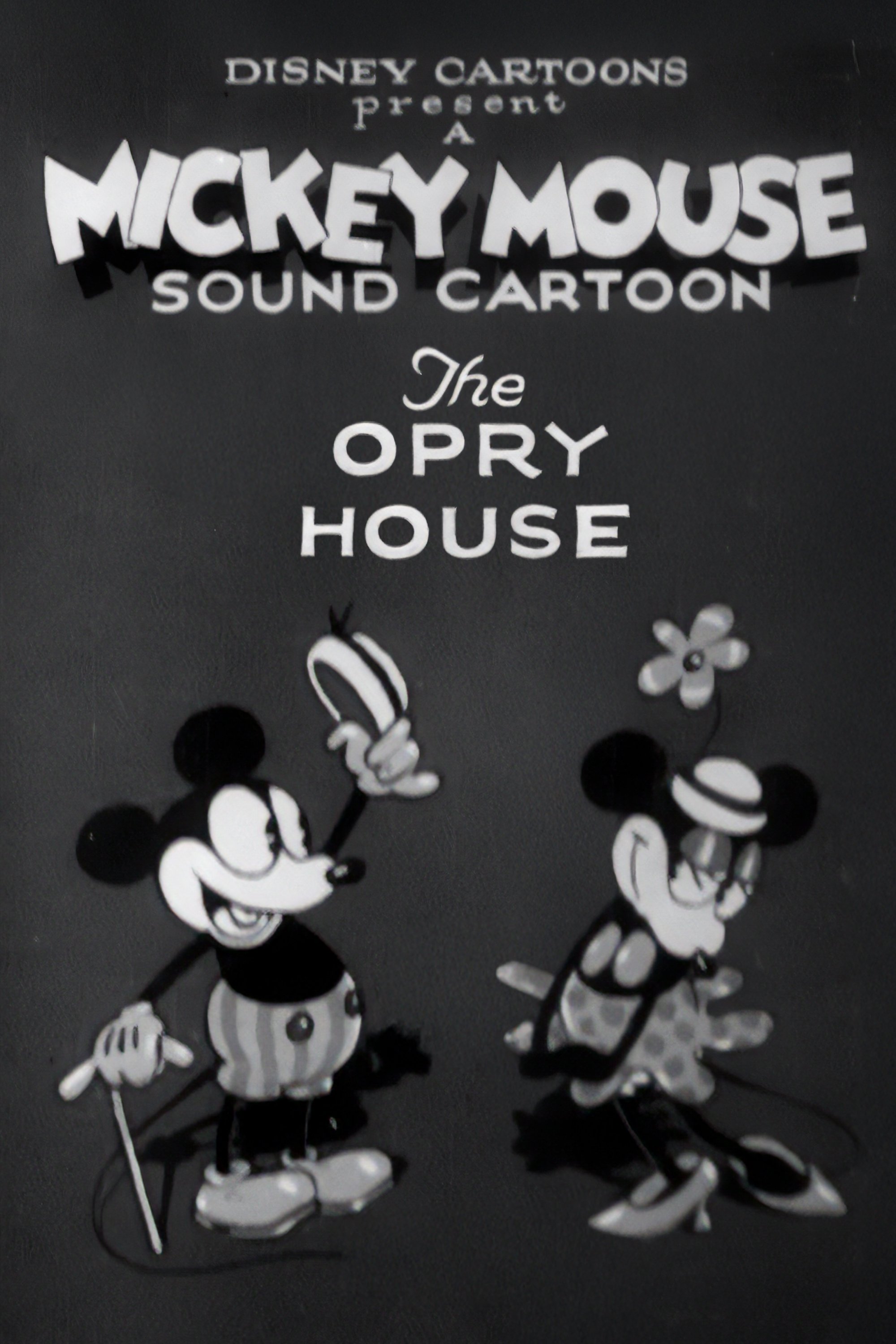
Mickey runs a small theatre. The orchestra plays, rather badly, excerpts from Carmen. Mickey appears as a snake charmer, but the snake is revealed to be a cat with a snake's head painted on its tail. Mickey does a belly dance, to the audience's delight. Mickey then plays the piano, but the piano and stool, apparently annoyed at the violence and complexity of the piece, kick him off stage.
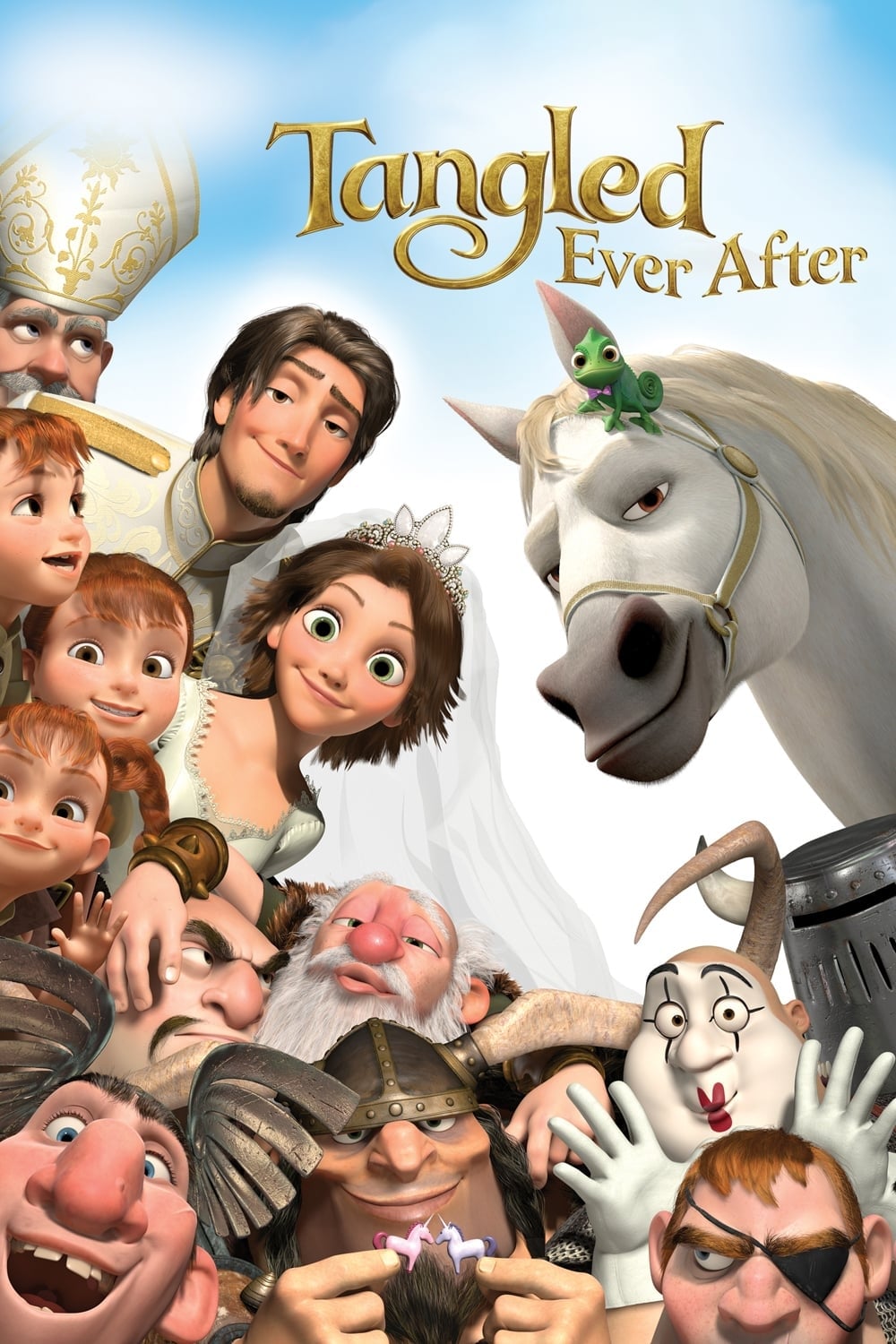
The kingdom is in a festive mood as everyone gathers for the royal wedding of Rapunzel and Flynn. However, when Pascal and Maximus, as flower chameleon and ring bearer, respectively, lose the gold bands, a frenzied search and recovery mission gets underway. As the desperate duo tries to find the rings before anyone discovers that they’re missing, they leave behind a trail of comical chaos that includes flying lanterns, a flock of doves, a wine barrel barricade and a very sticky finale. Will Maximus and Pascal save the day and make it to the church in time? And will they ever get Flynn’s nose right?
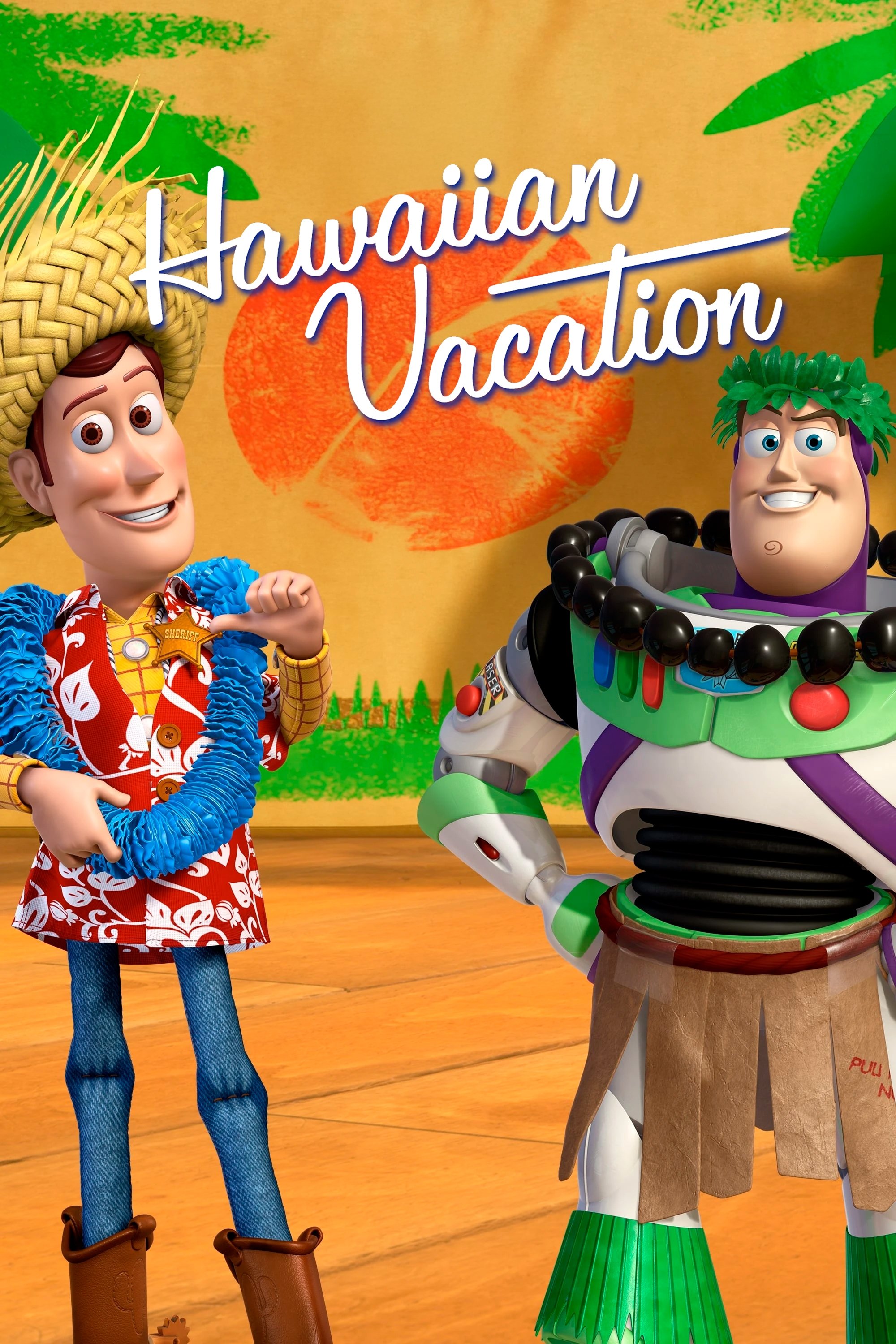
The toys throw Ken and Barbie a Hawaiian vacation in Bonnie's room.
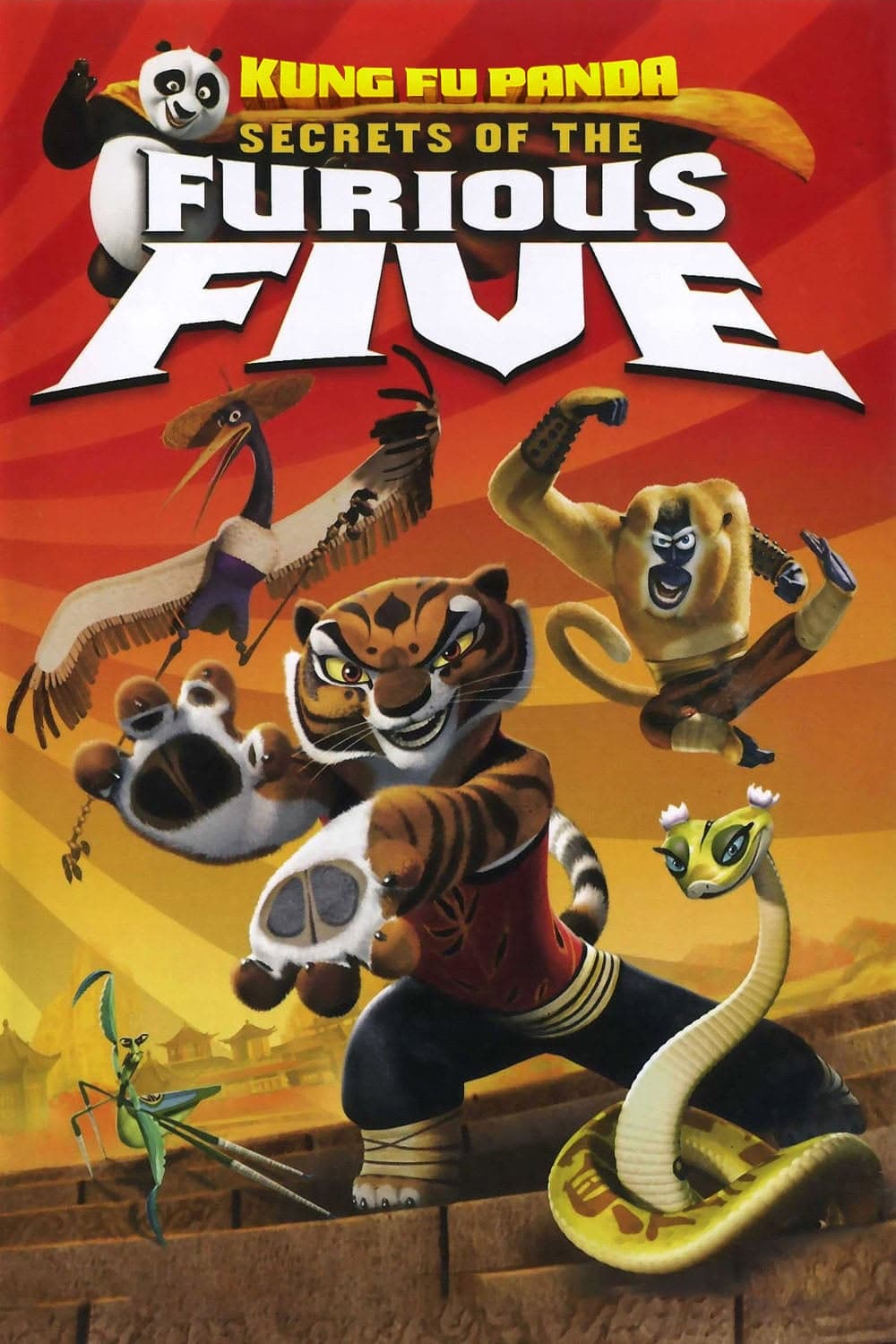
Ordered to teach a martial arts class of rambunctious bunny kittens, Po tells stories of each of the Furious Five's pasts.
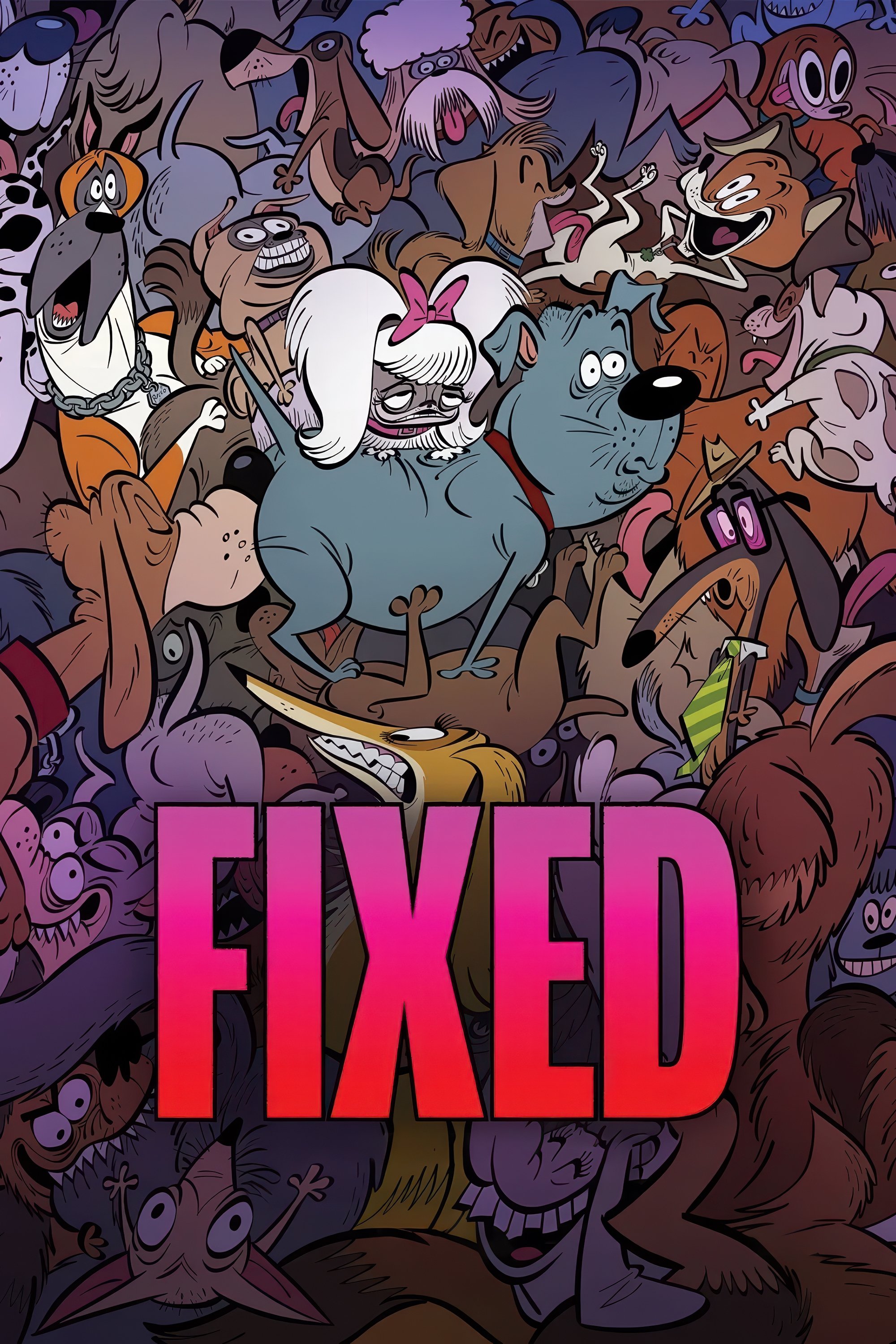
After learning he's getting neutered, a dog has 24 hours to squeeze in one last balls-to-the-wall adventure with the boys.
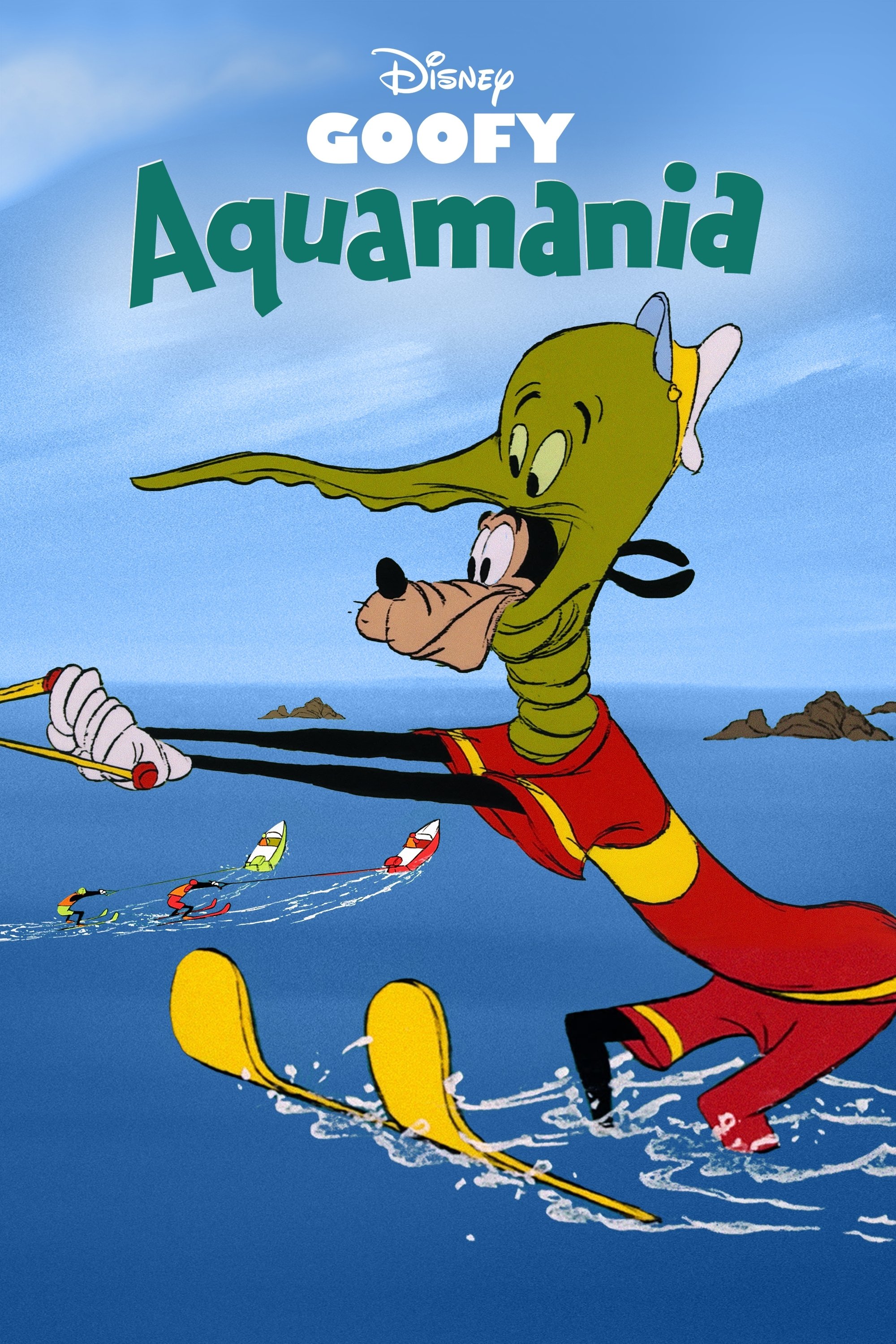
Mr. X buys a boat and inadvertantly enters the water skiing race. With Junior driving, with no experience, he's a bit out of his league.
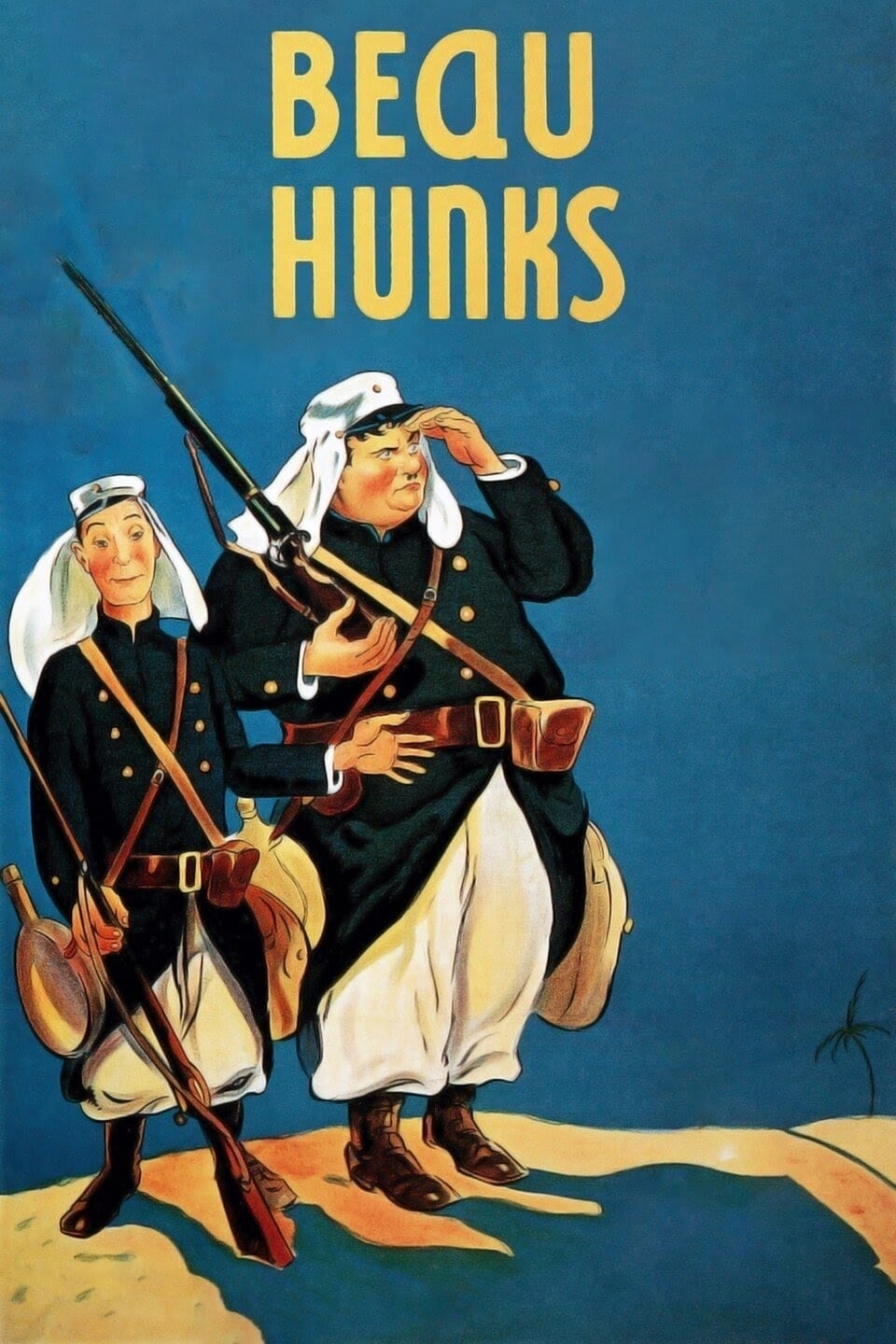
Stan and Ollie join the French Foreign Legion after Ollie's sweetheart rejects him.
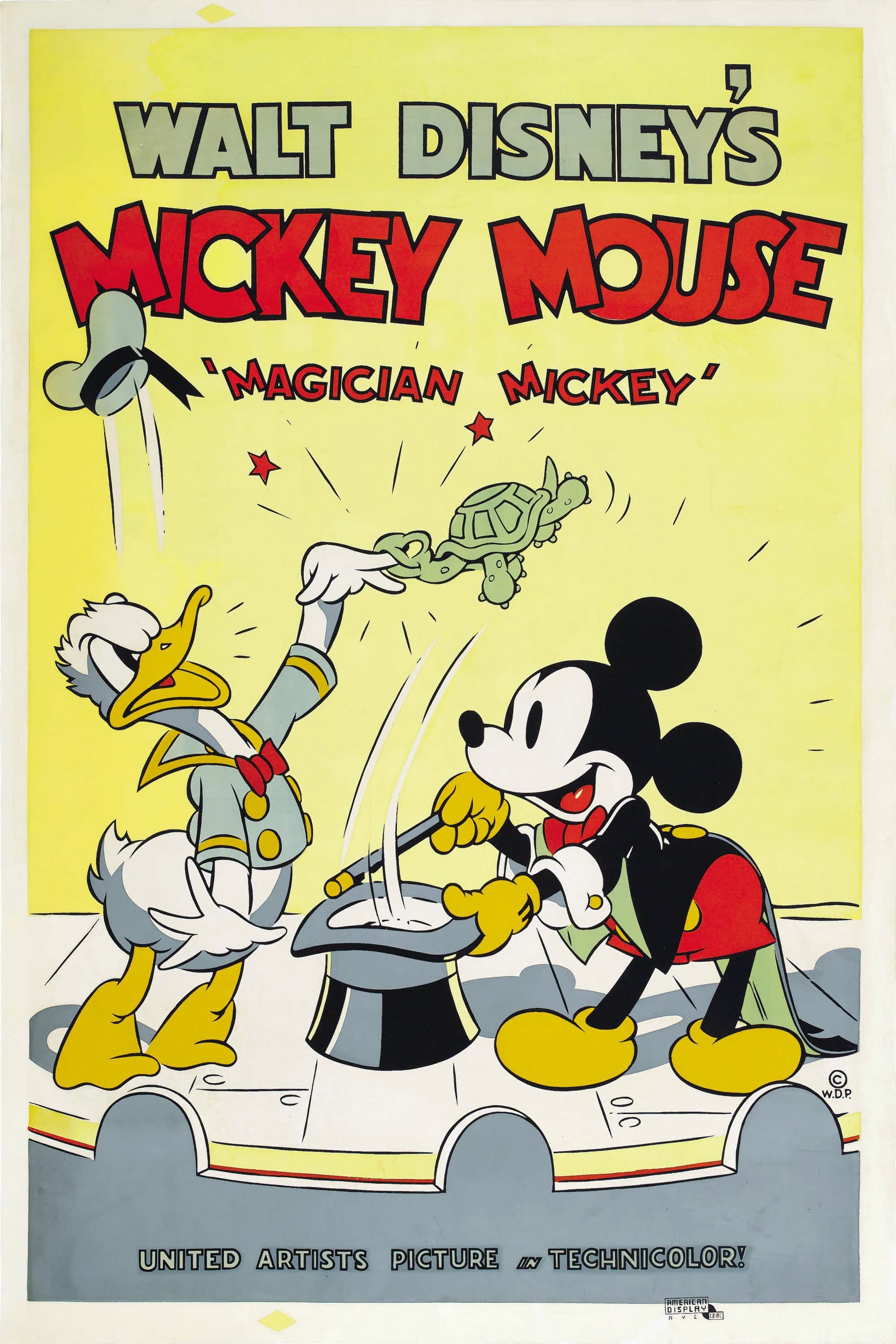
Donald continually heckles Mickey's magic act, but Mickey bests him at every turn. Donald shoots off a magic pistol that causes all the stage props to fall down on them at the finish of the act.
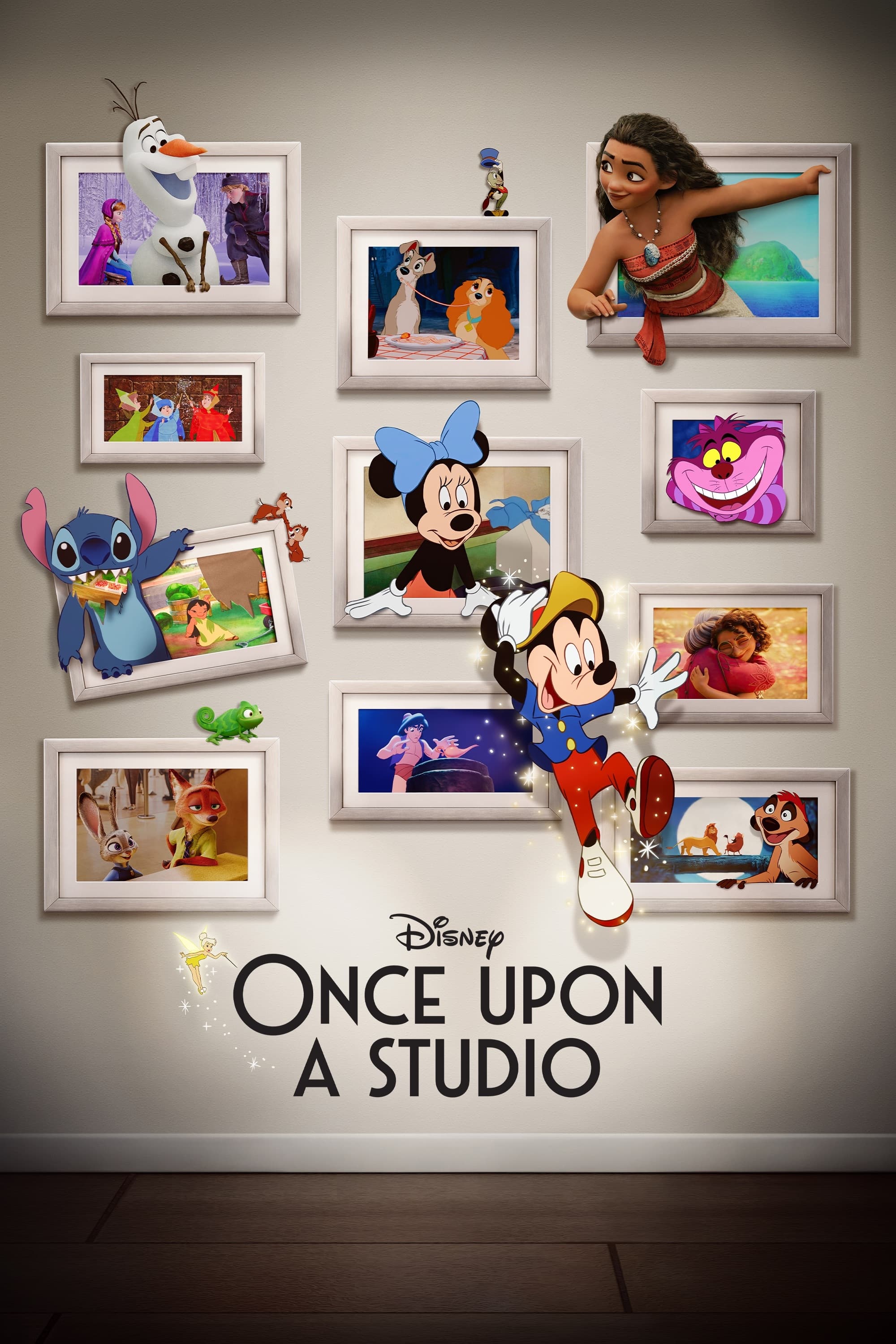
Created for Disney's 100th anniversary, the short features Mickey Mouse corralling a gallery of legendary Disney characters for a group photo.
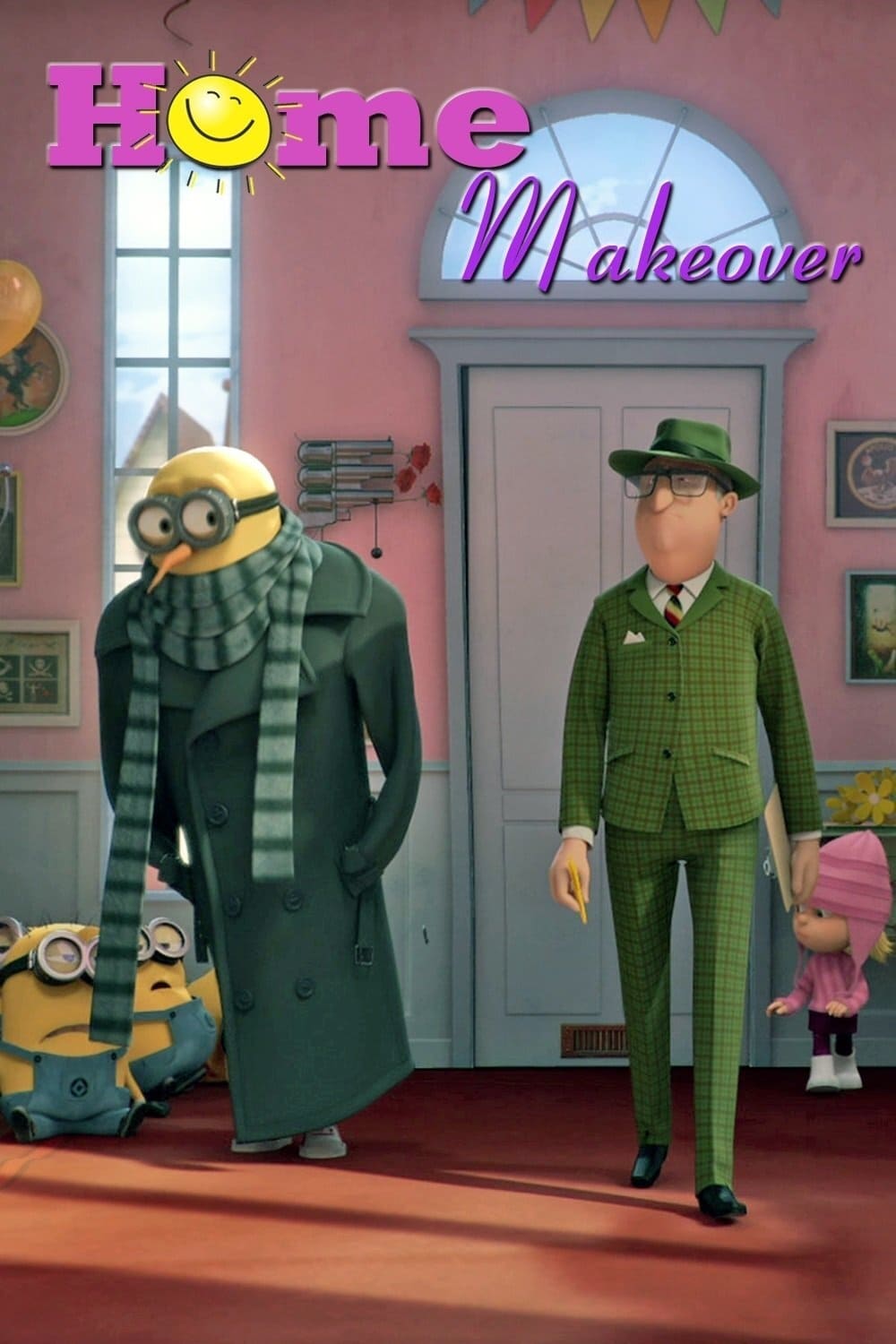
When a social worker visits Gru’s house to assess its suitability for children, chaos ensues. Margo, Edith, and Agnes, along with the ever-mischievous Minions, scramble to give the home a makeover in record time. Their attempts to create a warm and inviting environment quickly spiral into hilarity as the Minions’ unorthodox methods lead to outrageous results. This short captures the Minions’ inventive, albeit chaotic, solutions, blending humor with heartwarming moments of teamwork.
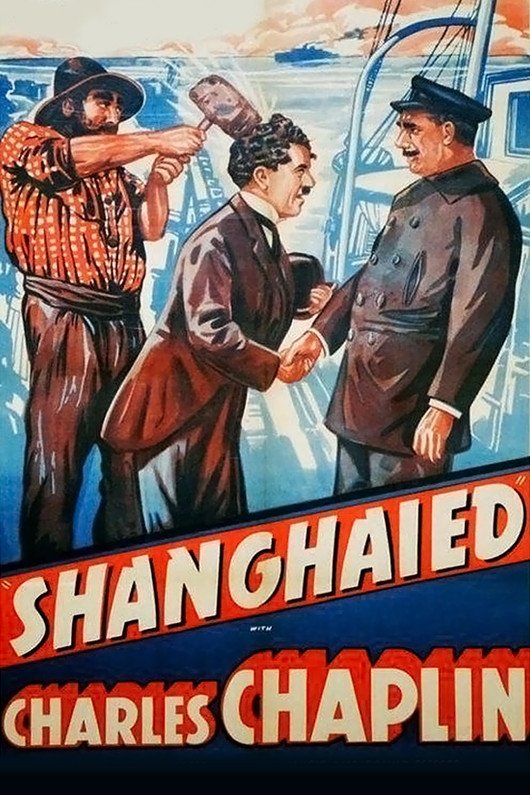
A shipowner intends to scuttle his ship on its last voyage to get the insurance money. Charlie, a tramp in love with the owner's daughter, is grabbed by the captain and promises to help him shanghai some seamen. The daughter stows away to follow Charlie. Charlie assists in the galley and attempts to serve food during a gale.