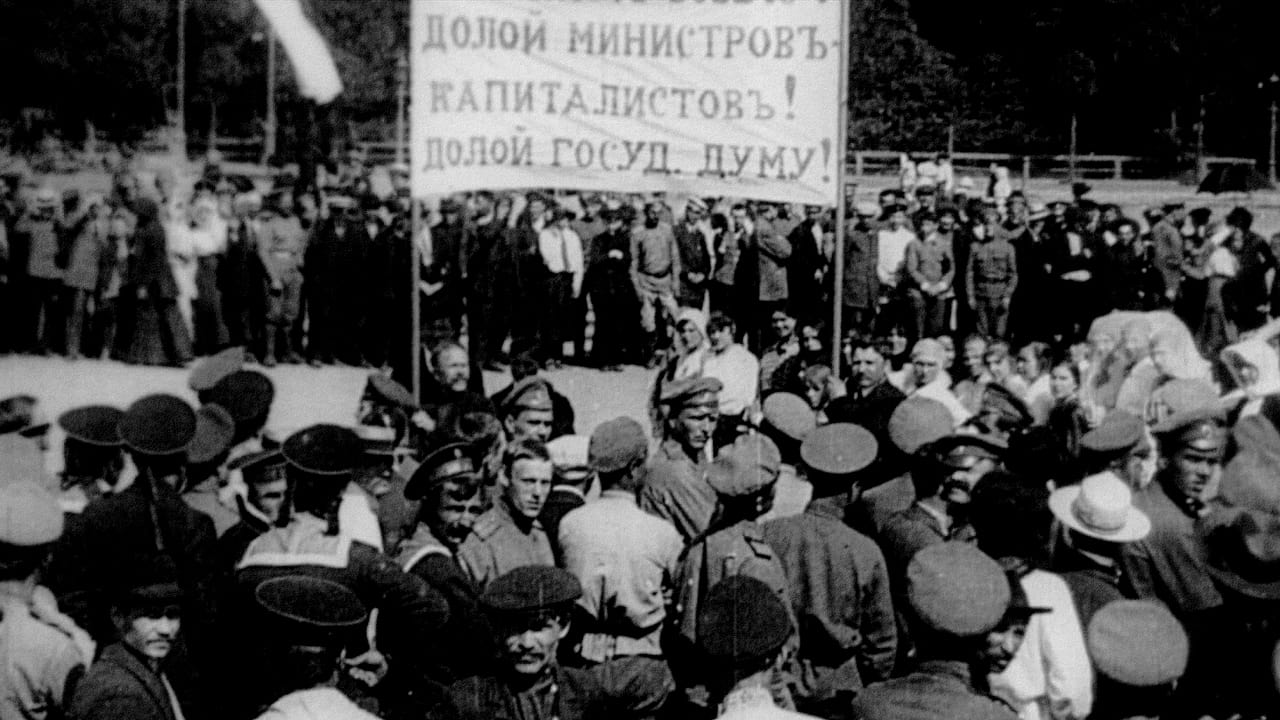
A chronicle of the Russian Revolution of 1917, from the bourgeois democratic February Revolution to the great socialist October Revolution and the final triumph.
Social & External
The people behind it
Vladimir Purishkevich
Self - Politician
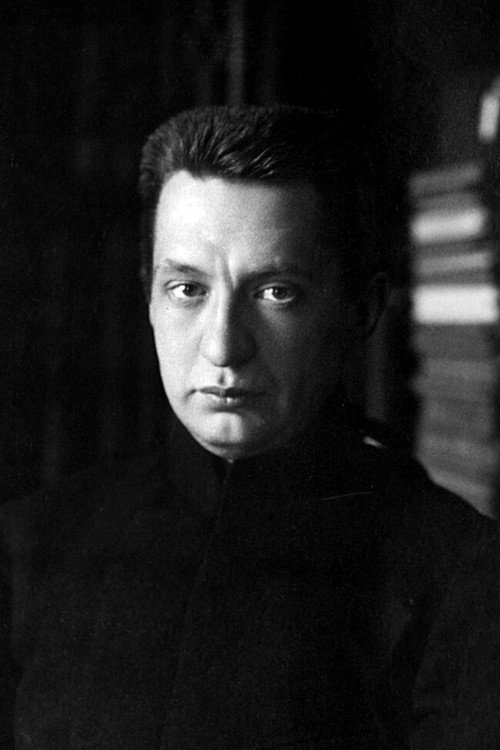
Alexander Kerensky
Mikhail Rodzianko
Alexander Guchkov
Nikolai V. Nekrasov
Mikhail Stakhovich
Ivan N. Efremov
G. A. Yakubovich
Andrei Manuilov
Nikolai Chkheidze
Since the full-scale invasion of Ukraine, many in Russia's DIY punk scene fled to Tbilisi, Georgia. Mobilization only exacerbated that trend. This documentary follows the stories of some of those punks but also explores the complicated socio-economic effects they have on the city. The film is about the potential for punk and other similar subcultures to make connections even across otherwise tense political borders.
An evocative and unsettling journey through christian and also deeply communist Kerala. Amidst red flags and altar boys, between the sea and the jungle, mixing the language of reportage and that of fable, the unedited docufilm tells the touching, profound, at times funny stories of a group of priests and nuns in the days leading up to Easter.
The film was shot by the DSE (Democratic Army of Greece) in 1948. The filming took place in Grammos and Vitsi, an area that the DSE had under its control during most of the Civil War (the so-called "Free Greece") and in the adjacent communist countries, Hungary and Czechoslovakia. It was first shown in Hungary and then in the other member countries of the "communist Paradise". The original film, which was considered lost for many years, was located in Hungary a few years ago. The subject of the film is "Child-Rescue" (or "Child-Rescue" as the KKE calls it).
The peace treaty of Brest-Litovsk was a dictated peace. With him, however, the German Empire recognized Soviet Russia. And so German-Soviet relations took their course. The film tells the story of the eventful history of both countries and the people in them. It is a story with repercussions right up to the present day, as their images continue to have an impact. Their myths, enemy images and projections continue to shape mutual perceptions. A history of ideologies - their fight against each other was to the death, the extermination of the other - here racial, there political-ideological - was meant existentially. It was about annihilation. Then again, at other times, it was about coexistence: in friendly enmity - hostile friendship.
This picture was taken from the front end of a train during a trip from the famous Cliff House to Bakers Beach along the shore of the Golden Gate. The train runs along the brink of the cliff and gives a perfect representation of the objects that meet the eye prior to entering the Golden Gate. One of the features of this picture is the stirring ride along the very edge of the cliff, the track being laid in places within a foot of the brink, and far below can be seen the huge breakers dashing against the foot of the cliff. (Edison Catalog)
A short film from Slovenia made by Karol Grossmann.
A partially nude woman fixes and brushes her hair.
A woman wearing a light-colored leotard, gathered at the waist, and tights stands against a black background. Although she is filmed in a long shot, her feet are cut off in the frame. She opens with a flourish of her arms and faces the camera. First stretching up with her arms, Latina then bends in half at the waist, steps into a metal ring or hoop, and places her head in the ring as well.
A woman from the Ashanti tribe bathes her child in a shallow bowl.
Travellers, nomads and salesmen make their way along a dam next to the Nile.
Visitors come and go to the thermal springs of Le Mont-Dore. Some are wrapped up in warm garments, some arrive in palanquins.
A procession of young male athletes.
Taken while ascending some 2,000 yards into the clouds, and represents a most diversified view of the city of San Francisco, the Golden Gate, Pacific Ocean, and surrounding country for miles. The huge balloon from which this picture was taken is 75 feet in diameter, 250 feet in circumference and about 105 feet high, and it requires some 150,000 feet of gas to raise it from the ground.
A man and a woman, both dressed in rough clothing, go around and around, half dancing and half wrestling, until they tumble to the ground in a heap. The Apache dance was named not after the Indians of the American Southwest, but the lower class demimondaines of Paris. Acts like this were popular because they permitted their audiences to go slumming, attending events that looked and seemed risky but in truth were not. Acts like this were part of the reason that public dancing was often seen as disreputable. Polite society restricted their dancing to private parties where dances like the waltz and polka -- which had been shocking half a century earlier -- were performed. It would take the influence of Vernon and Irene Castle and the rise of night clubs during Prohibition to make public dancing respectable again. In the meantime, there's this. It's not very graceful.
This is a short, simple ballet performance. Colors are used here, but the print is quite badly damaged.
Made in 1903, Eccentric Waltz showcases an exhibition by dancers Boldoni and Solinski, residents at the famous Eldorado cabaret in the Boulevard de Strasbourg in Paris. The lavish stencil colouring emphasises the woman's swirling skirt. (BFI)
This is another short, simple dance number. It’s quite stunning and unusual though with a bat turning into a woman who proceeds to give us a skirt dance before disappearing into thin air. The dance is mesmerising with the skirt stunningly changing colour throughout the film.
A brief portrait of famous and brave bullfighter Manuel Benítez el Corbobés; an account on still photos of his triumphs and failures.
A group of confederate soldiers uses their unique set of skills to travel behind enemy lines to take on deadly missions which reign havoc on the Union army.
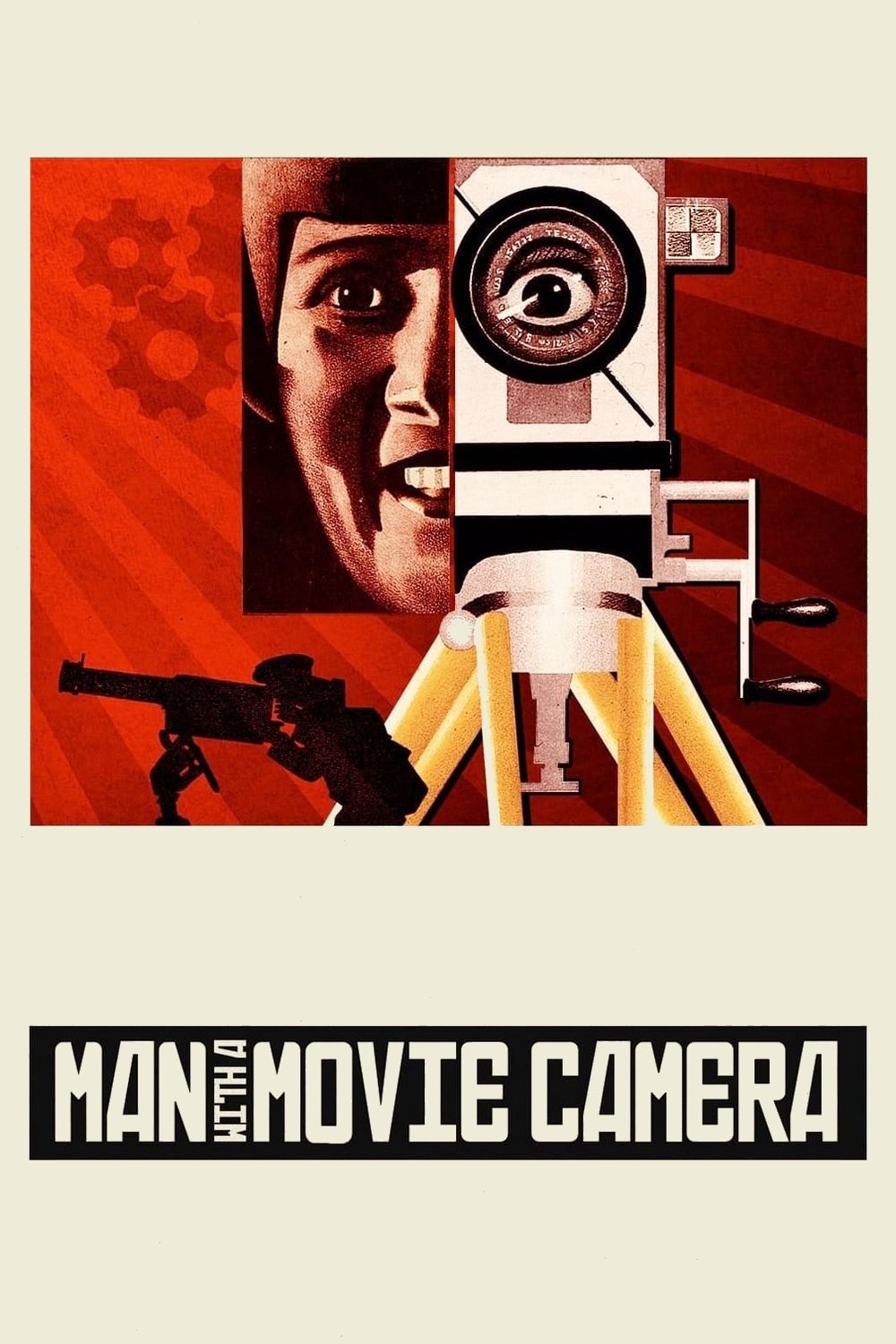
A cameraman wanders around with a camera slung over his shoulder, documenting urban life with dazzling inventiveness.
In 1972, a seemingly typical shoestring budget pornographic film was made in a Florida hotel: "Deep Throat," starring Linda Lovelace. This film would surpass the wildest expectation of everyone involved to become one of the most successful independent films of all time. It caught the public imagination which met the spirit of the times, even as the self-appointed guardians of public morality struggled to suppress it, and created, for a brief moment, a possible future where sexuality in film had a bold artistic potential. This film covers the story of the making of this controversial film, its stunning success, its hysterical opposition along with its dark side of mob influence and allegations of the on set mistreatment of the film's star.
A love letter from a young mother to her daughter, the film tells the story of Waad al-Kateab’s life through five years of the uprising in Aleppo, Syria as she falls in love, gets married and gives birth to Sama, all while cataclysmic conflict rises around her. Her camera captures incredible stories of loss, laughter and survival as Waad wrestles with an impossible choice– whether or not to flee the city to protect her daughter’s life, when leaving means abandoning the struggle for freedom for which she has already sacrificed so much.
A subjective documentary that explores various theories about hidden meanings in Stanley Kubrick's classic film The Shining. Five very different points of view are illuminated through voice over, film clips, animation and dramatic reenactments.
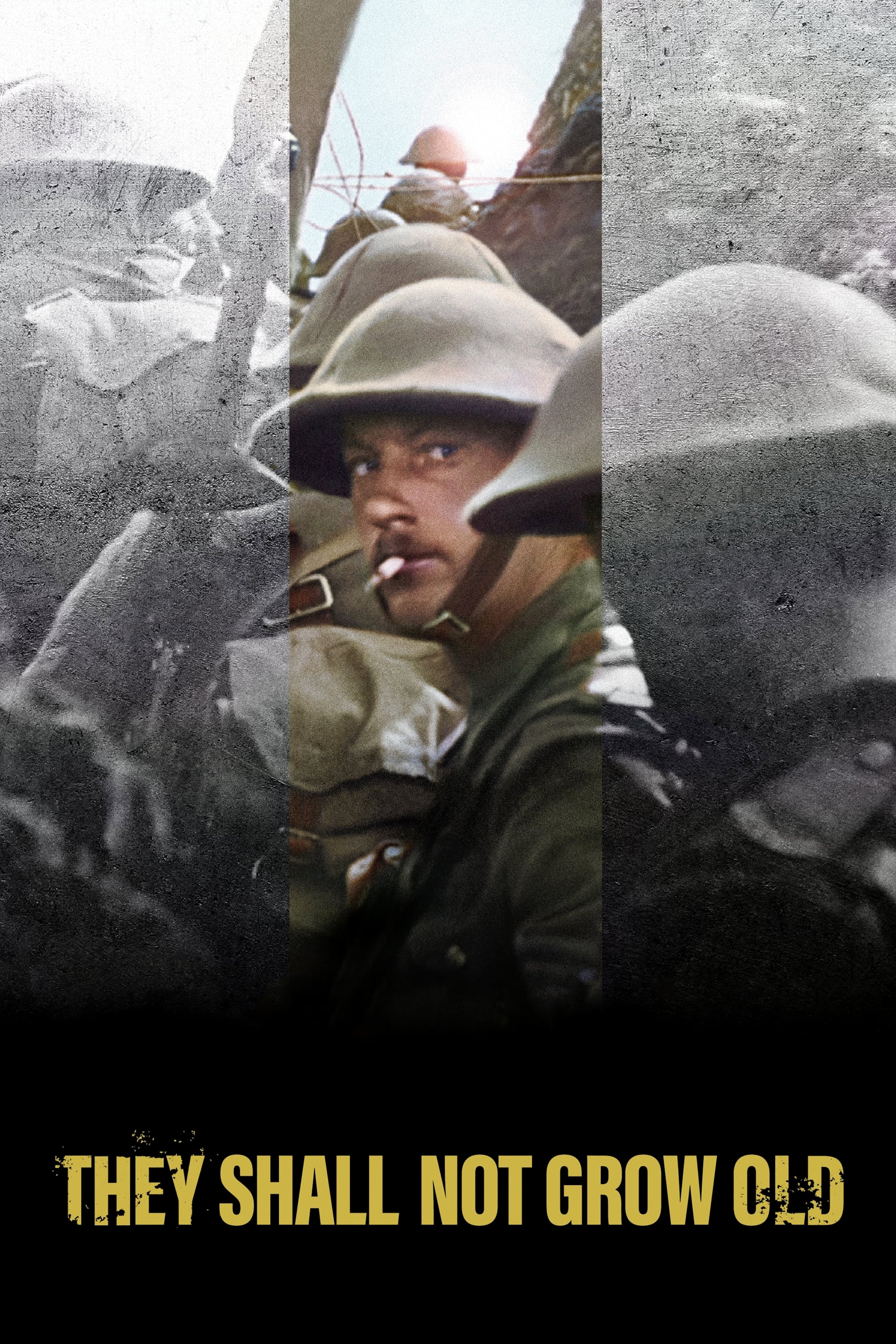
A documentary about World War I with never-before-seen footage to commemorate the centennial of Armistice Day, and the end of the war.
He's devoted his career to uncovering stories the powerful want buried. From My Lai to Abu Ghraib, dig into the life's work of journalist Seymour Hersh.
From its distinctive neighborhoods to its architectural homes, Los Angeles has been the backdrop to countless movies. In this dazzling work, Andersen takes viewers on a whirlwind tour through the metropolis' real and cinematic history, investigating the myriad stories and legends that have come to define it, and meticulously, judiciously revealing the real city that lives beneath.
A documentary on the expletive's origin, why it offends some people so deeply, and what can be gained from its use.
In an intimate and joyful story of love in the face of loss, celebrated poets Andrea Gibson and Megan Falley find strength—and unexpected hilarity—in what might be their final year together.
A tribute to Italian filmmaker Sergio Corbucci (1926-90), presented by American filmmaker Quentin Tarantino.
An unprecedented and intimate look at the life, work and enduring legacy of British actress Audrey Hepburn (1929-1993).
As the Russian invasion begins, a team of Ukrainian journalists trapped in the besieged city of Mariupol struggle to continue their work documenting the war's atrocities.
Pete Postlethwaite stars as a man living alone in the devastated future world of 2055, looking at old footage from 2008 and asking: why didn’t we stop climate change when we had the chance?
The world's greatest pin-up model and cult icon, Bettie Page, recounts the true story of how her free expression overcame government witch-hunts to help launch America's sexual revolution. When she saw the film The Notorious Bettie Page, produced by HBO in 2006, the main person concerned reacted unequivocally: “Lies! Lies!” In a long interview recorded shortly before her death, the woman who entered the collective unconscious as the ultimate pin-up gave her version of events to director Mark Mori. In a gravelly voice, Bettie Page tells her own story and lifts the veil on areas often hidden by images that have made so many men and women fantasize since the 1950s: her abused childhood, an eclipse that lasted forty years, her mental illness. Through testimonies and unpublished archives, this documentary brings back to life a body and a face endlessly declined before our eyes, just as Bettie wanted: “I would like people to remember me as I was in the photos.”
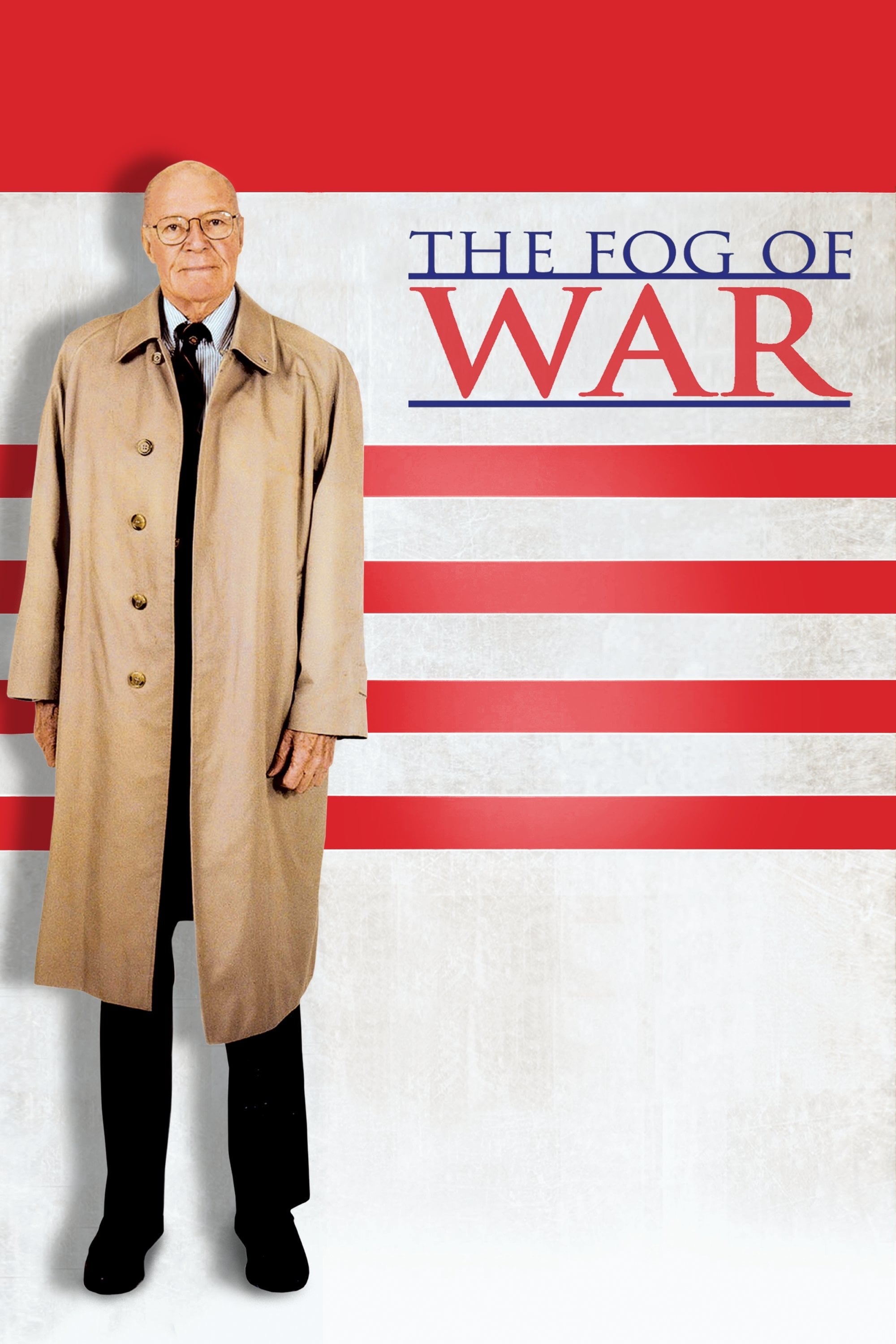
Using archival footage, cabinet conversation recordings, and an interview of the 85-year-old Robert McNamara, The Fog of War depicts his life, from working as a WWII whiz-kid military officer, to being the Ford Motor Company's president, to managing the Vietnam War as defense secretary for presidents Kennedy and Johnson.
When Sgt. First Class Brian Eisch is critically wounded in Afghanistan, it sets him and his sons on a journey of love, loss, redemption and legacy.
The life of internationally renowned artist and activist Nan Goldin is told through her slideshows, intimate interviews, ground-breaking photography, and rare footage of her personal fight to hold the Sackler family accountable for the overdose crisis.
In June 2013, Laura Poitras and reporter Glenn Greenwald flew to Hong Kong for the first of many meetings with Edward Snowden. She brought her camera with her.
Exuberant, eye-opening movie that serves up a dazzling hundred-year history of the role of gay men and lesbians have had on the silver screen. Film contains fabulous footage from 120 films showing the changing face of cinema sexuality, from cruel stereotypes to covert love to the activist triumphs of the 1990s.
In 1975, Ryszard Kapuściński, a veteran Polish journalist, embarked on a seemingly suicidal road trip into the heart of the Angola's civil war. There, he witnessed once again the dirty reality of war and discovered a sense of helplessness previously unknown to him. Angola changed him forever: it was a reporter who left Poland, but it was a writer who returned…