Social & External
The people behind it
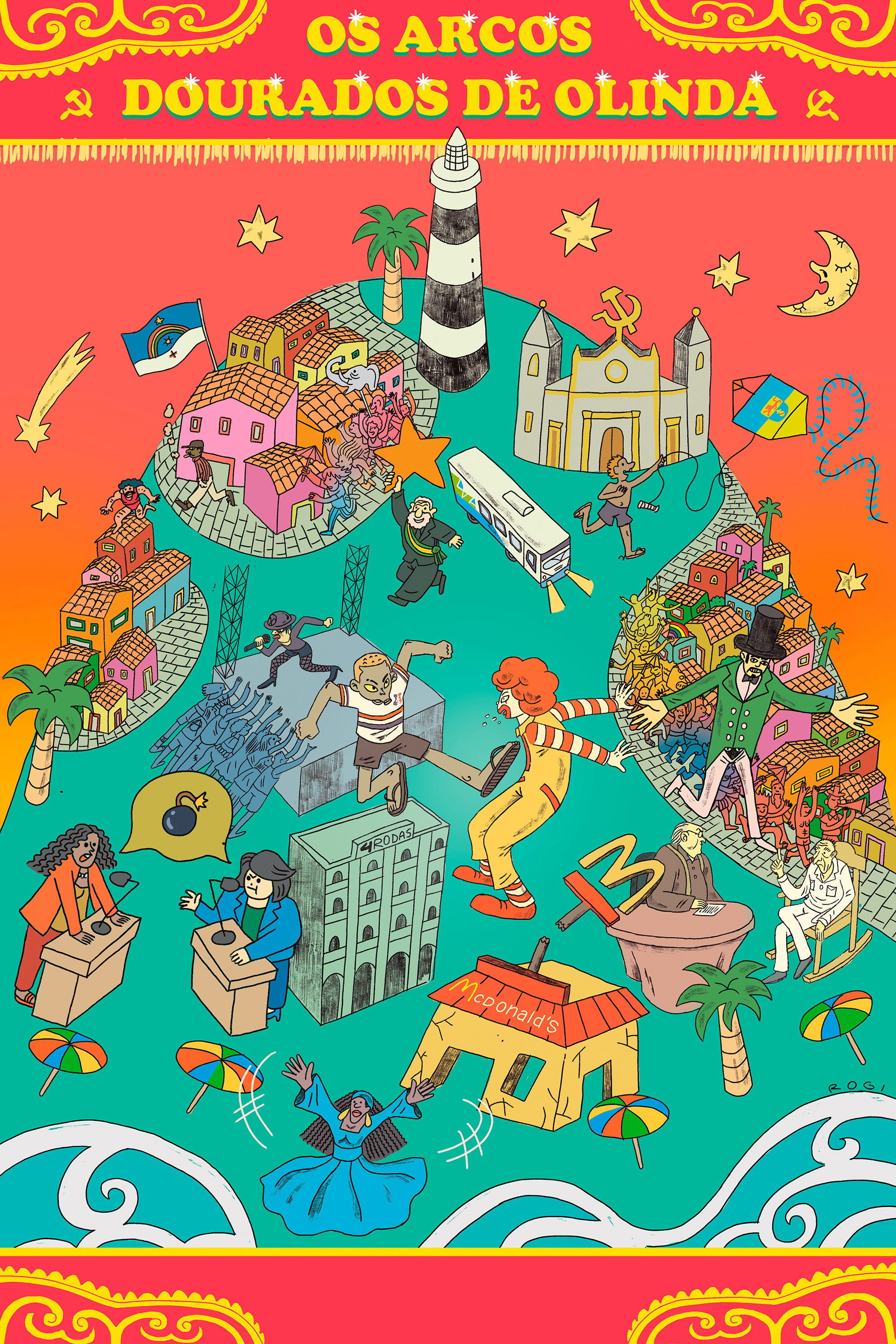
In the early 2000s, amid the political fervor of the city of Olinda, an unusual clash unfolds in the heart of the most important city in the world. The giant of capitalism, McDonald’s, prepares its arrival. What made Olinda known as the first city in the world to drive a McDonald’s out of business?
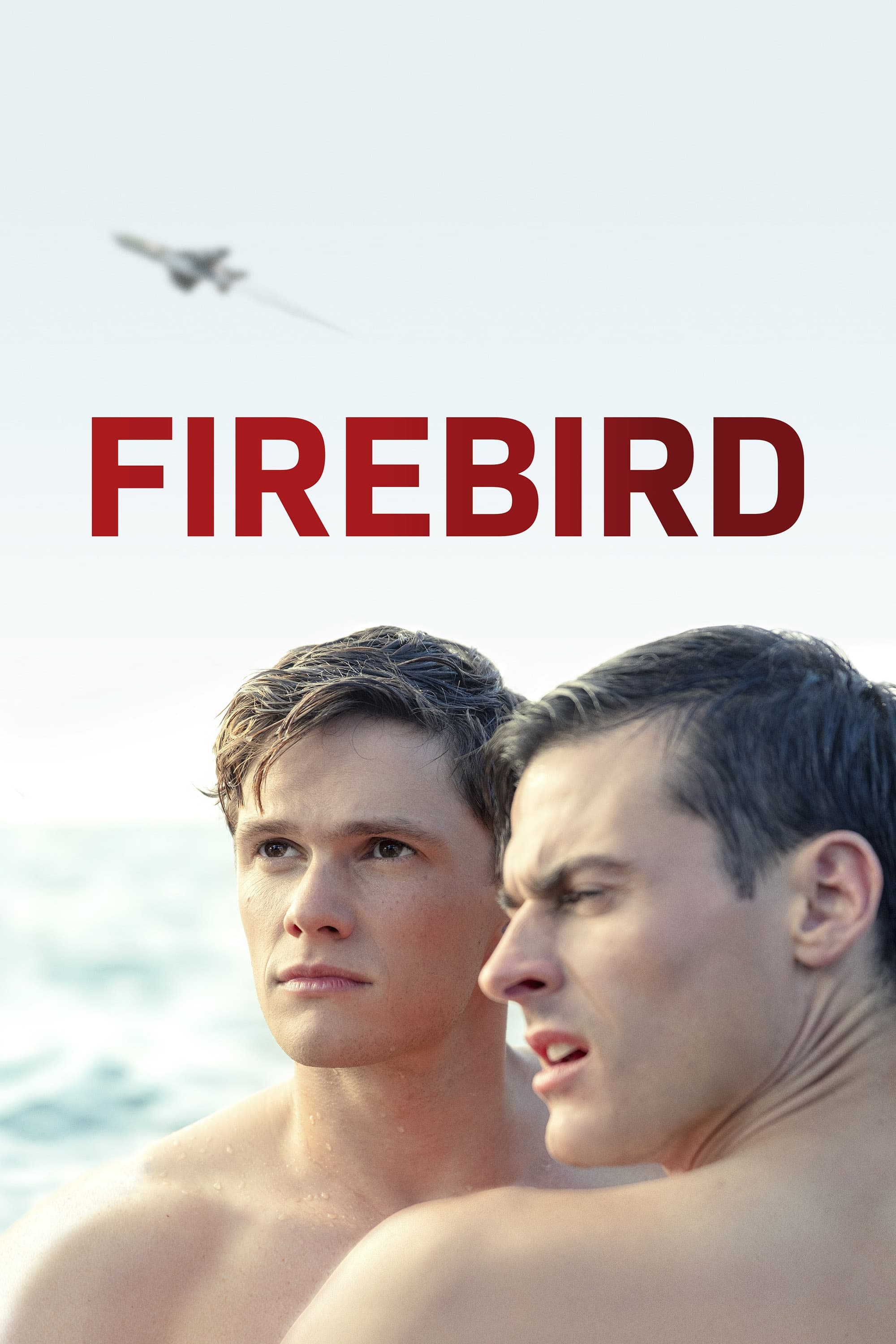
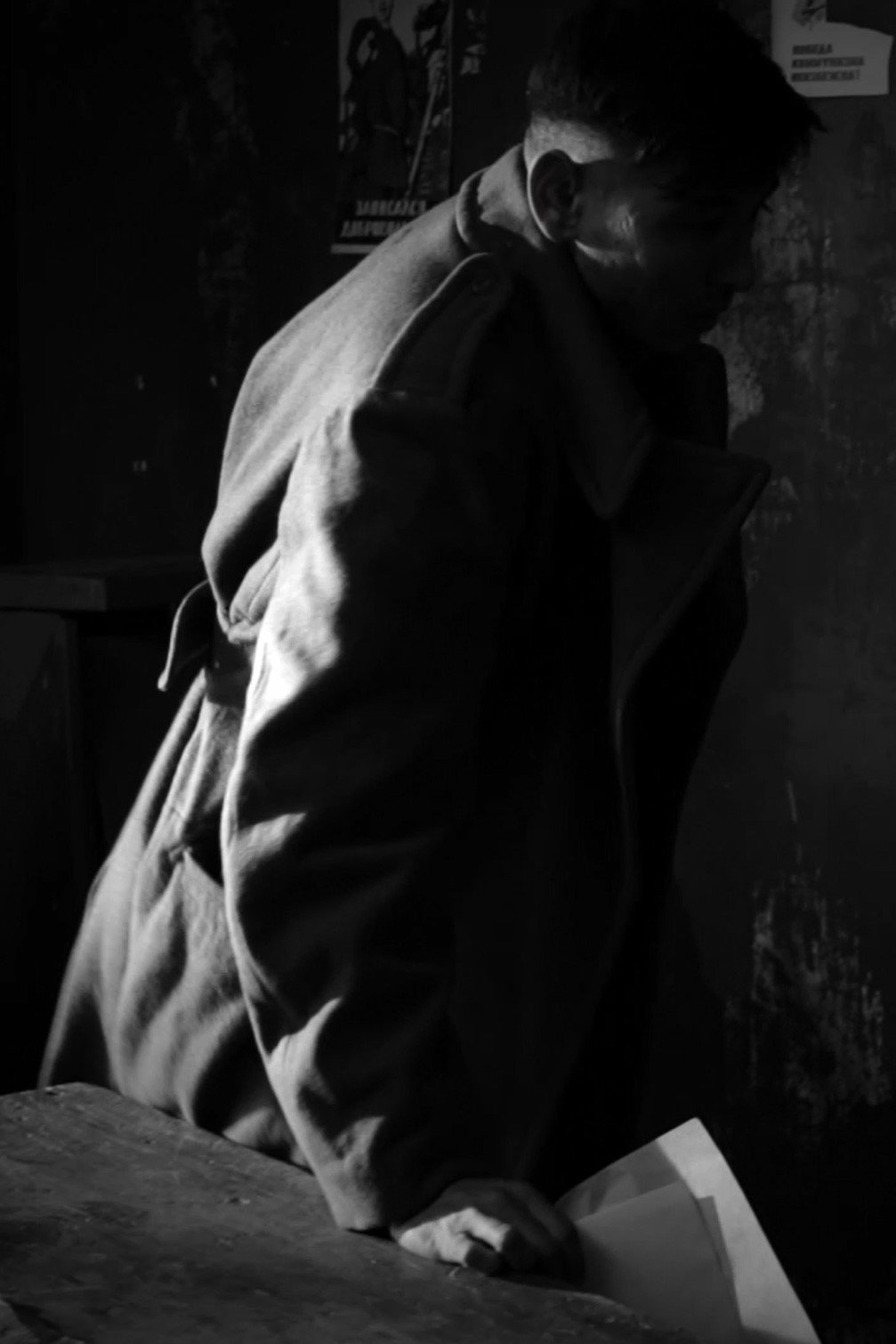
At the height of the Cold War, a troubled soldier forms a forbidden love triangle with a daring fighter pilot and his female comrade amid the dangerous surroundings of a Soviet Air Force Base.
The Vietnam War during the JFK years and beyond. Made in 1972 in the filmmaker's apartment, without documentary footage of the war, metaphors are created through the animation of images and objects, and through guerrilla skits. By rejecting the authority of traditional documentary footage, the anarchist spirit of individual responsibility is established. This is history from one person's point of view, rather than a definitive proclamation.
A Bangladeshi American undertakes a journey to learn about the liberation war in his native country, traveling there for the first time in nearly two decades, and uncovering the controversial role the U.S. played in a forgotten genocide that occurred there over 50 years ago. From 1971 to the present day, this is a story of Bangladesh’s independence, a family’s journey immigrating to America, and the cognitive dissonance of a person belonging to both homelands. Driven by interviews with his father and other family members, along with experts and witnesses, archival videos, declassified recordings, and animations, BENGAL MEMORY is a unique and untold oral history through a personal lens.
Climate change is among the world’s greatest challenges. As a small Caribbean island, Cuba is disproportionately affected by climate change through extreme weather events. Up to 10% of Cuban territory could be submerged by the end of the century, wiping out coastal towns, polluting water supplies, destroying agricultural lands and forcing one million people to relocate. Finding solutions is now essential. In this documentary, Dr Helen Yaffe goes to Cuba to find out about ‘Tarea Vida’ (Life Task), a long-term state plan to protect the population, environment and the economy from climate change. The Cuban approach combines environmental science, natural solutions and community participation in strategies for adaptation and mitigation. Produced by DaniFilms with Dr Helen Yaffe from the University of Glasgow for the COP26 conference in Glasgow.
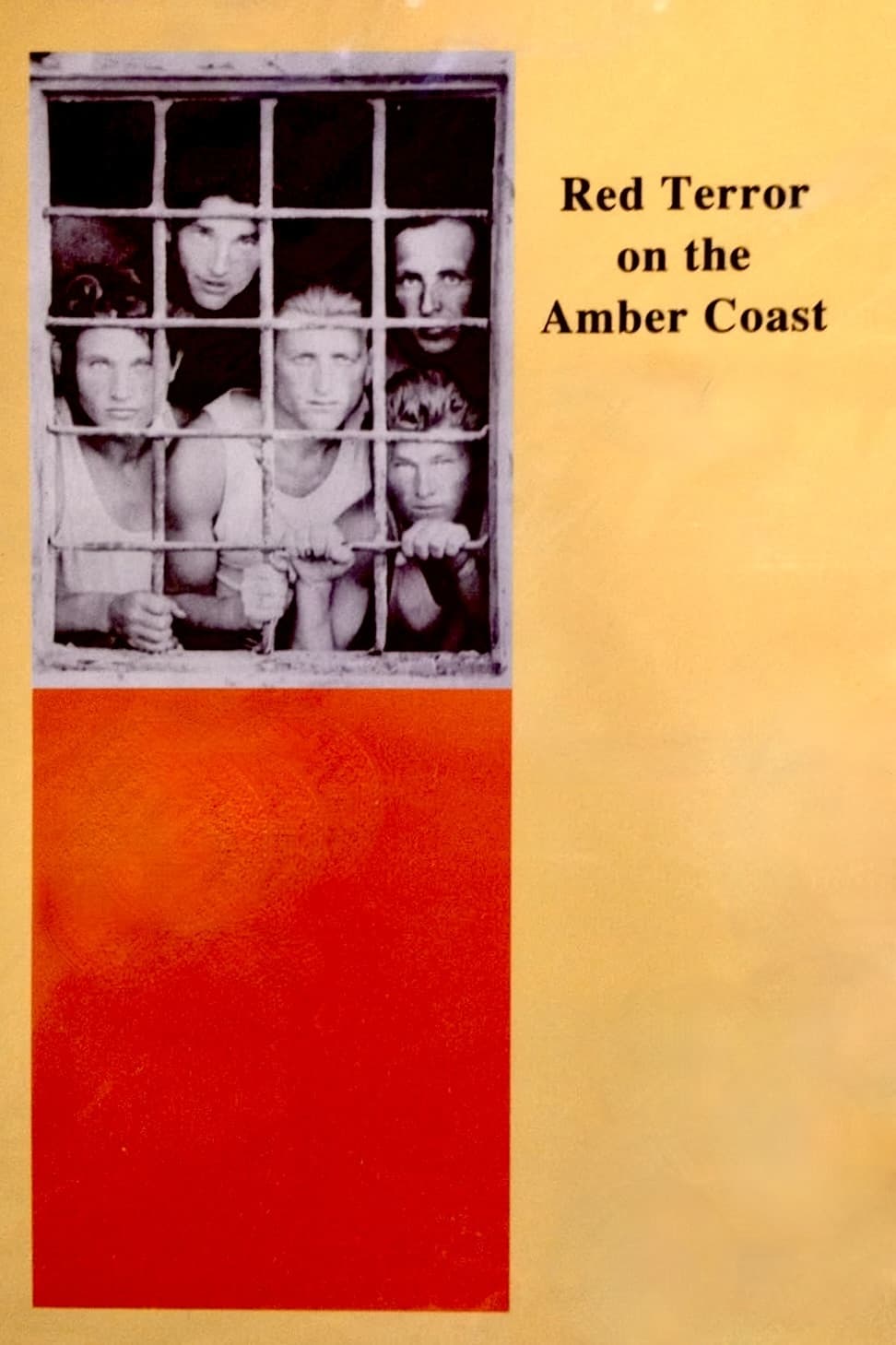
Red Terror documents the soviet occupation of Lithuania and the resistance movements that sprang up in opposition to the brutal tactics used by the communists from 1941 up to 1991. Stories of deportation, life in the Gulag, exile to Siberia, KGB prison torture, confiscation of land are told by living survivors. Resistance fighters and those who aided them also share their stories for the first time to an American audience. Rare historical photos and moving images are used to bring these stories to life.
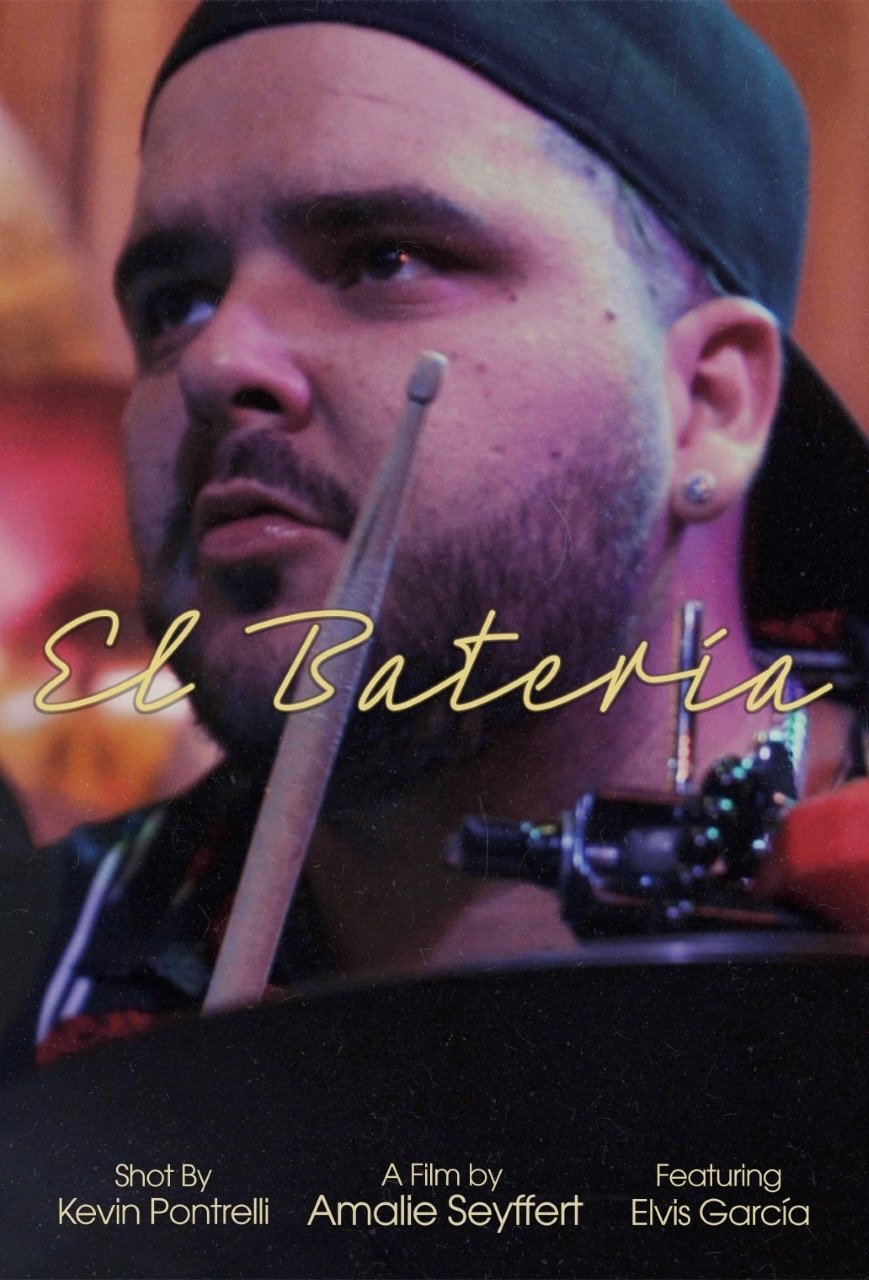
Cuban drummer Elvis García reflects on his journey from Havana to Miami, struggling to make his way in the American city as a professional musician.
Former Formula One driver David Coulthard travels to Havana, Cuba, to drive in the Cuba Classic Rally. He meets a brotherhood of mechanics who have managed to keep their cars running for decades.
From his very first day in office Ronald Reagan endeared himself to millions of Americans with his affable, fun-loving personality. Now, for the first time, his most humorous tales and most amusing anecdotes are combined on one delightfully entertaining DVD.
A documentary about Che Guevara, composed of numerous testimonies and published archived images, all compiled to answer the question: "Who really was Che Guevara?'
Written and directed by James Orr, the 53-minute video chronicles the entire process of Cuban cigar making, from planting to packaging, offering rare, never before seen footage of the facilities where these cigars are produced, and the people who make them. Suckling serves as host of the movie, guiding viewers through this journey across Cuba. Suckling has been traveling to Cuba regularly since the early 1990s, first as European Editor of Cigar Aficionado magazine, and now with his own website, www.jamessuckling.com. He has visited the tobacco plantations, sorting houses, factories, and cigar shops hundreds of times over two decades, but in “Cigars: The Heart And Soul Of Cuba,” he aims to discover why Cuban cigars are the best in the world – and he does. The documentary has already garnered much praise from premiering to select audiences in Cuba, Mexico, the United Kingdom, Canada, and China, and is now available for purchase online worldwide.
Documenting the hardships of three gifted Cuban rappers trying to survive in the harsh ghettos of Havana.
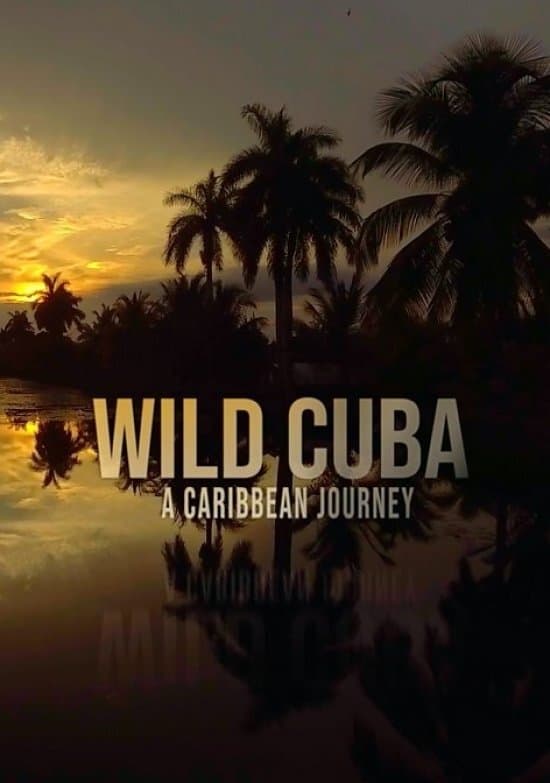
Colin Stafford-Johnson journeys through one of the most bewitching islands in the world, featuring the wildlife and wild places that make it so special. In the first part of this two-part mini-series, Colin explores corners of Cuba that few outsiders have seen. Amongst the wonders he encounters is the bee hummingbird, the world’s tiniest bird, found nowhere else on the planet, and the spectacle of thousands of crabs migrating en masse. Cuba’s isolation has helped preserve many of its natural riches, creating unspoiled landscapes that are home to many enchanting animals living under the bluest skies in the Caribbean. In this authored odyssey, the natural magic of one Earth’s most intriguing countries is revealed.
A soldier is informed that enemies are headed towards his post, only moments before they arrive.
This documentary explores the memory and loneliness of a former Cuban internationalist soldier by observing his body and his (extra)ordinary gestures. This is a war film with no shooting, but with a wound: that of this special forces veteran who tries to find the colleagues of his commando who survived their last mission 30 years ago.
The film is set to bring forward once again the well-worn images of the summit talks between Reagan and Gorbachev in Geneva. It is a reproduction of the days during the summit. On the one hand, pictures are gathered from the perspective as an onlooker in Geneva, on the other hand, the old television footage is processed.
Prelude to War was the first film of Frank Capra's Why We Fight propaganda film series, commissioned by the Pentagon and George C. Marshall. It was made to convince American troops of the necessity of combating the Axis Powers during World War II. This film examines the differences between democratic and fascist states.
“The Soviet Story” is a story of an Allied power, which helped the Nazis to fight Jews and which slaughtered its own people on an industrial scale. Assisted by the West, this power triumphed on May 9th, 1945. Its crimes were made taboo, and the complete story of Europe’s most murderous regime has never been told. Until now...
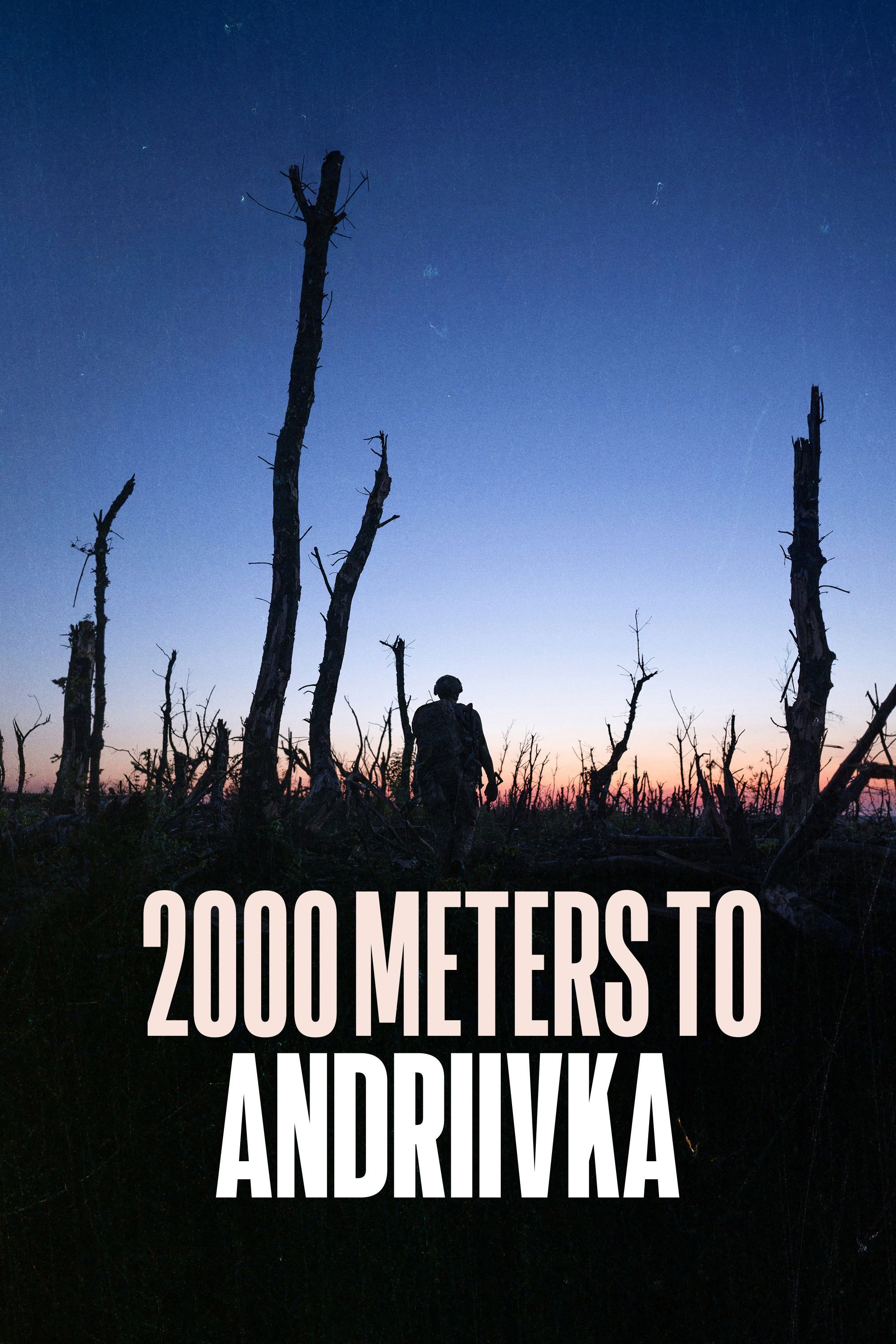
Amid the failing counteroffensive, a journalist follows a Ukrainian platoon on their mission to traverse one mile of heavily fortified forest and liberate a strategic village from Russian occupation. But the farther they advance through their destroyed homeland, the more they realize that this war may never end.
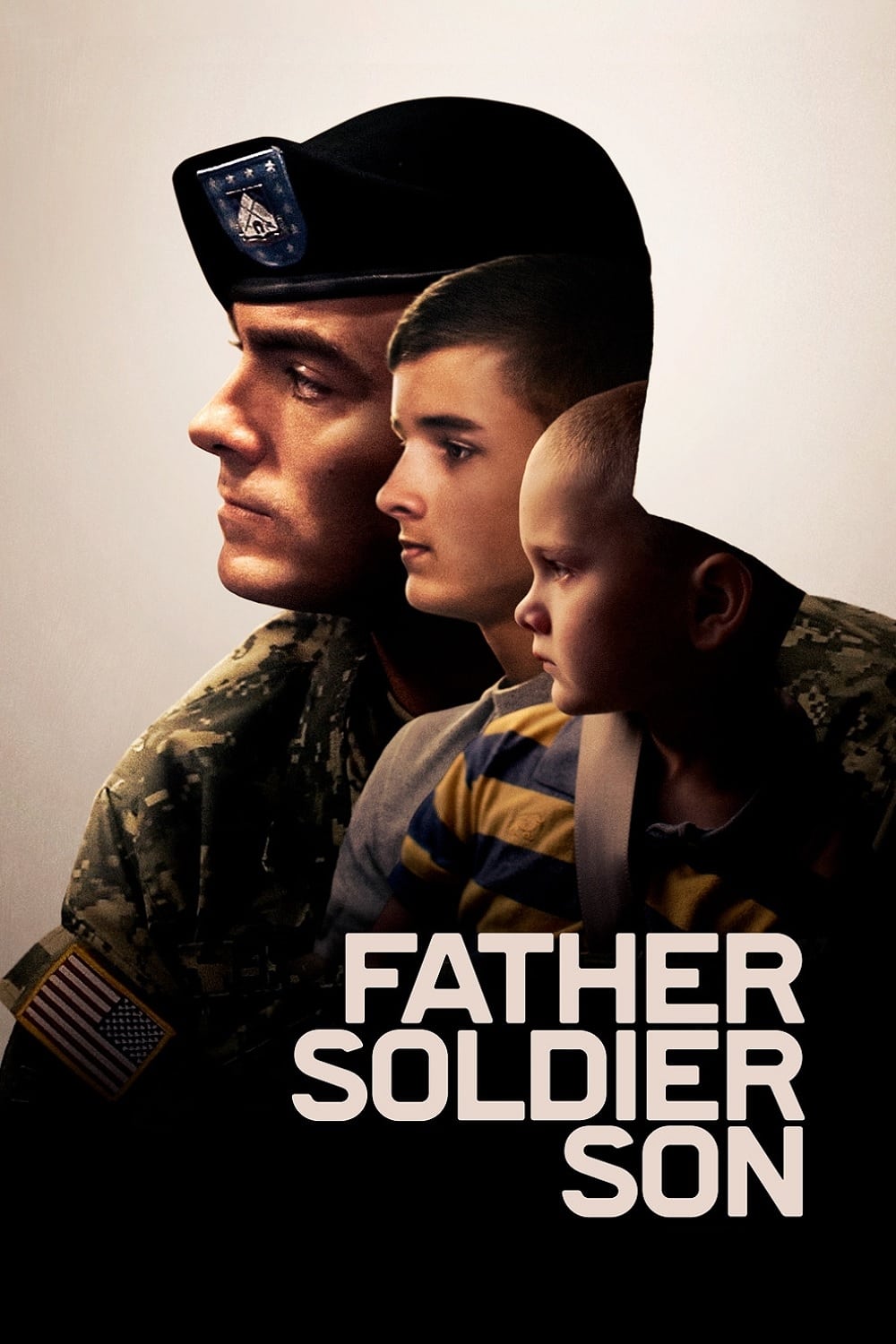
When Sgt. First Class Brian Eisch is critically wounded in Afghanistan, it sets him and his sons on a journey of love, loss, redemption and legacy.
A love letter from a young mother to her daughter, the film tells the story of Waad al-Kateab’s life through five years of the uprising in Aleppo, Syria as she falls in love, gets married and gives birth to Sama, all while cataclysmic conflict rises around her. Her camera captures incredible stories of loss, laughter and survival as Waad wrestles with an impossible choice– whether or not to flee the city to protect her daughter’s life, when leaving means abandoning the struggle for freedom for which she has already sacrificed so much.
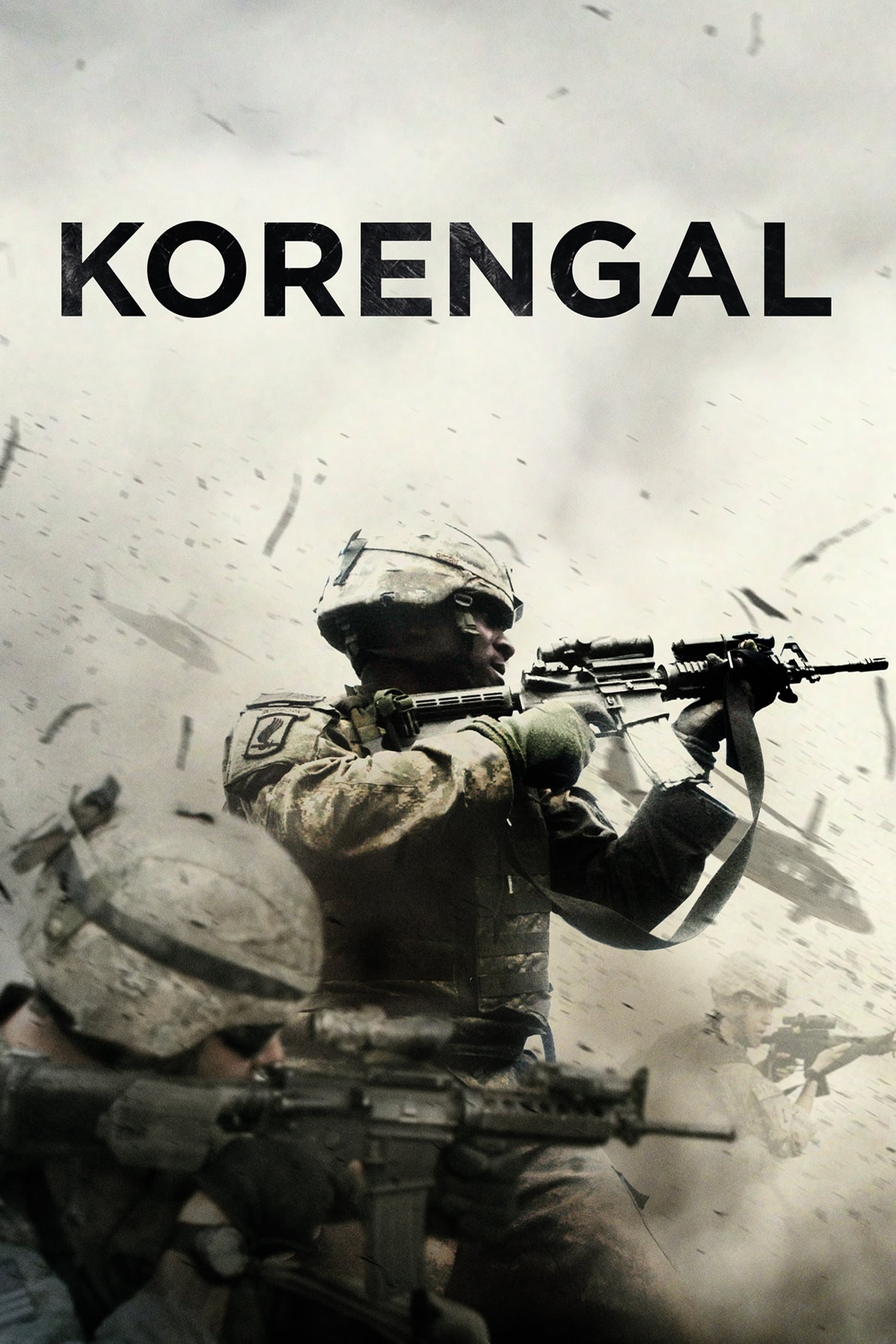
Korengal picks up where Restrepo left off; the same men, the same valley, the same commanders, but a very different look at the experience of war.
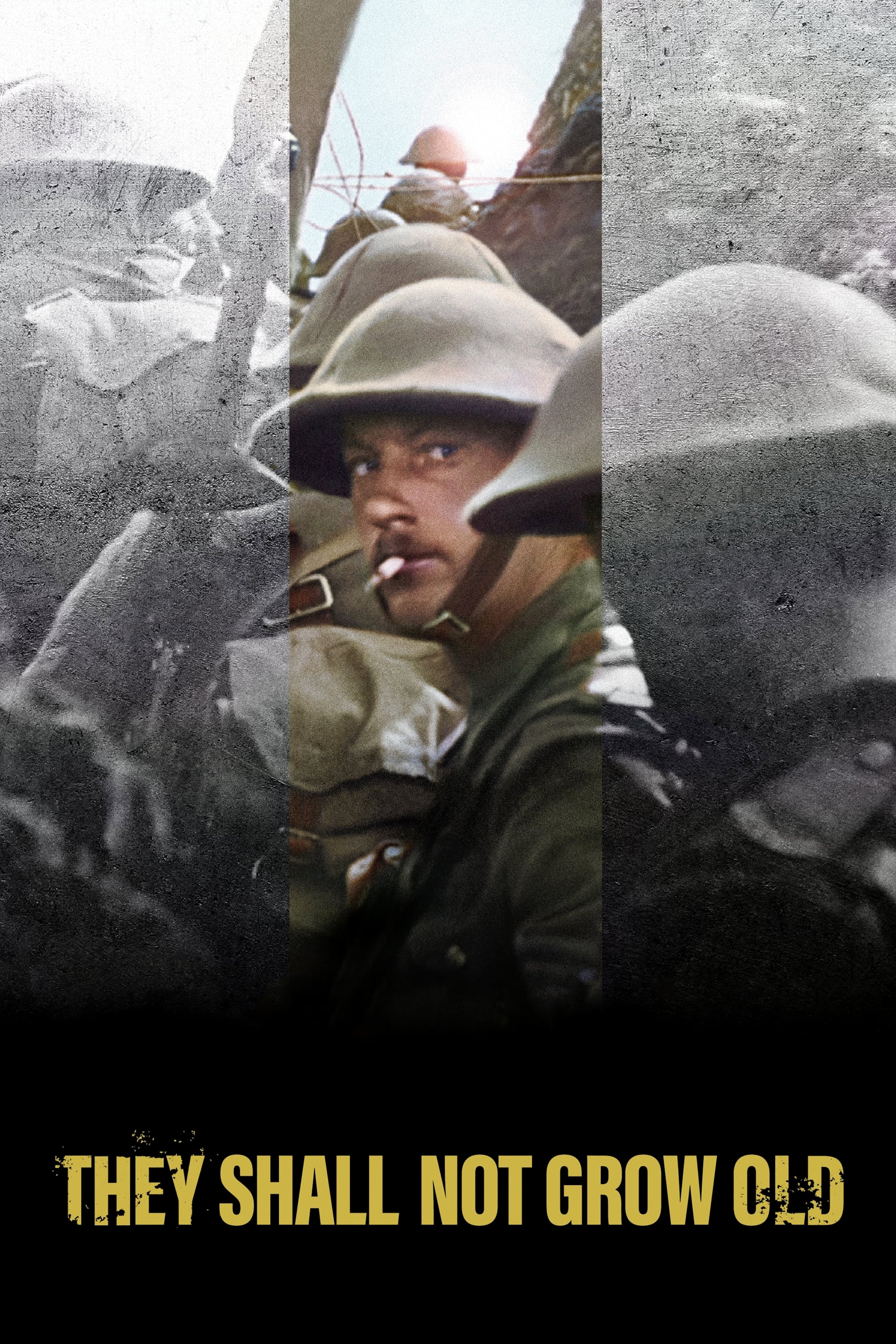
A documentary about World War I with never-before-seen footage to commemorate the centennial of Armistice Day, and the end of the war.
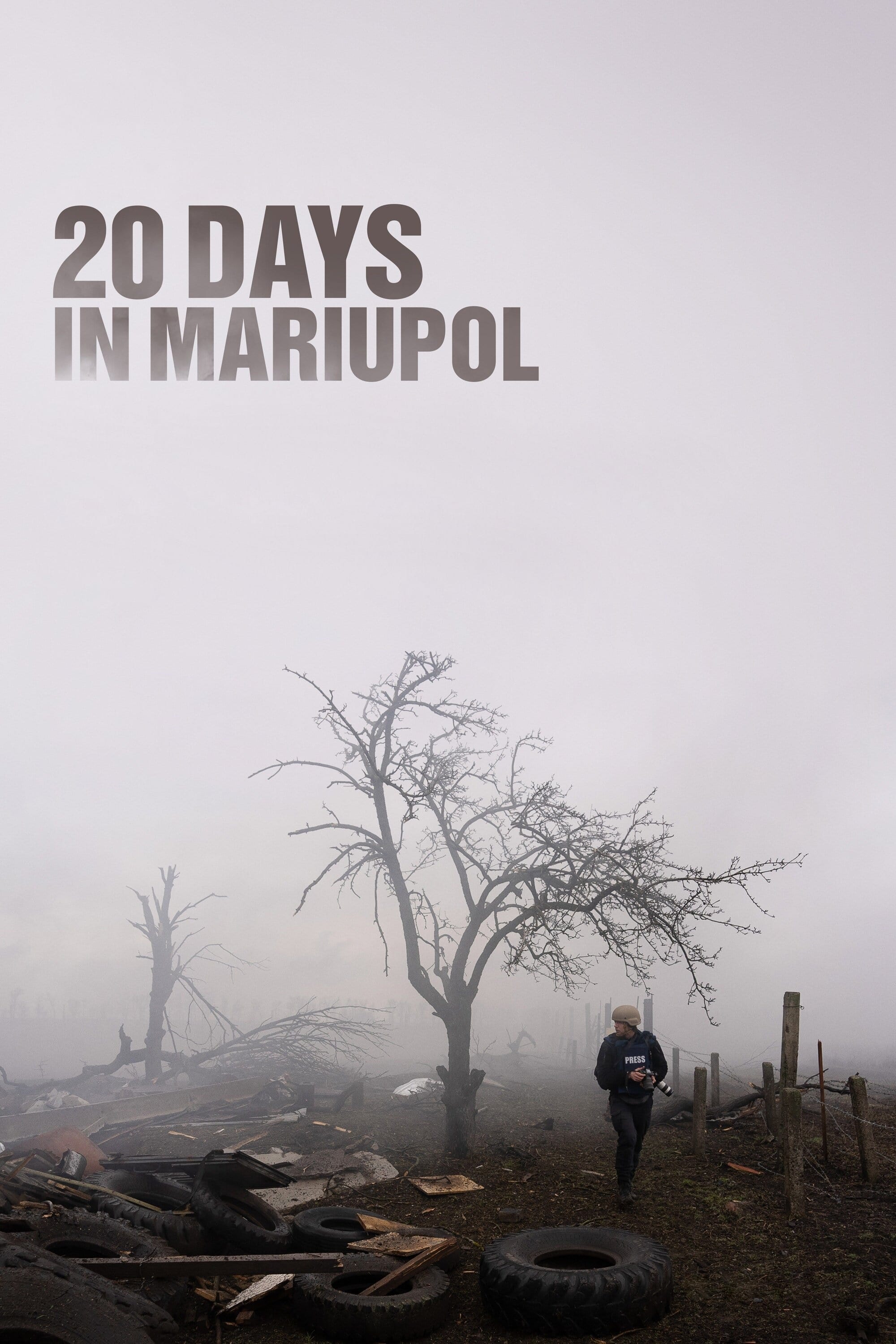
As the Russian invasion begins, a team of Ukrainian journalists trapped in the besieged city of Mariupol struggle to continue their work documenting the war's atrocities.
Experience the events of September 11, 2001 through the eyes of President Bush and his closest advisors as they personally detail the crucial hours and key decisions from that historic day.
Embark on an epic journey through time and faith with 'The Apocalypse of Saint John.' Join the Apostle John in a stunning visual narrative that unravels the visions of the End Times. Experience each vision like never before, with striking visual effects and epic scenes that immerse you in the apocalyptic narrative.
Five broken cameras – and each one has a powerful tale to tell. Embedded in the bullet-ridden remains of digital technology is the story of Emad Burnat, a farmer from the Palestinian village of Bil’in, which famously chose nonviolent resistance when the Israeli army encroached upon its land to make room for Jewish colonists. Emad buys his first camera in 2005 to document the birth of his fourth son, Gibreel. Over the course of the film, he becomes the peaceful archivist of an escalating struggle as olive trees are bulldozed, lives are lost, and a wall is built to segregate burgeoning Israeli settlements.
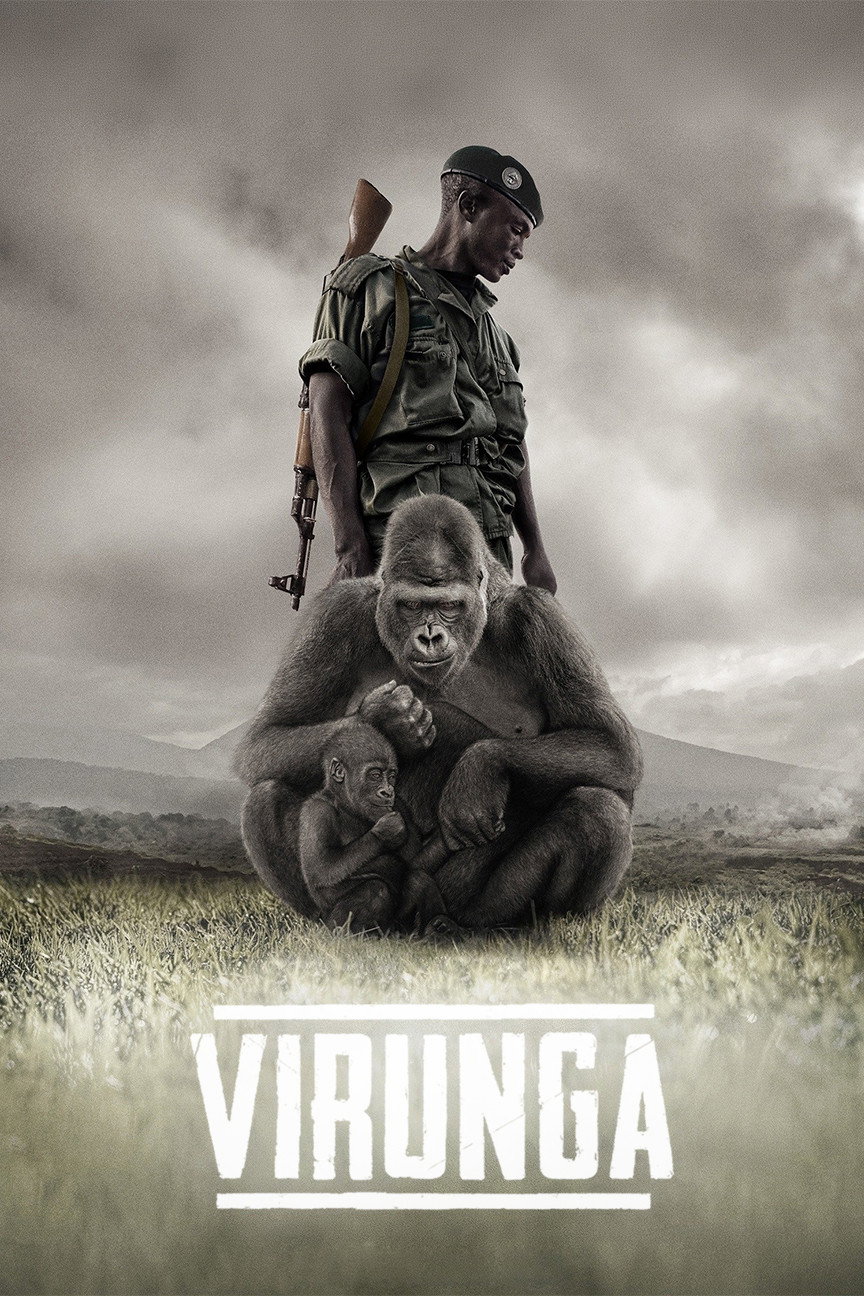
Virunga in the Democratic Republic of the Congo is Africa’s oldest national park, a UNESCO world heritage site, and a contested ground among insurgencies seeking to topple the government that see untold profits in the land. Among this ongoing power struggle, Virunga also happens to be the last natural habitat for the critically endangered mountain gorilla. The only thing standing in the way of the forces closing in around the gorillas: a handful of passionate park rangers and journalists fighting to secure the park’s borders and expose the corruption of its enemies. Filled with shocking footage, and anchored by the surprisingly deep and gentle characters of the gorillas themselves, Virunga is a galvanizing call to action around an ongoing political and environmental crisis in the Congo.
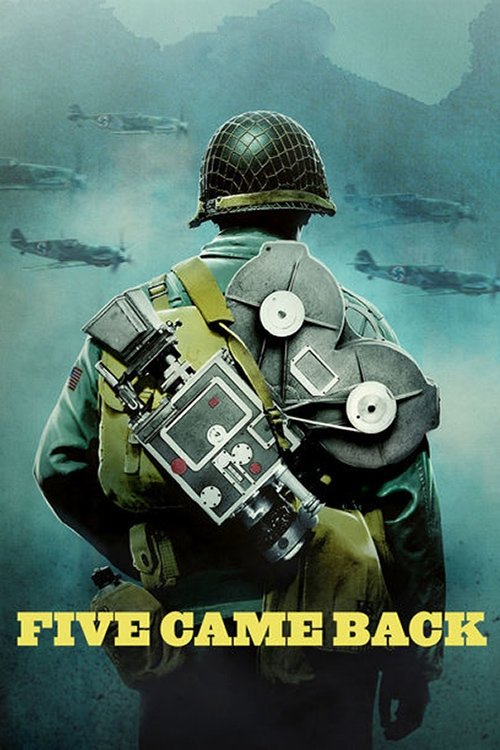
The extraordinary story of how Hollywood changed World War II – and how World War II changed Hollywood, through the interwoven experiences of five legendary filmmakers who went to war to serve their country and bring the truth to the American people: John Ford, William Wyler, John Huston, Frank Capra, and George Stevens. Based on Mark Harris’ best-selling book, “Five Came Back: A Story of Hollywood and the Second World War.”
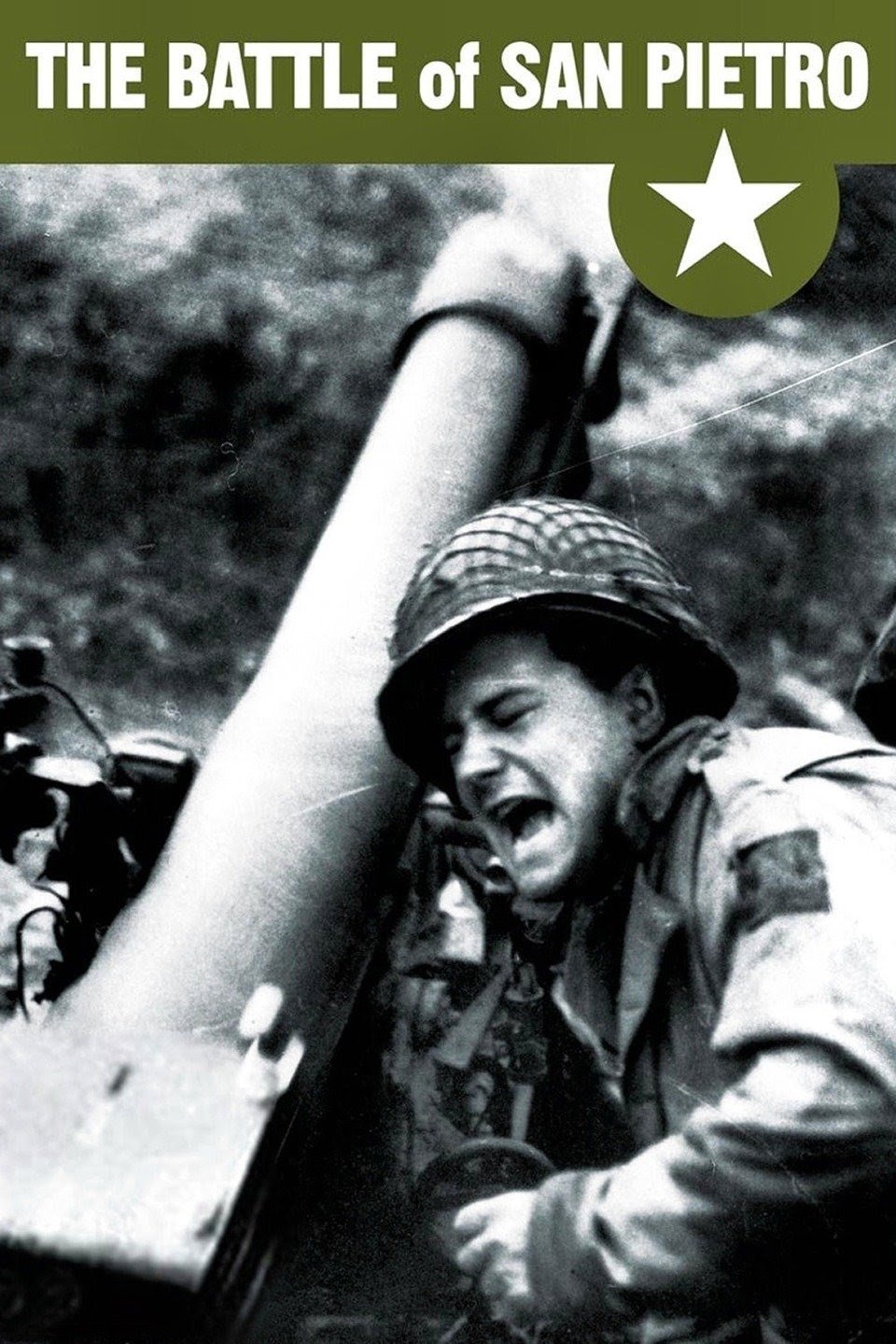
This documentary movie is about the battle of San Pietro, a small village in Italy. Over 1,100 US soldiers were killed while trying to take this location, that blocked the way for the Allied forces from the Germans. Preserved by the Academy Film Archive in 2005.
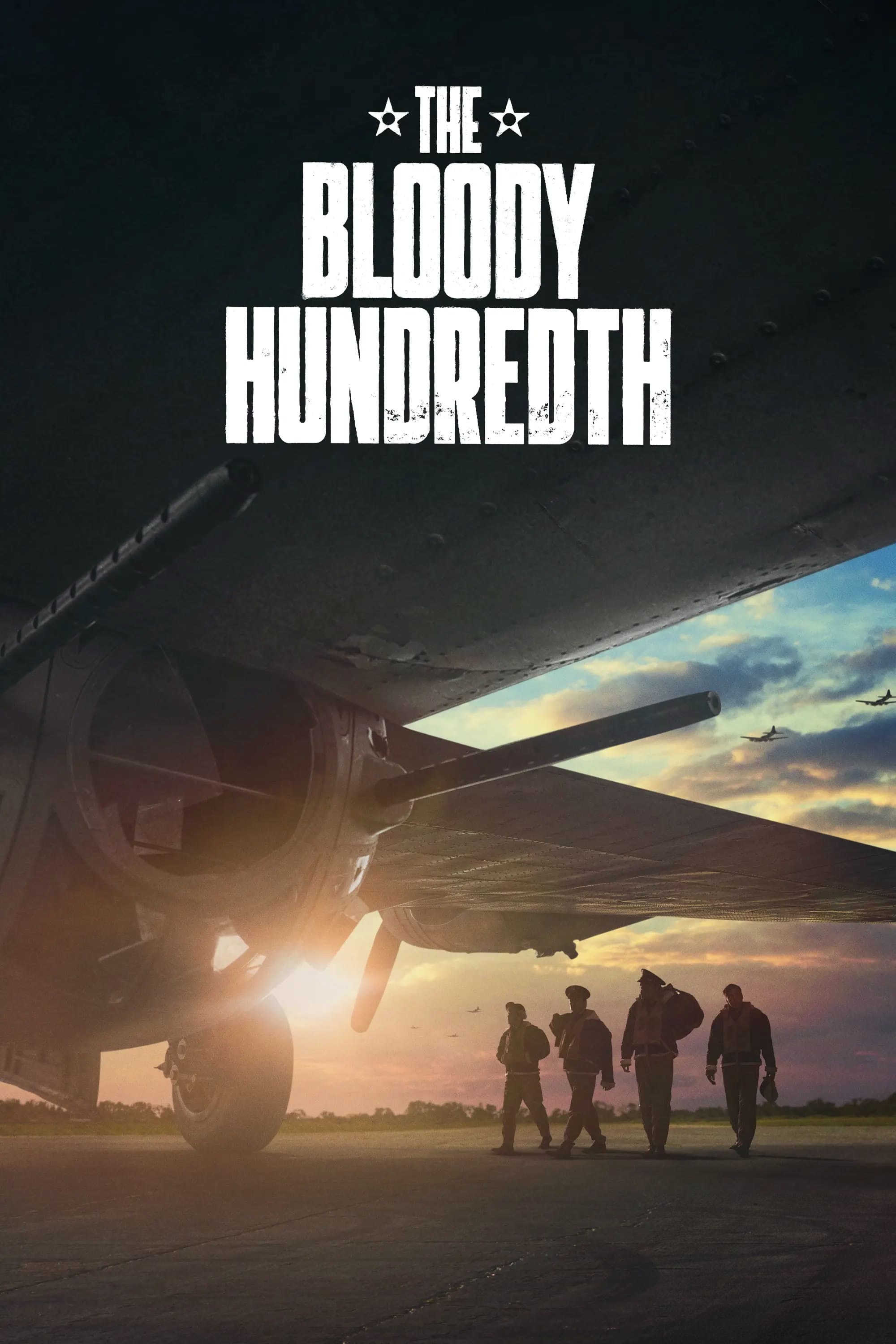
Meet the real-life airmen who inspired Masters of the Air as they share the harrowing and transformative events of the 100th Bomb Group.
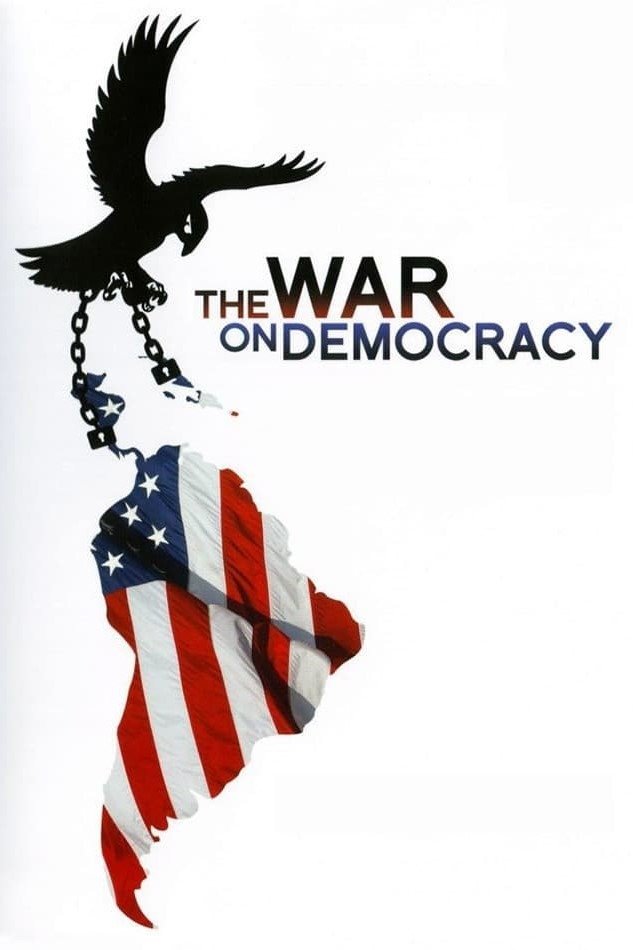
Set both in Latin America and the United States, the film explores the historic and current relationship of Washington with countries such as Venezuela, Bolivia and Chile. Pilger says that the film "...tells a universal story... analysing and revealing, through vivid testimony, the story of great power behind its venerable myths. It allows us to understand the true nature of the so-called "war on terror". According to Pilger, the film’s message is that the greed and power of empire is not invincible and that people power is always the "seed beneath the snow".
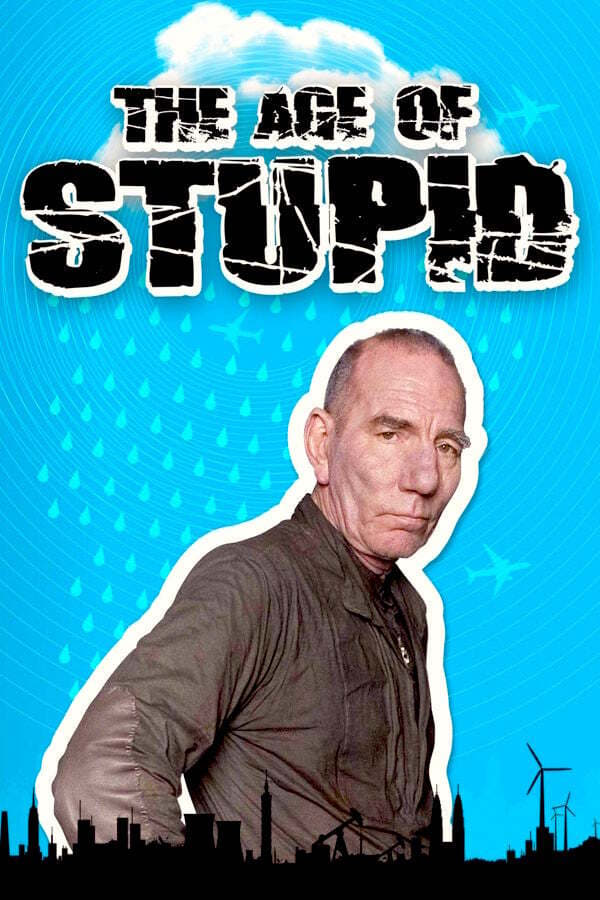
Pete Postlethwaite stars as a man living alone in the devastated future world of 2055, looking at old footage from 2008 and asking: why didn’t we stop climate change when we had the chance?
Director Michael Apted revisits the same group of British-born adults after a 7 year wait. The subjects are interviewed as to the changes that have occurred in their lives during the last seven years.
An inside look at one of the most anticipated movie sequels ever with James Cameron and cast.
In an intimate and joyful story of love in the face of loss, celebrated poets Andrea Gibson and Megan Falley find strength—and unexpected hilarity—in what might be their final year together.