Social & External
The people behind it
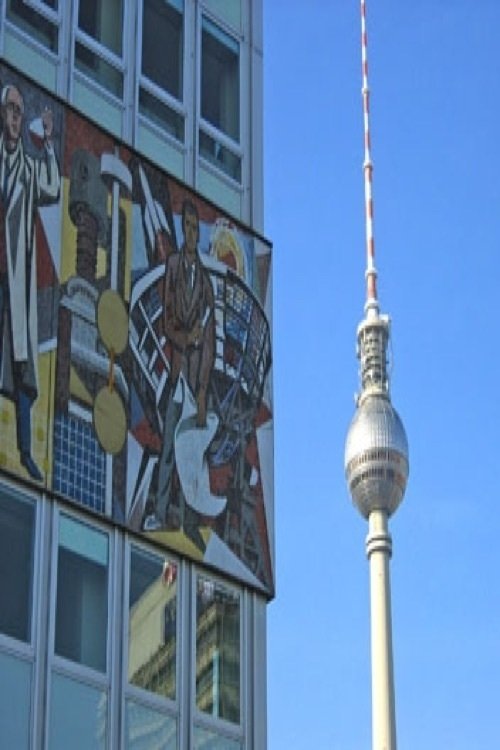
Located in former West Berlin, Tempelhof Airport reflects the dramatic history of the 20th century. Once a Nazi showpiece, it later became a symbol of freedom during the Berlin Airlift and the Cold War. In 1978, East German citizen Constanze Glien unexpectedly arrived here after her flight was hijacked, changing the course of her life.
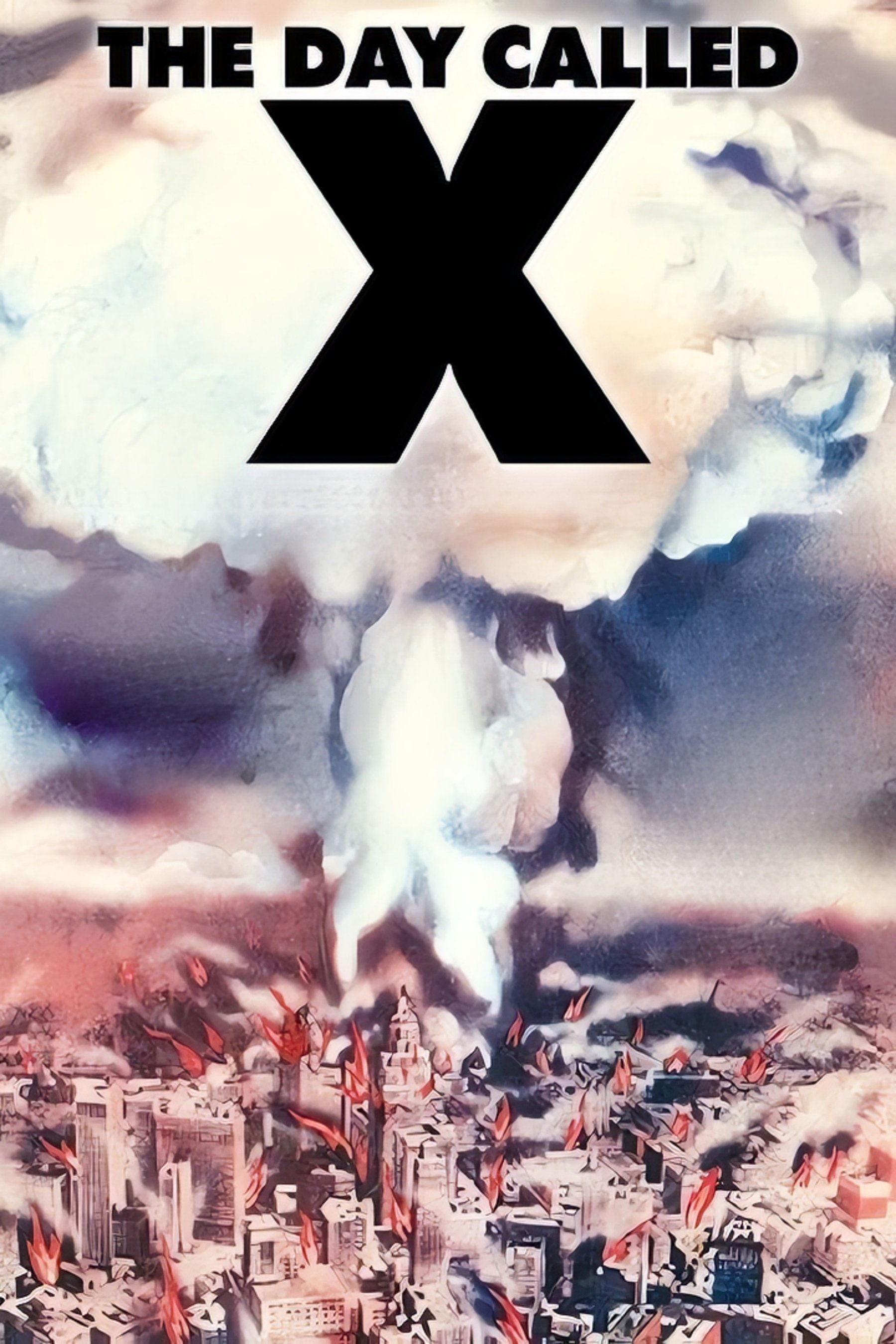
Portentously portrays the evacuation of Portland, Oregon, when threatened by a nuclear attack on its state-of-the-art civil defense system.
You are about to enter the world of double-cross and triple-cross, of information and disinformation, of betrayal, blackmail, and murder. It is the world of international espionage with recently declassified and never before seen footage. A made-to-VHS documentary from the 1990s.
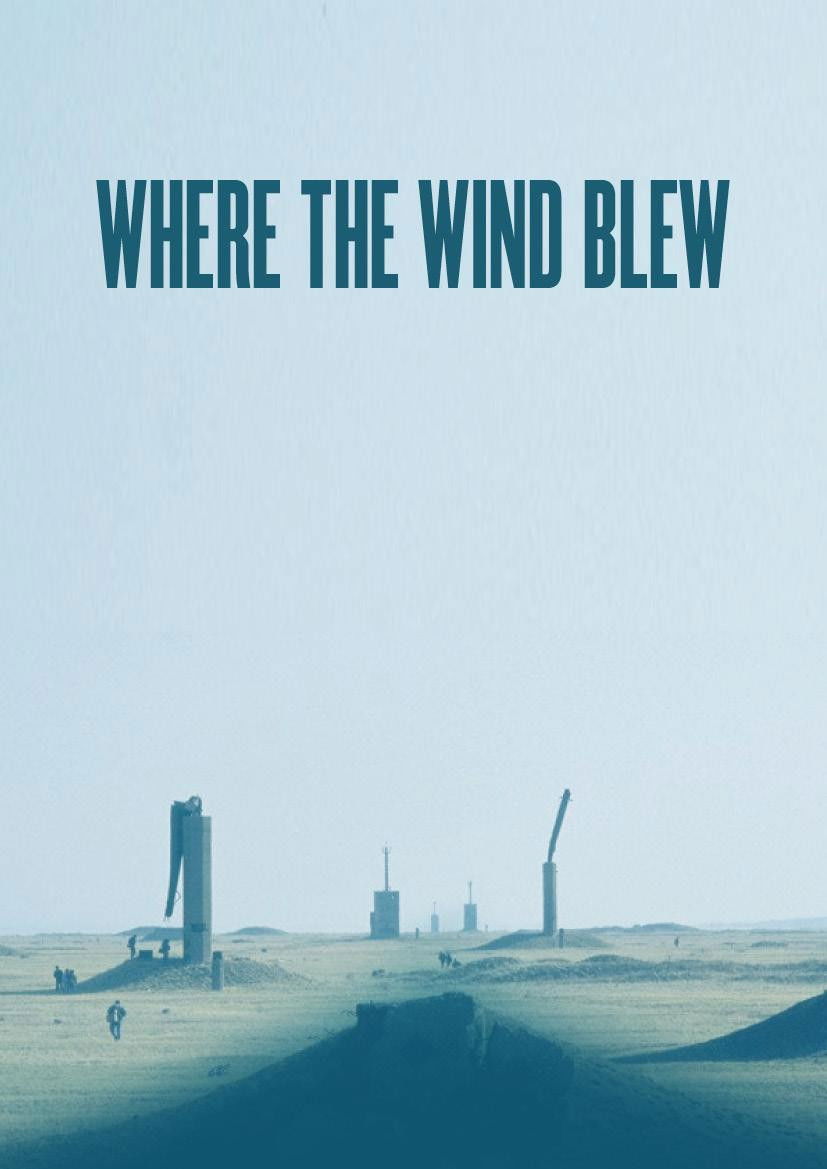
Where the Wind Blew, looks at the legacy of nuclear bomb testing during the Cold War in Kazakhstan (USSR) and Nevada (USA) told through the eyes of the victims, activists and participants.
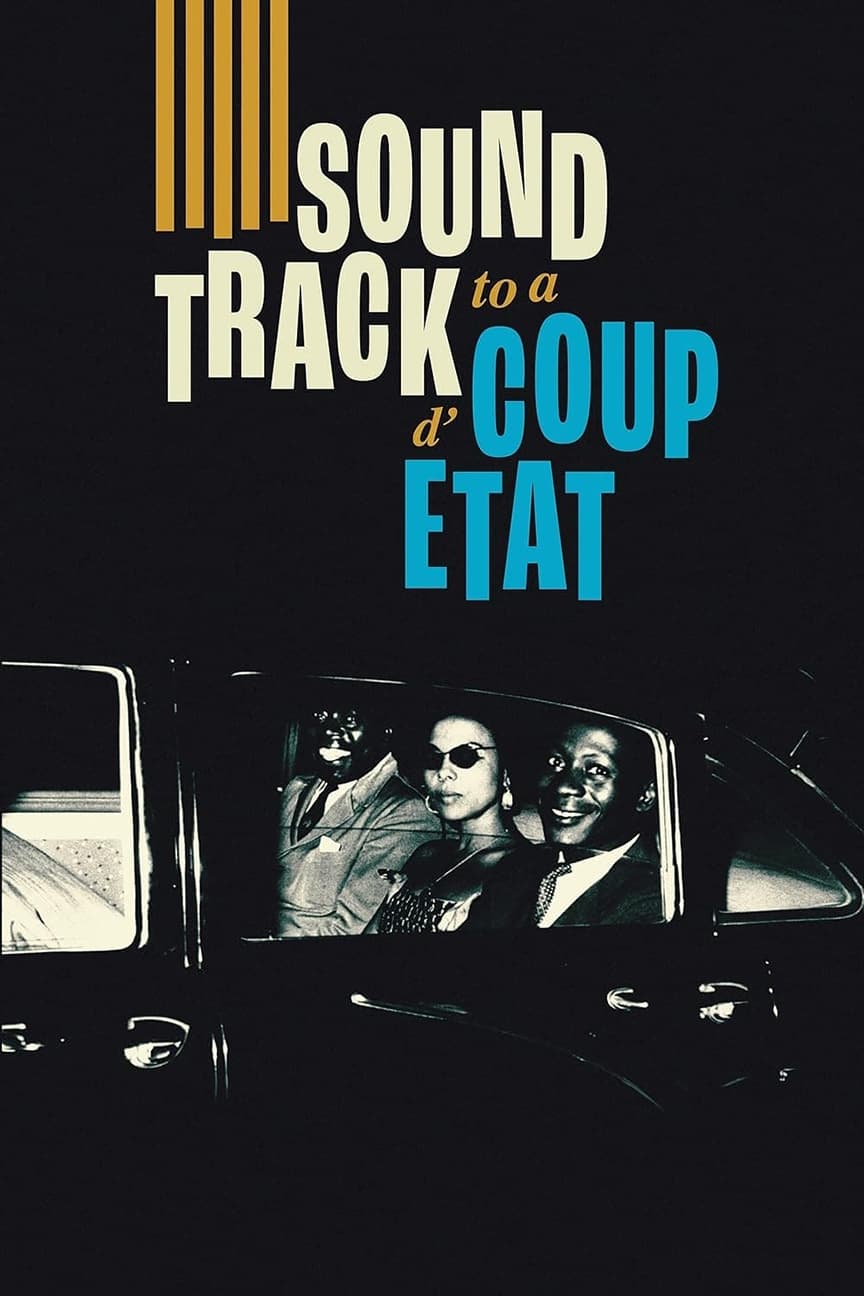
Jazz and decolonization are intertwined in a powerful narrative that recounts one of the tensest episodes of the Cold War.
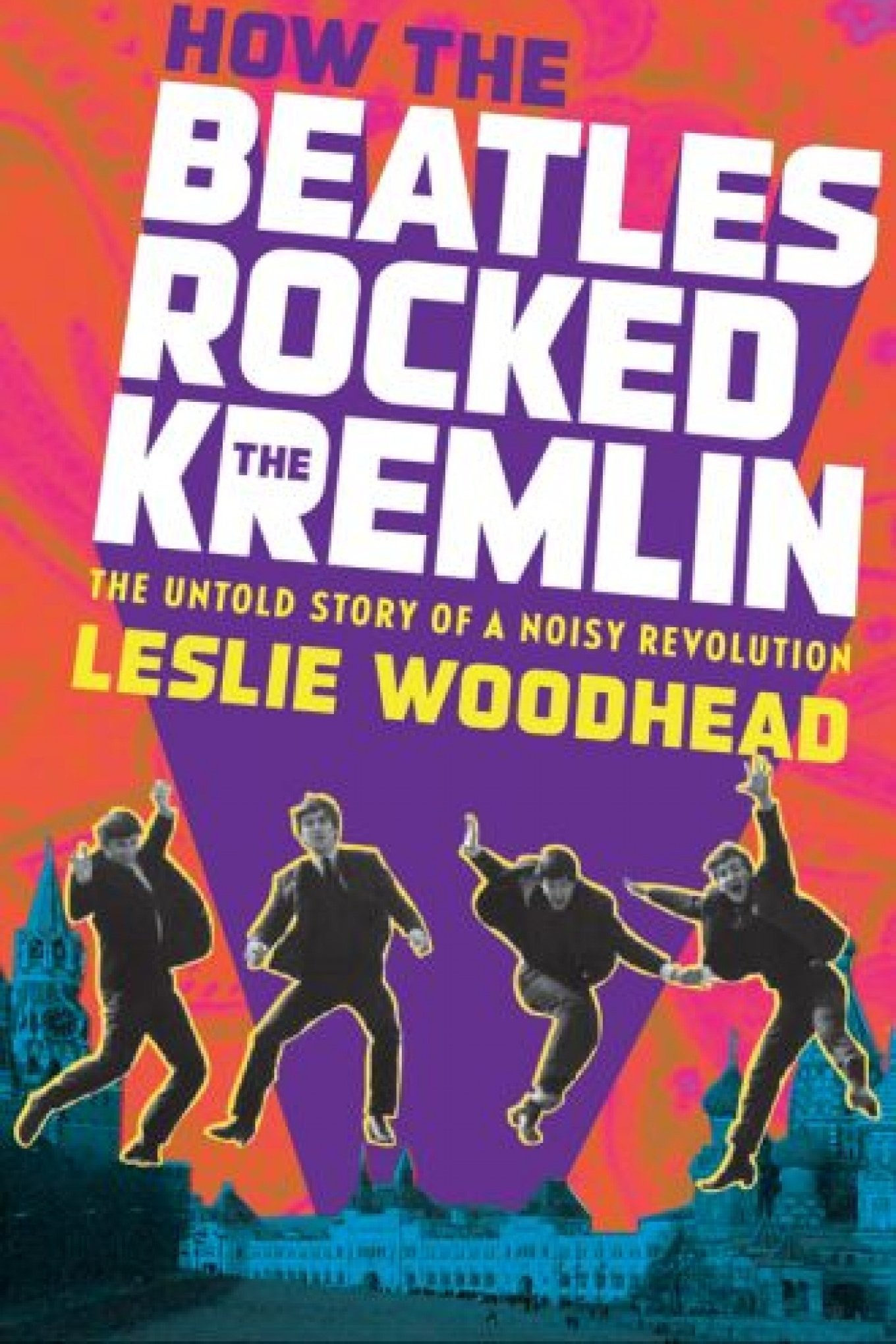
In August 1962, director Leslie Woodhead made a two-minute film in Liverpool's Cavern Club with a raw and unrecorded group of rockers called the Beatles. He arranged their first live TV appearances on a local show in Manchester and watched as the Fab Four phenomenon swept the world. Twenty-five years later while making films in Russia, Woodhead became aware of how, even though they were never able to play in the Soviet Union, the Beatles' legend had soaked into the lives of a generation of kids. This film meets the Soviet Beatles generation and hears their stories about how the Fab Four changed their lives, including Putin's deputy premier Sergei Ivanov, who explains how the Beatles helped him learn English and showed him another life. (Storyville)
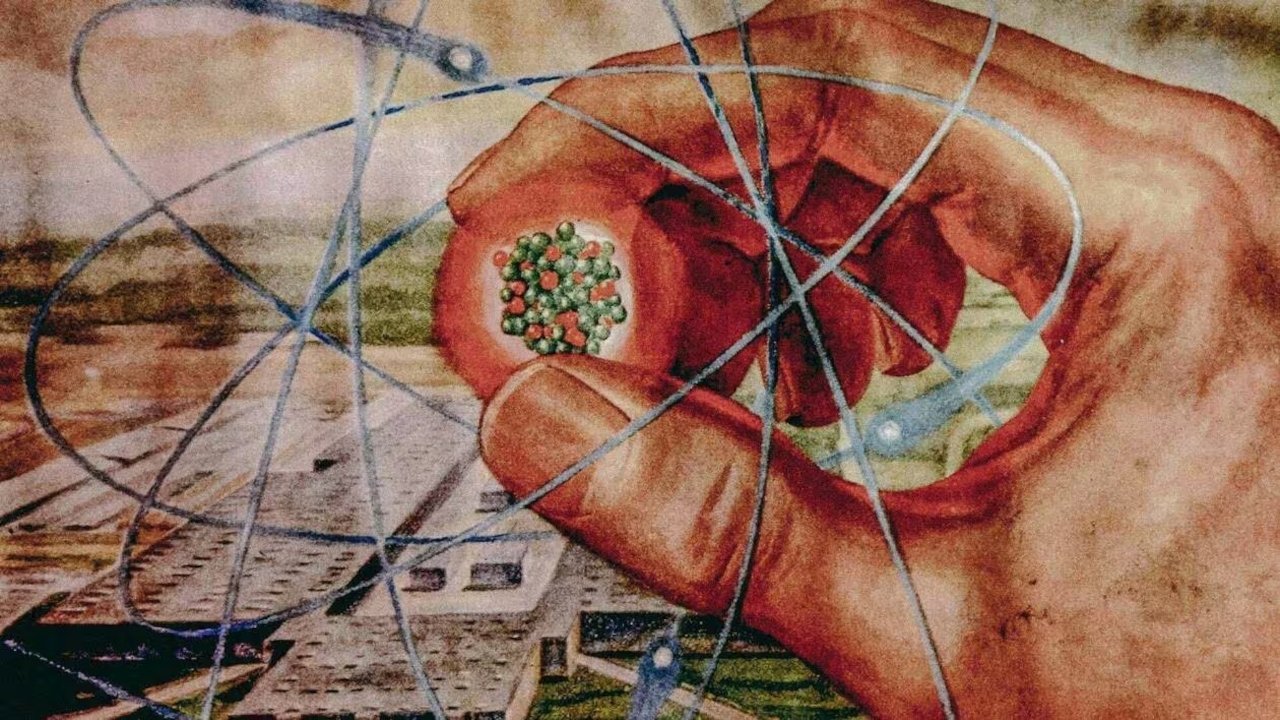
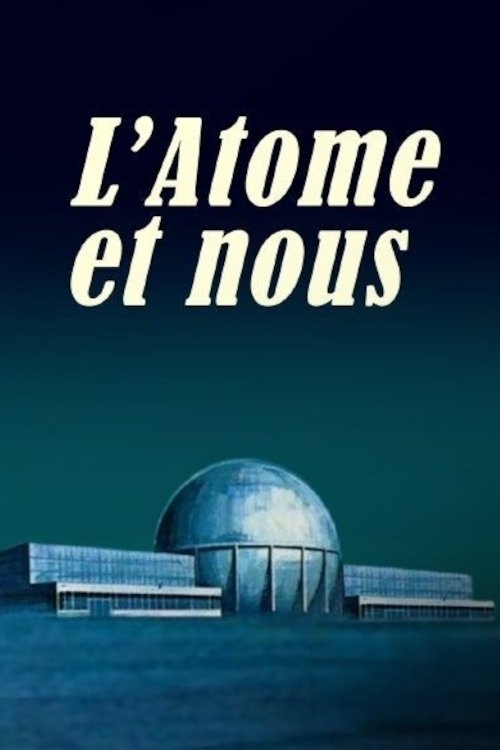
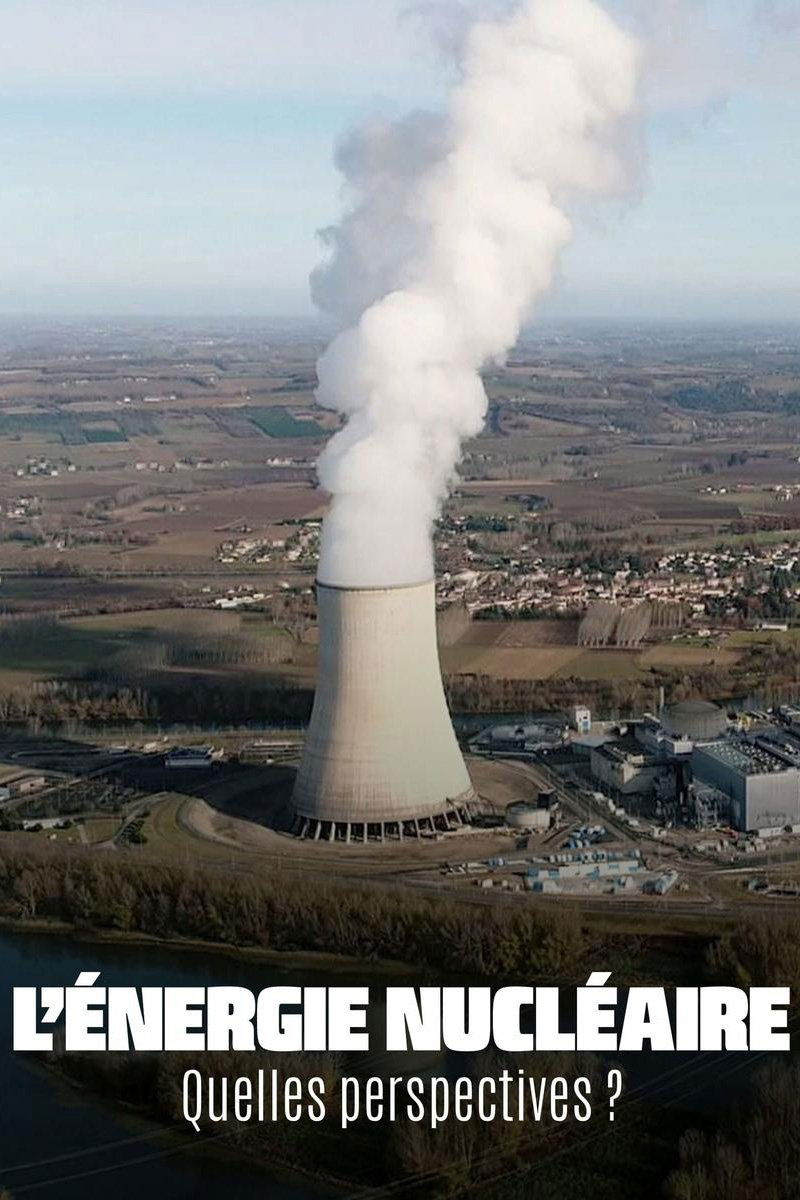
Nuclear energy: a clean energy for the future or a risk for humanity? As the European Union has classed nuclear as a green energy, France is building new power plants whilst Germany is decommissioning them. An in depth look at the future of atomic energy in the coming decades.
September 2022 marked the 50th anniversary of the Summit Series, the iconic hockey tournament that pitted the best players from Canada against the best from the Soviet Union. This documentary enlarges the canvas to tell the story from the unique perspectives of a diverse group who are rarely, if ever, heard: diplomats, NHL hockey legends, Soviet players, journalists, fans, broadcasters, business leaders and Team Canada’s Chairman – all reveal untold stories about what happened before, during, and after September ‘72.
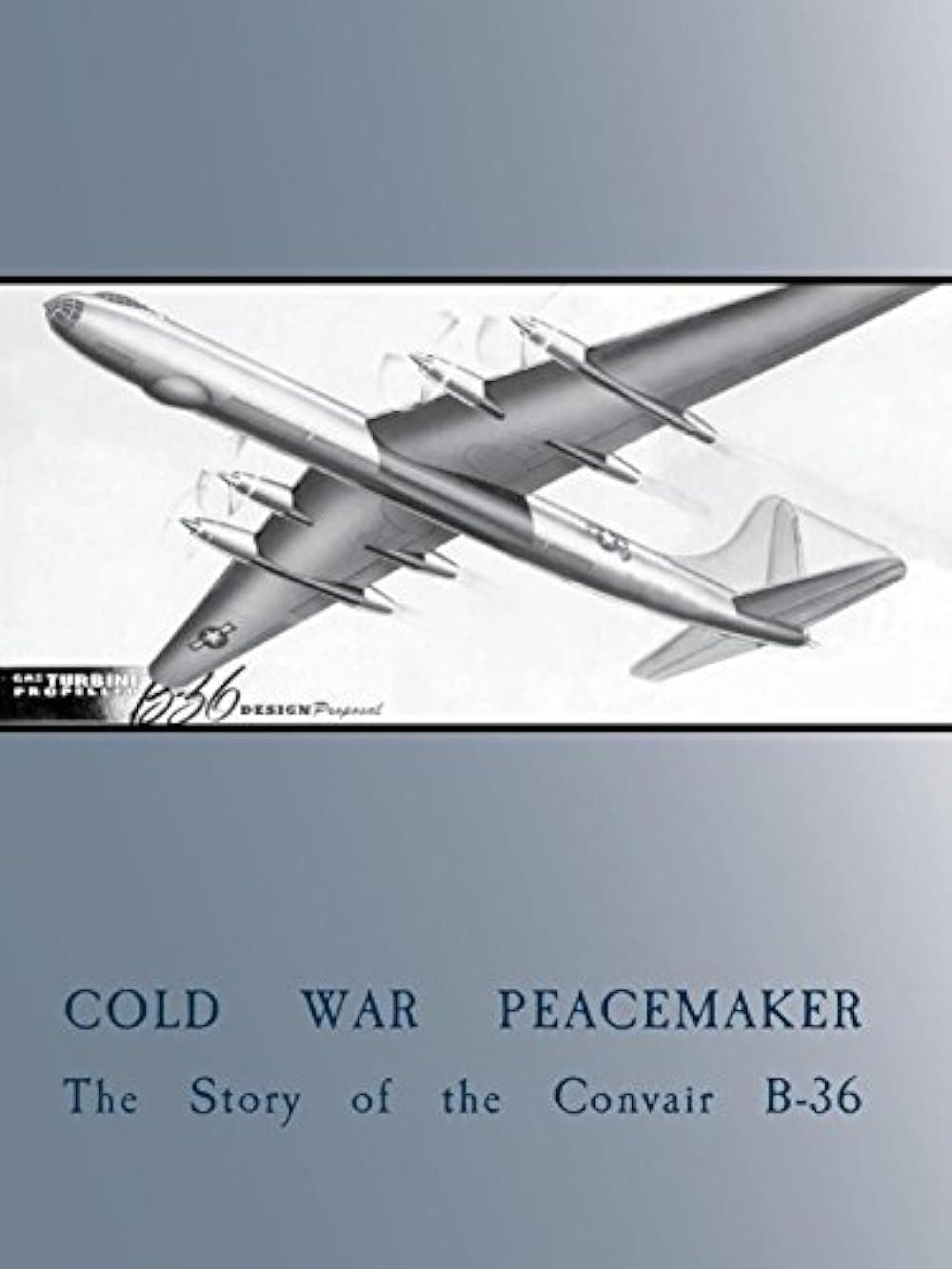
Cold War Peacemaker is the amazing and unique story of the development of the B-36 very-long-long-range nuclear bomber. From its beginnings during WWII, through construction in a former wild-west cattle town and deployment into the Cold War, the story of the Convair B-36 and how it intimidated the Soviet Union is a fascinating study in politics and technology. In Cold War Peacemaker, experience life during the Cold War as your parents and grandparents lived it and discover and understand how the Convair B-36 played a vital role in saving the free world from communist domination.
The Conference on Security and Cooperation in Europe (CSCE) was the starting point for the slow but sure collapse of communist authoritarian rule in Eastern Europe. The Helsinki Effect offers new perspectives on the events of the Cold War. The film tells the story of the CSCE process, which had a major impact on the end of the Cold War, and sheds light on secret top-level discussions behind closed doors, through voice simulations using artificial intelligence.
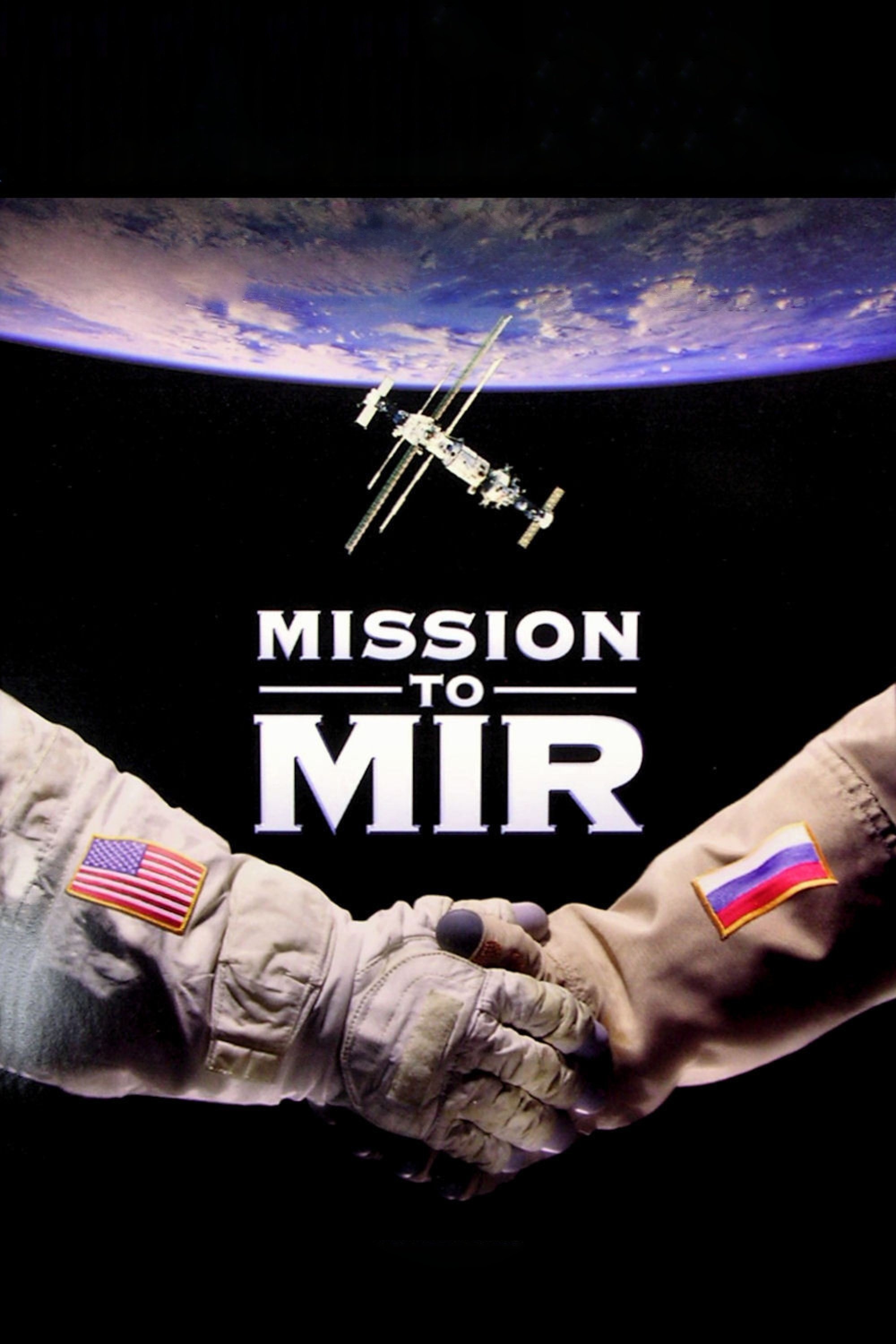
This film shows how far we have come since the cold-war days of the 50s and 60s. Back then the Russians were our "enemies". And to them the Americans were their "enemies" who couldn't be trusted. Somewhere in all this a young girl in Oklahoma named Shannon set her sights on becoming one of those space explorers, even though she was told "girls can't do that." But she did.
Filmed in Berlin, July 1990. Images of workers taking down the wall and street peddlers selling pieces of it to make a living.
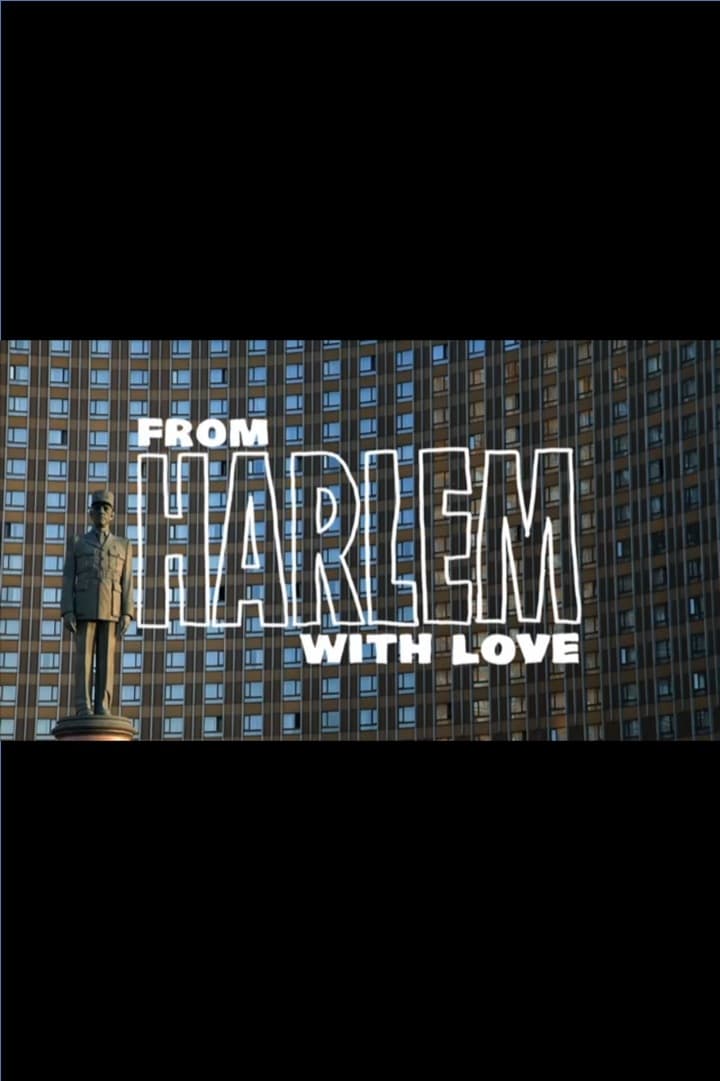
Tensions between the USSR and the United States were high in 1959, with the seemingly constant threat of nuclear war. Then some unlikely ambassadors stepped forward to clear all that away: the Harlem Globetrotters. From Harlem With Love is the story of how a group of barnstorming basketball players traveled to the heart of the Soviet Union at the height of the Cold War and bridged a cultural gap many thought would stand forever.
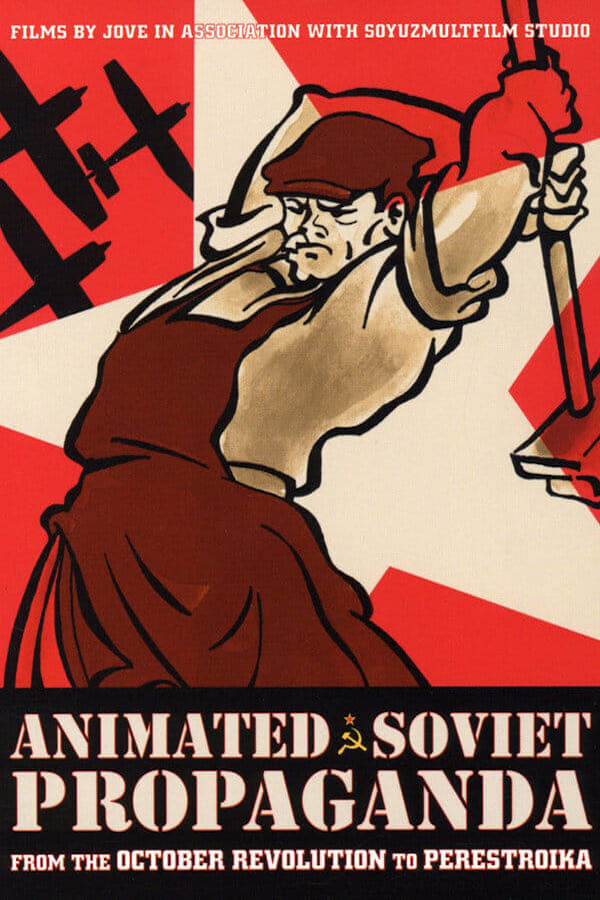
A landmark four disc Box Set - Unearthed from Moscow's legendary Soyuzmultfilm Studios, the 41 films in ANIMATED SOVIET PROPAGANDA span sixty years of Soviet history (1924 - 1984), and have never been available before in the U.S.
How the Soviet Union was able to copy the Boeing B-29 Superfortress bomber, and the influence of the resulting Tupolev TU-4 on the Cold War.
2019 marks the 30th year since the fall of the Berlin Wall and the end of the Cold War. Rich Hall examines the relationship between the West and the USSR in his inimitable fashion.
Made at the height of 'cold war' paranoia, this drama-documentary shows the work of the UK Warning and Monitoring Organisation, who's duties included the issuing of public warnings of any nuclear missile strike and the subsequent fallout.
Contrasting radical mobs, anarchy, and 1960s counterculture with footage of American manufacturing and innovation, this film celebrates the concept of American exceptionalism and argues that anti-Vietnam War protesters were influenced by communism, atheism, and immorality. Set mostly in a university library, this political debate between a medical student, his 1770s ancestor, and a history professor is a sequel to the 1972 National Education Program film, Brink of Disaster! Two additional characters appear in this drama: a 19th-century steamboat captain, and the student’s grandfather - an early 20th-century automobile worker. The National Education Program at Harding College in Searcy, Arkansas created a variety of widely-distributed anti-communism films from the mid-1940s to the early 1970s.
An inside look at one of the most anticipated movie sequels ever with James Cameron and cast.
Over 35 years after Bob Lazar's revelations, this documentary exposes secrets of a facility the government still denies. Featuring Lazar's testimony, recreations, and new evidence, it reopens a case that continues to spark global curiosity
Hidden in the heart of Russia, there is a Soviet-era city where thousands of people live and work behind barbed-wire fences monitored by armed guards. It is Ozyorsk (Ozersk), located in the Chelyabinsk Oblast, one of the most polluted places on the planet and home to the largest stockpiles of nuclear material. Its code name: City 40.
A look at the origins, history and conspiracies behind the "Majestic 12", a clandestine group of military and corporate figureheads charged with reverse-engineering extraterrestrial technology.
Thirty-six years after the Chernobyl nuclear reactor exploded in Soviet Ukraine, newly uncovered archival footage and recorded interviews with those who were present paint an emotional and gripping portrait of the extent and gravity of the disaster and the lengths to which the Soviet government went to cover up the incident, including the soldiers sent in to “liquidate” the damage. Chernobyl: The Lost Tapes is the full, unvarnished true story of what happened in one of the least understood tragedies of the twentieth century.
This revealing documentary honors the legendary Sidney Poitier—iconic actor, filmmaker, and civil rights activist. Featuring interviews with Denzel Washington, Spike Lee, Halle Berry, and more.
A documentary about the making of season five of the acclaimed AMC series Breaking Bad.
In 1997, Louis Theroux made a documentary about the world of male porn performers in Los Angeles. 15 years later, he returns to find a business struggling with the deluge of free porn on the internet. Louis revisits some of the original programme's contributors as well as meeting the latest crop of porn performers dreaming of porn stardom.
In an intimate and joyful story of love in the face of loss, celebrated poets Andrea Gibson and Megan Falley find strength—and unexpected hilarity—in what might be their final year together.
A string of threatening emails escalates into a revenge plot involving a newly married US marshal and his ex-girlfriend.
Investigators reveal how Boeing’s alleged priority of profit over safety could have contributed to two catastrophic crashes within months of each other.
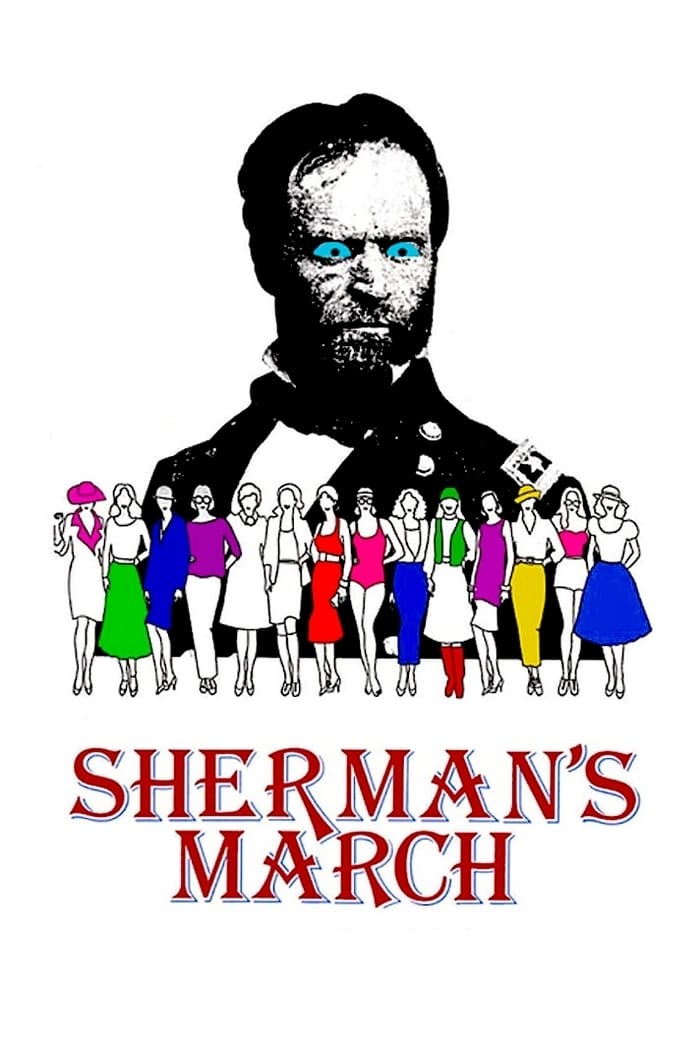
Documentarian Ross McElwee originally set out to make a travelogue of sorts tracing General William T. Sherman's infamous scorched-earth march through the Confederacy in the latter stages of the Civil War. Instead, haunted by a recent breakup with a girlfriend, McElwee ends up documenting his progress -- or lack thereof -- in starting a new relationship. His journey then becomes one of self-reflection and self-discovery rather than a historical/sociological exploration.
“The Soviet Story” is a story of an Allied power, which helped the Nazis to fight Jews and which slaughtered its own people on an industrial scale. Assisted by the West, this power triumphed on May 9th, 1945. Its crimes were made taboo, and the complete story of Europe’s most murderous regime has never been told. Until now...
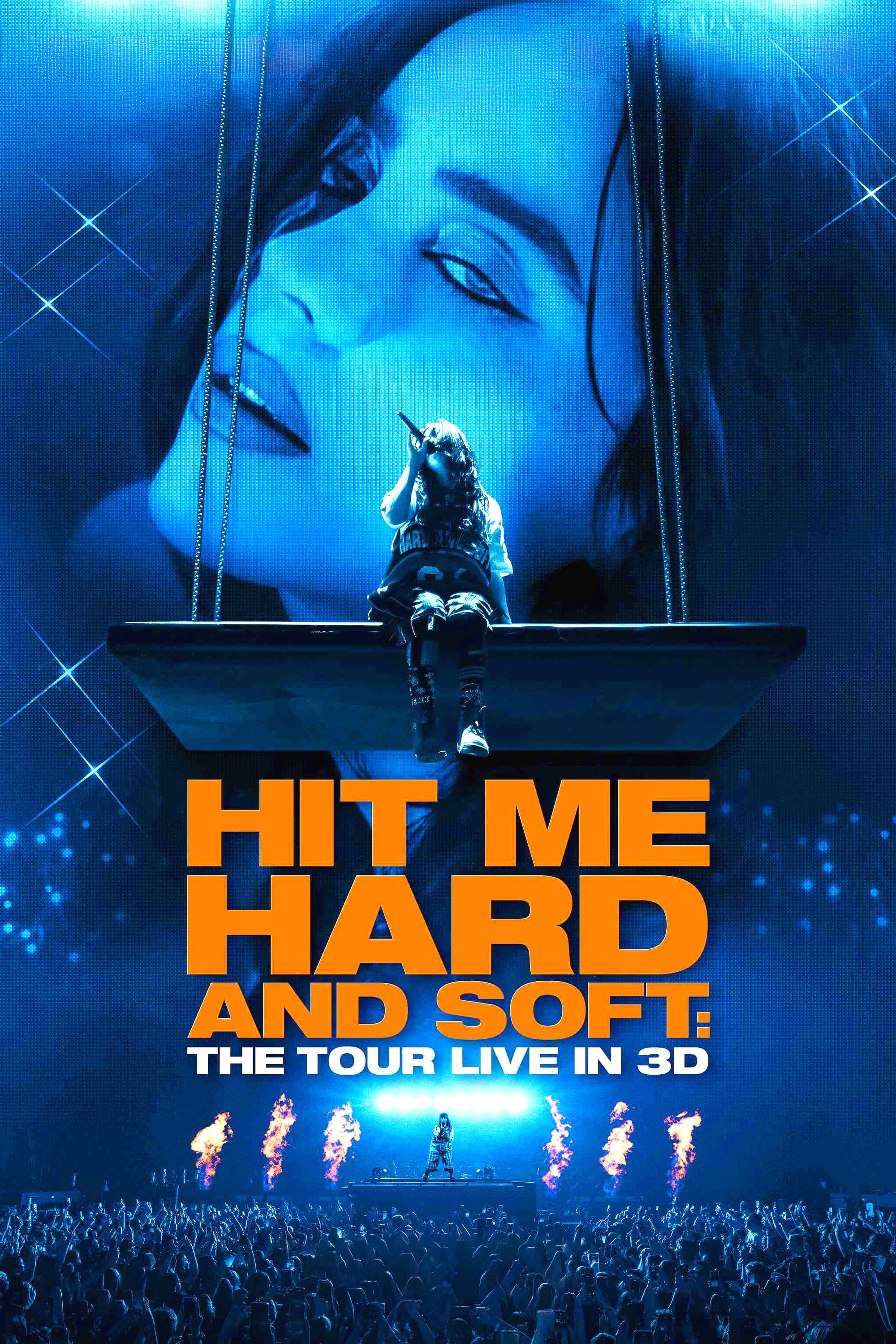
Captured during Billie Eilish's sold-out world tour, a concert experience from one of the most celebrated and successful artists of her generation, presented in immersive 3D.
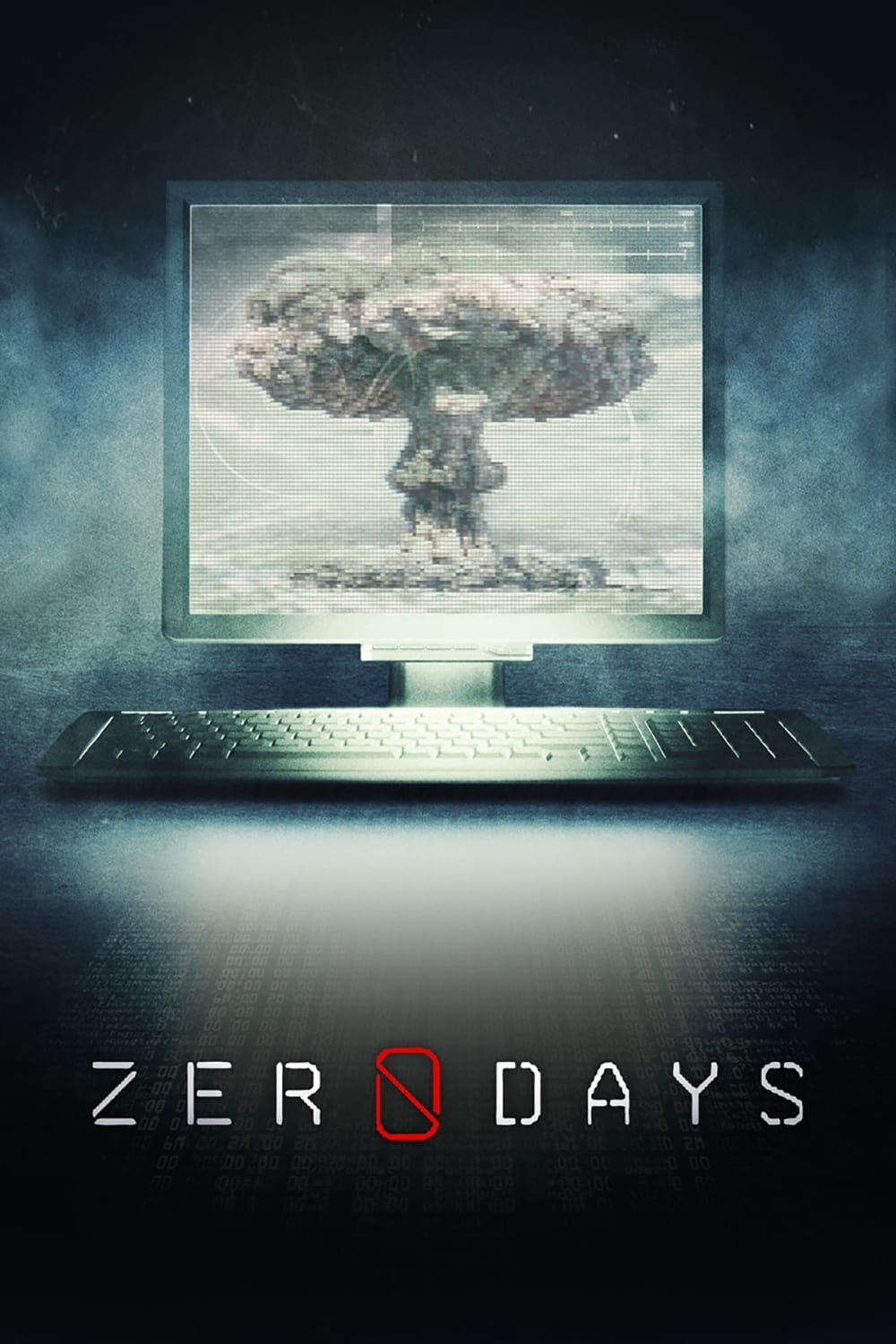
Alex Gibney explores the phenomenon of Stuxnet, a self-replicating computer virus discovered in 2010 by international IT experts. Evidently commissioned by the US and Israeli governments, this malware was designed to specifically sabotage Iran’s nuclear programme. However, the complex computer worm ended up not only infecting its intended target but also spreading uncontrollably.
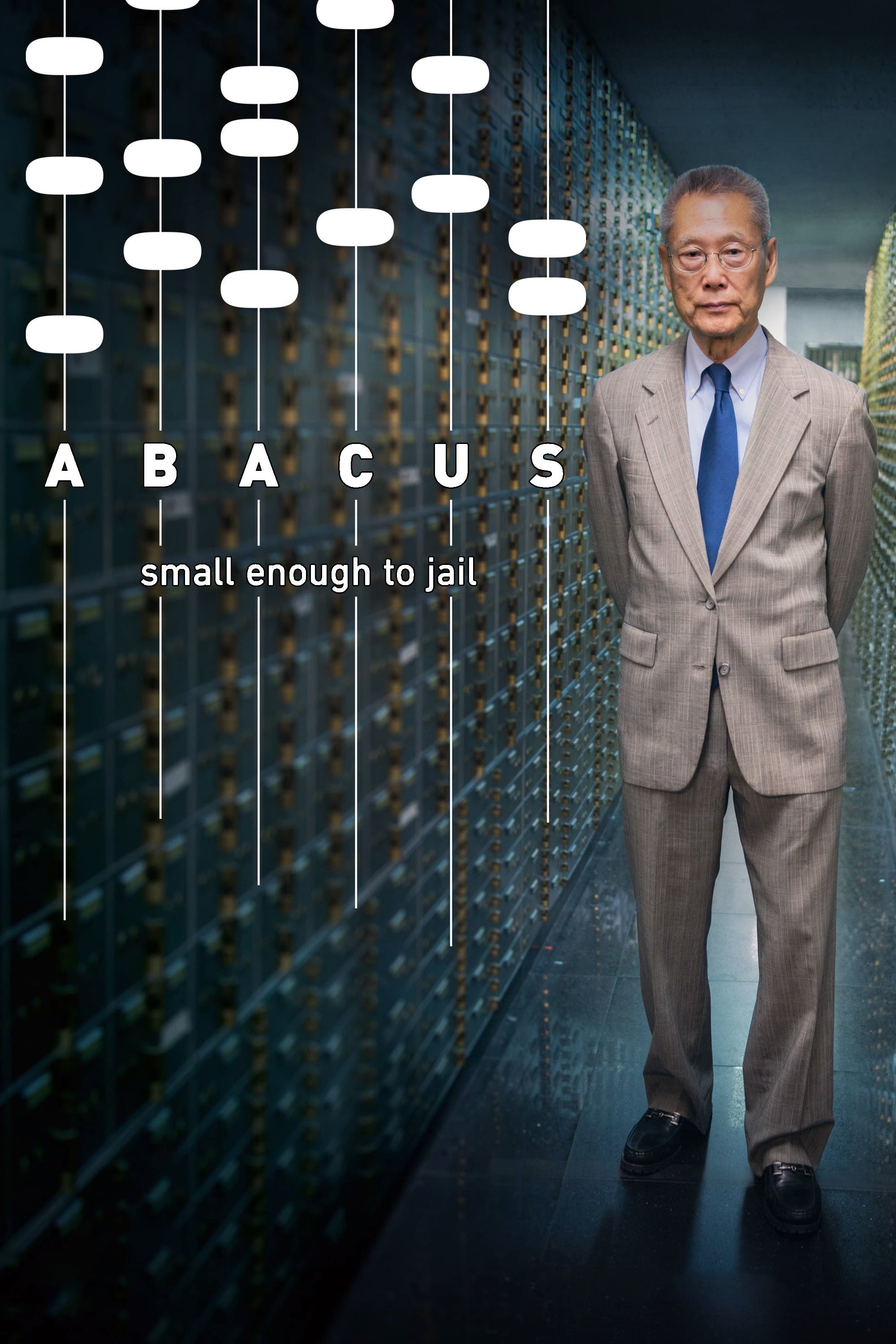
The incredible saga of the Chinese immigrant Sung family, owners of Abacus Federal Savings of Chinatown, New York. Accused of mortgage fraud by Manhattan District Attorney Cyrus R. Vance, Jr., Abacus becomes the only U.S. bank to face criminal charges in the wake of the 2008 financial crisis. The indictment and subsequent trial forces the Sung family to defend themselves – and their bank’s legacy in the Chinatown community – over the course of a five-year legal battle.
The history of cinematic sound, told by legendary sound designers and visionary filmmakers.
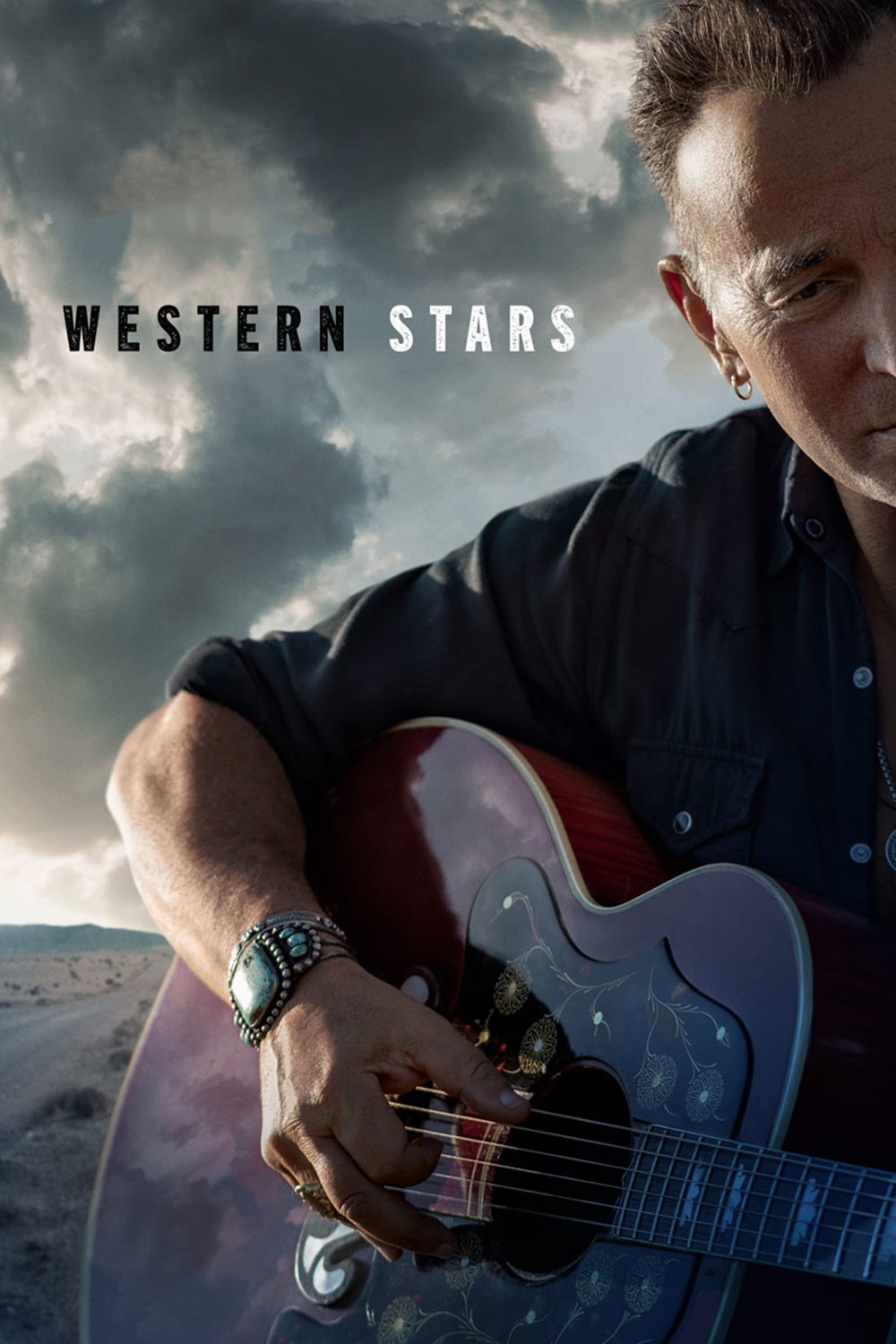
The incomparable Bruce Springsteen performs his critically acclaimed latest album and muses on life, rock, and the American dream, in this intimate and personal concert film co-directed by Thom Zimny and Springsteen himself.
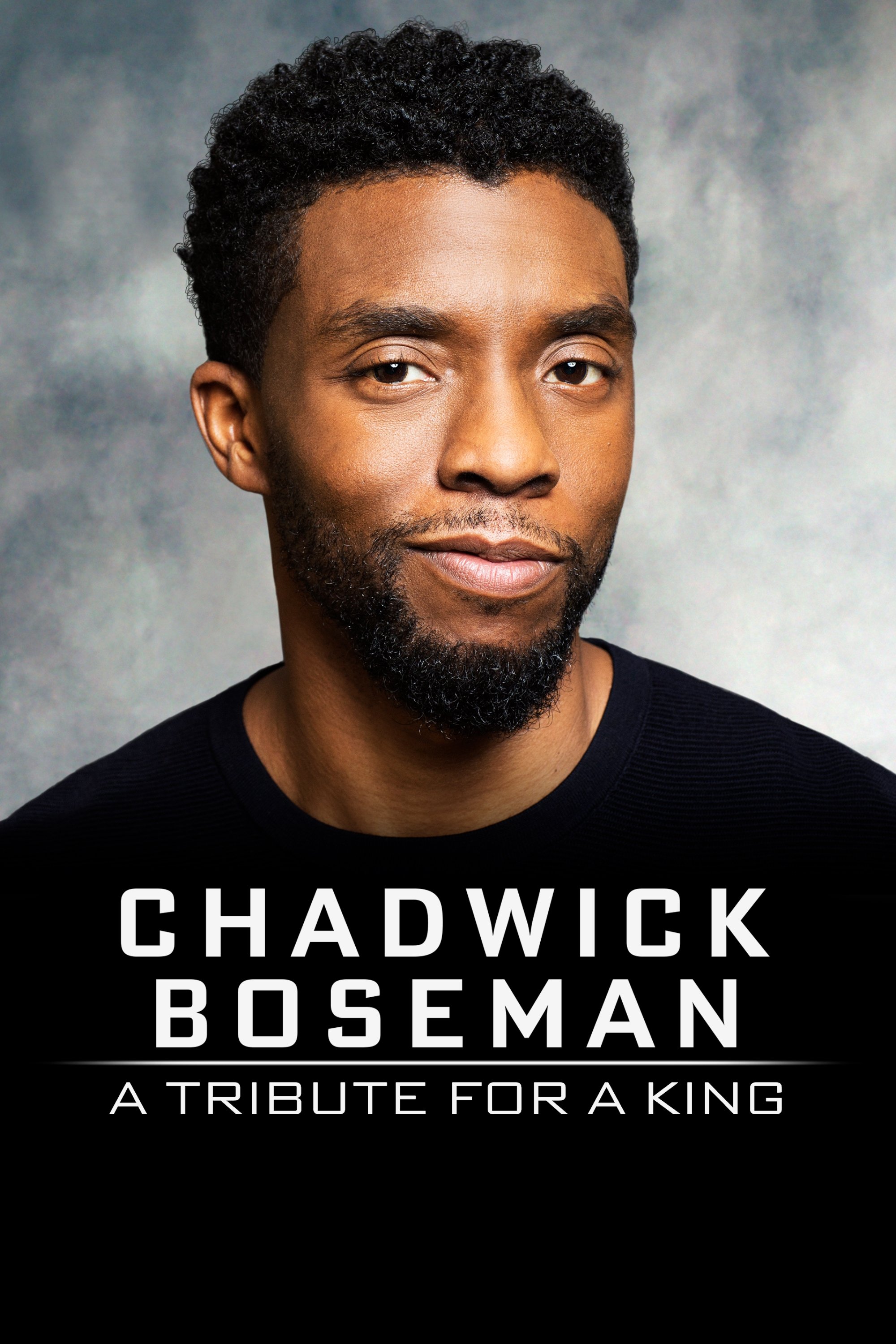
A tribute to Chadwick Boseman, celebrating his life and legacy.
Prelude to War was the first film of Frank Capra's Why We Fight propaganda film series, commissioned by the Pentagon and George C. Marshall. It was made to convince American troops of the necessity of combating the Axis Powers during World War II. This film examines the differences between democratic and fascist states.